
Know your rights ⚖️ 🇬🇧 📜👇
Joined October 2022
- Tweets 28,134
- Following 1,220
- Followers 647
- Likes 60,591
1,339 Photos and videos
















Pinned Tweet

Jun 14
🇬🇧Britain’s constitutional inheritance is being quietly dismantled — and most people have no idea what their rights actually are.
📜 Your Rights as an Englishman —A Free Practical Manual.
🏛️ Habeas Corpus. Trial by jury. Your home as your castle. What to say if arrested.
⚖️ Your rights and inheritance — practically explained.
DOWNLOAD FREE 👇
drive.google.com/file/d/1VX_…
1
143
Market Economics retweeted
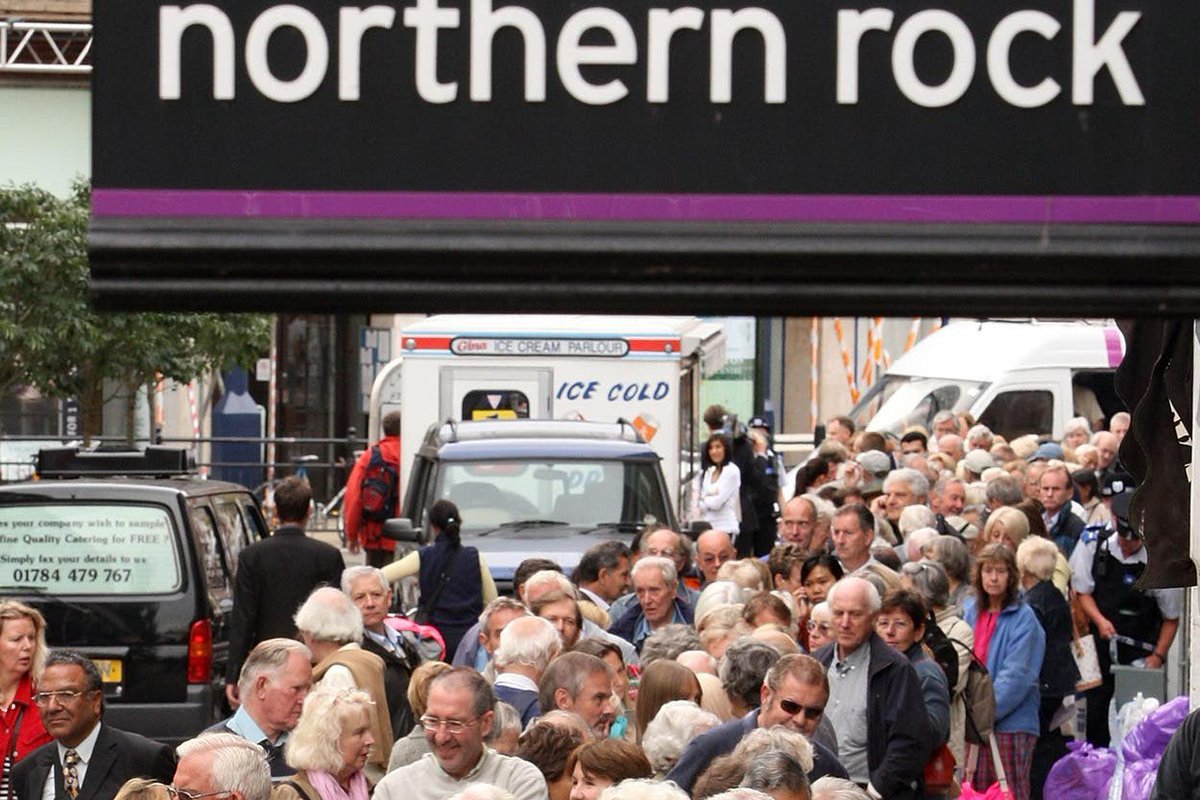
What Happens When Britain’s Credit Crisis Meets Its Sovereign Debt Crisis.
The Scenario Nobody Is Discussing.
Two crises.
Arriving simultaneously.
One in the financial system.
One in the sovereign debt market.
Each making the other worse.
This is called a twin crisis.
History shows they are the most destructive economic events a nation can experience.
Britain has built the conditions for both.
🧵Thread
#UKEconomy #BondMarket #UKPolitics #costofliving
1
1
283
Market Economics retweeted
Self-reliance is the foundation of liberty.

1
79
Jun 14
The Self-Reliant Man.
Self-reliance is a deliberate practice forged through daily action, habits, independence, and personal responsibility.
1.Work — not for applause, but because idle hands rot the character.
“Lose no time; be always employ’d in something useful.”
2.Save before you spend. Debt is a form of bondage. Frugality is how you buy back your freedom.
3.Learn a skill no one can take from you. Skills are portable capital — unlike titles or possessions, they survive any collapse.
4.Think for yourself.
“Whoso would be a man, must be a nonconformist.”
5.Take responsibility before you take credit — and long before you assign blame. Examine yourself daily.
6.Build something that depends on you, not on permission from above.
7.Expect nothing from the state that you haven’t first tried to provide for yourself.
8.Stay humble, and never stop learning. Self-reliance isn’t isolation — it’s standing on your own feet so you can deal honestly with others.
Self-reliance is a daily discipline. Practised consistently, it produces freedom, resilience, and dignity.
1
84
Jun 14
THE ABOLITION OF THE NHS: A PRACTICAL PLAN
1.Separate payer from provider. Universal coverage stays — funded through ring-fenced, mandatory health insurance contributions, not general taxation swallowed into the Treasury.
2.Multiple insurers, patient choice. Like Germany, the Netherlands, or Switzerland — patients pick their insurer and provider. Funding follows the patient, not the other way round.
3.Convert NHS Trusts into autonomous providers. Hospitals compete for patients and contracts. Lose patients, lose funding. That’s the discipline that’s missing now.
4.Subsidise the poor directly, not the system. Guarantee that nobody goes without cover — but as a targeted subsidy, not by giving everyone an identical, one-size-fits-all service regardless of need.
5.Phase out central targets and planning. Patient choice and competition do what NHS England’s targets have failed to do for decades.
The NHS as a single state monopoly isn’t sacred — it’s one funding model among many, and several European countries with social insurance models consistently outperform it on outcomes while keeping care universal.
Abolition doesn’t mean abolishing the safety net. It means ending the monopoly.
113
Market Economics retweeted
Jun 11
A Brief History of the British Welfare State And It’s Catastrophic Consequences.
In 1942 Sir William Beveridge identified five evil giants standing in the way of human progress.
Want. Disease. Ignorance.
Squalor. Idleness.
75 years and £334 billion a year later —
Are they slayed?
FULL Thread 🧵

1
1
1
205
Jun 14
This isn’t a Libertarian account.
Here’s why.
On the state
Libertarian: as small as possible — ideally none.
Old Whig: limited, but real. Defence, justice, and the rule of law are non-negotiable.
On rights
Libertarian: derived from abstract first principles, built from scratch.
Old Whig: confirmed by history — Magna Carta, Habeas Corpus, the Bill of Rights. Inherited, not invented.
On reform
Libertarian: tear down and rebuild on pure logic.
Old Whig: improve what exists, one generation at a time.
On rights vs duties
Libertarian: rights are the whole story.
Old Whig: rights and duties are two sides of one coin — self-help, civic duty, jury service, not just abstract theory.
On markets
Libertarian: a neutral mechanism — strip away morality and it still works.
Old Whig: Smith built his economics on sympathy, not self-interest alone. A market of strangers who trust no one and owe nothing to each other isn’t the system he described — it’s the one he warned could emerge without virtue underneath it.
Same destination — liberty, prosperity, limited government.
Different roads to get there.
1
47
Jun 14
KNOW THESE THREE SENTENCES
I
IF ARRESTED
“I wish to speak to a solicitor before answering any questions."
II
IF POLICE COME TO YOUR DOOR
"Do you have a warrant? May I read it, please?"
III
IF UNLAWFULLY DETAINED
"I wish to apply for a writ of Habeas Corpus."
Three sentences. Eight centuries of liberty behind them.
Know them
42
Jun 14
Samuel Smiles opened his most famous book with an old proverb:
“Heaven helps those who help themselves.”
He’d watched too many men wait to be rescued — by the state, by charity, by luck — while others, born with nothing, built everything through sheer persistence and hard work.
This lesson hasn’t aged. No subsidy can give you discipline. No programme can give you character.
Self-reliance isn’t an ideology. It’s the only foundation that’s ever actually worked.
55
Jun 14
⚖️ 🇬🇧 Your rights weren’t given to you by Parliament.
They were confirmed by it — Magna Carta, Habeas Corpus, and the Bill of Rights.
The right to silence. The right to a jury of your peers. The right to challenge unlawful detention.
None of these were granted by a modern government.
Know them. Or lose them.

48
Jun 14
💷For most of human history, money was gold. Not a metaphor — actual gold.
Your banknote was a receipt. It could be exchanged for a fixed weight of gold, on demand, at any bank.
This meant governments couldn’t simply print more money to cover their debts. There was a hard limit: do we actually have the gold to back this?
In 1971, that link was severed for good. Currencies became pure paper — backed by nothing but government promise.
Since then, the pound💷 has lost around 98% of its purchasing power.
Most people have never heard of any of this. It’s not ancient history — it’s the system we live under right now, and almost no one was taught how it works or what came before it.

55
Market Economics retweeted
Jun 10
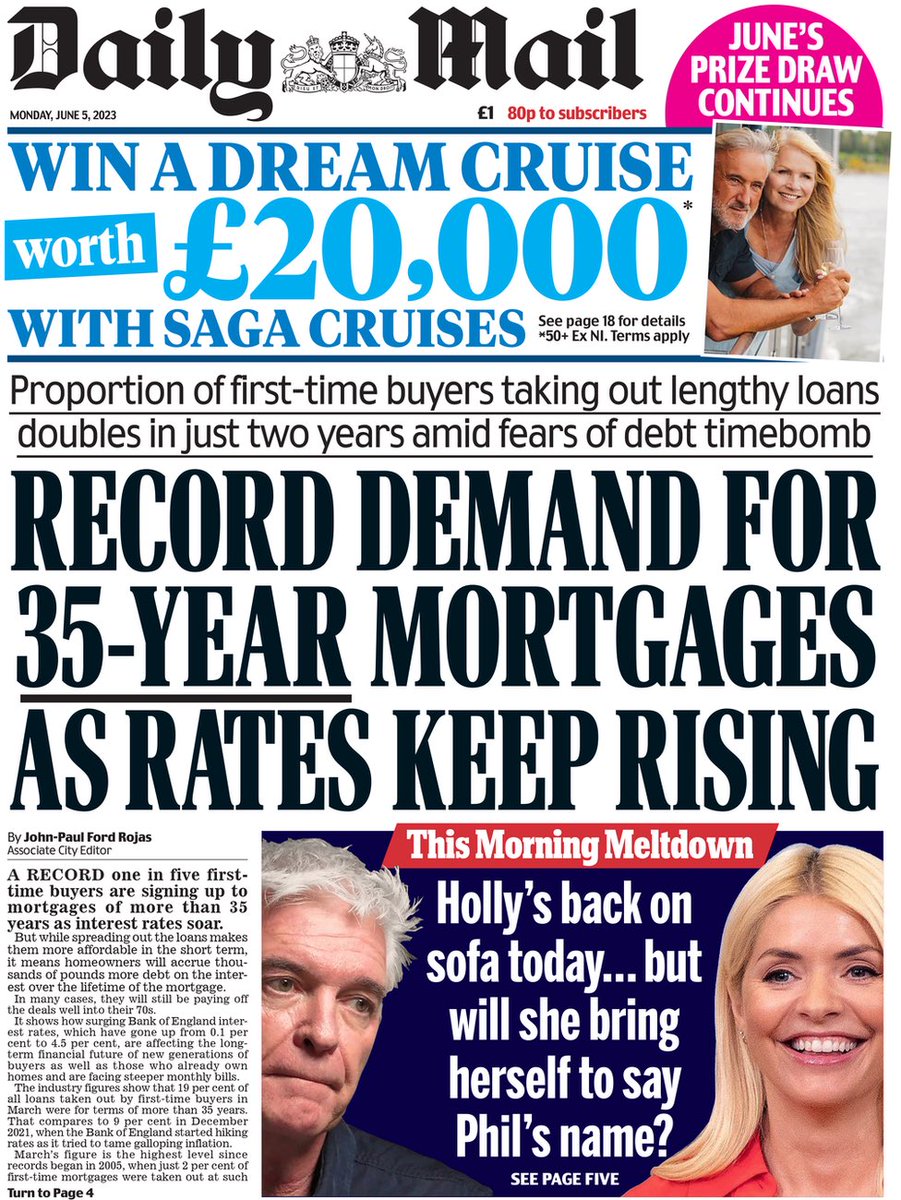
🏡Britain’s Housing Crisis.
Who Caused It?
Three Causes.
Average house 1971 — £5,000.
Average house 2026—£285,000.
Inflation alone —£65,000.
The gap between £65,000 and £285,000 has three causes.
CAUSE ONE — SUPPLY.
1947 — development rights nationalised.
1955 — green belt introduced.
Every decade since —
planning system blocking homes.
England needs 300,000 homes annually.
Building approximately 150,000-200,000.
Cumulative shortfall — over 4 million.
Local authorities controlled
by existing residents who benefit from scarcity.
Those who need homes —
not attending the planning meeting that prevents their home
from being built.
The visible served.
The invisible pay.
CAUSE TWO — CHEAP CREDIT.
Bank Rate 2009-2021 0.1-0.5%.
Effectively zero.
For over a decade.
Cheap money flooded the mortgage market.
Buyers bid to monthly payment capacity —not rational value.
At 0.5% —£300,000 costs the same monthly as £200,000 at 6%.
Prices inflated.
Not by the market.
By the monetary system.
The Bank of England
held rates at historic lows —
watched house prices inflate —
then expressed surprise
when normalisation hurt.
This is the Cantillon Effect
in British housing.
New money created by QE
flowed into asset markets first.
Benefiting existing owners.
Pricing out everyone else.
CAUSE THREE — DEMAND.
Net migration 2000-2024 —
approximately 6-7 million people.
Each needing somewhere to live.
In a supply-constrained market —
significant population growth
creates additional price pressure.
The honest qualification:
The housing crisis predates
the immigration waves of the 2000s.
Prices diverged from earnings
in the early 1970s.
The planning system created
the vulnerability.
Cheap credit was the larger driver.
Immigration amplified both.
All three must be stated honestly.
Selecting only the politically
comfortable causes —
and ignoring the rest —
is not analysis.
It is advocacy.
THE COMBINED DAMAGE:
Home ownership age 25-34:
1991 — 67%.
2026 — 28%.
Median age of first time buyer —
now over 33.
Bank of mum and dad —
ninth largest mortgage lender in Britain.
A generation’s life chances
determined by whether
their parents own property.
This is not a market outcome.
It is a policy outcome.
1️⃣The planning system.
2️⃣Artificially cheap credit.
3️⃣Population growth in supply-constrained cities.
All three working together.
Each making the others worse.
A generation locked out
of home ownership by government policy.
1
1
176
Jun 12
Your Rights As An Englishman.
Free PDF. Link Below.
⚖️ Rule of Law — no one above it
🏠 Your home is your castle
🤐 Right to silence if arrested
📜 Habeas Corpus — no unlawful detention
👥 Trial by jury — not the state
✅ Presumption of innocence
🗣 Freedom of expression
🔍 No search without warrant
💷 No taxation without consent
📋 Equality before the law
Download FREE 📥 Link 👇
drive.google.com/file/d/1k17…
Tag and share.
⚖️🇬🇧📜

82
Jun 12
🇬🇧British Nationalisation.
The Failure List.
🚂 British Rail — 1948-1994
46 years. Chronic losses.
Catastrophic strikes.
5,000 miles of track closed.
£1 billion annual subsidy.
Privatised in embarrassment.
🏭 British Steel — 1967
Nationalised at peak efficiency.
Lost billions annually.
Required continuous taxpayer subsidy.
Eventually privatised 1988.
Too late to save
the industry’s competitive position.
🚗 British Leyland — 1975
£11 billion of taxpayer money.
Still failed.
Quality collapsed.
Market share destroyed.
Brand reputation never recovered.
✈️ British Airways — 1974
State monopoly.
Inefficient. Uncompetitive.
Privatised 1987.
Became profitable immediately.
⚡ British Gas — 1948
State monopoly for decades.
No competition.
No innovation.
No genuine accountability.
Privatised 1986.
Consumer prices fell.
📮 British Telecom
State monopoly telephone system.
Decades of underinvestment.
Waiting years for a phone line.
Privatised 1984.
Technology accelerated immediately.
⛏️ British Coal — 1947
Nationalised with great promise.
Chronic underinvestment.
Industrial relations catastrophe.
1984 strike — the inevitable conclusion
of decades of state monopoly
meeting union capture.
🚢 British Shipbuilding — 1977
Nationalised a declining industry.
Accelerated the decline.
Could not compete internationally.
Closed within a decade.
🛳️ British Aerospace — 1977
Nationalised.
Privatised 1981.
Became competitive only
after state control ended.
The pattern is consistent:
State takes over. ❌
Competition eliminated. ❌
Subsidy required. ❌
Quality falls. ❌
Costs rise. ❌
Taxpayer pays. ❌
Can you name one nationalised industry that genuinely improved
under state control?
Reply below.
⚖️🇬🇧📜
#ReformUK #Labour #Nationalisation #Nationalise #PublicOwnership

140
Jun 12
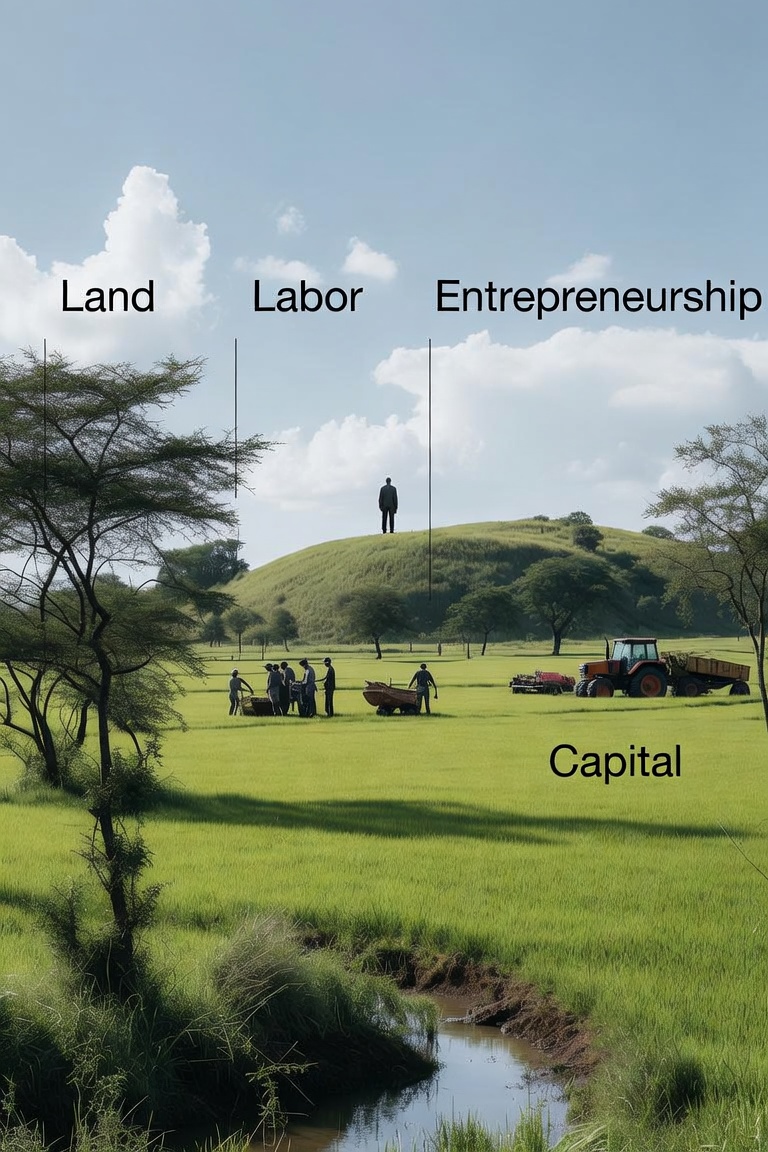
Every good consumed must first be produced.
Britain’s manufacturing —
30% of GDP in 1970.
9% in 2026.
National debt —£2.91 trillion.
These two numbers are linked.
A nation consuming more than it produces borrows the difference.
A nation borrowing more than it produces passes the bill to the next generation.
Production is not optional.
It is the foundation of everything
Consumption.
Taxation.
Government services.
Debt repayment.
All of it downstream of one simple fact.
Someone somewhere
must make something
someone else values.
Britain has been avoiding this truth for fifty years.
The bill is £2.91 trillion.
And growing.
Name one thing Britain should be producing that it currently imports?
Tag. Share. Pass it on.
⚖️🇬🇧📜

61
Jun 12
No Production. No Consumption.
Britain Has Forgotten Both.
Every pound spent must first be earned.
Every good consumed must first be produced.
British manufacturing:
1970 — 30% of GDP.
2026 — 9% of GDP.
National debt: £2.91 trillion.
The connection is direct.
“Production creates the income with which consumption is purchased.”
You cannot consume what has not been produced.
A nation that produces less
than it consumes —borrows the difference.
A nation that borrows more than it produces —passes the bill
to the next generation.
That generation is here.
They were never asked.
They are paying anyway.
Sound money.
Free markets.
Skilled workforce.
Build goods the world actually wants to buy.
Production first.
Everything else follows.
Follow. Share. Pass it on.
⚖️🇬🇧📜
2
58
Jun 11
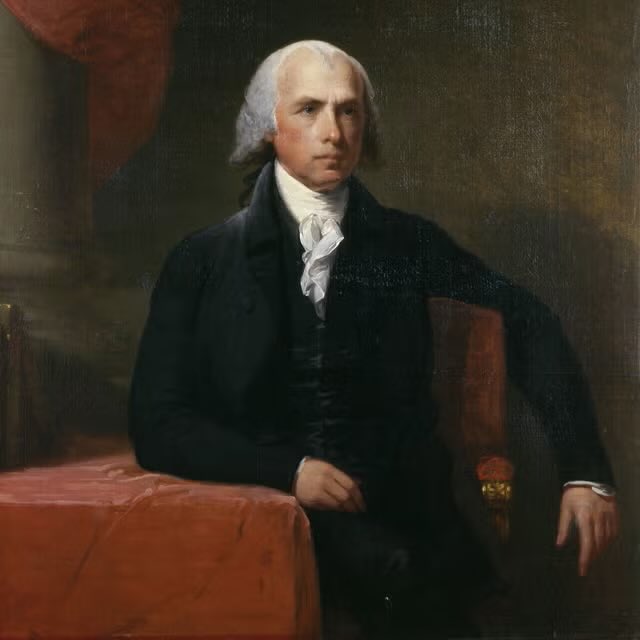
🇺🇸“The accumulation of all powers, legislative, executive, and judiciary, in the same hands may justly be pronounced the very definition of tyranny.”
James Madison.
James was an American statesman, diplomat, and Founding Father who served as the fourth president of the United Statesfrom 1809 to 1817.
55
Jun 11
A Brief History of the British Welfare State And It’s Catastrophic Consequences.
In 1942 Sir William Beveridge identified five evil giants standing in the way of human progress.
Want. Disease. Ignorance.
Squalor. Idleness.
75 years and £334 billion a year later —
Are they slayed?
FULL Thread 🧵
1
1
1
205
Jun 11
The honest qualification.
Intellectual honesty requires
acknowledging what the welfare state has genuinely achieved.
Child poverty —
significantly reduced
from Victorian levels.
Absolute destitution —largely eliminated in Britain.
Healthcare access universal provision regardless of income.
Old age poverty significantly reduced by the state pension.
Economic stabilisation —
automatic welfare payments
cushioning recessions.
These are real achievements.
The critique is not that the welfare state has achieved nothing.
The critique is specific:
The Fabian shift —
from Beveridge’s contributory insurance to unconditional entitlement without mutual obligation —
Has produced serious
social pathologies
alongside genuine achievements.
A system designed
on Beveridge’s original principles —
contributory, conditional,
with genuine mutual obligation —
Would likely have achieved
the genuine achievements —
Without producing the dependency, family breakdown, and social pathology that the Fabian entitlement model
has generated.

1
40
Jun 11
The closing.
The welfare state was built with genuine compassion.
Beveridge was right to identify the giants.
But his report was implemented through a different philosophical framework than he intended.
Not contributory insurance.
Not mutual obligation.
Fabian unconditional entitlement.
And that shift —
from Beveridge’s Liberal vision
to the Fabian socialist model —
Is where the welfare state’s
most serious design flaws
were introduced.
After seventy-five years —
after £334 billion annually —
Has it worked?
Has it ended poverty?
Reduced — not ended.
Has it strengthened families?
The incentive structure
has worked against them.
Has it ended long-term worklessness?
The unconditional model
has made it financially sustainable.
Has it ended homelessness?
Demand subsidies without supply reform have contributed to it.
The giants Beveridge identified —
Want. Disease. Ignorance.
Squalor. Idleness.
Are still standing.
The verdict:
A system built on
Fabian unconditional entitlement —
rather than
Liberal contributory obligation —
Will always tend toward
dependency over self-reliance —
state provision over civil society — management of poverty over its genuine resolution.
The vulnerable deserve better.
Not the abolition of support.
The return to principles
that actually work.
Contribution. Obligation. Mutuality.
Civil society. Self-reliance.
Work that always pays.
“Whatever is done for men
or classes, to a certain extent
takes away the stimulus
and necessity of doing
for themselves.”
— Samuel Smiles. 1859.
He was right in 1859.
The Fabian Society ignored him in 1945.
The evidence of seventy-five years confirms who was correct.
The question is not whether we care about the vulnerable.
The question is whether we care enough to be honest
about what actually helps them.
Follow. Share. Pass it on.
⚖️🇬🇧📜

48