Emotional work/meditation and space flight, something something cosmos?
Joined November 2009
- Tweets 8,880
- Following 277
- Followers 228
- Likes 13,254
560 Photos and videos
Mqrius retweeted

17 Nov 2025
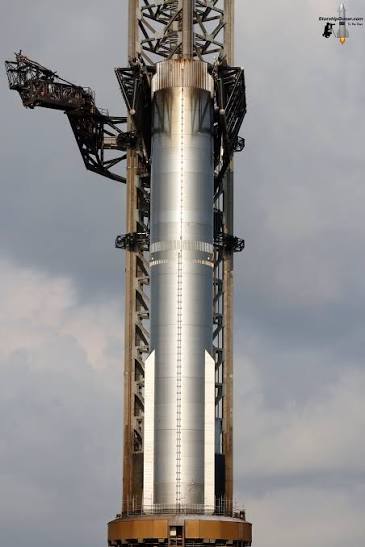
More people are getting to hear about Artemis and probably wondering about the weird hardware choices.
Thought I'd take a crack at summarizing how we got here for a broader audience:
In the early 2000s, Bush II and his people wanted to one-up the Apollo landings -- 4 people on the surface at a time, instead of 2, longer stays, safer and in more comfort. And they wanted to do it with the who's who of aerospace, using the Space Shuttle contractors and NASA centers to build a new capsule and rockets.
But NASA was going to need a big budget increase, it was going to take a long time, and the benefits were questionable. It lacked lasting political support. And the Obama administration tried to cancel it. Some parts of it -- big capsule (part people ride there and back) and big rocket refused to die. The people building them had powerful friends in Congress. But the lander got cut, and the big rocket got smaller.
Which was especially sad cause the big capsule was too big and the new rocket was too small to send a lander with the capsule.
To make matters worse, to keep the capsule from getting even bigger, they'd shifted more work to the lander than it did in Apollo, so the lander had to be huge. And now there wasn't money for it and no one was working on it.
Another decade went by while big capsule and big rocket ate up the lion's share of NASA's human spaceflight budget, without really a useful mission to do. When they finally got sort of close to being ready for a test flight, someone (VP Pence) thought we should try to go to the Moon with it. He convinced Trump to try to get it done before the end of what he thought would be his second term.
Only problem was there was no lander, there was no money for a lander, and they had less than 5 years (these things take longer than that even if you're moving really fast and money is no object).
NASA knew they couldn't get it done fast and cheap in-house so they turned to industry and said: Hey, can you all build us a lander in record time for a small fraction of what we think we could optimistically build it for? Only it has to have its own ride to the Moon's neighborhood cause our big rocket isn't powerful enough to take it there the way Apollo did it, and it has to meet our big capsule a lot further* from the Moon (and get all the way back there on the return) than the Apollo lander had to do, cause our capsule doesn't have enough fuel to get closer and be able get back to Earth. So your lander will need much more oomph.
*In terms of delta v
--
They got four bidders.
Dynetics said: how about 10 billion dollars?
Blue Origin & friends said: how about 6 billion and we'll do it in 3 pieces launched separately and assembled together?
Boeing got disqualified cause someone on the inside was passing them notes telling them they needed to bid lower to have a shot. (Yes, they were going to be the most expensive.)
SpaceX said: we just started working on this enormous (truly gargantuan) spaceship we were wanting to build anyway. And since we were going to do it anyway, we can modify it to do the work you want for 3 billion.
--
To Dynetics NASA said: your lander is half-baked and more expensive than the others.
To Blue Origin & friends NASA said: pretty good, but let's check what's behind door number 3.
To SpaceX they said: not only do we think this is a better lander and not only are you better at building things and most likely to get the job done well and soonest, but it's also the cheapest by far. Sold!
One catch was that because the SpaceX lander is so huge (about 100 times the internal space the Apollo lander had), it needs an enormous amount of fuel launched to space to get it to NASA's capsule, then on to the Moon, and then back to NASA's capsule.
SpaceX said: not a problem, we were going to make these reusable tankers to go with it anyway, and launch them super cheap and very often to get all that enormous amount of fuel up there in short order.
NASA said: okay, we're a little bit concerned, but we didn't really have a better option because everyone else would take longer and cost a lot more, and it would take the longest and cost the most if we tried to manage it ourselves. And bonus, when you get it to work, we'll have Costco quantities of spaceship to figure out what to do with.
And now here we are, 4 years after SpaceX got the green light. They're obviously not yet ready cause no one was going to be able to get a lander ready in 4 years, especially with a limited budget. But they've made a lot of progress.
Blue Origin managed to also get a contract afterwards (for a different set of designs) when the purse strings loosened up for a second lander. And they're close to flying a lander, but it's not the lander they can land people with -- that's still many years out. The one coming up is a smaller one-way cargo lander, and it would need *a lot* of work (and also multiple launches) to land people and bring them back.
SpaceX is still the best bet to get there ASAP.
But we had a transportation secretary who wanted to be a NASA administrator blame SpaceX for delays and talk about changing plans.
To which SpaceX said they're still the fastest and they have a counterproposal, which we don't know the details of, but it's probably going to be something like: how about we just do the whole thing and ditch the polite fiction that we needed the capsule and rocket you spent 2 decades and 60 billion dollars on?
44
75
570
34,899
Mqrius retweeted

31 Oct 2025
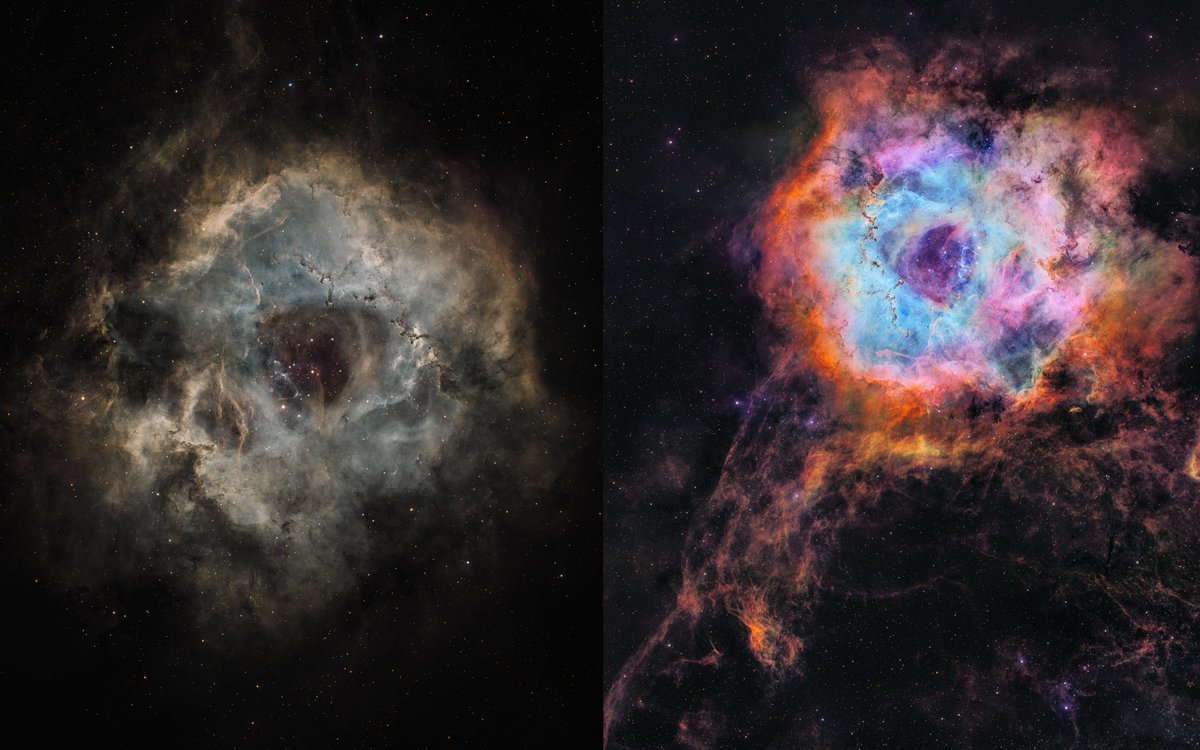
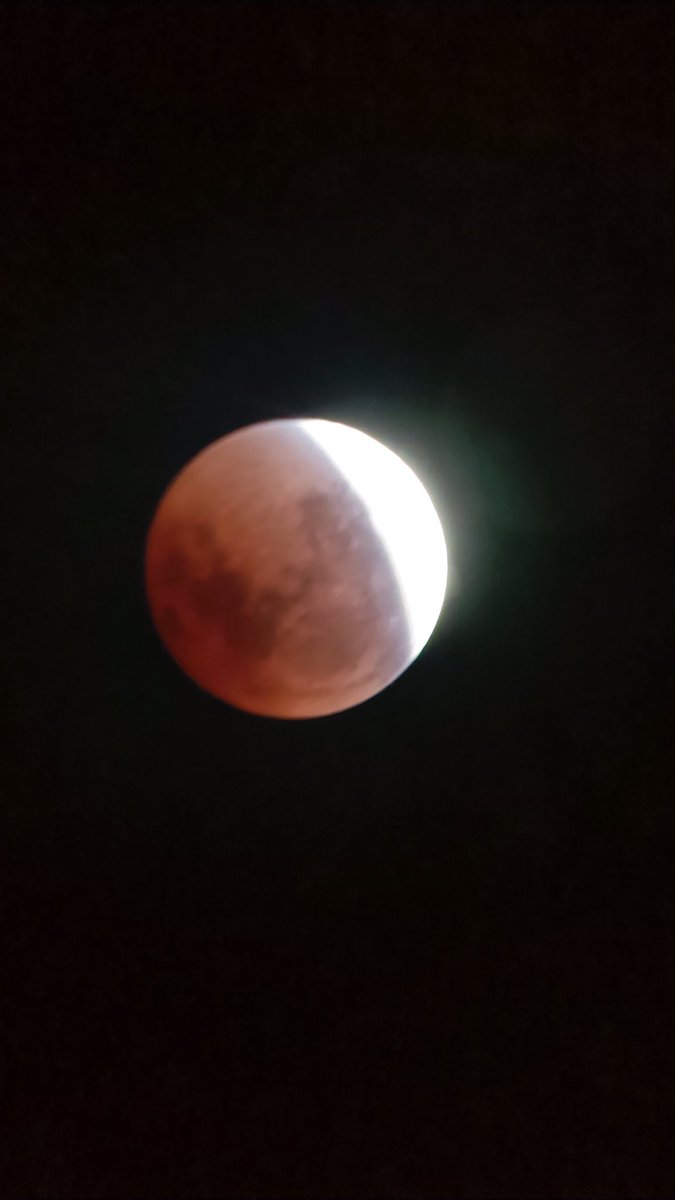
Look at how different these two photos are, despite coming from the same raws.
This is why I call astrophotography an art, because how you interpret the data can reveal much different things about the image.
See the reply if you want to see how this looks through a telescope
48
208
2,340
62,177
Mqrius retweeted
17 Oct 2025
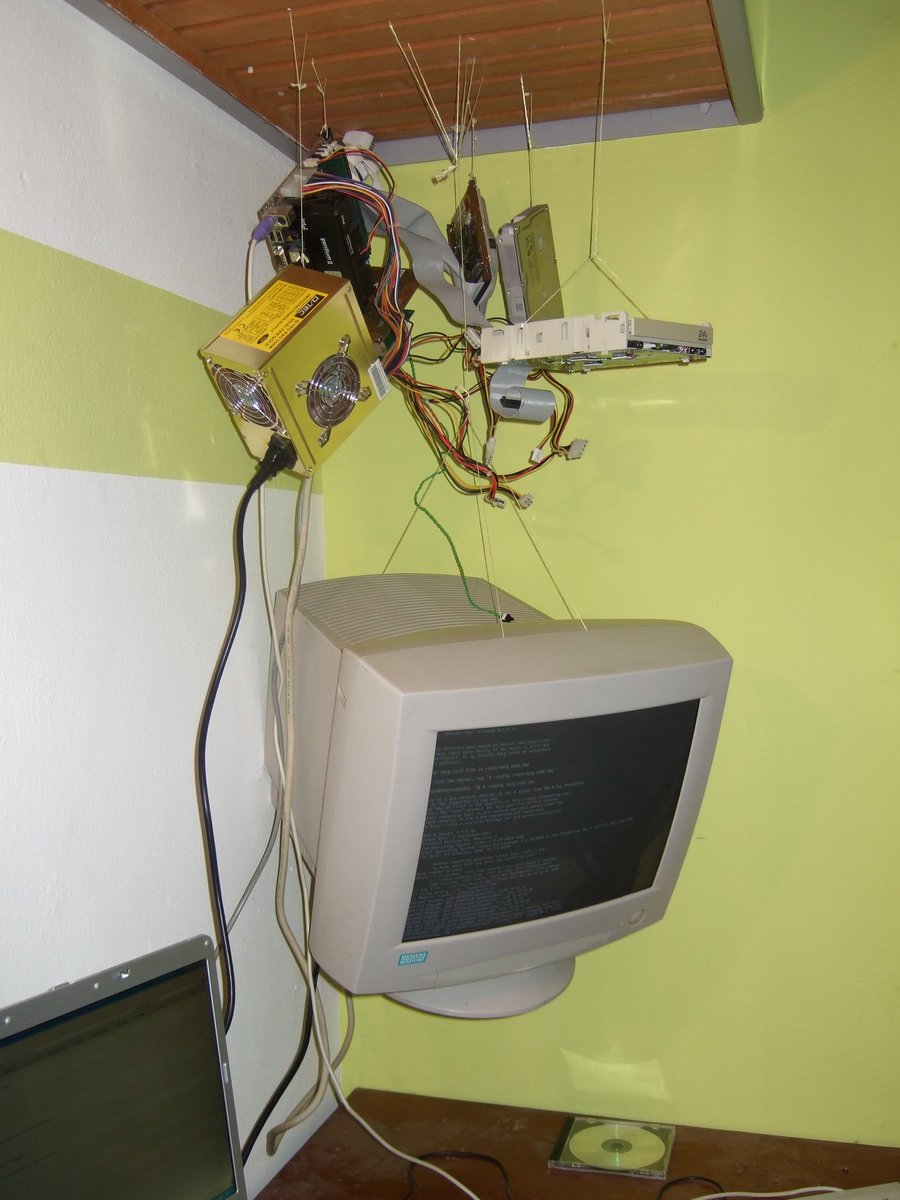
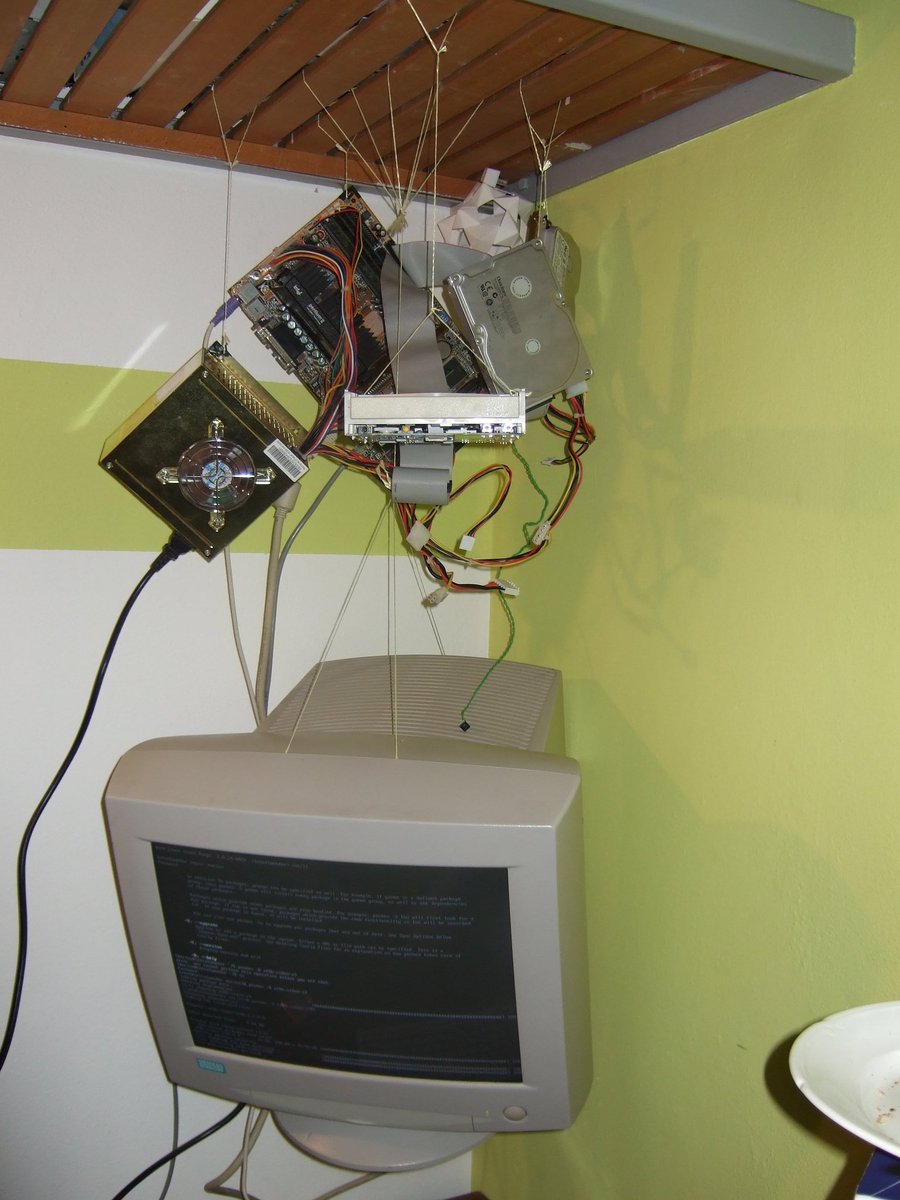
Here's the cross-eyed version. Basically you want to try and make 3 videos, and focus on the center one. Not everyone can do it unfortunately. If you feel strain in your eyes, you should stop.
20
17
197
17,803

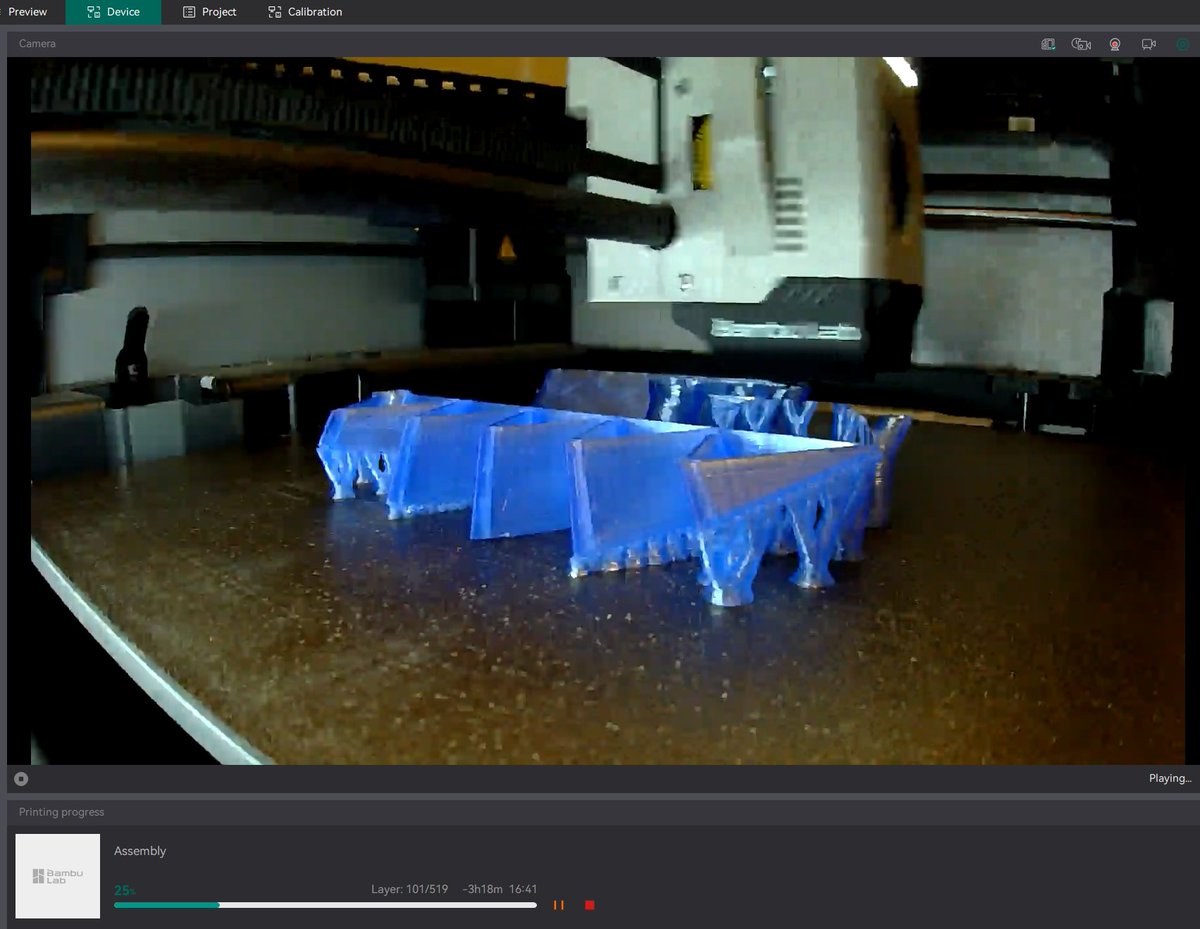
New strategy for Door Opener. Execution is pretty sloppy but the new strategy saves so much time that it doesn't matter. Extreme Forklifting 3 Demo by @zworp
youtu.be/kU2YuWcvEyo
1
1
157
Also new record on Levers. No new strats, just better execution. youtu.be/BBjJ4awbi14
1
1
101
Someone should write the HPMoR of buddhism
20 Aug 2025

meditation might have the worst pedagogy of any field. they solved the cause* and cure** to suffering but hid it behind weird poems and deities
* clenching and resistance
** train to not resist, see how you gradually feel way better, see the non-specialness of self-sensations
99
I'd love a well-designed infographic poster on Starship as a system in its entirety. Something that shows the big picture idea as well as the planned variants, something to refer to when explaining the new aspects of it (reuse refuelling) and why that is such a game changer.
3
1
78
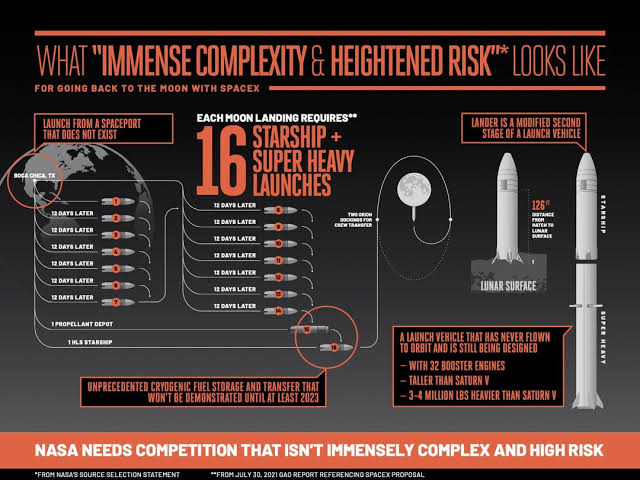
@KenKirtland17 I always loved your video style and I know you have the required overview too. Sound interesting?
28
Mqrius retweeted

5 Sep 2025
A regulated nervous system means you can feel intense emotions (rage, sadness, jealousy) and behave in ways you don't regret.
24
160
1,251
23,621
Mqrius retweeted

1 Sep 2025
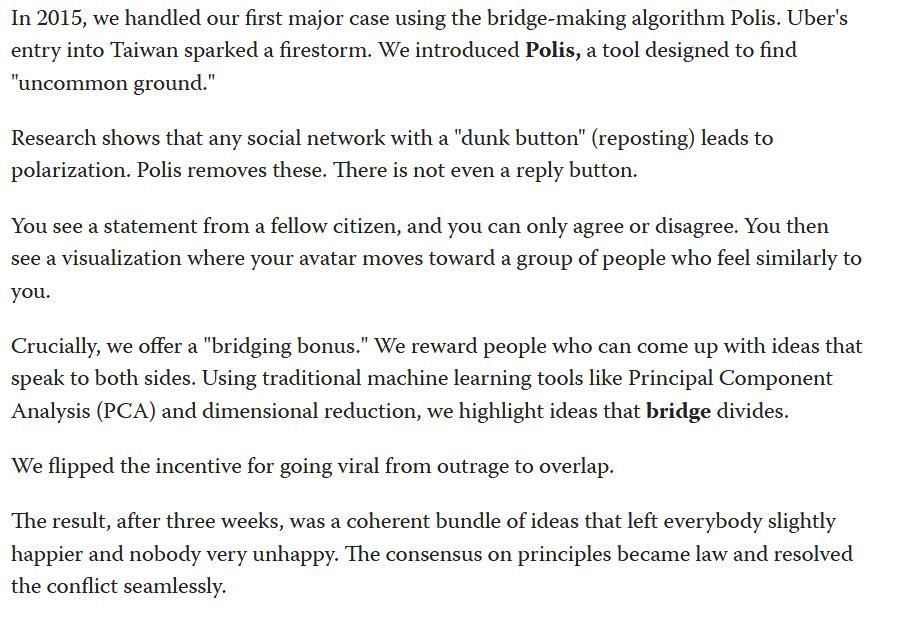
Incentivizing bridges over scissors. (from Taiwan's digital minister 2016-2024)
5
12
154
13,101