
Engineering & Strategic Consultancy/Energy Engineering & Business Administration
Joined May 2026
- Tweets 27
- Following 40
- Followers 7
- Likes 3
22 Photos and videos
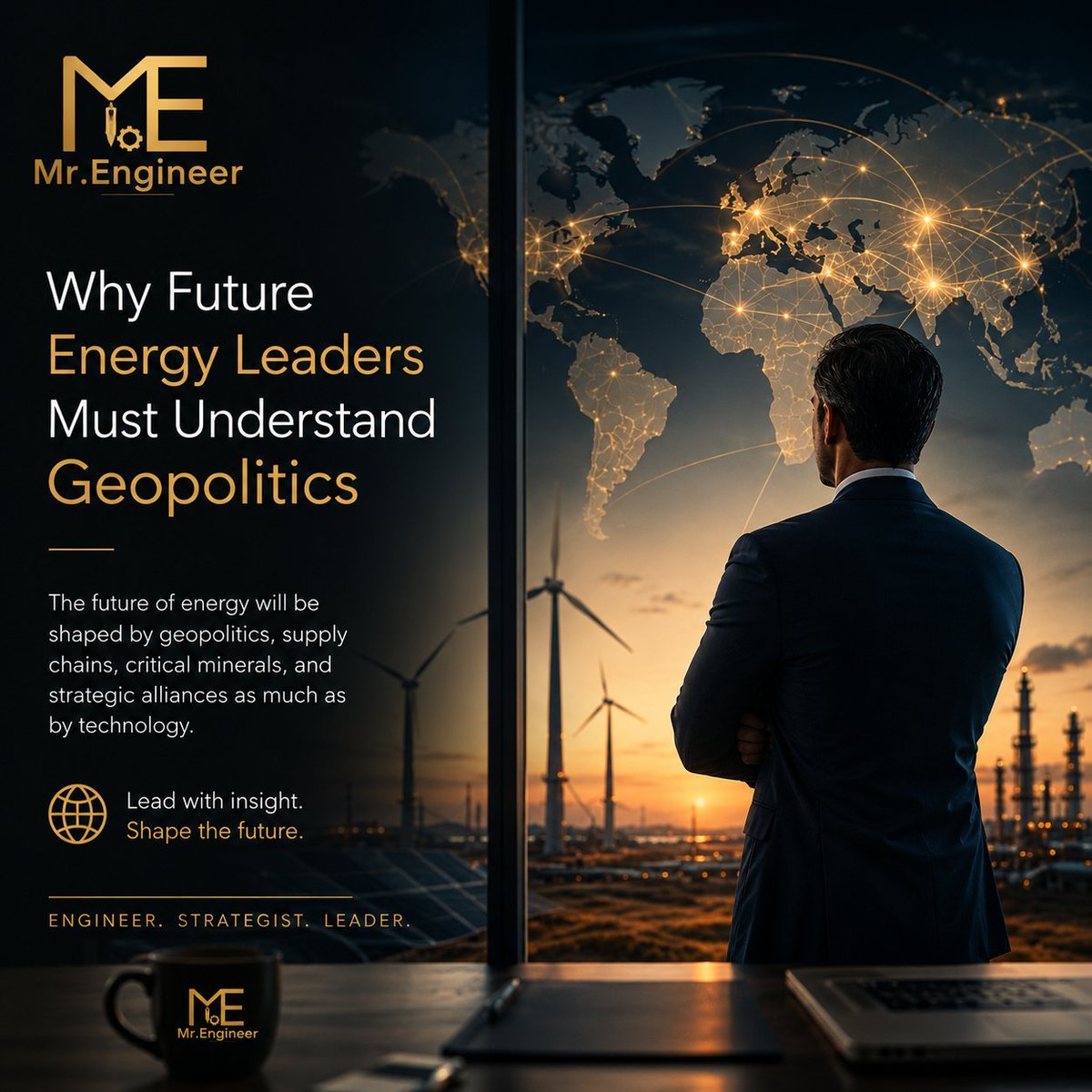
Why Future Energy Leaders Must Understand Geopolitics
Energy leadership is no longer defined by technical expertise alone. The future of energy will be shaped by geopolitics, supply chain security, critical minerals, and strategic alliances as much as by technology itself.
Leaders who can connect engineering, market dynamics, and geopolitical realities will be best positioned to navigate uncertainty and create long-term value.
In a rapidly changing world, competitive advantage belongs to those who can anticipate global shifts before they become market trends.
The future of energy belongs to leaders who think strategically, not just technically.
#Leadership #EnergyLeadership #Geopolitics #EnergyTransition #RenewableEnergy #StrategicForesight #EnergySecurity #FutureOfEnergy #NeoMatterEnergy
1
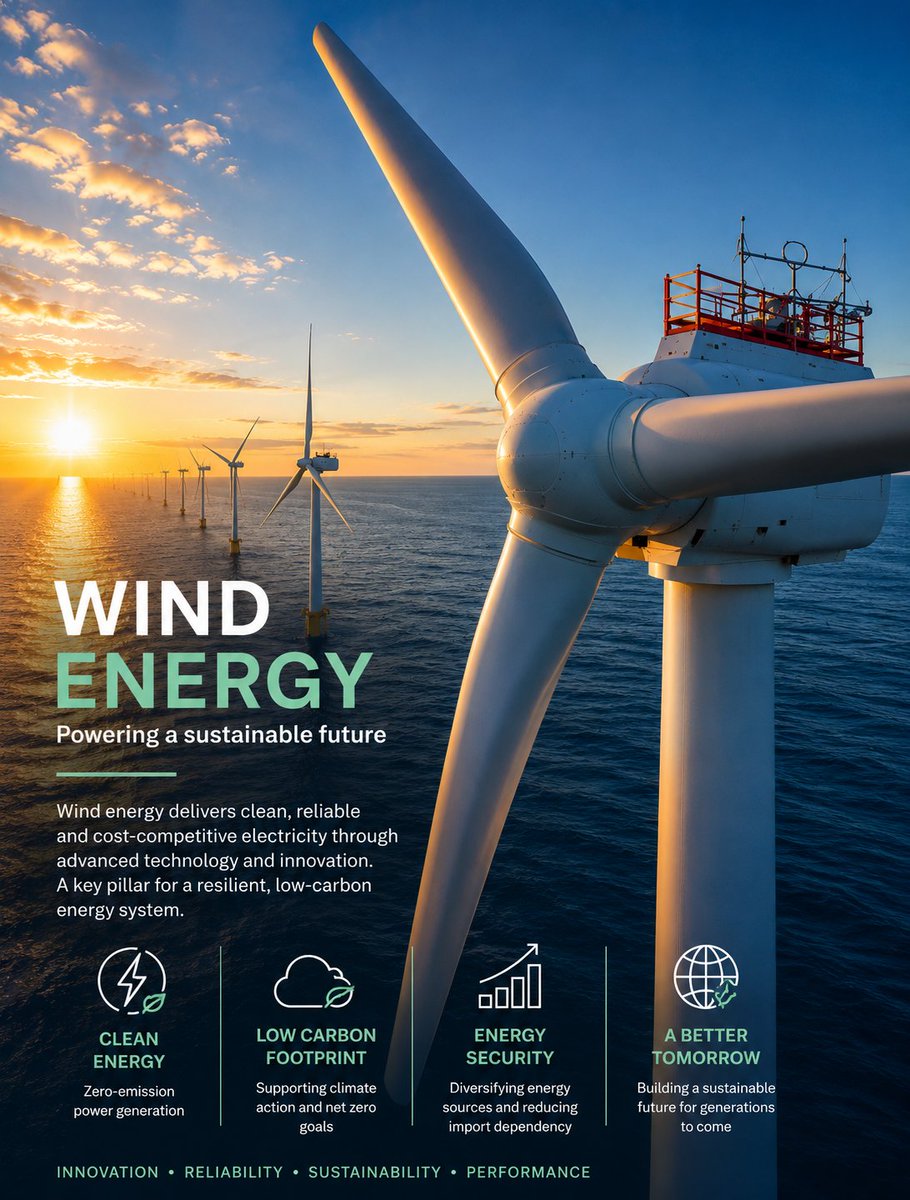
🌬️ Modern wind turbines convert the kinetic energy of moving air into electrical power through advanced aerodynamic blade designs, high-efficiency generators, and sophisticated power control systems. Today's utility-scale turbines can exceed 15 MW of installed capacity offshore, achieving higher capacity factors and improved energy yields compared to previous generations.
As grid operators increase renewable penetration, wind energy is becoming a critical source of low-carbon electricity, supported by energy storage, forecasting technologies, and smart grid infrastructure to ensure system reliability and stability.
#WindEnergy #RenewableEnergy #PowerGeneration #EnergySystems #CleanEnergy #EnergyTransition
4
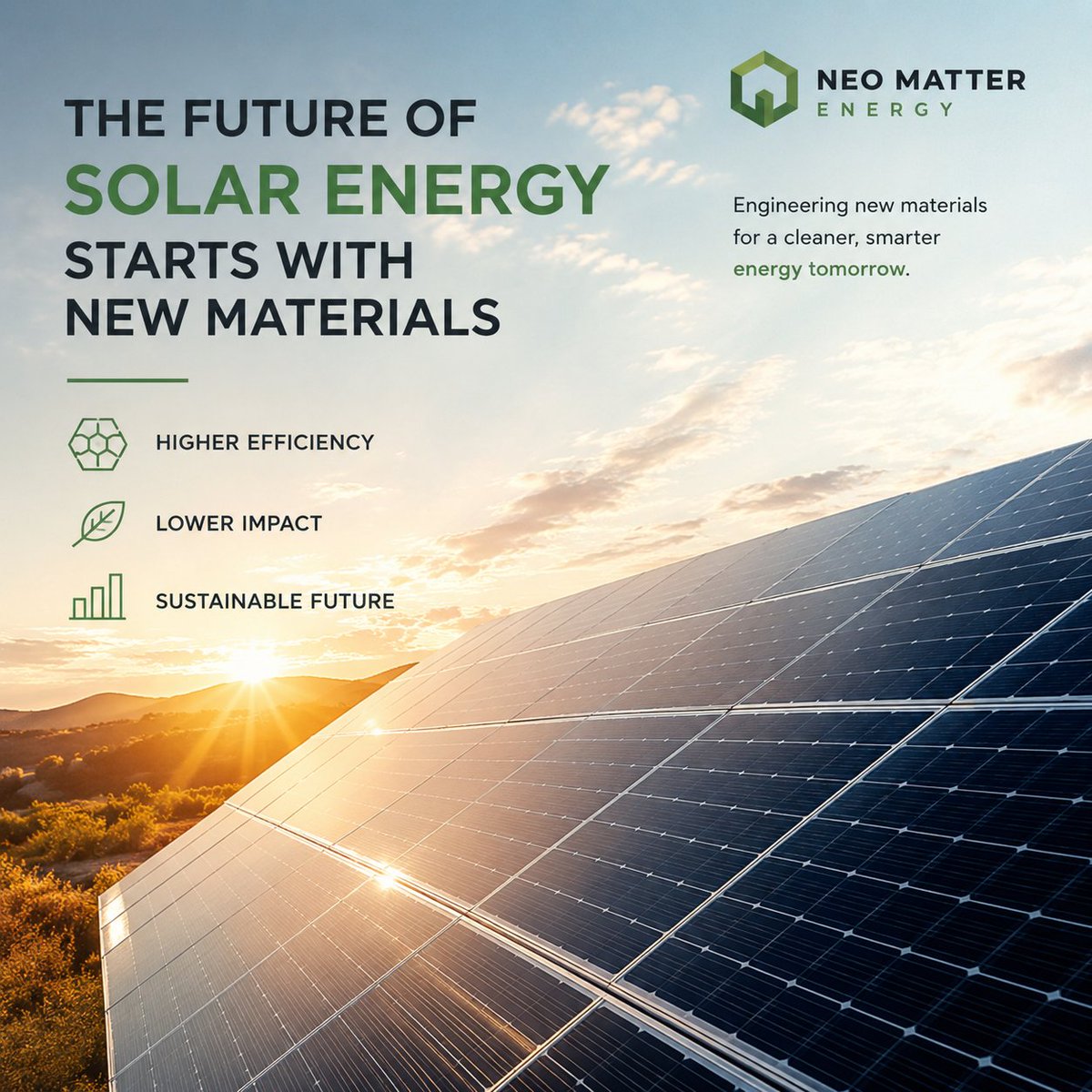
The Future of Solar Energy Starts with New Materials
Solar energy is no longer just about traditional silicon panels. Advanced materials such as perovskites, tandem solar cells, and nanotechnology-based coatings are driving a new generation of solar technologies with higher efficiency and lower production costs.
These innovations will enable solar systems to generate more electricity from the same amount of sunlight, making clean energy more accessible and economically competitive worldwide.
The future of energy will be shaped not only by the power of the sun, but also by the materials and engineering breakthroughs that unlock its full potential.
Neo Matter Energy
#SolarEnergy #RenewableEnergy #CleanEnergy #EnergyInnovation #Perovskite #Engineering #EnergyTransition #FutureEnergy #Sustainability #NeoMatterEnergy
6

Jun 13
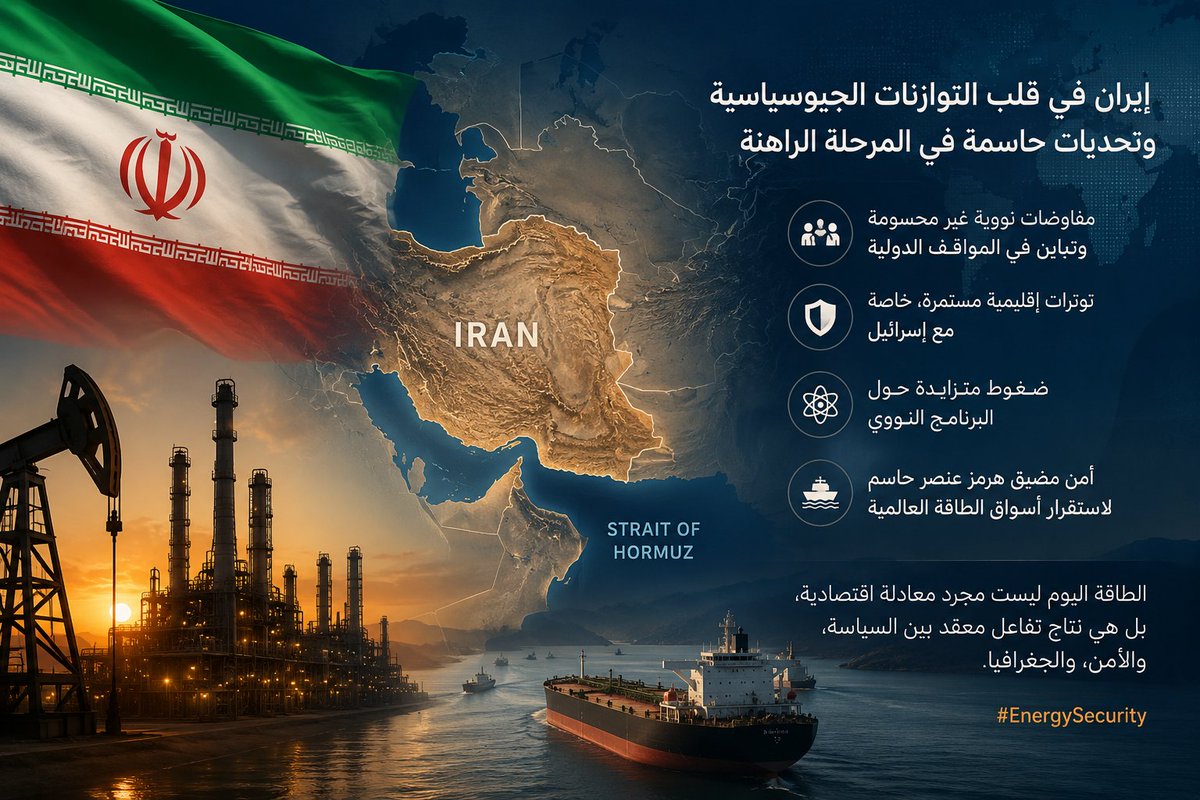
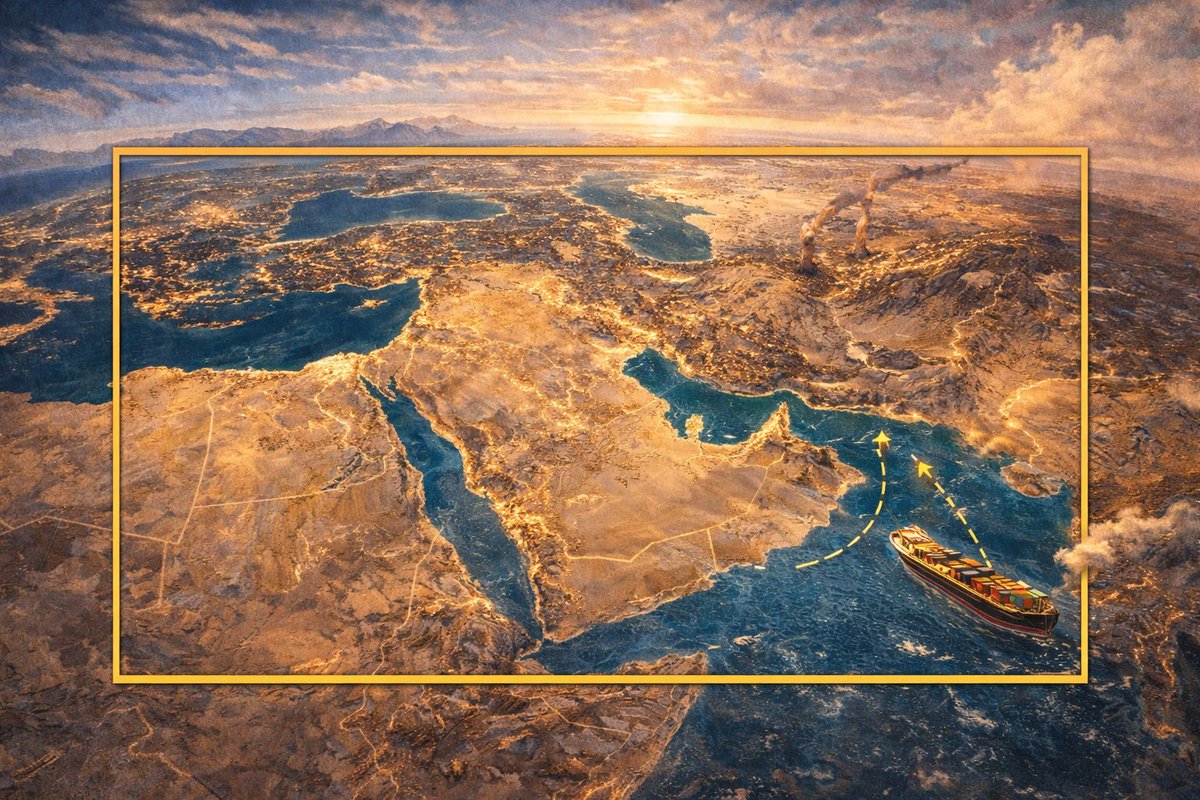
التطورات الأخيرة في إيران تذكرنا بأن الجغرافيا السياسية لا تزال أحد أهم المحركات لأسواق الطاقة العالمية.
التوترات الإقليمية، ومستقبل المفاوضات النووية، وأمن مضيق هرمز، جميعها عوامل قد تؤثر بشكل مباشر على تدفقات النفط والغاز وثقة المستثمرين.
في عالم الطاقة، السياسة والجغرافيا لا تقل أهمية عن التكنولوجيا والموارد.
#إيران #الطاقة #أمن_الطاقة #مضيق_هرمز #الشرق_الأوسط #النفط #الغاز #GeoPolitics #EnergySecurity #NeoMatterEnergy
20
Jun 13
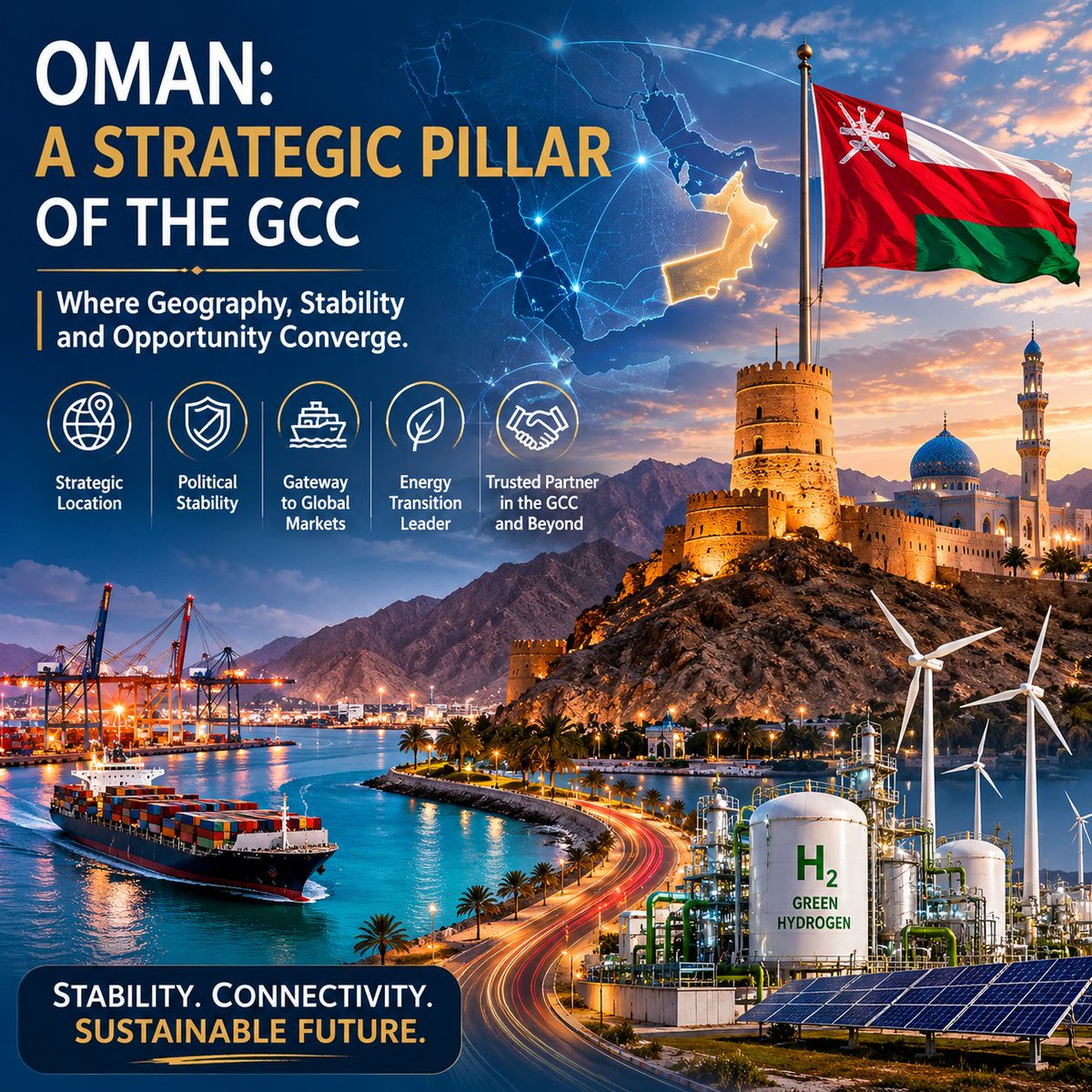
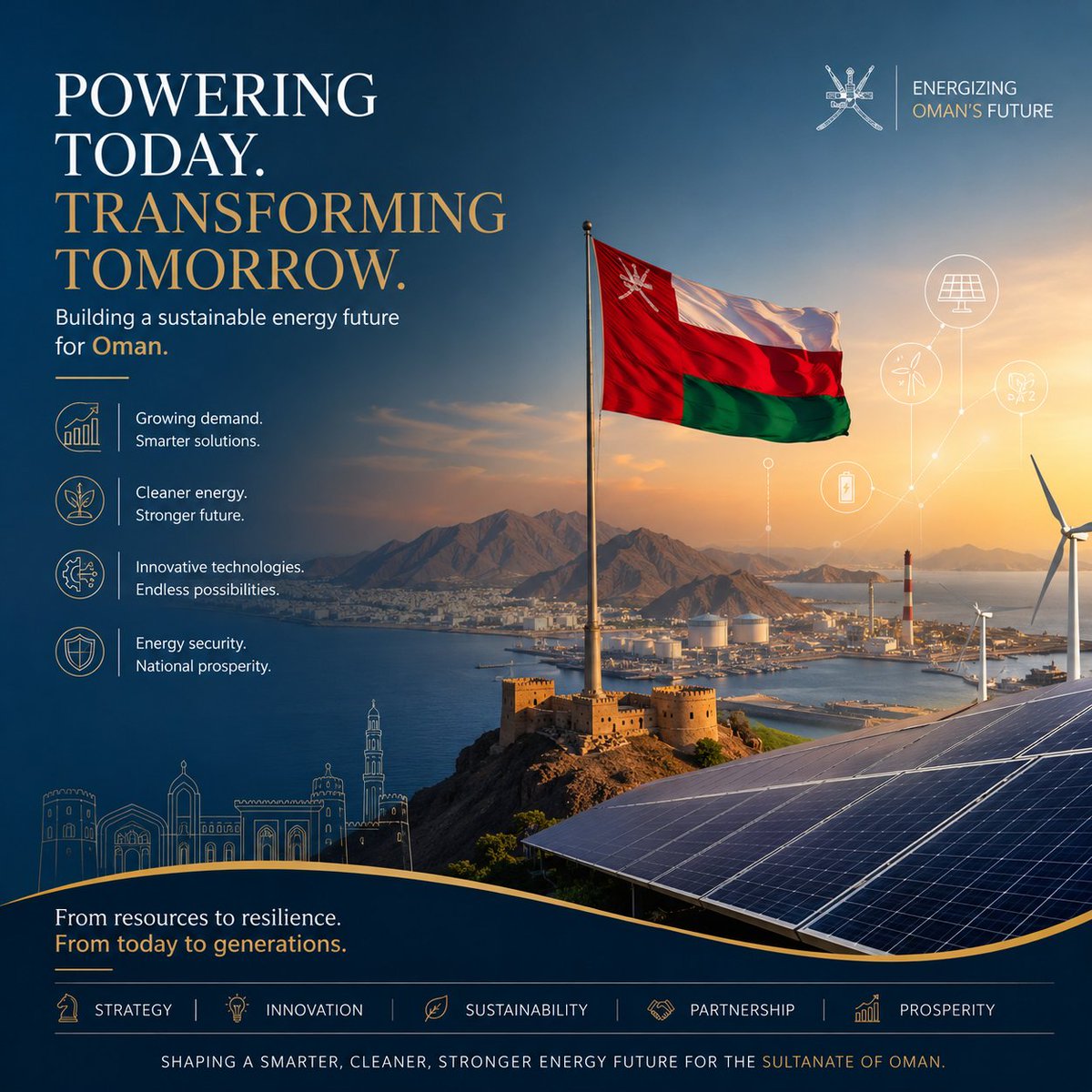
Oman's strategic importance goes far beyond geography. Positioned at the entrance to the Gulf and connected to global trade routes, the Sultanate is emerging as a regional hub for energy, logistics, and green hydrogen.
Stability, connectivity, and long-term vision make Oman a key player in shaping the GCC's future.
#Oman #GCC #Energy #Geopolitics #GreenHydrogen #NeoMatterEnergy
9
Mr.Engineer retweeted

Jun 12
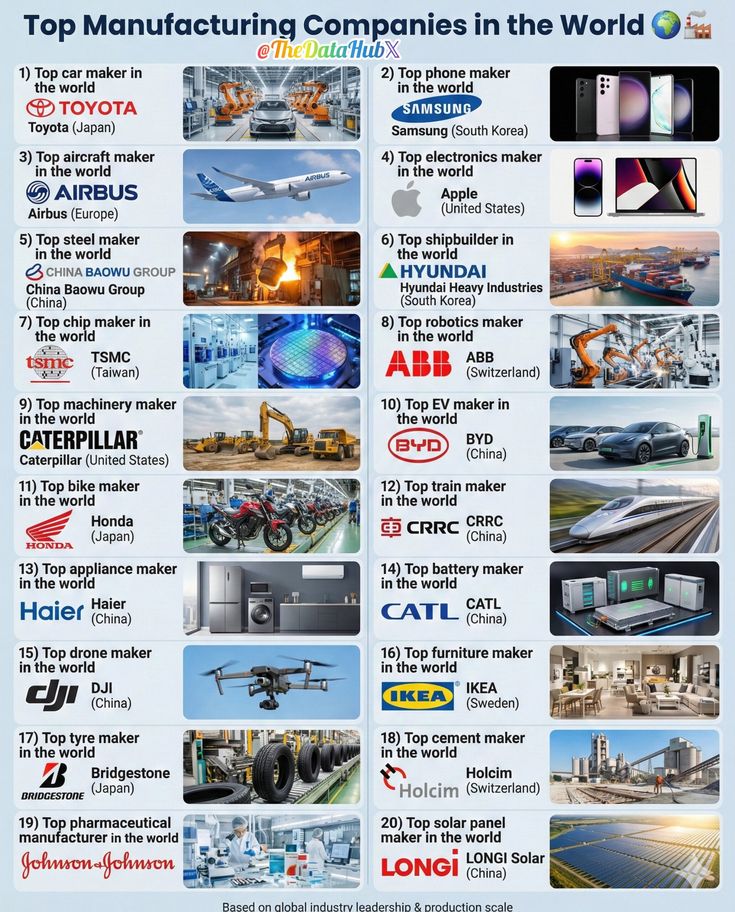
Top Manufacturing Companies in the world 🌎
10
23
74
2,526
Jun 12
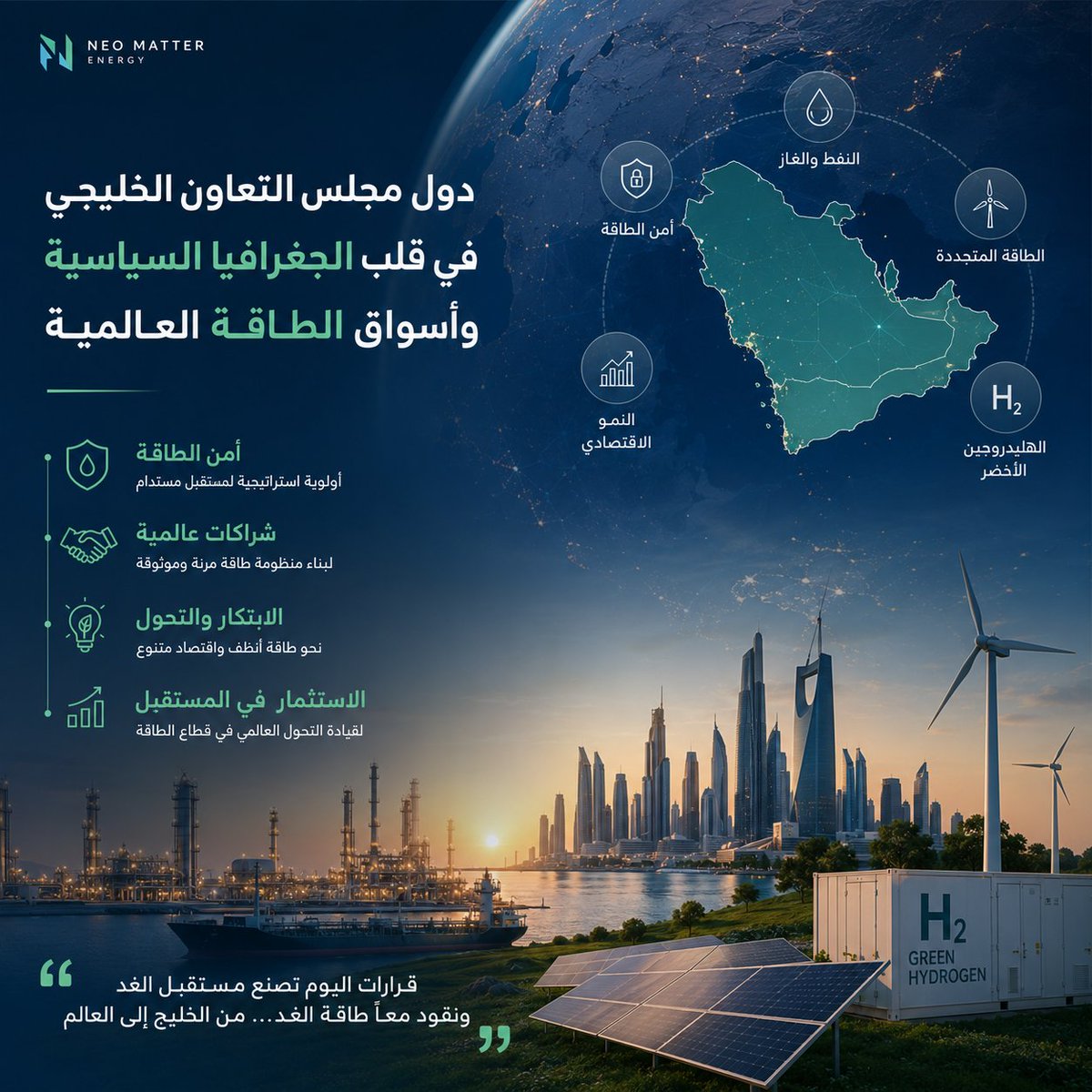
تقف دول الخليج في قلب معادلة الجغرافيا السياسية والطاقة العالمية.
فمن الريادة في النفط والغاز إلى الاستثمار في الهيدروجين والطاقة المتجددة والتقنيات المتقدمة، تواصل المنطقة رسم ملامح مستقبل أمن الطاقة والنمو الاقتصادي.
القرارات الاستراتيجية اليوم ستحدد شكل أسواق الطاقة لعقود قادمة.
#الخليج #الطاقة #أمن_الطاقة #الجغرافيا_السياسية #الهيدروجين_الأخضر #التحول_الطاقي #NeoMatterEnergy
14
Jun 11
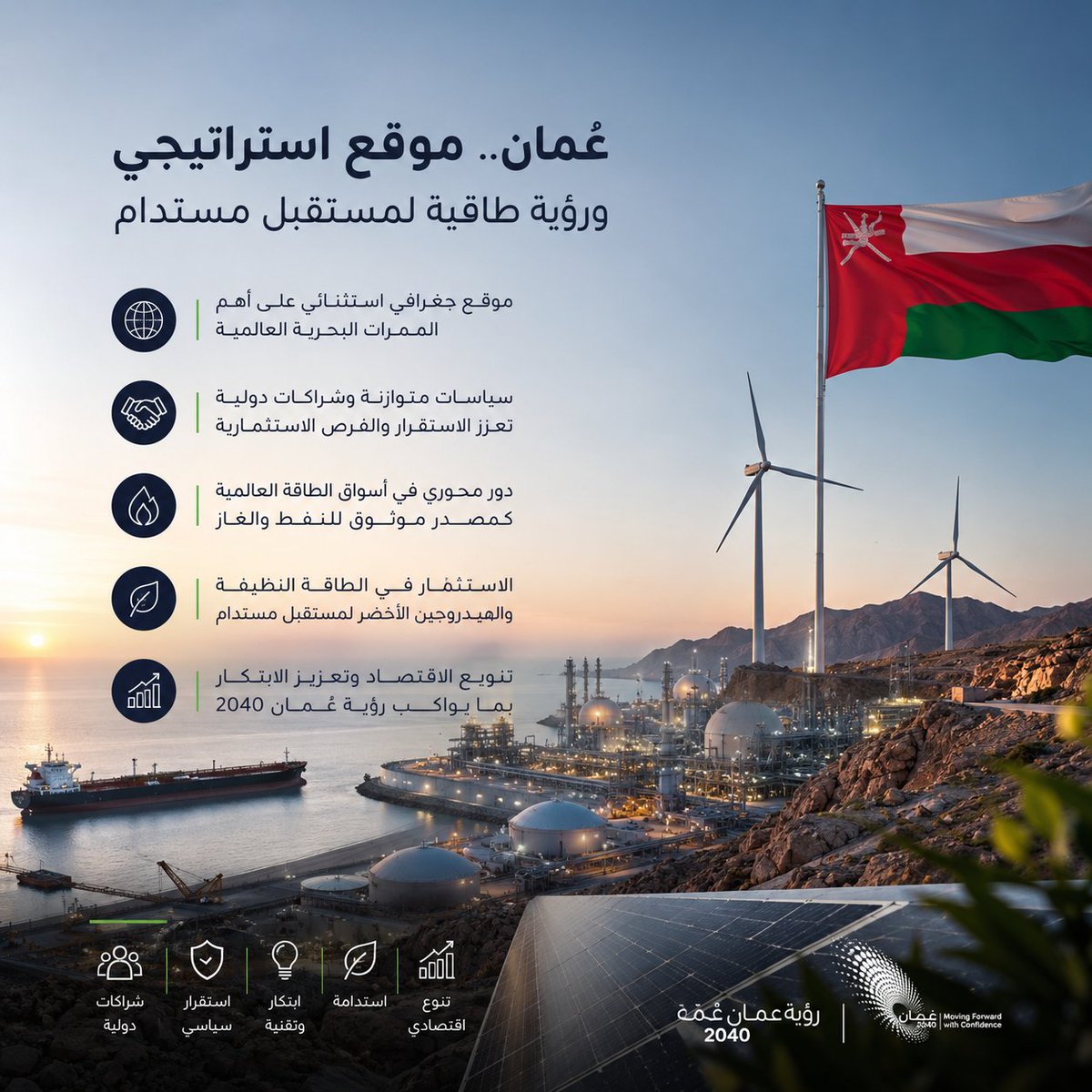
في عالمٍ تتسارع فيه التحولات الجيوسياسية وتُعاد فيه صياغة خرائط الطاقة، تبرز سلطنة عُمان كدولة تجمع بين الاستقرار السياسي والرؤية الاستراتيجية طويلة المدى.
بفضل موقعها الجغرافي الاستثنائي على أهم الممرات البحرية العالمية، وسياساتها المتوازنة، وقدرتها على بناء الشراكات الدولية، تمتلك عُمان فرصاً كبيرة لتعزيز مكانتها كمركز إقليمي للطاقة والتجارة والاستثمار.
ومع التوجه العالمي نحو الطاقة النظيفة والهيدروجين الأخضر، تواصل السلطنة الاستثمار في مشاريع المستقبل، واضعةً أسس اقتصاد أكثر تنوعاً واستدامة للأجيال القادمة.
إن مستقبل الطاقة لا يُبنى بالموارد فقط، بل بالرؤية والابتكار والقدرة على التكيف مع المتغيرات العالمية.
#عمان #الطاقة #الهيدروجين_الأخضر #التحول_الطاقي #الاقتصاد_العماني #الاستدامة #رؤية_عمان2040 #الطاقة_المتجددة #الاستراتيجية #خان_ڈٹا_ہوا_قیادت_چھپی_ہوئی
1
18
Jun 11
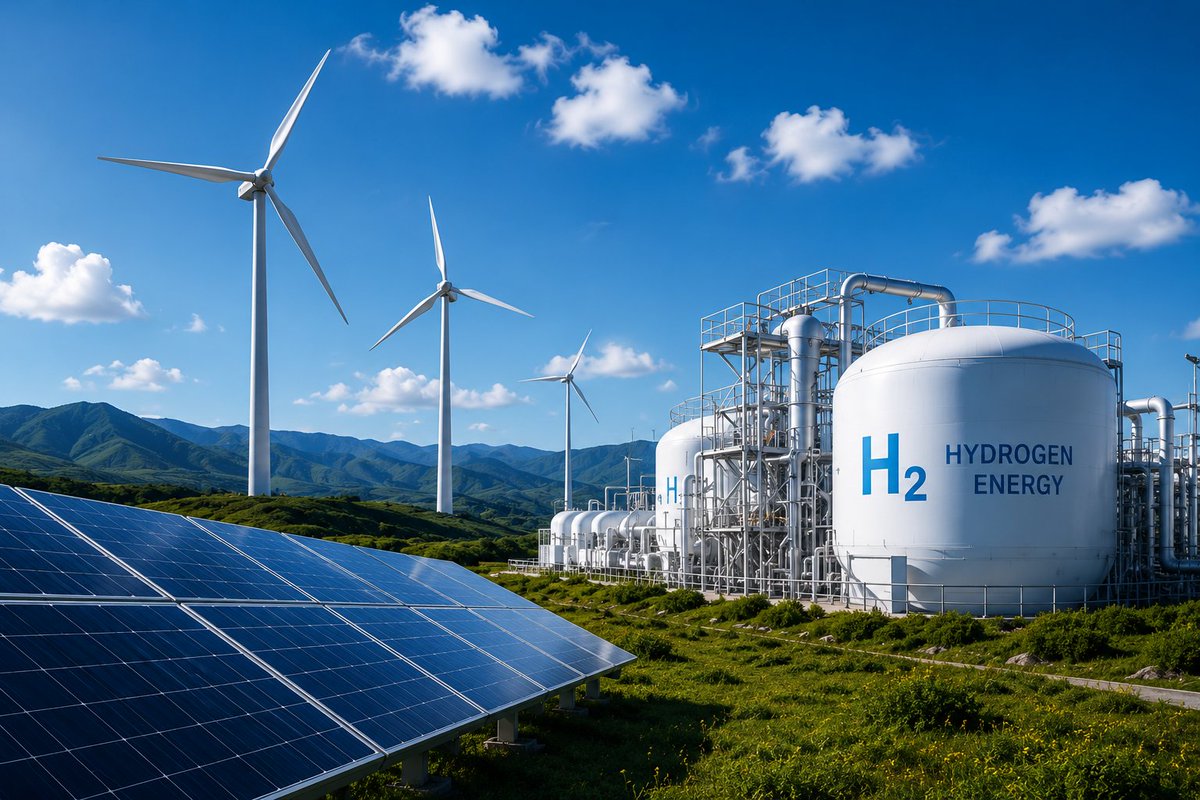
لم يعد الهيدروجين مجرد فكرة للمستقبل، بل أصبح أحد الركائز الاستراتيجية لتحول الطاقة العالمي.
فمن خلال دعم الصناعات النظيفة، وتخزين الطاقة على المدى الطويل، وخفض الانبعاثات في قطاع النقل، يمتلك الهيدروجين القدرة على إعادة تشكيل مشهد الطاقة خلال العقود القادمة.
الجهات التي تستثمر في الهيدروجين اليوم قد تقود اقتصاد الطاقة غداً.
#الهيدروجين #الطاقة #التحول_الطاقي #الهيدروجين_الأخضر #الاستدامة #الابتكار #عمان #NeoMatterEnergy
8
Jun 11
The future of Oman's energy sector will be determined not by its resources alone, but by the strategic decisions made today.
Energy security. Sustainability. Innovation. Competitiveness.
The next decade offers Oman a unique opportunity to become a regional leader in the global energy transition.
#Oman #EnergyStrategy #OmanVision2040 #EnergyTransition #Leadership #Innovation #NeoMatterEnergy
5
Jun 11
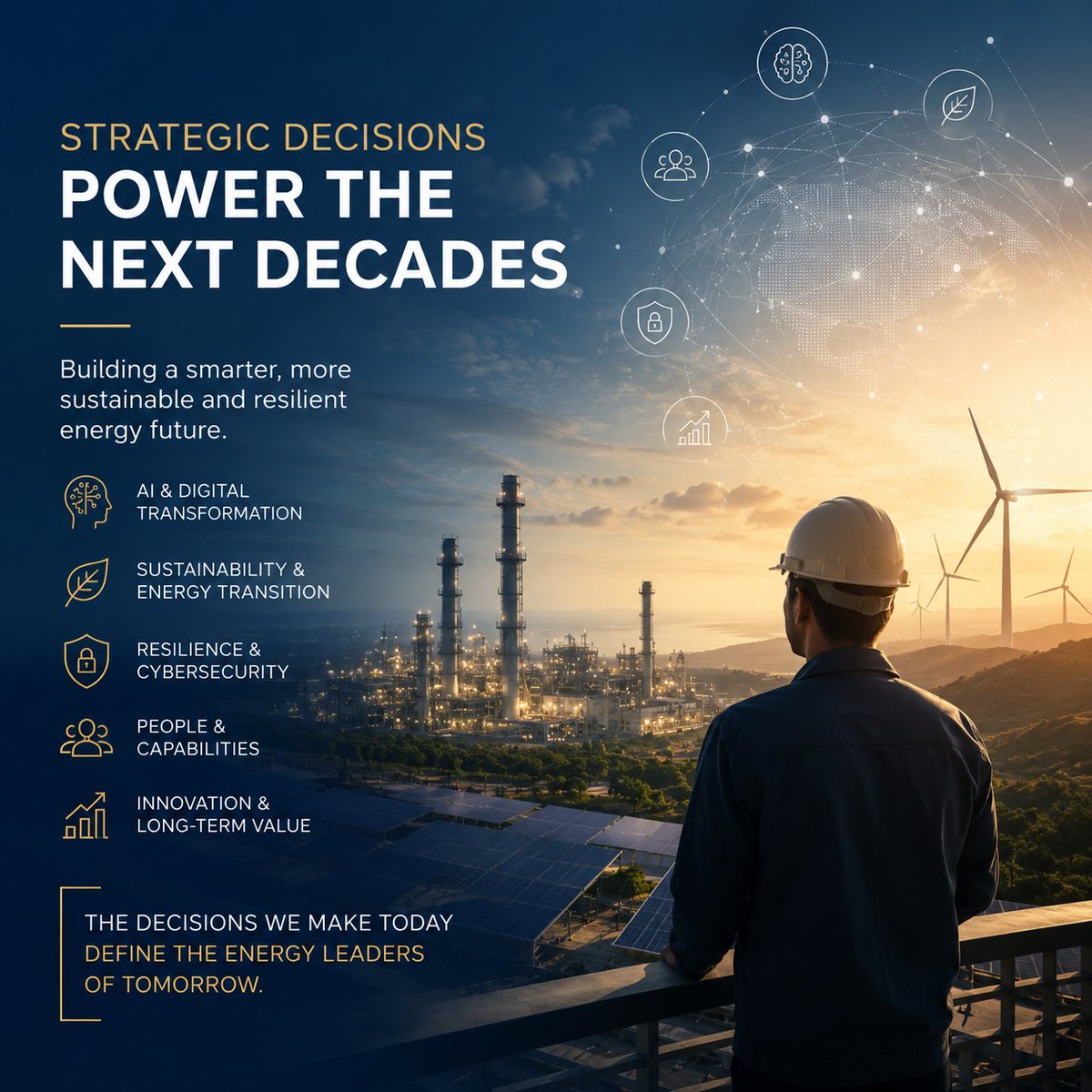
Over the coming decades, industry leaders will invest beyond traditional energy assets. They will embrace artificial intelligence, digital transformation, advanced analytics, sustainability, and resilient business models capable of thriving in an era of constant disruption.
The real challenge is not predicting the future. It is building an organization that is prepared for multiple futures.
In the energy sector, strategy is no longer a support function—it is a competitive advantage. The decisions made today will determine who leads the market tomorrow.
#EnergyLeadership #FutureOfEnergy #StrategicManagement #EnergyTransition #DigitalTransformation #ArtificialIntelligence #Industry40 #EnergyInnovation #BusinessStrategy #ExecutiveLeadership #Sustainability #FutureReady #Leadership #EnergySector #InnovationStrategy
7
Jun 10
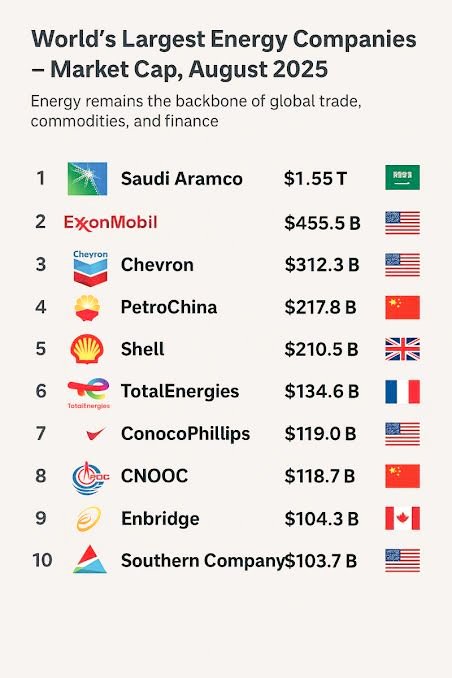
Global Energy Industry Outlook (2026)
The world's largest energy companies include Saudi Aramco, ExxonMobil, Chevron, Shell, PetroChina, and TotalEnergies. These companies dominate global energy markets through their extensive oil and gas production, refining capacity, and international operations.
Over the next 10–20 years, they are expected to transform from traditional oil and gas companies into integrated energy providers by investing heavily in renewable energy, artificial intelligence, hydrogen, carbon capture, and digital technologies.
While fossil fuels will remain important for decades, the most successful companies will be those that combine energy production with innovation, sustainability, and advanced technology solutions.
#EnergyManagement #EnergyTransition #RenewableEnergy #ArtificialIntelligence #Industry40
13
Jun 10
The Middle East isn't losing the oil race—it’s changing the track.
For decades, Middle East geopolitics dictated the price of a barrel. But as the energy transition accelerates, the relationship is flipping. The future of petroleum won't just be about supply cuts or OPEC quotas. It’s becoming a strategic race to monetize the last profitable barrels.
Nations like Saudi Arabia, the UAE, and Qatar hold a geological trump card: the world’s lowest production costs and lowest carbon intensity. They aren't just defending market share; they're leveraging oil cash to master new molecules—blue hydrogen, green ammonia, and next-gen petrochemicals.
The geopolitical risk is shifting. It’s moving away from Strait of Hormuz chokepoints, and toward a new kind of security: who controls the technology for carbon capture and the infrastructure for clean hydrogen.
The Middle East won't just fuel the last combustion engine. It aims to power the first decarbonized supply chain. The old era of "oil power" is fading. An era of "molecular power" is beginning.
#EnergyTransition #Geopolitics #OilAndGas #MiddleEast #FutureOfEnergy
11
Jun 10
The oil and gas industry is being pulled in two directions: geopolitical fragmentation demanding energy sovereignty, and the 4th Industrial Revolution making every barrel smarter.
AI now models reservoirs with surgical precision. Autonomous rigs remove humans from harm’s way. Blockchain speeds up trading. And oil demand isn’t dying—it’s shifting from burning to building (plastics, composites, hydrogen).
The future belongs to those treating hydrocarbons as a precision tech industry, not a commodity gamble. The cleanest, smartest barrel wins.
Is technology oil’s lifeline or its disruptor?
#EnergyPolicy #DigitalTransformation #OilandGasIndustry #Geopolitics
8
Jun 9
Oil’s future in one thread 🧵
1. Forget peak oil. The real crisis is energy security. Geopolitics is the new OPEC.
2. AI doesn’t just cut costs—it unlocks impossible reserves. Software is eating the subsurface.
3. Oil demand isn’t dying. It’s shifting from fuel to materials (carbon fiber, plastics, hydrogen).
4. The oil company of 2035? A Silicon Valley firm that owns a molecule supply chain.
Adapt or evaporate. 🛢️💻
#Energy #AI #Geopolitics #OOTT #Industry40
8
Jun 9
⚡🤖 AI for Smarter Energy Management
Artificial Intelligence is transforming the way we consume and manage energy. By analyzing real-time data, AI can identify energy waste, predict demand, optimize equipment performance, and reduce operational costs.
Organizations that integrate AI into their energy management systems can improve efficiency, lower carbon emissions, and make faster, data-driven decisions.
The future of energy is not just renewable—it's intelligent.
#ArtificialIntelligence #EnergyManagement #Industry40 #SmartEnergy #Sustainability #DigitalTransformation #EnergyEfficiency #Innovation #Engineering #Oman
1
18
Jun 8
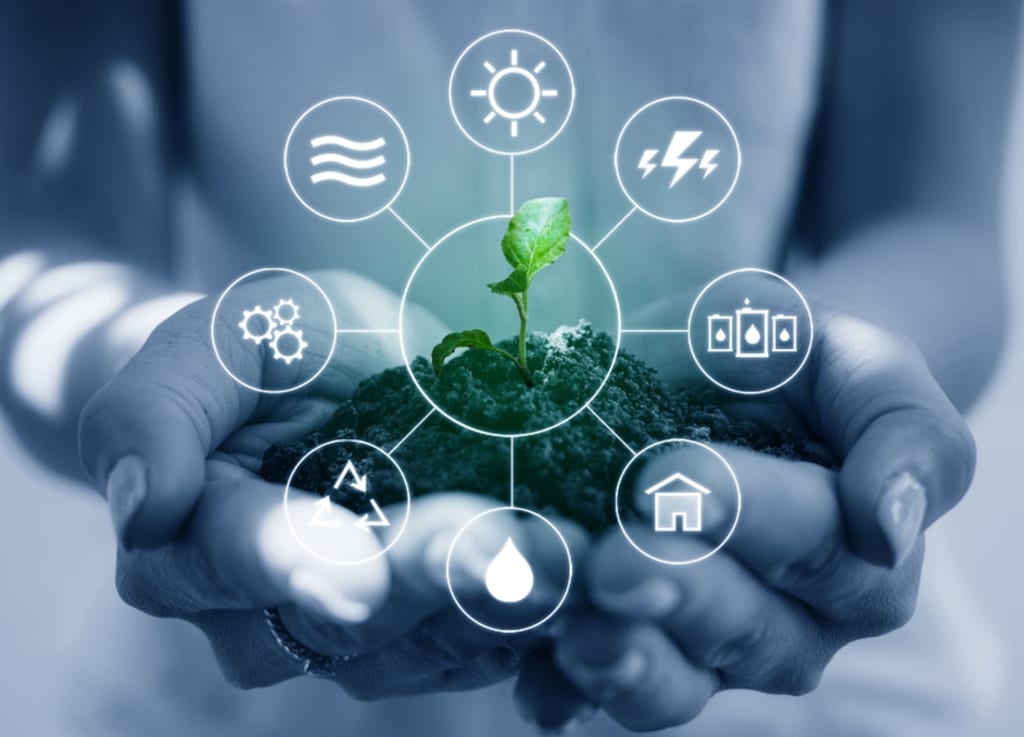
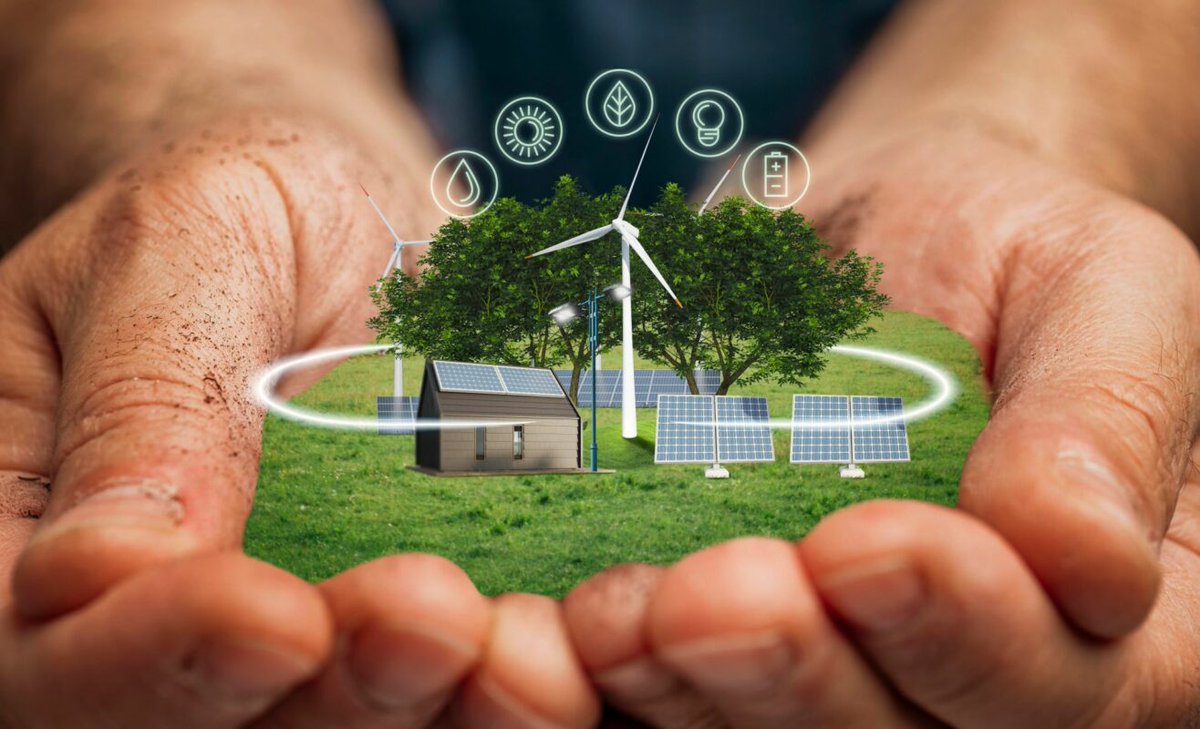
The Fourth Industrial Revolution is reshaping how organizations create value, compete, and grow.
Energy is no longer an operational expense alone—it is a strategic resource that directly influences productivity, digital transformation, sustainability, and long-term resilience.
Organizations that align energy management with advanced technologies such as Artificial Intelligence, Industrial IoT, automation, and data analytics are better positioned to reduce costs, optimize performance, and strengthen their market leadership.
The future will belong to organizations that transform energy challenges into strategic opportunities.
#Industry40 #EnergyManagement #StrategicLeadership #DigitalTransformation #BusinessExcellence #InnovationStrategy #Sustainability #CorporateStrategy #OmanVision2040 #FutureReady

10
Jun 8
Problems don't stop successful companies—poor strategies do.
Every challenge is an opportunity to improve, innovate, and grow. The key is identifying the root cause and implementing the right strategic solution.
Is your company facing a challenge? Let's turn it into an opportunity.
#StrategicConsulting #BusinessStrategy #Innovation #Leadership #BusinessGrowth #Industry40 #OmanBusiness



9
Jun 8
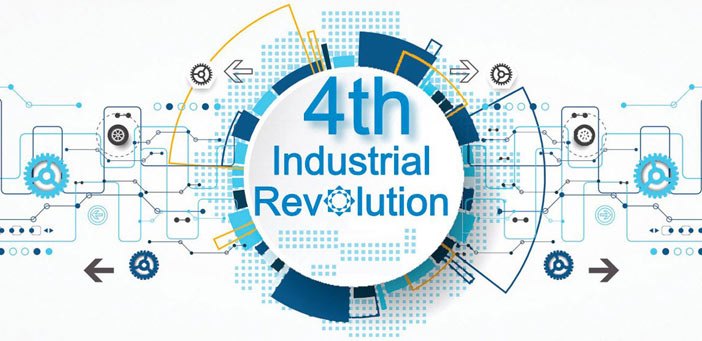
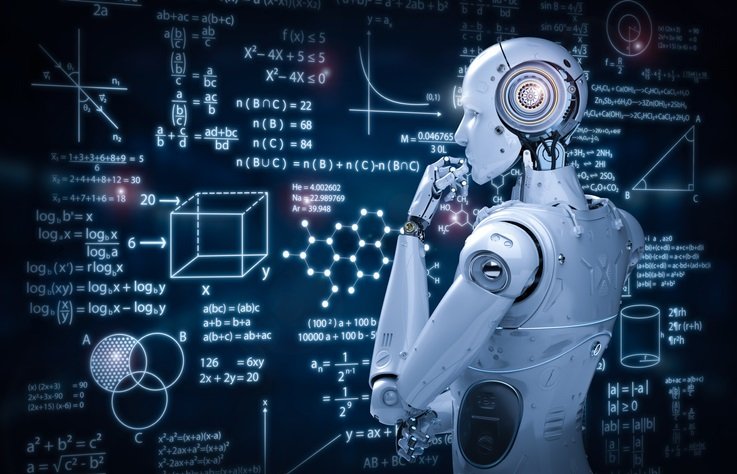
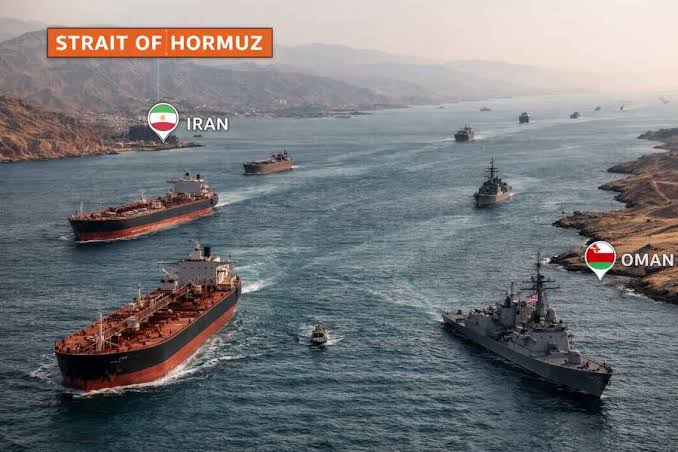
🌐 The 4IR (4th Industrial Revolution), The Strait of Hormuz, and The End of Oil’s Reign 🛢️
The world is shifting at a breakneck pace. The intersection of technology, geopolitics, and energy is creating a brand-new global landscape.
Here is how the Fourth Industrial Revolution (4IR) is fundamentally changing the crisis in the Strait of Hormuz and the declining dominance of oil:
1. Next-Gen Warfare in the Strait
Autonomous Tech: Sea drones and AI-driven surveillance are replacing traditional naval blockades.
Cyber Threats: Modern conflict in the Strait is fought via algorithmic hacking of tankers, not just missiles.
Predictive Intelligence: AI forecasts troop movements and shipping disruptions before they physically happen.
2. Accelerating the Decline of Oil
Smart Energy: 4IR technologies like IoT and smart grids maximize renewable energy efficiency.
Advanced Automation: AI is optimizing electric vehicle (EV) supply chains, making fossil fuels obsolete faster.
Alternative Materials: AI-driven molecular research is creating synthetic alternatives to petroleum-based plastics.
3. The New Geopolitical Reality
Chokepoints Lose Leverage: As global oil demand drops, the strategic importance of the Strait of Hormuz decreases.
Data Over Diesel: Power is shifting from nations that control oil pipelines to nations that control data centers and AI infrastructure.
The future of global security isn’t about who owns the oil, it’s about who commands the code.
#4IR #StraitOfHormuz #EnergyTransition #Geopolitics #ArtificialIntelligence #RenewableEnergy #FutureOfWarfare #TechRevolution
1
11