Joined September 2021
- Tweets 1,929
- Following 121
- Followers 1,104
- Likes 112
Photos and videos

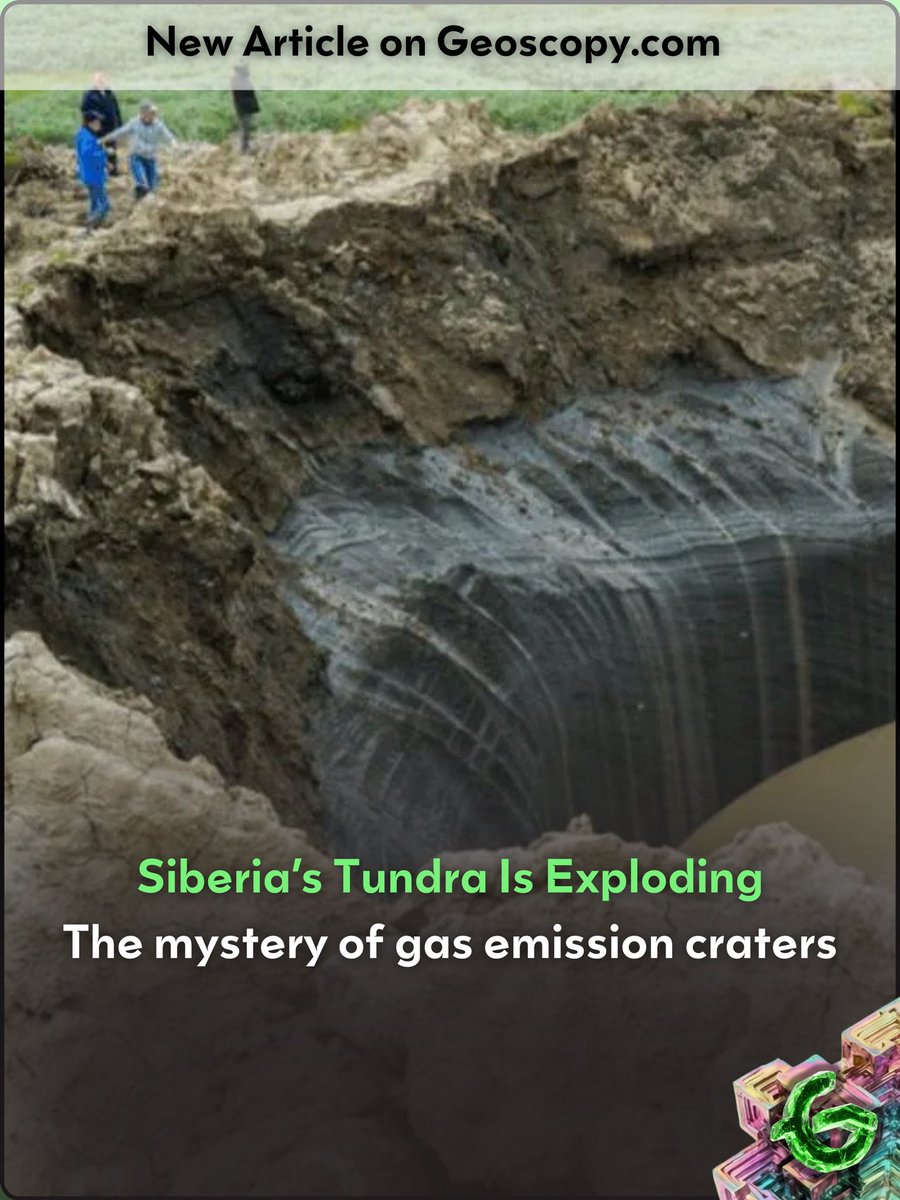
Siberia’s tundra is blowing holes in itself.
These giant craters weren’t dug by humans or carved by meteorites, they formed when trapped gas built pressure beneath permafrost and exploded through the frozen ground.
Full story: geoscopy.com/siberias-explod…
#Geology #Permafrost #Siberia
1
31
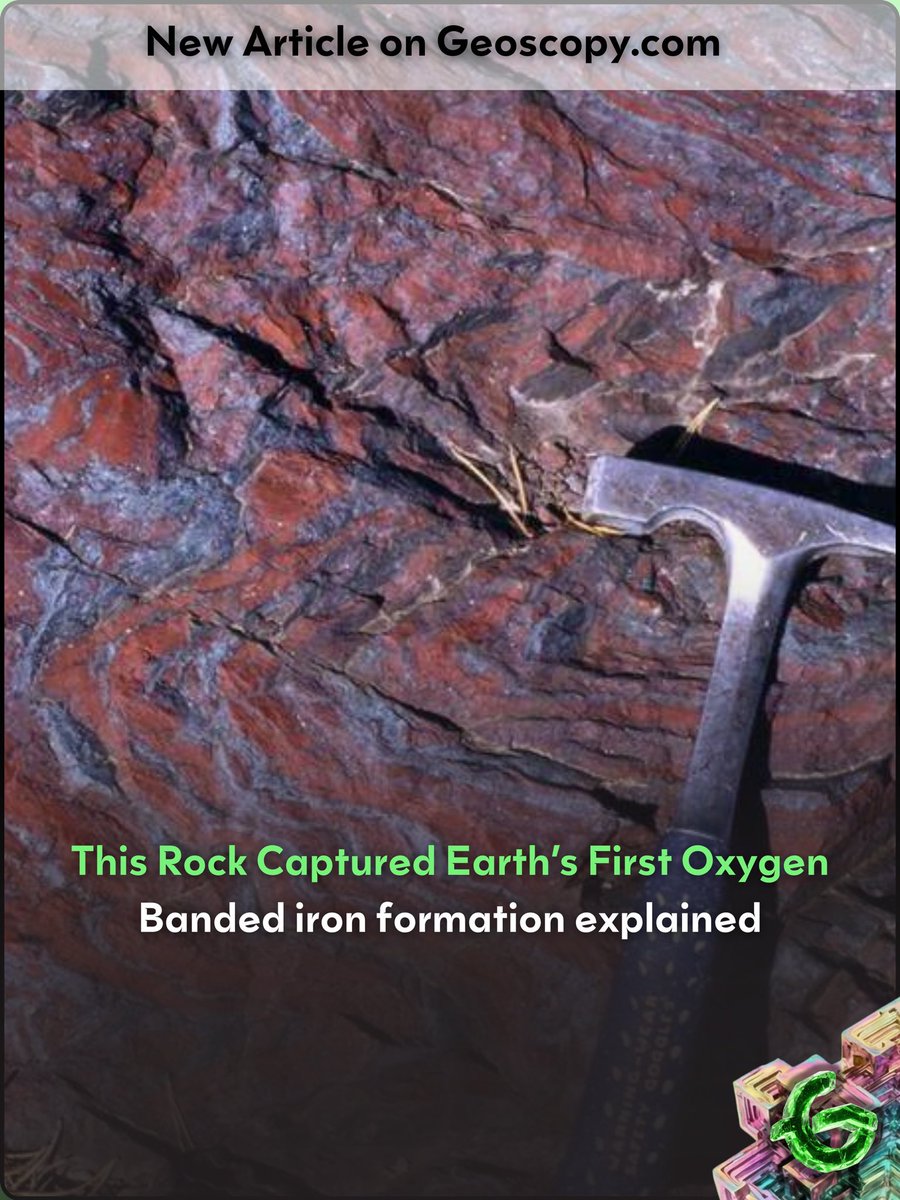
Before Earth could breathe, it rusted.
Banded iron formations are ancient striped rocks formed as early oxygen reacted with iron-rich oceans, recording one of the biggest turning points in Earth history.
Read more: geoscopy.com/banded-iron-for…
#Geology #EarthHistory #Geoscopy
2
29
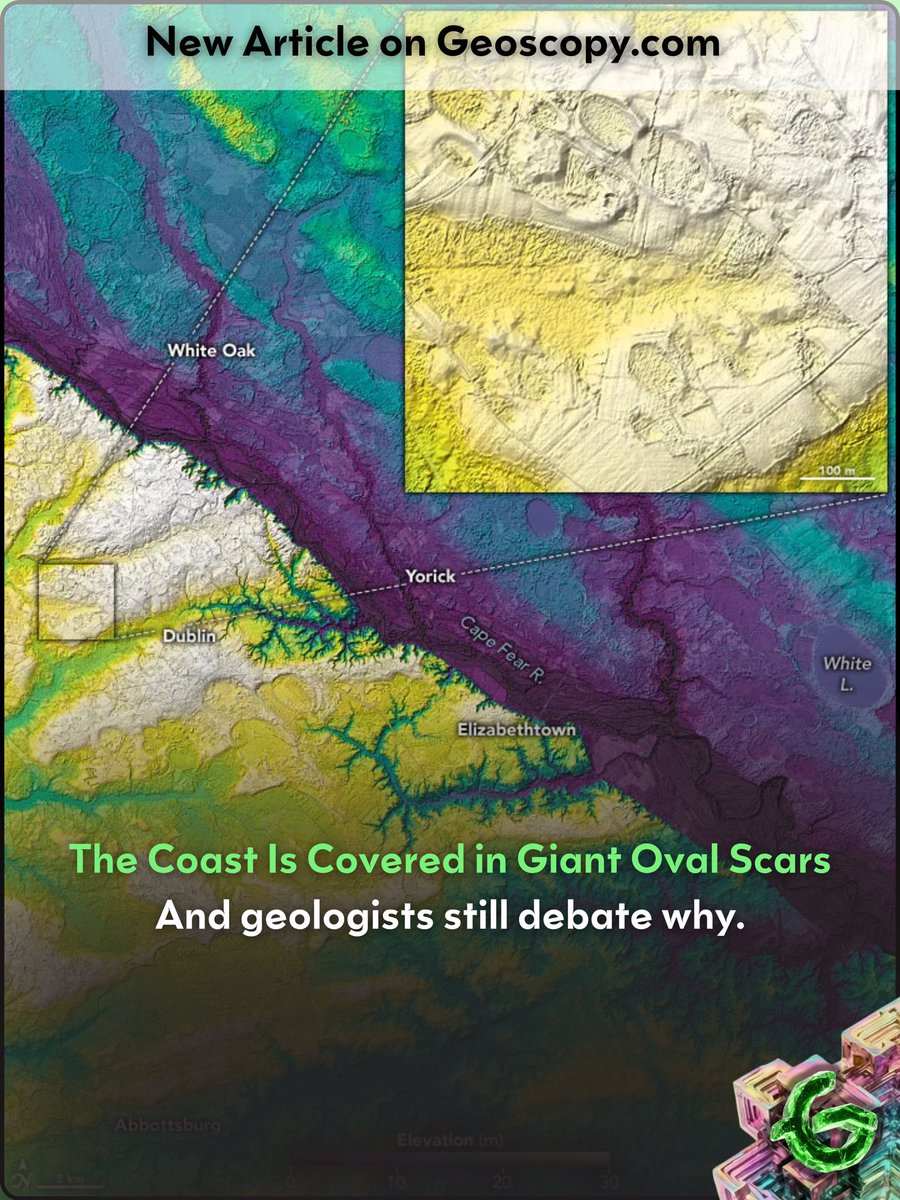
Thousands of giant oval wetlands scar the Atlantic Coastal Plain, and many point the same way.
Meteor impact? Ancient waves? Ice Age winds?
The Carolina Bays mystery is one of America’s strangest landscape puzzles.
geoscopy.com/carolina-bays-m…
#Geology #CarolinaBays #EarthScience
1
40
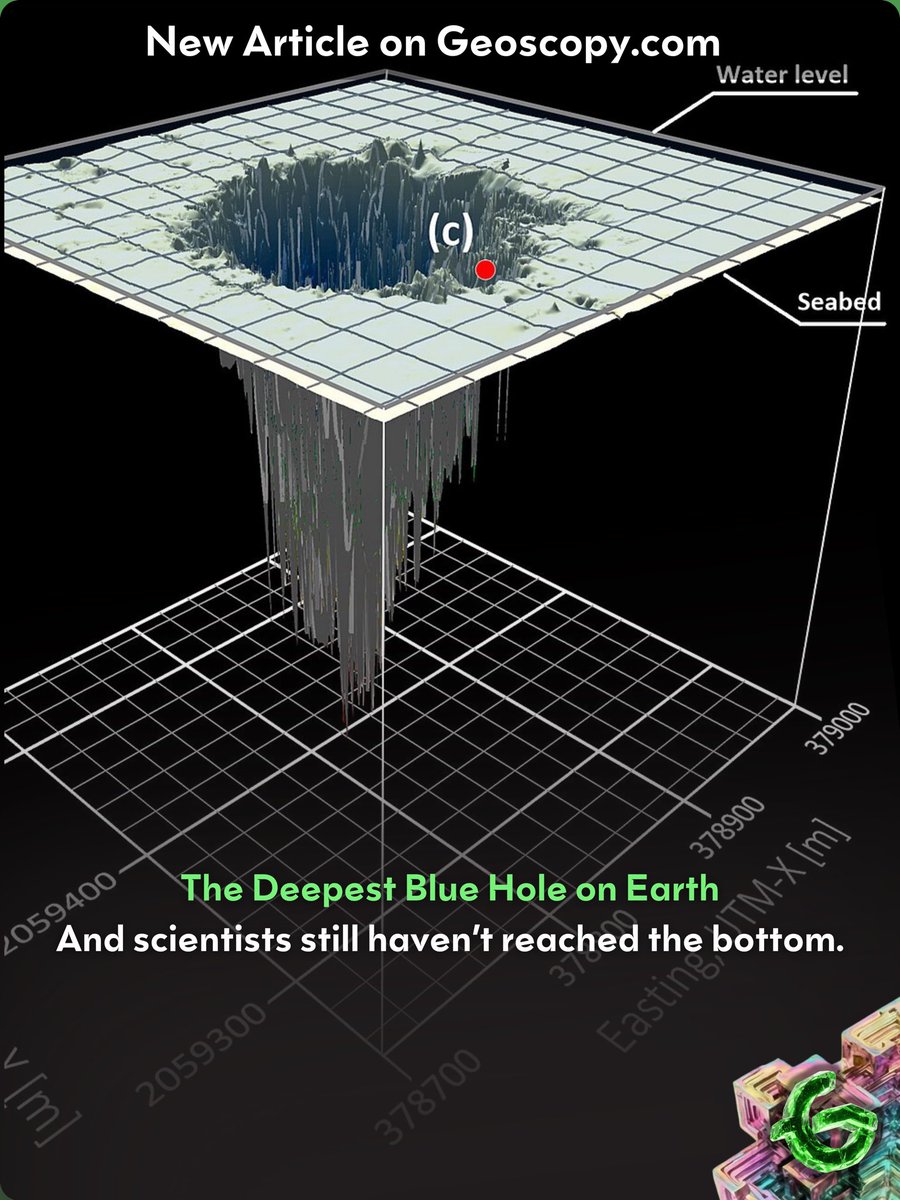
The deepest blue hole on Earth may still not have a known bottom.
Taam Ja’ Blue Hole in Mexico reaches beyond 420 meters, deeper than the Eiffel Tower is tall, and could hide links to vast underwater cave systems.
Read more: geoscopy.com/the-taam-ja-blu…
#Geology #OceanScience #BlueHole
1
29
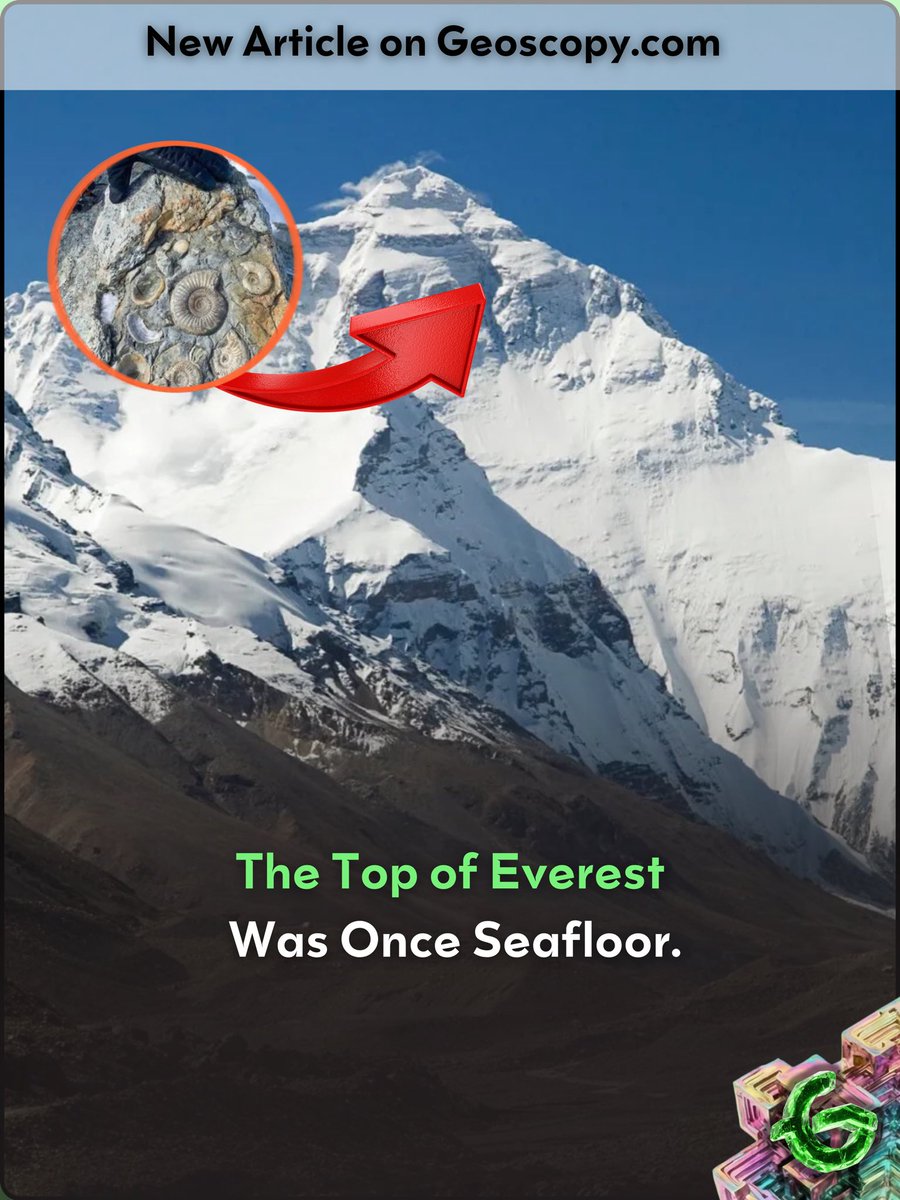
Seashells on Everest? Yes.
Marine fossils near the top of the world reveal an ancient ocean floor lifted into the sky by plate tectonics.
geoscopy.com/why-are-there-s…
#Geology #Everest
1
28
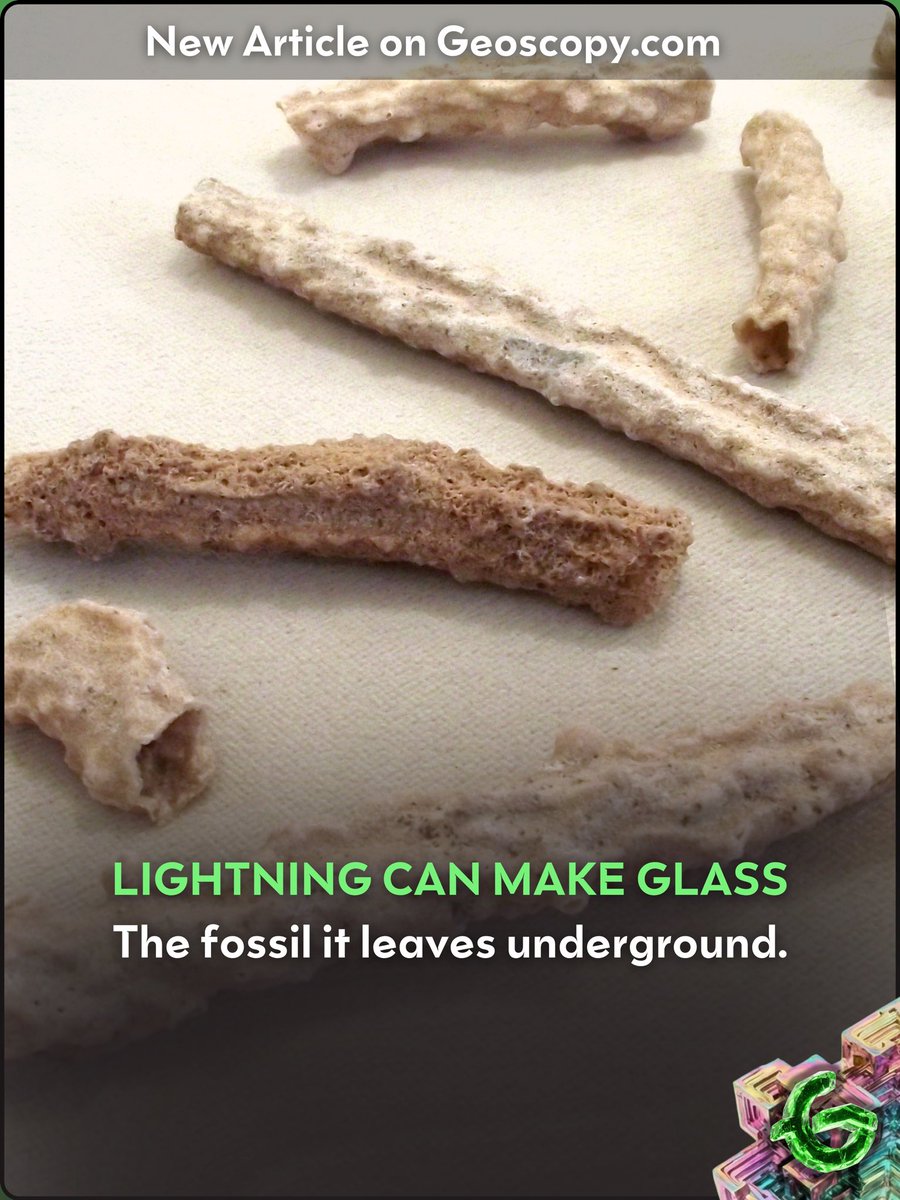
Lightning can turn sand into glass.
The result is a fulgurite: a fragile, hollow tube that preserves the path of the strike underground, like fossilized lightning.
Read more:
geoscopy.com/fulgurite-the-g…
#Geology #EarthScience #Fulgurite #Lightning #Geoscopy
1
17
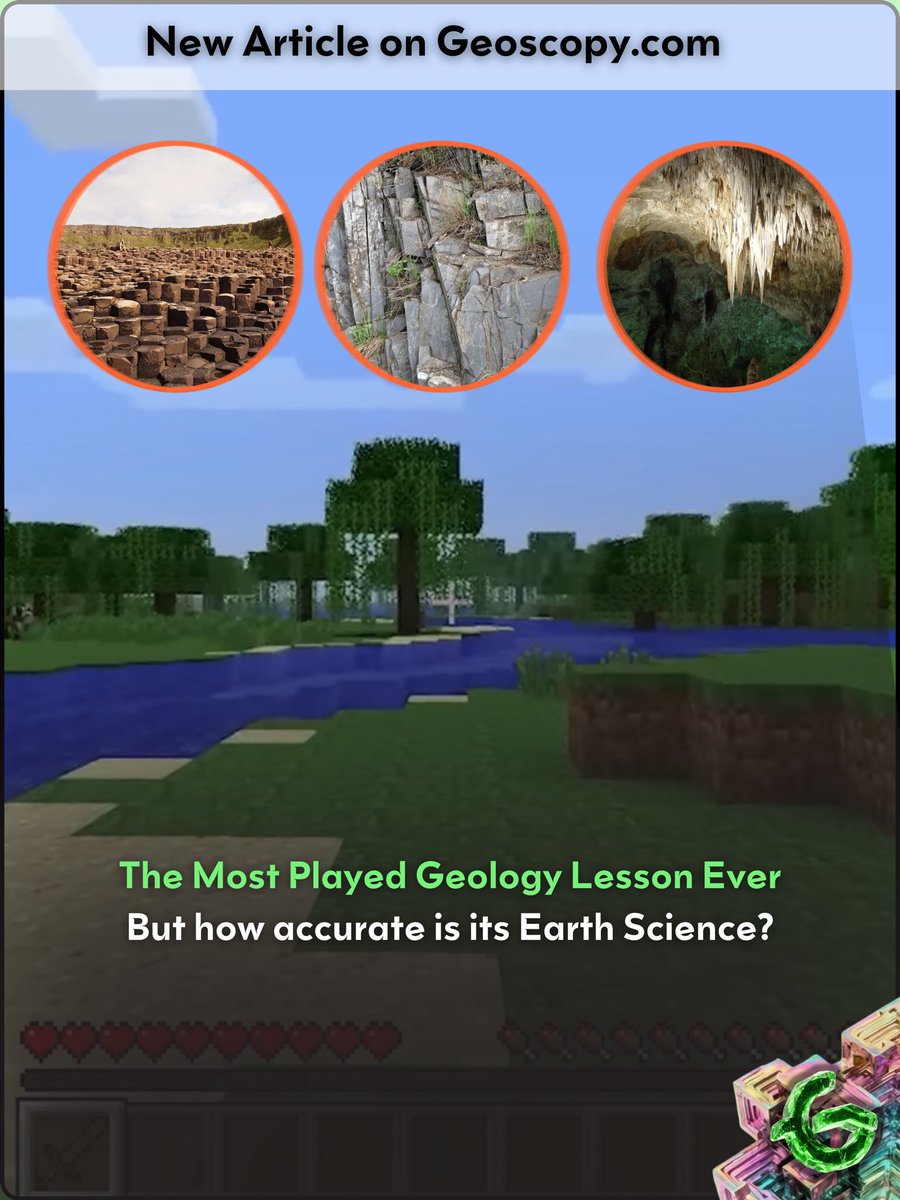
Minecraft is secretly a geology lesson.
It gets amethyst geodes, oxidizing copper, basalt, and diamonds partly right.
But rivers don’t erode, plates don’t move, and diamonds don’t come from coal.
geoscopy.com/the-geology-of-…
#Minecraft #Geology #EarthScience #Science #Geoscopy
70
Diamonds don’t slowly rise to Earth’s surface.
They explode upward.
Born deep beneath ancient continents, they can wait billions of years—until rare kimberlite eruptions blast them to daylight.
geoscopy.com/how-diamonds-re…
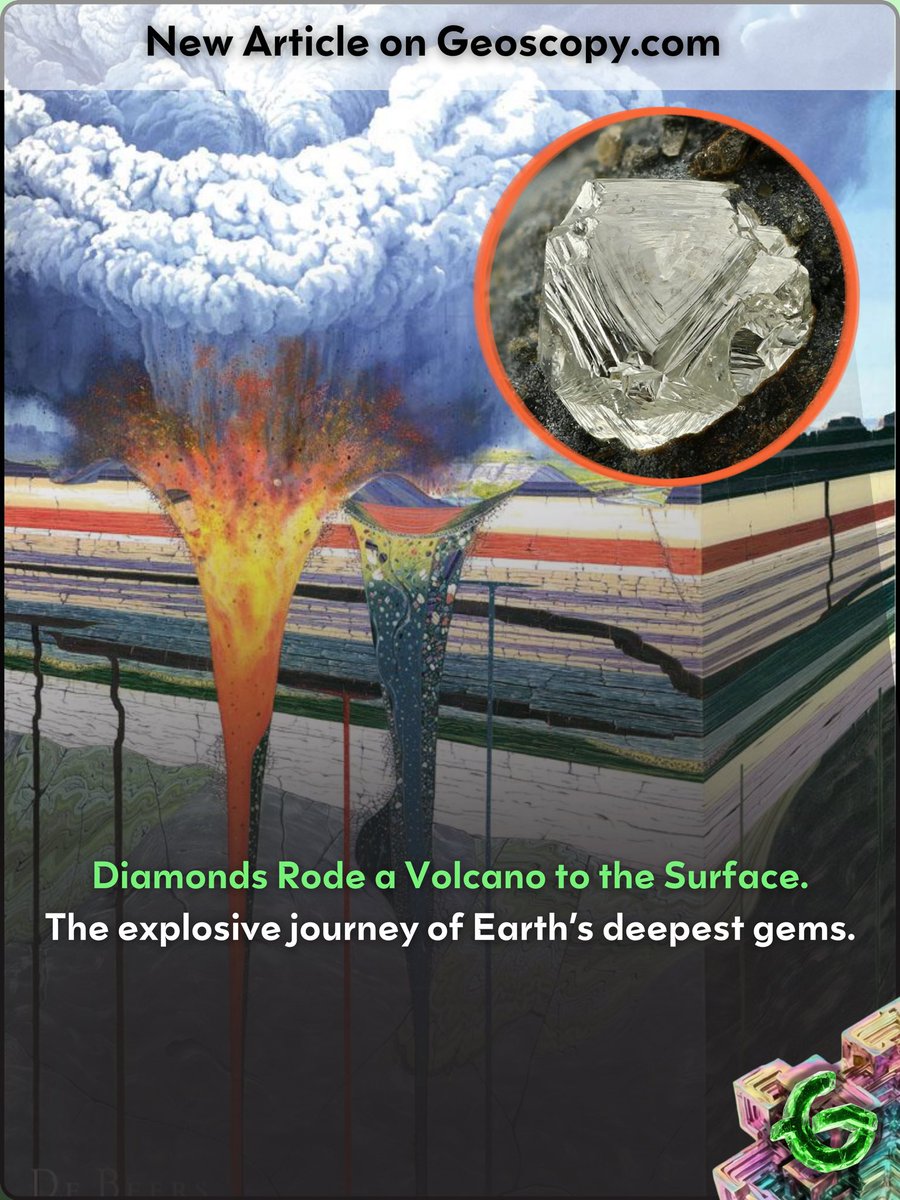
21
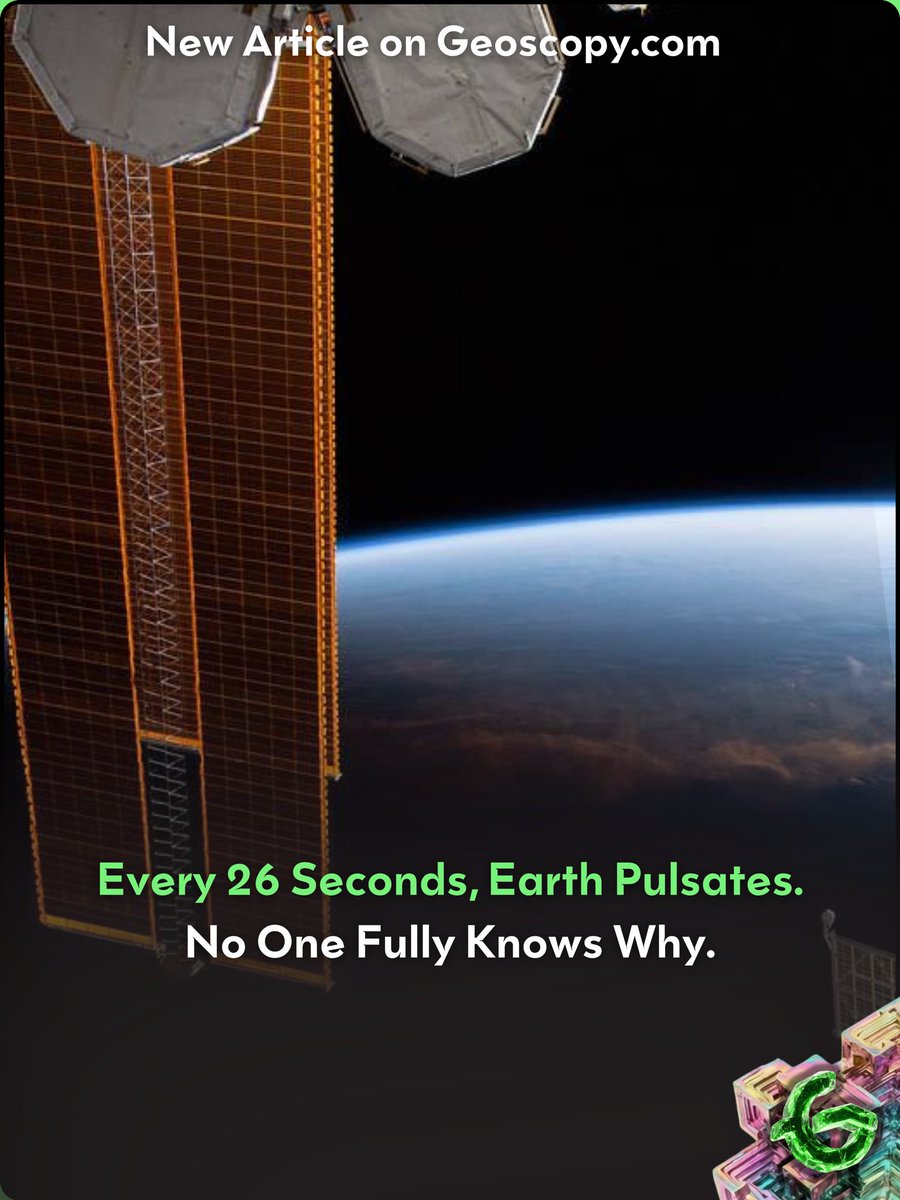
Every 26 seconds, Earth quietly pulsates.
A faint seismic pulse repeats from the Gulf of Guinea: too weak to feel, strong enough to be recorded across the planet.
Ocean waves? Volcanism? Something deeper?
Earth’s “heartbeat” is still not fully explained.
geoscopy.com/the-26-second-p…
#Geology #EarthScience #Seismology #Geoscopy #PlanetEarth
1
33
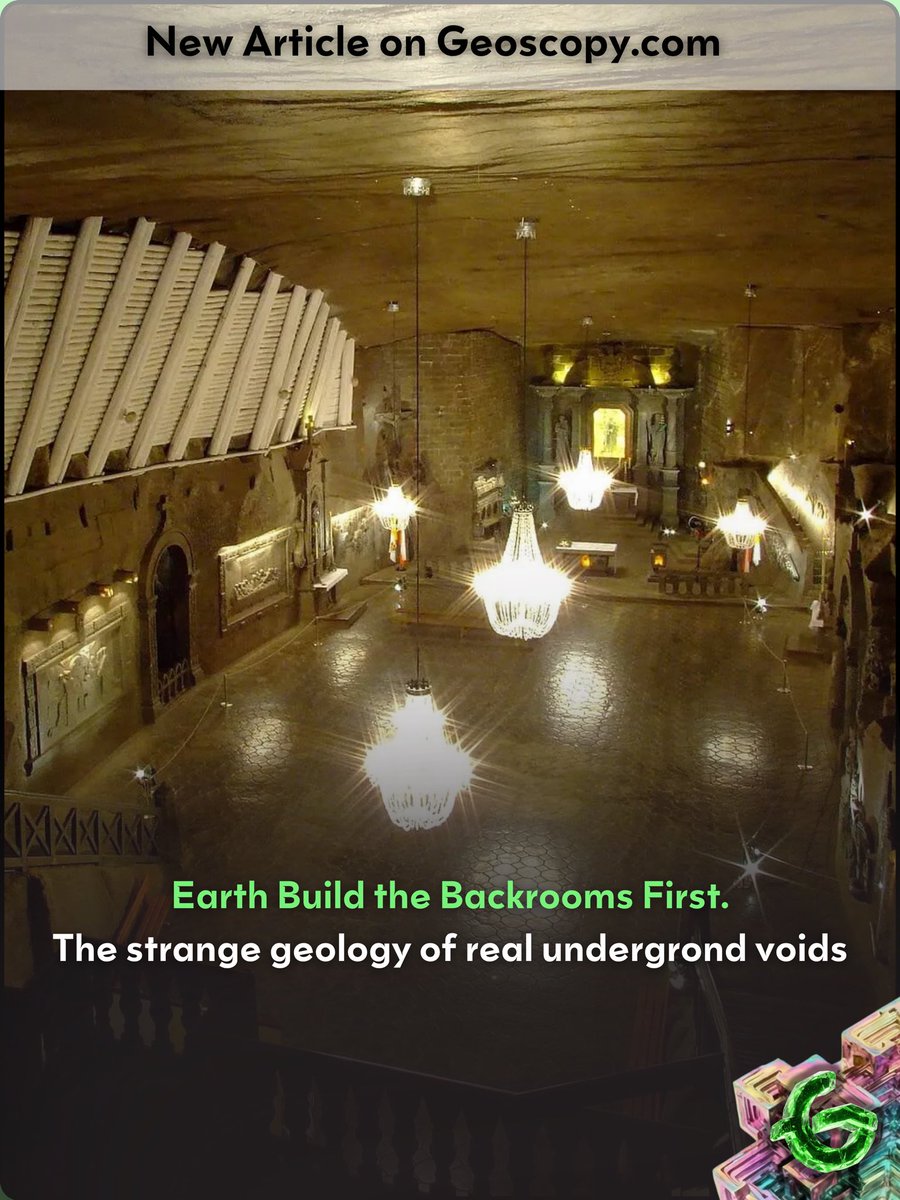
Earth made the Backrooms long before the internet did.
Caves, lava tubes, salt caverns and hidden voids are real liminal spaces, shaped by water, collapse, heat and deep time.
Read the full story:
geoscopy.com/liminal-spaces-…
#geology #caves #EarthScience
1
56
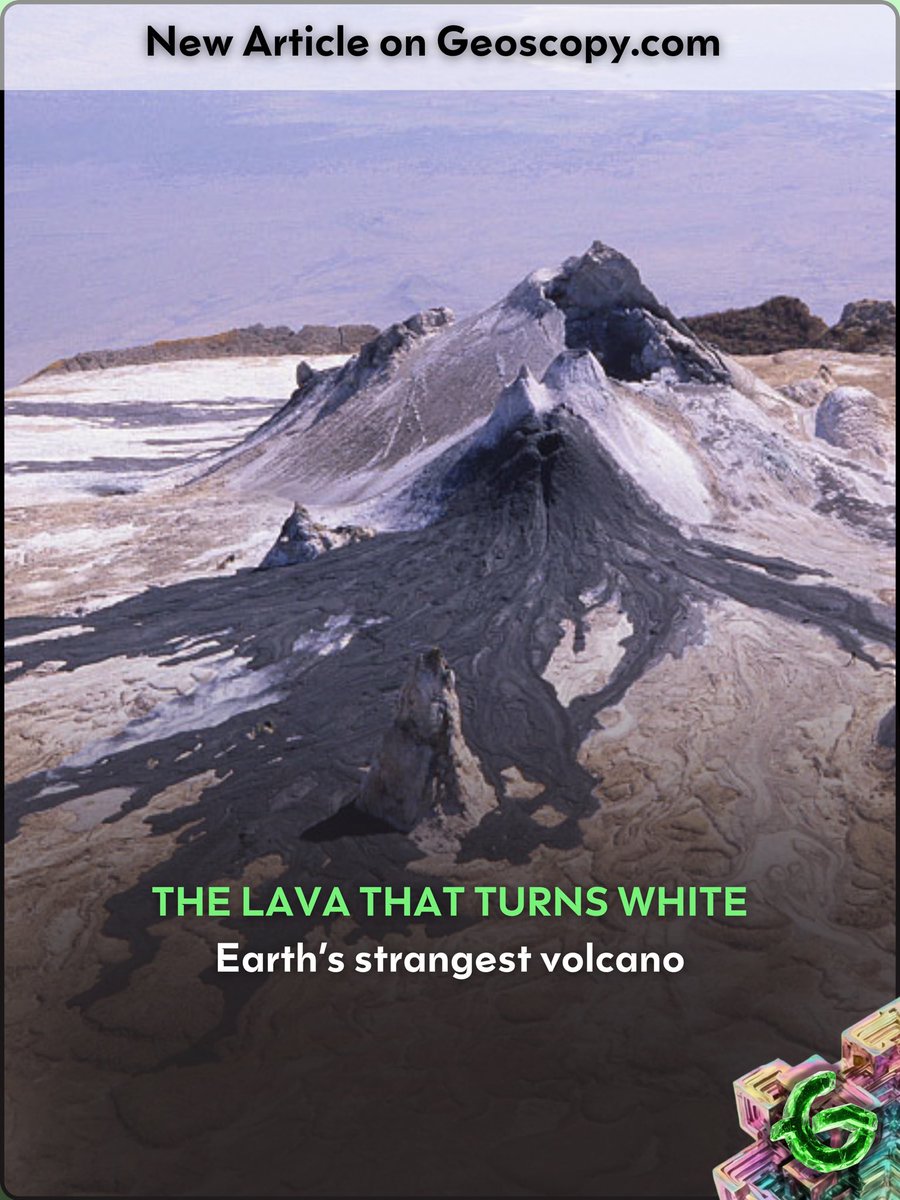
At Ol Doinyo Lengai, lava erupts black, flows like motor oil, then turns chalk-white in the air.
It’s Earth’s strangest active lava: rare carbonatite, cooler and runnier than almost any volcanic melt.
geoscopy.com/ol-doinyo-lenga…
#Geoscopy #Geology #Volcano #Tanzania
1
55
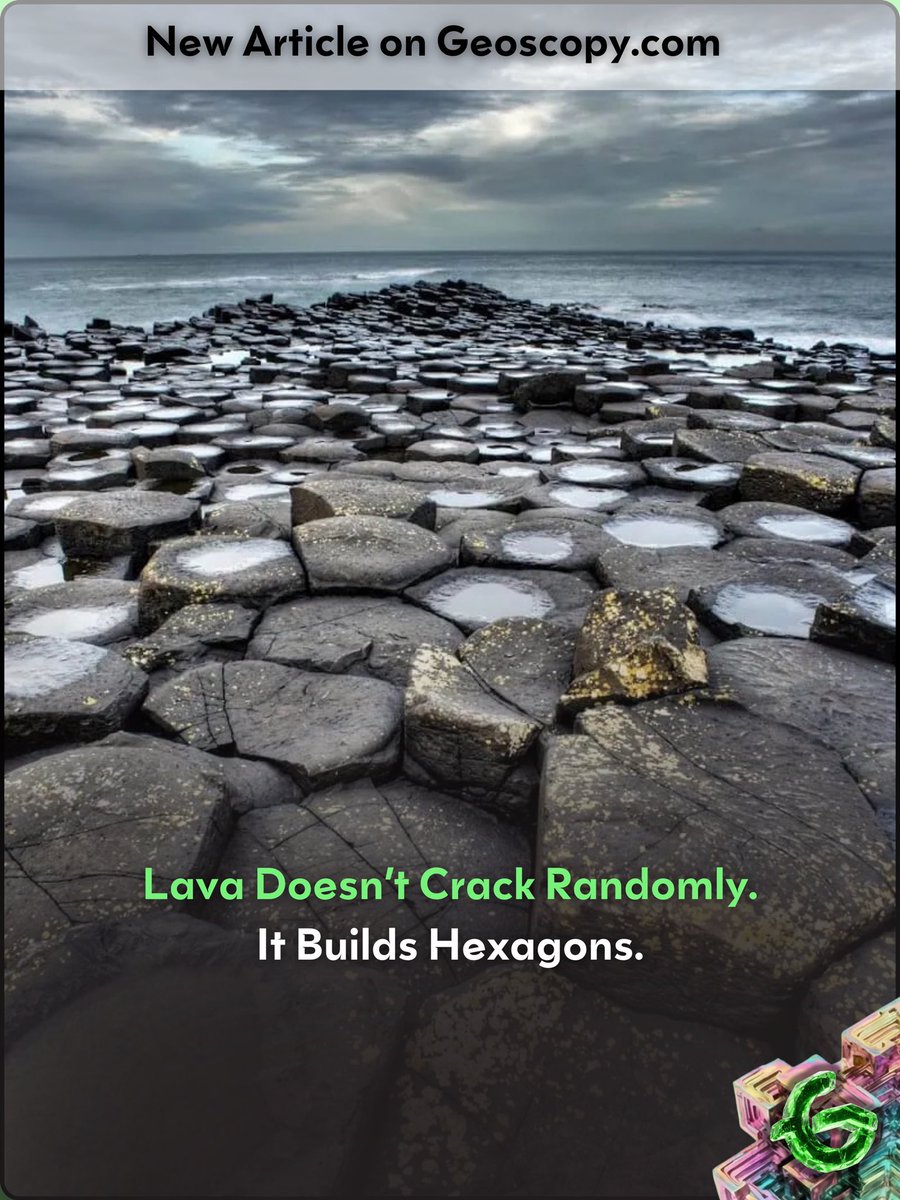
Lava doesn’t crack randomly.
As basalt cools, it shrinks. The stress breaks the rock into columns, and the most efficient pattern often becomes hexagons.
That’s why places like Giant’s Causeway look almost engineered.
Full article: geoscopy.com/why-lava-cracks…
#Geology #Volcanoes #Basalt #EarthScience #Geoscopy
2
17
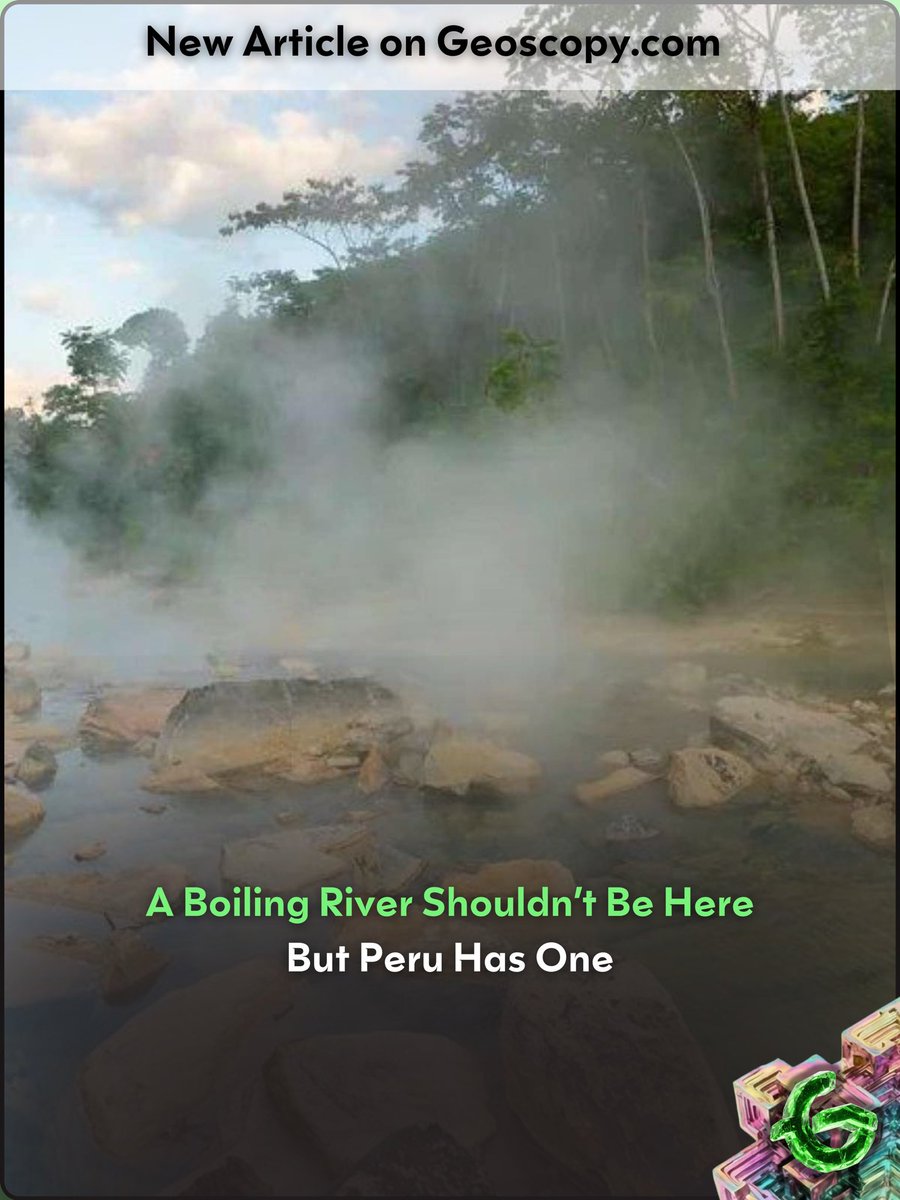
Deep in the Peruvian Amazon, a river steams at near-boiling temperatures, hot enough to kill animals that fall in.
The strangest part? There’s no active volcano nearby.
So what heats the Shanay-Timpishka?
Read the full story:
geoscopy.com/shanay-timpishk…
#Geoscopy #Geology #Amazon #Peru #EarthScience
34
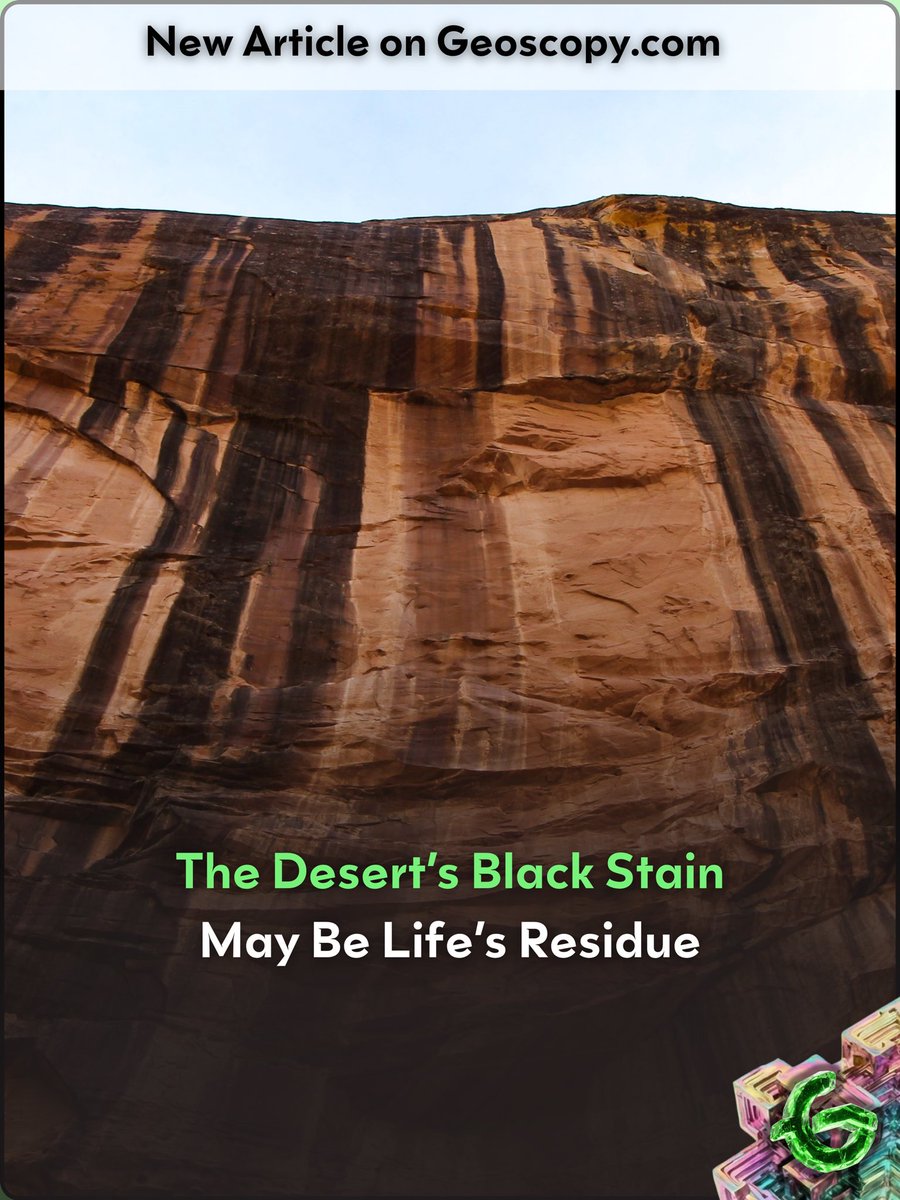
That black stain on desert rocks may be more than weathering.
Desert varnish is a thin mineral skin rich in manganese — and microbes may help build it over centuries. That’s why scientists also care about similar coatings on Mars.
Read more: geoscopy.com/desert-varnish-…
#Geology #Mars #Astrobiology #DesertVarnish #Geoscopy
17
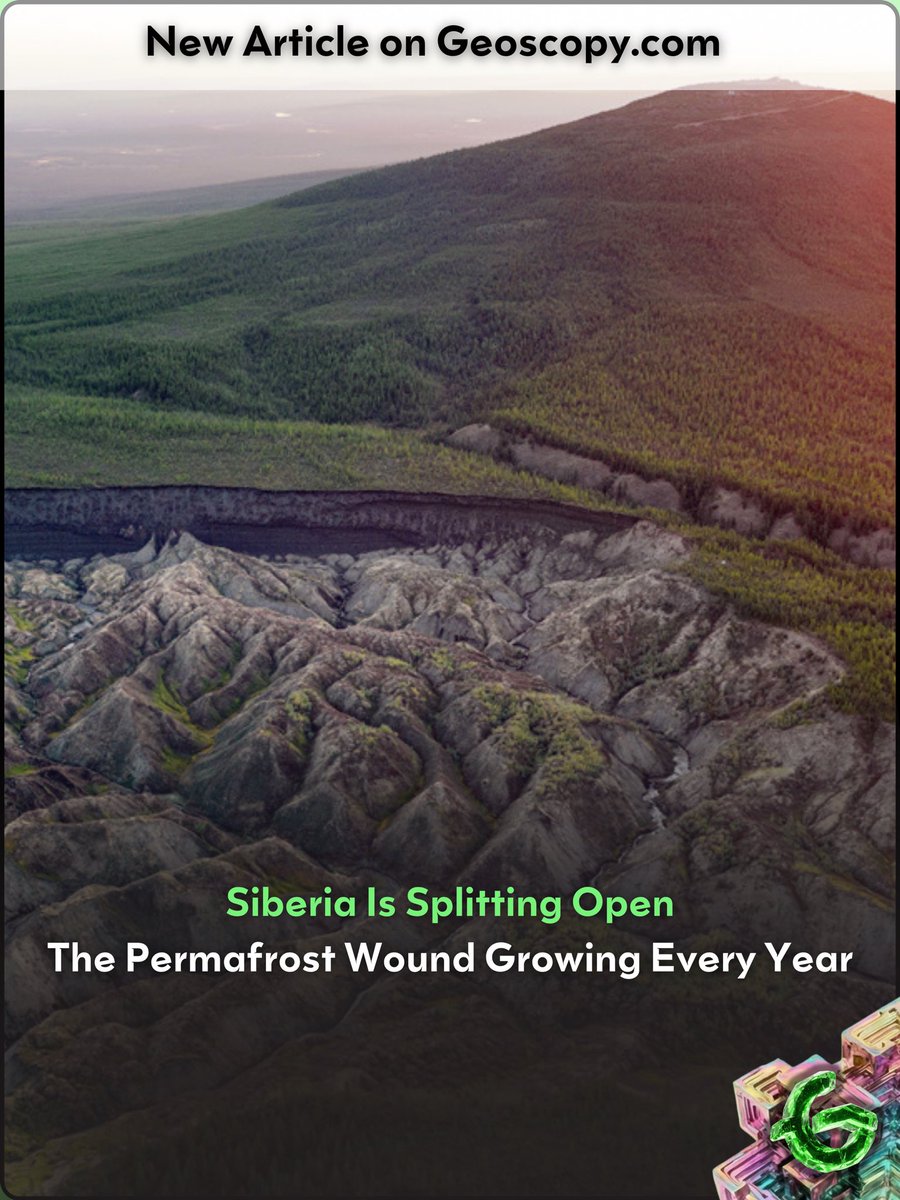
Siberia has a wound you can see from space.
The Batagay Megaslump isn’t a crater, it’s collapsing permafrost, exposing ancient frozen ground as it grows year after year.
Read the full story:
geoscopy.com/batagay-megaslu…
#Geology #Permafrost #Siberia #ClimateScience #Geoscopy
1
17
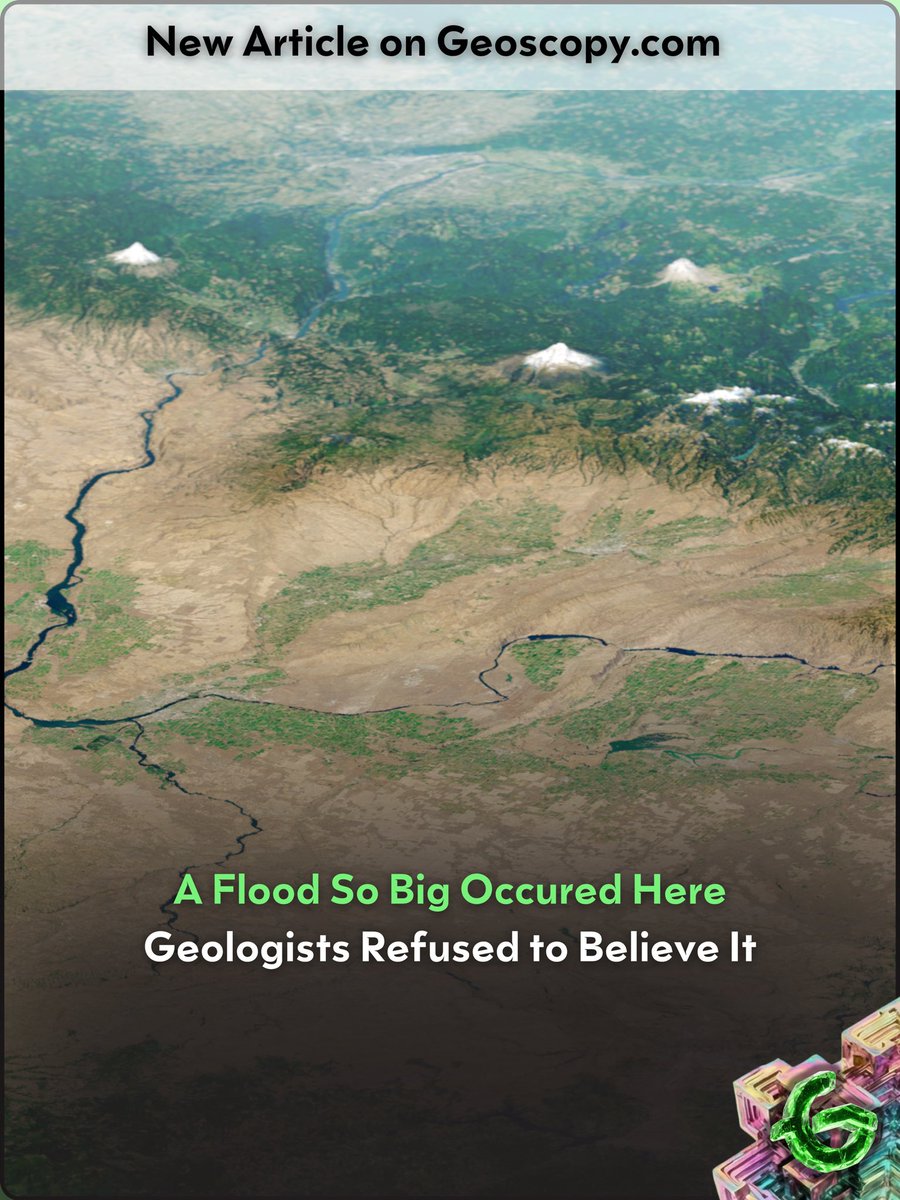
Geologists once rejected the idea: that eastern Washington was carved by floods so huge they reshaped the land in days.
The Channeled Scablands are the scars left behind.
Read: geoscopy.com/how-mega-floods…
#Geology #IceAgeFloods #Scablands
1
21
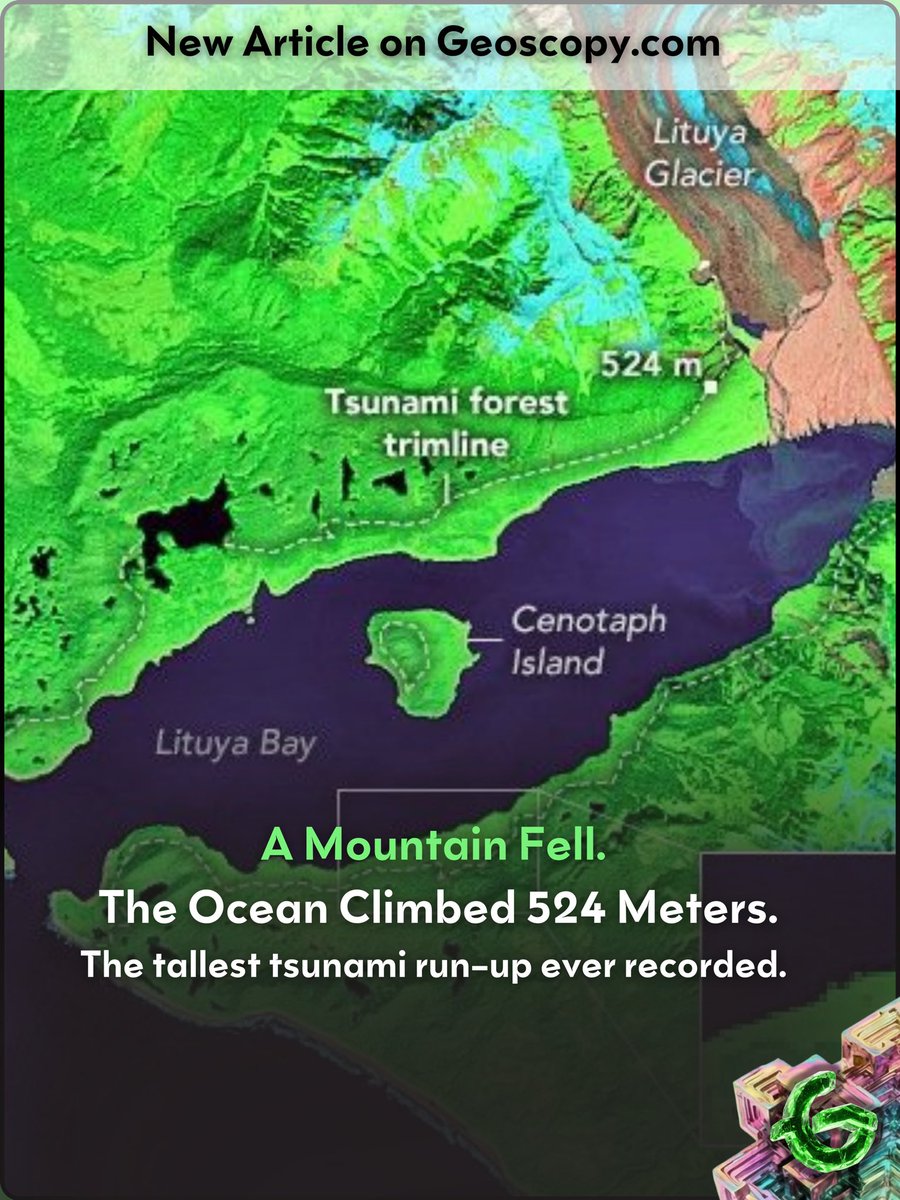
In 1958, a rockslide crashed into Alaska’s Lituya Bay and sent water 524 m up a mountainside: the tallest tsunami run-up ever recorded.
A fjord became a launch ramp. 🌊
geoscopy.com/lituya-bay-the-…
#Geology #Tsunami #EarthScience
3
109
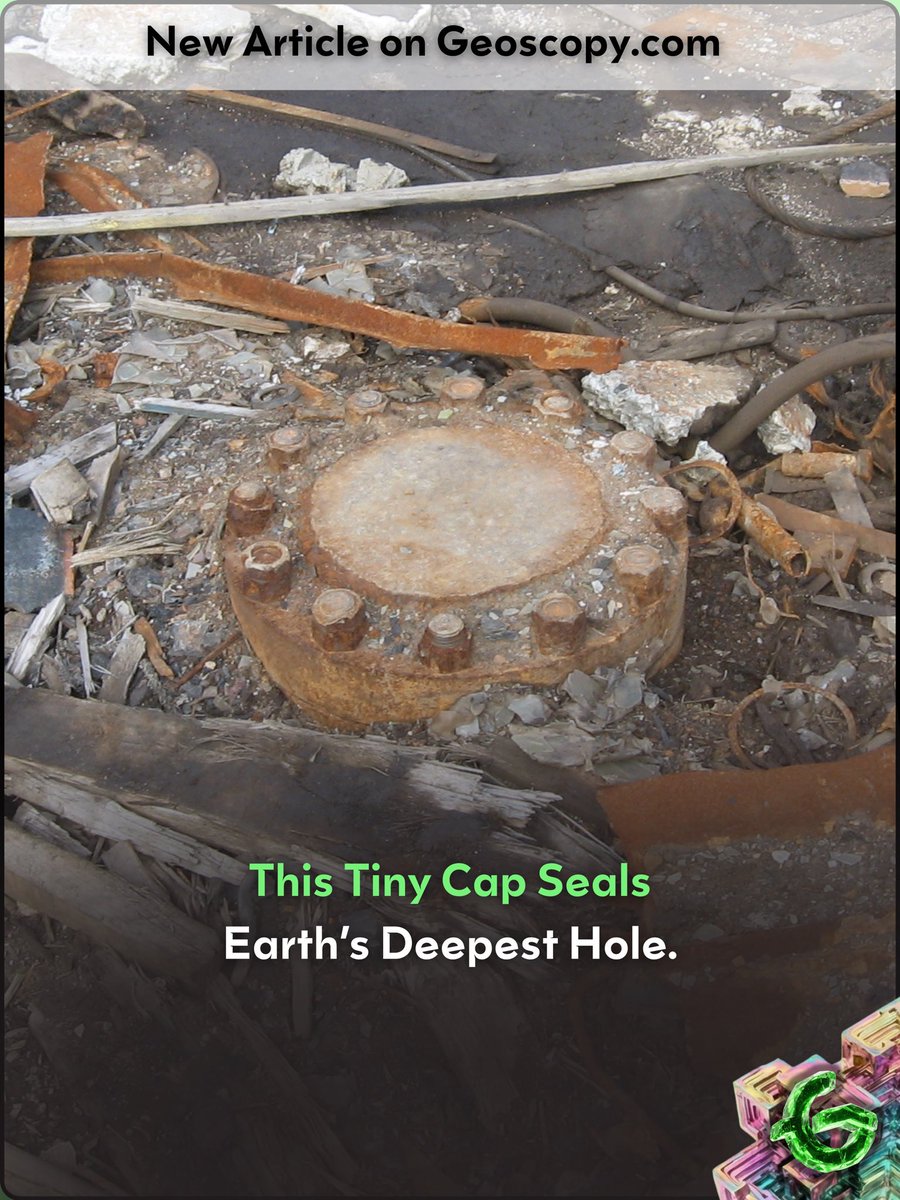
The deepest hole on Earth is sealed by a tiny rusty cap.
The Kola Superdeep Borehole reached 12.2 km into the crust, until extreme heat stopped the drill.
Earth got stranger the deeper we went.
geoscopy.com/kola-superdeep-…
#Geology
2
60
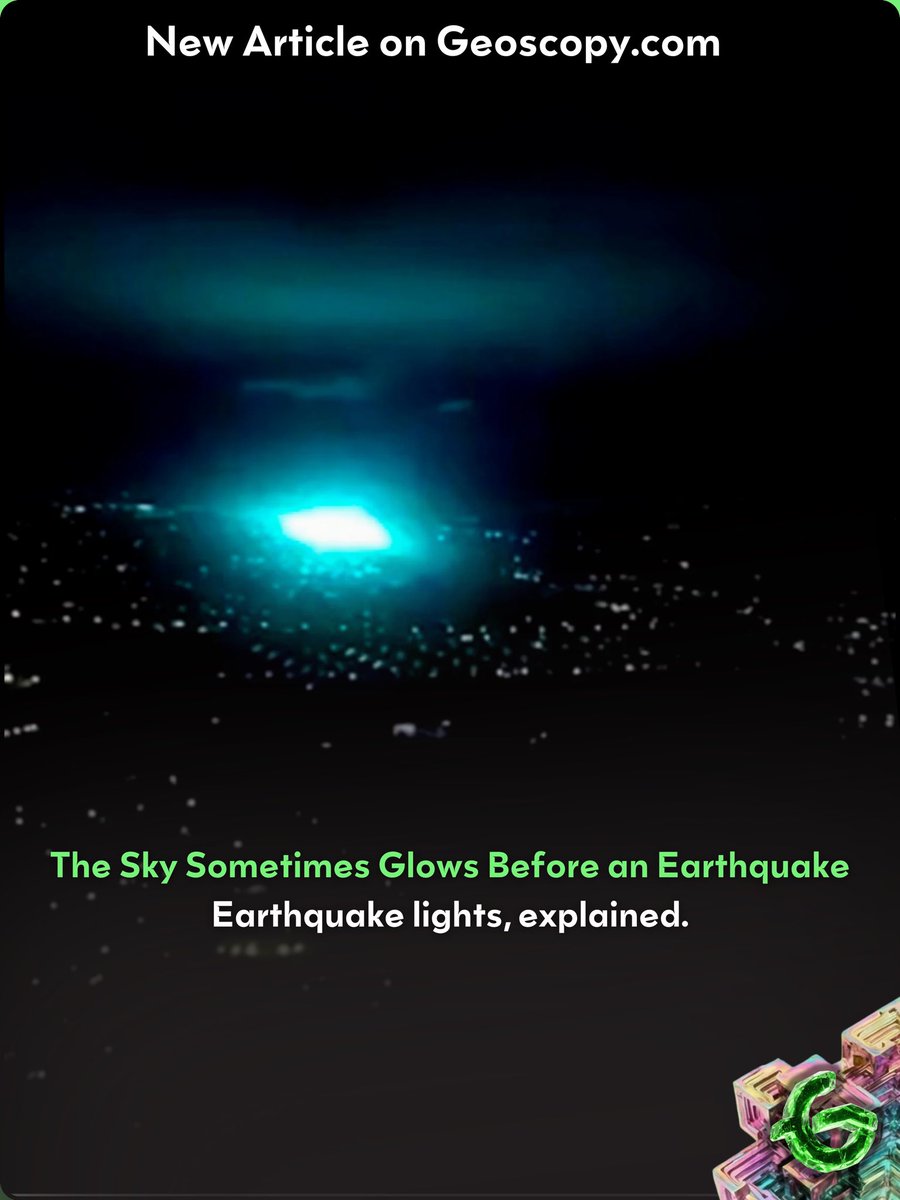
the strangest part of an earthquake happens in the sky.
Flashes, glowing clouds, blue-white light, earthquake lights sit between folklore and geophysics.
Read more:
geoscopy.com/earthquake-ligh…
#Earthquake #Geology #Geoscience
1
26
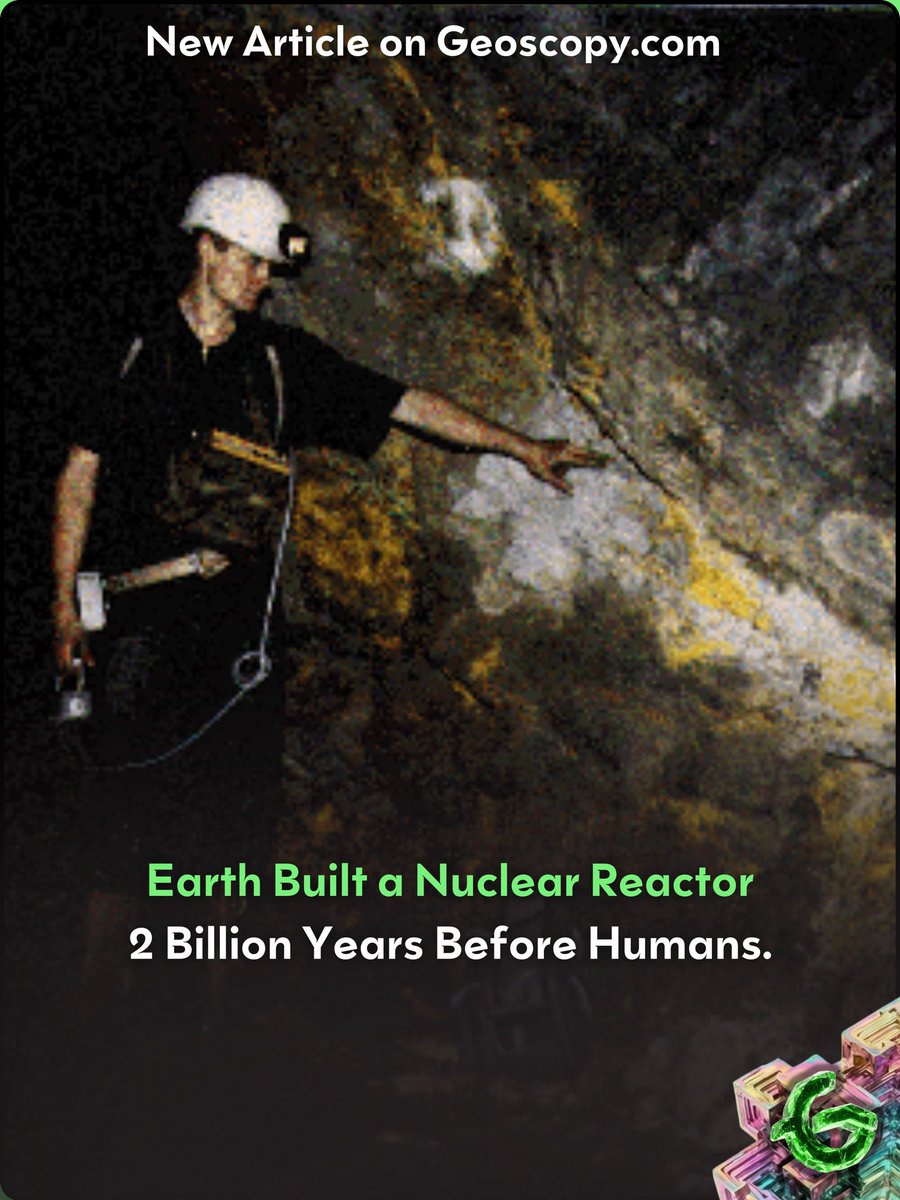
Two billion years before humans, Earth built its own nuclear reactor.
At Oklo in Gabon, uranium-rich rock and groundwater triggered natural nuclear fission, and the system even shut itself off and restarted on its own.
Nature did nuclear engineering first.
Read more: geoscopy.com/oklo-earths-nat…
#Geology #Nuclear #EarthScience #Geoscopy
2
44