
Living, laughing, loving
Joined August 2011
- Tweets 16,927
- Following 1,554
- Followers 585
- Likes 7,187
248 Photos and videos
















Masechaba retweeted

10h
The craziest thing about being an adult is that you can go through the most traumatic night of your life and still have to go to work the next day
8
60
557
23,236
Masechaba retweeted

Jun 14
i feel like there is a sleep in me that needs to be slept but each time i sleep i don't sleep that sleep.

359
23,621
92,979
985,163
Masechaba retweeted

A demonstration of love is always more important than a declaration of love.
7
654
1,496
29,744
Masechaba retweeted

matipa’s mom is the only real one in this show 😭
18
463
4,814
137,584
Masechaba retweeted

Jun 13
Unpopular opinion:
I rarely meet men in real life who are as remarkable as the ones written in movies, but I constantly meet women who are far more impressive than the women movies give us.

255
17,366
131,221
979,694
Masechaba retweeted

Jun 14
Hot take ebandayo: he didn’t even love himself.
Jun 13

Summary : Jonasi LOVED Jonasi
#ThePolygamist
29
764
4,639
135,283
Masechaba retweeted

Jun 14
LADIES!!! let's normalize telling men " i am no longer interested because the experience you provide makes me feel less of the woman than i am."
90
3,925
18,927
534,432
Masechaba retweeted

Jun 13
Girl to girl: study the patterns in your family. Look at what distracted, delayed, or derailed the women before you, then make intentional decisions to break those cycles.
refuse to be a victim of generational curses ❤️
165
10,511
39,531
512,419
Masechaba retweeted

There is NO chronic SA farm labour shortage. SA Coloureds and Africans have been doing this work for ages. What changed is that the 2012 farm worker's strike won serious gains for ALL workers. The aggressive recruitment of immigrant labour was designed to erode these victories
Jun 12

I am a supporter of localized speedy biometric documentation of any undocumented foreign workers, linked to crime and other databases for screening. The local councillor, police station, post office etc, should be used a speedy immigrant worker registration centres.
The South African agricultural sector relies heavily on foreign labor, meaning sudden policy shifts targeting undocumented workers could severely disrupt domestic food security and farm profitability.
This dynamic closely mirrors agricultural labor challenges in the United States and the United Kingdom, where finding native-born workers for seasonal farm labor remains a chronic difficulty.
The South African Context
The agricultural sector is a critical employer, yet a significant portion of its workforce consists of undocumented migrants, primarily from neighboring nations like Zimbabwe, Lesotho, and Mozambique.
Labor Supply: Local workers often avoid seasonal farm labor due to its grueling physical nature, remote locations, and low comparative wages. Migrant workers fill this gap, keeping operational costs viable for farmers.
The Risk of Hasty Policies: Mass deportations or sudden, restrictive border crackdowns without alternative labor pathways risk leaving crops to rot in fields. This directly threatens agricultural export revenues (like citrus and wine) and increases domestic food prices.
Proposed Solutions: Agriculture industry bodies frequently advocate for simplified, fast-tracked corporate visas or specific regularisation permits. This allows farms to easily document their existing workforce, ensuring tax compliance and legal protections without halting operations.
Comparative Global Challenges: USA and UK
Both the US and UK illustrate the economic consequences of tightening agricultural labor pipelines without providing adequate, fast-tracked documentation alternatives.
Core Labor ChallengeImpact of Policy & Current StateUnited StatesOver half of all crop farmworkers are estimated to be undocumented immigrants.
State-level crackdowns (like those previously seen in Georgia or Florida) have historically led to severe labor shortages and millions of dollars in lost crops.
While the H-2A temporary visa program exists, farmers frequently criticize it as slow, bureaucratic, and expensive. Calls for a legislative pathway to legal status for experienced, undocumented farmworkers remain highly politicized.
United Kingdom
The loss of free movement of people after Brexit cut off the traditional supply of seasonal Eastern European farmworkers.
The UK introduced the Seasonal Worker Visa, but processing delays, restrictive quotas, and high recruitment costs have left farms understaffed. In recent years, labor shortages forced UK farmers to waste millions of pounds worth of fresh produce, highlighting how quickly anti-immigration sentiments can harm agricultural supply chains.
The Case for Accelerated Documentation
Proponents of accelerated documentation argue that regularising productive, undocumented farmworkers benefits the state, the employer, and the worker simultaneously:
Economic Stability: It ensures an uninterrupted labor supply, maintaining farm profitability and stabilizing food supply chains.
Regulation and Taxation: Bringing workers into the formal economy allows governments to monitor labor standards, enforce minimum wage laws, and collect accurate employment data.
Human Rights: Documented workers are less vulnerable to exploitation, underpayment, and substandard living conditions by unscrupulous employers.
4
34
61
6,420

Masechaba retweeted

Jun 13
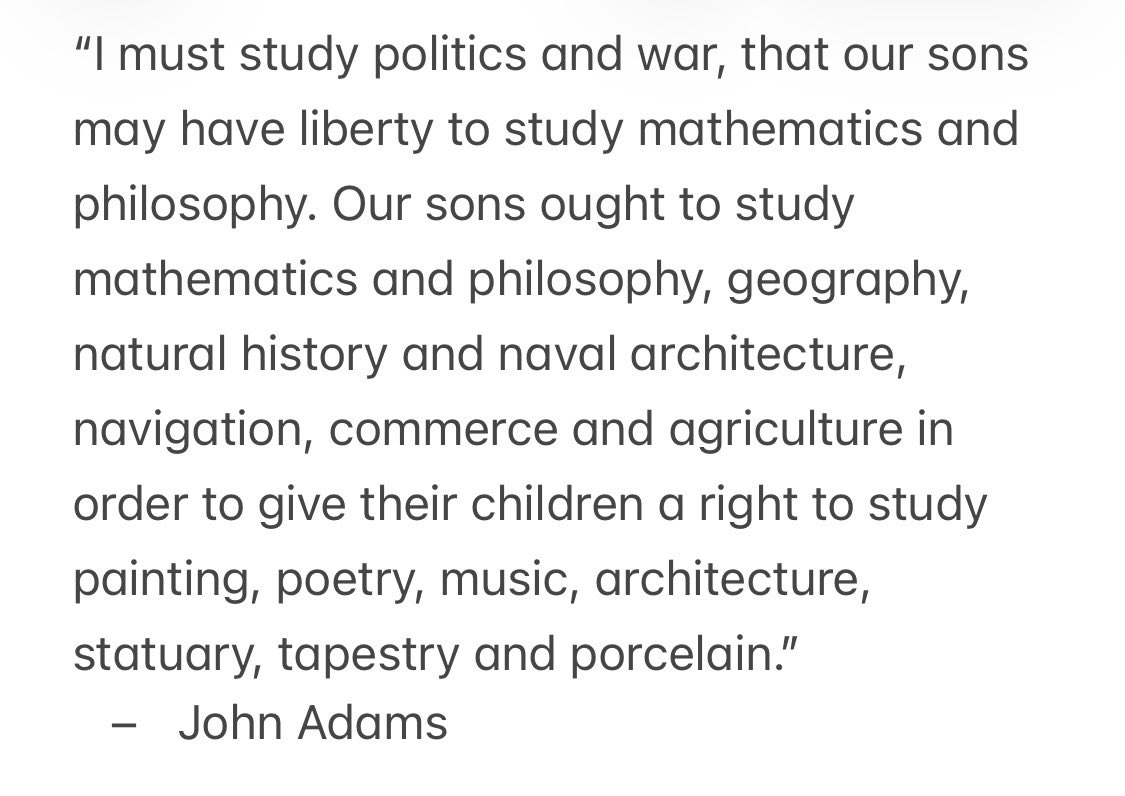
Sdumo really chewed this Jonasi role.
If this was 1999, he wouldn't make it out of his house - the aunties would've caught him at Shoprite 😭 #ThePolygamist
33
585
5,006
116,969
Masechaba retweeted

Jun 12
Call me a hater but I think living in a world where both trillionaires and global poverty coexist is a sign humanity has failed as a species


5,291
69,451
460,825
6,676,938
Masechaba retweeted

Jun 12
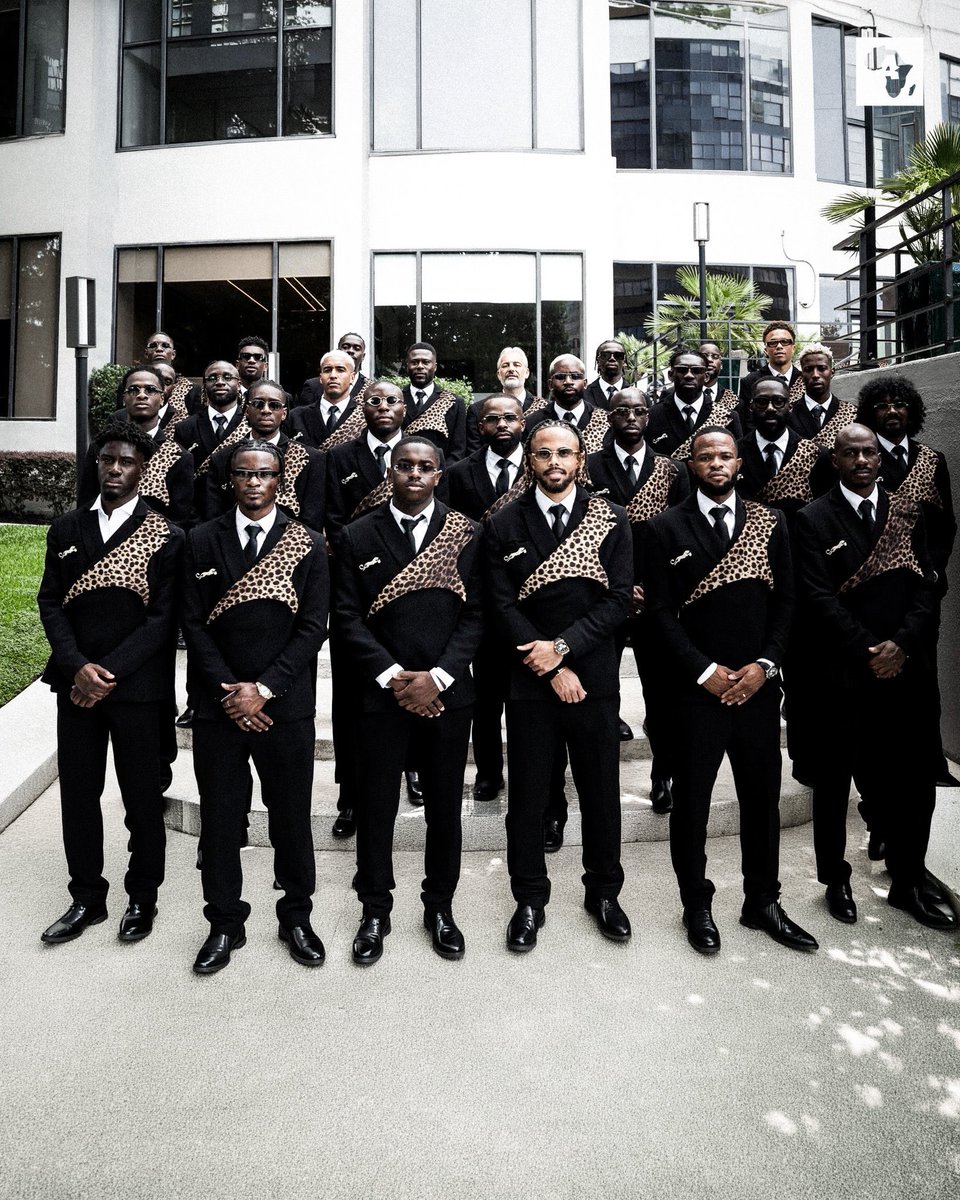
Proper coming to America vibes 🔥🔥🔥
19
119
2,693
59,424




Masechaba retweeted

Jun 12
Regla nº1 de los mundiales: En los partidos neutrales se va siempre con el país más tercermundista de los 2.
182
4,640
76,030
1,220,278

Masechaba retweeted

Jun 12
The same parents who travel long distances to help/ grieve/ celebrate their friends?
The ones greeting almost everyone from church to the market? They model alot about community and friendship. Alot of us think we're too good for mundane things.
Let's be serious please.
Jun 11

I think our elders didn’t do a good job at modeling how friendship changes from adolescence/young adulthood to 30s and beyond. A lot of us think friendships are supposed to look & feel like they did when we were in high-school & college. & thats just not realistic.
60
5,497
18,614
559,869
Masechaba retweeted

Jun 11
the audacity to believe in God's plan when your whole life is falling apart is literally the entire cheat code to stay happy and calm.
18
128
858
10,135
