I am Assistant Superintendent for Curriculum and Instruction in Kanawha County in West Virginia. I'm also a mom, wife, and the person who feeds the dogs.

Joined March 2009
382 Photos and videos
Been waiting on bags for 4.5 hours at CLT. Originally grounded due to storms. Now told they are short staffed so no one is unloading bags. Unbelievable. @AmericanAir.
5
1
191
Melissa Ruddle retweeted
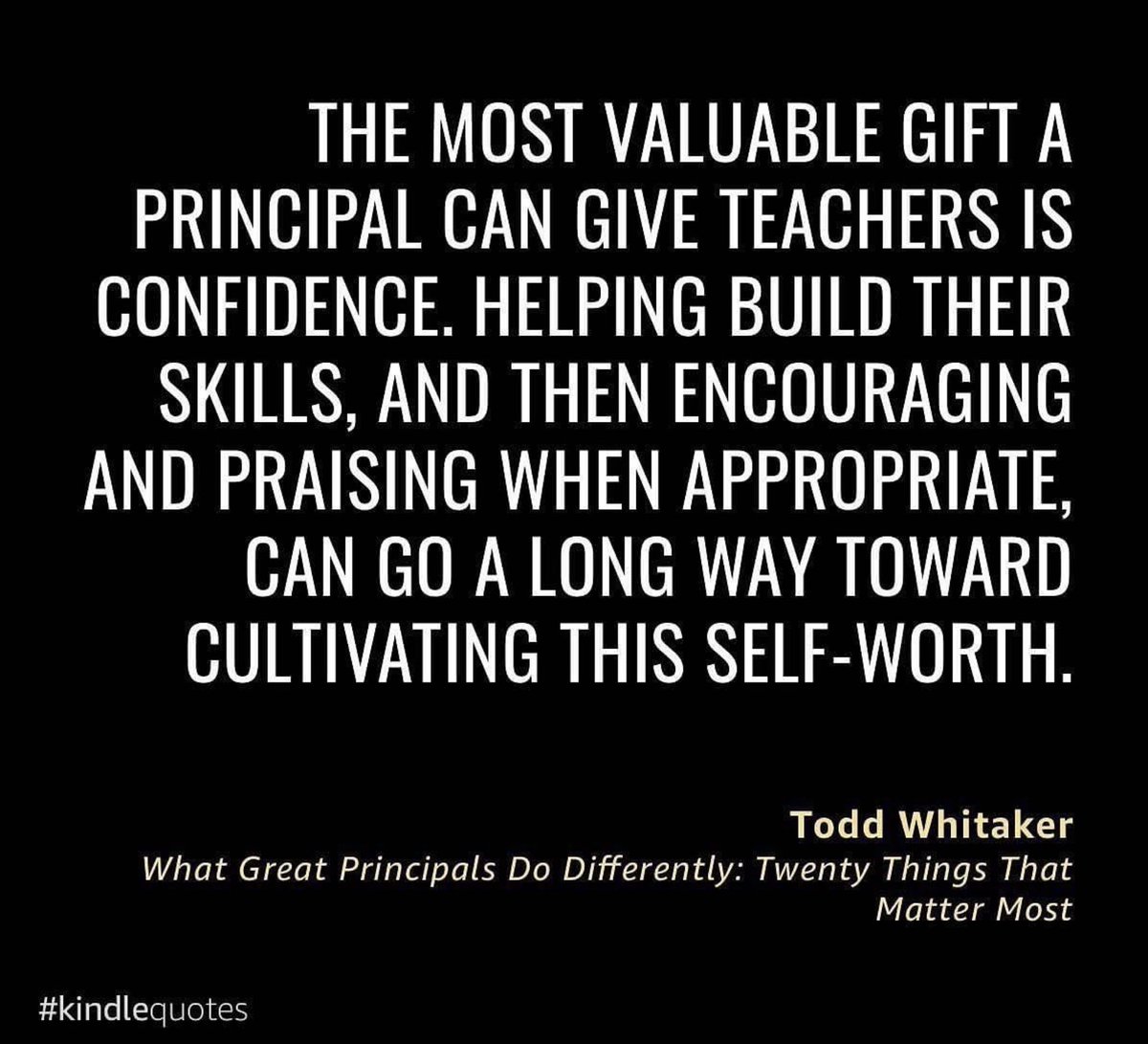
The gift of confidence. #confidence
23
93
8,184
Melissa Ruddle retweeted
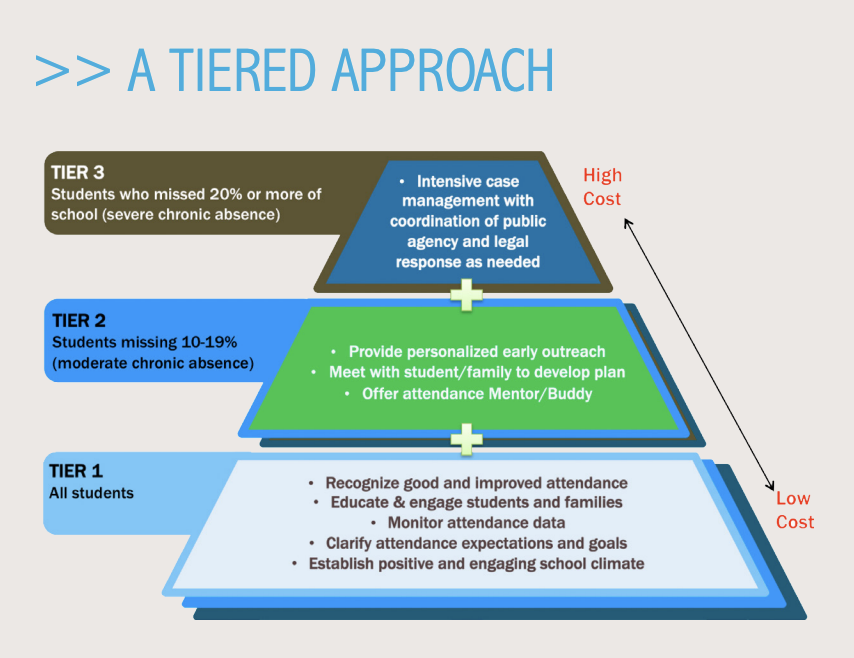
🧰 🔧 When it comes to addressing attendance challenges, what's in your principal toolkit? Check out this Principal Toolkit from @attendanceworks to see what you can add. attendanceworks.org/wp-conte…
18
68
16,480
Melissa Ruddle retweeted
25 Jan 2025
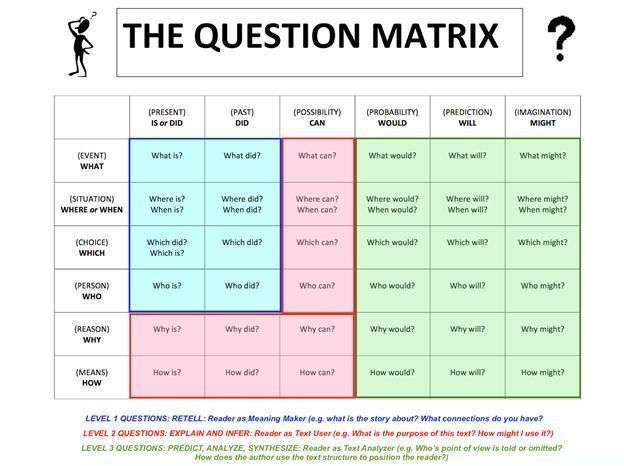
❓❓❓A Question Matrix is a tool to assist students in developing the skill of asking rich, higher-order questions. buff.ly/3CoqWpy via @Let's Talk Science #edutwitter #k12 #teaching
4
71
175
25,193
Melissa Ruddle retweeted
If you ask a teacher what they want from their admin, they’re probably NOT gonna say “instructional leadership.”  Most will simply say: “SUPPORT!” It’s important to note, though… that when they do feel supported, they are much more receptive to the instructional leadership.
6
24
204
9,922
Melissa Ruddle retweeted
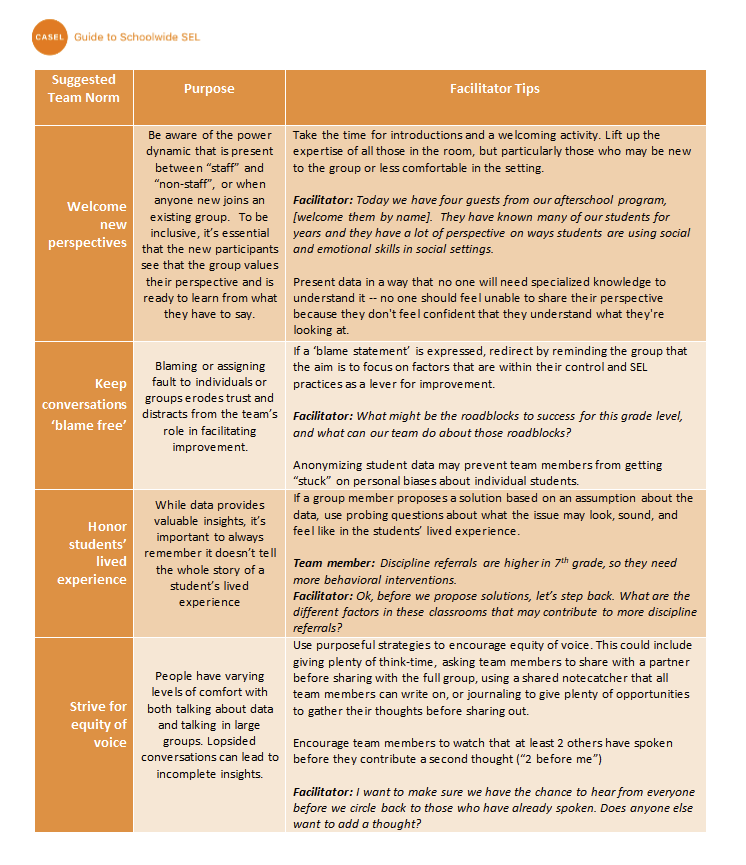
When your team sits down to look at school data together, this guidance from @caselorg keeps the discussion inclusive and meaningful. schoolguide.casel.org/resour…
1
46
192
52,952
So true!
How to pick your new couch color...
1
91
Melissa Ruddle retweeted
18 Jun 2024
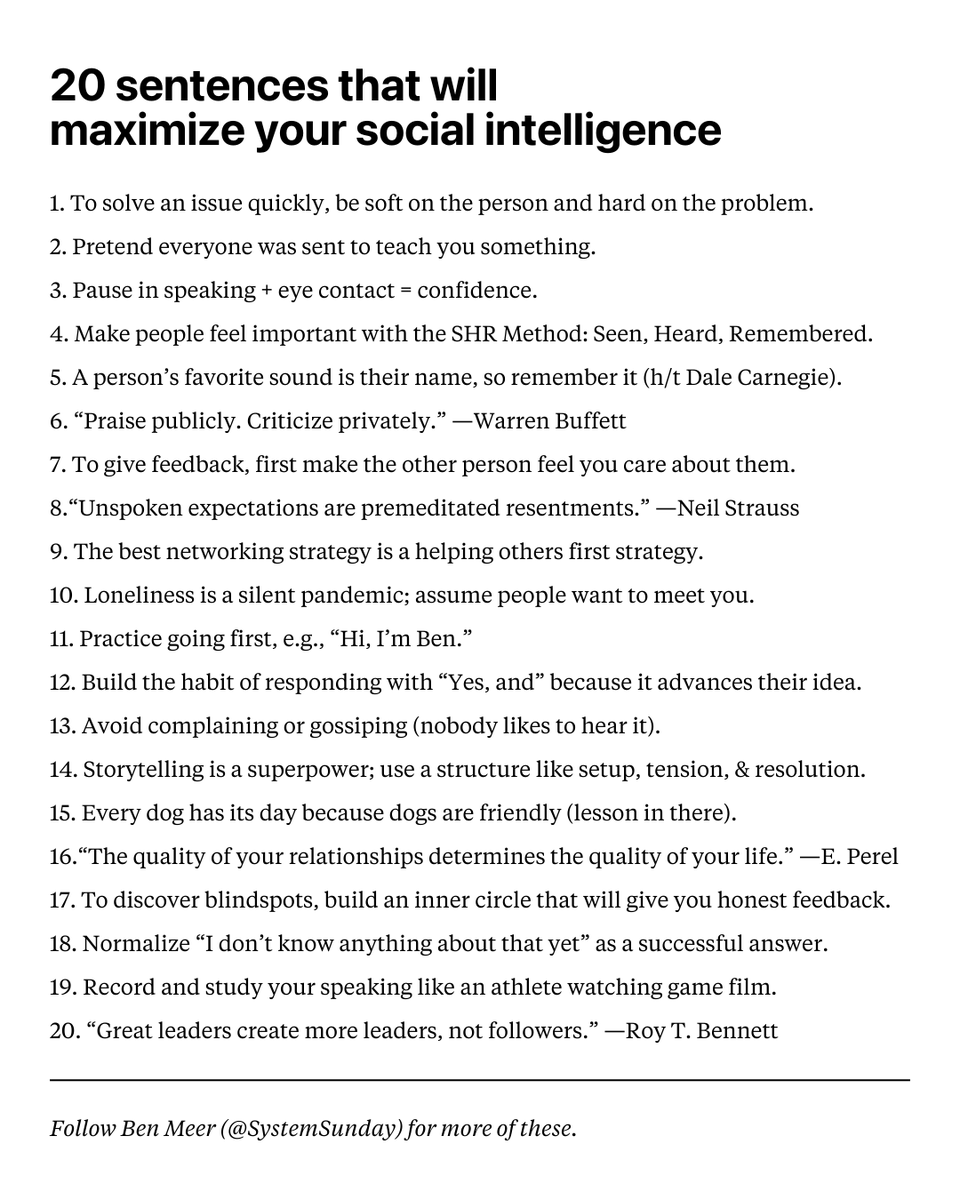
20 sentences that will maximize your social intelligence:
178
8,587
57,043
9,388,326
Fun idea!
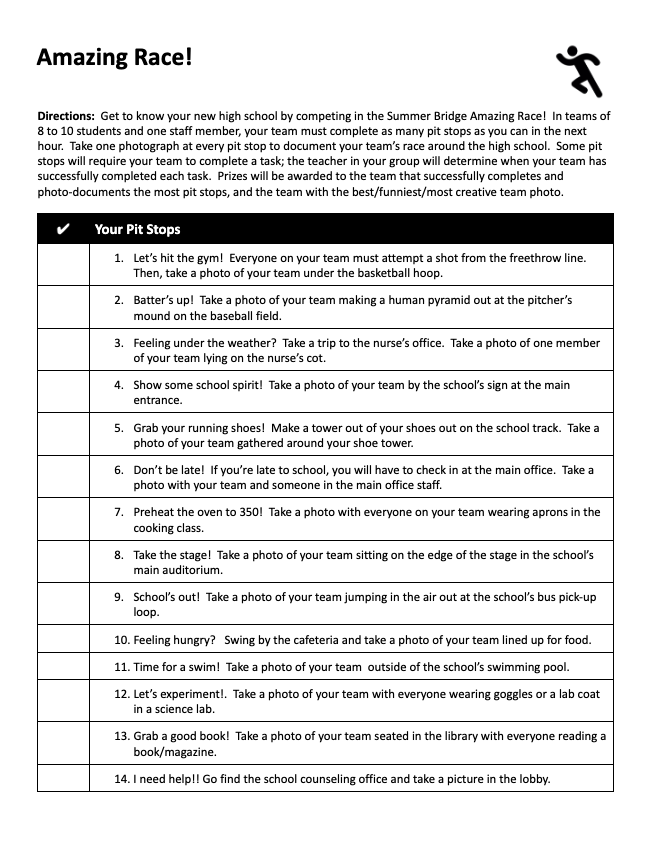
🏃‍♀️ 📚 🍳 🏋️ Can your new staff and students find your gym? Auditorium? Library? Bookmark this Amazing Race worksheet for some high-speed team-building! (Via @ctrisenetwork) docs.google.com/document/d/1…
70
Melissa Ruddle retweeted
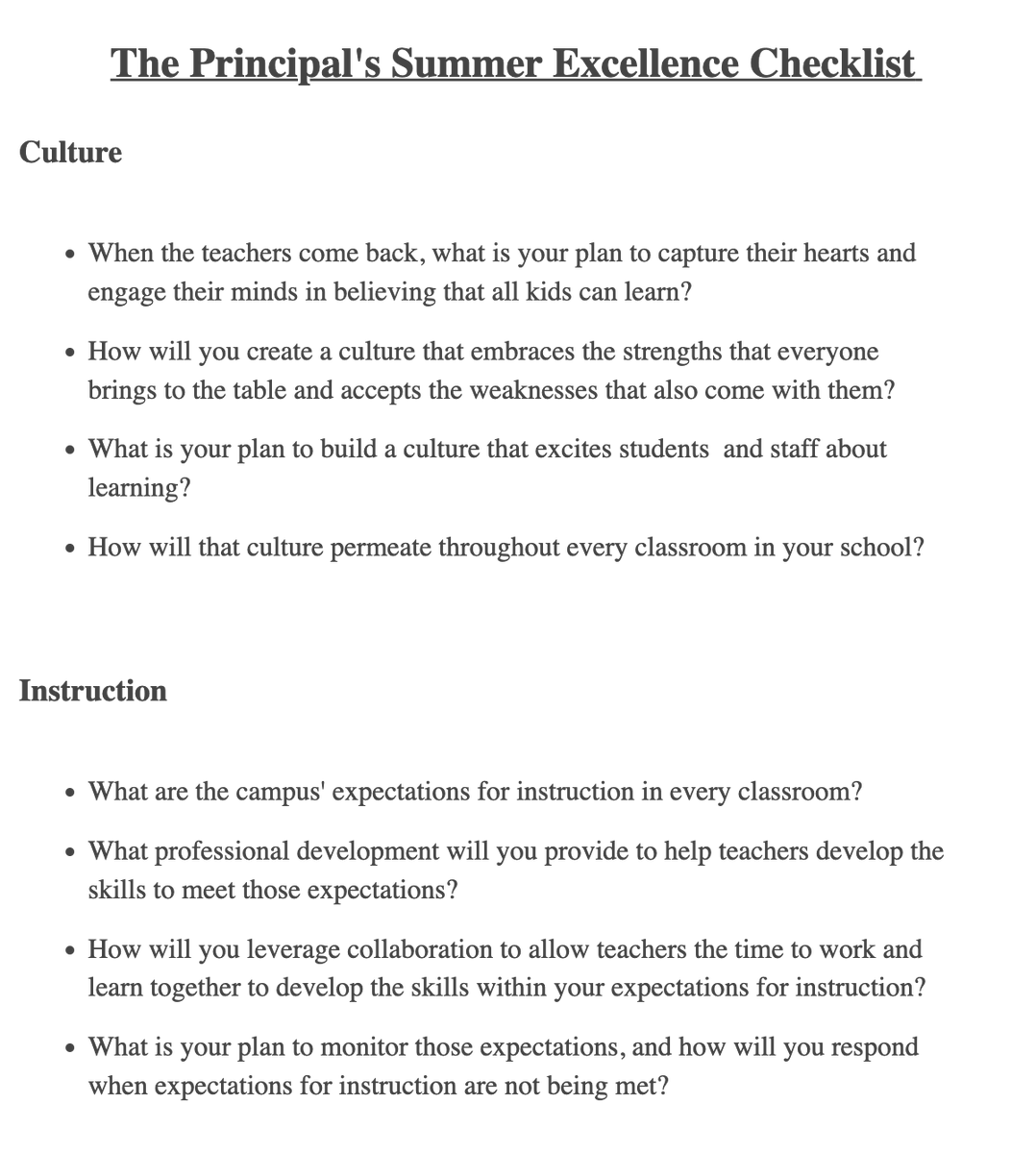
This "Summer Excellence Checklist" helped power leader @JohnWink90's big dreams for his school community to become reality: leadlearner2012.blogspot.com…
2
50
250
51,053
Melissa Ruddle retweeted
Here you go, new teachers! Listen to this tip; save yourself much stress! Mentors, take note. 👀#BetterTogether @greecementors
Lots of you asking for examples of using questions for oppositional / defiant #kids. Here you go… this clip did 3.8 mil views on instagram. #OppositionalStudents #DefiantBehavior #TeachingStrategies #teach #teacher #edchat #sped
3
9
31
6,101
Melissa Ruddle retweeted
One of my favorite ways to build culture is to reward everyone in honor of one. "Because Jenny had such a great week, all of you get 10 extra minutes of recess in her honor. Thank her not me." This can be done school wide! #schoolculture #teacher
1
16
88
8,089
Melissa Ruddle retweeted
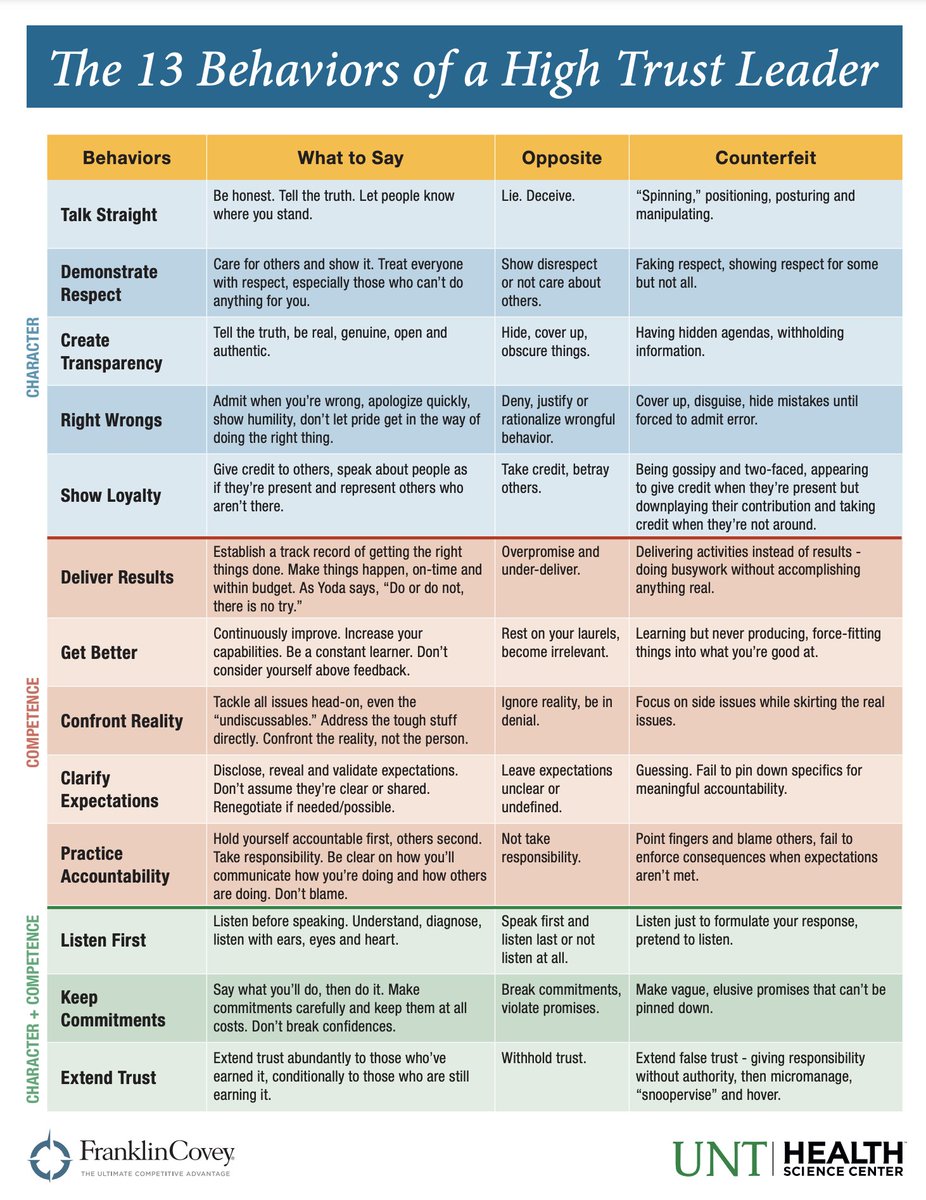
Do you aspire to be a high-trust leader? Find some habits on this list that you already demonstrate – plus pick one you'd like to focus on this spring! (Via @franklincovey) unthsc.edu/values/wp-content…
1
72
193
16,960
Melissa Ruddle retweeted
21 Feb 2024
3
241
817
58,178
Melissa Ruddle retweeted
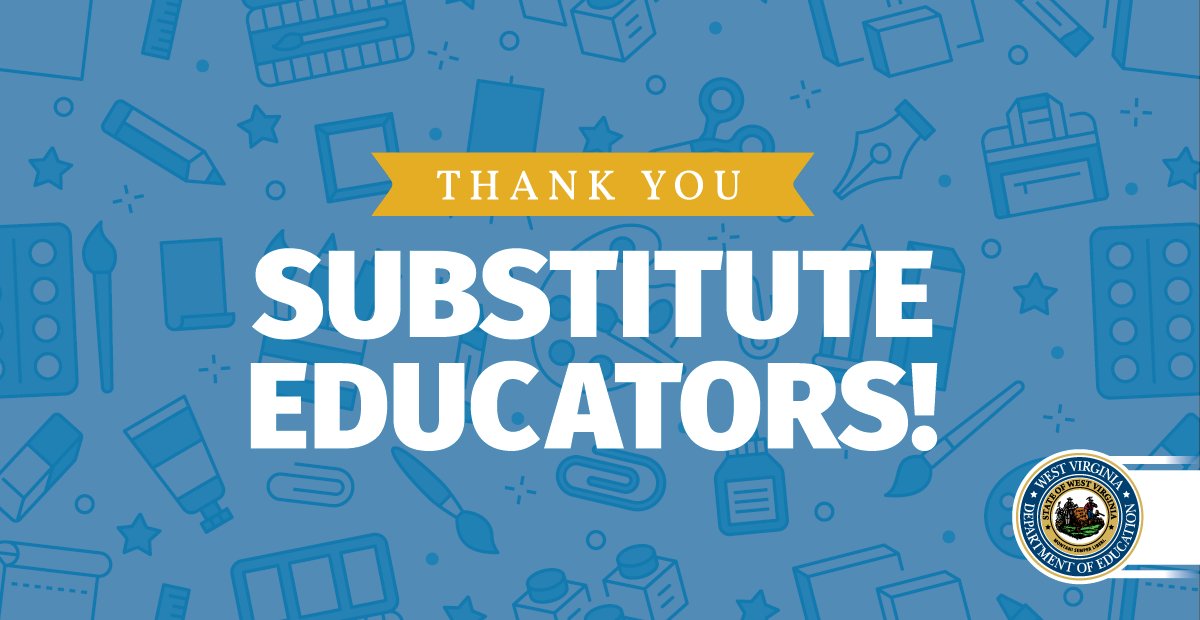
🍎Today is Substitute Educators Day! 🍎 As American Education Week concludes, we want to celebrate our substitute educators across the state who play a vital role in ensuring education continues in the classroom in the teacher's absence. Thank you for all you do! ✏️ #WVEd
2
5
747
Worth a read!
Replying to @rickwormeli2
Some colleagues have pushed back on this piece, indicating that no one anywhere says that reading is done with a phonics-only approach, or as some have said, even a, "phonics first" approach. My experience working in schools across the U.S. these past few years, let alone in previous iterations of a phonics push such as when the National Panel report and A National at Risk were released, has been different. Teachers and supervisors with whom I've worked have indicated that phonics-heavy curriculum is being purchased (with teachers told to maintain fidelity to the program and to remove supplemental materials not aligned or included with the new programs from their classrooms), to limit classroom focus on wide and frequent reading from personal interest, choice novels and picture books in favor of more teacher-directed, phonics-heavy approaches, and to level the books in their book bins, which is a deeply uncomfortable and ineffective practice. In addition, many classroom teachers and reading instructors are being directed to emphasize phonics over most other elements of reading instruction, and when a student struggles in reading, it's a series of phonics-focused lessons that must be applied over other choices. Yes, I know this is anecdotal, but it exists. It's not an over-the-top, phonics-or-die approach in all places, of course, but decades of rock solid research and other effective practices in elements of reading instruction are being impugned and shelved, with most of the reading "eggs" placed in one basket, phonics - and seemingly done to be politically expedient in some places, not pedagogically sound or completely vetted under full research scrutiny. As the article declares, phonics is of critical importance, but not as the sole, instructional diet, or even the most prime for every single student in that diet, and we are doing a disservice when turning all these other helpful elements into conspiratorial monsters. Some of the biggest concerns for those of us struggling with the Science of Reading hype-train is expressed in this segment of the article: "While teaching reading instruction has always been plagued by controversy (Pearson, 2004), the science of reading has presented exaggerated, misleading, and at worse false statements promoted in the media by a small group of scholars, educational activists, publishers, and journalists. Policy makers and publishers are attracted to these simplified arguments which propose solutions that can be mandated, packaged, and sold to schools. We are particularly concerned about the indiscriminate implementation of unwarranted and under-researched practices that have been espoused by science of reading advocates (Hanford, 2018; Paige, 2020; Spear-Swerling, 2019), including: Directive and/or scripted lessons that tell teachers what to say and do within predetermined and paced lesson sequences, An exclusive focus on phonemic awareness and phonics, Denials that children and adults use multiple sources of information when they read, Decodable texts that do not engage multiple aspects of reading, Specialized forms of reading instruction designed for particular groups of children that are promoted as appropriate for all children, Mandating “structured literacy” programs despite a lack of clear empirical evidence, and Privileging the interests of politicians and publishers over children."
2
194
Melissa Ruddle retweeted
Some colleagues have pushed back on this piece, indicating that no one anywhere says that reading is done with a phonics-only approach, or as some have said, even a, "phonics first" approach. My experience working in schools across the U.S. these past few years, let alone in previous iterations of a phonics push such as when the National Panel report and A National at Risk were released, has been different. Teachers and supervisors with whom I've worked have indicated that phonics-heavy curriculum is being purchased (with teachers told to maintain fidelity to the program and to remove supplemental materials not aligned or included with the new programs from their classrooms), to limit classroom focus on wide and frequent reading from personal interest, choice novels and picture books in favor of more teacher-directed, phonics-heavy approaches, and to level the books in their book bins, which is a deeply uncomfortable and ineffective practice. In addition, many classroom teachers and reading instructors are being directed to emphasize phonics over most other elements of reading instruction, and when a student struggles in reading, it's a series of phonics-focused lessons that must be applied over other choices. Yes, I know this is anecdotal, but it exists. It's not an over-the-top, phonics-or-die approach in all places, of course, but decades of rock solid research and other effective practices in elements of reading instruction are being impugned and shelved, with most of the reading "eggs" placed in one basket, phonics - and seemingly done to be politically expedient in some places, not pedagogically sound or completely vetted under full research scrutiny. As the article declares, phonics is of critical importance, but not as the sole, instructional diet, or even the most prime for every single student in that diet, and we are doing a disservice when turning all these other helpful elements into conspiratorial monsters. Some of the biggest concerns for those of us struggling with the Science of Reading hype-train is expressed in this segment of the article: "While teaching reading instruction has always been plagued by controversy (Pearson, 2004), the science of reading has presented exaggerated, misleading, and at worse false statements promoted in the media by a small group of scholars, educational activists, publishers, and journalists. Policy makers and publishers are attracted to these simplified arguments which propose solutions that can be mandated, packaged, and sold to schools. We are particularly concerned about the indiscriminate implementation of unwarranted and under-researched practices that have been espoused by science of reading advocates (Hanford, 2018; Paige, 2020; Spear-Swerling, 2019), including: Directive and/or scripted lessons that tell teachers what to say and do within predetermined and paced lesson sequences, An exclusive focus on phonemic awareness and phonics, Denials that children and adults use multiple sources of information when they read, Decodable texts that do not engage multiple aspects of reading, Specialized forms of reading instruction designed for particular groups of children that are promoted as appropriate for all children, Mandating “structured literacy” programs despite a lack of clear empirical evidence, and Privileging the interests of politicians and publishers over children."
9
26
92
26,293
Melissa Ruddle retweeted
ich liebe Deutschland 🥹

6
113
635
40,399
Melissa Ruddle retweeted
31 Oct 2023
Can a deck of cards get more students to speak up in class? Watch how one teacher makes participation less stressful—and way more fun. ♥️ ♣️ ♦️ ♠️ You can now watch all of our 60-second strategy videos like this in one place! Check it out: edut.to/3QEHYnS
3
56
179
63,636
How to change from TEACHING to LEARNING #3: Instead of a 10 ? multiple choice quiz for kids to answer correctly TRY Select 5 ?s, have kids choose 2 bad answers for each & explain why they're wrong Anyone can guess a right answer, it takes understanding to explain a wrong one
1
21
81
34,186