Joined May 2022
- Tweets 200
- Following 11
- Followers 11
- Likes 32
46 Photos and videos
Pinned Tweet

21 Nov 2022
We were doing just fine, though slowly but steadily, and with positive results and returns.
Then came 'Change', and we started losing it. They promised to make amends with 'Next Level', but it turned suicidal.
Now they are at it again with 'Renewed Hope'.🥵
#VoteWisely
2
1
Mugu's Watch retweeted
Jan 5
Fire for Lagos.
Gas from Southeast dey bring economic boom for North.
Money vanish.
Na talk talk full ground.
#MugusWatch #Nigeria #LagosFire #AKKPipeline #NoToGMO #VoteRight
1
1
6
Mugu's Watch retweeted

27 Dec 2025
🇳🇬 Dear Nigerians! This may be a long read, but if you can, please read to the end and learn.
Yesterday, we reported that the Nigerian Senate formally acknowledged discrepancies in the 2025 tax reform laws and directed the Clerk of the National Assembly to re-gazette the affected Acts and issue Certified True Copies of what was actually passed by lawmakers.
That instruction is not a routine correction. It is an admission that Nigerian law was altered after due process had ended.
Once an Act has been debated, amended, voted on, transmitted, and assented to, it is no longer a working document.
Any post-assent insertion or alteration of substantive provisions is unlawful.
When such an altered document is published and treated as binding law, the issue moves from politics into criminality.
You will all remember that this matter came into the open on December 17, when Hon. Abdussamad Dasuki disclosed on the floor of the House that the Official Gazette did not align with the Votes and Proceedings. That discrepancy is not cosmetic.
It is the legal fault line where forgery begins.
We have discussed those altered provisions exhaustively. Follow the thread to see our comments on them.
Such changes are not clerical errors.
Under the Criminal Code, making or altering a document to pass as genuine law constitutes forgery.
Publishing or acting on that altered document is uttering.
Where multiple officials participate in or enable the process, conspiracy arises.
Where public officers abuse entrusted authority, misconduct in public office applies.
The constitutional breach is equally clear.
Section 4 of the 1999 Constitution vests legislative power solely in the National Assembly. Any post-assent tampering usurps that authority, violates the separation of powers, and creates parallel and conflicting legal regimes.
Enforcement under such conditions lacks legitimacy.
Some Nigerians have called this treason. Legally, it is not. Treason requires intent to overthrow the state or wage war.
What we are dealing with here is something different but no less dangerous: deliberate institutional subversion of the lawmaking process.
Re-gazetting may repair the record, but it does not resolve liability.
The central questions remain unanswered: who authorised the insertions, who executed them, and why implementation is still being pushed while the breach is under investigation.
If this passes without consequences, it establishes a precedent that any statute can be quietly rewritten after lawmakers have voted and the President has assented.
That is incompatible with constitutional democracy. In fact, if you call it constitutional treason, you are right on point..
This is not about inhumane tax policy. It is about whether Nigeria still recognises the rule of law as binding on those in power.
Please join this important conversation and continue to demand accountability.
Those responsible for altering our laws must face consequences for abusing our laws and attempting to undermine years of democratic progress through greed.
This cannot be excused or normalised under any gimmick, guise, or legislative smokescreen. #SuspendTaxReformLaw
26 Dec 2025

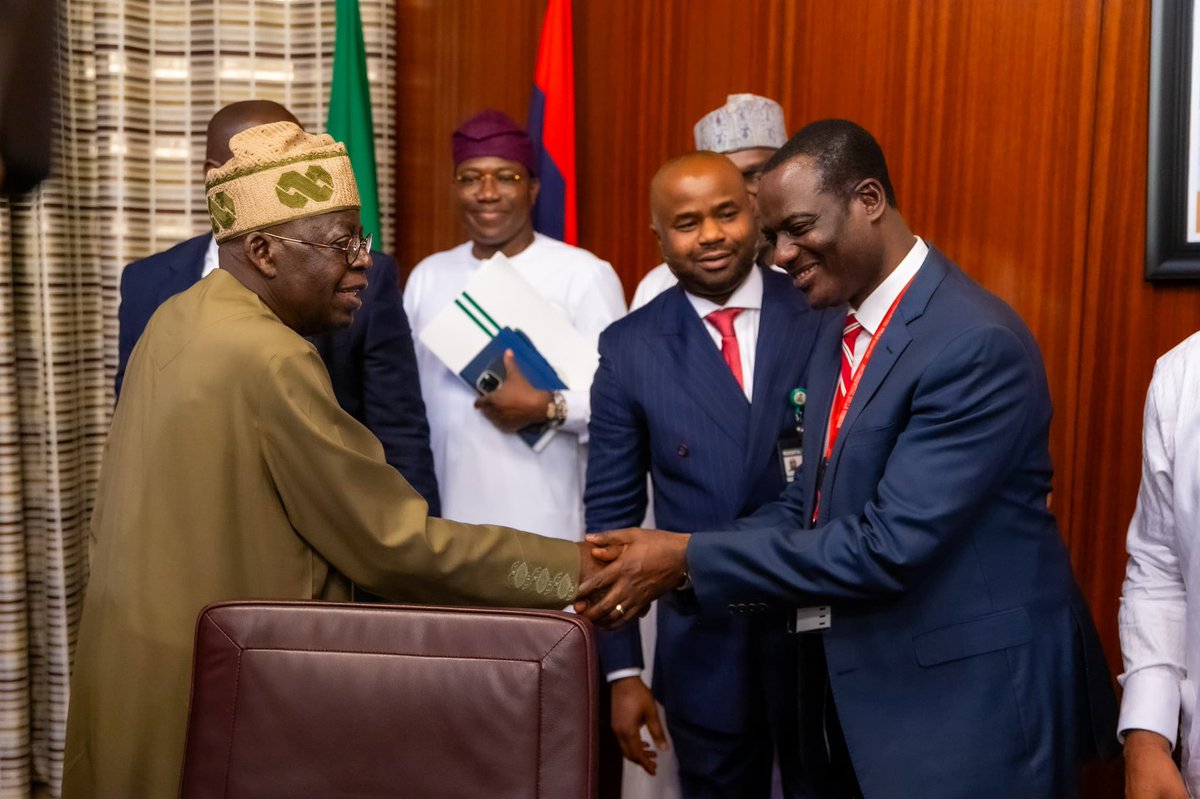
🇳🇬 BREAKING: The Nigerian Senate has finally admitted to discrepancies in the 2025 tax reform laws by ordering the Clerk to re-gazette the four controversial Acts.
This comes after the public refused to remain silent about the forgery allegations and the glaring differences between what was actually passed and what appeared in the Official Gazette like some alien document.
The Assembly's official language avoids any direct admission of “forgery” or criminality, framing it instead as a procedural matter.
House spokesperson Akin Rotimi confirmed that Senate President Godswill Akpabio and Speaker Tajudeen Abbas instructed the re-gazetting and issuance of Certified True Copies of the “duly passed” versions, citing administrative clarity and legislative accuracy.
The four Acts affected are:
Nigeria Tax Act 2025
Nigeria Tax Administration Act 2025
Joint Revenue Board of Nigeria (Establishment) Act 2025
Nigeria Revenue Service (Establishment) Act 2025
Signed by Bola Tinubu in June 2025, the laws were set to take effect from January 1, 2026.
Concerns arose after Hon. Abdulsamad Dasuki exposed post-passage changes, prompting allegations of forgery and calls for transparency and accountability.
The House ad hoc probe into the matter is ongoing.
111
2,015
2,486
271,739
27 Dec 2025
If foreign jet fit find bandit, why hunger still dey house?
Bombs, jets & empty pots - Episode 55.
#MugusWatch #Nigeria #Insecurity #CostOfLiving
1
1
10
Mugu's Watch retweeted
20 Dec 2025
Revenue target “met” in August…
Now finance minister say we go miss by ₦30T.
Subsidy removed, yet government still borrowing big.
Na who dey play who?
#MugusWatch #Nigeria #Budget #FuelCrisis #PVC2027
2
2
123
Mugu's Watch retweeted
16 Dec 2025
Electricity bill full.
Budget plenty.
Light zero.
Na who dey really reform?
#MugusWatch #Nigeria #PowerCrisis #Elections2027
2
1
12
Mugu's Watch retweeted
3 Dec 2025
Tinubu don drop new ambassador list - same old recycled politicians wey no get record but get loud praise-voice.
Meanwhile, insecurity still dey tear ground. Who really dey represent who?
#MugusWatch #Nigeria #Insecurity #AmbassadorialList
2
2
22
Mugu's Watch retweeted
28 Nov 2025
EP47 drops!
Governors dey shout for TV, Datti & Obi supporters don start again, and senators dey collect luxury dinner invites.
Meanwhile, insecurity dey rise.
Who really dey run this country? 🤦🏾♂️
#MugusWatch #Nigeria
1
19
Mugu's Watch retweeted
26 Nov 2025
Another mass kidnapping. Another “they’ve been rescued!” story.
But HOW were they rescued?
▪️ Ransom paid?
▪️ Gun battle?
▪️ Negotiation?
Government no talk - just “trust us.”
Meanwhile, reports say kidnapping don overwhelm the government.
#MugusWatch #Insecurity #Kidnapping
1
108
Mugu's Watch retweeted
21 Nov 2025
Nnamdi Kanu gets life imprisonment.
Terrorists get rehabilitation, food, training - even uniforms.
One Nigeria, two justice systems.
Selective justice is injustice.
#MugusWatch #NigeriaDecides #NnamdiKanu #Insecurity #HumanRights
2
1
48
Mugu's Watch retweeted
18 Nov 2025
Nigeria dey burn but govt dey shout “Security Improving!” 😂
Kidnappers no gree rest.
Prophets dey drop tribal hate.
Propaganda full everywhere.
Episode 44 go vex you AND make you laugh.
#MugusWatch #Nigeria #Insecurity
2
1
9
Mugu's Watch retweeted
11 Nov 2025
While terrorists dey fight themselves, our leaders dey borrow another Eurobond!
Everybody don go mute - religion silent, economy crying.
Na who really dey fear God for this country?
#MugusWatch #Nigeria #APC #Eurobond #BokoHaram #ISWAP #TruthMatters
2
50