
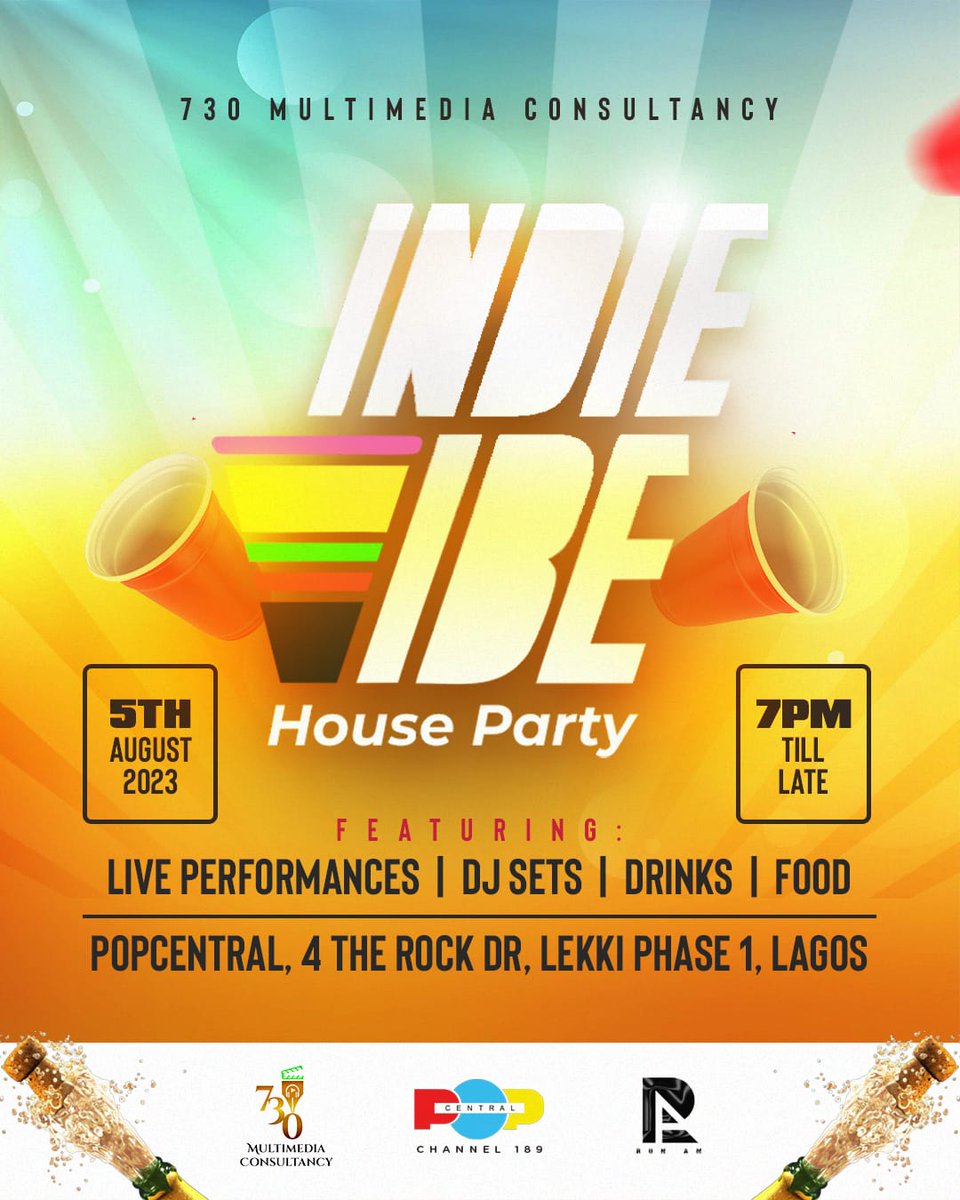
Music, Film and advertising Consultancy. We work with the best talent to ensure succeed on their terms. Building: @IndieVibeHParty.
Joined October 2020
- Tweets 1,474
- Following 221
- Followers 153
- Likes 632
108 Photos and videos



730 MULTIMEDIA CONSULTANCY retweeted

May 29
From June 1, I will be posting daily clips talking about my Director’s journey to making #OnDifferentGrounds… First film I have made with someone other than Rita Dominic or Ego Boyo. I hope I don’t get bored so help me God.
4
10
77
2,576
730 MULTIMEDIA CONSULTANCY retweeted

May 26
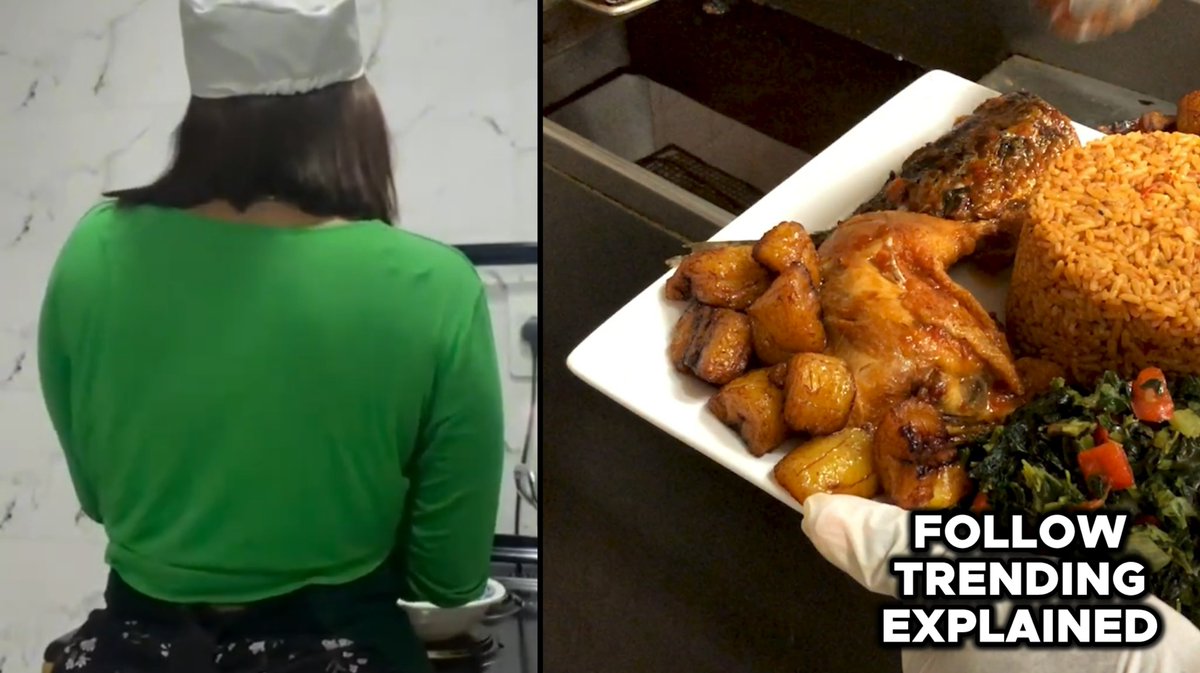
Very interesting choice of picture given the fact that the Private chef in question is a 41 year old man named John Cosmos Govi.
May 26

Just In:
Police arrests Abuja private chef who drugged client and stole jewelries worth over ₦150 million, with an iPhone 17 pro max.
9
1,202
3,816
95,178
730 MULTIMEDIA CONSULTANCY retweeted

Made a lot of HipHop beats in my life time. Some of my recent favorites [Song - Album]
Nkali - Single
Be Yourself - Illy Bomaye
Shoot and Go Home - Eziokwu
Won de - Ethos.
2
2
6
471
730 MULTIMEDIA CONSULTANCY retweeted
And that’s the issue. You get a stage pass, and you now start pushing everyone to get close to the DJ, wanna hug and snap with the DJ in the middle of their set. Because you think it’s special and must give you that right. Smh.
1
1
53
730 MULTIMEDIA CONSULTANCY retweeted
Apr 18
Fun fact: back in the 1990s, actors on Checkmate earned royalties... in pounds, no less. Our industry was actually heading somewhere until desperation crept in and folks started giving away everything.
9
81
184
13,770
730 MULTIMEDIA CONSULTANCY retweeted

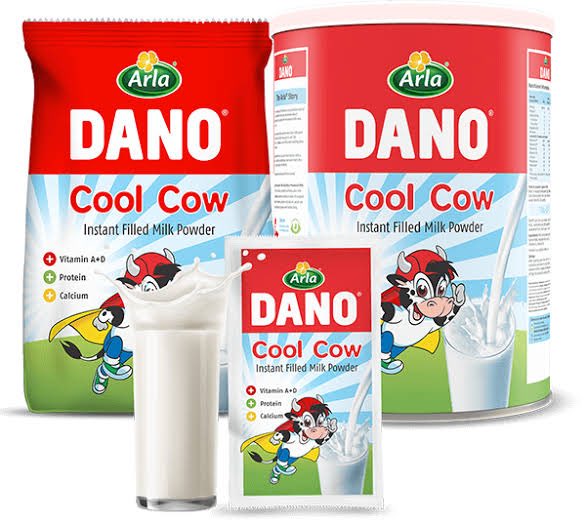
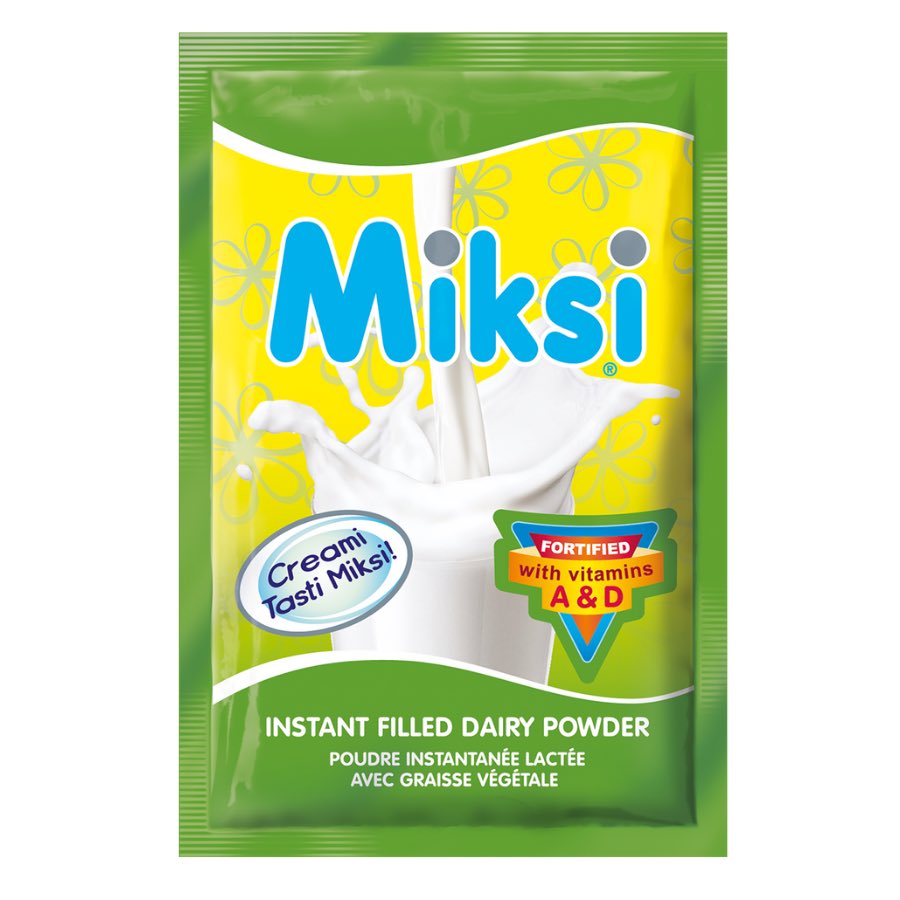
Please stop scaremongering poor people into purchasing expensive products they can’t afford. Powdered milk is MILK!!!!!

Under the EU's Common Market Organisation rules, it is illegal to market FFMP as milk.
They are classified as dairy "ingredient," not food. But in Nigeria, it's sold like the real thing, with no pushback from regulators.
These things are not “milk”.


44
92
173
263,129
730 MULTIMEDIA CONSULTANCY retweeted
Lmaooo such an entitled statement.

There are lot of young talented artist outside, u can help and promote their talent with your creativity. Ubi you made men in the history of naija entertainment, you’re not meant to mix business with friendships. Forget about how people see u in the past 5 years.
1
1
810
730 MULTIMEDIA CONSULTANCY retweeted

I am blessed to co-A&R Living Like Me with you Viv’
You trust me completely to do my best always and creating with you is always therapeutic for me.
We made music for this season fr and I’m glad we got to do this!
@Ohnorrrrr mr producer, you have all my love!
✨❤️

Incredibly excited to finally be sharing Solstice. ✨ Five tracks. One big theme. Let’s go. 💿
fanlink.tv/viveeyansolsticee…
1
3
3
299

Classic vibes, new memories, baby making music.
🎶 My Pillow - DJINEE [2010]
Prod by @MI_Abaga
#Djinee #songsyoumissed #NigerianMusicClassic
26
78
291
5,734
730 MULTIMEDIA CONSULTANCY retweeted
I was recently at @nearfm with Mary Oyediran on the Candid Conversations where we talked about my life; founding @Multimedia730 & @IndieVibeHParty as well as living as a second generation black Irish woman living in the fairest city.
Listen and share: nearcast.ie/?p=1931
1
97
730 MULTIMEDIA CONSULTANCY retweeted
Starting the year collaborating with incredible musicians and DJs. I’m creating all year long. Let’s get to work!
1
5
19
1,117
730 MULTIMEDIA CONSULTANCY retweeted
House is emotion. House is movement. House is a prayer. House is freedom. House is life.
These songs will unify us all. On the dancefloor.
#wemove.
1
5
8
268

2 Dec 2025
We’re with this.
29 Nov 2025

I don’t care what you have to say or who you are the Nigerian creative industry will remain stuck until we understand economics. Dynamic pricing is not a luxury. It’s the foundation of sustainable creative economies.
Netflix is $16 - $20 in the US
Netflix is N5,000 in Nigeria
Spotify is $12 in the US
Spotify is N900 - N1,200 in Nigeria
Apple Music, YouTube Premium all the same pattern. Why? Because the biggest global tech companies understand purchasing power parity. They understand market elasticity.
They respect the consumer and build scale before greed. But here, we want to charge people N150k - N400k for a single concert ticket in a country where minimum wage is 70k. Then we turn around and wonder why:
No major venue infrastructure has been built in Lagos in 20 years everytime Eko hotel
Investors don’t take the industry seriously, We’re always “struggling”
We can’t scale festivals beyond hype
Promoters rarely break even, Artists depend on brand money instead of fan money and have become brand puppets
You can’t insult consumers and expect industry growth. Dynamic pricing is not “cheapening the brand.” It’s the global standard. It is what makes industries sustainable. It is why the platforms that power your music and media Netflix, Spotify, YouTube keep growing while we keep complaining. Until the Nigerian/African creative industry adopts this mindset, we will remain exactly where we’ve been:
No infrastructure.
No development.
No scalability.
Just vibes, clout, and stress.
If you like, argue with your calculator.
39
730 MULTIMEDIA CONSULTANCY retweeted

25 Nov 2025
I have not stopped thinking about how Fave handled AI and her song “Intentions.” An AI choir lifted her lyrics, remixed the melody, went viral on TikTok and suddenly the fake version was getting more attention than the original.
Legally and ethically, it was wild to watch. Someone with no rights to the song was building clout and probably coins from her work, while the real artist had to fight for space on her own record. Classic African creative story, upgraded with AI.
What did Fave do? She moved like a business woman. She took the viral melody, re sang her own lyrics, and released that version herself. She stepped into the trend, took back the narrative and positioned herself to own the revenue.
For African creatives, this is bigger than one song. AI will keep touching our voices, lyrics and images. The question is: will we only react with outrage, or will we build smart legal and business playbooks that let us protect our IP and still win.
Fave’s move is a case study. AI can dilute you, but it can also expose new versions, new audiences and new income, if you know how to claim it. The tech is loud, but the power still belongs to the artist who understands both the law and the business.
11
228
716
54,097
7 Nov 2025
RT @da_sweetthin: I was live on Northside Today on @nearfm to talk about my journey and my work at @Multimedia730 and @ as well as their h…
1
13
730 MULTIMEDIA CONSULTANCY retweeted

18 Oct 2025
Such An Interesting Journey So Far, Seasons Change, But The Essence Remains. Bridging Generations, Bending Time, Birthing Trends. Different Decade, Same DNA. Just Clocked Into My Gen Z Papa Era. Don Papasito, Forever Grateful, Forever Golden👑
18/10
240
726
5,690
253,310


730 MULTIMEDIA CONSULTANCY retweeted
6 Sep 2025
Happy birthday to a brilliant sista gal! May 57 be even more magical in every way than all your previous years. Wishing you the happiest of birthdays. God bless you🥳 @OfficialEgoBoyo
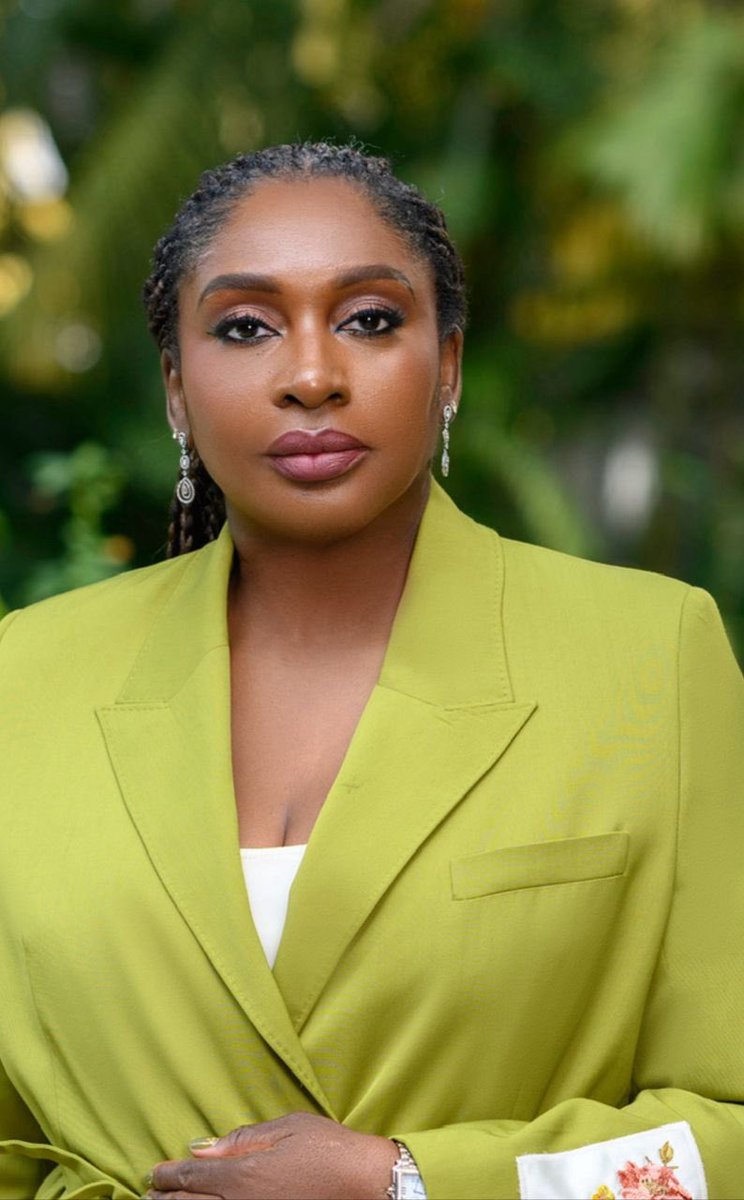
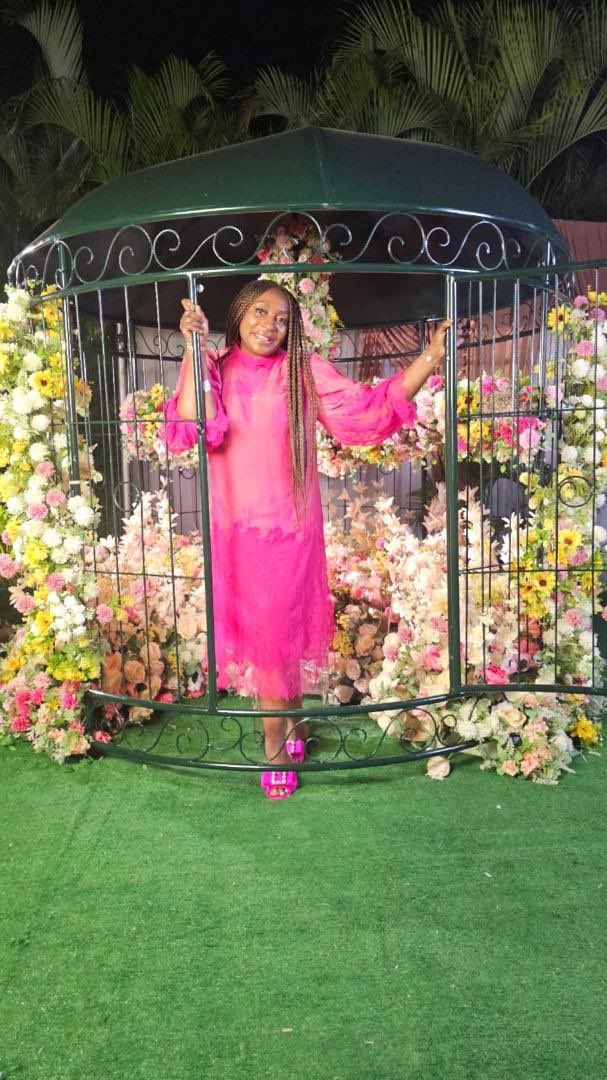
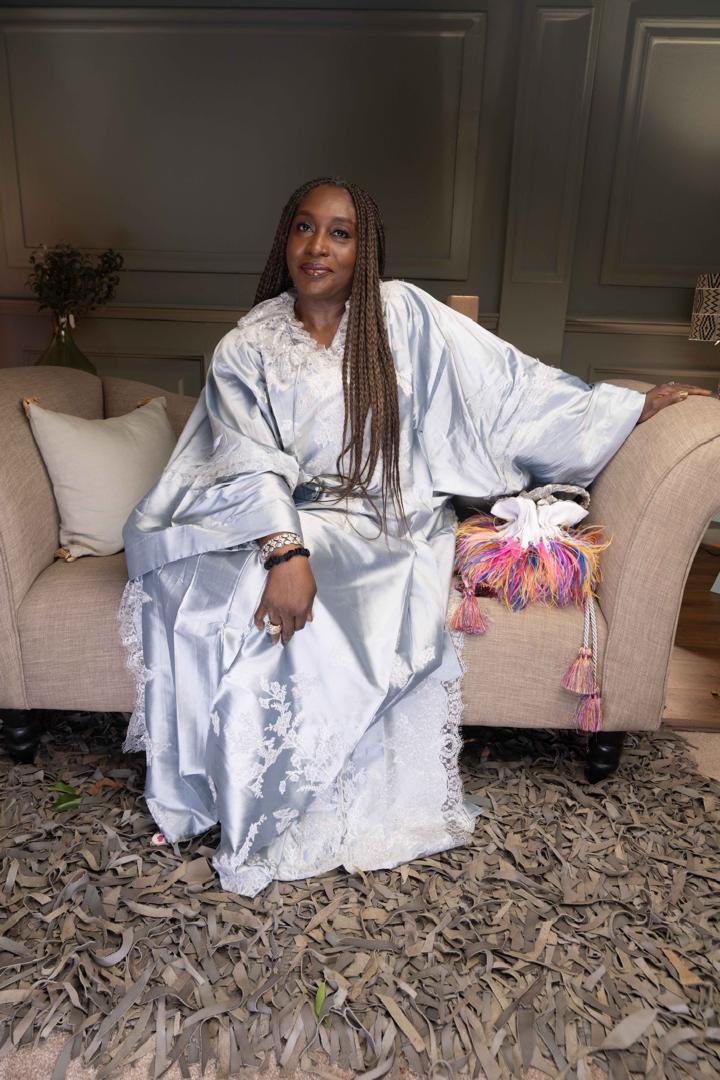
3
6
52
1,497