Build engineering teams that lead in AI. Get insight into what works with your AI rollout, catch risks early and move faster with confidence in the new AI era.
ALT Text that says: We’re saying goodbye to Twitter and moving to Bluesky & LinkedIn! 👋
After ongoing platform changes including data privacy concerns around AI training with user content and the removal of protections against harassment, Twitter no longer aligns with our values as a company. Our community has already made the shift to Bluesky & LinkedIn, and we’ve joined them there.
You can find us at https://bsky.app/profile/multitudes.co and https://www.linkedin.com/company/multitudesco/ for updates, insights, and all things Multitudes ✨
Thanks for following along here – excited to see you on the other side!
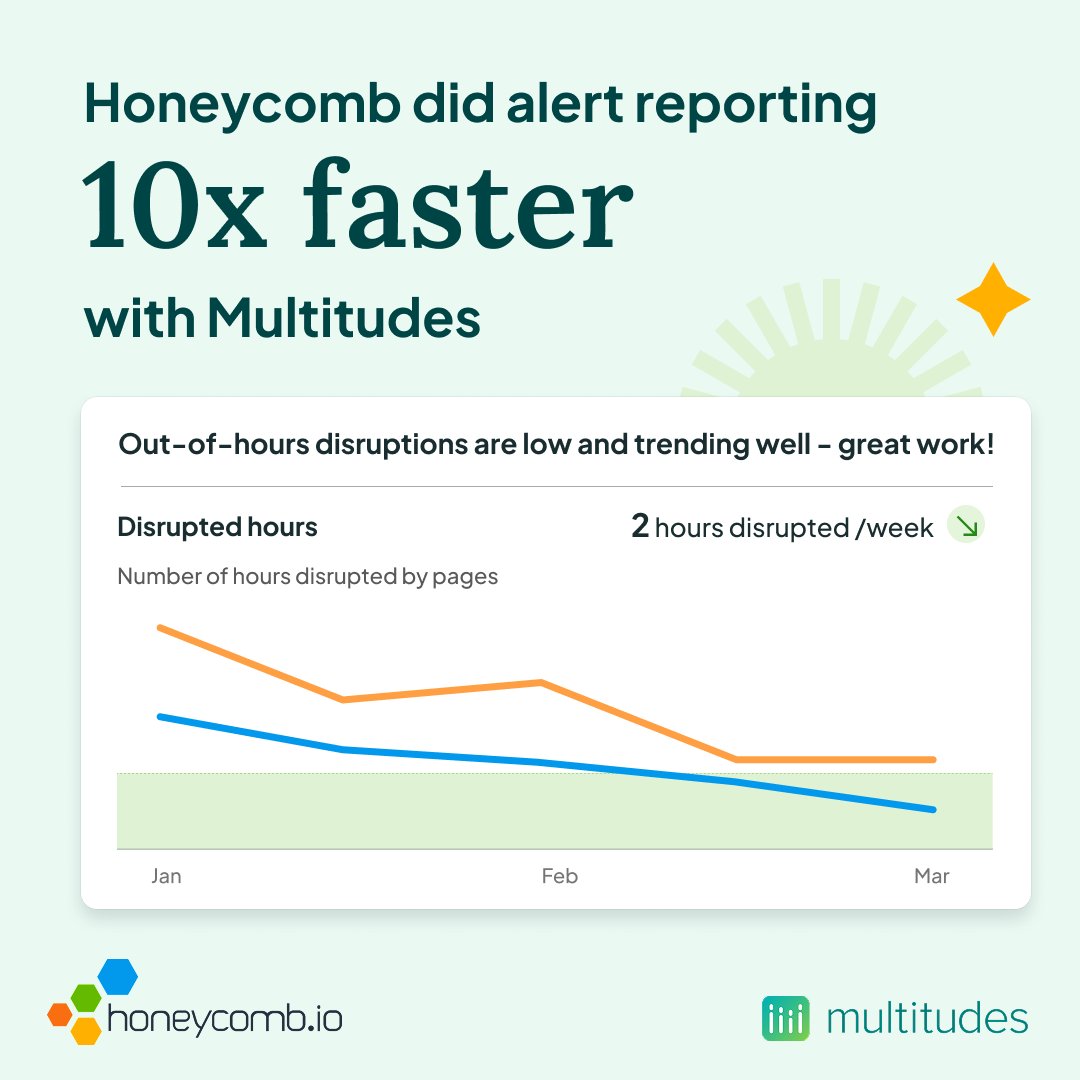
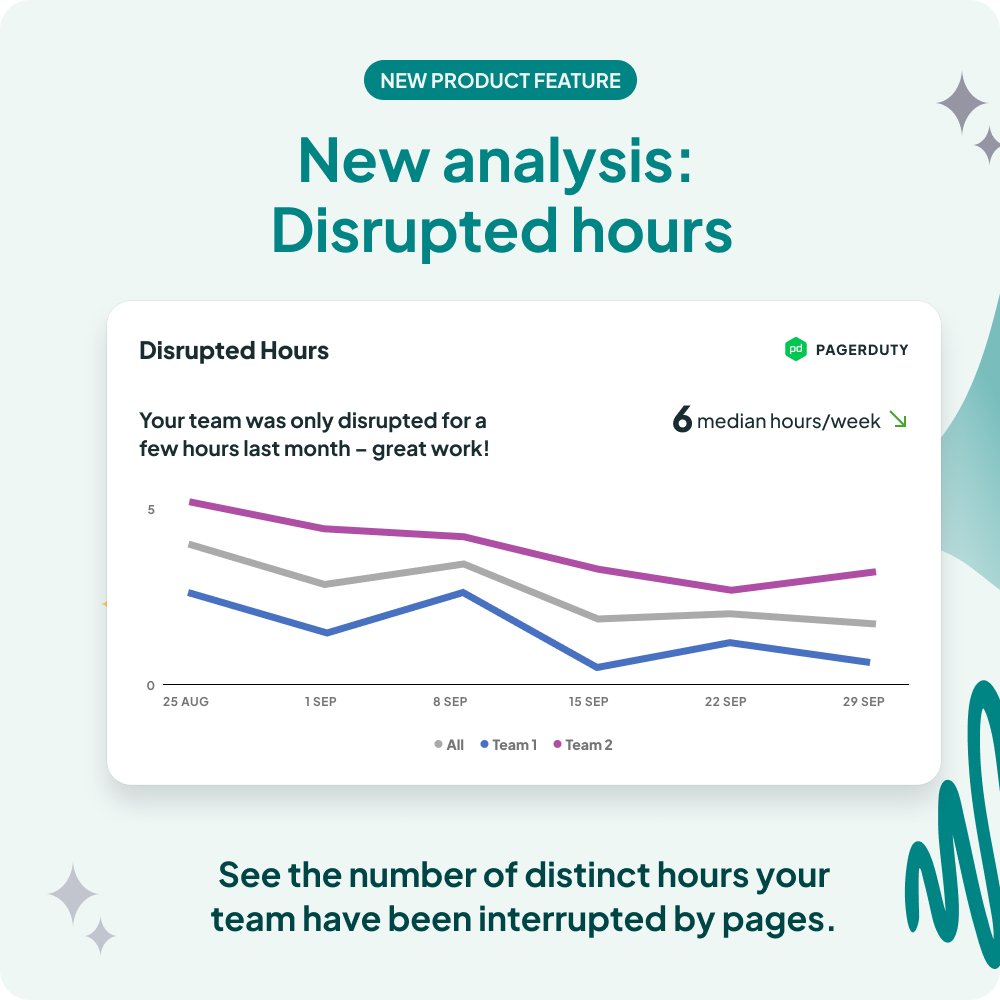
How this works in practice ➡️ The view shows the distinct number of calendar hours disrupted by pages. For example, if there are pages at 6.30pm, 7.15pm, and 7.25pm, we would count two disrupted hours (6-7pm, and 7-8pm).
See it in action – book a demo: multitudes.com/demo
With this new view, you’ll be able to clearly see the difference between concentrated and distributed disruptions to better understand the human impact on your team.
The wellbeing impact of being paged 5 times over 5 hours is larger than 5 times in 1 hour.
So we’ve launched a new Disrupted Hours view – use our in-chart toggles to view page disruptions based on the total number of pages or the distinct number of hours disrupted by pages. 🤩
Looking after your team’s wellbeing while managing on-call page disruptions can be a juggle. PagerDuty research found that 54% of page responders are being interrupted outside of normal working hours.
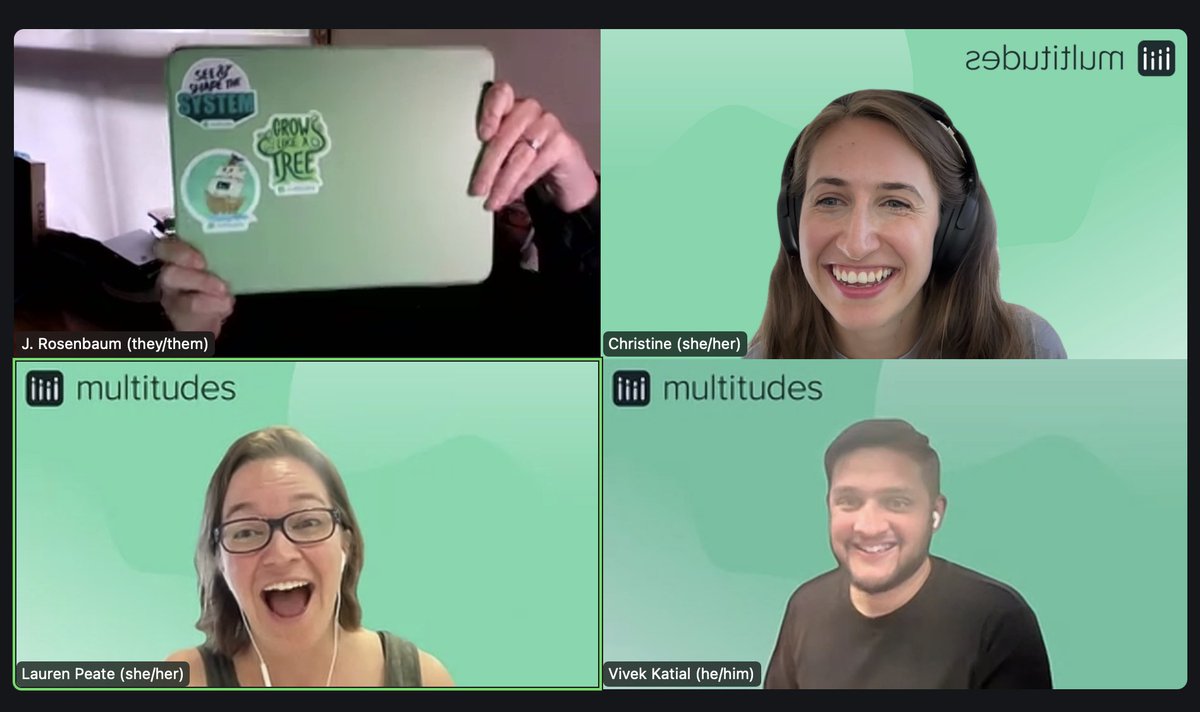
Proud to share that our original research is now available on arXiv! Co-authors, @uvic PhD candidate Alessandra Maciel Paz Milani, @margaretstorey, @vivekkatial, and @laurenpeate explore how engineering teams take action on data in retros. Read more👇
arxiv.org/abs/2502.03570
Lead author, Alessandra will be presenting the research at @CHASEconf 2025 (co-located with ICSE).
Big thanks to the research participants and co-authors Alessandra, @margaretstorey, @vivekkatial, and @laurenpeate for all your hard work bringing this research to life!
The research discusses the perceived tension between being human-centric AND data-driven; teams want to be both but struggle with how.
What helps is building trust and being transparent with the use of metrics, because those support psychological safety. 💡
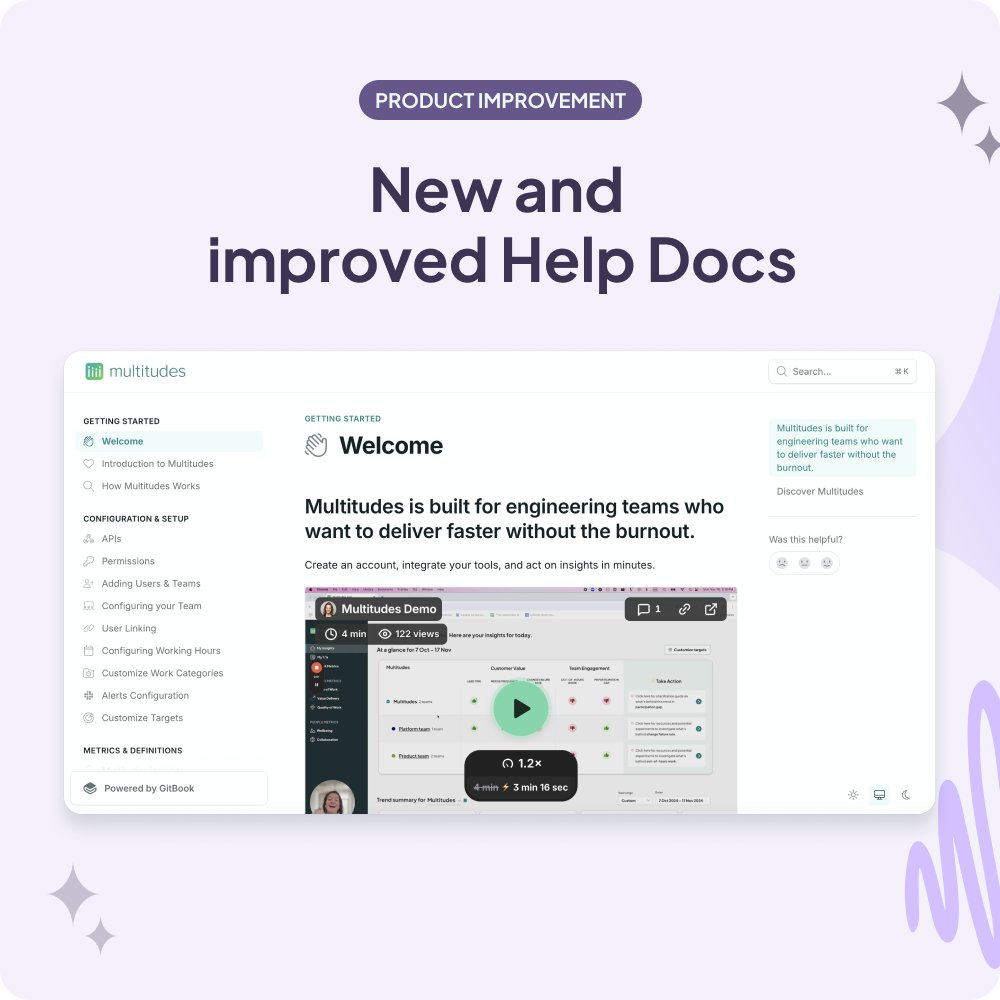
📚 Our Help Center Docs have had a major uplift. 📚
They're now better organized, visually cleaner (with a dark mode option), and searchable – hello new search bar (yay for cmd/ctrl k!).
Take a look 👇
docs.multitudes.com/
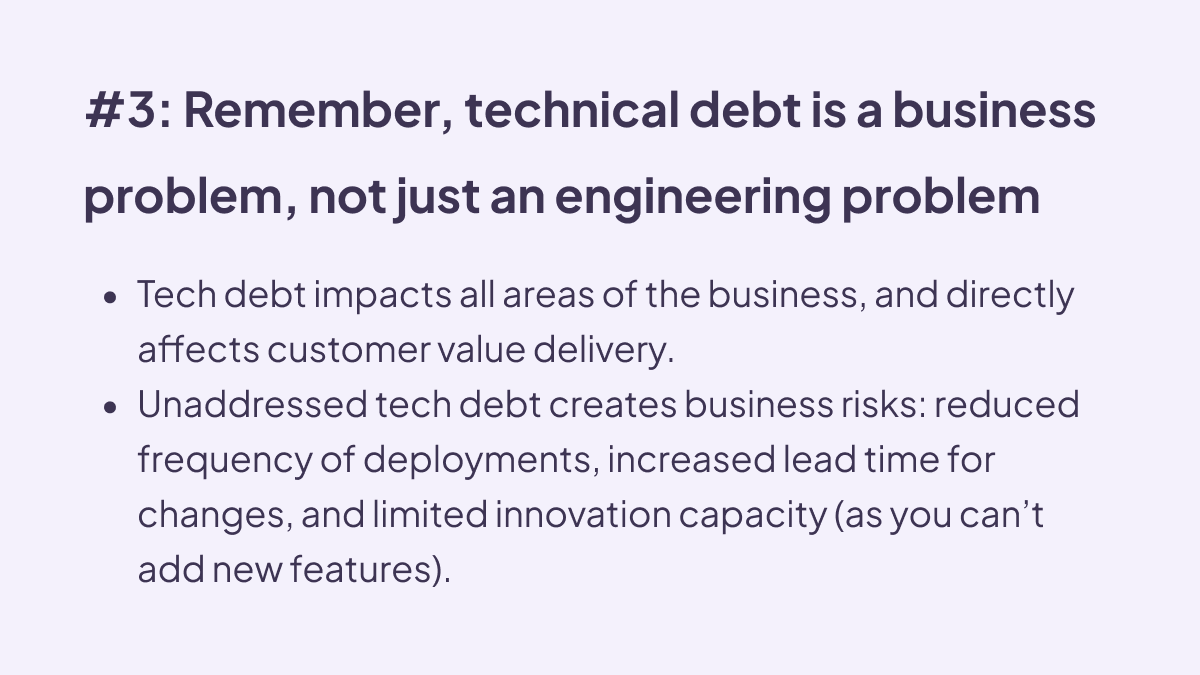
🤔 “How do I balance technical debt alongside new feature delivery, when crafting a technical roadmap?”
Join our next #TechLeaderChat with Vindhya Joseph, Enterprise Architect at Foodstuffs, to talk about exactly this! 🗺️
Details and RSVP below: bit.ly/TLCTechnicalRoadmap
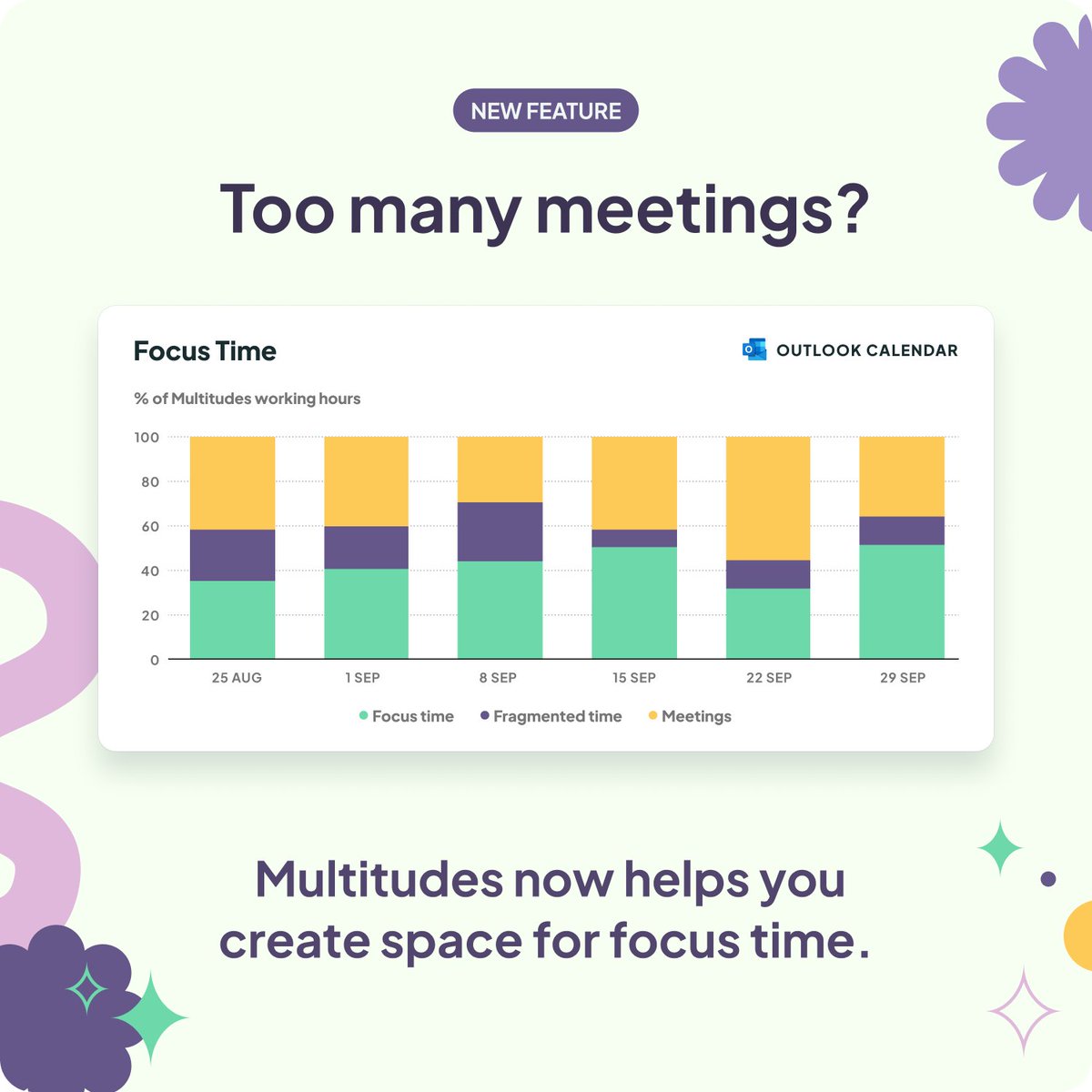
📅 Now live: Outlook Calendar integration. See whether meeting time is impacting your team's ability to deliver. 📅
Read about our Outlook Calendar integration here: multitudes.com/blog/feature-…
With this new feature, you’ll get insights on:
🕚Focus time – how much time people are getting for deep work
🕚How much time your team is spending in meetings during the week – and how much less time they have for feature work
🕚The wellbeing impact of out-of-hours meetings
After launching our Google Calendar integration late last year, our Outlook customers clamored for this feature too, so we've delivered!
Multitudes now integrates with Outlook Calendar to show focus time, fragmented time, and meeting load for you and your team.
⌛ Creating space for Focus Time can be challenging at the best of times. In fact, Atlassian's research (link in comments) found that 78% of people surveyed said they must attend so many meetings that it’s hard to do actual work.