
Investment professional #EnergyTransition I Policy Adviser #Healthcare #SDGs I VC Investor #Healthcare #Tech # SustainableEnergy I @WEF Young Global Leader
Joined November 2022
- Tweets 175
- Following 189
- Followers 597
- Likes 252
6 Photos and videos

Muntaqa Umar-Sadiq retweeted
Media Brief
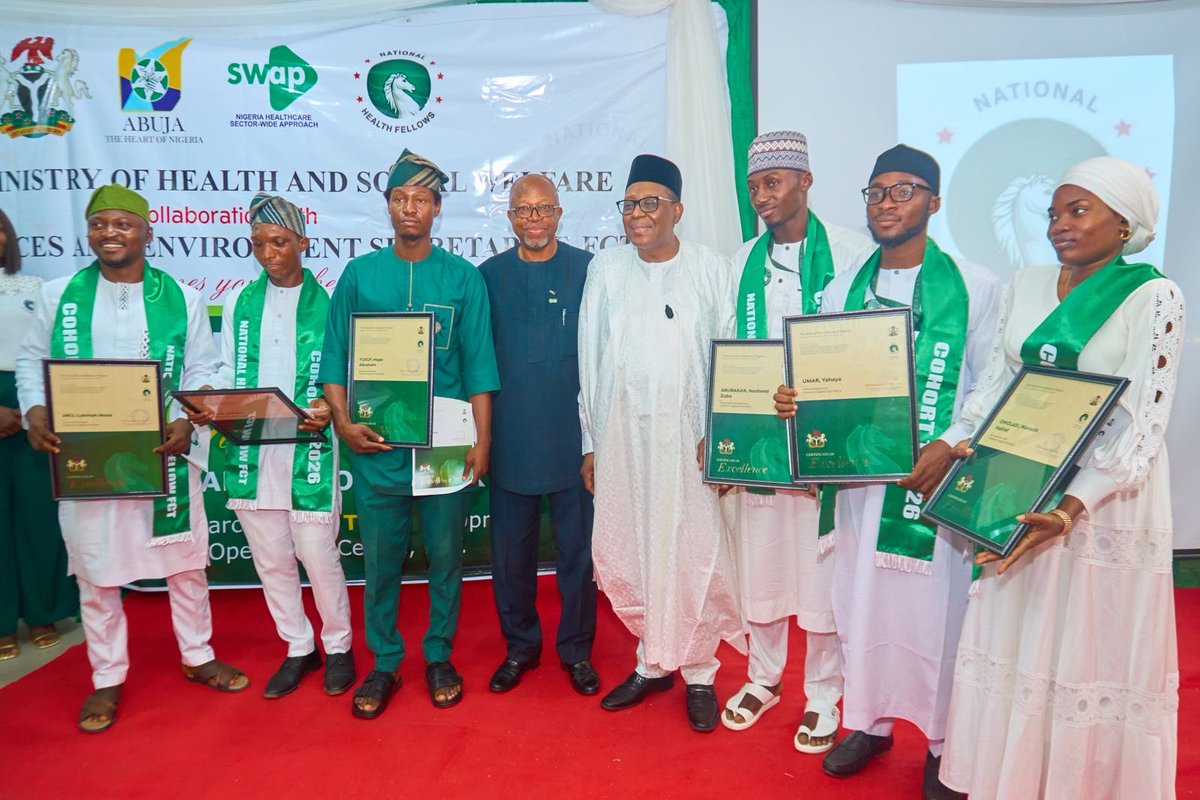
FG ONBOARDS NEW HEALTH FELLOWS, TASKS YOUTH TO DRIVE REFORMS
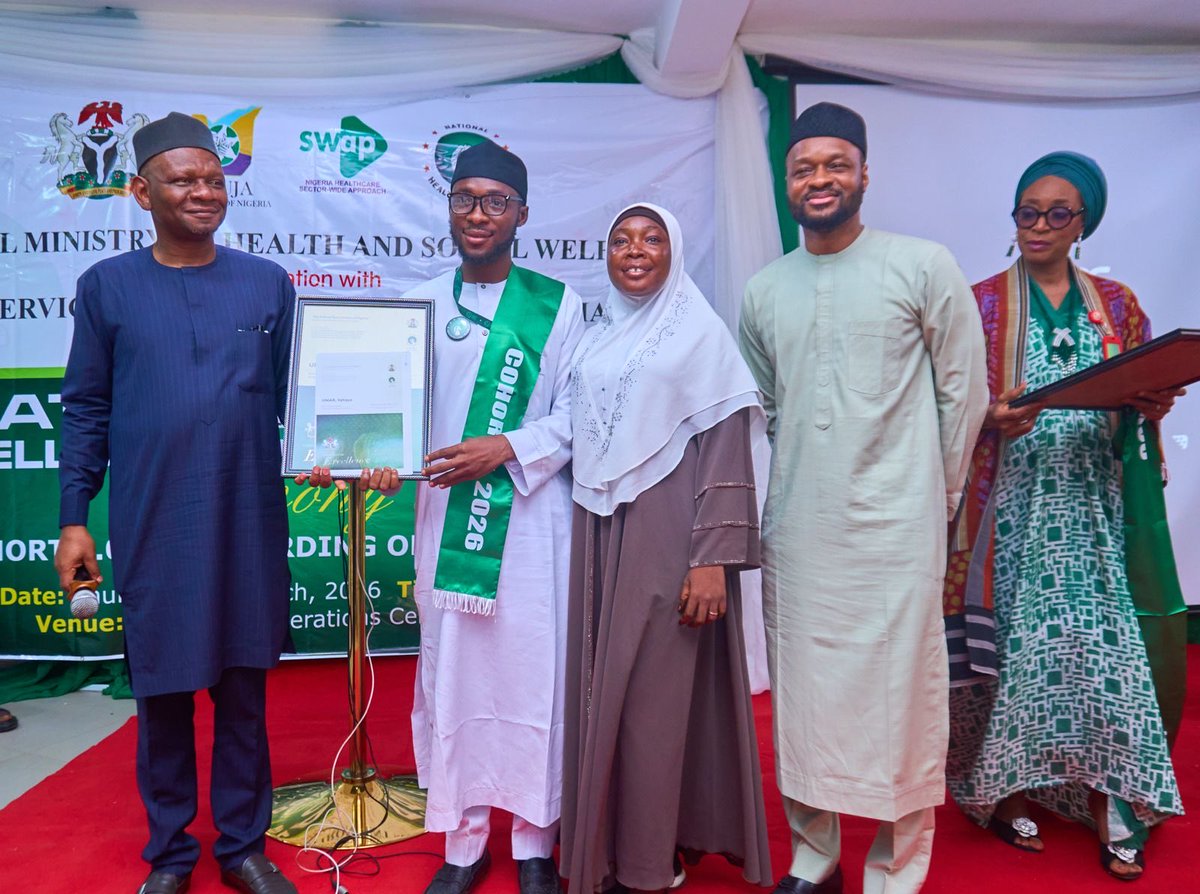
Abuja, Nigeria | March 27, 2026 – The Federal Government, through the Federal Ministry of Health and Social Welfare, has reinforced its commitment to strengthening health system leadership with the onboarding of a new cohort of National Health Fellows.
The Coordinating Minister of Health and Social Welfare, Prof. Muhammad Ali Pate, made this known while attending the graduation ceremony of the inaugural cohort and onboarding of Cohort II in Abuja.
Addressing the fellows, the Coordinating Minister charged the young professionals to seize the opportunity to drive meaningful change across Nigeria’s health sector, urging them to deploy their skills, innovation, and leadership for national development.
The National Health Fellows Programme is a flagship initiative designed to build a pipeline of highly skilled, reform-oriented leaders to support ongoing health sector transformation efforts under the Renewed Hope Agenda.
The onboarding of Cohort II follows its earlier introduction at the National Traditional and Religious Leaders Summit on Health held in February 2026, where the programme was positioned as a strategic bridge between community influence and health system strengthening.
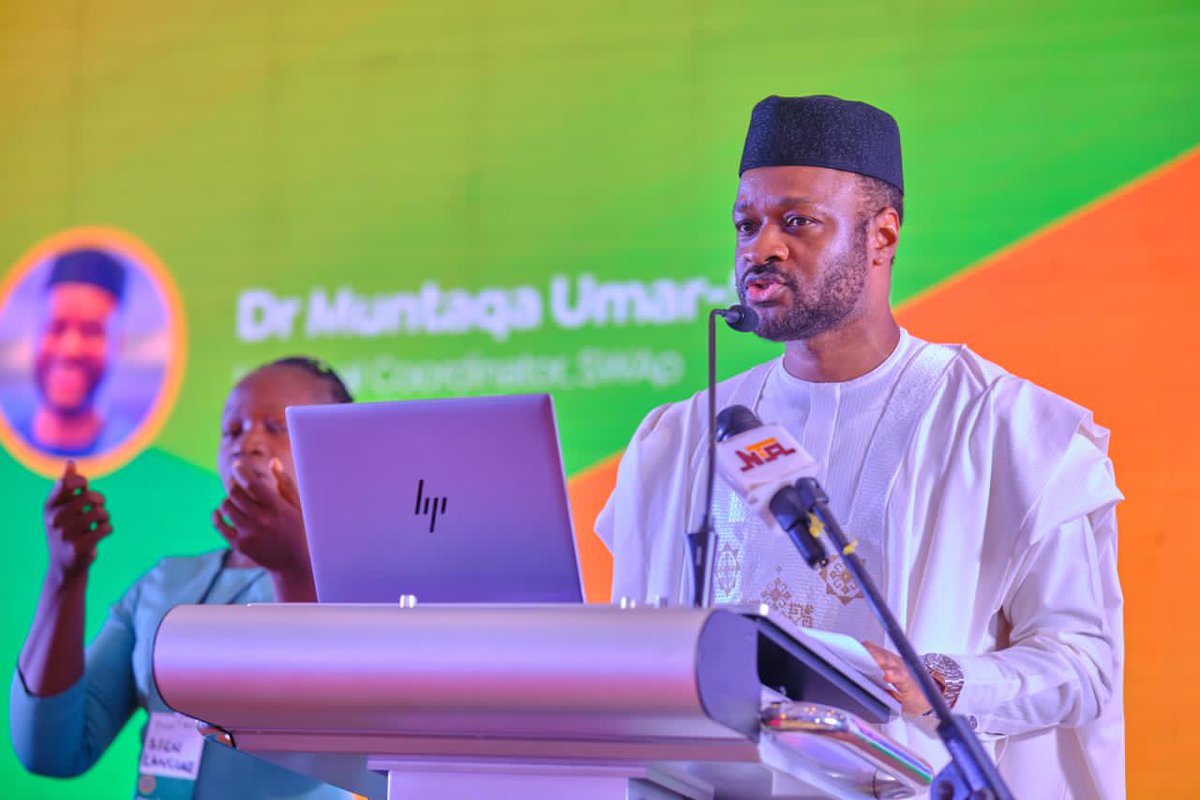
Speaking on the significance of the programme, the National Coordinator of the Sector-Wide Approach (SWAp), Dr. Muntaqa Umar-Sadiq, noted that the fellows represent a critical investment in the human capital required to drive reforms at scale. He emphasised that through structured engagement, mentorship, and deployment across priority areas, the initiative is designed to translate policy into measurable impact at both national and sub-national levels.
The National Health Fellows Programme continues to serve as a platform for nurturing the next generation of health leaders, aligned with the Federal Government’s broader agenda to strengthen governance, improve health outcomes, and build a resilient health system for all Nigerians.
@muhammadpate @MuntaqaSadiq


4
11
31
2,178
Muntaqa Umar-Sadiq retweeted

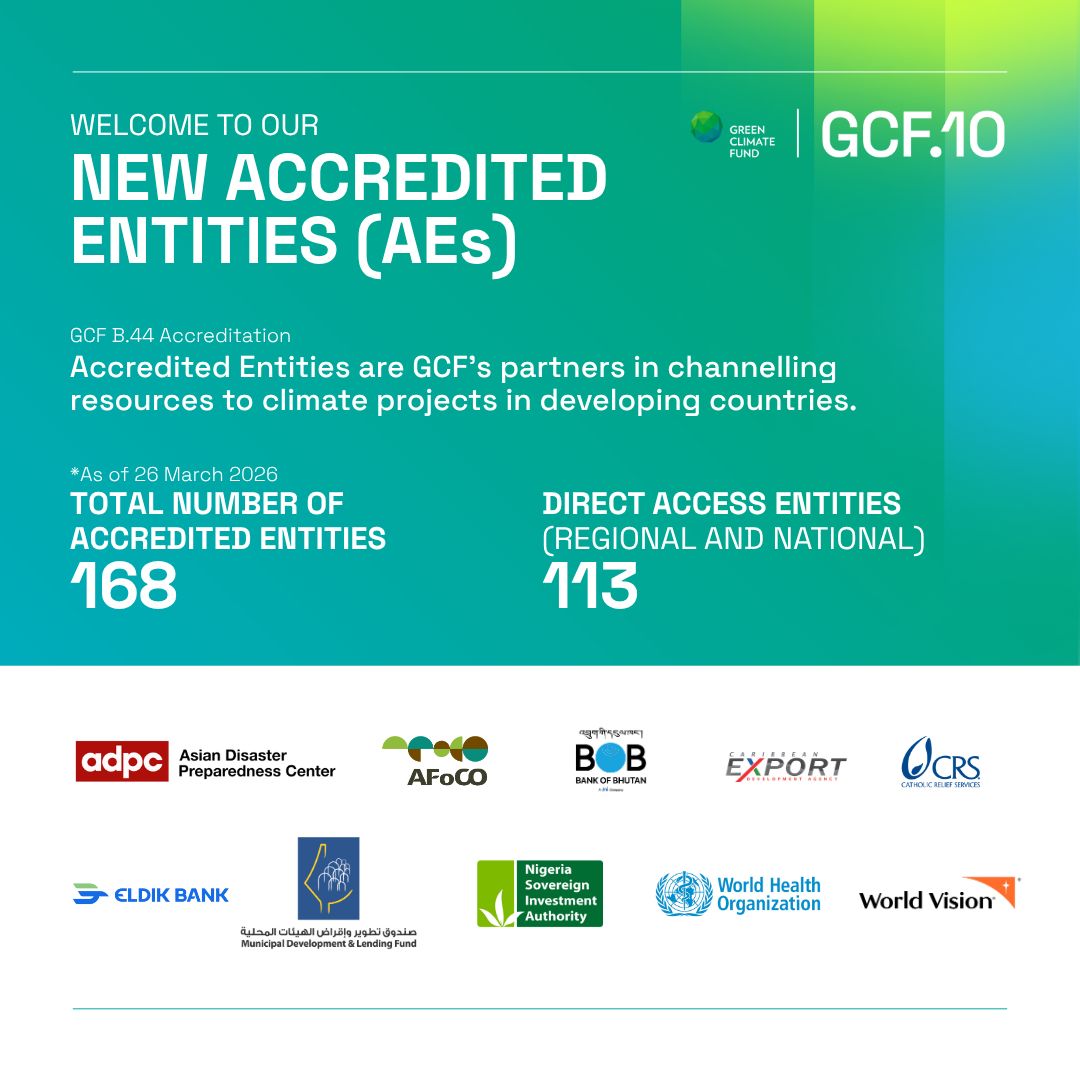
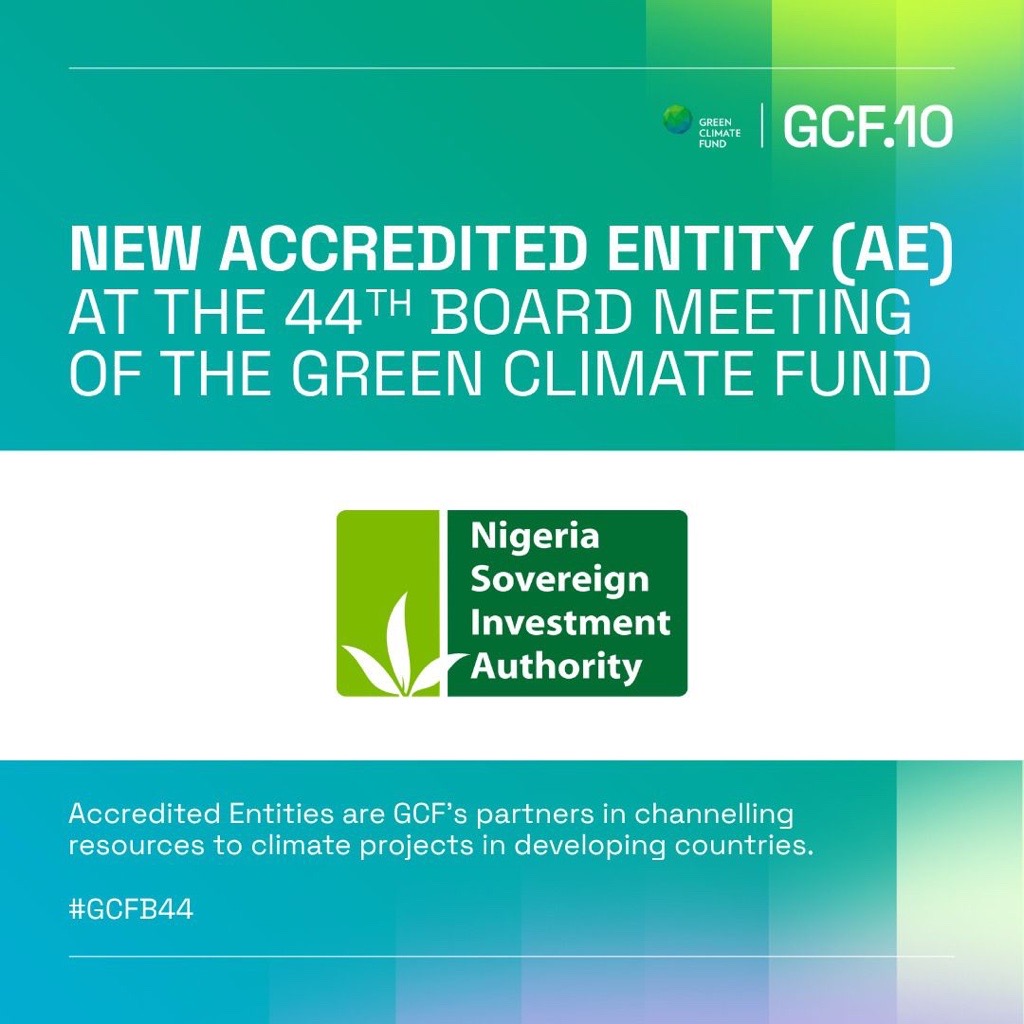
The @nsia_nigeria is pleased to announce its accreditation by the @theGCF as a Direct Access Entity, marking a significant milestone in its climate finance journey and reinforcing its commitment to advancing climate-resilient and sustainable development across Nigeria.
1
9
21
1,395
Muntaqa Umar-Sadiq retweeted
MEDIA BRIEF
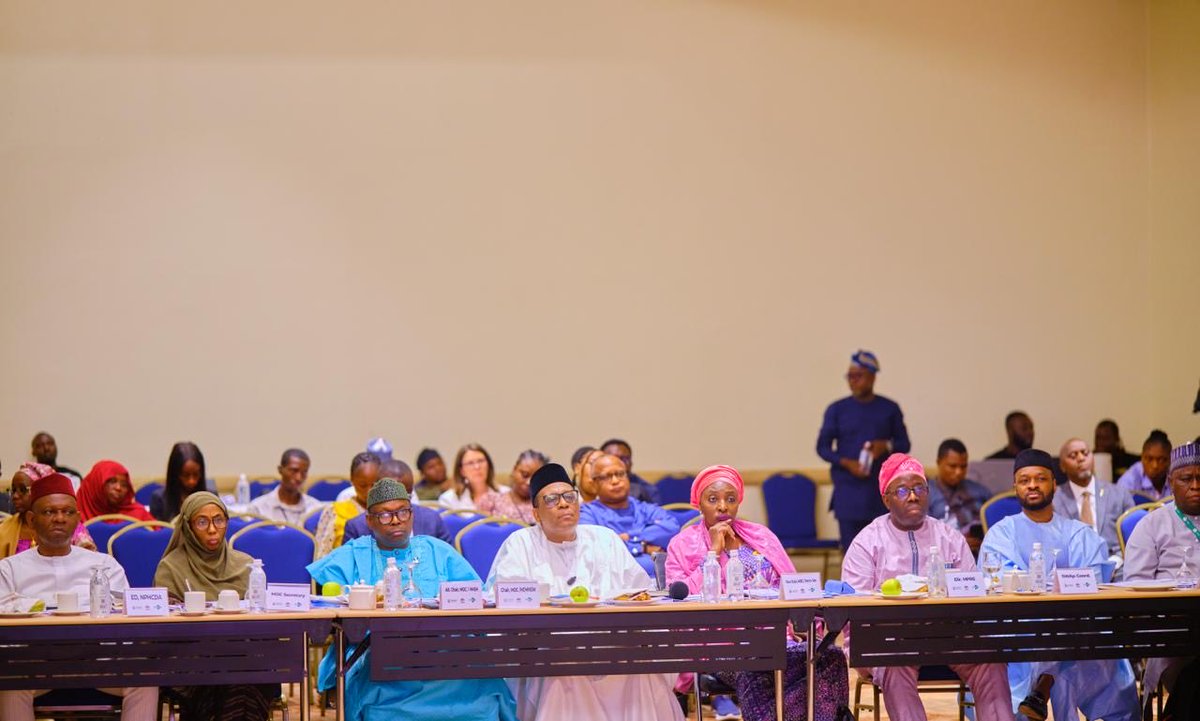
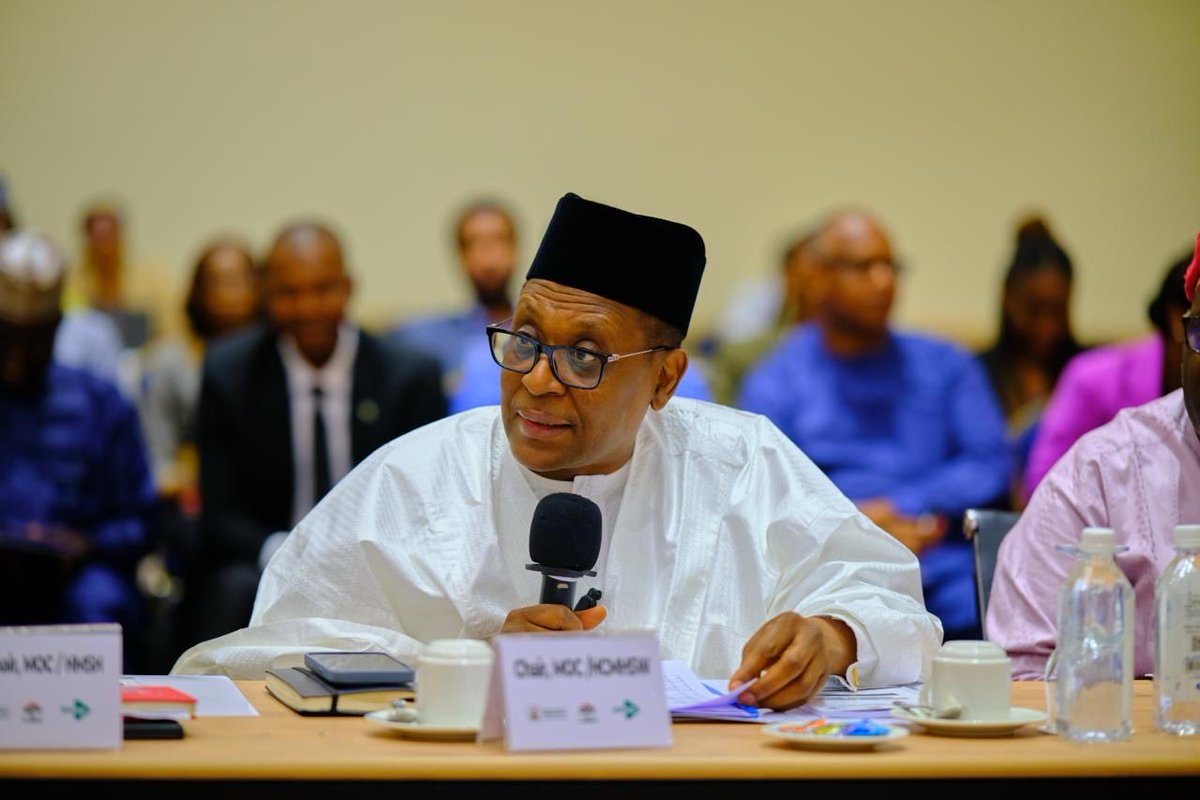
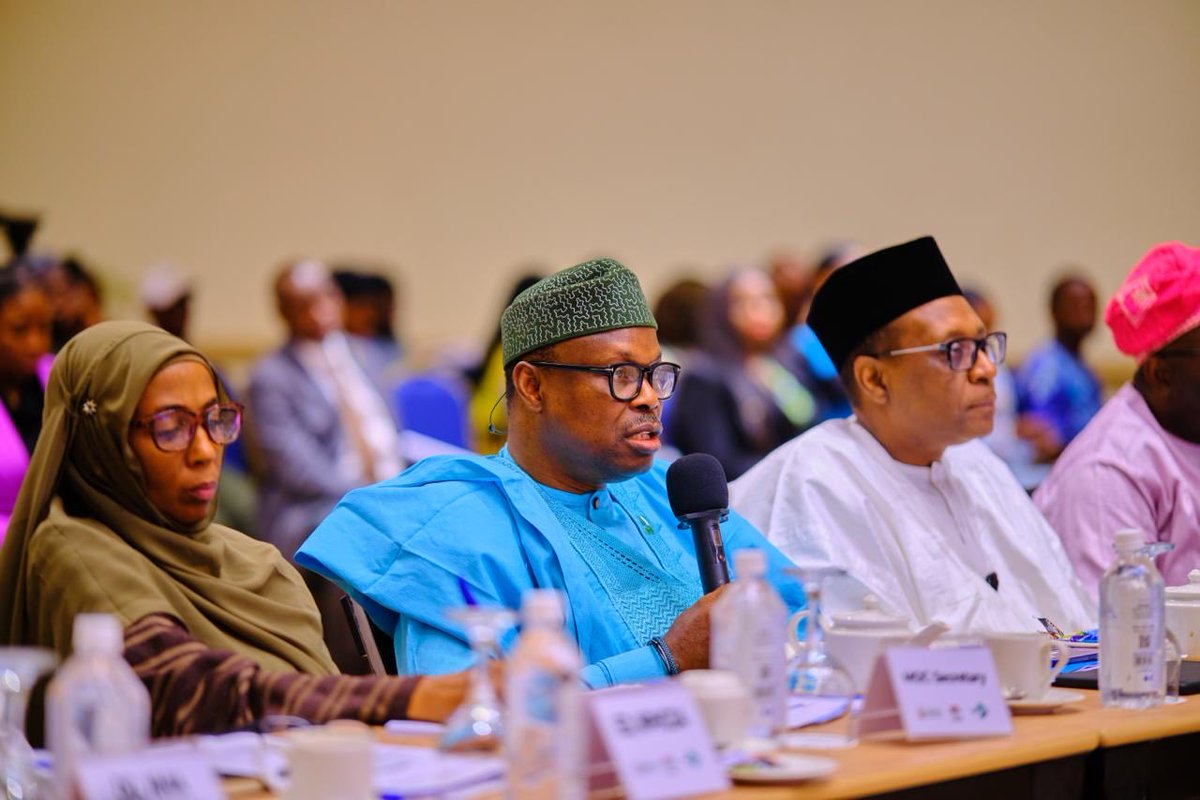
FG ADVANCES BHCPF 2.0, APPROVES ₦32.8BN TO STRENGTHEN PRIMARY HEALTHCARE NATIONWIDE
Abuja, Nigeria | 24 March 2026 — The Federal Government has approved the disbursement of ₦32.8 billion under the Basic Healthcare Provision Fund (BHCPF) for Q1 2026, advancing BHCPF 2.0 to strengthen primary healthcare delivery, improve maternal and child health outcomes, and expand access to essential services nationwide.
The decision was reached at the Quarter 1 2026 meeting of the Ministerial Oversight Committee (MOC), where reforms were advanced to drive more efficient financing, stronger coordination, and measurable frontline results.
The BHCPF is a core Federal Government financing mechanism designed to provide predictable funding, reduce out-of-pocket costs, and improve access to quality care, particularly for vulnerable populations.
At the meeting, gateway agencies; NHIA, NPHCDA, NCDC presented implementation updates.
Representatives of ALGON and Civil Society Organisations (CSOs) also provided field-level insights and recommendations, reflecting progress in expanding service delivery, strengthening public health response, and improving financial protection for Nigerians as the country advances towards Universal Health Coverage.
A key focus was the accelerated rollout of BHCPF 2.0 under the Sector-Wide Approach (SWAp), aligning financing, service delivery, and accountability mechanisms to deliver improved health outcomes nationwide, in line with the Nigeria Health Sector Renewal Investment Initiative (NHSRII).
Priority interventions reviewed include:
· Priority interventions reviewed include:
· MAMII- driving targeted, data-led action to reduce maternal and newborn deaths
· HOPE PHC - improving service readiness, workforce capacity, and PHC performance
· NHF (National Health Fellows Programme) - strengthening leadership, accountability, and delivery across the health system
The Committee also reviewed progress on the National Emergency Medical Services and Ambulance System (NEMSAS), alongside broader maternal and child health indicators, reinforcing emergency response and lifesaving care.
Speaking at the meeting, the Coordinating Minister of Health and Social Welfare, Prof. Muhammad Ali Pate, stated: “Under the leadership of President Bola Ahmed Tinubu, we are deliberately aligning financing with outcomes. BHCPF 2.0 ensures that resources translate into real improvements in service delivery, particularly at the primary healthcare level where most Nigerians access care.”
The Honourable Minister of State, Dr. Iziaq Adekunle Salako, added: “This is about outcomes Nigerians can see and feel — safer deliveries, improved emergency response, and functional primary healthcare centres.”
The Permanent Secretary, Daju Kachollom S. mni, emphasised coordination and accountability as critical to sustained impact.
The Committee adopted key resolutions to strengthen implementation, including structured private sector engagement, revised emergency transport tariffs, faster programme reviews, and reinforced quality assurance across emergency medical services.
The MOC, chaired by the Coordinating Minister, with the Permanent Secretary as Vice Chairman and the Honourable Minister of State as Alternate Chair, provides oversight for the Fund.
The Federal Ministry of Health and Social Welfare calls on states, partners, and the private sector to align with BHCPF 2.0 priorities. Nigerians are encouraged to utilise primary healthcare services as access to quality, affordable care continues to expand nationwide.
@muhammadpate @SalakoIziaq @MuntaqaSadiq

7
21
62
4,259
Muntaqa Umar-Sadiq retweeted
MEDIA BRIEF
FG MOVES TO TIGHTEN HEALTH SECTOR COORDINATION AS GOVERNMENT, PARTNERS REINFORCE REFORM COMPACT
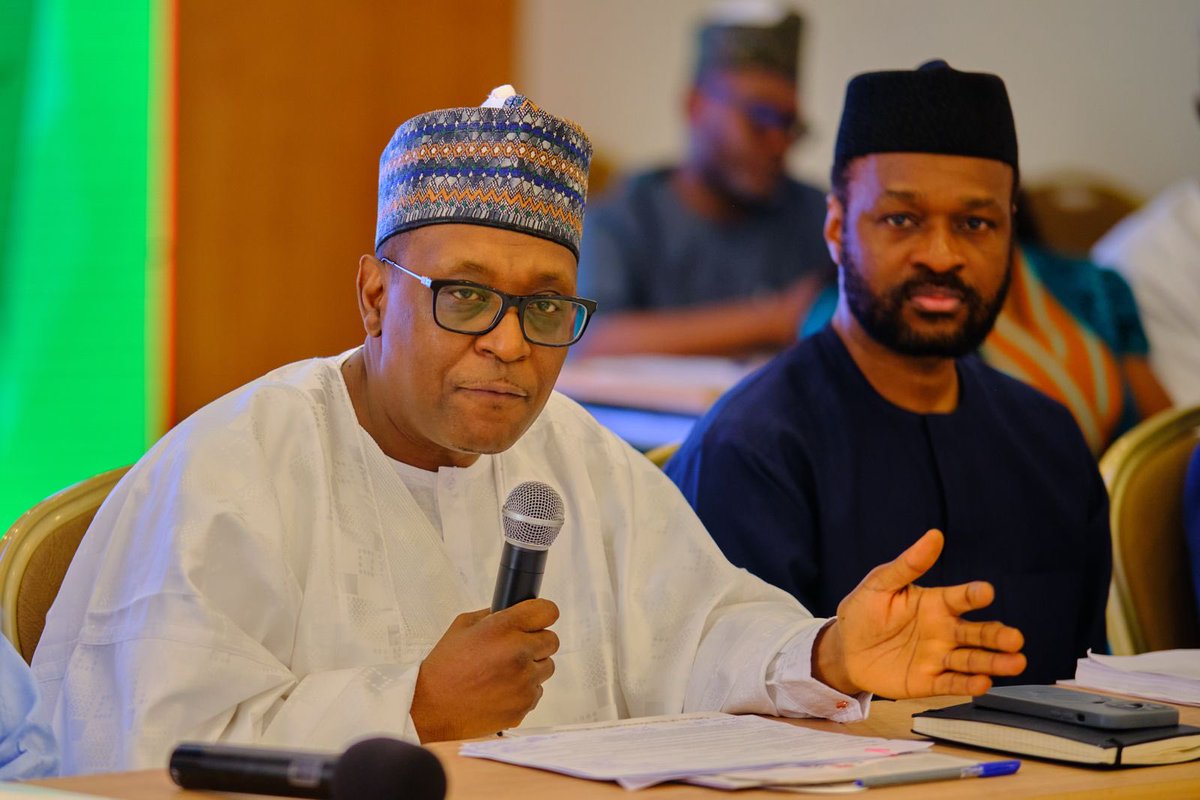
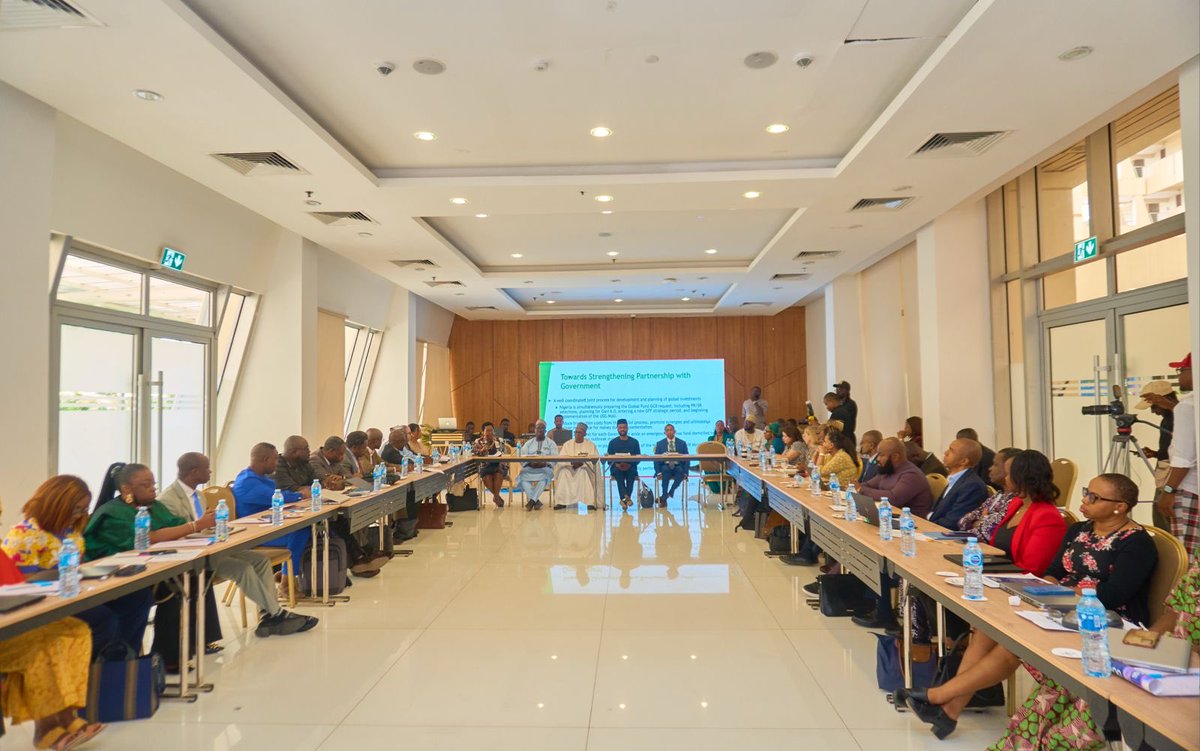
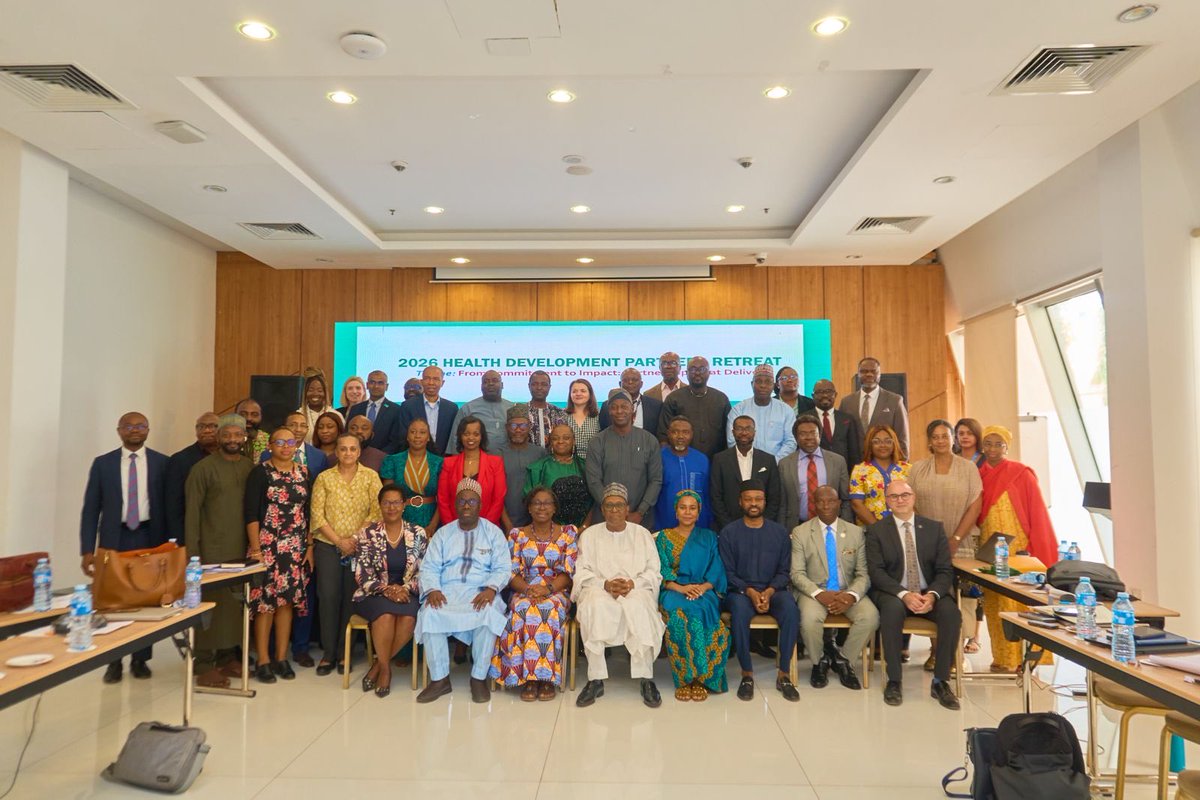
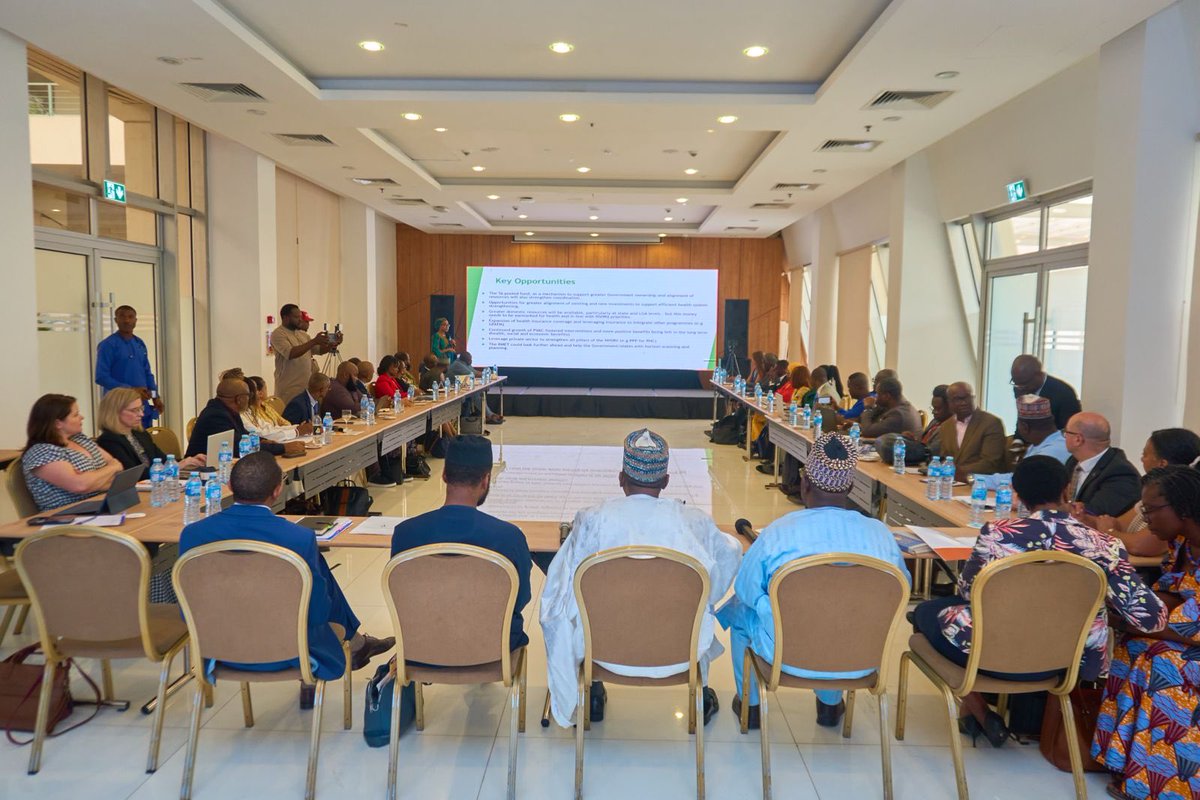
Abuja, Nigeria | 11 February 2026 — The Federal Government, through the Federal Ministry of Health and Social Welfare, has reaffirmed its commitment to strengthening collaboration with development partners as part of ongoing efforts to accelerate healthcare delivery and improve health outcomes across the country.
Speaking at the 2026 Health Development Partners Retreat, the Coordinating Minister, Health and Social Welfare, @muhammadpate , emphasised the need for stronger coordination, transparency, and alignment of development partner investments with national health priorities. He noted that effective collaboration between government and partners remains critical to advancing Nigeria’s health sector reform agenda.
Building on this commitment, deliberations at the retreat focused on practical steps to improve coordination across federal, state, and local government levels, strengthen monitoring and evaluation systems, and ensure that development partners deliver on commitments under the Health Sector Compact.
Participants highlighted the importance of enhancing visibility of partner investment portfolios and improving communication mechanisms to support accountability and reduce fragmentation in programme implementation.
Stakeholders also underscored the need to strengthen existing coordination platforms under the Sector-Wide Approach (SWAp). In particular, Technical Working Groups and other SWAp governance structures were identified as key mechanisms for improving cross-agency collaboration and ensuring full participation of development partners in driving sector-wide reforms.
Development partners reiterated their commitment to improving coordination among themselves through existing platforms such as the Development Partners Group and the SWAp Technical Working Groups. This includes aligning investments, avoiding duplication of efforts, and ensuring that new partner-supported initiatives are implemented in line with the principles of the health sector compact.
Participants further highlighted the importance of strengthening engagement between the Federal Ministry of Health and Social Welfare, heads of health agencies, state commissioners for health, and development partners through regular dialogue platforms to enhance cross-government technical coordination.
The retreat also examined the implications of evolving fiscal and financing policies across federal, state, and local government levels for the implementation of key health initiatives. Stakeholders discussed the need for stronger alignment between federal and state governments to sustain ongoing reforms and support the effective operationalisation of priority programmes within the health sector.
Participants identified several opportunities to strengthen coordination and sustain reform momentum. These include improving monitoring systems through functional dashboards such as the Results Monitoring, Evaluation and Tracking (RMET) platform, advancing the establishment of a Technical Assistance Pooled Fund to support greater government ownership of technical priorities, aligning existing and new partner investments to strengthen the health system, and expanding health insurance coverage while leveraging private sector participation to support service delivery.
The meeting concluded with a renewed commitment from the Federal Government and development partners to deepen collaboration, strengthen coordination mechanisms, and support Nigeria’s drive toward a more resilient, efficient, and sustainable health system.
The Ministry called on development partners, federal and state health institutions, and other sector stakeholders to continue aligning investments, programmes, and technical support with national health priorities under the Sector-Wide Approach, in order to accelerate reform delivery and improve health outcomes for all Nigerians.
9
14
49
3,298
Muntaqa Umar-Sadiq retweeted

Mar 1
HRH Princess Nere Emiko Tereba,38yr old daughter of the late 19th King (Olu) of Warri, Ogiame Atuwatse II (1987-2015), and sister of the current King (Olu) of Warri Kingdom, Ogiame Atuwatse III
She is the first and youngest person in Nigeria to process gold domestically.



21
123
794
62,780

Feb 19
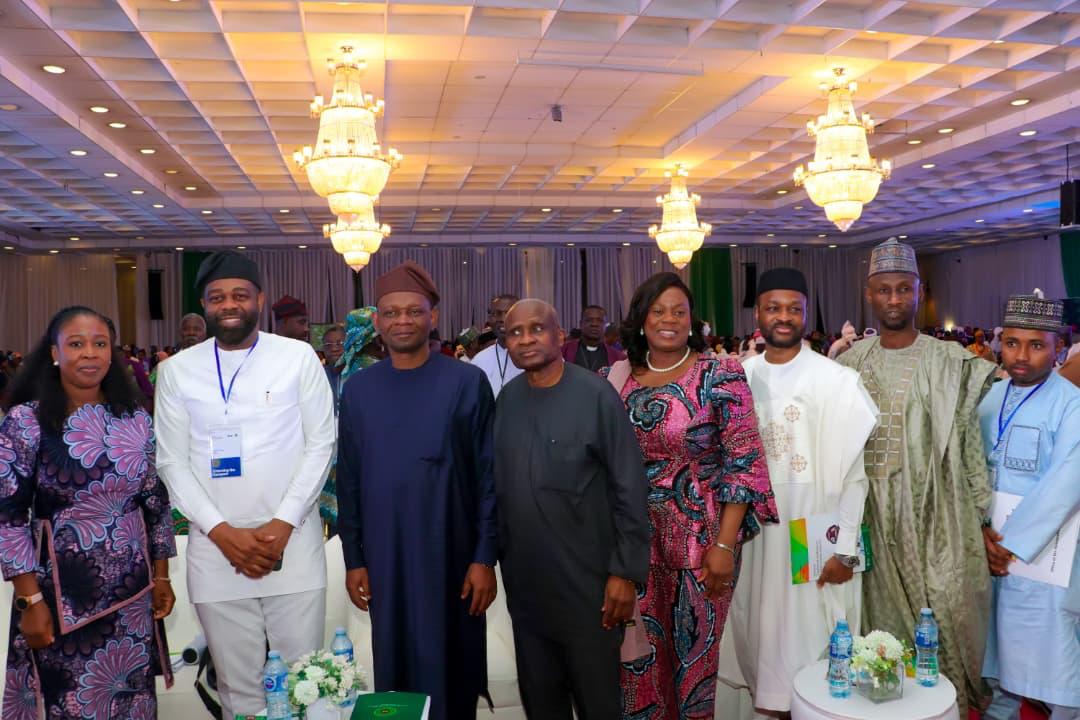
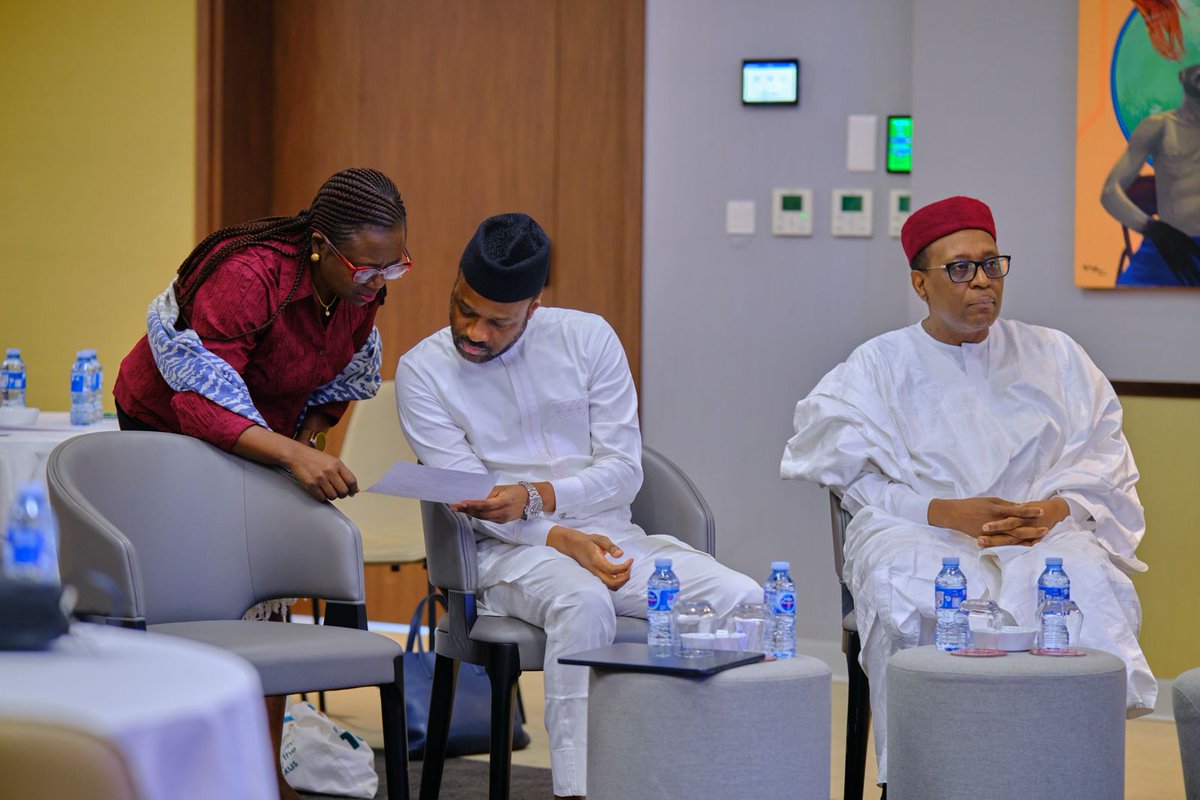
Yesterday, following rigorous peer review and citizens’ voices engagement during the 2025 November Joint Annual Review (JAR), for the second consecutive year, we formally presented our ‘ONE REPORT’ — the 2025 State of the Health of Nigerians Report (SOHR) — to Mr. President.

1
7
17
483
Muntaqa Umar-Sadiq retweeted
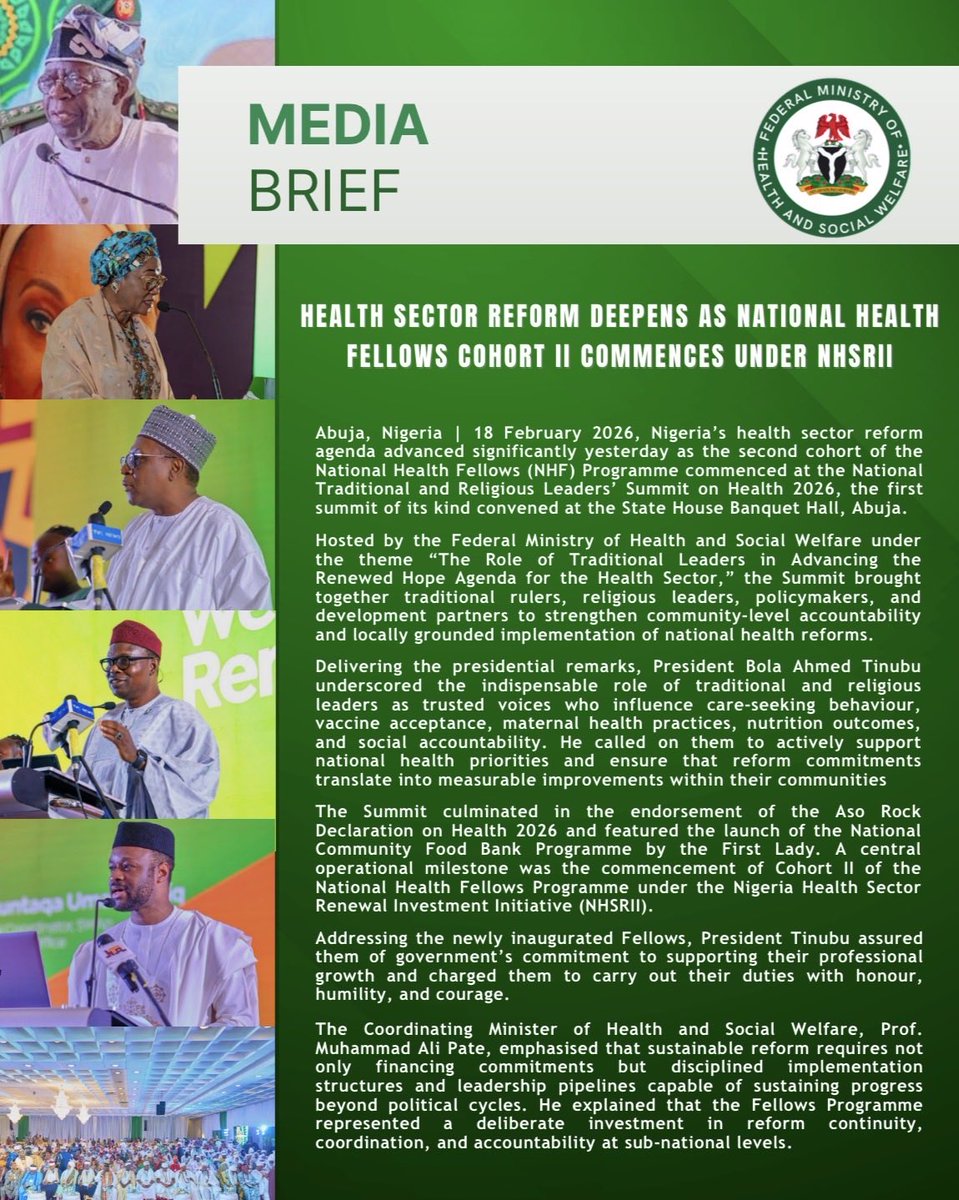
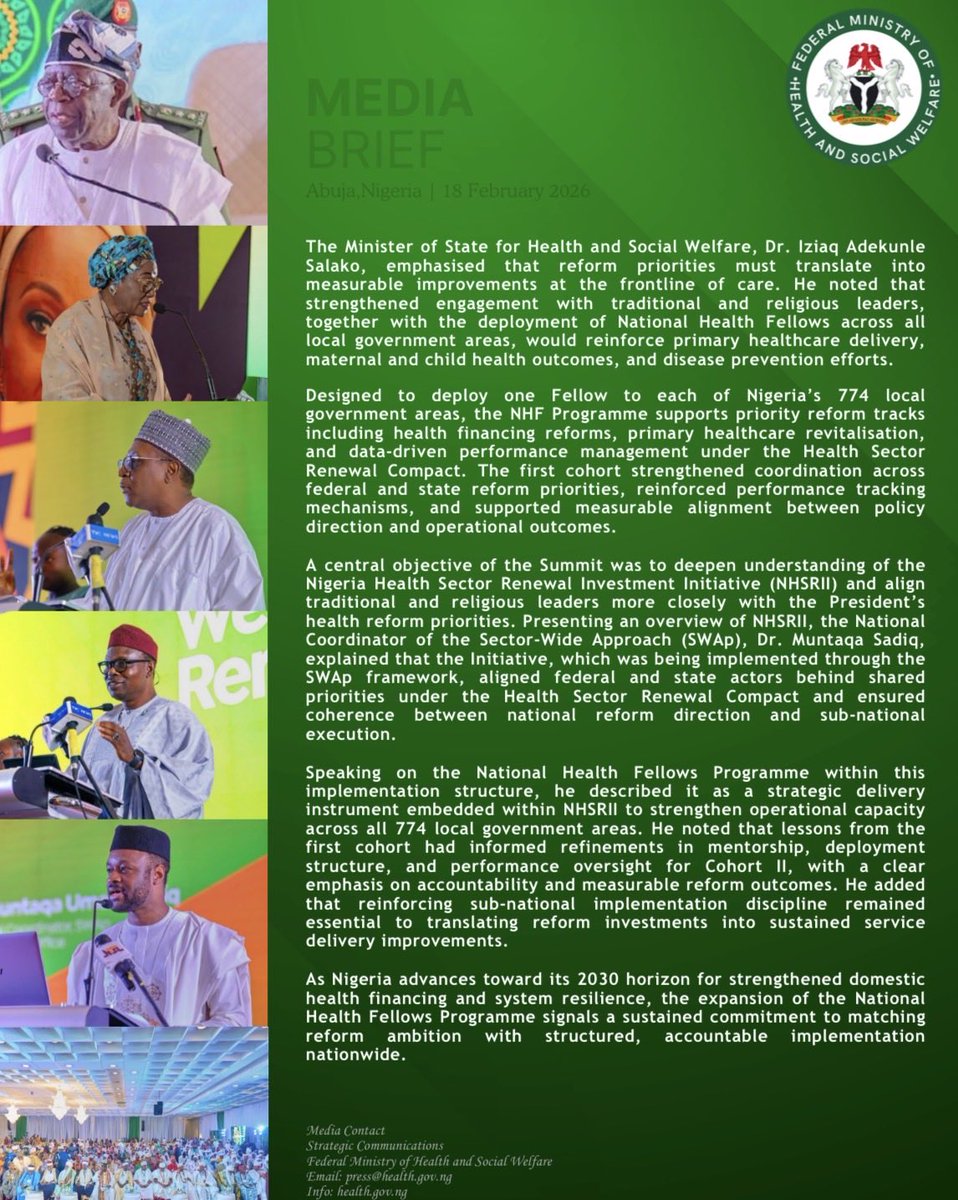
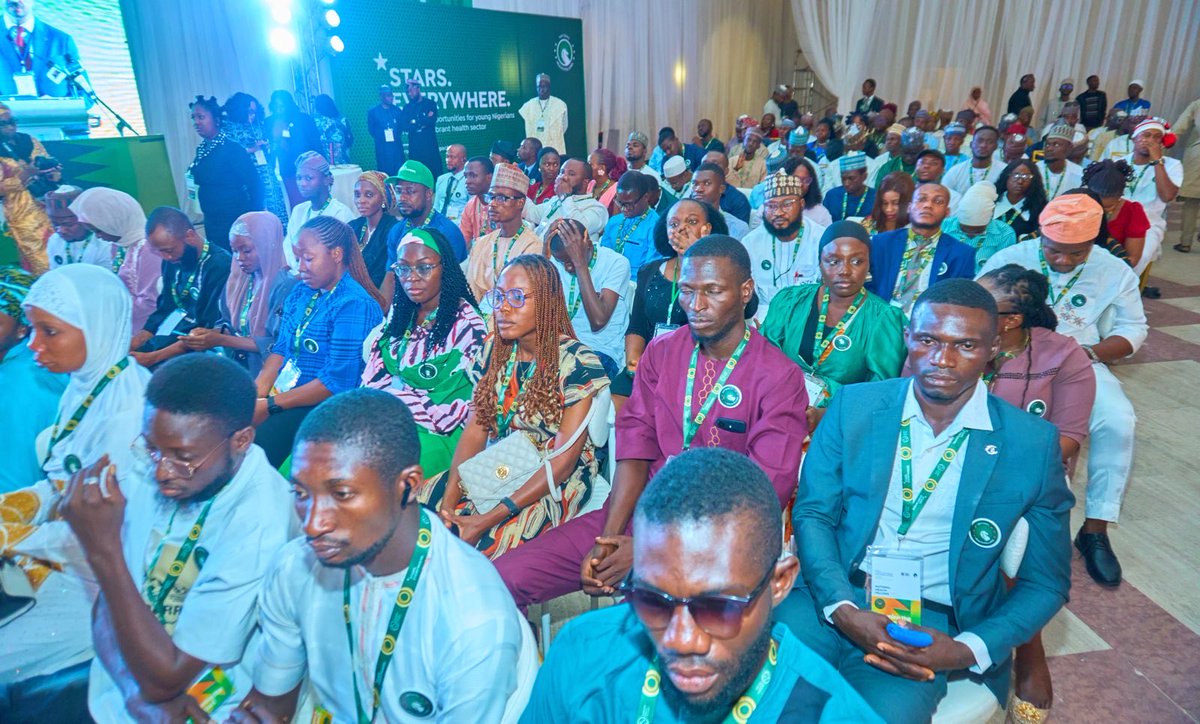
Health sector reform continues to move from commitment to execution.
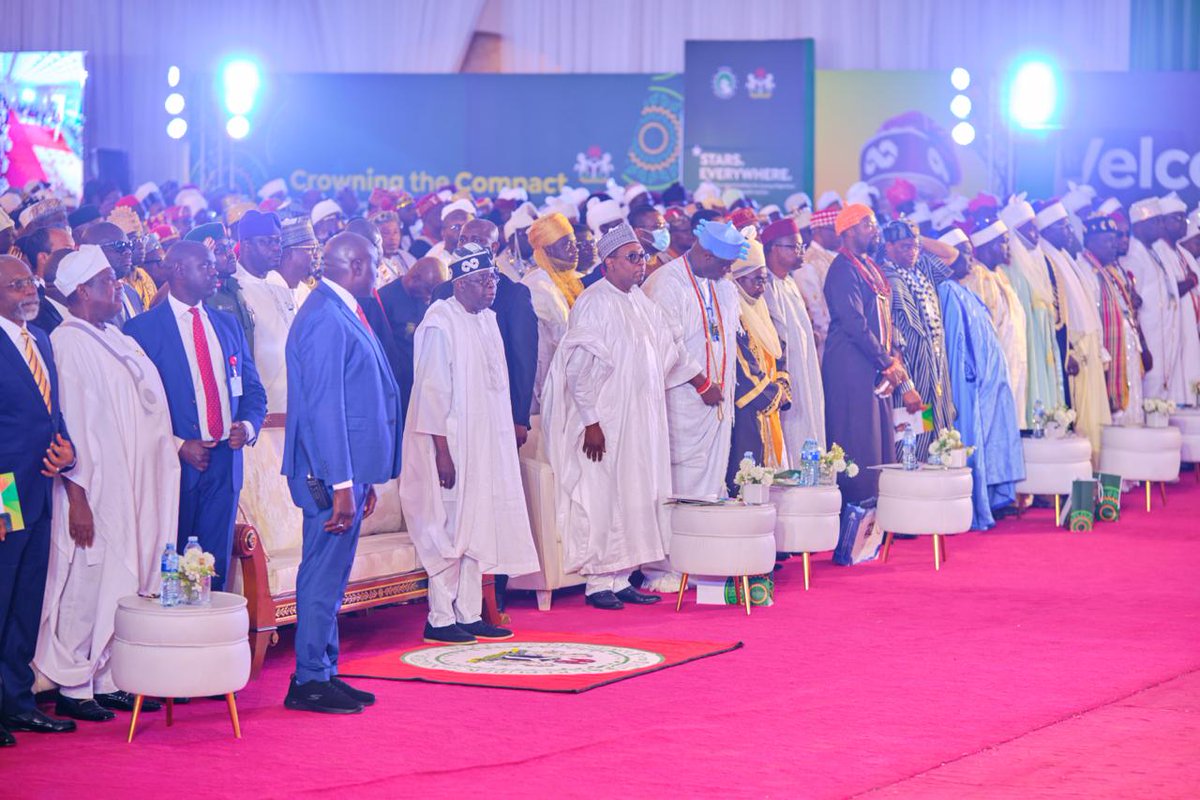
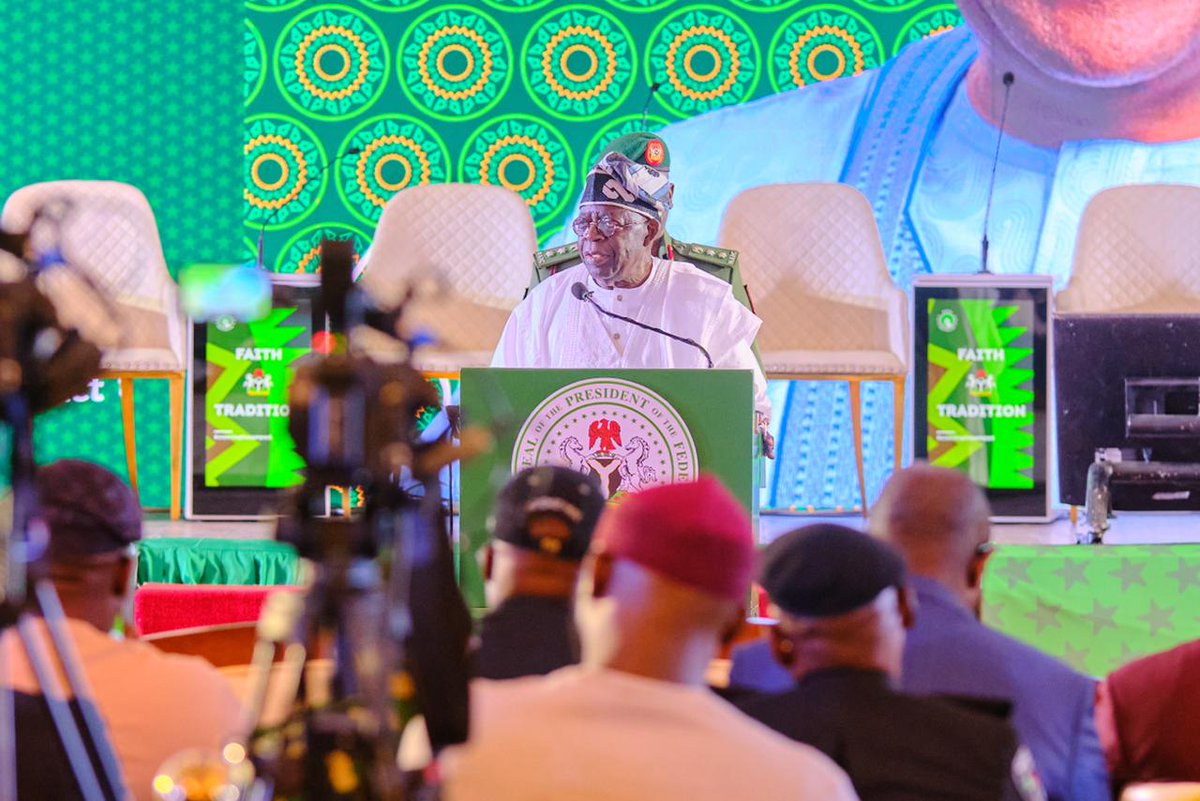
At the National Traditional and Religious Leaders’ Summit on Health 2026, @Fmohnigeria, marked a key milestone with the commencement of Cohort II of the National Health Fellows Programme under the Nigeria Health Sector Renewal Investment Initiative (NHSRII).
With one Fellow deployed to each local government area, the programme strengthens implementation discipline, coordination, and accountability in delivering measurable health outcomes for Nigerians.
@muhammadpate @SalakoIziaq @MuntaqaSadiq
#HealthReform #NHSRII #SWAp #RenewedHope #MinistryOfHealthNG

4
7
18
1,302
Feb 17
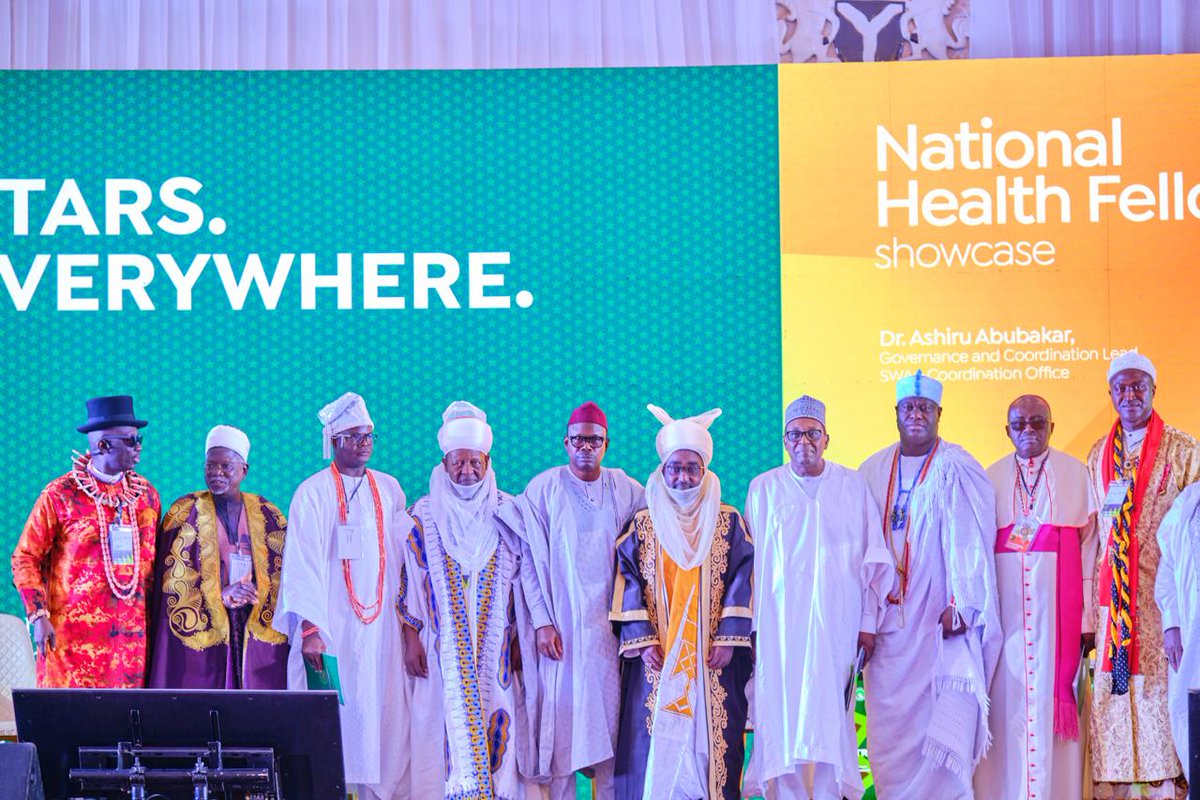
Today, I had the honour of presenting at Nigeria’s first-ever National Traditional and Religious Leaders’ Summit on Health — a truly historic gathering that signals a new chapter in how we approach health reform in our country. We also launched the Nat. Health Fellows.
3
10
256
Muntaqa Umar-Sadiq retweeted
Media Brief
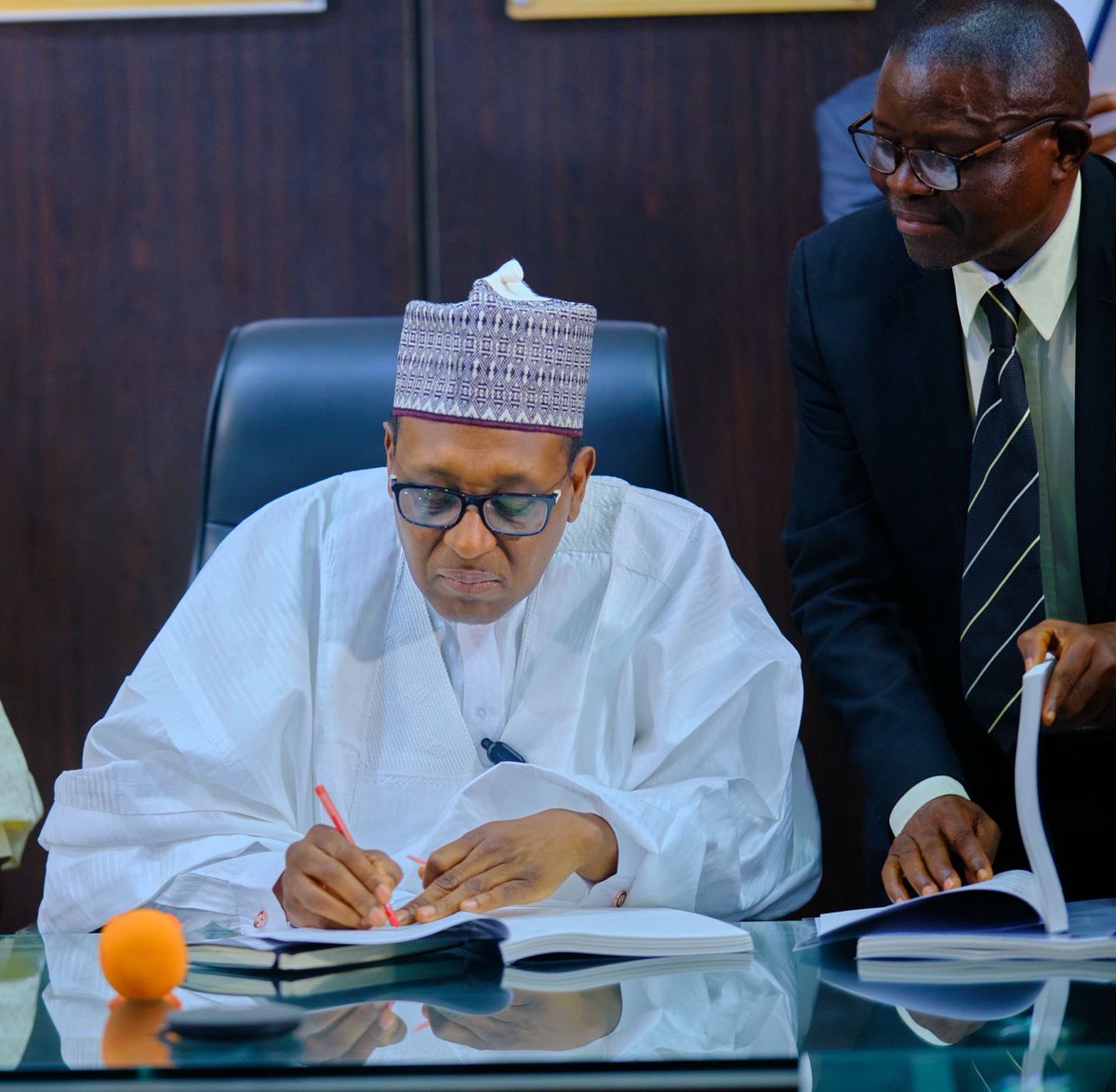
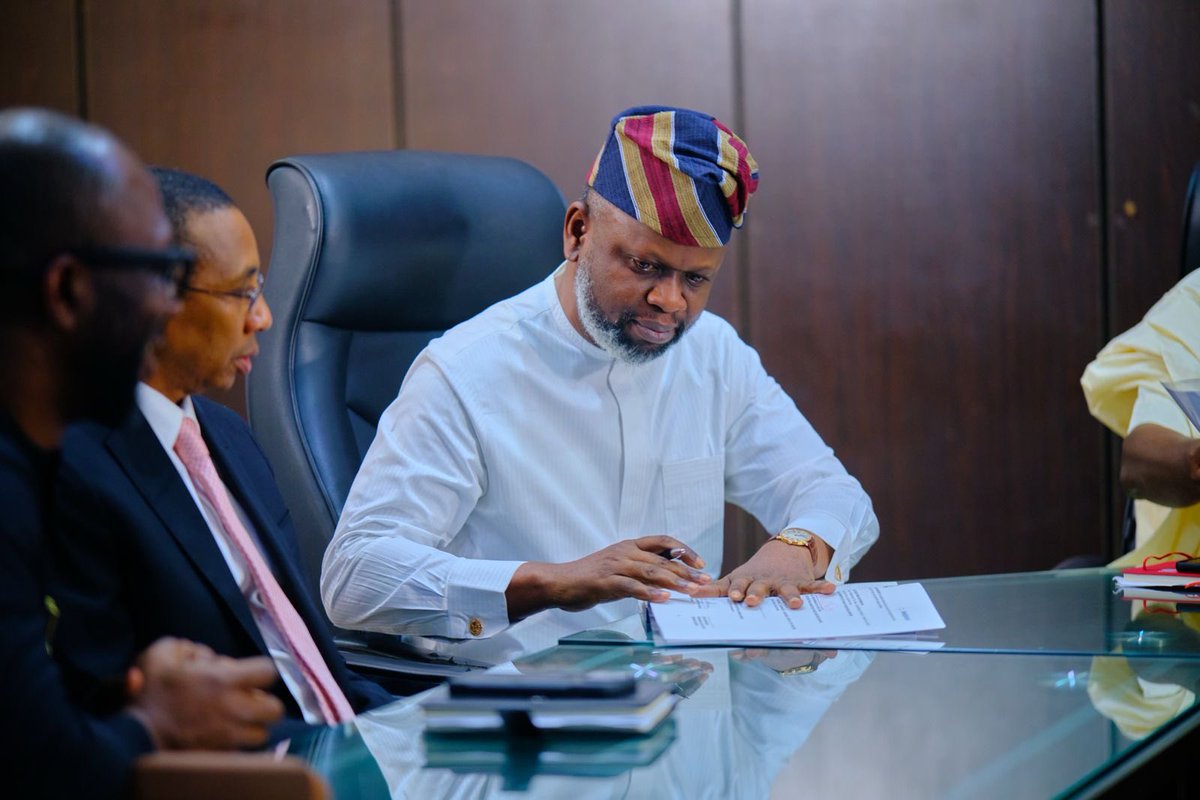
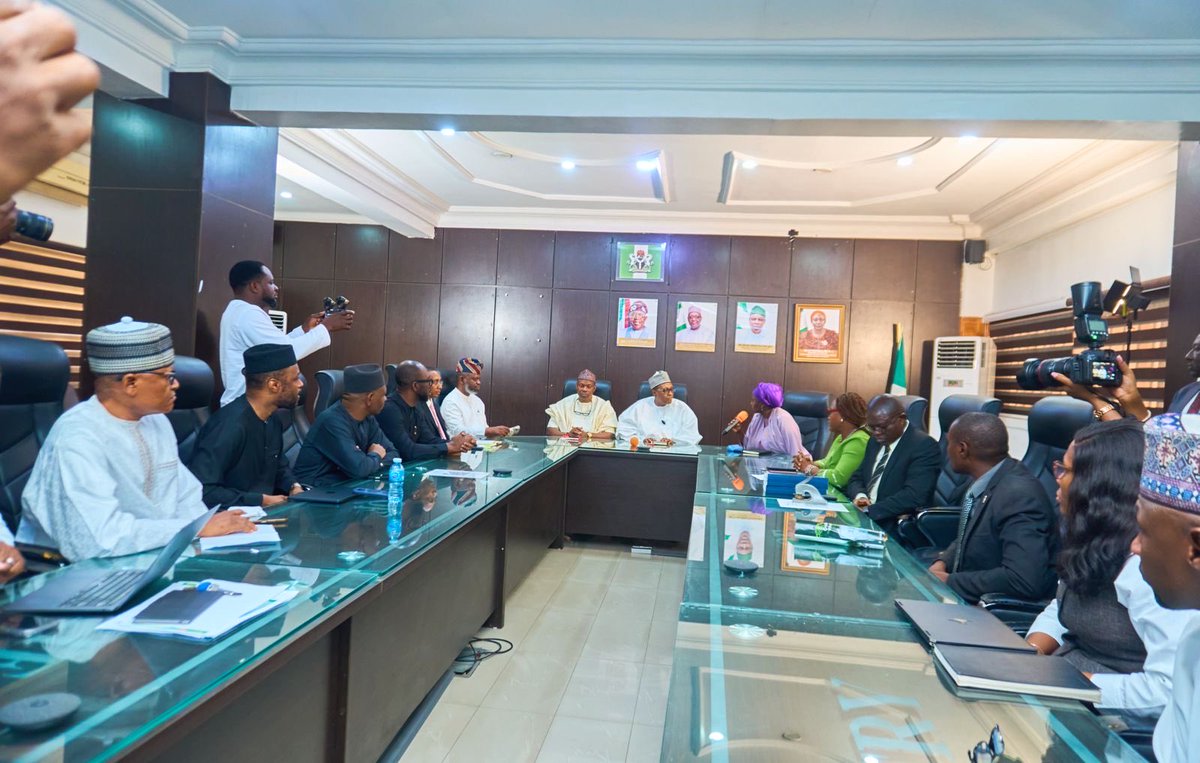
FG Moves to Lower Cost of Medicines, Signs MoU to Operationalise Medipool as National GPO
Abuja,Nigeria | 16 February 2026
The Federal Government of Nigeria, through the Federal Ministry of Health and Social Welfare, today signed a Memorandum of Understanding (MoU) to operationalise Medipool as the country’s National Group Purchasing Organisation (GPO), in a decisive step toward reducing the cost of medicines, strengthening supply chain efficiency, and expanding access to quality health commodities for Nigerians.
Approved by the Federal Executive Council in 2025, Medipool is designed to aggregate demand for pharmaceuticals and medical supplies across public and private health facilities, enabling bulk purchasing, price negotiation, and improved quality assurance across the national health supply chain.
The initiative supports key national priorities, including the Basic Healthcare Provision Fund (BHCPF), @TheBHCPF , the Presidential Initiative to Unlock the Healthcare Value Chain (PVAC), and the National Health Supply Chain Transformation Plan, while advancing Nigeria’s target of increasing local pharmaceutical manufacturing to meet a significant share of domestic demand.
Speaking on the significance of the agreement, the Coordinating Minister of Health and Social Welfare @muhammadpate stated:
“The operationalisation of Medipool represents a strategic shift in how Nigeria procures and delivers essential medicines. By pooling demand, strengthening local manufacturing, and improving supply chain transparency, we are lowering costs, expanding access, and building a more resilient health system that protects both the health and finances of Nigerians.”
The ceremony brought together leadership across Nigeria’s health reform architecture, including the National Primary Health Care Development Agency (NPHCDA), @Muyi_Aina , the Presidential Initiative for Unlocking the Healthcare Value Chain (PVAC), @PVAC_NG and the Sector-Wide Approach (SWAp) Coordination Office, @MuntaqaSadiq , reflecting strong whole-of-government alignment on improving affordability, availability, and sustainability of essential medicines.
The operationalisation of Medipool reinforces the Federal Government’s broader health sector reform agenda to build a more resilient, transparent, and cost-efficient healthcare system that delivers better health outcomes and financial protection for all Nigerians.

16
52
129
8,423
Feb 14
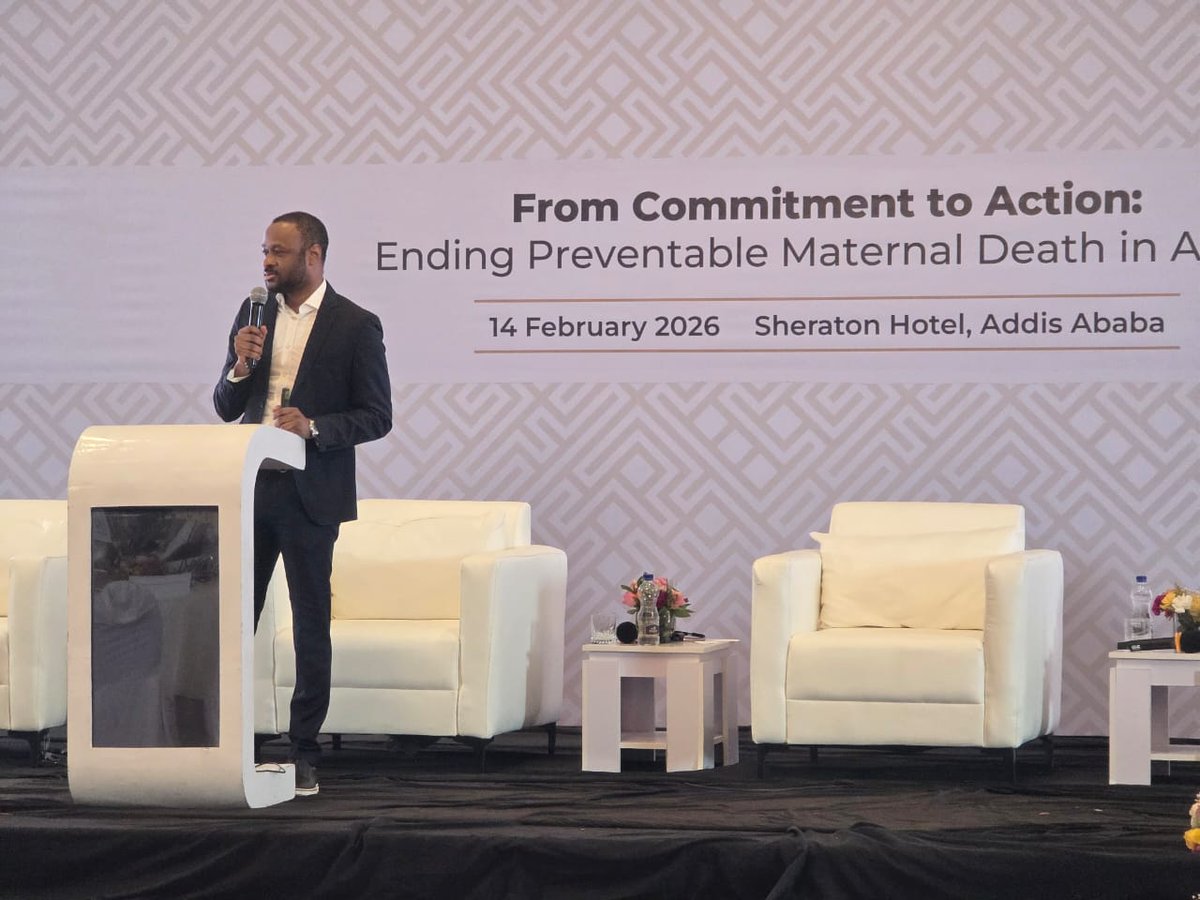
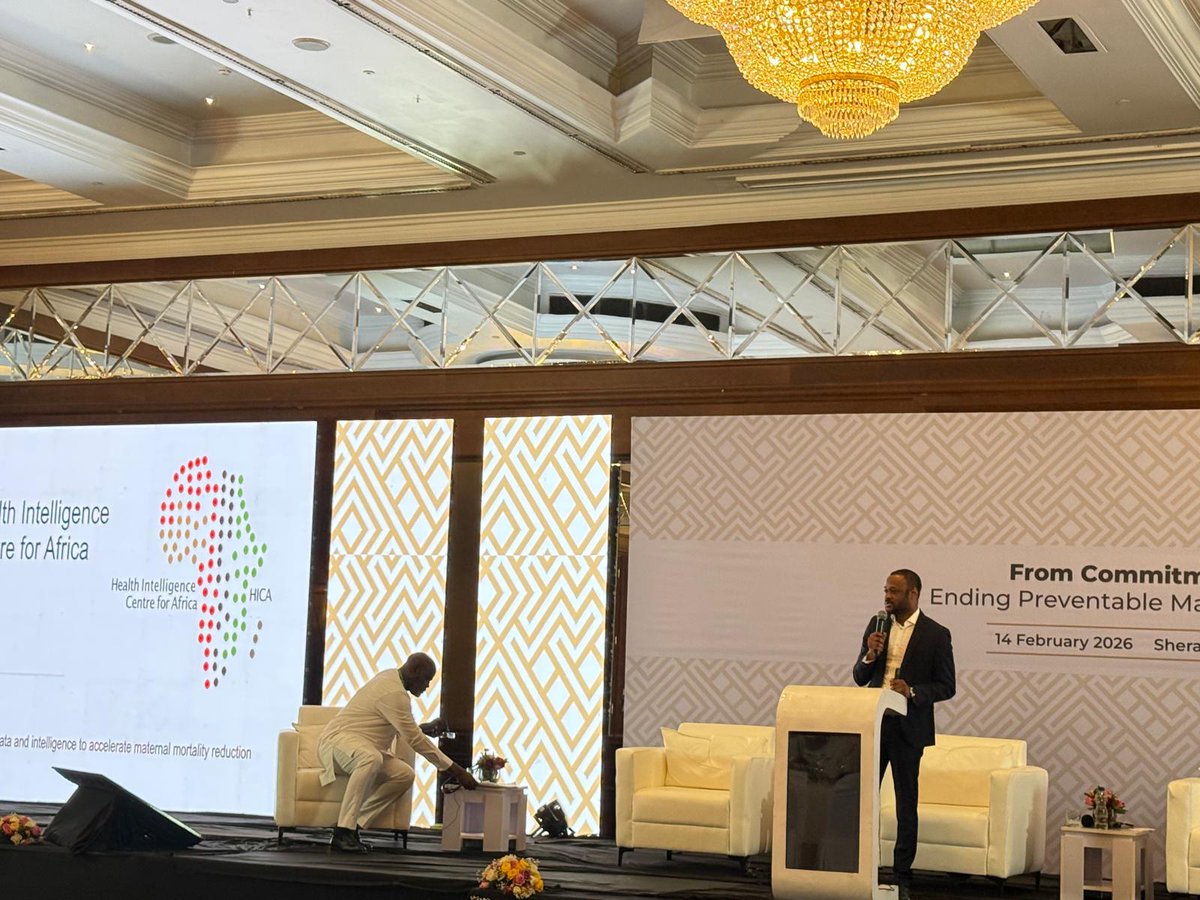
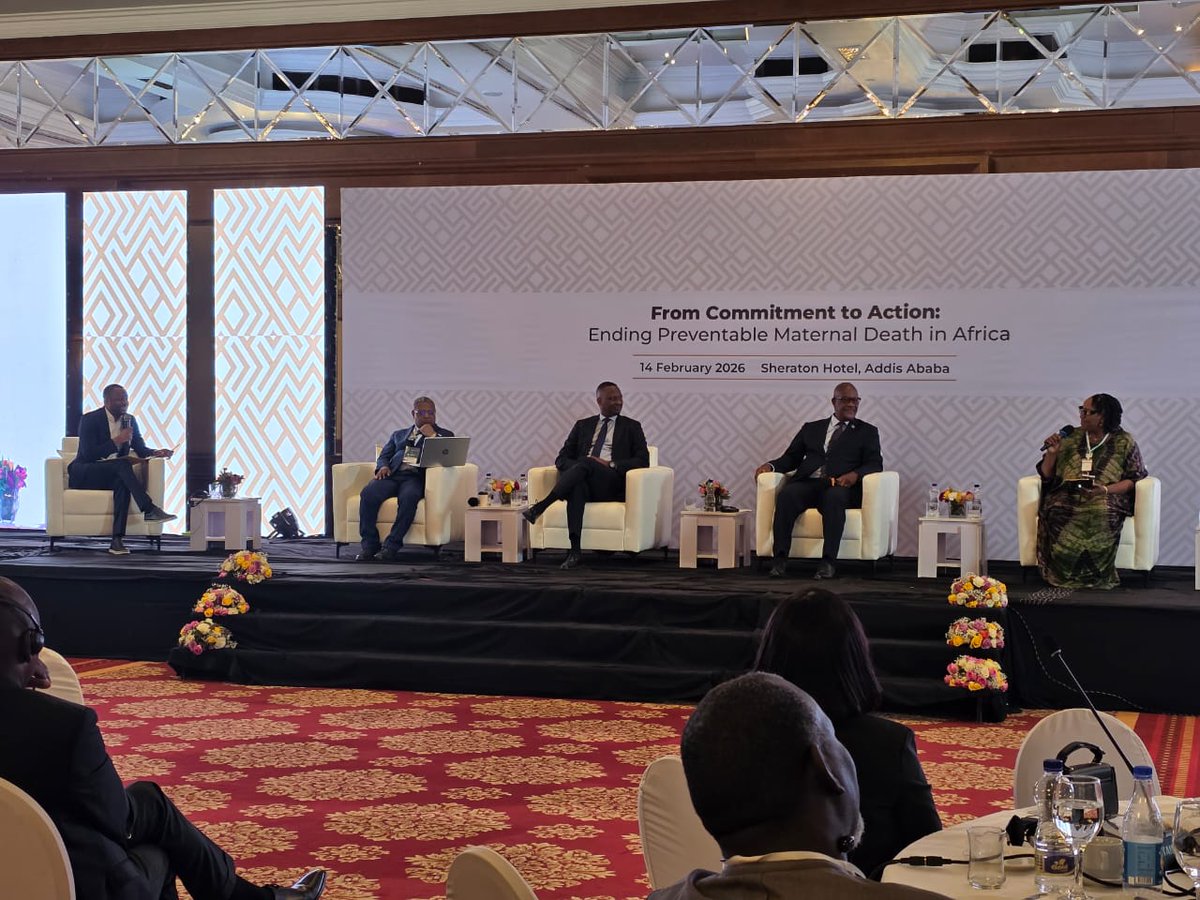
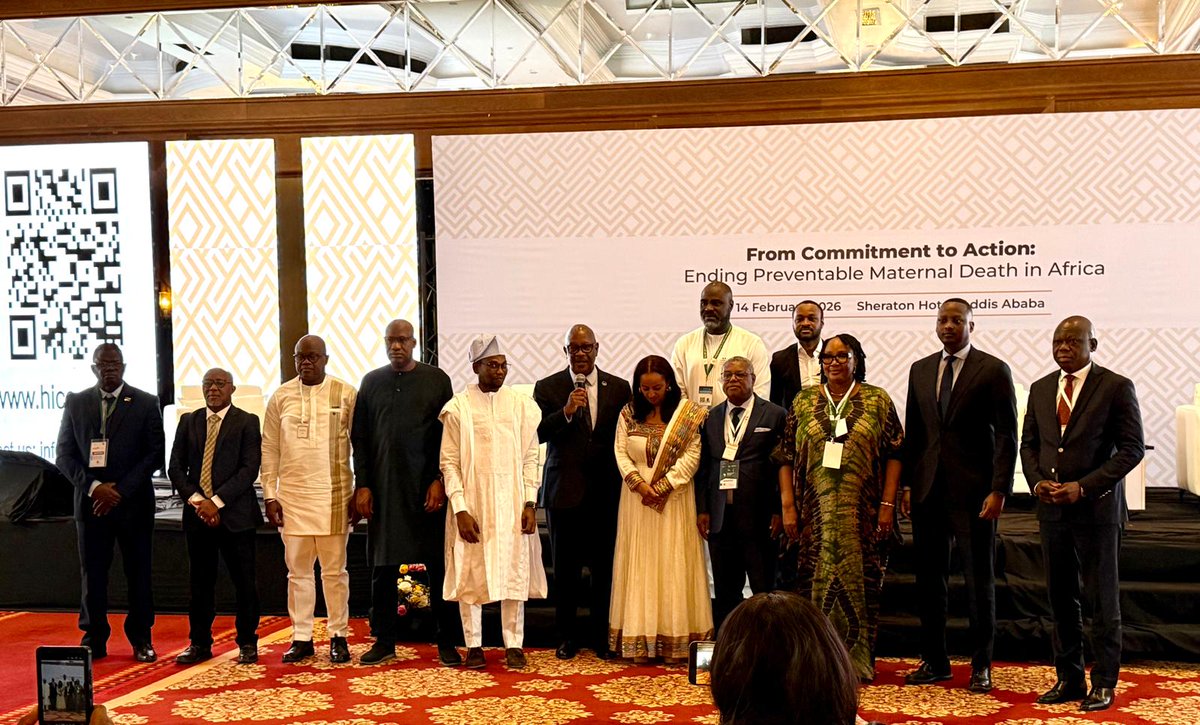
Alongside other African countries, @MuntaqaSadiq presented and launched the Health Intelligence Center for Africa (HICA) - designed to help governments in Africa move faster from data to decisions, using modern digital tools. hica.africa
1
1
6
244
Muntaqa Umar-Sadiq retweeted

🎥 Dr. @MuntaqaSadiq, National Coordinator of @SWApGov, addressed Cohort II of the National Health Fellows @healthfellowsng, highlighting the merit-based & transparent selection process and the vision to build Nigeria’s next generation of health leaders.
#NHF2 #WeAreTheStars
4
18
361
Muntaqa Umar-Sadiq retweeted

Feb 6
UPDATE:
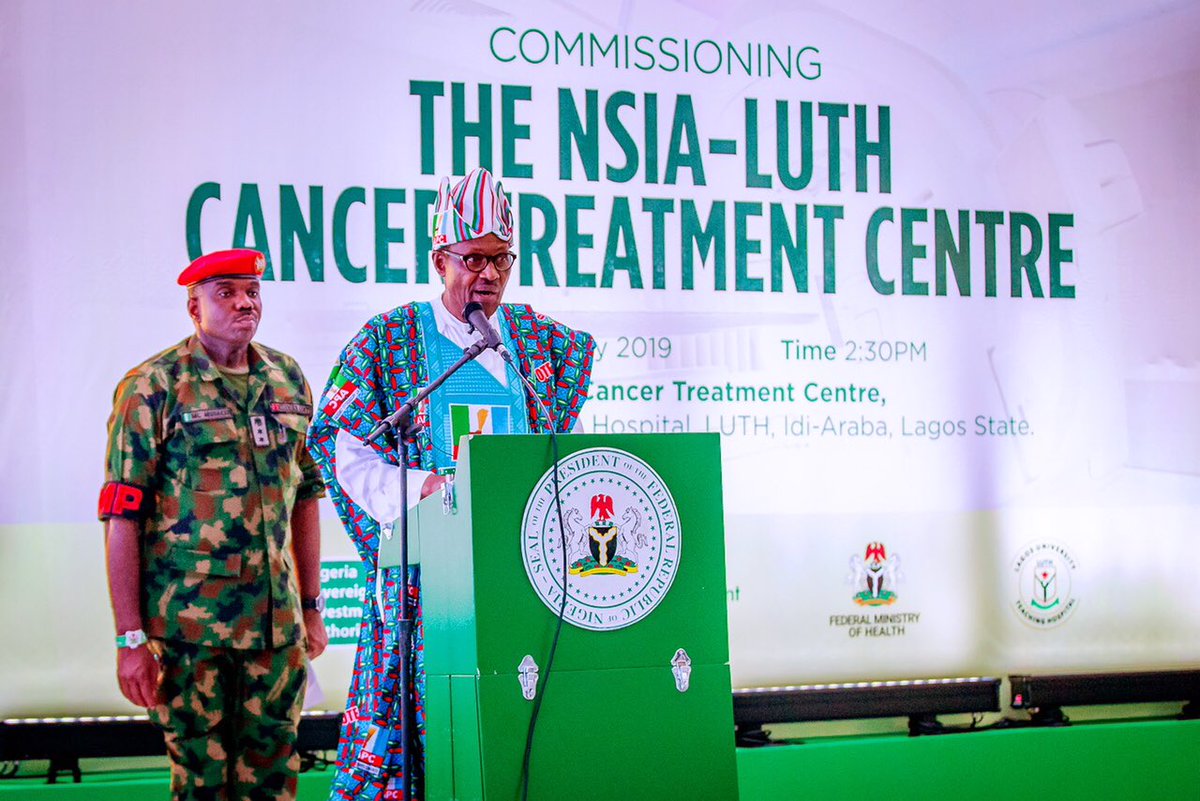
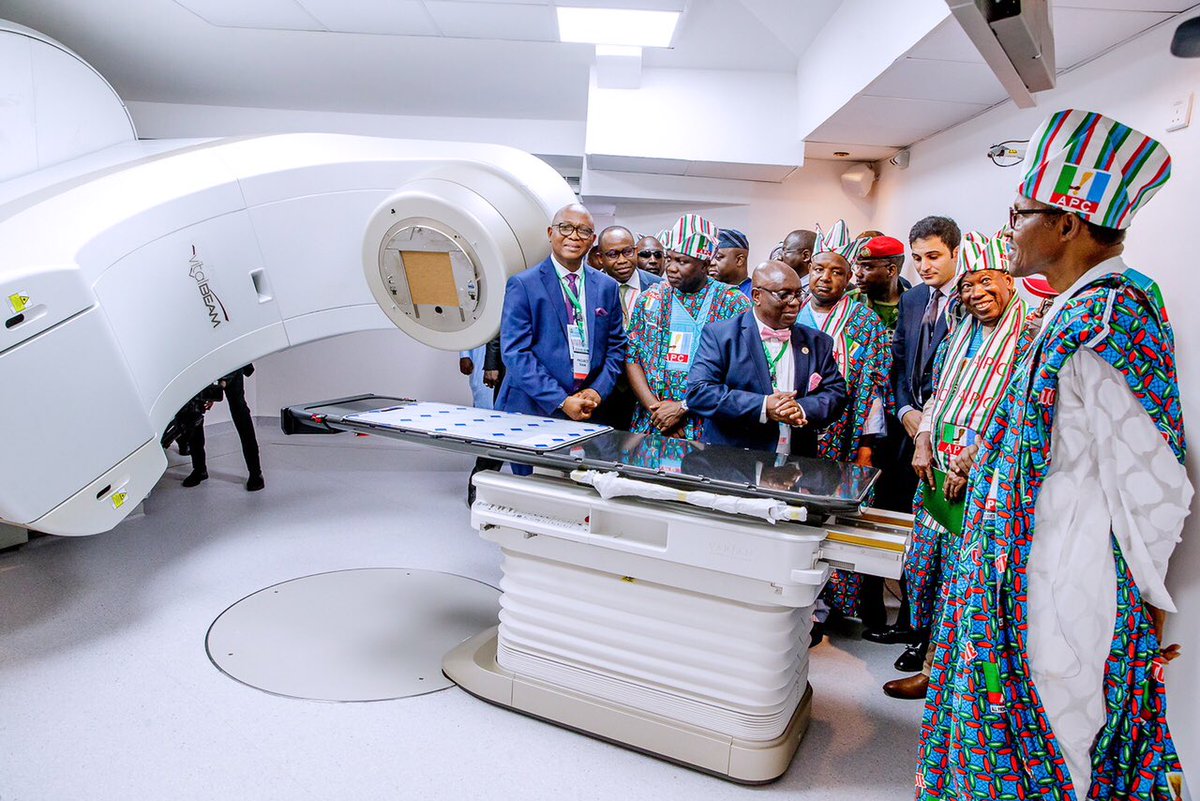
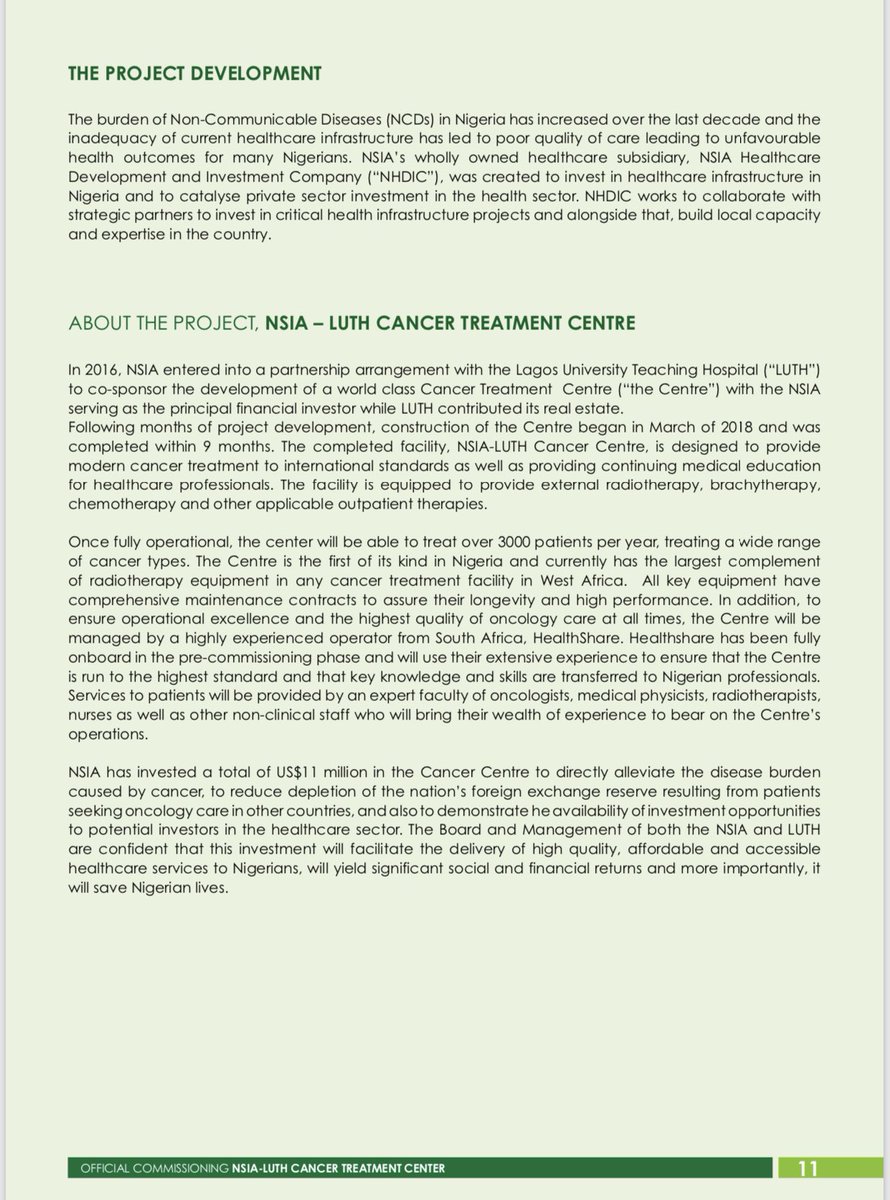
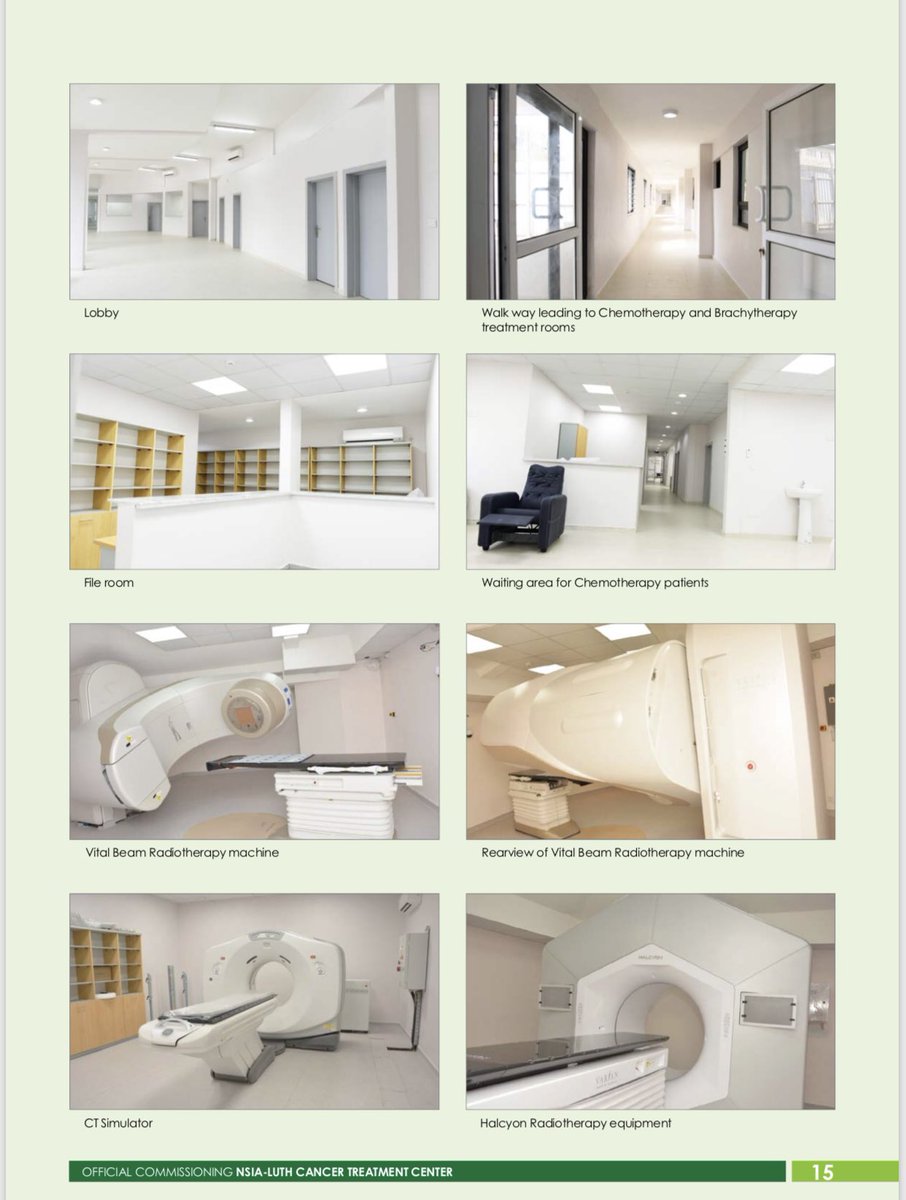
From one oncology center in Lagos (below, 2019) & two diagnostics centers in Kano & Umuahia, the NSIA healthcare ecosystem has grown.
By end Q2 2026, there will be 4 cancer centers & 15 diagnostics centers, says @nsia_nigeria CEO, as they seal partnership with @IFC_org.
22 Nov 2019

Commissioned by PMB: February 9, 2019. First of its kind in Nigeria.
NSIA-LUTH Cancer Center “will serve over 3,000 patients annually, and Provide training for over 80 healthcare professionals.”
@nsia_nigeria also investing in medical diagnostics facilities in Umuahia & Kano.
1
97
168
13,111
Muntaqa Umar-Sadiq retweeted

Jan 19
Congratulations, Chief Dr Dr!! @MuntaqaSadiq

HEARTFELT CONGRATULATIONS TO DR. MUNTAQA UMAR-SADIQ
The Rivers State Ministry of Health extends warmest congratulations to Dr. Muntaqa Umar-Sadiq on achieving a remarkable milestone - completing his Doctor of Public Health at the prestigious London School of Hygiene and Tropical Medicine.
This outstanding achievement is a testament to Dr. Umar-Sadiq's dedication and expertise in Public Health. As National Coordinator of the SWAp Coordination Office, appointed by President Bola Ahmed Tinubu, under the supervision of the Honourable Coordinating Minister of Health and Social Welfare. He continues to drive Nigeria's Health Sector Renewal Investment initiative reforms with passion and professionalism.
Kudos, Dr. Umar-Sadiq! Your achievement inspires us all!

5
3
30
1,222
Muntaqa Umar-Sadiq retweeted
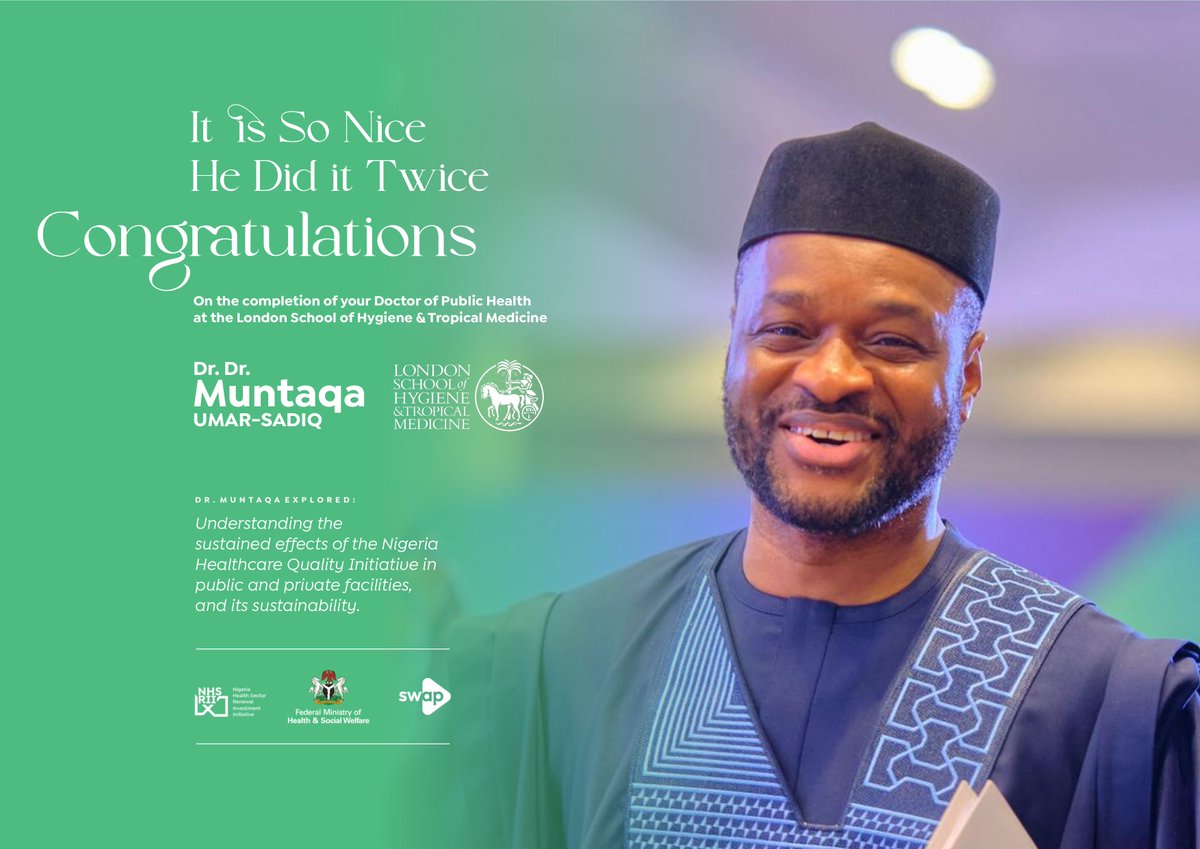
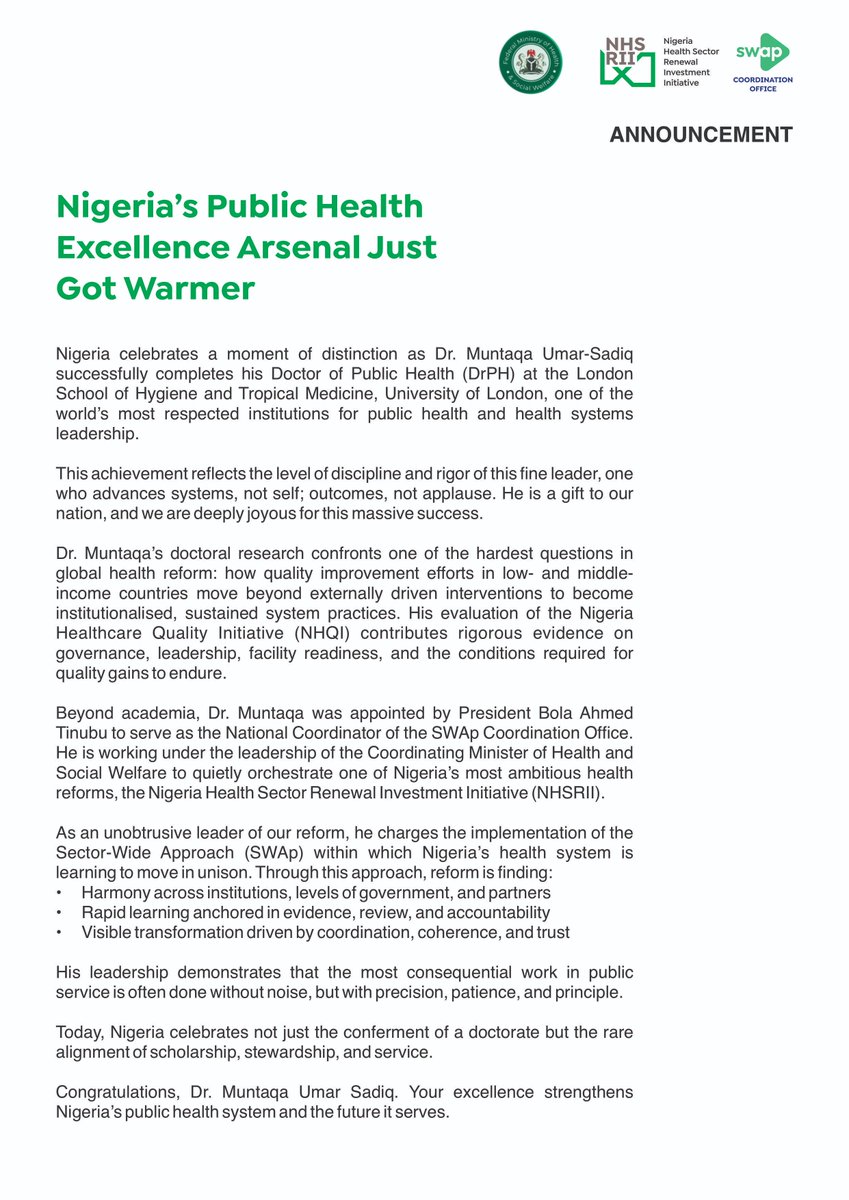
Nigeria’s Public Health Excellence Arsenal Just Got Warmer
Nigeria celebrates a moment of distinction as Dr. Muntaqa Umar-Sadiq @MuntaqaSadiq successfully completes his Doctor of Public Health (DrPH) at the London School of Hygiene and Tropical Medicine, U. of London, @LSHTM.
3
4
35
2,374
Muntaqa Umar-Sadiq retweeted

16 Nov 2025
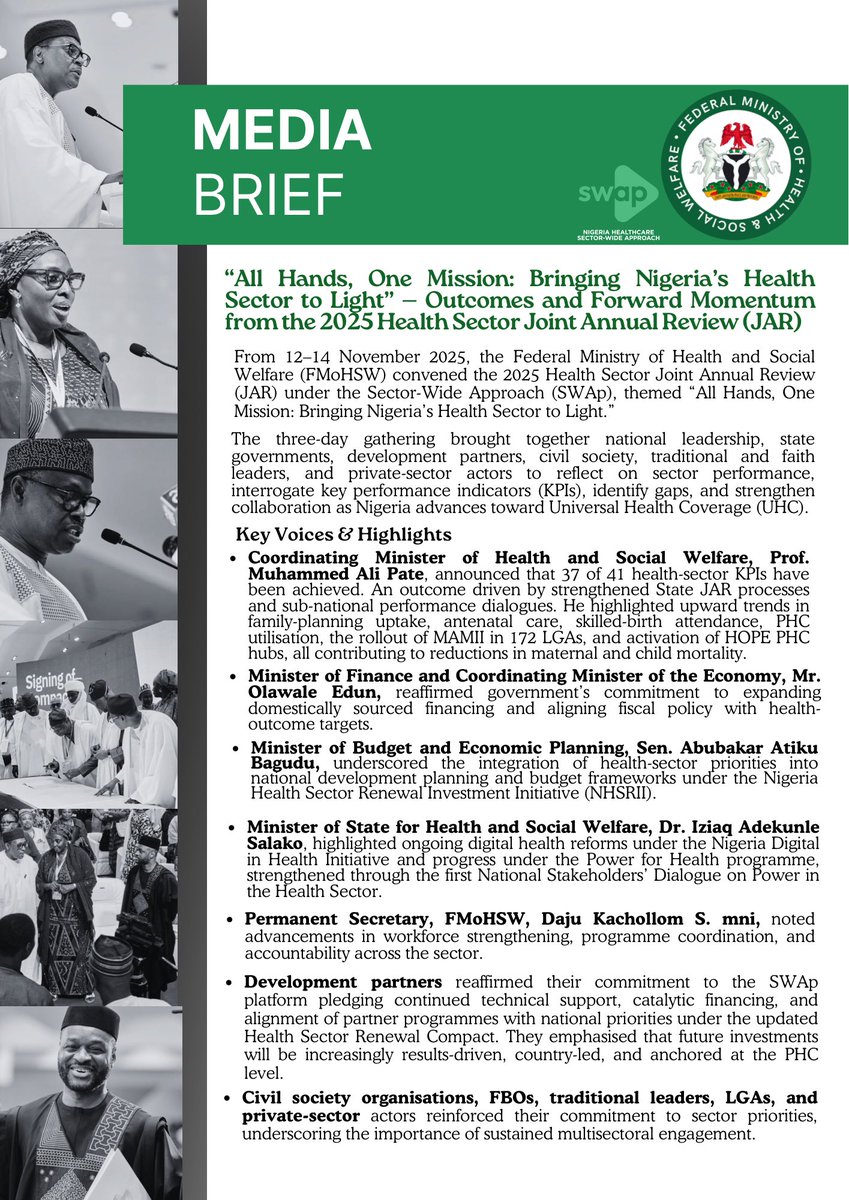
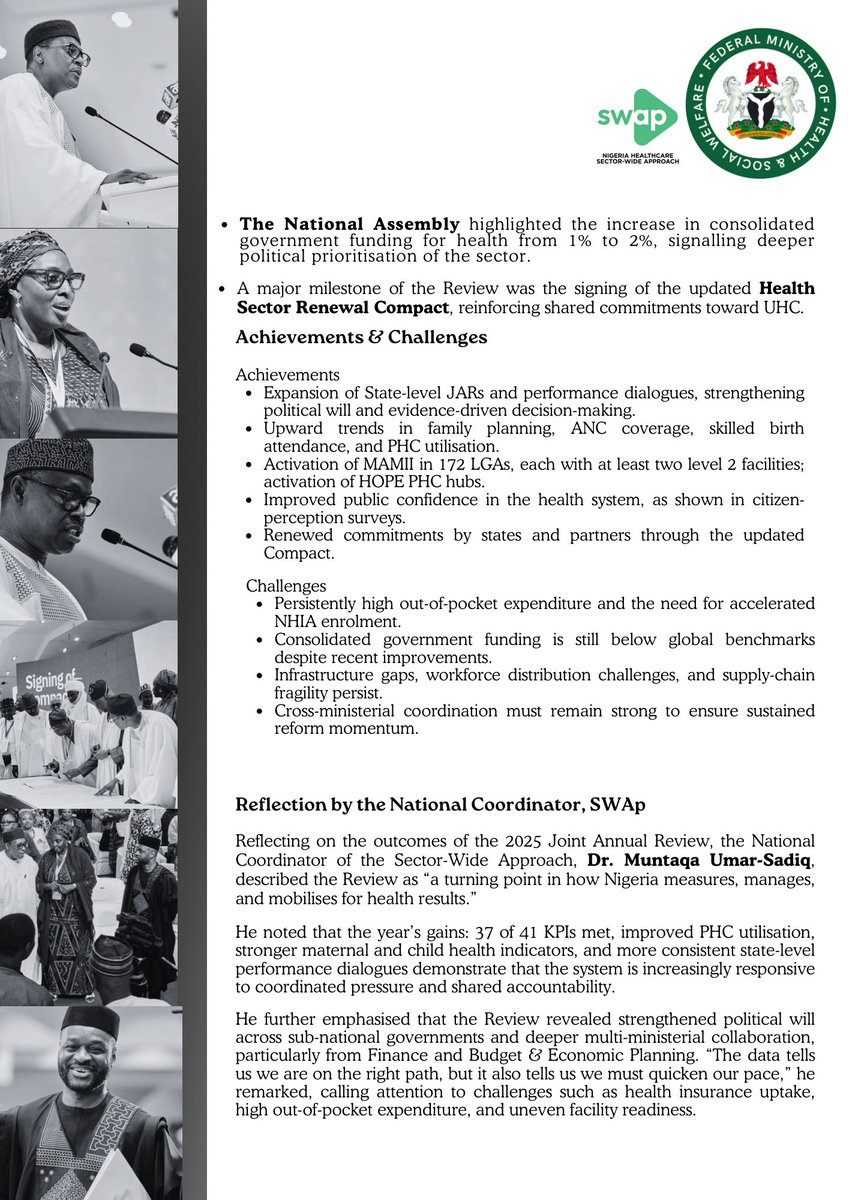
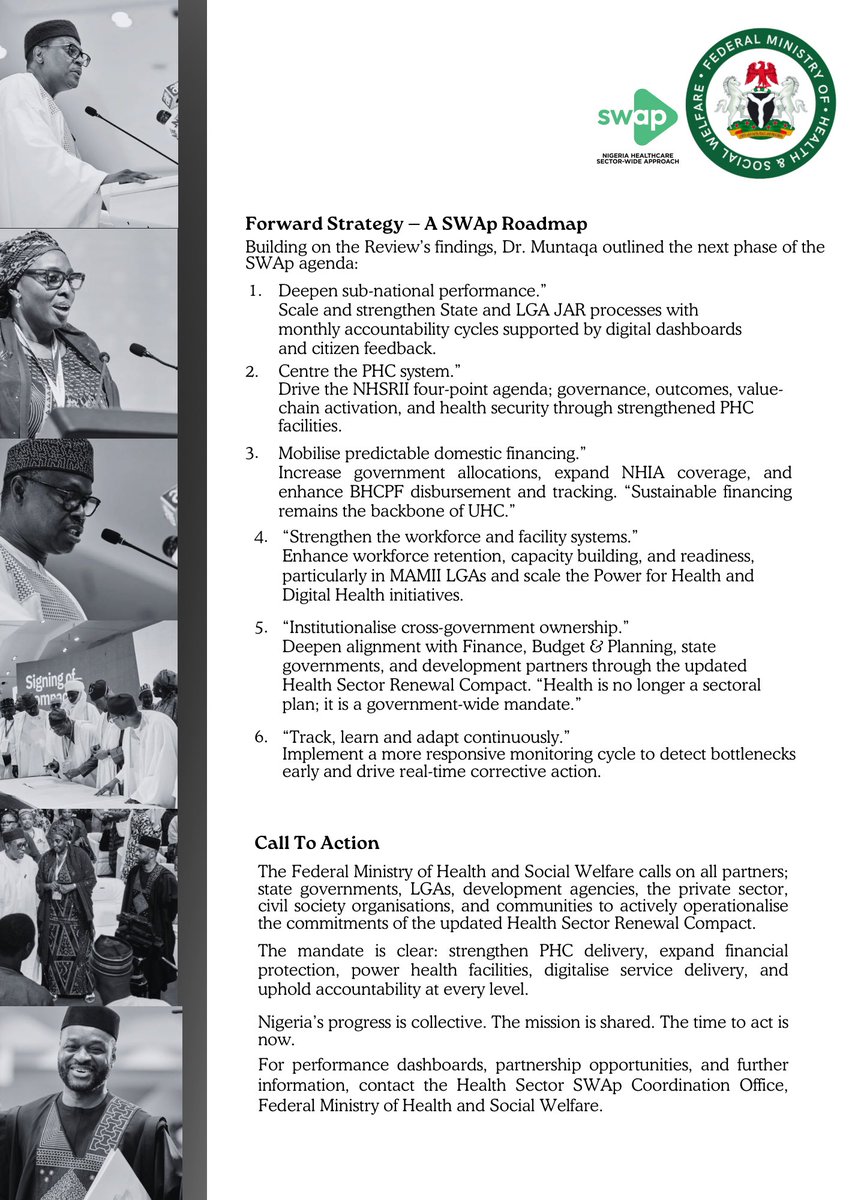
Nigeria’s health sector is gaining clarity, coordination and momentum.
The 2025 Health Sector Joint Annual Review Media Brief captures the results, the gaps, and the bold next steps shaping our path to UHC.
With renewed commitments from federal leadership, states, partners and communities, the mission is shared — and the progress is measurable.
#HealthForAll #SWAp #NHSRII #RenewedHopeAgenda #MinistryOfHealthNG
@muhammadpate @SalakoIziaq @MuntaqaSadiq
10
10
29
6,771
Muntaqa Umar-Sadiq retweeted

12 Nov 2025
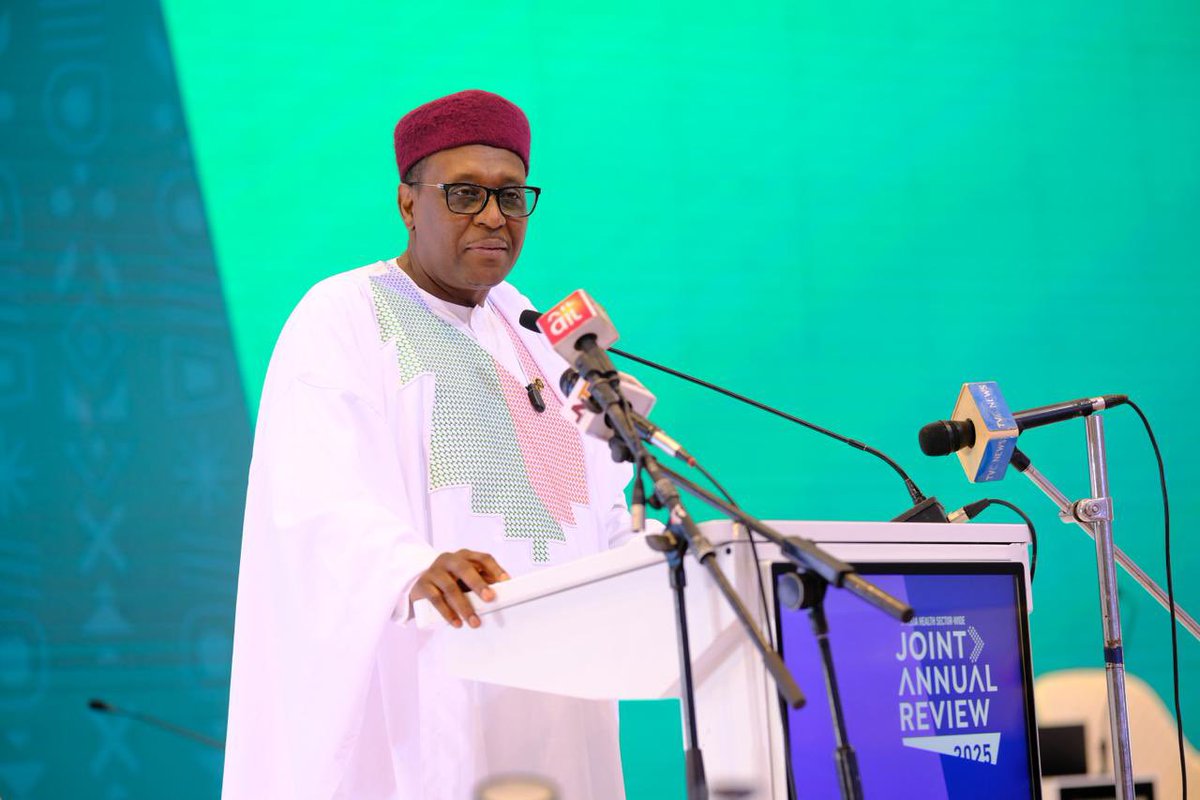
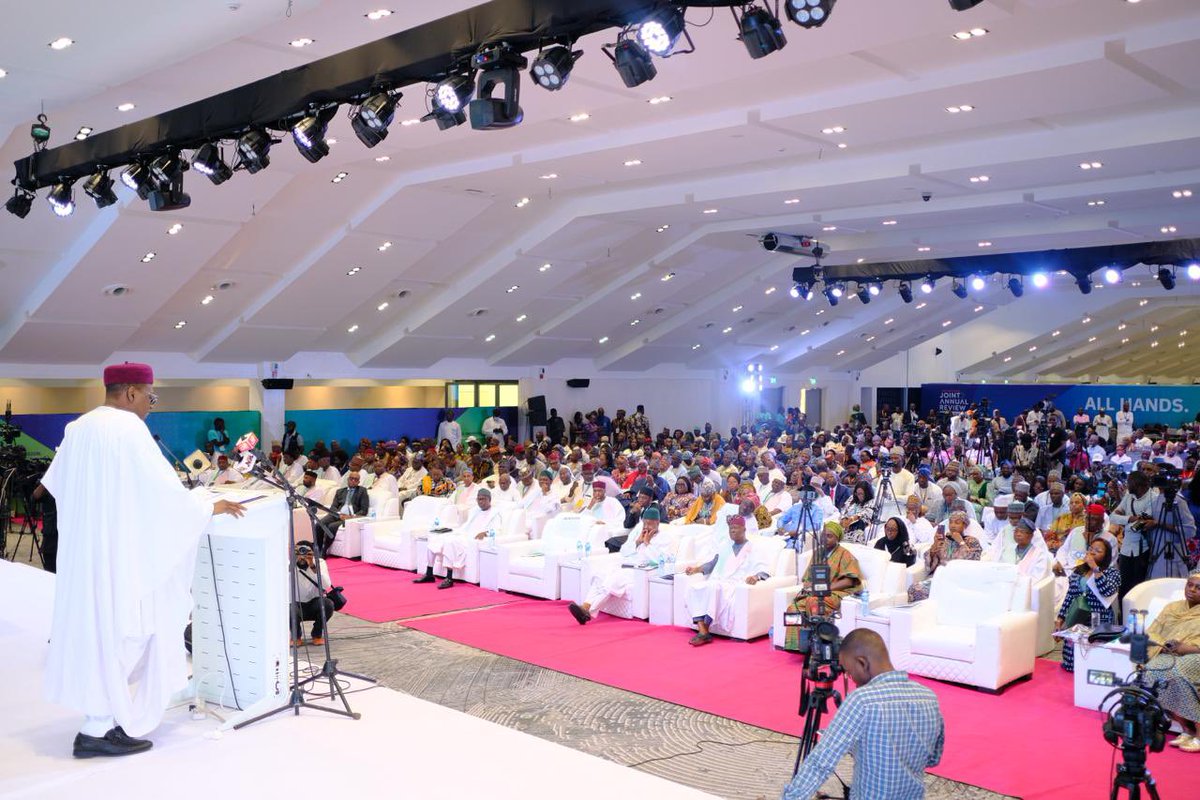
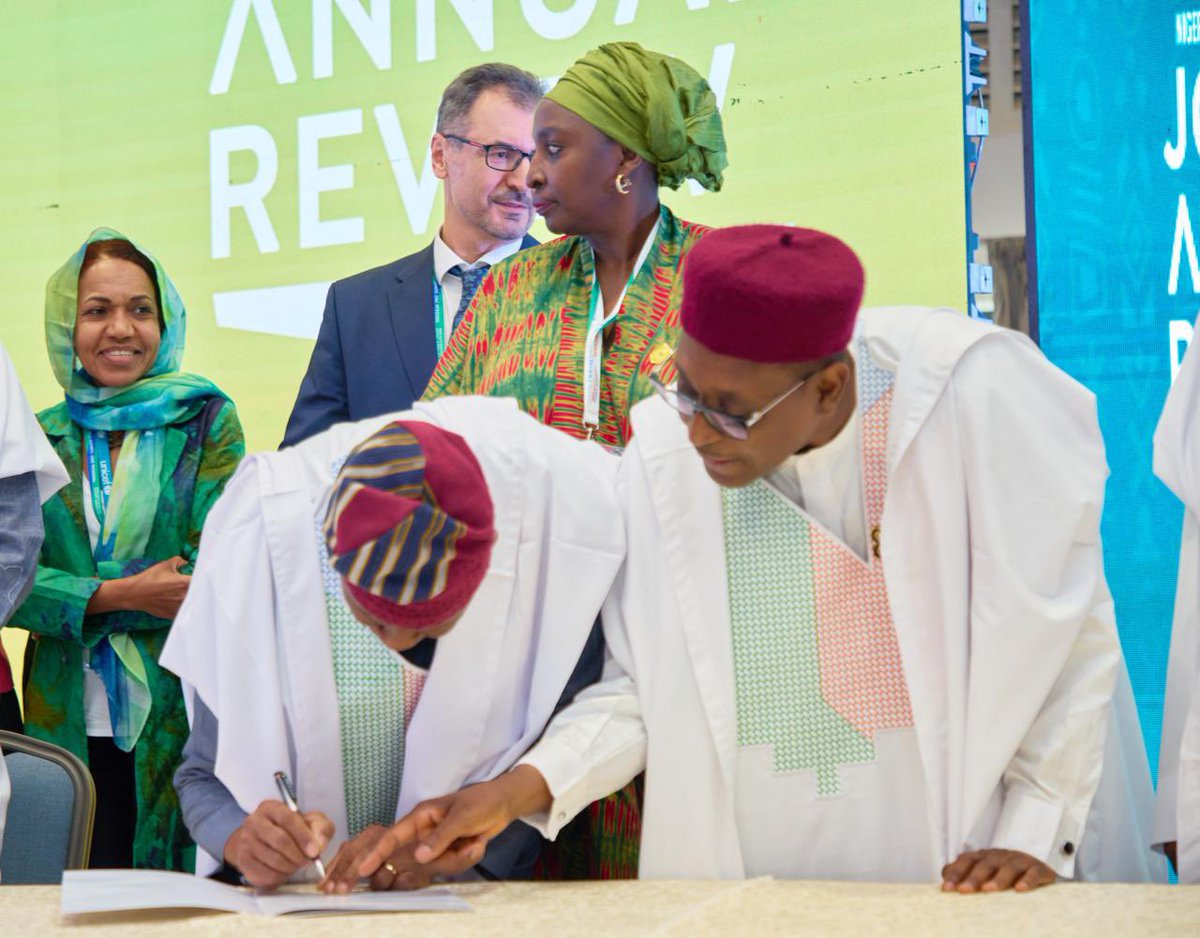
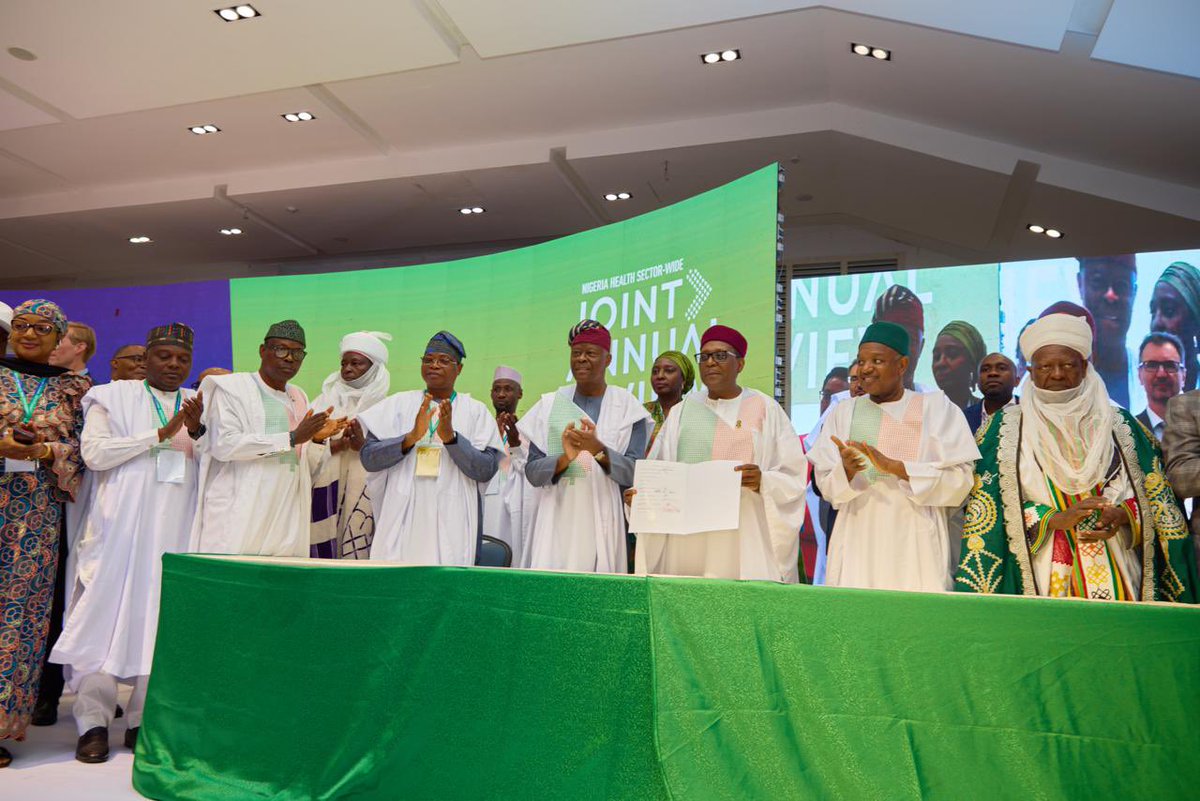
The Joint Annual Health sector wide Review #JAR2025 @SWApGov offers us opportunity to reflect on progress, identify gaps, learn from experience, and enhance our collective accountability for results.
The evidence presented gave an encouraging picture. 84% of national health performance indicators under the Presidential Bond have been achieved as of Q3 2025, representing 37 of 41 key targets. 35 states and the FCT have completed their State JARs with citizen participation, all aligned with the #NHSRII Blueprint. All 774 LGAs @AlgonNationalHQ now have National Health Fellows and Public Financial Management Officers in place. Ministerial oversight meetings have been held as scheduled, and 60% of National Council on Health resolutions have been implemented, showing that commitments are being translated into results.
Service utilisation and outcomes continue to improve. Visits to facilities supported through the #BHCPF rose from 10 million in Q1 2024 to 37 million in Q1 2025 and 45 million in Q2 2025, reflecting renewed confidence in primary care @NphcdaNG. Maternal deaths have declined by 17% and newborn deaths by 12% across 172 high-burden LGAs targeted through data-driven interventions. Skilled birth attendance now exceeds 90%, antenatal care coverage (#ANC4) remains above 50%, and new family planning acceptors have grown by 10% between Q1 and Q2 2025. Immunisation coverage has also strengthened, with national targets for measles, rubella, and #HPV vaccination achieved.
The foundations of the health system are being reinforced. 52% of targeted LGAs now have at least two level-two PHC facilities, and 435 have been revitalised. Over 15,000 community health workers have been recruited, nearly 70,000 frontline workers retrained toward the goal of 120,000 by 2027, and over 20,000 new staff deployed to federal tertiary hospitals. Health insurance coverage @nhia_nigeria has grown from 6–7% two years ago to 12% today, supported by the Mandatory Health Insurance Circular and the Vulnerable Groups Fund.
Public confidence in the health system is rising. Surveys from 2023–2025 show nearly half of Nigerians believe government considers their views in decision-making. 55% express confidence in the system’s direction, 67% in emergency response, and 74% report satisfaction with services. Two-thirds still emphasise affordability, a concern being addressed through the Medical Relief Programme and expanded social protection.
These gains are being consolidated through the Compact addendum, which reinforces collaboration across federal, state, local, private, and community levels. The localisation agenda continues to advance through domestic resource mobilisation, local manufacturing of medicines, vaccines, and health technologies, and stronger supply chains. Financing is diversifying through fiscal measures, public–private partnerships, and digital transparency tools, while the ward-based approach drives visible improvements at community level. With continued support from @nassnigeria and @NGRSenate, appropriations and releases are translating into measurable progress across the sector.
We acknowledge with deep appreciation the sustained collaboration of the economic management and fiscal policy leadership of @NigeriaGov, particularly the @FinMinNigeria, @PlanningNG, colleagues @Fmohnigeria, and the broad coalition of state and local authorities, traditional and religious institutions, development partners, and civil-society actors whose collective efforts continue to strengthen delivery across Nigeria’s health system.
Years from now, when the story of this period is written, the leadership of President Bola Ahmed Tinubu at this defining moment in our national history will stand as one of its most consequential chapters.
All Hands, One Mission. Bringing Nigeria’s Health Sector to Light.
11
35
114
7,474
Muntaqa Umar-Sadiq retweeted

31 Oct 2025
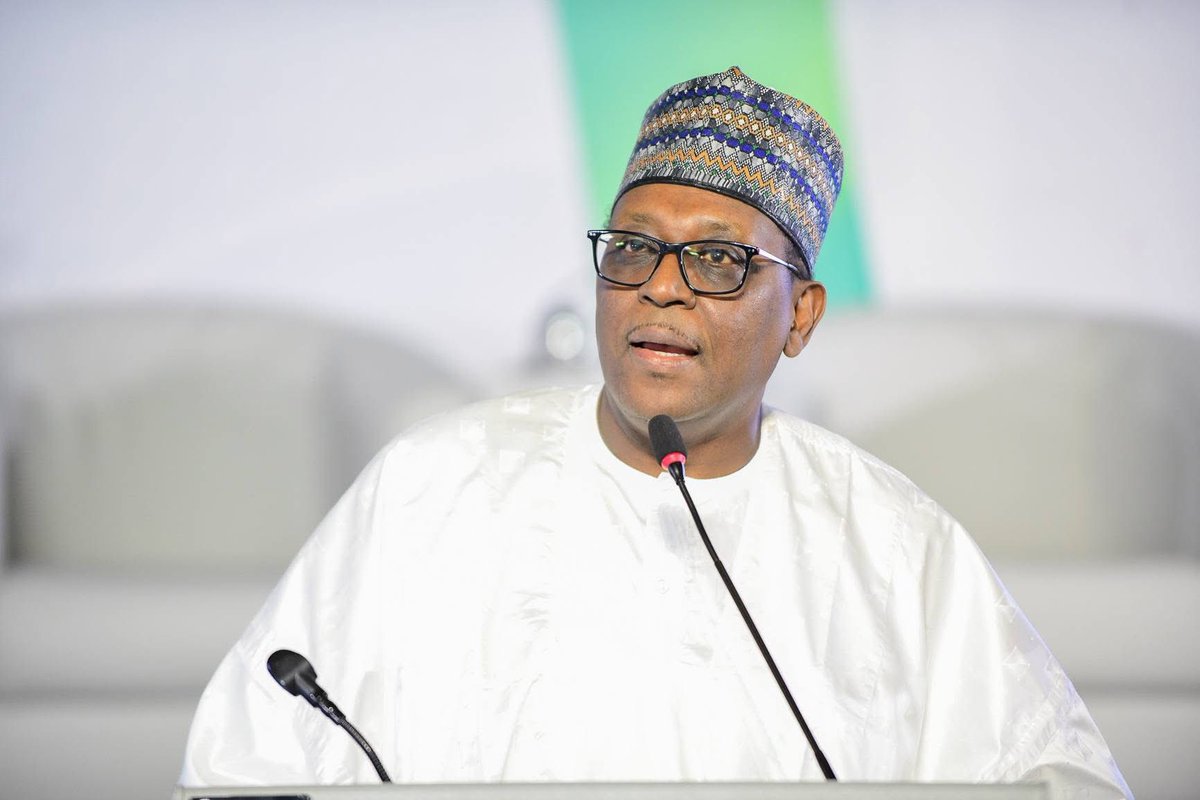
All thanks to His Excellency President Bola Ahmed Tinubu @officialABAT, Professor Muhammad Ali Pate @muhammadpate , and @MuntaqaSadiq Dr. Muntaqa Umar Sadiq for this Renewed Hope Initiative. It's rewriting futures, one fellow at a time.
2
5
254
Muntaqa Umar-Sadiq retweeted
22 Oct 2025
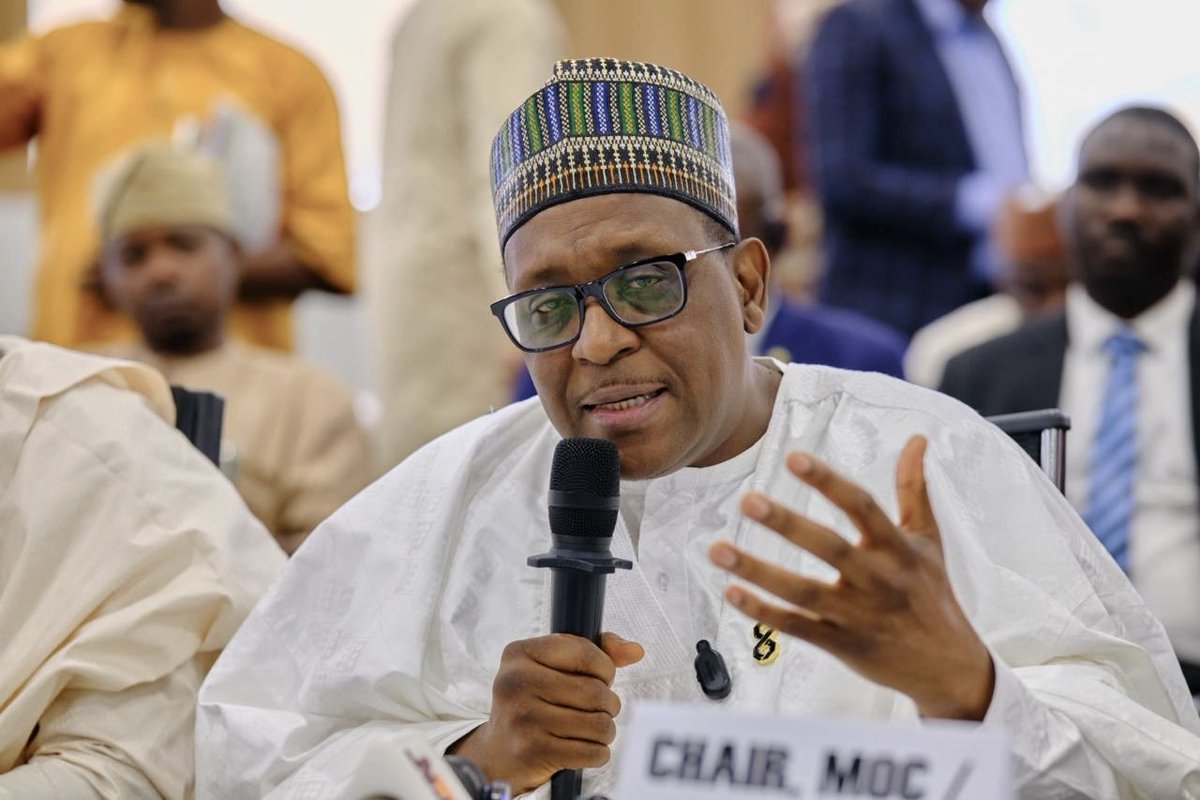
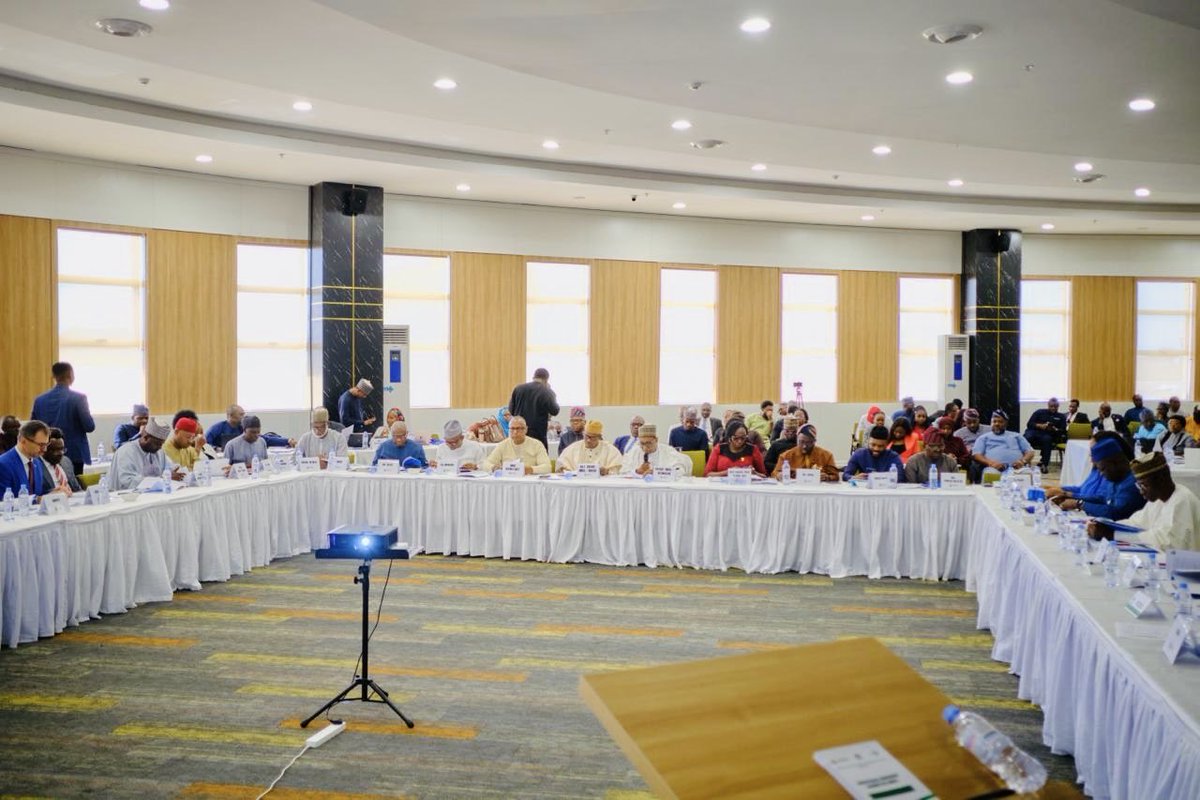
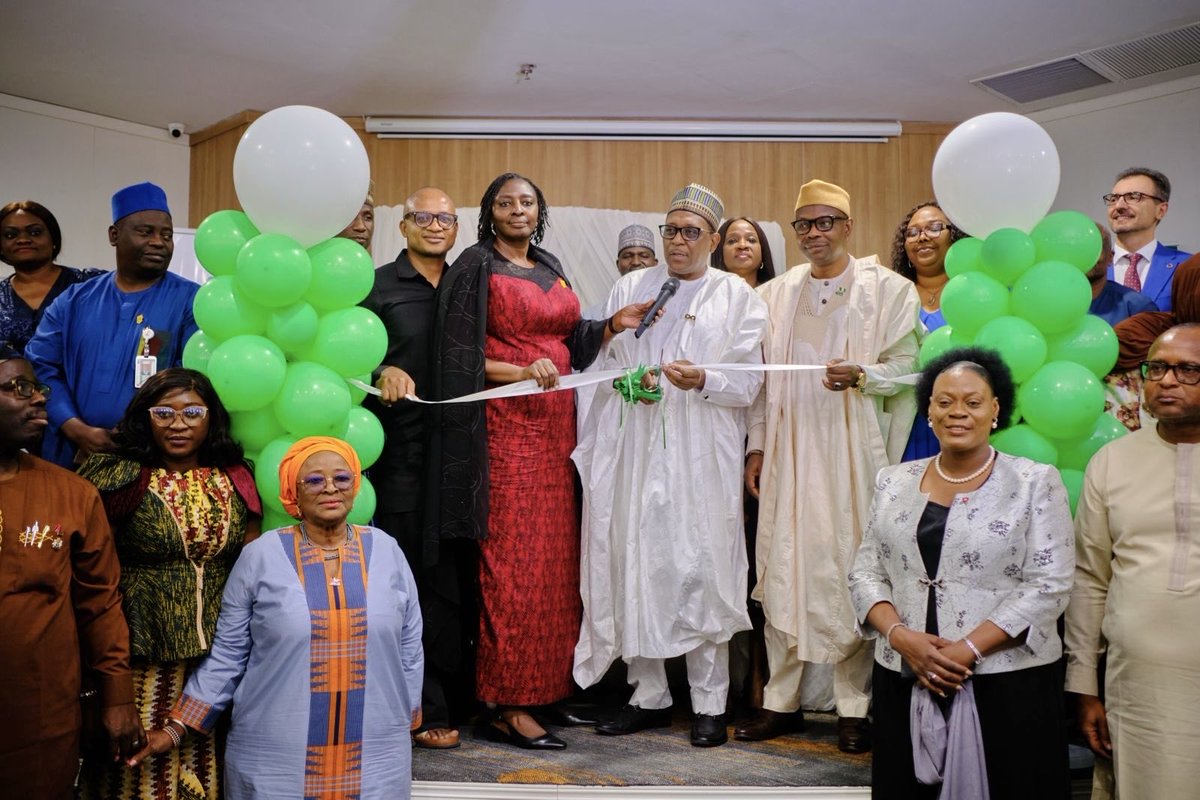
In line with President Bola Ahmed Tinubu’s @officialABAT charge for transparency, accountability and efficient use of public and partner resources, the Expanded Ministerial Oversight Committee for the Health Sector Renewal Investment Initiative (#NHSRII) met today to review collective progress in strengthening Nigeria’s health system.
Together with my colleague, Hon. Minister of State @SalakoIziaq, the Perm Sec @Fmohnigeria, agency heads, State Health Commrs, our partners and civil society, we reflected on the gains made under the NHSRII’s four pillars of governance, efficiency, value-chain optimization and health security.
Since its launch in 2023, the Initiative implemented through a Sector-Wide Approach @SWApGov has aligned federal, state and partner investments around one goal: better health for Nigerians. The BHCPF remains its backbone, supporting essential services through @nhia_nigeria, @NphcdaNG, NEMTC and @NCDCgov, alongside programmes like HOPE PHC, MAMII and IMPACT.
The results are encouraging. In the first two quarters of 2025, over 80m visits were recorded at primary health facilities, four times more than in 2023. More than 21 million Nigerians are covered under health insurance, over 11,000 pregnant women have received emergency care, 15,000 benefitted from obstetric treatment, and more than 500,000 are enrolled in covered maternal care. Facility data show a 12 percent drop in maternal mortality.
Preventive health outcomes have also improved. The integrated measles, rubella, polio and neglected tropical disease campaign targeting 106 million children has exceeded expectations in the northern states with 92% coverage for measles and rubella and strong results for polio and NTD interventions. These gains reflect the determination of governments, partners and frontline health workers to extend essential services to every community.
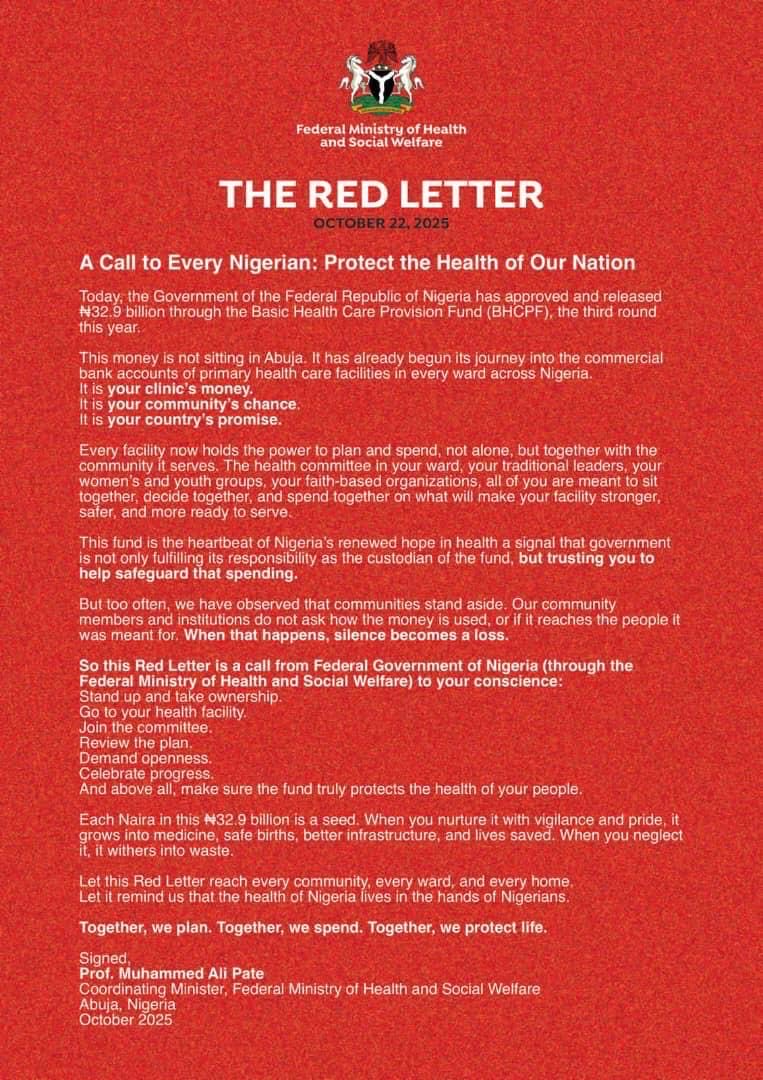
We launched the BHCPF Guideline 2.0, which institutionalizes performance-based financing and accountability and will guide the disbursement of ₦32.9bn to states and facilities before the end of October. Supported facilities will expand from 8,800 to 13,000, with a pathway to 17,000 through the HOPE Programme. Facility allocations have increased from ₦300,750 to between ₦600,000 and ₦800,000 per quarter.
Evidence confirms that BHCPF-supported facilities outperform others across all major service indicators including immunization, skilled birth attendance and service utilization.
To further safeguard accountability, a JTF with @icpcnigeria has been activated to monitor fund utilization at both facility and community levels, ensuring that public resources directly translate to improved services for Nigerians.
Data accuracy and integrity remain central to reform. Instances of overreporting of maternal and child deaths are being addressed through improved verification systems, digital reporting and integration of NINs into health records, enabling the tracking of individual beneficiaries and ensuring that progress remains verifiable and equitable.
The NEMSAS continues to grow with over 11,000 emergency patients served in the last quarter, disbursing ₦470m for care and operating in 150 LGAs. Nigerians can dial 112 in 30 states, with nationwide coverage expected by December 2025.
To validate the steady improvements being observed, a Mini-Demographic and Health Survey (Mini-DHS) will be conducted in 2026 to provide independent national data on maternal and child health outcomes and inform future planning. Civil society and the media remain vital partners in sustaining transparency and ensuring that community voices continue to shape implementation.
Equally, we have issued a Red Letter calling on every Nigerian to protect the health of our nation.
Under the visionary leadership of President Tinubu, Nigeria’s health sector is redefining accountable governance, anchored on results, driven by integrity and inclusion, and turning reforms into real improvements in people’s lives.
60
228
499
30,135
Muntaqa Umar-Sadiq retweeted

20 Oct 2025
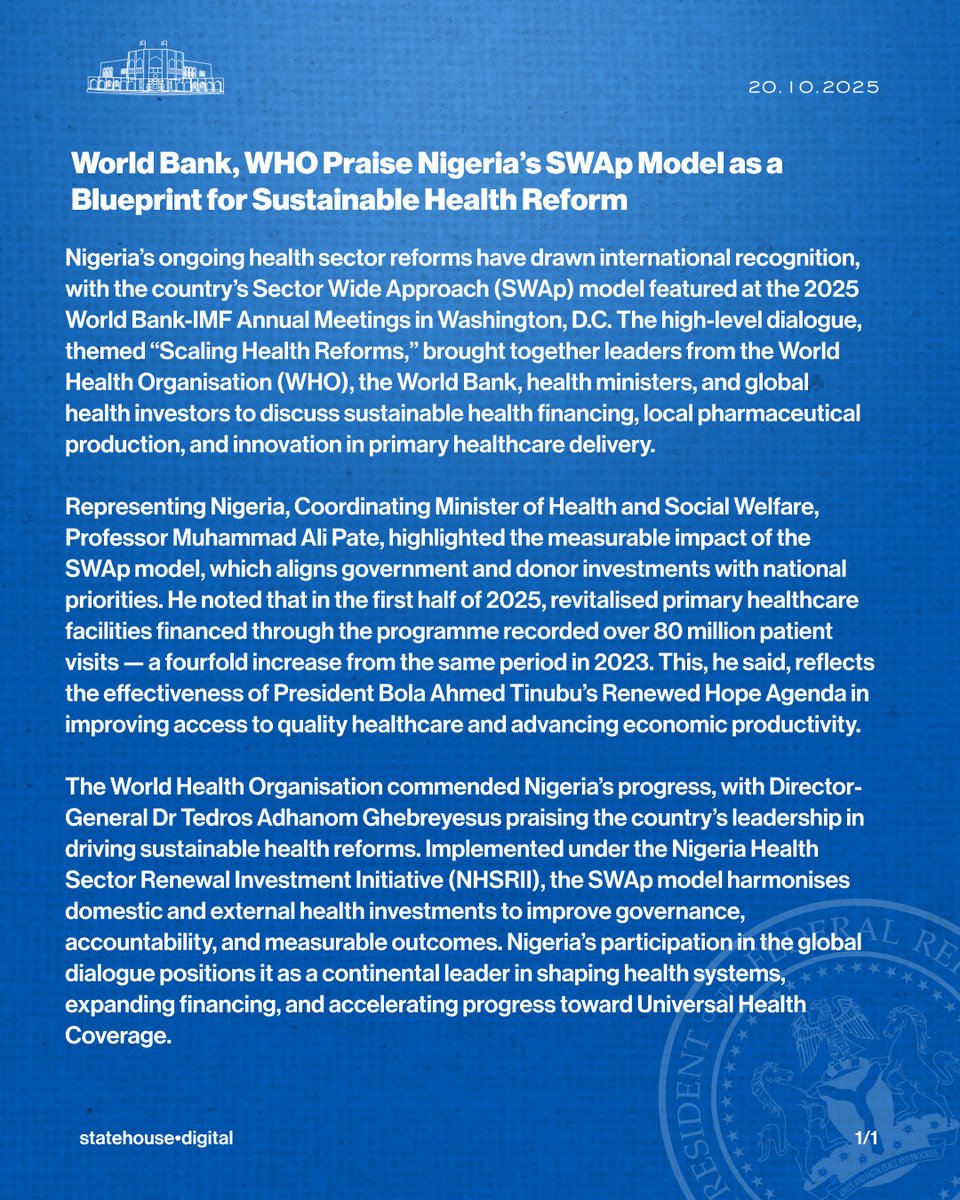
WORLD BANK, WHO, PRAISE NIGERIA'S SWAp MODEL AS A BLUEPRINT FOR SUSTAINABLE HEALTH REFORM
Nigeria's ongoing health sector reforms have drawn international recognition, with the country's Sector Wide Approach (SWAp) model featured at the 2025 World Bank-IMF Annual Meetings in Washington, D.C. The high-level dialogue, themed "Scaling Health Reforms," brought together leaders from the World Health Organisation (WHO), the World Bank, health ministers, and global health investors to discuss sustainable health financing, local pharmaceutical production, and innovation in primary healthcare delivery.
Representing Nigeria, Coordinating Minister of Health and Social Welfare, Professor Muhammad Ali Pate, highlighted the measurable impact of the SWAp model, which aligns government and donor investments with national priorities. He noted that in the first half of 2025, revitalised primary healthcare facilities financed through the programme recorded over 80 million patient visits - a fourfold increase from the same period in 2023. This, he said, reflects the effectiveness of President Bola Ahmed Tinubu's Renewed Hope Agenda in improving access to quality healthcare and advancing economic productivity.
#RenewedHope
8
11
31
5,002
Muntaqa Umar-Sadiq retweeted

20 Oct 2025
World Bank, WHO Praise Nigeria's
SWAp Model as a Blueprint for Sustainable Health Reform.
3
6
17
2,211