(Advocate of the High Court of Kenya. I offer my gifts and talents for free, I only charge for my skills. mutandalawadvocates.co.ke/
Joined March 2011
- Tweets 51,532
- Following 3,140
- Followers 7,645
- Likes 94,613
396 Photos and videos









Pinned Tweet

23 Nov 2021
Law students who used to borrow scarce books from the library to curtail others from reading them have now metamorphosed into advocates who hide court files so that matters don't proceed!
Identify them at an early stage. Awouro!
21
199
765
Mutanda Moses Musau. retweeted

Wicknell Chivayo is not being given a Kenyan passport because he wants to do IEBC business, in fact he is not, he is being given the passport for the gold business that he is helping to sell. Kwani mumekuja town jana.
14
11
1,578
Mutanda Moses Musau. retweeted

May 11
I first met Clark Reynolds when he was just three years old at our Black History Month reception at the White House.
Over the last ten years, it's been wonderful getting updates about his life through his letters. Check out how he’s doing now:
6,914
17,740
165,546
32,267,314
Mutanda Moses Musau. retweeted
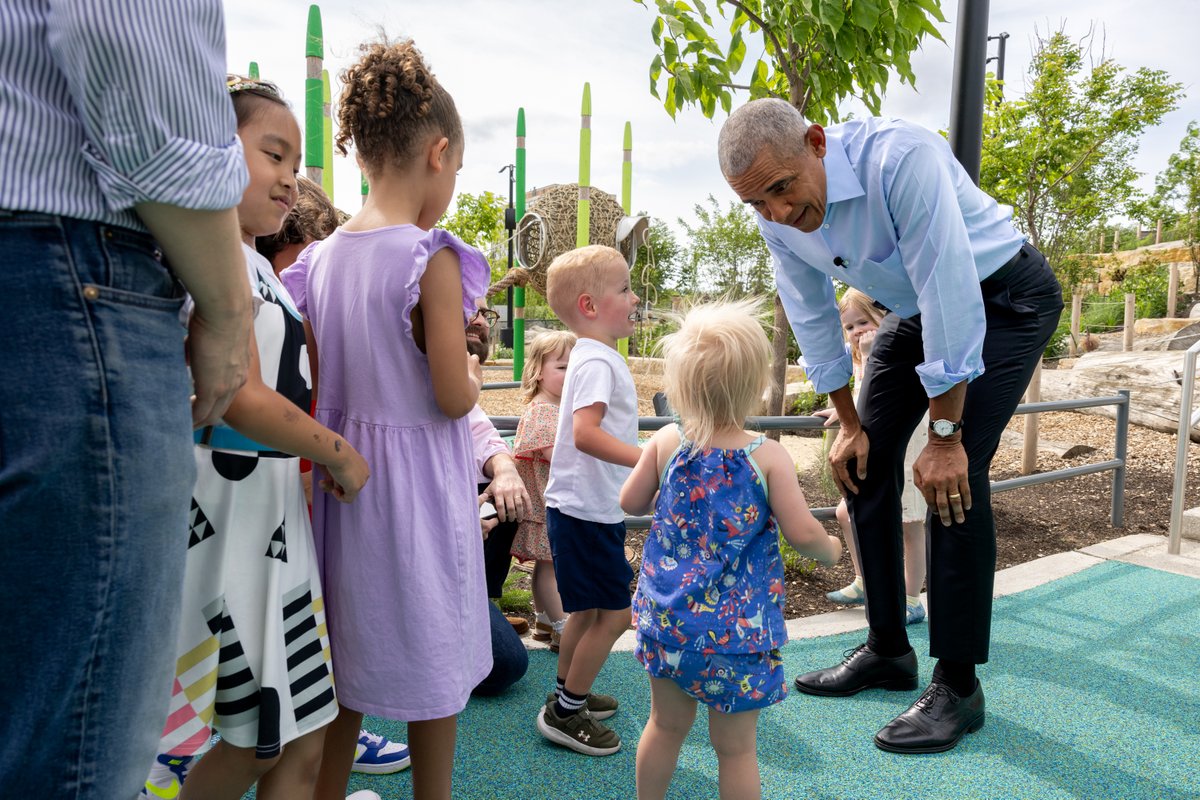
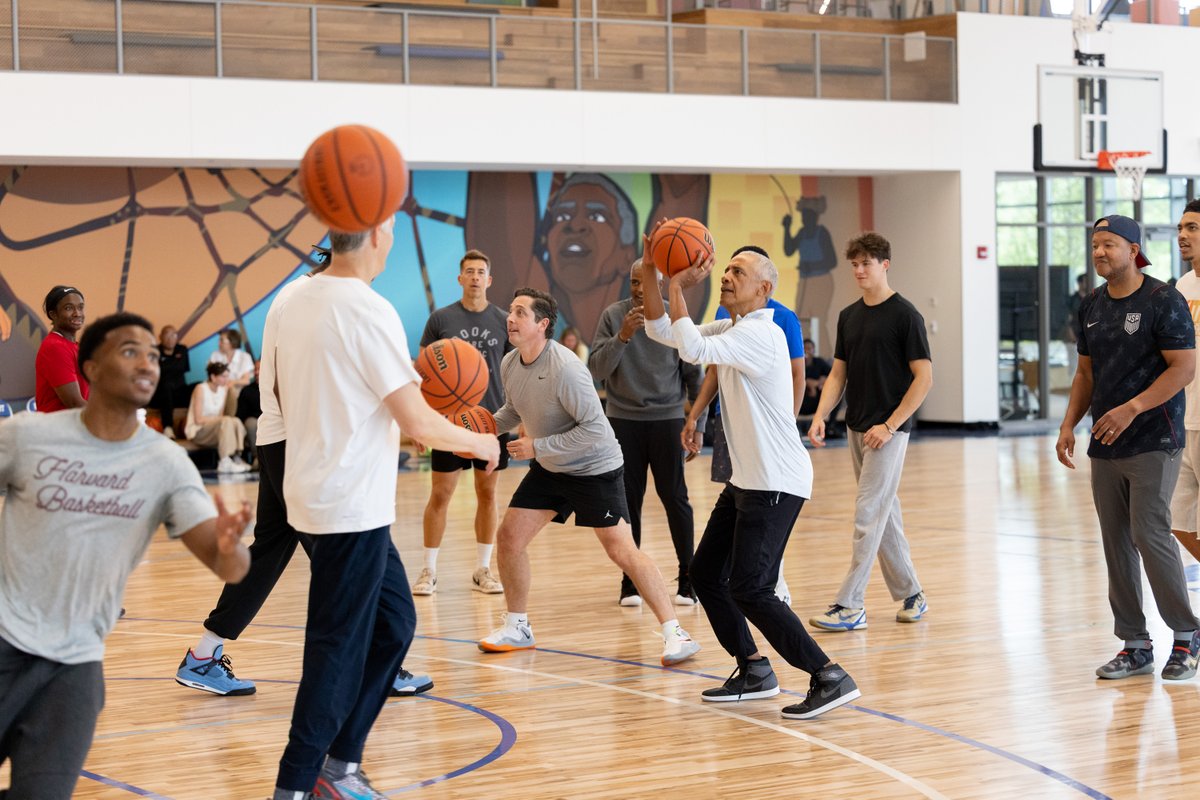
Chicago, it’s good to be home!
Michelle and I built the Obama Presidential Center to be a place where people of all ages can learn, play, and work – and we can't wait to welcome you all later this week!
4,937
9,133
153,257
6,604,457
Mutanda Moses Musau. retweeted

Knicks on no sleep hit morning shows:
Strahan "You had things building up inside you (pause) let it go (pause)
OG on tip in: "I couldn't dunk it so I just tried to…touch it (pause)
Josh "I like to eat good (pause) wow
Mikal "I just want to bring my dog on the float
––
Savannah "Have any of you slept?
KAT "No
Mikal "OG hasn't
OG "Why me. Why me. Why me
Crowd "OG OG OG OG OG"
Savannah "You're so nonchalant"
OG "They say that
Josh (eats sandwich) (pause)
Jenna "This isn't your 1st championship together
(Josh tries to talk)
Jalen "No no no no…Me & Mikal have 1 more than Josh
Jenna "Who's gonna be MVP of the parade?
Jalen "Jose. Jeremy. Tyler. Maybe Mitch"
235
2,037
46,537
1,643,390
Mutanda Moses Musau. retweeted

26 May 2024
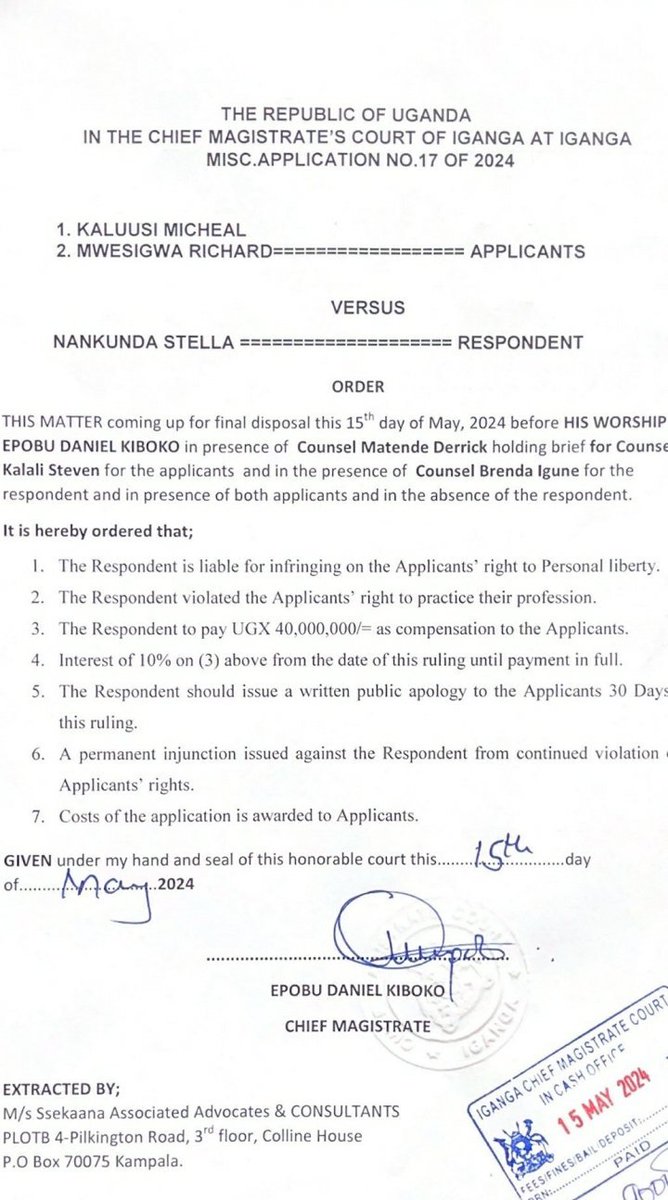
His Worship Kiboko Epobu Awards UGX 40 Million Compensation and Orders Public Apology by Police Officer for Unlawful Detention of Court Process Servers for 5 hours✍️excesses by people in authority towards citizens to whom they are accountable, should be condemned at all costs👇
2
46
74
5,419
Mutanda Moses Musau. retweeted
LSK Muranga Chapter Advocates stand up in solidarity with Judiciary Staff to protest the seizure and detention of the Court Administrator on directions of the Presiding Judge. C J Martha Koome has lost total control of the Judiciary as Judges become rogue even to Judiciary Staff.
12
112
343
39,057

Mutanda Moses Musau. retweeted

Jun 14
“Voters must see beyond religious rhetoric that hides political tricks.” ~ Edward Buri
10
62
225
13,090
Mutanda Moses Musau. retweeted

Jun 14
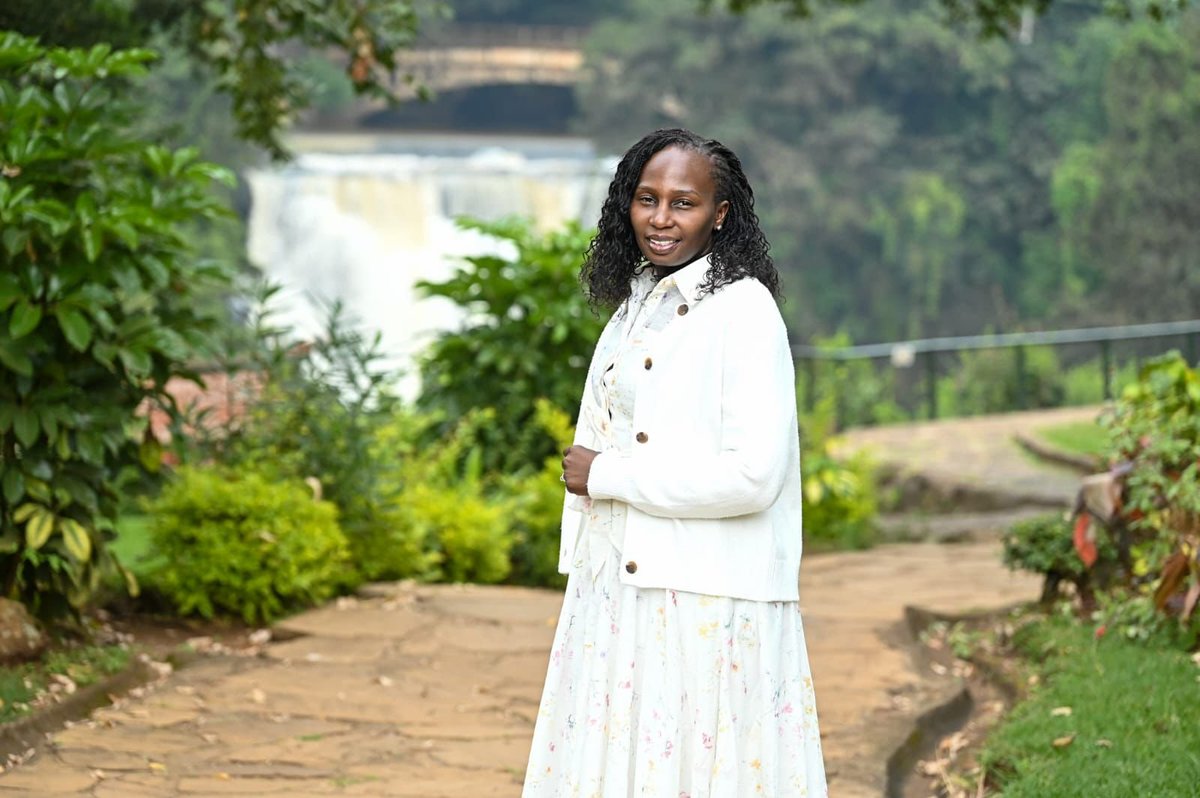
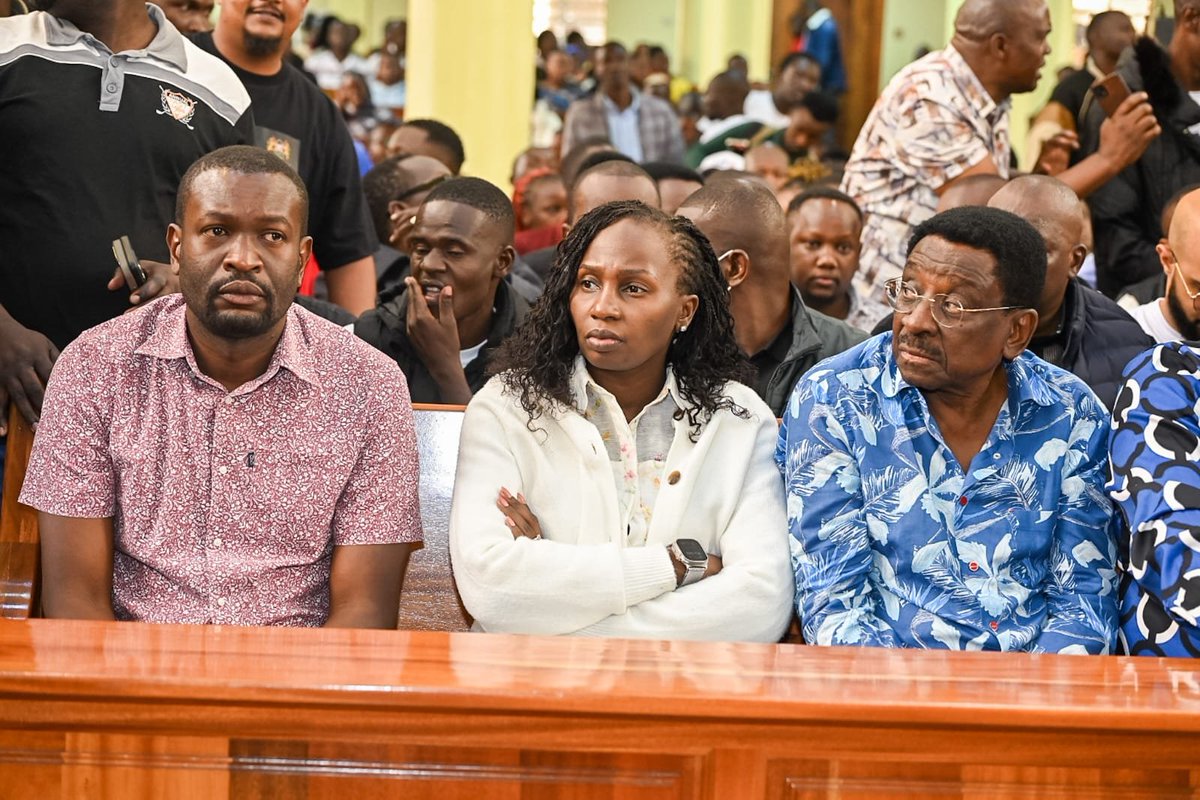
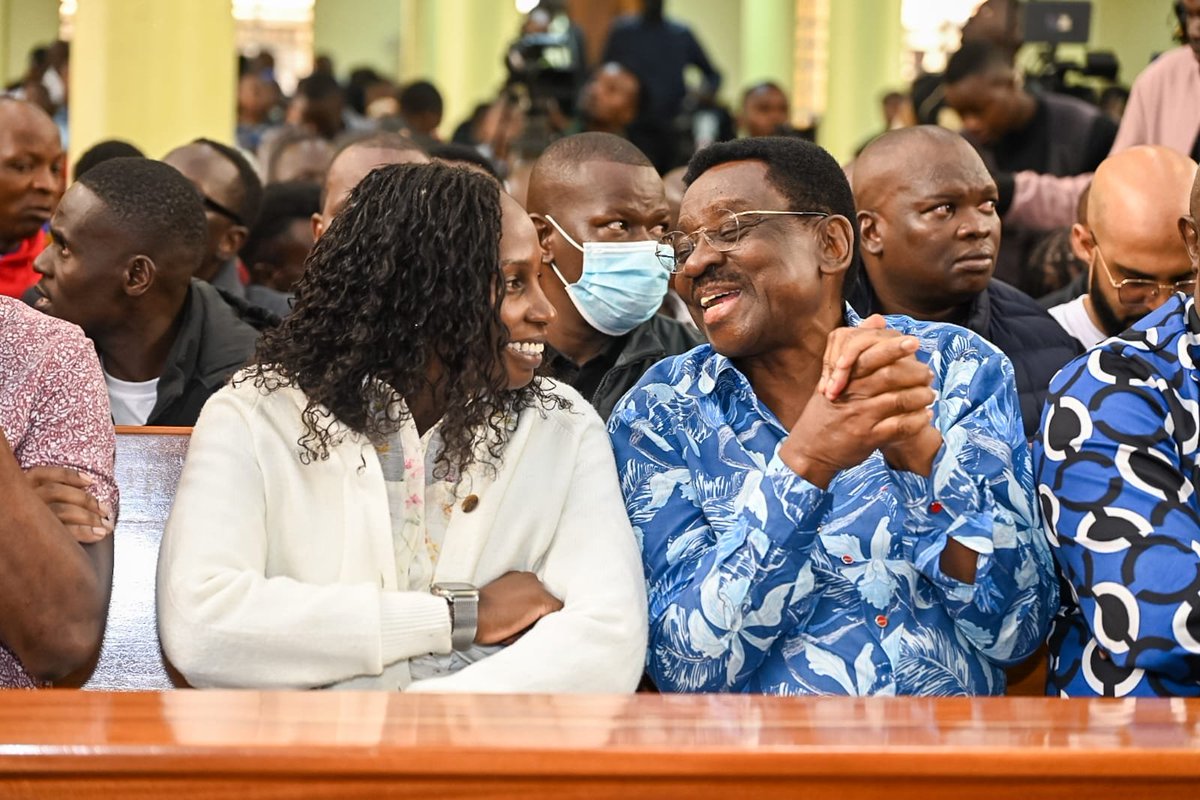
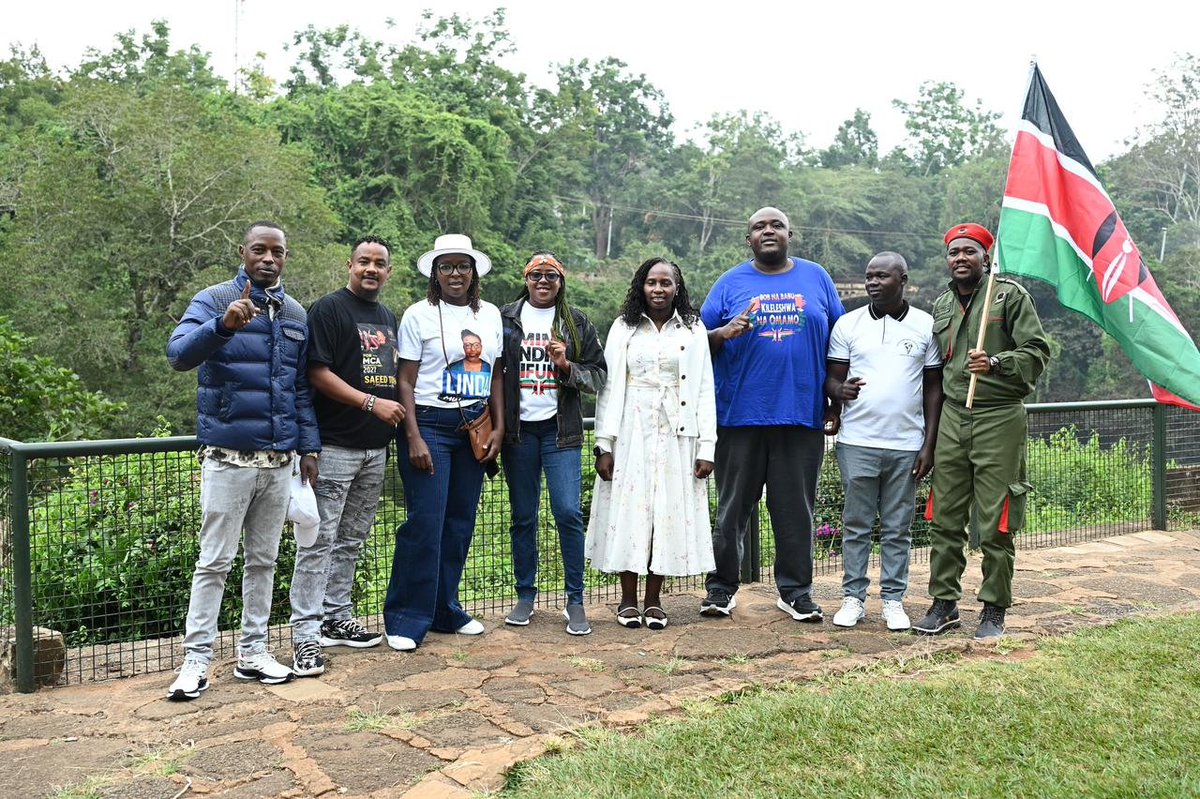
“Do not despise these small beginnings, for the Lord rejoices to see the work begin, to see the plumb line in Zerubbabel’s hand.”
~Zechariah 4:10
Sisi tuko church. Nyinyi je?
136
727
4,361
64,658
Mutanda Moses Musau. retweeted

Jun 13
Basigo got over $50M to electrify Kenya public transport. We got to have a look of what they are building
1
21
56
5,115
Mutanda Moses Musau. retweeted

Jun 14
Jalen Brunson. NBA Champion. Finals MVP.
Hard work pays off 🏆
234
7,645
44,953
1,522,753
Mutanda Moses Musau. retweeted

Jun 14
This father-son moment between Jalen and Rick Brunson 🥹
Doesn't get better than this ❤️
269
5,610
59,088
1,179,289
Mutanda Moses Musau. retweeted

Jun 11
“African independence is a myth.” - Chinua Achebe
43
2,863
6,698
406,957
Mutanda Moses Musau. retweeted

Jun 11
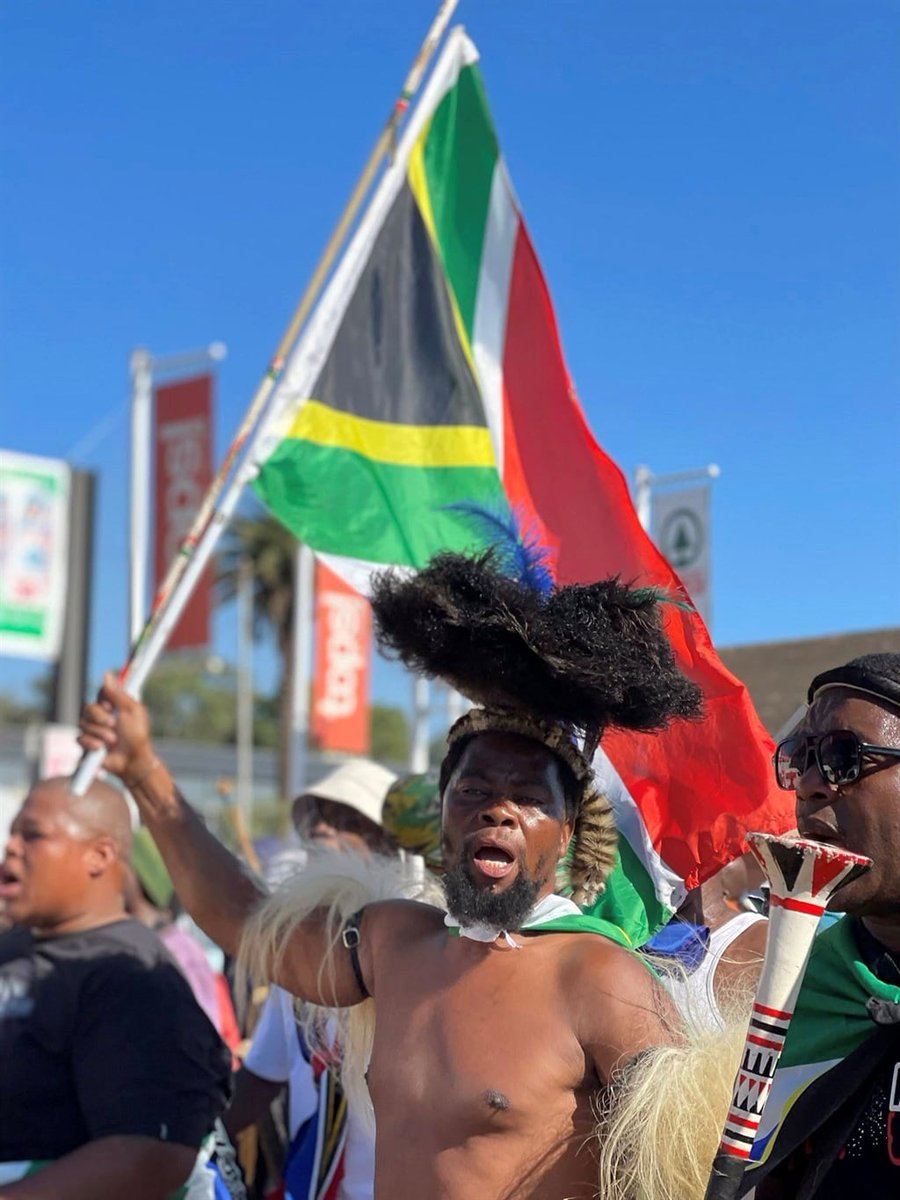
You left your best attackers at home. 😭😭😭

235
3,258
18,637
853,641
Mutanda Moses Musau. retweeted

Jun 11
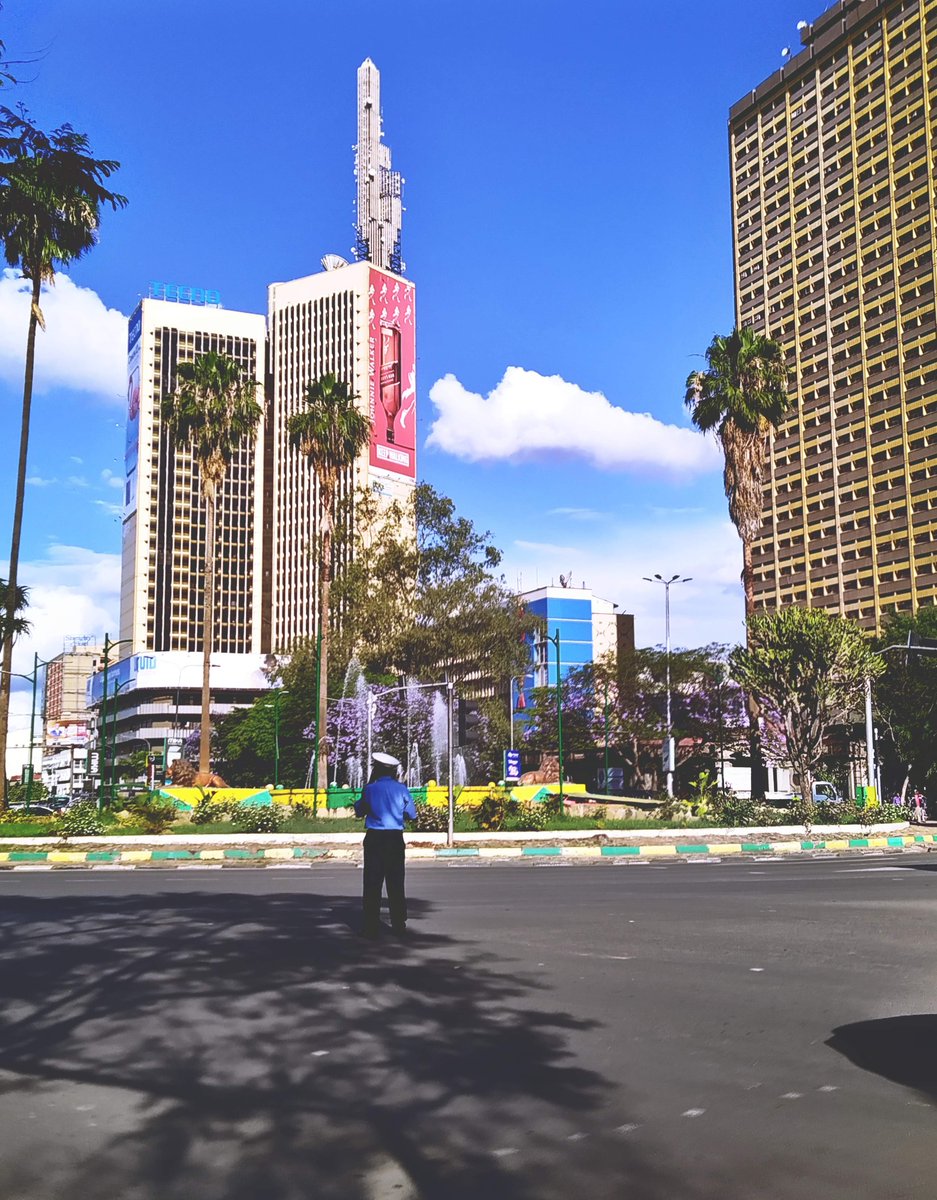
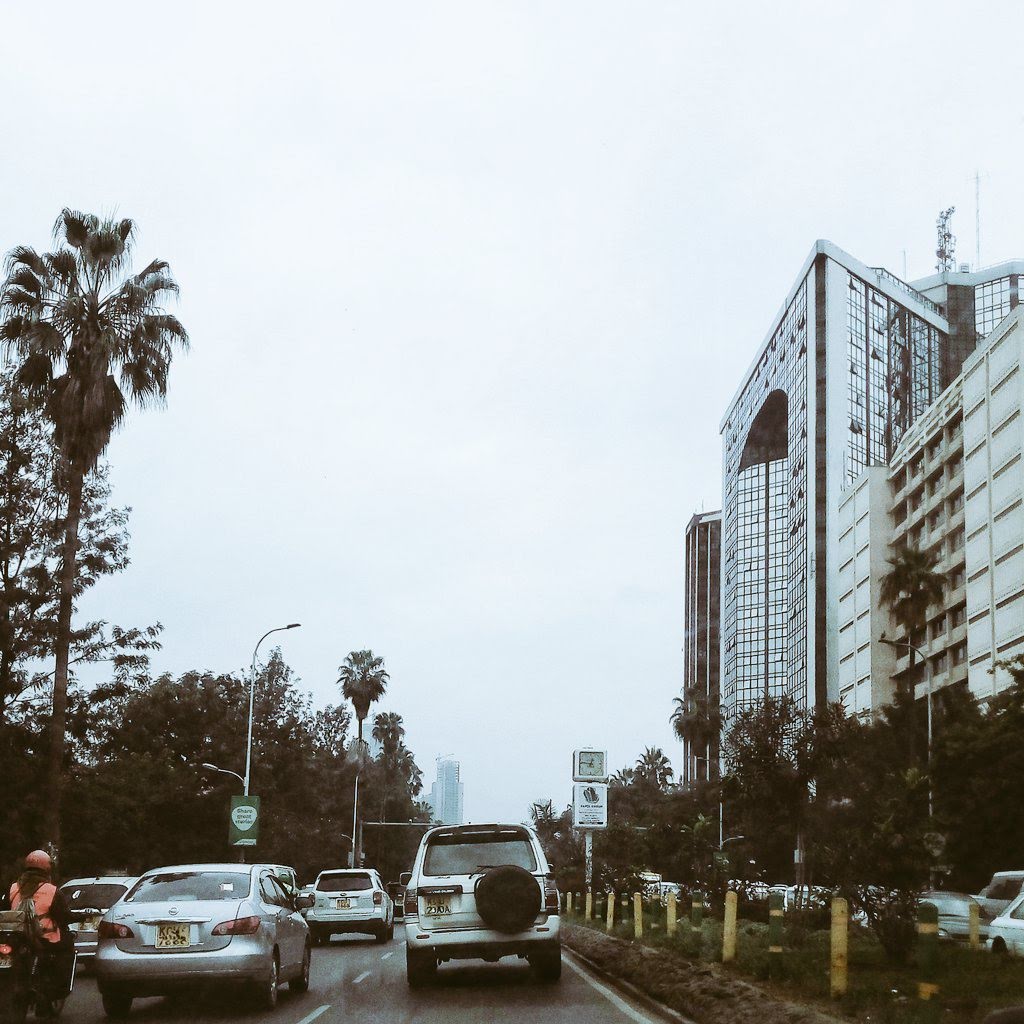
Once Upon A City
I'm happy I was able to capture this city before it went to the dogs


43
870
2,309
159,353
Mutanda Moses Musau. retweeted
Jun 12
For accountability and integrity to be attained and maintained at the Court of Appeal, all Judges must read and sign rulings and judgments before they are released to parties by email. The decision must have the seal and signature of the Registrar of the Court of Appeal. The recent NSSF ruling where it is obvious that one Judge wrote and released the ruling without reference to the other two Judges underscores this premise. There are three other reasons why this requirement must be enforced.
First, before online Court, rulings and judgments were delivered in open Court, on Friday mornings and released to parties there and then. Often, the delivery would be by one Judge if the decision was unanimous. In case of a dissenting decision, all three, five or seven Judges would be present. In all cases, the decision read out and released bore the seal and signature of the Registrar of the Court of Appeal. The seal and signature were embossed and made respectively, only after certification and confirmation by the Registrar of the Court of Appeal that all Judges had signed the original decision(s) in the Court file. Accountability and integrity for the decision was thereby guaranteed.
Second, lethargy has creeped into the Court of Appeal. Judges are not present at the Court room. Many hear the cases from home and without the Court file. They conference on phone and decide on the basis of what they heard whether or not to allow the application or appeal. One is then tasked to write the decision. The tasked Judge then assigns the writing to his/her researcher. The researcher will determine the matter. I can tell you without any fear of contradiction that 50% of the decisions delivered by the Court of Appeal are not agreed upon but often the Judges uncomfortable with the decision look the other side to avoid unnecessary conflict.
Three, the doubled number of Judges of the Court of Appeal comes with its advantages and disadvantages. The disadvantages relate to collective responsibility and supervision for purposes of accountability and integrity. Ideally, incompetence, misbehavior and misconduct multiplies with the increased number of Judges. The only way to maintain and sustain accountability and integrity for decisions made is to adopt a protocol for ownership by individual Judges of the decisions. That protocol is there. Let the Chief Justice, the President of the Court of Appeal and the Registrar of the Court of Appeal enforce it.
6
39
119
33,142
Mutanda Moses Musau. retweeted

Jun 12
According to @NACADAKenya drug addiction fundamentally alters brain chemistry, impairs cognitive functions like judgment and impulse control, and triggers profound feelings of shame or paranoia, which often manifest as defensiveness. Stay away from drugs.
3
27
103
8,356
Mutanda Moses Musau. retweeted

Jun 11
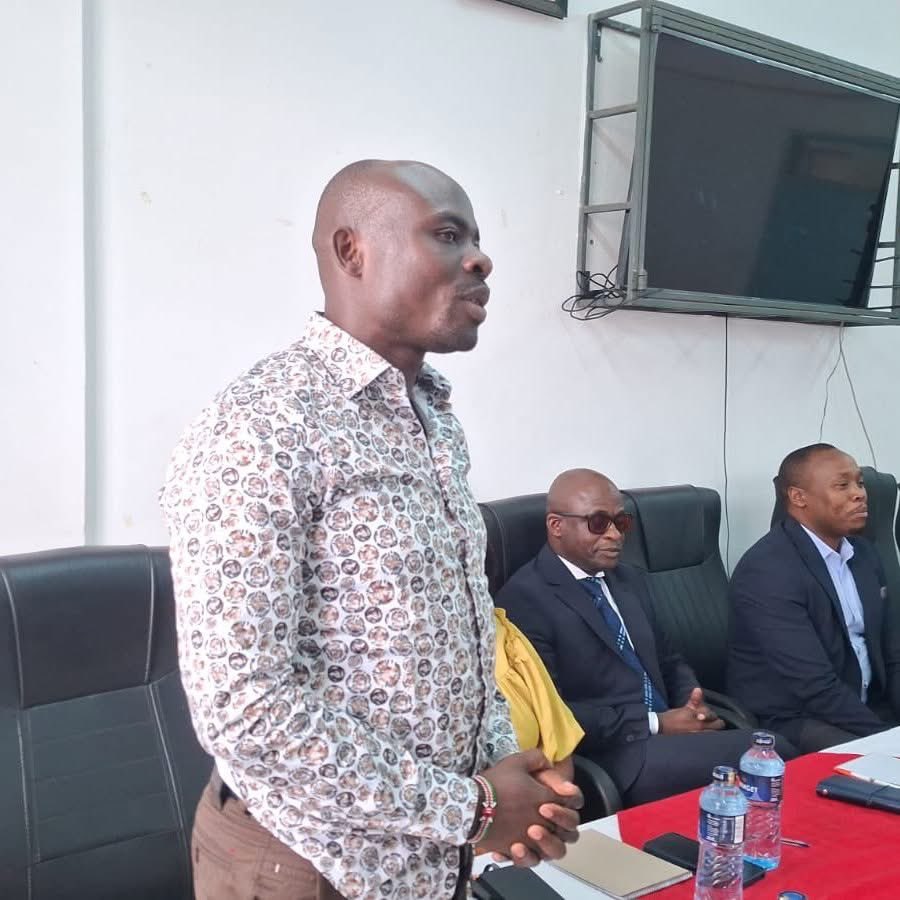
Tuliona juu USA inahost world cup wacha tuisaidie kuhost Ebola uku
169
1,484
7,719
84,375
Mutanda Moses Musau. retweeted

Jun 11
Our guy came without any briefcase ,things can change very first
70
99
1,497
132,199
Mutanda Moses Musau. retweeted

Jun 11
what a masterpiece
42
1,352
3,481
59,375