
OA journal for the kingdom Fungi. Taxonomic / ecological data on any taxon of any geological age from around the world. Published by @Pensoft via @ARPHAplatform
Joined July 2011
- Tweets 1,988
- Following 112
- Followers 1,836
- Likes 1,081
Photos and videos

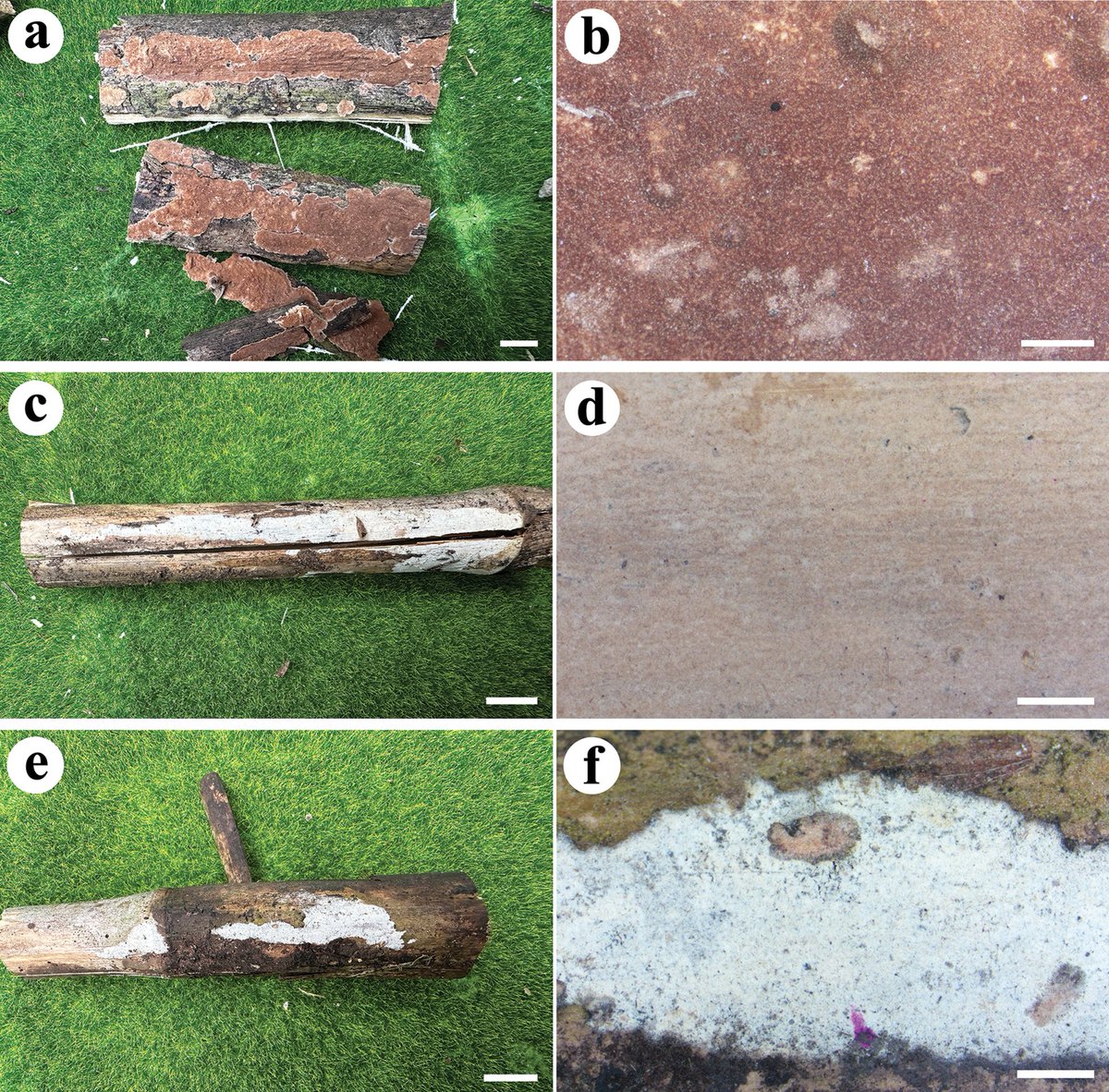
Two new species of wood-decaying fungi, Phlebiopsis arundinacea and Sicyoideibasidia luteocystidia, have been discovered growing on giant reed (Arundo donax) in Guangxi, southern China.
Find out more: doi.org/10.3897/mycokeys.134…
97
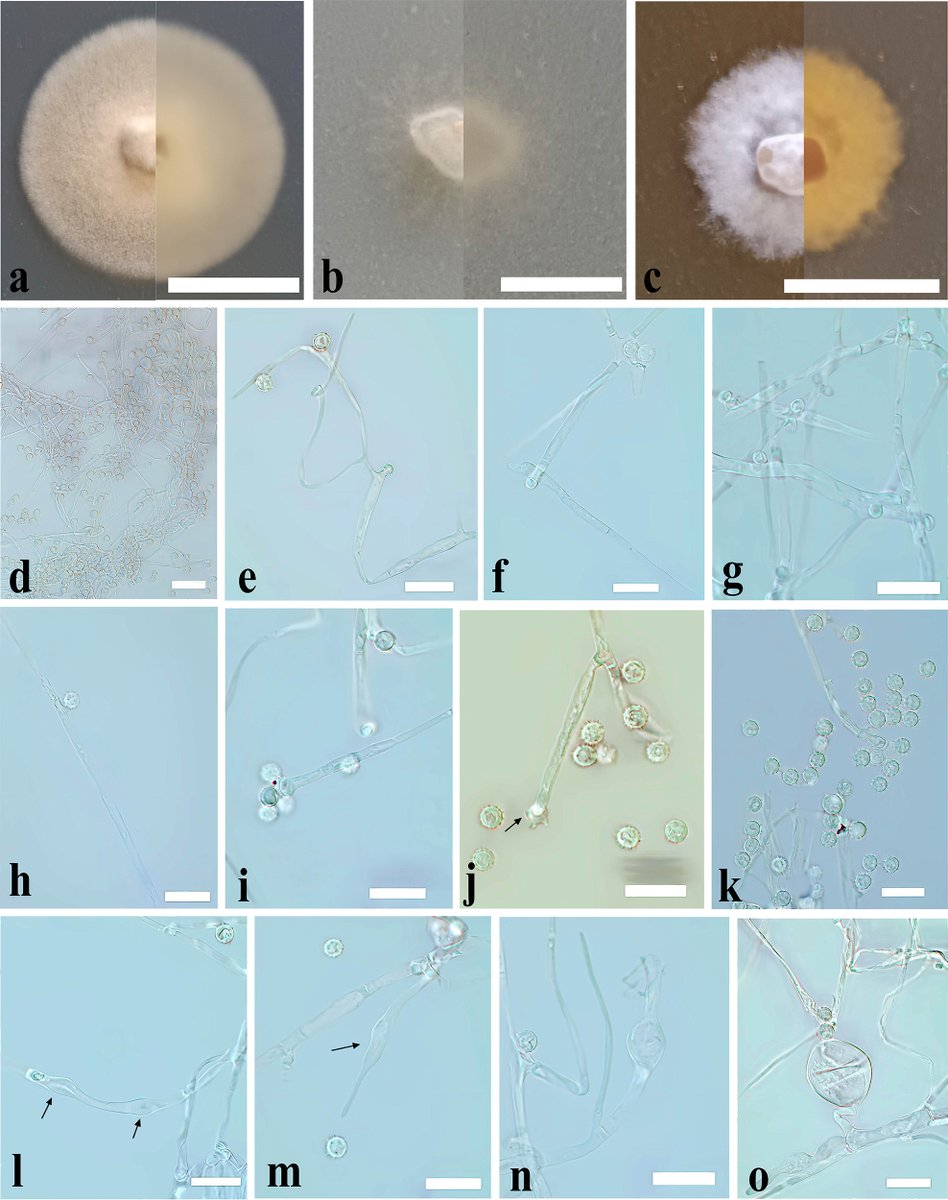
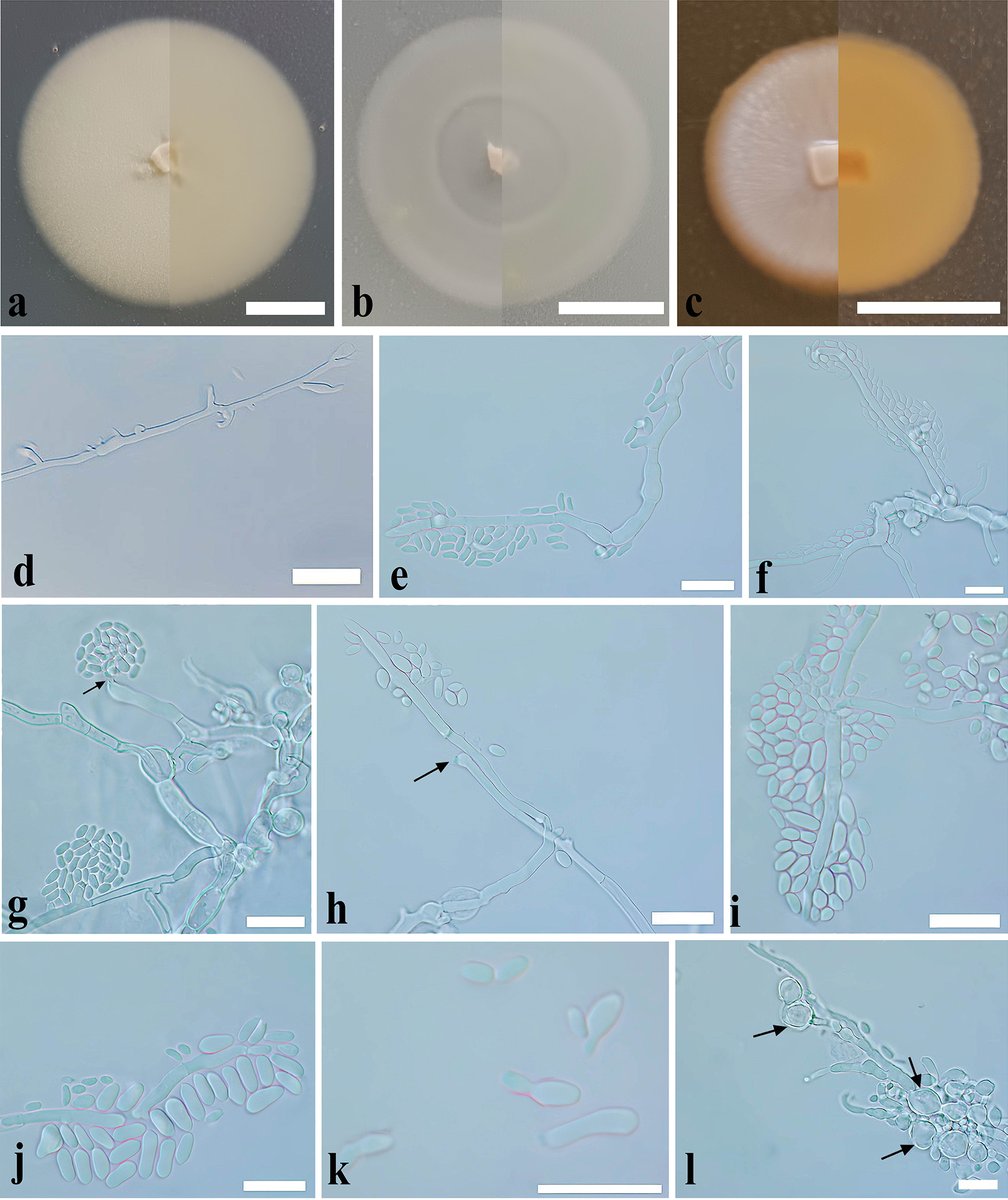
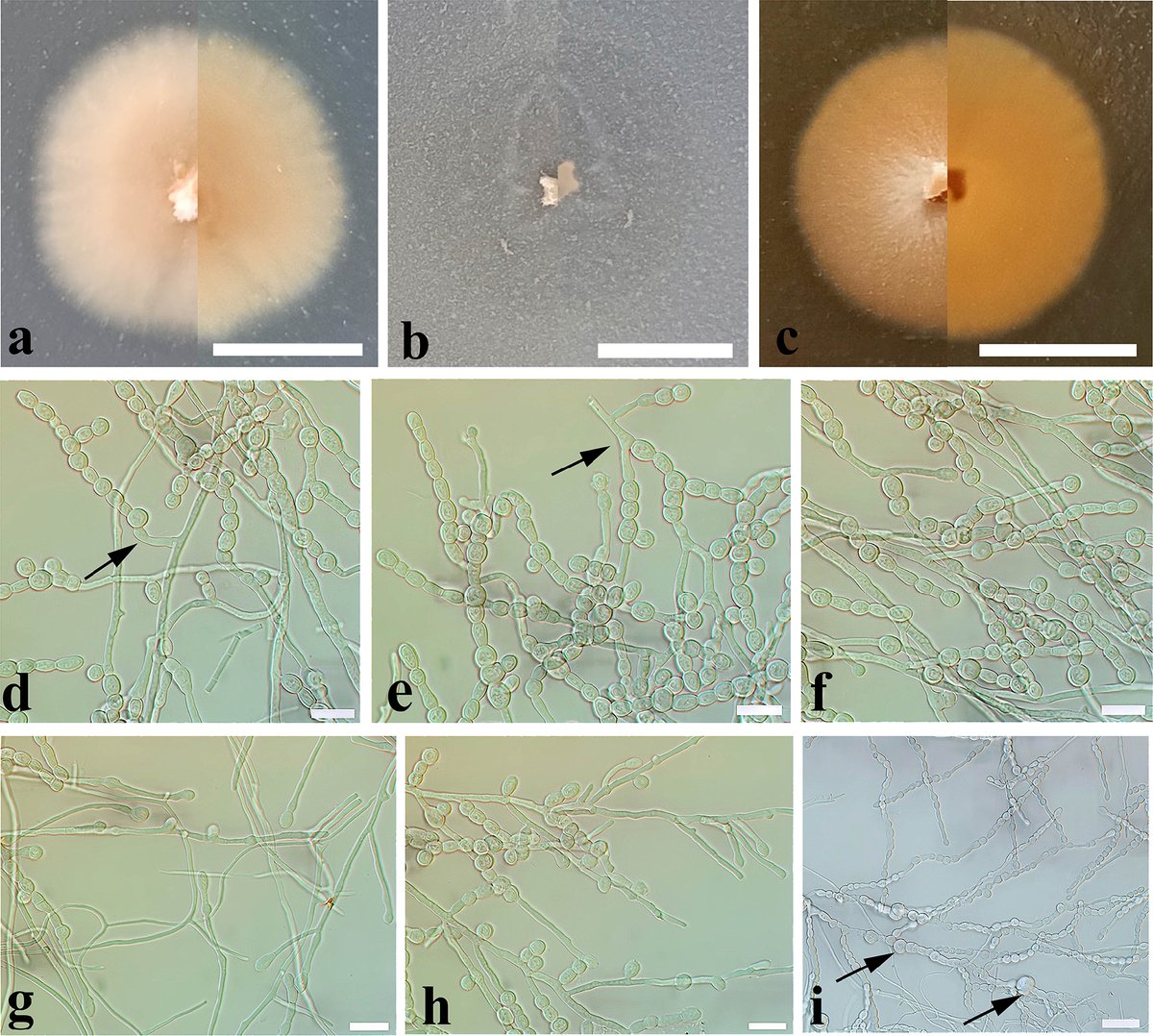
🍵 Three new fungal species have been discovered in the rhizosphere soil of tea plants in Guizhou, China.
🔬 Find out more about Arthrographis guizhouensis, Coniochaeta guizhouensis and Spiromyces sinensis: doi.org/10.3897/mycokeys.134…
1
74
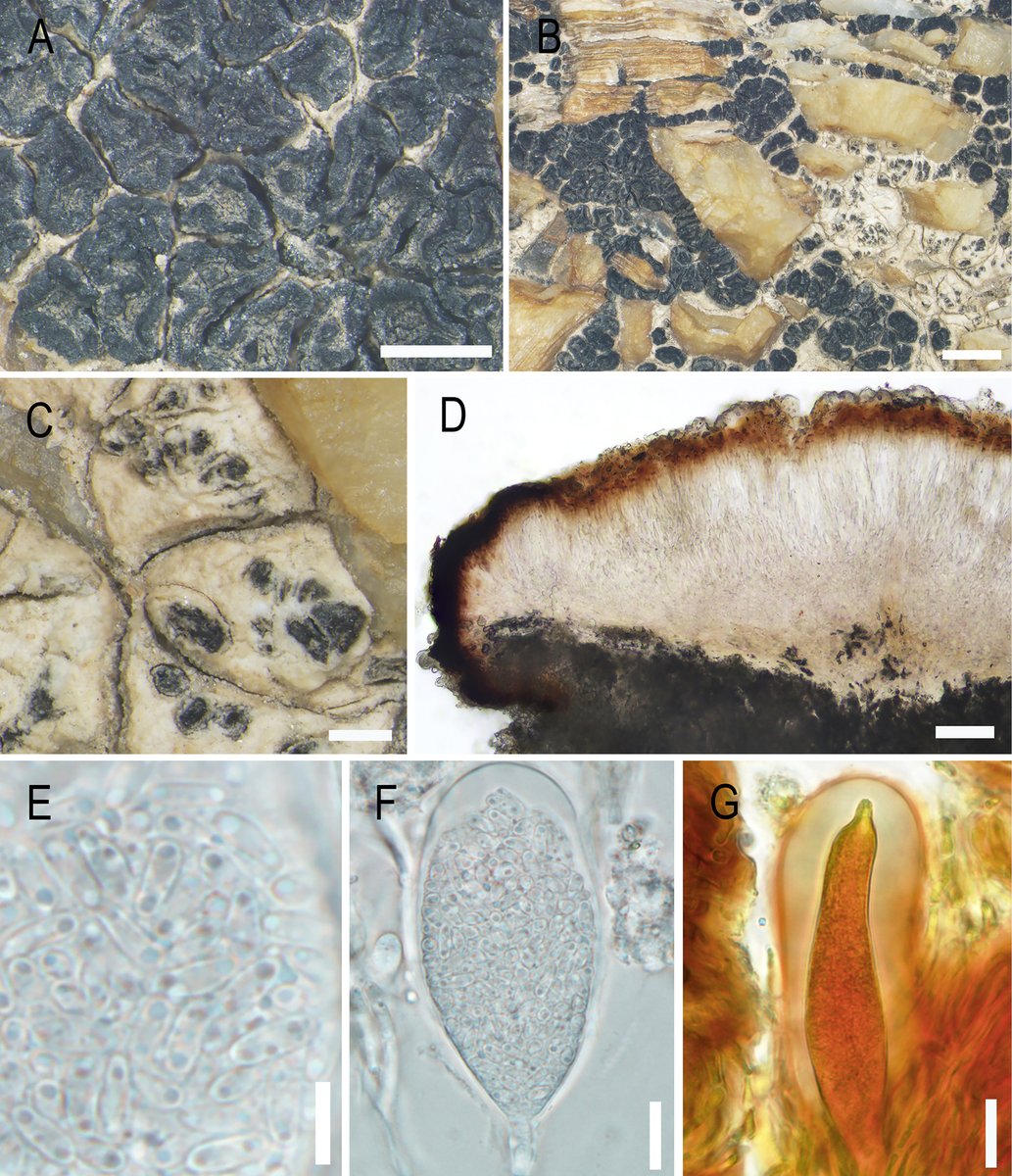
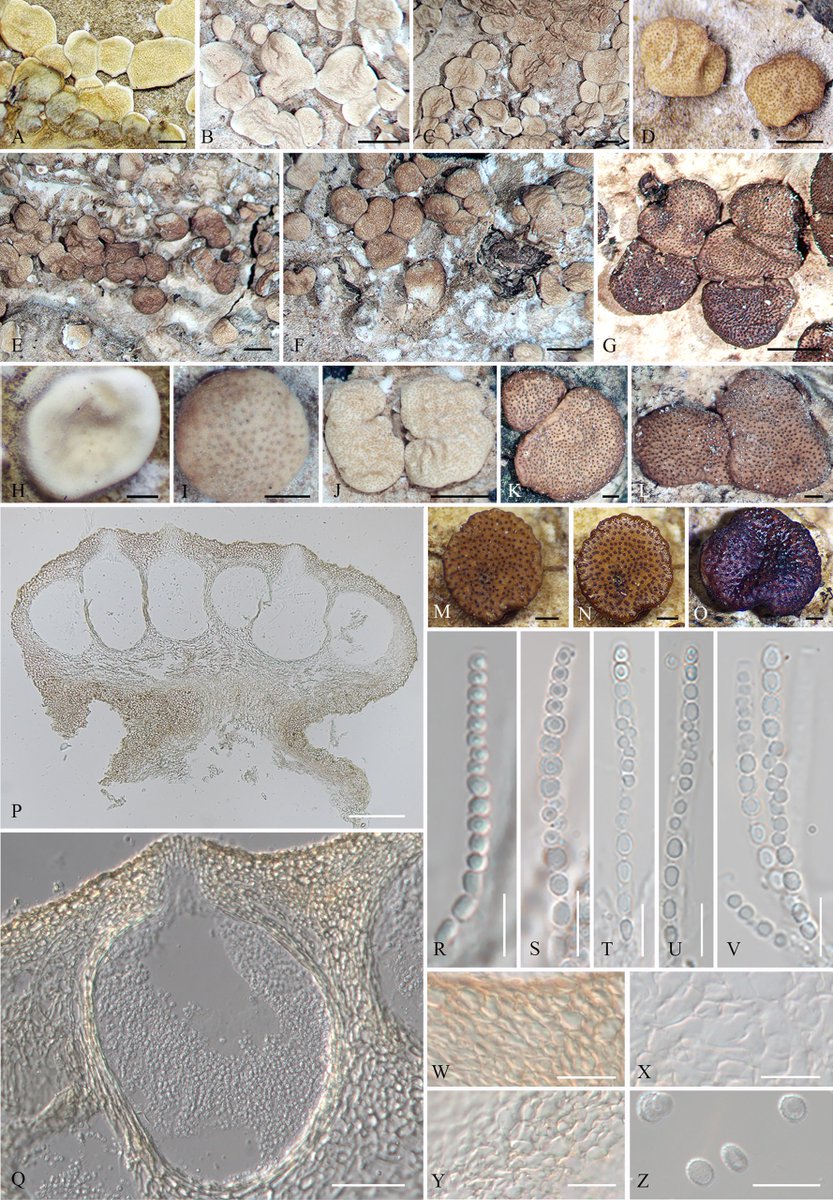
🍄 Four new lichen species from China have been reported, with carbonised structures found to characterise these new discoveries. A diagnostic checklist of eight related regional species was additionally compiled in the following study: doi.org/10.3897/mycokeys.133…
1
79
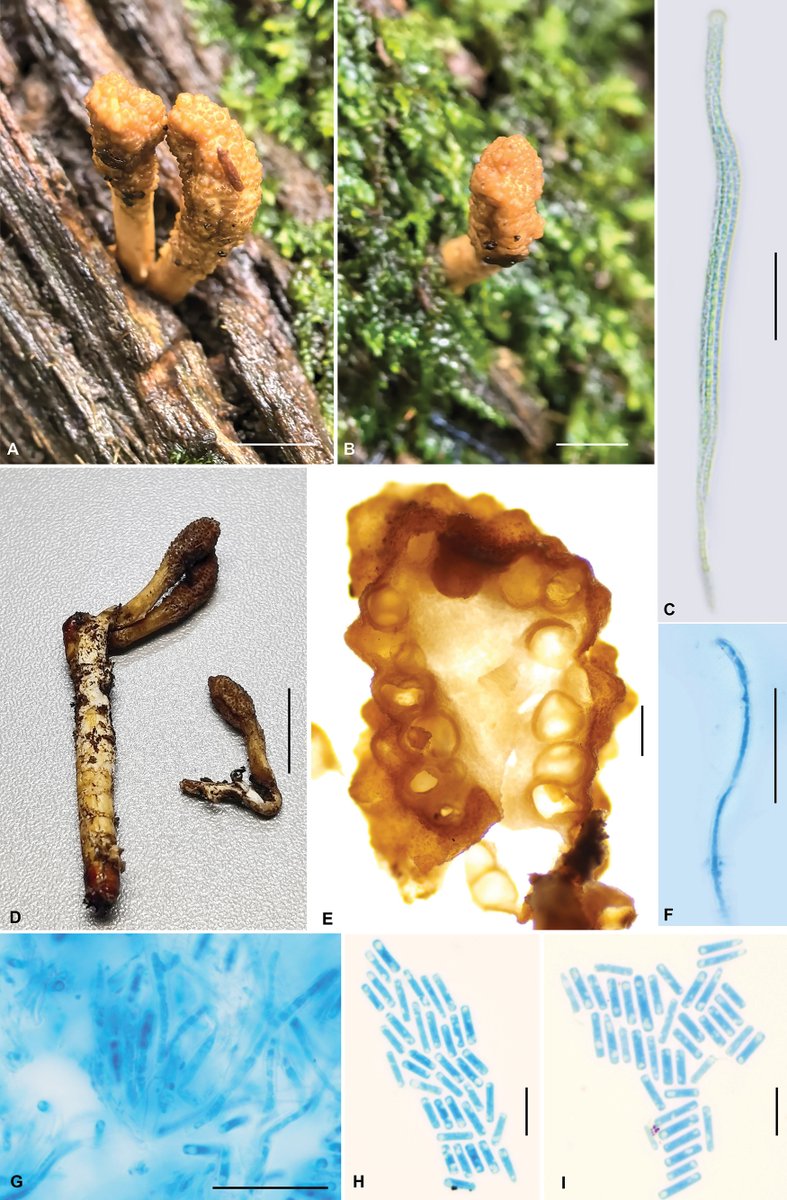
🍄 A taxonomic revision of the Ophiocordyceps ravenelii parasitic fungus complex in south-western China was recently conducted.
🐛 One new species was described and another emended in the following study: doi.org/10.3897/mycokeys.133…
6
17
571
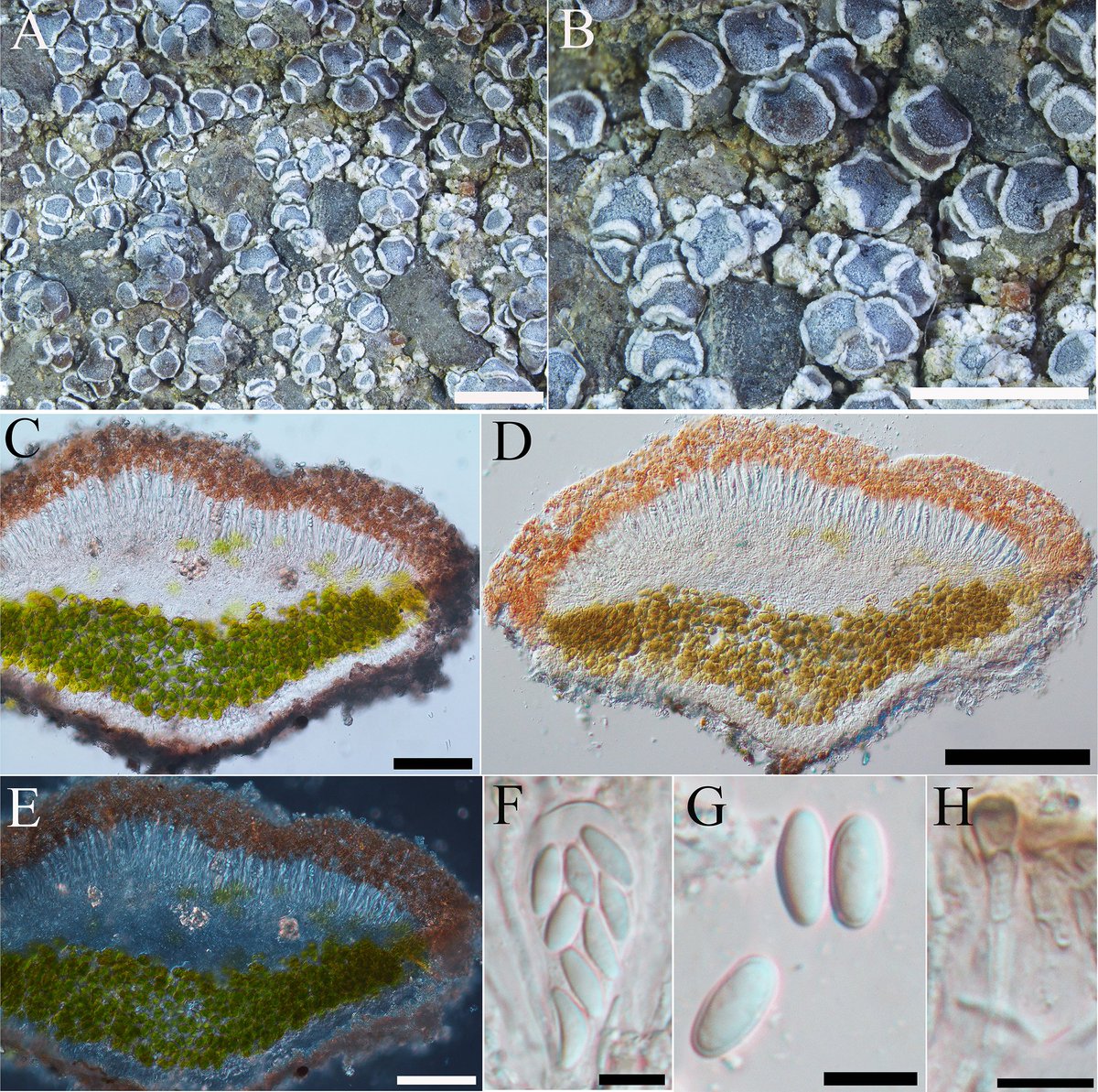
Approximately 700 lichen specimens from north-western China were recently examined, with three species being newly recorded in the country and three others described as entirely new to science: doi.org/10.3897/mycokeys.133…
1
2
88
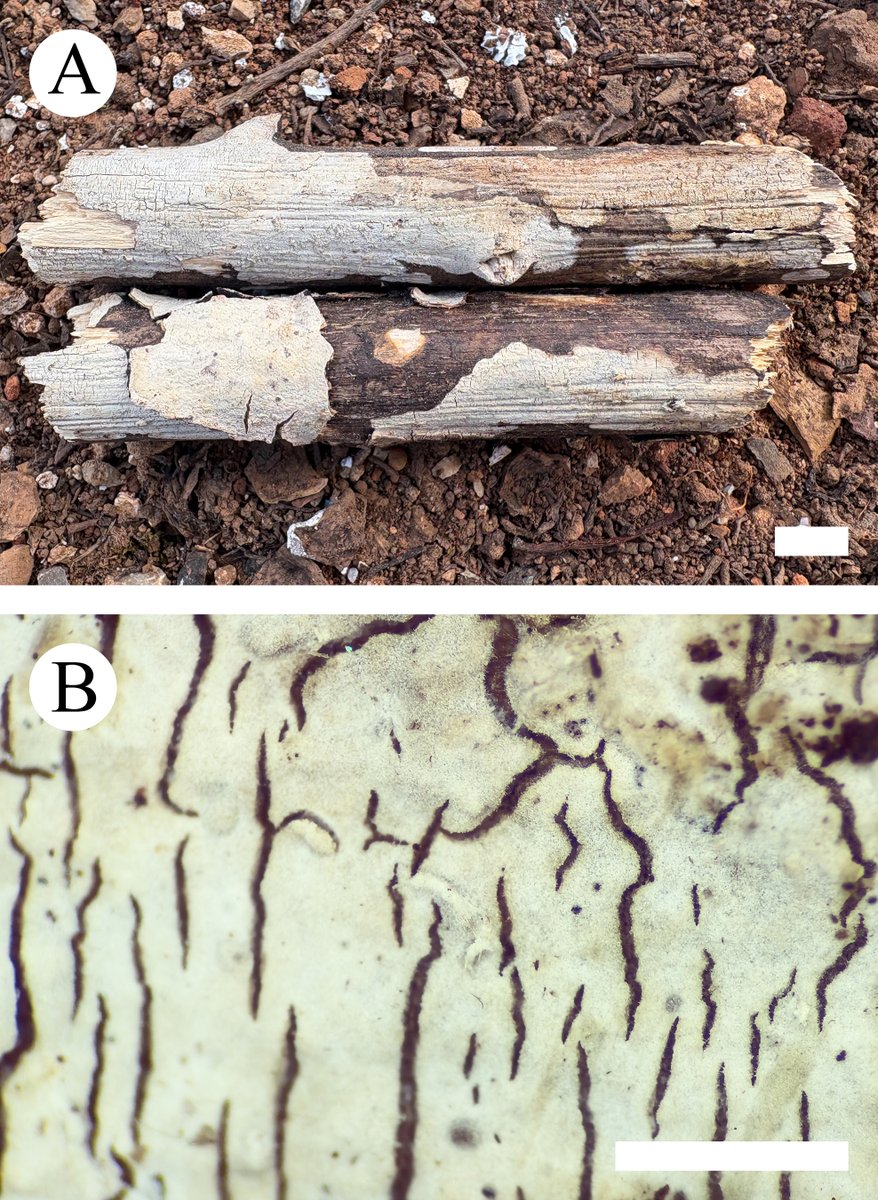
New wood-inhabiting fungal genus from southwest China: Fissuracium, with type species F. ellipsoideum Placed in Amylocorticiaceae via multi-locus phylogenetics.
Read more: doi.org/10.3897/mycokeys.133…
#Mycology #Taxonomy
1
2
93
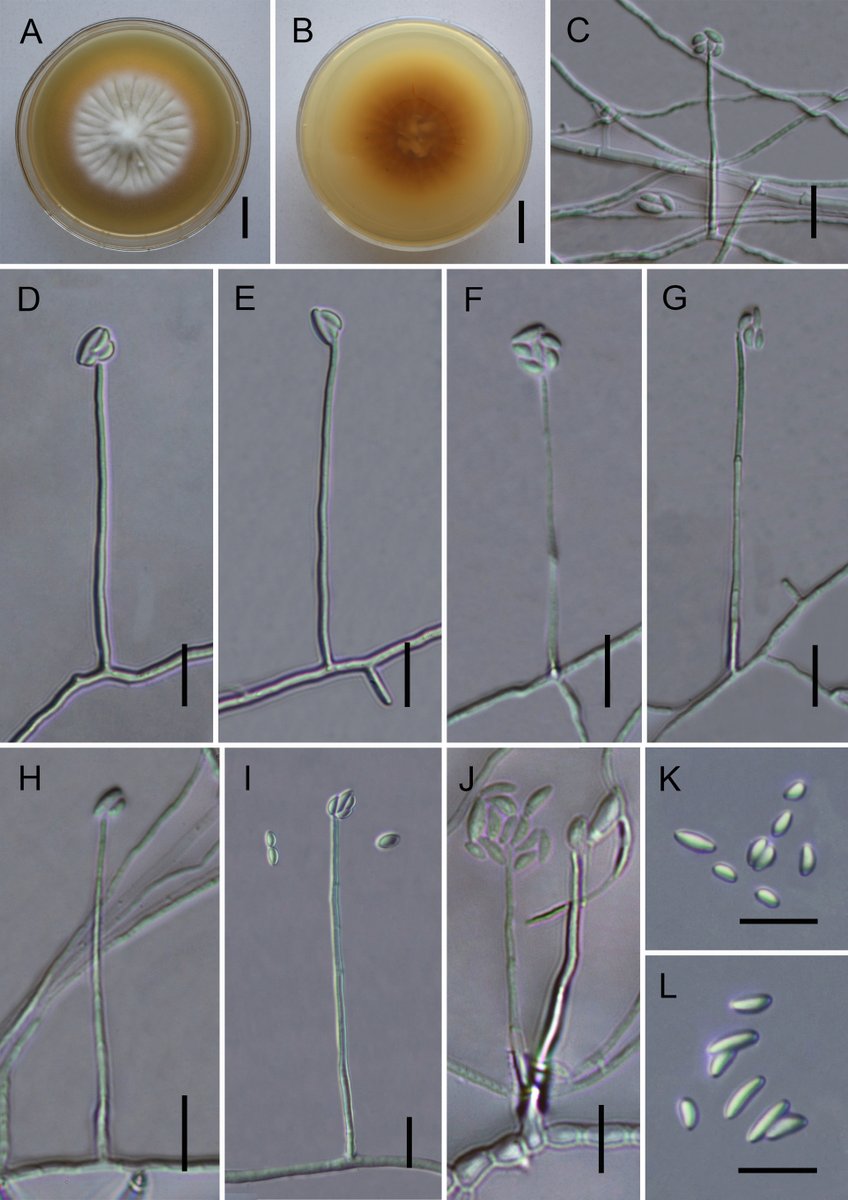
🌱 Scientists have isolated two new acremonium-like fungal species and a rare habitat record from plant root soils in Guizhou, China: doi.org/10.3897/mycokeys.133…
1
9
183
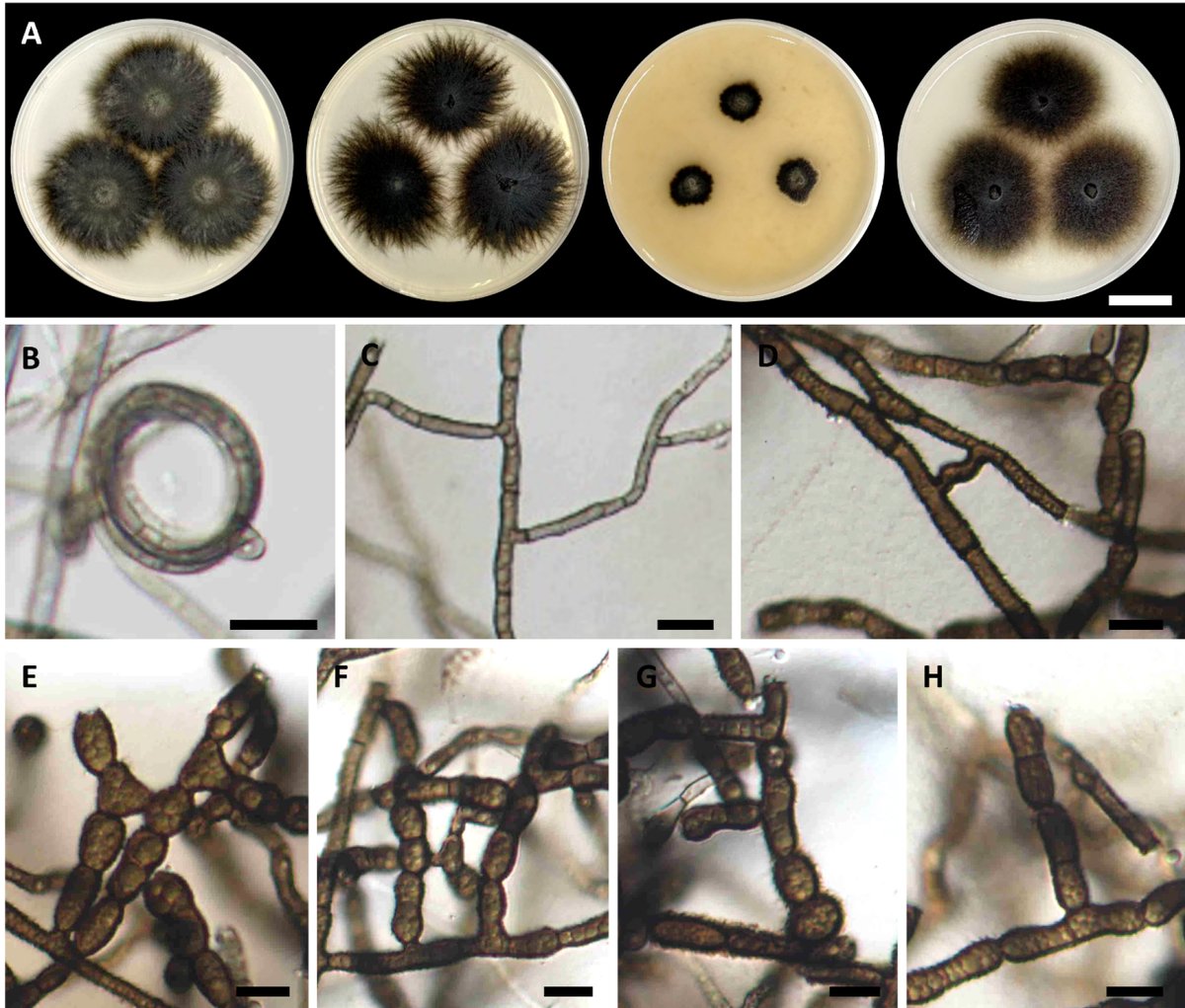
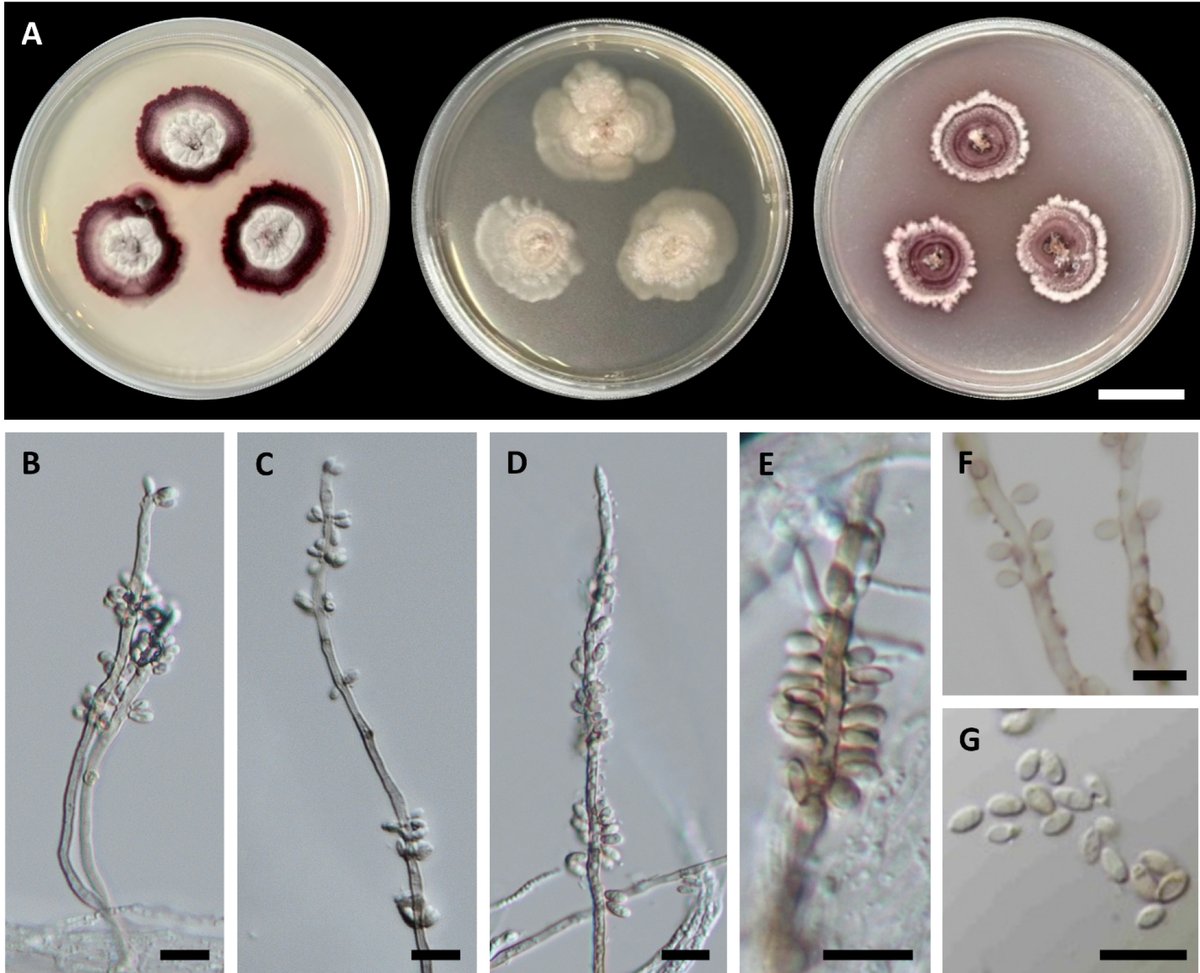
5 strains from air and rock surfaces have revealed 2 new fungal species from Guangdong, China:
🧪 Ceratostomella guangdongensis
🪨 Pararamichloridium purpureum
See all the details here: doi.org/10.3897/mycokeys.133…
1
7
130
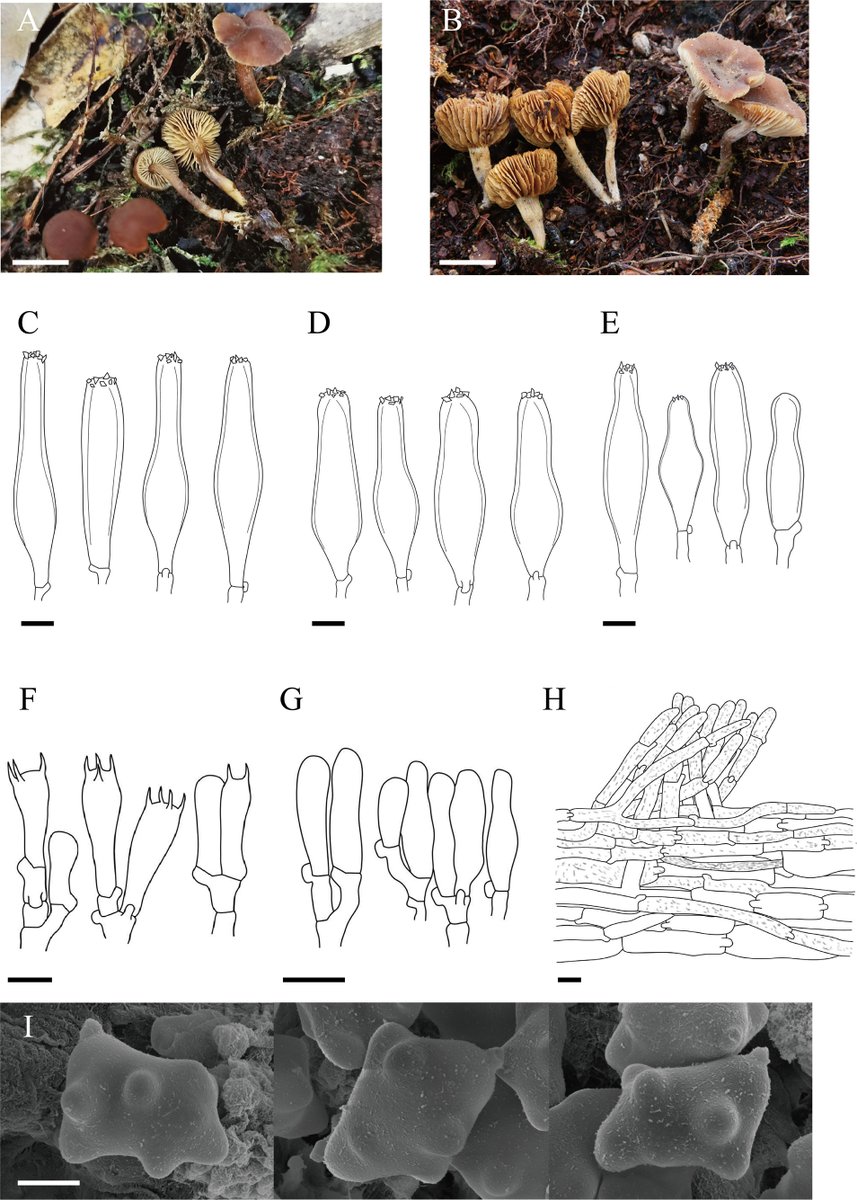
Researchers have discovered 3 new mushroom species in the genus Inocybe from Southwestern China:
🍄 I. subtropicocinnamomea
🌲 I. biformis (found above 4000m!)
🍃 I. fulvobasalis
Read more: doi.org/10.3897/mycokeys.133…
2
6
858
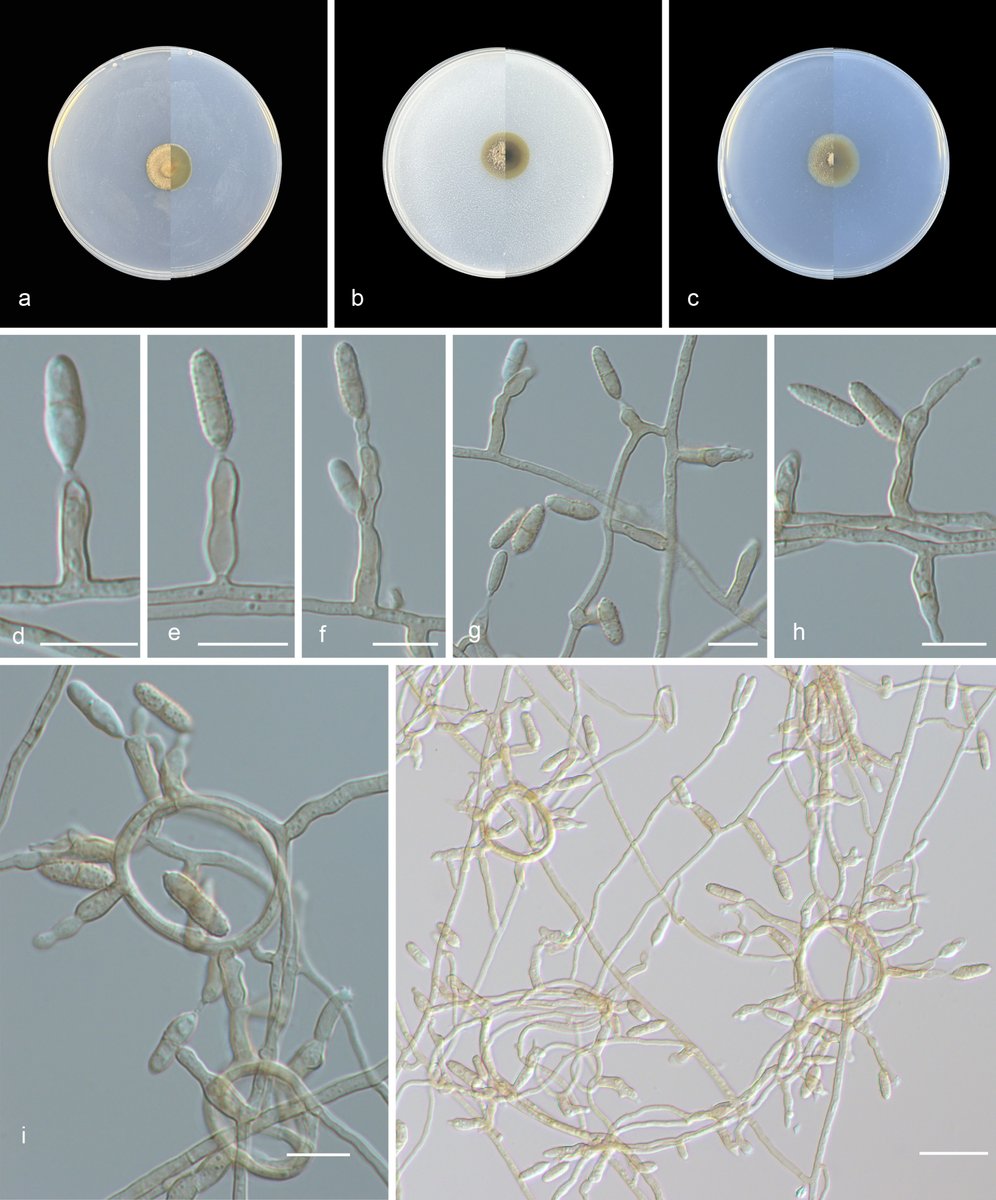
A new study from China isolates eight strains from the family Sympoventuriaceae, using DNA and morphology to identify three brand-new species. The find helps stabilise a complex family tree and map urban soil health. Learn more: doi.org/10.3897/mycokeys.133…
2
8
132
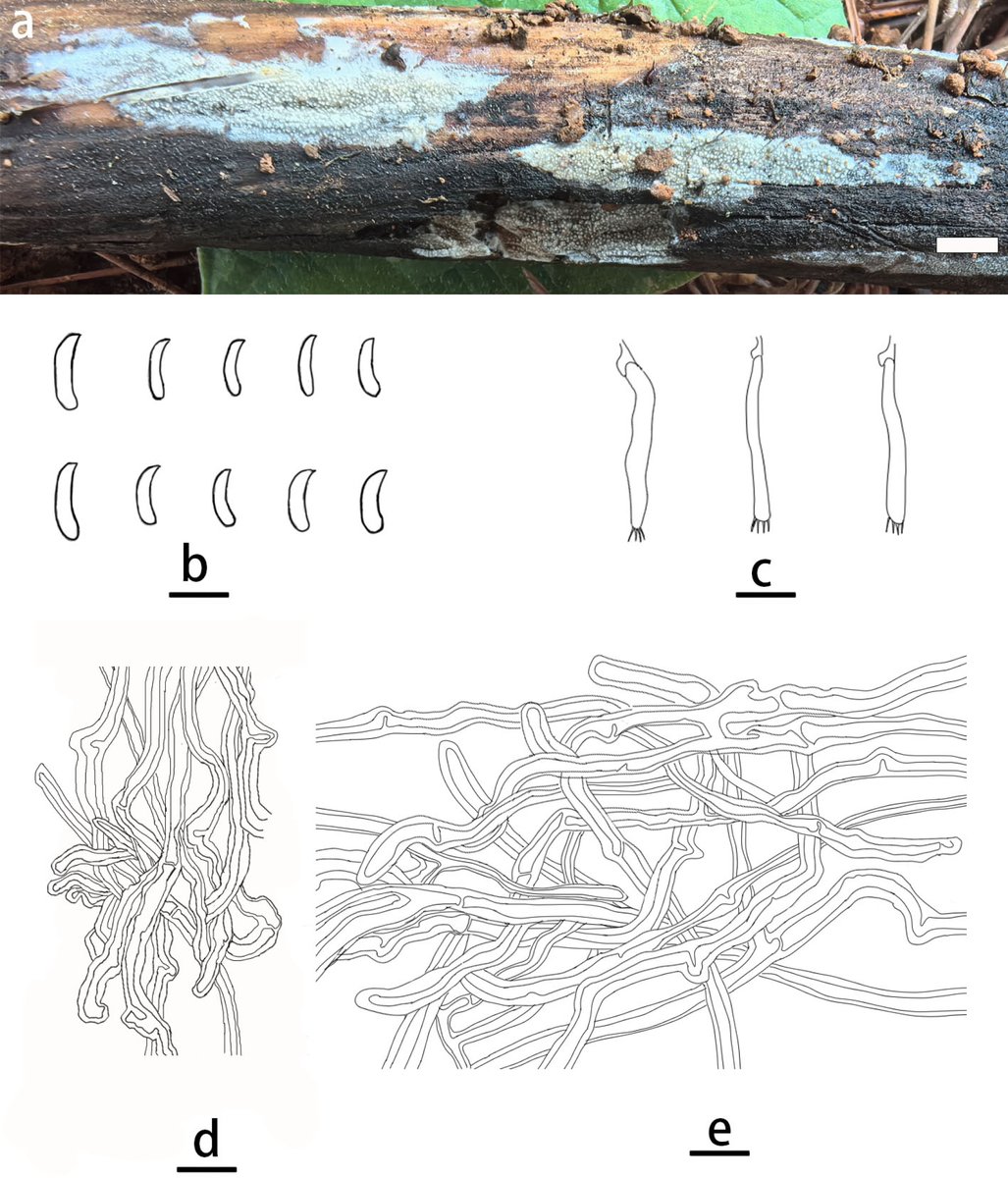
🌲 Three new species of wood-decaying Dacryobolus #fungi have been discovered on pine trees in southwestern China.
➡️ Read more: doi.org/10.3897/mycokeys.133…
#newspecies
1
84
🍂 Four new species of Microdochium #fungi have been discovered and isolated from diseased plant leaves of Bambusoideae in Hainan, China.
➡️ Read more in our #openaccess article: doi.org/10.3897/mycokeys.133…
#newspecies
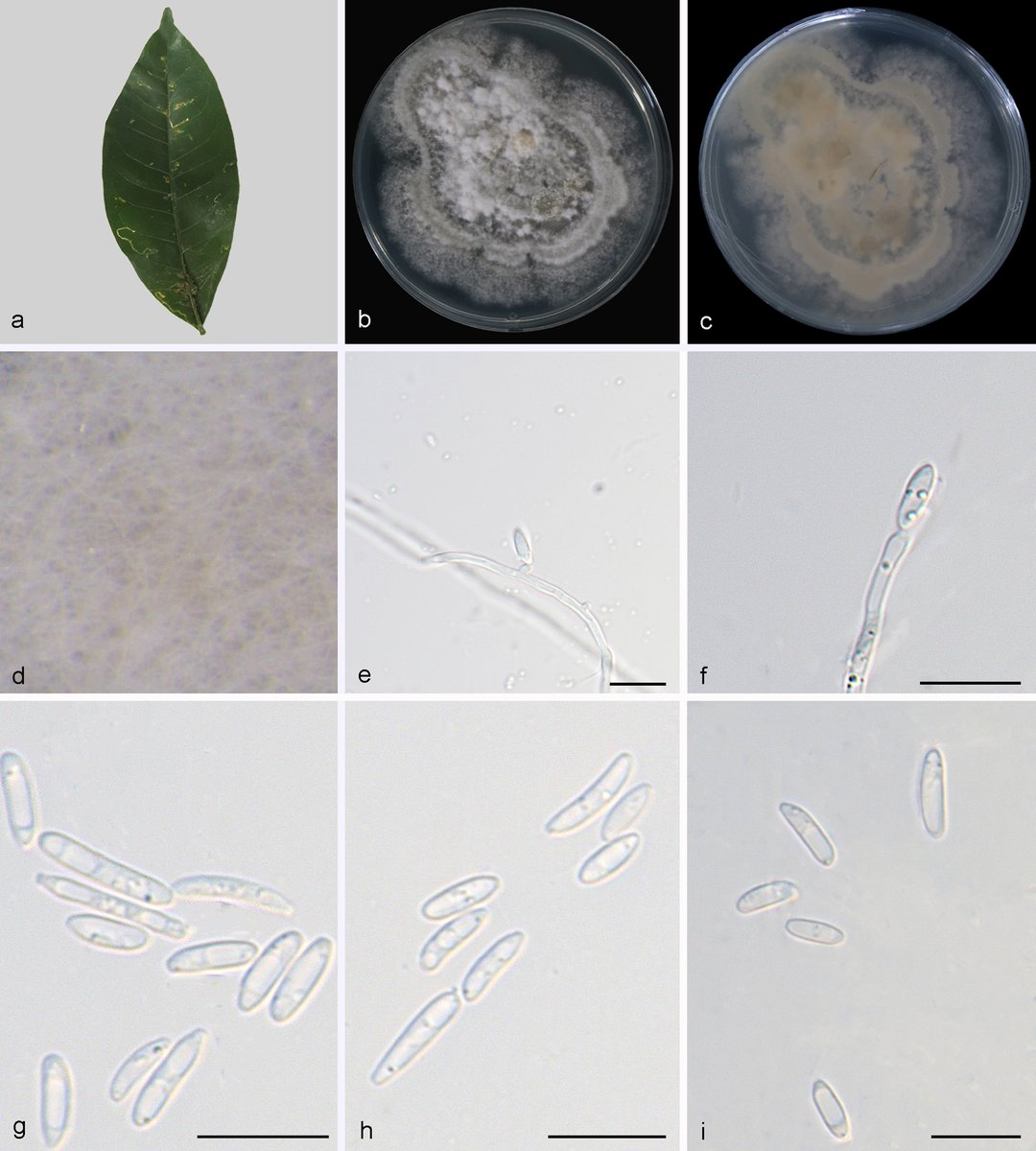
ALT 9 images of Microdochium acronychicola (SAUCC620701, ex-type). a. A diseased leaf of Acronychia pedunculata; b, c. Colony on PDA from above and below after 14 days; d. Colony overview; e, f. Conidiogenous cells with conidia; g–i. Conidia. Scale bars: 10 μm (e–i).
2
103
MycoKeys retweeted

Jun 3
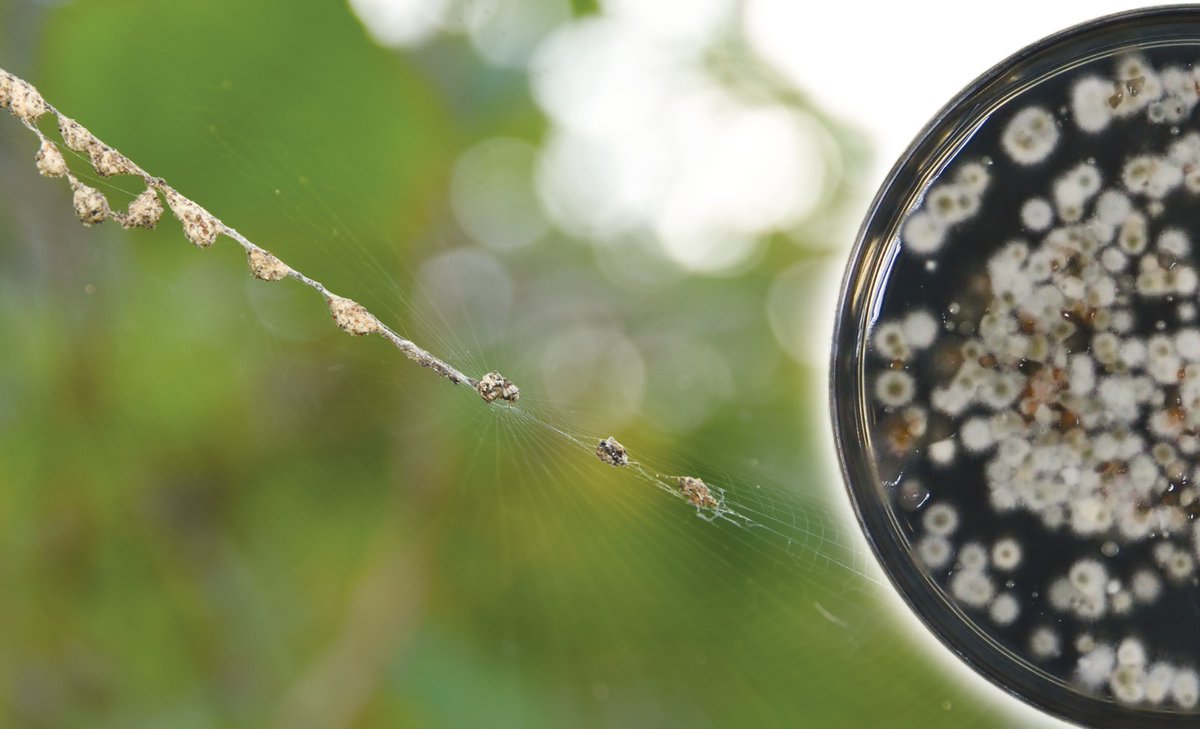
🕸️ A surprising variety of fungi was recently discovered living on spider webs in Thai rice fields, demonstrating that these silk structures can be used as natural collectors of environmental data.
➡️ Our blog post: blog.pensoft.net/2026/05/27/…
➡️ Full study: doi.org/10.3897/BDJ.14.e1870…
3
5
182

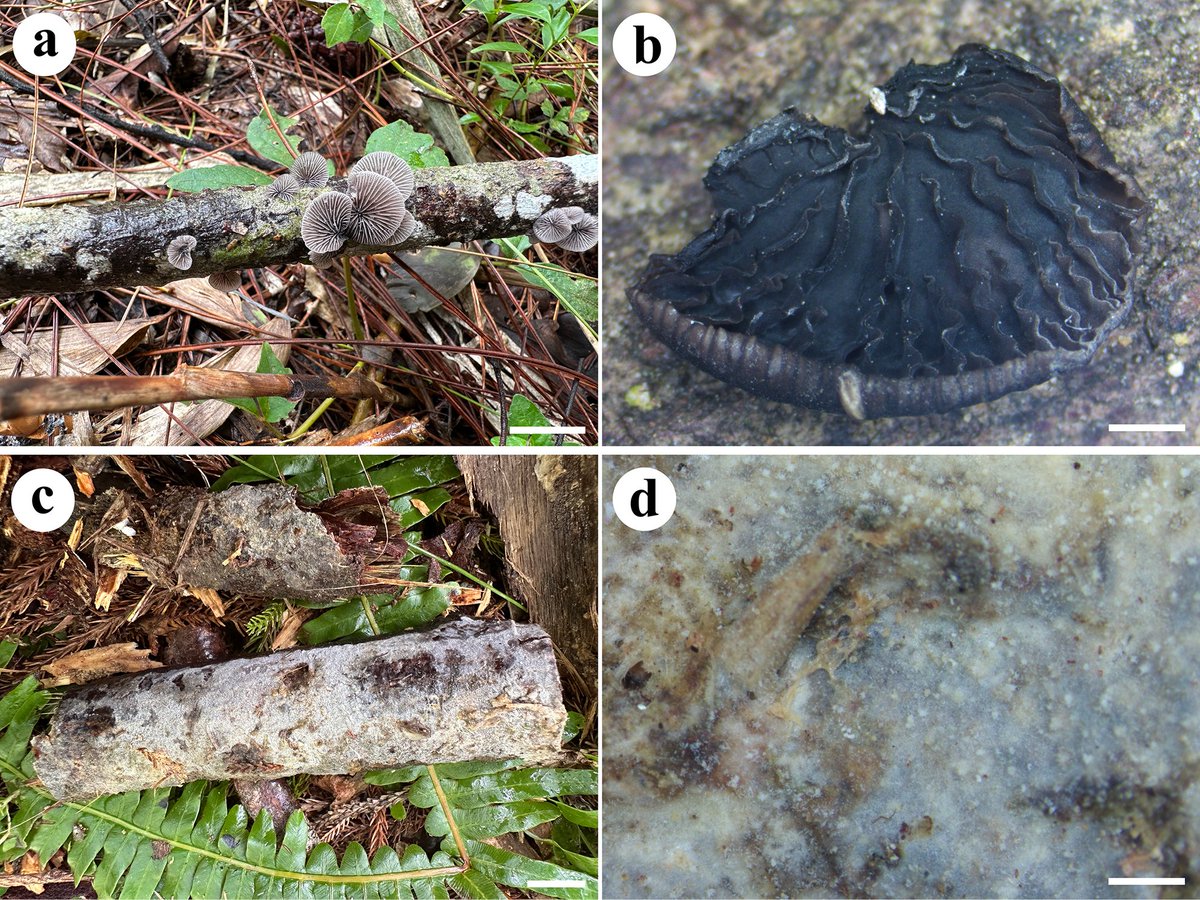
🔬 Two new wood-decaying fungal species, Resupinatus tropicus and Scopuloides hainanensis, have been discovered in Hainan, China.
🍄 Full descriptions, illustrations, and genetic analyses are provided alongside updated identification keys for both genera: doi.org/10.3897/mycokeys.133…
8
194
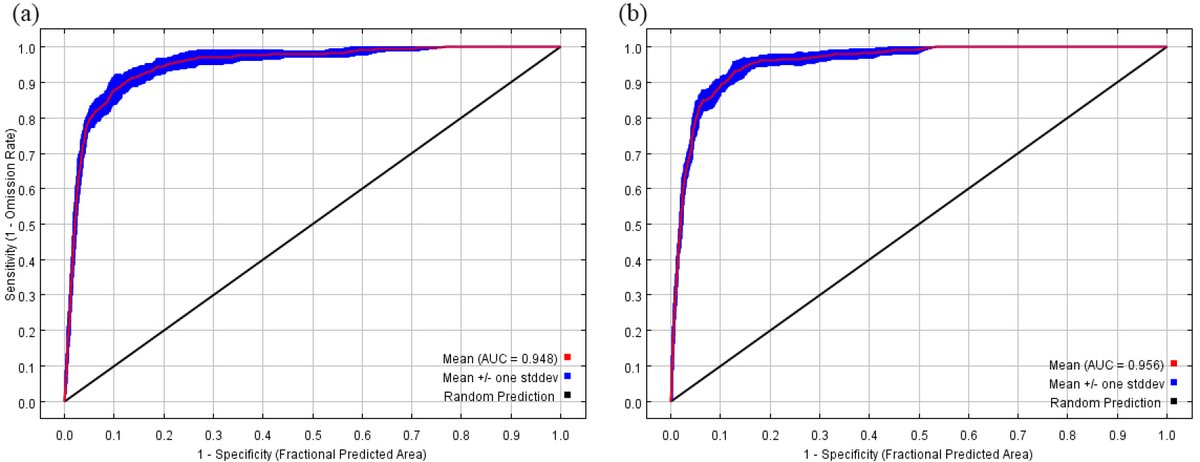
🪵 The potential habitat of Xylobolus subpileatus, a medically and ecologically valuable wood-rotting fungus, has been mapped across past, present, and future timelines using climate modelling.
➡️ Find out more: doi.org/10.3897/mycokeys.133…
112
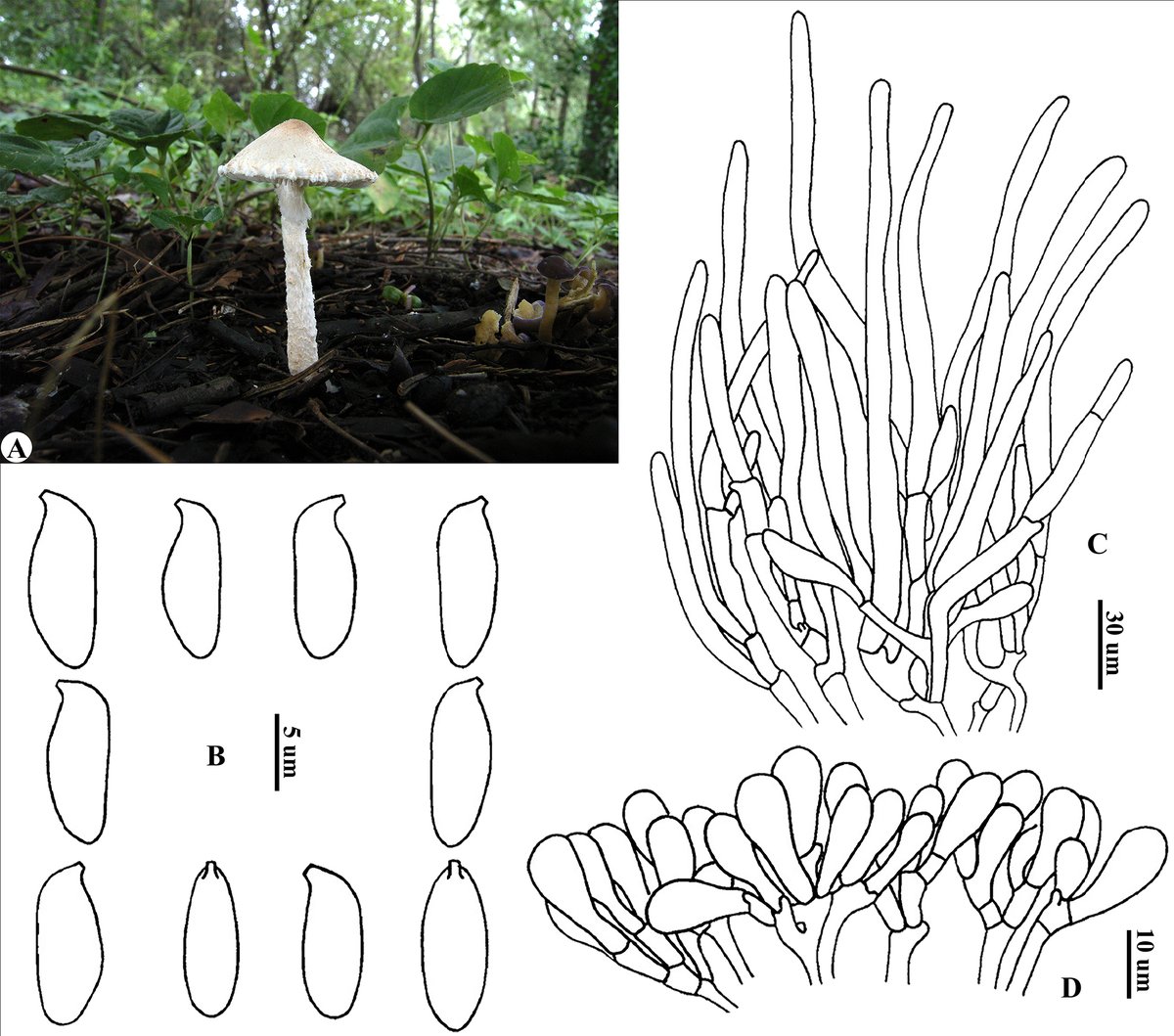
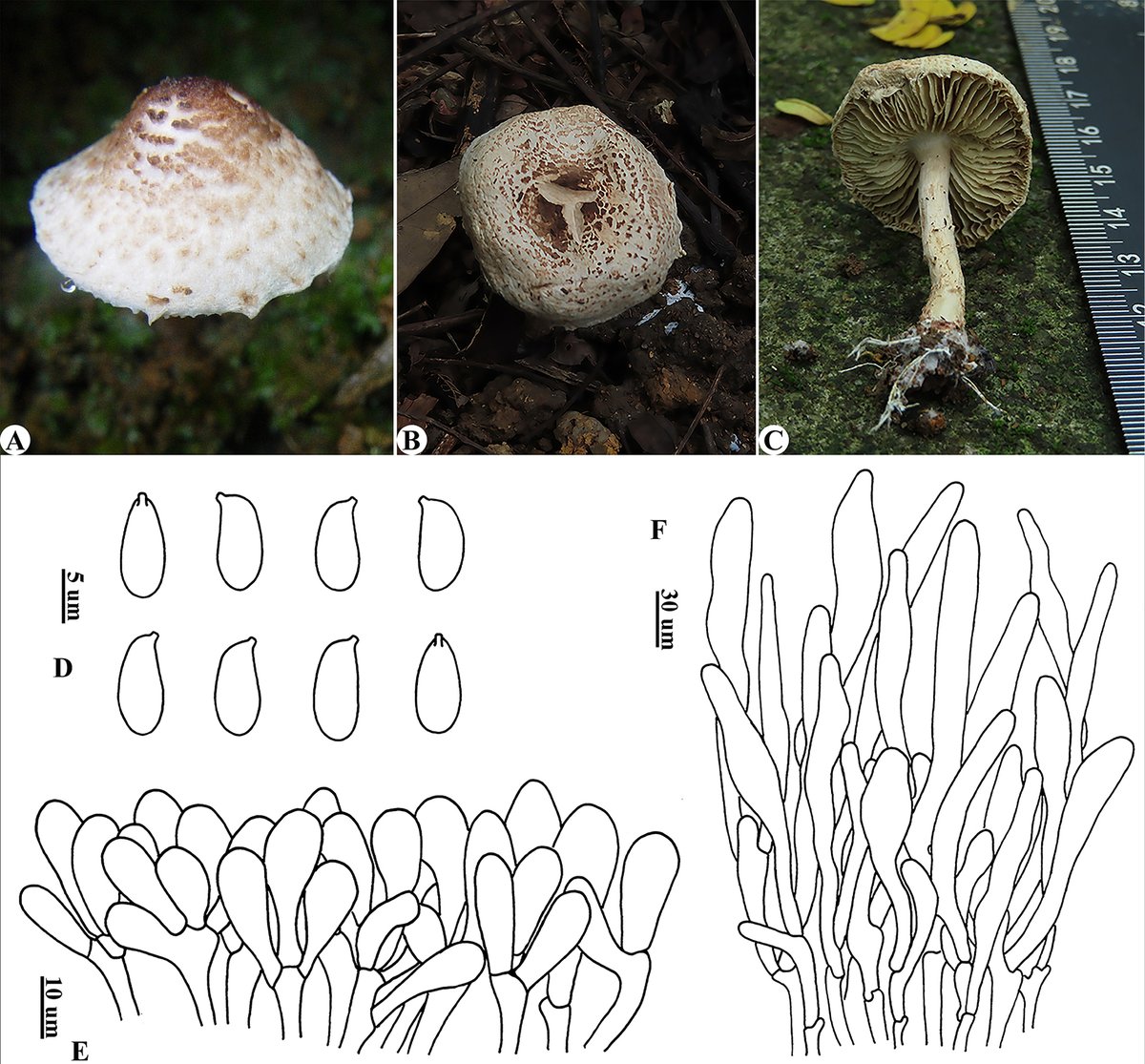
🍄 The long-debated merger of the mushroom genus Chamaemyces into Lepiota has been definitively confirmed!
🔬 Additionally, two new East Asian species have been identified and described in this study: doi.org/10.3897/mycokeys.133…
10
25
1,021
Five new species of Trichoderma fungi have been discovered and described from decaying wood in China based on structural and molecular data.
➡️ Find out all about them: doi.org/10.3897/mycokeys.133…
7
189
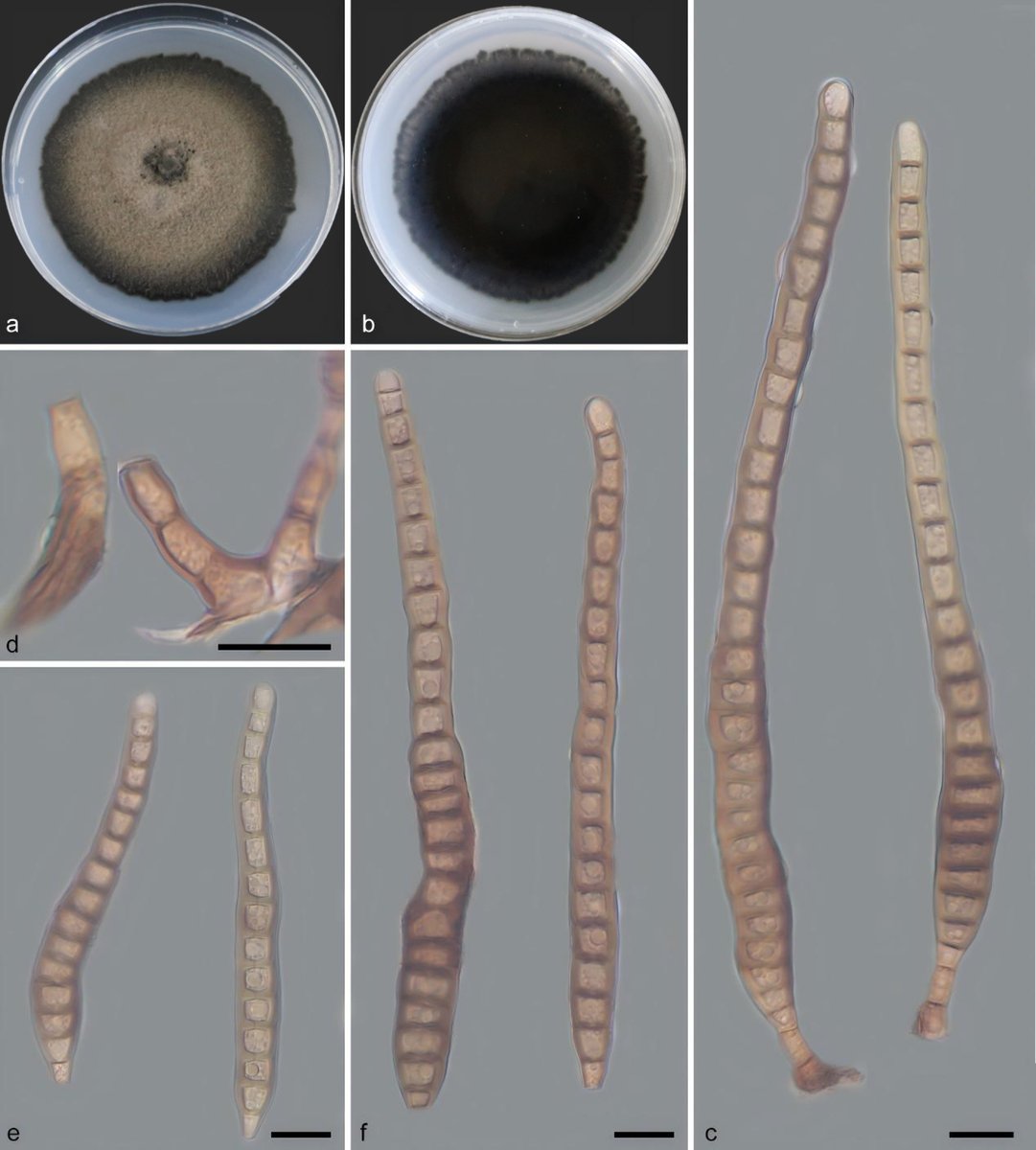
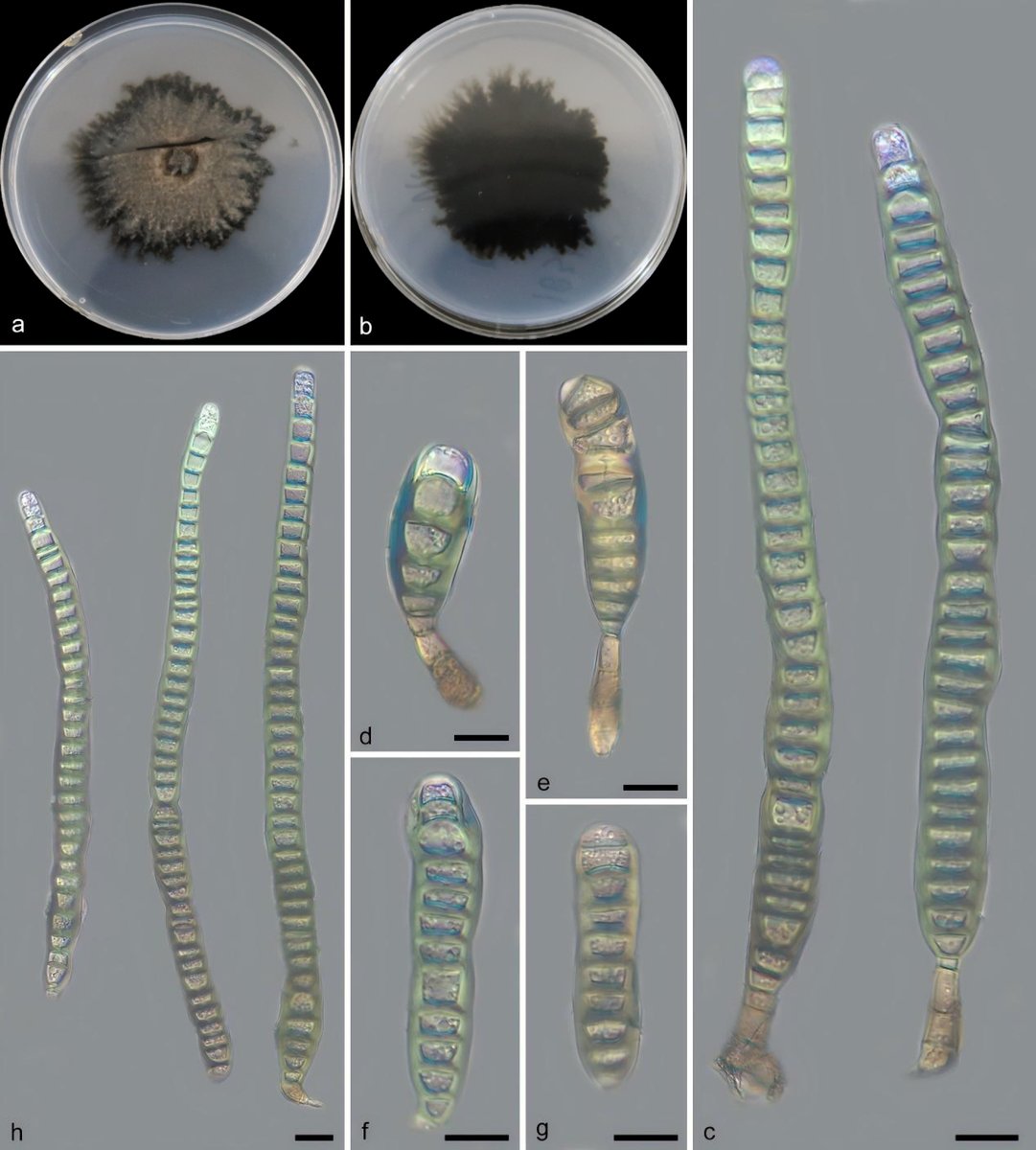
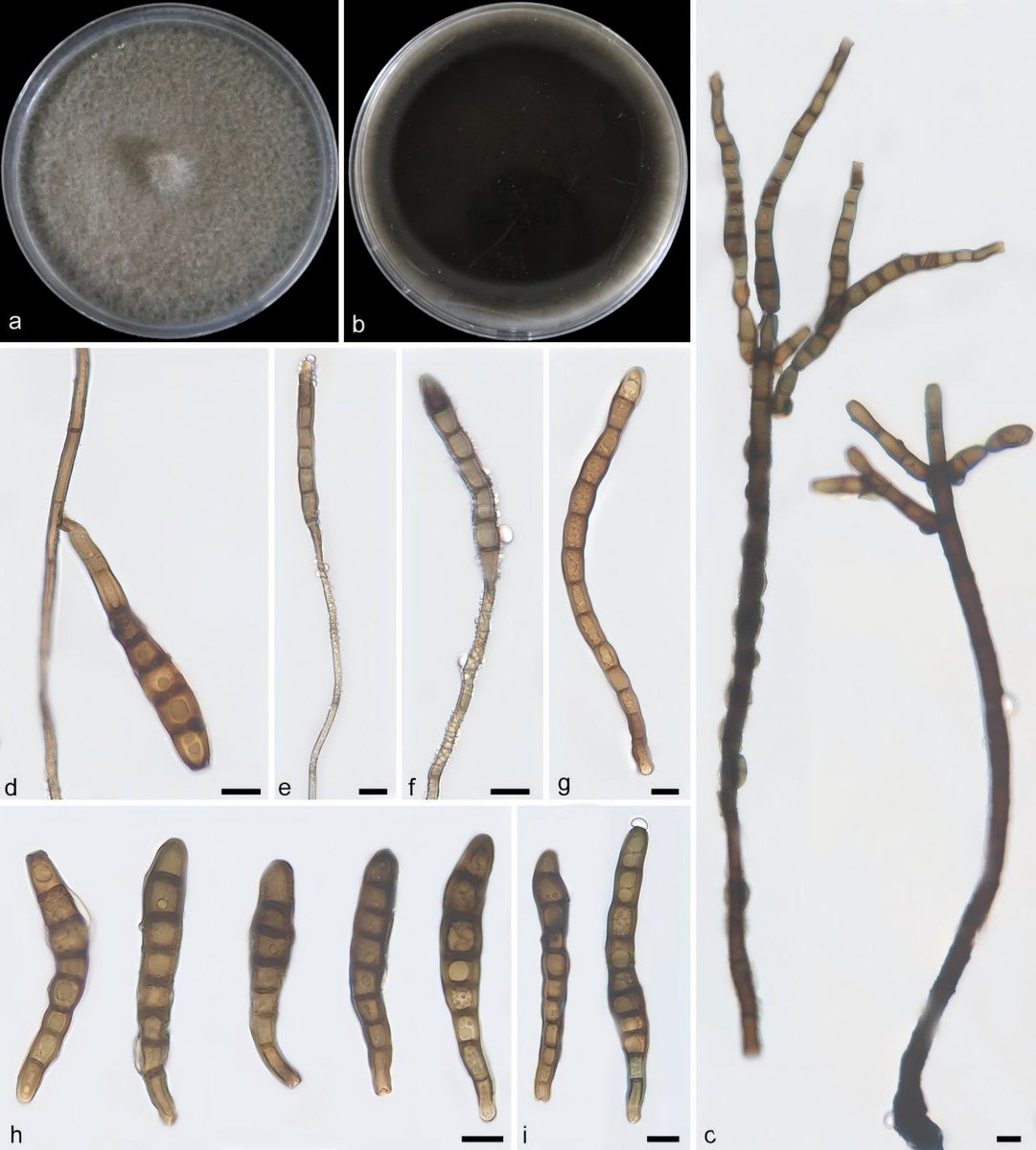
🍄 Three new species of wood-decaying fungi have been discovered and described from the Hainan, Guangxi, and Guizhou provinces of southern China: Distoseptispora linchunlingensis, D. xinganensis, and Kirschsteiniothelia guiyangensis.
➡️ Read more: doi.org/10.3897/mycokeys.133…
4
119
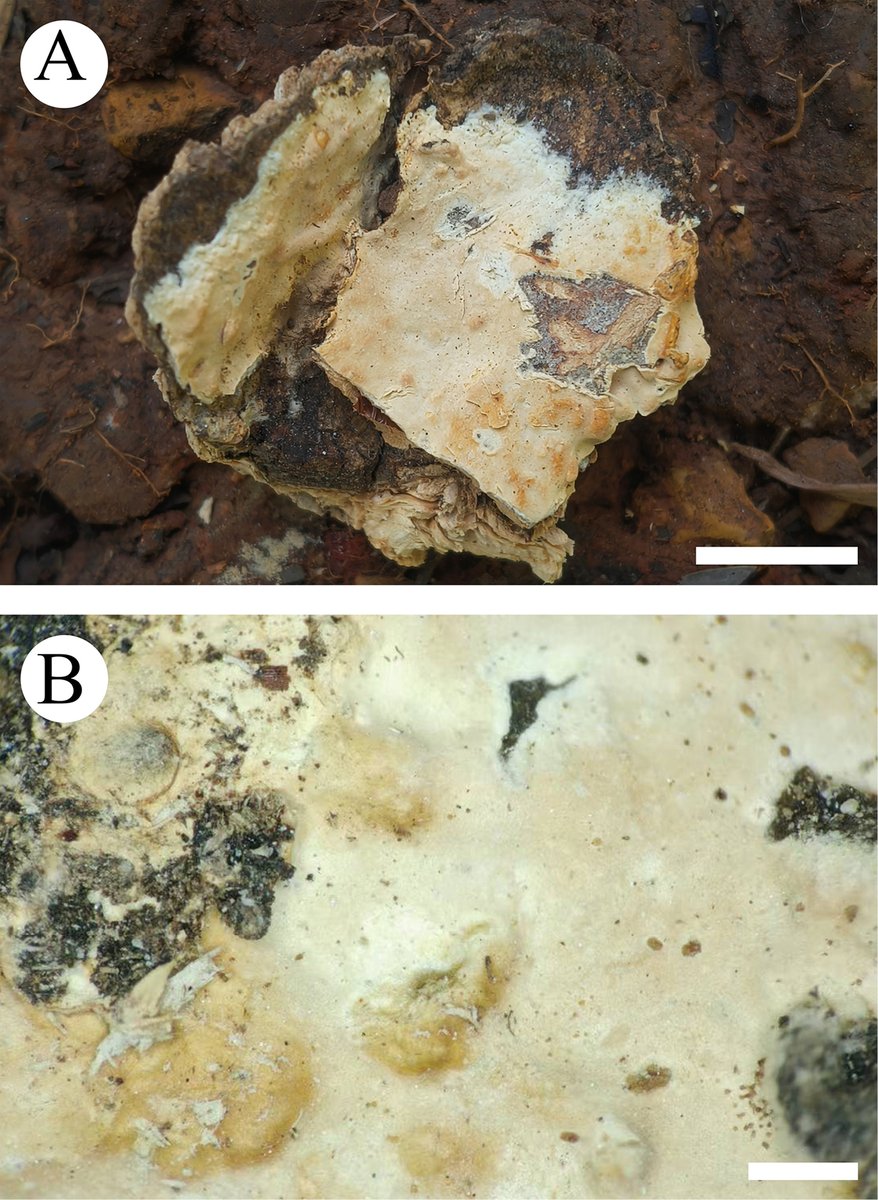
🍄 Four new wood-inhabiting fungal species have been discovered and described from southwestern China.
🧬 Classification within the families Peniophoraceae and Stereaceae was confirmed after the specimens were analysed: doi.org/10.3897/mycokeys.133…
1
86