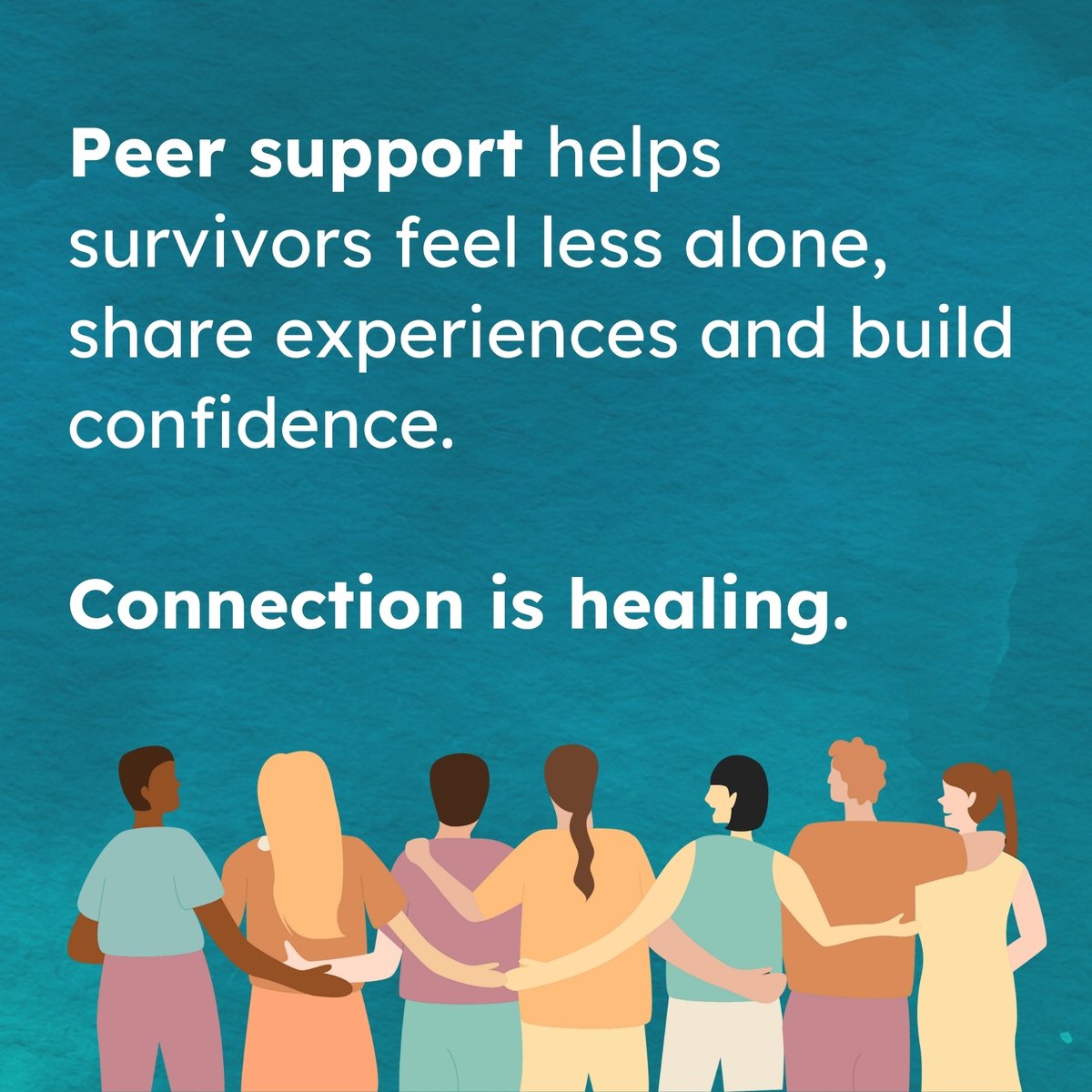
Healing from childhood abuse can feel isolating. But connection makes a difference.
Peer support means connecting with others who have lived through similar experiences.
Peer support is not a replacement for therapy, but it can be a powerful part of recovery. đź’™
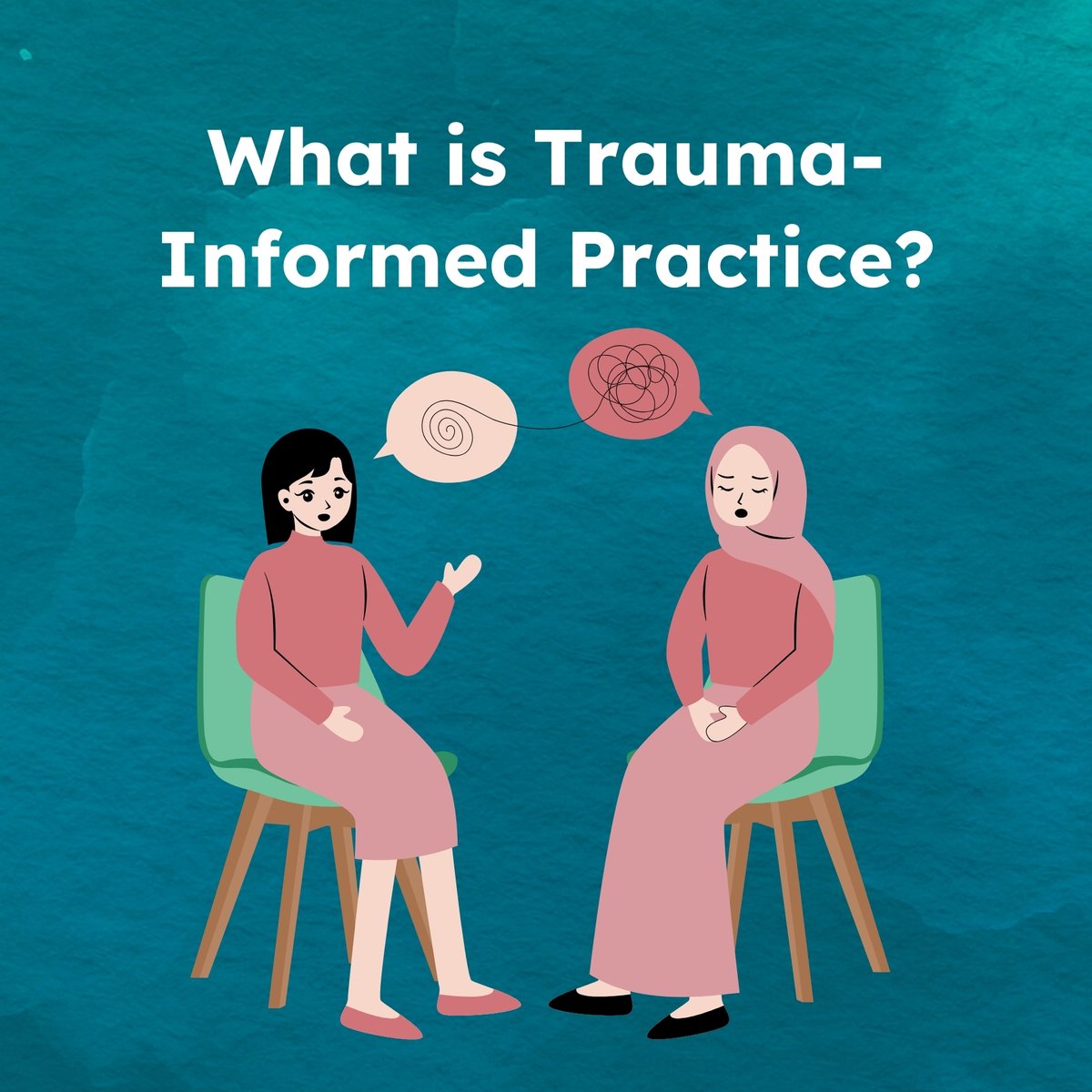
Trauma doesn’t just affect individuals, it shapes the way they see the world, relate to others and respond to stress. Trauma-informed practice is about recognising these impacts and creating safer, more supportive environments where people feel seen and understood.
Survivors often carry misplaced guilt for distancing themselves from family members or going no-contact. The responsibility lies with those who crossed your boundaries and engaged in behaviours you cannot tolerate - not with you for protecting yourself.
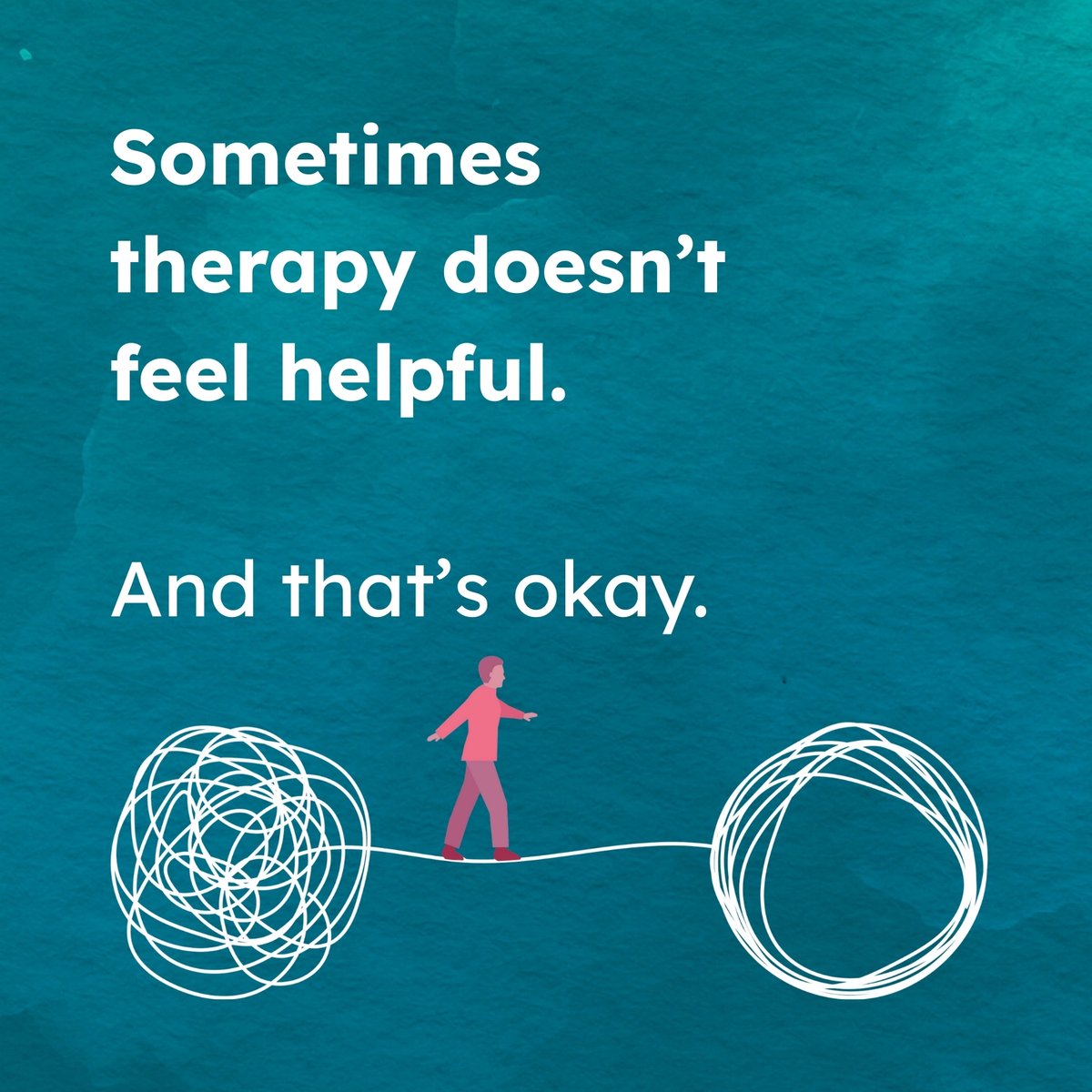
On our support line, we often hear how helpful therapy can be. But sometimes, it doesn’t feel that way. And that’s okay. Progress can be slow, and it often takes time to find the right approach or the right practitioner for you.
#TherapyJourney
We support all survivors of all kinds of abuse.
Abuse takes many forms - physical, emotional, sexual, neglect, and more. Every survivor’s experience matters and deserves compassionate, trauma-informed support.
#NAPAC#SurvivorSupport
Every survivor’s experience is unique. We understand that trauma can affect neurodivergent people in different ways - and that traditional support services don’t always meet everyone’s needs.
#NAPAC#Neurodiversity#TraumaSupport#SurvivorStories
Your reactions are not flaws, they’re signs of how hard you’ve worked to survive. At NAPAC, we help survivors make sense of their experiences with compassion and trauma-informed care.
#SurvivorSupport#HealingJourney#NAPAC#SupportSurvivors
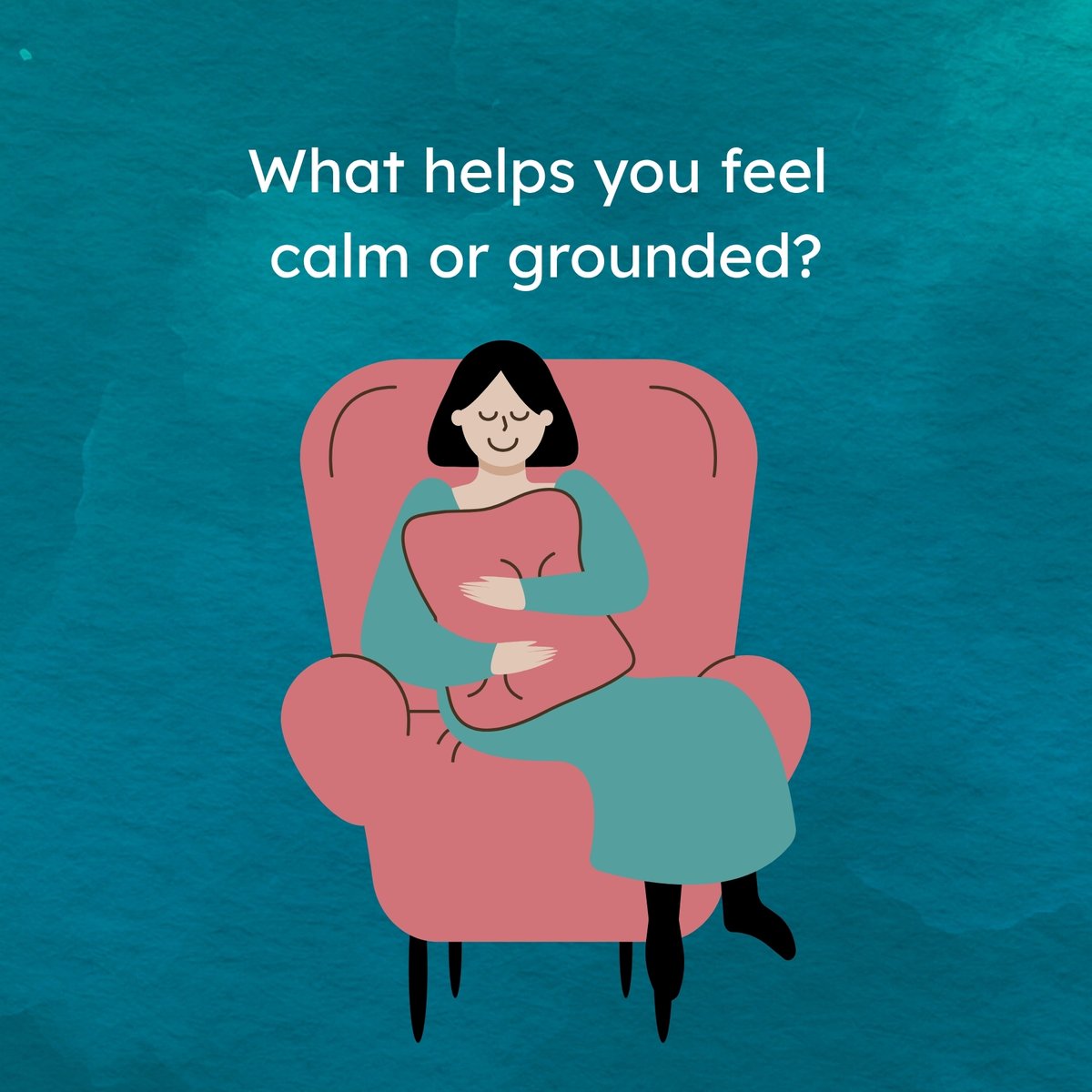
For many survivors, finding moments of peace can feel challenging - but small things can make a big difference.
Trauma can leave us feeling disconnected. Grounding practices are gentle ways to come back to the present and remind ourselves: I am safe. I am here. I am okay.
We support all survivors - at any age, no matter how long ago the abuse happened.
At NAPAC, we hear from people in their 20s, 50s, 70s and beyond. Whether the abuse happened decades ago or more recently, the impact can last.
We often hear on our support line that survivors struggle with keeping up at work.
The effects of trauma can impact concentration, energy and emotional wellbeing, making work feel overwhelming at times. If you’re finding it hard to keep up, you’re not alone.
Many male survivors of childhood abuse carry not only the trauma of what happened, but also the weight of silence.
We offer a safe, non-judgemental space for all adult survivors, including men, to talk and feel supported - without shame or pressure.
Healing often starts with compassion - especially for the parts of us that were hurt the most. At NAPAC, we encourage survivors to hold kindness for their past selves and to take steps towards reclaiming their power today.
Narcissistic abuse often involves manipulation, gaslighting, and control tactics that make survivors question their own reality, memories, and self-worth.
At NAPAC, we understand these complex dynamics and offer compassionate support to survivors.
Living through trauma, especially in childhood, can keep the body in a constant state of alert. That long-term stress takes a real toll, leaving survivors feeling drained - emotionally, mentally, and physically.
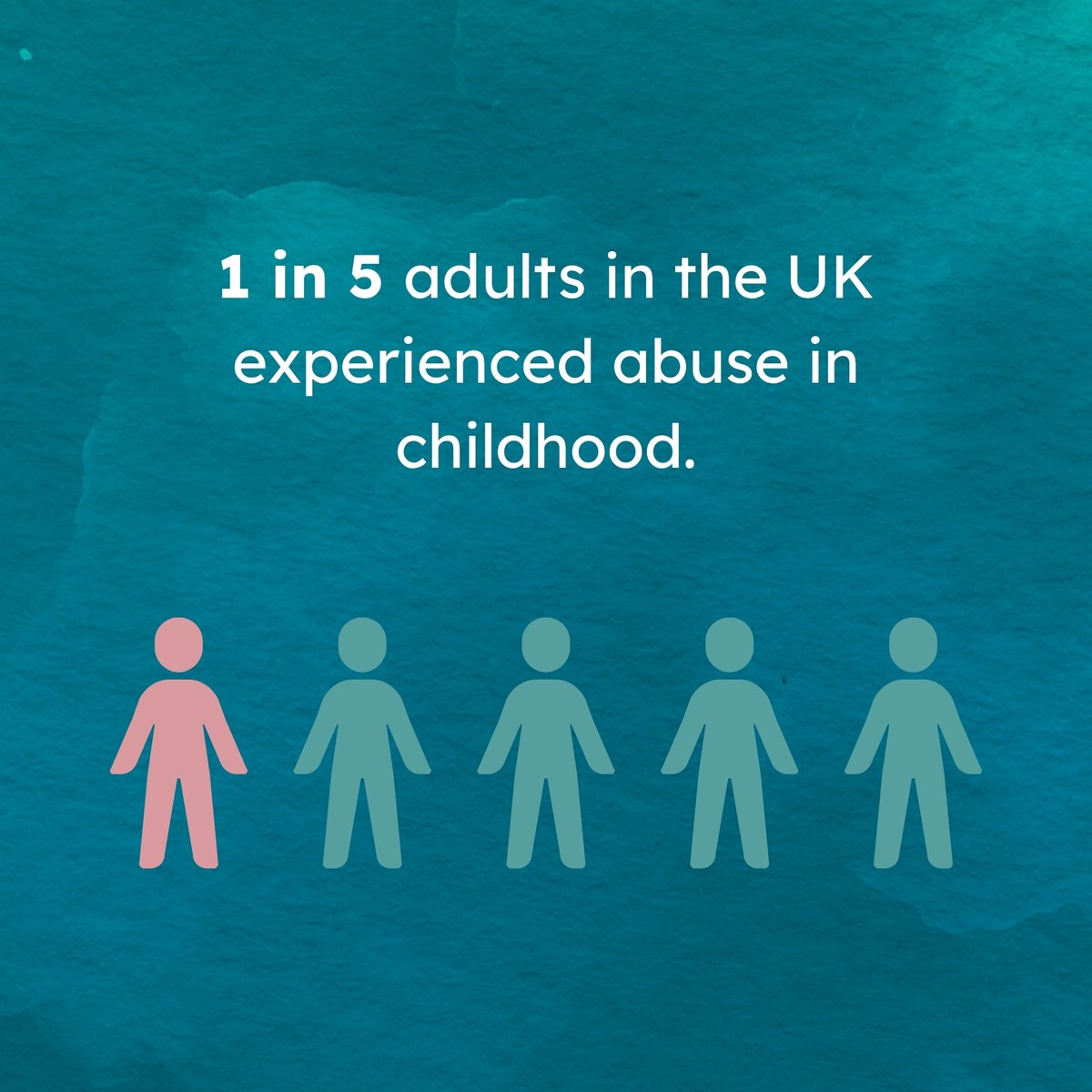
1 in 5 adults in the UK experienced abuse in childhood. This hidden reality affects millions and shapes lives in ways many don’t see. We’re here to support survivors with understanding, care, and trauma-informed resources.
#NAPAC