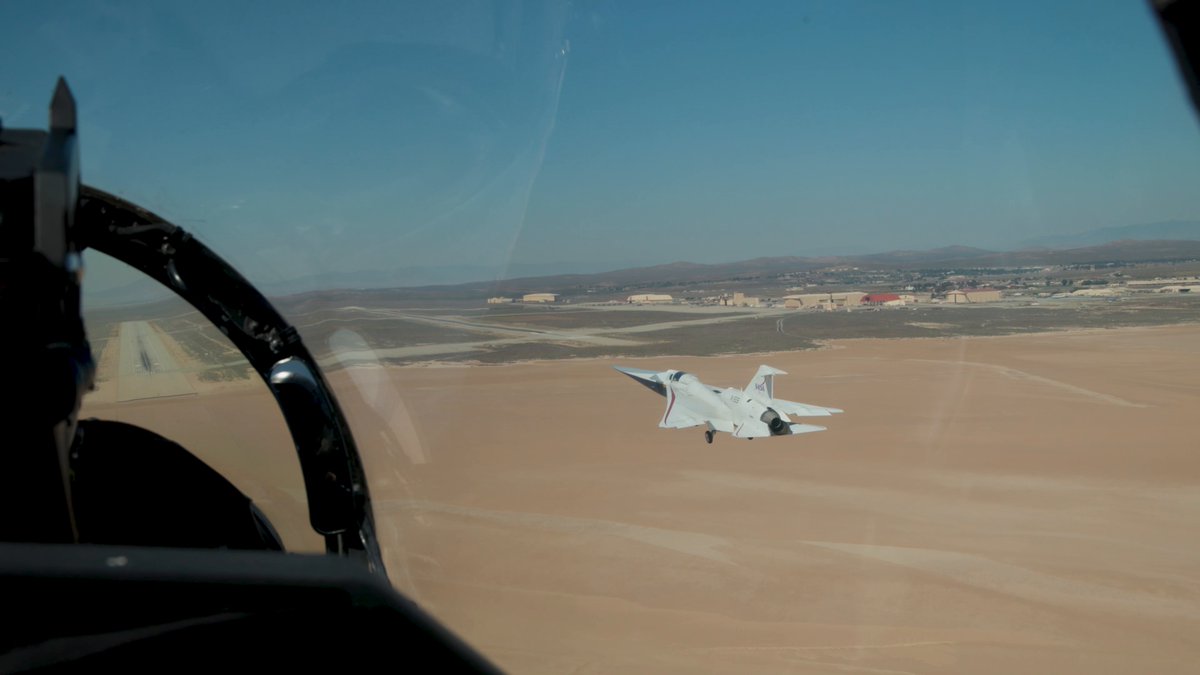
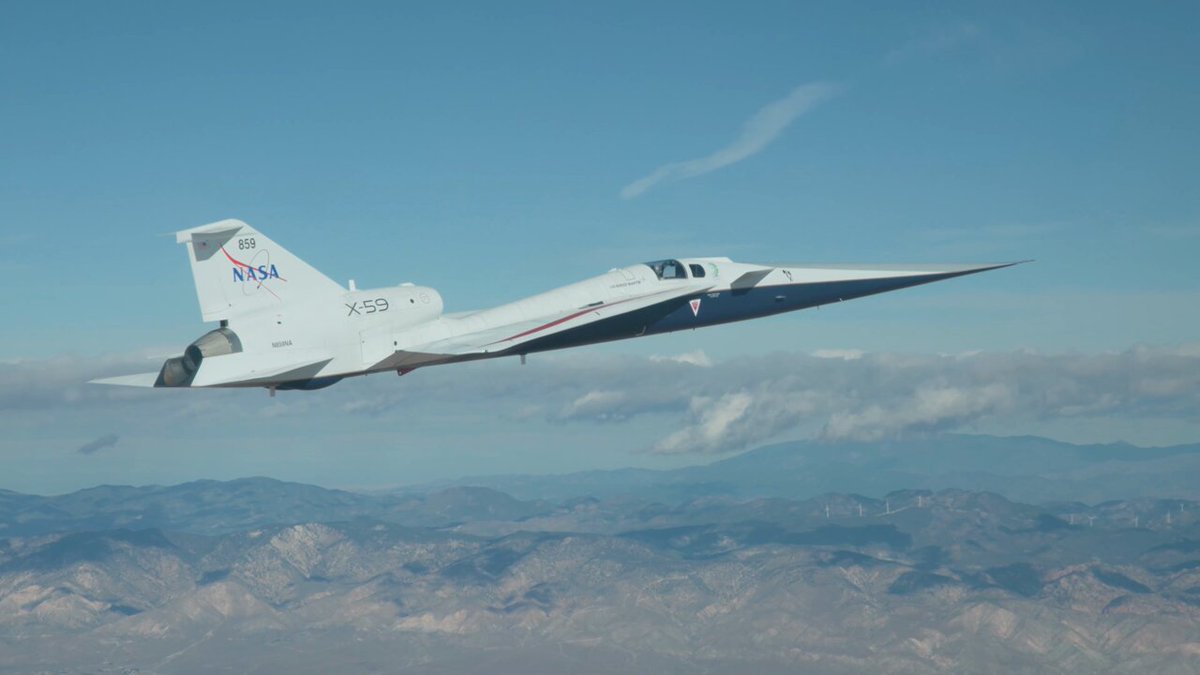
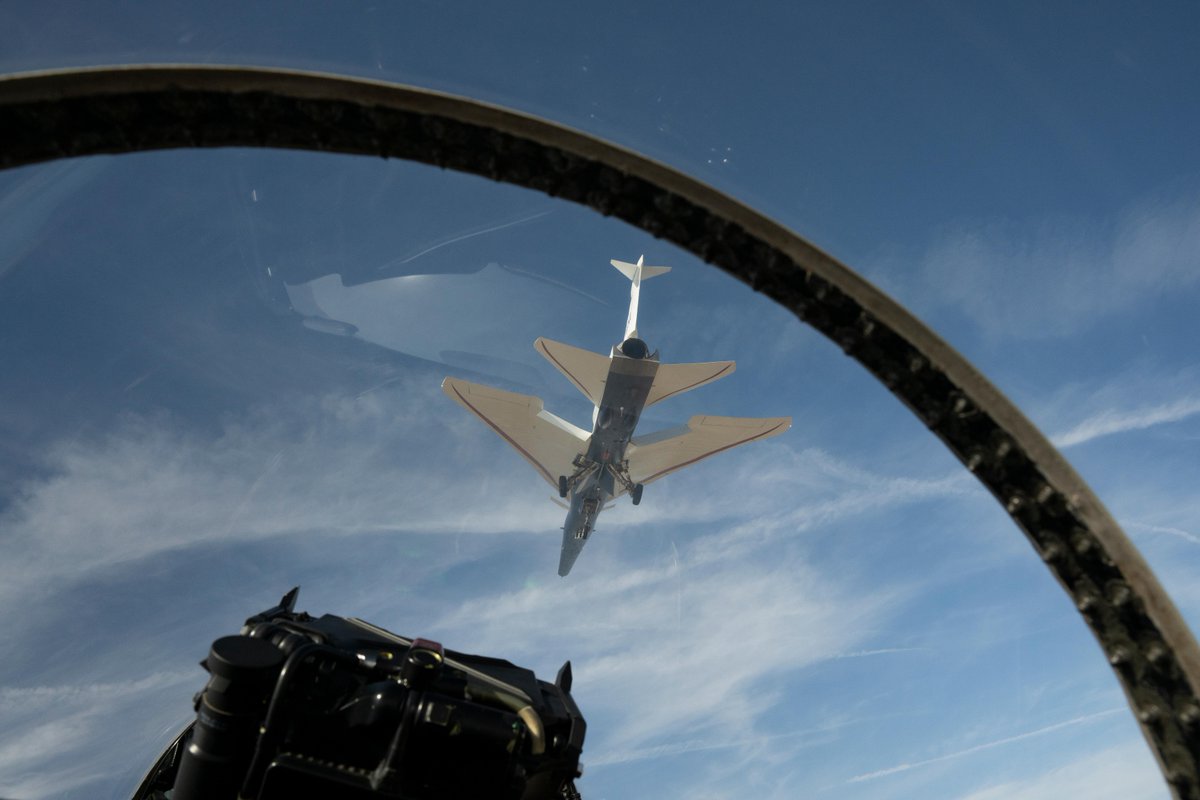
The X-59 has touched down at its new home!
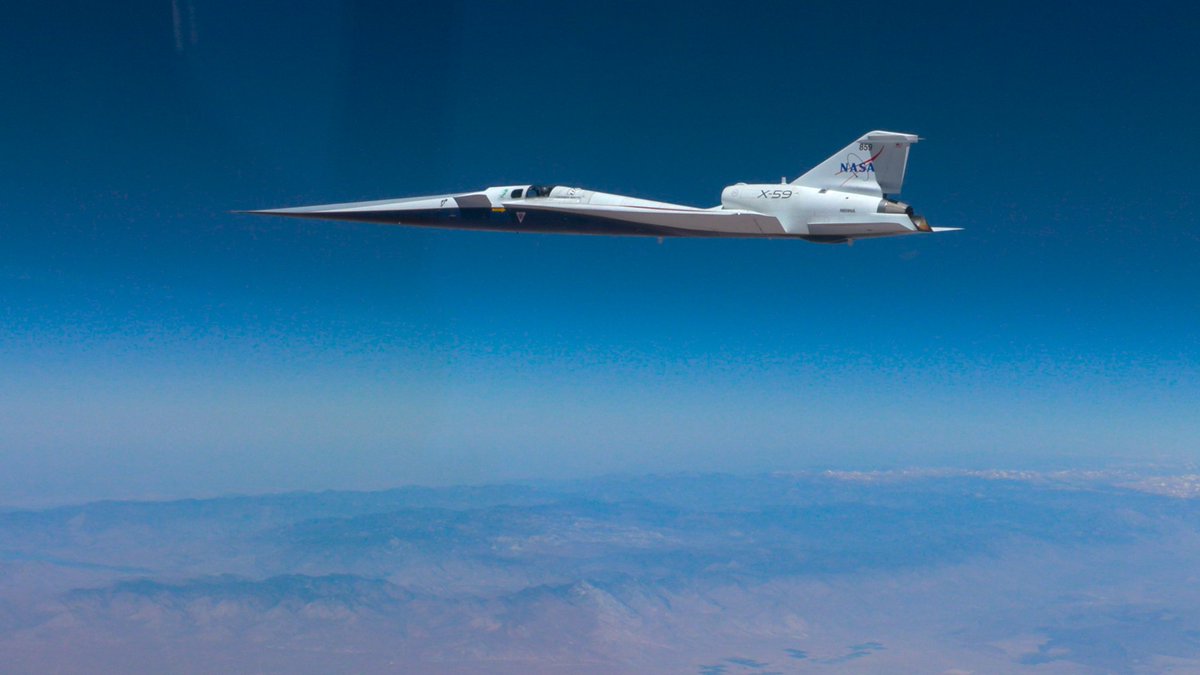
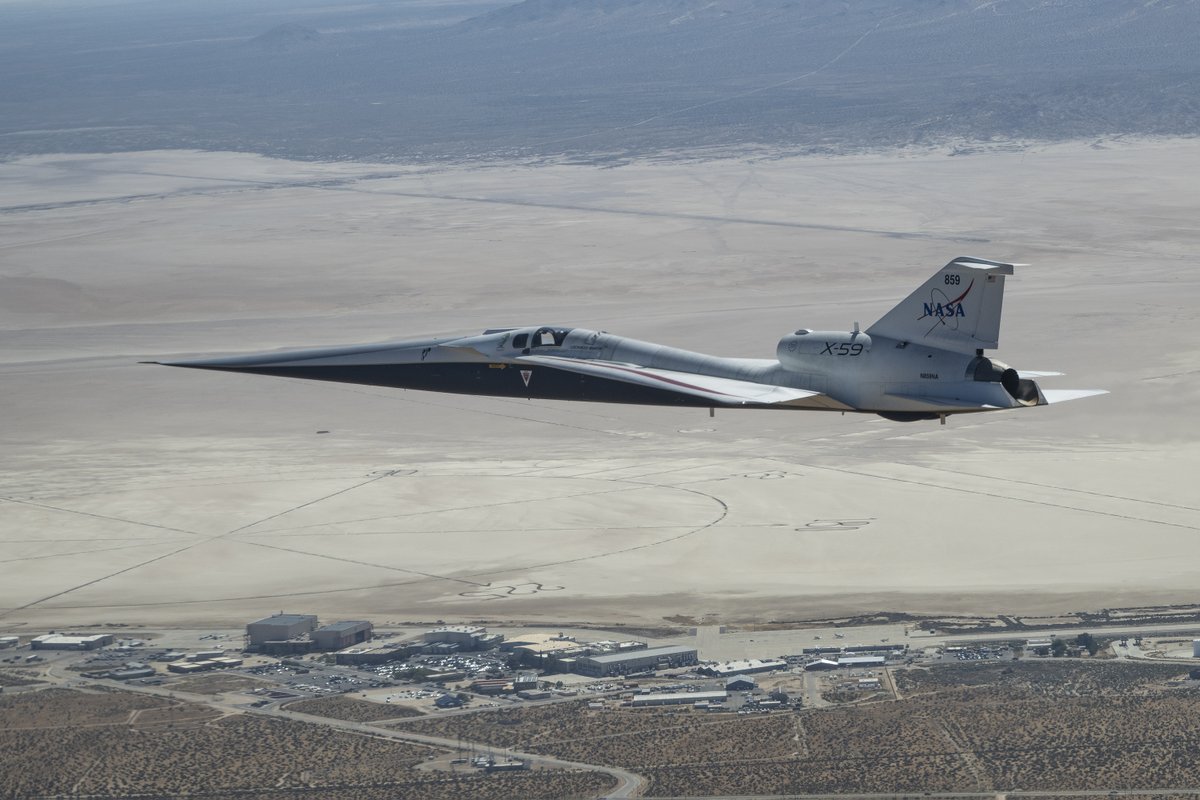
On Oct. 28, 2025, the X-59 completed its first flight, taking off from the @LockheedMartin Skunk Works facility in Palmdale, California, and landing at @EdwardsAFB after a 67-minute flight. The quiet supersonic research aircraft then taxied to NASA’s Armstrong Flight Research Center, marking its transition from ground testing to flight operations.
X-59 has officially completed its first flight ever!
The @NASA X-59 quiet supersonic research aircraft took to the skies for the first time Oct. 28, marking a historic moment for the field of aeronautics research.
✈️A culmination of all the right stuff: go.nasa.gov/3K3QsnC
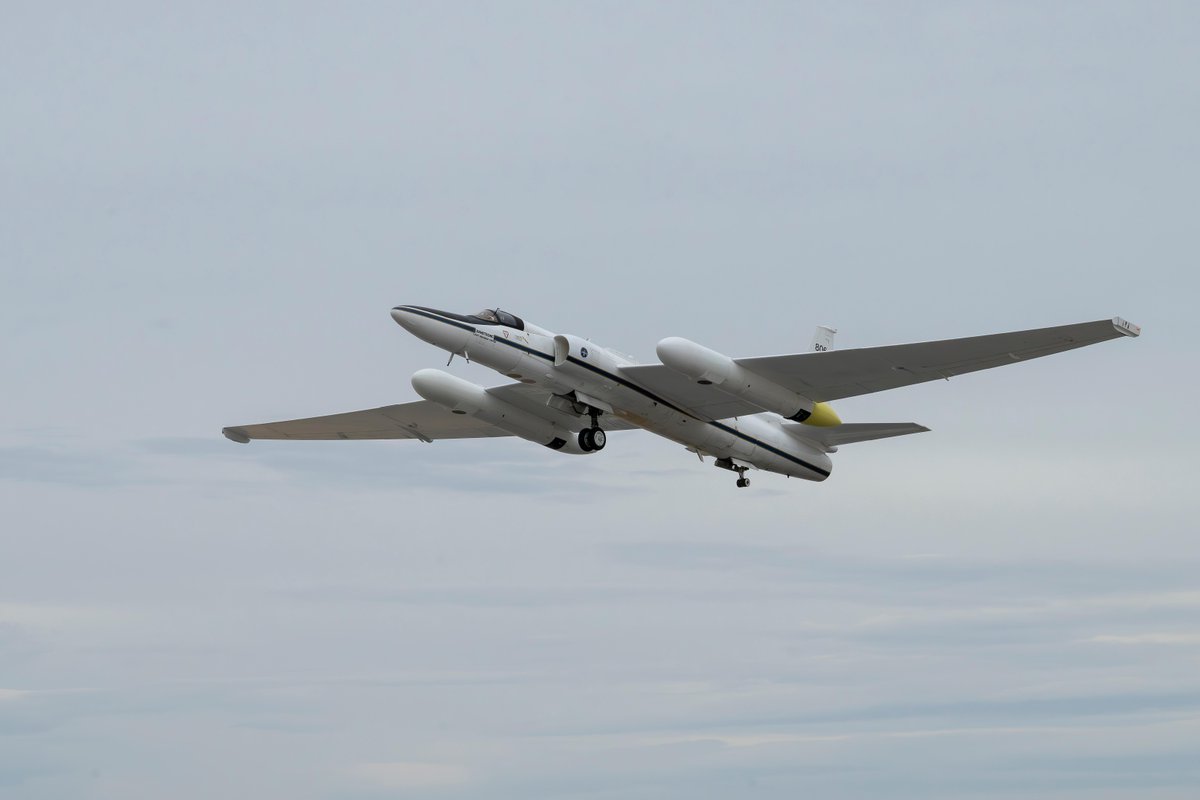
NASA’s ER-2 soared to an altitude of 65,000 feet to support GEMx (NASA-USGS Geologic Earth Mapping Experiment), collecting data to help map rare Earth minerals across the Southwest.
26 flights. 125 hours. A growing record dataset that’s helping to advance Earth and mineral science.
🔗: go.nasa.gov/3QgaI8E
ALT A NASA ER-2 high-altitude aircraft takes off from NASA’s Armstrong Flight Research Center in Edwards California on Tuesday, March 31, 2026, to support the Geological Earth Mapping Experiment (GEMx) airborne science mission. Credit: NASA/Carla Escamilla
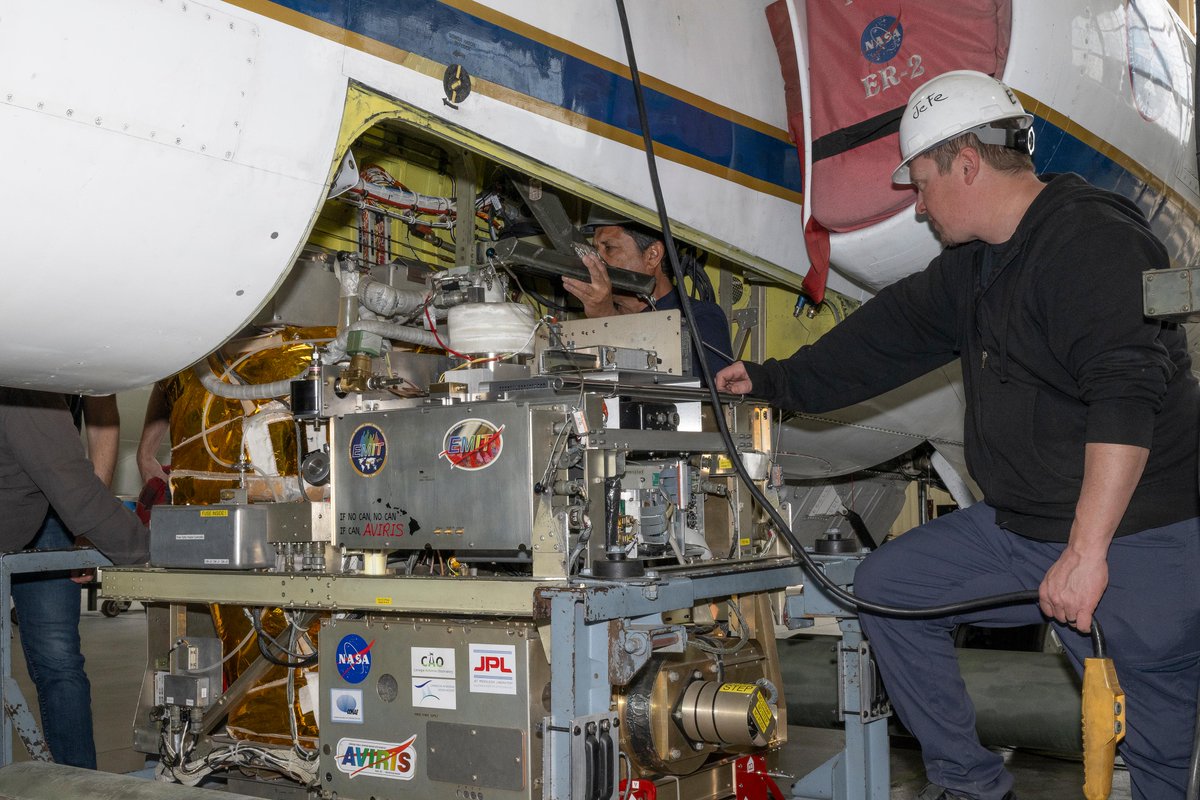
ALT Mechanic Francisco Rodriguez and crew chief Darin Whittington installed the Airborne Visible/Infrared Imaging Spectrometer (AVIRIS) instrument into a NASA ER-2 high-altitude aircraft at NASA’s Armstrong Flight Research Center in Edwards, California, on Wednesday, March 11, 2026. Credit: NASA/Jim Ross
Introducing Artemis III.
Four astronauts. Three launches. Two dockings. One splashdown.
In 2027, the Artemis III mission will practice docking the Orion spacecraft with two lunar landers in low Earth orbit — the capability we need to return humanity to the Moon’s surface.
NASA’s X-59 just cleared a huge milestone with its first supersonic flight. Next up: the first mission conditions flight at Mach 1.4 and an altitude of 55,000 feet, key for future community overflights.
Bonus: You can follow the upcoming flight live on NASA’s flight tracker.
Follow the Quesst blog for what’s coming next in the mission!
🔗: go.nasa.gov/4g8WfWF
ALT NASA’s X-59 quiet supersonic research aircraft completed its first supersonic flight Friday, June 5, 2026, marking the first time the aircraft exceeded the speed of sound in support of NASA’s Quesst mission. The milestone represents a major step in flight testing as the aircraft expands into the supersonic portion of its flight envelope. Credit: NASA / Lori Losey
✈️ A historic moment for the X-59 and NASA's Quesst mission.
Watch the moment the X-59 exceeded the speed of sound for the first time ever, marking a major milestone on the path toward demonstrating quiet supersonic flight over land.
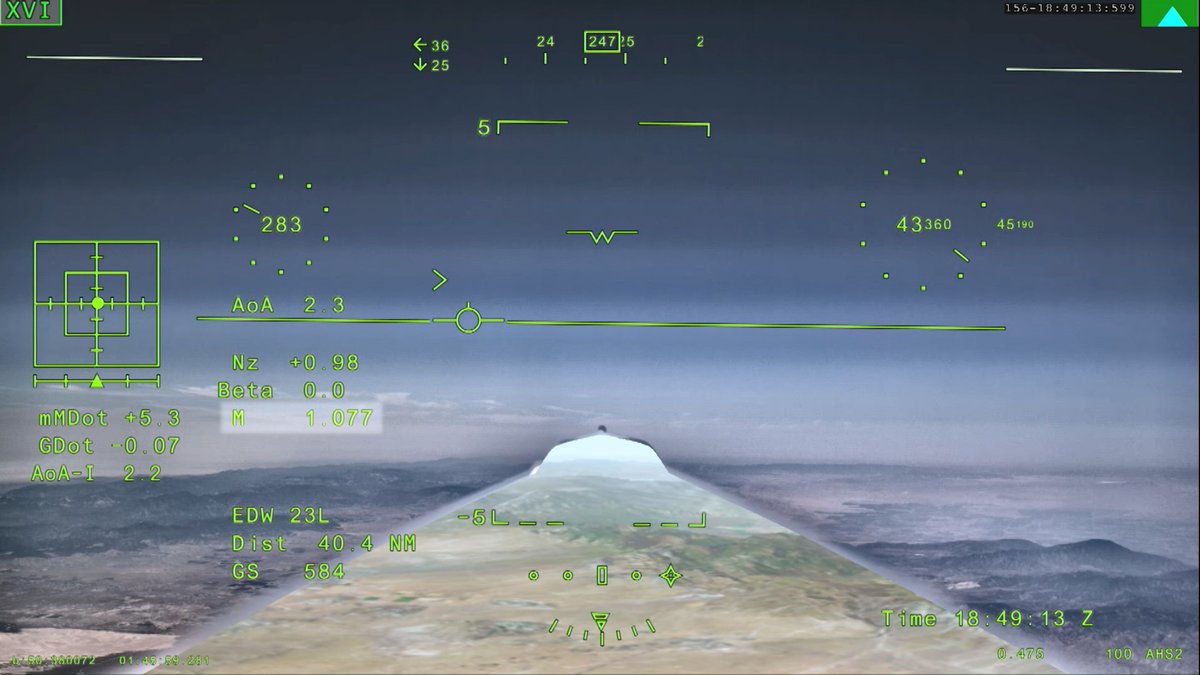
The display shows Mach 1.07, but the aircraft is actually at Mach 1.0. The difference comes from the system's calibration, which makes the shown value slightly higher than the true speed. The calibration will continue fine-tuning as we expand the X-59's flight envelope.
Learn more: go.nasa.gov/3S9qToV#NASA#X59#Quesst
✈️ JUST IN: The X-59 has gone supersonic!
The X-59 achieved supersonic speeds for the first time ever today — a major milestone for NASA’s Quesst mission and an important step toward upcoming flights that will demonstrate its quiet supersonic technology ahead of future community overflights.
Fast now. Quiet soon. 🔊➡️🤫
Learn more: go.nasa.gov/4o8gENs#NASA#X59#Quesst
ALT NASA’s X‑59 eXternal Vision System digital display shows green flight data overlaid on the forward scenery as the aircraft flies supersonic. Numerical indicators, horizon references, and a Mach‑number readout are visible on the screen.
NASA’s X-59 is preparing for upcoming flight tests at speeds faster than the speed of sound! 🤫
The X-59 team continues evaluating its performance across a range of flight conditions and is preparing for first supersonic flight.
More X-59: go.nasa.gov/4wUT36W
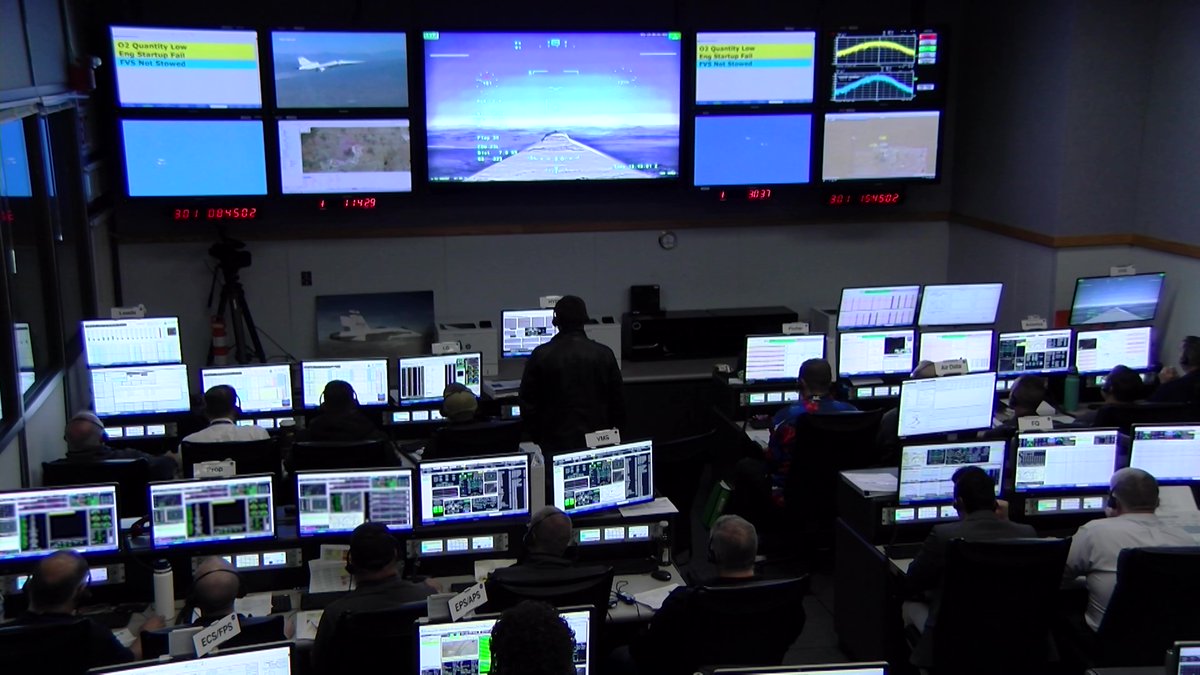
NASA’s home for flight test in action!
From cutting‑edge supersonic research to high‑altitude science and precision chase operations, this is flight research at its best.
Sound on 🔊
Learn more: nasa.gov/aeronautics
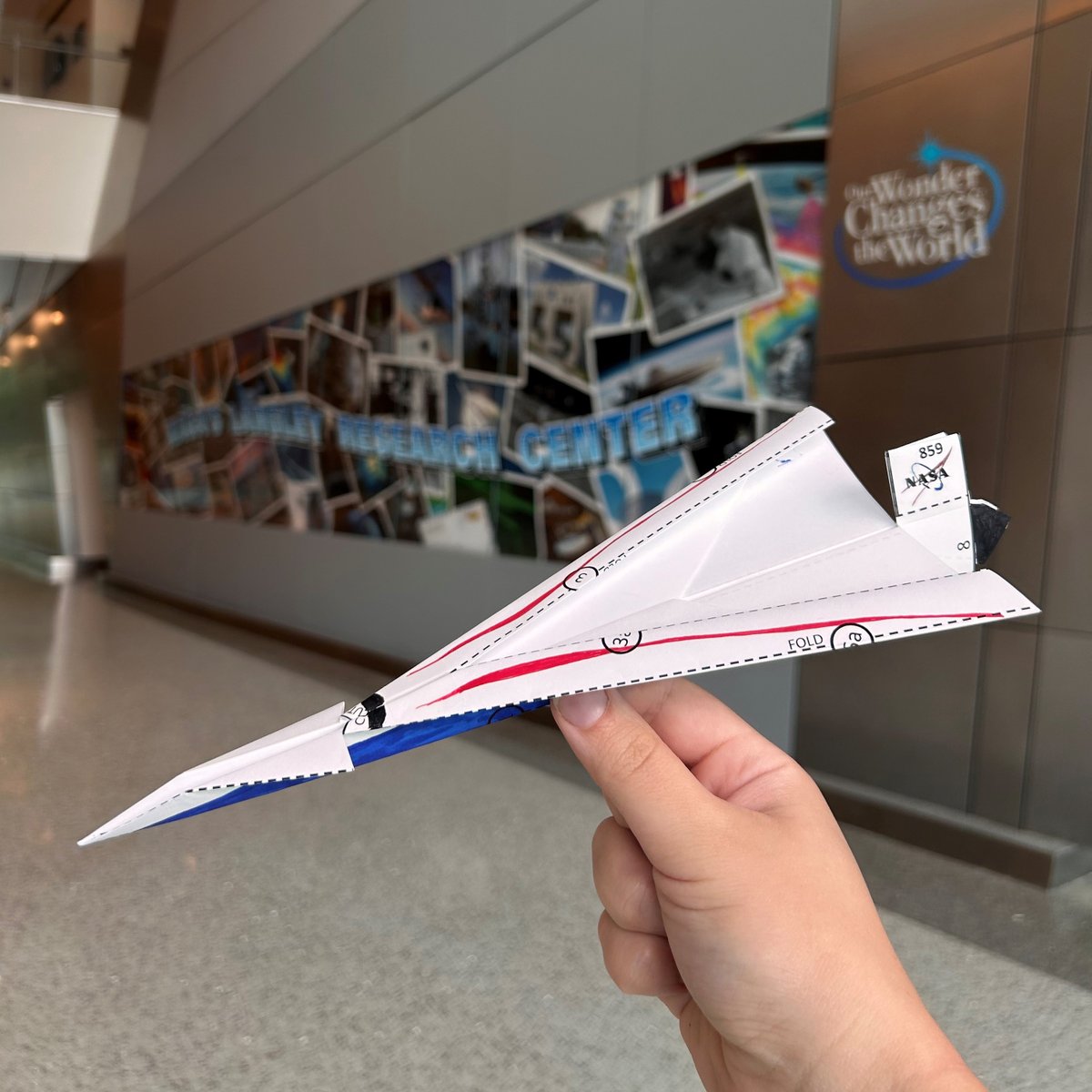
What better way to celebrate National Airplane Day than to make your own X-59 plane? ✈️
NASA’s Quesst mission aims to change how we all fly in the future.
➡️Learn how to make yours here: go.nasa.gov/42MVTxa
Every NASA Armstrong mission starts on the ground.
Our skilled maintenance crews keep a diverse fleet mission read to support high altitude science flights, supersonic research, and more. Their adaptability and expertise drives aeronautics and science research forward.
🔗: go.nasa.gov/4drw6kk#AviationMaintenanceTechnicianDay
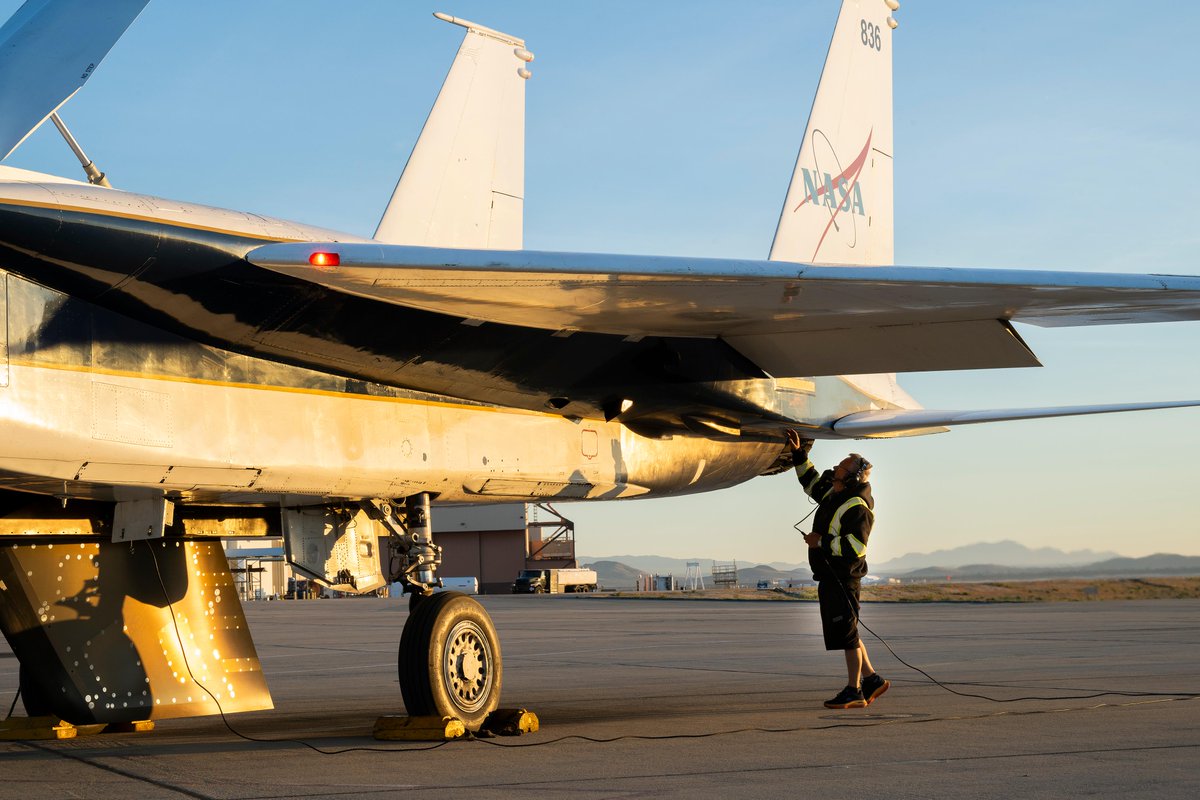
ALT NASA crew chief Walt Kondracki checks an F-15 aircraft Tuesday, March 17, 2026, at NASA’s Armstrong Flight Research Center in Edwards, California. Credit: NASA/Carla Escamilla
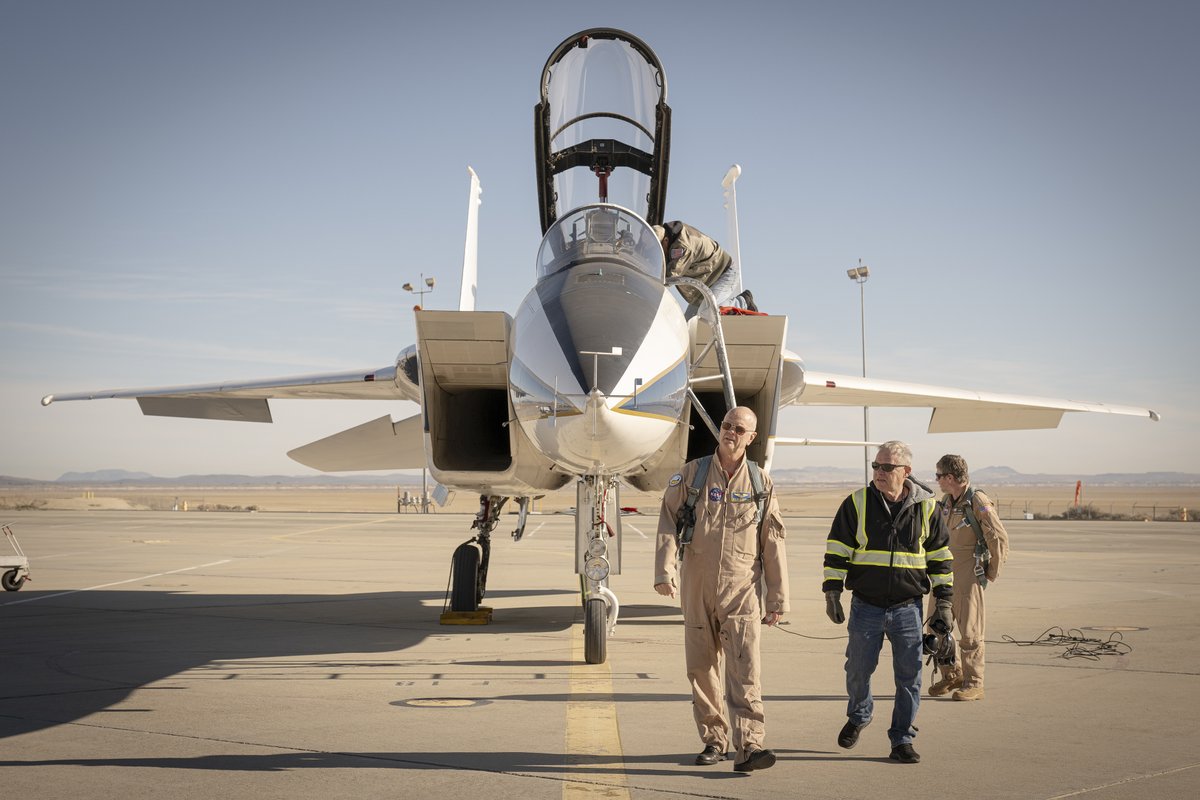
ALT NASA pilot Nils Larson, left, walks next to crew chief Walt Kondracki, right, by an F-15 aircraft Tuesday, Jan. 13, 2026, at NASA’s Armstrong Flight Research Center in Edwards, California. Credit: NASA/Christopher LC Clark
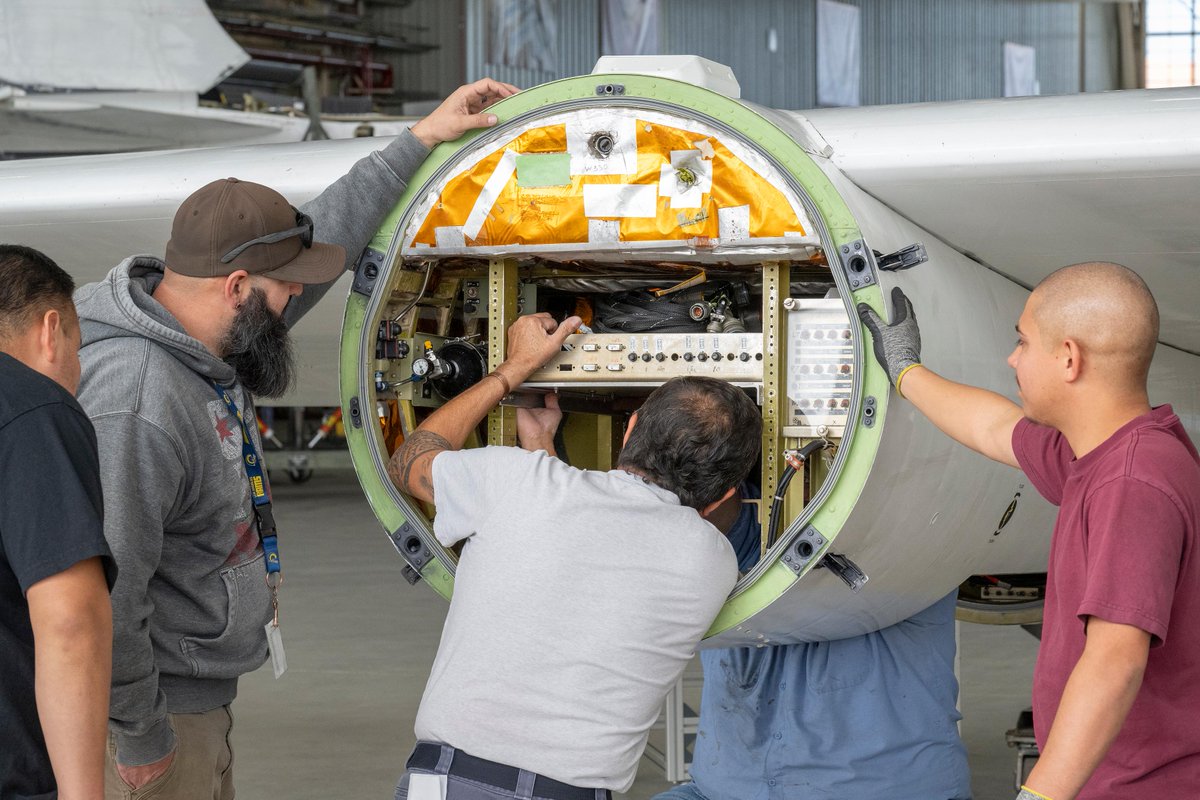
ALT From left, NASA avionics technician Jesse Orellana; quality assurance employee Jose Prieto; mechanic Francisco Rodriguez; and mechanic Vincent Moreno work on an ER-2 aircraft Monday, Jan. 26, 2026, at NASA’s Armstrong Flight Research Center in Edwards, California. Credit: NASA/Christopher LC Clark
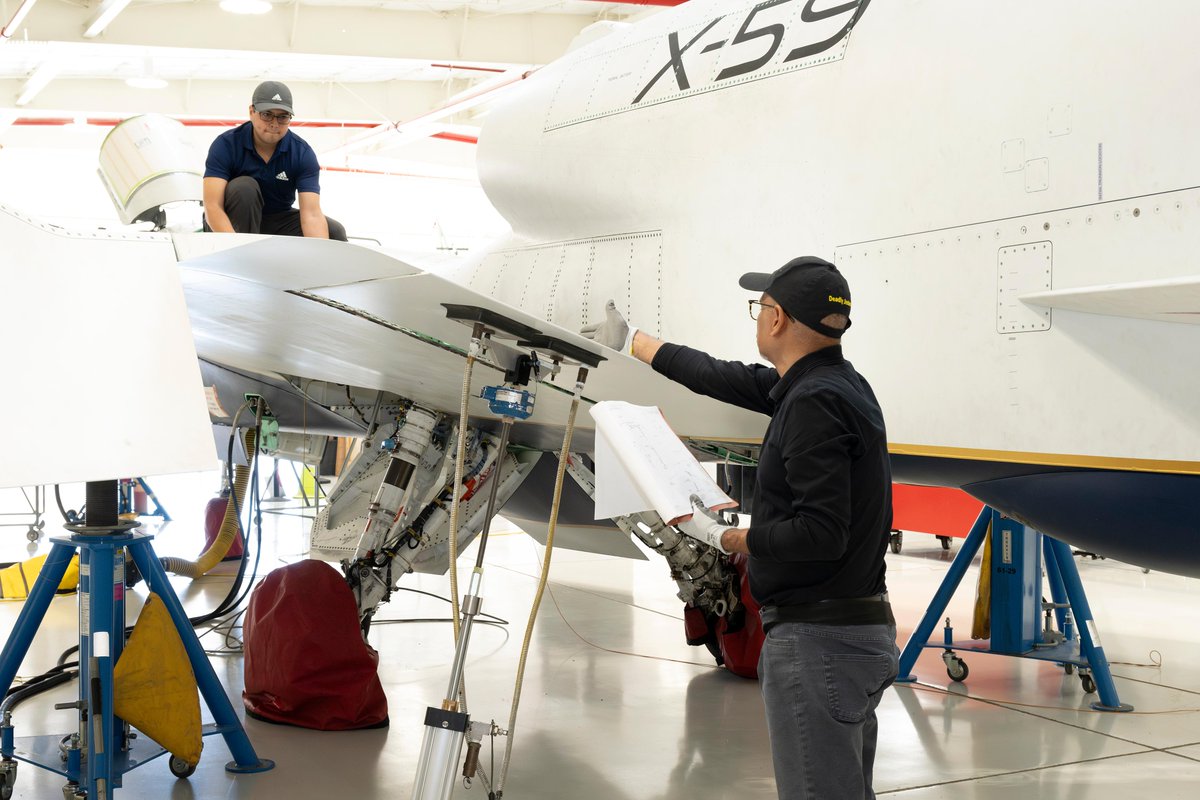
NASA’s X-59 is undergoing scheduled maintenance after completing a series of high- and low-altitude flights.
Teams at NASA Armstrong are inspecting internal systems to ensure the aircraft is ready for its next test series.
The X-59 will return to flight soon.
🔗: go.nasa.gov/4drvR8U
ALT NASA’s X-59 quiet supersonic research aircraft undergoes maintenance inside Hangar 4826 at NASA’s Armstrong Flight Research Center in Edwards, California, on Feb. 24, 2026. Credit: NASA/Carla Thomas
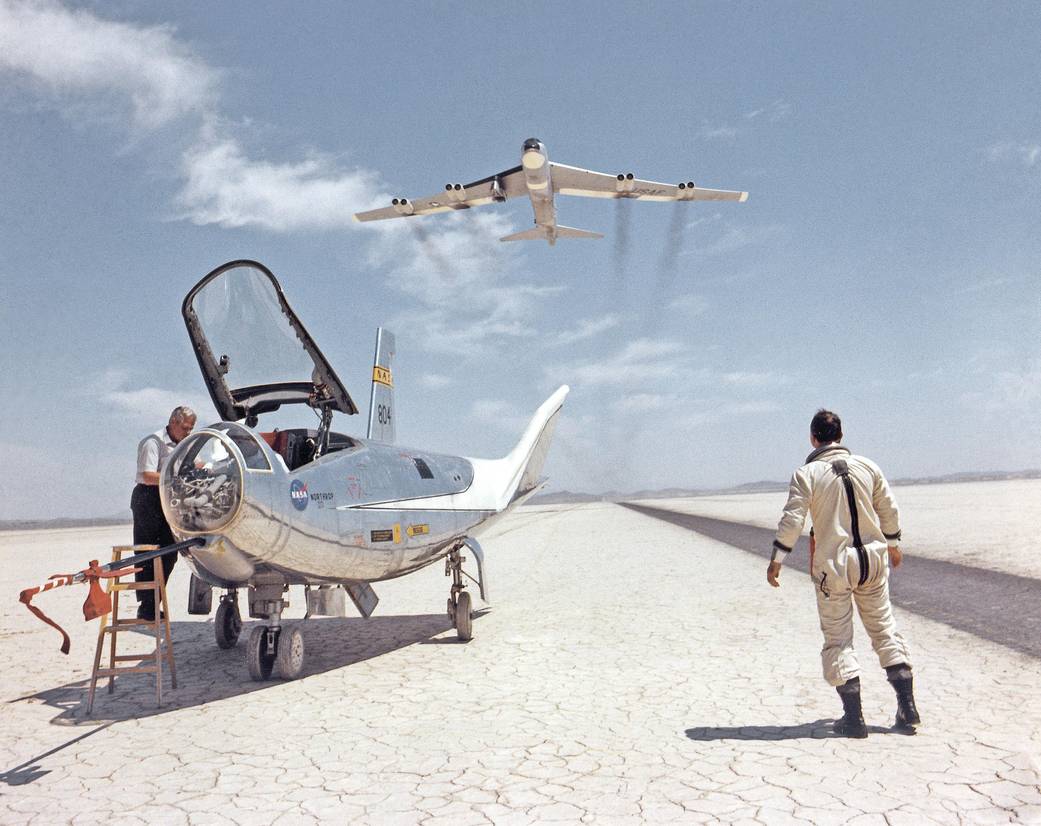
As the Apollo 11 vehicle was rolling to the launch pad in Florida OTD in 1969, across the country in the California desert NASA test pilot Bill Dana (right) was flying the wingless HL-10 lifting body (left).
NASA's lifting body program paved the way for the space shuttle by showing that a wingless craft could glide to a landing like an airplane.
ALT NASA research pilot Bill Dana takes a moment to watch NASA's NB-52B cruise overhead after a research flight in the HL-10. On the left, John Reeves can be seen at the cockpit of the lifting body. The dry lake bed at NASA Armstrong shines brightly in the sun.
Culmination of wing research = flight test 🪽
NASA’s Crossflow Attenuated Natural Laminar Flow (CATNLF) project completed flight testing of a scale-model wing flown under an F-15 aircraft to help lower fuel costs for future commercial aircraft.
Look inside NASA’s hangars, wind tunnels, labs, and flight control rooms to follow the work behind this game-changing technology.
Link to full video: go.nasa.gov/4u1X1s5
X-59 pilots reporting for Reddit AMA duties 🫡
✈️What is the top speed?
✈️How will it quiet the boom?
✈️How long is the nose?
🍗Drums or flats?
Ask away on Reddit: reddit.com/r/nasa/
What's it like to fly NASA's experimental, quiet supersonic aircraft?
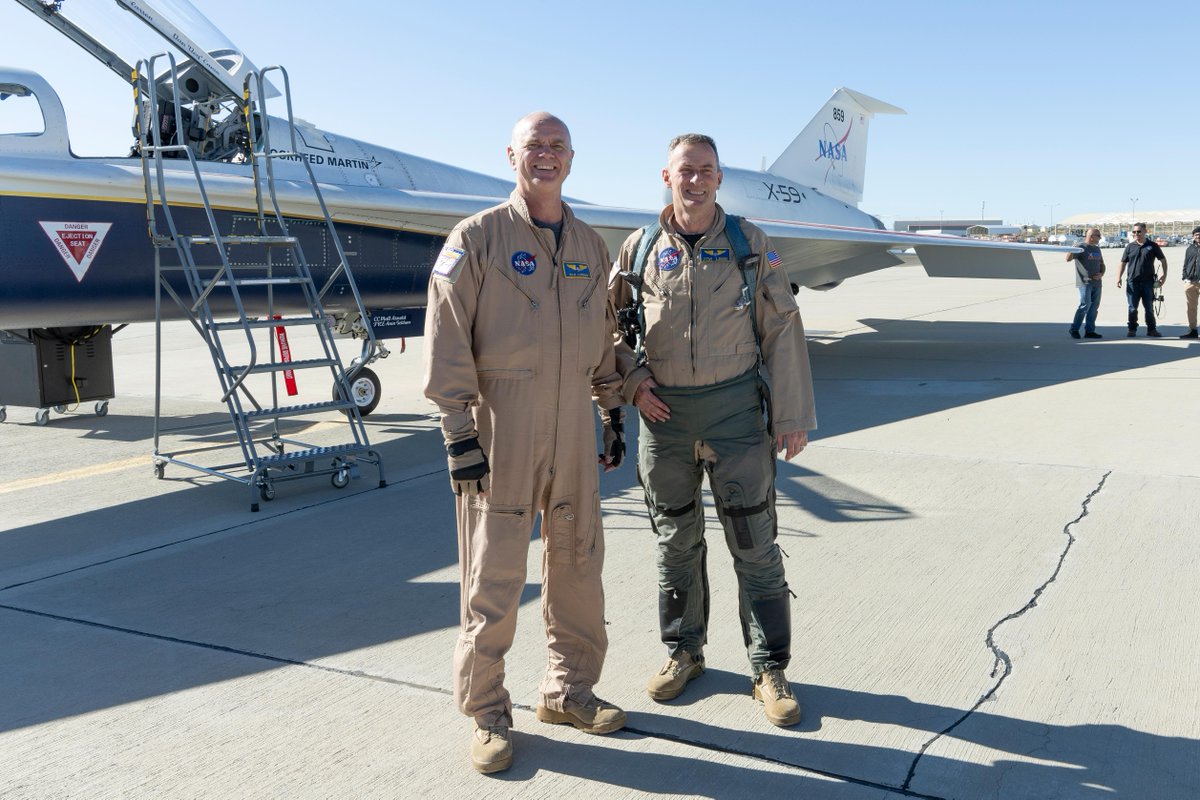
We're hosting a @Reddit AMA with our X-59 test pilots on Monday, May 18. Stop by and share your questions! reddit.com/r/nasa/
ALT NASA's two X-59 test pilots, wearing tan flight suits, stand on the runway in front of their quiet supersonic X-59 plane. The sky behind them is bright and blue. Credit: NASA/Genaro Vavuris
What's it like to fly NASA's experimental, quiet supersonic aircraft?
We're hosting a @Reddit AMA with our X-59 test pilots on Monday, May 18. Stop by and share your questions! reddit.com/r/nasa/
ALT NASA's two X-59 test pilots, wearing tan flight suits, stand on the runway in front of their quiet supersonic X-59 plane. The sky behind them is bright and blue. Credit: NASA/Genaro Vavuris
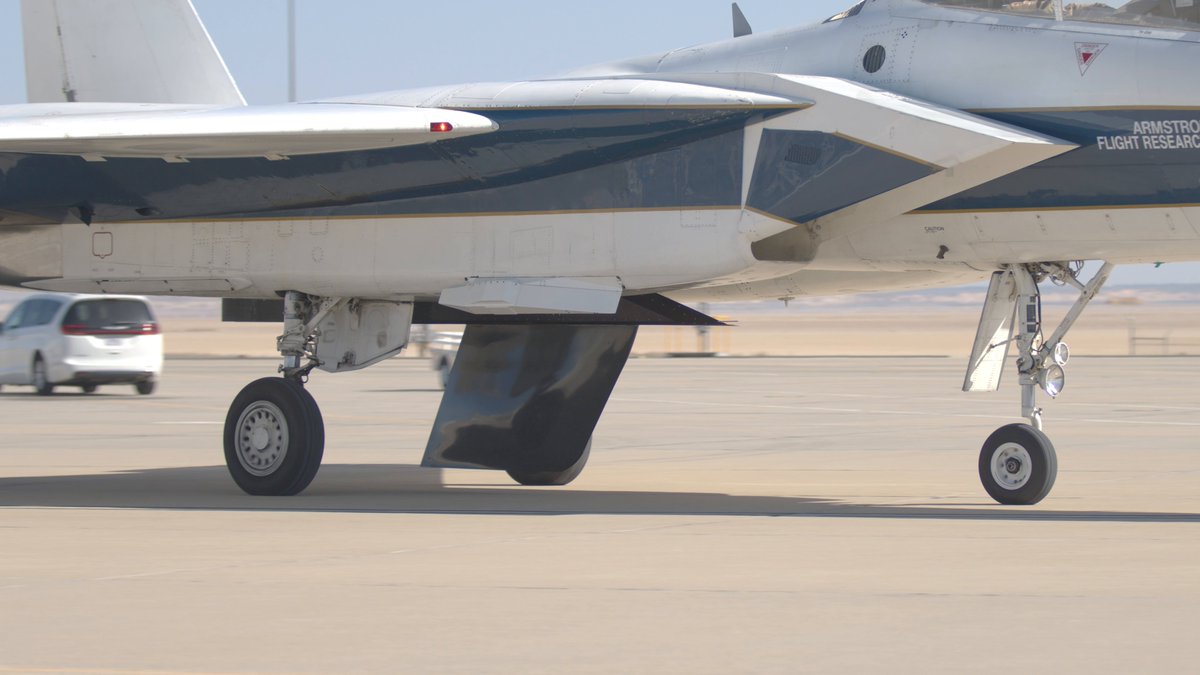
59 seconds on NASA’s X-59: The Landing Gear ✈️
NASA test pilot Nils Larson shares a behind-the-scenes look at the X-59’s landing gear — from its F-16 origins to the role it plays during flight and landing.
As testing continues, NASA’s one-of-a-kind X-plane moves closer to demonstrating quiet supersonic flight. ✨