
The Armstrong Flight Research Center is NASA's primary center for atmospheric flight research & operations.
- Tweets 9,042
- Following 108
- Followers 509,089
- Likes 4,199


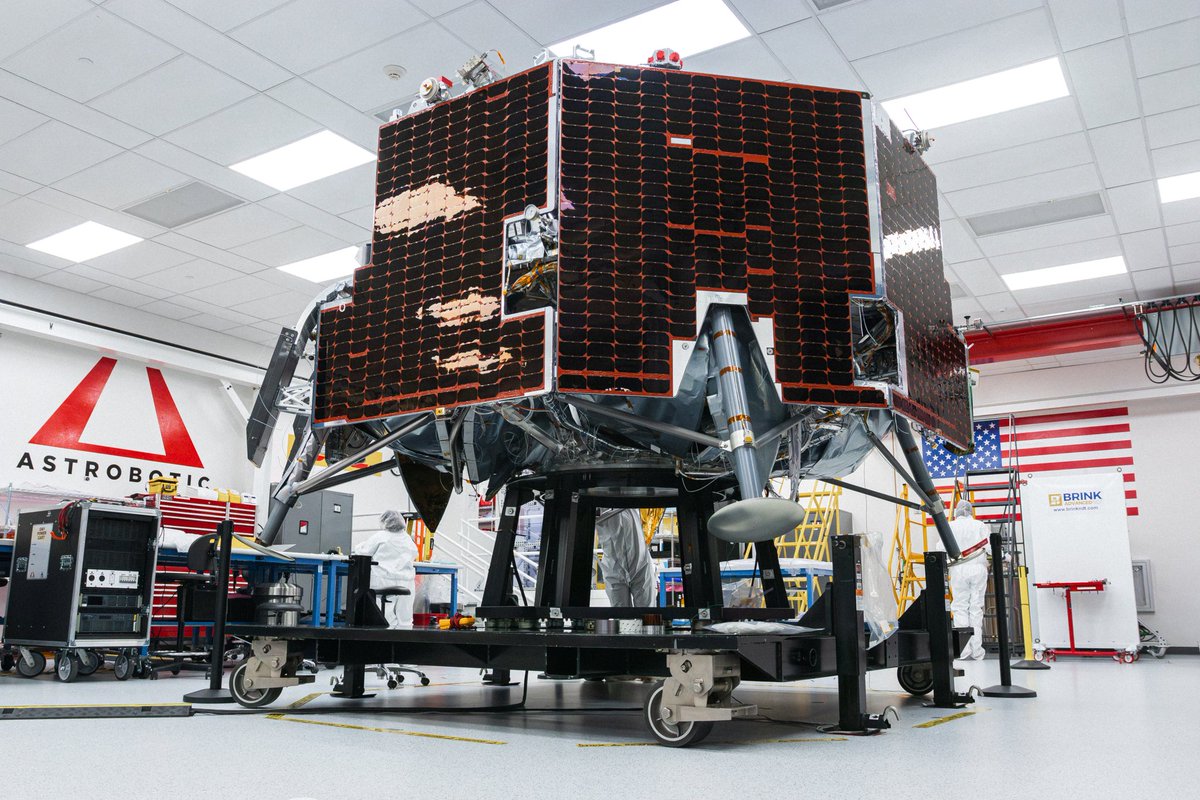
ALT Astrobotic’s Griffin-1 lunar lander sits inside a clean room at the company’s facility. The lander is covered in dark solar panels and mounted on a wheeled test stand. Engineers in white clean-room attire work nearby, with the Astrobotic logo and a large American flag visible in the background. Credit: Astrobotic
ALT Our thoughts are with everyone at Edwards Air Force Base and across the Antelope Valley community following yesterday's B‑52 crash. NASA stands with our neighbors and all who are affected during this difficult time. — NASA's Armstrong Flight Research Center

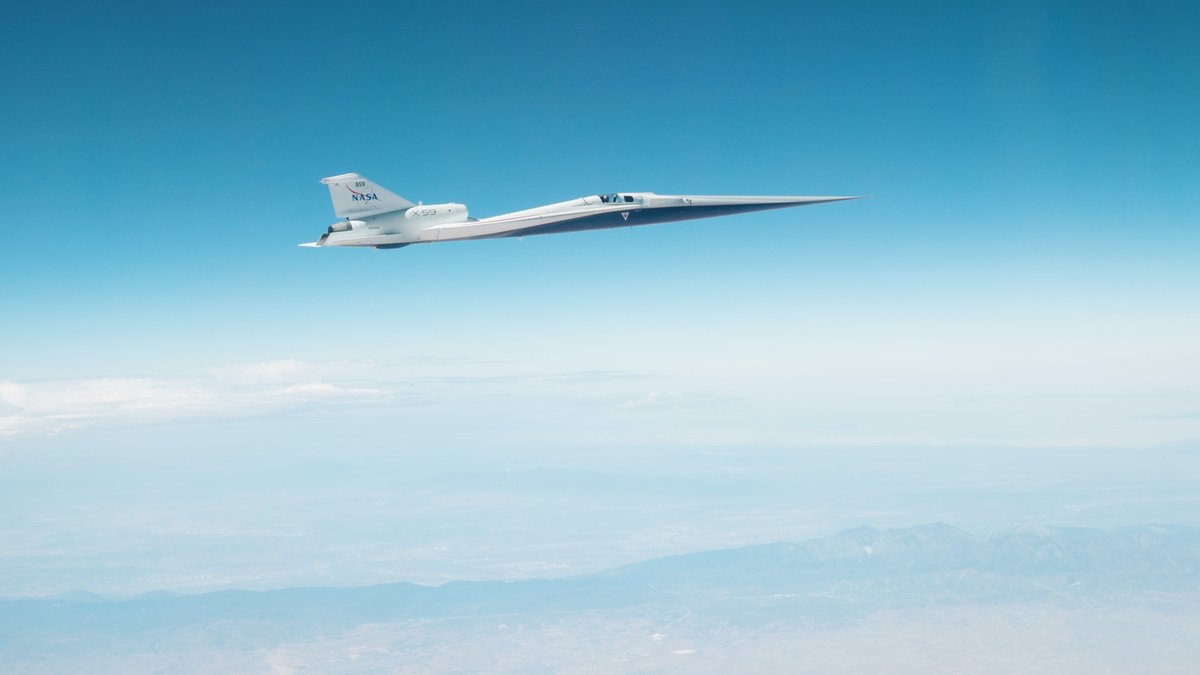
ALT NASA’s X-59 quiet supersonic research aircraft reached its target speed and altitude for future community overflights for the first time during a flight on Friday, June 12, 2026. The milestone marked the first time the aircraft flew at Mach 1.4 and 55,000 feet — conditions it will fly when gathering community response data to its quiet sonic thump.
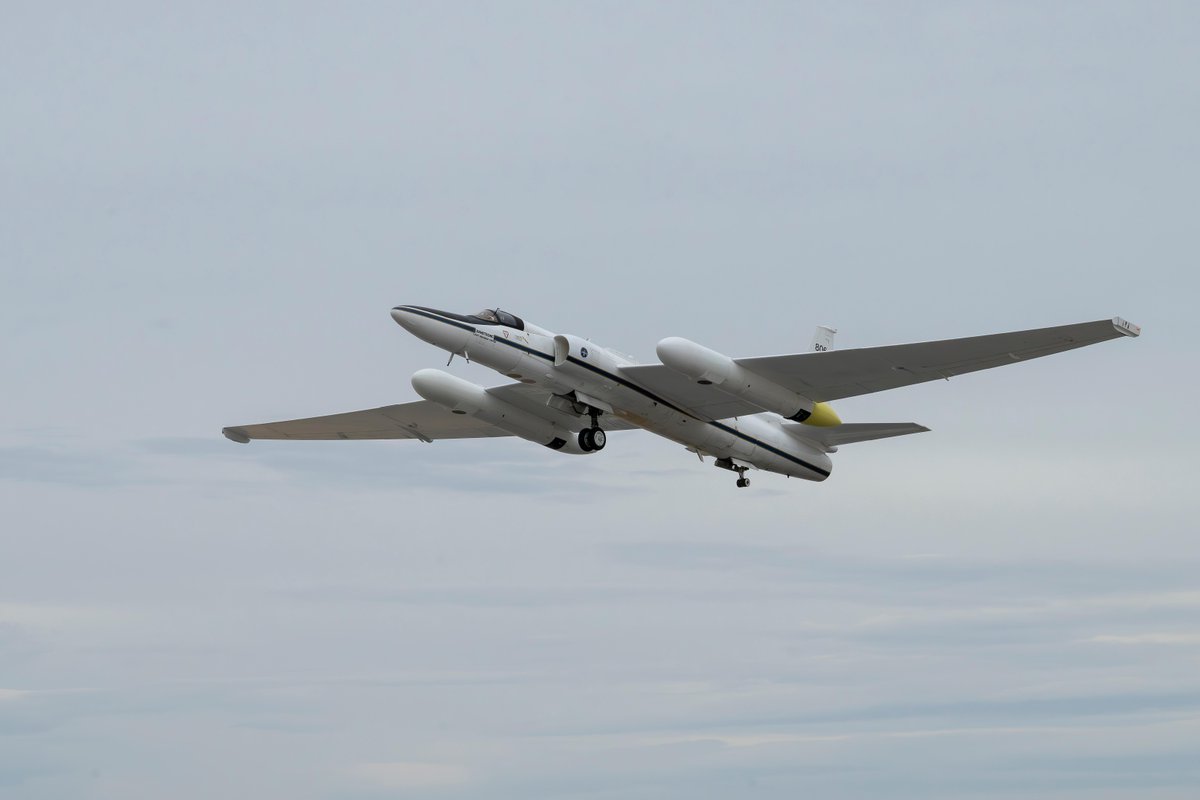
ALT A NASA ER-2 high-altitude aircraft takes off from NASA’s Armstrong Flight Research Center in Edwards California on Tuesday, March 31, 2026, to support the Geological Earth Mapping Experiment (GEMx) airborne science mission. Credit: NASA/Carla Escamilla
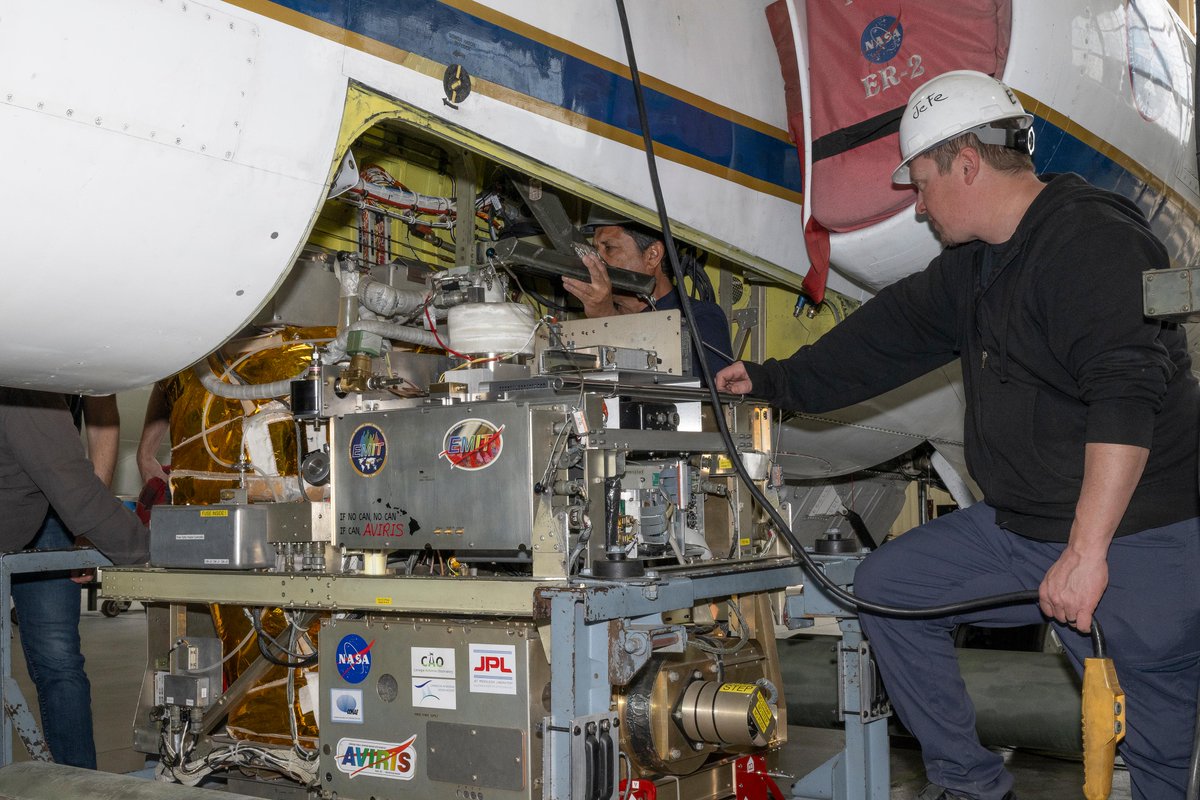
ALT Mechanic Francisco Rodriguez and crew chief Darin Whittington installed the Airborne Visible/Infrared Imaging Spectrometer (AVIRIS) instrument into a NASA ER-2 high-altitude aircraft at NASA’s Armstrong Flight Research Center in Edwards, California, on Wednesday, March 11, 2026. Credit: NASA/Jim Ross

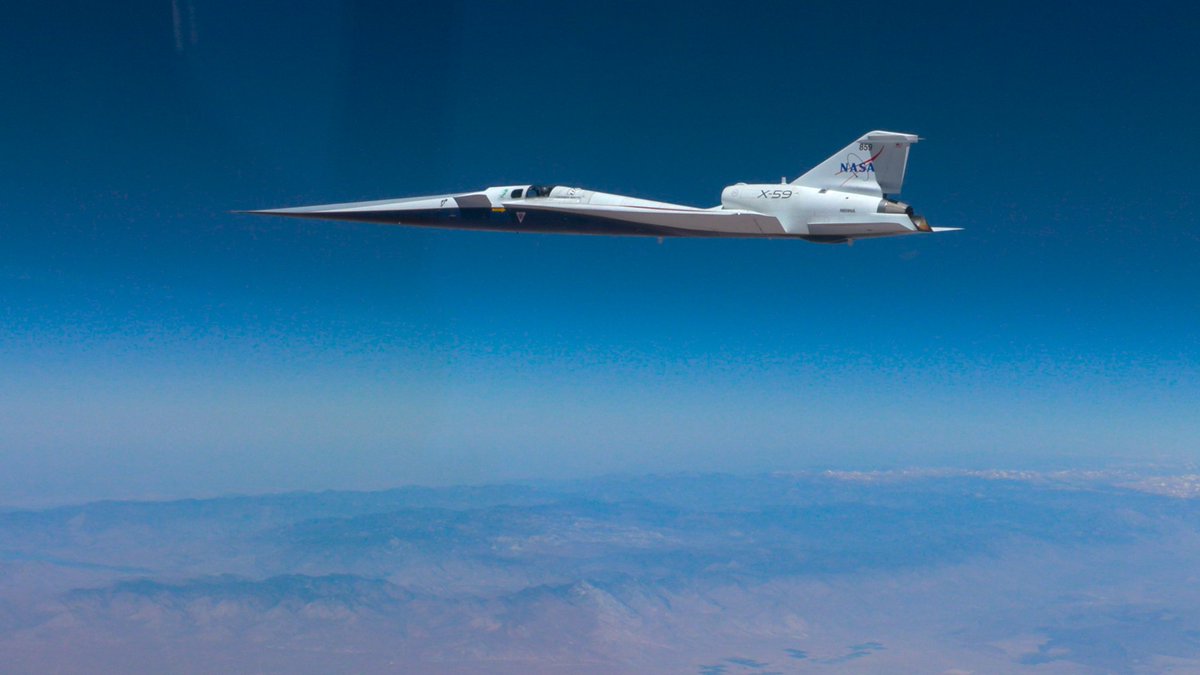
ALT NASA’s X-59 quiet supersonic research aircraft completed its first supersonic flight Friday, June 5, 2026, marking the first time the aircraft exceeded the speed of sound in support of NASA’s Quesst mission. The milestone represents a major step in flight testing as the aircraft expands into the supersonic portion of its flight envelope. Credit: NASA / Lori Losey
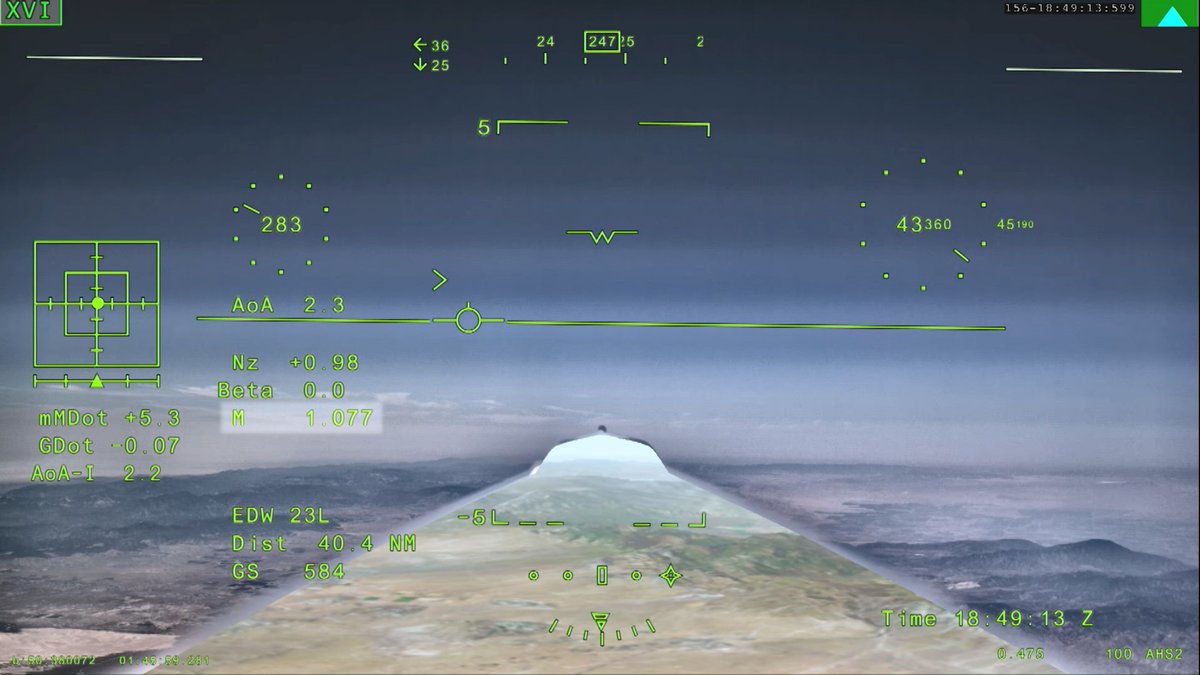
ALT NASA’s X‑59 eXternal Vision System digital display shows green flight data overlaid on the forward scenery as the aircraft flies supersonic. Numerical indicators, horizon references, and a Mach‑number readout are visible on the screen.

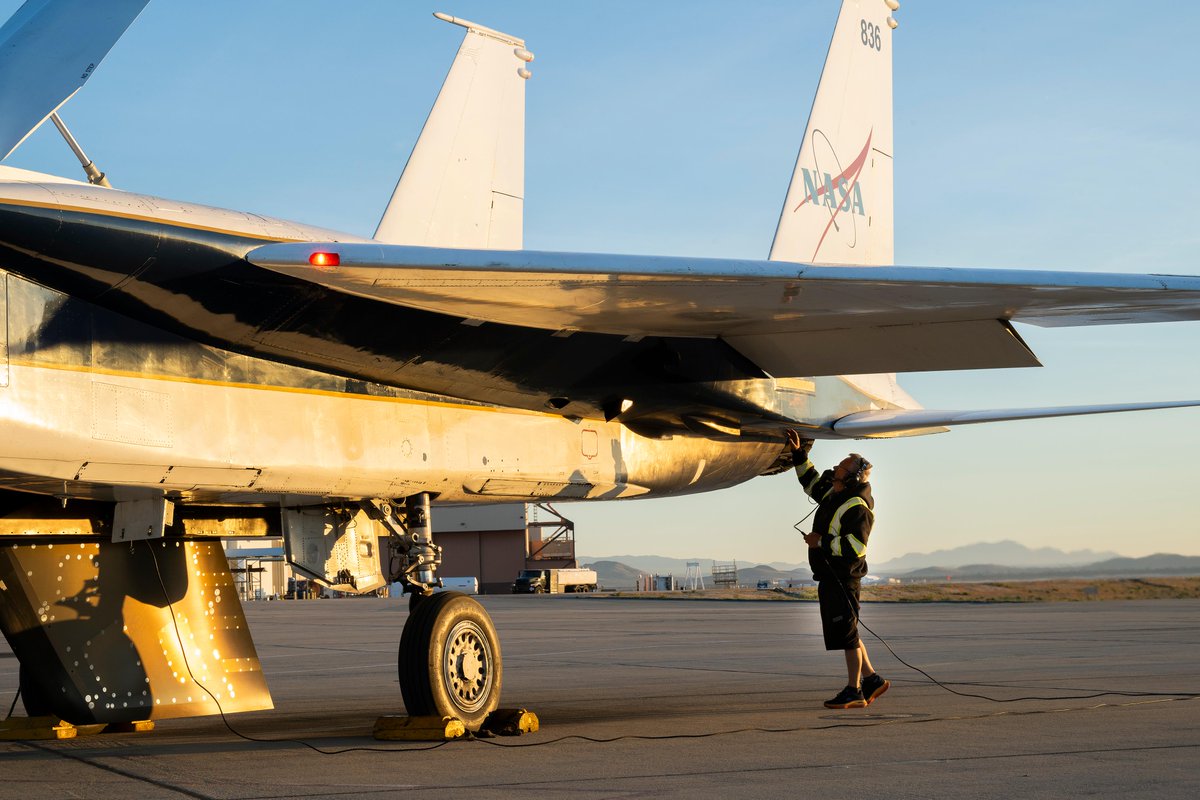
ALT NASA crew chief Walt Kondracki checks an F-15 aircraft Tuesday, March 17, 2026, at NASA’s Armstrong Flight Research Center in Edwards, California. Credit: NASA/Carla Escamilla
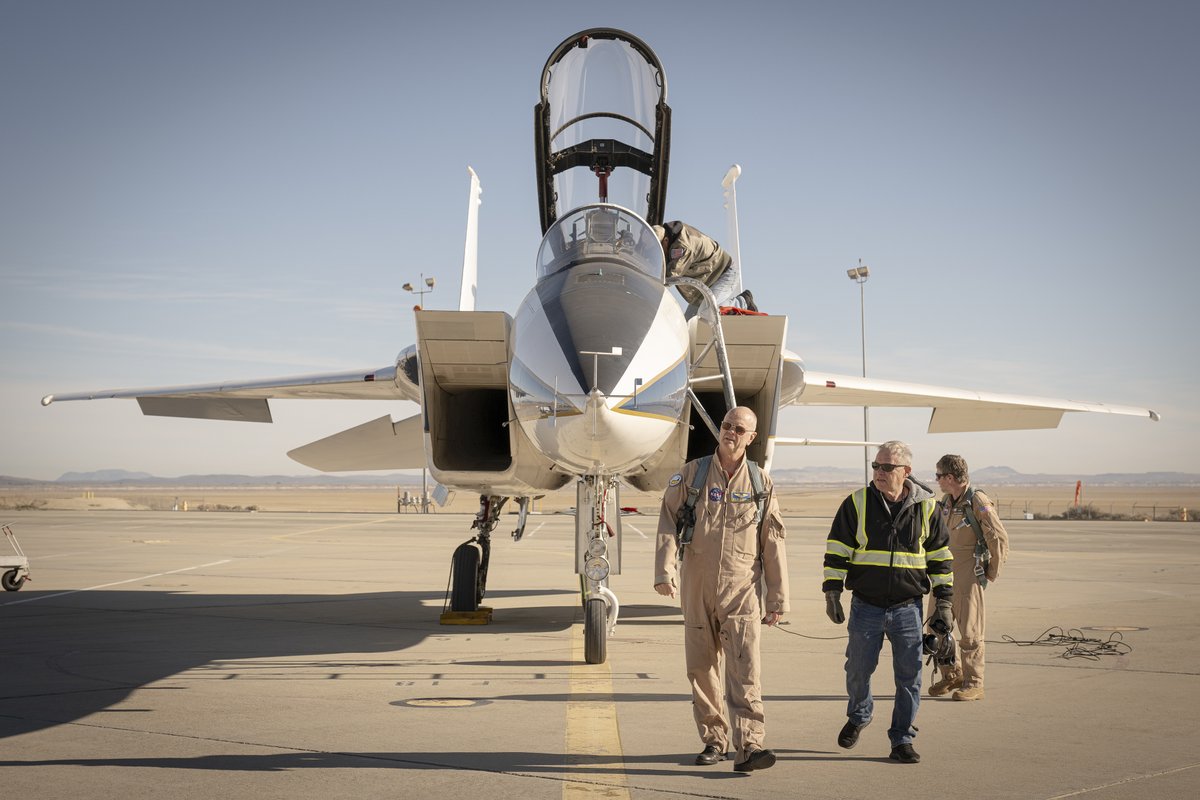
ALT NASA pilot Nils Larson, left, walks next to crew chief Walt Kondracki, right, by an F-15 aircraft Tuesday, Jan. 13, 2026, at NASA’s Armstrong Flight Research Center in Edwards, California. Credit: NASA/Christopher LC Clark
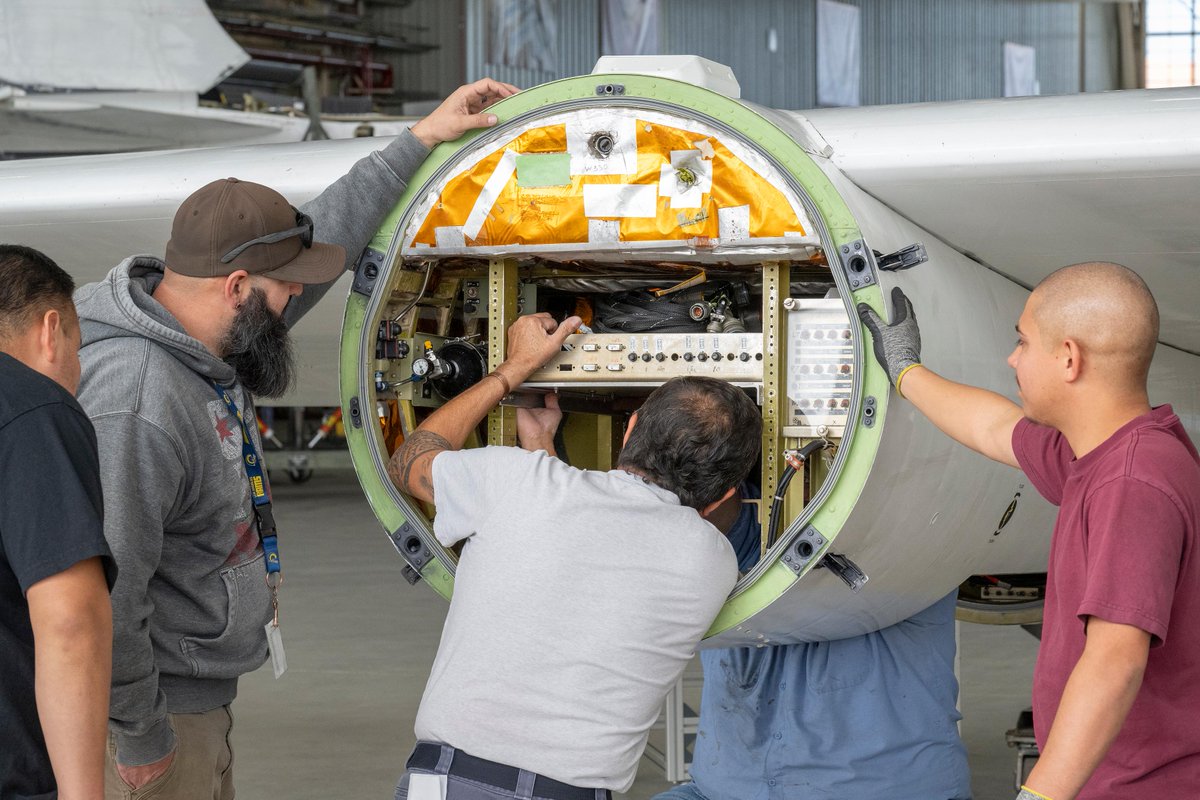
ALT From left, NASA avionics technician Jesse Orellana; quality assurance employee Jose Prieto; mechanic Francisco Rodriguez; and mechanic Vincent Moreno work on an ER-2 aircraft Monday, Jan. 26, 2026, at NASA’s Armstrong Flight Research Center in Edwards, California. Credit: NASA/Christopher LC Clark
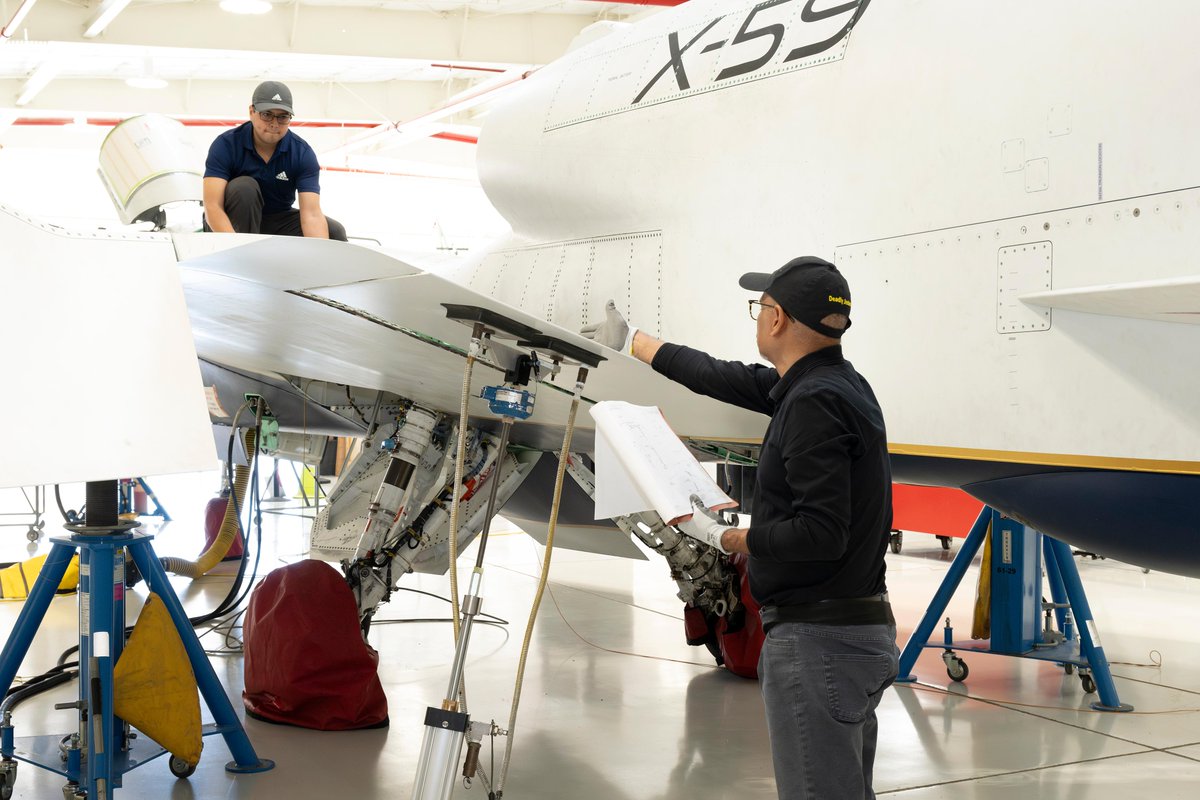
ALT NASA’s X-59 quiet supersonic research aircraft undergoes maintenance inside Hangar 4826 at NASA’s Armstrong Flight Research Center in Edwards, California, on Feb. 24, 2026. Credit: NASA/Carla Thomas

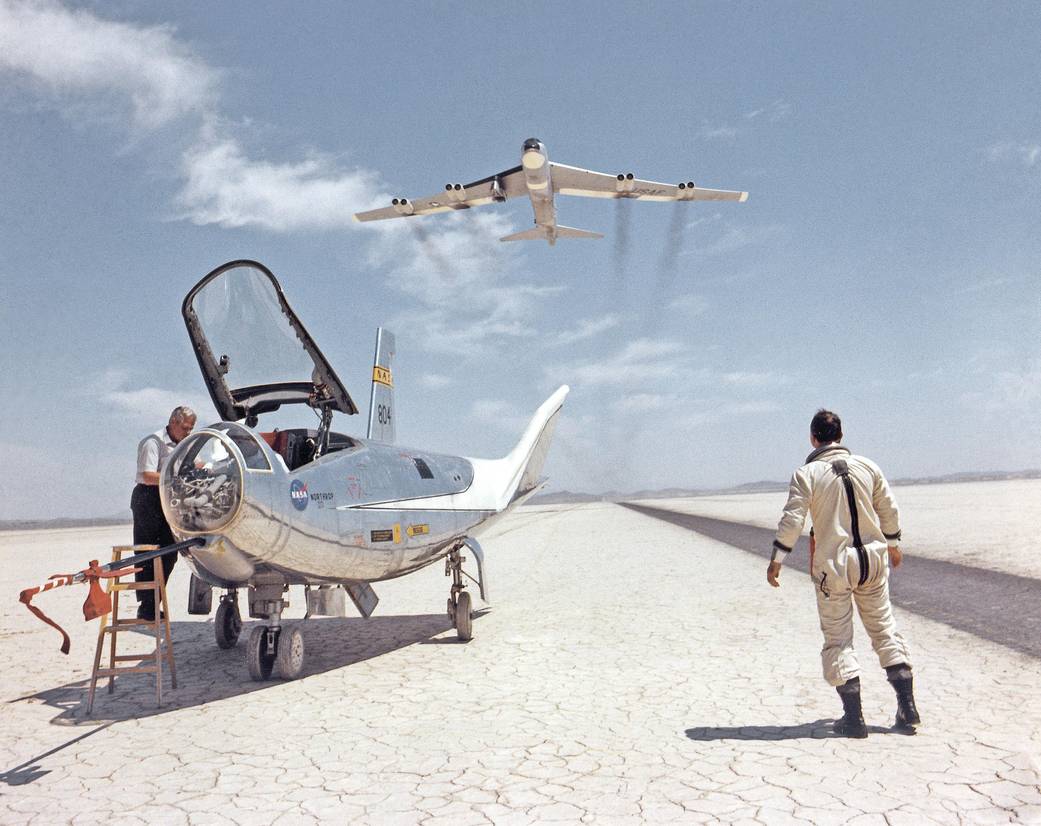
ALT NASA research pilot Bill Dana takes a moment to watch NASA's NB-52B cruise overhead after a research flight in the HL-10. On the left, John Reeves can be seen at the cockpit of the lifting body. The dry lake bed at NASA Armstrong shines brightly in the sun.