Holding state government & entities that receive public money accountable, working on behalf of North Carolinians to eliminate waste, fraud, & abuse.

Joined January 2013
1,153 Photos and videos
It’s a proud day to be a hockey fan in North Carolina. Congratulations to the players, coaches, staff, and fans of the Carolina Hurricanes on an incredible season and their Stanley Cup Finals victory!
3
6
103
Hear about some of the new technology OSA’s Investigative Division is using to identify fraud from Deputy State Auditor Beth Ray in our first podcast episode! Find Let’s Add it Up with Auditor Dave Boliek on all your favorite podcast platforms.
1
4
368
North Carolina Office of the State Auditor retweeted
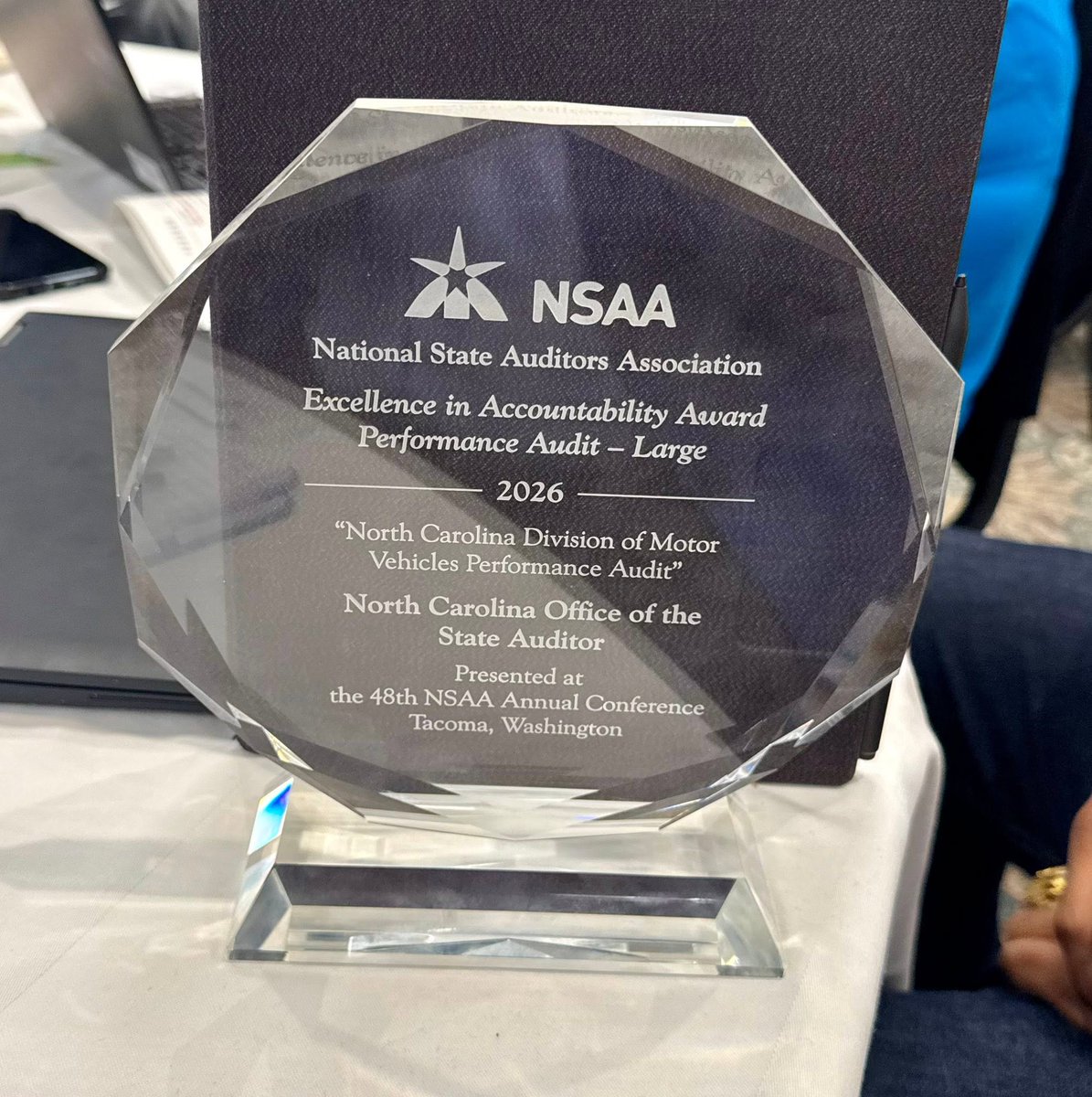
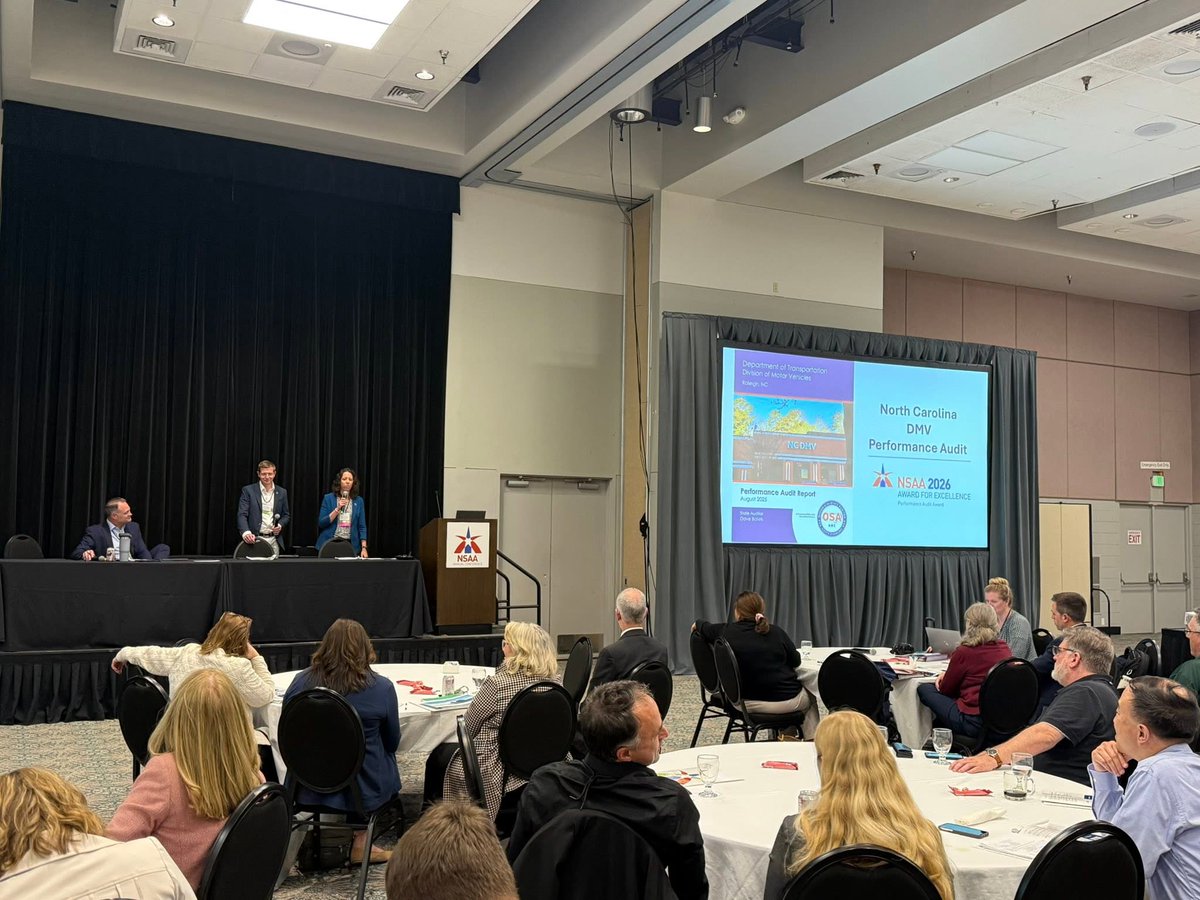
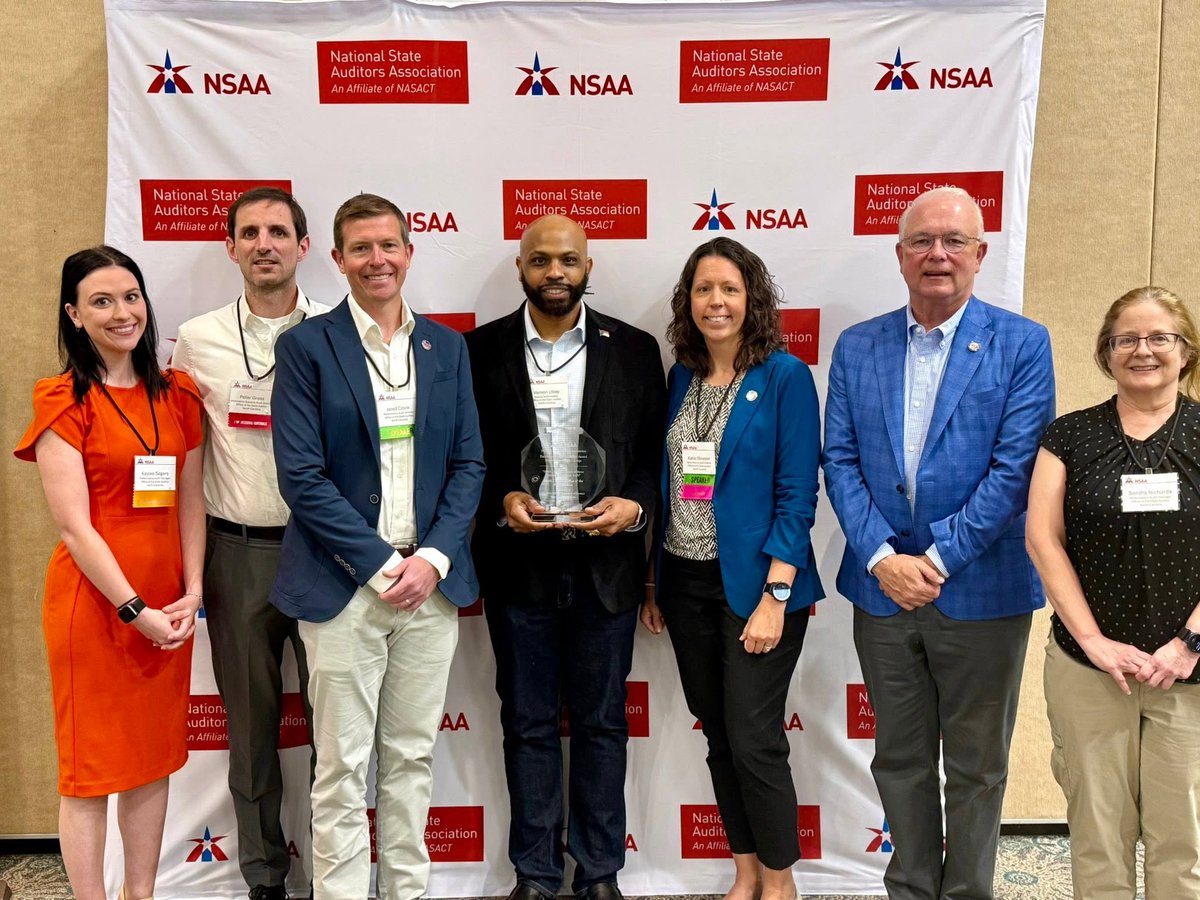
North Carolinians can be proud of the team at the Office of State Auditor. Yesterday, at the National State Auditors Association annual conference, the team was recognized with the “Excellence in Accountability Award” for the audit we completed on the Division of Motor Vehicles!
2
2
6
220
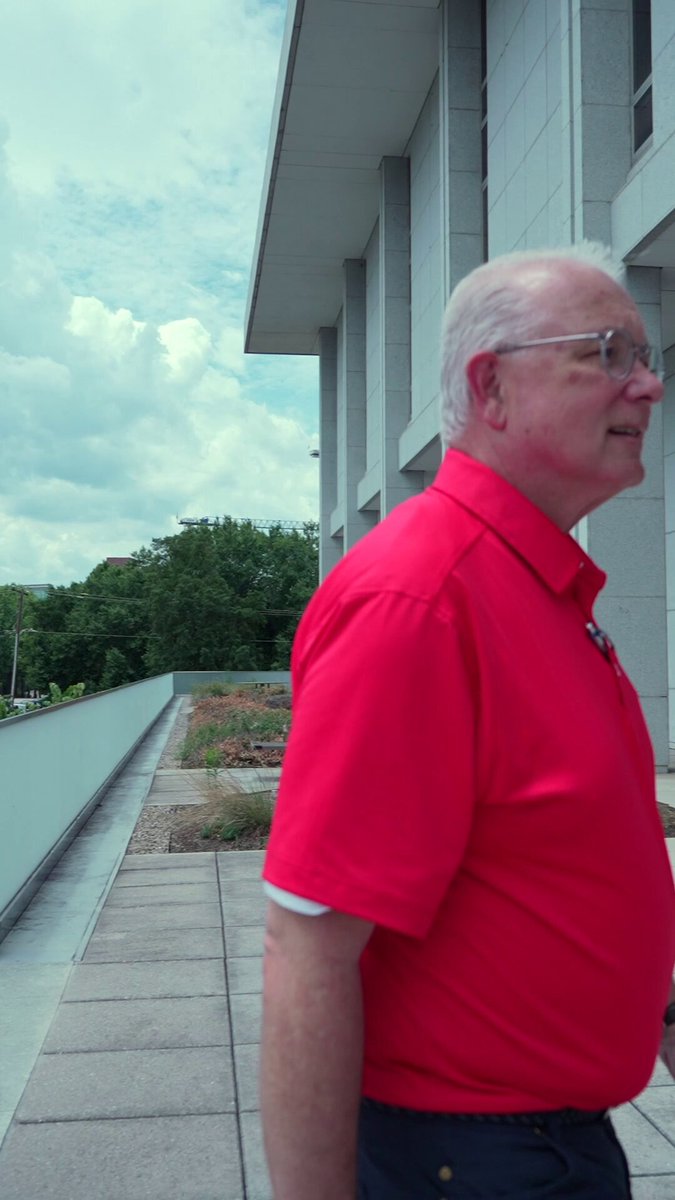
State Auditor Dave Boliek visits the State Archives of North Carolina and discusses the history of the Office of the State Auditor and its role in promoting transparency and accountability in government.
3
8
331
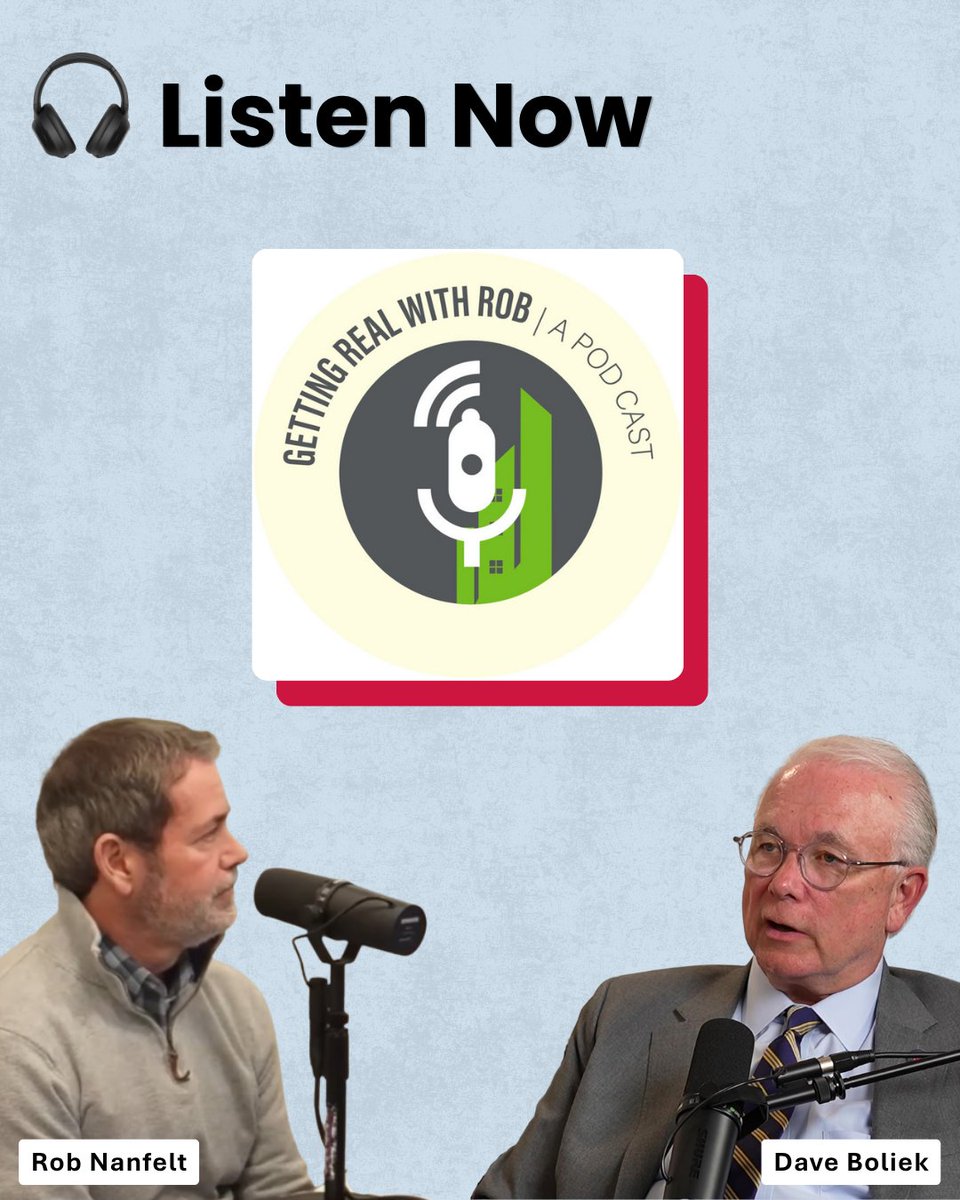
State Auditor Dave Boliek joins REBIC Executive Director Rob Nanfelt to discuss his background, priorities, and the future of the Office of the State Auditor. Listen to the full conversation (link below)
2
1
3
342
North Carolina Office of the State Auditor retweeted
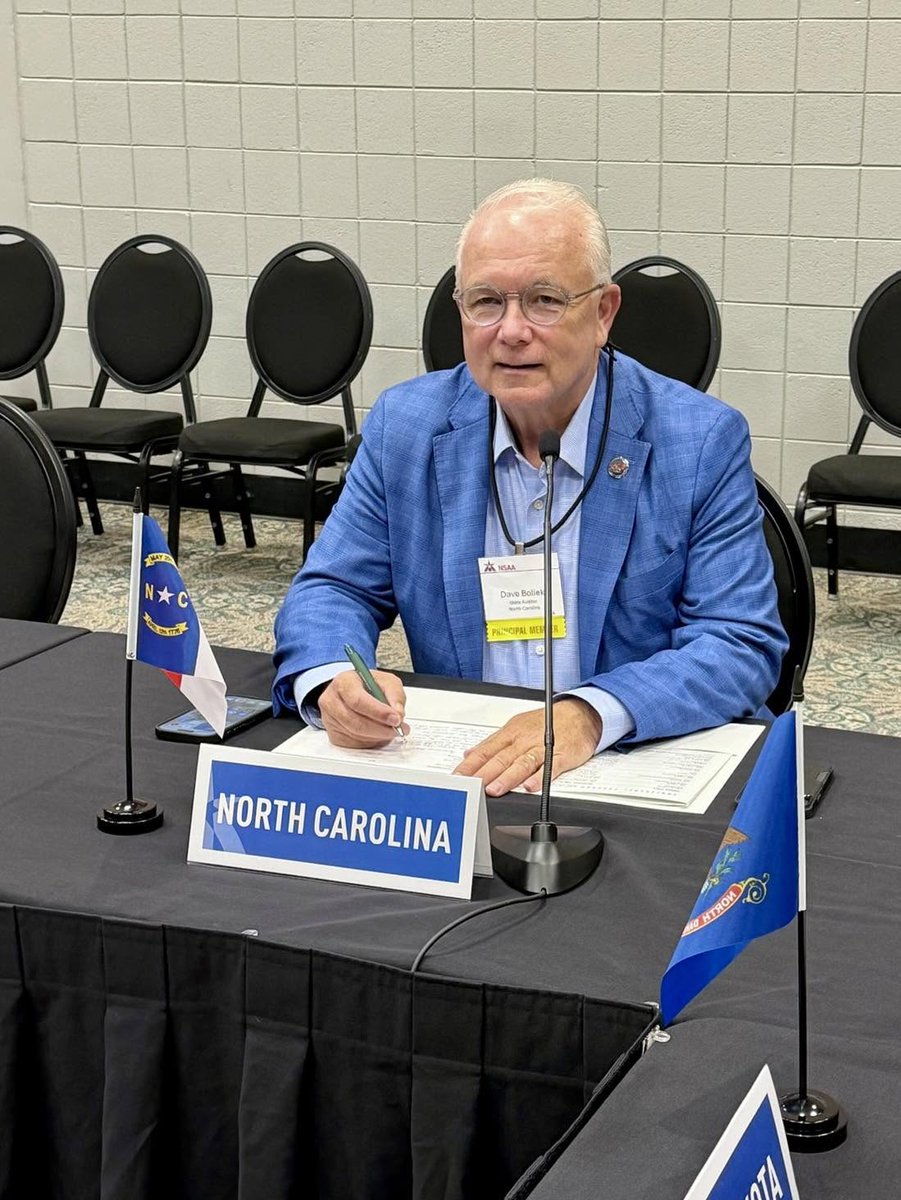
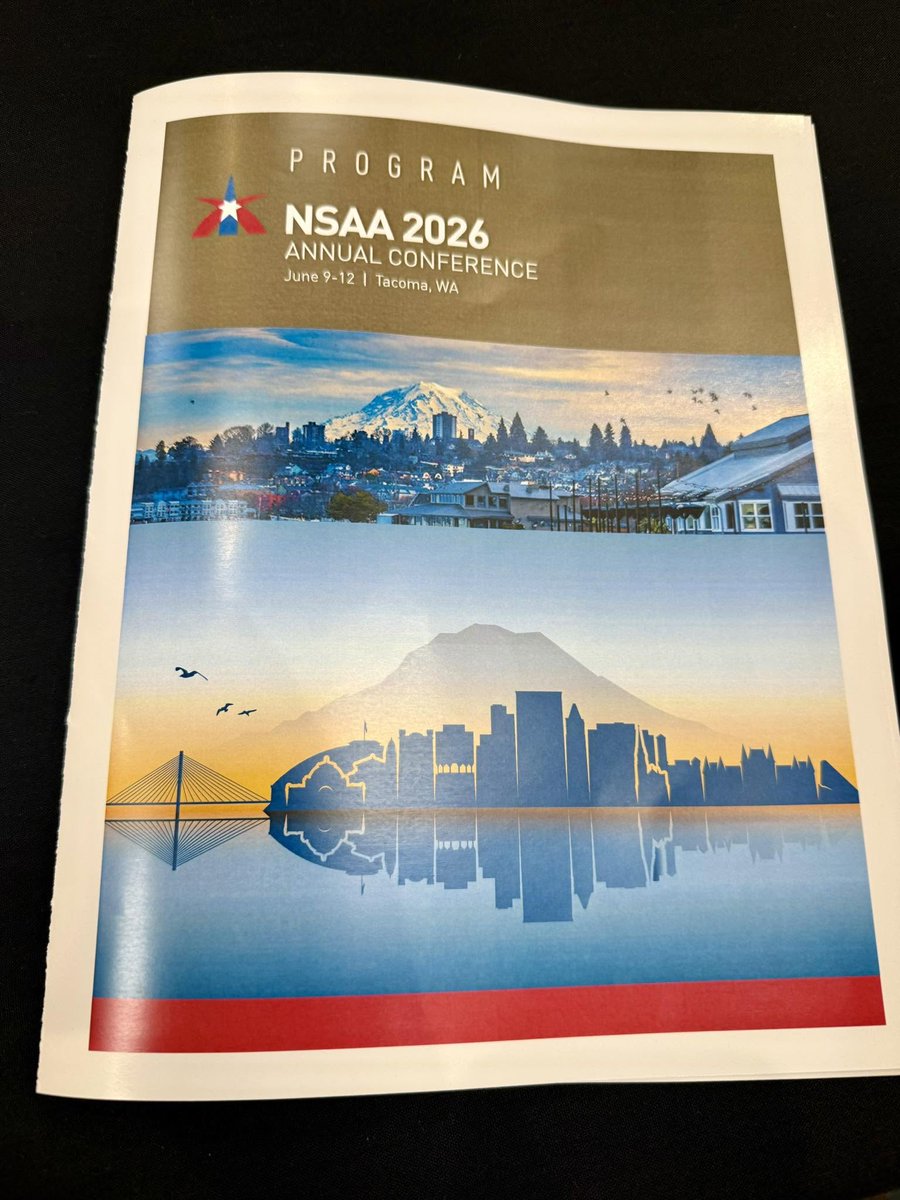
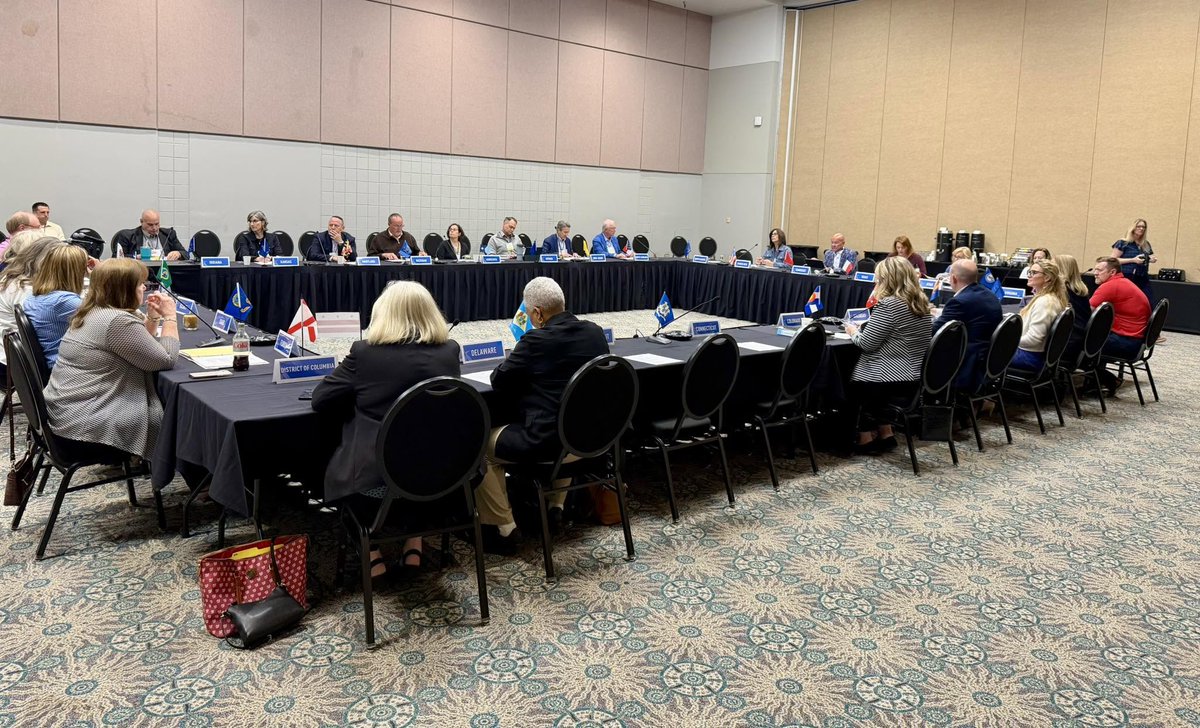
Proud to represent the people of North Carolina at the National State Auditor’s Association annual conference with auditors from across the nation. Thursday of this week, OSA will present at a session honoring our team with the "Excellence in Accountability Award - Large Performance Audit" for our DMV audit! The DMV (Division of Motor Vehicles) audit has led to a shared priority of government in N.C. Real results, for real people!
3
2
6
368
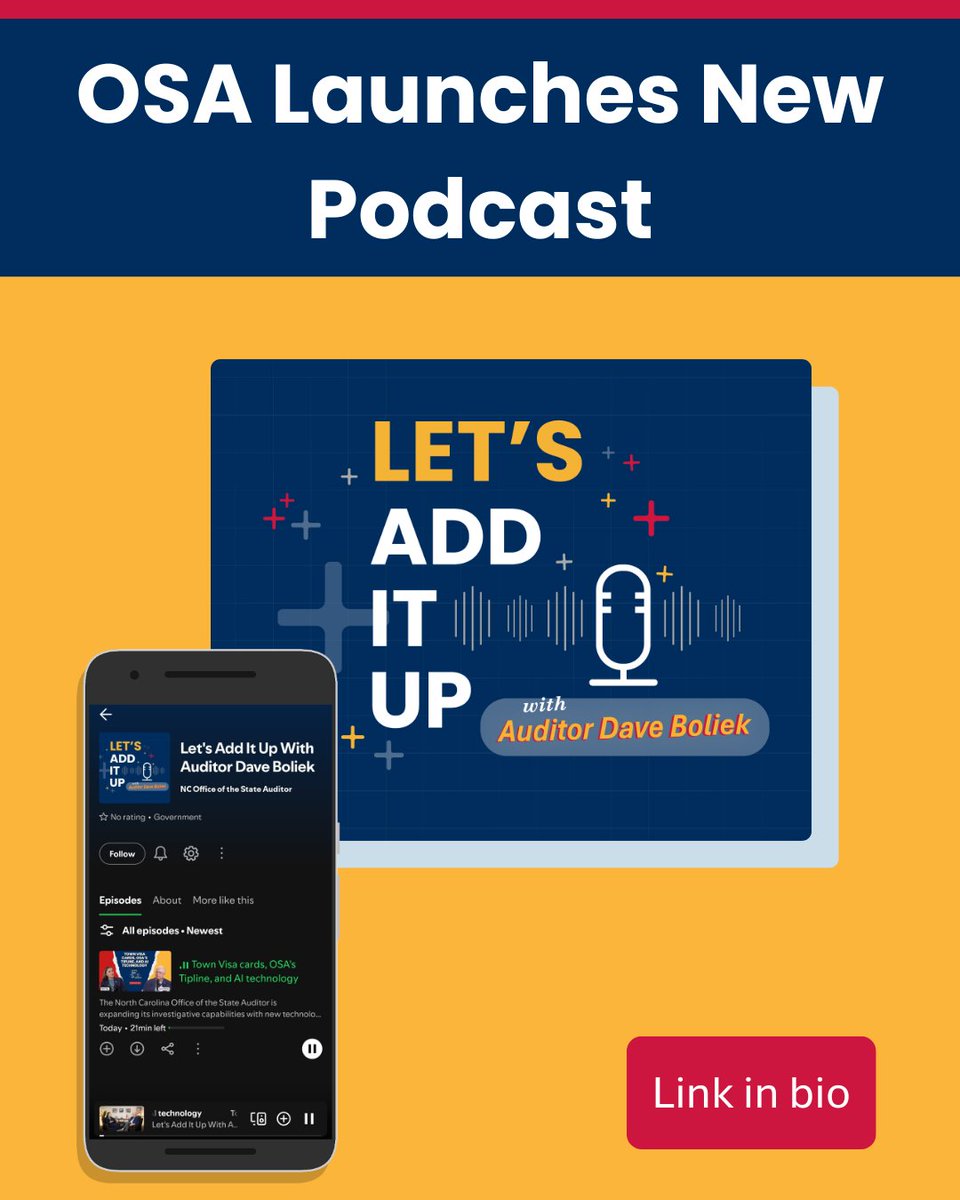
Go behind the scenes of North Carolina state government with OSA’s new podcast, Let’s Add It Up with Auditor Dave Boliek. Each episode features insightful conversations into OSA’s operations, emerging government issues, and how your tax dollars are being spent across the state. In Episode 01, Deputy State Auditor Beth Ray explains how the Investigative Division is using modern technology and AI to combat fraud. 🎧 Listen on Spotify, Apple Podcasts, YouTube, and more (link in bio).
1
3
3
434
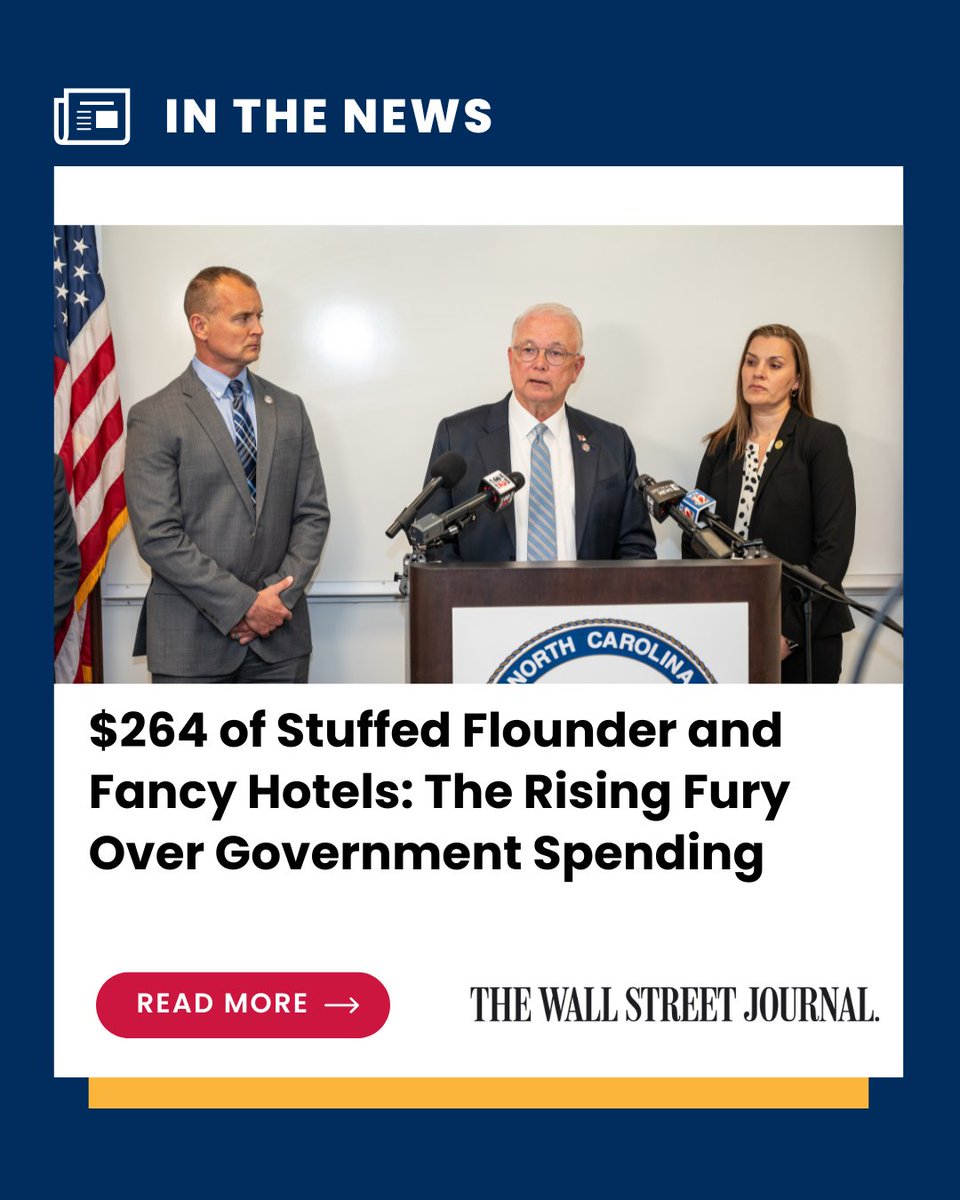
State Auditor Dave Boliek continues to push for accountability and transparency in how government at all levels spend taxpayer dollars. A recent Wall Street Journal article highlights audit OSA’s work across North Carolina, including the indictment of the former town manager of Pilot Mountain and findings in Elizabeth City. Read the full article (link in bio).
2
13
23
1,026
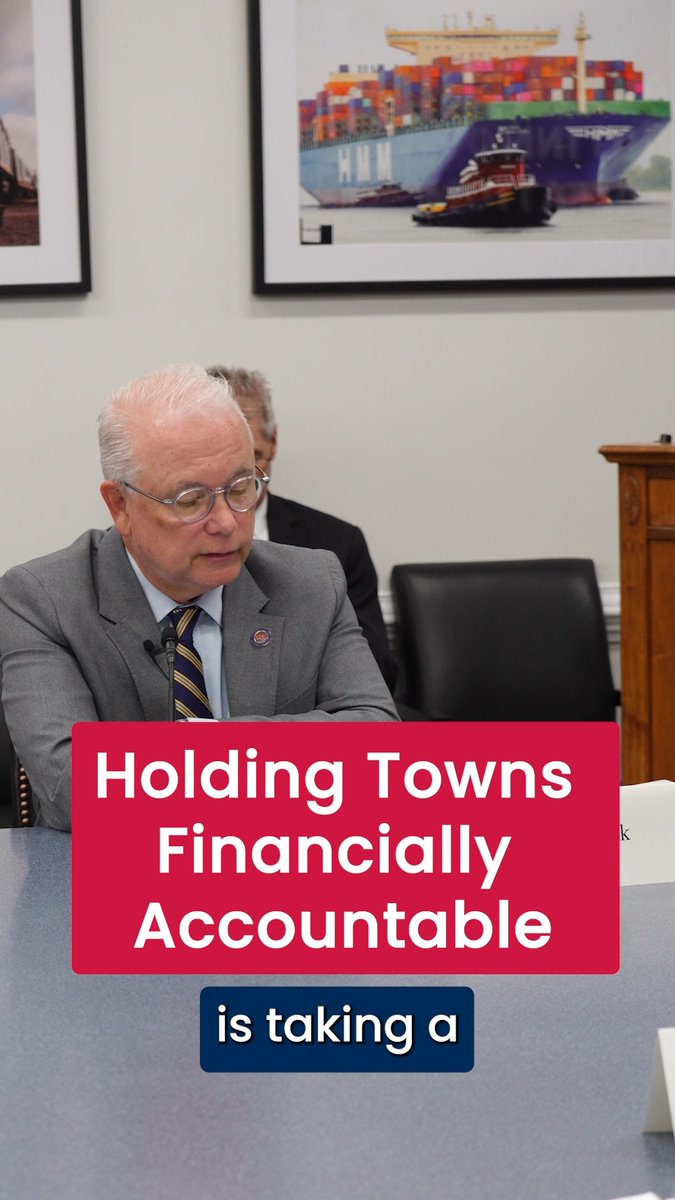
State Auditor Dave Boliek discusses OSA’s efforts to ensure financial responsibility in North Carolina’s cities and towns.
3
2
4
587
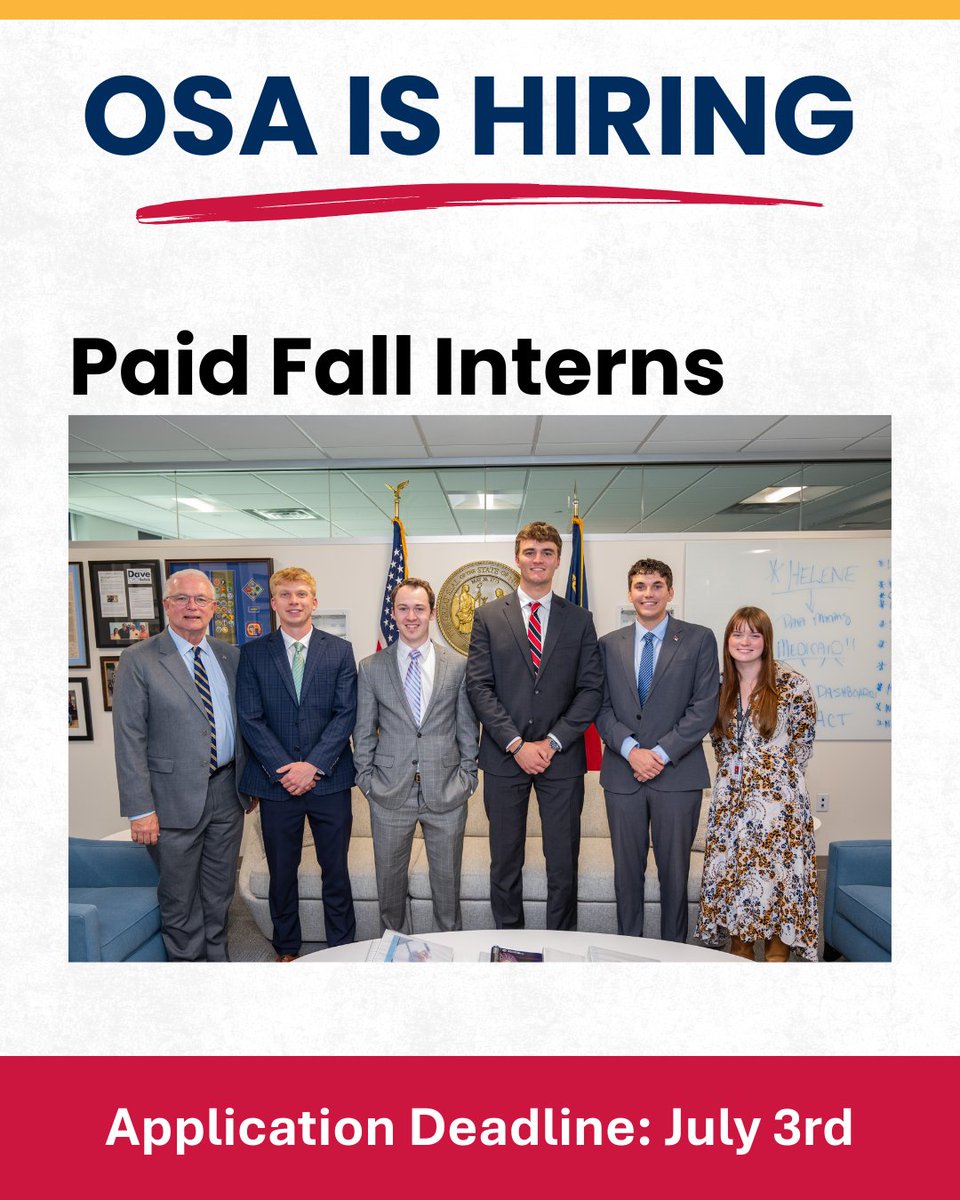
Applications for Fall Internships at the NC Office of the State Auditor open TODAY! More details below 👇 Eligibility: rising seniors or graduate students Location: Raleigh, NC Time Commitment: 10 hours per week or more (flexible scheduling) Application Deadline: July 3, 2026 Available Internships: • Data Analytics • Data Analytics • Data Engineering • Data Science • IT Service Desk • Constituent Services • Legal • Rapid Response • Special Investigations Send this post to a student or click the link in bio to apply.
2
2
3
862
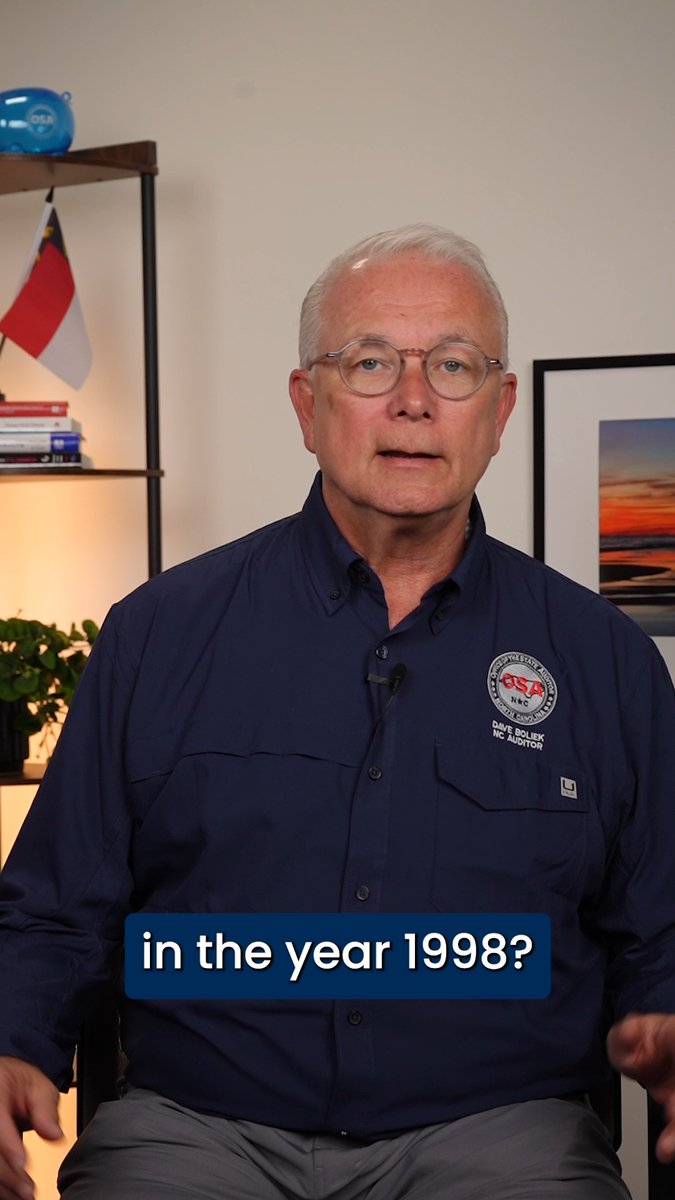
State Auditor Dave Boliek discusses OSA’s efforts to modernize North Carolina’s Election Information Systems.
4
2
6
280
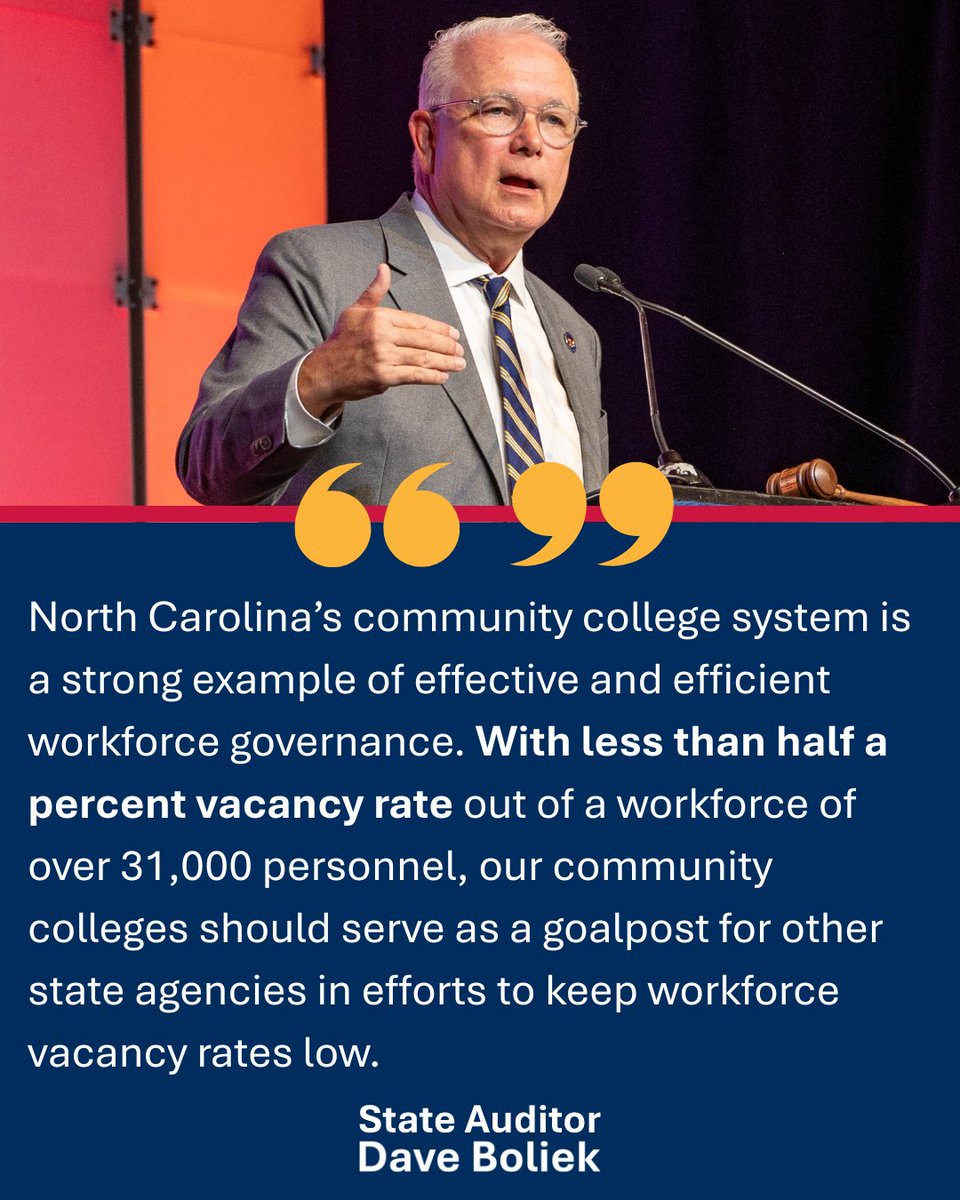
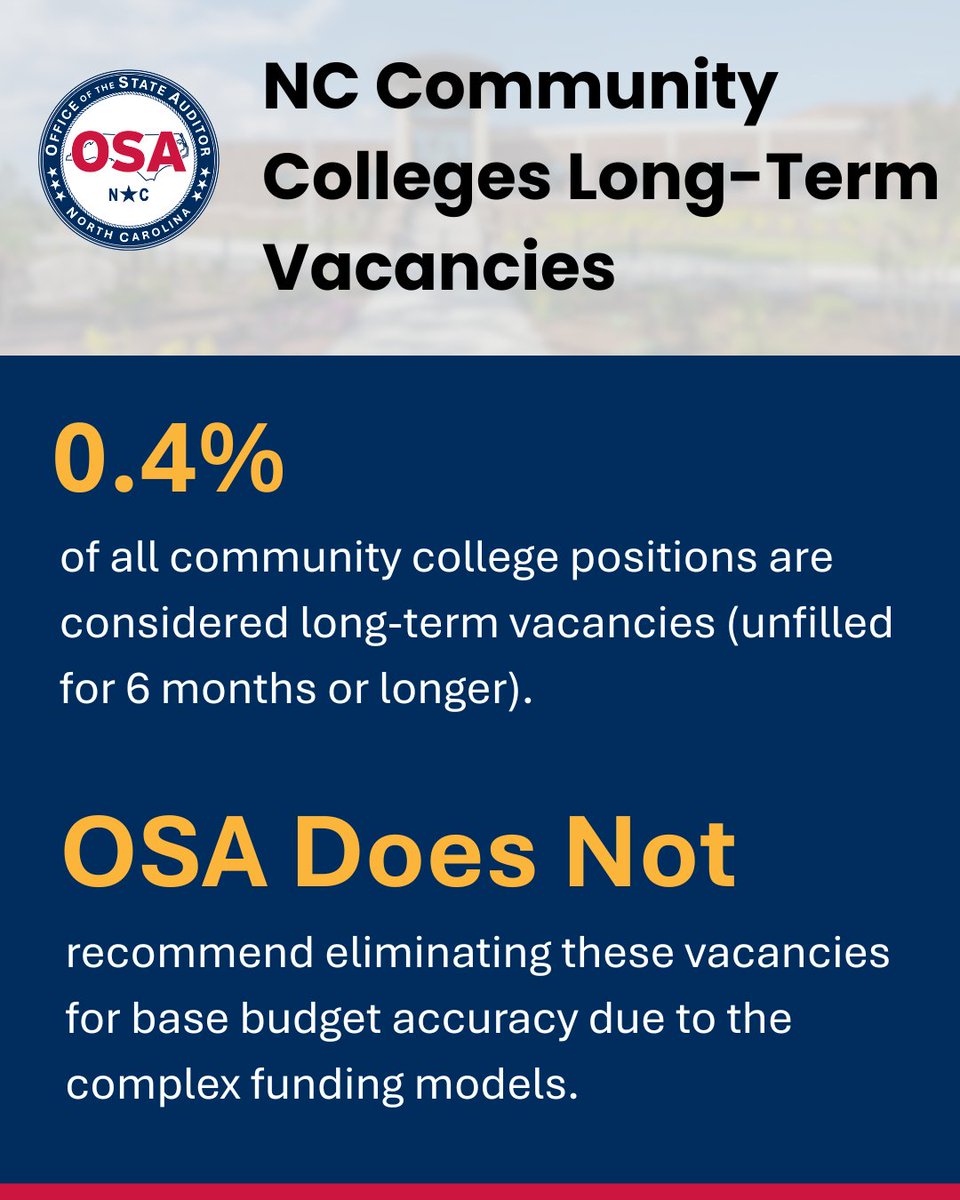
According to a new DAVE report, North Carolina’s community colleges maintain less than a 0.5% long-term job vacancy rate across a workforce of more than 31,000 employees. As State Auditor Dave Boliek notes, this approach could serve as a model for other state agencies working to keep vacancy rates low. Read the full report (link in bio).
1
167
Tune into the first episode of Let’s Add It Up with Auditor Dave Boliek coming soon!
2
2
7
320
A closer look at staffing in North Carolina’s community colleges 👇 A new DAVE report found 136 long-term vacancies (positions empty for 6 months or more) out of more than 31,000 positions—a rate of less than half a percent. Of the 136 Long Term Vacancies: • 60% of those positions are already filled, in hiring, or actively being recruited • 21% of vacant positions were reported as vacant due to uncompetitive salary, specialized qualifications, inconvenient work location, or some combination of all three • 9.6% were being evaluated for reclassification or held while the division they are within undergoes reorganization While these vacancies have generated $11.3 million in lapsed salaries over time, OSA does not recommend eliminating them due to complex funding structures. Community colleges have multifaceted funding models that include both State and local sources, so not all of the lapsed salary funds are available to them. This report highlights strong workforce management and provides greater transparency into how community colleges operate across North Carolina. Read it for yourself (link in bio).
2
4
1,409
DAVE Report Finds Minimal Vacancies Throughout North Carolina’s Community Colleges The North Carolina Office of the State Auditor’s Division of Accountability, Value, and Efficiency (DAVE) has published a new audit that details a distinctly low number of long-term vacancies across North Carolina’s community colleges. As part of its government efficiency initiatives, DAVE has been evaluating long-term state vacancies – defined as any position that has remained vacant for six months or longer – and associated lapsed salaries. DAVE’s evaluation of North Carolina’s community colleges found that while the North Carolina Community College System employs over 31,000 personnel, only 136 long-term vacancies exist within the workforce. “North Carolina’s community college system is a strong example of effective and efficient workforce governance. The colleges utilize management flexibility and are considerate of staffing needs,” said State Auditor Dave Boliek. “With less than half a percent vacancy rate out of a workforce of over 31,000 personnel, our community colleges should serve as a goalpost for other state agencies in efforts to keep workforce vacancy rates low.” Of the 136 positions, community colleges reported that 82 (60.3%) have either been filled, are in the final stages of the hiring process, or are actively recruiting as of December 31, 2025. Since each position became vacant, they have generated a total of $11.3 million in lapsed salaries. The long-term vacancies of all community colleges would generate $10.4 million in lapsed salaries if left vacant for an entire year. Because of the complex funding models, DAVE does not recommend eliminating these vacancies for base budget accuracy, as noted in the January 2026 State Vacancy & Lapsed Salary report. Instead, this report is intended to increase transparency in the community college system. DAVE's analysis of long-term vacancies and lapsed salaries across North Carolina’s community colleges is supplemented by an online interactive dashboard featuring the underlying data, available on our website.
5
171
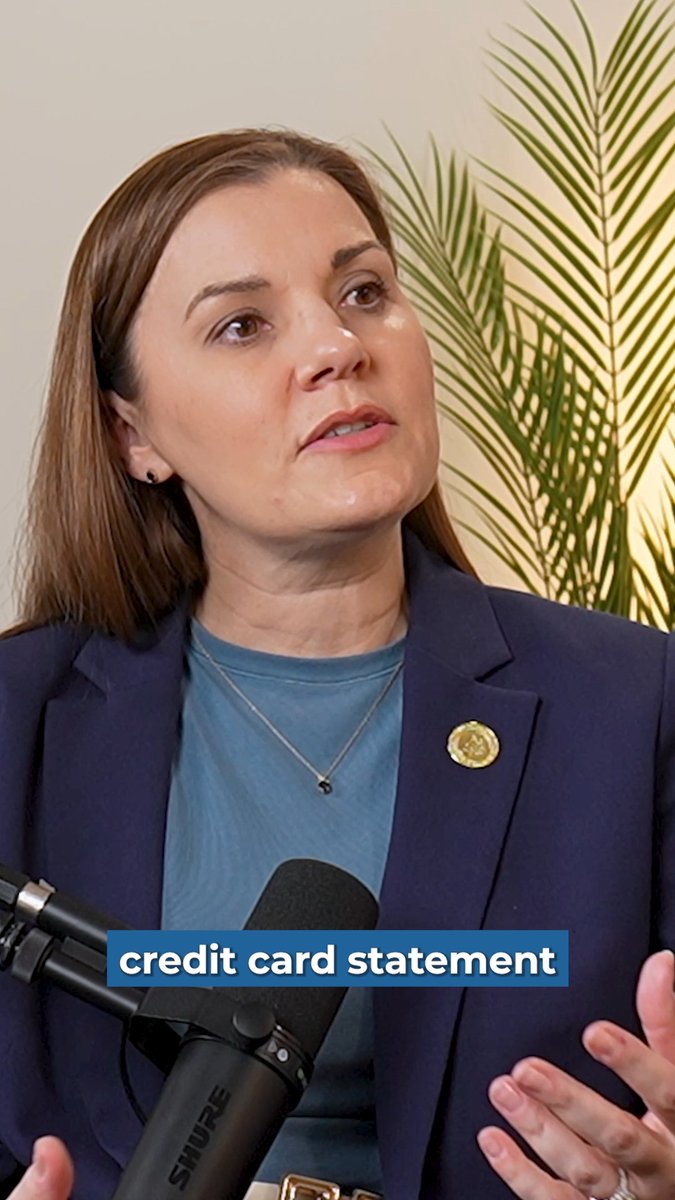
State Auditor Dave Boliek discusses OSA’s recent investigation into the Town of Hope Mill’s financial situation and what is being done to correct course.
1
1
3
773
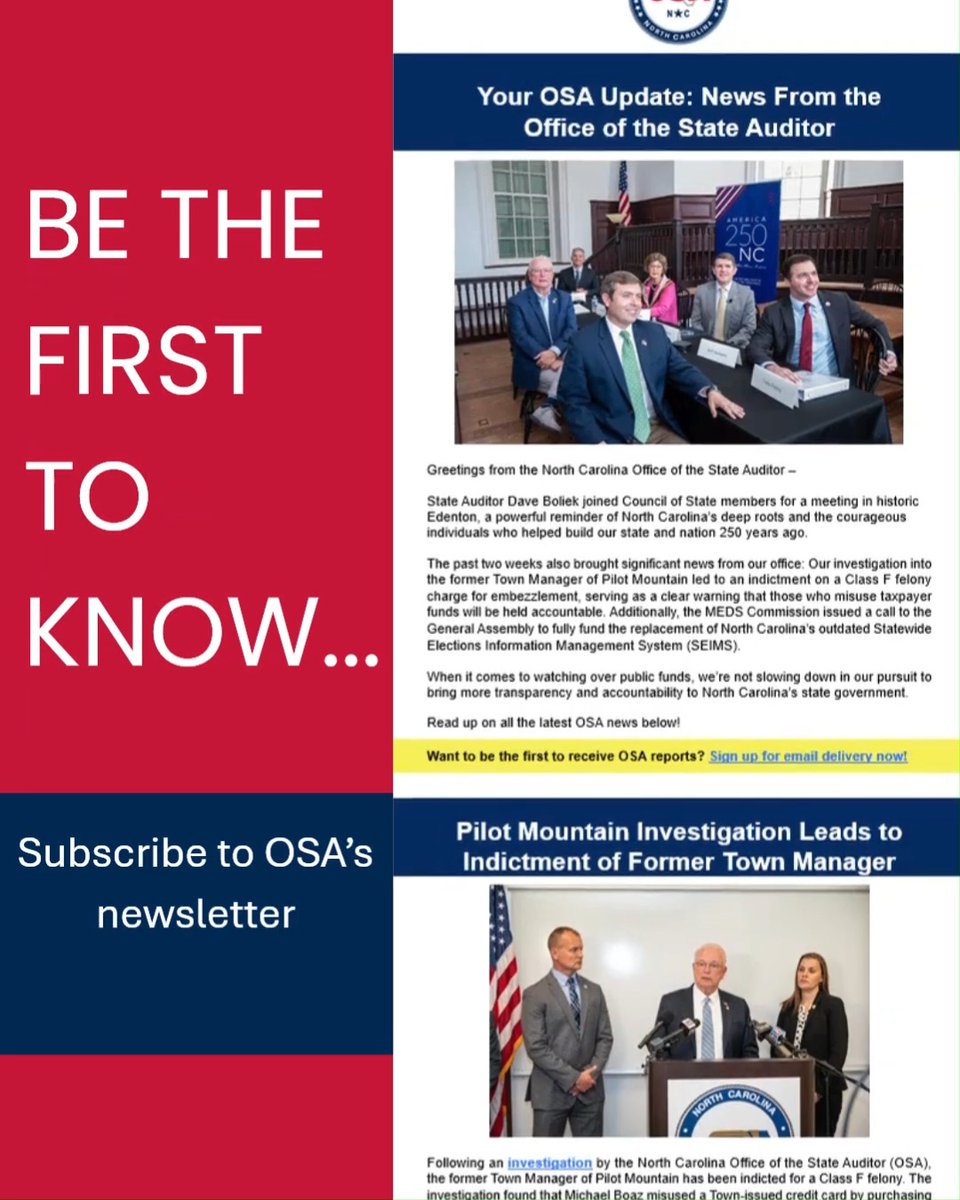
Get the news and highlights from important audits delivered directly to your inbox! Signing up for OSA’s newsletter is one of the best ways to stay in the know about North Carolina state government and how your tax dollars are being used. 🔗: auditor.nc.gov/receive-repor…
1
1
4
260
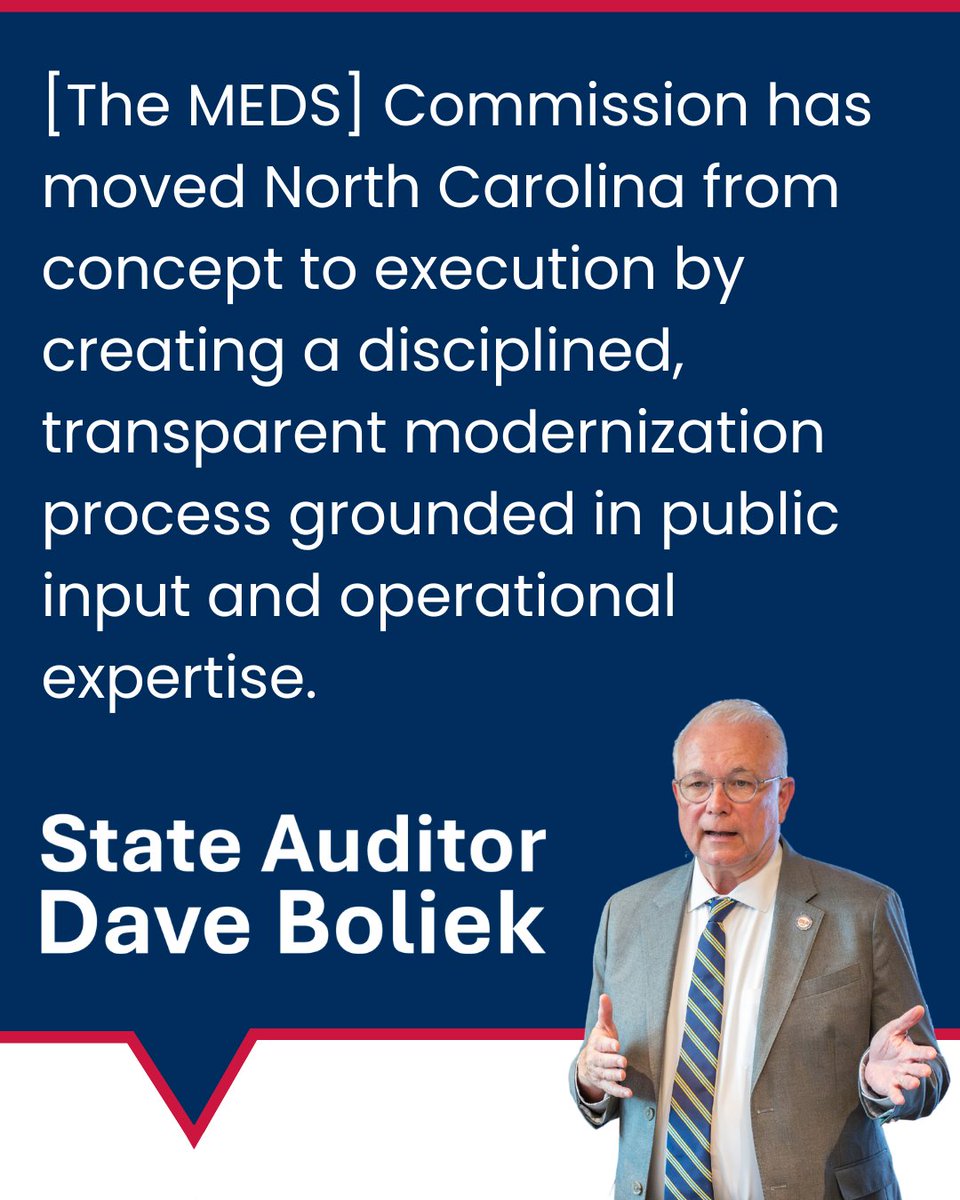
The Modernization of Election Data Systems (MEDS) Advisory Commission, created and chaired by State Auditor Dave Boliek, is leading the effort to modernize North Carolina’s elections infrastructure — including replacing the Statewide Elections Information Management System (SEIMS), which has been in place since 1998. This bipartisan commission brings together government leaders, nonprofit organizations, and technical experts to guide a transparent, data driven process for improving how elections are managed across the state. Since the first meeting in February, the commission has gathered public input, consulted with experts, and supported detailed request for proposals to find the right vendors for this work. Recently, the Commission unanimously approved a resolution urging the General Assembly to provide sustained funding for a full system replacement. New information management and campaign finance reporting systems will make it easier for the public to track political spending and for candidates to comply with rules and regulations; all in a secure, user-friendly environment. As this work moves from planning to implementation, MEDS will continue to play a key role in ensuring North Carolina’s election systems are built to meet modern demands, with accountability and transparency at every step. Learn more and watch previous MEDS commission meetings on our website (link in bio).
1
1
5
550