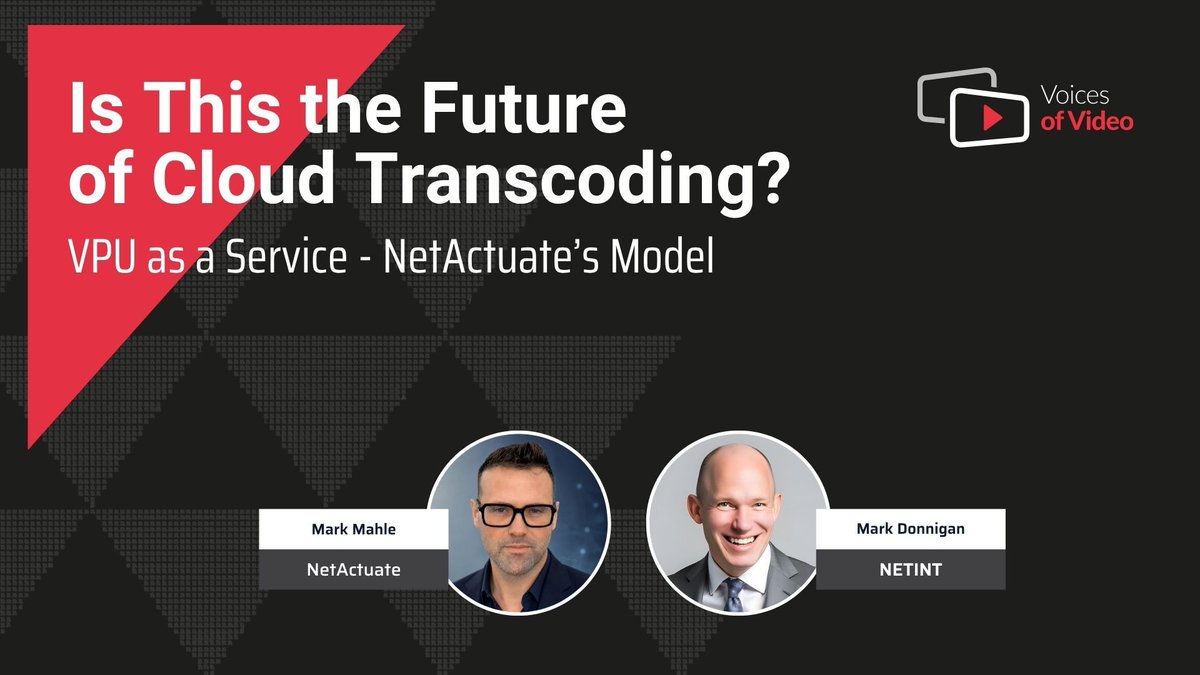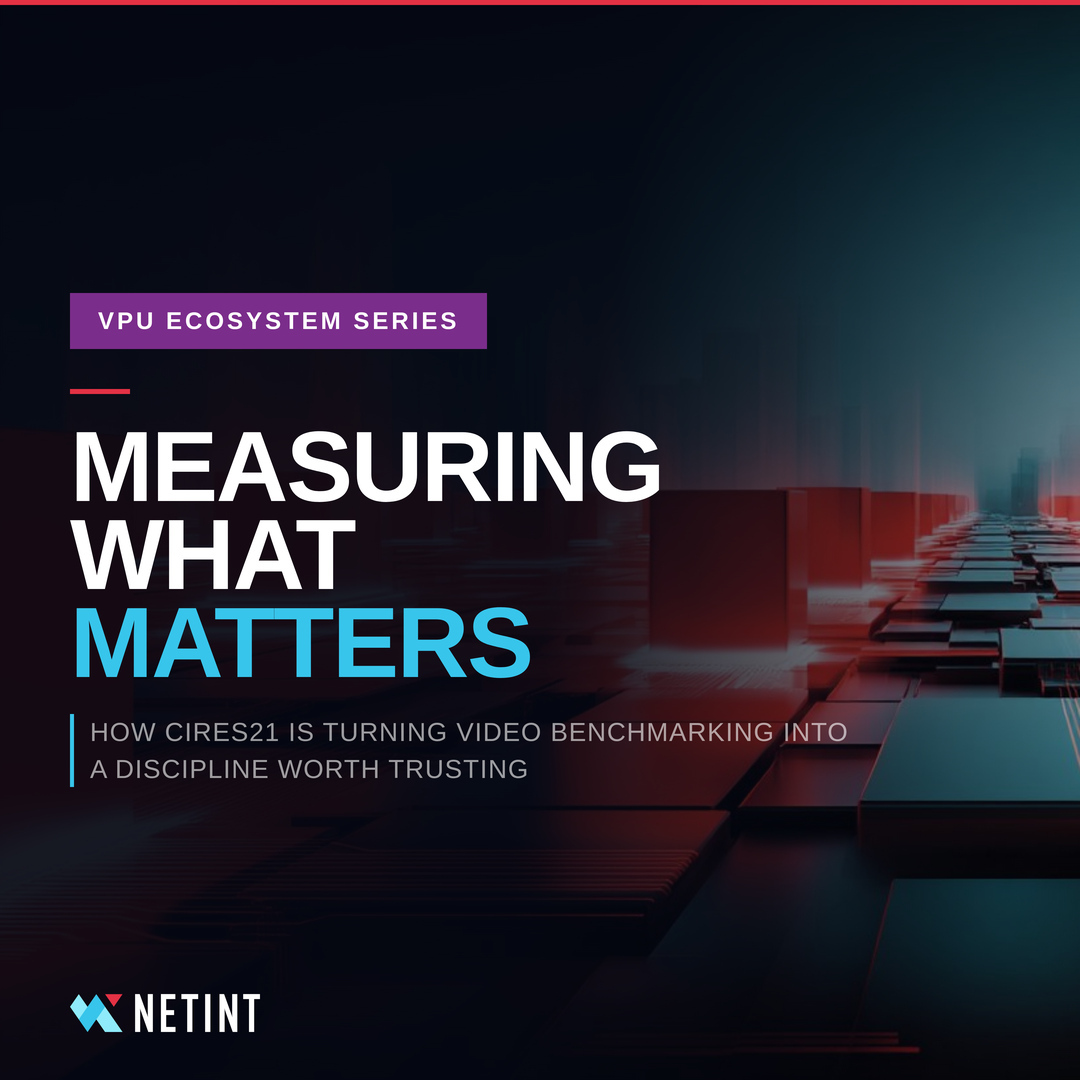
Is VPU as a Service the future of cloud transcoding?
Join NETINT and NetActuate to explore how teams are deploying VPU-powered infrastructure with more performance, flexibility, and control than traditional cloud.
📅 June 18
🕚 11:00 AM ET | 8:00 AM PT | 17:00 CEST
Register: netint.biz/4uo9cj1#VideoInfrastructure#Streaming#Cloud#VPU
ALT Voices of Video episode graphic featuring Mark Mahle of NetActuate and Mark Donnigan of NETINT, with the title “Is This the Future of Cloud Transcoding? VPU as a Service - NetActuate’s Model.”
GPU or VPU?
In 2026: 53.6% evaluating GPUs. 51.5% evaluating VPUs.
That gap has never been smaller. The default hardware era is ending.
What's driving the shift and what it means for your stack: netint.biz/4txt8Qh#VideoEncoding#StreamingInfrastructure#NETINT
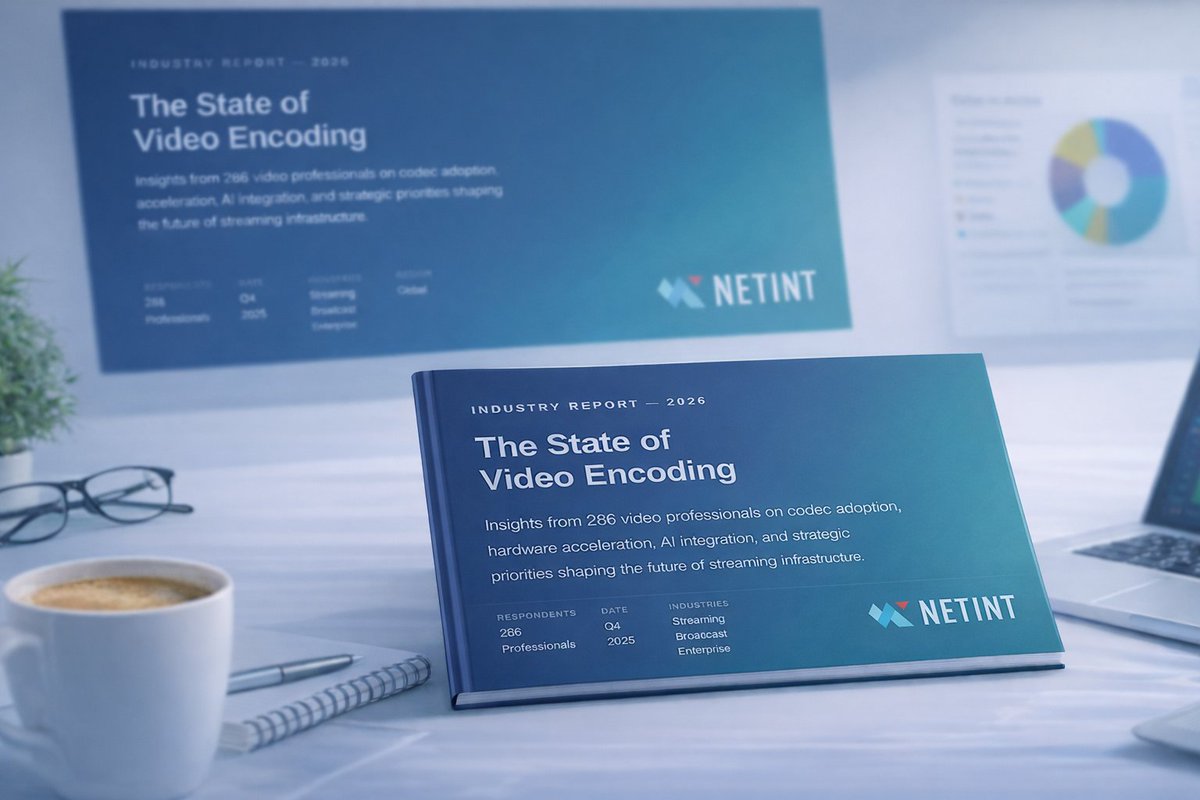
From the 2026 State of Video Encoding report:
→ 41% already deploy mixed GPU VPU stacks → Power consumption is the #1 GPU complaint (39%) → 42% are planning edge encoding deployments → 70% expanding AI in encoding workflows
Free download: netint.biz/streaming-trends
Video encoding is no longer a side workload on general-purpose compute.
It is its own silicon category.
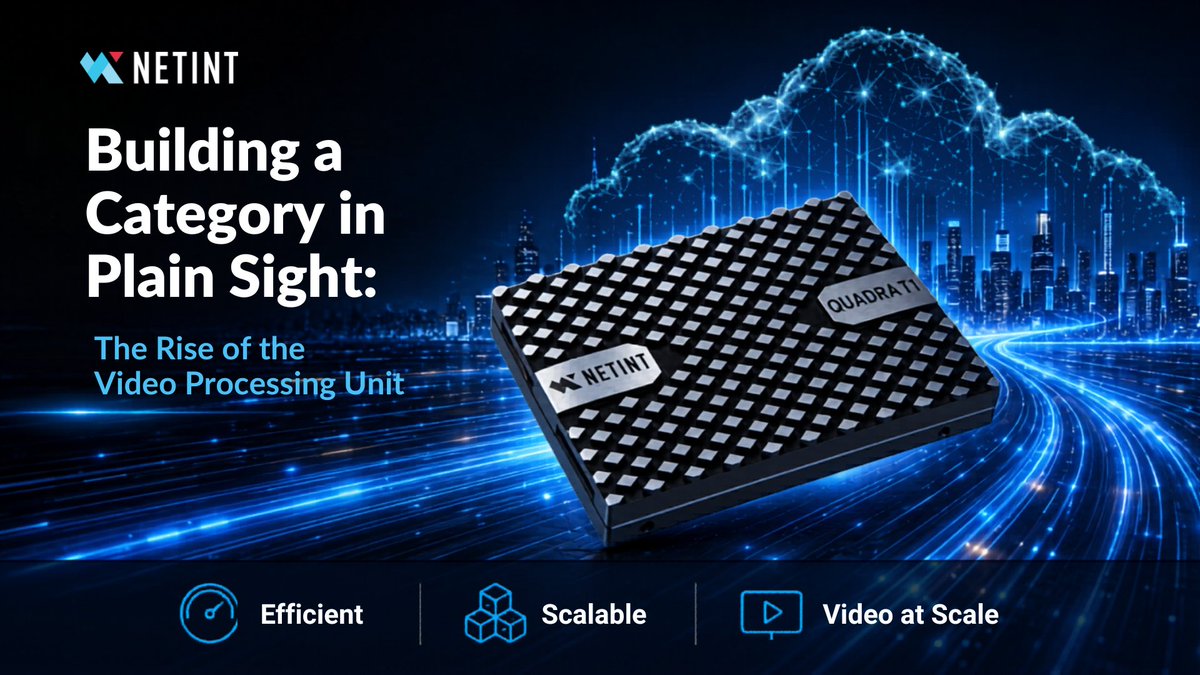
Here is how the VPU emerged.
👉 netint.biz/4tD3IAs#VPU#StreamingTech
ALT NETINT VPU chip labeled “Quadra” in front of a digital cloud and cityscape, with data streams flowing. Headline reads “Building a Category in Plain Sight: The Rise of the Video Processing Unit,” with icons for efficient, scalable, and video at scale.
Most teams think they have an efficiency problem.
It’s usually a system design problem.
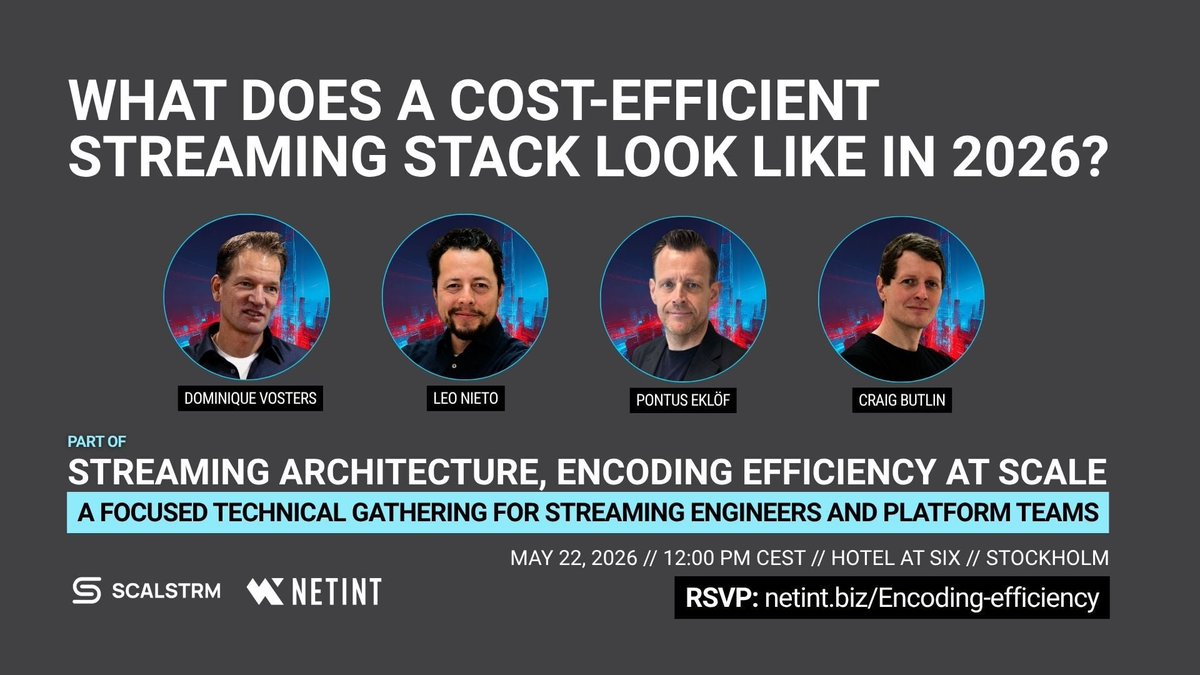
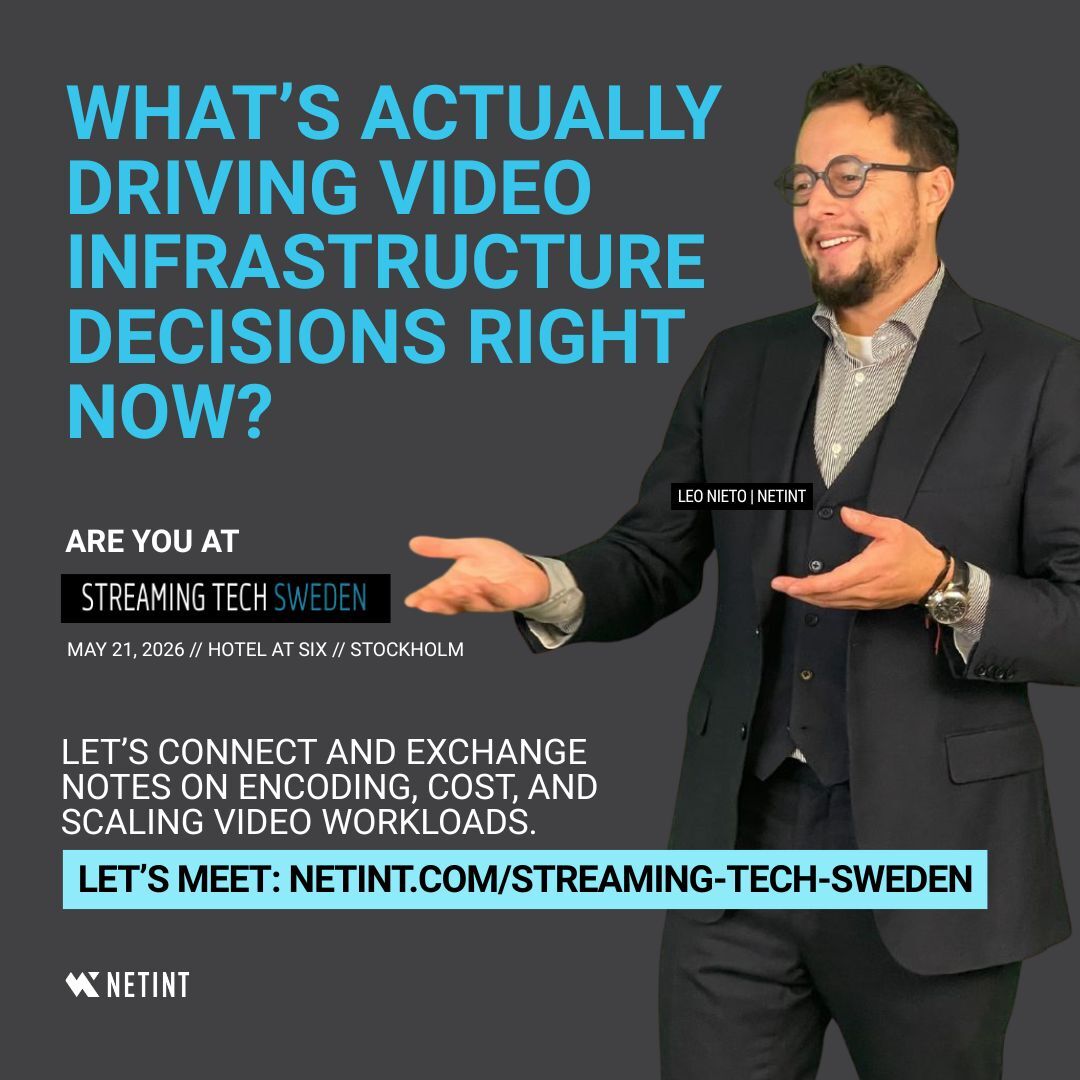
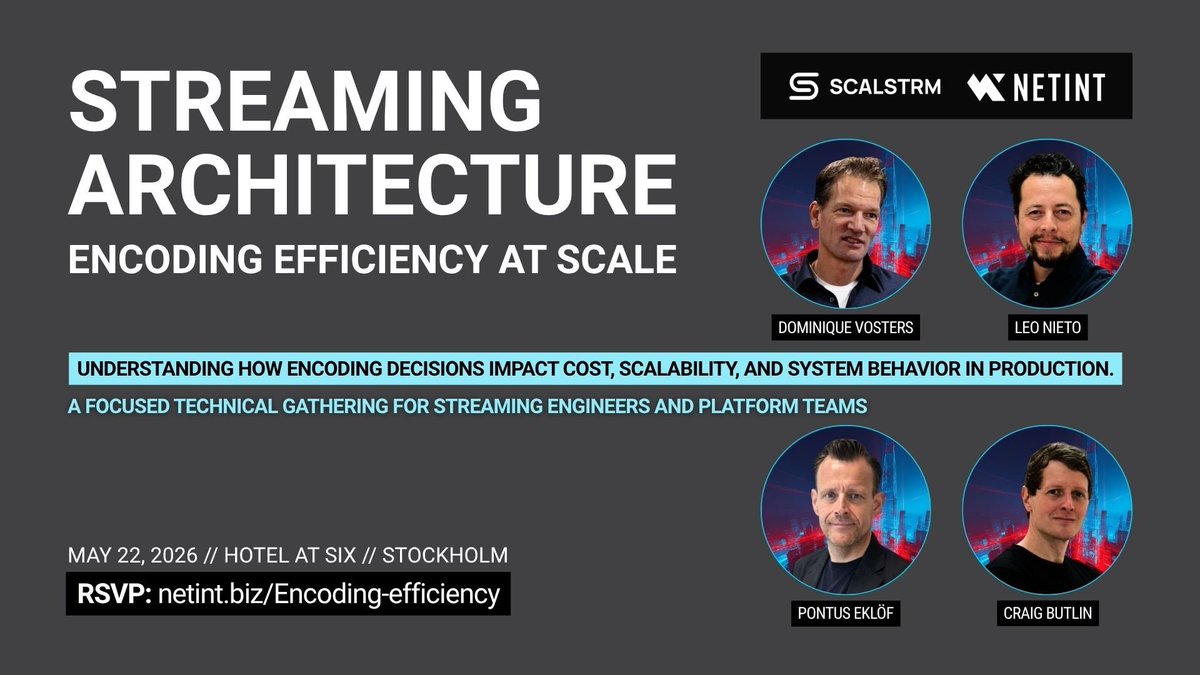
We’re getting into that in Stockholm.
👉Register here netint.biz/3QBTFxS
ALT What does a cost-efficient streaming stack look like in 2026? Event banner featuring speakers Dominique Vosters, Leo Nieto, Pontus Eklöf, and Craig Butlin for Streaming Architecture: Encoding Efficiency at Scale, May 22, 2026 in Stockholm.
For years, improving video quality meant one thing:
Wait for the next codec.
Rebuild infrastructure
Wait for device support
Repeat the cycle
What’s interesting now is that this model is starting to break
Technologies like MPEG-5 LCEVC don’t replace codecs
they enhance what already exists
Which means:
• Up to ~40% bitrate savings
• Faster encoding
• No full infrastructure rebuild
And maybe more importantly
no waiting years to see the benefits
We’re starting to see a different path emerge
👉 See more in the comments
#VideoInfrastructure#StreamingTech#AV1#VideoEncoding#MediaTech
ALT Video camera on a tripod recording a seated person in a room, with the text “When Standards Become Strategy” and NETINT VPU Ecosystem Series branding.
Encoding starts as a pipeline.
At scale, it behaves like a system.
That’s where things get messy.
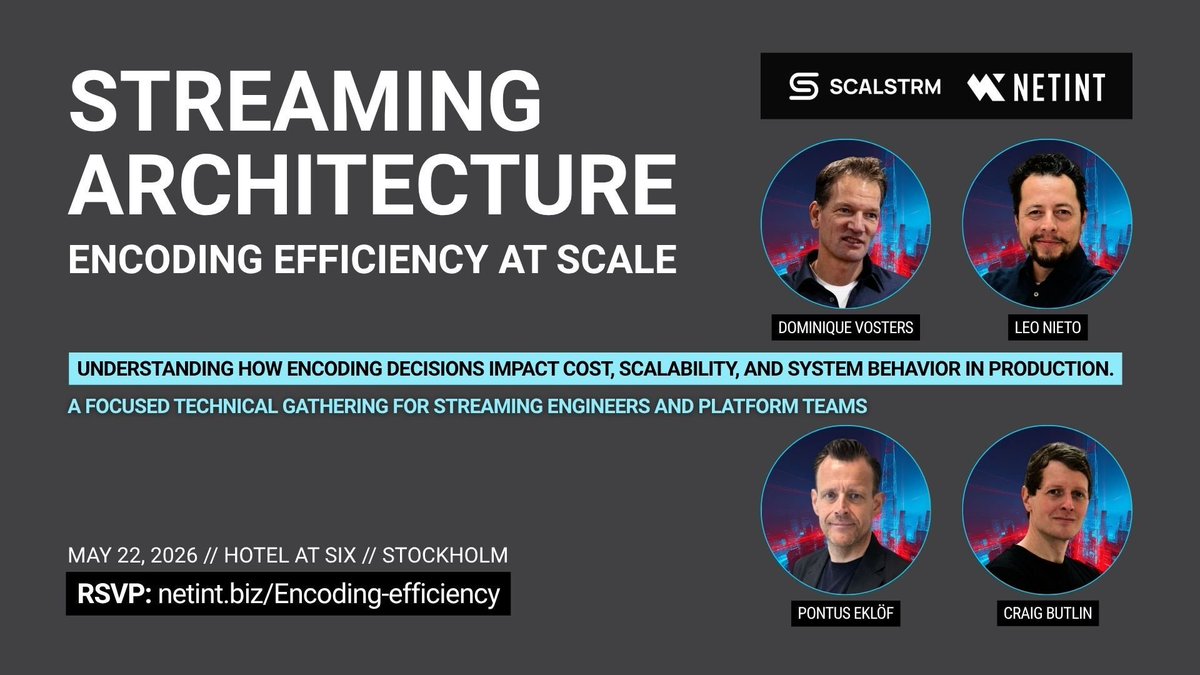
Stockholm session on what actually changes:
👉 netint.biz/4ed2nMK
ALT Streaming Architecture: Encoding Efficiency at Scale event banner featuring speakers Dominique Vosters, Leo Nieto, Pontus Eklöf, and Craig Butlin, hosted by Scalstrm and NETINT, May 22, 2026 in Stockholm.
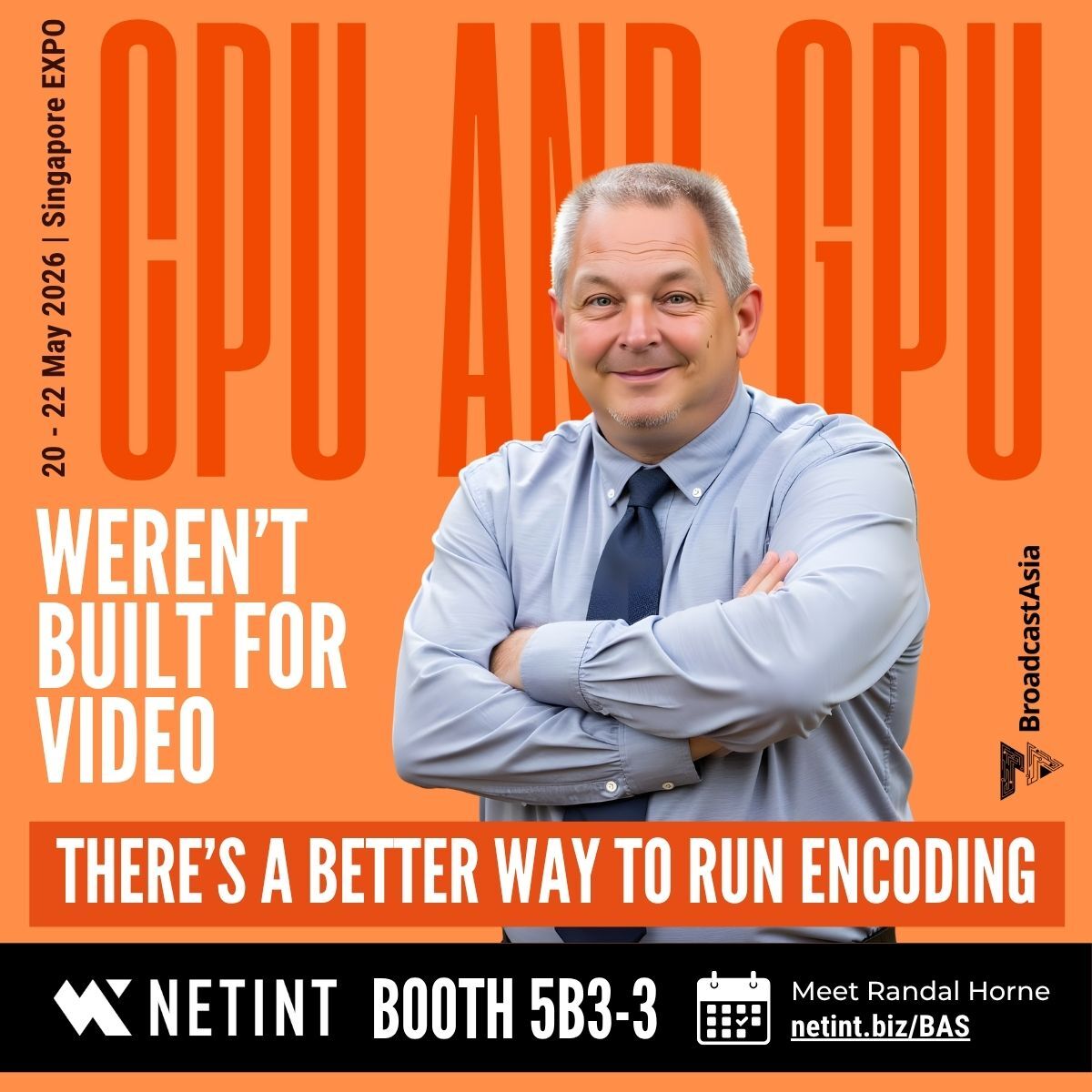
Adding capacity should not mean adding racks.
There are more efficient ways to scale video.
👉 netint.biz/4mEjV6A
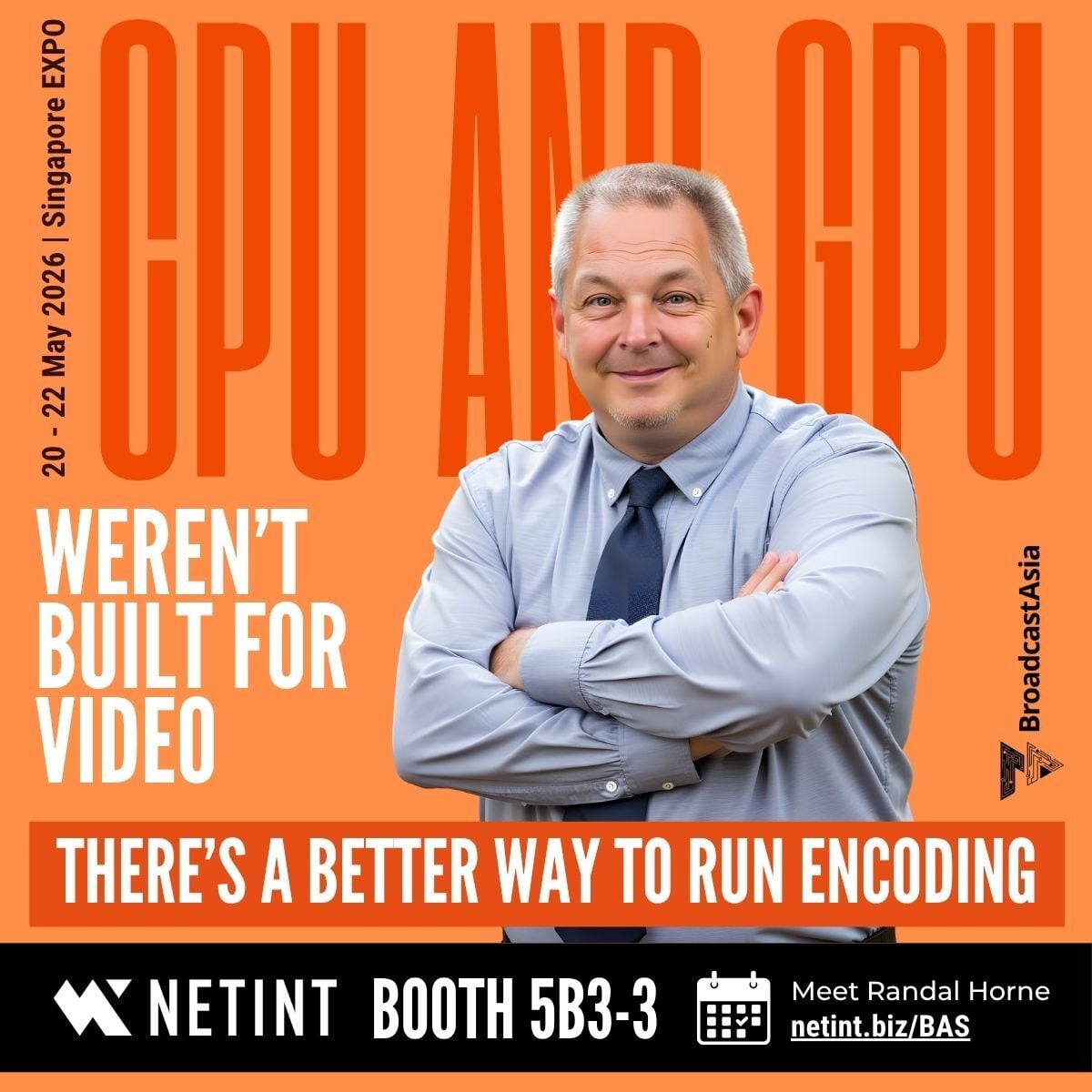
ALT Man in a light blue shirt with arms crossed against an orange background promoting NETINT. Text reads “CPUs and GPUs weren’t built for video. There’s a better way to run encoding.” Includes booth 5B3-3, BroadcastAsia details, and a call to meet Randal Horne.
Encoding costs aren’t random.
They’re just rarely broken down.
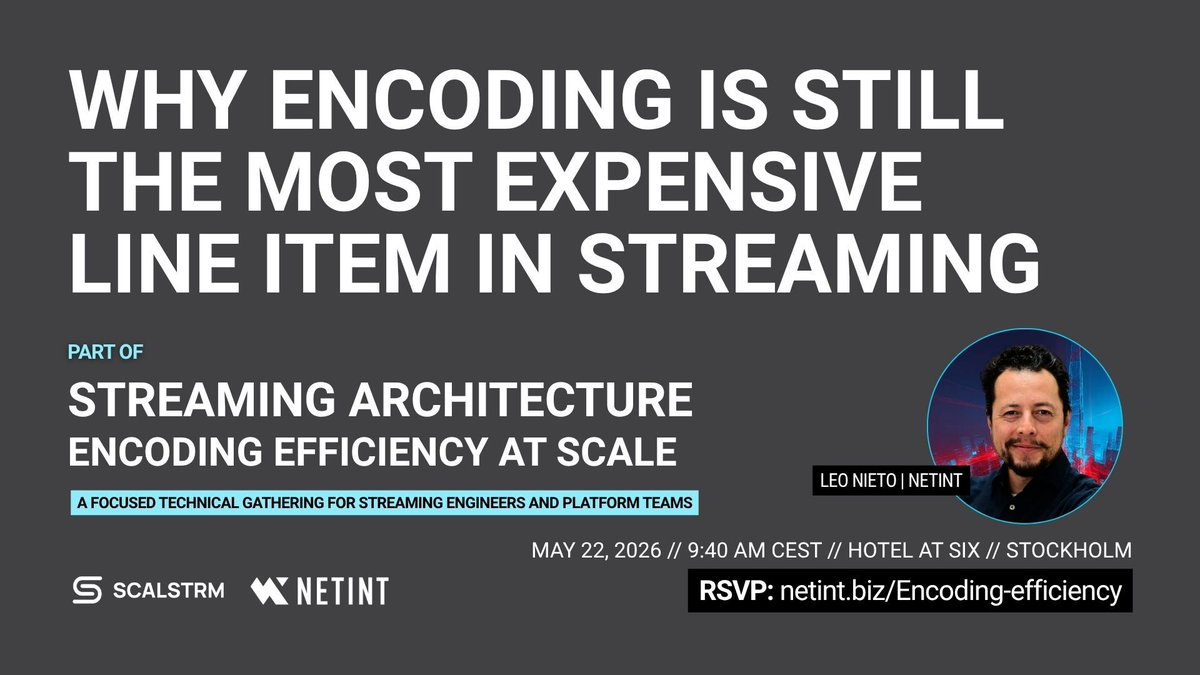
This session looks at where that cost actually comes from
👉 netint.biz/4uoUyZj
ALT Why encoding is still the most expensive line item in streaming—session featuring Leo Nieto (NETINT) at Streaming Architecture: Encoding Efficiency at Scale, May 22, 2026, Stockholm.
More streams should not mean more cost.
If your pipeline scales linearly, there is another way.
👉 netint.biz/4dVnSkZ
ALT Man in an orange checkered shirt with arms open against an orange background promoting NETINT. Large text reads “Scaling video shouldn’t cost this much.” Includes booth 5B3-3 and BroadcastAsia event details, with a call to meet Kenneth Robinson.