
EIC: @IBS_Maastricht Eds: @nicolascenac @AndreaShin_GI DReed @NehaSantucciMD AMalcolm KSmithEdwards @Pierfra_Visaggi @ThisIsButt KElfers WMorales @Rajan___Singh
- Tweets 1,861
- Following 763
- Followers 2,677
- Likes 995
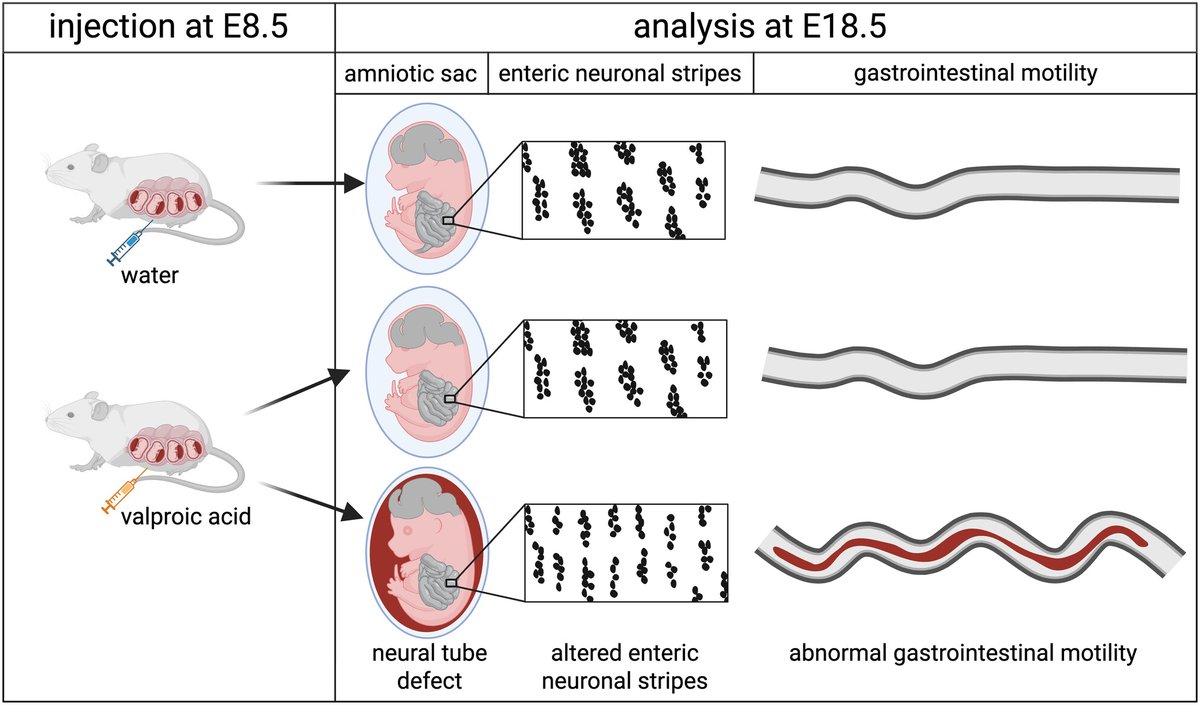






ALT Key Points VPA exposure is a reliable model of neural tube defects with variable intralitter susceptibility. Fetuses with a VPA-induced neural tube defect have blood in the amniotic sac and within the lumen of the gastrointestinal tract. Enteric nervous system organization is abnormal in the duodenum and jejunum of fetuses with a VPA-induced neural tube defect, with thinner enteric neuronal stripes and narrower interstripe distance. Ex vivo gastrointestinal motility is abnormal in the duodenum and jejunum of fetuses with a VPA-induced neural tube defect, including increased contraction frequency and increased length of the contractile segment.
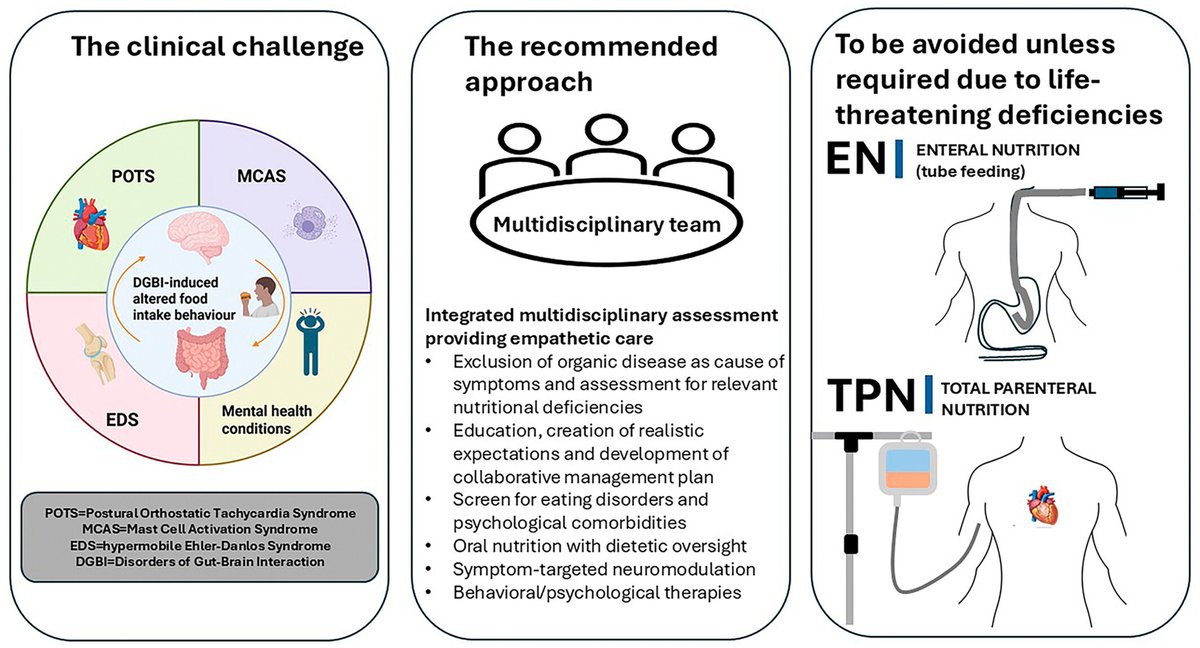
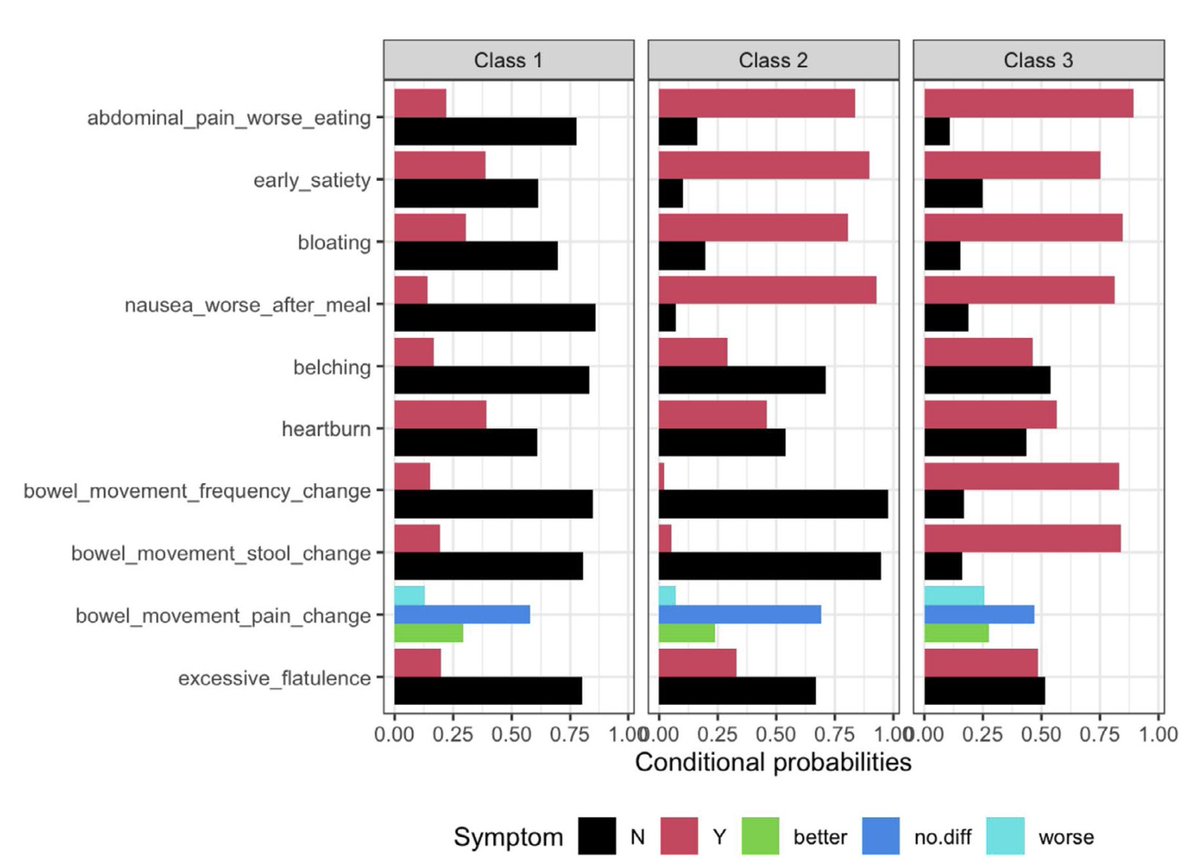
ALT Key Points A clinical practice guideline has been developed in response to a growing number of patients with DGBI-induced altered food-intake behavior to guide diagnosis and management of this newly recognized condition. These patients often present with multisystem comorbidities, and some require enteral or parenteral nutrition. Managing patients with DGBI-induced altered food-intake behavior requires a multidisciplinary, integrated team approach (including gastroenterologists, dietitians, psychologists, and psychiatrists) to enable effective long-term management. An effective treatment approach begins by establishing a positive diagnosis of DGBI-induced altered food-intake behavior. It rules out structural abnormalities and eating disorders as underlying causes of symptoms. Clinical management relies on empathetic care, includes education to create realistic patient expectations, dietitian-supervised oral nutrition, symptom-targeted neuromodulation, and behavioral/psychological ther
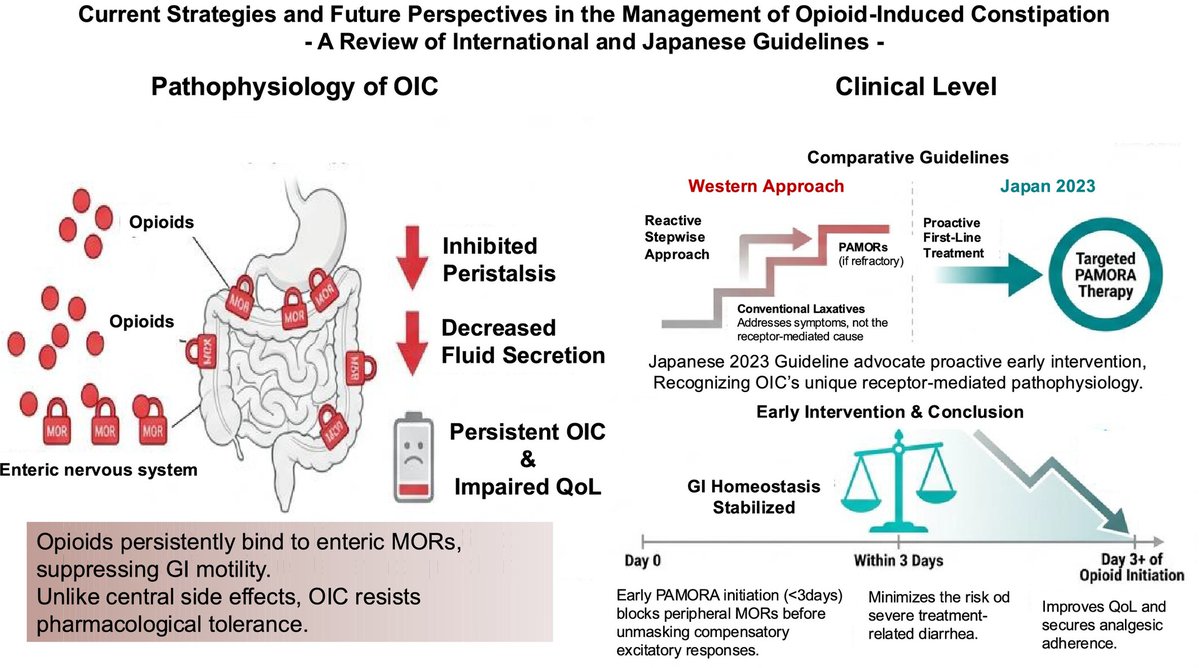
ALT Highlights Opioid-induced constipation impairs quality of life and decreases analgesic adherence. Conventional laxatives often fail to address the μ-opioid receptor-mediated mechanism causing constipation. Japanese guidelines advocate for early intervention with peripherally acting μ-opioid receptor antagonists. Naldemedine shows long-term efficacy and safety for the relief of constipation without affecting analgesia.
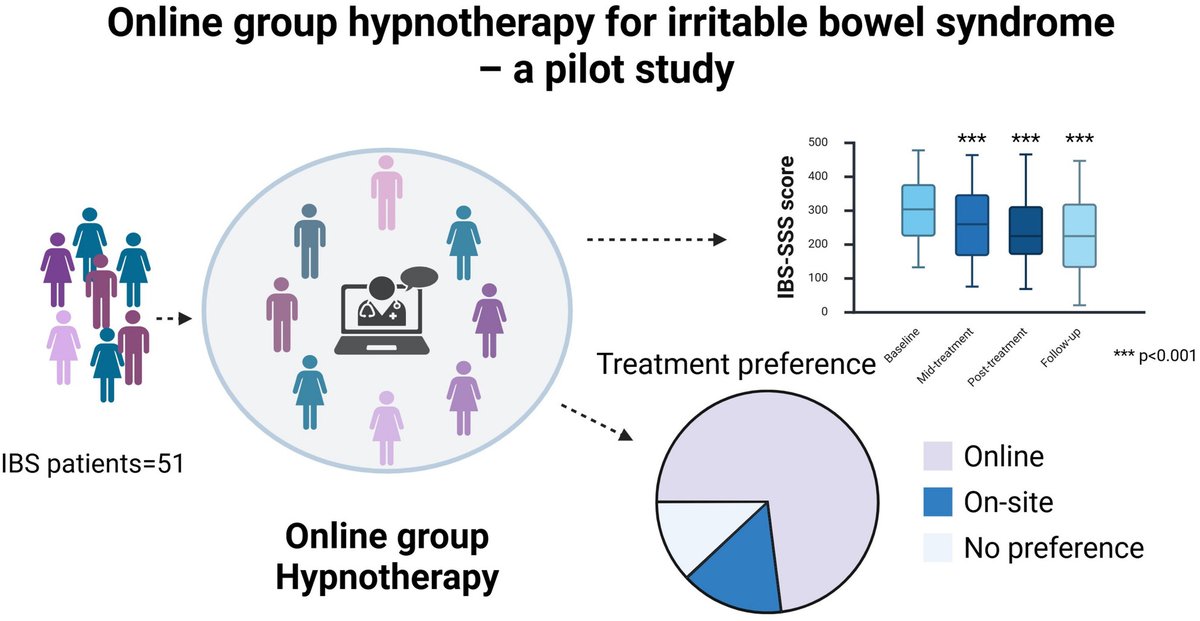
ALT Key Points Gut-directed hypnotherapy is a brain–gut behavioral therapy that is effective for patients with irritable bowel syndrome, but access to treatment is limited. In this pilot study, we tested to give nurse-led group hypnotherapy using a digital video platform to increase accessibility further. Study outcomes show that the treatment modality is feasible, efficacious, and acceptable for patients.
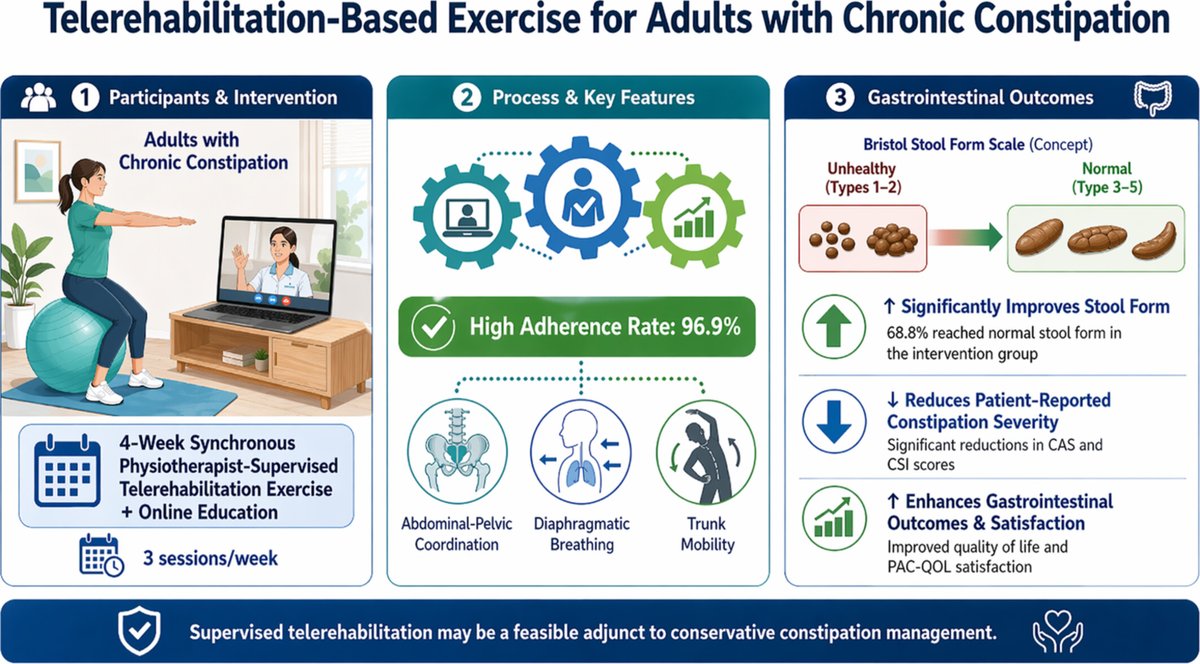
ALT Key Points Chronic constipation can substantially affect symptoms and quality of life, but evidence on live physiotherapist-supervised telerehabilitation in adults remains limited. In this randomized controlled trial, adding a 4-week supervised telerehabilitation-based exercise program to online education improved stool form and reduced patient-reported constipation severity more than education alone. High adherence suggests that synchronous telerehabilitation may be a feasible conservative care option, although larger trials with objective physiological outcomes and longer follow-up are needed.
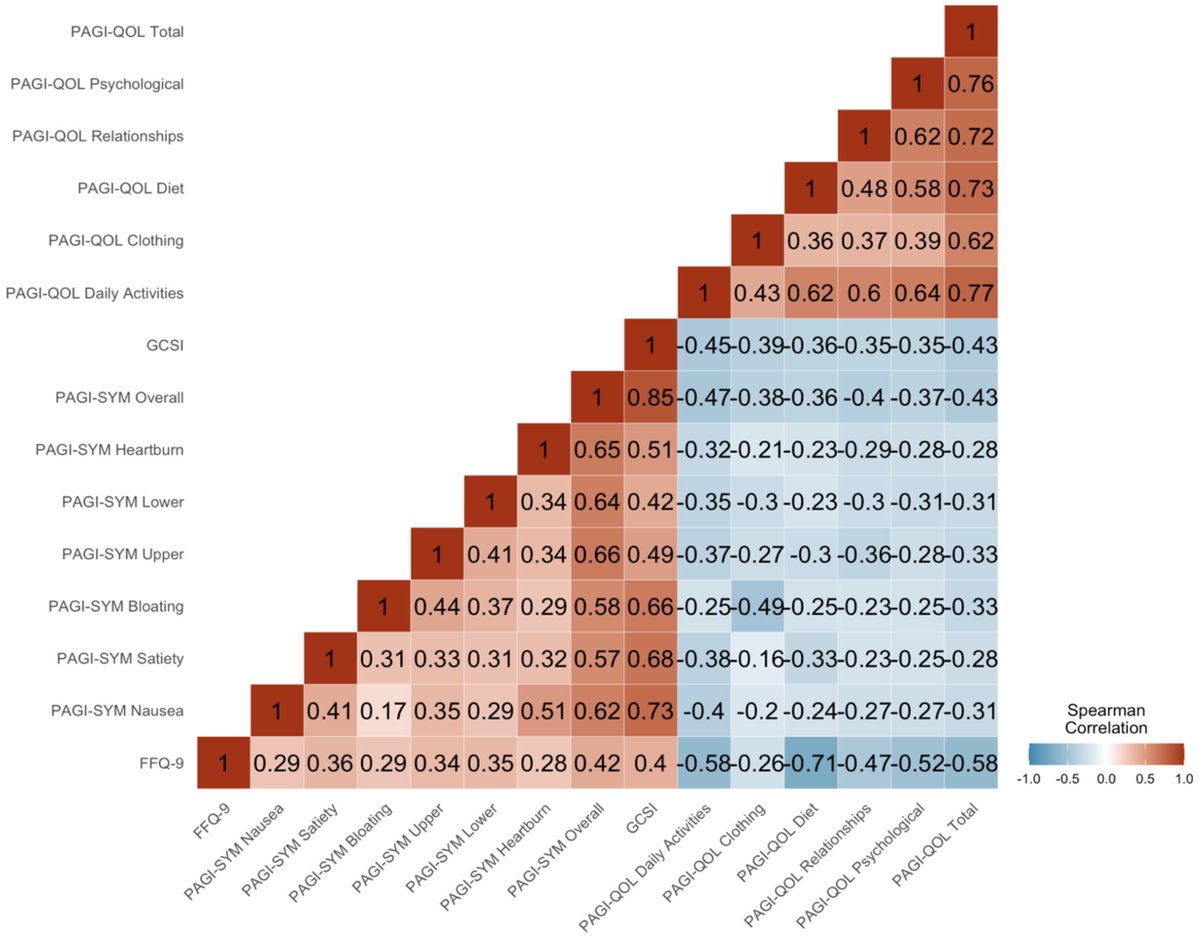
ALT Summary • The Fear of Food Questionnaire (FFQ) may be relevant to functional dyspepsia (FD) and gastroparesis(Gp). We sought to develop and validate a short-form version for use in clinical settings. • The original 18-item FFQ's factor structure was not appropriate in an FD/Gp population. We developed a short-form, 9-item FFQ (FFQ-9) with good convergent and divergent validity and clinical utility. • The FFQ-9 appears to be a valid, clinically useful measure of fear of food in patients. Future research should test whether the FFQ-9 is a useful patient-reported outcome measure.


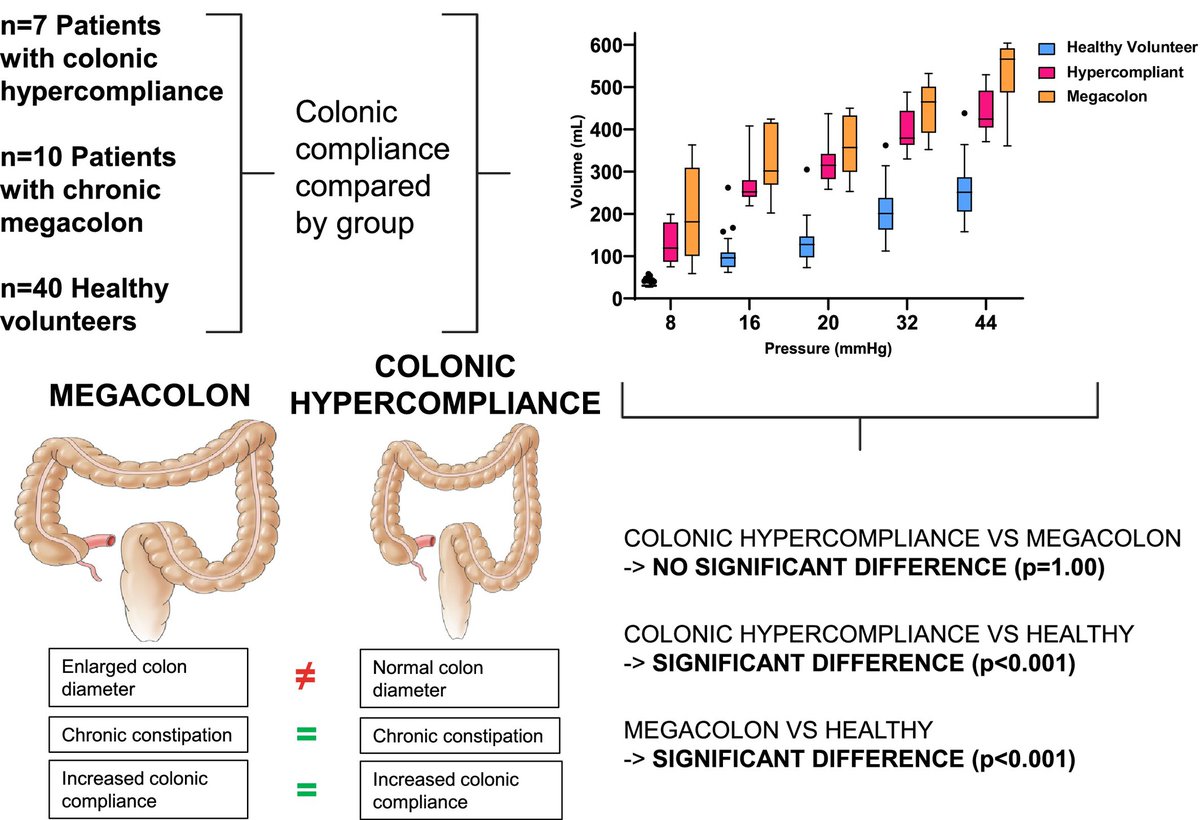
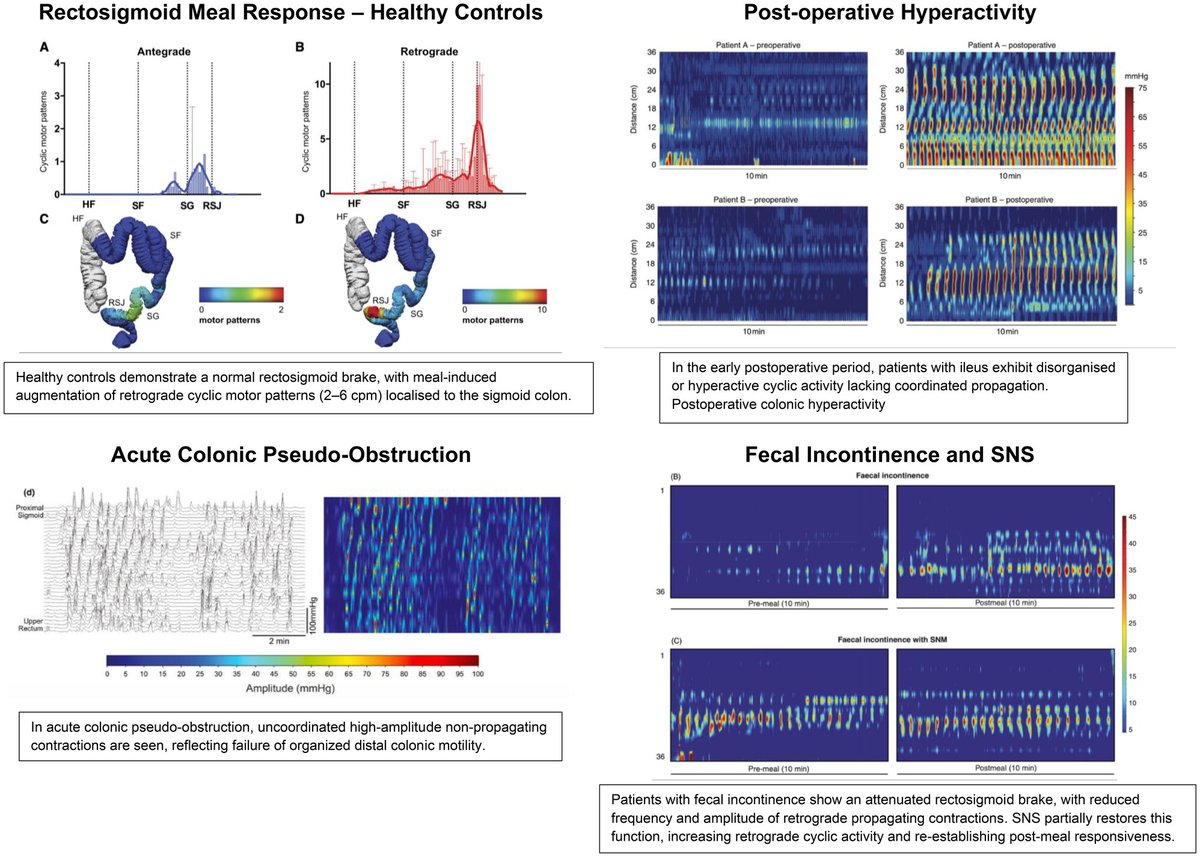
ALT Key Points Patients with chronic megacolon typically have increased colonic diameter and compliance. We have identified a subset of patients with treatment-refractory constipation who have intraluminal motility findings of chronic hypercompliance without increased colonic diameters on cross-sectional imaging. We refer to this as refractory constipation with colonic hypercompliance (RCCH). The increased compliance differs from compliance reported in chronic constipation alone. Further examination of myenteric and smooth muscle structure and function is required to advance management.