✝️🇺🇸 Jesus is Lord & Savior • Opinions are my own but they should be yours too
Joined August 2021
- Tweets 85,786
- Following 7,750
- Followers 117,277
- Likes 76,720
11,694 Photos and videos


Pinned Tweet

Jun 10
“They cannot believe this result, say that the only way that this could be true is if it was fraud and cheating.”
Actually no, it’s not that “the only way Spencer Pratt could lose is if there was fraud and cheating.” At least not for me and for most people I’ve spoken to or seen speaking.
And I understand that had he advanced to the general, Pratt would’ve had an uphill battle and a hell of a long shot in front of him.
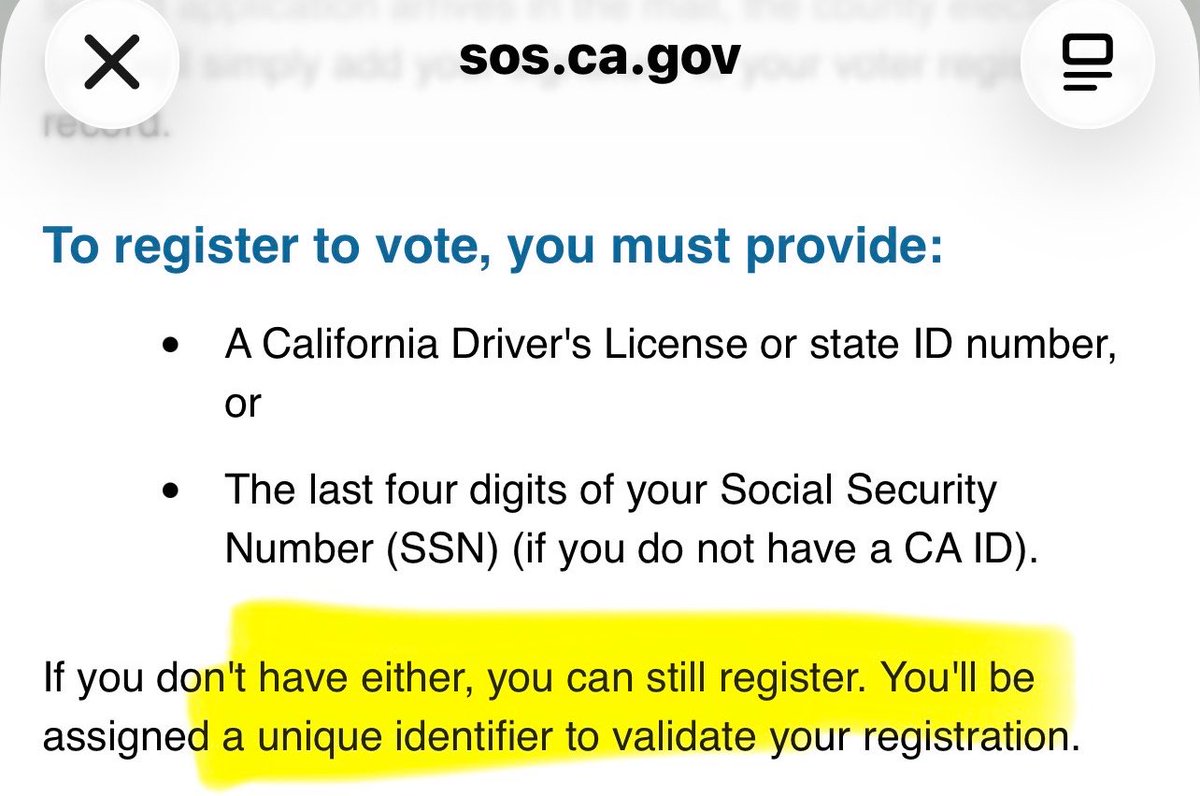
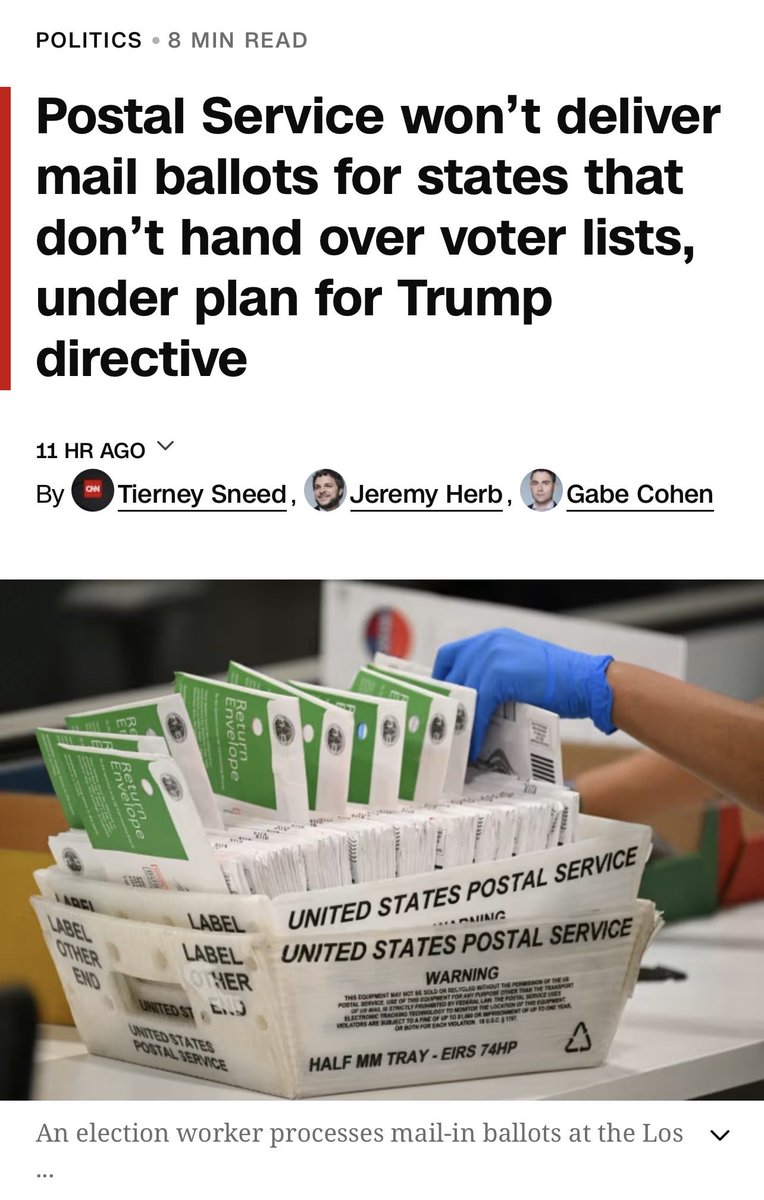
The issue isn’t “it must be fraud;” the issue is that in California and these progressive-run states and cities, we’ve built an electoral system that begs the public to mistrust it—not because we lose but because it’s not as secure as it could be; it is objectively left open to vulnerabilities, and we can only assume this is purposeful and willful.
An election that requires no photo ID to prove you are who you say you are is open to fraud. A bad actor needs only your name and address, and they could cast a vote in person in your stead, and you wouldn’t know until your vote got rejected and you had to cast a provisional ballot. There’s no security against that.
Again, if a person knows your name and address, they can vote for you. No other info is given at the vote center.
And since Covid, we mass mail out ballots to every single voter—even to people who don’t want them. I see ballots everywhere, discarded on apartment complex mailboxes because they belong to someone who no longer lives there. I’ve received ballots that aren’t mine. I’ve had my ballot sent to an address that’s not mine. And I can’t request to not have a ballot sent to me. It’s forced on me—even if I vote in person.
And universal mail-in ballots present another very easy way a person could vote on your behalf—and again, you wouldn’t know until you tried to vote, got rejected, and had to fill out a provisional ballot.
Yes, your ballot showing up at your door is super convenient; it also opens the door to fraud. And a mere 7 years ago, we didn’t do it like this, and still people who wanted or needed to vote by mail could do it; they just had to request it. And under that system, nobody screamed “voter suppression” or “disenfranchisement,” but now we do—not because it’s actually voter suppression but because we’ve gotten used to the convenience.
And why are we allowing for ballot harvesting? Why should it be legal for you to collect ballots en masse from people you don’t know and aren’t related to? Again, that opens the door to fraud, tampering, and undue influence.
And why do we accept mail-in ballots that arrive seven days post election? California gives you so many avenues and so much time (a full month) to return your ballot that you should be able to get your ballot to its final destination by election night—not just in the mail but to its final destination.
This is called…being an adult and mailing things on time. Not voter suppression.
It’s not a matter of opinion that all of the above opens our elections to more fraud and general mistrust; it’s a matter of fact.
We’re trading security for convenience.
That trade-off might be worth it to Democrats, but it shouldn’t be, and it’s not worth it to all of us.
A country cannot stand if nearly half or half or more than half of the populace doesn’t trust the election process. That’s not a Republican issue or a MAGA issue; that’s a United States of America issue.
So no, it’s not about “my guy wins or it’s fraud.” It’s about objectively we’re leaving our elections vulnerable to fraudulent activity. We’re the greatest nation in the world, and yet other countries have more secure (and also quicker) electoral processes. That’s unacceptable.
None of the above would put undue burden on a voter—and yet all of it would help secure the voter and fortify against fraud.
50
44
235
18,311
For we do not have a High Priest who is unable to empathize with our weaknesses, but we have One who has been tempted in every way, just as we are—yet H did not sin. Let us then approach God’s throne of Grace with confidence, so that we may receive mercy and find grace to help us in our time of need.
Hebrews 4:15-16
2
25
742
Jun 13
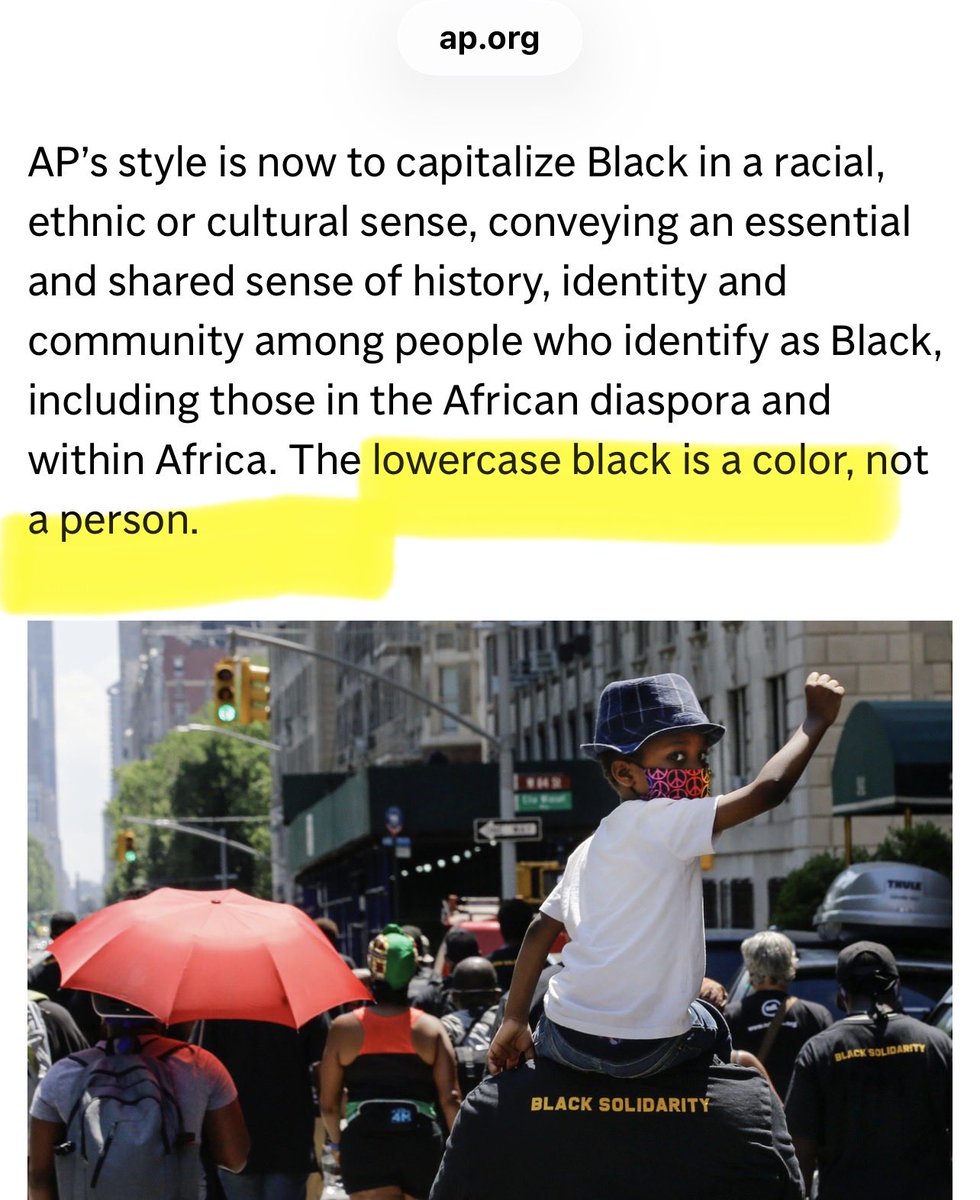
Stop capitalizing black when referring to people.
It is one of the most absurd things imaginable.
36
4
172
4,192
Jun 13
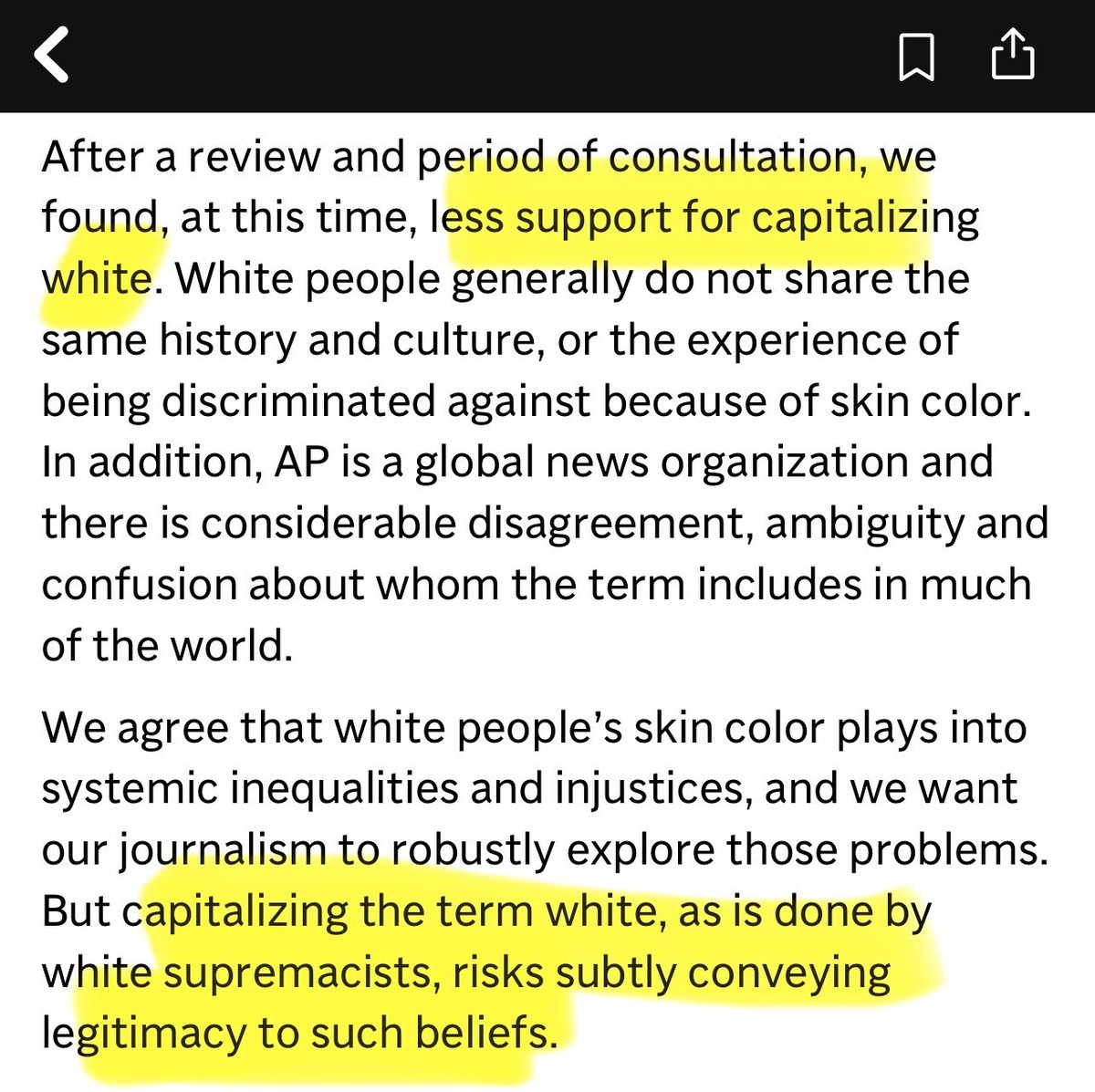
Black is not a country and when referring to people, it is not a proper adjective or part of a proper noun.
We all used to know this as kids when we didn’t capitalize black and white when referring to people, but somehow as adults we’ve allowed ourselves to be indoctrinated by new AP Stylebook guidelines that are actively anti-white.
Stop.
6
3
22
718
Natalie Jean Beisner retweeted
Jun 12
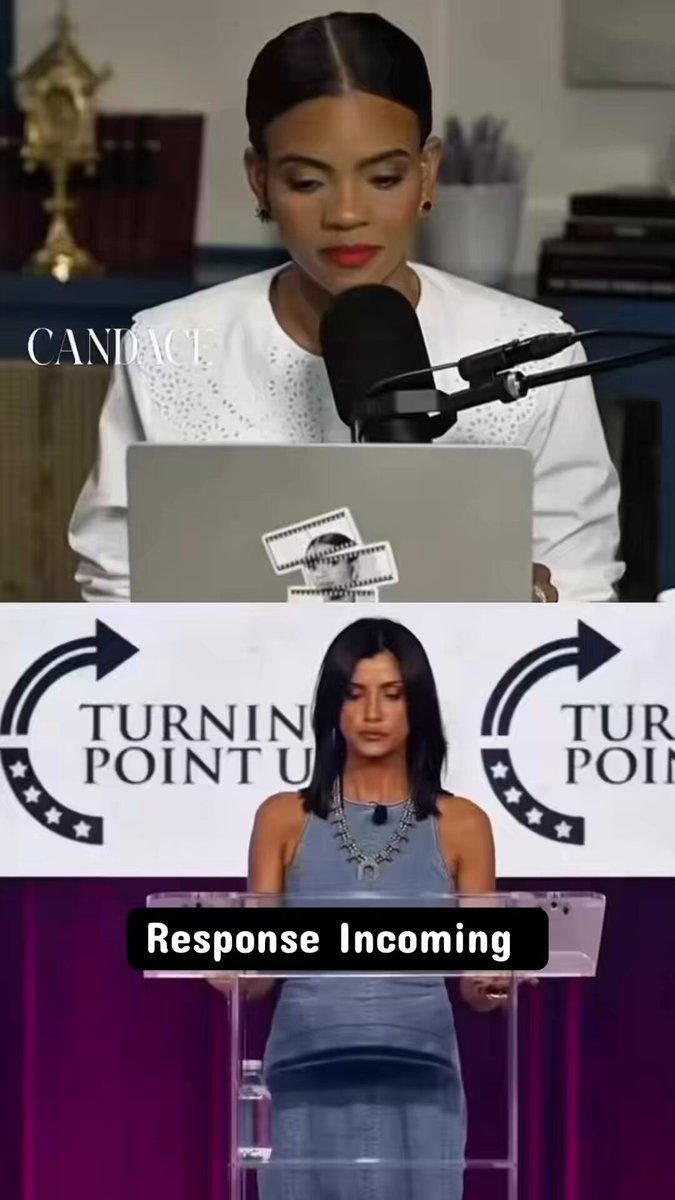
The people who obsess over and condemn Erika for giggling through tears over an emoji are perfectly fine with Candace blatantly and repeatedly mocking Scripture.
2
6
67
907
Jun 12
If you think someone is attempting to misuse Scripture against you, the appropriate response is to say why, using Scripture—not to laugh.
Satan attempted to misuse Scripture against Christ. Did He laugh? No. He responds with Scripture and rebukes him.
Laughing at someone reading Scripture is something Satan would do. Even if you think that person is attempting to misuse Scripture, laughing is what Satan would want. He is glad when God’s word is misused. Christians are not.
Laughing at someone else reading Scripture is what we expect from nonbelievers—not professing Christians. Because Christians know all Scripture is God breathed (2 Timothy 3:16). So even when someone attempts to misuse it, it doesn’t negate the veracity, the infallibility, the inerrancy of God’s word, and the ultimate respect it deserves.
If you think a brother is misusing Scripture as a cudgel or to “gaslight” or whatever, Galatians tells us “Brothers, if anyone is caught in any transgression, you who are spiritual should restore him in a spirit of gentleness.”
28
16
207
4,279
Jun 12
The people who obsess over and condemn Erika for giggling through tears over an emoji are perfectly fine with Candace blatantly and repeatedly mocking Scripture.
2
6
67
907
Jun 12
This Karmelo Anthony trial and defense honestly reminds me of being an unmasked person during Covid.
People would follow me around and harass me—even outdoors where there was no mask mandate in effect.
And we all say the viral videos of people doing the same to others.
And it made no sense because unmasked people were supposed to be “dangerous;” you wanted to stay away from those people, and so…you followed and harassed them?
Similar concept here with the defense of Karmelo Anthony: white people are so dangerous to and scary for black people, so…Karmelo trespassed under a tent where he didn’t belong, was asked to leave 15 times, and goaded a white boy into touching him so he could stab him? Makes sense.
Similar vein when you start telling me how Austin was bigger than Karmelo. So that means you start picking fights with guys bigger than you? You don’t leave when they ask you to leave?
Maybe it’s just me, but I think if you’re truly afraid—whether it be a masked person of an unmasked one, a black person of white people, or a boy of a bigger boy—you act like it, and you don’t go around inserting yourself in their space, looking to start trouble.
3
3
33
1,167
Jun 12
If you want to talk about how what happened to Karmelo is “unfair” and how his life is ruined, fine, but it’s a gross lie of omission—because you can’t talk about that without talking about how unfair it is what happened to Austin and how his life is over, forever, with no possibility of parole.
And then what happened to Karmelo suddenly becomes a lot more fair, understandable, and comparatively ok.
Karmelo’s parents will get to visit him in prison. Austin’s have to talk to a grave.
3
4
94
1,454
Jun 12
I find it very alarming that we apparently need to explain to leftists that they don’t get a trial murder; they don’t get a first murder that “doesn’t really count” and isn’t prosecuted to the fullest extent of the law.
2
1
24
448
Jun 12
There are people posting photos of themselves urinating on Austin Metcalf’s grave, so when Candace tells you Charlie’s grave will be fine if it becomes public knowledge, she’s being purposefully obtuse or lying or both.
41
121
1,423
14,114
Jun 12
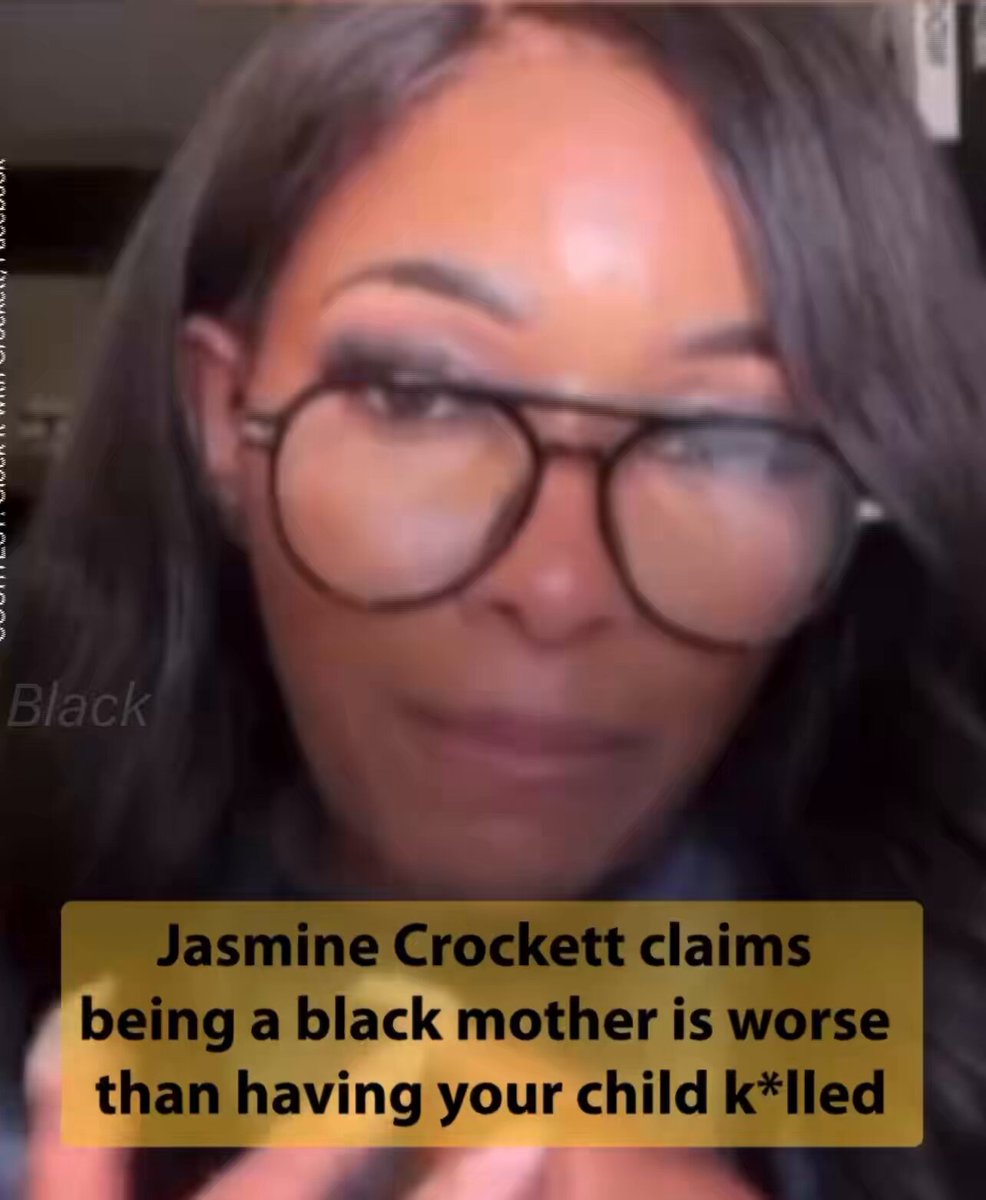
black women do not have it harder than everyone else.
black men do not have it harder than everyone else.
This belief is illogical to its core because if white folks need to defer to black folks on what it’s like to be black, then you need to defer to us on what it’s like to be white. Ergo, you cannot know you have some type of special burden whites don’t.
If white skin doesn’t stop me from worrying about paying my bills, making sure my family survives, a $1,000 emergency coming up that I can’t afford, eviction notices, and more, then my white skin is useless. If white skin doesn’t protect you from life’s greatest nightmare—losing a child—then white skin is useless.
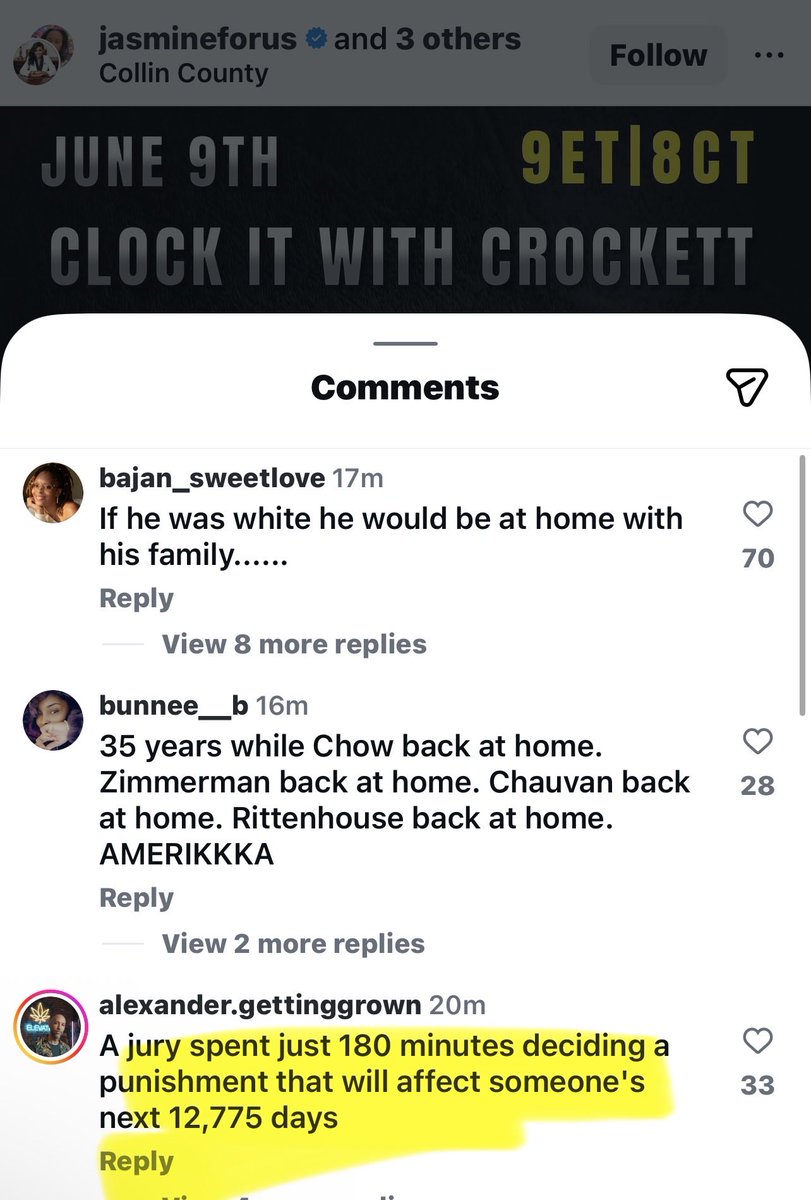
If I’d done to another woman exactly what Karmelo Anthony did to Austin Metcalf, I’d be going to prison.
If blacks are farther behind than the rest of us, it’s because they refuse to take any accountability whatsoever.
5
7
78
1,412
Jun 12
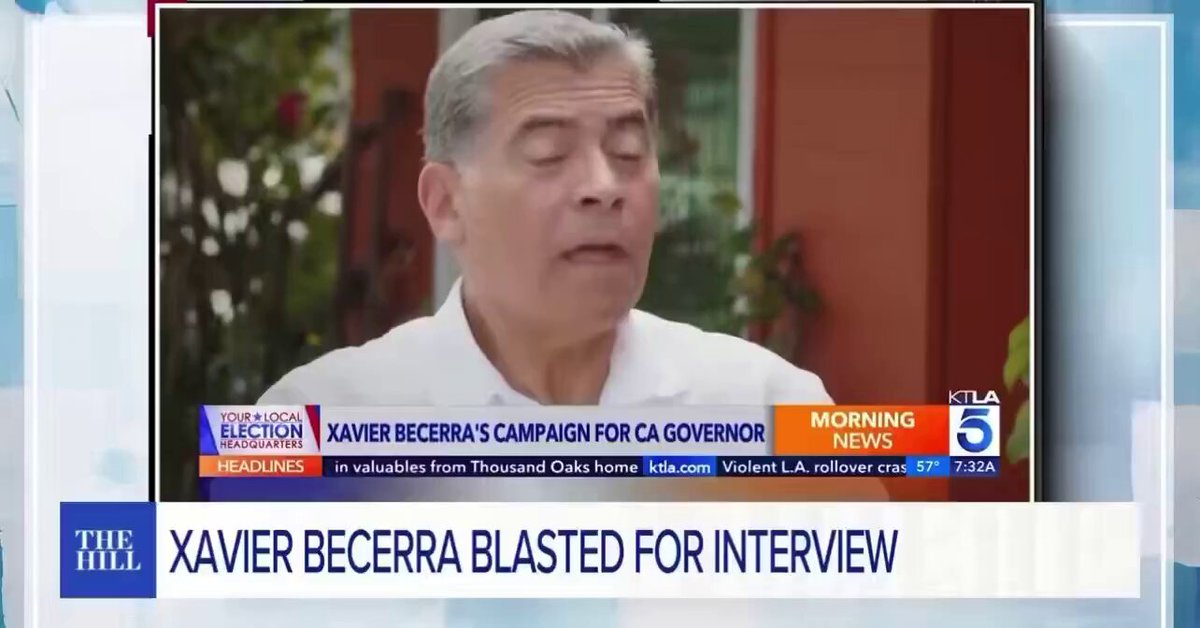
Now that Xavier Becerra is in the general, can we make this clip go viral again?
This man is a complete dope.
Oh, and he lost 85,000 kids during his tenure with the Biden administration.
5
62
202
8,709
Natalie Jean Beisner retweeted
Jun 11
I don’t get this desire to go soft on Karmelo because “he’s young” and “it’s his first offense” and “he only stabbed him one time.”
If it were your brother who bled out in your arms or your child he stabbed, I imagine you’d feel differently.
And even if you wouldn’t feel differently (which you don’t know and hopefully never will), a lot of us—the majority of us—get through our “young and dumb years” without killing anyone—accidentally or otherwise.
And the fact remains that whether or not you believe Karmelo actually meant to deal a fatal blow, the jury determined he did. They had the option of convicting with manslaughter, and they chose not to. The jury unanimously concluded in under three hours that the prosecution proved beyond a reasonable doubt that Karmelo intentionally or knowingly caused Austin’s death.
This is why it is so vital to have control of your emotions, to be smart, and to have a good relationship with God. Because one “mistake” can ruin decades of your life.
And I am sure there is much pain and remorse on the part of the Anthony family—including Karmelo—but it doesn’t negate what was done here.
We’re not talking about sending someone away for shoplifting or a non-violent drug offense. Were not even talking about accidentally striking and killing a man with your car. We’re talking about stabbing a kid through the heart when he was given multiple opportunities to walk away.
The whole thing is a tragedy, but there is no good reason to go easy on him when he murdered someone.
9
9
85
2,147
Natalie Jean Beisner retweeted

Jun 11
So this is what you think happens now? Someone bumps me and I can put a blade in their heart? And since prison for murdering someone would ruin my life and make me more mean, I should get parole and pick up roadside trash for a few weeks?
2
12
551
Natalie Jean Beisner retweeted
Jun 11
He will likely be out in 17 years, which I think is despicable but defeats the purpose of what you’re saying.
Personally I think he deserves the death penalty or live in prison.
I didn’t “allow” anything. Karmelo is the victim of his own actions.
I am very sorry indeed that he chose to destroy decades of his life, and I mean that.
3
2
34
832
Natalie Jean Beisner retweeted

And I find it interesting that the way the money was spent did not reflect the promise behind it.
GiveSendGo and Jacob don't seem at all concerned that the "legal fund" was fraudulently spent to make the family wealthier.
1
4
415