
Anthropology, Archaeology and History! 600,000 subs on YouTube. Check out the show!🦍🏹
Joined August 2022
- Tweets 1,483
- Following 230
- Followers 3,365
- Likes 824
499 Photos and videos



NORTH 02 retweeted

Jun 14
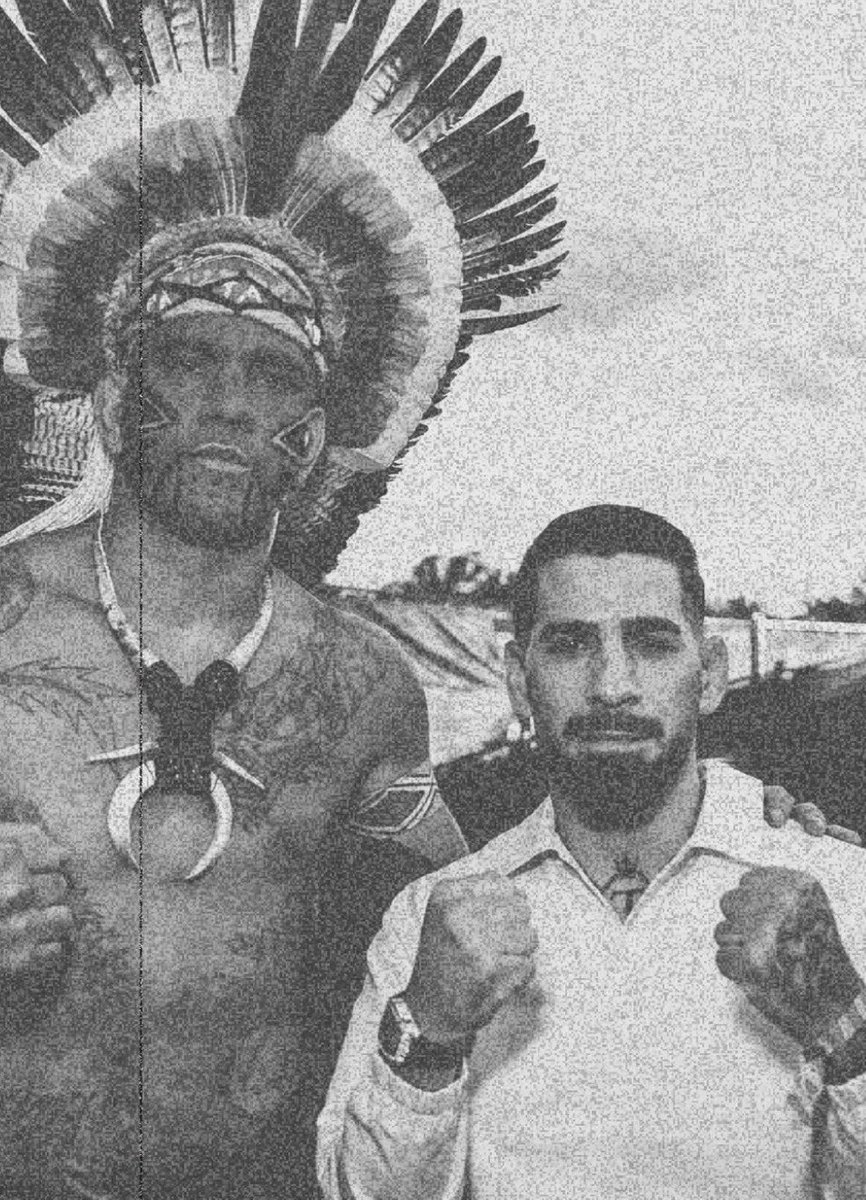
Spanish Explorer meets Chief Hands of Stone in the new world(circa. 1540)
68
1,853
25,104
503,810
NORTH 02 retweeted

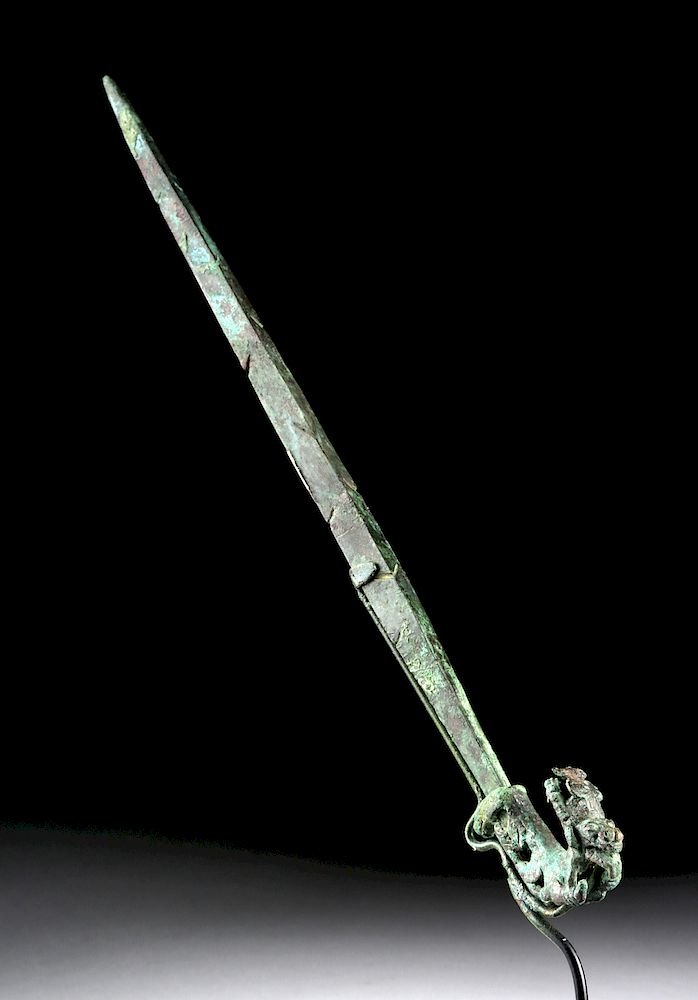
I fear there might be some examples in private collections, like the copper dagger, purportedly produced by the Moche, which I incidentally found on an auction website.
I see no reason why the Incans, then, couldn't have made them, but I reason metalworking as an institution-
1
3
6
378


NORTH 02 retweeted

21 Jun 2025
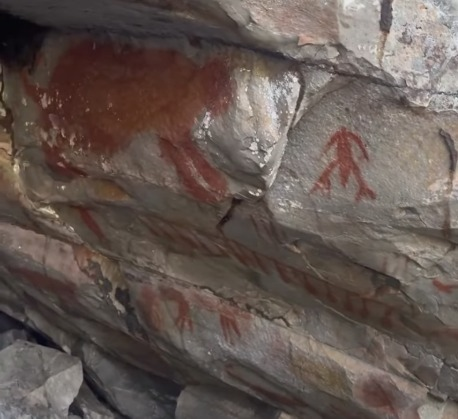
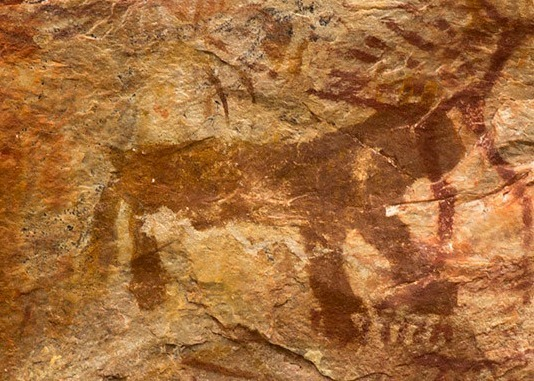
Compilado de pinturas rupestres brasileiras que possivelmente retratam — OU NÃO — animais extintos da megafauna.
Eremotherium(?)
Ibotirama, Oeste da Bahia
5
37
194
6,085
NORTH 02 retweeted
21 Jun 2025
Smilodon(?)
Sítio Arqueológico da Pedra Pintada
4
54
2,671
NORTH 02 retweeted

May 19
Most books by Harari and Diamond are great examples of this trend

sometimes I'll hear about an interesting sounding history book, and then I do some more research and learn that historians actually consider it the stupid book for morons that you should only read if you want to be wrong about everything
9
10
168
12,625
NORTH 02 retweeted

sometimes I'll hear about an interesting sounding history book, and then I do some more research and learn that historians actually consider it the stupid book for morons that you should only read if you want to be wrong about everything
130
557
9,758
2,229,706
NORTH 02 retweeted

Checkmate archaeologists


New video is out!
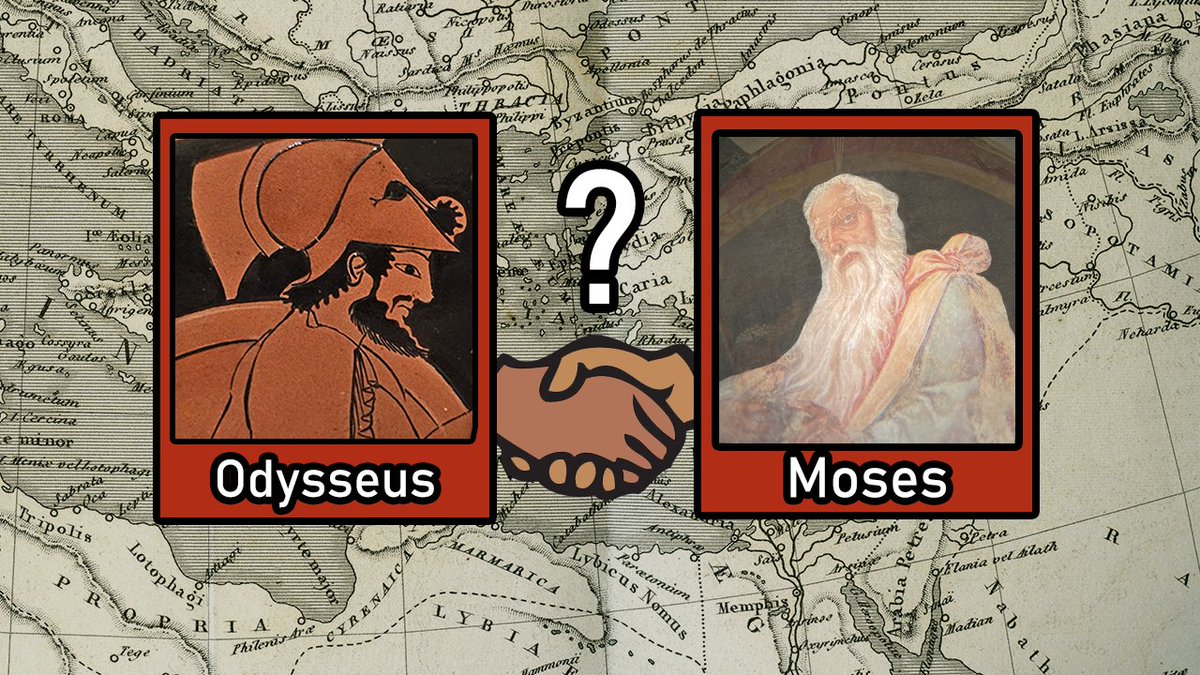
This time I explore the possibility of Odysseus ever meeting the prophet Moses...
Could they have ever met? Let's find out! (link below)
6
8
383
14,740
NORTH 02 retweeted

May 16
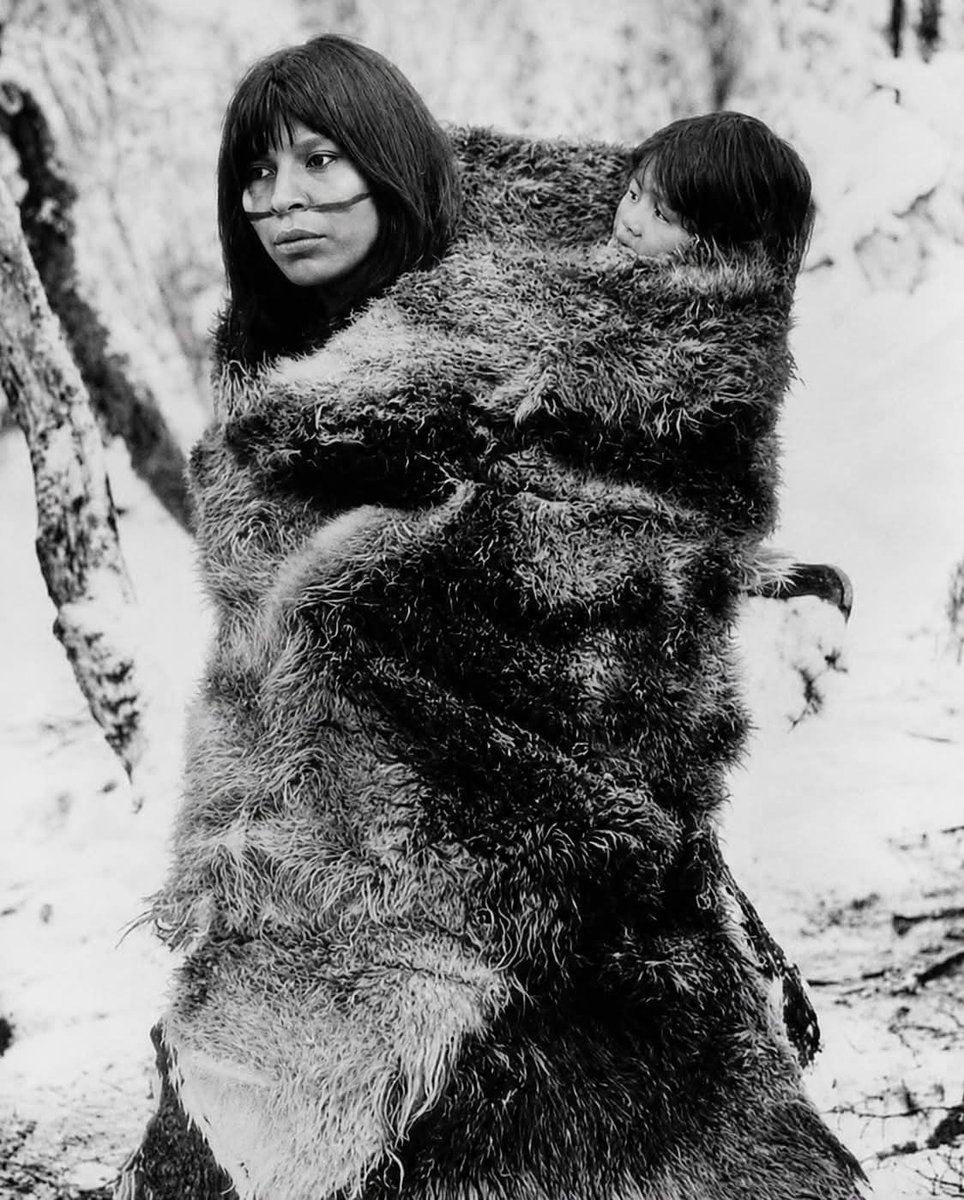
In this haunting 1923 photograph, a Selk’nam woman stands in Tierra del Fuego with her child wrapped against her back in a guanaco fur cloak. At first glance, it looks like a quiet image of motherhood: a woman, a child, protection, survival. But behind it is one of the most devastating Indigenous histories in South America. The Selk’nam, also known as the Ona, lived for thousands of years on the island of Tierra del Fuego, at the far southern edge of Chile and Argentina. They were nomadic hunter-gatherers who survived one of the harshest climates on earth, relying heavily on guanaco for food, clothing, shelter, and tools.
Then came settlers, gold prospectors, sheep ranchers, and the brutal logic of colonization. Land that had never been “owned” in the European sense was suddenly fenced, claimed, and turned into ranching territory. The Selk’nam hunted sheep as they had hunted guanaco, not because they were criminals, but because their world had been violently overwritten. To the ranchers, they became an obstacle. To the state, they became a “problem.” To bounty hunters, they became targets. Historians have documented campaigns of extermination in which Selk’nam people were hunted, captured, displaced, and killed as ranching and colonial expansion took over Tierra del Fuego.
Missionaries later gathered survivors into missions, where forced assimilation, disease, confinement, and cultural destruction continued what the rifles had begun. Children were separated from old ways of speaking, moving, believing, and remembering. Survivors often stopped passing down language and identity because being visibly Selk’nam had become dangerous. That is one of the cruelest parts of genocide: it does not only kill bodies. It teaches descendants to hide themselves in order to live.
For many years, the Selk’nam were spoken of as if they had vanished completely. But that language is changing. Descendants have fought to be recognized, to reclaim identity, and to challenge the idea that genocide made them disappear. In Chile, Selk’nam recognition became a major issue in recent years, with descendants insisting: *we are still here.*
#drthehistories
40
859
2,638
179,354
NORTH 02 retweeted

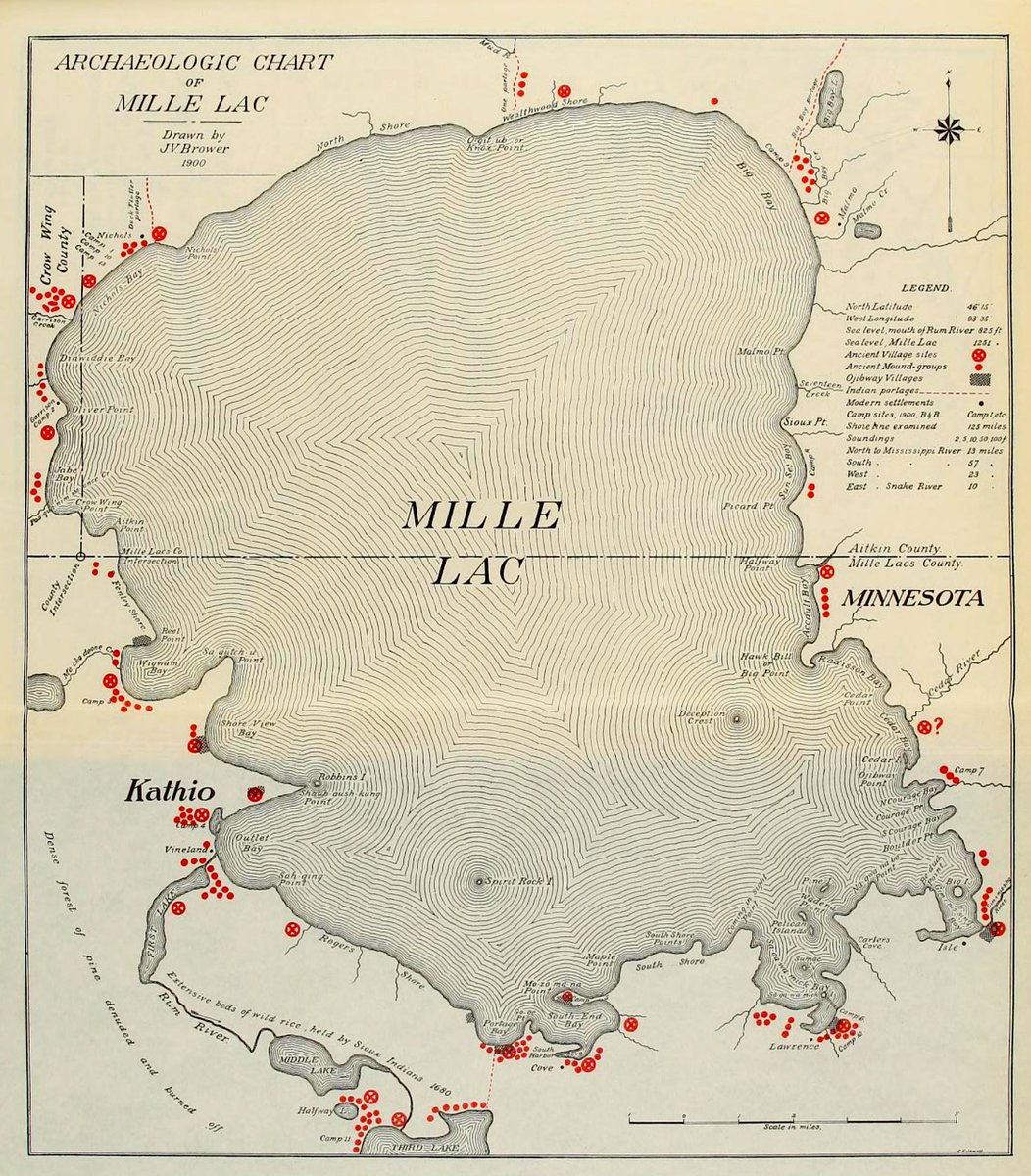
Survey map of mound complexes along Mille Lac, Minnesota. The red dots are "mound groupings" with some representing hundreds of mounds.
From: Brower & Bushnell 1900.
9
81
1,875
NORTH 02 retweeted
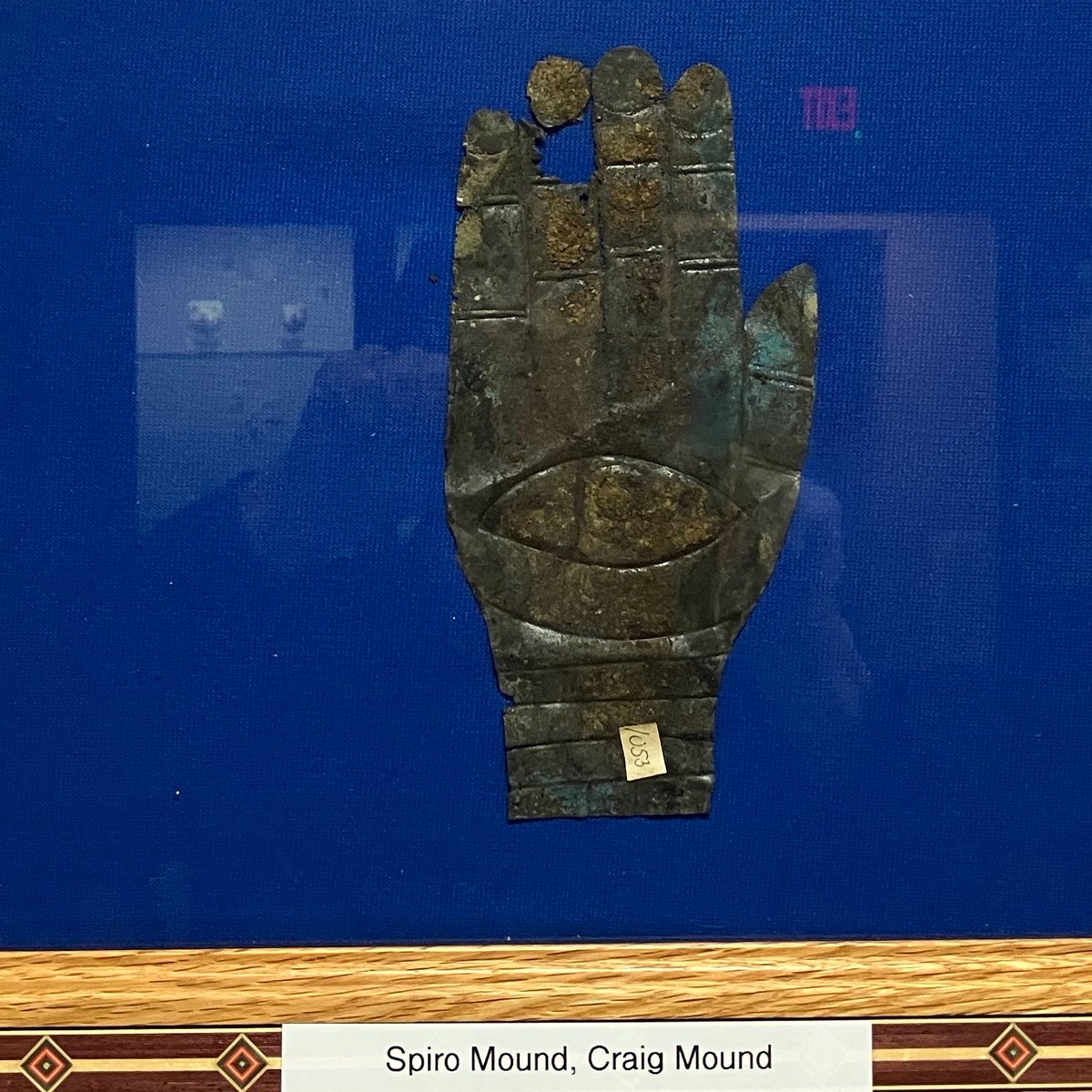
Embossed copper sheet depicting the “eye-in-hand” symbol. It is about the size of a man’s hand and is from the Spiro mounds in Oklahoma. It’s in a private collection and currently displayed in the MONAH museum in Bentonville, Arkansas. I’ve never seen this before.
13
36
369
8,360
NORTH 02 retweeted

May 14
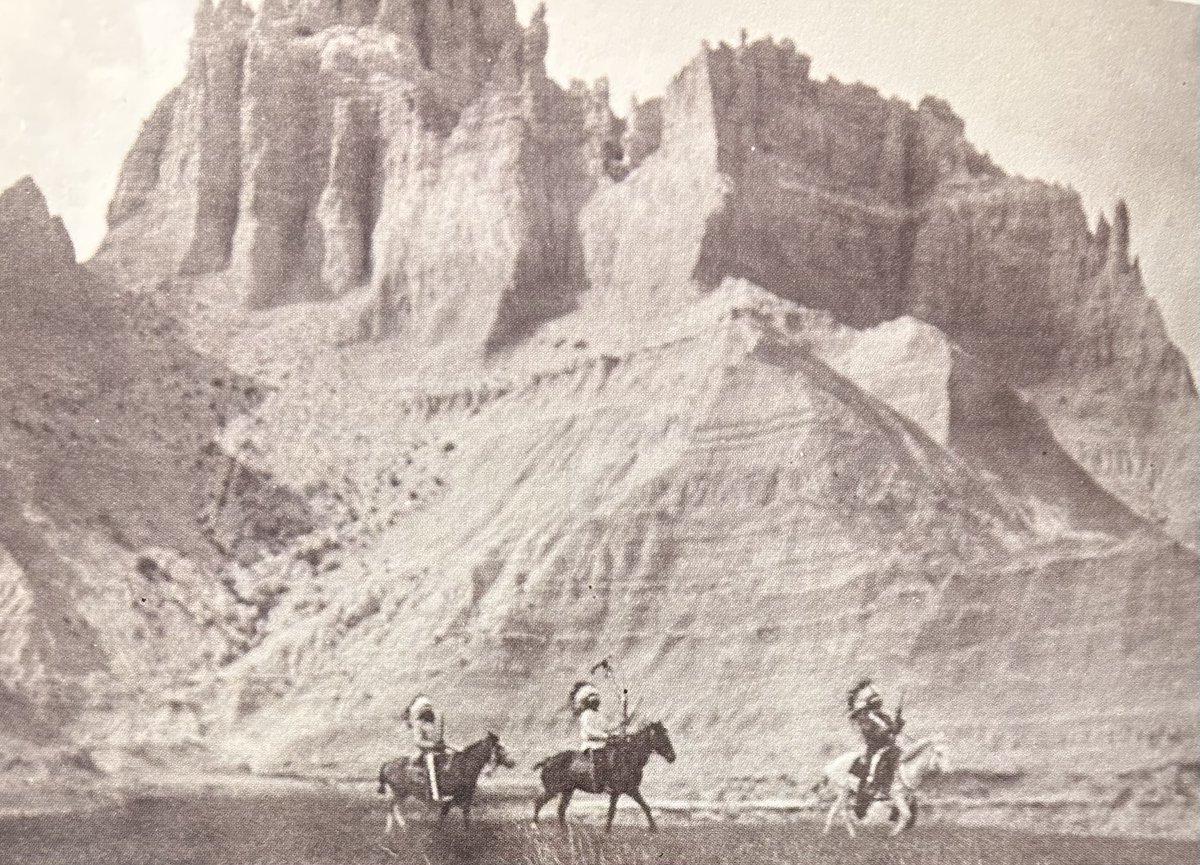
Sioux Indians in the Dakota Badlands, Edward S. Curtis, 1910
26
252
4,403
NORTH 02 retweeted

Americans double-tapped a school in the first day of the Iran war, killing 120 children.
6
43
264
4,147
NORTH 02 retweeted

May 13
I try not to take too much notice of the slop that appears in my YouTube feed; however, sometimes I don’t know whether to laugh or cry, especially when I see the number of views. The AI of Klaus is in particularly poor taste. Who’s consuming this rot?



13
5
63
2,723
NORTH 02 retweeted

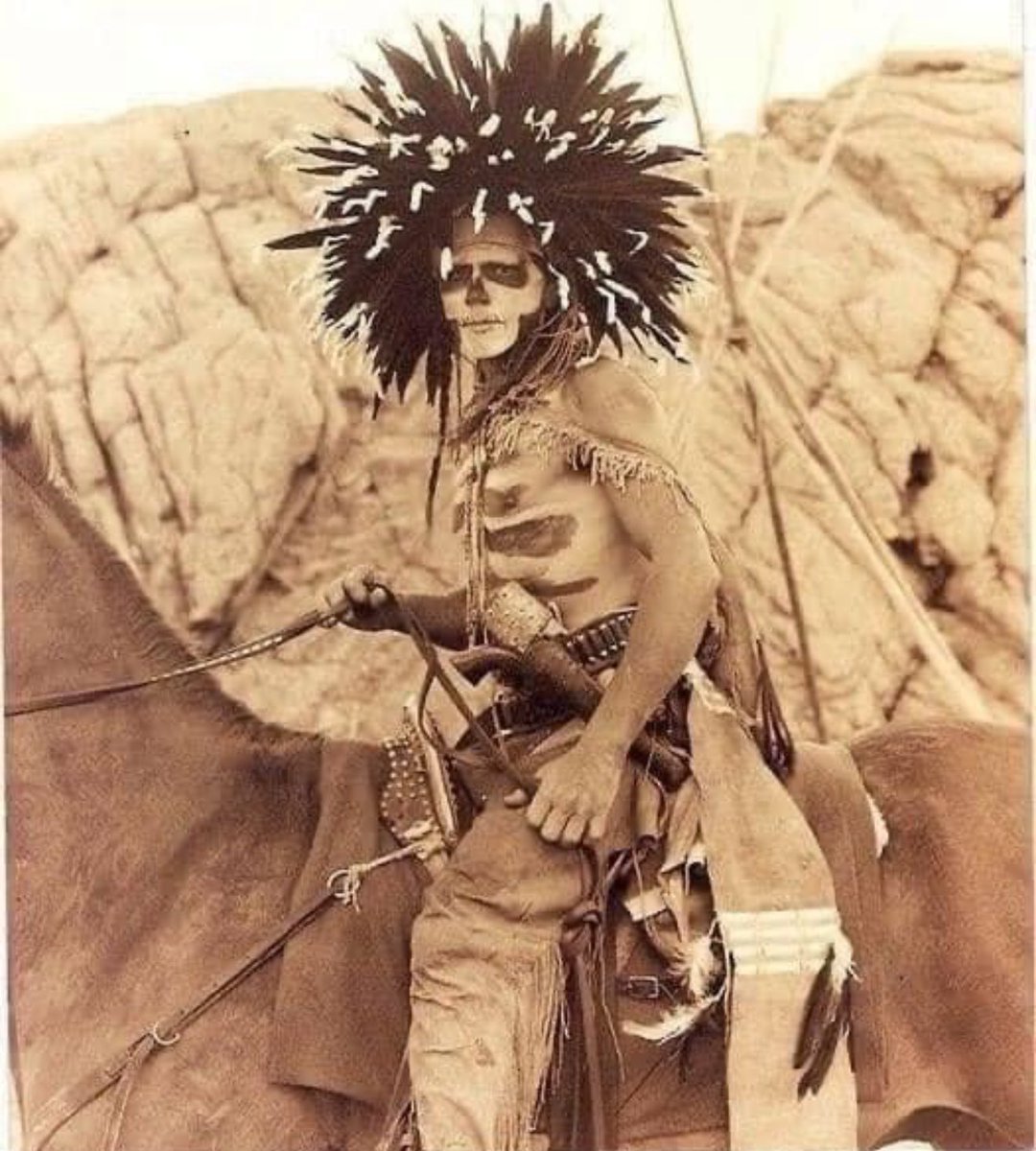
Cheyenne Dog Soldier Black Wolf, 1921
42
273
2,809
65,477
NORTH 02 retweeted
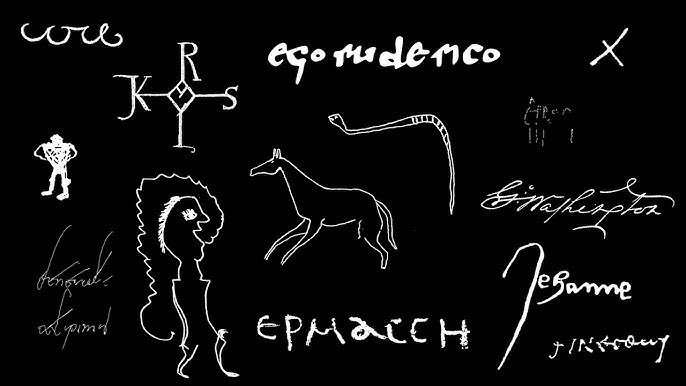
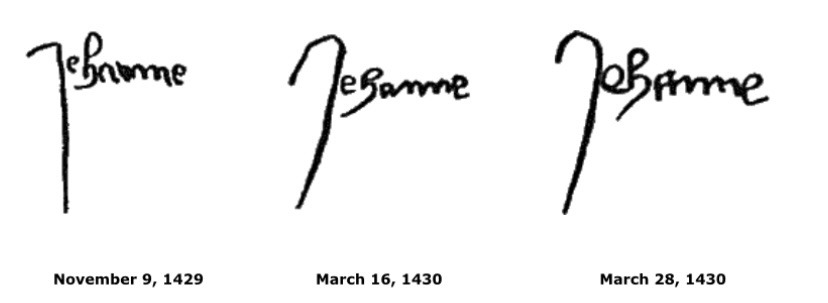
Made a whole video showing other examples of this

7
73
1,467
45,191
6
3
45
962
NORTH 02 retweeted

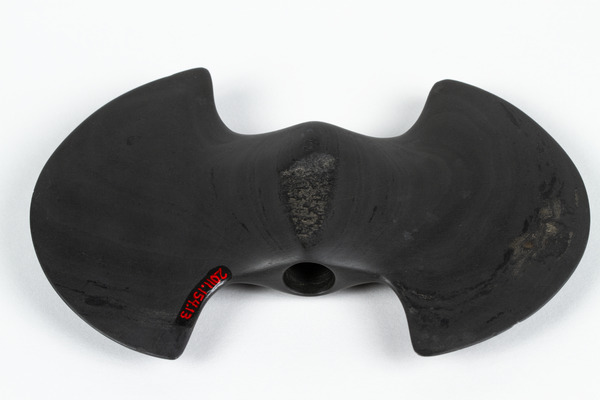
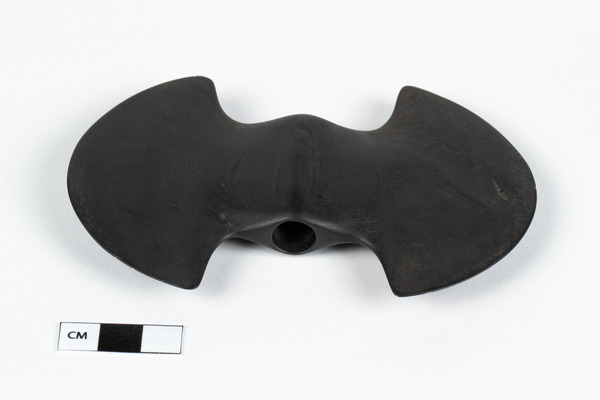
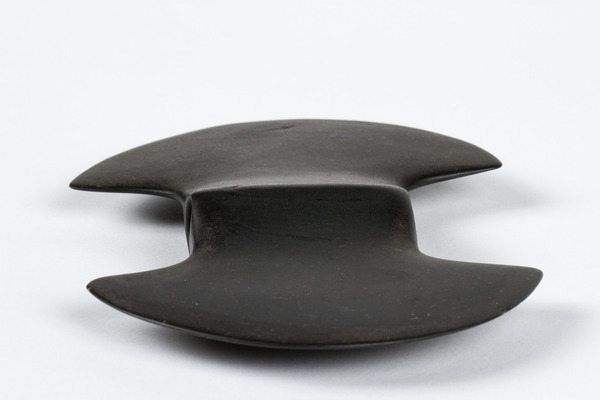
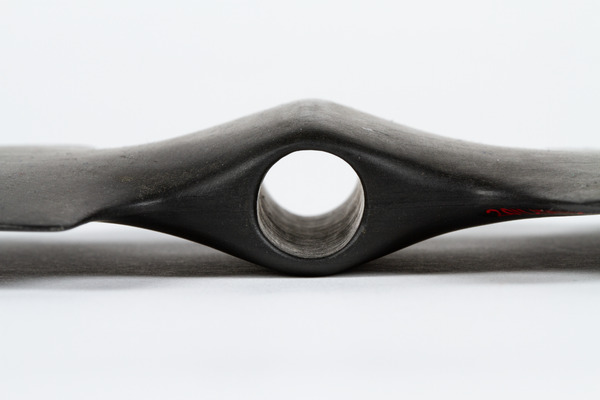
A Double-Bitted Axe Bannerstone from Kankakee County, Illinois. Bannerstones date from roughly 6000-1000 B.C.E., with the main production phase between 4500-2500 B.C.E.
Only one of hundreds.
3
14
105
2,422
NORTH 02 retweeted

Apr 29
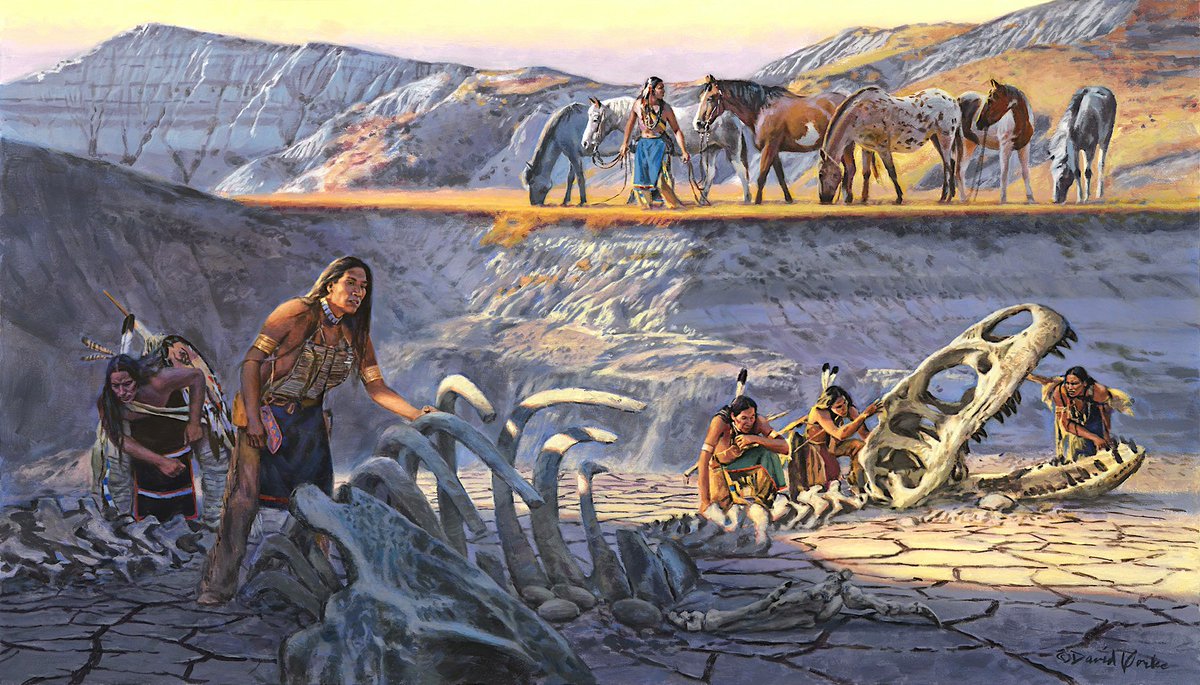
"Encounter with a Giant," imagined by artist David Yorke
12
736
5,980
187,544