NRDC (Natural Resources Defense Council) The Earth's Best Defense
Joined January 2009
- Tweets 103,518
- Following 3,377
- Followers 302,048
- Likes 12,665
7,950 Photos and videos






America’s Arctic hosts over 42 million acres of ecologically significant public land. Listen to how oil and gas development can irreparably harm it in the latest episode of What the Earth: on.nrdc.org/4ovFCa0
3
15
35
939
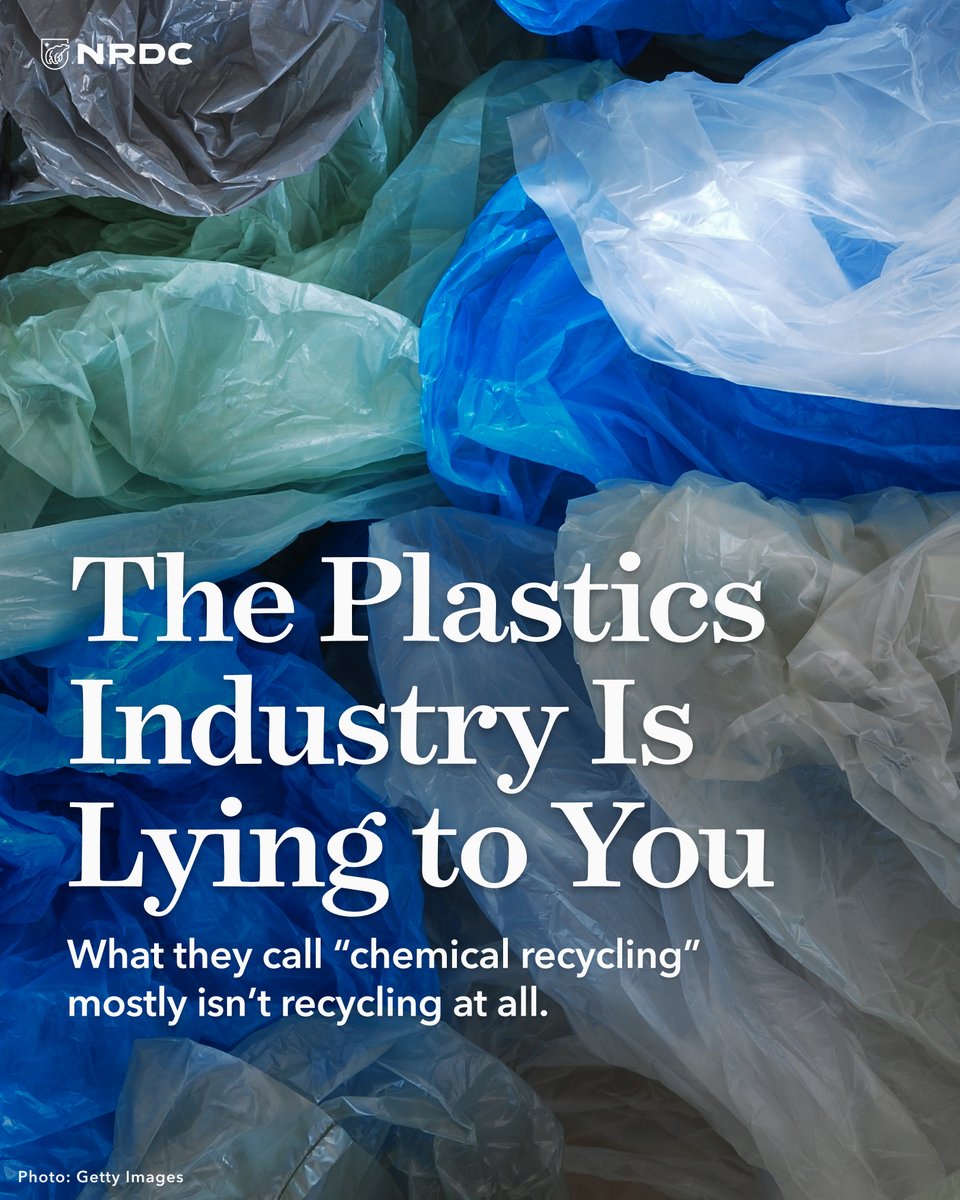
The plastics industry is polluting our waters with tiny plastic pellets—made from planet-warming fossil fuels—that are linked to digestive, reproductive, and respiratory harm, leaving communities to bear the costs while corporate polluters avoid accountability. chicagotribune.com/2026/05/3…
1
29
46
939
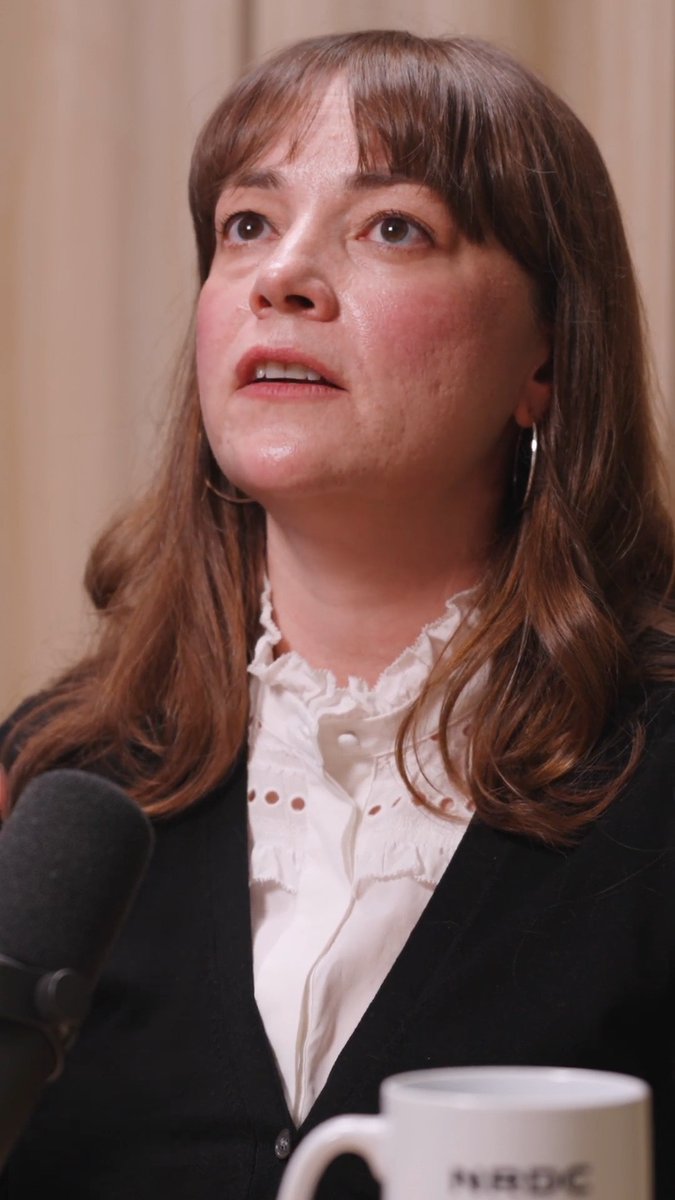
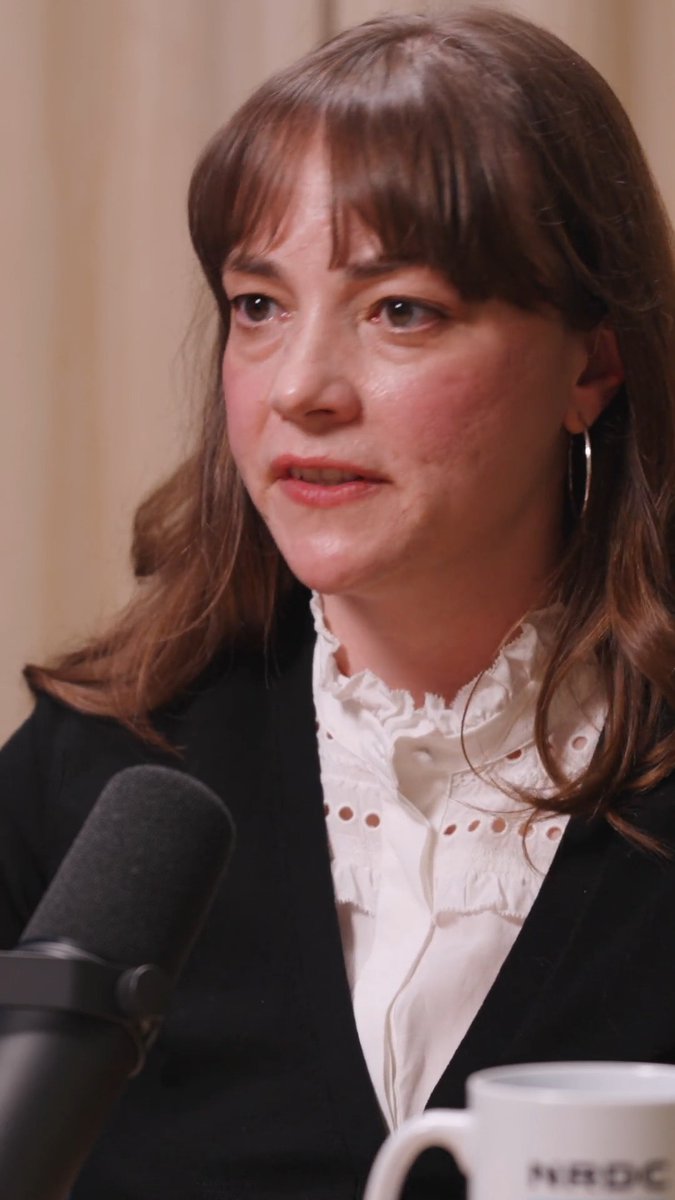
Our director of federal affairs, Katie Hobbs, talks about the risks of opening up the Arctic for oil and gas development in the latest episode of What the Earth: on.nrdc.org/4g9t0mz
7
13
695
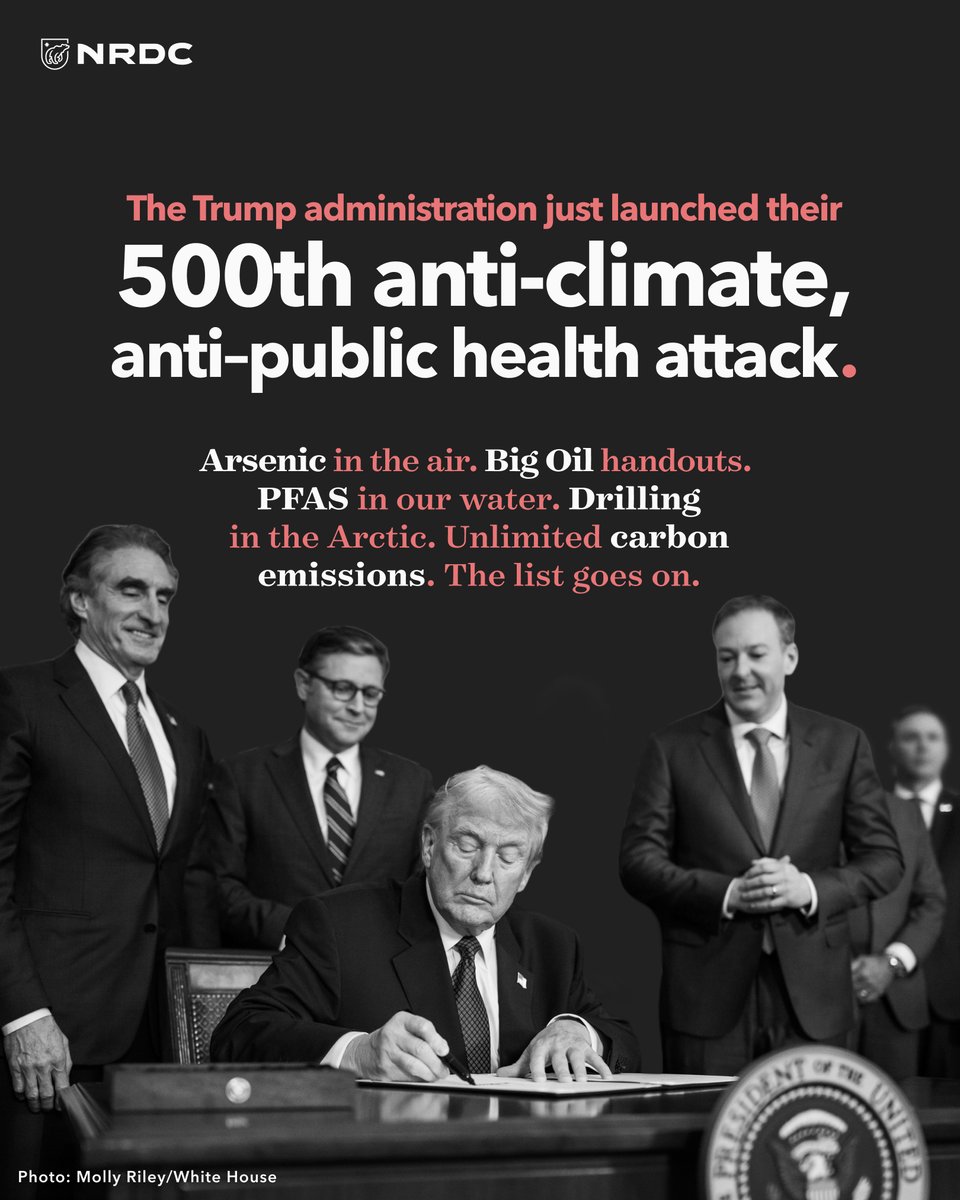
The Trump administration is promoting Biden-era investments in lead pipe removal and PFAS cleanup as their own, even though they’ve proposed funding cuts and Republican lawmakers have already redirected some of the money, leaving fewer resources to protect families’ drinking water. grist.org/buildings/bidens-c…
17
22
785
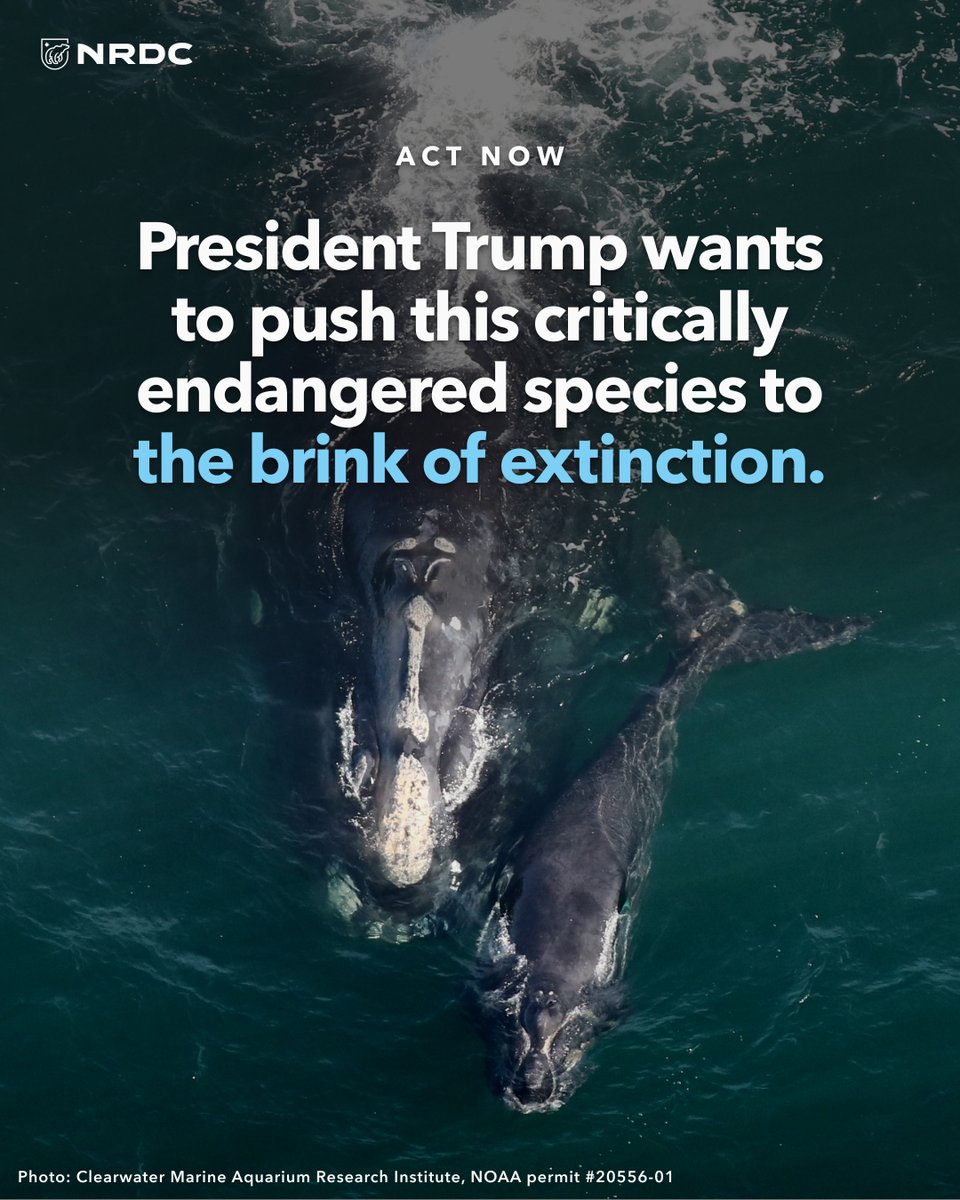
The Gulf of Mexico is home to the critically endangered Rice’s whale—fewer than 100 remain—but President Trump’s “God Squad” exempted Gulf oil and gas activities from the Endangered Species Act, bringing even more noise and putting the species at greater risk. nytimes.com/interactive/2026…
1
45
67
1,339
We’re fighting alongside partners to stop the Pacific Northwest's first industrial-scale wood pellet mill, which would emit toxic air pollutants and threaten local communities. We need to stop harmful biomass in its tracks to protect forests, public health, and our climate. on.nrdc.org/4vvvYpR
2
37
67
1,595
President Trump’s EPA is trying to weaken Clean Air Act protections to fast-track data center development and other major polluting facilities by letting them bypass key safeguards and public input. on.nrdc.org/4ftjBpH
1
20
31
977
Burning coal is up to four times more expensive than getting electricity from renewable sources. And as President Trump clings to the past, his massive giveaway to coal companies will mean higher bills and dirtier air for the rest of us. theguardian.com/us-news/2026…
6
46
61
2,000
Neonics, a widely-used toxic pesticide, are contaminating waterways, ecosystems, and communities. We’re working to limit the unnecessary use of neonic-coated seeds that harm pollinators and pose serious public health risks. grist.org/sponsored/the-figh…
1
24
42
781
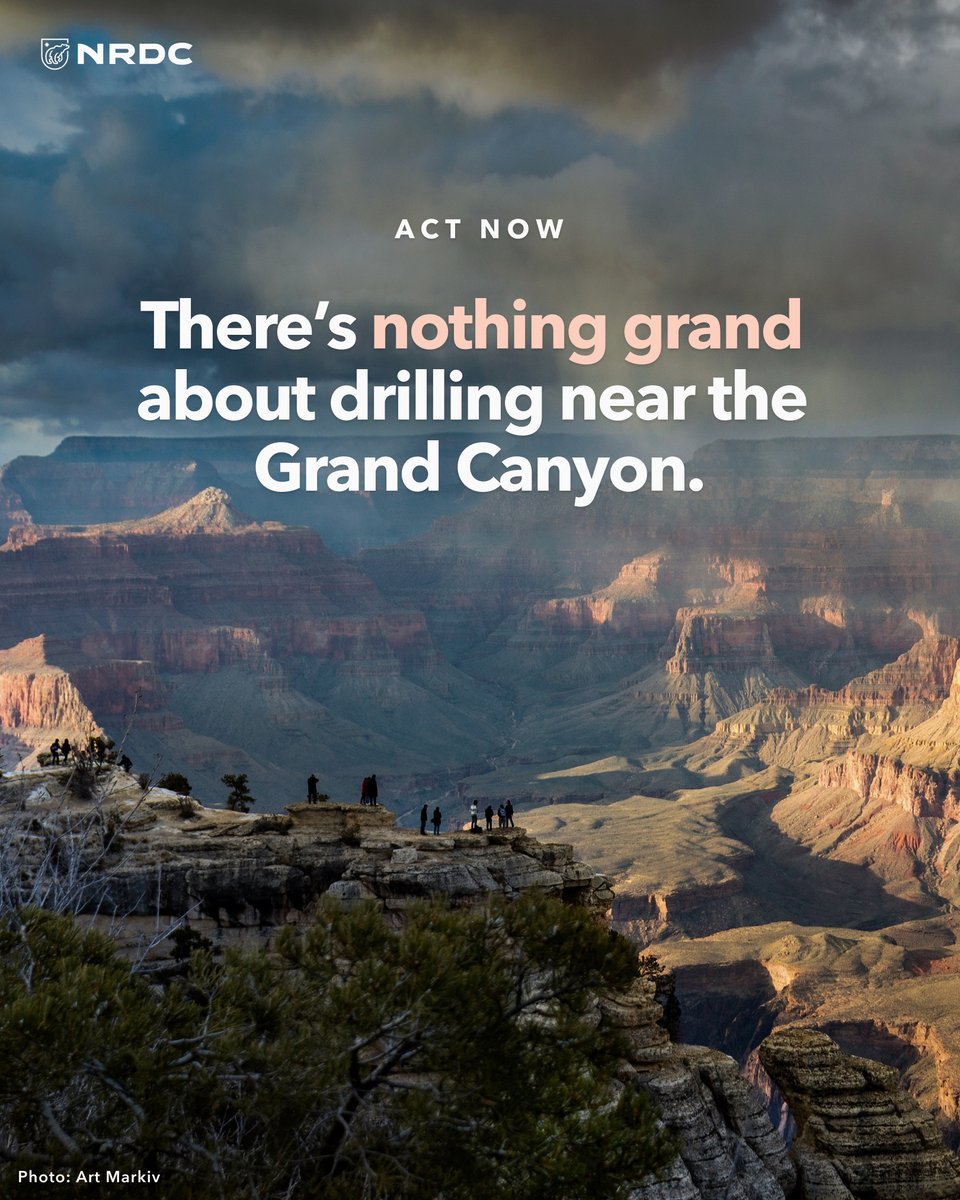
The Trump administration is planning to auction off lands near Arizona’s iconic Grand Canyon National Park and Grand Canyon–Parashant National Monument for oil and gas drilling. Submit a comment to help us fight back: on.nrdc.org/4obzOCi
21
264
245
4,545
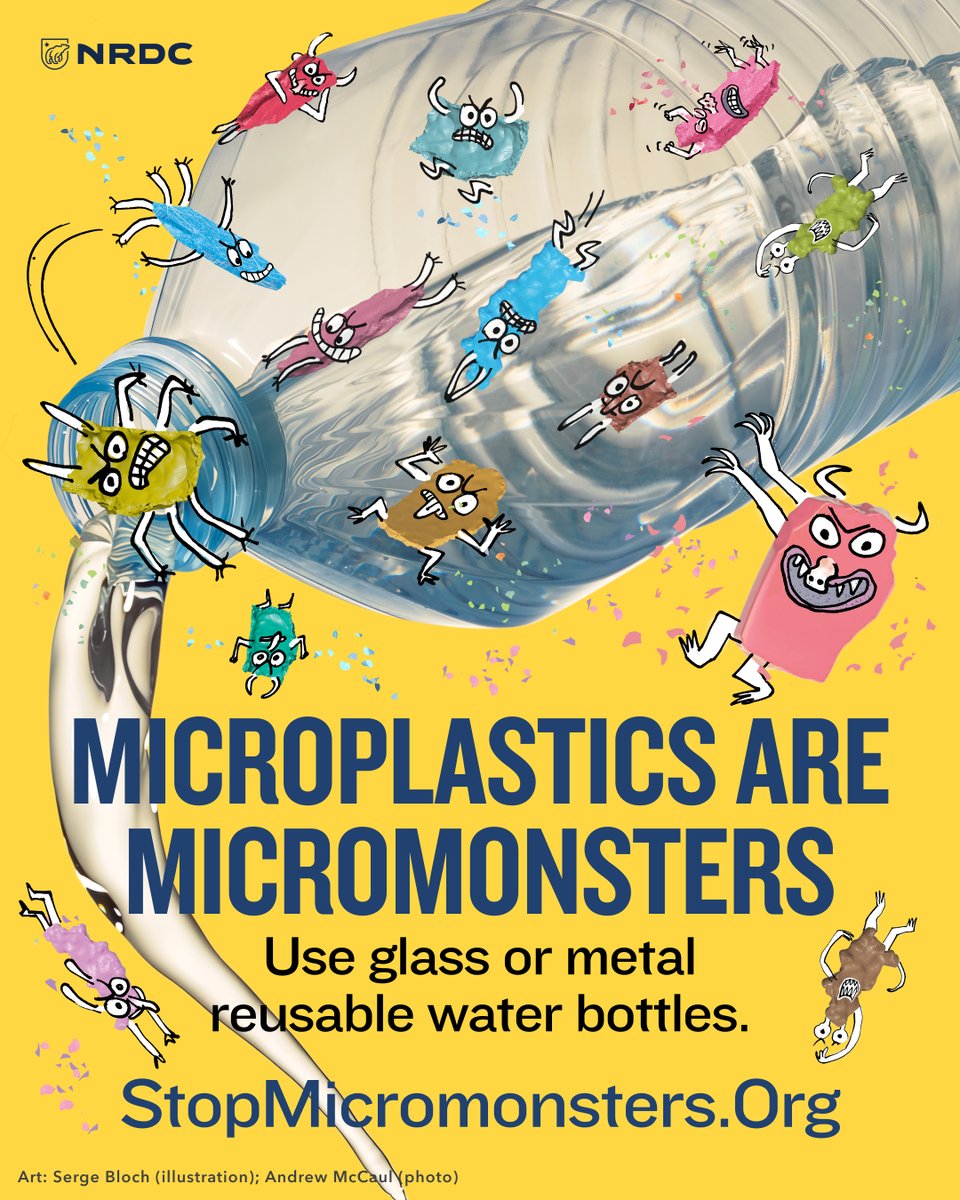
We shouldn’t have to shoulder the responsibility of solving the plastics crisis when the industry urgently needs to change. But we can still make lifestyle changes to reduce our exposure to harmful microplastics. Learn more tips at stopmicromonsters.org
6
18
681
The Trump administration made a backroom deal to pay TotalEnergies $1 billion to cancel offshore wind projects. But states are fighting back to stop President Trump from destroying these clean energy jobs and the affordable electricity they’ll build. on.nrdc.org/4ejFzKK
5
18
36
858
The rapid growth of AI data centers is raising public health concerns in Virginia, where most facilities rely on diesel backup generators that release soot and other harmful pollutants linked to serious health risks like respiratory illness and heart disease. washingtonpost.com/business/…
2
27
50
1,673