
At the New Zealand Brain Research Institute in Christchurch, we conduct research into the brain and and host clinics for treating neurological disorders.
Joined August 2011
- Tweets 310
- Following 141
- Followers 600
- Likes 24
21 Photos and videos



Pinned Tweet

11 Feb 2020
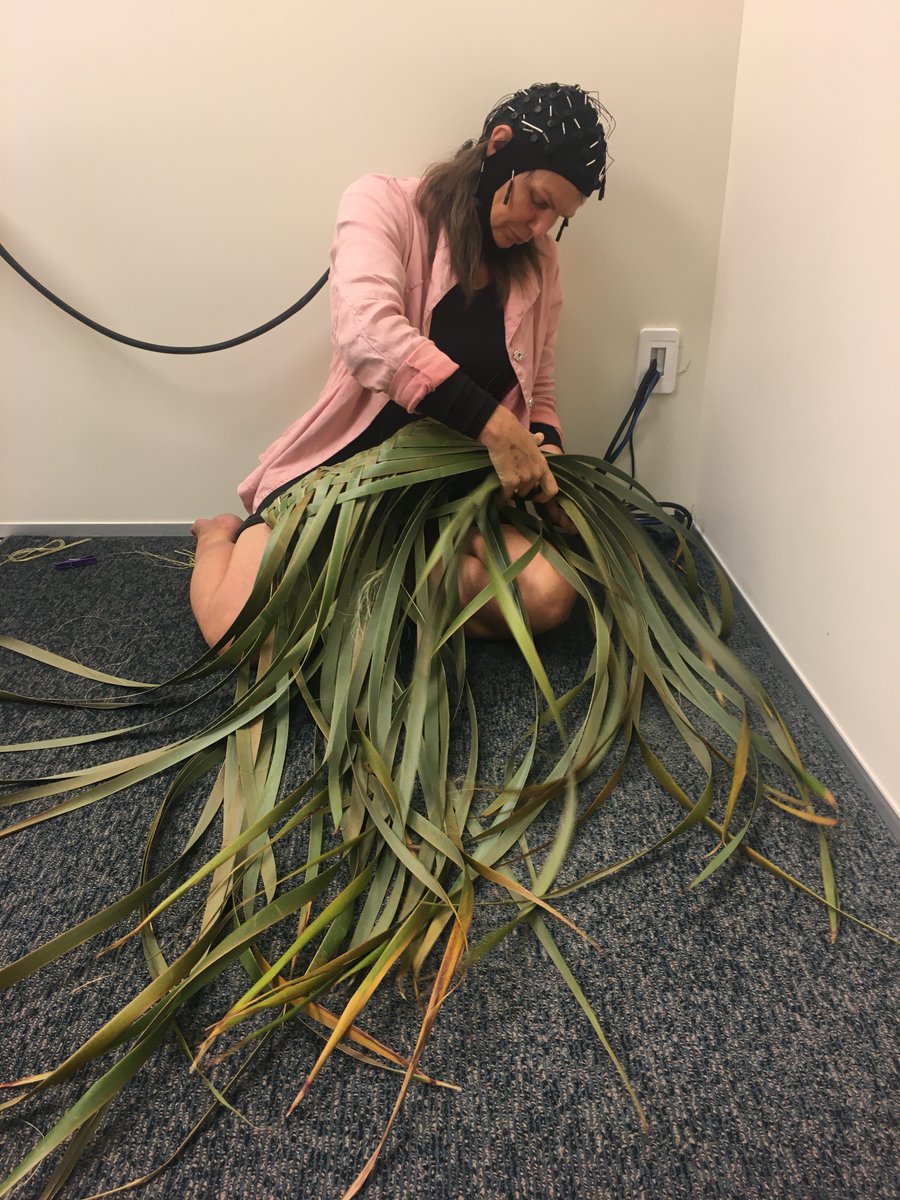
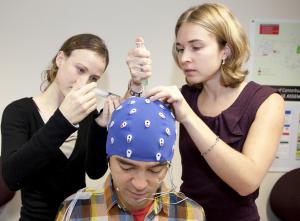
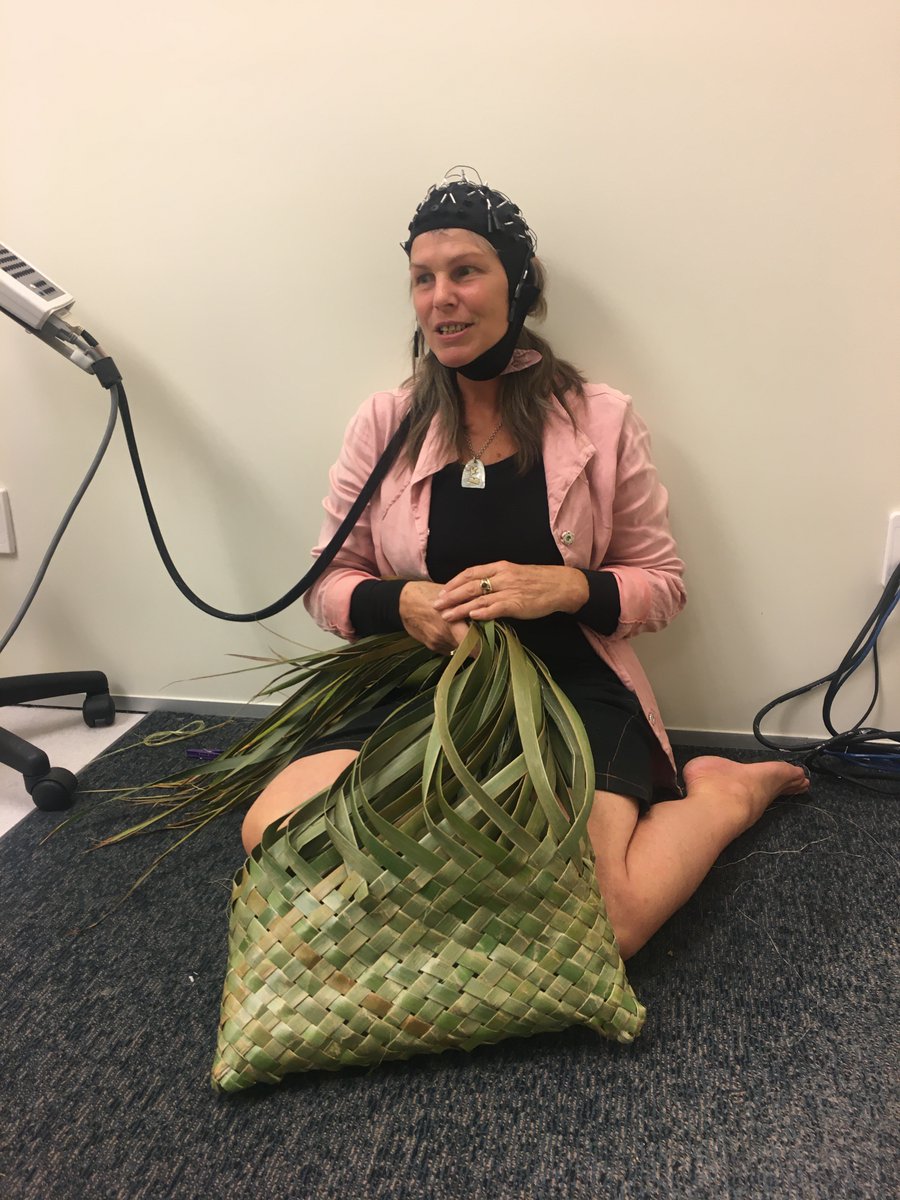
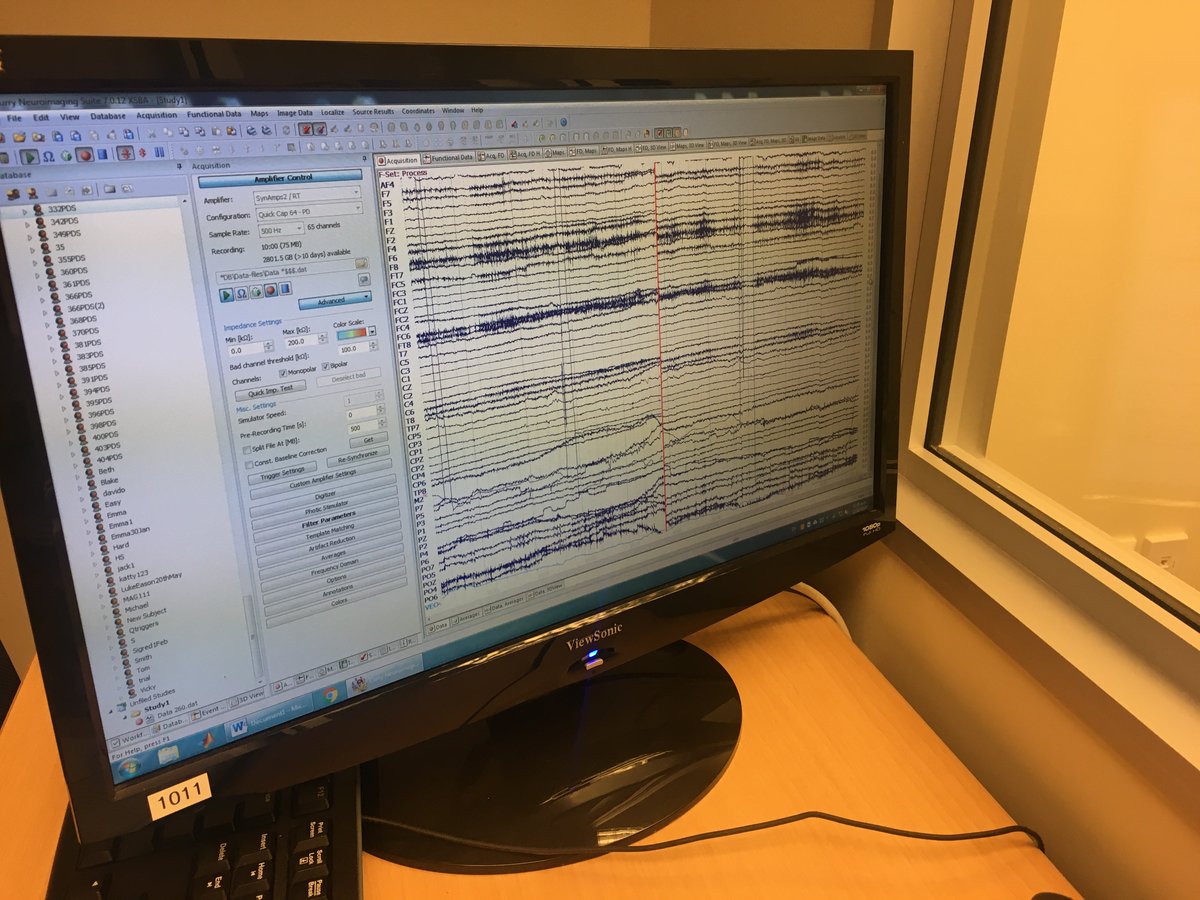
Exciting #SciComm 🧠 🎨 project today, working with local artist Robyn Webster, recording her brain activity with EEG while she weaves flax. Her brainwaves will be played as audio in the exhibition space. Lovely aroma of fresh harakeke wafting from the lab…
1
4

Our paper on non-Māori speakers’ remarkable implicit knowledge of te reo Māori sound patterns and word-forms has just been published. (nature.com/articles/s41598-0…) This was so much fun to work on. Here’s a summary. (1/9)
28
256
779
NZ Brain Research Institute retweeted

26 Nov 2020
Opportunity for a Rangatahi Researcher working across research & real-world innovation projects focused on rangatahi futures. Do you want to be part of solving problems? Kuhu mai! Led by Sacha McMeeking, @ErueraTarena, Phil Borell & Komene Kururangi #mahi
mahi.ngaitahu.iwi.nz/jobdeta…
8
9
NZ Brain Research Institute retweeted

24 Nov 2020
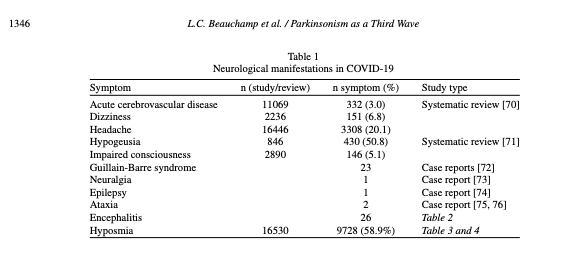
A team lead by scientists at @TheFlorey explore the potential of a "silent wave" of neurological consequences of #COVID19 and call for a long-term monitoring approach for those who were infected with SARS-CoV-2. Read the #openaccess review here: ow.ly/pI3550Cntqj
3
6
NZ Brain Research Institute retweeted

21 Nov 2020
"By country, it may have worked in Spain but not Italy, in the Netherlands but not Germany, the U.S. but not Canada"
Fascinating weekend reading on the arguments for & against the @biogen #Alzheimers drug aducanumab.
Lessons to be learnt, interesting comments section, etc

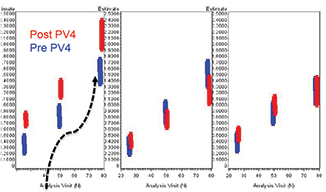
Biostatisticians detail what’s wrong with aducanumab’s Phase 3 #alzheimersdisease efficacy data. ow.ly/TTrQ50CqbIr
1
2
1
NZ Brain Research Institute retweeted

19 Nov 2020
“My fear was if they knew I had an illness… they wouldn’t be able to laugh”
Michael J Fox tells #BBCBreakfast about how he opened up about living with Parkinson’s.
Watch the full interview here: bbc.in/38SziEJ
33
179
1,223
NZ Brain Research Institute retweeted

8 Nov 2020
NYC Prima Ballerina with Alzheimer’s listens to Swan Lake and it all comes back ✨ The most beautiful video you’ll see today! 🎵❤️🩰⠀
⠀
Spaniard ballerina Marta C. Gonzalez Valencia 2019 - Swan Lake by Tchaikovsky @nycballet⠀
⠀
#primaballerina #alzheimers #nycballet
2,612
24,912
90,779
NZ Brain Research Institute retweeted

25 Oct 2020
GOF vs. LOF.
If we are going to make progress in modifying the course of neurodegenerative diseases, we are going to need to get this right. Has time come for a more balanced approach?
tmrwedition.com/2020/10/25/g…
3
12
20
NZ Brain Research Institute retweeted

1 Oct 2020
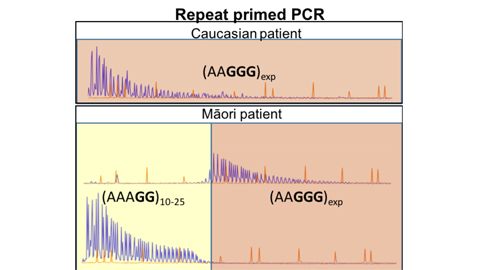
Beecroft et al. identify a population-specific RFC1 repeat expansion configuration in New Zealand Māori and Cook Island Māori individuals with CANVAS. Haplotype dating estimates the most recent common ancestor at ∼1430 CE, suggesting a founder effect. bit.ly/3cKTtEm
6
7
NZ Brain Research Institute retweeted
29 Sep 2020
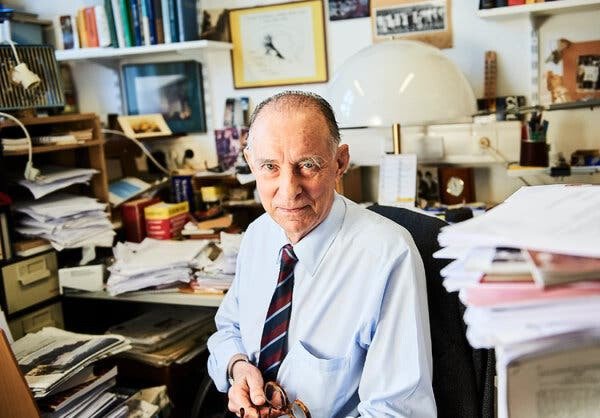
An interesting piece in @movedisorder journal remembering Prof Oleh Hornykiewicz (1926-2020)
"Remembering the father of the modern treatment of #Parkinsons disease & the man"
onlinelibrary.wiley.com/doi/…
3
6
NZ Brain Research Institute retweeted

21 Sep 2020
AMP-PD and @ASAP_Research #gp2 are total game-changers when it comes generating new insights into the basis of #parkinsons and new therapeutics...
Developing therapies for Parkinson's disease thelancet.com/journals/laneu…
4
5
E hoa mā - NZ Institute of Language, Brain & Behaviour has 3 grants needing postdocs now or soon, and we can't bring in people from overseas. We are considering broadening our search to NZ candidates from other fields who haven't necessarily worked on language before... (1/3)
7
72
65
NZ Brain Research Institute retweeted

17 Sep 2020
The first paper on this topic. I fear not the last. Where will this be 10 years from now? A case of probable Parkinson's disease after SARS-CoV-2 infection - The Lancet Neurology @WorldPDCongress @journal_PD @ScienceofPD thelancet.com/journals/laneu…
6
46
82
NZ Brain Research Institute retweeted
16 Sep 2020
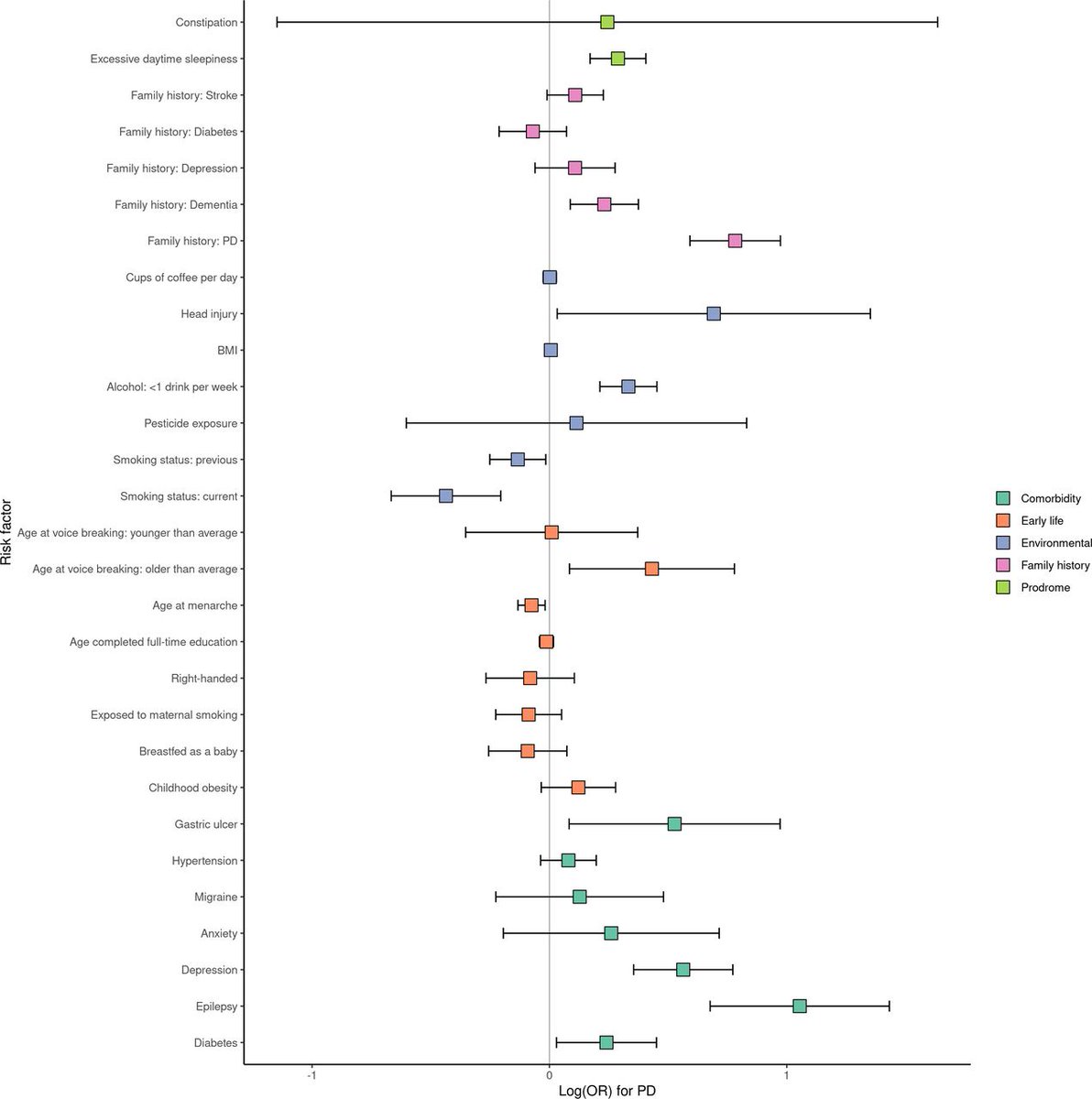
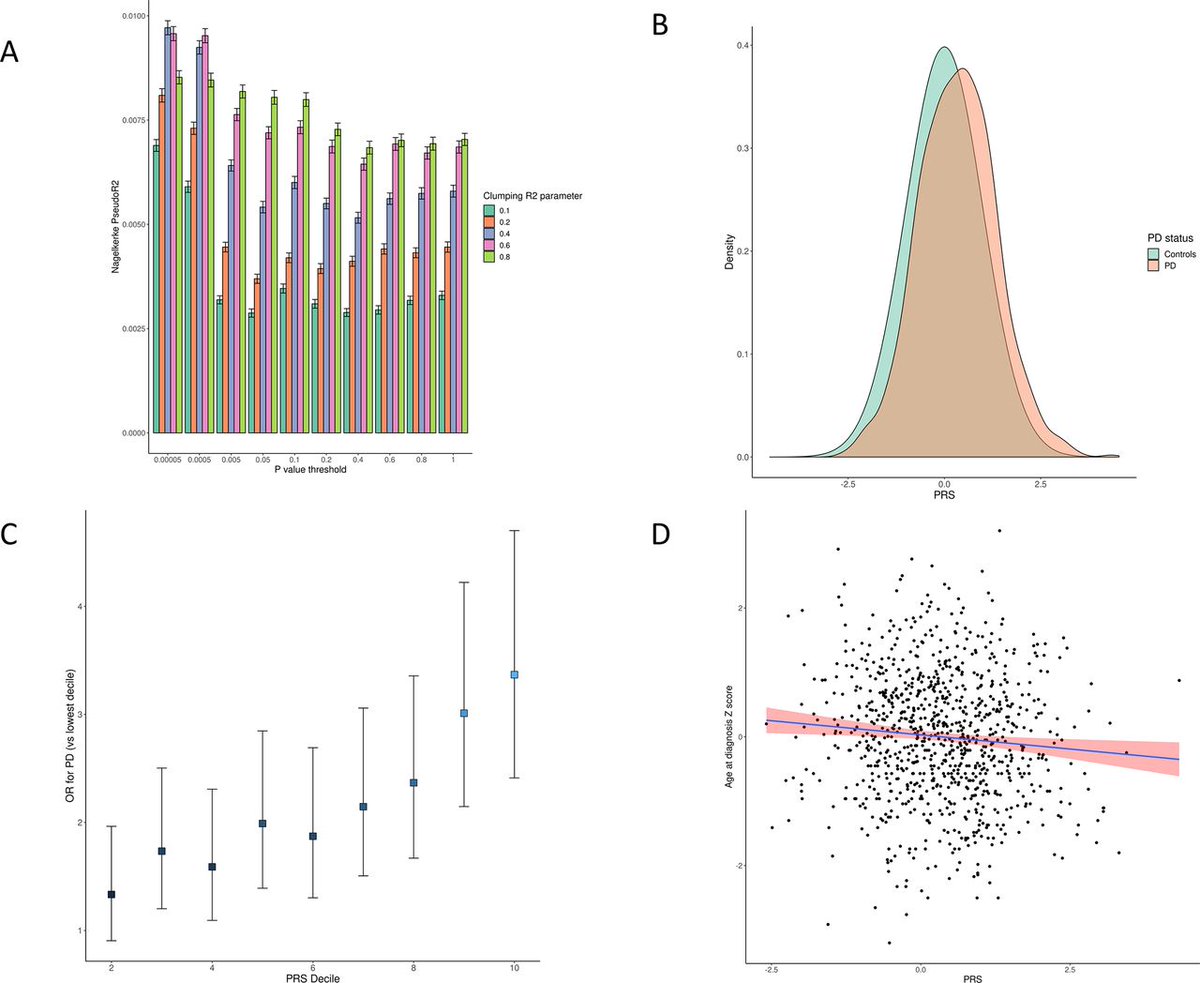
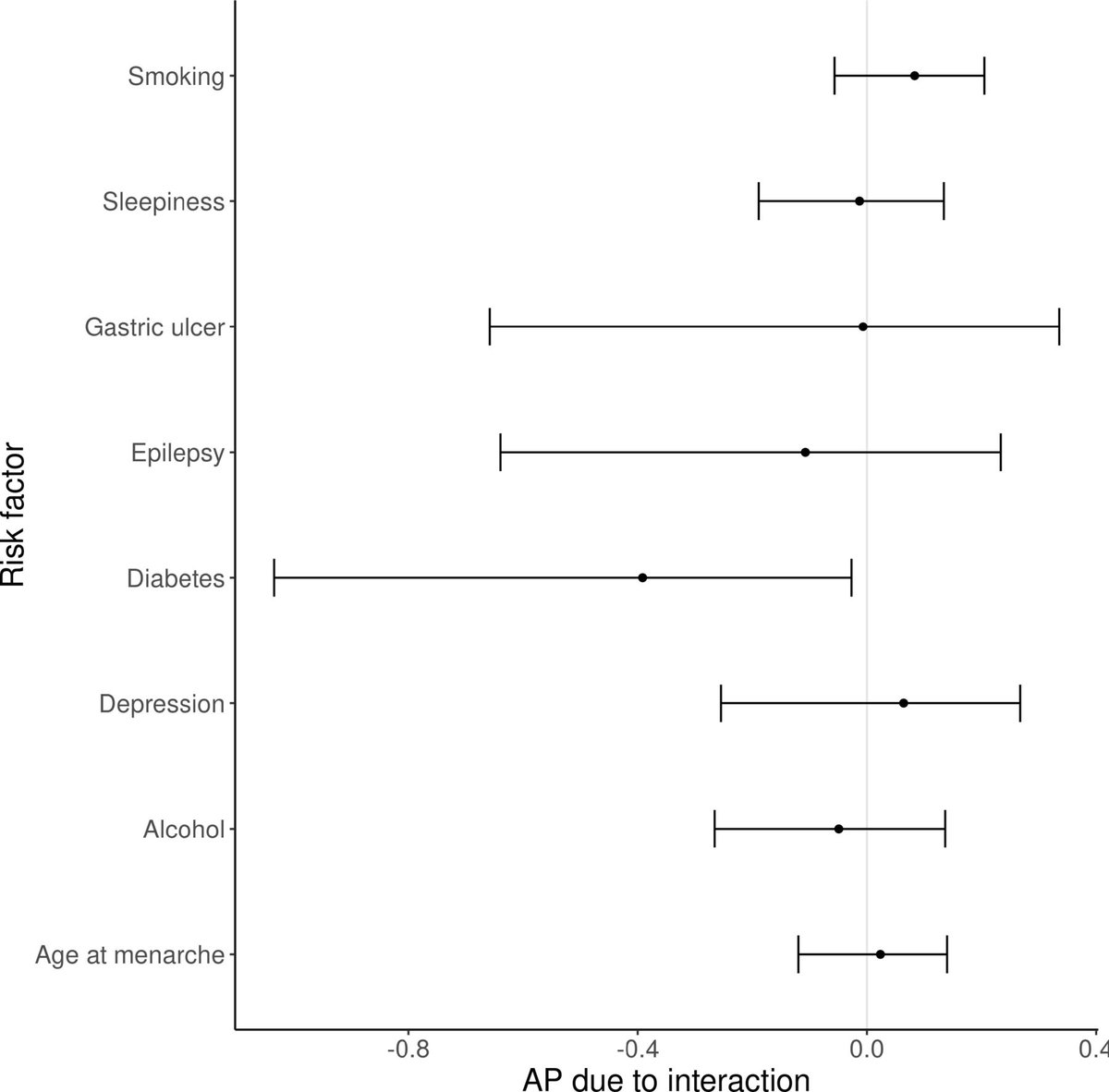
Nice study from @ben_m_jacobs @predictPD & colleagues using @uk_biobank data to reproduce several well-known associations with #Parkinsons, & to demonstrate a novel gene–environment interaction (#diabetes & PD risk appears to depend on genetic background)
jnnp.bmj.com/content/91/10/1…
4
9
NZ Brain Research Institute retweeted
11 Sep 2020
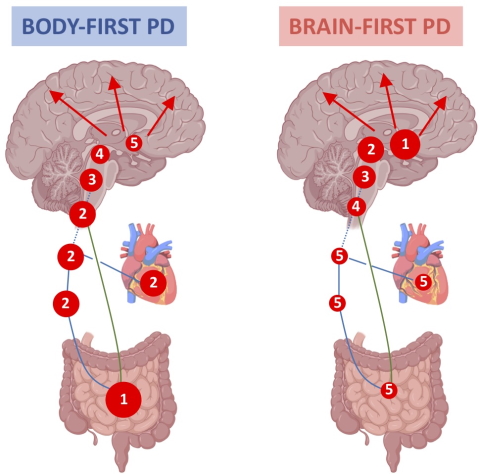
Horsager et al. present evidence for the existence of two subtypes of Parkinson's disease: 'brain-first', which starts in the brain and propagates downwards, and 'body-first', which originates in the ANS of the gut and spreads to the brain. bit.ly/34OaU59
1
148
304
NZ Brain Research Institute retweeted

9 Sep 2020
I need 60 minutes and an informative GP's letter to see a new patient. It takes me 15 mins. to take a history, 5-15 to do the focused examination,15 to give the diagnosis and arrive at an agreement on the best treatment and 15 to chat about the patient's life and interests.
11
52
233
9 Sep 2020
Taking what we learned from the #COVID19nz lockdown, we’re planning to permanently move a substantial portion our #PD research assessments online, reducing the testing burden for both our participants and our staff.
8 Sep 2020

Interesting - new report from @DrTarolliNeuro & colleagues exploring the feasibility, reliability, & value of remote video-based trial visits in #Parkinsons. Visits are shorter, reduce participant burden, & enable safe conduct of research visits
content.iospress.com/article…
1
5
NZ Brain Research Institute retweeted

We are aware of a graphic video depicting suicide shared social media. Authorities are currently working w multiple platforms to remove this content. Do not share this video or share where it can be found, it puts people at risk of real harm. Need to talk? Free call/text 1737
4
58
92
NZ Brain Research Institute retweeted
4 Sep 2020
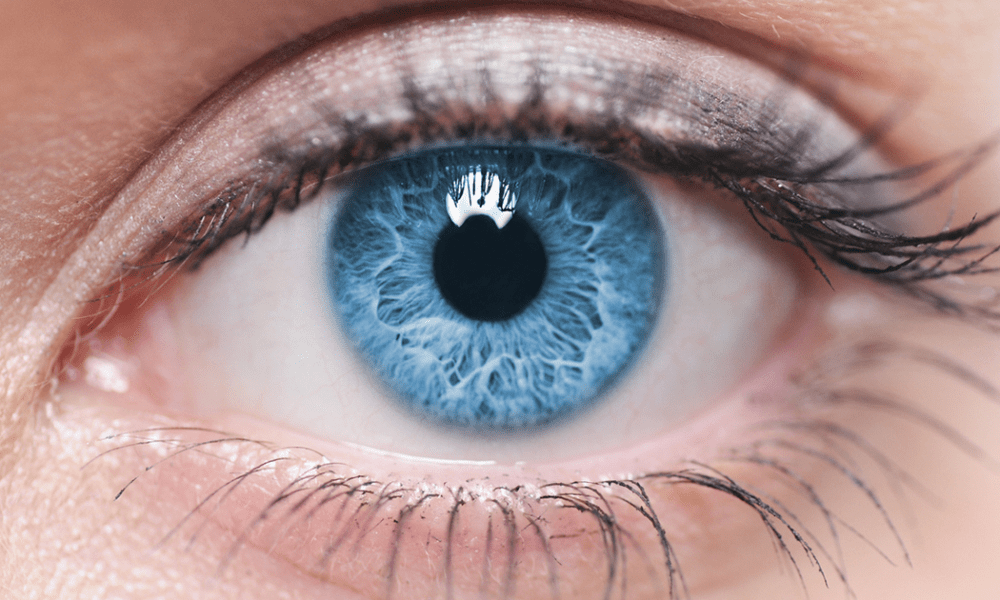
Interesting - dopaminergic amacrine cell number are reduced between 58% & 26% in different retinal regions in #Parkinsons, involving a decline in the number of synaptic contacts with aII amacrine cells (by 60%) & melanopsin cells (by 35%). Biomarker?
onlinelibrary.wiley.com/doi/…
7
3
NZ Brain Research Institute retweeted

3 Sep 2020
Uniting the #eyes & #ears: Changes to #pupilsize let us quantify the multifaceted concept of #listeningeffort. To best use this #psychophysiology phenomenon, we need to know more about how #light & #fatigue affect the response #PhD #phdchat @HDRFlinders #DOCFEST2020 #TweetyourPhD
3
10
33
3 Sep 2020
Latest preprint from our #Parkinsons team on hallucinations and whether they really are harbingers of future #dementia.
3 Sep 2020

Neuropsychiatric symptoms are associated with dementia in Parkinson's disease but not predictive of it medrxiv.org/cgi/content/shor… #medRxiv
2
1
1