Retired Lorde of the Horde - godsandgoblins.com
Joined February 2018
- Tweets 4,203
- Following 2,150
- Followers 1,388
- Likes 20,678
583 Photos and videos




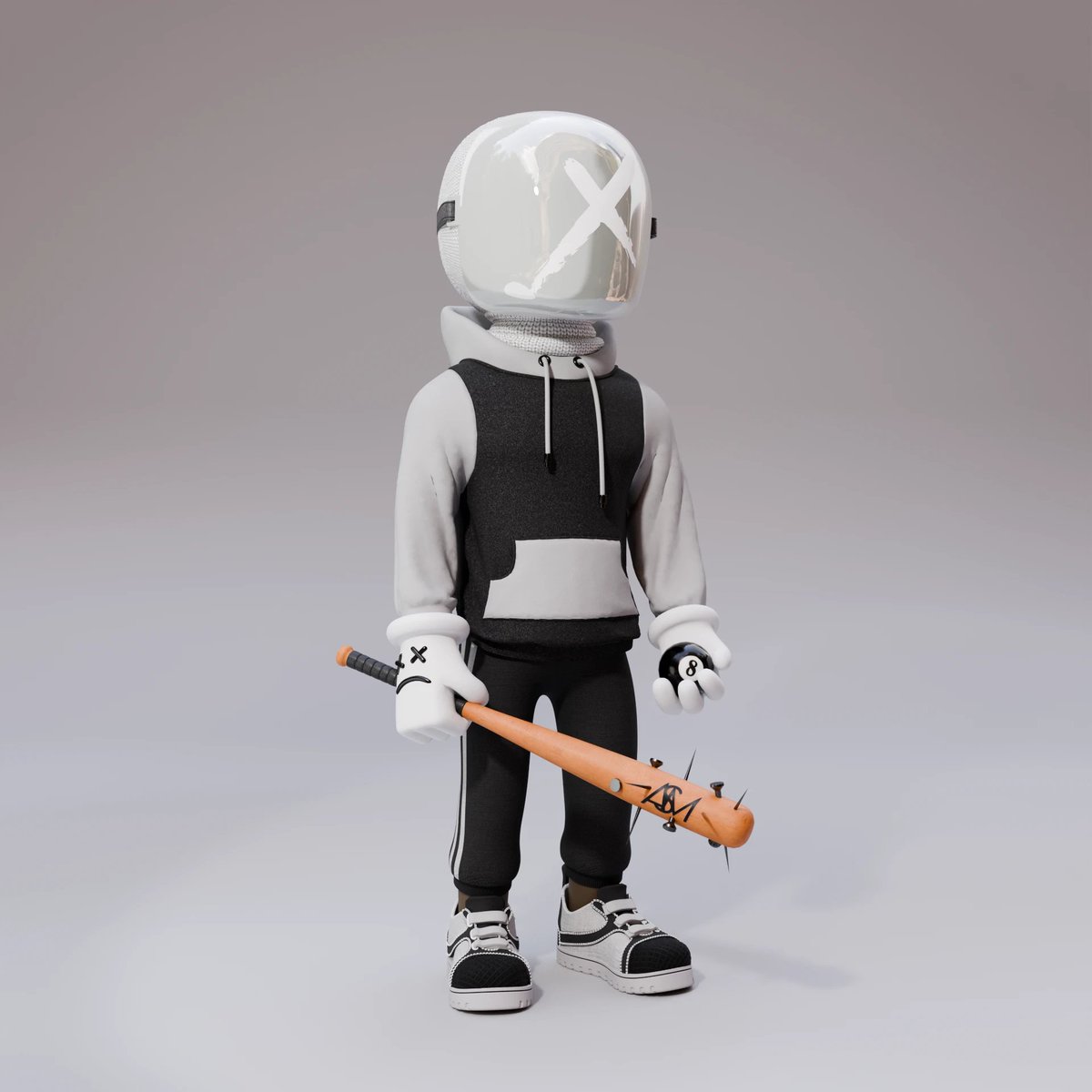


The @Gen3Labs universe is leveling up. 🎮
From the ashes of Untamed Isles comes LOOT: Legends of Oathbound Tamers.. a brand new creature-collecting adventure.
Zerpmon Trainers, get ready… big things are coming for our community, holders, and players. 👀
Follow @lootgame_ and keep those notifications on!
You won't want to miss the upcoming Zerptalk space.
14 Sep 2025

From the ashes of Untamed Isles, a new adventure built from the ground up:
LOOT: Legends of Oathbound Tamers
A creature-collecting and battling extraction game with PvPvE elements.
A world of untold secrets, daring hunts, and legendary bonds awaits.
This is just the beginning.
9
14
32
2,585
CaptainKBD retweeted

9 Aug 2025
Here is a tool my team has been working on. Perfect for all types of top quality training data. We actually haven't used this yet but hopefully for the new MM models and any collaborators we can throw in the mix.
Think data for consistent characters but owning it. 🫡
1
7
43
1,127
CaptainKBD retweeted

8 Aug 2025
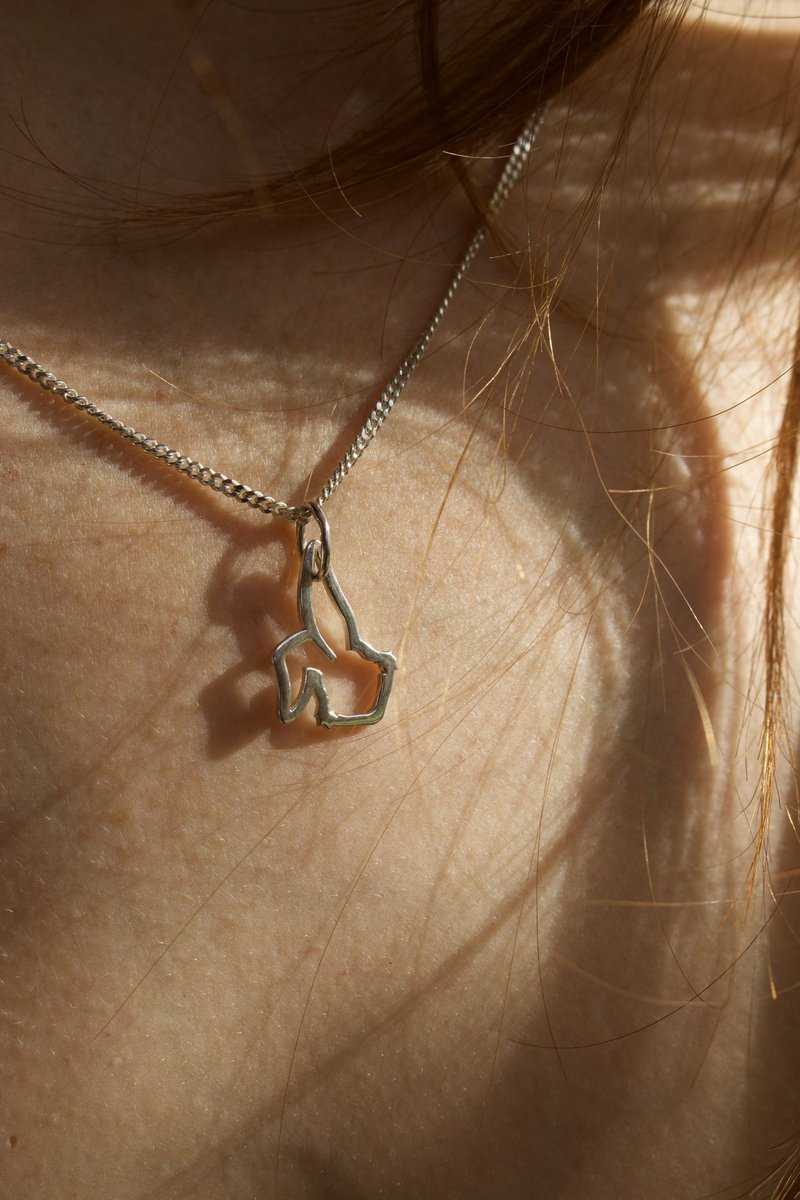
🎉Win a Pendant 🎉
To celebrate @flufworld 4th b-day and the launch of the minis, I’m giving away a 925 silver Fluf Logo Pendant.
To enter: Like, Repost & Comment/Share your fav Fluf or FV asset!
If you don’t win, head to jassher.com and check it out 🐇
87
74
111
12,218
CaptainKBD retweeted

7 Aug 2025
56
22
64
5,702
CaptainKBD retweeted
7 Aug 2025
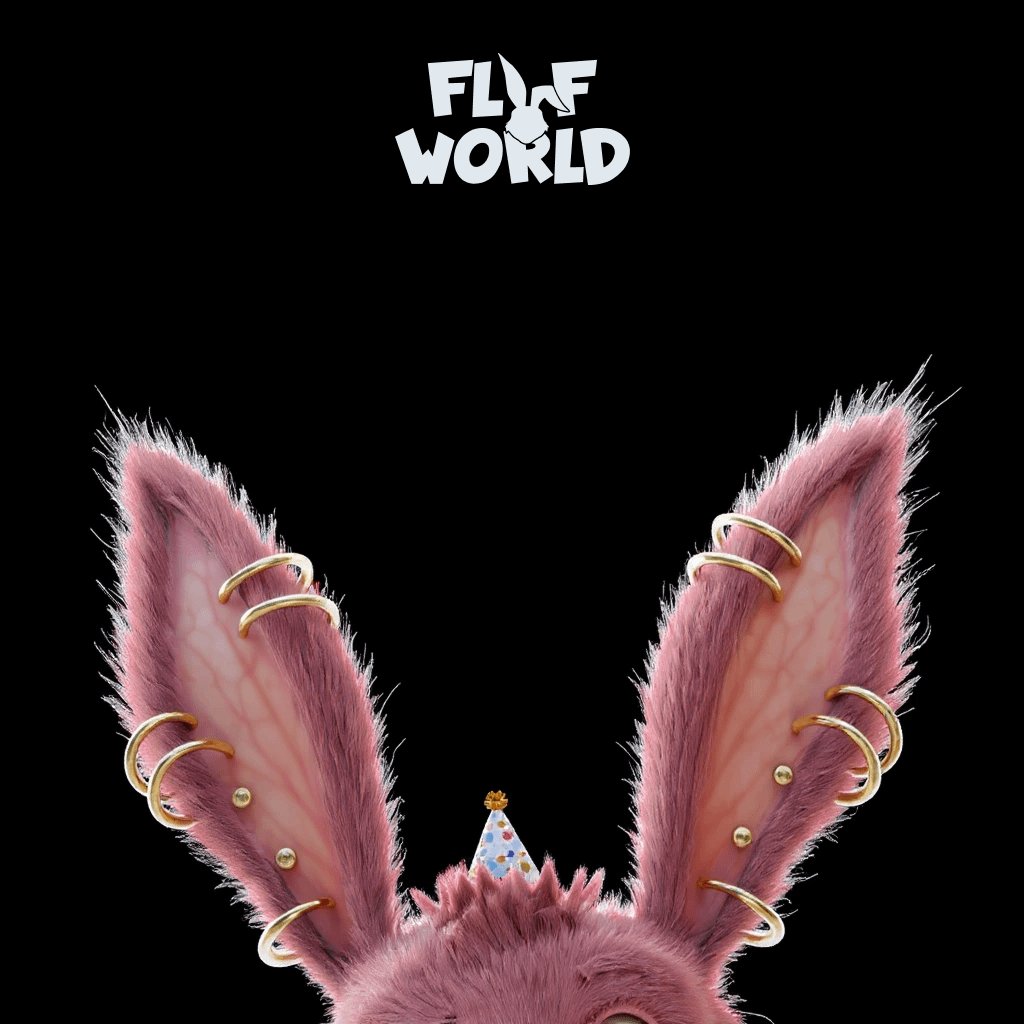
Is it just another day tomorrow?
Not if you’re part of the Fluffle. 🎁
33
43
178
6,353
CaptainKBD retweeted
30 Jul 2025
You cracked it. 🧠
Sparky synced a Gen II Brain with the dormant coral… and it started pulsing with life.
The reef is waking up... Stay tuned. 👀
7
26
117
3,571
CaptainKBD retweeted
27 Jun 2025
Need a refresher on harvesting Ooze? ☢️
Watch this walkthrough from The Third Kingdom Product Owner @NZKyled to sharpen your strategy.
Build extractors, upgrade them, and mint 50 million Ooze to save Sparky’s squad!
👉 enterthethirdkingdom.com
2
12
46
1,803
CaptainKBD retweeted
25 Jun 2025
The votes are in! Sparky's squad ventures deeper into the cave! 🗺️
But deeper means... tighter.
Every like on this post is a nudge to free our jammed Party Bear. Sparky's counting on you!
15
31
169
3,469
CaptainKBD retweeted

24 Jun 2025
It's time to get creative. 🧑🎨
@Lum3n_xyz is now LIVE on @TheRootNetwork.
Your no-code portal to create, manage, and launch NFT, SFT, and POAP collections. ✨
Launch your collection now ➡️ lum3n.xyz/
14
39
75
13,368
CaptainKBD retweeted

19 Jun 2025
👟 @ReebokImpact is live now on @EpicGames Fab Marketplace!
This curated selection brings high-fidelity models to @UnrealEngine creators, ready to style your MetaHumans in true @Reebok fashion.
9
56
164
10,526
CaptainKBD retweeted

19 Jun 2025
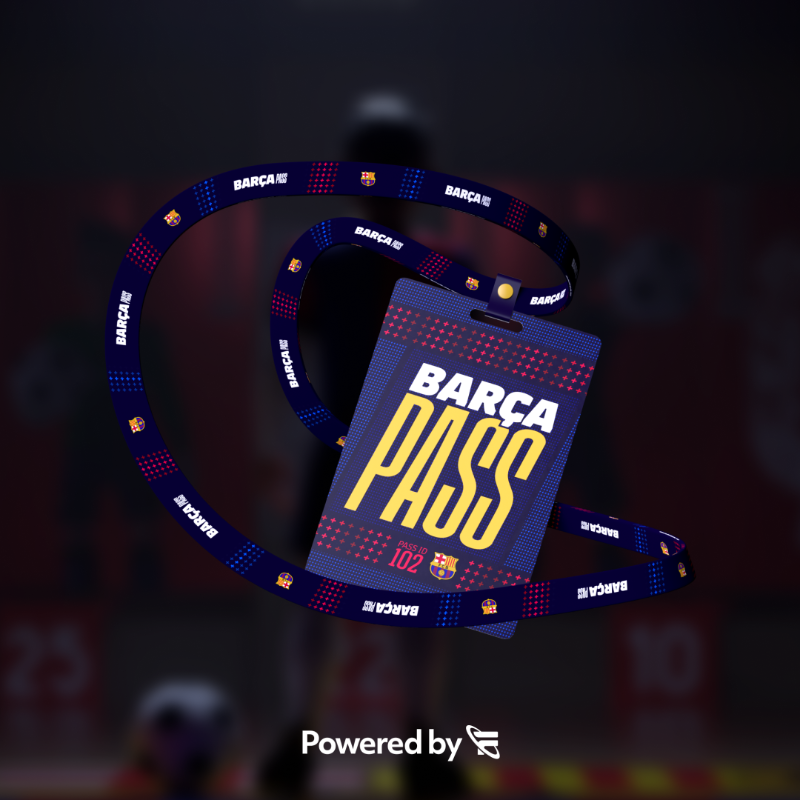
Take your support for FC Barcelona beyond the pitch.
Barça.Pass is your free official digital wallet, designed to unlock a fan experience that’s immersive, collectible, and all about you.
Step into the future of football: barcapass.com
Powered by @futureverse
110
303
2,635
206,628
CaptainKBD retweeted
3 Jun 2025
The Third Kingdom Walkthrough with Doodles x.com/i/broadcasts/1gqxvjXmB…
3
20
67
6,160
CaptainKBD retweeted
30 May 2025
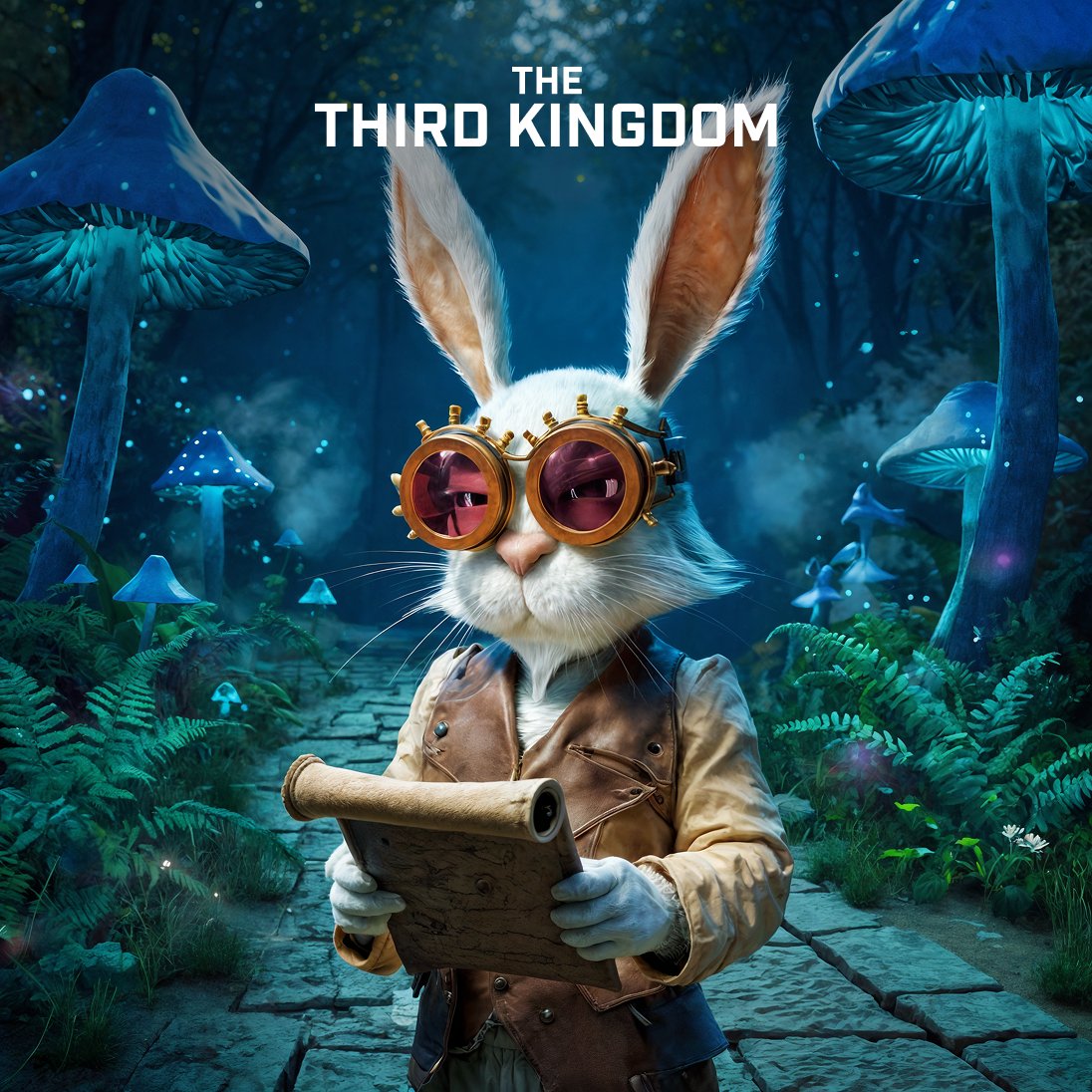
Professor Sparkenski Needs YOU! 🫵
The map leads to uncharted lands – too perilous to face alone. Sparky seeks brave souls to chart the unknown.
Nominate your bravest Guardian or Collector & share why they’re vital to the quest.👇
5 will be chosen in 24hrs.
89
39
127
9,055
CaptainKBD retweeted
29 May 2025
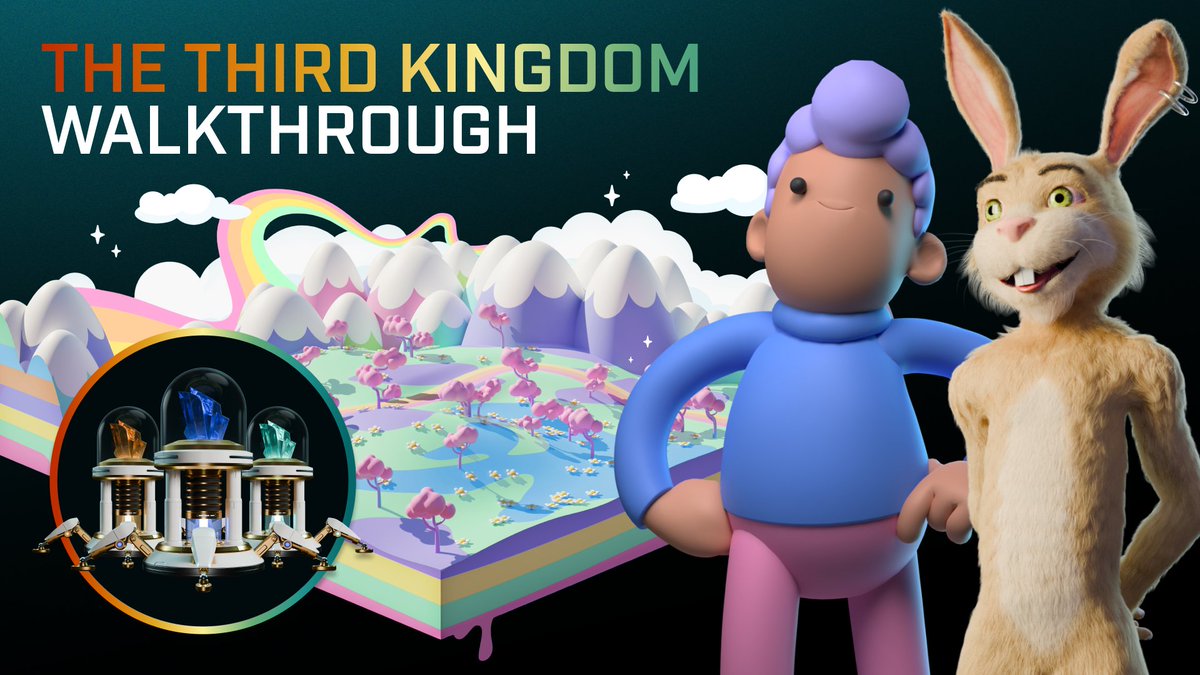
Hey @doodles fam! 👋 Ready to master The Third Kingdom and unlock $ROOT? 🌈🏰 This X Space is specially for you.
◆ Master gameplay basics in a live walkthrough
◆ Watch a live Doodles vs Flufs challenge
◆ Score prizes! 🎁
🗓️ Mark your calendars: June 3, 2pm PDT.
6
30
110
13,291
CaptainKBD retweeted
30 May 2025
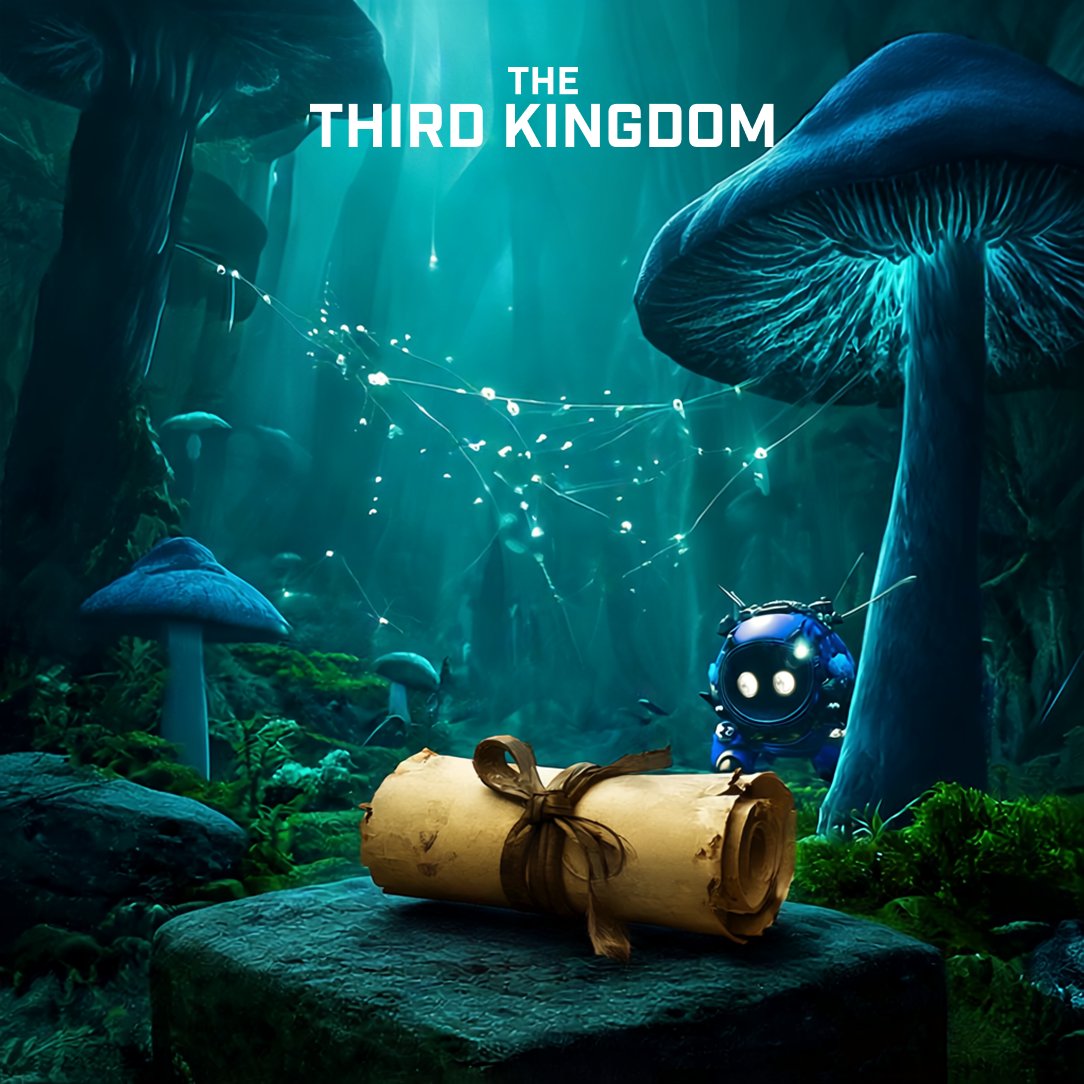
Beep Boop: Transmission Received. 🤖
While scanning deep inside the Shroomfields, a Seeker unearthed an ancient map! Professor Spakenski is already deciphering its secrets. 🫡
Like & repost to unveil where it leads! 🧭🔁
16
165
270
8,514

21 May 2025
Y’all should read this.
20 May 2025

I think that the overall analysis is very solid for where web3 gaming is right now. We have always said web3 hasn't done its job well for providing true enhancement of the gamer experience.
As i have always said the only true value proposition for web3 technology is ownership of digital things. Solving the double spend problem unlocked this amazing everything else in web3 is built on that premise
For gaming that value has been thin for lots of reasons mentioned by Ed but primarily because of lack of interoperability, owning something that and only exist in one game economy is the exact same experience as web2 for gamers. When we tell web2 gamers "now you can own your thing you love" and they then try that out and find out they actually can't do anything different its no wonder the perception of web3 gaming is negative.
Yes web3 has more efficient market place for trading but its only a slightly incremental improvement.
Ed makes a great point about how hard interoperability is to achieve due to the way gaming pipelines work again we have outlined this many times ourselves its an extremely complex multi domain problem few have tackled .
This is why we have spent so much time on the UBF standard to simplify and scale interoperability you can read about it here. docs.futureverse.com/1134b65… .
Some of the other problems Ed mentions are further solved when you combine UBF with the Murmur Matrix futureverse.com/research/evo… and with something like @alteredstateai which can create on the fly re renderings/re-texturing from blueprint and matrix data.
I also believe the analysis is true in the context of the current market structure for gaming and studios but i believe that this will fundamentally change soon. We are at the end of the $1B AAA title era.
Studios could create moats and lock in users to their gated content ecosystems and markets because they had the capital to create the best titles and creating the best takes capital. But with AI progressing as fast as it is those economics will entirely alter.
Gaming will soon resemble social media/memes because the same thing is happening now that happened then. Users are being given the tools to become creators and publishers. The amount of quality games being created will skyrocket.
Walled gardens exist because of capital , people have the money to build something that most people can’t do so they can capture users because of that.
That world is disappearing.
Right now 40 new games come to steam a day. Soon a billion people will make games every day.
Game economies will resemble memes in how they are created and distributed monetisation will resemble meme coins, fast , frequent, plentiful, few winners , short term wins.
In this sea of content with temporal value what will become important.
Tooling
Identity
Interoperability
Discoverability
Obviously picks and shovels will generate value , they always have in these scenarios making tools that enable this kind of creativity will and is already generating value. But these tools need to be made with the other 3 things in mind in order to truely win.
If new games are coming every second, if playing a game resembles scrolling your feed then users will value their digital identity more , they will want to take their avatar or branded collectable with them wherever the next game is today just like they take their profile from post to post in social media.
Users will want to take the things which carry real personal value or social capital like their favourite sports team jumper or celebrity avatar or branded accessories with them.
This in turn will drive a preference for interoperability , if I love my avatar I will want to take it everywhere just like my social media profile goes with me from meme to meme. Games that build for interoperability will win more users , if a sports club has a million interoperable avatars and your game accepts them they will tell each other and go there to check it out.
This will also mean that they will want their social graph, messaging and more to be portable between these games and experiences just like their social media profile is today.
Brands and communities that embrace this will win those that don’t will become less and less visible and less and less preferred to these users. Developers and platforms that embrace it will win too.
With this sea of new content and the ability for users to move between these things easily the next important thing is discoverability both for developers and for users wading through the masses of content to find the thing I value will also be important. Just like your TikTok algorithm is important to you now or google was for the current version of the internet and your agent will be in the next version.
Naturally this leads back to the same key of interoperability if you understand what assets are interoperable where you can recommend to users things that fit what they have if you can tell developers what users have they can optimise for the audience they want to get too. Combining this with social mechanics that group users around the things they own and love already allows communities to co-discover, recommend and raid new experiences together.
Thats why we have been building the protocols and tools for a world where 3b gamers who will make their own games.
Altered State is our SOTA generative 3D tooling built with interoperability in mind. Everything generated can be owned by a user and seamlessly taken with them between any experience on any engine. Not only that Altered State assets contain unique patented metadata that allows LLMs to understand those objects so that user agents can discover and recommend what is compatible where.
SYLO is our user identity and social graph that makes it possible for people to take their social network between games and experiences as well as their core identity and assets.
UBF is our standard for interoperability that allows content like their avatar or favourite sports team wearable to follow users everywhere they go.
The Readyverse is the social discovery engine for connected experiences built by anyone its the front end for users to generate interoperable content and its the front door for brands to become part of this new phase of gaming and of the internet.
14
285
CaptainKBD retweeted

16 May 2025
Friday leak. So close i can taste it. Bring what you love and what to own to life. Make with @alteredstateai , Mint on the @TheRootNetwork and Play with it immediately in @TheReadyverse powered by UBF and stored on @sylo each one with its own genome powered by @thinkagents .
25
74
237
22,395
CaptainKBD retweeted
8 May 2025
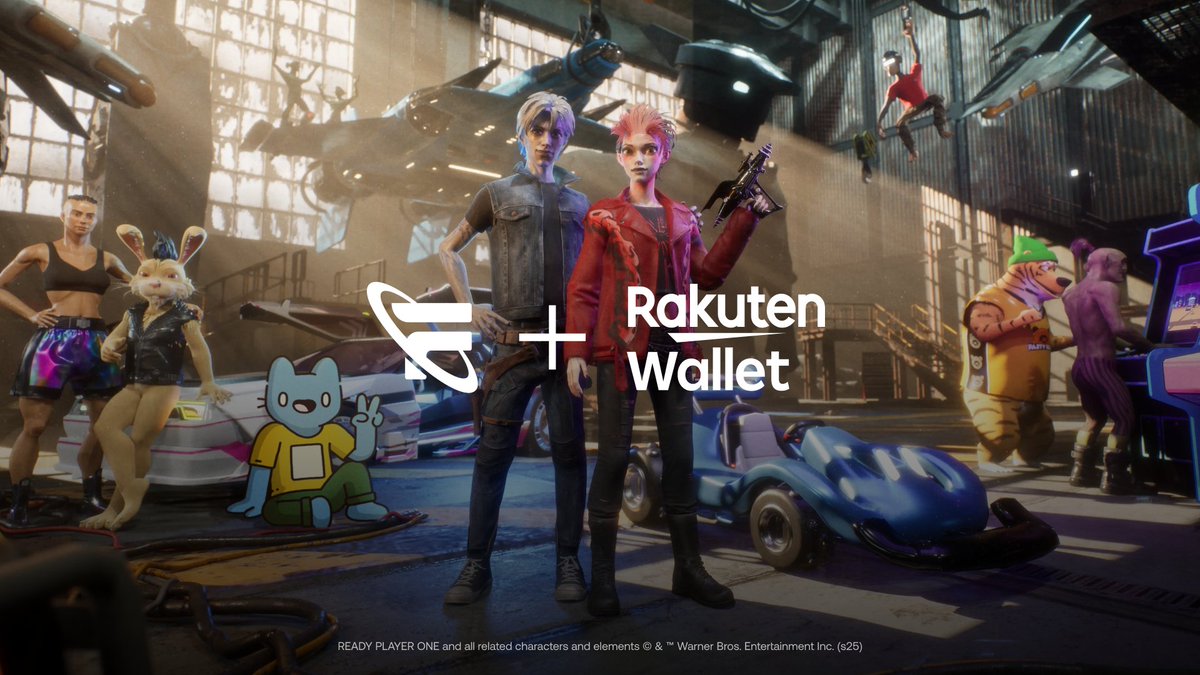
Futureverse Partners with Rakuten Wallet! 🤝
Today, we’re proud to announce the launch of RakutenWallet.Pass, a seamless onboarding solution for @RW_Web3’s Japan-based users into the Futureverse ecosystem and beyond. 🧵👇
13
74
256
37,542
CaptainKBD retweeted

23 Apr 2025
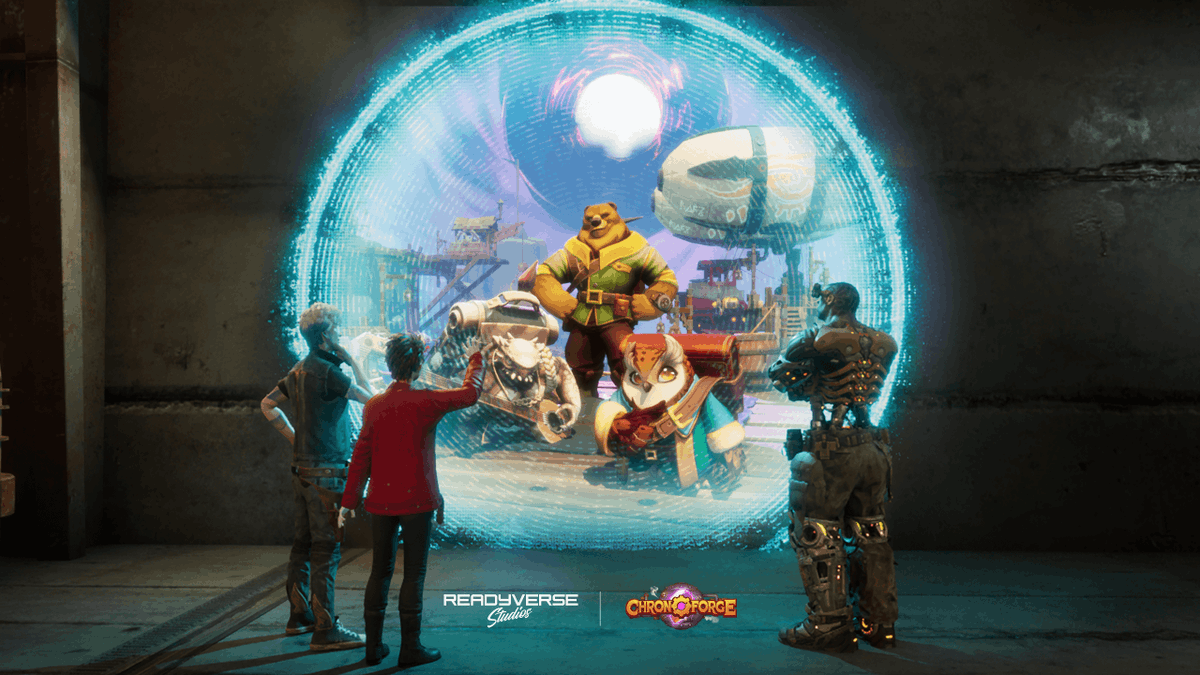
We’re joining @TheReadyverse!
Chronoforge is now part of the growing Readyverse games catalog - alongside titles like @visitopen, @flufworld’s The Third Kingdom, and more.
A new era of connected play is just beginning.🔥
23 Apr 2025

ChronoForge is joining The Readyverse! 🔥 We’re excited to welcome this high-stakes MMORPG into our growing games catalog, where you'll make or break the world on a time-hopping adventure. Who’s ready to @playchronoforge? 🎮
12
64
197
12,186