Joined February 2022
- Tweets 3,227
- Following 733
- Followers 159
- Likes 1,571
96 Photos and videos


Jun 11
World's Biggest Companies by region in 2026, ranked by market cap across the Americas, Europe, Asia-Pacific, and the Middle East.
Actually this trend is in every country. The difference with previous years is the degree of polarization
visualcapitalist.com/america… via @visualcap
21
Jun 10
Difference is in the mentality. I wonder if religion, and simply adhering to its teachings as a foundation for strategic thinking, cause a kind of isolation and clinging to a principle that may be unsuitable for the current era?
facebook.com/share/p/17fYH4K…
11
Jun 9
Turkish: A Turkçe Language with an Arabic and Persian Soul
A Surprising Linguistic Discovery
Many visitors to Turkey are surprised by how many Turkish words sound familiar to Arabic speakers.
Words such as hayat (life), zaman (time), insan (human being), kitap (book), tarih (history), sebep (reason), tesadüf (coincidence), hasret (longing), harika (wonderful), and even eyvallah are all of Arabic origin.
The result is a fascinating linguistic landscape in which a language that belongs to the Turkic family carries the imprint of centuries of interaction with Arab and Persian civilizations.
How Much Arabic Is There in Turkish?
According to figures commonly cited from the Turkish Language Association (TDK), modern Turkish dictionaries contain approximately 6,463 Arabic-origin words.
That represents about 6.2% of the recorded vocabulary, making Arabic the single largest source of foreign-derived words in modern Turkish.
While everyday spoken Turkish remains overwhelmingly Turkic in structure and grammar, Arabic vocabulary appears throughout education, literature, religion, administration, law, philosophy, and daily conversation.
Arabic Words Turks Use Every Day
Many Turkish speakers use Arabic-origin words constantly, often without realizing their origins.
Examples include:
Hayat — Life
Dünya — World
Zaman — Time
Tarih — History
Kitap — Book
Kalem — Pen
Sebep — Reason
Fikir — Idea
Akıl — Mind
Cevap — Answer
Mesele — Issue
Adalet — Justice
Devlet — State
Millet — Nation
Siyaset — Politics
Ticaret — Commerce
Şükür — Gratitude
Sabır — Patience
Merhamet — Compassion
Muhabbet — Affection
These words are so deeply integrated into Turkish that they are often perceived as fully native.
The Persian Influence
Arabic was not the only influence.
Modern Turkish dictionaries also contain roughly 1,300–1,400 Persian-origin words.
Examples include:
Pencere — Window
Çarşı — Bazaar
Bahçe — Garden
Dost — Friend
Renk — Color
Can — Soul
Köşe — Corner
Perde — Curtain
Hoş — Pleasant
Şehir — City
Persian influence was especially strong in literature, poetry, court culture, and refined expression.
The Hidden Story: Arabic Through Persian
The picture becomes even more interesting when we realize that many Arabic words entered Turkish through Persian.
For centuries, Persian served as a cultural and literary bridge between the Arab and Turkic worlds.
As a result, thousands of Arabic terms were transmitted, adapted, and absorbed into Ottoman Turkish through Persian usage and pronunciation.
This explains why Turkish vocabulary often feels familiar to both Arabic and Persian speakers.
The Ottoman Linguistic Synthesis
Historians sometimes summarize Ottoman Turkish with a famous phrase:
"Turkish grammar, Persian aesthetics, and Arabic vocabulary."
While simplified, the statement captures an important truth.
The language of the Ottoman Empire was neither purely Turkish, Arabic, nor Persian. It was a remarkable synthesis of all three traditions.
Turkish provided the grammar.
Persian contributed literary elegance.
Arabic supplied much of the religious, scholarly, legal vocabulary.
Language Reform and Modern Turkey
Following the establishment of the Turkish Republic, major language reforms sought to replace many Arabic and Persian words with Turkic alternatives.
Thousands of foreign-derived terms were removed from official usage or gradually replaced.
Yet despite a century of reform, Arabic and Persian remain deeply embedded in modern Turkish.
The historical connection proved too extensive to erase completely.
A Final Reflection
The story of Turkish
is the story of centuries of trade, scholarship, religion, literature, empire, and cultural exchange across the Middle East and Central Asia.
Modern Turkish remains unmistakably a Turkic language.
Yet hidden within its vocabulary are thousands of words that still carry echoes of Baghdad, Damascus, Isfahan, Konya, and Istanbul.
Few languages illustrate the meeting of civilizations quite as beautifully as Turkish.
66
Jun 7
Freedom and Happiness.
A friend recently mentioned a study claiming that when people are asked which period of their lives was the happiest, many answer: "the time when I was free to do whatever I wanted." While I could not verify that exact wording, the underlying idea is strongly supported by modern happiness research.
One of the most respected sources in this field, the World Happiness Report, consistently finds that a person's sense of freedom to make life choices is among the strongest predictors of happiness and life satisfaction.
This helps explain why so many people look back fondly on certain periods of life. It is often not youth itself, wealth itself, or even success itself that they miss. Rather, they miss the feeling that their time belonged to them.
Major European surveys asking older adults to identify the happiest period of their lives frequently find that the peak years occur around the early thirties. Researchers suggest that this stage often combines energy, opportunity, meaningful relationships, and a relatively high degree of personal autonomy.
The lesson is simple: happiness is not merely the pursuit of pleasure. Human beings seem to derive deep satisfaction from the feeling that they are the authors of their own lives. Freedom, in this sense, is not simply a political concept. It is a psychological need.
Perhaps that is why, when many people look back on their happiest years, what they remember most is not what they owned, but the feeling that they were free to choose their own path.
20
May 31
في محاولة لفهم أسباب هشاشة بعض دول الشرق الأوسط واستمرار تعرضها للضغوط والاضطرابات، قد يكون من المفيد النظر إلى مجموعة من الأدوات والآليات التي تحدث عنها باحثون ومؤرخون ومسؤولون سابقون على مدى عقود:
الضغوط المالية والديون السيادية التي قد تحدّ من هامش القرار الوطني.
العقوبات الاقتصادية التي تستهدف تغيير سلوك الدول دون اللجوء إلى الحرب المباشرة.
اختراق النخب السياسية أو الاقتصادية أو الإعلامية عبر شبكات مصالح عابرة للحدود.
توظيف الانقسامات الطائفية أو العرقية أو المناطقية وتحويلها إلى أدوات صراع دائم.
الحرب الإعلامية وصناعة السرديات والتأثير على الرأي العام محلياً وخارجياً.
العمليات النفسية الهادفة إلى خلق الإحباط أو الشك أو فقدان الثقة بالمؤسسات.
دعم أو إضعاف قوى سياسية معينة بما يضمن استمرار التوازنات المطلوبة خارجياً.
استثمار الفساد المحلي وتحويله إلى نقطة نفوذ وتأثير طويلة الأمد.
استخدام المنظمات والشركات والاستشارات كقنوات تأثير ناعمة ومستمرة.
توظيف الأزمات الاقتصادية لفرض خيارات سياسية أو استراتيجية لم تكن ممكنة في الظروف الطبيعية.
تغذية سباقات التسلح الإقليمية واستنزاف الموارد الوطنية.
إبقاء بؤر توتر مزمنة قابلة للاشتعال عند الحاجة، بحيث تبقى كلفة الاستقرار مرتفعة دائماً.
استغلال الفضاء الرقمي ومنصات التواصل لتوجيه النقاشات العامة أو زيادة الاستقطاب المجتمعي.
الحرب القانونية والمالية الدولية عبر النظام المصرفي والتجاري العالمي.
خلق حالة دائمة من عدم اليقين تجعل الدول منشغلة بإدارة الأزمات أكثر من بناء المستقبل.
السؤال الأهم: هل تعاني منطقتنا من مؤامرة دائمة كما يعتقد البعض؟ أم أن الجزء الأكبر من المشكلة نابع من ضعف الحوكمة والفساد وسوء الإدارة والانقسامات الداخلية؟ ربما تكمن الحقيقة في مزيج معقد من العاملين معاً، وهو ما يستحق نقاشاً هادئاً بعيداً عن الشعارات.
27
Nabil Assir🇳🇱🇱🇧 retweeted

Trump in 2008: Anyone who invades the Middle East under false pretenses should be impeached.
185
4,807
10,062
2,397,469
May 24
What seems to be really happening
Trump is publicly overselling the state of the deal. The emerging framework appears to be a temporary de-escalation deal, not a real final Iran settlement: 60-day ceasefire, reopening Hormuz, oil/sanctions relief, possible unfreezing of assets, and later nuclear talks. �
Reuters 1
The biggest red flag: Iran has not agreed to hand over its highly enriched uranium stockpile, according to a senior Iranian source speaking to Reuters. That directly contradicts the more optimistic U.S./Israeli spin. �
Reuters
So yes: it is not going as cleanly as Trump says. He wants to announce momentum, but the hard core of the issue — uranium, enrichment, missiles, proxies — is not solved.
On “Trump is desperate”
I would call him politically and strategically eager, not desperate. He wants: oil flows restored, Hormuz reopened, no wider regional war, a diplomatic “win,” and no U.S. slide into another Middle East conflict. That gives Iran leverage.
The Israel angle.
Netanyahu reportedly told Trump Israel must retain “freedom of action” against threats, including Lebanon. �
kltv.com 1
That means Israel is worried the U.S.-Iran framework could restrain its ability to hit Hezbollah or Iran-linked targets. This is not an anti-Israel rupture, but it is a real policy tension: Trump wants de-escalation; Israel wants operational freedom.
Lebanon
This part is highly plausible: the draft reportedly includes ending the Israel-Hezbollah/Lebanon front as part of the wider ceasefire package. �
The Guardian 1
Both Trump and Iran oppose a revenge war or escalation in Lebanon. For different reasons, both want Lebanon contained right now.
Bottom line.
True: Trump’s optimism is ahead of reality.
True: Iran has not conceded the nuclear core.
True: Washington is pressing to avoid escalation in Lebanon.
True: Israel is uneasy and insisting on freedom of action.
Too strong: “Trump is desperate” or “America is siding with Iran against Israel.”
My read: this is a fragile pause-for-deal arrangement, not a solved peace deal.
31
Nabil Assir🇳🇱🇱🇧 retweeted

May 23
BREAKING: A source close to Iran's Ghalibaf says Iran's "third struggle" plan announced by the IRGC will close Bab el-Mandeb Strait "by fire" and disable the seven submarine internet cables under the Strait of Hormuz, in immediate response to upcoming US strikes that Iran has assessed as "inevitable," for this weekend.
The source adds that Iran will also respond with "next-generation missiles and drones" firing hundreds daily at the Gulf energy infrastructure, and that the US and Israel are playing "Russian roulette" with the outcome being the "collapse of the global economy and unprecedented gas prices."
375
2,634
9,595
1,923,707
Nabil Assir🇳🇱🇱🇧 retweeted

May 23
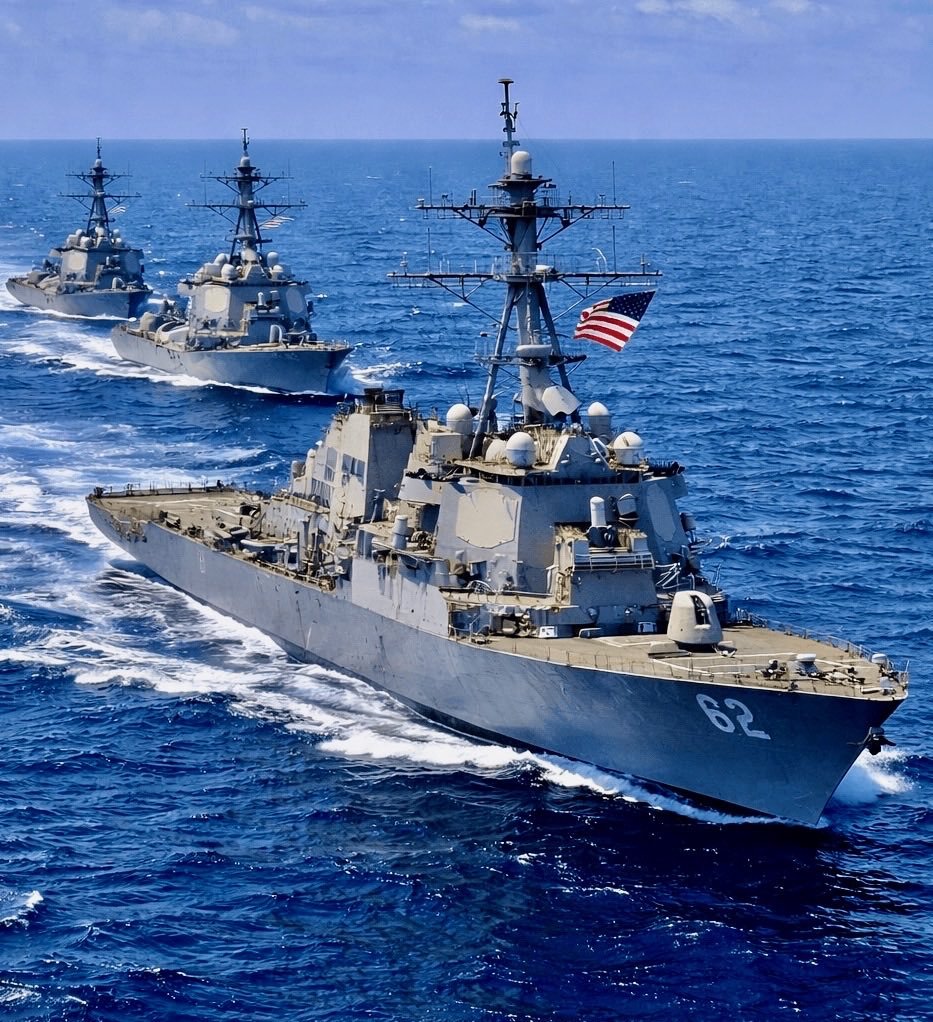
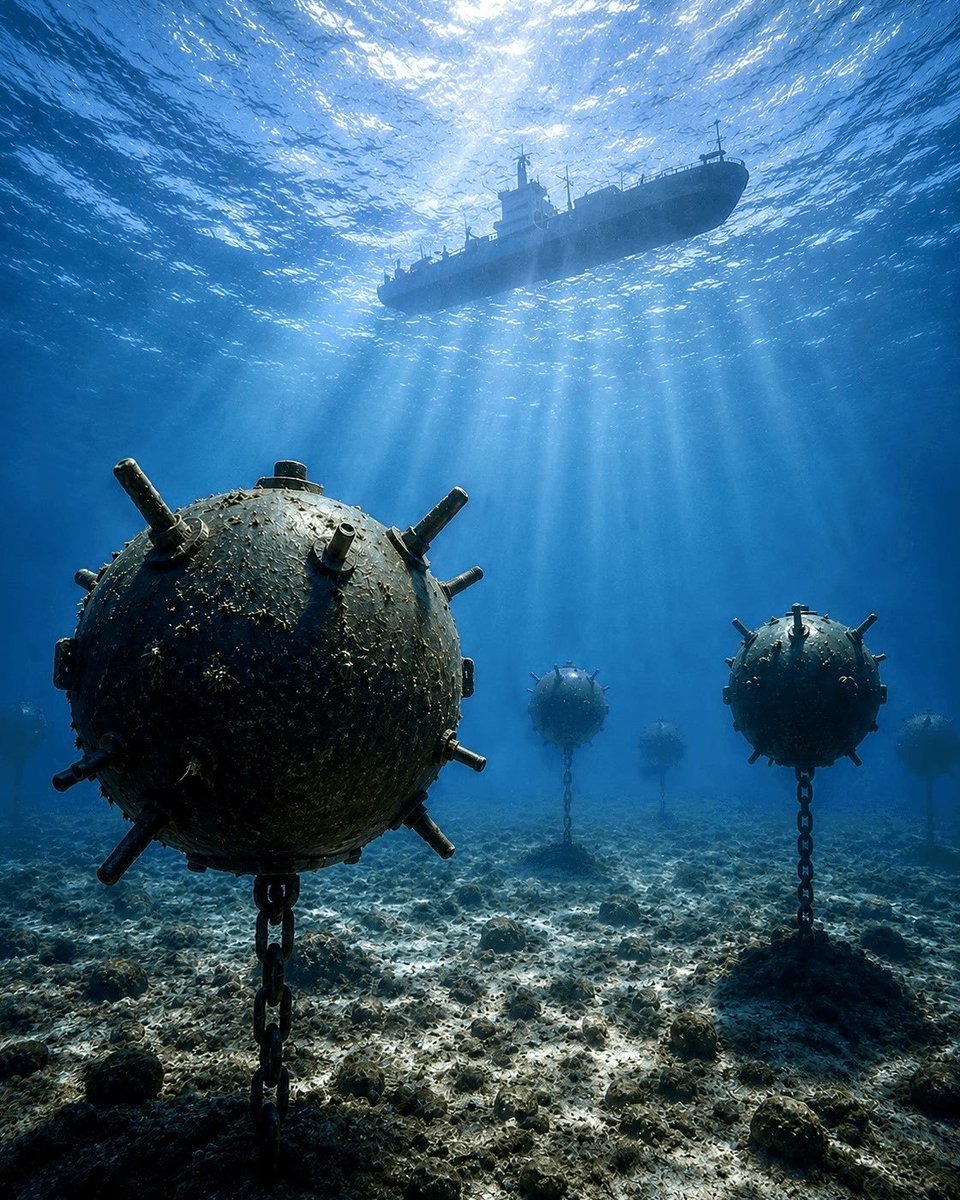
🇺🇸🇮🇷 US military has been unable to find or destroy any explosive mines in Strait of Hormuz, AP reports.
139
619
3,285
61,105
Nabil Assir🇳🇱🇱🇧 retweeted

May 21
Hard work will beat talent when talent stops working hard.
1
18
222
26,911
May 23
RT @swilkinsonbc: First the israelis killed a father & his daughter, then they bombed the paramedics that arrived with the ambulance: sadis…
699
Nabil Assir🇳🇱🇱🇧 retweeted

فضيحة في قناة Fox News الأمريكية ، بعد أن استضافت شخص على أساس أنه الجنرال العسكري المتقاعد "روبرت هاروارد"..
وكشفت الكاميرا أن الرجل يلبس "قناع وجه" كامل ويخفي هويته الحقيقية، والشعب الأمريكي بدأ يقتنع أن جميع السياسيين ورجال الدولة ماهم إلا أقنعه مزيفة تخفي من ورائها الشكل الحقيقي للشخص !
6
29
169
10,138
May 18
We are at “high-risk coercive diplomacy plus military contingency planning,” not yet “strike already decided.”
The next 24–72 hours look critical. If Washington leaks shift from “options meeting” to “targets presented,” “allies notified,” “assets repositioned,” or “evacuation orders,” then the risk moves from elevated to imminent.
28
May 16
بعيداً عن الضجيج الإعلامي اليومي، يبدو أن مشروع “Marassi Red Sea” الجديد من إعمار في منطقة سوما باي ليس مجرد مشروع سياحي فاخر آخر على البحر الأحمر، بل جزء من رؤية أوسع بكثير قد تعيد رسم خريطة الرفاهية والاستثمار في المنطقة خلال السنوات القادمة.
كل المؤشرات تدل على أن إعمار تتعامل مع هذا المشروع بعقلية مختلفة تماماً: ليس كمجرد “قرية” أو منتجع موسمي، بل كوجهة نخبوية متكاملة تستهدف في مراحلها الأولى أصحاب الثروات الضخمة جداً من الخليج والعالم العربي، قبل أن تتحول لاحقاً إلى عنوان عالمي للنخبة الدولية، تماماً كما حصل في بودروم، ومونتي كارلو، والساحل الفرنسي، وبعض أرقى مناطق البحر المتوسط.
اختيار سوما باي بحد ذاته ليس صدفة. المنطقة تتمتع بواحد من أجمل الشواطئ والمياه في العالم، وطقسها يعمل طوال العام وليس فقط موسماً صيفياً محدوداً. كما أنها تملك كل عناصر “الرفاهية الهادئة” التي يبحث عنها كبار الأثرياء اليوم: الخصوصية، المراسي البحرية، اليخوت، الغولف، المنتجعات الصحية، الرياضات البحرية، والخدمات الراقية منخفضة الكثافة السكانية.
اللافت أن إعمار لا تطلق فقط وحدات عقارية، بل تبني ما يشبه “منظومة حياة للنخبة”. وهذا النوع من المشاريع عالمياً لا ترتفع قيمته تدريجياً فقط، بل أحياناً يقفز قفزات كبيرة جداً عندما يبدأ تمركز كبار المستثمرين والعائلات الثرية فيه، لأن القيمة الحقيقية تصبح في “المكان ومن يسكنه” أكثر من البناء نفسه.
برأيي الشخصي، نحن قد نكون أمام بداية تشكل “الحزام الفاخر للبحر الأحمر” الذي تعمل عليه المنطقة كلها اليوم، من مشاريع السعودية العملاقة إلى الاستثمارات الخليجية المتزايدة في الساحل المصري. ومصر هنا تملك أفضلية هائلة: موقع استثنائي، بحر من أجمل بحار العالم، تكلفة تشغيل أقل بكثير من أوروبا، واستقرار يسمح ببناء مشاريع طويلة المدى.
ولهذا تحديداً، فإن التركيز على أصحاب الثروات الضخمة جداً ليس تفصيلاً ثانوياً، بل جزء أساسي من استراتيجية رفع القيمة المستقبلية للمشروع والمنطقة بأكملها. فعندما تبدأ هذه الشريحة بالدخول بقوة، يتغير مستوى الخدمات، والبنية التحتية، ونوعية العلامات التجارية العالمية، وحتى النظرة الدولية للمكان.
أعتقد أننا خلال السنوات القادمة سنرى البحر الأحمر المصري يتحول تدريجياً إلى أحد أهم عناوين الرفاهية والاستثمار في الشرق الأوسط، وربما أبعد من ذلك. ومن يقرأ المشهد مبكراً قد يكون أمام فرصة نادرة للدخول في مرحلة التأسيس قبل القفزات الكبرى المتوقعة في القيمة والطلب.
116
Nabil Assir🇳🇱🇱🇧 retweeted

May 16
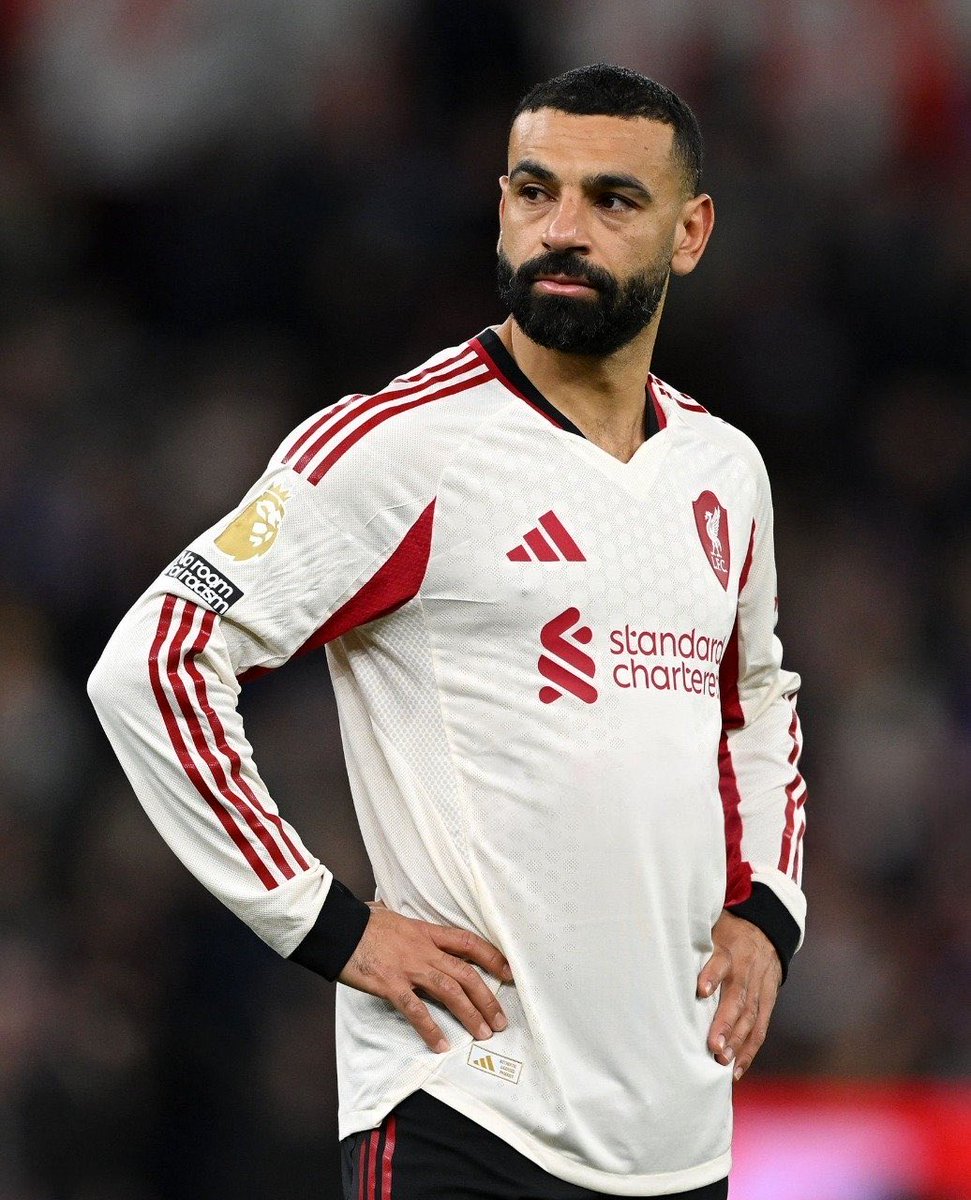
I have witnessed this club go from doubters to believers, and from believers to champions. It took hard work and I always did everything I could to help the club get there. Nothing makes me prouder than that.
Us crumbling to yet another defeat this season was very painful and not what our fans deserve. I want to see Liverpool go back to being the heavy metal attacking team that opponents fear and back to being a team that wins trophies. That is the football I know how to play and that is the identity that needs to be recovered and kept for good. It cannot be negotiable and everyone that joins this club should adapt to it.
Winning some games here and there is not what Liverpool should be about. All teams win games.
Liverpool will always be a club that means a great deal to me and to my family. I want to see it succeed for long after I have moved on.
As I’ve always said, qualifying to next season’s Champions League is the bare minimum and I will do everything I can to make that happen.
10,029
44,072
244,069
17,864,543