
SIC SEMPER TYRANNIS
Joined November 2011
- Tweets 25,455
- Following 1,419
- Followers 1,768
- Likes 39,628
2,270 Photos and videos





Nathan C. Perry retweeted

This is the greatest story of the summer

5
185
7,390
146,734
Nathan C. Perry retweeted
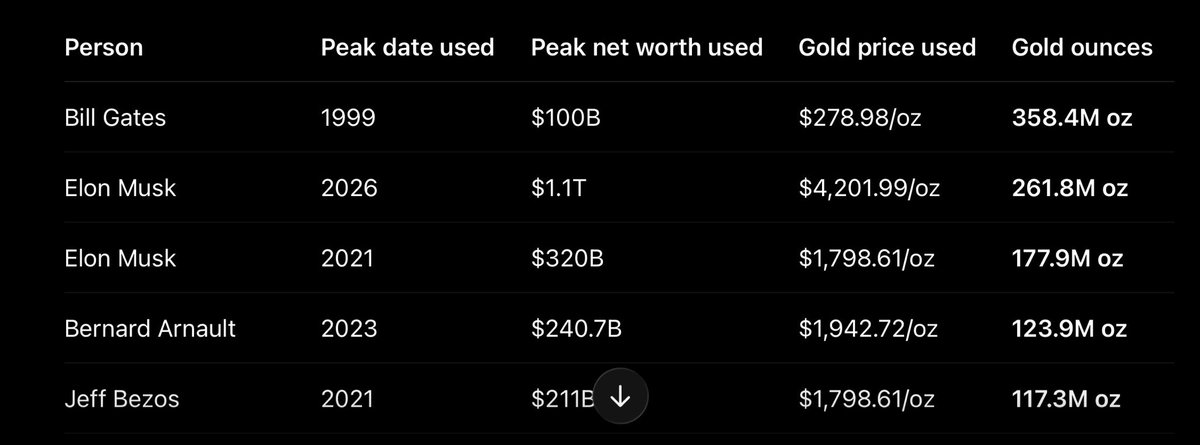
Yep. Measured in gold ounces, in 1999, Bill Gates was worth substantially more than Elon Musk is now.
2
3
10
383
Nathan C. Perry retweeted

Jun 13
WE’RE GOING TO AN ELLA LANGLEY CONCERT ON THE 18TH AND WE’RE EVEN GOING TO MEET HER!!!!
2,354
4,749
169,696
5,222,512
Parker is proving himself to be less smart than I thought.
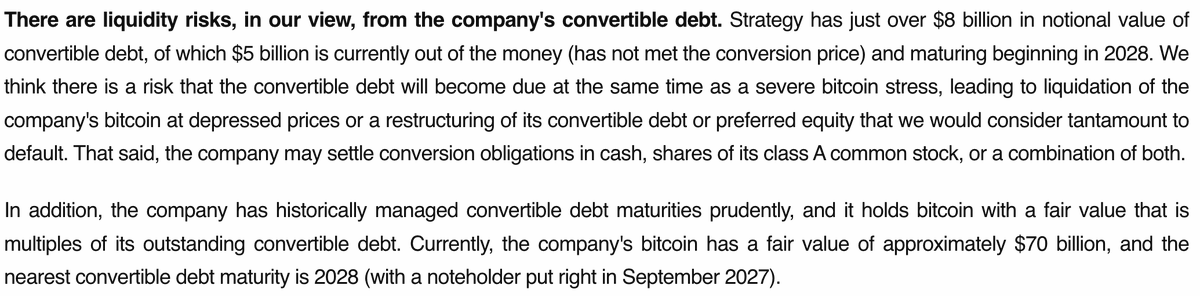
1) you can buy $MSTR when it’s on discount. (I did this quite a few times.)
2) the idea that owning $MSTR is yolo investing (a term that is designed to imply gambling) instead of, you know, investing as in knowing what you own and why is just him showing his bias.
He just doesn’t like MSTR and probably doesn’t really understand it that well. But even if he does, he just doesn’t like it. So he wants to tell you what to do with your money.

Buy the ETF, it doesn't trade at a premium to NAV. That's you're retirement account and simply because you're forced into certain securities, you decided to YOLO invest rather than save.
62
Nathan C. Perry retweeted

Jun 12
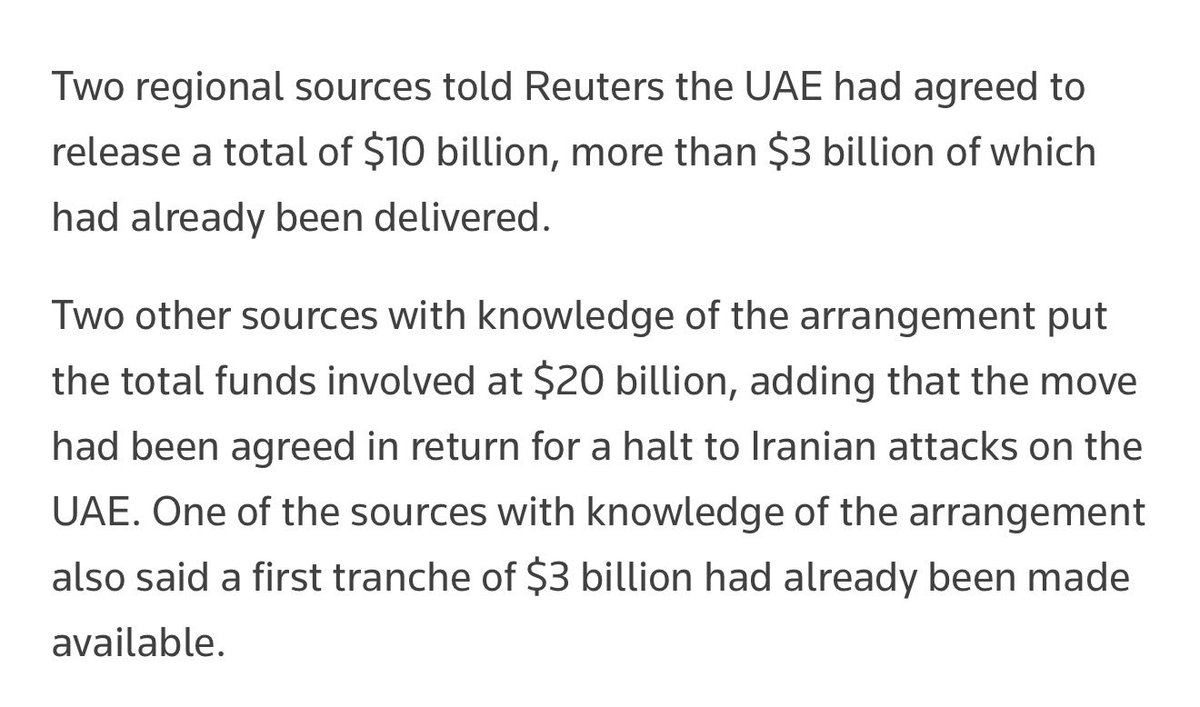
OBAMA: $1.7 billion to reduce Iranian uranium stockpile for 98% and cap enrichment at 3.67%
TRUMP: $23 billion for just a commitment to TALKS about uranium and nuclear program.
This isn’t a deal.
Trump surrendered.
60
684
1,614
175,528
Nathan C. Perry retweeted
Jun 12
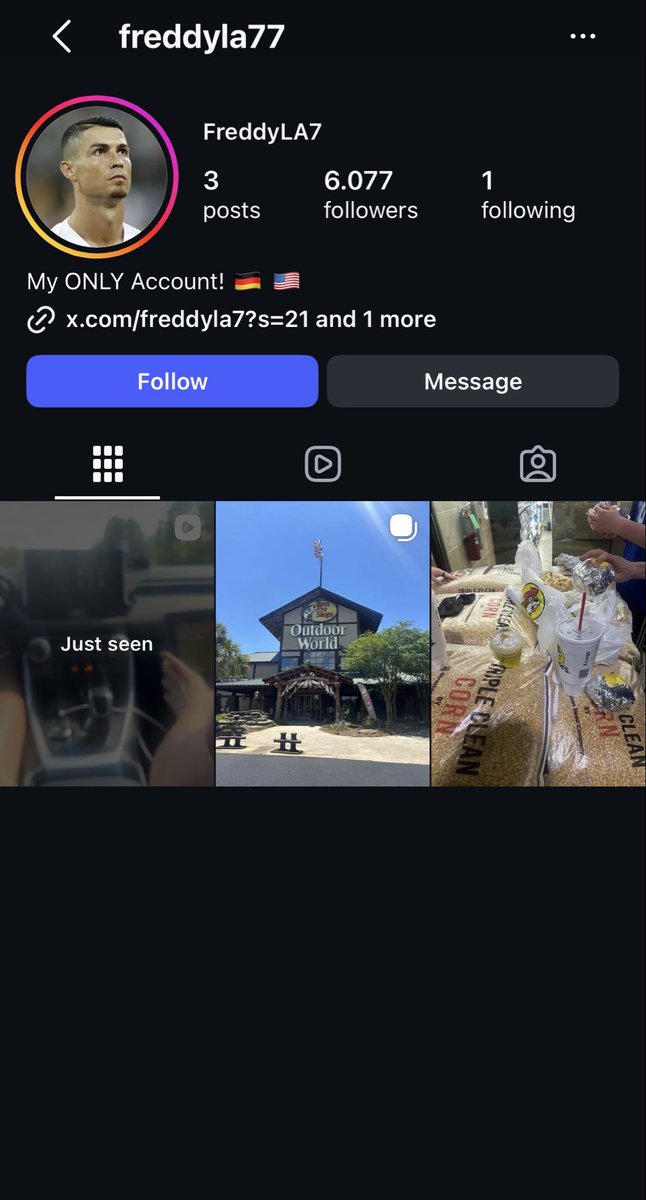
Just wanted to say that my only account is this one here on Twitter. I’m not on Instagram or TikTok, so any account you see on there is not me. Please be careful, don’t send them money.

335
2,138
44,677
1,153,559
Nathan C. Perry retweeted

Jun 12
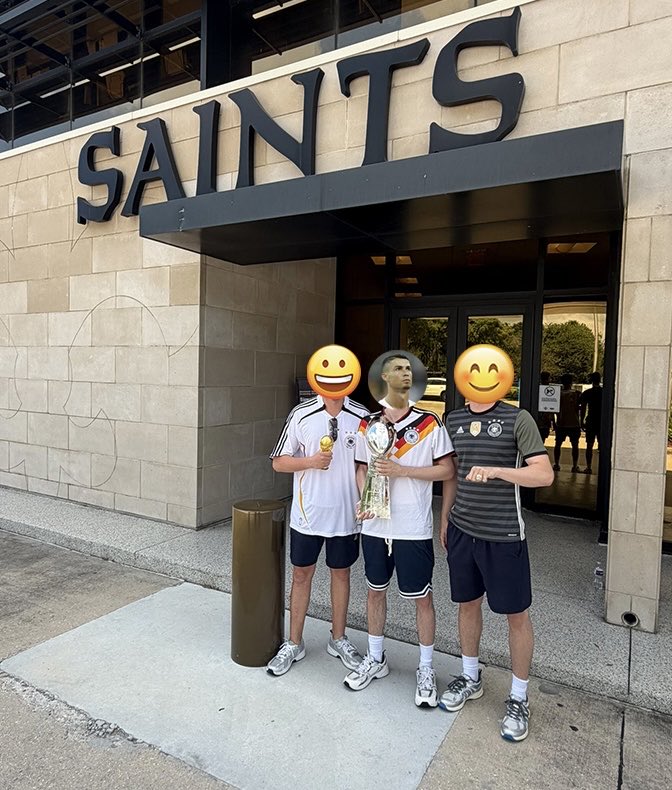
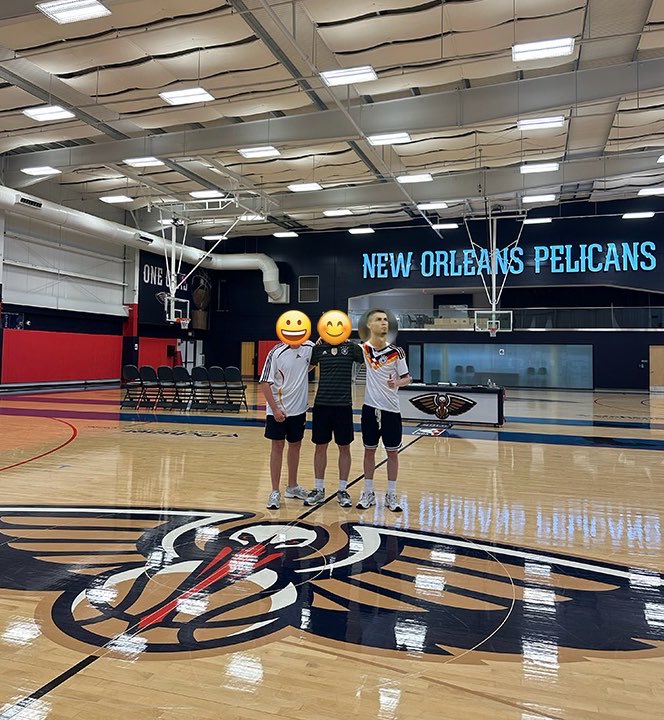
We can confirm Freddy is real, is German and loves New Orleans 👏
Jun 12

Quite the surreal morning in New Orleans today. We got a tour of the Saints and Pelicans facilities.
Thank you so much for giving us this opportunity. Once in a lifetime.
70
1,200
39,182
945,141
Nathan C. Perry retweeted

Jun 12
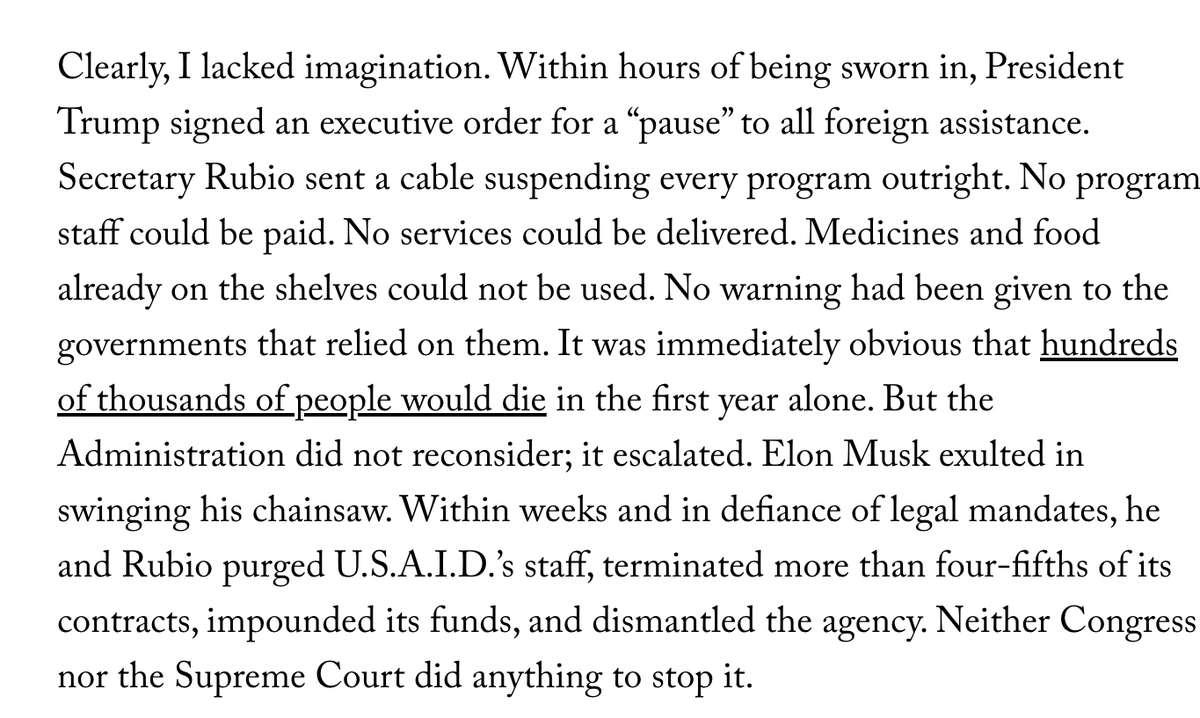
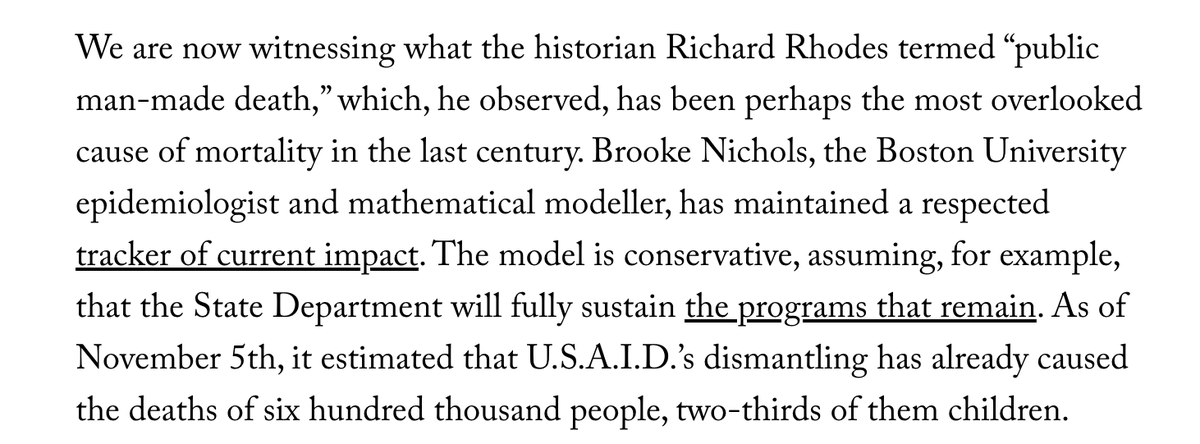
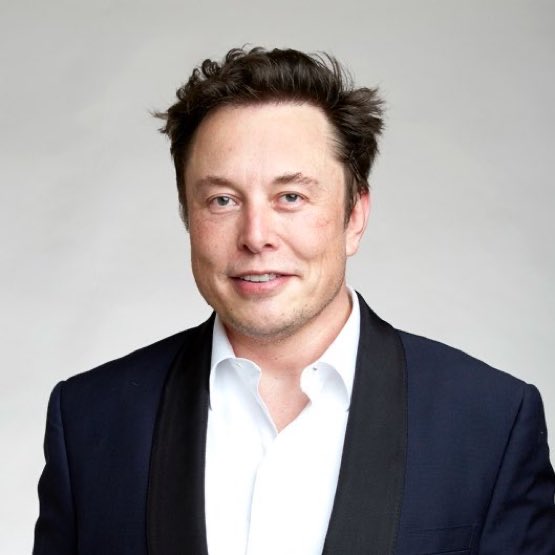
Elon Musk held up a chainsaw, fed USAID into the wood chipper, and at least 600,00 people have already died as a result - two-thirds of them children.
History's first trillionaire.

6,319
10,594
35,889
1,553,646
Nathan C. Perry retweeted
Jun 12
The vibes are insane. Driving through the great state of Louisiana on our way to New Orleans. It’s crazy how diverse this country is, every day the scenery looks different.
2,616
5,037
137,735
4,472,518
Nathan C. Perry retweeted
Jun 11
The most surreal thing of our trip so far. Currently driving towards Louisiana and the radio station we were listening to started talking about our trip and played Ella Langley especially for us😭😭😭
1,893
7,949
177,840
4,662,370
Nathan C. Perry retweeted

Jun 11
I’ll pay you a hundred thousand dollars if you can kill bitcoin in the next month.
Rekt Bitcoin so nobody wants it, render it under $100/unit, by July of this date.
I’ll pay you a hundred thousand USD if this happens.
What will you pay me if not?
120
69
2,401
82,518

Jun 11
The success of Bitcoin is first and foremost dependent on NGU. Both $MSTR & $STRC are major contributors to NGU. Or, at least, right now, preventing NGD much further.

MSTR and STRC do not operate on the Bitcoin network
Neither help Bitcoin function
Neither accelerate adoption or better outcomes
Neither bring hope or economic empowerment
Treasury Companies are bad-faith efforts w/ 0 benefit to the Bitcoin network
Why are scammers like this?
130
Nathan C. Perry retweeted
Jun 10
My bullish/bearish take on bitcoin is that we shouldn’t blame any entity for buying too much of it, because if bitcoin can be killed by an entity buying it, then it wasn’t meant to be.
If all it takes to kill bitcoin is a bullish entity that likes it enough to buy, then go home.

As @LynAldenContact says. If one entity is able to be a problem that kills it, it’s never meant to be more.
202
232
3,432
410,739
Nathan C. Perry retweeted

Jun 10
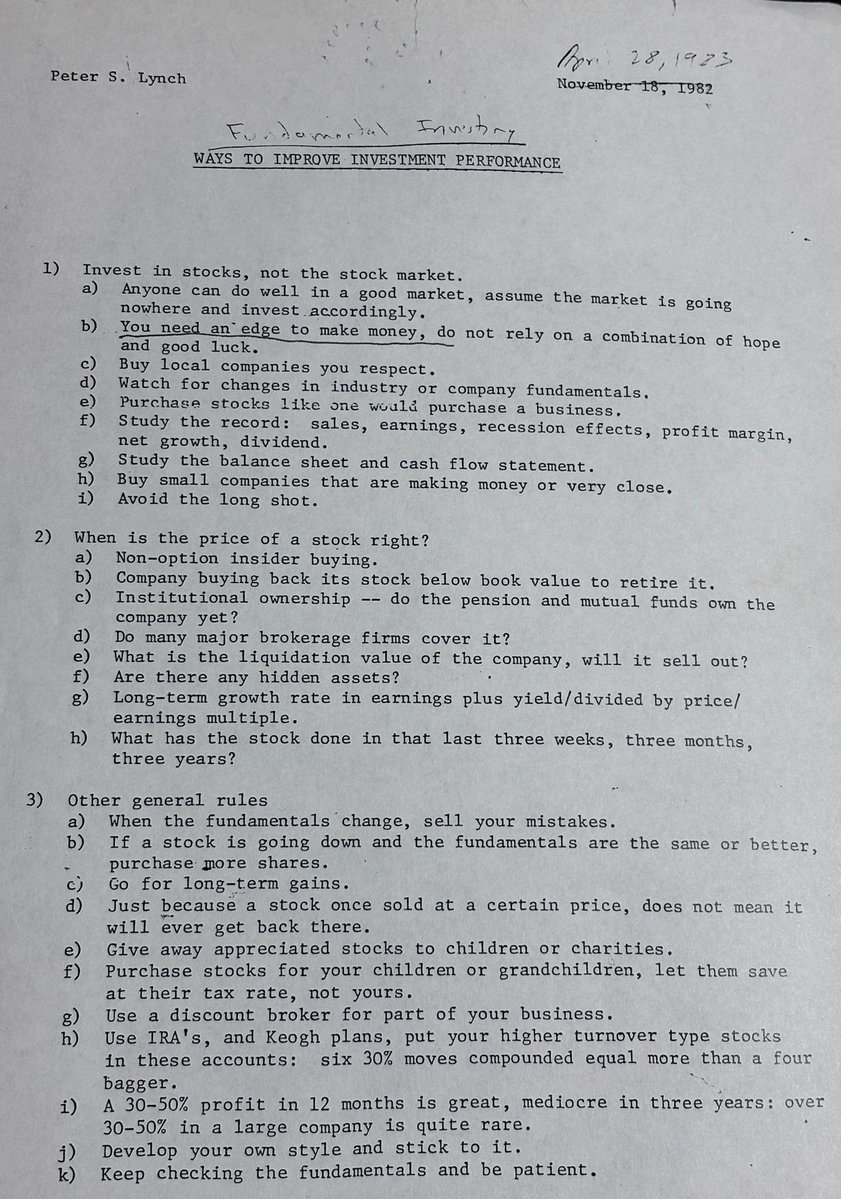
I was 26 years old when Peter Lynch handed me this.
April 28, 1983. I was the auto and retail analyst at Fidelity.
Peter was in his prime, on his way to building the greatest mutual fund track record in history:
29.2% annual returns for 13 YEARS STRAIGHT, growing Magellan from $18 million to $14 billion. The Babe Ruth of investing.
I'm looking at the principles he had typed up on a single sheet of paper that I've kept in my files for 42 years and I believe now is the perfect time to revisit them again.
Let me walk you through a few:
Rule 1B: "You need an edge to make money. Do not rely on a combination of hope and good luck."
Today's retail investor has no edge. He has Reddit, Robinhood, zero-DTE options and a TikTok algorithm pushing him into whatever stock just ripped 200% the day before.
That's hope and good luck wearing a fancy costume.
Rule 1E: "Purchase stocks like one would purchase a business."
Tesla trades at over 360 times earnings on a business deteriorating in real time, Oracle has $206 billion in liabilities against $39 billion in equity, MicroStrategy is a leveraged Bitcoin holding company priced like a software firm, and don't even get me started on SpaceX, that piece of garbage you'll be able to trade tomorrow...
Nobody in their right mind would buy these as actual businesses. They buy them as stories, narratives, and lottery tickets.
Peter would have called it the same way I do - these are not investments. They are speculations. GAMBLING.
Rule 1G: "Study the balance sheet and cash flow statement."
The hyperscalers spent over $380 billion on AI capex in 2025. Goldman says the measurable productivity payoff does not arrive until 2027 at the earliest.
Oracle just reported NEGATIVE $23.7 billion in free cash flow for fiscal 2026 while borrowing at a pace that would make a leveraged buyout firm nervous. The cash flow statements are screaming but nobody is reading them.
Rule 1I: "Avoid the long shot."
This one cuts the deepest.
The entire market has become a long shot.
OpenAI is projected to post roughly $74 billion in operating losses in 2028 ALONE while priced for transformation tomorrow. Bitcoin treasury companies are multiplying off thin air.
The retail investor of 2026 is making one long-shot bet after another and calling it a portfolio.
Rule 3A: "When the fundamentals change, sell your mistakes."
Tesla's fundamentals have changed.
California registrations are down 24% year over year and inventory days went from 10 to 27. Musk himself admitted on the last earnings call that Hardware 3 cannot achieve unsupervised FSD, breaking a promise made to 4 million customers.
The fundamentals have screamed change. But the stock is still at $385.
The mistakes are not being sold. They are literally being doubled down on with leverage.
Rule 3I: "A 30-50% profit in 12 months is great. Mediocre in three years."
Today's retail crowd expects 30-50% in a WEEK. Then they wonder why they get wiped out the second the hype stops.
And my favorite - Rule 3J: "Develop your own style and stick to it."
That is the entire game right there.
I developed mine sitting across the hall from Peter Lynch in 1983, watching him work, reading his notes, getting my own research handed back to me covered in his pencil marks. Then in 1984, my first full year managing money, I ran the #1 mutual fund in America. The Fidelity Overseas Fund was top 2 for the next six years running.
I did not get there by chasing narratives. I got there by following the sheet of paper you are looking at right now.
42 years later, this single page contains more wisdom than every Fintwit thread, CNBC segment, and Wall Street price target combined.
Peter retired in 1990 with the greatest mutual fund record in history. Then he sat down and wrote books explaining exactly how he did it.
Only a few "investors" these days read them.
And almost nobody is reading the balance sheets, the cash flow statements, or studying actual businesses today either.
They are chasing AI, crypto, and whatever pumped yesterday.
The wisdom on this page is timeless and it's more important than ever.
51
302
1,499
229,875
Jun 10
It’s good for asset owners and bad for people who don’t own assets.
Jun 10

38
Jun 10
Some hole in the wall with killer bbq. Skip the fast food for a bit and find the best bbq near you. You can do this is in pretty much any and every southern state. Bbq is very regional and its own thing, so no two places should be the exactly the same.
Jun 10
Where do you get it?
67
Nathan C. Perry retweeted

Jun 10
"A party that squandered its moral authority to support the most immoral president of our time as he undermines our entire governing system has no standing to give lectures about political ethics to everyone else."
NEW from @SarahLongwell25:
lnk.thebulwark.com/4aoWM33
163
47
140
49,538
Nathan C. Perry retweeted

Jun 9
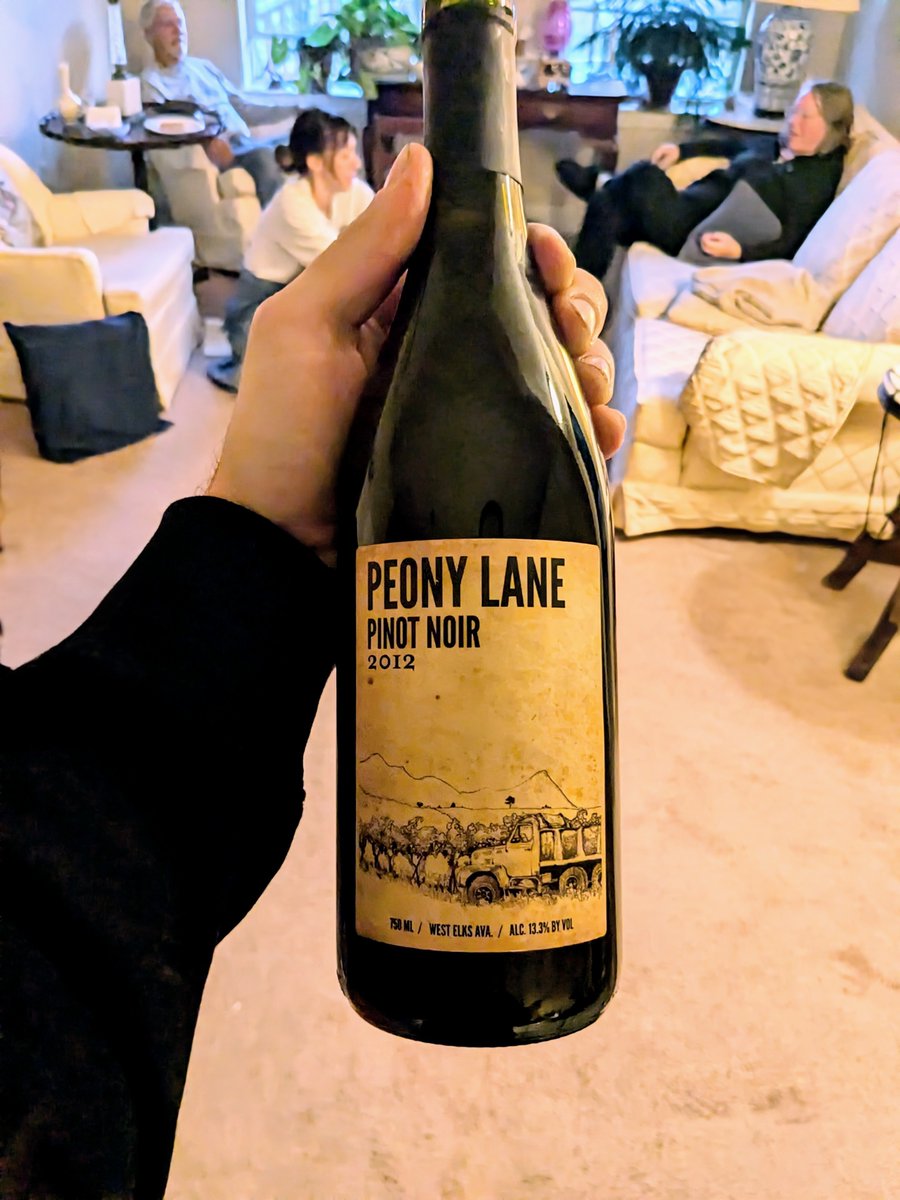
I get a lot of questions about aging wine and specifically about aging Low Intervention wine.
Here's my take:
We've aged wine that my dad made in the same way I make it for 18 years and it was still getting better.
Obvs every wine is different, but I think that higher acid of high elevation wines makes them incredible aging candidates.
What I'm learning about aging low intervention wine is just that it requires more delicate care, but the aging potential is absolutely there.
At 55-60 in a wine fridge you should be good to go for a while with these wines. The oldest wine I've personally made is 6 years old now and is still improving.
If you don't have a dedicated wine fridge/cellar, DO NOT try to age my wines. You don't need to rush to drink them, but if you don't store them correctly they are not improving with age and risk going bad.
If you want to HODL Bitcoin, you need cold storage and the same is true for wine.
3
4
348
Jun 10
They’re still here but the most vocal whales are companies now and that pisses a significant cohort of both tradfi and ideological bitcoiners off.
2
4
633