
Provider of online courses and programs in wilderness survival, wildlife tracking, bird language, foraging, & other topics that connect people with nature.
Joined September 2017
- Tweets 607
- Following 16
- Followers 14
- Likes 2
329 Photos and videos

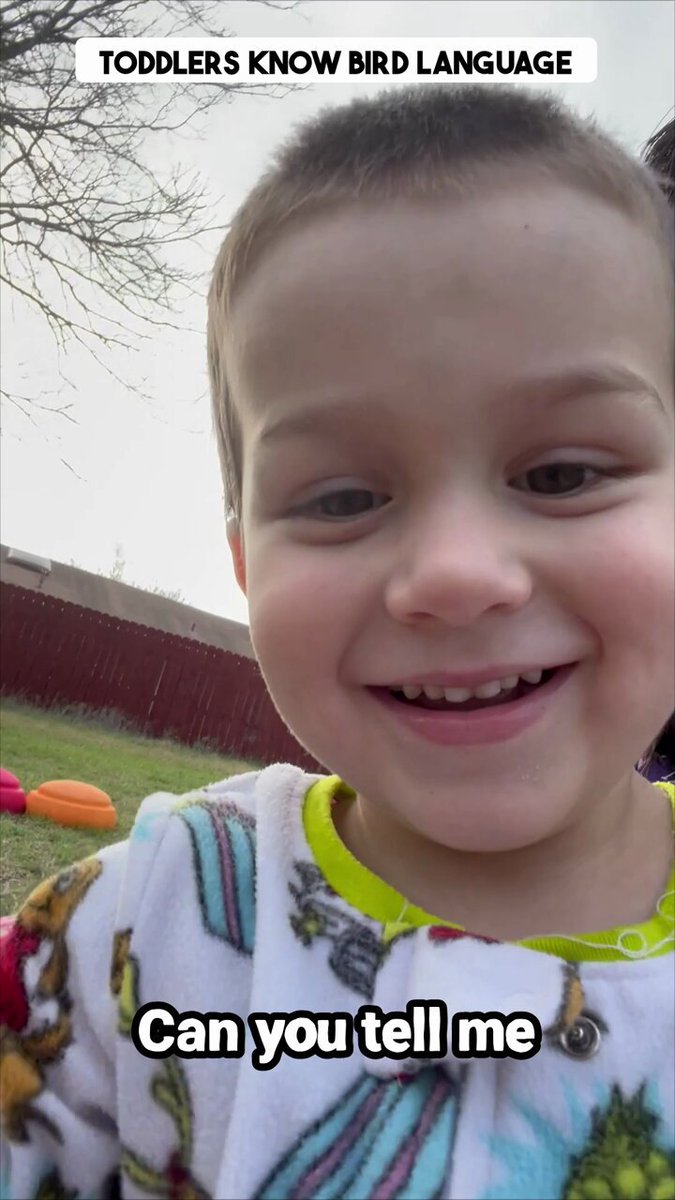
The modern approach to childhood often keeps kids indoors, but humans were biologically designed to be in the outdoors.
Full video here: youtu.be/7_vgCn540dA
#ParentingTips #MentalHealth #KidsOutdoors #ChildDevelopment
7
Think bird relationships are simple? Think again. This fascinating look at avian social networks reveals a complex, human-like drama playing out right in your backyard.
Watch full video here: youtu.be/C7KbIUoPO
#BirdLanguage #NatureSecrets #Wildlife #NatureDocumentary
Combine the deep sweetness of mulberries with the sharp, tangy punch of wood sorrel, and voila — a refreshing, vitamin-rich salad is born!
Free foraging guide: naturaliststudies.com/free-f…
#Foraging #WildFood #SpringSalad
3
Witness nature in action through the eyes of a child. My son perfectly explains how birds react to a hawk attack in their backyard. Truly fascinating!
#Nature #BirdWatching #ToddlerTalk #Wildlife
4
Everything around you is constantly listening, but are you? Discover how learning to tune into nature could be more than just survival—it’s about reconnecting with the wild story.
Download a free guide to learn more about animal language here: naturaliststudies.com/free-b…
#Nature #Awareness #Mindfulness #SurvivalSkills #Wildlife
2
Modern civilization has shifted rapidly, confining humanity to dense urban spaces and screen-lit rooms. While much is said about the digital impact on youth, the full scope of this transition often goes overlooked. This shift is fundamentally at odds with the human condition, questioning the long-term consequences of living a life so detached from our origins.
Watch full video here: youtu.be/MPrrwnvxx8s
#ModernLife #HumanNature #UrbanLiving #Wellness #DigitalDetox
10
Most the ills of society come down to this: our values. We value possessions, money, achievement, and career over time in nature, simple living, and serving community. Instead of spending so much time and energy on the former (while trying to "build" our way out of the messes we’ve created), what if instead we cherished what was already around us, appreciated it, and cultivated more of it?
After millennia of living in close connection to nature, we’ve run an uncontrolled experiment since the Second Industrial Revolution by trying to remove ourselves from it, as if we can rewrite the laws of being human and not suffer unexpected and dire consequences.
It’s undeniable that there have been tremendous material and technological benefits from these advancements (e.g., medicine), but what has been the toll on our mental, emotional, and spiritual wellbeing? Would we even need all of these new technologies to 'fix' our current state if we hadn't manifested the problems to begin with?
This is what indigenous cultures could never comprehend about this aspect of the 'Western' mind. Freedom, liberty, justice, the right of self-determination, and other natural rights—yes, by all means. But what have we done with those in the name of 'progress'?
Look around at the levels of depression, anxiety, unhealthiness, and strife, not to mention the destruction of ecological habitat, and you have to ask yourself, "Has it been worth it?" While our current standard of living is far superior to that of previous generations, if you showed a vision of today’s world to a 19th-century person, would they likely say, "Yes, please give me that"?
It’s time to take a step back and look at how we came to be, learn lessons from that (starting with reconnecting to nature), and then invoke time-honored wisdom to construct a better future.
What we value is what we become.
14

7 Nov 2024
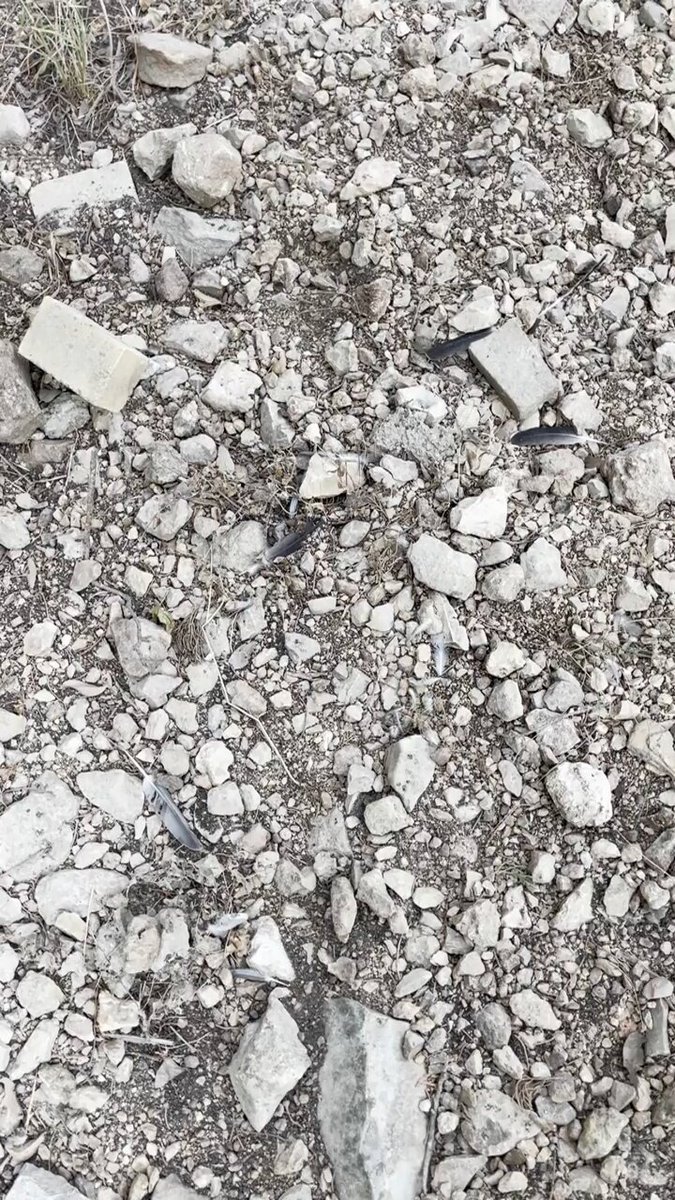
See the evidence (feathers) left behind by a Cooper's Hawk that predated on a White-winged Dove.
50
29 Oct 2024
See how easy it is to turn a piece of driftwood into a beautiful walking stick in just a few minutes. Using only natural materials, this is a great way to combine your love of the outdoors with your artistic side!
31
19 Sep 2024
Our over-reliance on smartphones, while offering numerous benefits, detracts from our ability to fully experience and appreciate the natural world. Here's a few tips for getting the most out of your time in nature without the distraction of your phone.
youtube.com/watch?v=JkG0zfsz…
22
21 Feb 2024
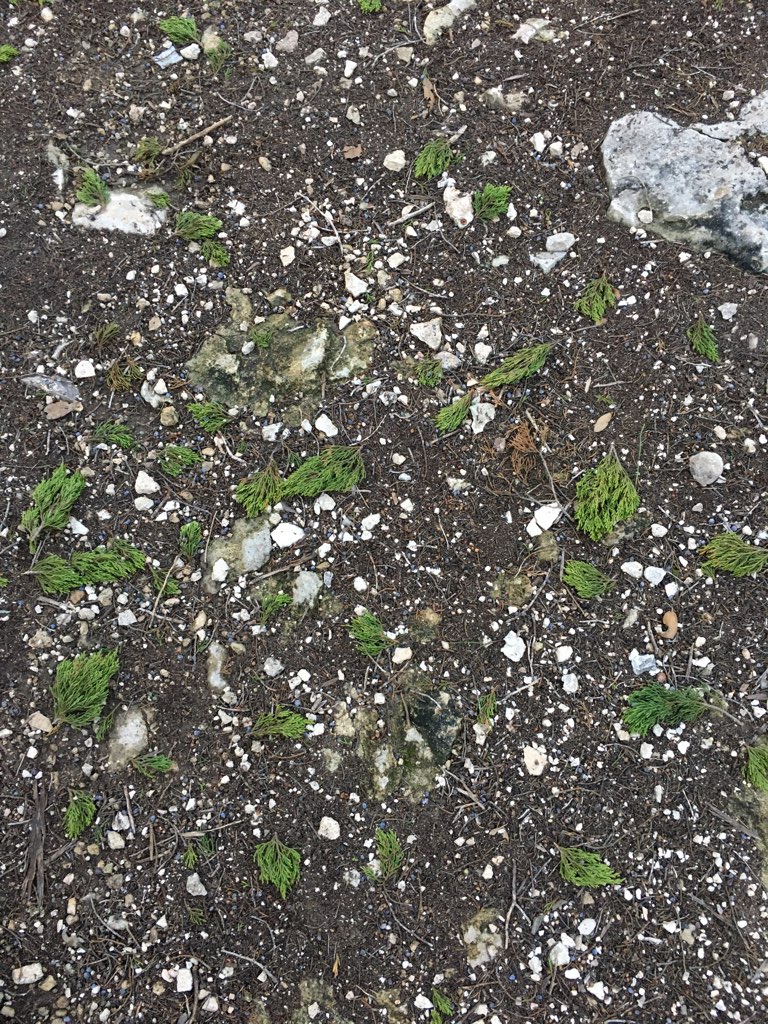
These 'nips' of Ashe Juniper twigs are animal sign that is often found in dense thickets commonly referred to as 'cedar brakes.' Typically bitten off by rodent species, in this case likely a fox squirrel but could also be a porcupine.
1
39
20 Feb 2024
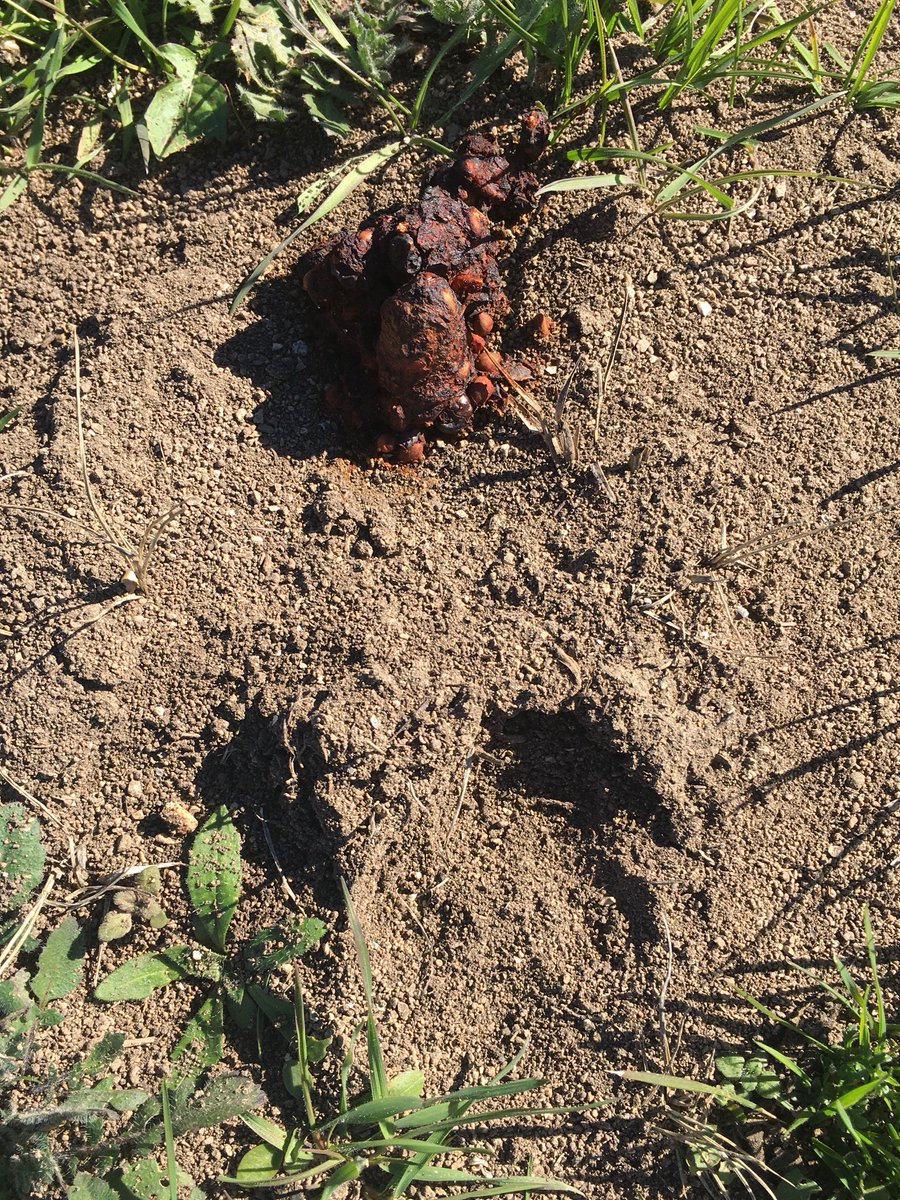
This is fantastic example of how tracking can be used to decipher animal behavior. In this instance, a gray fox deposited a scat in an fallow farm field, and then a coyote came afterward to sniff the spoor and ascertain the identify, health, and perhaps sex of the 'trespasser.'
579
20 Feb 2024
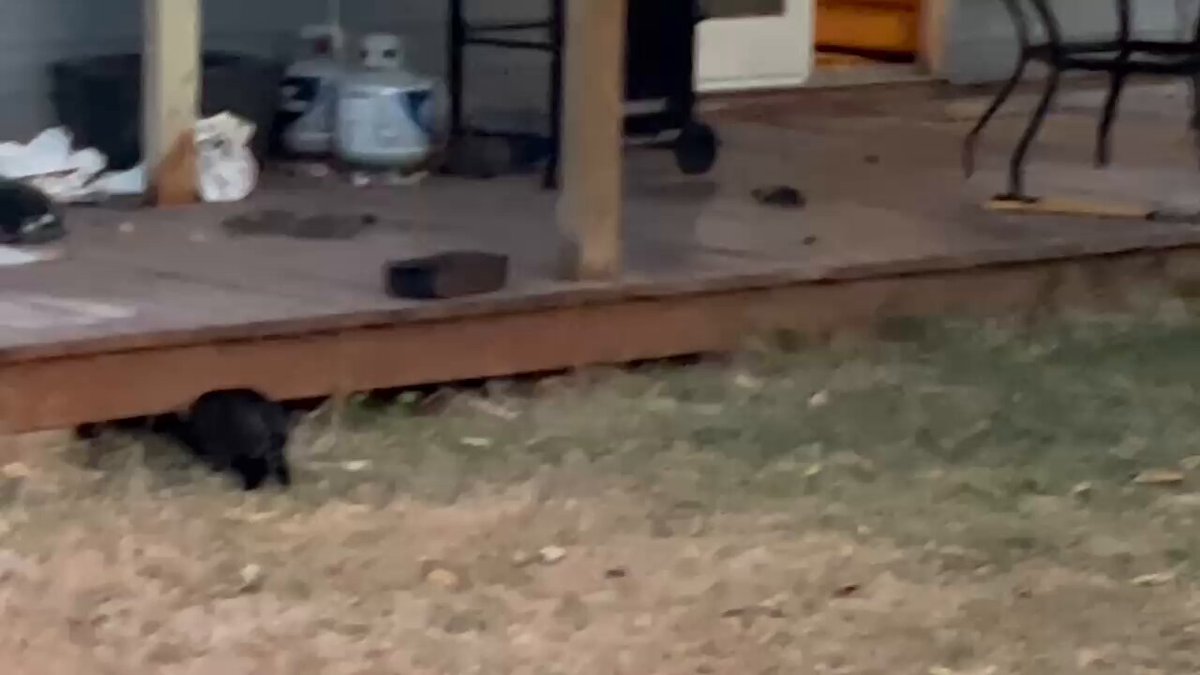
House cat are notorious killers of songbirds, and as breeding season gets underway the latter become especially demonstrative in sounding the alarm.
1
48
13 Feb 2024
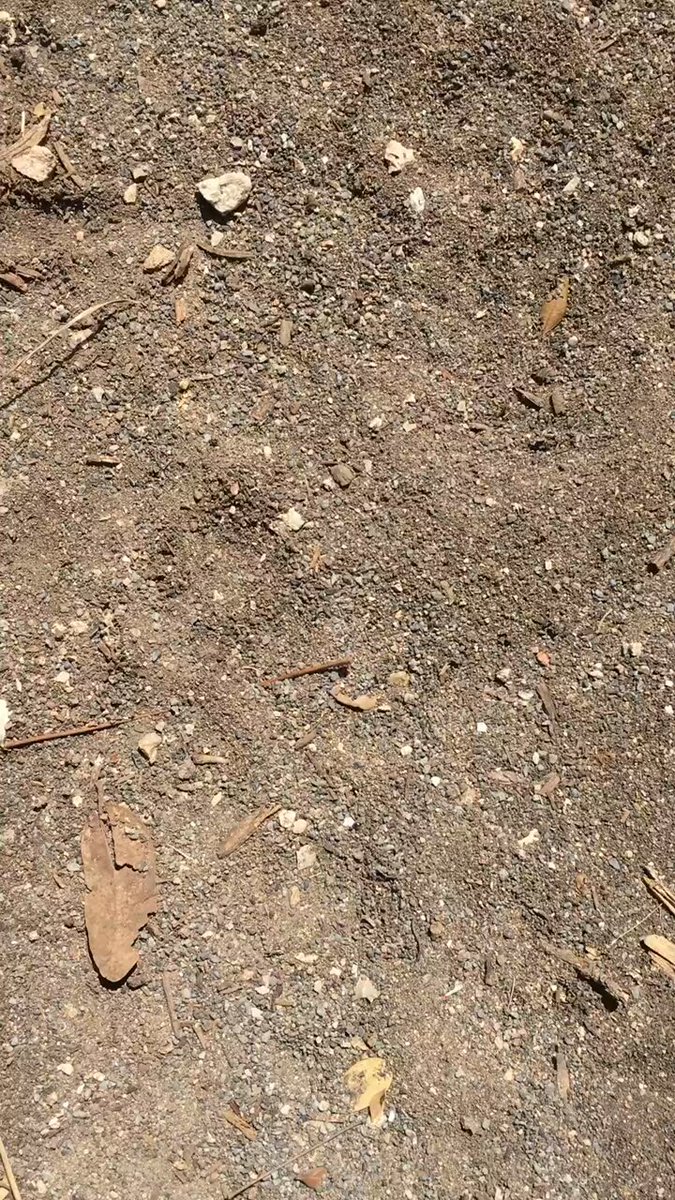
See how to differentiate gray fox tracks and other sign from house cats.
1
24
8 Feb 2024
The dangers of milkweed, particularly the sap which is toxic and can cause temporary blindness.
22
8 Feb 2024
Building a mini-survival shelter with your kids is a fun activity that has them interacting with nature, while also teaching them an essential outdoor skill that could one day get them through an emergency situation.
70
6 Feb 2024
If you want to know how to interpret the language of birds then watch this lesson where you'll learn how to decipher common behaviors that will allow you to get closer to wildlife and know when dangerous predators are nearby!
youtu.be/SKjgy1FZgr8
14
31 Jan 2024
Learn how to easily recognize fox squirrel digs, in this case looking for pecans that it previously buried.
14