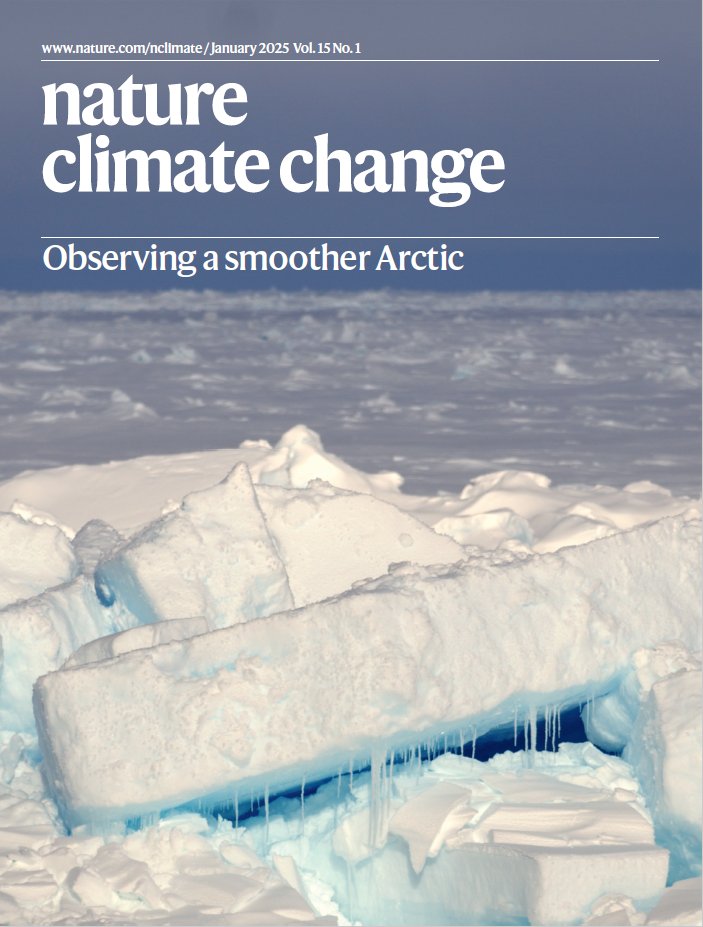
Our January issue is now online
Content includes
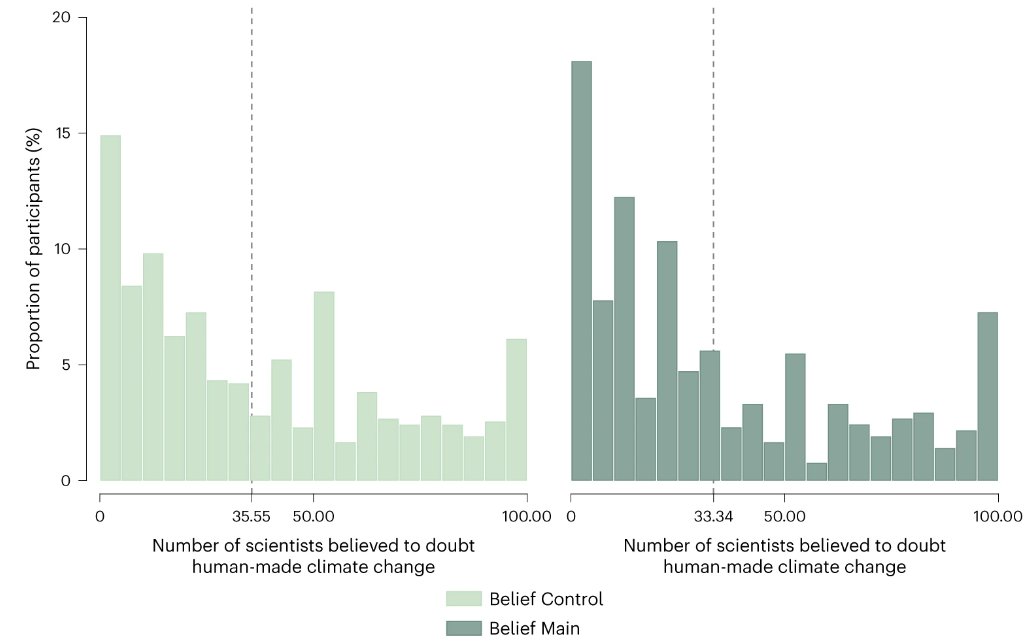
💻 Internet image search & climate views
🌀 cyclone risk to ecosystems
📉 the Global Stocktake technical dialogue
🦠 Microbial carbon use efficiency in soil models
🧊 smoother Arctic sea ice
& much more
nature.com/nclimate/volumes/…
ALT Image shows the January cover of the journal, with the journal name over an image of piled up Arctic sea ice, with the sea ice stretching to the horizon. The line "Observing a smoother Arctic" describes the image
In @NatureClimate, we show that a year above 1.5 °C signals that Earth is most probably within the 20-year period that will reach the Paris Agreement limit.
nature.com/articles/s41558-0…
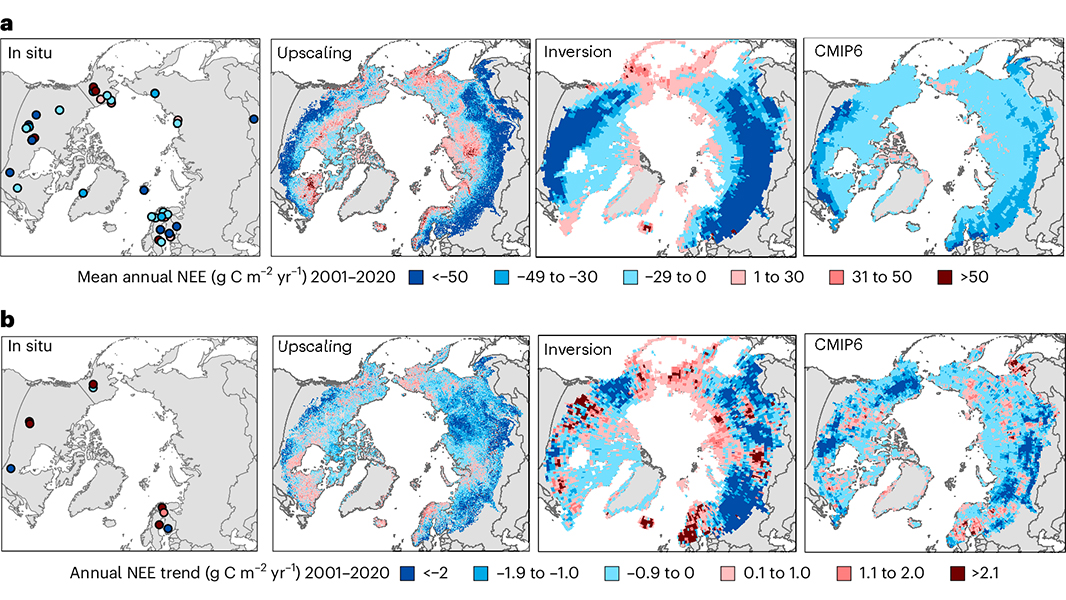
How the carbon stocks of the Arctic–Boreal Zone change with warming is not well understood. A study in @NatureClimate shows that wildfires and large regional differences in net carbon fluxes offset the overall increasing CO2 uptake. go.nature.com/3CjkRL0
ALT This is figure 1, which shows a spatial variability in Arctic–boreal CO2 fluxes.
Here we go! The first issue of Nature Reviews Biodiversity is now live🥳🎉🥂. Thank you to our authors, reviewers, and community for the support! We hope you enjoy the reading. nature.com/nrbd/volumes/1/is…
A great new article type where anyone can pose an earth or climate question to be explaineded by an expert check the editorial and the first 3 pieces that are out
My PhD student Ashley Dancer and I wrote a commentary in @NatureClimate on the nice new paper by van de Ven et al., incl. @idasogn & @Peters_Glen, which documents how the IPCC scenarios have changed their assumptions over time. 1/🧵
nature.com/articles/s41558-0…
New paper @NatureClimate finds humid heat during the 2024 Hajj pilgrimage neared human tolerance limits. Analysis (by @minderoo, including CCRC’s Steven Sherwood @StevenSherwood4 and Katrin Meissner @KatrinJM) warns that further warming would rapidly threaten more people.
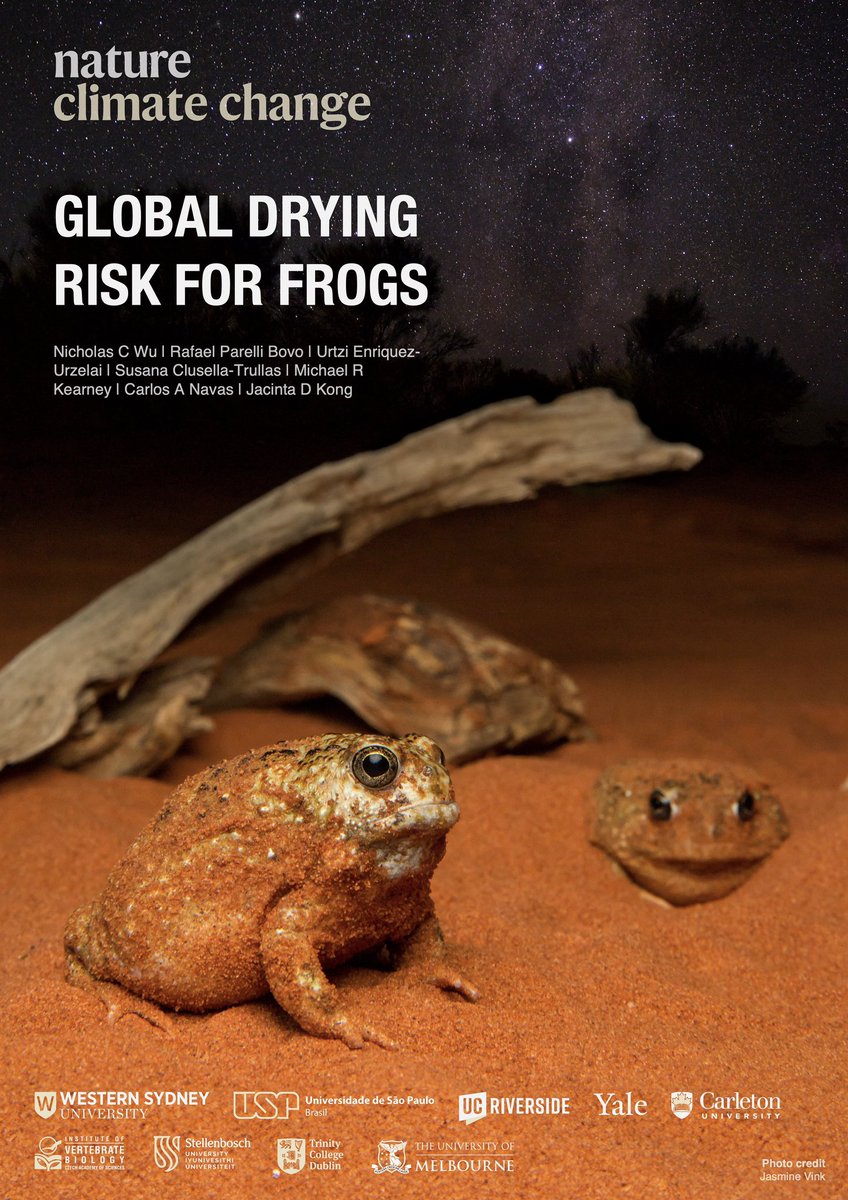
Increasing land drying & drought will threaten water-sensitive species such as frogs 🐸. We examine the potential exposure risk under different warming scenarios | nature.com/articles/s41558-0… | @NatureClimate
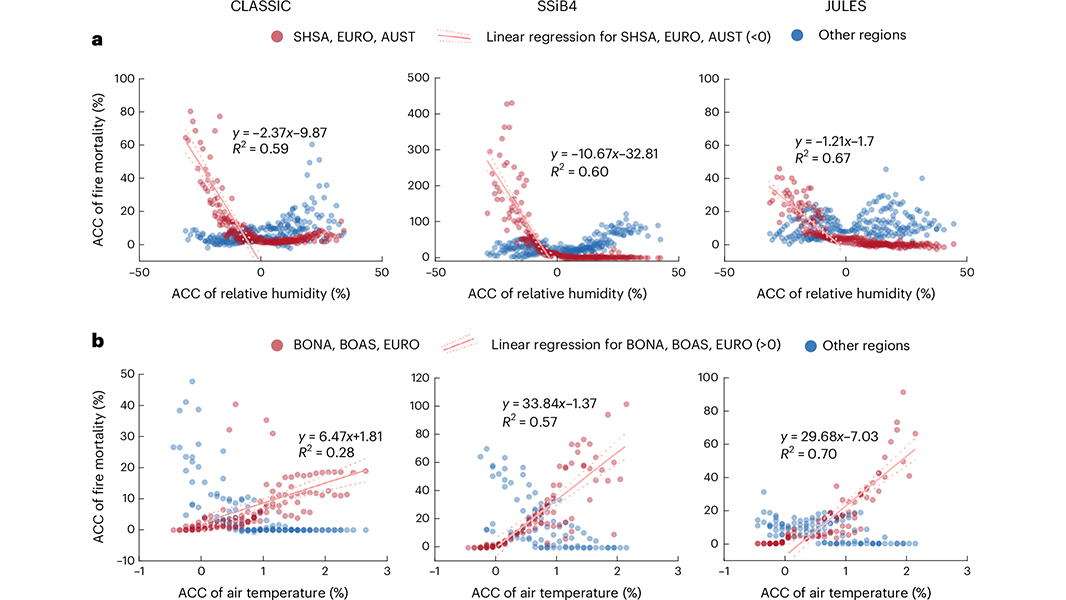
Climate change may have increased the proportion of wildfire smoke-related human deaths by about tenfold between the 1960s and 2010s, suggests a paper in @NatureClimate. go.nature.com/3C27M86
ALT This is figure 5, which shows the relation between attribution to climate change (ACC) of fire mortality and ACC of relative humidity or air temperature during the 1960s to 2010s.
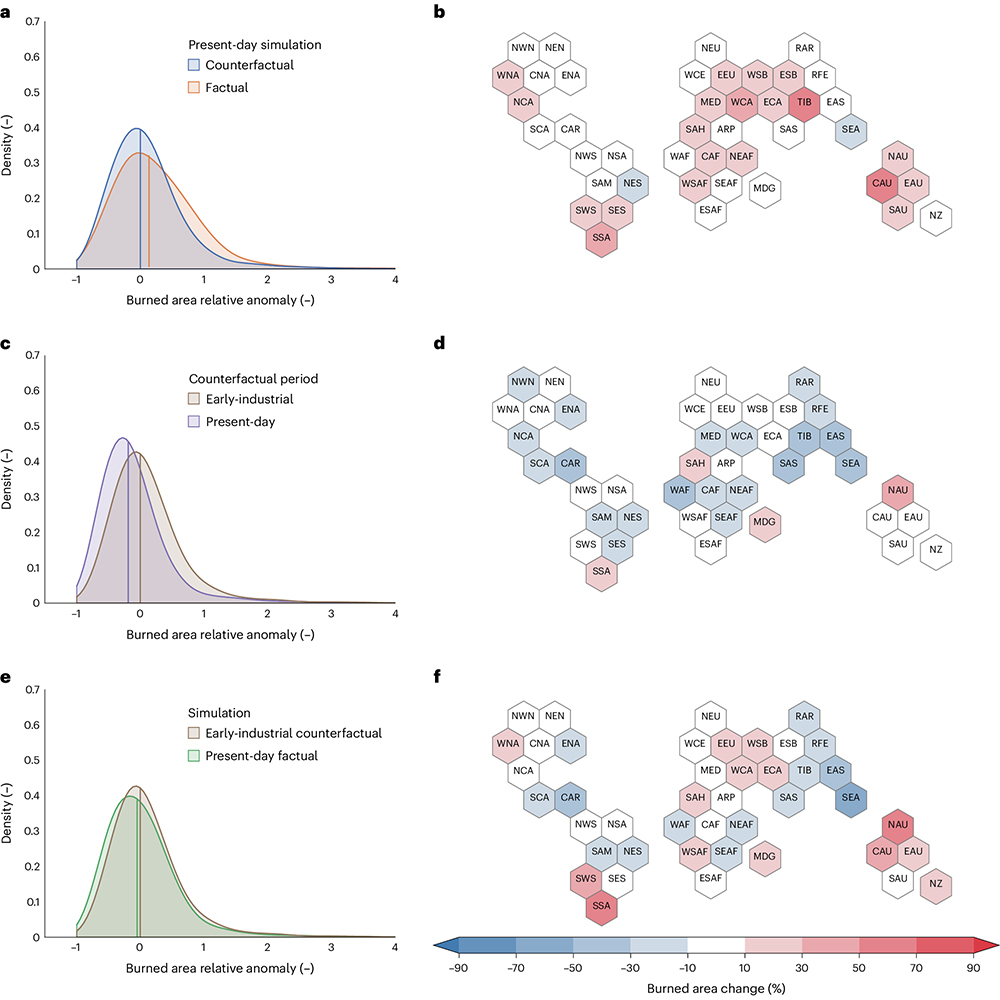
A study in @NatureClimate shows that climate change is increasing burned areas in most regions, particularly during periods of peak fire activity. Changes in population and land use are mitigating some of the effects of climate change. go.nature.com/3YyVGwk
ALT This is figure 1, which shows the contribution to burned area from climate change, direct human forcings and all combined.
Findings, published in @NatureClimate , showed that the amount of burned area is, on average, around 16% greater than it would be if the world’s climate was similar to pre-industrial times. See the full paper: nature.com/articles/s41558-0…
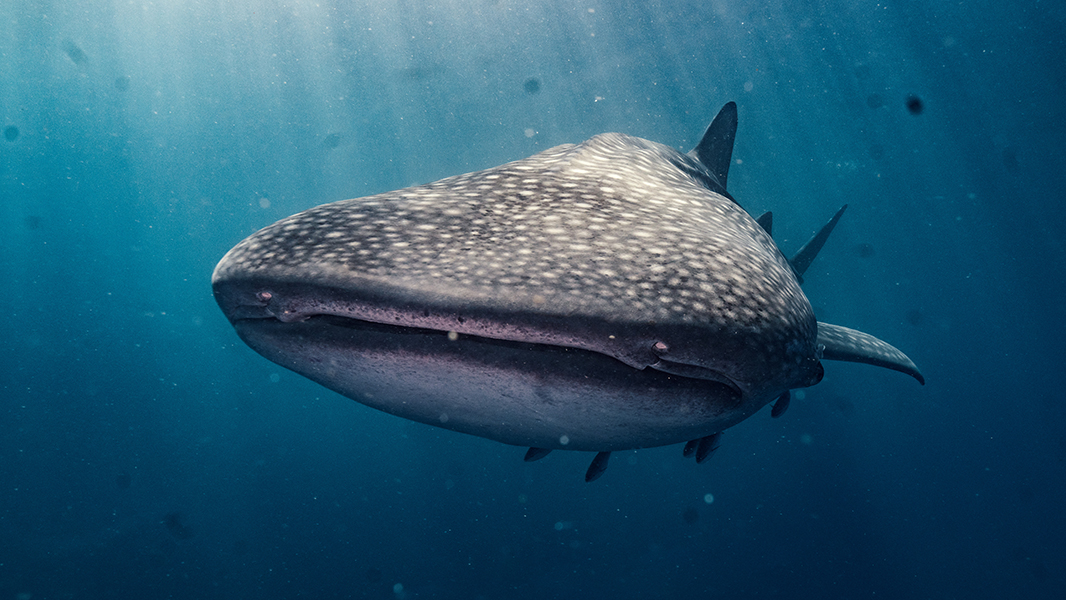
Whale sharks may be up to 15,000 times more likely to collide with a shipping vessel at the end of the century, under a high-emissions scenario, according to a study in @NatureClimate. go.nature.com/3zKOOCr
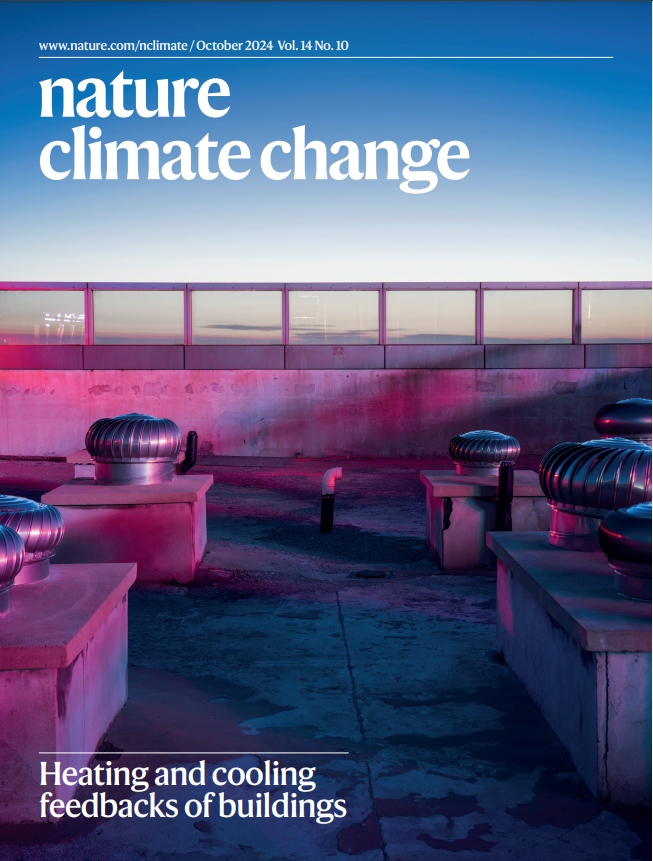
Our October issue is online nature.com/nclimate/volumes/…
cover: @CathyXinchangLi et al use a model framework to understand heating and cooling energy demands. They find including 2-way biophysical feedbacks doubles (halves) energy demand for cooling (heating) under high emissions