Home of the best science(focusing physics, astronomy) and technology news since 2020. We are curious about universe are you?
Joined October 2019
- Tweets 1,365
- Following 4,159
- Followers 19,180
- Likes 633
1,238 Photos and videos




Pinned Tweet
A massive brown bear was spotted navigating the high-altitude peaks of Alaska.

123
1,520
22,390
444,774
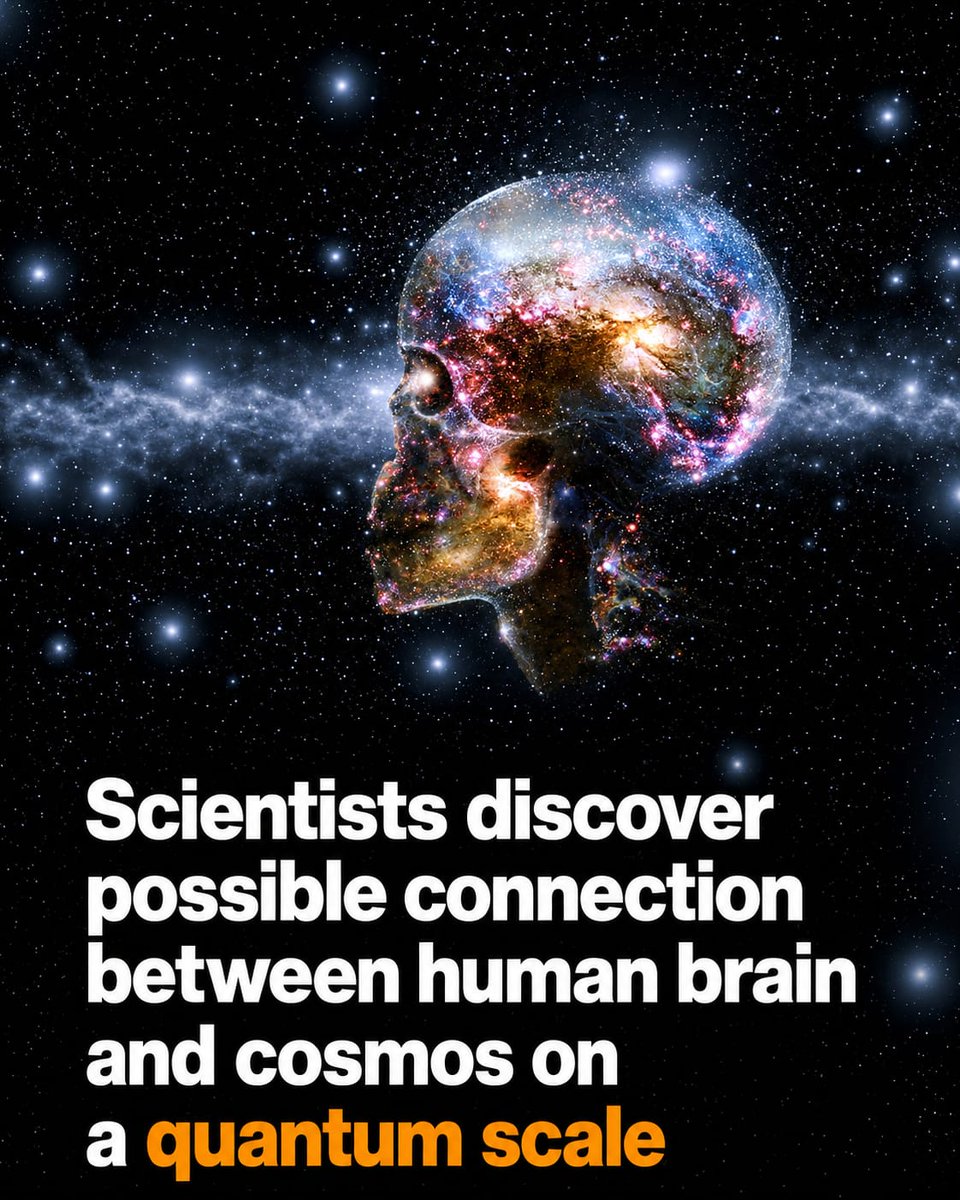
🚨: Scientists discover possible connection between human brain and cosmos on a quantum scale
1
2
8
231
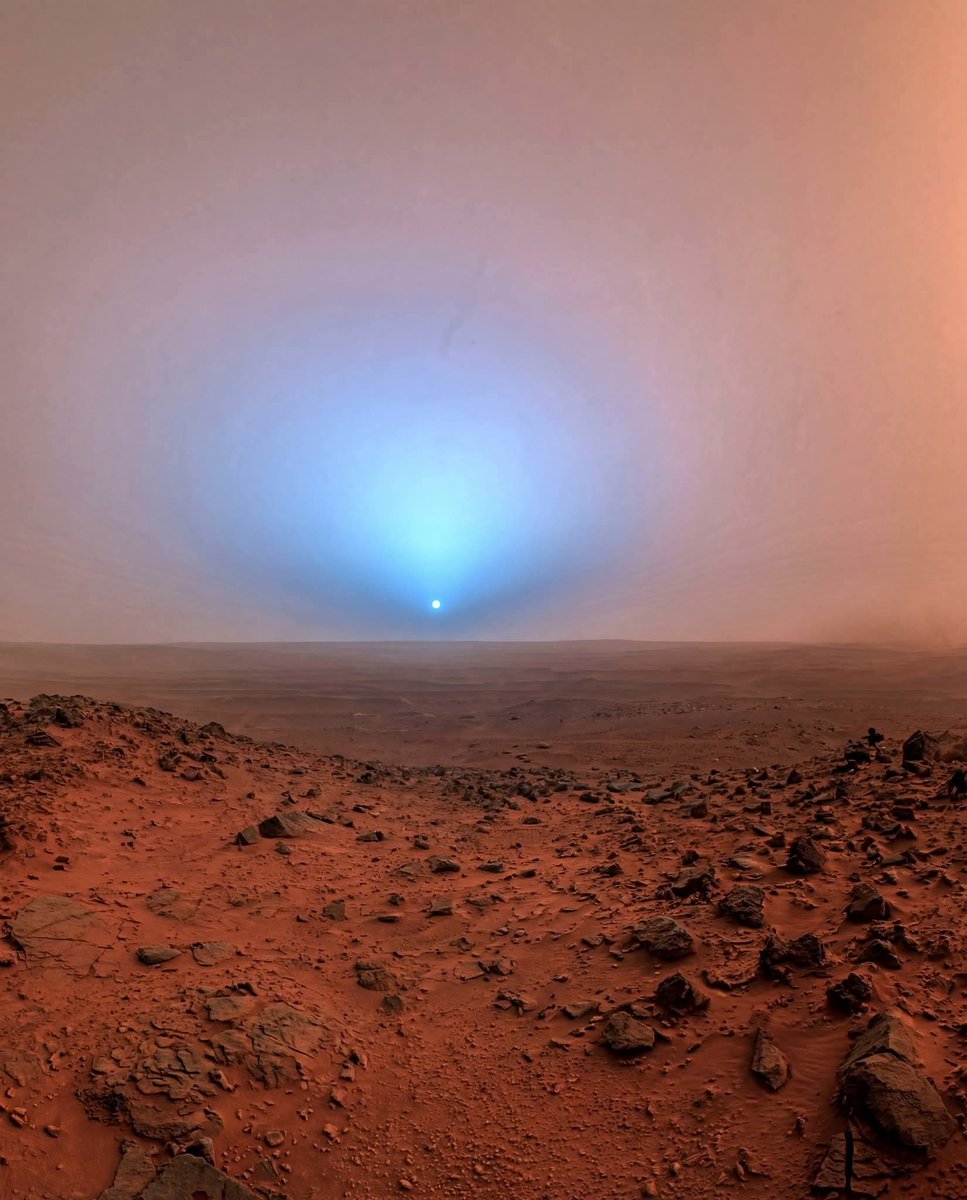
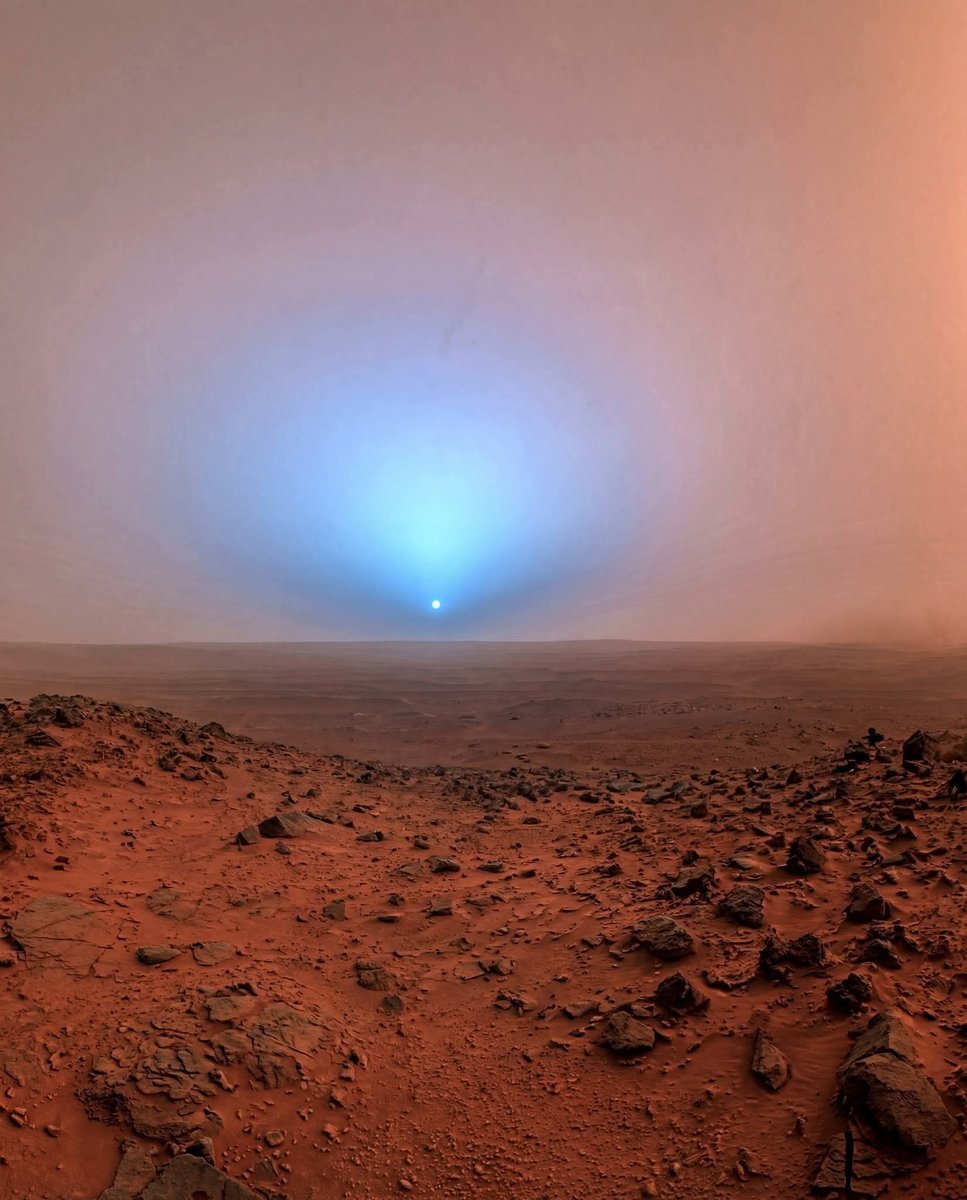
There have been thousands of generations of humans, and you are alive to witness the first photo of a Sunset on another World.
This is a real photo of the sunset on Mars.
1
6
18
242
Dailyscienceinfo retweeted

Beautiful golden sunset at Huntington Beach, California 🌊🌅

9
20
287
The sharp dividing line between a lush forest and the white sand dunes of Lençóis Maranhenses🇧🇷
1
5
9
335
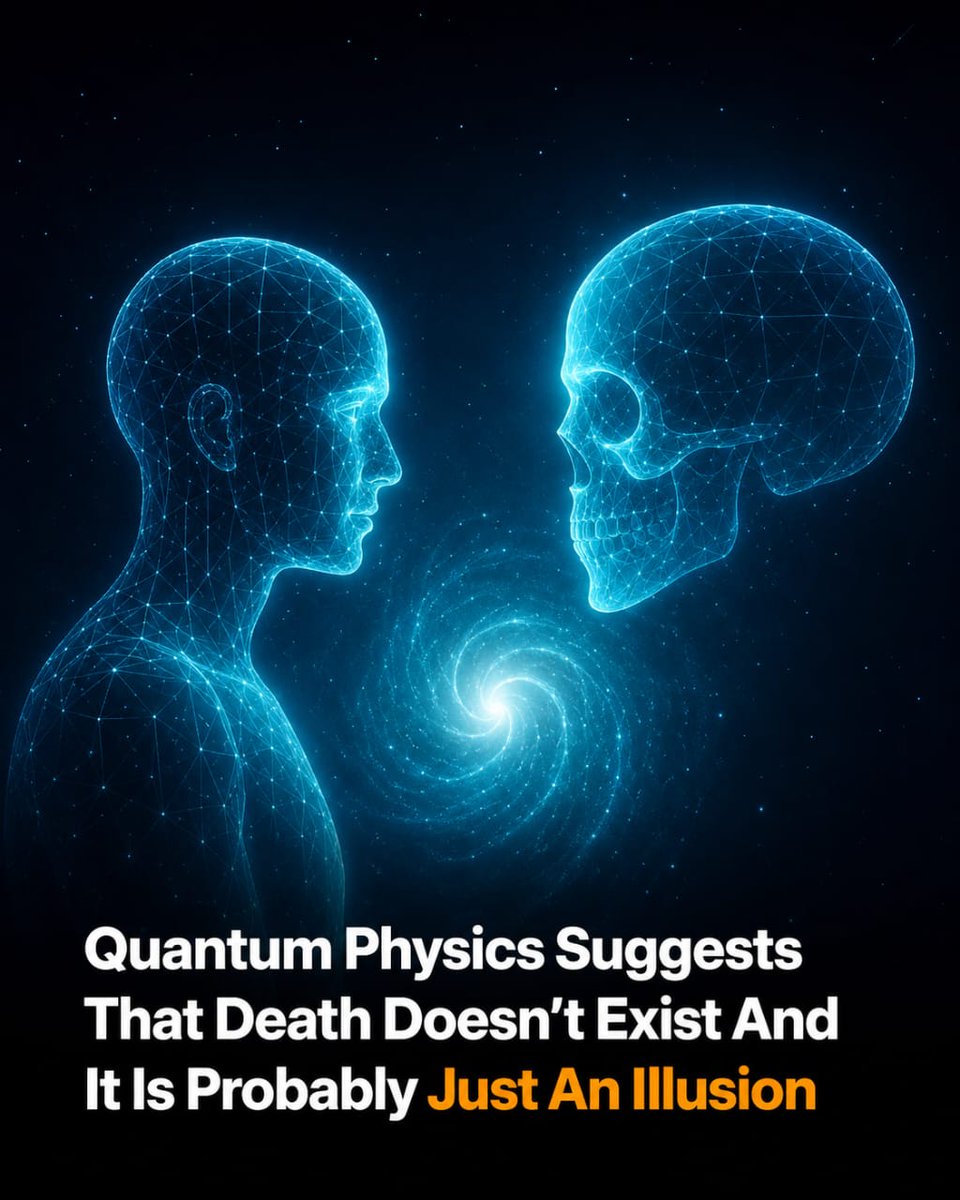
🚨: Quantum Physics Suggests That Death Doesn’t Exist And It Is Probably Just An Illusion
2
4
14
409
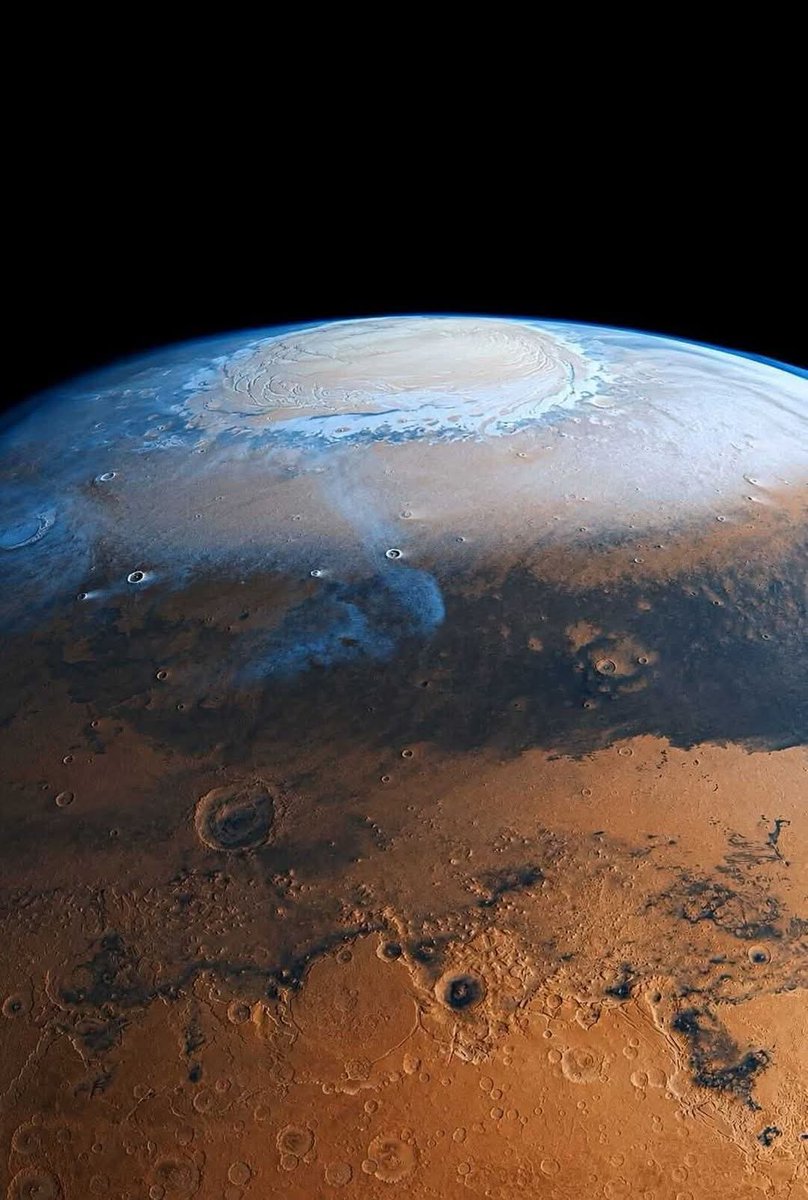
The clearest image ever captured of Mars’ North Pole — and yes, that’s water ice.
3
26
83
1,192

Jun 13
🚨: Native Americans Are Not Who We Thought They Were, Study Finds
3
8
10
792
Jun 13
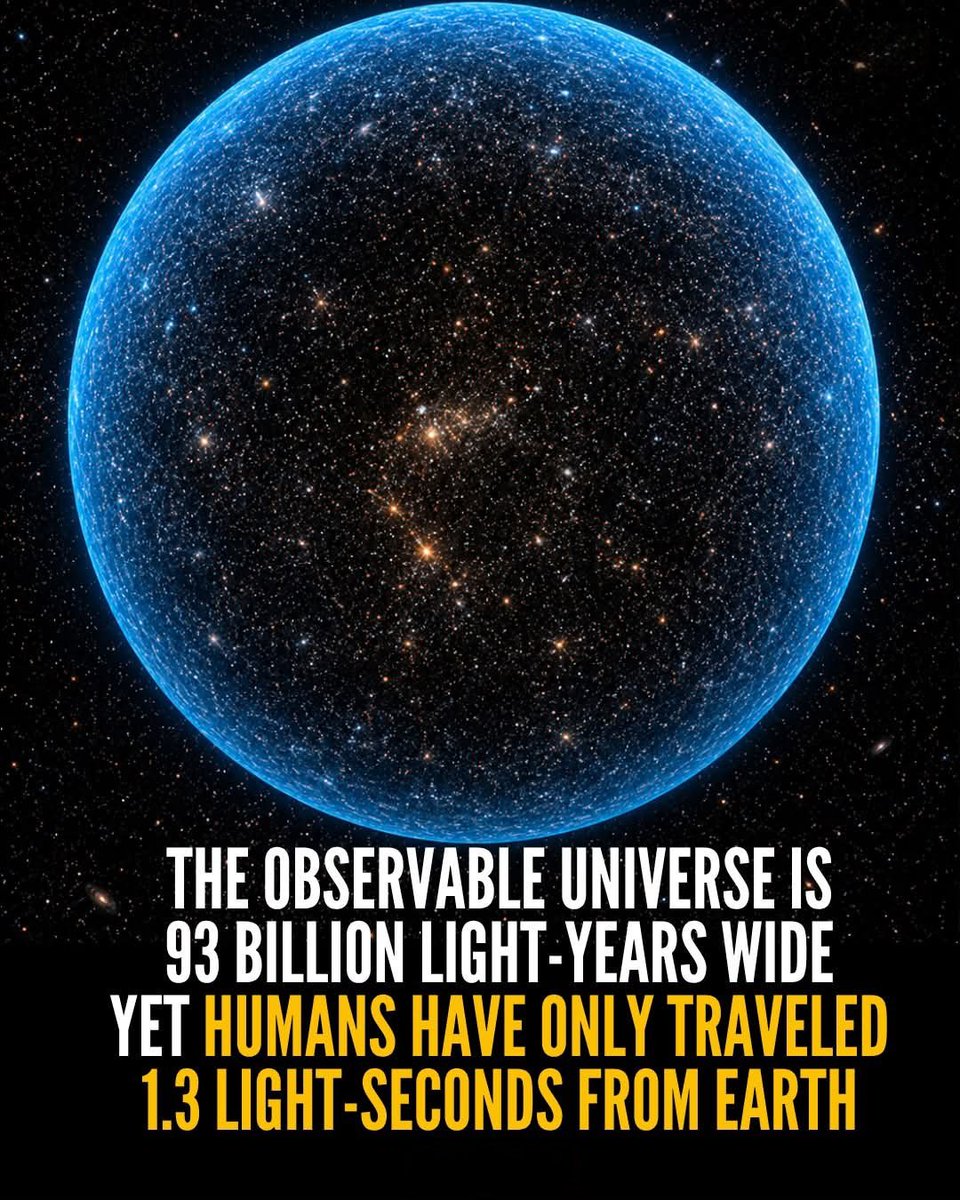
The observable universe is more than 93 billion light-years wide.
Humans have traveled just 1.3 light-seconds away from Earth.
That distance—the gap between Earth and the Moon—is the farthest any human being has ever physically journeyed into space. Every astronaut who has ventured beyond our planet has remained within a region that light can cross in just over a second.
Beyond that lies a cosmos so vast that it challenges the limits of human imagination.
The observable universe stretches approximately 93 billion light-years across. Yet even this immense expanse is not the entire universe. It is only the portion from which light has had enough time to reach us since the Big Bang.
There may be vastly more space beyond that boundary. In fact, most cosmologists believe there is. But because the universe is expanding, some regions are so distant that their light may never reach Earth.
Every bright point visible in deep-space images represents far more than a single star.
Most are entire galaxies containing hundreds of billions of stars, along with countless planets, moons, and other worlds. The number of stars in the observable universe is estimated to be greater than all the grains of sand on Earth's beaches combined.
Yet everything we can see accounts for only a small fraction of reality.
According to current scientific models, ordinary matter—including every galaxy, star, planet, and living thing—makes up only about 5 percent of the universe. Roughly 27 percent is believed to be dark matter, while about 68 percent is thought to be dark energy, the mysterious phenomenon driving the accelerated expansion of space.
Even our fastest spacecraft barely dents these distances.
NASA's Parker Solar Probe can reach speeds approaching 690,000 kilometers per hour during its closest passes to the Sun. At that speed, traveling to Proxima Centauri, the nearest star beyond our Solar System, would still take roughly 6,000 years and Proxima Centauri is only 4.24 light-years away.
7
13
31
877
Dailyscienceinfo retweeted

Conjunction of Moon, Mercury and Venus

19
100
781
Jun 13
🌑 James Webb Telescope May Have Discovered the First-Ever Dark Matter-Powered Stars
2
7
23
807
Jun 13
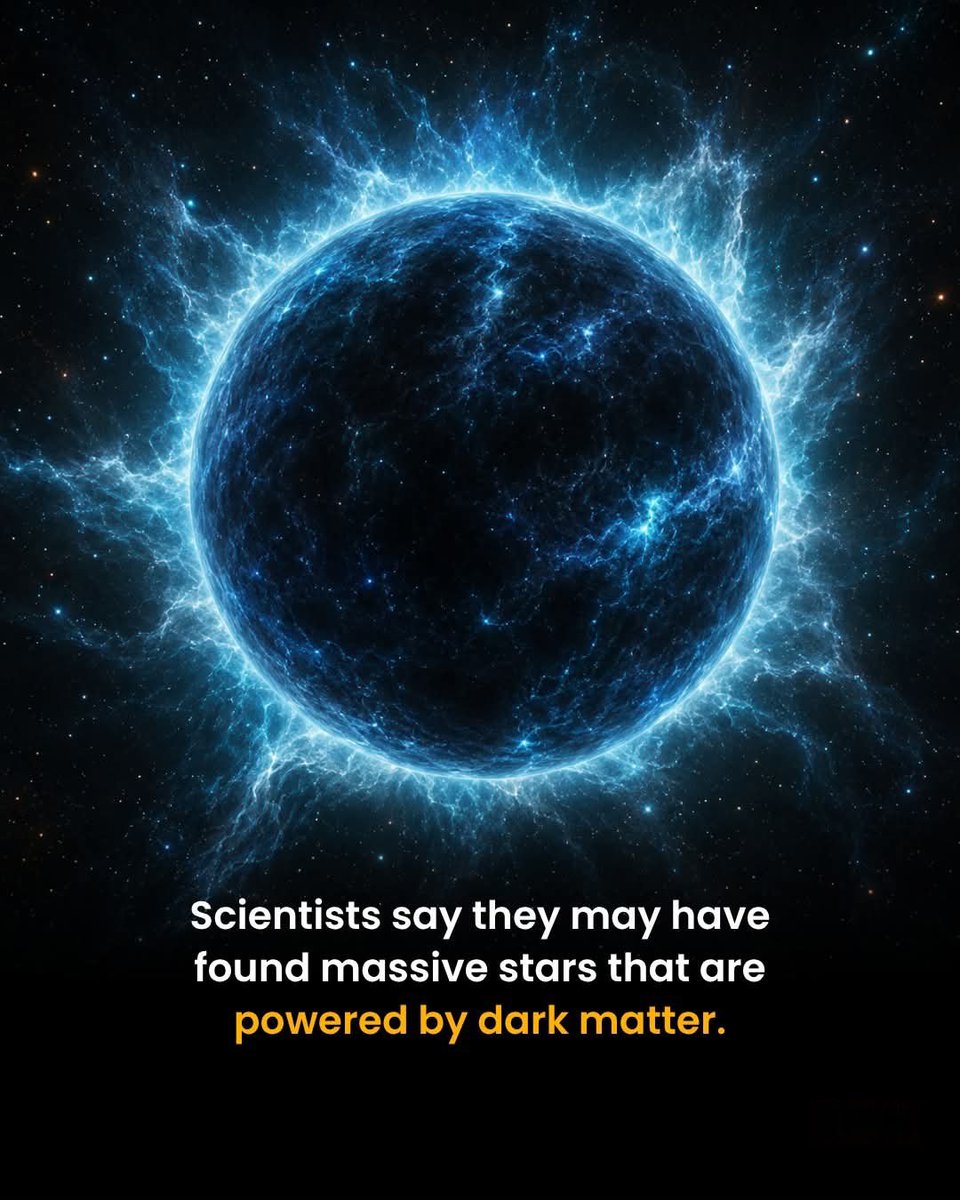
🌑 The James Webb telescope may have just glimpsed a kind of star no one has ever seen before, one powered by dark matter instead of nuclear fusion.
A team led by Cosmin Ilie at Colgate University and Katherine Freese at UT Austin has flagged four ultra-distant JWST objects whose light fits a long-theorized exotic class known as "dark stars".
The idea, first floated in 2007, is that dark matter particles inside the dense cores of the early universe could annihilate each other, releasing enough heat to inflate enormous puffy stars of pure hydrogen and helium. No fusion needed, and such stars could weigh up to a million Suns.
The candidates appear in JWST data as some of the brightest, most distant points of light ever recorded, including JADES-GS-z14-0 from just 300 million years after the Big Bang. One spectrum even carries a tentative dip near 1640 angstroms, the exact fingerprint dark star models predict from ionized helium.
If real, these objects could solve two of JWST's biggest puzzles at once: why early galaxies look impossibly bright, and how supermassive black holes managed to grow so fast in the infant universe.
📄 RESEARCH PAPER
📌 Ilie et al., "Spectroscopic Supermassive Dark Star candidates", Proceedings of the National Academy of Sciences (2025)
1
2
5
326
Jun 13
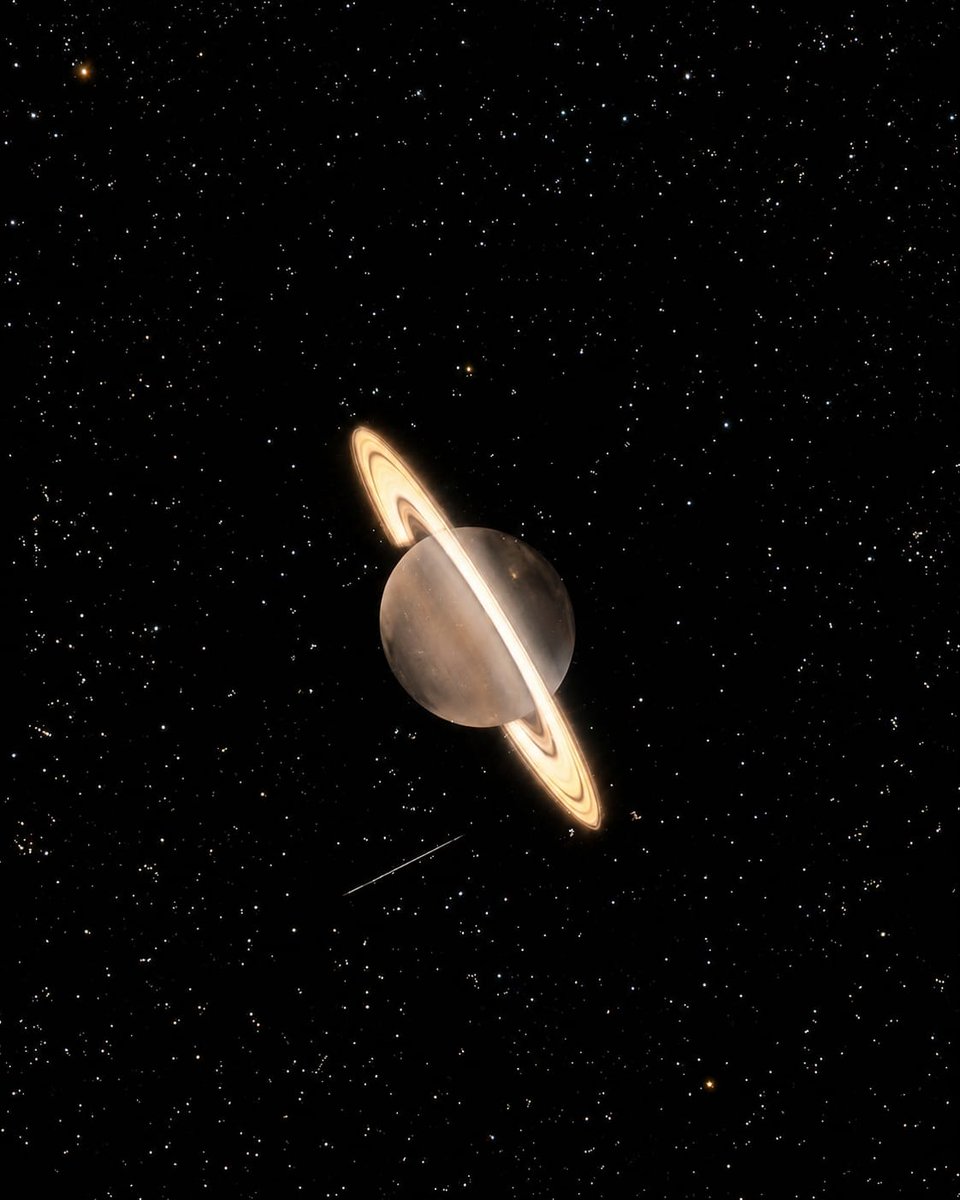
The beautiful planet Saturn taken by James Webb Telescope 🔭 ♥️
2
106
520
4,246
Jun 13
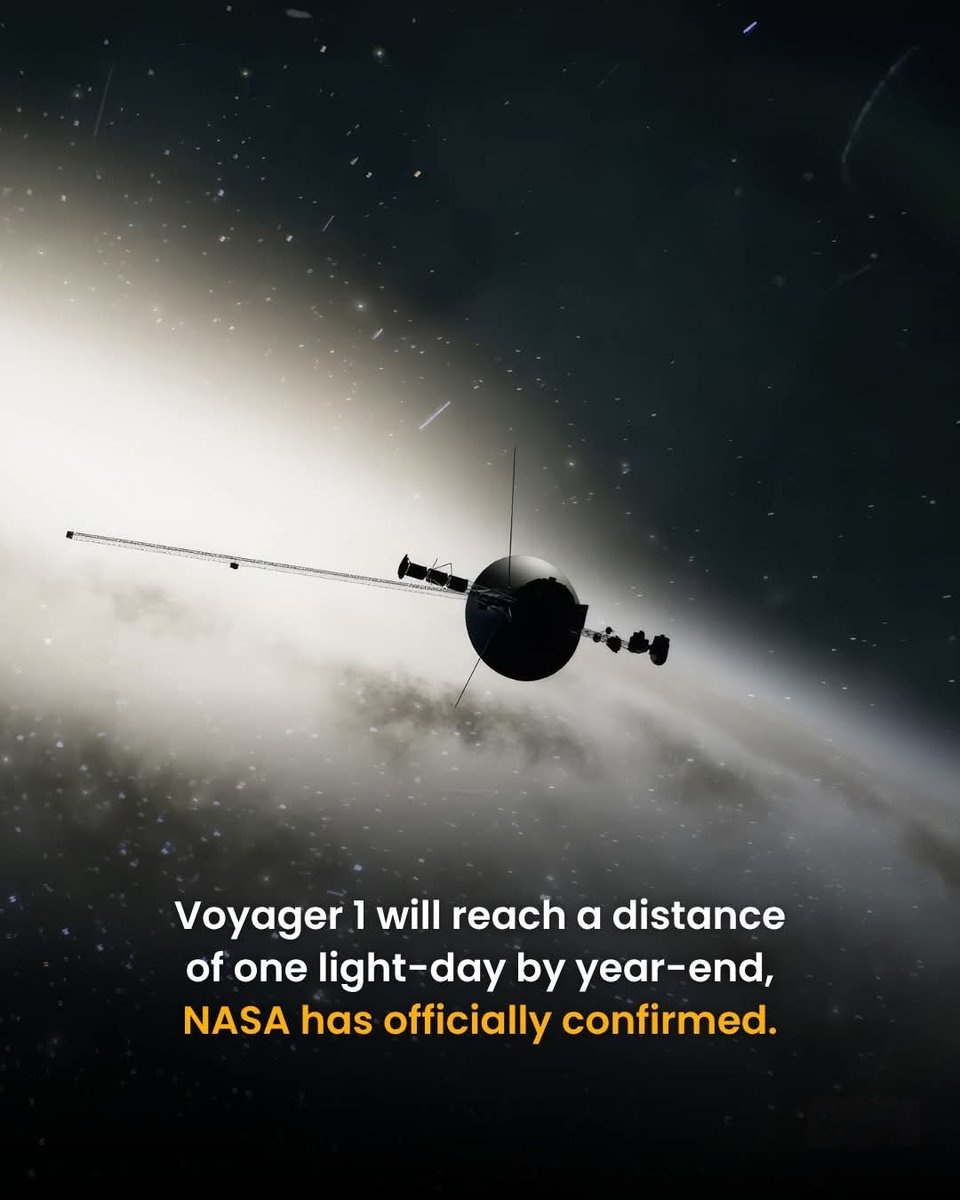
🛰️ This November, a 48-year-old probe will become the first human-made object ever to reach one full light-day from Earth.
Voyager 1 launched in 1977 to study Jupiter and Saturn, but it kept going long after its planetary mission ended. On November 15, 2026, it will officially be 25.9 billion km away, the distance light covers in 24 hours.
After that, any command we send will take a full day to reach it, and its reply will take another day to come back. A simple "hello" becomes a 48 hour conversation.
The spacecraft has been cruising at roughly 61,000 km/h for nearly five decades, running on three onboard computers that share just 68 kilobytes of memory between them.
It is now 5.6 times farther than Neptune, drifting through interstellar space toward the constellation Ophiuchus. And yet, even after all that, it has crossed only 0.0027 percent of the distance to Proxima Centauri, the nearest star to our Sun.
📡 SOURCE
📌 NASA Jet Propulsion Laboratory / Voyager Mission Status
2
18
41
755
Jun 13
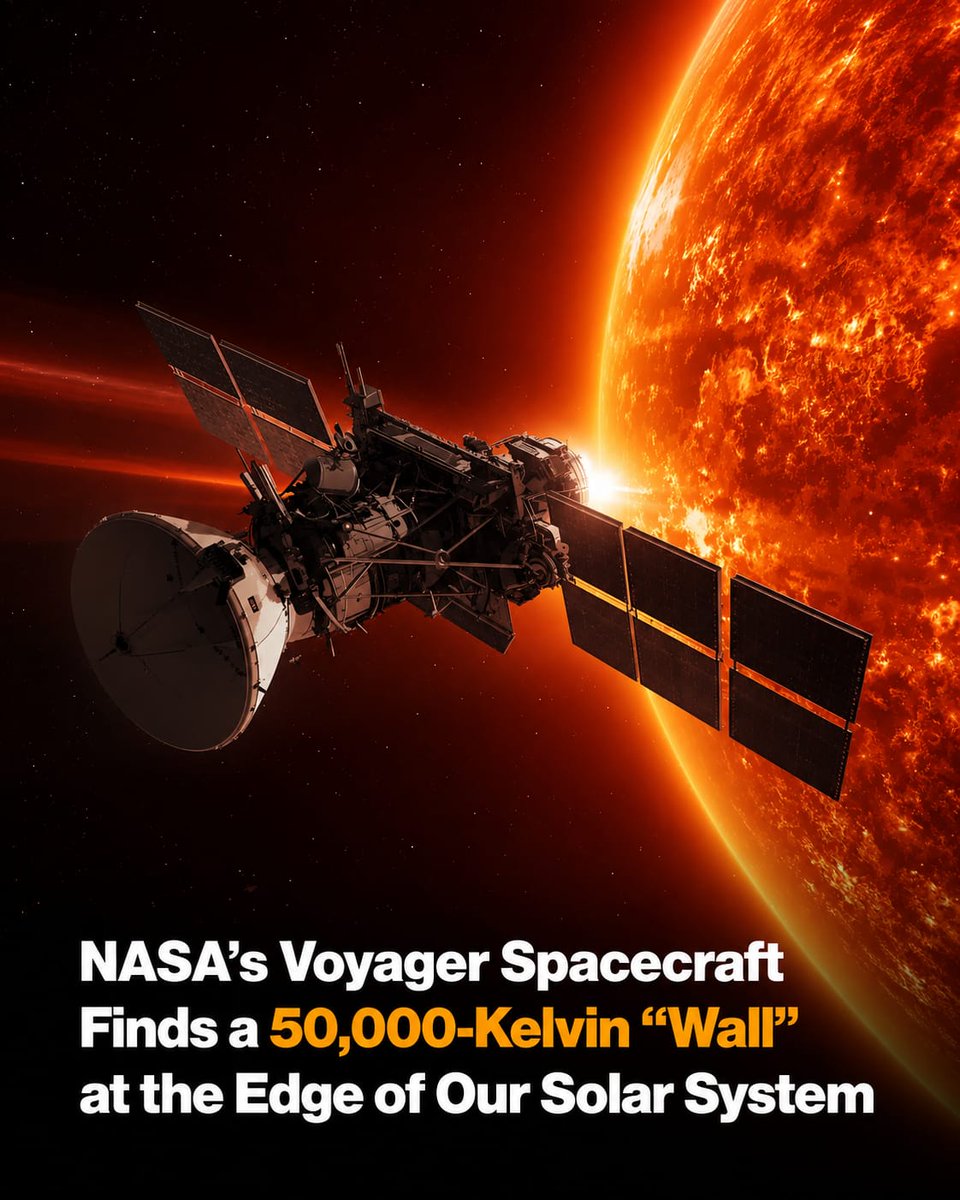
🚨: NASA’s Voyager Spacecraft Finds a 50,000-Kelvin “Wall” at the Edge of Our Solar System
2
16
40
2,584
Jun 12
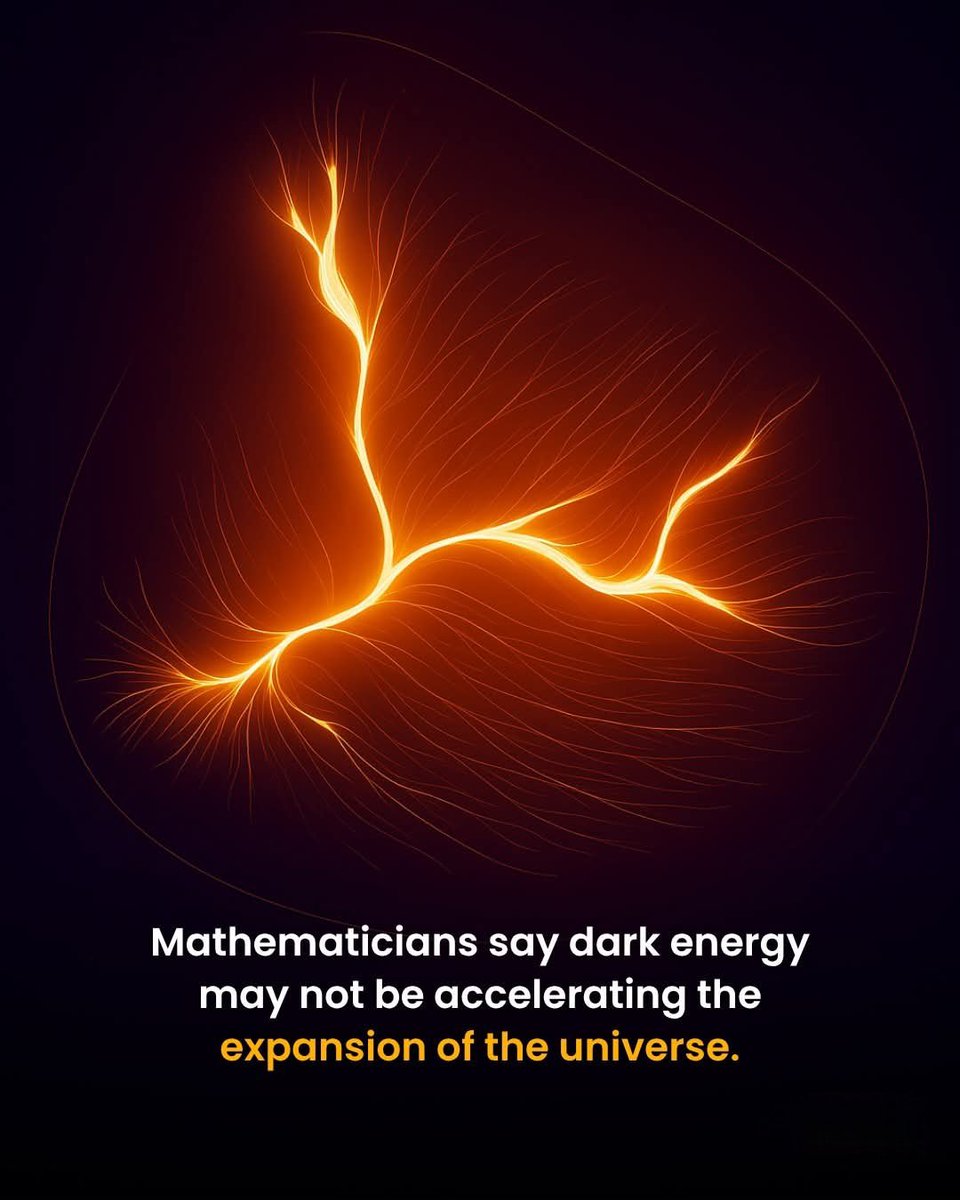
🌌 Dark energy may have an unexpected rival, and it has been hiding inside Einstein's equations the whole time.
2
8
18
591
Jun 12
For nearly 30 years, cosmologists have leaned on dark energy to explain why the Universe is speeding up. In the standard ΛCDM model, that acceleration is pinned to the cosmological constant, an extra term added to Einstein's equations.
Now a new mathematical study has pushed back. The team focused on Friedmann spacetimes, the simplified expanding universes that sit at the core of modern cosmology, and re-examined them using the Einstein-Euler equations.
They found that these models are unstable to radial perturbations near the Big Bang. In plain terms, the maths allows cosmic acceleration to emerge naturally from early-universe instabilities, with no dark energy needed.
This does not disprove dark energy. But it gently presses on the Copernican principle, the long-held idea that Earth occupies no special place in the cosmos. For now ΛCDM stays in charge, but Einstein's equations may have been holding the answer all along.
📄 RESEARCH PAPER
📌 Alexander et al, "The Instability of Critical and Underdense Friedmann Spacetimes at the Big Bang as an Alternative to Dark Energy", Proceedings of the Royal Society A (2026)
1
2
5
276