
Content Creator | Web3, Bullish Crypto, Marketing. DM for Promo & Collabs 📩 NFA/DYOR
Joined November 2023
- Tweets 238,948
- Following 7,379
- Followers 8,210
- Likes 10,458
1,674 Photos and videos











Good morning fam ☀️
Most people assume quantum computing is still just an expensive science experiment locked behind fifty-thousand-dollar corporate reservation contracts.
@quipnetwork is completely bypassing that gatekeeping by launching an open, decentralized spot market where anyone can rent quantum hardware on demand.
Instead of forcing you into long-term leases or requiring a PhD in physics, they let you submit complex workloads and pay commodity spot rates for the exact compute time you use.
What caught my attention here is their Proof of Useful Work consensus.
Instead of burning a massive amount of global electricity on useless math puzzles like Bitcoin miners do, nodes on Quip secure the blockchain by solving real-world logistics, finance, and industrial engineering problems.
The network is already hitting peak testnet runs of over five hundred active nodes, proving that these massive optimization problems are incredibly cheap to verify even when they are expensive to solve.
It is a much cleaner story to believe than another vague promise about how quantum infrastructure might finally become accessible to the public five years from now.
Go get those models running, and let's stop wasting time fighting with outdated computing limits today.
148
8
137
674
Good night fam 🥱🌃
There is a powerful reminder in realizing that the compounding effect of small, consistent habits is what ultimately builds a better day.
@sleepagotchi just highlighted the clean relationship between gathering high-quality sleep, logging deep insights, and watching your recovery actively add up.
It is the perfect prompt to close the laptop tonight and remember that our downtime is never wasted time but the very foundation of our daily execution.
Instead of treating rest as a passive dead end, we are training ourselves to view every night as an opportunity to clean up the data loops of the day.
Put the phone away and let your own system process everything in the background so you can wake up ready to build at peak capacity.
Rest deeply tonight and let the community execute a perfect recovery cycle before we hit the next major milestone tomorrow.
47
2
48
1,115
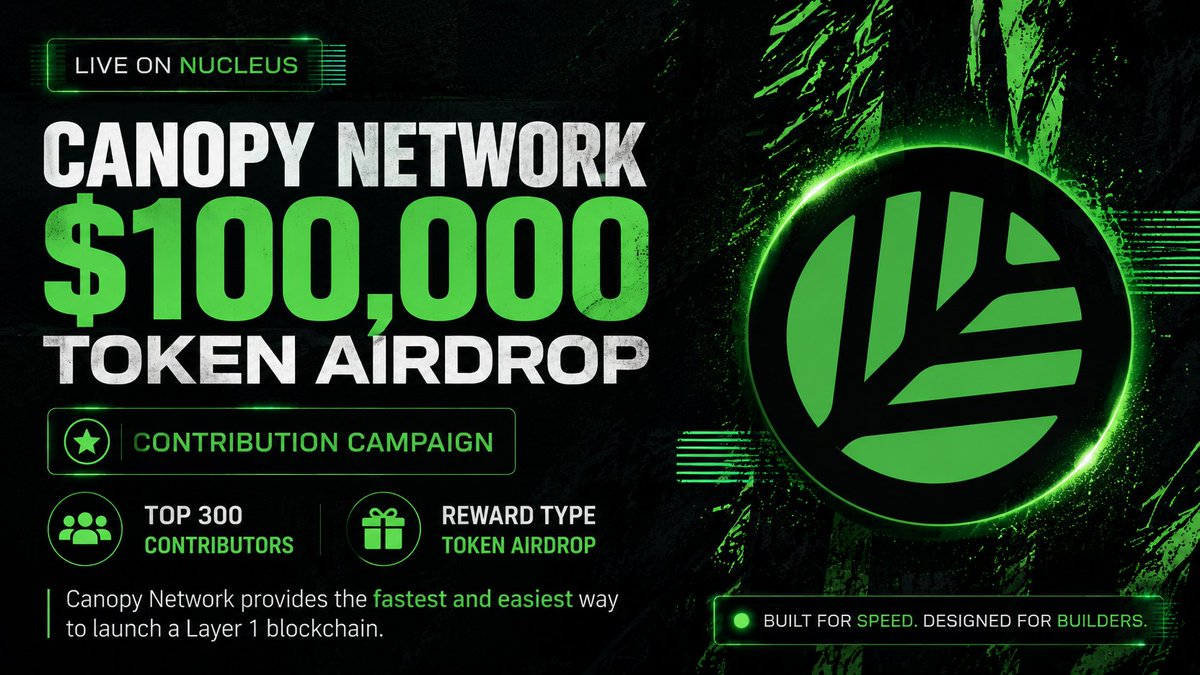
The 100,000 USD contribution campaign between @CNPYNetwork and @NucleusCodes officially drops on June 16.
Only the top 300 contributors will clip a share of this concentrated token airdrop pool.
The target here is simple: reward the active participants who actually move the needle for the ecosystem.
Canopy is a recursive framework built to launch app-specific chains seamlessly.
It bridges the deployment simplicity of dApps with the absolute independence of a Layer 1.
Projects start safely as Nested Chains and graduate into sovereign networks when they are ready.
No heavy VC reliance, no giving up governance, and complete data ownership from day one.
The architecture is built for raw speed and trustless interoperability right out of the box.
This campaign is your definitive entry point to secure early exposure before the herd arrives.
27
27
876
The era of begging Web3 project managers for whitelist spots or marketing deals is over.
@RallyOnChain just eliminated the waitlist, opening the platform to absolutely everyone.
If you have a Twitter account and a sharp mind, you can start earning onchain right now.
The system does not care about your follower count.
It cares about your quality.
Rally uses decentralized AI on GenLayer to grade your content on authenticity, accuracy, and engagement.
This means small creators finally get a level playing field to monetize their real influence.
No agencies taking a cut, just pure meritocracy.
Connect your wallet and pick a mission: rally.fun/r/nekiweb3
Let me know which campaign you are targeting first.
82
2
79
1,235
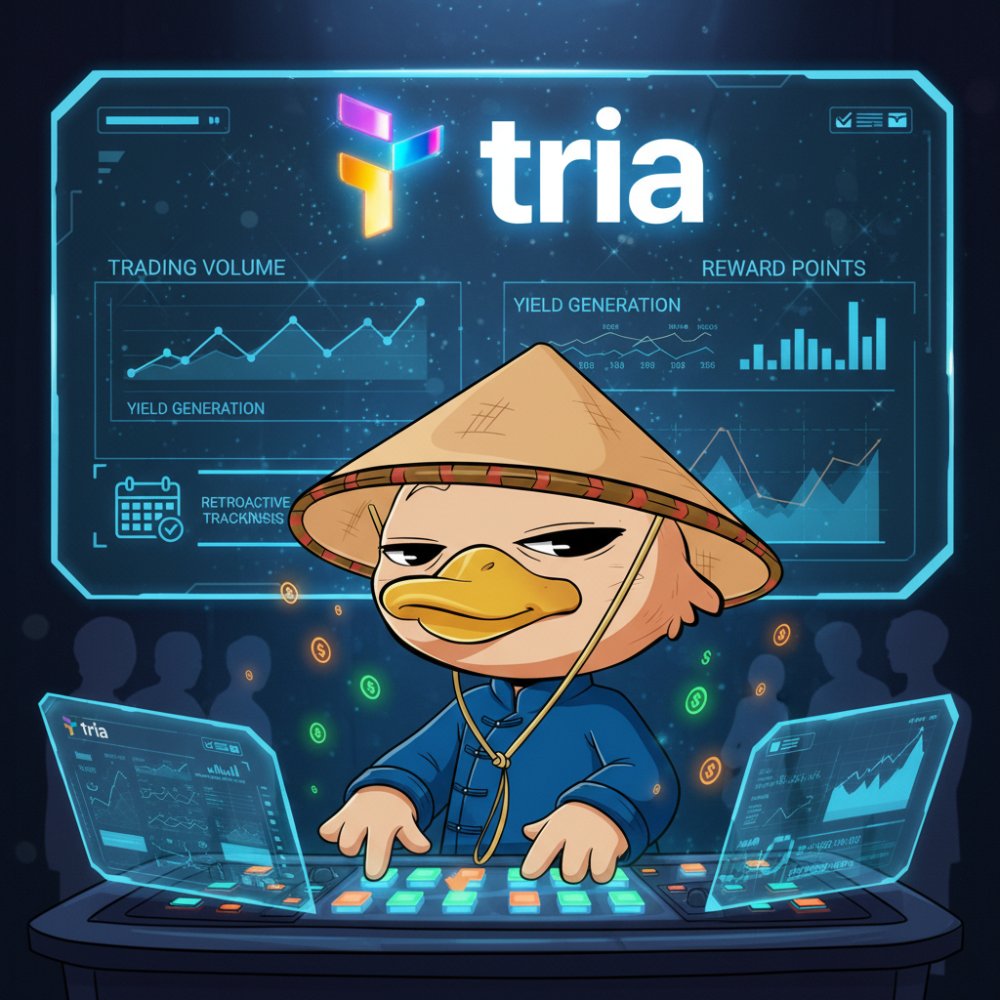
I am honestly blown away by how fast the line between private venture capital and onchain markets is disappearing.
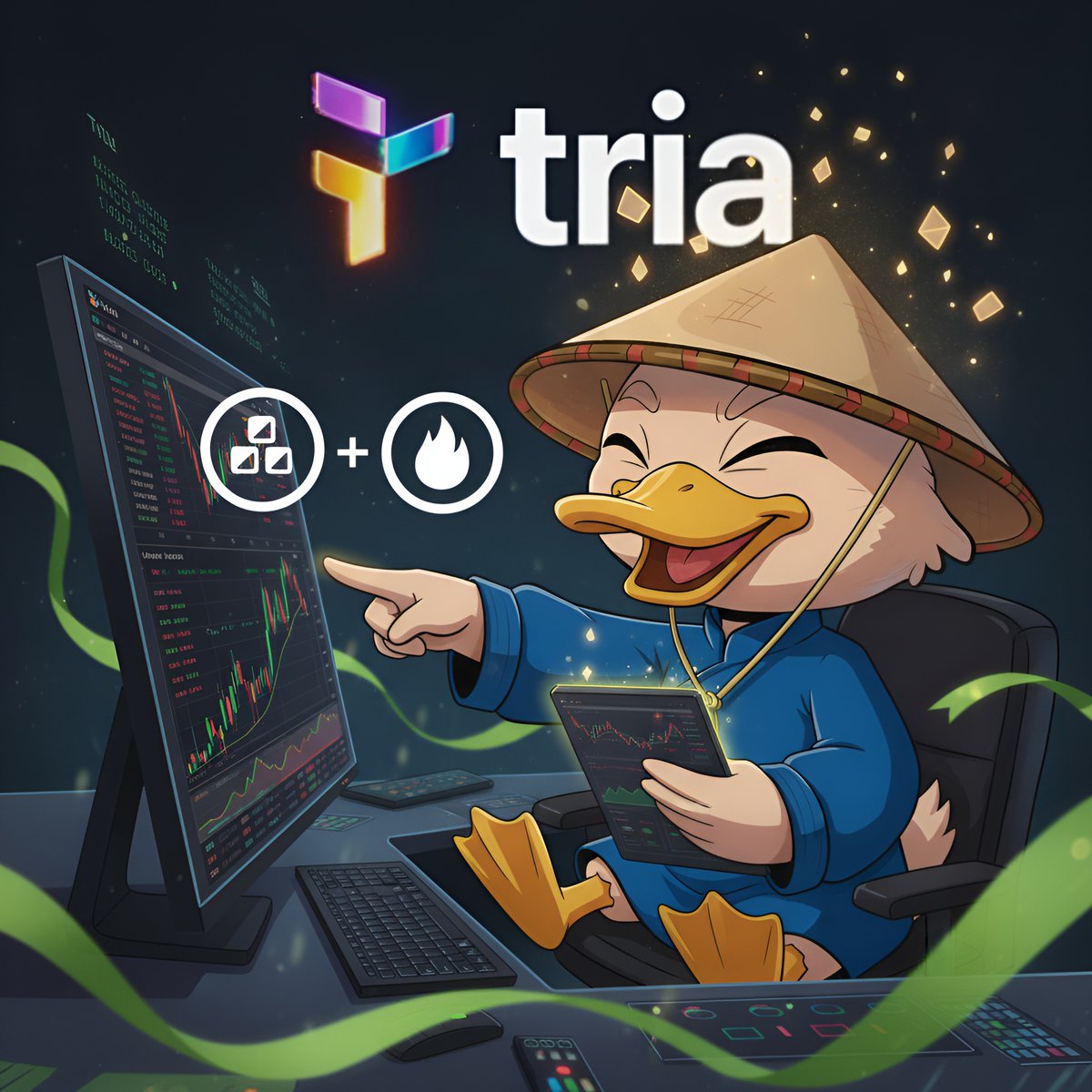
Being able to trade SPCX perps with up to 5x leverage straight from a self custodial balance is an absolute game changer.
You no longer have to be an elite accredited investor or have Silicon Valley connections to get exposure to SpaceX.
@useTria and Decibel are basically democratizing the most hyped market debuts that traditional brokerages lock away from retail.
The best part is that executing these sophisticated trades seamlessly stacks your permanent Season 3 points in the background.
Your points never get debited so you are actively building milestone progress toward those high tier equity mystery boxes.
It feels incredibly refreshing to see a platform that focuses on real world asset exposure instead of printing another meme token.
You can literally trade global tech monopolies and swipe a virtual visa card for daily spending on the exact same layer.
The market is finally realizing that infrastructure capturing actual macroeconomic velocity is where the smart money is moving.
Stop chasing recycled altcoin narratives and start looking closely at the rails that are opening up real equity access.
app.tria.so/?accessCode=7IHC…

SPCX is now available on Tria
One of the most talked-about perps markets is now live with up to 5x leverage.
Powered by @DecibelTrade, fully onchain.
60
65
1,488
Good morning fam ☀️
Most crypto assets out there are sitting on elliptic-curve cryptography, which is a massive liability once a large quantum computer goes live.
@quipnetwork is tackling this vulnerability by wrapping existing wallets and networks with hybrid post-quantum defenses instead of making everyone rotate their keys.
• Treasuries: Every transaction gets cosigned with a post-quantum signature, meaning even if an attacker steals your classical key, the network still blocks the transaction.
• Networks: Snapping a hash-based defense layer like WOTS right onto existing chains so teams don't have to pull off a risky, all-at-once migration.
• Custodians: Setting up heavy-duty cosigner wallets and audit trails tailored for major exchanges managing billions on-chain.
• Developers & IT: Auditing PQC trade-offs to help enterprises and web3 projects move toward strict compliance standards across both web2 and web3 infrastructure.
What caught my attention here is that you can keep using MetaMask, Ledger, or Safe exactly as they are without changing your daily wallet workflows.
Instead of demanding a complete network rebuild, they are just running a tiny cryptographic intervention that sits around what you already operate.
That is a much cleaner story to believe than trying to convince the entire crypto space to hard fork their chains before quantum threats arrive.
Wishing you all a highly secure day and a lot of solid progress on whatever you are building.
111
3
108
1,991
The DEGEN ecosystem is doing what it does best: pioneering new ways to trade internet culture.
Their latest product, @POVMarket, is launching "Belief Markets." Traditional prediction platforms need hard, objective outcomes. Belief Markets are different, they allow you to trade subjective opinions, shifting trends, and community conviction.
It provides an active way to trade the daily meta of Crypto Twitter. Why just tweet your stance when you can back it up in a dedicated market?
This is a highly compelling model because it financializes raw conviction. It’s essentially trading the "vibe" with clean, real-time market mechanics.
Don't watch this narrative form from the sidelines. Get on the waitlist now: pov.co
Jun 11

Everyone has a take. Nobody has skin in the game.
pov.co is changing that.
Join waitlist now, before it's TOO late 👴🏻

52
58
1,236
Giving an autonomous agent the keys to your workflow usually feels like a complete gamble.
Big tech just expects you to blindly trust that their background scripts are playing nice with your data.
You are practically forced to expose your sensitive databases just to let a basic assistant do its job.
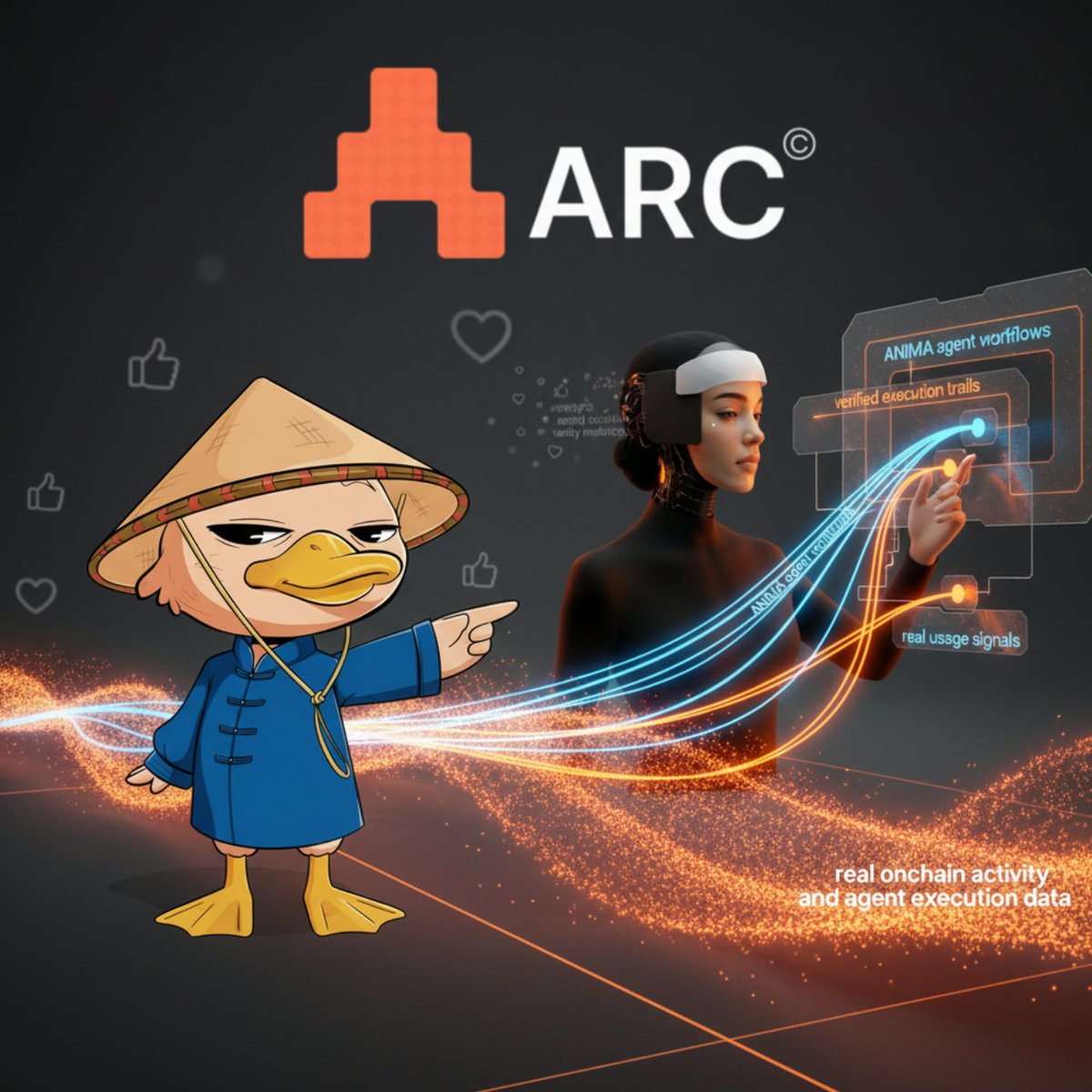
The architecture behind @TheARCTERMINAL completely flips this dangerous power dynamic on its head.
Their ANIMA agent handles the research and execution while staying locked within your strict boundaries.
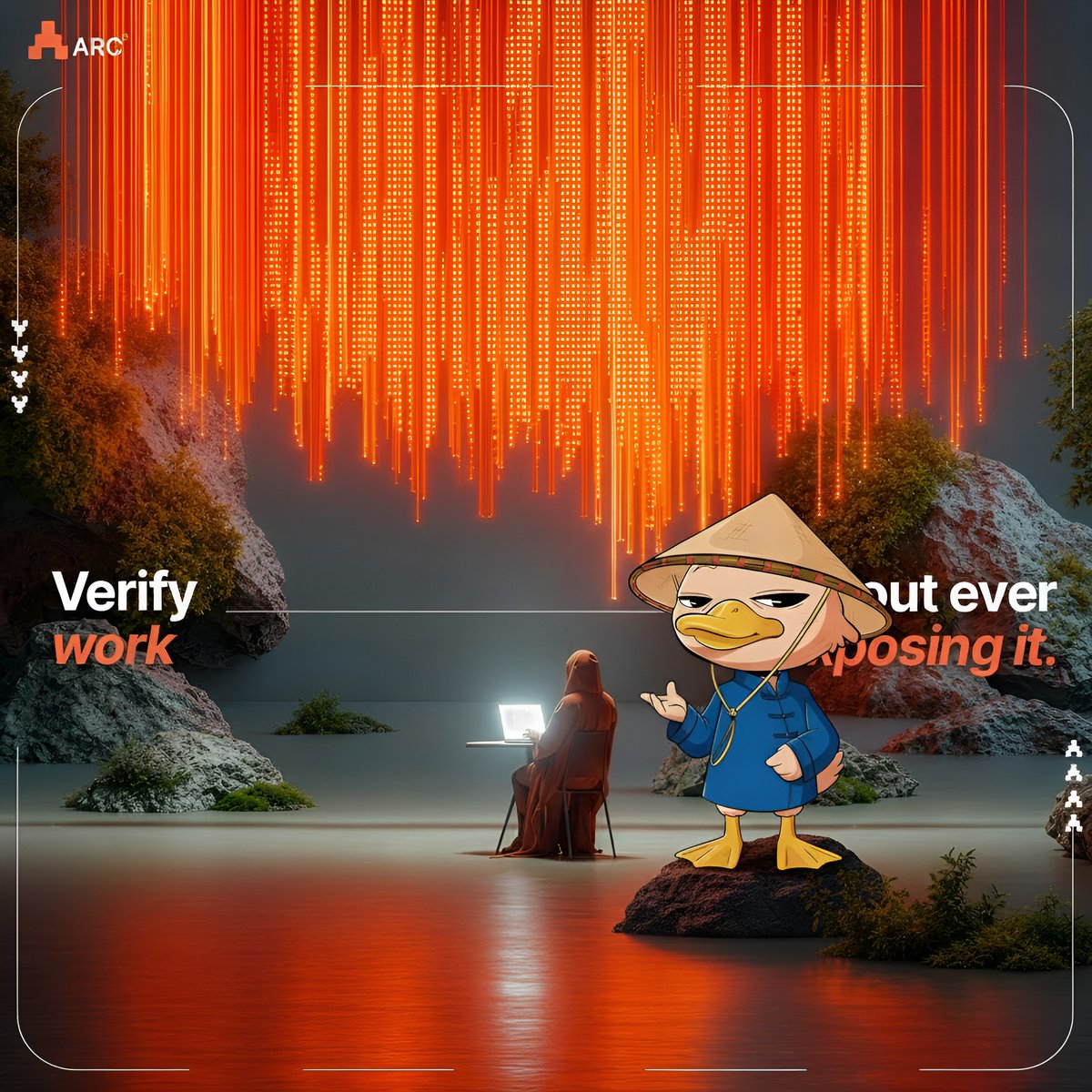
Every single action it takes drops a clean cryptographic receipt that you can verify on the spot.
The system mathematically proves it followed orders without ever leaking your prompts or raw context.
You get absolute accountability over your automated workforce without giving up a shred of privacy.
It is time to stop treating agentic execution like a sketchy black box that needs constant babysitting.
Deploy your intelligence on infrastructure that answers to you and nobody else.
41
48
418
One thing I did not expect recently was how much my morning routine changed.
These days, the first app I open is usually @sleepagotchi
❌Not X.
❌Not work messages.
I have gotten into the habit of checking how I slept first.
How well did I recover? How am I actually feeling today?
Apparently, 78% of the community does the same thing and opens the app within ten minutes of waking up.
I find that pretty interesting.
Before jumping into notifications, markets, and everything else fighting for attention, you get a moment to check in with yourself first.
It is a small change, but it sets a very different tone for the rest of the day.
And honestly, I think that is a much better way to start the morning.
46
1
62
997
In enterprise technology, "assembled" systems almost always lose to "integrated" stacks when operational liability is on the line.
For a Tier-1 bank, deploying settlement infrastructure by gluing together a prover from one team, a consensus layer from another, and a compliance network from a third is a regulatory non-starter. It introduces organizational seams that compliance teams cannot audit.
@zksync’s structural moat is its fully integrated, end-to-end stack: the Airbender proving system (#1 on eth_proofs), the ZK Stack platform, and Prividium as the dedicated institutional interface. This vertical integration guarantees execution control, native privacy, and atomic composability simultaneously.
This end-to-end integrity is why regulated institutions are deploying here:
1. Deutsche Bank's Memento platform is live in production.
2. BitGo has integrated institutional custody directly with Prividium.
3. Cari Network is currently onboarding five U.S. regional banks ($600B combined deposits) with production rollout planned for later in 2026.
Once these operational pipelines integrate, switching costs rise exponentially. The architectural decisions banks make in 2026 will define global settlement rails for the next decade.
If you are advising institutional clients, does a modular, pieced-together compliance stack ever realistically pass a rigorous banking risk audit, or is an integrated vertical the only viable path?
41
1
95
1,119
I’ve started paying a lot more attention to product usage than social metrics.
That’s one reason @useTria stands out to me.
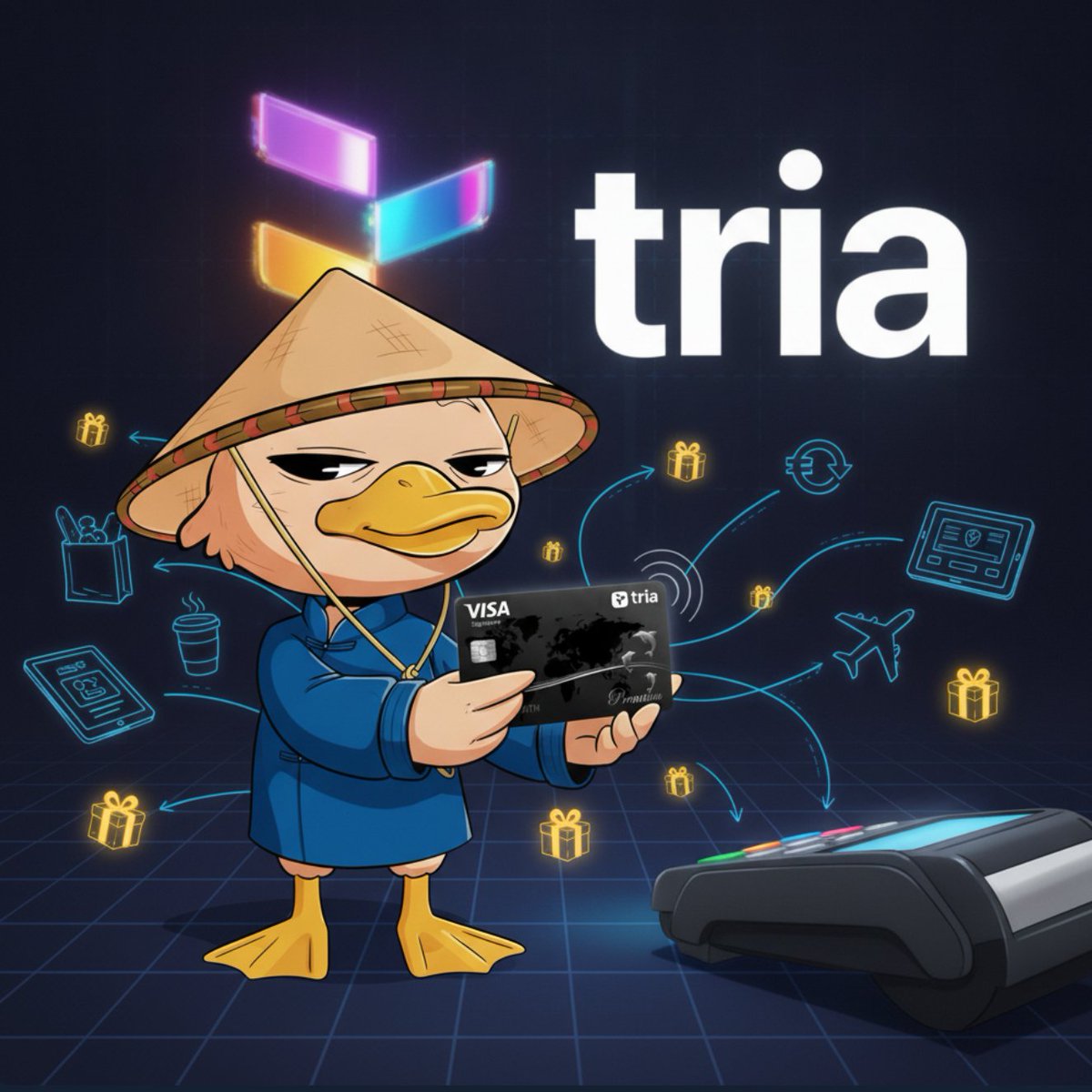
The value of their physical and virtual cards goes beyond simply spending crypto.
You can use them for everyday purchases, subscriptions, and cross-border payments without dealing with the usual friction.
Most of the complexity stays in the background.
You spend like normal, while still keeping access to the broader onchain ecosystem.
What makes Season 3 even more interesting is that eligible card activity also earns Tria Points.
Every swipe can help move you closer to Mystery Boxes, and those Points are never spent when you unlock rewards.
It creates a simple loop:
Use the product ➡️ Earn rewards ➡️ Keep progressing
To me, that's a much stronger signal than any social metric.
Everyday usage is what turns infrastructure into something people actually stick with.
Every swipe gets you closer to the next box 👇
app.tria.so/?accessCode=7IHC…
36
1
47
1,124
Good morning fam ☀️
Most research labs spend way too much time waiting around for institutional hardware grants just to run a single heavy simulation.
@quipnetwork is bypassing that bottleneck by letting people route physical and life science workloads directly onto quantum hardware using a spot market.
• Combinatorial optimization: Solving NP-hard problems like Max-Cut and Knapsack that take forever to process on classical machines.
• Stochastic modeling: Tracking structural patterns and avalanche effects inside chaotic datasets to understand complex systems.
• Cluster analysis: Optimizing data labeling and compression to clean up massive datasets before running the actual analysis.
• Molecular science: Running chemical simulations to predict molecular properties and reaction outcomes for drug discovery.
What caught my attention here is that every computation is verified directly by the consensus mechanism through Proof of Useful Work, so you don't have to double-check the network's math.
Scientists can just compare algorithm performance across D-Wave, IonQ, and IBM architectures in real time without being locked into long-term hardware leases.
That is a much cleaner story to believe than another broad promise about what quantum computing might do for the scientific community down the road.
Wishing you all a highly productive day and a lot of solid progress on whatever you are building.
110
4
116
1,436
Good night fam 🥱
The World Cup officially starts today 🏆⚽️
Which means millions of people are about to sacrifice their sleep schedules for the next few weeks.
I cannot even blame them.
There is something special about staying up for a big match and knowing the whole world is watching the same thing.
Still, I am trying to keep my @sleepagotchi streak alive through the chaos.
That might be the real challenge of this tournament.
Good luck to everyone balancing football, sleep, and real life over the next month.
See you tomorrow.
67
3
79
1,707
A huge part of Web3 marketing still revolves around engagement loops and vanity metrics.
Projects spend enormous budgets chasing impressions, likes, and mindshare that often translate into very little real usage.
Somewhere along the way, social metrics became more important than actual product adoption.
That is why @TheARCTERMINAL and Cookie DAO integration caught my attention.
Real-time ANIMA agent activity can now be reflected directly in the mindshare layer that much of the industry already follows.
The interesting part is that attention is no longer driven only by content.
Execution starts to matter too.
Instead of farming engagement, protocols can earn visibility through actual onchain activity and agent-driven workflows.
Meaningful actions are no longer hidden in the background.
They become part of a verifiable activity trail.
It becomes much harder to rely on hype when real execution is visible.
Build systems that generate value.
Let the activity speak for itself.
58
5
64
1,053
The more consumer apps I look at, the more I think the hardest thing to build is a habit that actually lasts.
The real challenge is keeping people around once the initial incentives wear off.
What I find interesting about @sleepagotchiis that they are building around a habit that already exists.
Nobody needs to be convinced to sleep.
Nobody needs to learn a completely new routine.
The product simply fits into something people already do every day.
That might sound simple, but from a product perspective it matters a lot.
The strongest consumer apps usually do not force new behavior.
They build on top of behavior that already exists and make it more rewarding.
By plugging their multi-agent infrastructure into a natural part of daily life, Sleepagotchi removes a lot of the friction that normally hurts long-term retention.
People are not changing their lives to use the product.
The product is adapting itself to how people already live.
That feels like a much stronger foundation than relying on endless incentive loops to keep users engaged.
The projects worth watching are often the ones that integrate naturally into real life instead of competing with it.
46
54
945
A lot of people still think crypto is only about tokens.
Meanwhile, onchain markets keep expanding.
Through Decibel, users can now trade assets like Copper and Natural Gas directly from a self-custodial balance.
✅No traditional brokerage account.
✅No moving funds between multiple platforms.
The part I like most is that this activity can also contribute toward @useTria Season 3.
Every trade helps accumulate Tria Points and moves you closer to higher-tier Mystery Boxes.
Instead of choosing between trading and earning rewards, you can do both at the same time.
Trade the markets you want.
Keep stacking Points in the background.
Every trade counts. Make it count twice 👇
app.tria.so/?accessCode=7IHC…
48
1
54
833
Good morning fam ☀️
Traditional factory scheduling and R&D workflows tend to get messy fast once hundreds of moving parts start interacting with each other.
@quipnetwork is tackling that problem by opening a live spot market where industrial and engineering workloads can run directly on quantum hardware.
• Fabrication: Helping manufacturers find better production schedules when process dependencies become too complex for conventional approaches.
• Research & Development: Fewer expensive trial-and-error cycles and more confidence before anything reaches the lab floor.
• Facilities planning: Running through an enormous number of manufacturing scenarios to find what actually makes sense economically.
• JIT manufacturing: Picking up demand changes sooner so inventory arrives where it's needed instead of where it's expected.
The part I find most interesting is that companies don't need to build their own quantum stack to experiment with any of this.
They can access the compute when they need it and focus on solving the problem in front of them.
That's usually how adoption happens.
Not when the technology gets more complicated.
When it becomes easier to use.
Wishing you all a productive day.
159
5
166
1,960
Good night fam 🥱🌃
One stat from @sleepagotchi caught my attention today.
78% of users open the app within 10 minutes of waking up.
That is kind of crazy when you think about it.
Before checking X, emails, or whatever chaos is waiting for us online, people are checking in on themselves first.
At that point, it is more than just a sleep app.
It has become part of their morning routine.
I think there is something valuable about starting the day with a little more awareness and a little less noise.
Anyway, time to log off.
Sleep well and see you tomorrow.

82
3
92
902
Looking back, joining the @partykols community was one of the best decisions I've made this year.
The difference isn't just the opportunities.
It's being surrounded by people who are actively building, sharing insights, and helping each other grow.
Huge shoutout to @maksisaysi for the trust and the invitation.
Joining this community led to a lot more deals than I would've found on my own.
Looking forward to building with everyone in the months ahead🚀

32
35
890
People spend way too much time debating which language model is the best.
Every few weeks, they jump to a new platform chasing the latest model release.
But a slightly better model does not make your workflow any more valuable.
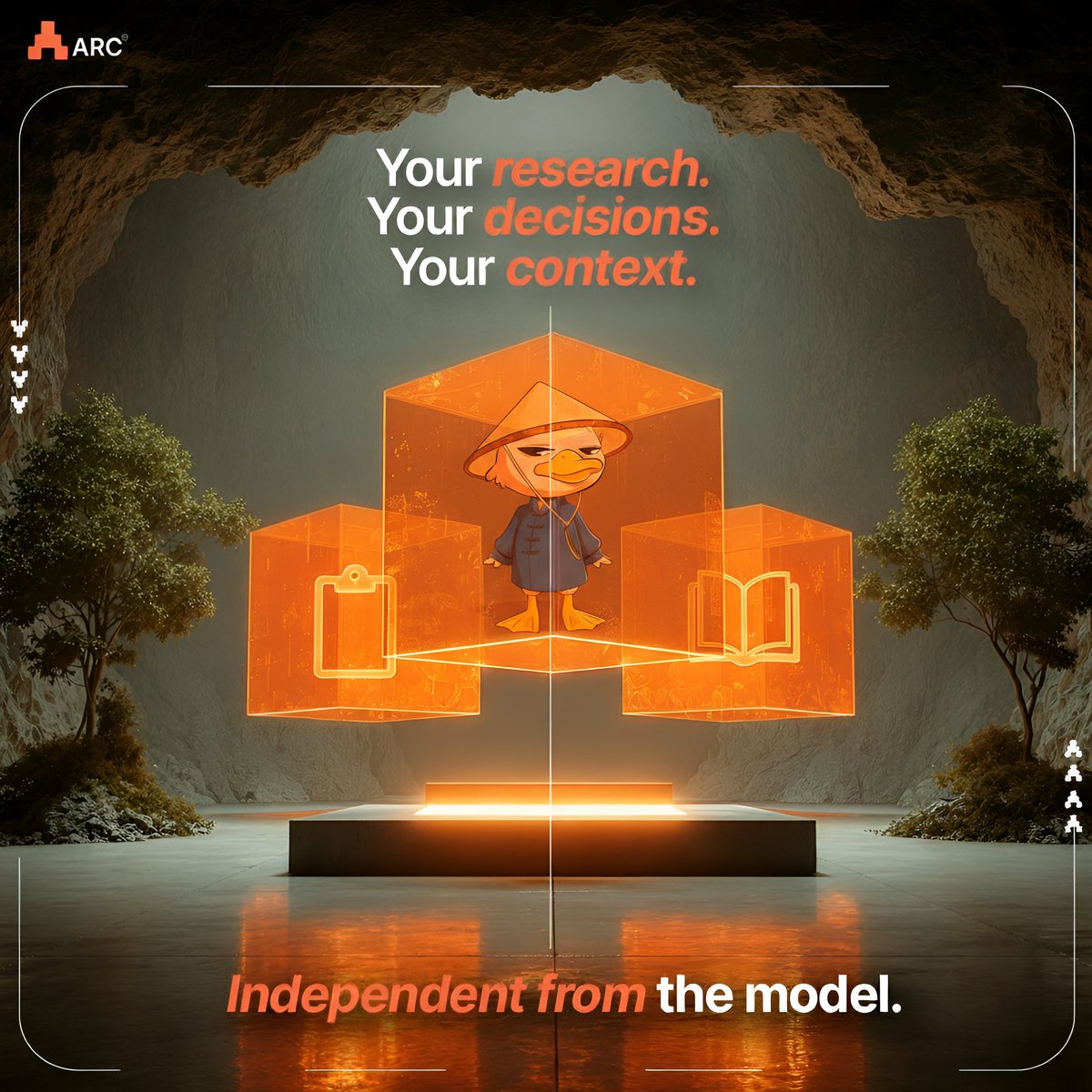
Your real assets are the things the model cannot easily replace.
- Your research.
- Your decisions.
- Your accumulated context.
That is why @TheARCTERMINAL Operating System stands out to me.
They built the system so your context is separated from the execution layer.
Models become interchangeable workers that you can swap whenever something better comes along.
Meanwhile, your memory graph stays under your control, protected by your own keys.
Stop letting centralized models become the gatekeepers of your knowledge.
Own the operating system and let the models compete for the right to serve it.
35
2
44
785