A cross-party initiative seeking to create a long term strategy for a low carbon economy in the UK.
Joined October 2017
- Tweets 1,525
- Following 879
- Followers 1,802
- Likes 1,062
439 Photos and videos


23 Jul 2025
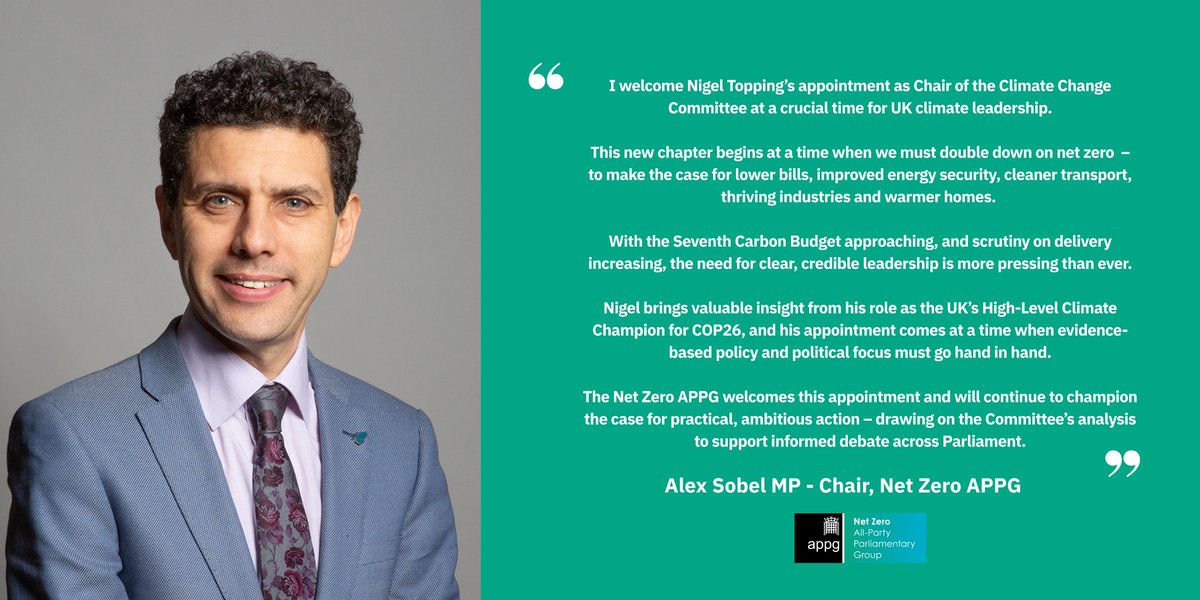
Net Zero APPG Chair, Alex Sobel MP, has welcomed the appointment of Nigel Topping CMG as the new Chair of the Climate Change Committee.
Read the full statement 👇
1
99
16 Jun 2025
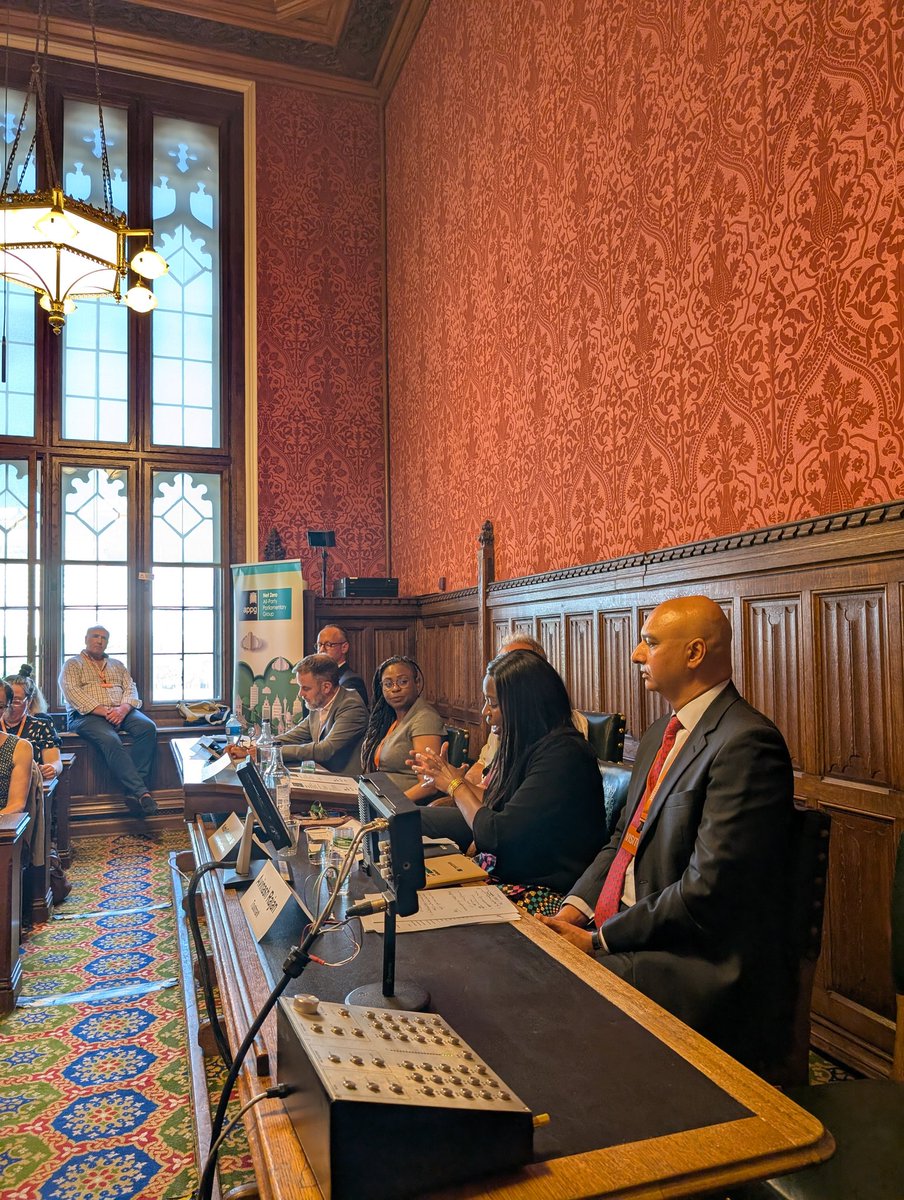
Miatta Fahnbulleh, Minister for Energy Consumers, now speaking.
She says we have got to upgrade people's homes to drive down bills, at the same time as our responsibility to future generations. Notes the urgency to drive this forward, pointing to the Warm Homes Plan
1
156
16 Jun 2025
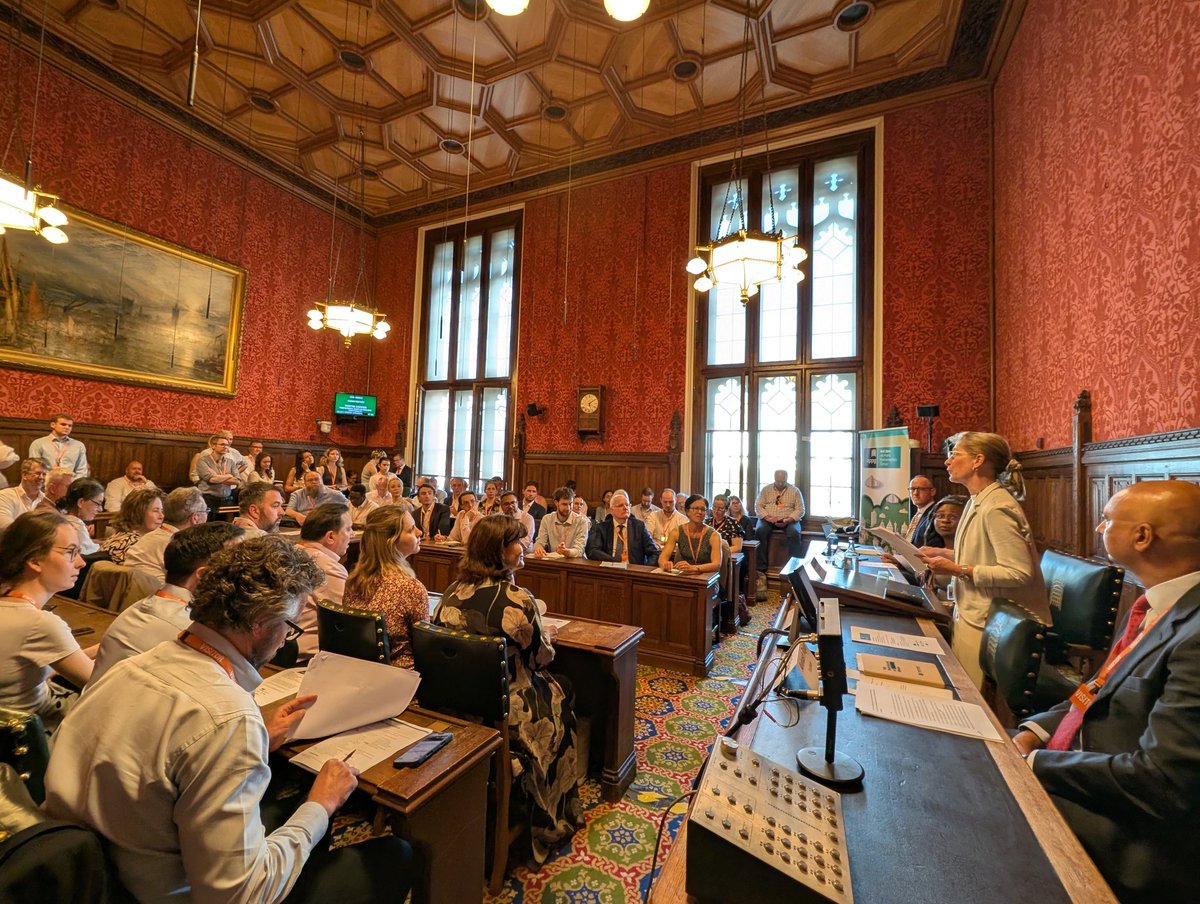
Standing room early here in the Palace of Westminster as @Wera_Hobhouse, Officer of the Net Zero APPG, kicks off our meeting on Decarbonising Housing
1
996
22 Apr 2025
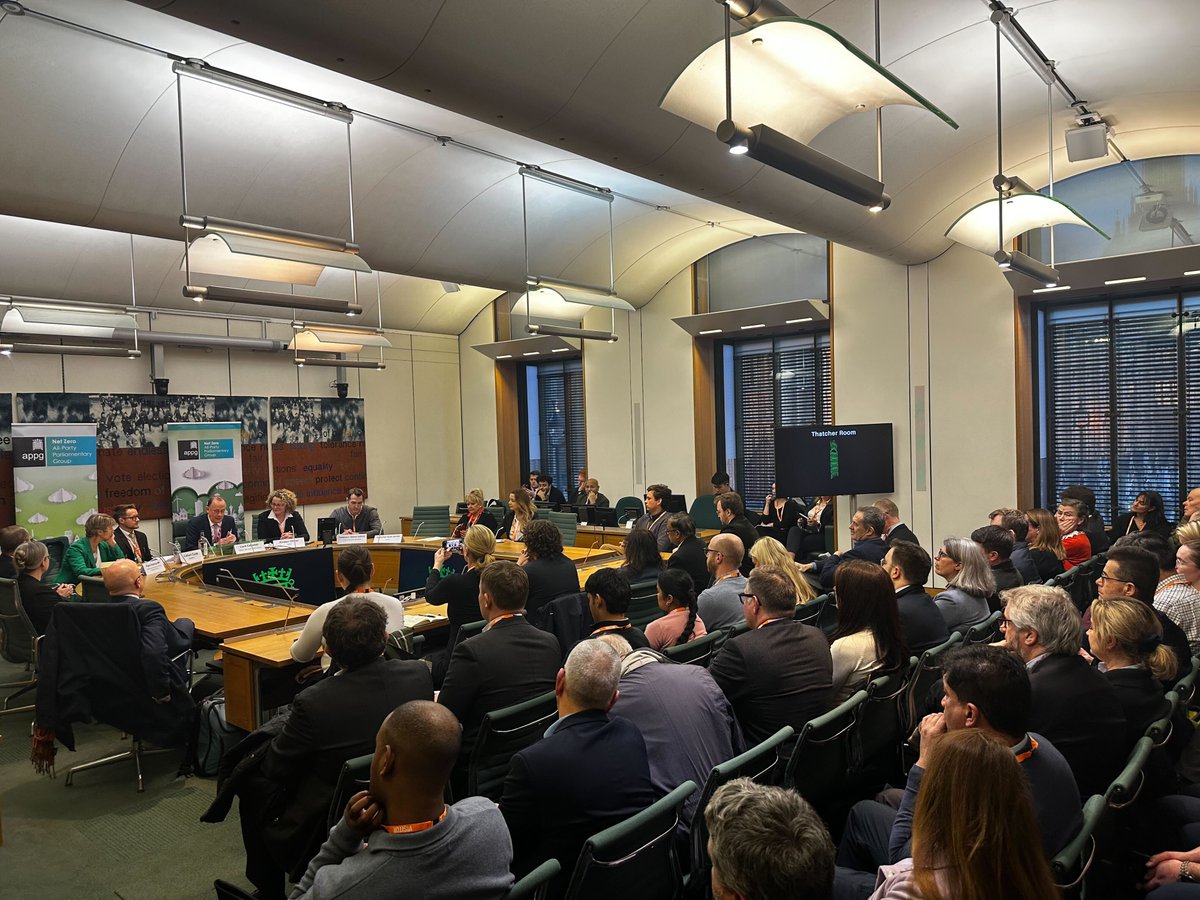
We're off here in Parliament for the Net Zero APPG's latest meeting on Accelerating Net Zero Transport @alexsobel @RuthCadbury @Perran4CRH
2
155
27 Mar 2025
🚆Transport is the UK’s biggest emitter—and we’re falling behind.
Join the @NetZeroAPPG on 22 April in Parliament as we tackle the barriers slowing progress on EVs, public transport, freight & more.
📍 Sign up: buytickets.at/inflect/163317…
#NetZero #Transport
1
107
Net Zero APPG retweeted

18 Mar 2025
Net zero by 2050 is challenging but achievable.
It is supported by the scientific community and backed by the independent Climate Change Committee as being not just necessary but feasible and cost-effective.
We are already seeing the impact of climate change. From extreme weather events to supply chain disruption and increased climate-induced migration.
With every additional increment of warming the risks of climate change increase significantly, and at an increasing rate.
Delaying action will only harm the next generation and increase both the economic and social costs of climate change.
2,585
349
1,852
416,804
25 Feb 2025
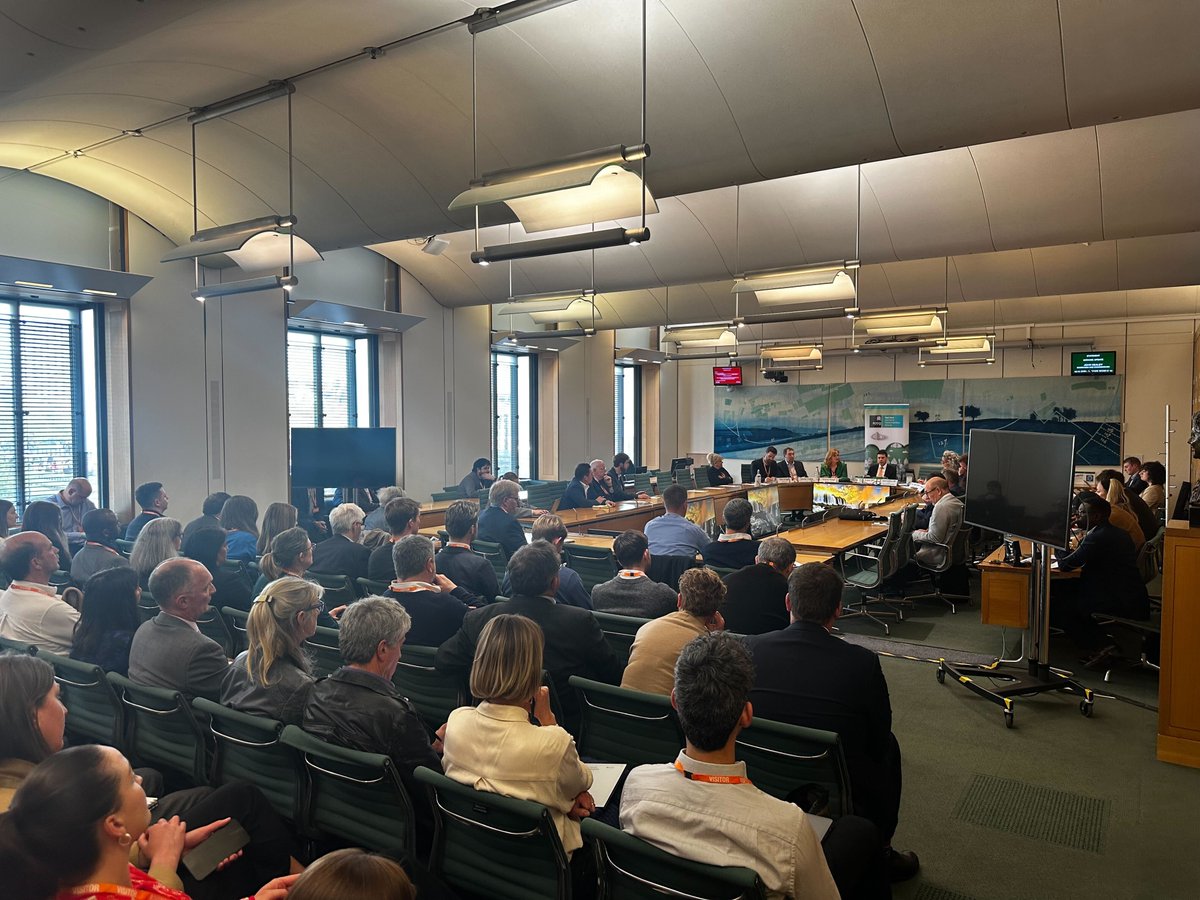
Full house here in Portcullis House as we discuss how we can deliver clean power by 2030! #NetZero
25 Feb 2025

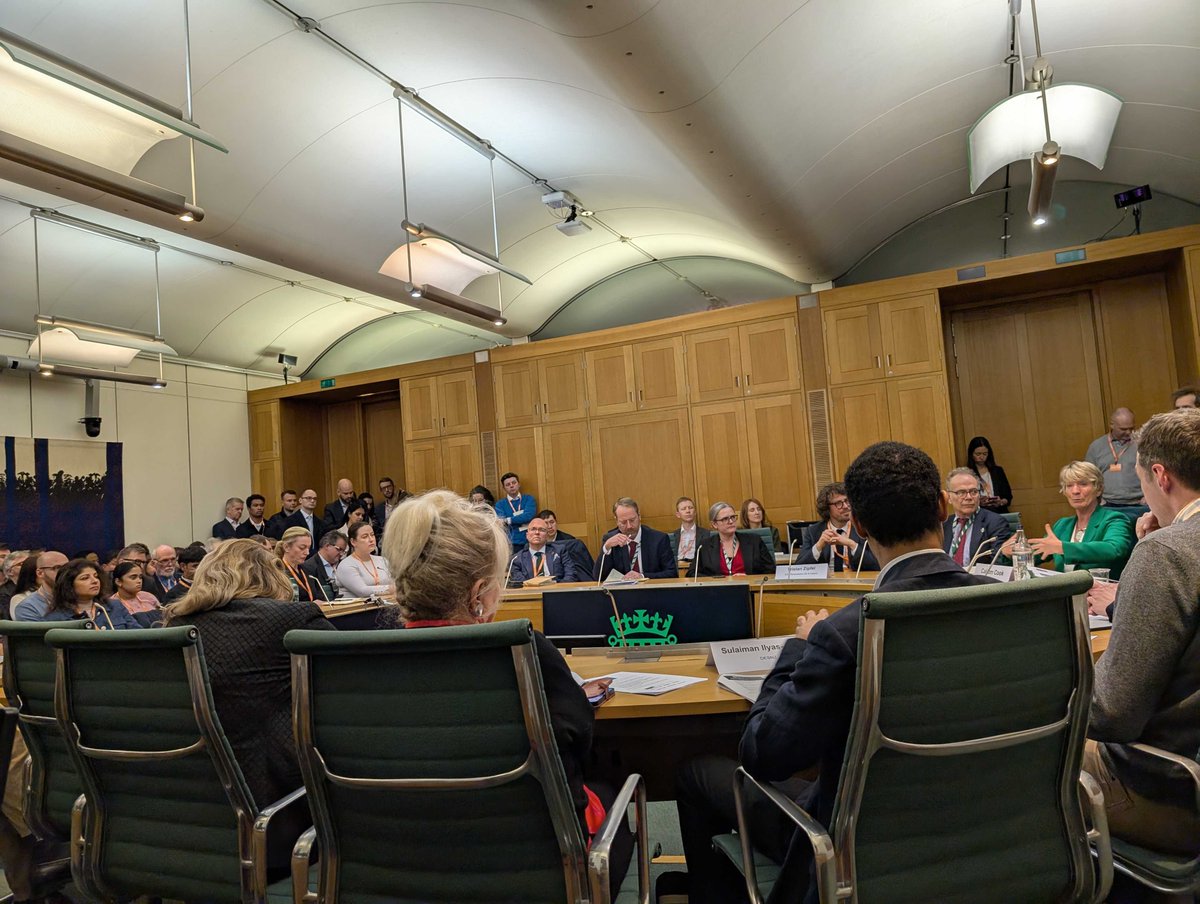
We’re in Parliament later for our first meeting of the year, 'The Road to Clean Power by 2030', bringing together MPs, industry leaders & experts to explore how we can go further and faster to accelerate the shift to clean energy.
5
3
7
852
25 Feb 2025
@pippaheylings spoke about communicating the co- benefits of net zero, like warmer homes from insulation and benefits for health and improving child poverty
1
2
1
206
25 Feb 2025
We’re in Parliament later for our first meeting of the year, 'The Road to Clean Power by 2030', bringing together MPs, industry leaders & experts to explore how we can go further and faster to accelerate the shift to clean energy.
1
2
921
25 Feb 2025
⚡We’ll be joined by an expert panel including:
- Lord Callanan, Officer of the NZAPPG and former DESNZ Minister
- Sulaiman Ilyas-Jarrett @energygovuk
- Kirsten Young @WSP_UK
- Tristan Zipfel @EDF_Renewables
- Callum Cook, USystems
- Prof. Aaron Gillich @LSBU
1
51
25 Feb 2025
Great to see @CBItweets research highlight that the #NetZero economy is growing 3x faster than the UK economy—creating high-wage jobs, boosting energy security & driving regional growth.
By accelerating the right actions, we can go even further.
theguardian.com/environment/…
82
Net Zero APPG retweeted
6 Feb 2025
The Net Zero APPG is now on Bluesky!
Follow us: bsky.app/profile/netzeroappg…
1
2
86
6 Feb 2025
We’re delighted to welcome @TrustMarkUK as a supporter of the Net Zero APPG!
As the UK’s Government-endorsed Quality Scheme for home improvements, they help raise standards and drive energy efficiency. We look forward to working together to accelerate and embed #NetZero policy.
163
16 Oct 2024
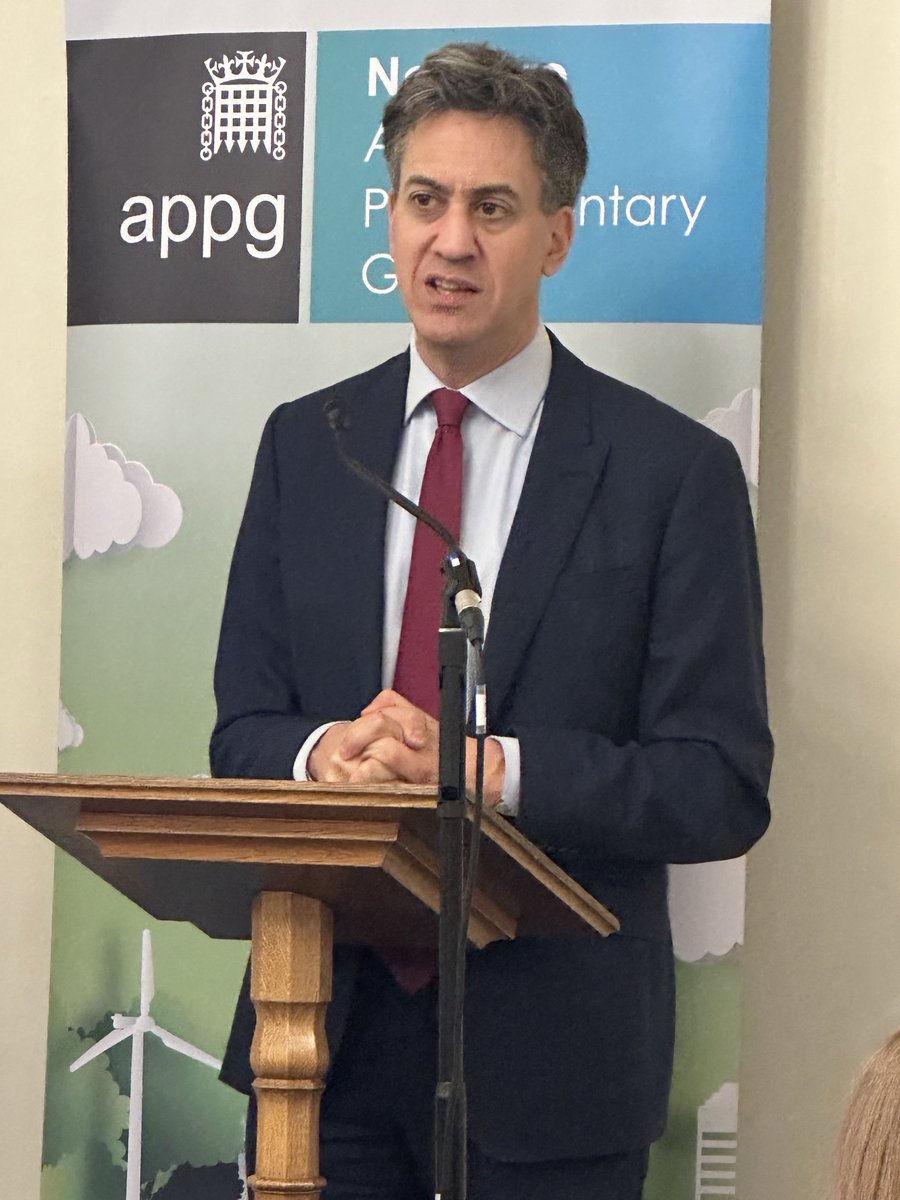
We were so delighted to see @Ed_Miliband and 60 new MPs turn up to listen to the commitment and passion to scale up and embed #NZ #investment and #innovation well done @theCCCuk @Louis_OHalloran @Gill_Morris
5
4
9
4,312
Net Zero APPG retweeted

25 Sep 2024
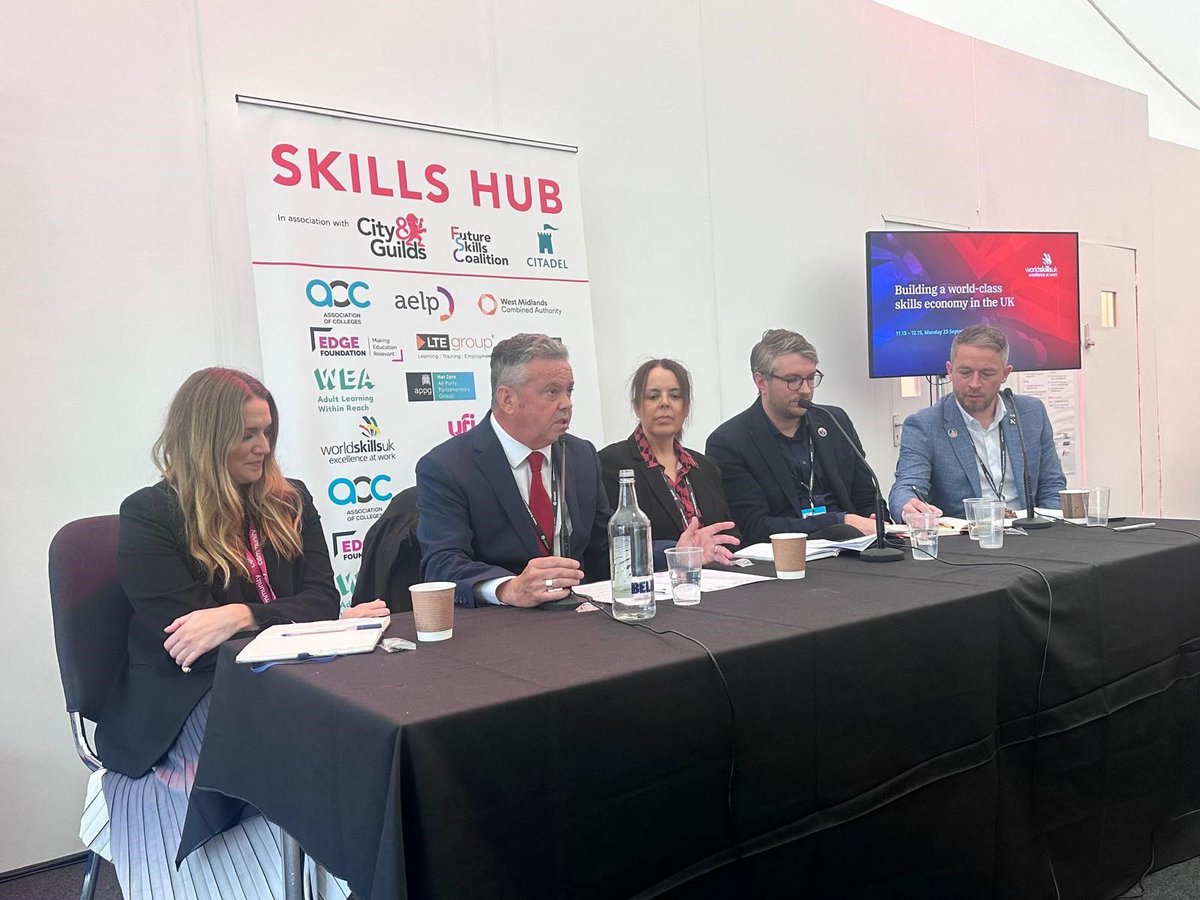
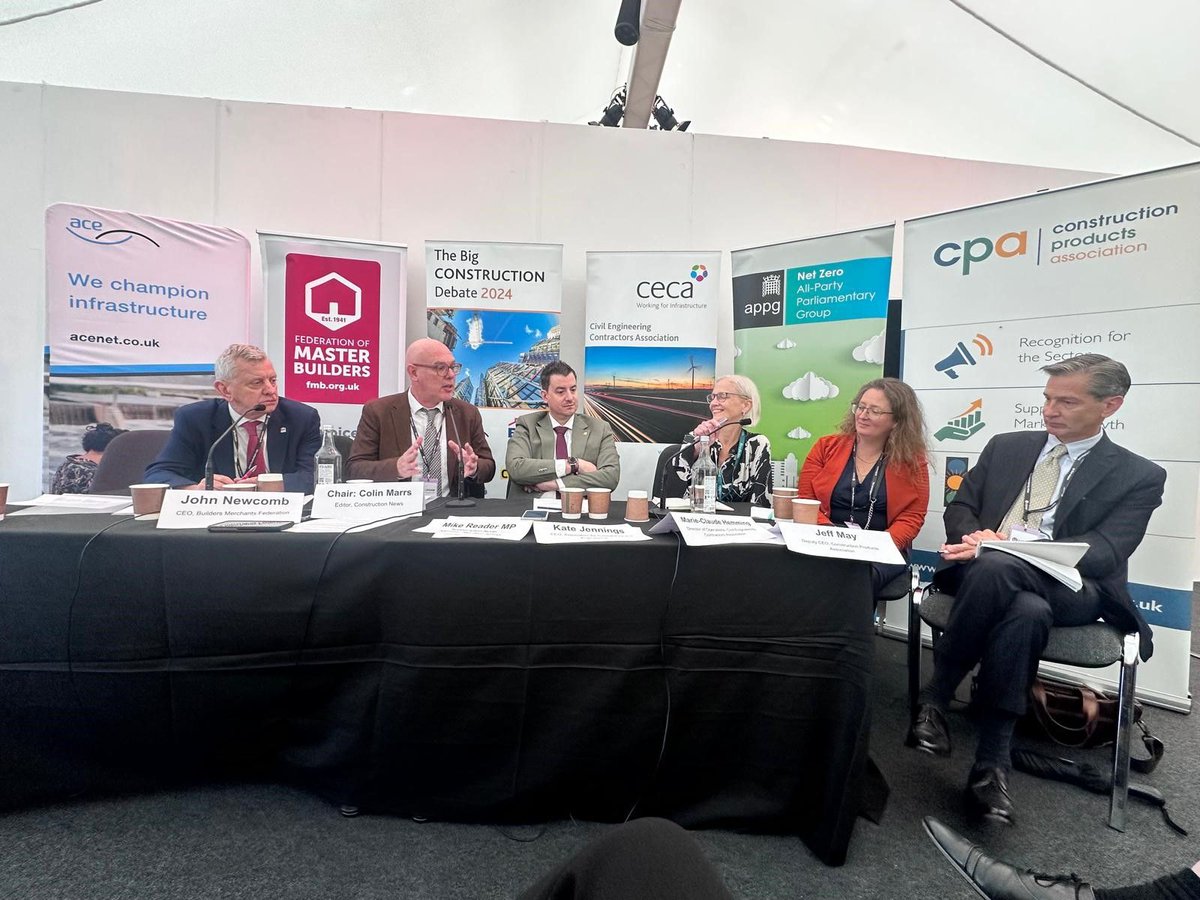
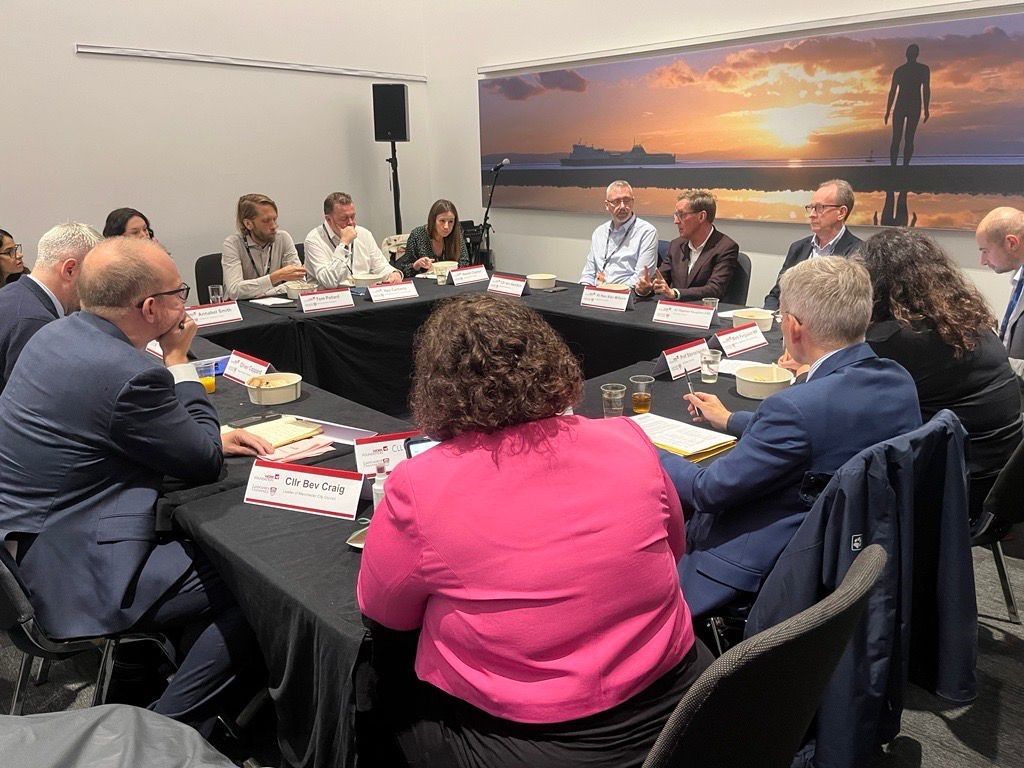
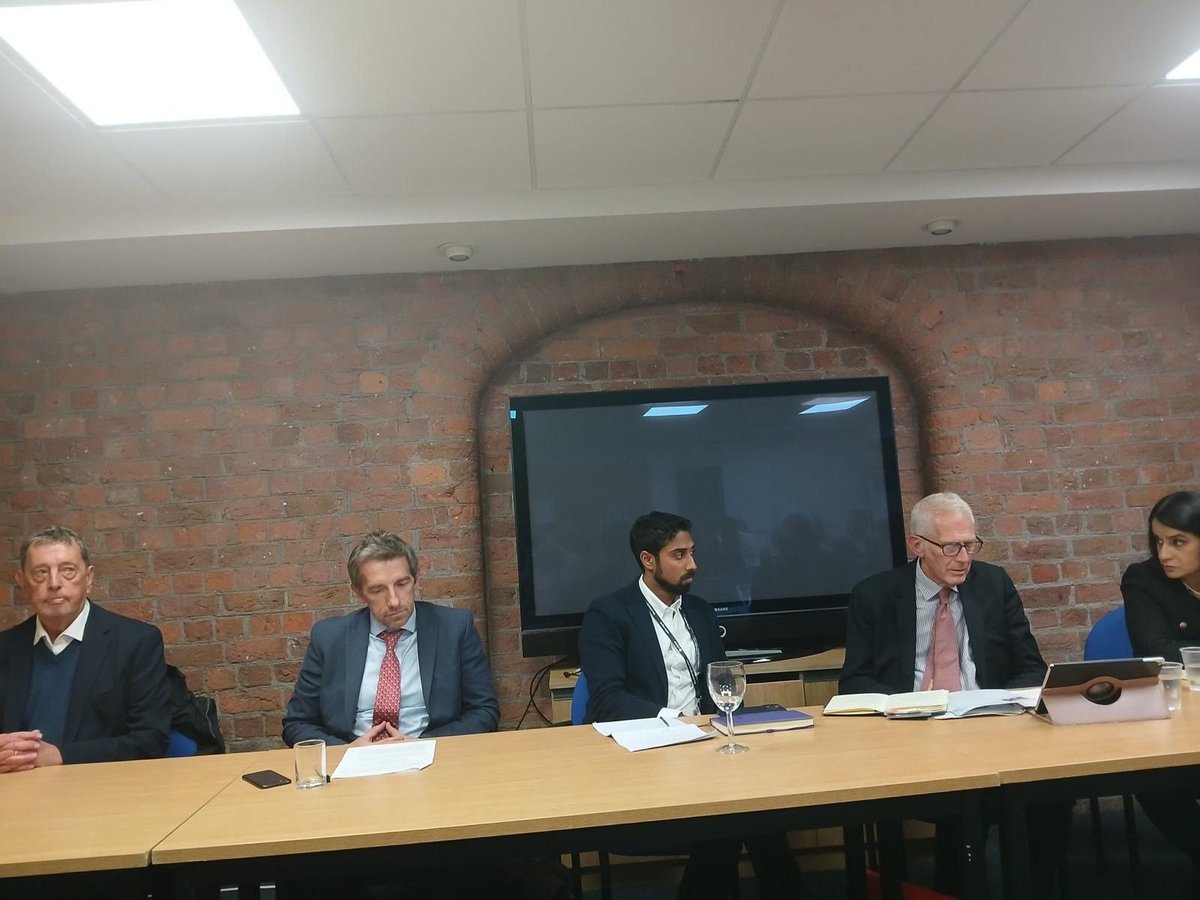
It was great to speak on the @right2_learn panel with @LordBlunkett and colleagues and contribute to the @WorkFoundation roundtable on Pathways to Work. I enjoyed the discussions in the #SkillsHub and thank everyone who helped keep skills high on the agenda.
3
4
5
393
Net Zero APPG retweeted

24 Sep 2024
This is how Rachel Reeves may have found up to £25bn behind the back of the sofa
I’ve had a chance to examine the implications for her fiscal rules of the Chancellor’s statements in her conference speech, that she would secure growth through increased investment and compel the Treasury to give more weight to the benefits of growth, rather than focusing excessively on the short-term implications for public sector debt.
In simple terms it suggests she will announce a plan in the 30 October budget to take investment vehicles like the new National Wealth Fund off the public sector balance sheet. It means public-money put into demonstratively productive investment, such as wind farms, transport, grants to businesses and so on, won’t be included in the fiscal rules’ five-year debt target.
I know this sounds tediously technical, but it has a significant economic effect. It could create £20bn to £25bn of “headroom” for the kind of investment that will remain on the public sector balance sheet, such as in new hospitals, schools and assorted public-service AI and tech projects.
So the freed-up billions would help modernize and reform public services.
But, the fiscal-rules reform won’t and can’t end the significant pressure on day-to-day spending on public-sector wages, welfare and the like, because one of Reeves’s fiscal rules is more constraining than the Tories’ version: she is committed over five years (again) to cover all day-today spending with tax revenues.
Bottom line? Given what she describes as the black hole she inherited from the Conservative government in day-to-day government spending, she is still going to raise taxes significantly in her looming budget.
117
53
181
152,494
Net Zero APPG retweeted
23 Sep 2024
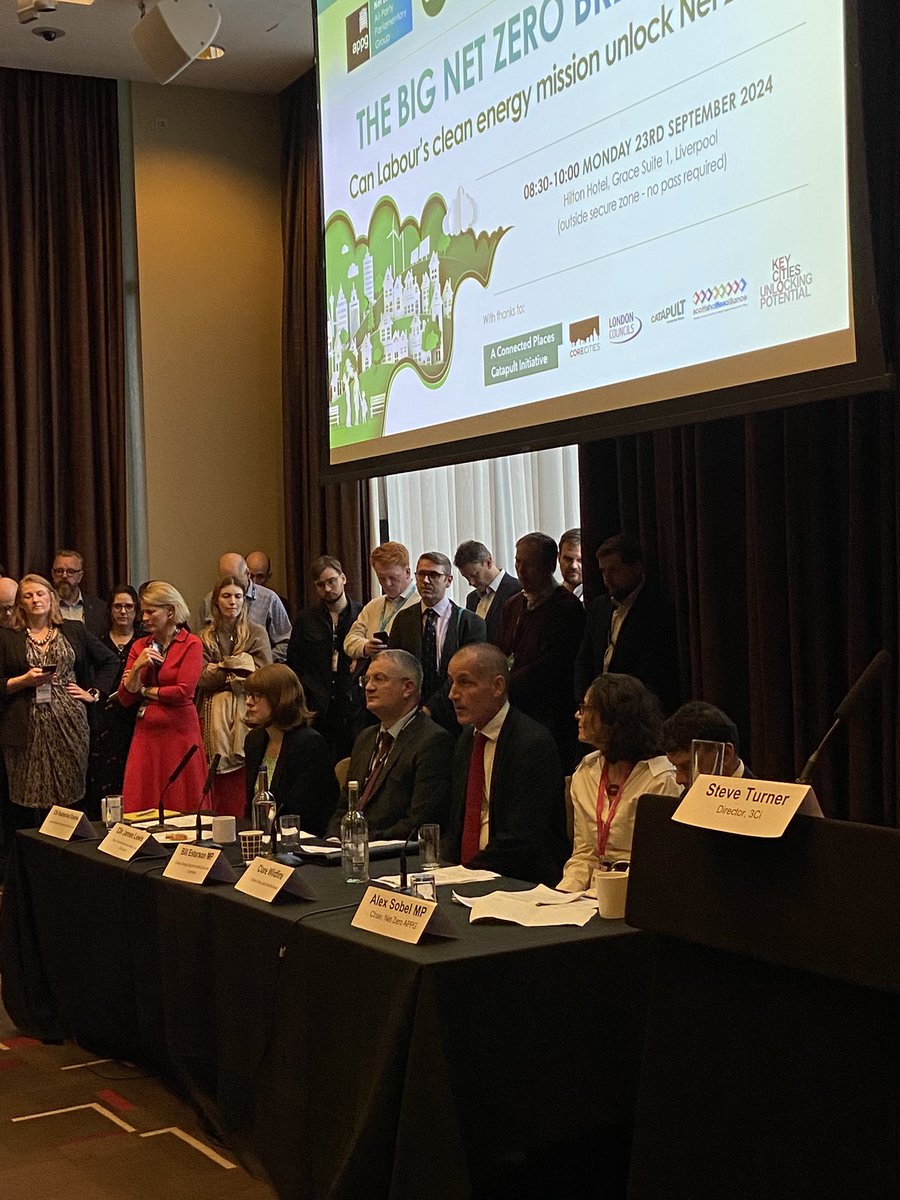
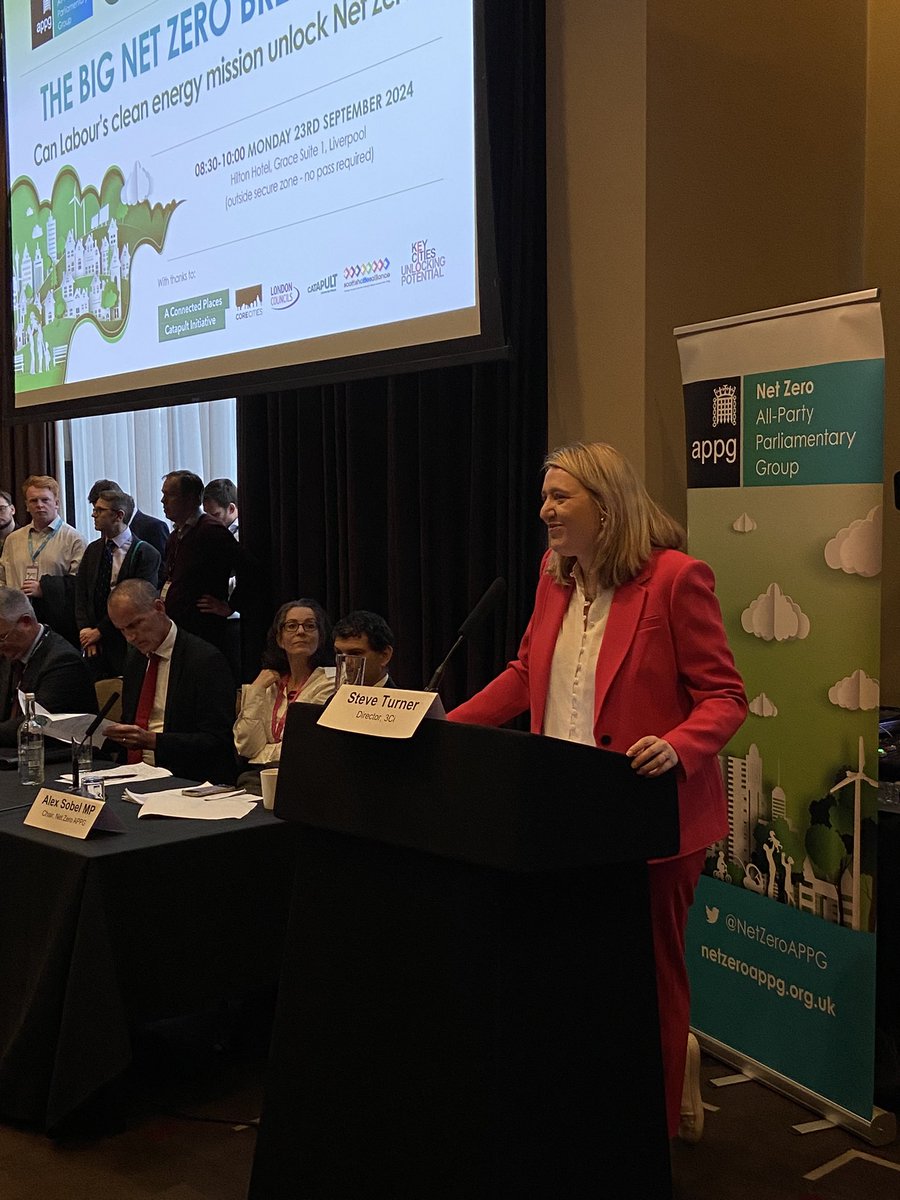
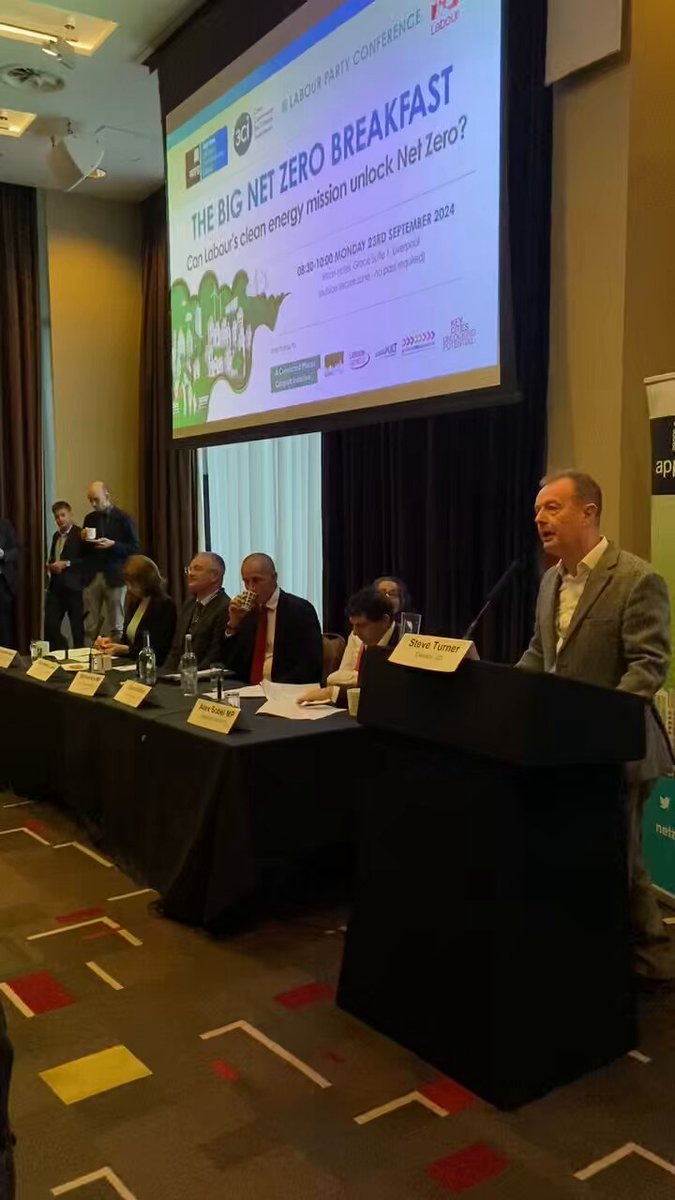
@Bill_Esterson “We found ourselves in a situation where you have to be wealthy or well off to take advantage of the transition to #NetZero…now we have to change the dial”
1
2
176