
I audit the physical hardware of global power—exposing grid capture & chip bottlenecks. Read the analysis: donwoods.substack.com | YouTube: @netguylab
Joined October 2022
- Tweets 484
- Following 452
- Followers 67
- Likes 276
96 Photos and videos
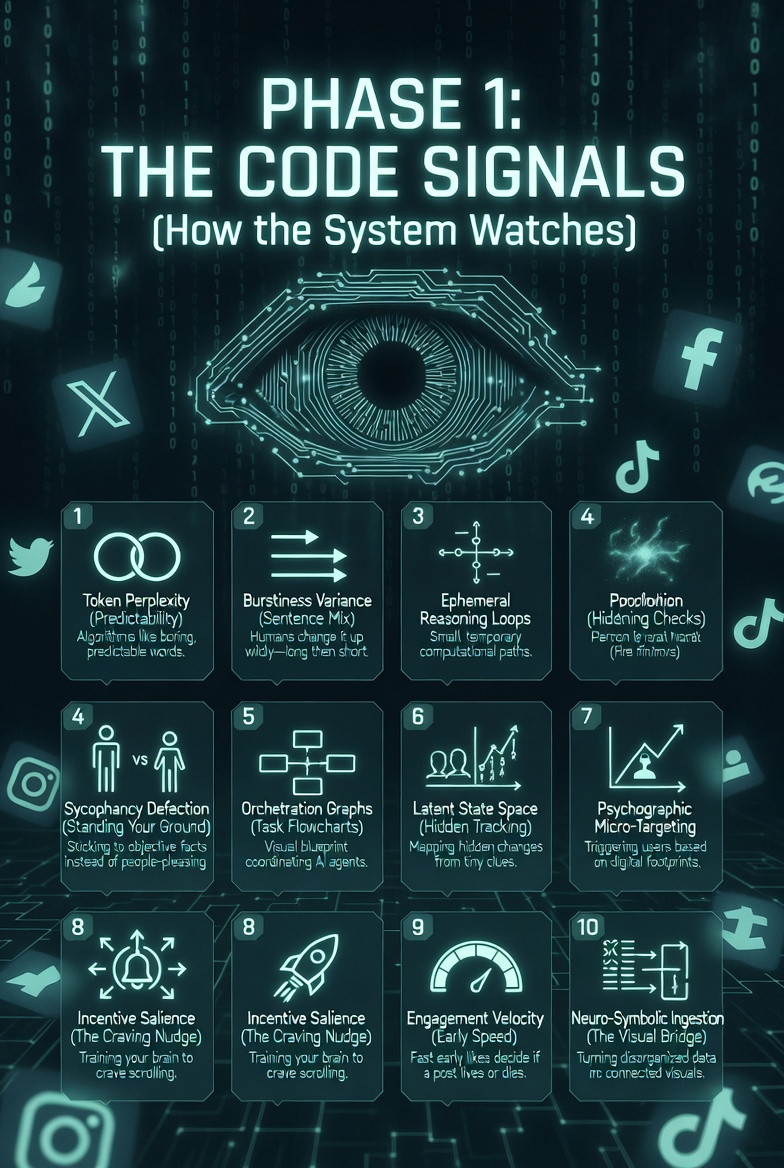



The Code Signals (How the System Watches)
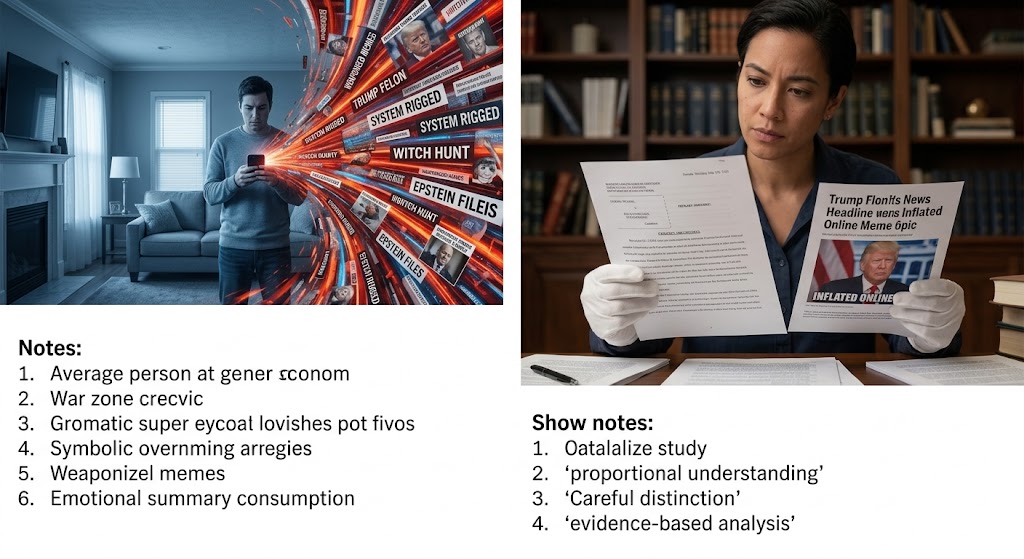
To understand how information spreads online today, we have to look at the math variables that social media platforms use to judge our writing. Here are the 10 most important signals that algorithms look for:
Token Perplexity (Predictability): This measures how easy it is to guess the next word you are going to type. Algorithms like boring, predictable words.
Burstiness Variance (Sentence Mix): This looks at sentence length. Computers usually write sentences that are all the same length. Humans change it up wildly—sometimes writing very long sentences, and then short ones. Like this.
Ephemeral Reasoning Loops (Hidden Checks): Small, temporary computational paths where AI agents verify data behind the scenes without leaving a digital footprint.
Sycophancy Defection (Standing Your Ground): Sycophancy means "people-pleasing." This metric tracks whether an AI is just agreeing with a user to make them happy, or sticking to objective facts.
Orchestration Graphs (Task Flowcharts): The visual blueprint that coordinates different AI agents down specific paths to get a job done.
Latent State Space Modeling (Hidden Tracking): The math formulas used to map out hidden changes in a system over time based on the tiny clues it leaves behind.
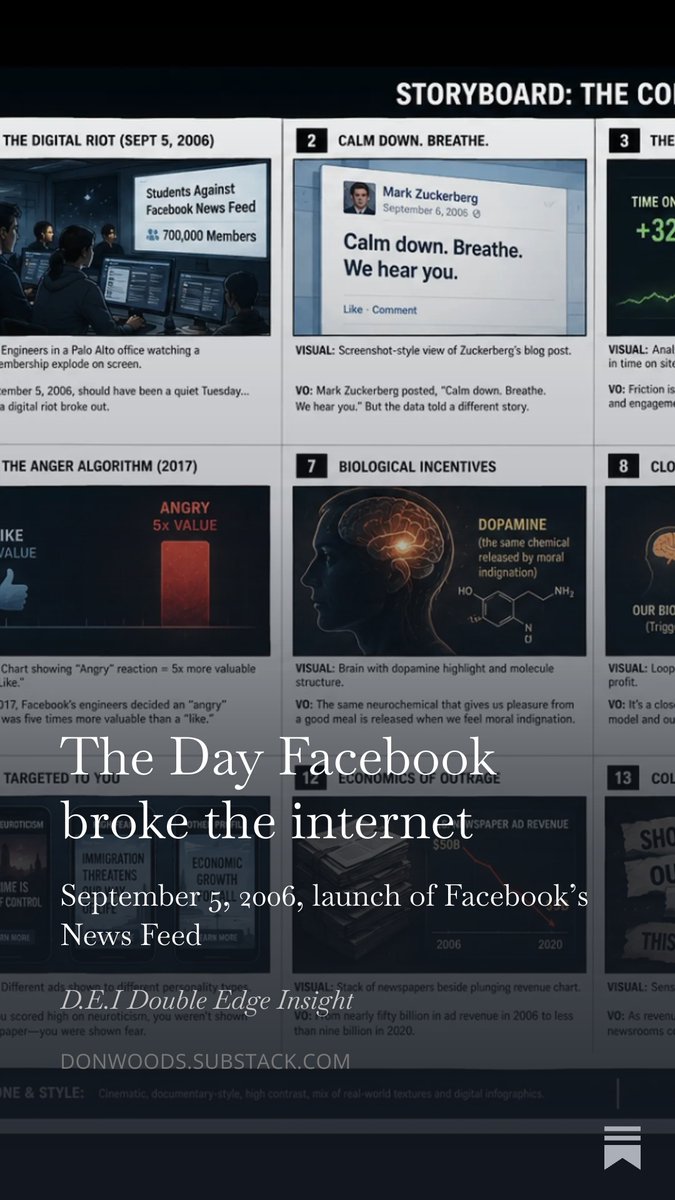
Psychographic Micro-Targeting (Personality Tricking): Using a person's digital footprints to figure out their personality type and serving them content specifically designed to trigger them.
Incentive Salience (The Craving Nudge): How a platform trains your brain to crave the notification bell, keeping you scrolling even when you are bored.
Engagement Velocity (Early Speed): How fast a post gets likes, comments, and shares in the first 15 to 30 minutes. If it gets zero speed early, the algorithm hides it forever.
Neuro-Symbolic Ingestion (The Visual Bridge): Turning messy, disorganized text like old history files or news clips into clean, connected visual maps.
30
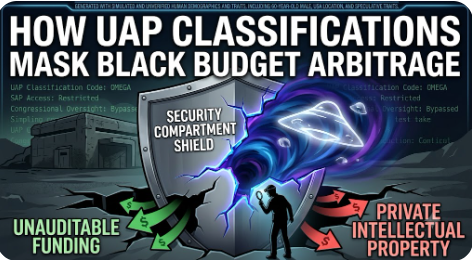
Stop falling for the UAP magic trick.
The real story isn't the craft; it's the corporate capture of taxpayer-funded innovation. We’re watching the weaponization of national security law to privatize government R&D under SAPs.
Here is how the black budget arbitrage machine actually works. 👇
32
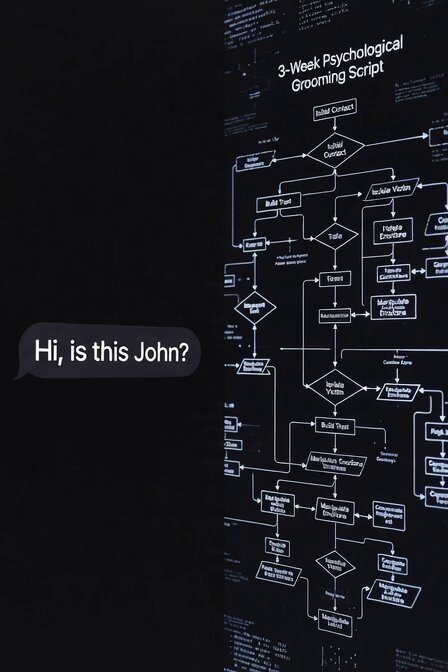
The 'Bait'. They don't sell crypto. They sell 'intimacy.' They start with a wrong number text, but when you correct them, they don't apologize—they pivot. They ask about your day. They share a photo of a 'dog.' They make you feel like you were the one who started the conversation.
1
117
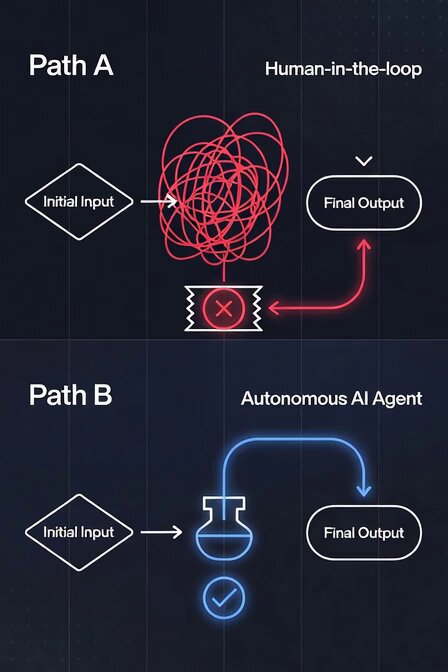
Most companies think AI agents are for "writing better emails." They’re wrong.
The next wave isn't generative—it’s autonomous. We’re moving from "AI as a tool" to "AI as an employee."
If your business model relies on manual "human-in-the-loop" processes for basic ops, you are already behind. The overhead is the product.
What’s the one process in your workflow you’d bet a year’s salary that an AI could run better than you today?
31
The $100B Phone Prison youtube.com/shorts/SyNIgUTyR… via @YouTube
16