The African story, from an African perspective. 50 years and counting.
Joined November 2010
- Tweets 7,250
- Following 742
- Followers 25,289
- Likes 1,540
2,505 Photos and videos

Jun 9
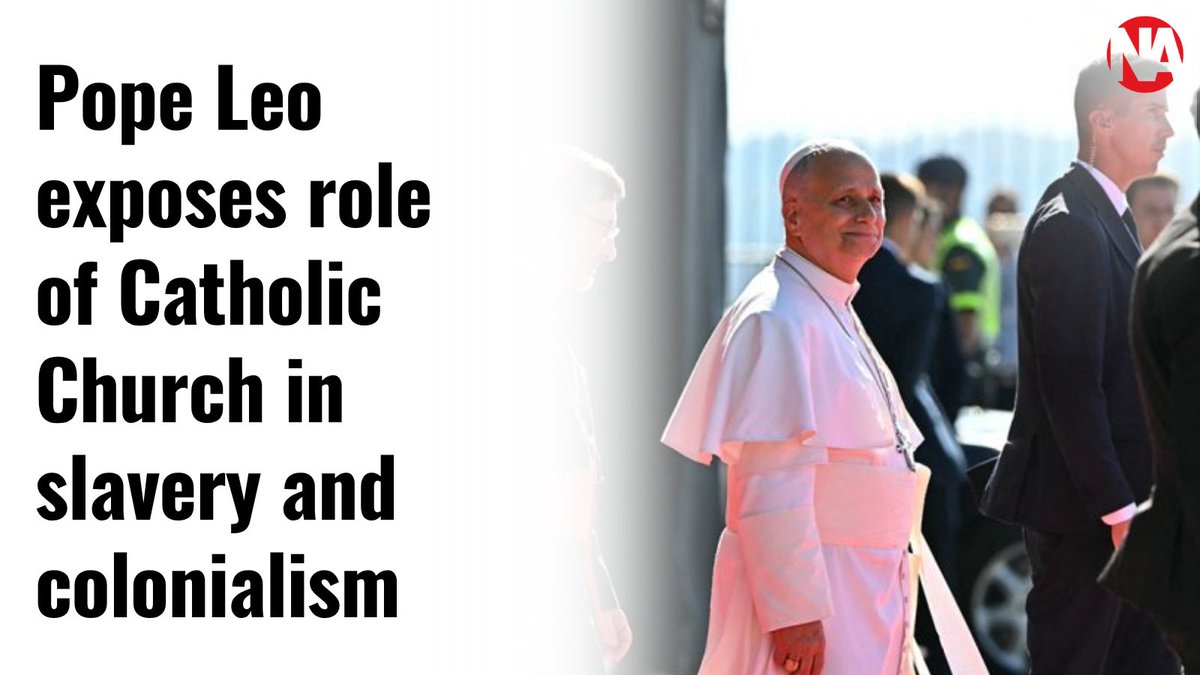
Pope Leo XIV has issued the first papal apology for the Catholic Church’s role in legitimising the transatlantic slave trade.
Writing in his inaugural encyclical, the Pope describes slavery as a “grave violation of human dignity” and acknowledges the Church’s failure to condemn it for centuries. The intervention has reignited debate about historical accountability, reparatory justice and the enduring legacy of slavery. But in his own words, acknowledgement is only the beginning.
When will institutions be prepared to move from apology to action?
Read our full article and join the conversation: eu1.hubs.ly/H0w0_-q0
71
Jun 9
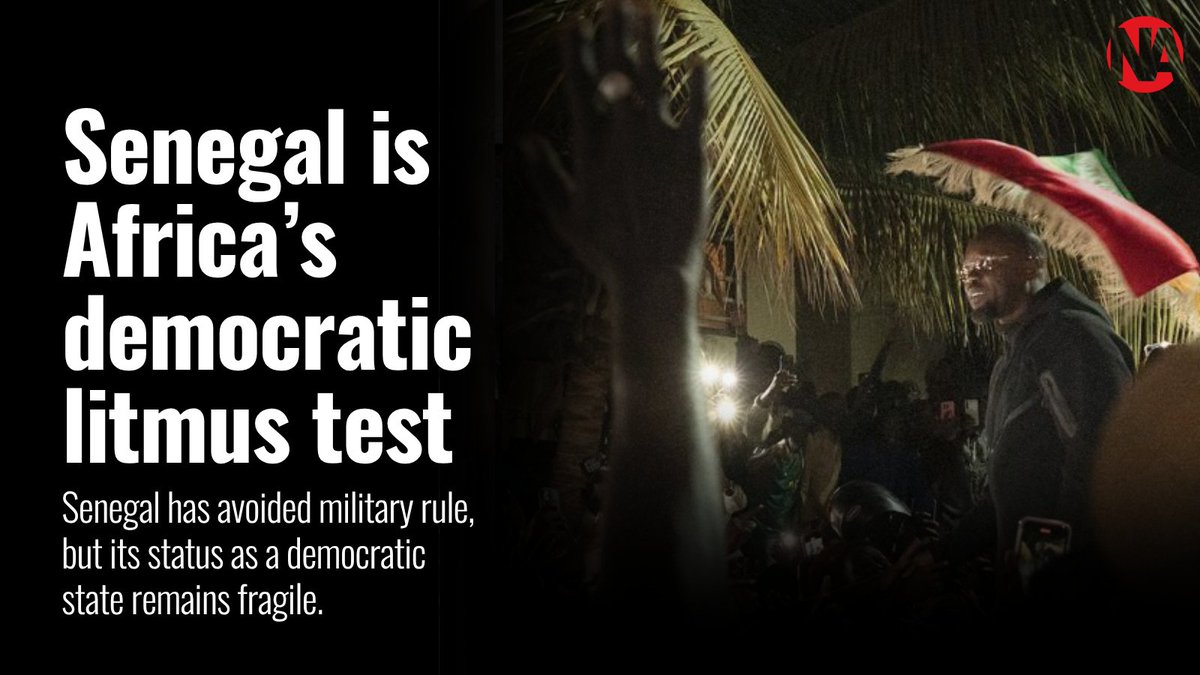
In 2024, Senegal delivered a democratic transfer of power driven by youth and a grassroots movement; in a region increasingly turning to soldiers for change, it stood apart.
Two years on, debt has risen to 132% of GDP, Sonko has been dismissed as Prime Minister, and the movement that won power is now publicly asserting its authority over the President it helped elect.
Is Senegal's democratic experiment strong enough to survive its own internal tensions?
Read more and tell us your thoughts: eu1.hubs.ly/H0w0Djs0
2
171
Jun 3
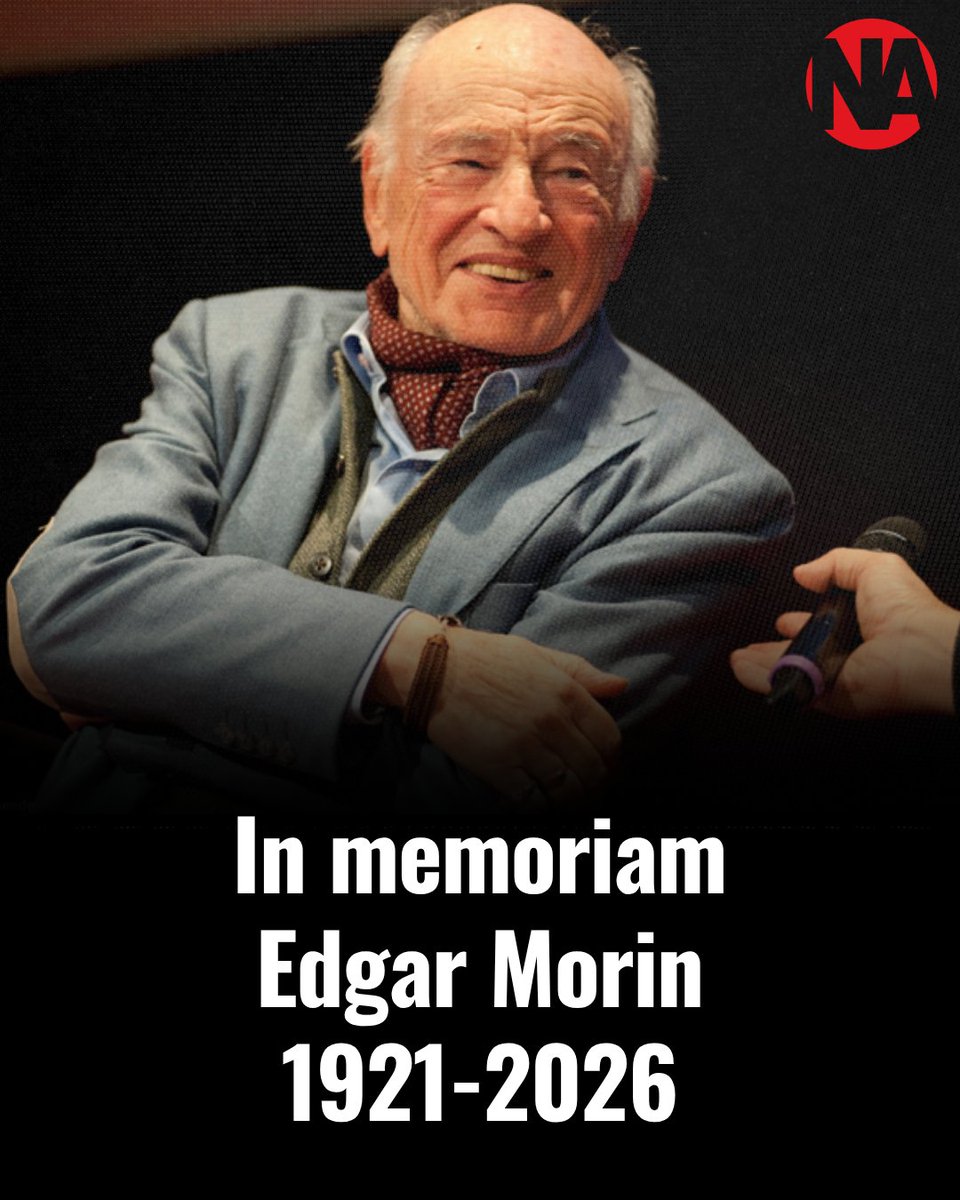
Renowned French philosopher and sociologist, Edgar Morin, has died aged 104. Author of over 60 books and proponent of a less divided world anchored on “conscious humankind and cultural symbiosis”, Morin spoke to New African just after his 100th birthday.
We celebrate his life and ideas - eu1.hubs.ly/H0vT7zZ0
179
May 25
Africa’s future is no longer a conversation about potential alone.
So who are the people, businesses and ideas already reshaping the continent’s global influence today?
⬇️ Discover the movement behind #NotWaiting.
1
1
2
149
May 25
african.business/2026/05/par…
Partner Content: @oppsforafricans
#AfricaRising #NotWaiting #AfricanInnovation #AfricanBusiness
112
May 23
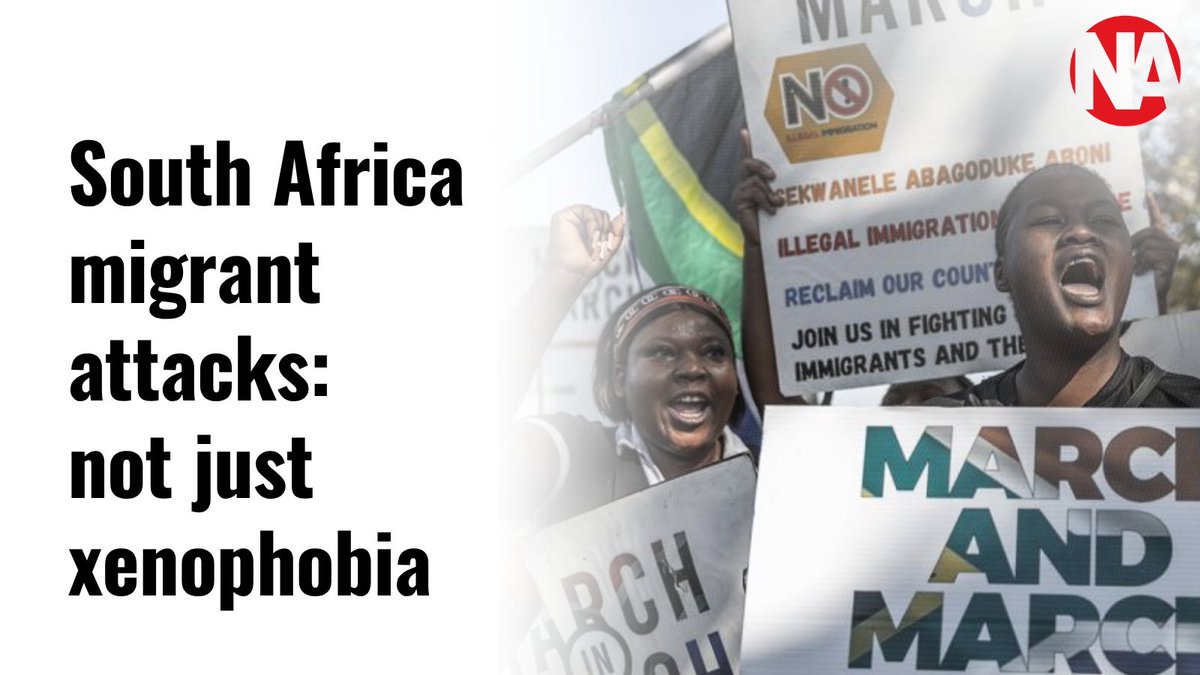
Two Nigerian nationals are dead. Ghana and Nigeria have announced chartered flights to repatriate their citizens. A pattern that has repeated itself many times before shows no sign of ending.
Thebe Ikalafeng argues that the rage targeting African migrants doesn't touch the structural inequalities at the root of South Africa's crisis, and that redirecting it at the nearest African face has never solved the problem it claims to address.
Is Africa turning on itself?
Read more and tell us your thoughts: eu1.hubs.ly/H0vzS9y0
2
1
1
190
May 22
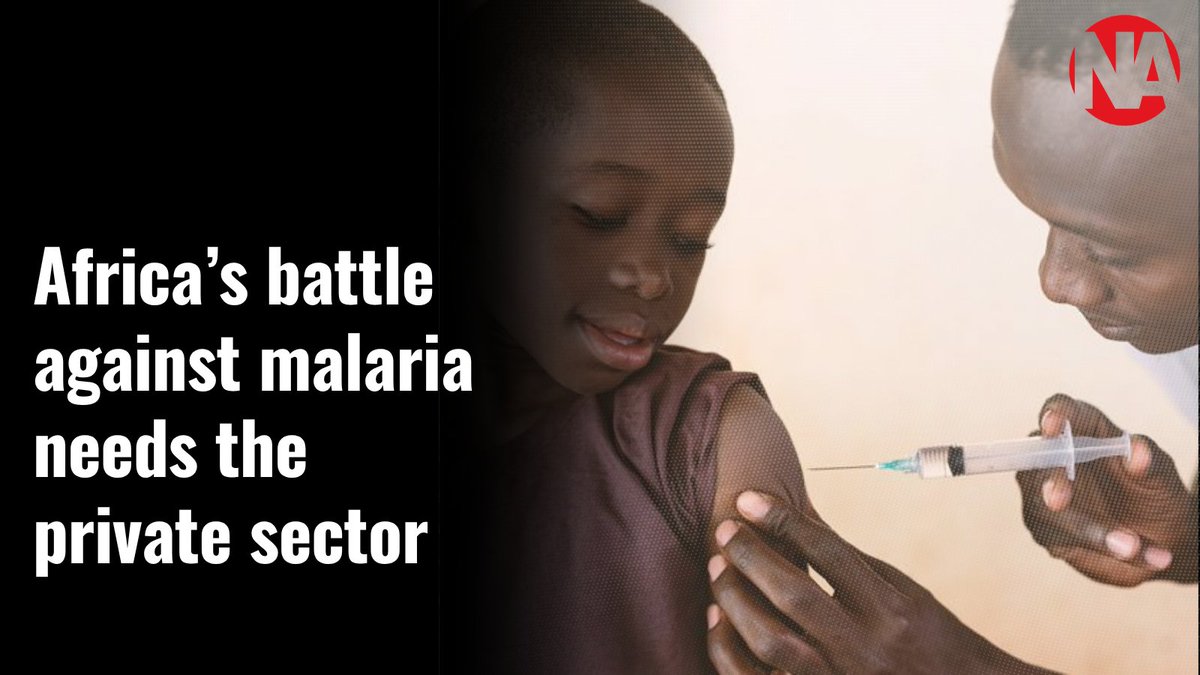
Malaria affects millions of Africans every year, killing hundreds of thousands and burdening businesses with lost productivity, healthcare costs and disrupted supply chains.
Yet, private sector investment in the fight against the disease remains minimal. With increased gaps in public funding and mosquitoes building resistance to existing insecticides, Krystal Birungi of Target Malaria argues that the private sector can no longer afford to sit on the sidelines.
Read more and tell us what you think:
eu1.hubs.ly/H0vzPMl0
1
127
May 19
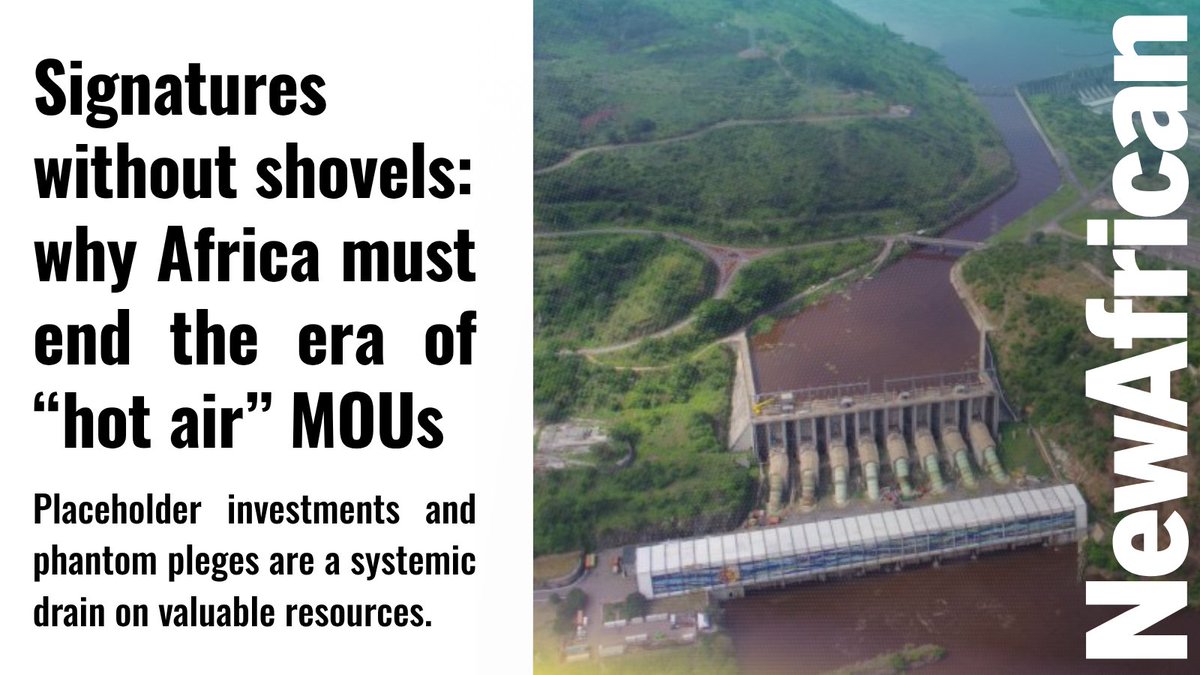
With Africa's infrastructure financing gap estimated at up to $170bn a year, every phantom MOU is developmental momentum lost.
A proposed $100bn green energy investment in the DRC never left the study phase, while Akon's $6bn crypto metropolis was granted 2,000 hectares of Senegalese land only to be abandoned after seven years of no progress.
Can Africa really afford to waste valuable time and resources on pie-in-the-sky projects when pragmatic solutions are needed on the ground?
Read more and join the conversation: eu1.hubs.ly/H0vq6W30
91
May 19
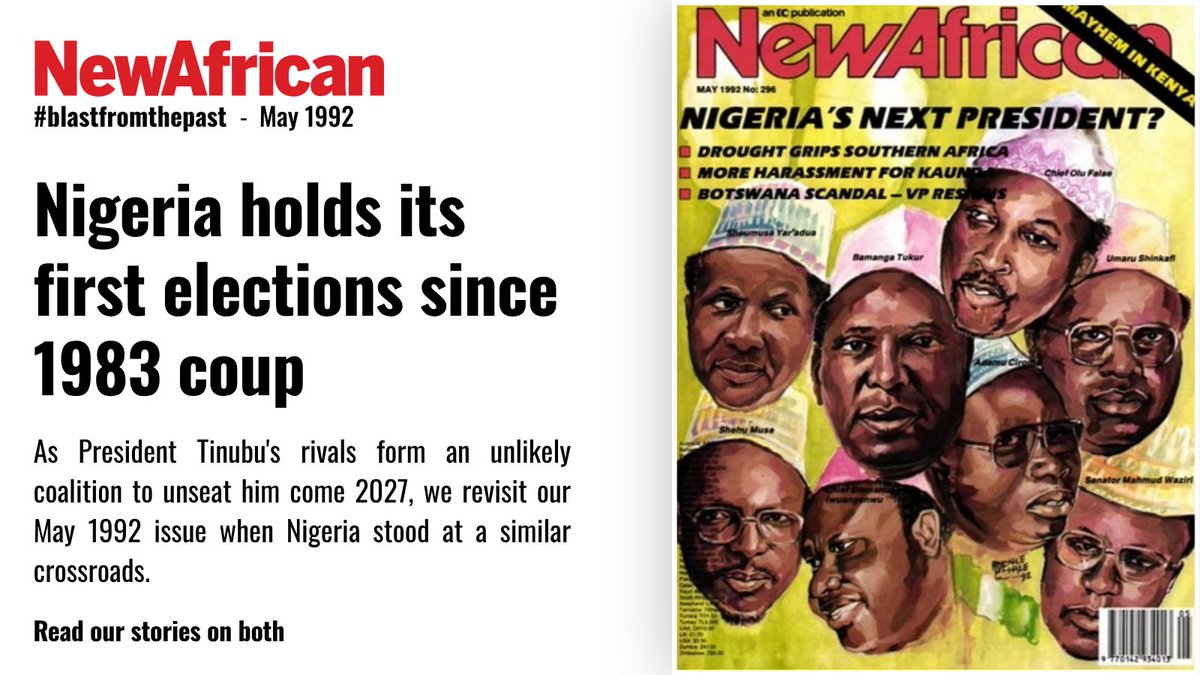
While President Tinubu's rivals form an unlikely coalition in an attempt to unseat him in next January's elections, we revisit our May 1992 issue when Nigeria stood at a similar crossroads.
Read the article here: eu1.hubs.ly/H0vrzWv0
Enjoy this #blastfromthepast and explore the rest of our archive at: eu1.hubs.ly/H0vrzln0
1
108
May 18
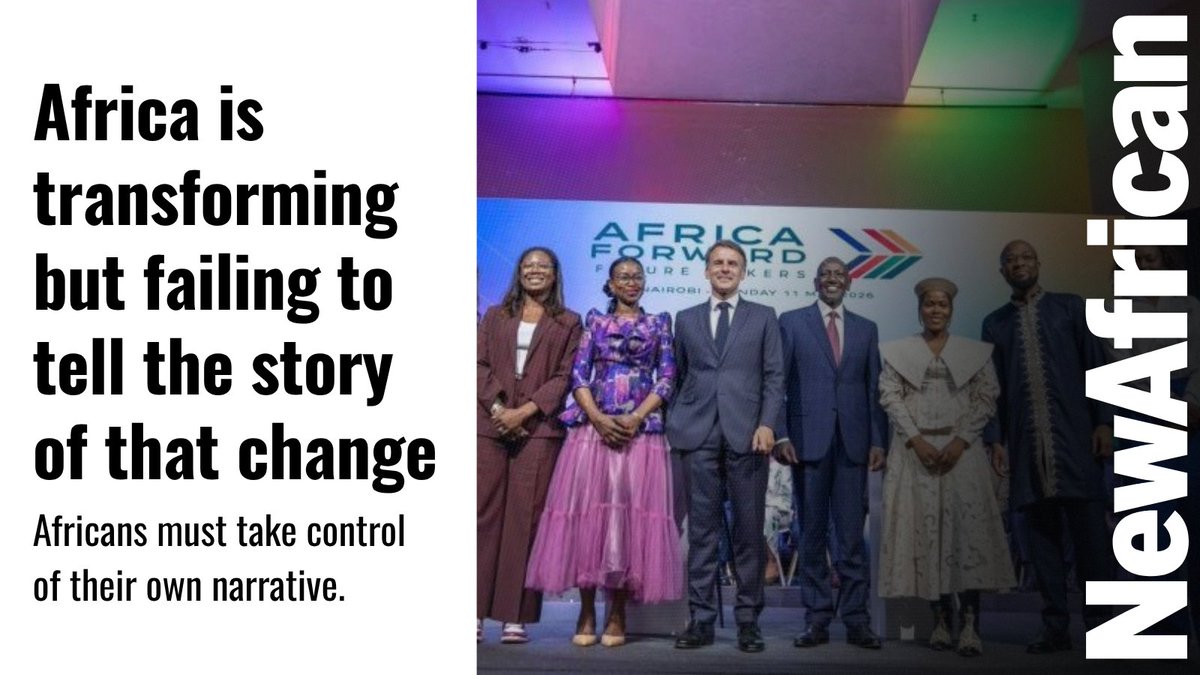
Africa loses $4.2bn annually in economic opportunities due to negative stereotypes spread by international media.
Benin offers a compelling case study: the Voodoo Days festival in Ouidah grew from 97,000 attendees at launch to 700,000 in this January, proof that a country being in charge of its own narrative rewards its culture and economy.
As the continent continues to grow, how can more African voices lead the conversation in how their homes are portrayed?
Read more and tell us your thoughts: eu1.hubs.ly/H0vpYnS0
2
3
211
May 6
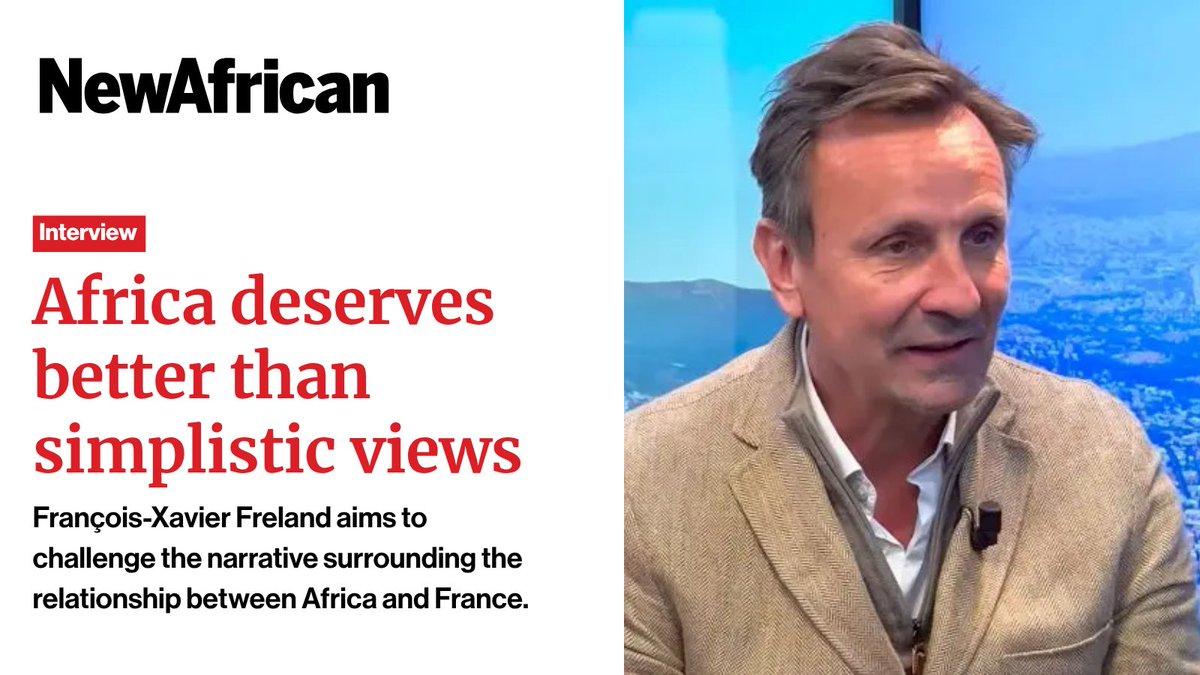
On May 5th, journalist and filmmaker François-Xavier Freland published a sharp critique of how the France–Africa relationship is covered in Western media. For him, there is too much repentance without enough nuance, as well as a dangerous disconnect between Paris-based narratives and realities on the ground.
Is the dominant narrative about France's involvement on the continent too obtuse?
1
1
2
158
May 6
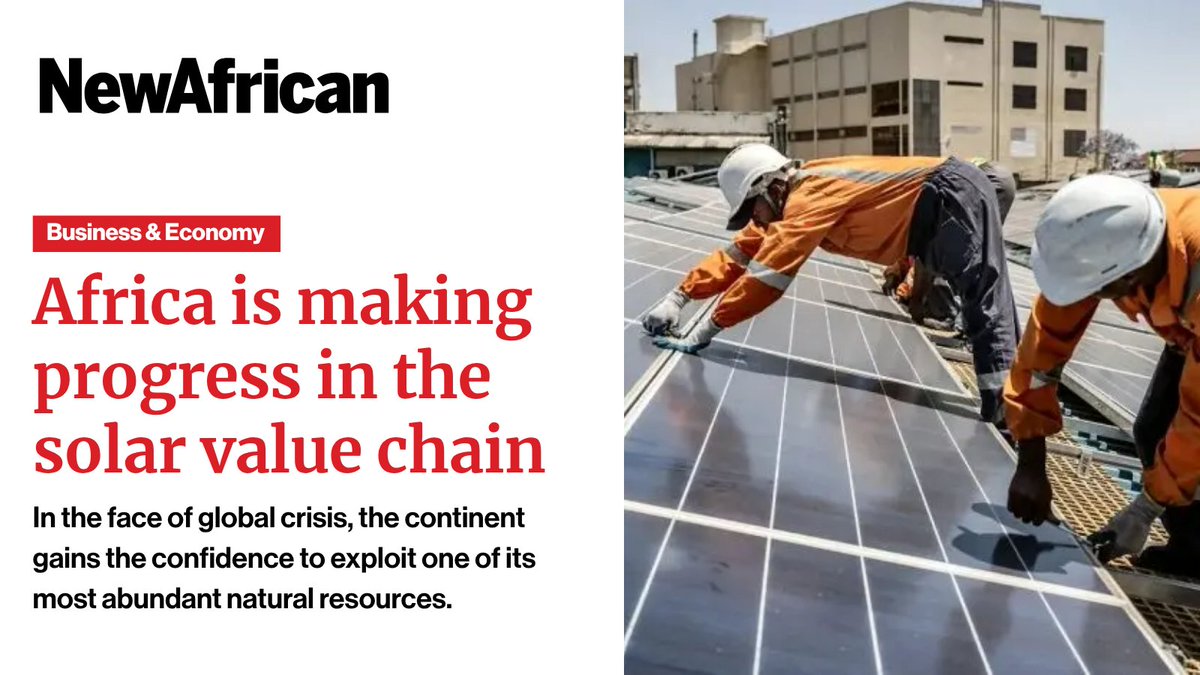
Nigeria, Kenya and Ethiopia each imported more than 1 GW of solar technology for the first time ever in March 2026, raising solar imports to Africa by 176% in just one month.
Spurred on by the continent's dependence on imported energy, the shift towards renewables has been catalysed by the crisis in the Middle East's effect on oil and gas prices. Renewables overtook coal in Africa's energy mix in 2025, and several countries are already moving beyond importing panels to developing their own manufacturing and assembly capabilities.
Can Africa become a global leader in clean energy?
1
2
166
May 6
On March 25th, the UN General Assembly voted to declare the transatlantic slave trade the gravest crime against humanity, spearheaded by Ghana's President John Mahama and backed by 123 nations.
The resolution is non-binding, however, and many of the nations that played a major role in the era are slow to acknowledge and atone in a tangible way. Slaveholders received immediate compensation at abolition, while the descendants of the enslaved continue to fight for reparations to this day.
Is recognition without repair enough?
1
1
162
May 5
In 2025, more than 7,000 regulatory notifications were issued globally, the highest number ever recorded.
The WTO has begun rolling out its ePing platform across five African countries: Kenya, Namibia, South Africa, Tanzania and Uganda. This initiative aims to give governments, exporters and SMEs real-time access to regulatory changes before they become costly surprises at the border.
In what ways do you see better access to information unlocking meaningful trade opportunities for African businesses?
1
1
1
133
May 5
At the second Africa Future Leaders Day in Dakhla, students, diplomats and researchers came together to discuss soft power and territorial diplomacy. The choice of city was strategic and intentional by the organisers, noting it as a geopolitical crossroads, a showcase for Morocco’s development in the Sahara and a gateway to sub-Saharan Africa.
Can Africa's youth reclaim the story being told about their continent in a world increasingly shaped by hegemonic narrative and influence?
2
1
3
195