
#GlobalBusiness #Leader #Boardready #EcosystemBuilder #Advisor Tea-aholic #EmergingMarkets. ***Tweets not DMs,pls
Joined September 2009
- Tweets 53,815
- Following 7,888
- Followers 7,118
- Likes 32,414
2,712 Photos and videos





Pinned Tweet

Many thanks for the kind words and all you do, @GISTNetwork ! #GISTrocks x.com/GISTNetwork/status/946…
29 Dec 2017

Thanks! You rock and we love all the mentorship you are able to give our entrepreneurs :)
4
1
35
Which external risk factor would impact your organization the most now? Geopolitical instability and economic volatility tied in a recent Economist Enterprise-LinkedIn poll. #GlobalBusiness #Change
linkedin.com/posts/economist…
9
It doesn't get more "global" than our beautiful oceans! Happy #WorldOceansDay. #GlobalBusiness
6
NewComm Global (Lucie Newcomb, IMO only) retweeted

Jun 8
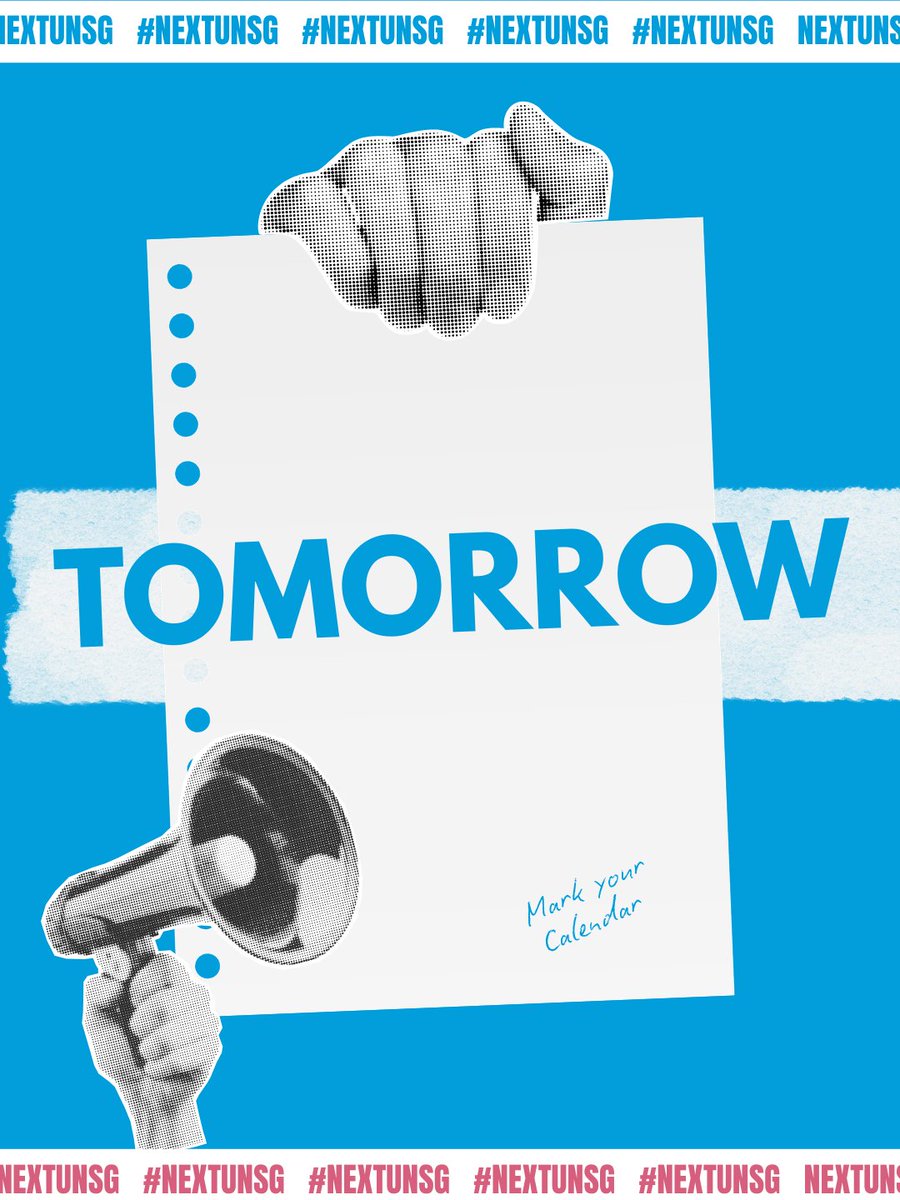
June 9 is Geneva Debate Day. Candidates for the #NextUNSG will share their visions for the future of the UN in a globally broadcast debate. Because the selection of the #NextUNSG affects people everywhere.
International Broadcast YouTube Livestream
gwlvoices.org/projects/candi…
1
6
12
1,077
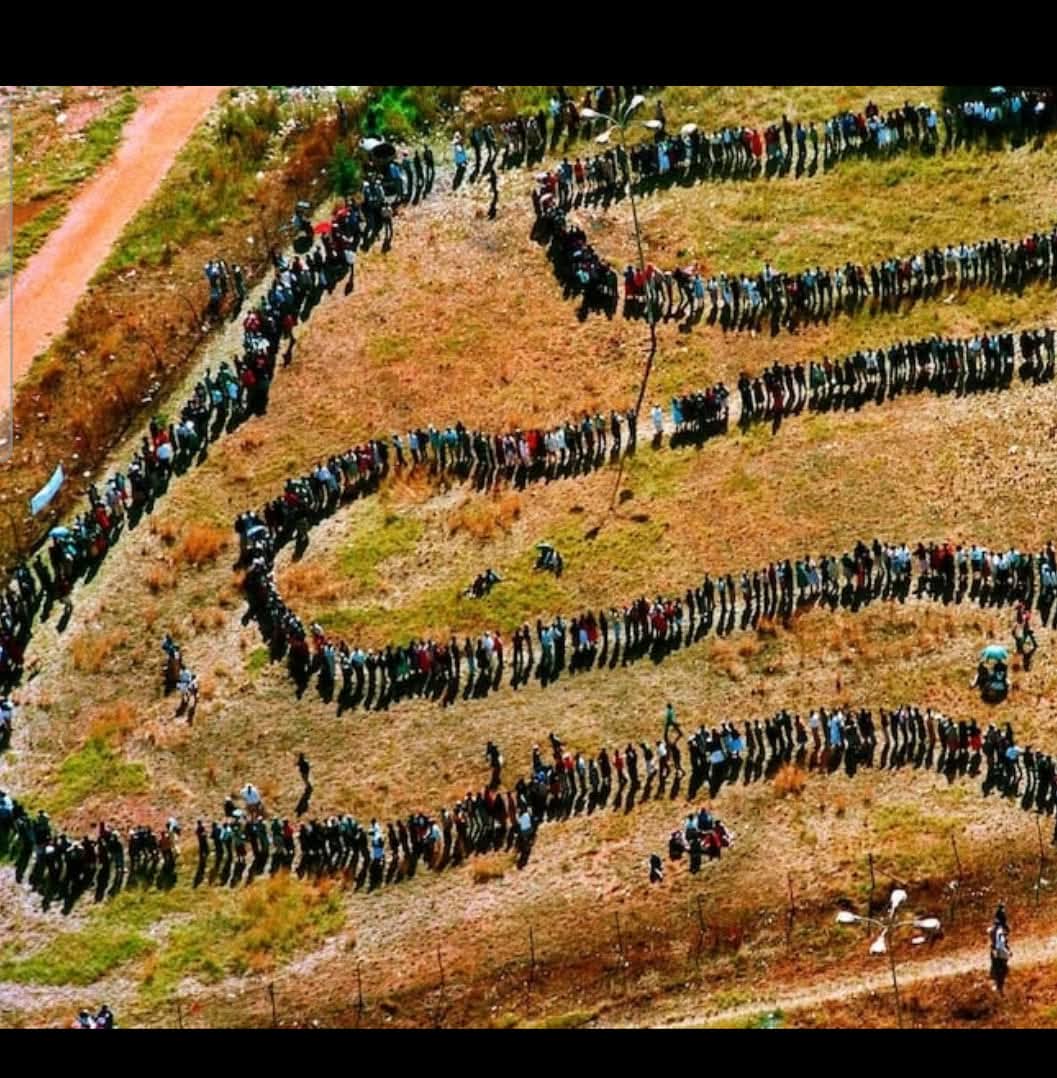
You can take the girl out of Africa, but you can't take Africa out of the girl (me, 1994-99, where I founded our company in 1998). Viva Afrika! Happy #AfricaDay! #Shosoloza Take it away, Johnny! lnkd.in/g_qmKUSS
59
NewComm Global (Lucie Newcomb, IMO only) retweeted

May 25
Made it my life’s mission to become the Taliban’s worst nightmare:
A highly educated Afghan woman.
First, Columbia University at the top of my class, and now Oxford University.
Give Afghan girls one chance and see what they can achieve.

1,455
8,567
65,092
887,540
NewComm Global (Lucie Newcomb, IMO only) retweeted

May 25
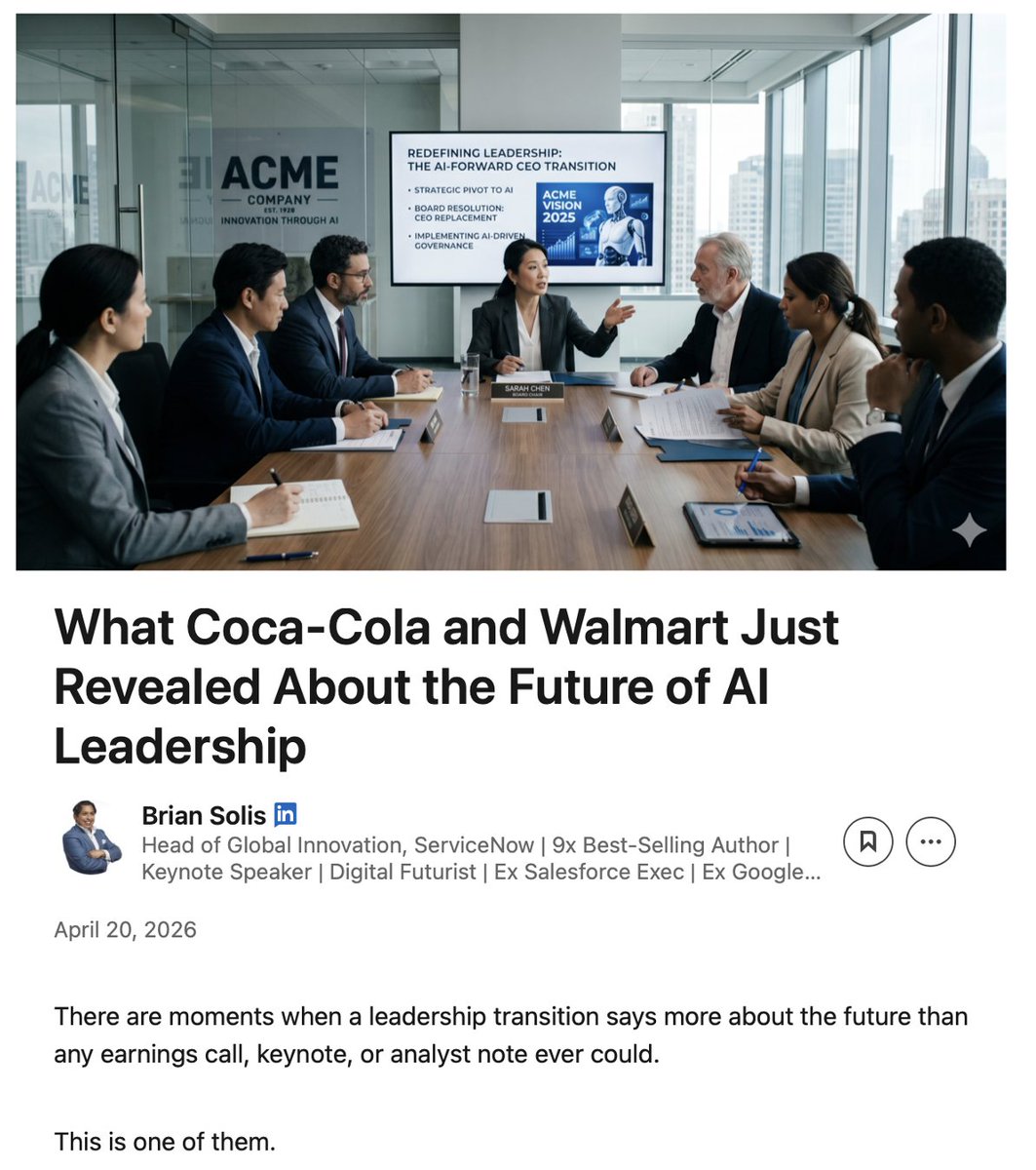
Two iconic CEOs announced that they’re stepping aside and called for a new genre of leader in an era of AI. Coca-Cola’s James Quincey said the company now needs “someone with the energy to pursue a completely new transformation of the enterprise.” Former Walmart CEO Doug McMillon was just as direct: “I could start this next big set of transformations with AI, but I couldn’t finish it.”
linkedin.com/pulse/what-coca…
3
2
7
862
Are you still solving yesterday's problems amidst big changes? Are there new directions to address instead of trying to fix obsolete scenarios? Which new issues, opportunities require urgent attention? New @Gallup thoughts. #Leadership #GlobalBusiness
lnkd.in/gnPRzAXw
9
NewComm Global (Lucie Newcomb, IMO only) retweeted

May 19
Excellent essay from Nan on the coming wave of AI-era philanthropy and the latent opportunity in billions of dollars of newly created wealth flowing toward public goods.
Her central case: what if we modeled public goods funding more like Silicon Valley’s startup ecosystem?
What could philanthropy’s equivalents learn from LPs, VCs, and founders?
Greater ambition, more risk, better incentives for top talent, more innovative funding models, embracing power law outcomes…
In some sense, this is Nan laying out a framework for how we can have more Nan’s: world-class investor / founder / operator talent that work on philanthropy without sacrificing their ambition.
May 19

New blog post: The third wave of American philanthropy
Hundreds of billions of dollars in new philanthropic capital will soon become liquid. The OpenAI Foundation holds 26% of OpenAI, worth about $220B at today’s valuation. Anthropic’s seven co-founders have pledged to give away 80% of their wealth and have instituted the most aggressive donor matching program for employees in tech history.
How much does this all add up to? And how meaningful is that in the context of philanthropy today?
I was doing some simple napkin math to wrap my head around the scale of what’s coming, and radicalized myself in the process. I had dramatically underappreciated the scale of the philanthropic capital that’s about to become available and the corresponding gap in talent and organizations that will be needed to make the most of it.
This piece aims to directionally sketch the scale of what’s coming, the gap in operational capacity needed to absorb it, and what we can do to fill it.
(Link to full post in reply)
2
4
41
6,071
How is AI being built in #China and what are the ramifications? Learned firsthand from a China-based expert and our go-to person, Ashley, during her China Innovation study tour in September. #GlobalBusiness. #StayingGlobal #GTM
#GlobalExpansion
linkedin.com/posts/ashleydud…
1
1
26
Companies reconsider structure and/or presence in foreign markets with #geopolitical situations. Soon we're launching "#StayingGlobal". What do we need to know to keep our prior investments sound while managing current conditions?
#GlobalExpansion
sloanreview.mit.edu/article/…
19
NewComm Global (Lucie Newcomb, IMO only) retweeted

In this week's roundup:
* America's exploding national debt
* Maybe AI cyberattacks aren't so bad?
* Phone bans in schools are good
* AI is taking some coding jobs
* Millennials are doing fine
* Public order is good
* YIMBYism is slowly winning in CA
noahpinion.blog/p/roundup-81…
5
6
47
66,180
NewComm Global (Lucie Newcomb, IMO only) retweeted

Apr 26
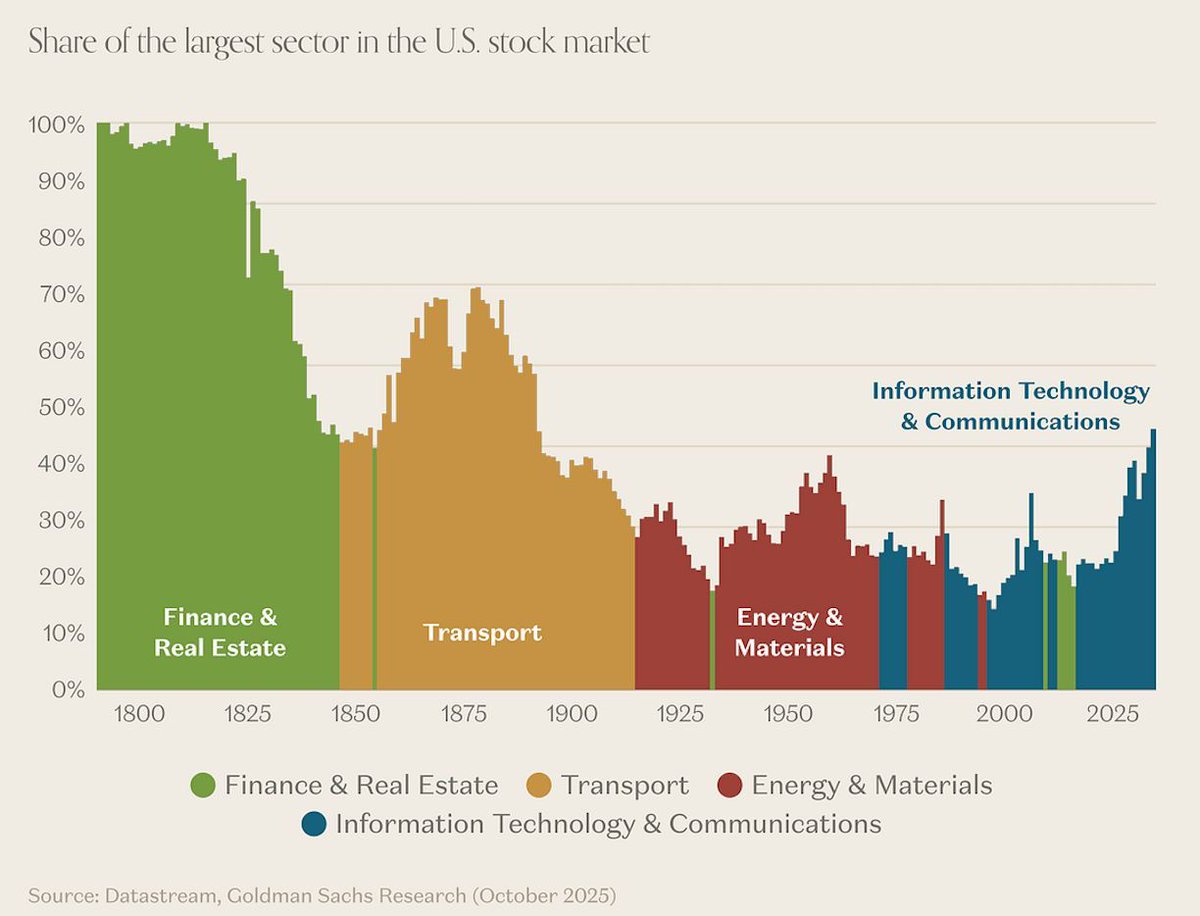
Tech and comms stocks now make up more than 40% of the US market—the most for one industry since the railroads in the 1800s.
1
14
60
7,187
NewComm Global (Lucie Newcomb, IMO only) retweeted

Apr 25
Silicon Valley and the Vatican may “seem like strange bedfellows”—but they each have something to gain from the other, @EliasWachtel argues. He examines why Big Tech is listening to priests and theologians who want to shape the future of AI: theatlantic.com/ideas/2026/0…
7
16
36
20,176
NewComm Global (Lucie Newcomb, IMO only) retweeted

Apr 23
PM Carney on the Americans calling the alcohol ban an irritant: "You know what's an irritant? 50% tariffs on steel. 50% tariffs on aluminum. 25% tariffs on automobiles. All the tariffs on forest products. Those are more than irritants, those are violations of our trade deal."
909
9,586
46,194
1,506,680
Apr 23

PM Carney on the Americans calling the alcohol ban an irritant: "You know what's an irritant? 50% tariffs on steel. 50% tariffs on aluminum. 25% tariffs on automobiles. All the tariffs on forest products. Those are more than irritants, those are violations of our trade deal."
4
NewComm Global (Lucie Newcomb, IMO only) retweeted

🚨 Anthropic's own team just showed how to actually use Claude Code properly.
30 minutes. free. the person who created Claude Code.
watch the workshop. bookmark it.
worth more than every $500 course you almost bought.
you've been using Claude without knowing 40 of its commands.
Then read the guide below.

262
4,962
29,912
7,307,947
NewComm Global (Lucie Newcomb, IMO only) retweeted

Apr 24
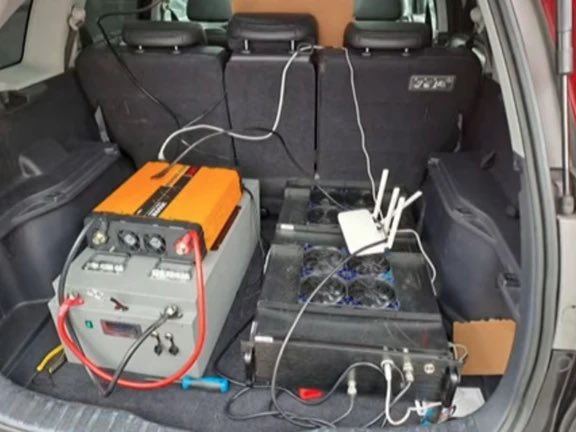
🚨 BREAKING: Toronto Police just seized “SMS Blasters” fake cell towers never seen before in Canada.
These portable devices hijack thousands of phones at once, blast fake bank/Canada Post texts, and knock out real service (even 911 calls).
Tens of thousands of phones hit.
Over 13 MILLION disruptions.
Three men charged 🇨🇳
• Dafeng Lin, 27, of Hamilton
• Junmin Shi, 25, of Markham
• Weitong Hu, 21, of Markham
This is next-level cyber crime on our streets. Stay alert. Never click surprise links.
#Toronto #CyberCrime #ScamAlert
Apr 24

Toronto police seize 'SMS blasters,' a cybercrime weapon never before seen in Canada
nationalpost.com/news/canada…
1,146
12,188
27,134
2,104,608
NewComm Global (Lucie Newcomb, IMO only) retweeted

Apr 24
"I stand by every single word of this report...I have been inundated by additional sourcing going up to the highest levels of the government, thanking us for doing the work, providing additional corroborating information."
Sarah Fitzpatrick on Kash Patel:
theatlantic.com/podcasts/202…
582
4,577
15,205
357,470
NewComm Global (Lucie Newcomb, IMO only) retweeted

Apr 24
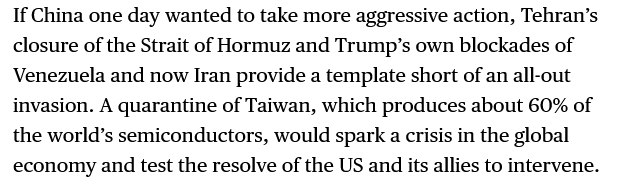
What lessons is China drawing from the Iran conflict? The utility of a blockade will be reaffirmed --the PLA is already planning for it. But BJ can't achieve its goal of taking Taiwan with a blockade or a quarantine. It will need boots on the ground. @jenni__marsh.
bloomberg.com/news/features/…
23
24
75
21,861
Author Rama Dasgupta explores the fall of nation states by regional empires in After the
After Nations: The Making and Unmaking of a World Order and the decline of American pre-eminence on the world stage by its own unwitting design. #GlobalBusiness
politico.com/newsletters/for…
1
16