Unparalleled reporting and commentary on politics and culture, plus humor and cartoons, fiction and poetry. Get our Daily newsletter: nyer.cm/gtI6pVM
Joined May 2008
- Tweets 193,175
- Following 388
- Followers 8,179,751
- Likes 1,756
48,917 Photos and videos
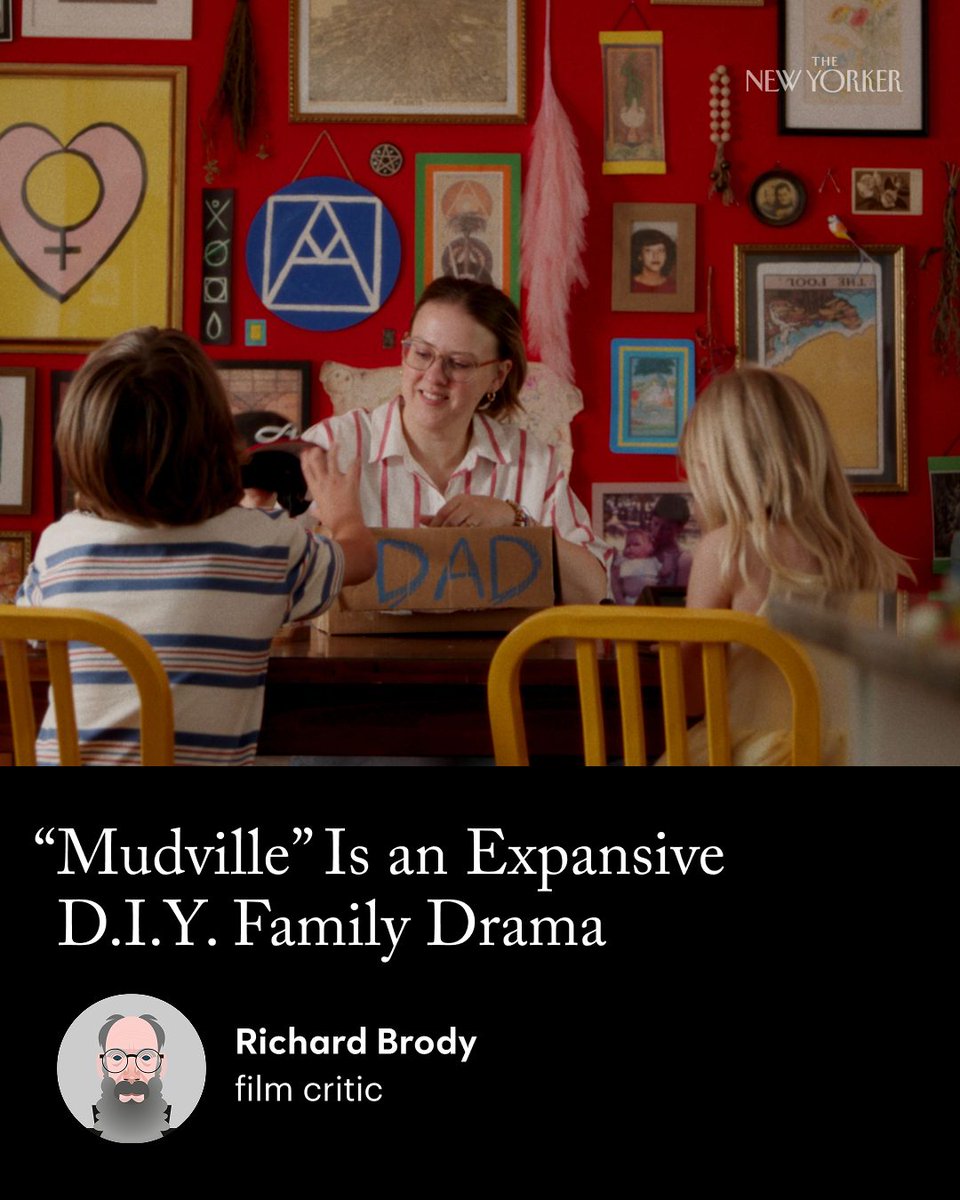
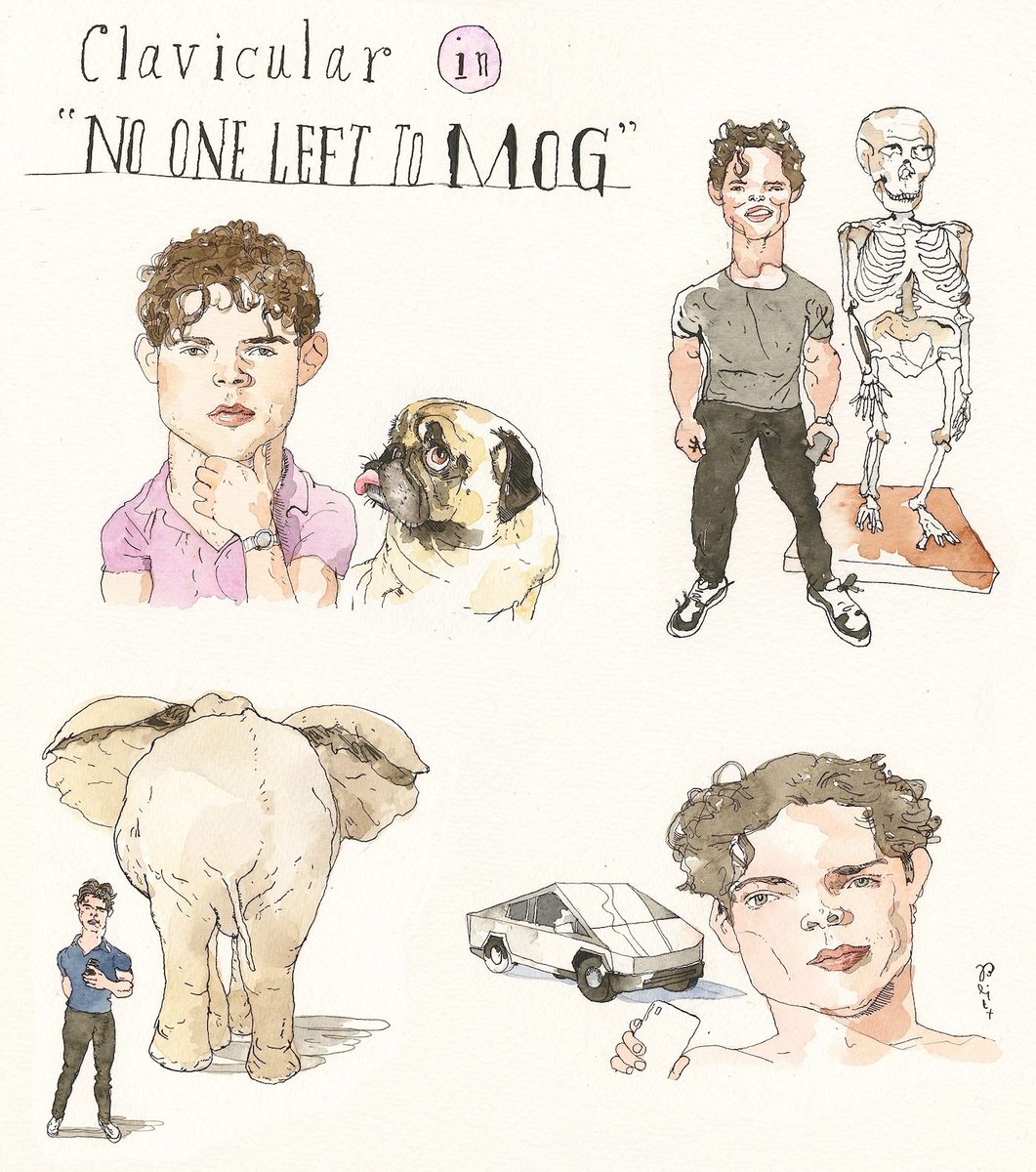
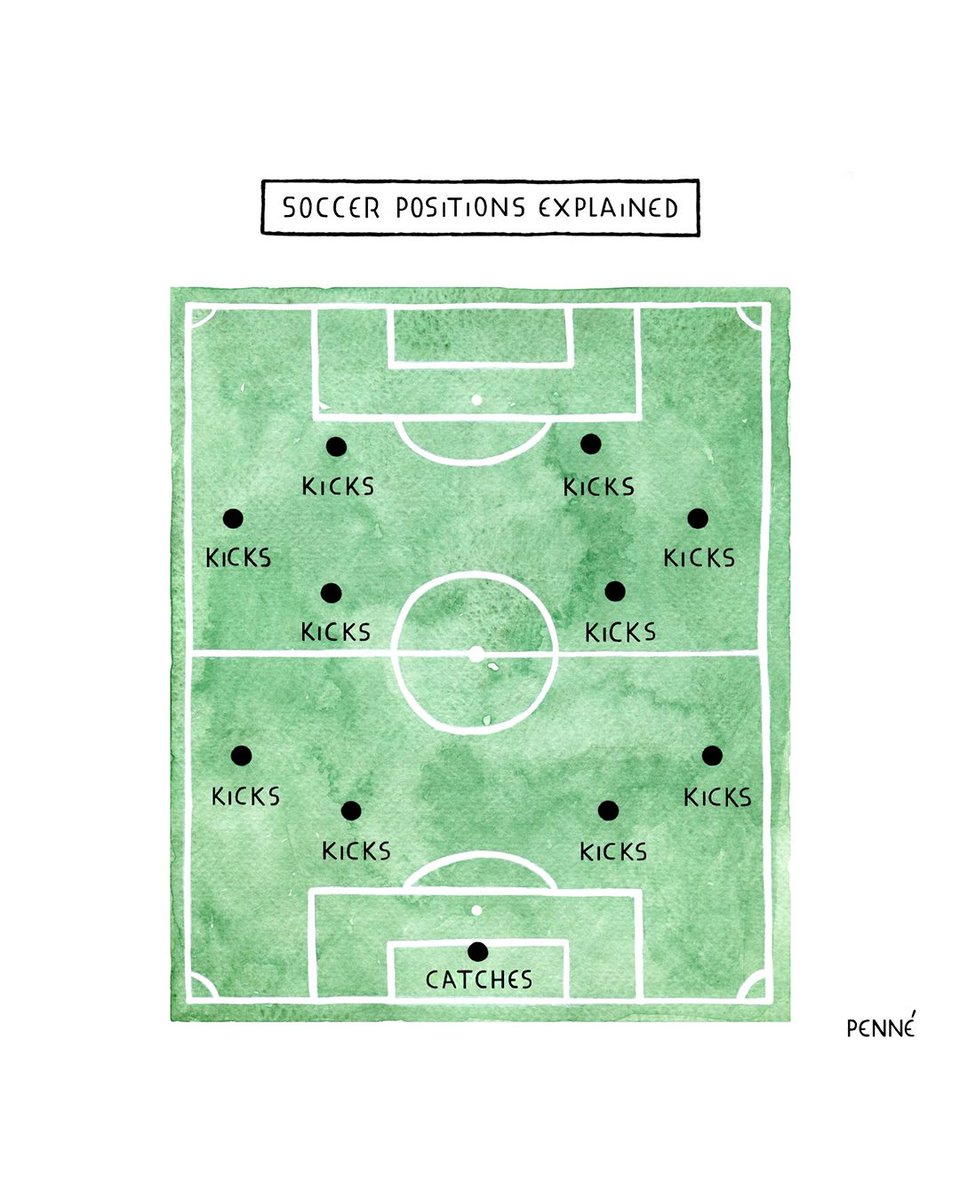
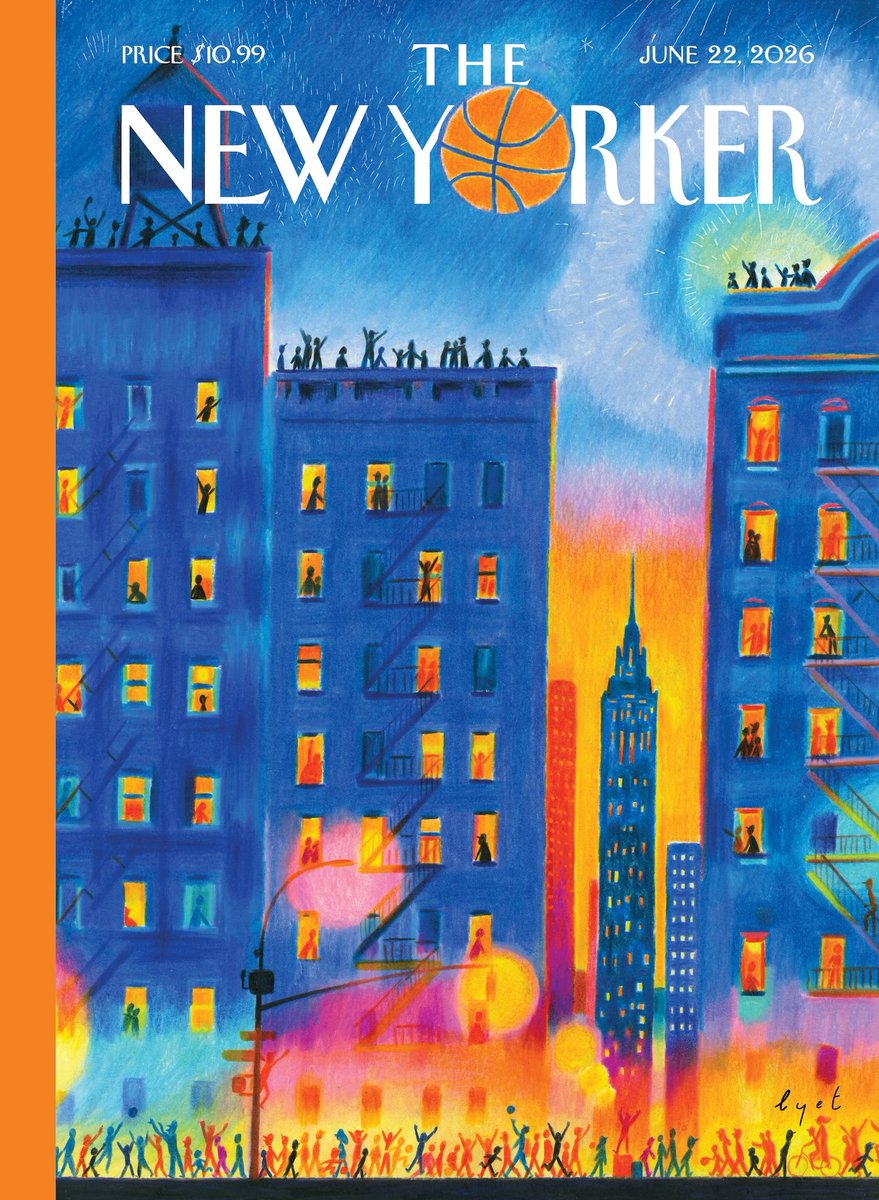
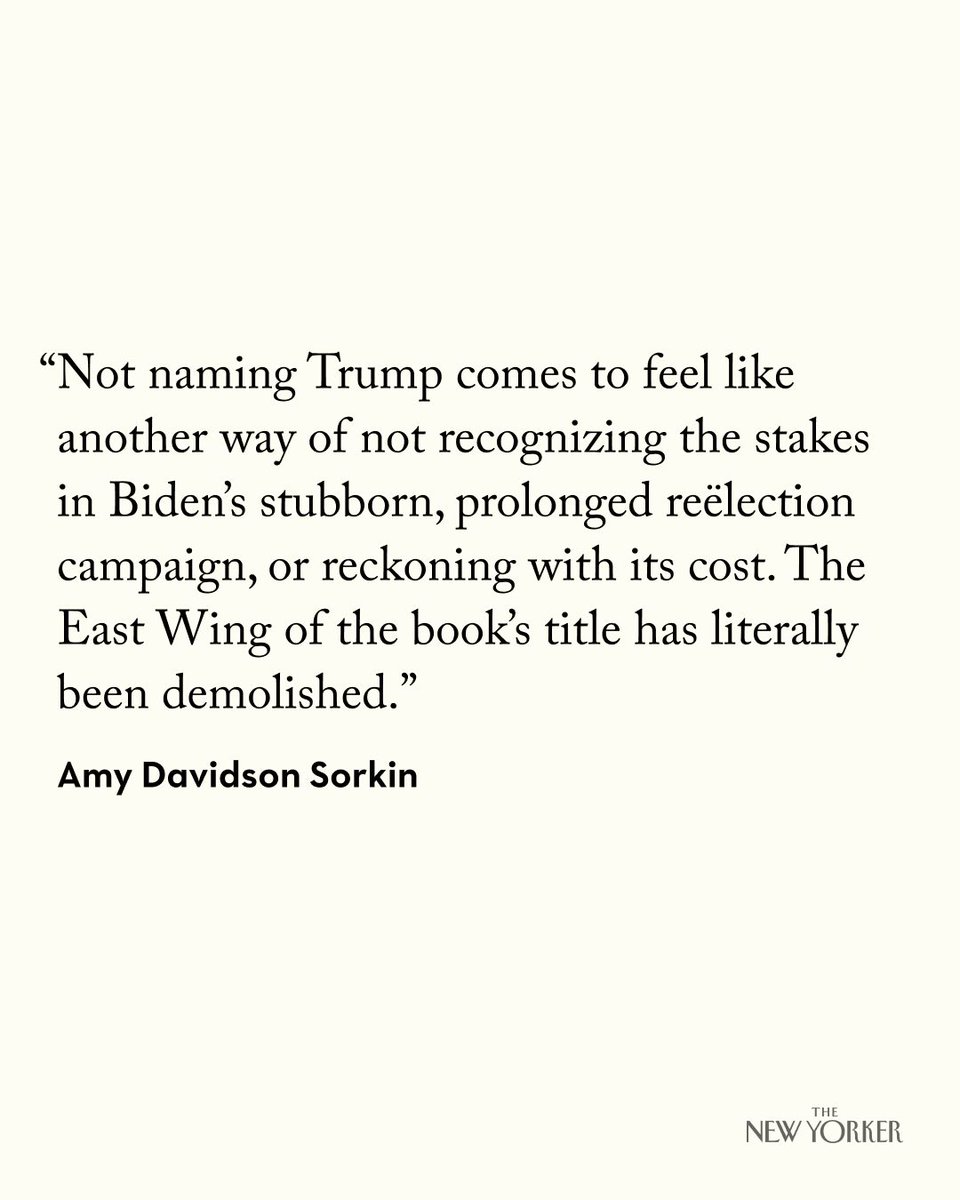

In 2016, Richard Brody was a juror at the South by Southwest festival. There, he threw his support behind the film “The Arbalest” for the Grand Prize. It won. Recently, Brody became curious about the subsequent work of the film’s director, Adam Pinney. That’s when he heard about “Mudville.”
A baseball-centric family melodrama, it’s largely a story of loneliness. In the film, a middle-aged father and husband attempts to reclaim his dream of playing professional ball, something that slipped through his grasp after he was caught driving under the influence. But what makes “Mudville” particularly noteworthy is its extremely D.I.Y. production. Pinney wrote, directed, shot, recorded sound, edited, and created the score, among other things. The movie was filmed in and near the house in Lilburn that he shares with his family, and three of the central characters are played by his own family members: his wife and their young children. “It’s worth comparing Pinney’s work on ‘Mudville’ to the achievements of the reigning champion of D.I.Y. filmmaking, the South Korean director Hong Sangsoo,” Brody writes. Read his full review: newyorkermag.visitlink.me/Rh…
2
5
11,589
Housed in a former Subway, in Omaha, Nebraska, is an ambitious Japanese restaurant called Yoshitomo, which David Utterback, a 44-and-a-half-year-old Japanese chef, opened in 2017. Located next door is Ota, a sleek eight-seat sushi counter where, once a week, Utterback serves something you might be surprised to find in America’s most landlocked state: a world-class omakase. “You have been living life up to this point in the Multiple Bite Sushi Club,” he said during an omakase group. “This is your chance to do better. You can change. Life will be good.” Read more about Utterback’s restaurants and omakase philosophy: newyorkermag.visitlink.me/3I…
10
41
16,596
The neurophysiological disorder that can make visiting a restaurant, sitting in a classroom, or even driving a sonic nightmare.
newyorker.com/magazine/2026/…
1
9
12,787
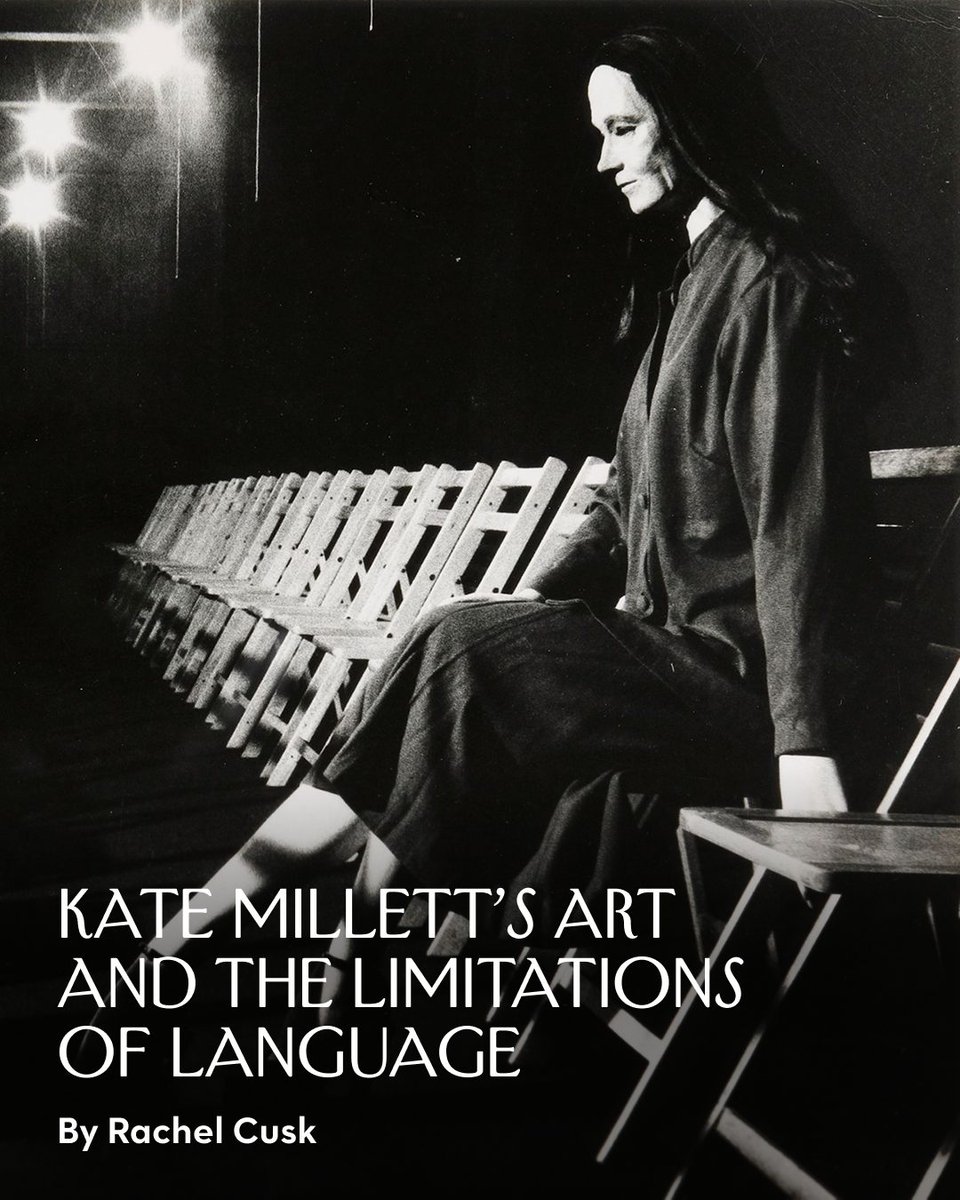
In 1970, Kate Millett published “Sexual Politics.” The book was quickly received as era-defining, and Millett was consecrated as the leader of second-wave feminism. “The violence of her public life began,” Rachel Cusk writes. “The success of ‘Sexual Politics’ brought all of fame’s bedfellows to Millett’s door: intrusion, insult, worship, expectation. In itself, success was a crude notion to apply to a set of ideas whose goal was so earnest and pure. That a profound critique of patriarchy could be a best-seller, and its author on the cover of Time magazine brought capitalism and revolution into uneasy proximity.” Between the enormity of her public persona and the complexity of her private self, Millett’s mental health began to fracture.
In Millett’s 1972 installation “Terminal Piece,” a mannequin sits alone in the second of two rows of empty folding chairs. She is fenced off from the spectators; it is unclear whether it is the figure who is behind bars or the viewers. Millett said that she created “Terminal Piece” because “it could not be written.” She believed that the visual art work, with its power of nonspecific allusion, could touch something deeper than human thought and rationality. “Looking at the caged woman amid rows of empty chairs, I felt instant fear, not just of this disturbing and sinister work but of the very notion of describing it in an essay,” Cusk continues. Read her consideration of Millett’s artistic practice and the limitations of language: newyorker.com/culture/the-we…
8
54
13,935
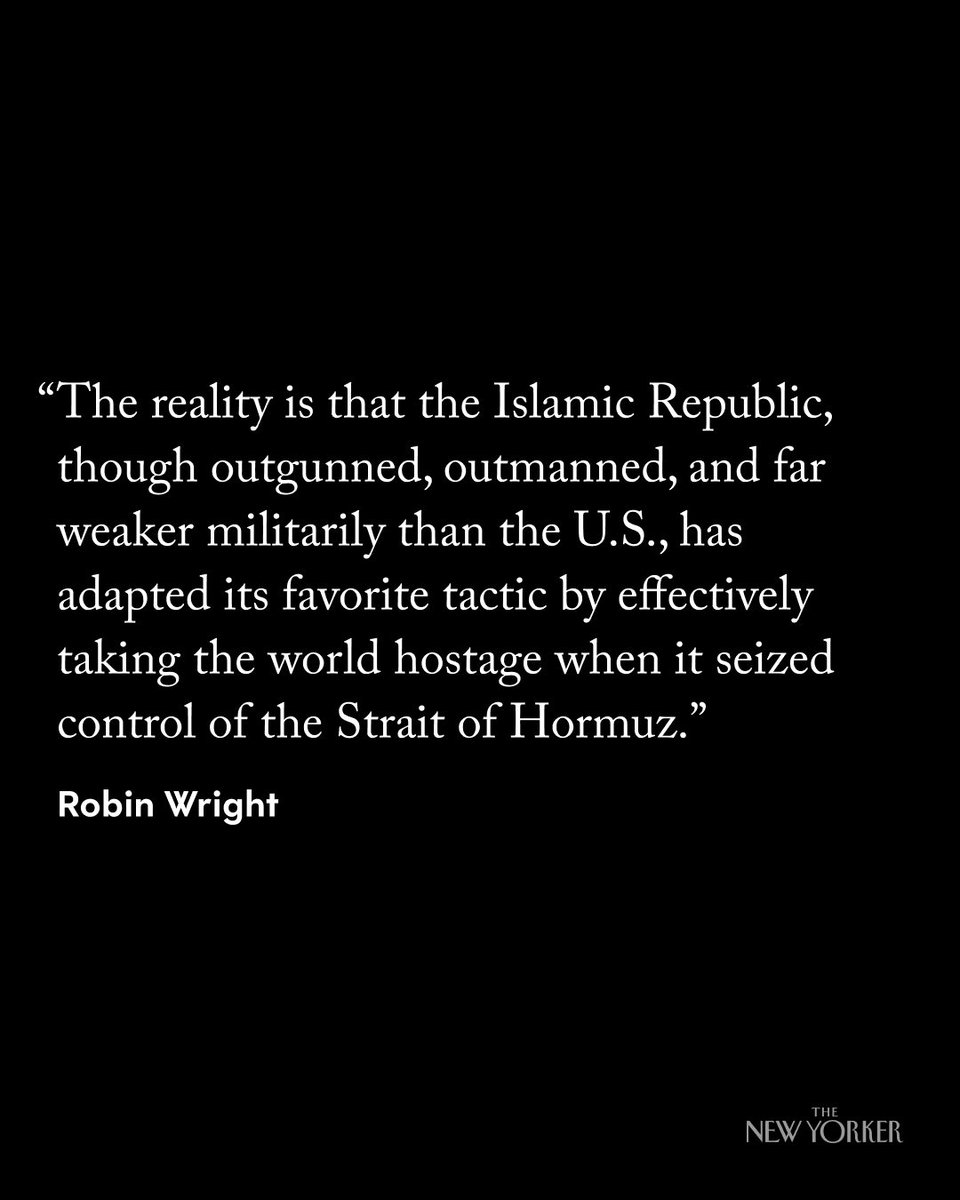
For nearly a half century, through eight American Presidencies, Iran has employed the most cost-effective tactic of warfare by seizing someone or something of value and holding it hostage. And while Iran has demonstrated its ability to hold out, sometimes for years, for what it wants, the U.S., with its two- and four-year election cycles, has limited patience. Read more about Iran’s hostage tactics: newyorkermag.visitlink.me/Wu…
7
19
47
45,398
After attracting the attention of Frederick Douglass, Edmonia Lewis sculpted the busts of wealthy abolitionists and famous men, such as Abraham Lincoln and Henry Wadsworth Longfellow. Critics are still parsing the personal and political undertones of her work.
newyorker.com/magazine/2026/…
5
19
11,567
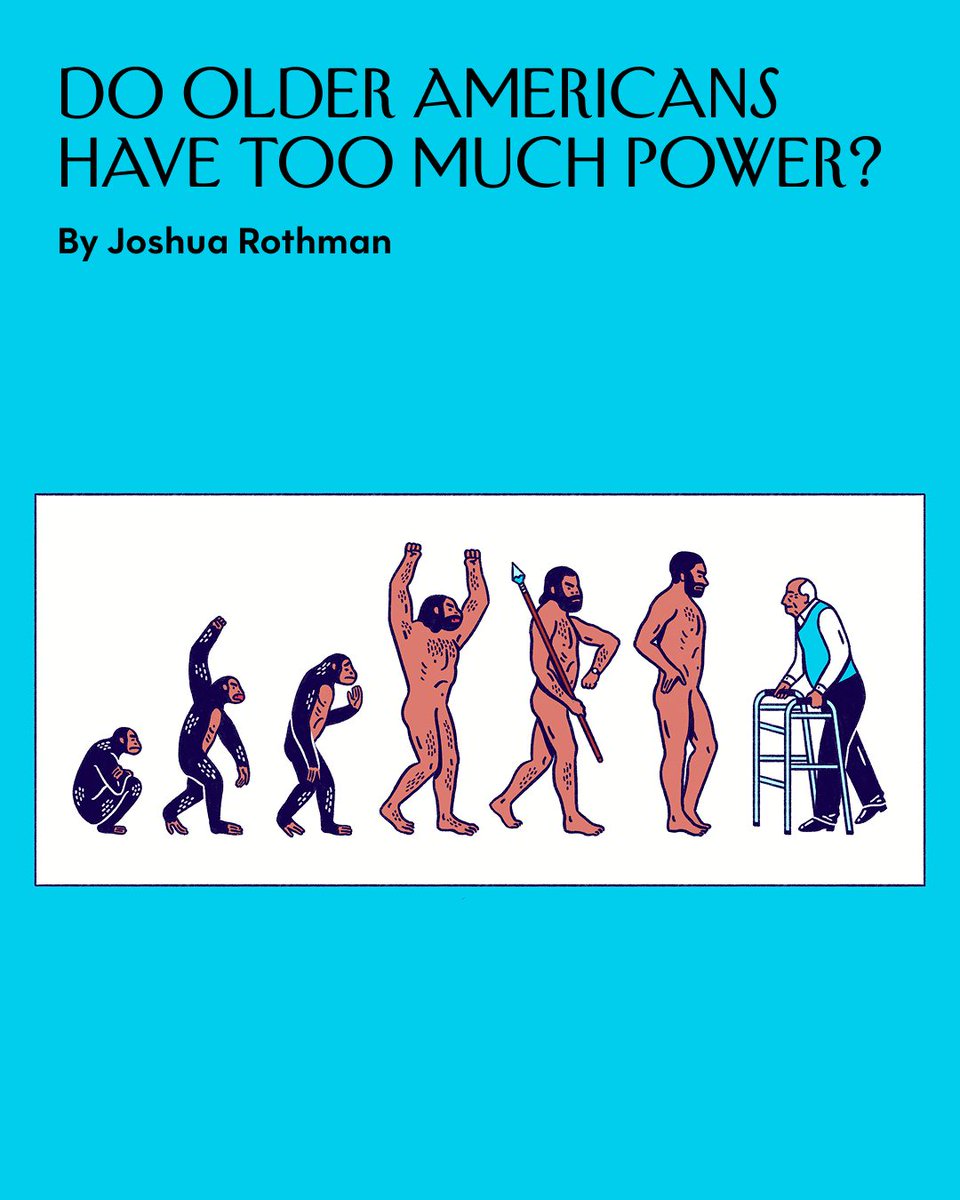
More Americans are living longer, staying healthier, and getting much wealthier as they age. As a result, a new book argues, the country’s fate is being determined not by forward-looking young people but by backward-looking elderly ones. newyorker.com/culture/open-q…
8
10
21
13,084
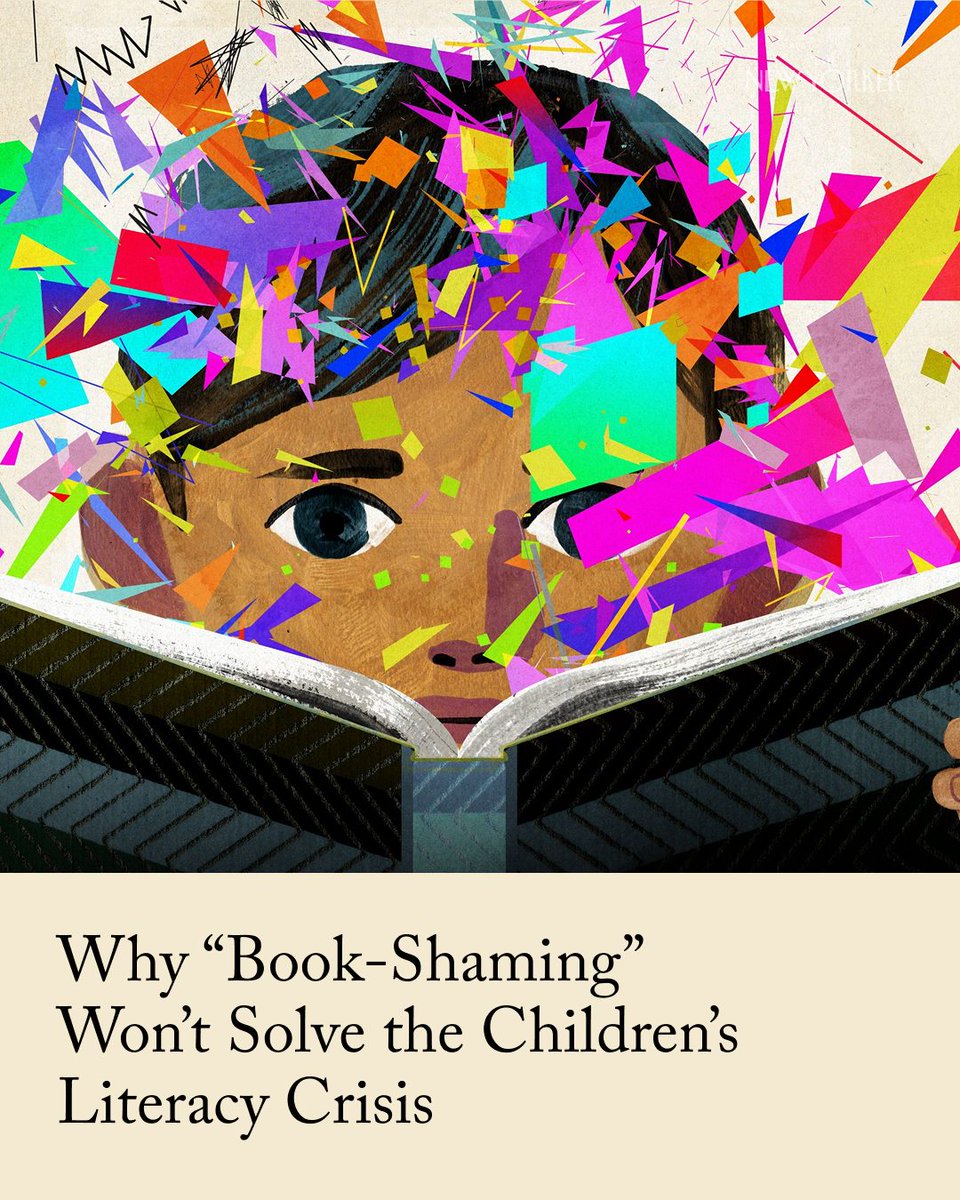
In 1984, eight per cent of 13-year-olds reported “never or hardly ever” reading for pleasure. Today, that number is up to 29 per cent. How did this happen? It’s not based on the recent quality of children’s literature, as librarians and educators stress that keeping kids reading at a crucial developmental moment is more important than matters of taste. Rather, ample research shows that multiple factors, including passive content consumption among kids and teens, as well as the defunding of school and library programs, are adversely affecting kids’ reading levels in the U.S. Read more about the state of the children’s literacy crisis: newyorkermag.visitlink.me/Hg…
3
41
120
16,812
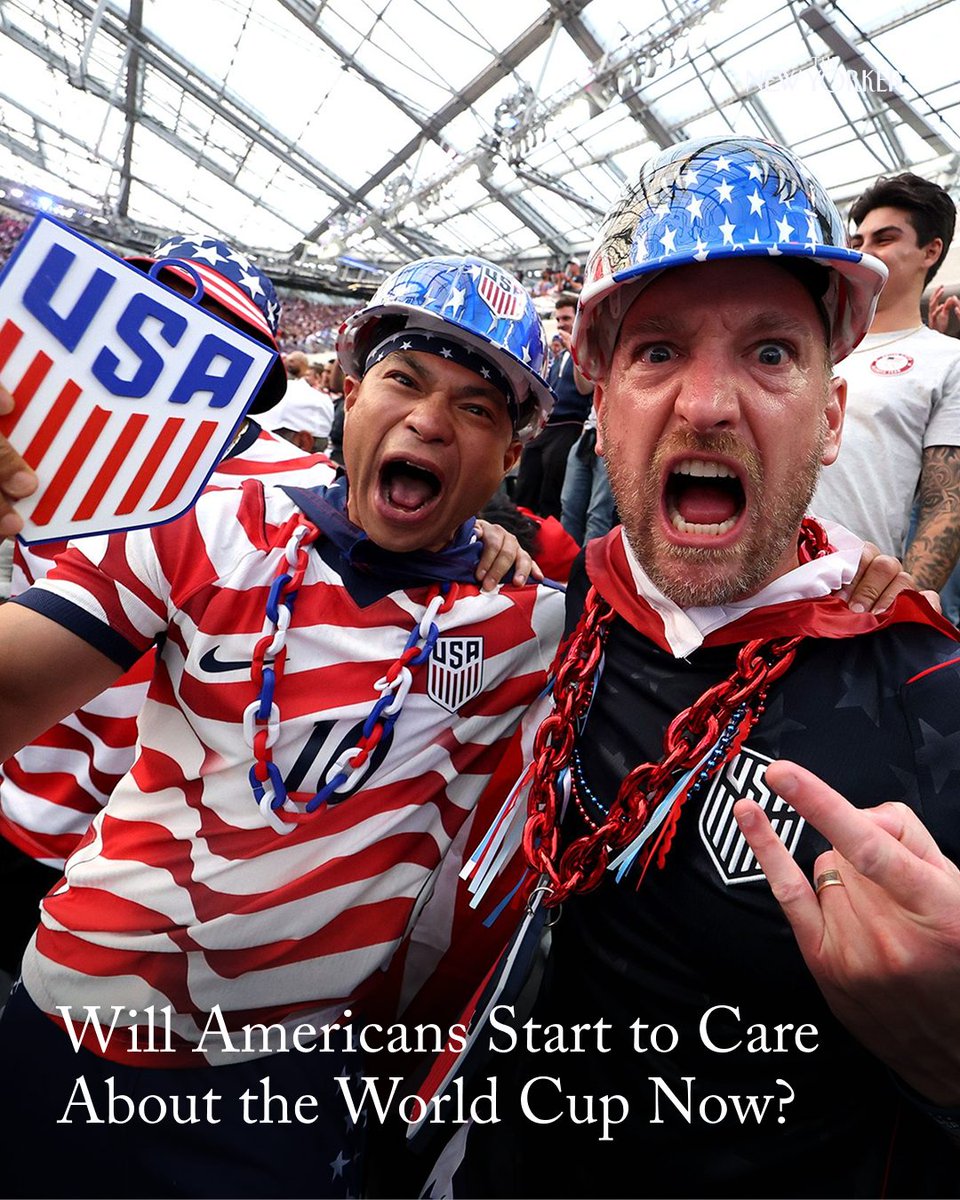
“We joke on our shows that soccer is America’s sport of the future, as it has been since 1972,” Roger Bennett, one of the founders of the football-centric podcast-and-video network Men in Blazers, said. “It’s always perpetually about to be the next big thing.”
Every headline about the 2026 World Cup is worse than the last: ticket prices are outrageous, far higher than for any previous World Cup. Cities—and their taxpayers—are on the hook for the lion’s share of expenses. New York and New Jersey are fighting over who goes first on signage. Hotels are reporting unexpected vacancies. There is an unmistakable feeling that a great mass of fans are priced out, or fenced out, while wealthy sponsors and venal bureaucrats get the benefits. It was hard to say who the World Cup was for, or where it was taking place, or what it was even supposed to represent. “And yet, when the World Cup gets going, the story could change,” Louisa Thomas writes. Read more about the first days of the games, and if now is when Americans finally embrace the sport: newyorkermag.visitlink.me/Df…
6
11
32
16,856
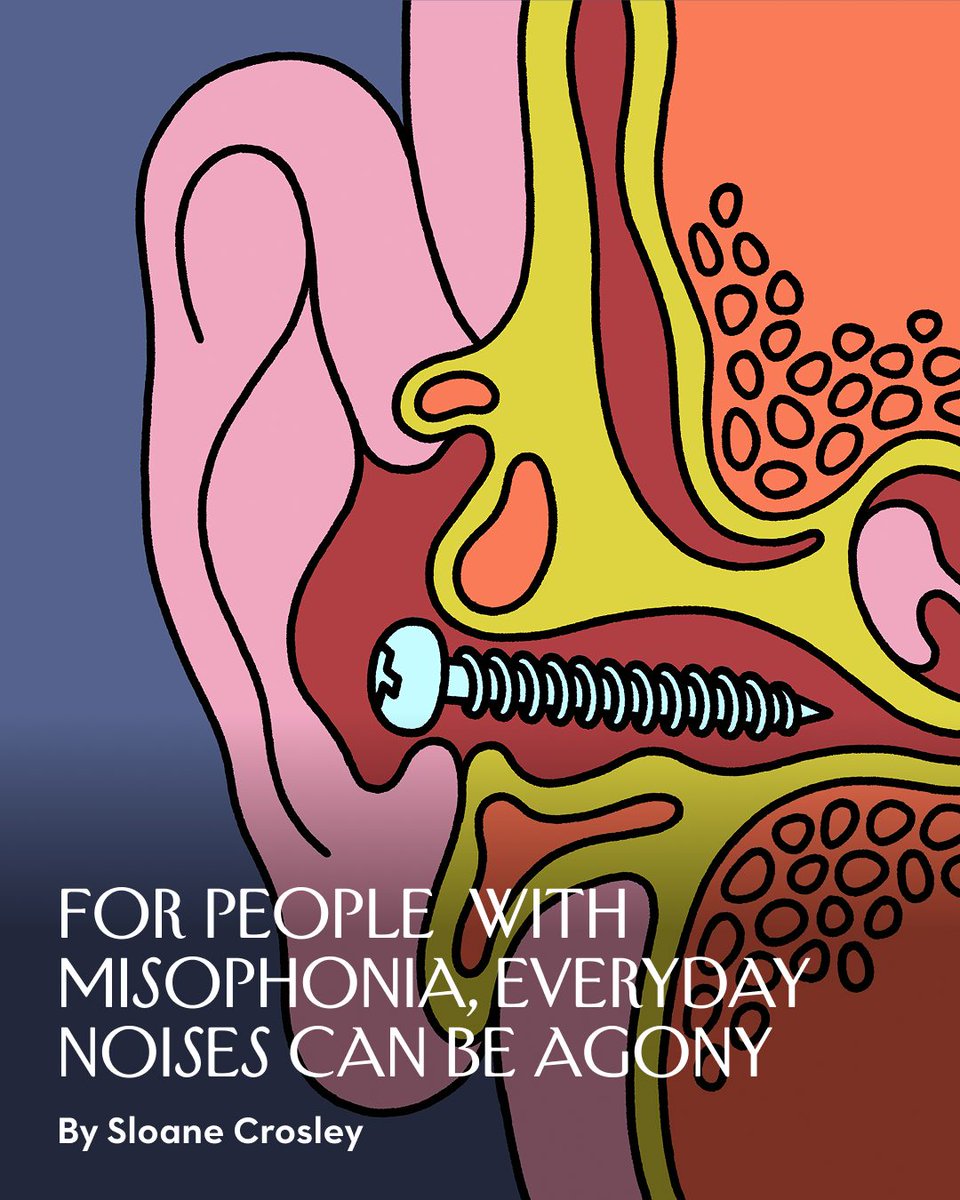
According to a 2024 study, 4.6 per cent of U.S. adults met the criteria for misophonia—a disorder characterized by a severe aversion to sound. But without a formal diagnostic code, doctors are still telling people with the condition that they are making it up.
newyorker.com/magazine/2026/…
1
3
12
11,958
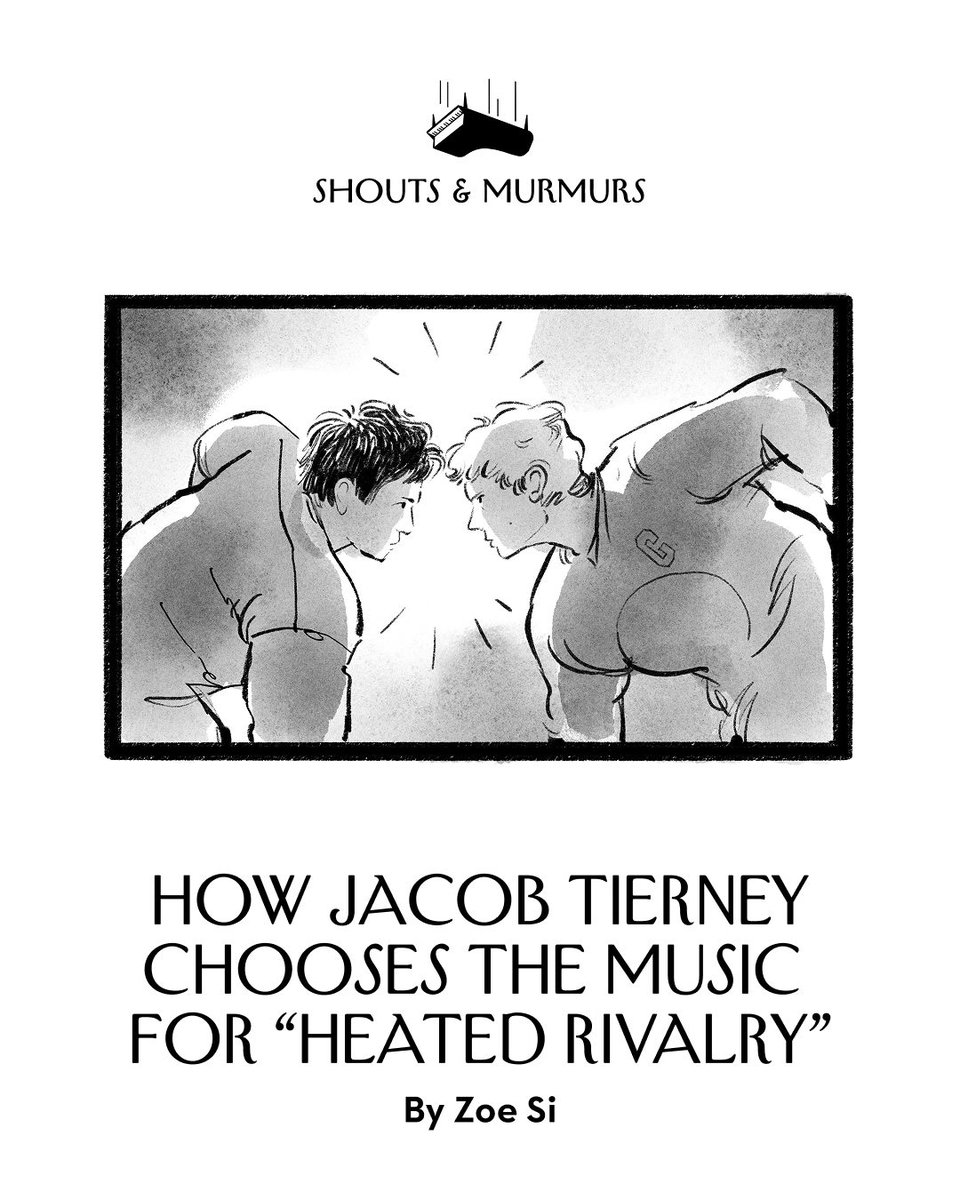
The “Heated Rivalry” soundtrack has been the subject of exhaustive analysis among fans and the show’s success has relaunched bands into renewed stardom. Musicians are now clamoring to be featured in the next season, according to the show’s creator, Jacob Tierney. Take a peek behind the sonic curtain of the queer hockey phenomenon, though an interview-style comic with Tierney. Read Zoe Si’s full comic: newyorkercartoons.visitlink.…
10
51
12,528
Looking for a good book? Our new books newsletter, What We’re Reading, can help. Sign up here. newyorker.com/newsletter/wha…
1
2
9,745
The 2026 World Cup’s approach has felt strangely muted, and the U.S. team has had a rough few years. Then the games began. newyorker.com/sports/sportin…
2
2
8
10,707
Americans want to Americanize the Revolutionary War. We resist the notion that the Revolution might have been a product of an élite, cosmopolitan, educated transnational set—what one could call the Voltaire class—given to sexual adventure in Paris and political agitation in London as well as Boston. We want it all to have happened right here. But a new book argues that Charles Lennox, the third Duke of Richmond—backer of John Wilkes, and friend of Thomas Paine—helped create the ideological underpinnings of the American Revolution. Read more about Lennox: newyorkermag.visitlink.me/dA…
3
14
32
12,840
Heidi Blake investigates Andrew Tate, drawing on thousands of private messages, sealed prosecutorial files, and court records—as well as scores of interviews with the Tates, their associates, and more than a dozen alleged victims. newyorker.com/magazine/2026/…
2
29
77
10,489
On June 14th, Switzerland will vote on whether to become the only country in the world to officially cap its population, with a limit of 10 million people until 2050. The initiative could upend the nation’s economy and rupture ties with the European Union. newyorkermag.visitlink.me/Au…
4
17
25
10,662
The writer and artist’s 1972 installation “Terminal Piece” shows us the failure of language in the face of violence. newyorker.com/culture/the-we…
6
12
11,373
Late last month, U.S. Citizenship and Immigration Services released a memo that would force U.S.-based green card applicants to leave the country for an extended period. Washington backtracked, but the policy was prepared last fall. newyorkermag.visitlink.me/AN…
2
15
15
13,034
In Paul Graham’s book “A1: The Great North Road,” life along a major British thoroughfare reveals fissures in the nation’s identity. newyorker.com/culture/photo-…
2
10
11,759
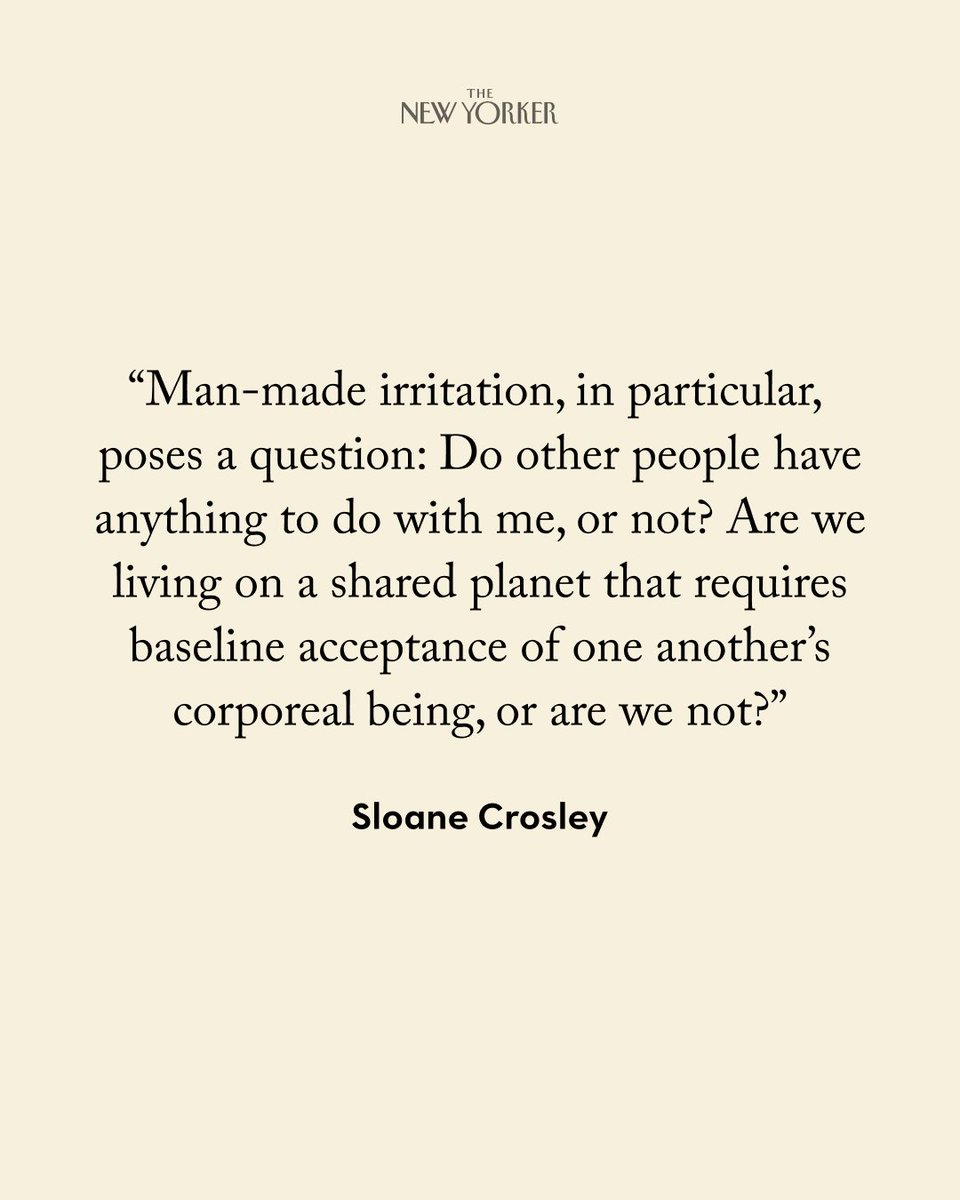
Aversion to sounds of chewing, coughing, and tapping is common—but for some, it can become agonizing. “What differentiates misophonia from simply being alive is that it’s not just about sound,” Sloane Crosley writes. “It’s about how certain brains process that sound.”
newyorker.com/magazine/2026/…
2
9
31
13,962