
Senior Research Fellow @NRI_research @ACUmedia @SVHSydney | PhD MSc RN BSc | Nurse | CVD Researcher | Implementation Scientist | Digital Health
Joined June 2013
- Tweets 6,899
- Following 2,172
- Followers 1,640
- Likes 8,669
623 Photos and videos
Dr Nicola Straiton (she/her) retweeted

Apr 23
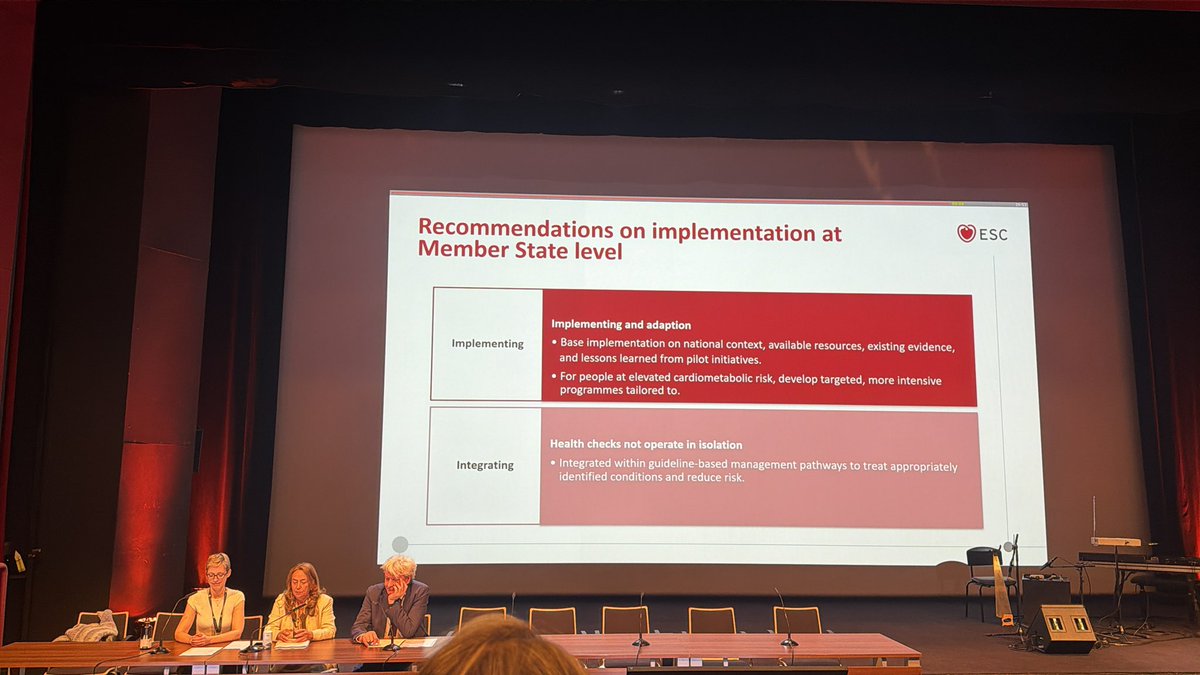
Real-world implementation is the priority. Shift from guidelines to how to actually deliver prevention in daily practice (close the evidence/practice gap)@escprev2026 @ESCardioNews @vass_vassiliou @SilCastelletti @AnastasiaSMihai @SMosteoru @TimKambic @Ajar_Kochar @PTBuketAkinci
1
8
14
503
Dr Nicola Straiton (she/her) retweeted

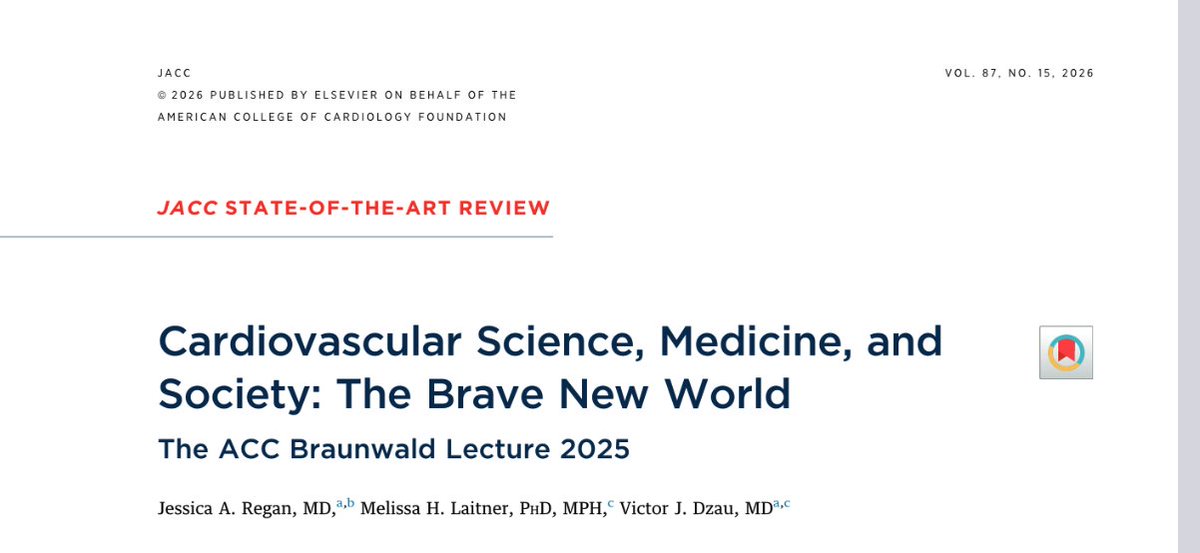
Cardiovascular Science, Medicine, and Society: The Brave New World: The ACC Braunwald Lecture 2025: @JACCJournals
🥸What are the recent milestones in cardiovascular medicine?
😱Here is a summary from the ACC Braunwald Lecture 2025
👇👇👇
1
6
17
2,752

Dr Nicola Straiton (she/her) retweeted

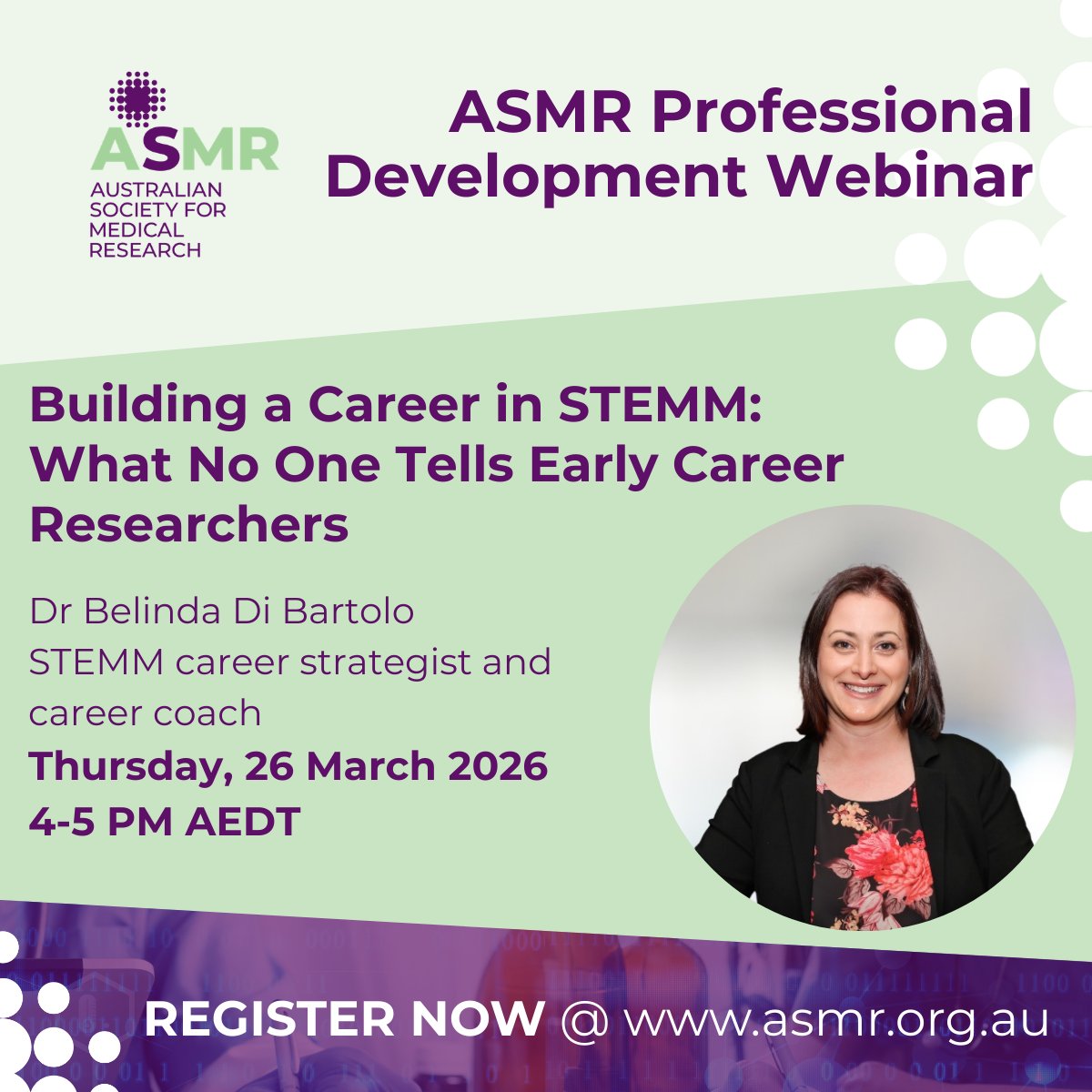
Next week we are running an amazing webinar for early career researchers. If you have not already registered you can do so here: asmr.org.au/cpd-events-works…
It's Free People!
5
8
567
Dr Nicola Straiton (she/her) retweeted

Mar 18
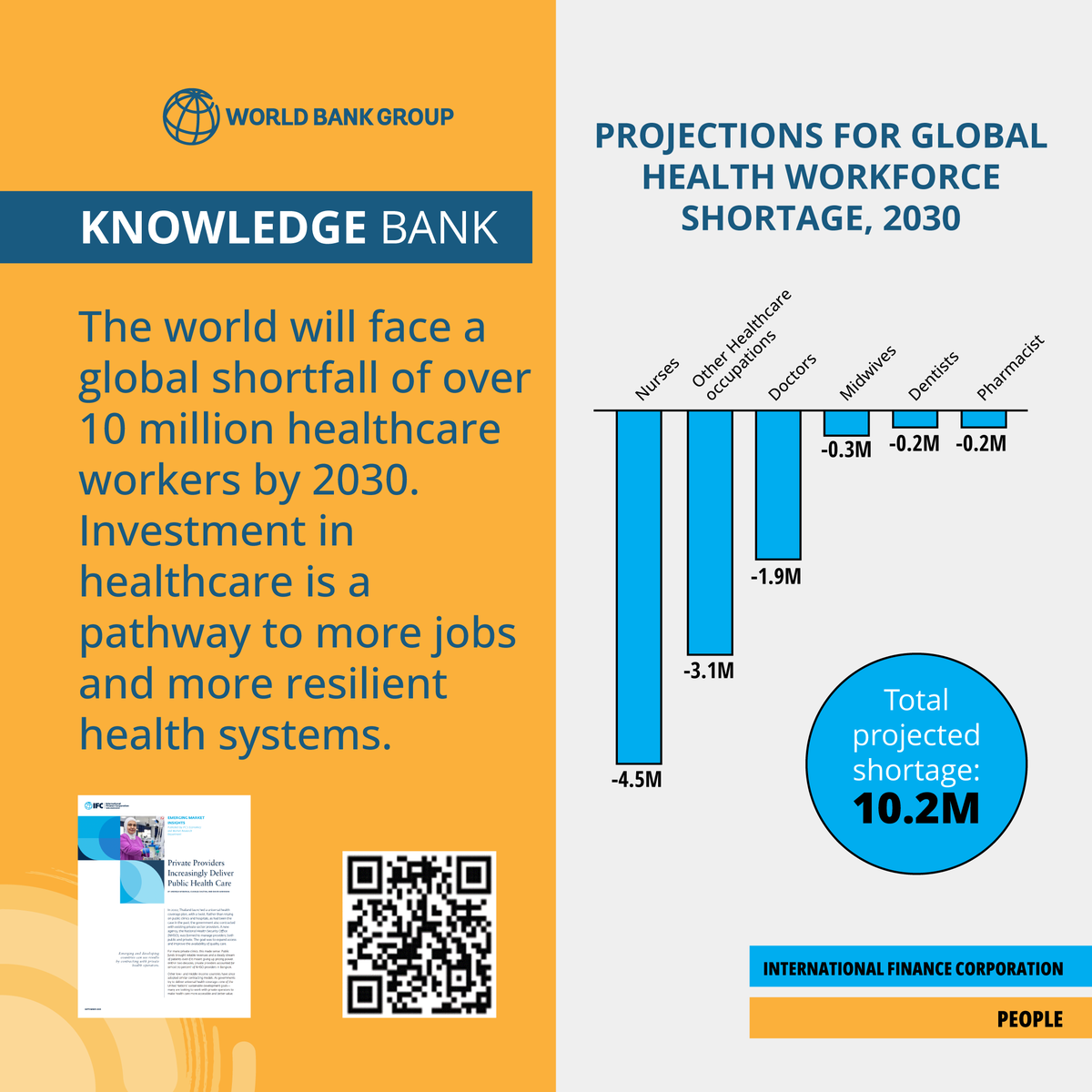
Current global #nursing shortage is 5.8m and the projections only reduce to 4.5m by 2030. We’re simply not doing enough to close the gap. What’s a key missing ingredient? I’d put political will and action right up there.
Mar 18

By 2030, the world is projected to face a shortfall of over 10M healthcare workers.
Investing in healthcare isn’t just about improving health—it’s a pathway to creating jobs and building resilient health systems for the future. #HealthWorks
Learn more: wrld.bg/P19u50YukKr
1
5
8
395
Dr Nicola Straiton (she/her) retweeted

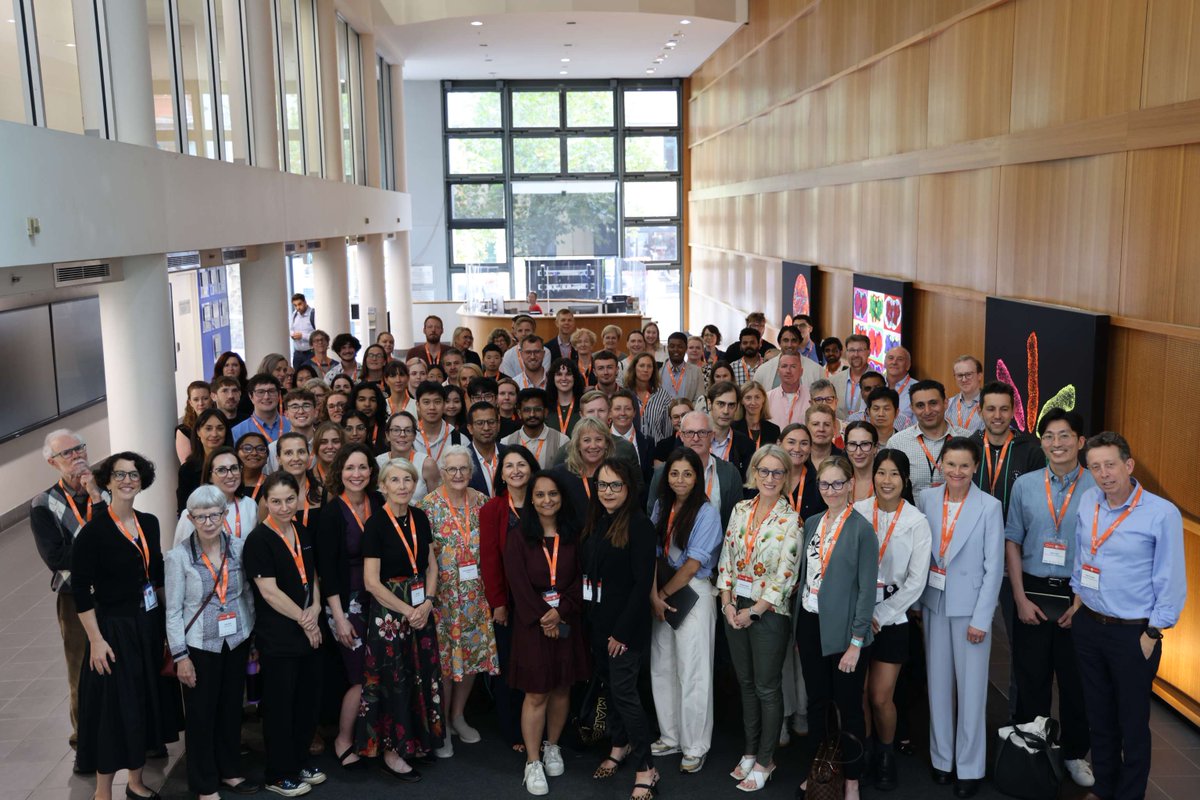
The inaugural AllClear Research Symposium, hosted at Garvan, brought together over 120 patient advocates, clinicians, surgeons, nurses and researchers to tackle one of the most urgent challenges in breast cancer: disease relapse.
Learn more: ow.ly/uxFc50Yw9tG
3
6
281
Dr Nicola Straiton (she/her) retweeted

Mar 14
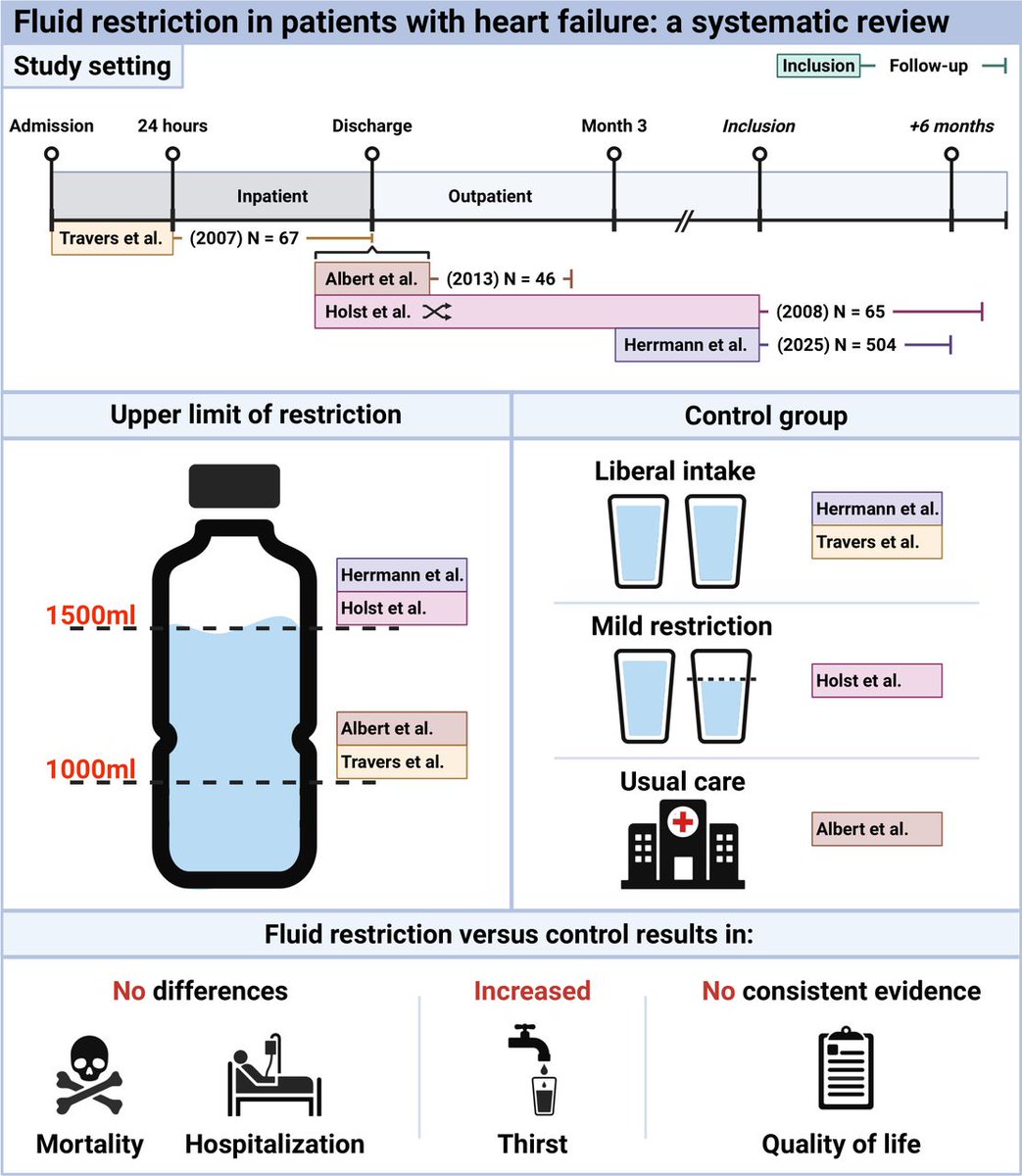
This is why NICE HF guidance does NOT recommend fluid restriction. Jeepers it’s hard turning that ship around #DoNoHarm
Mar 13

Fluid restriction in patients with heart failure: a systematic review heart.bmj.com/content/early/…
3
13
47
5,870

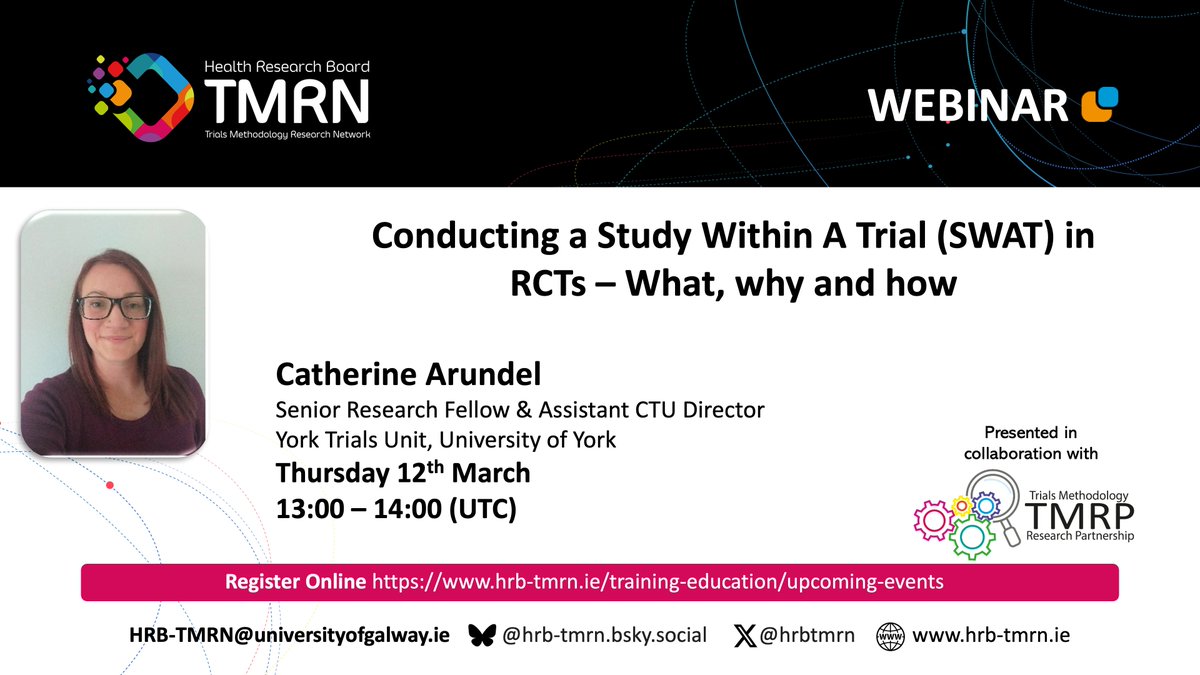
Webinar: Conducting a Study Within A Trial (SWAT) in RCTs – What, why and how
with Catherine Arundel, Senior Research Fellow & Assistant CTU Director, York Trials Unit
Date: 12th March, 13:00 - 14:00 UTC
In collab with @MRCNIHRTMRP
Register: universityofgalway-ie.zoom.u…
1
1
106
Dr Nicola Straiton (she/her) retweeted
NHMRC Investigator Grants out today.
A devastating day for many. I have already received messages from some of the best researchers I know who have missed out.
The senior levels had a cutoff of 5.93 (females), 6.2 (males) - according to my sources.
The impact will be wide spread.
The damage being done at the moment to the sector is totally unacceptable. We need to do a lot more to support our research community.

8
21
74
5,768
Dr Nicola Straiton (she/her) retweeted

Feb 28
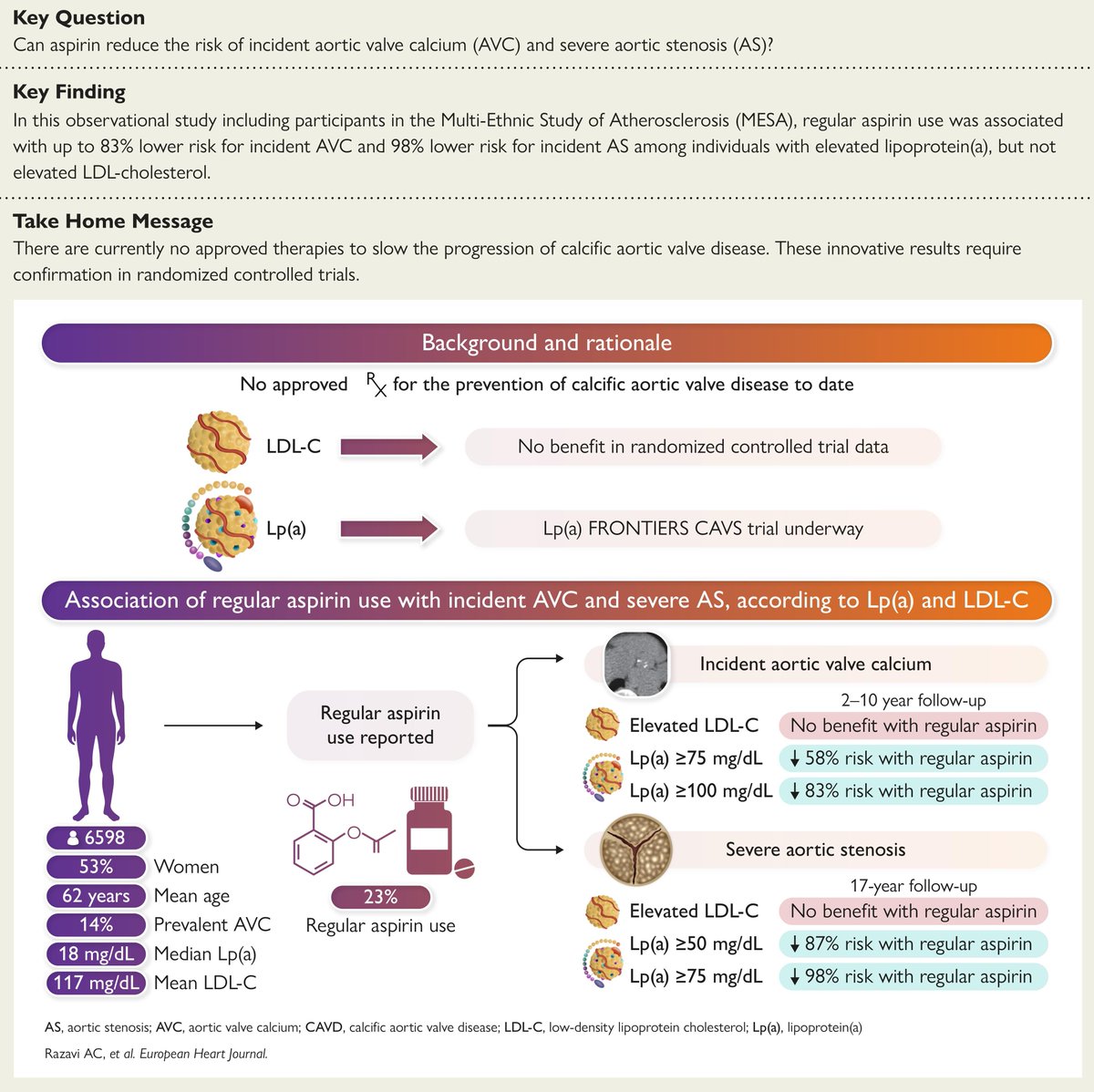
Regular aspirin use and reduced risk of aortic valve calcium and severe aortic stenosis in individuals with elevated lipoprotein(a) levels!
ow.ly/l9mW50YljMj
#EHJ #cardiotwitter #aspirin #aortic #stenosis #lipoprotein(a) @ESC_journals @escardio
1
55
155
11,275

The new CSANZ and ACRA Position Statement on Quality Use of Telehealth in Cardiovascular Care is here Read: bit.ly/heartlung-circ
View: bit.ly/TH-release
👏Sally_Inglis @carmel_bourne @Carolyn_Astley
@susiecartledge @Jonathan_Rawstorn @hearts4heart
#CVD #telehealth
3
6
244
Dr Nicola Straiton (she/her) retweeted
At 4am Australia time the ACC invite all of us to learn more about workplace harassment and how we can prevent it…. The chair is part of our fabulous #SCAI-ELM alumni ❤️❤️🩹 be there if you can acc.org/Membership/Sections-…
1
1
4
127
Dr Nicola Straiton (she/her) retweeted

A new @LindAlliance project is calling on everyone with lived or professional experience of women’s heart disease, including patients, carers, family members and healthcare professionals from across the Republic of Ireland and UK to answer the questions that matter most to them so that future research can be targeted specifically at these areas of women’s heart health.
Survey: Women's heart health ⬇️
Take part here: lnkd.in/eHi67T_K
#WomensHeartHealth #CardiovascularResearch #HealthInequalities
3
4
228
Dr Nicola Straiton (she/her) retweeted

Jan 18
Curiosity as an enabler of change: part two.
I got an amazing response to my last post about curiosity. That was the case on X as well as other platforms. The comments sparked such a rich conversation. So I want to share a few of the themes - & some contributions - here.
Many comments linked curiosity to the quality of listening & attention. As Penny Triantafillou reflected, building a culture of curiosity is closely related to our ability to listen - really listen - so we can ask better questions, which depends on openness to new information & being present (not listening just to respond). That’s the shift I described in the first post: moving from trying to have the "right" answer to staying with “what’s really going on here?” long enough for deeper insight to emerge.
Others emphasised that curiosity isn’t reserved for moments of crisis or uncertainty. Leona Bishop noted it helps prevent slipping into rigidity & autopilot, keeps attention fresh, supports learning, & invites exploration rather than premature certainty. Curiosity doesn’t delay action - it improves the quality of action - becoming a continuous source of renewal & effectiveness.
A strong theme was that curiosity & high standards aren’t opposites; they reinforce each other. As Arokia Antonysamy wrote, curiosity increases experimentation & permission to fail safely, learn quickly, & try again — which raises standards over time. Arokia suggested regulators might ask not only “Are you compliant?” but “What experiments have you tried recently — & what did you learn when they didn’t work?” - blending curiosity with accountability in highly regulated systems.
There was also a thread about power & emotion. Jack Ricchiuto described the freedom to question as a political act: shifting people from certainties that divide to curiosities that connect. Marrit Dikker Hupkes reminded us that in uncertainty, emotional triggers shape reactions — & that curiosity (with courage) creates space to explore the bigger picture. Reza Hosseini Ghomi, MD, MSE added a neuroscience lens: threat narrows cognition, while curiosity reopens it; shifting from “what’s the answer?” to “what are we missing?” can move teams from defensiveness to shared sense-making.
Several comments focused on everyday practice. Onifade-Esan Modupeola Bolaji & Suzanne Dixon highlighted designing meetings around questions rather than updates, signalling that exploration is valued over performance theatre. And Bill Powell reminded us curiosity is built in the everyday “little” moments - not big speeches, but how we run the next conversation.
See this piece on “answer-driven” to “question-driven” leadership by @DrBenLaker:
forbes.com/sites/benjaminlak….
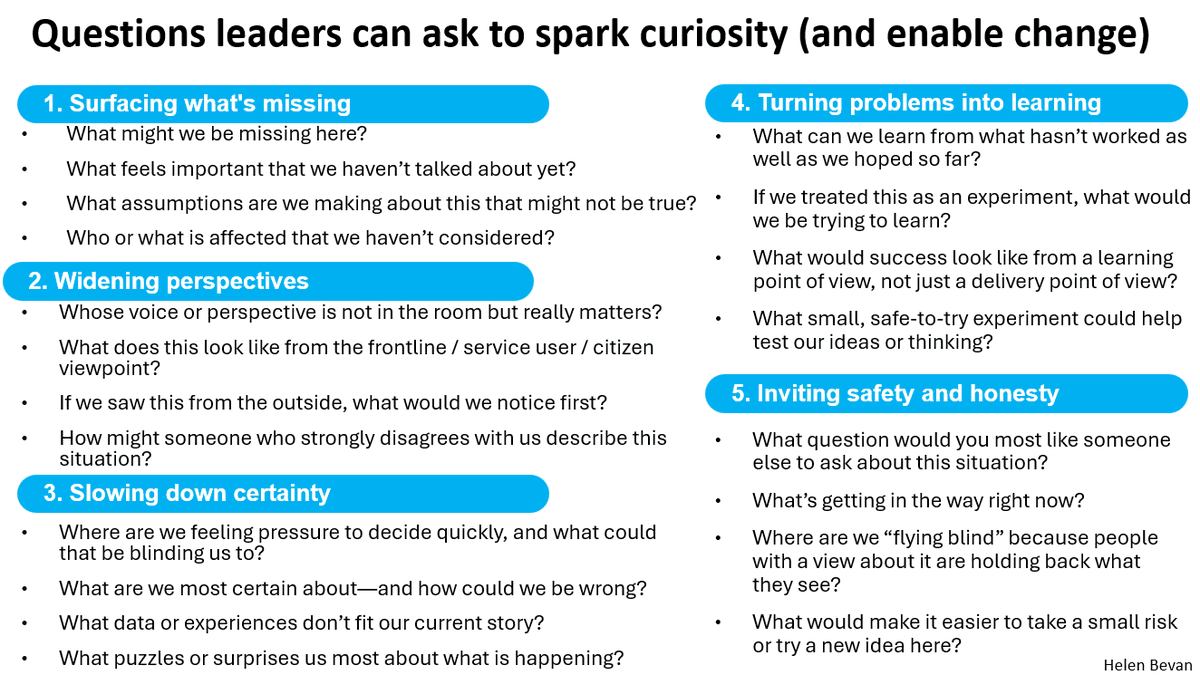
See my graphic for questions — inspired by many of the comments — that may help blend curiosity with accountability.
Thanks to all who commented. Apologies I couldn't include more of the brilliant contributions. Long may we keep discussing critical issues related to change, especially on X, even when we disagree.
5
37
130
8,936
Dr Nicola Straiton (she/her) retweeted

17 Dec 2025
It encouraging to listen to Dr Nicola Straiton, sharing that these challenges are not unique to me.
Listen and watch as we discuss some of her post-doc challenges.
youtube.com/shorts/wo_oiPuyK…
3
7
262
Dr Nicola Straiton (she/her) retweeted
11 Dec 2025
Dr @NicStraiton thinks that nurses are sleeping giants that if woken will become strong leaders in research. Check out the comments for the links to the full episode!
🔗 youtube.com/shorts/n0cNG8Otc…
What do you think?
1
1
6
103
Dr Nicola Straiton (she/her) retweeted
11 Dec 2025
Questions for @NicStraiton? Head to the Youtube video and put your question in the comments to make sure it gets answered.
youtu.be/hCR0TVGPDXk
1
2
124
Dr Nicola Straiton (she/her) retweeted

6 Nov 2025
In Australia according to tax office data, 2 female cardiologists earn less than one male cardiologist ….ato 2024
We earn 44% each
Not much progress
It was 55% in 2018
5 Nov 2025

How terrible and concerning.
This needs to change now.
Sometimes reviews of salary need to be done to ensure equity.
2
3
2
1,703
Dr Nicola Straiton (she/her) retweeted

31 Oct 2025
Delighted to report that our ACCELERATE Program (ACCELERATE Trial & ACCELERATE Plus Trial) won the St Vincent’s Health Australia, 2025 St Vincent’s People Award for
Enhance Our Impact: Patient and Resident Care. Demonstrating the importance of assessment and communication.
1
6
79

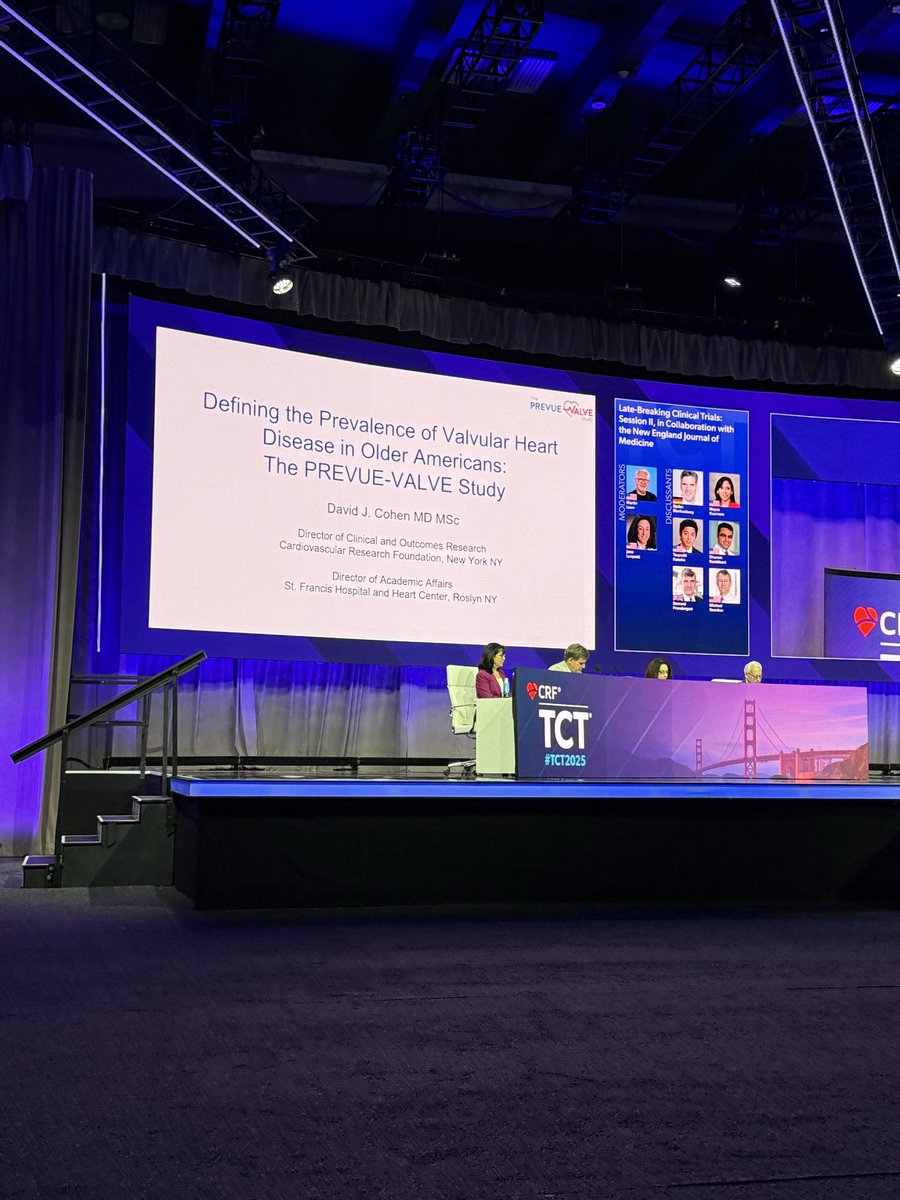
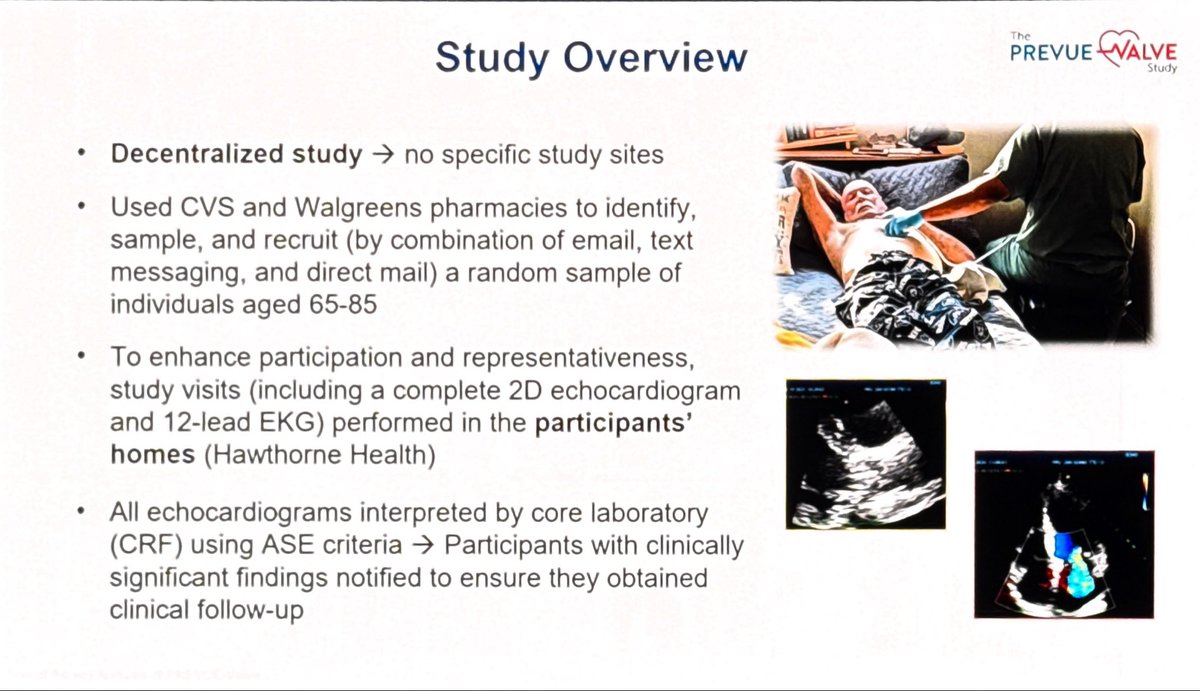
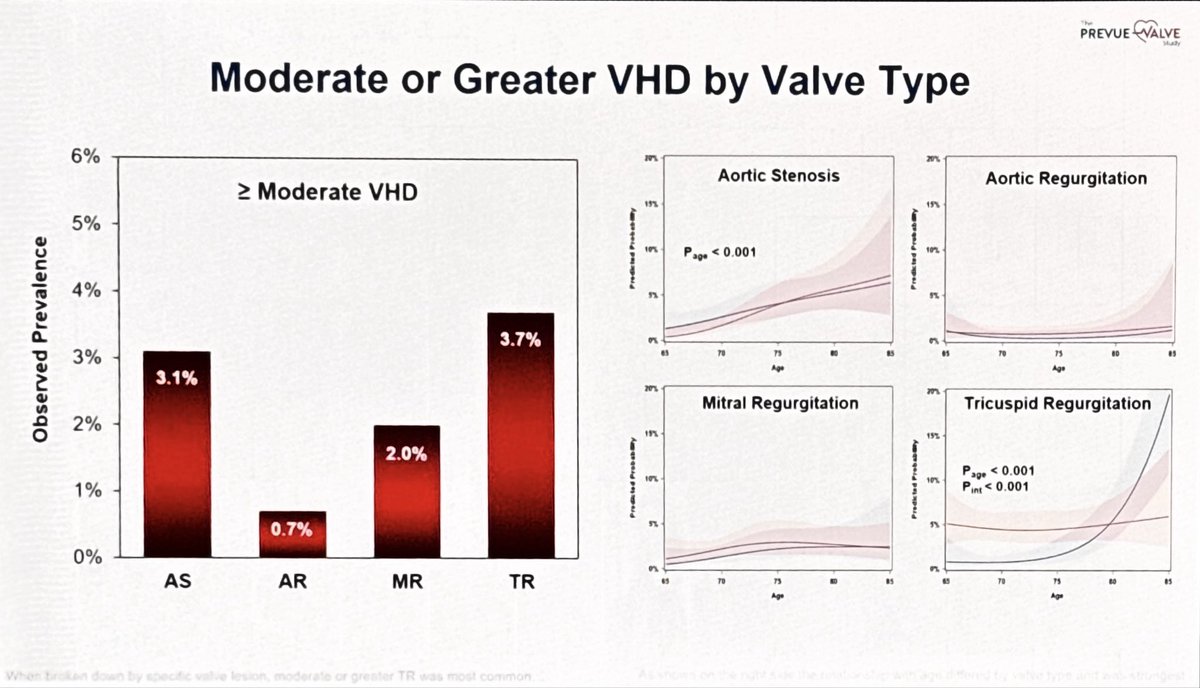
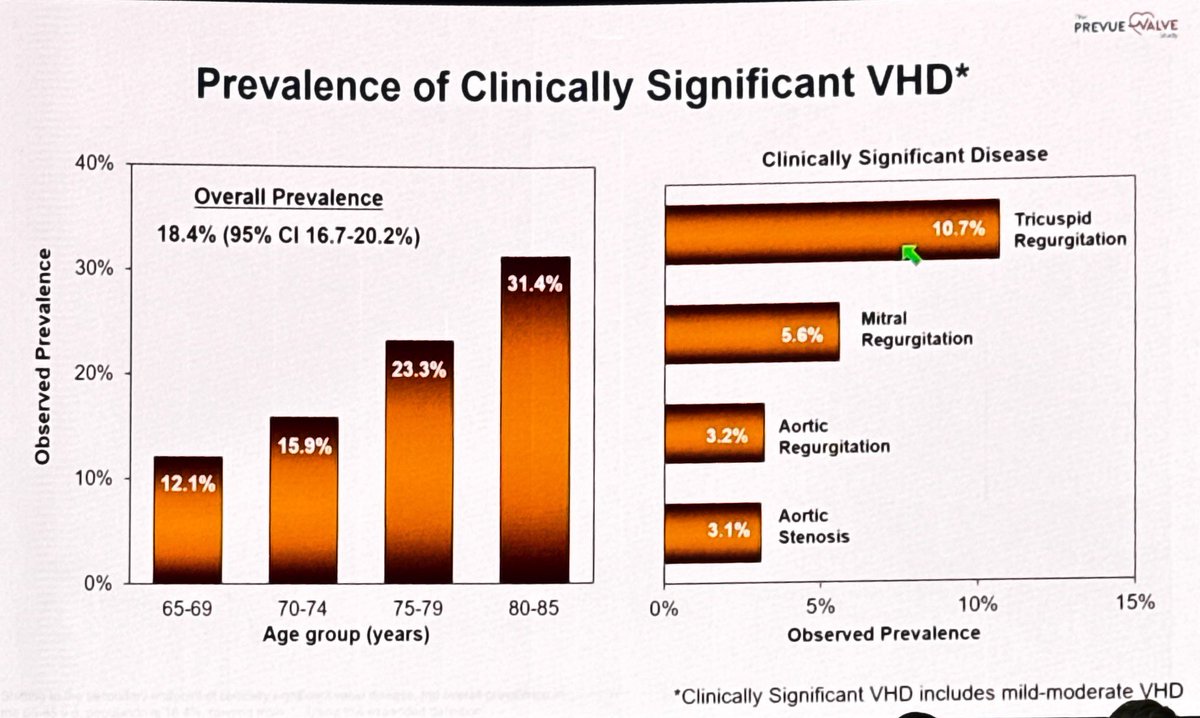
@TCTConference PREVUE trial seminal study of VHD prevalence. Tricuspid regurgitation leads in prevalence inpatients 65-85!! Likely all prevalences an underestimate. @ACCinTouch @escardio
1
19
54
7,825