Visiting Assistant Professor | Specializes in Geomorphology and Soils Science | Idaho Global Entrepreneurial Mission (IGEM) Grant Program Participant
Joined August 2018
- Tweets 100
- Following 294
- Followers 219
- Likes 404
39 Photos and videos

14 Feb 2024
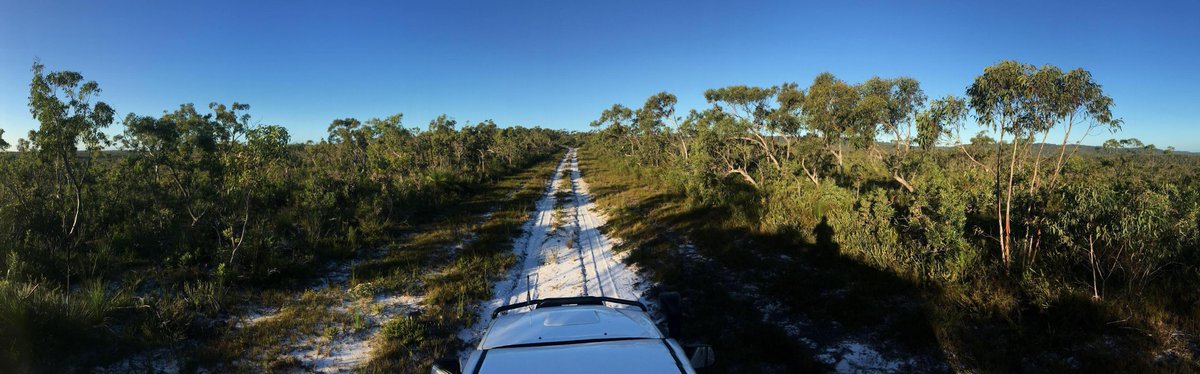
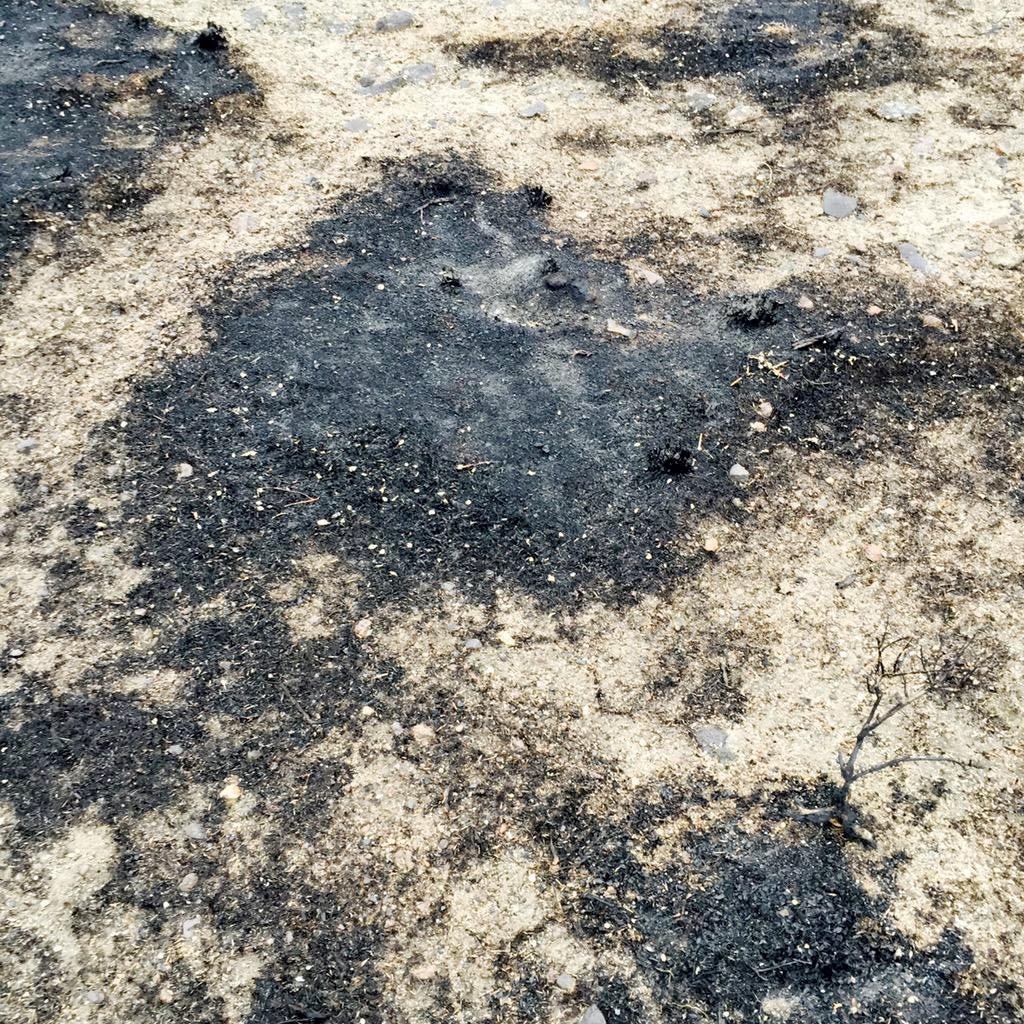
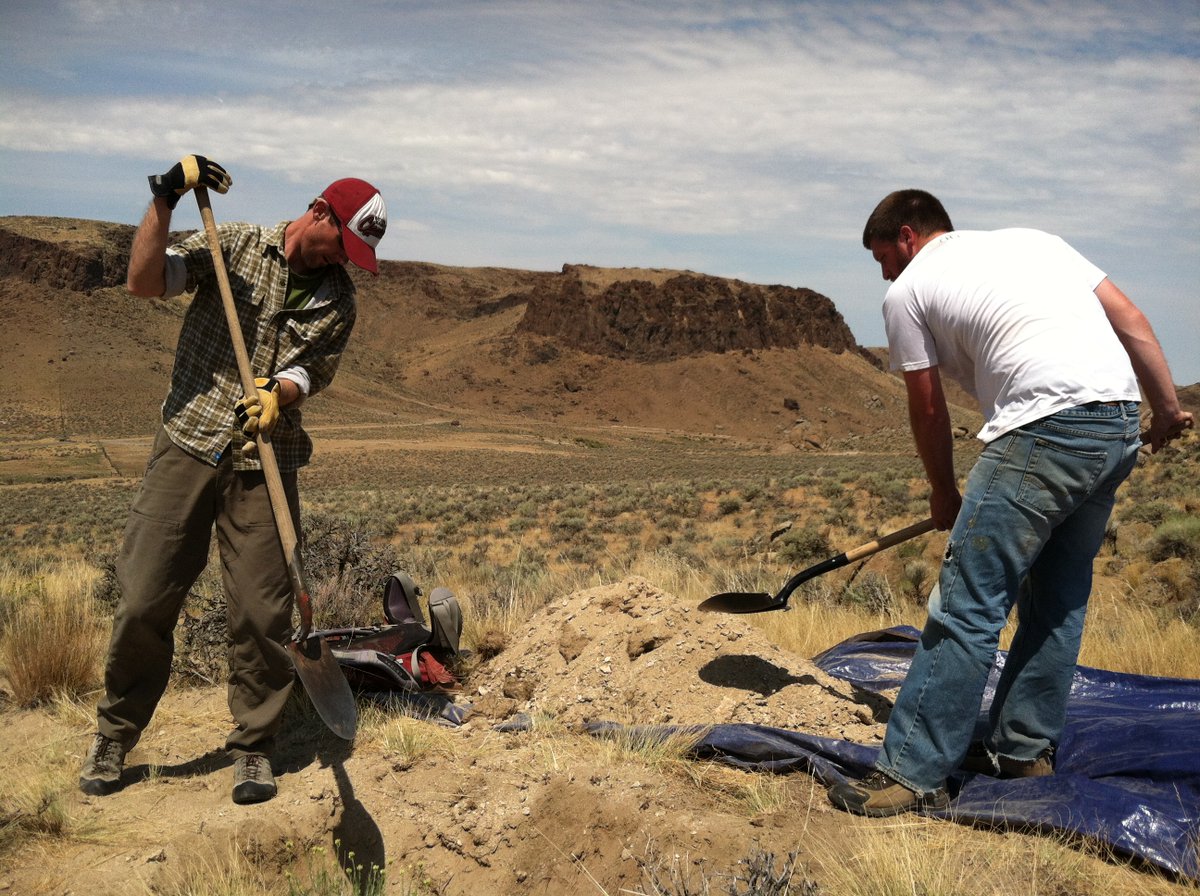
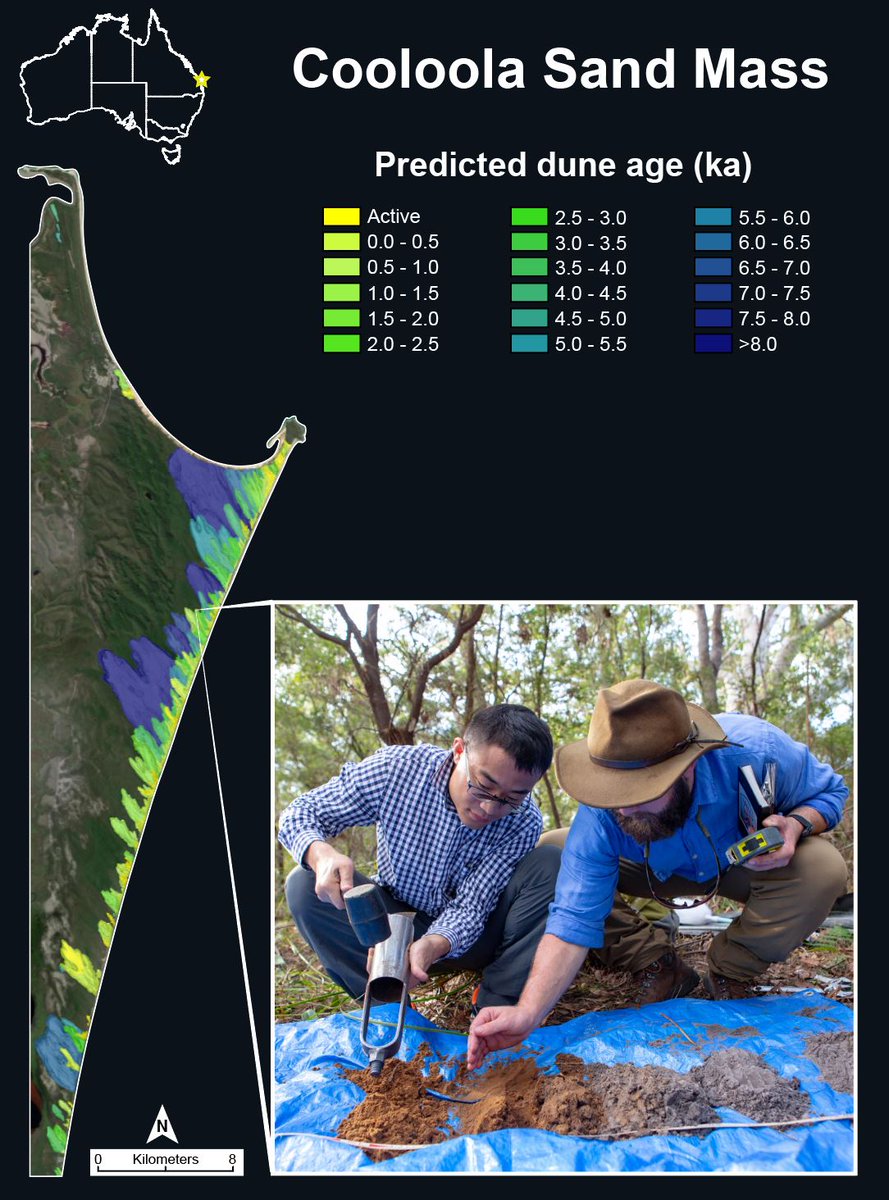
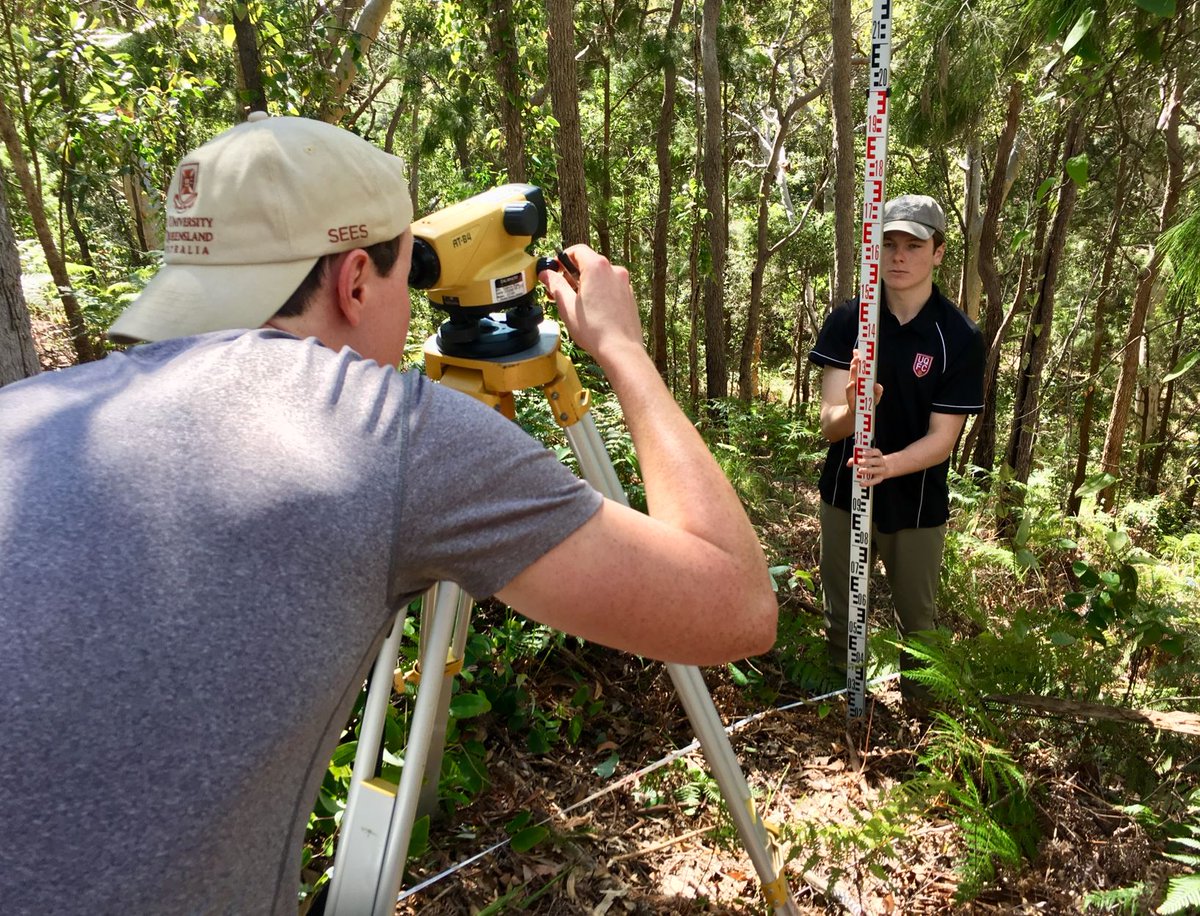
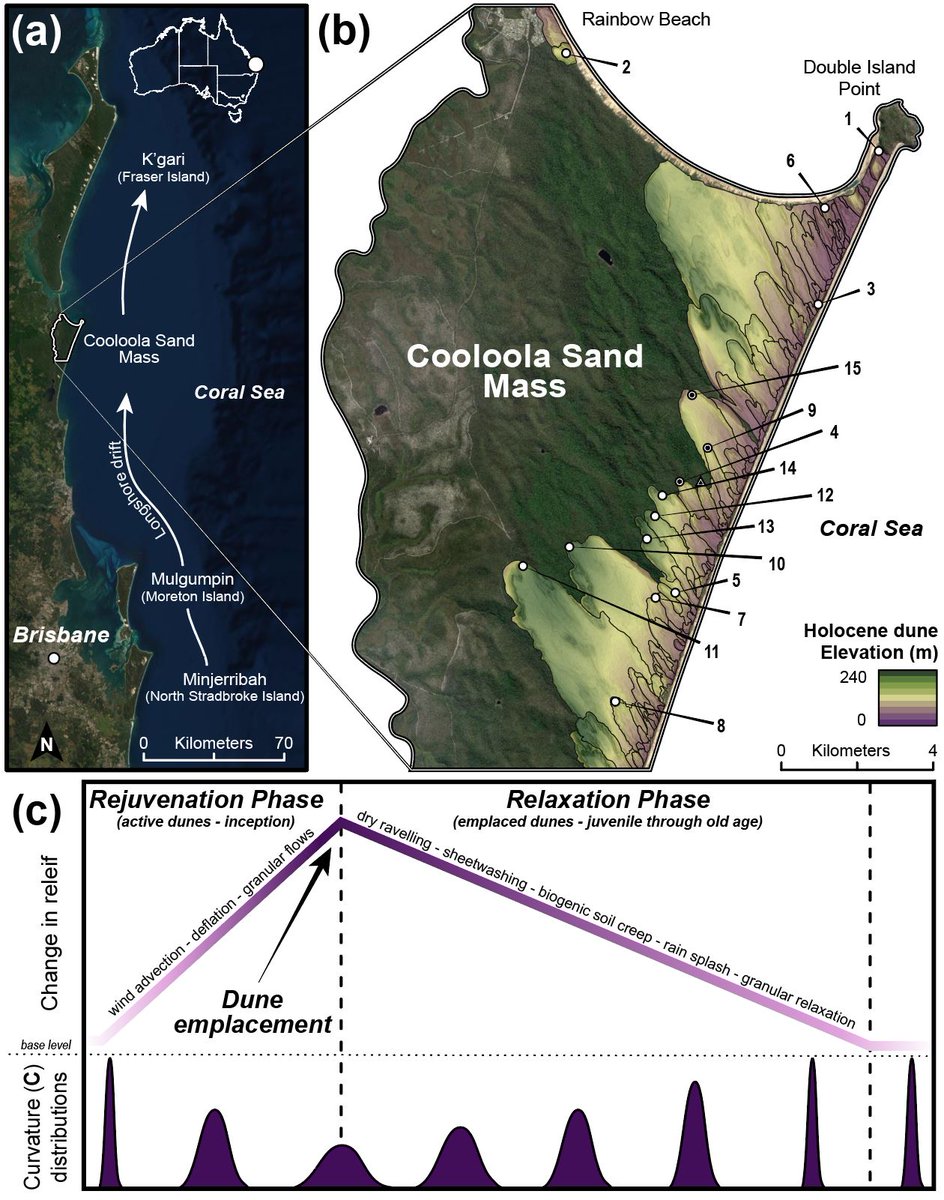
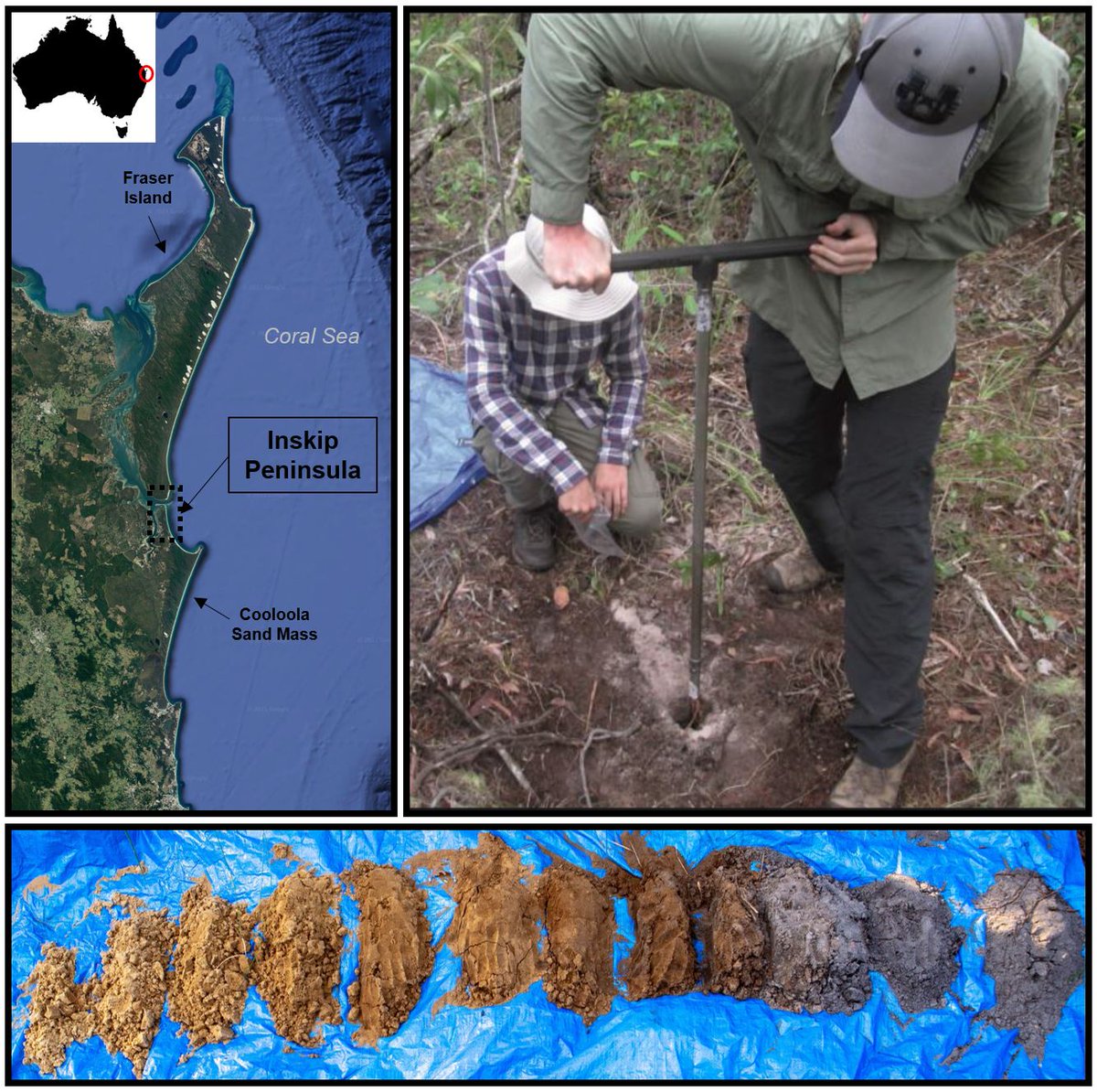
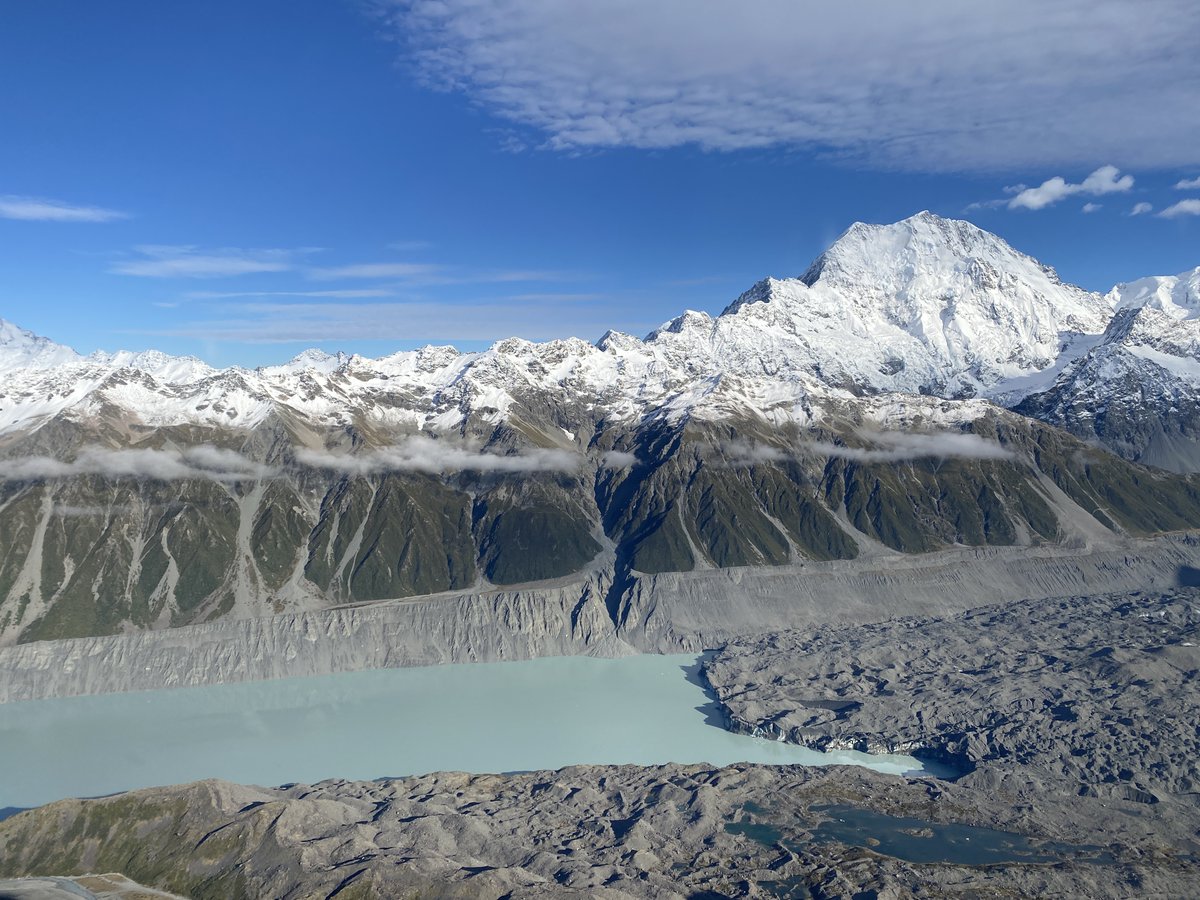
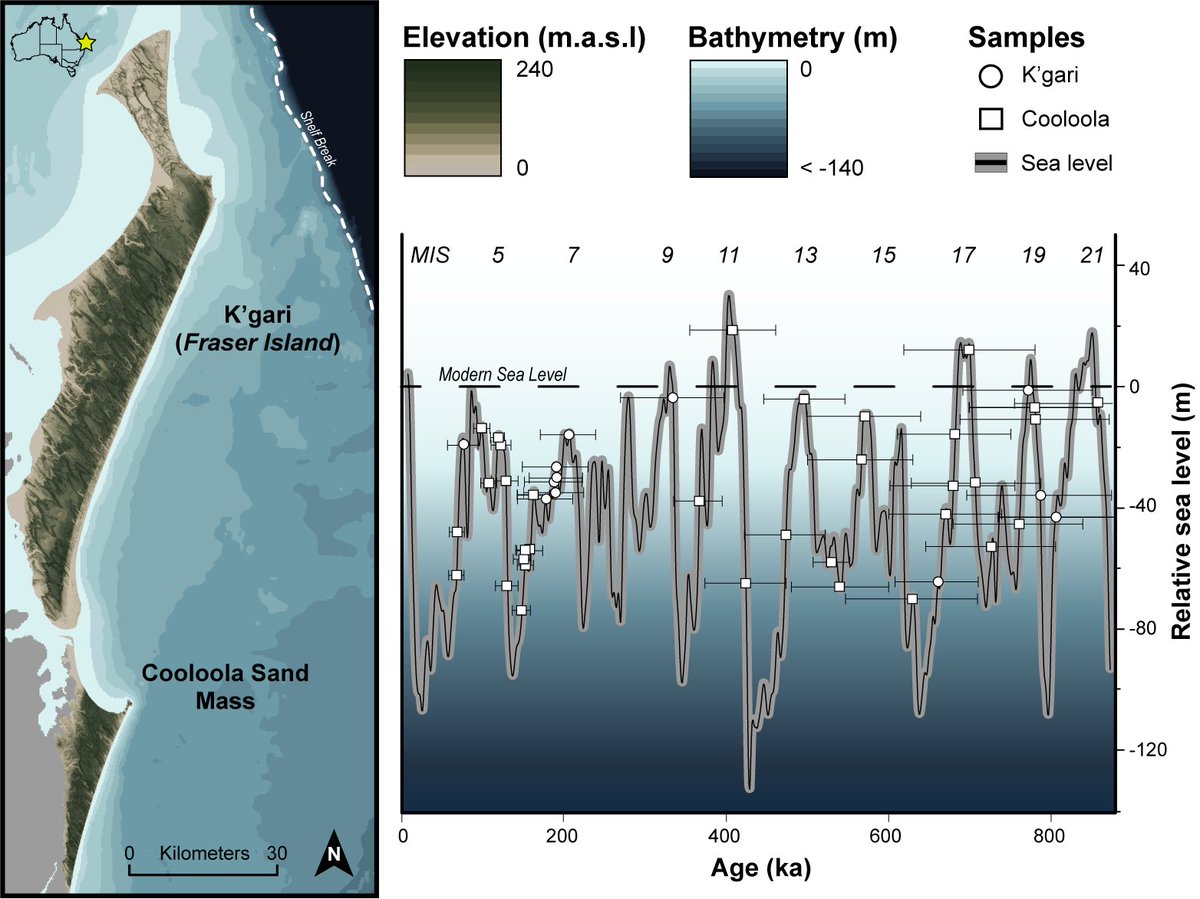
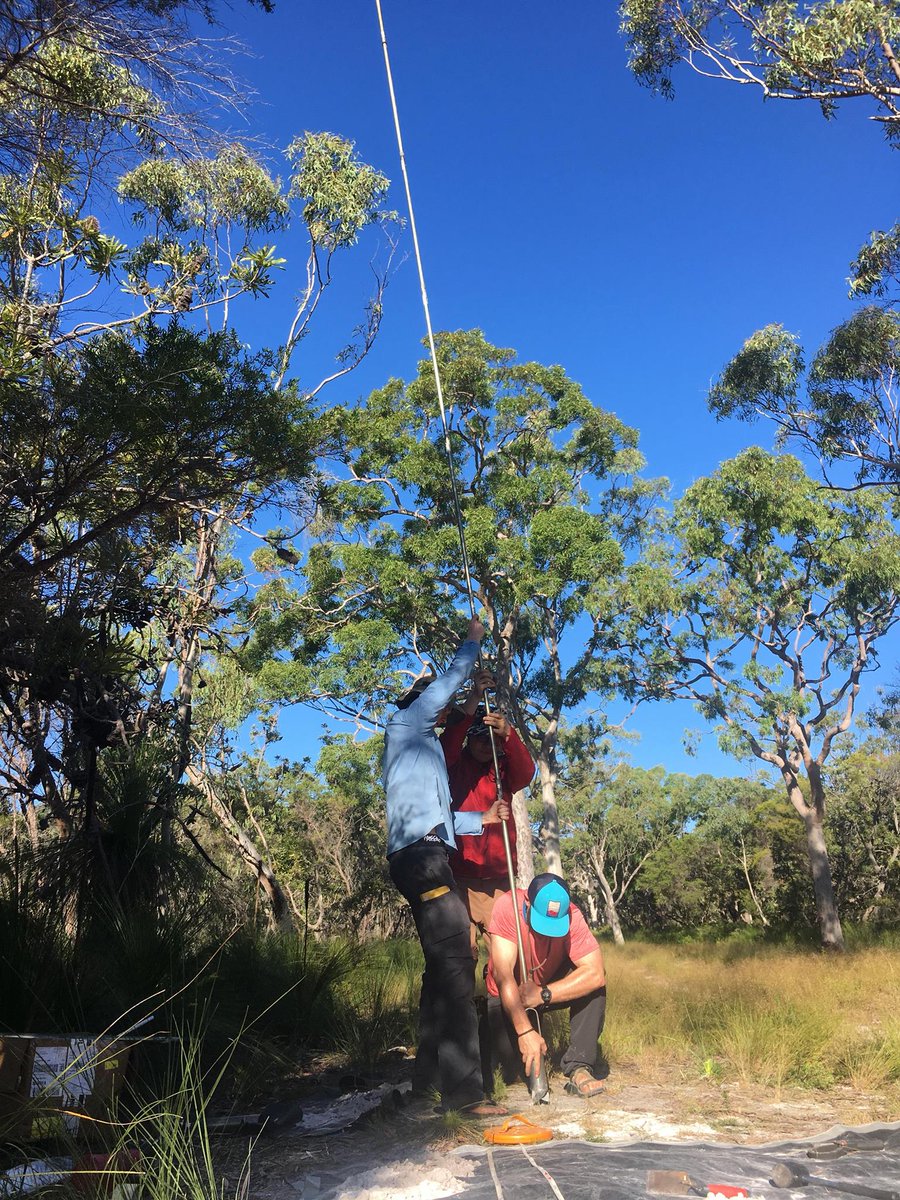
Check out our new paper on the first #chronology of K'gari (aka #FraserIsland)!
Click the link below 👇
authors.elsevier.com/sd/arti…
#geomorphology #dunefields #Butchulla #Australia #Queensland #QLD #Dunes #OSL #Quaternary #GPR #Pleistocene #Holocene #SeaLevelRise #WorldHeritage
2
1
8
645
7 Dec 2023
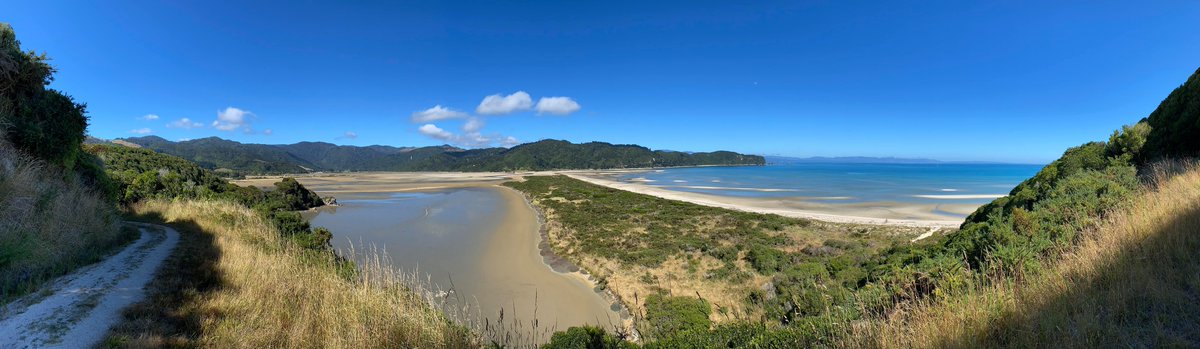
PhD Opportunity (fully funded)! Work with @SarahMac485 at the @UCNZ on the 'Assessing the impacts of relative sea level rise and sediment delivery on New Zealand’s estuaries'.
Here are a few links:
profiles.canterbury.ac.nz/Sa…
profiles.canterbury.ac.nz/Ja…
canterburywaves.co.nz/
1
7
7
565
25 Sep 2023
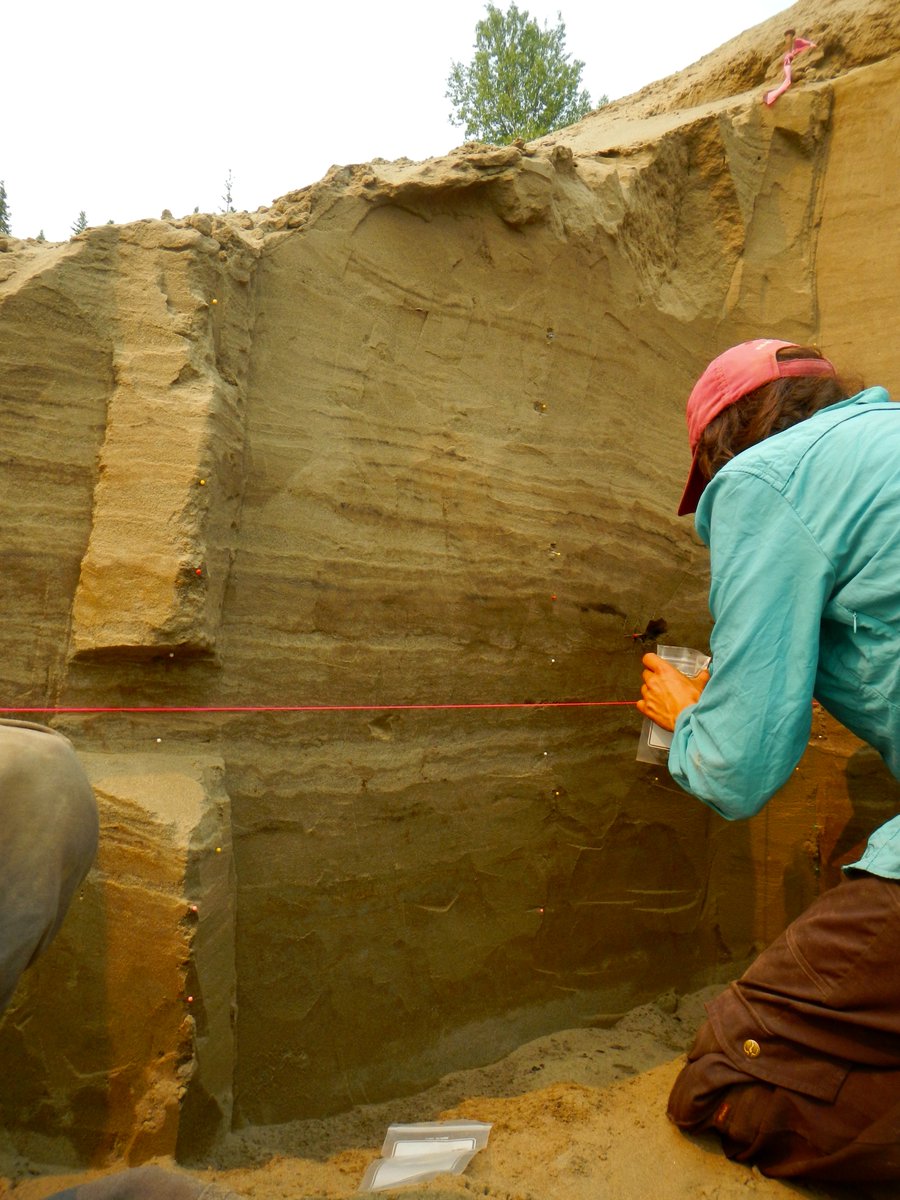
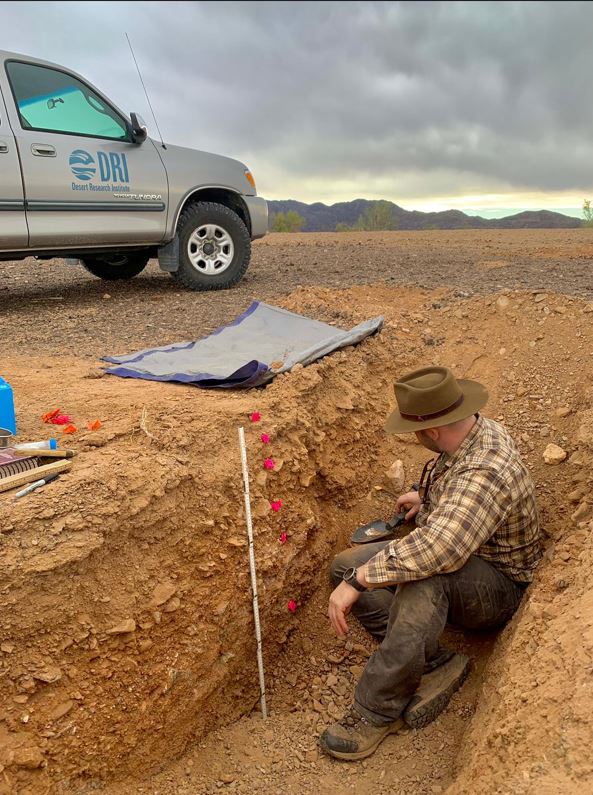
It is always great to work in #Alaska with @jrkielhofer on #soils and #geomorphology. However, this time we were even more fortunate to have @DRIScience writer Elyse DeFranco tag along and help us out! Check out her nice write-up on the trip!
6 Sep 2023

During the ITAP #Fieldwork in #Alaska, DRI's science writer tagged along for an inside look at the team's work. She joined two #Scientists with expertise in #SoilScience and #Paleoclimatology to see how they depict & map the layers beneath our feet. bit.ly/drialaska.
1
6
445
18 Jul 2023
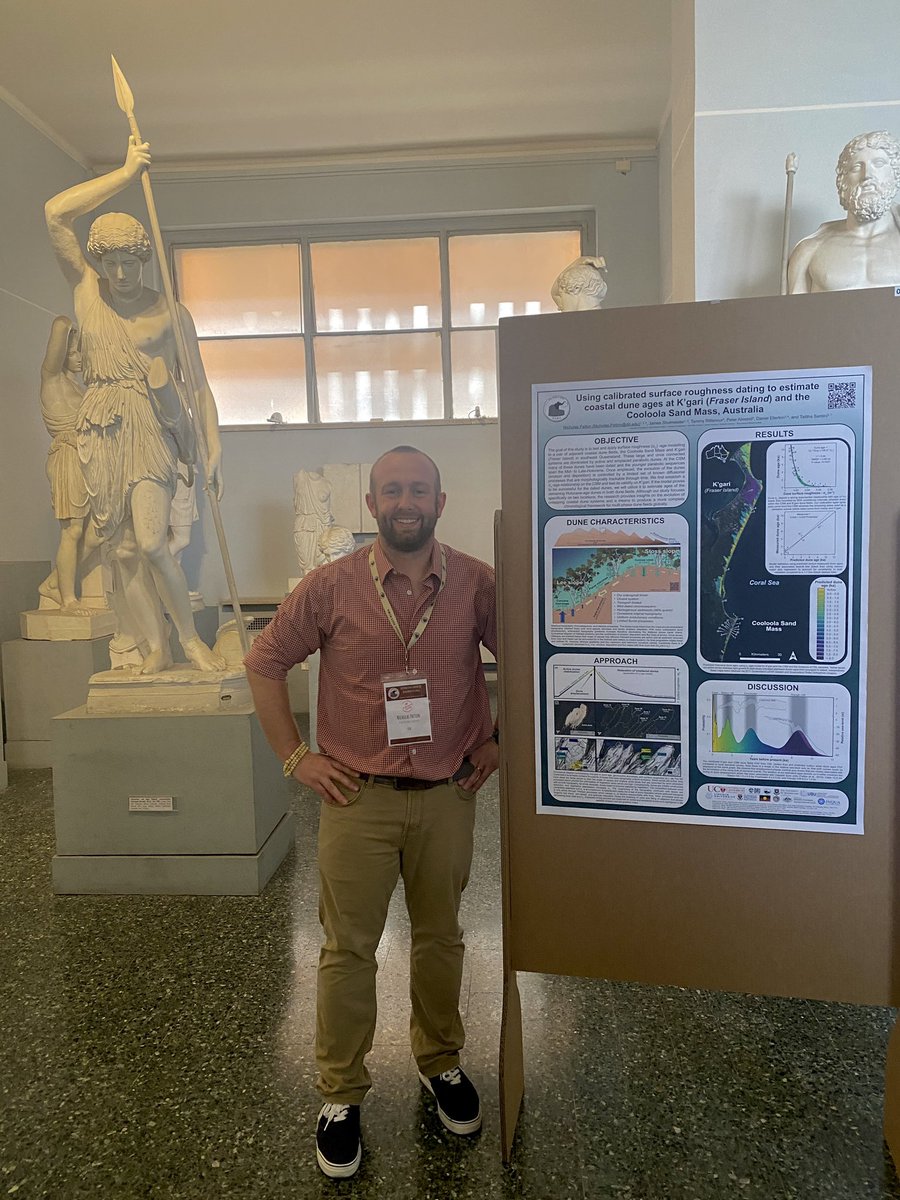
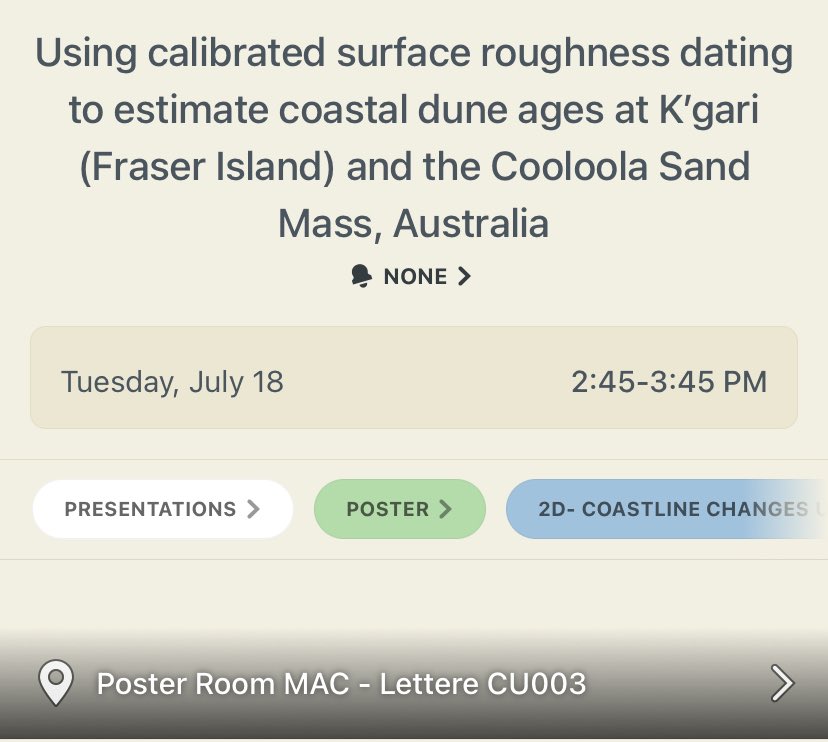
Come chat with me about predicting stabilized dune ages in the MAC poster room! #INQUARoma2023 @AusQuaternary
2
9
509
17 Jul 2023
If you are at #INQUARoma2023 come stop by Room 11 - Scienze della Terra CU005 @ 4:15-6:15pm!
The talks in this session should be great (Climate Records from Coastal Systems), don't let the 38C heat deter you from attending!
#paleofire #charcoal #firehistory @AusQuaternary
2
4
10
1,293
17 Jul 2023
2
73
12 May 2023
A new source of fire records, hidden in the sands, gives us a bigger picture of the risks theconversation.com/a-new-so… via @ConversationEDU
1
4
1,042
11 May 2023
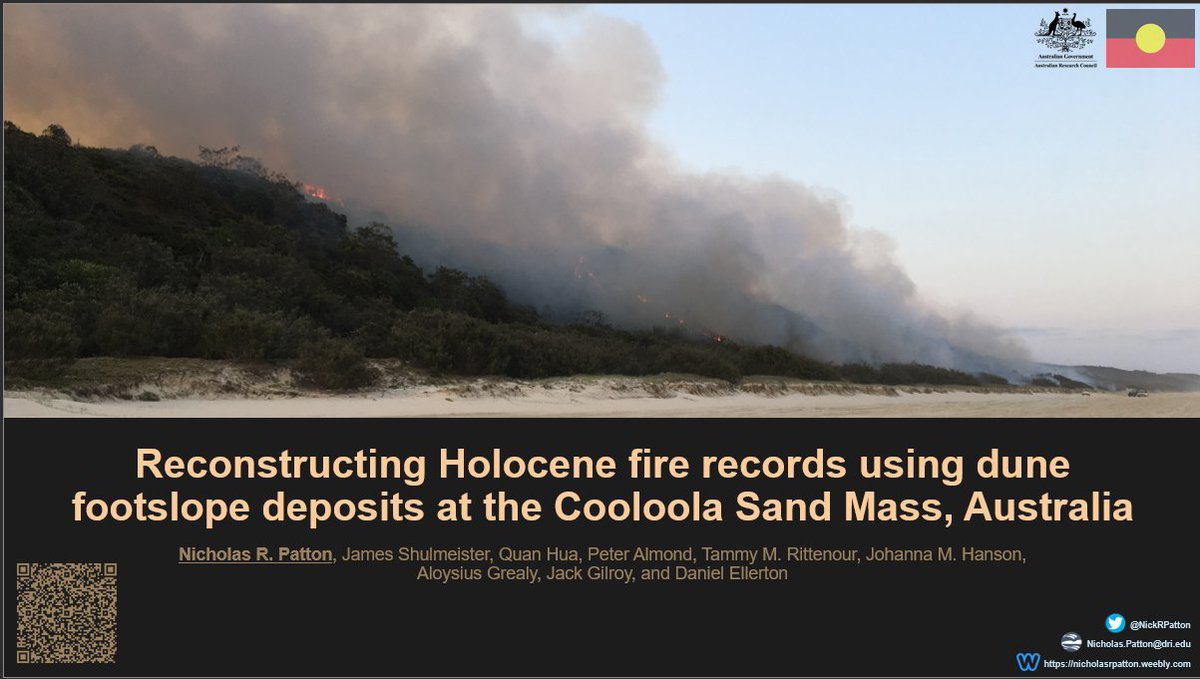
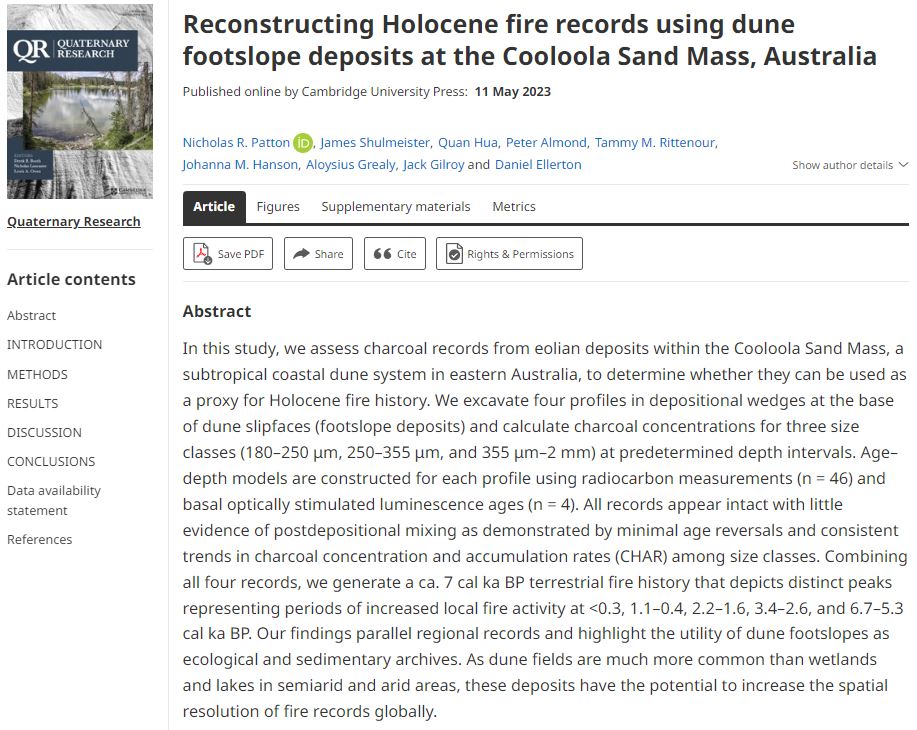
Excited to have this paper out 🔥- “Reconstructing Holocene fire records using dune footslope deposits at the Cooloola Sand Mass, Australia.”
doi.org/10.1017/qua.2023.14
#paleofire #charcoal #firehistory #geomorphology #Landscapeevolution #dunes #drylands #Queensland #Australia
1
7
22
2,213
11 May 2023
Huge shout out to all my co-authors, research institutions, and organizations that help this project come together!
@UQ_sees @UCNZEarthEnv @DRIScience @ANSTO @BritGeoSurvey @AusQuaternary @DocBGS @QldParkAlerts @arc_gov_au
2
114
12 Mar 2023
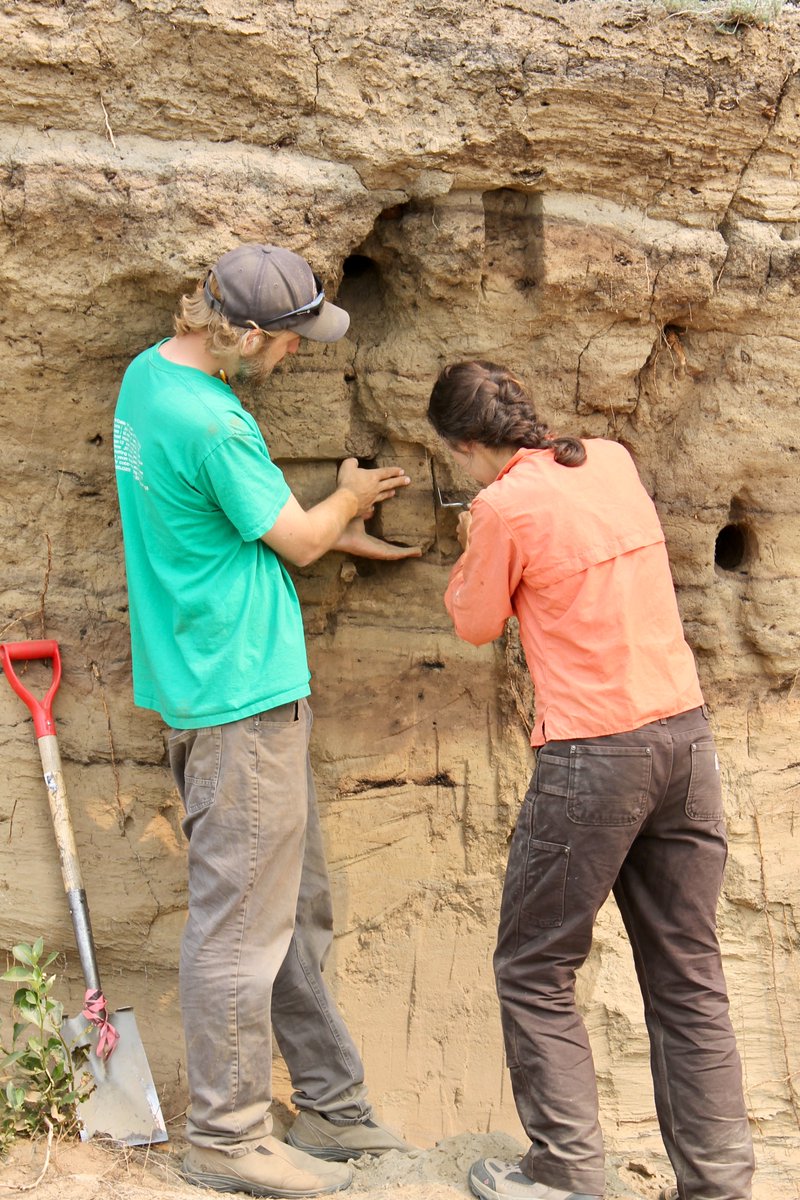
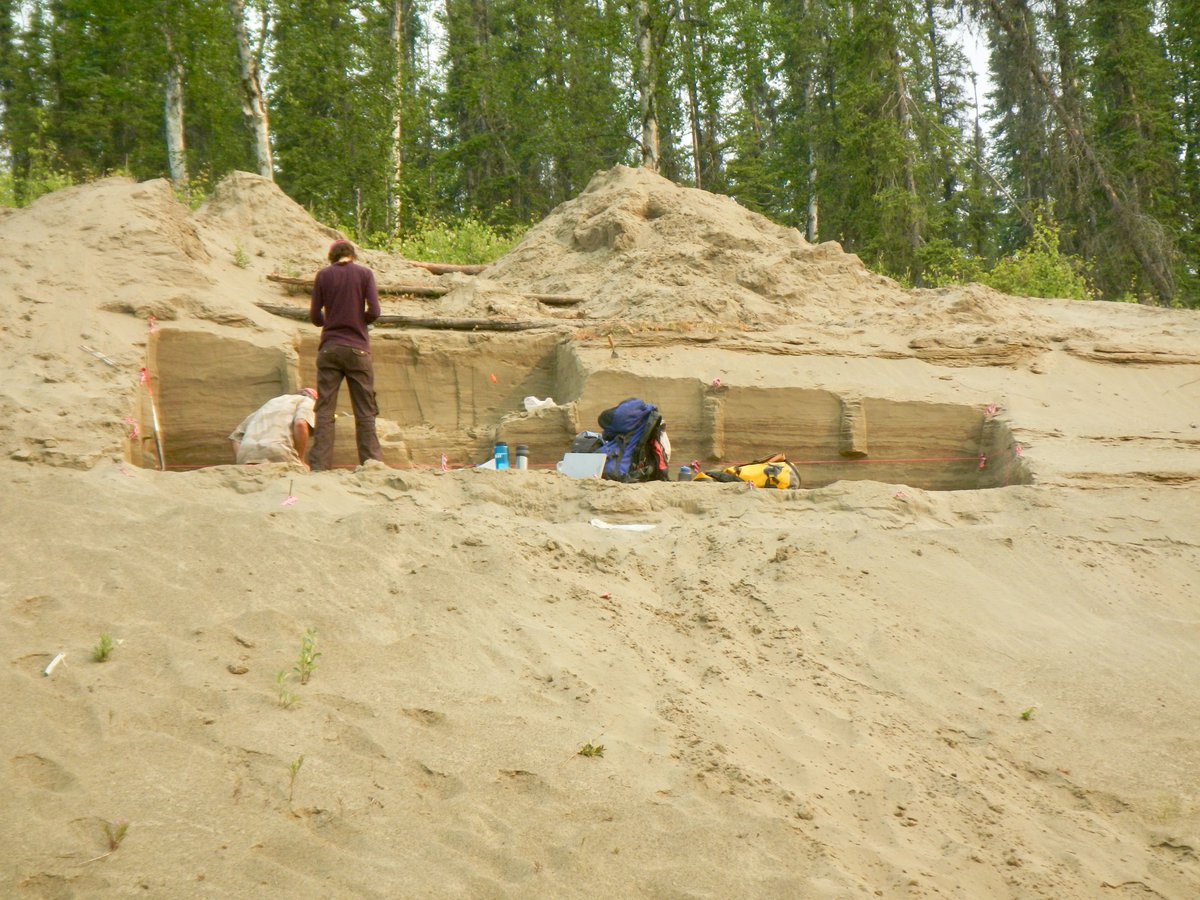
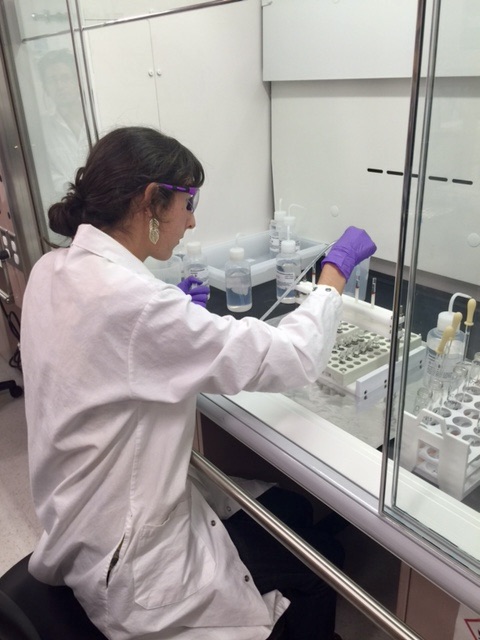
Congrats to Jennifer Kielhofer (@DRIScience ) and colleagues! Check out their new paper on temperature reconstruction for interior Alaska using #GDGT and and its potential effects on early human settlement.
sciencedirect.com/science/ar…
1
2
405
Nicholas R. Patton retweeted

10 Mar 2023
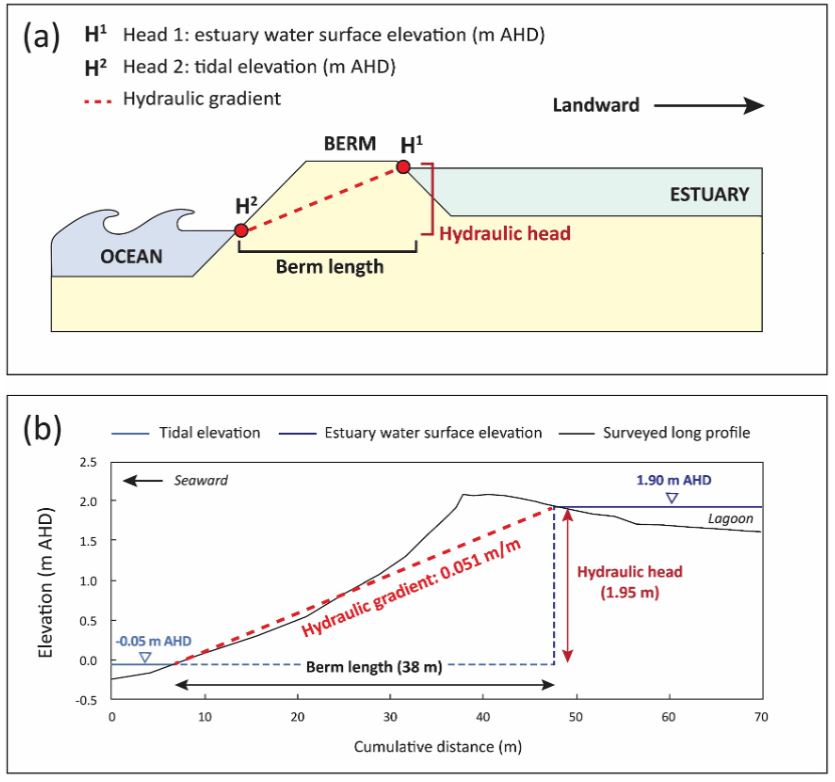
New paper just out: "Hydraulic gradient and wave height control the success of estuary artificial entrance openings". Data from >135 openings shows that the hydraulic gradient controls the rates of change in channel expansion, drainage, and flow velocity during estuary openings🌊
2
4
20
1,738
17 Feb 2023
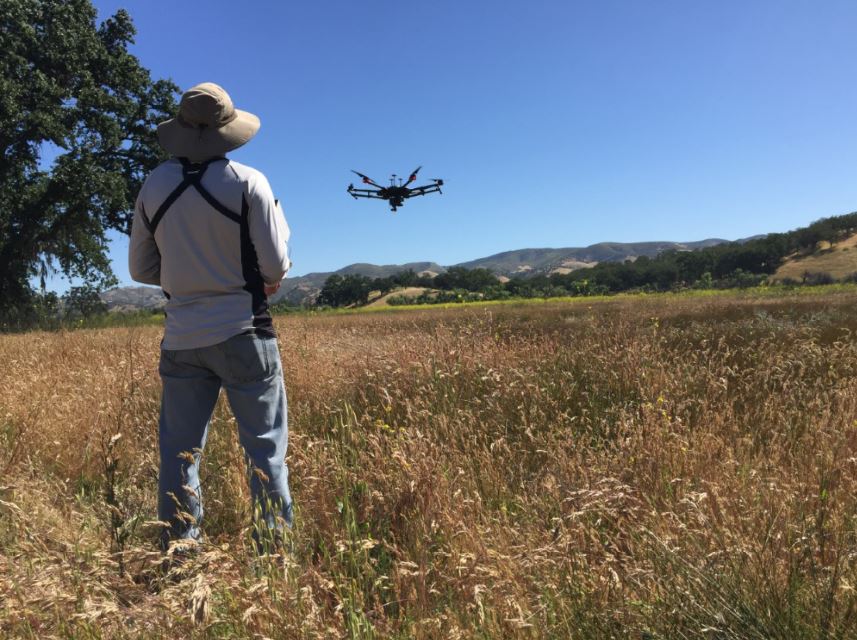
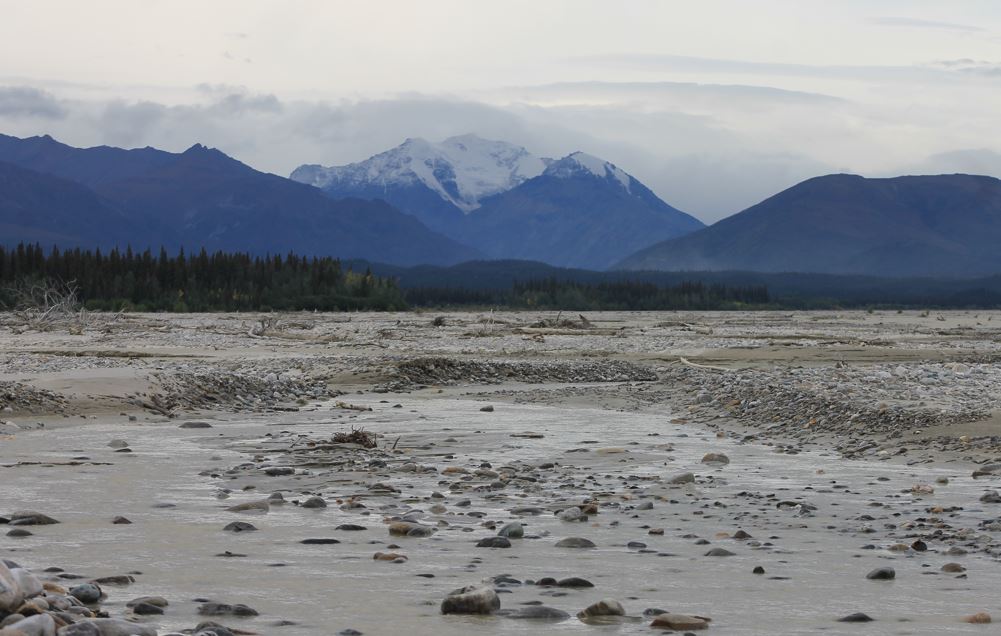
Looking for an Assistant Research Professor, that specializes in fluvial geomorphology and soils, to join our group @DRIScience
nshe.wd1.myworkdayjobs.com/D…
#Geomorphology #soils #remotesensing #landscapechange #research
11
23
3,757
Nicholas R. Patton retweeted

12 Jan 2023
❄️I am pleased to announce our newest paper "Early glacier advance in New Zealand during the Antarctic Cold Reversal" in the Journal of Quaternary Science is now published online as open access. @GIShaun @AMacGlac @BBQPossum #AntarcticColdReversal
onlinelibrary.wiley.com/doi/…
3
12
61
4,724
Nicholas R. Patton retweeted

12 Jan 2023
As part of the #ABCTOP5Science program with @RadioNational, I was mentored by the amazing @sciencebelinda to write about my PhD work on #palaeofire in northern Australia with @jcu @cabahCoE
That article is now online! 🔥 Link below ⤵️

#ANALYSIS: Are Australian bushfires burning hotter? We dug into mud to find out abc.net.au/news/science/2023…
3
5
22
2,434
Nicholas R. Patton retweeted

The IGCP 725 team is pleased to announce the return of 'Geochron January'!
This free & fully virtual workshop (mix of pre-recorded talks & synchronous breakout sessions) will be held on 19 January '23.
See below for more info. And register here: forms.office.com/e/ce3RqMtfM…
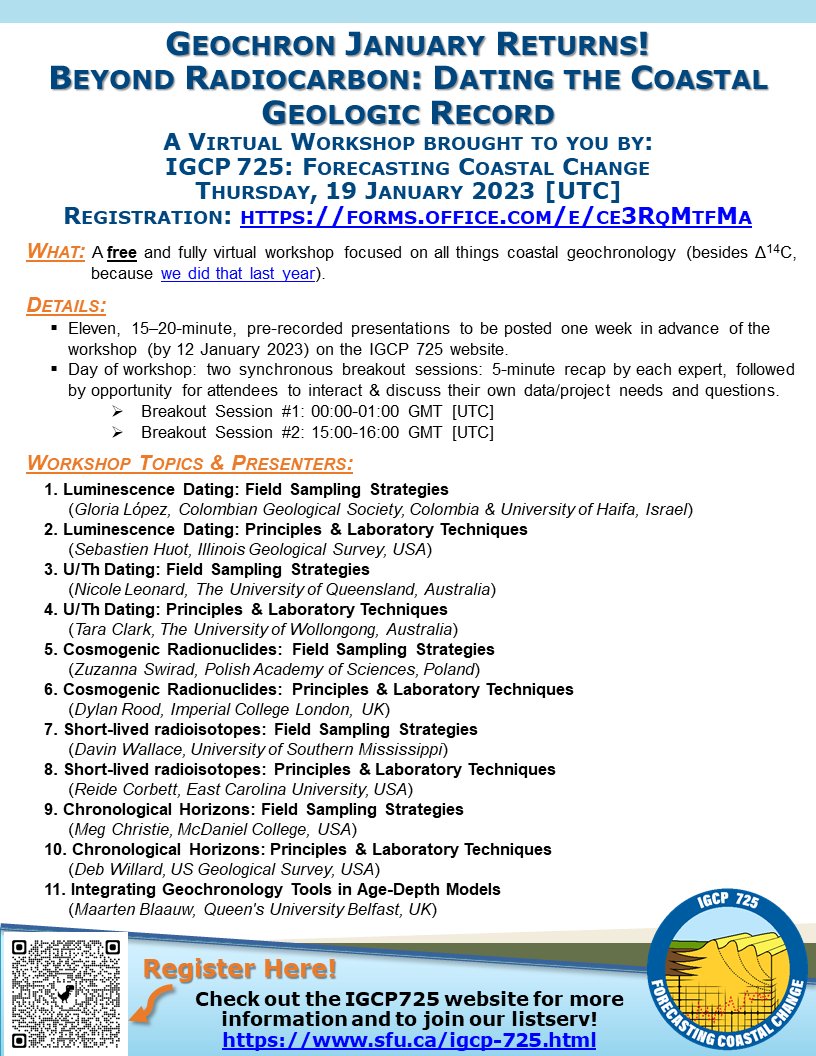
ALT Poster image describing IGCP Project 725 "Geochron January". For full details, see https://www.sfu.ca/igcp-725/upcomingevents.html
1
21
31
2 Jan 2023
New Paper 🚨
"Multiscale responses and recovery of soils to wildfire in a sagebrush steppe ecosystem"
rdcu.be/c2Ea5
@CZCNet @DRIScience @ISUGeoscience @UCNZ @ausregolith @uq_sees #drylands #wildfire #fire #soil #soilflux #soilcarbon #ecosystems
ALT Photo credit Kathleen Lohse.
4
421
22 Nov 2022
Scientists Uncover Conditions Key to Formation of the Great Barrier Reef dri.edu/scientists-uncover-c… via @DRIScience @unevadareno @unlv
1
4
Nicholas R. Patton retweeted

15 Nov 2022
Intl scientists, incl UC Prof @jamesshul1 & PhD graduate Dr @NickRPatton, share new insights into the origins of K’gari (Fraser Island) & the iconic Great Barrier Reef, which might date back to a time of climate change on Earth over 800k years ago. shorturl.at/pqY01
3
4
Nicholas R. Patton retweeted

14 Nov 2022
Some coverage in the Guardian. Commentary by Patrick Moss this time.
Fraser Island’s formation over 1m years ago was critical to development of Great Barrier Reef, study reveals theguardian.com/australia-ne…
2
3