
Lead l @SuperteamUSA
Joined December 2011
- Tweets 48,813
- Following 4,874
- Followers 11,555
- Likes 211,305
3,904 Photos and videos


Pinned Tweet

Here’s the plan:
@SuperteamUSA will be the best accelerator in America and cost founders ZERO equity.
20
5
94
6,845
NickyScanz retweeted

13h
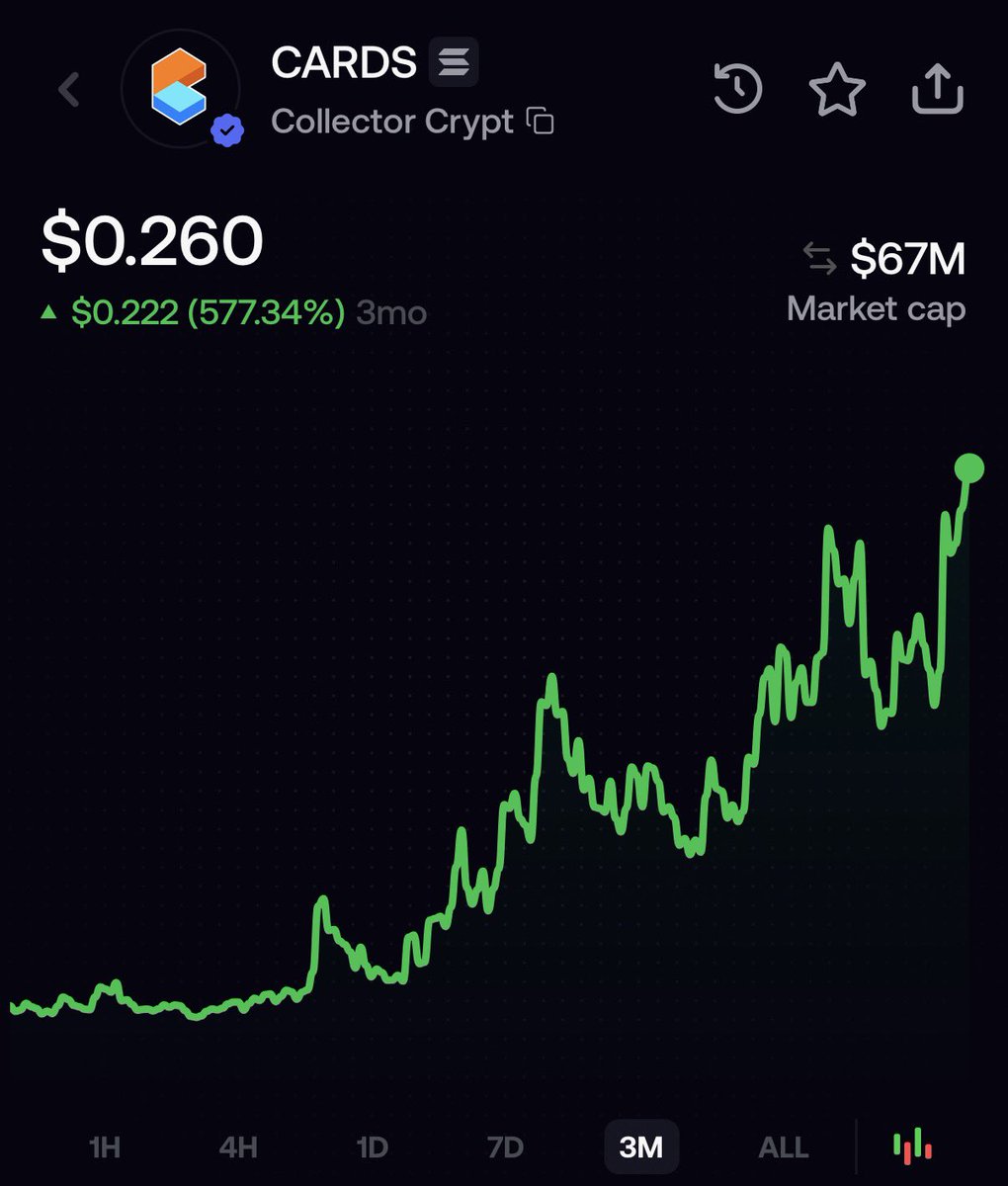
i love solana:CARDSccUMFKoPRZxt5vt3ksUbxEFEcnZ3H2pd3dKxYjp
27
6
107
5,327
NickyScanz retweeted

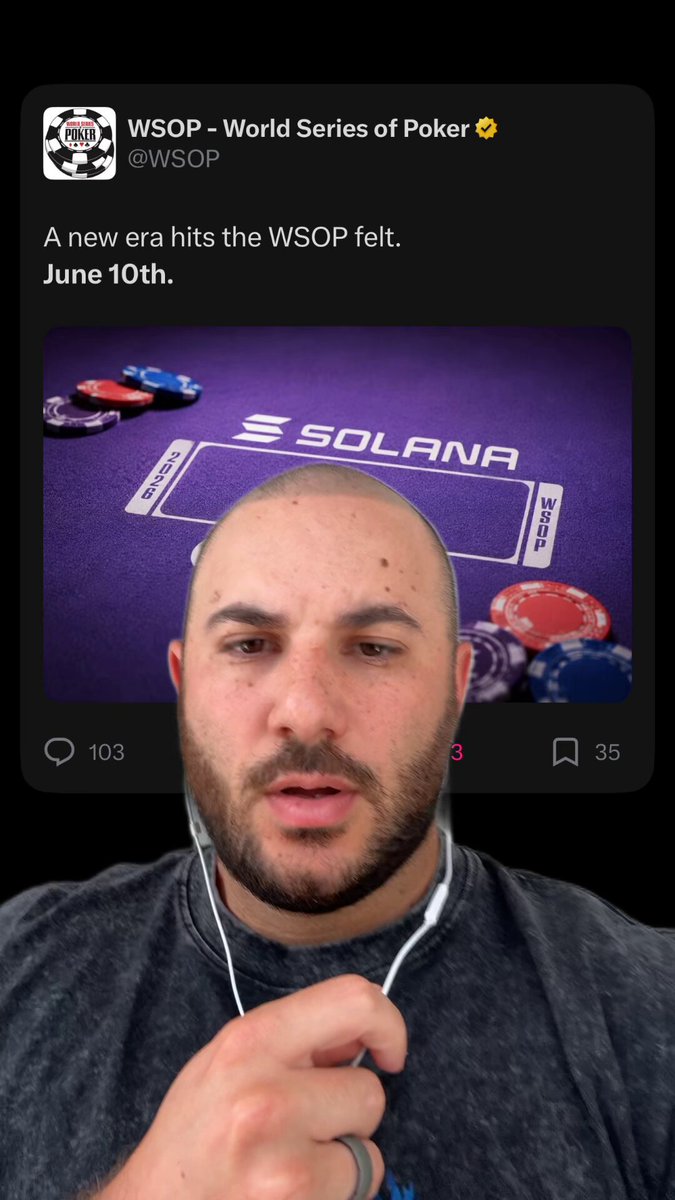
What does Solana bring to the WSOP?
@vibhu of the Solana Foundation explains how digital finance can make moving and managing funds easier for poker players, and what it could mean for the future of payments in the game.
Fast transactions. Lower costs. A smoother experience for players.
Watch the full interview to hear why @solana sees poker as a natural fit.
32
19
87
20,606
NickyScanz retweeted

13h
Here’s the plan:
@SuperteamUSA will be the best accelerator in America and cost founders ZERO equity.

Here’s the plan:
@SuperteamUSA will be the best accelerator in America and cost founders ZERO equity.
2
3
7
299
NickyScanz retweeted

Here’s the plan:
@SuperteamUSA will be the best accelerator in America and cost founders ZERO equity.
Here’s the plan:
@SuperteamUSA will be the best accelerator in America and cost founders ZERO equity.
9
7
20
1,105
NickyScanz retweeted

Pedro Mode
"@Solana's consumer ecosystem is becoming more diverse than many people realize.
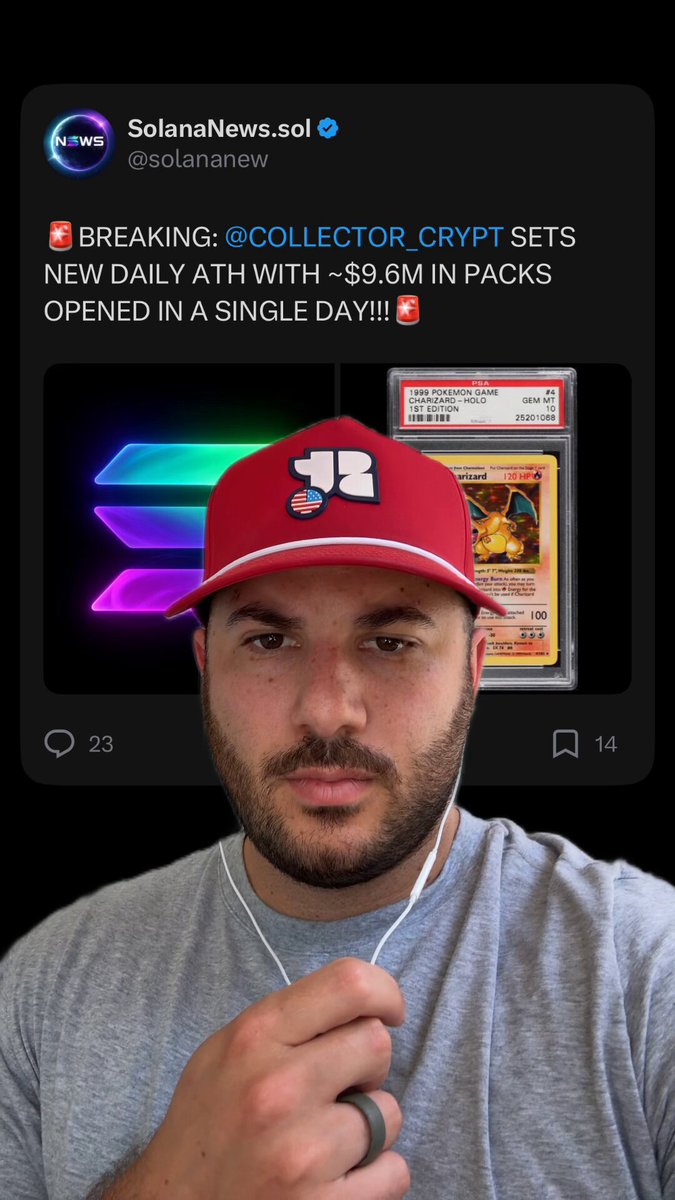
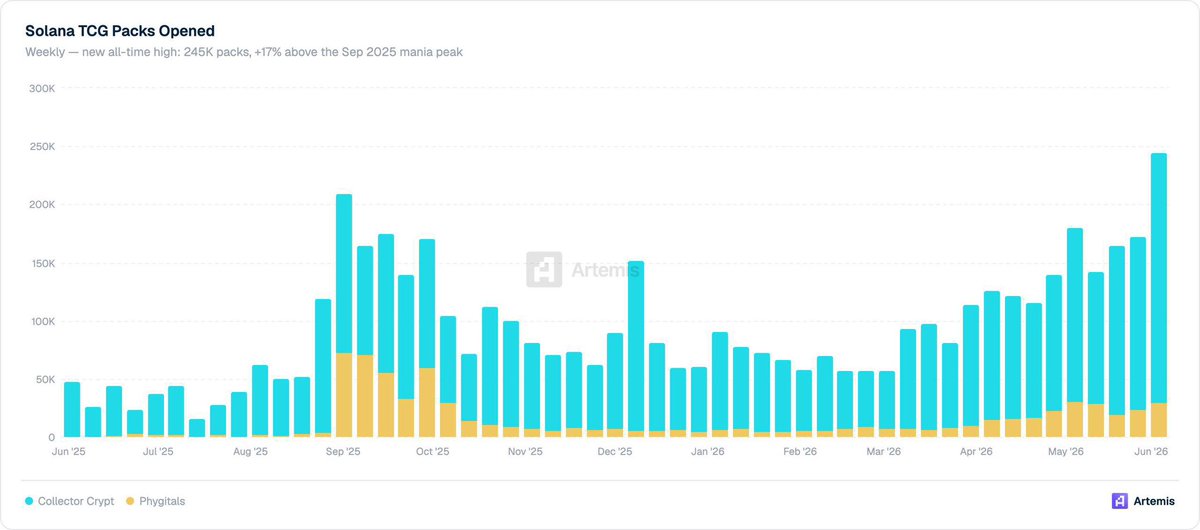
Trading card game activity reached a new all-time high last week, with 245K packs opened across @Collector_Crypt and @Phygitals, surpassing the previous peak of 210K recorded during last year's mania. What stands out to me is that engagement continues growing even outside traditional DeFi and memecoin sectors, which is usually a healthy sign for ecosystem durability."
- @stacy_muur
11
3
35
3,923
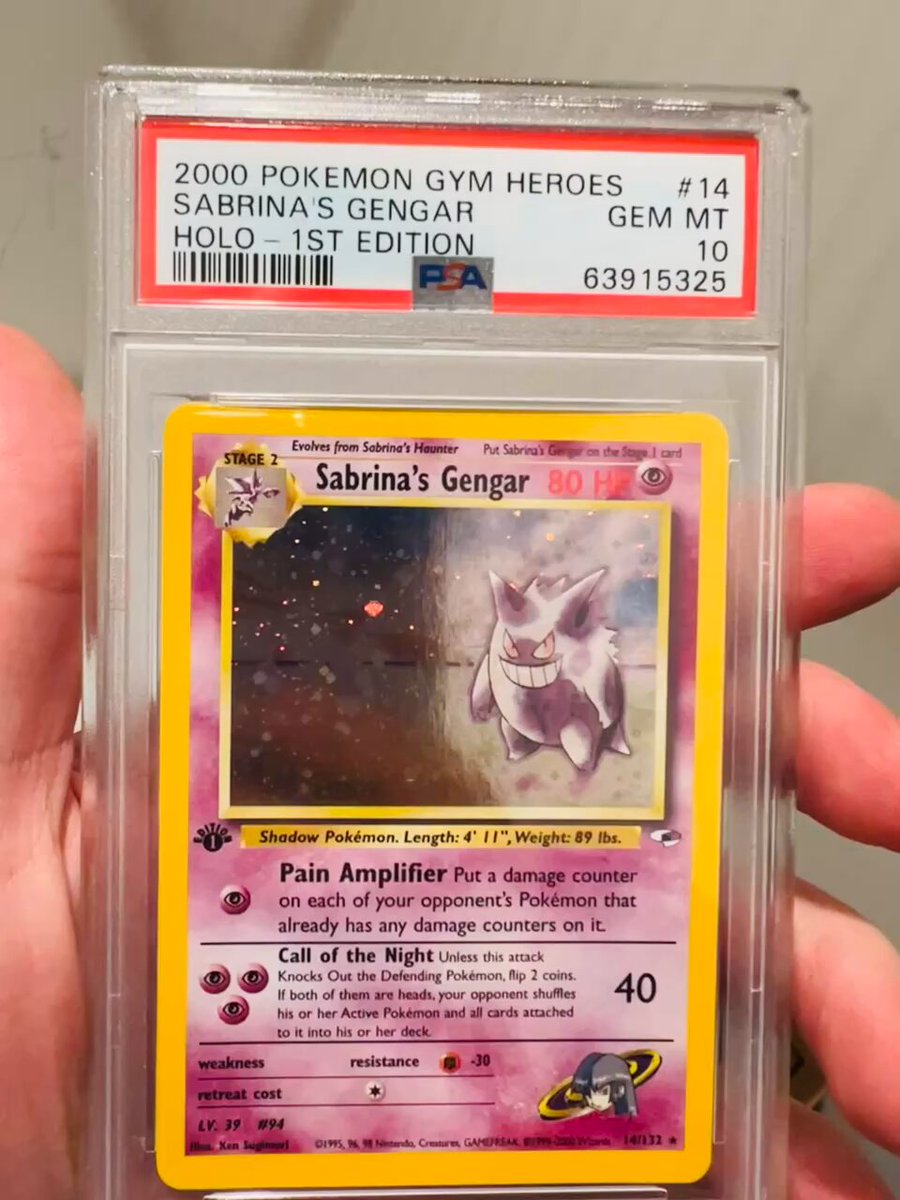
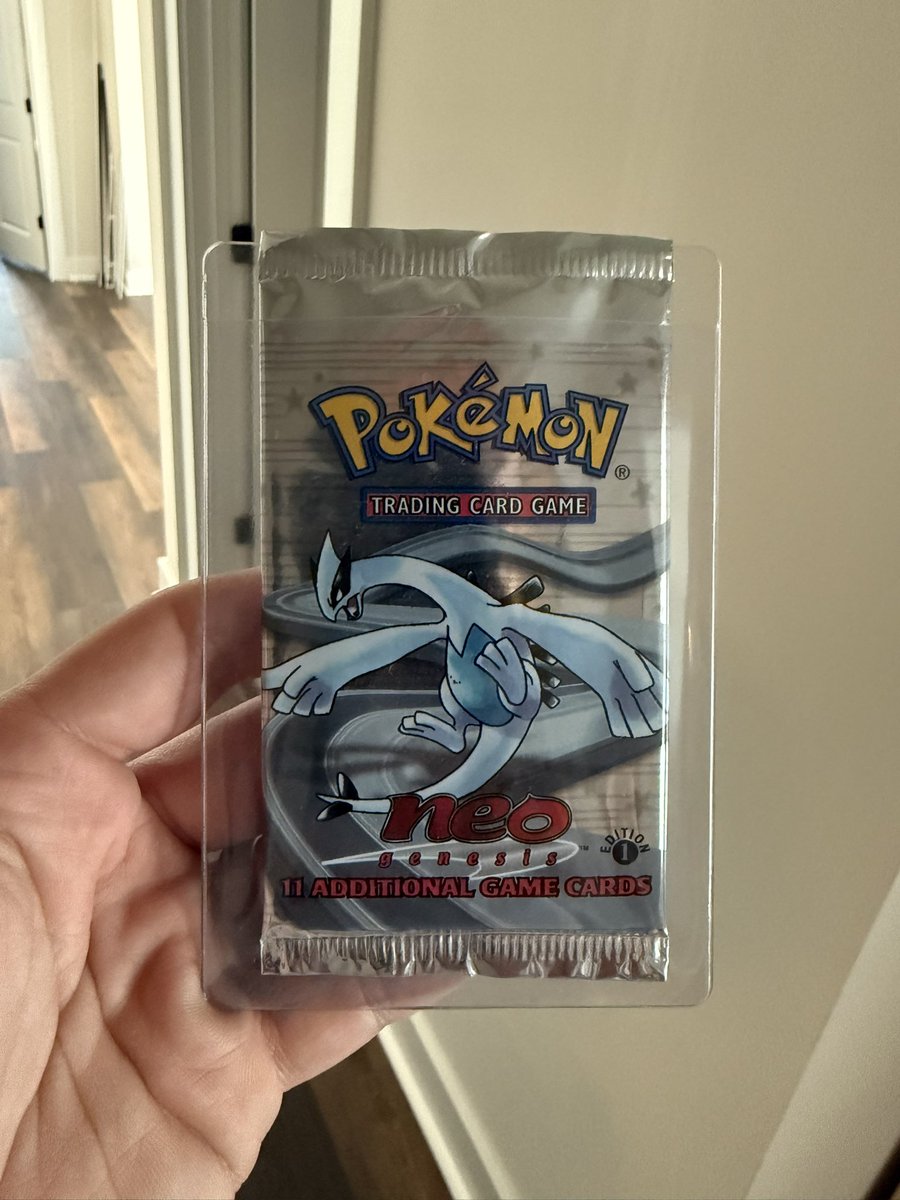
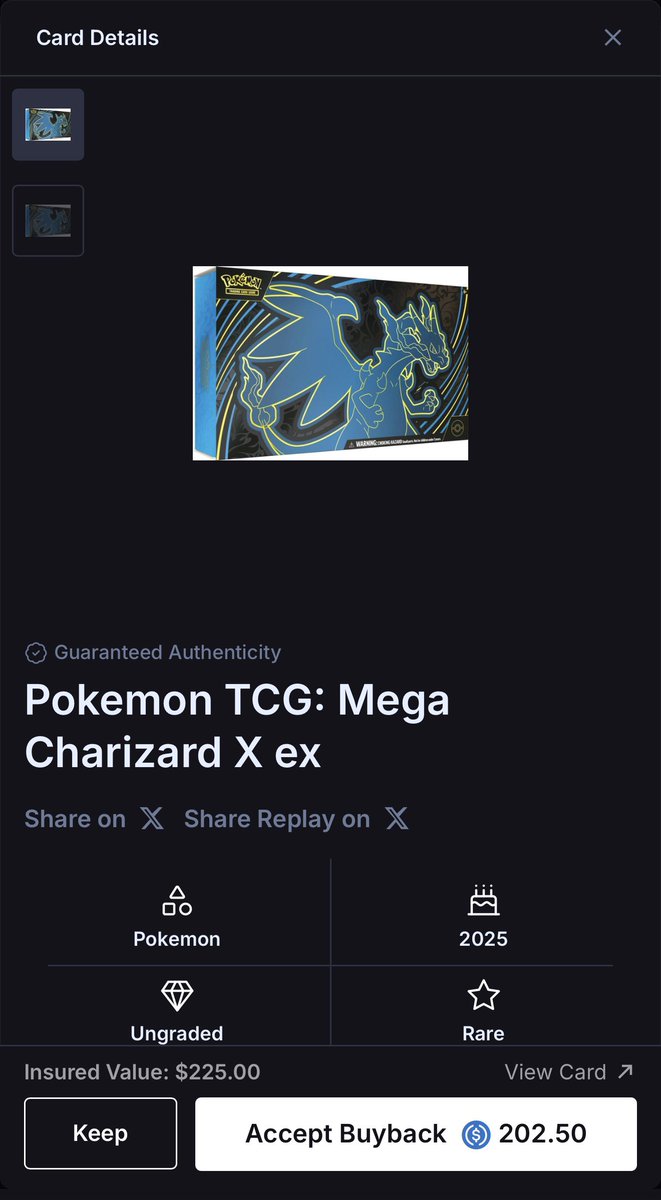
I bought this Gengar years ago for $2k, with the help of the @Collector_Crypt team. How’d I do?
15
3
59
2,383
NickyScanz retweeted

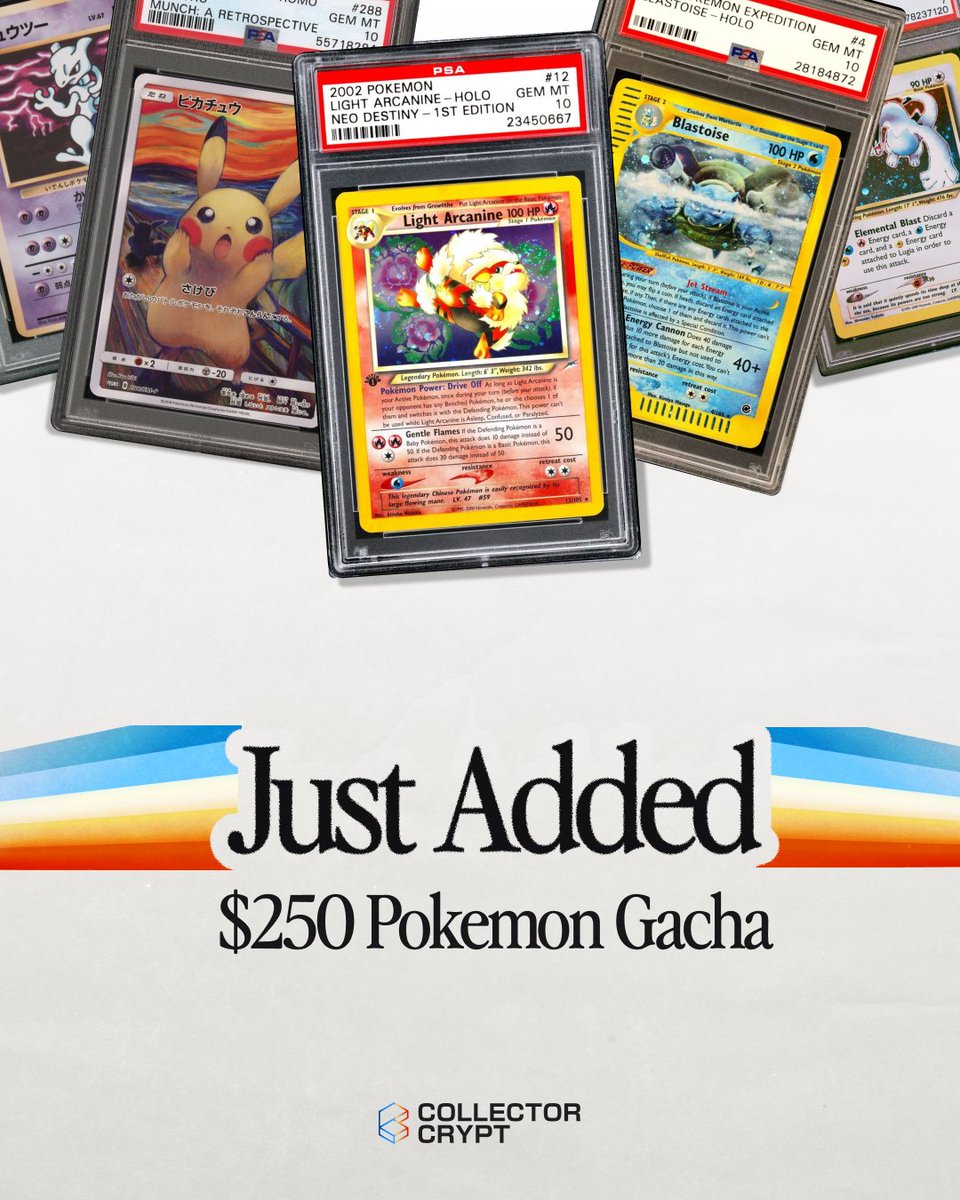
JUST ADDED
If you're ripping this weekend, start here.
The PKMN 250 Gacha Machine was recently refreshed with some serious heat, including:
• Light Arcanine ($19,200)
• Expedition Blastoise ($17,000)
• Screamachu ($16,200)
18
21
121
7,048
How will this impact my Pokemon cards?

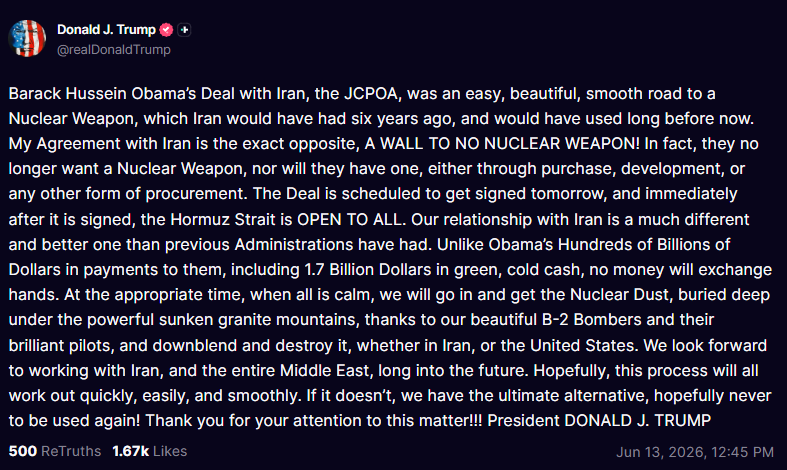
BREAKING: President Trump says a deal with Iran is scheduled to be signed tomorrow, immediately reopening the Strait of Hormuz.
2
3
5
476
NickyScanz retweeted

15h
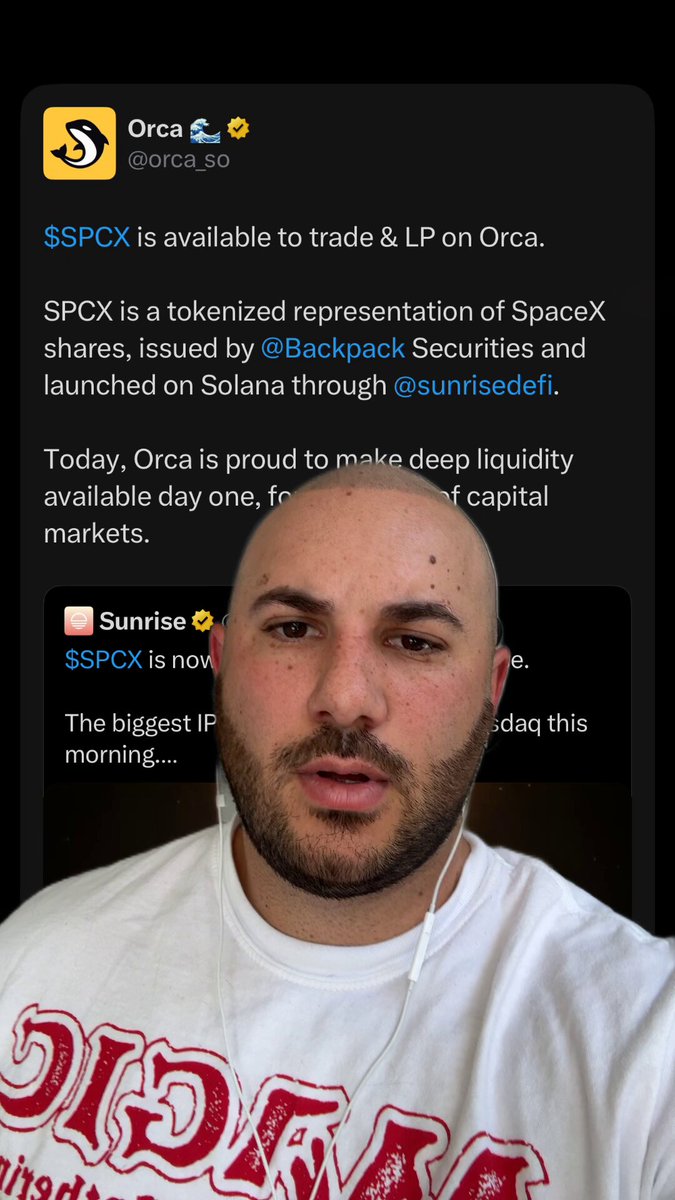
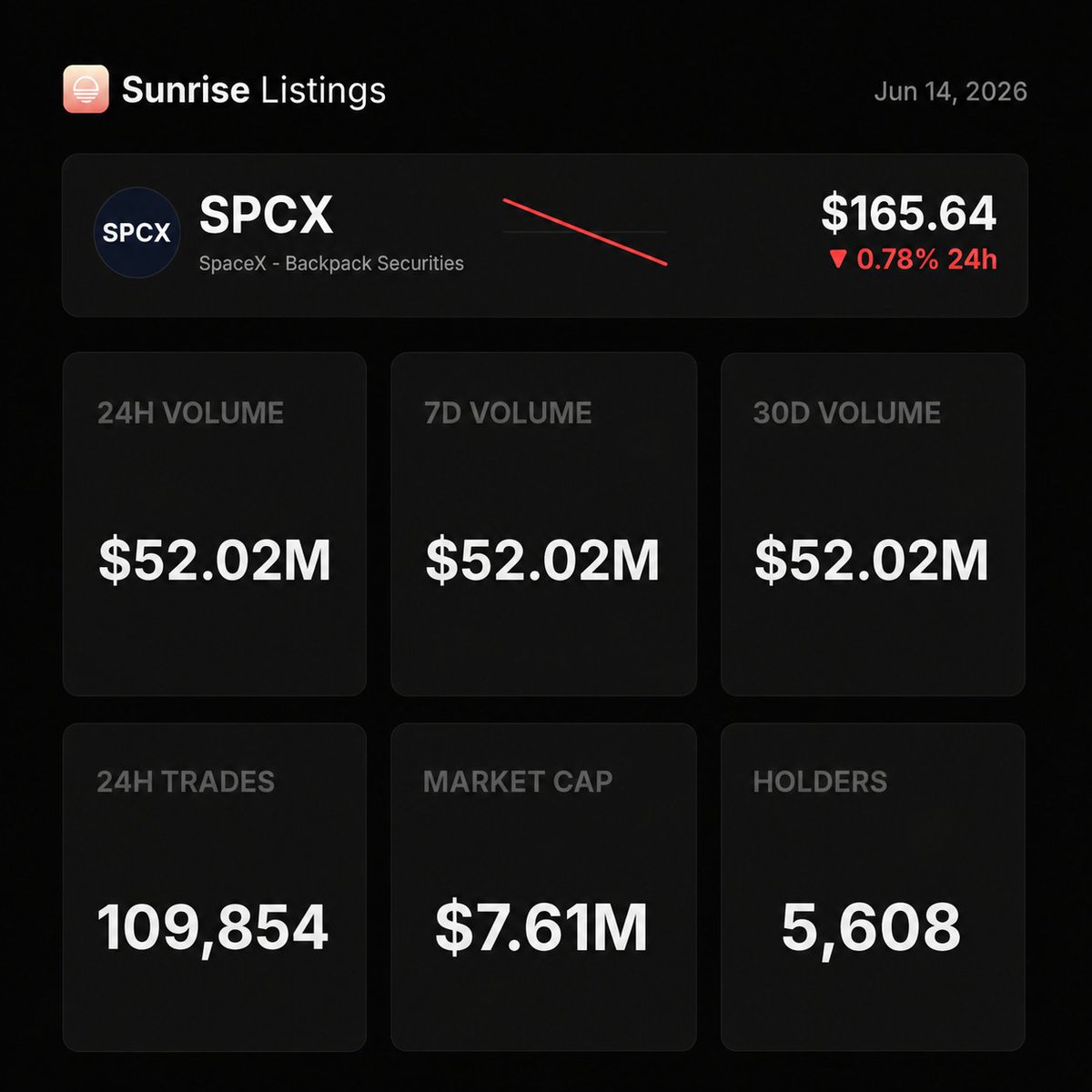
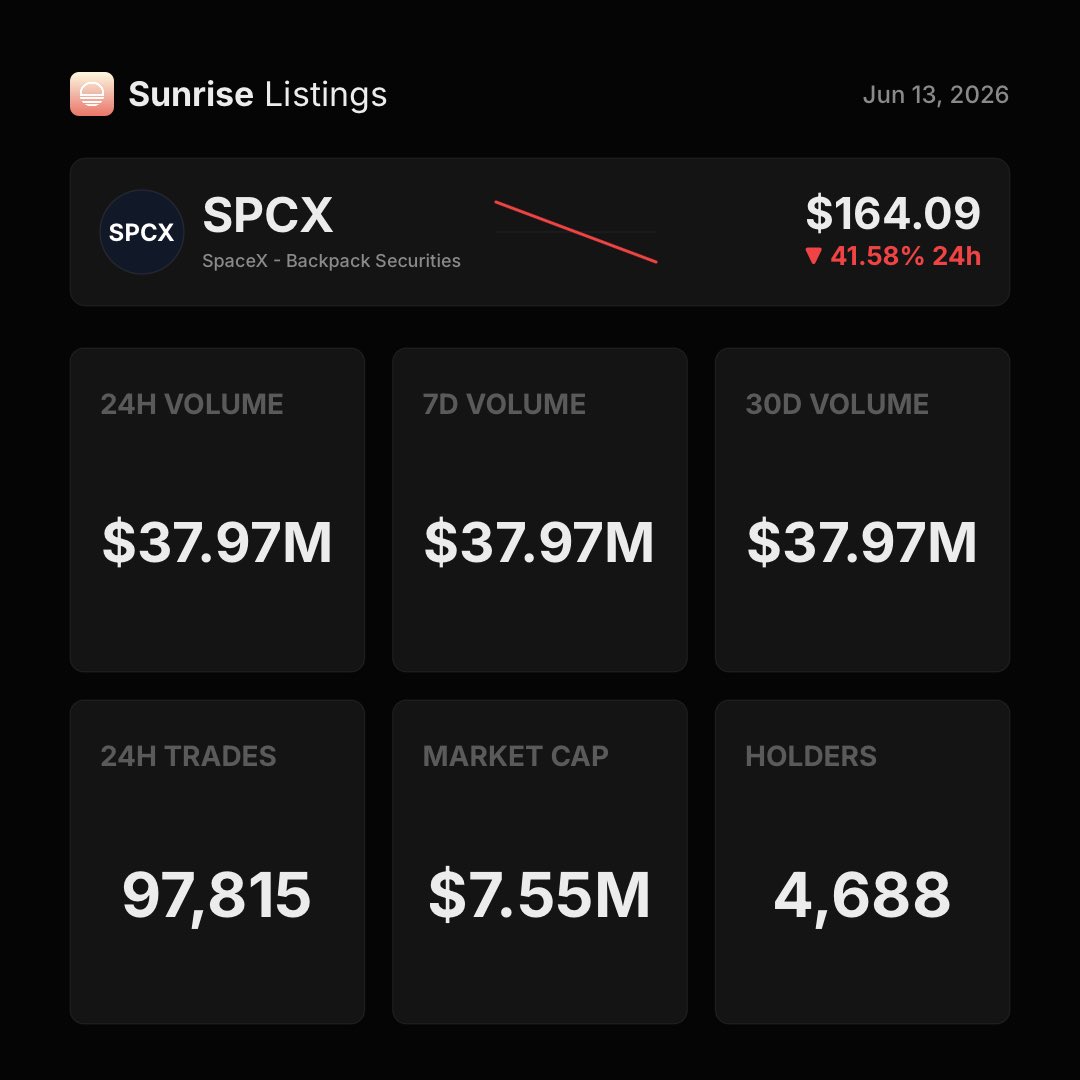
$SPCX on @Solana surpassed $50M in onchain volume in the first 24H.
Issued by @Backpack Securities. Brought to Solana DeFi via Sunrise 🌅
Jun 13

Over $37M in onchain volume across @Solana for $SPCX in the first 12H
Issued by @Backpack Securities. Brought to Solana DeFi by Sunrise 🌅
52
35
218
29,123

NickyScanz retweeted

I genuinely believe we're still early af on TCGs.
After a few months of collecting, researching, ripping, talking to builders, store owners, creators, and collectors, I wrote down 40 reasons why I believe the TCG market is still underappreciated.
• Grading companies continue to face massive submission volumes, with turnaround times and backlogs remaining elevated (PSA, CGC, BGS)
• Crypto and non-crypto TCG gacha platforms are breaking ATHs in volume, user activity, and revenue
• Top gacha platforms are running out of stock fast and regularly need to source fresh inventory to keep up with demand
• Rare sealed products continue getting opened, reducing supply while increasing demand for graded singles
• Rising slab values increase the expected value of sealed products, supporting higher sealed prices over time
• More crypto-native businesses are integrating TCG gacha mechanics through existing APIs and infrastructure providers
• Gacha machines are bringing liquidity to previously illiquid slabs ("bricks") that often struggled to find buyers
• Innovative indie projects are building on top of gacha ecosystems, creating new demand loops and user acquisition channels
• Physical collectibles are onboarding an entirely new generation of crypto-native users into TCGs
• TCGs have become one of the strongest examples of real-world collectibles intersecting with crypto infrastructure
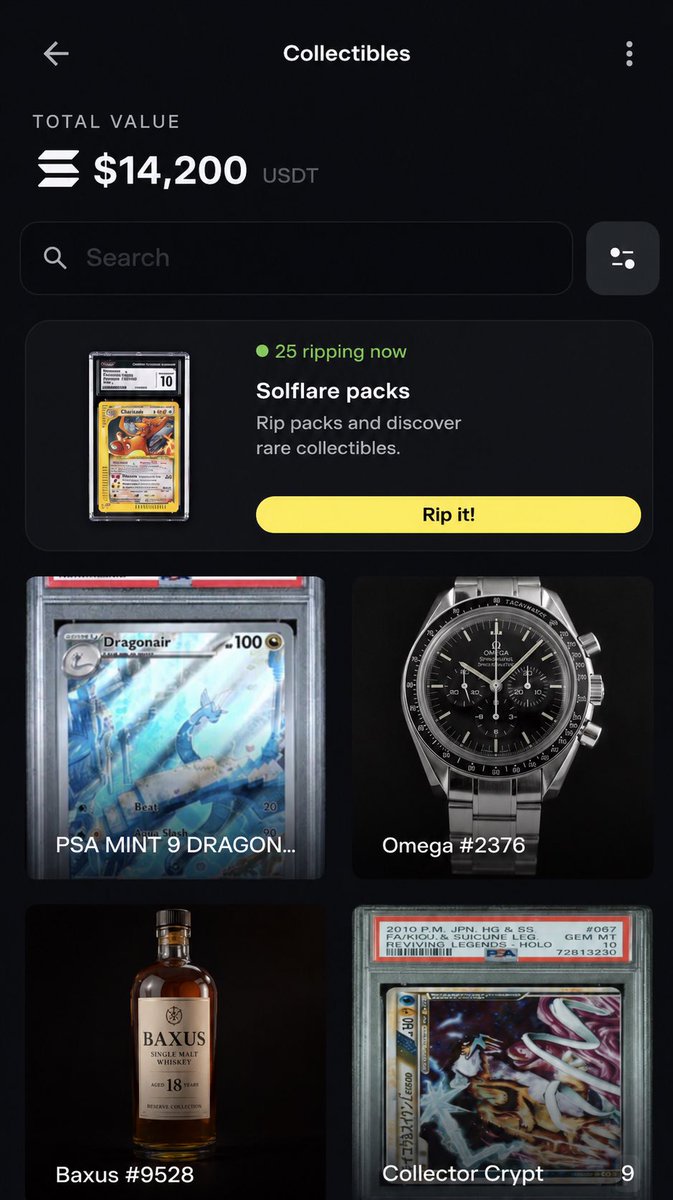
• TCG gachas now exist directly inside crypto wallets like Solflare, putting collectibles in front of thousands of users every single day
• High-end grails continue migrating from weak hands to long-term collectors, reducing available float
• Social media content around pack ripping, grading reveals, and gacha pulls is creating massive organic distribution, while more TCG creators go viral every month
• Google search interest for Pokemon, One Piece, and other TCGs has been exploding, signaling growing mainstream attention
• New collectors are entering the hobby faster than premium inventory is being created
• Many modern grails have population counts that are tiny relative to the size of the global collector base
• The growth of 24/7 digital marketplaces has made TCG price discovery far more efficient than in previous cycles
• Pokemon and One Piece continue expanding globally, bringing new collectors, players, and generations into the ecosystem every year
• Rare tournament prizes continue becoming more valuable, attracting more players who fuel demand for sealed product and singles
• TCG collecting is increasingly becoming a status symbol among crypto, gaming, and internet-native communities, similar to rare art or luxury watches
• The accessories around slabs and sealed products are getting more creative by the day, giving collectors more ways to display and flex their collections
• Capital that previously flowed into NFTs, memecoins, and digital collectibles is increasingly finding its way into physical TCG assets
• The best TCG platforms are evolving into entertainment businesses, not just marketplaces
• Crypto-native collectors are increasingly redeeming and holding slabs long-term, becoming emotionally attached to the IPs rather than purely speculating on price
• Pokemon and One Piece are among the largest entertainment IPs on the planet, giving their collectibles a cultural moat that most digital assets can never replicate
• More investors, family offices, and alternative asset funds are beginning to view collectibles as a legitimate asset class
• Tokenized collectibles are attracting builders, capital, and infrastructure that previously didn't exist in the hobby
• We're starting to see tokens, vaults, indexes, and investment funds emerge around collectible assets
• Fractional ownership and tokenization are making high-end collectibles accessible to a much larger audience
• You can now borrow against your Pokemon and One Piece slabs thanks to Solana DeFi. The line between collectibles, alternative assets, and onchain finance keeps getting blurrier
• Global liquidity can now flow into collectibles 24/7 through crypto rails instead of being limited by traditional marketplaces
• Crypto marketplaces are bringing better liquidity, distribution, custody, and price discovery to an industry that historically relied on fragmented marketplaces and private OTC deals
• As tokenization infrastructure improves, collectibles become easier to own, trade, collateralize, and integrate into broader financial ecosystems
• Crypto users are discovering that owning a grail physical collectible feels fundamentally different from owning a ticker symbol, creating stronger conviction and lower supply velocity
• Collectibles are one of the few asset classes where nostalgia, culture, entertainment, and investing all reinforce each other
• TCG data, pricing, and analytics tools are becoming significantly better, making the hobby more transparent and easier for new collectors to navigate
• Physical TCGs combine the emotional attachment of art, the scarcity of collectibles, and the investability of alternative assets into a single category
• The amount of capital entering the TCG ecosystem is growing faster than the supply of truly rare collectibles available for purchase
• The TCG market is becoming increasingly global, with buyers and sellers interacting across borders through digital and crypto-native platforms
• Local card shops are receiving increasing support from gacha platforms, creators, and curators through sponsorships, inventory purchases, community events, and collector onboarding
45
18
399
48,714
NickyScanz retweeted

I know how Elon Musk became a trillionaire, but I don't know how Bernie Sanders, Elizabeth Warren, and Nancy Pelosi became millionaires.
1,700
14,682
88,819
815,852

NickyScanz retweeted

19h
TUNE IN on monday to have all your questions about $spcx on solana
is it really the stock?
how do dividends & rights work?
is it compatible with your fav brokerage & defi app?
it’s not rocket science, it’s solana

22
25
116
41,191
NickyScanz retweeted

Jun 12
This is so embarrassing
They just don’t understand capitalism, or believe that net-new wealth can be created through innovation and hard work
Crab is in a bucket behavior
Jun 12

Elon Musk just became the world's first trillionaire. This needs to be a wake up call.
43
10
219
24,289