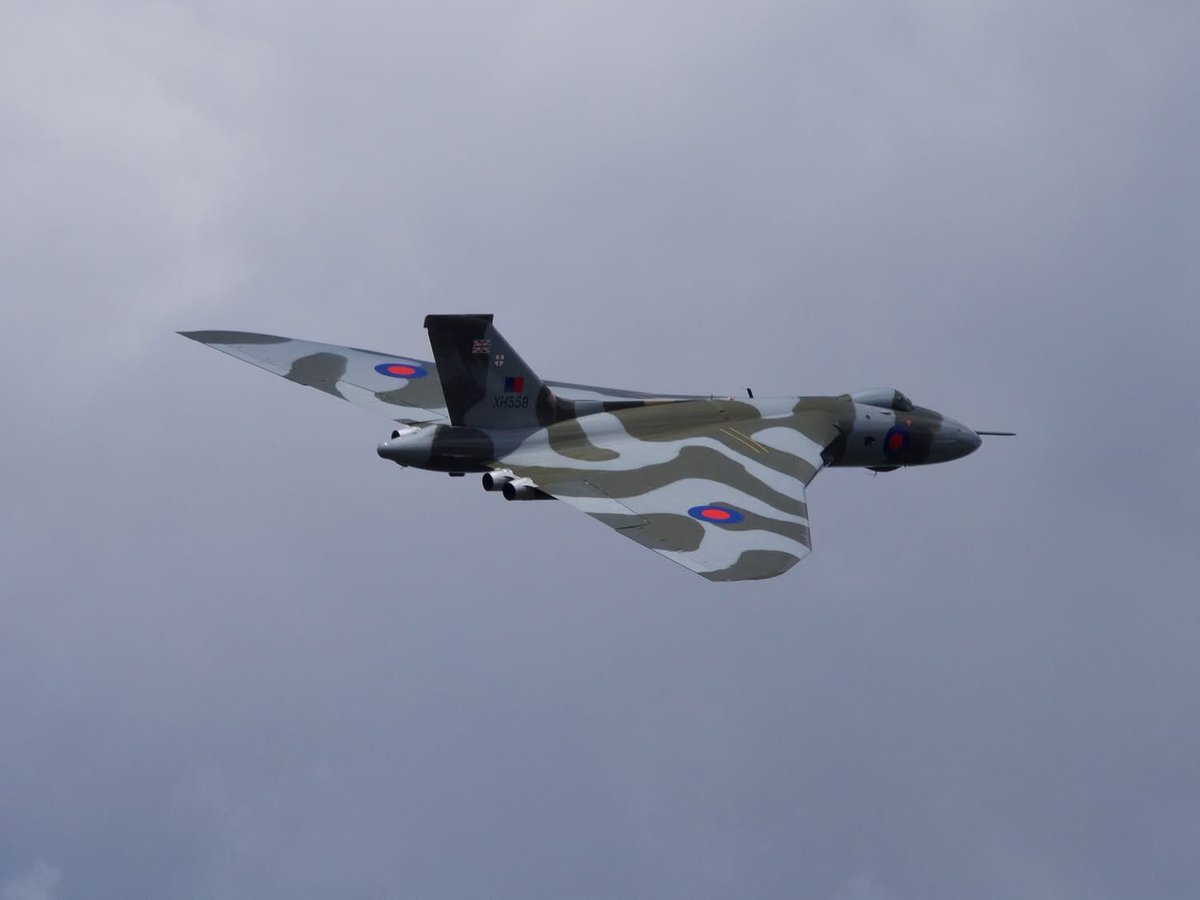
I'm like Marmite. That's gone past its Use By date. #JustForFunScaleModels
Joined October 2020
- Tweets 44,487
- Following 7,311
- Followers 2,945
- Likes 82,853
4,302 Photos and videos

















TechNoodles retweeted

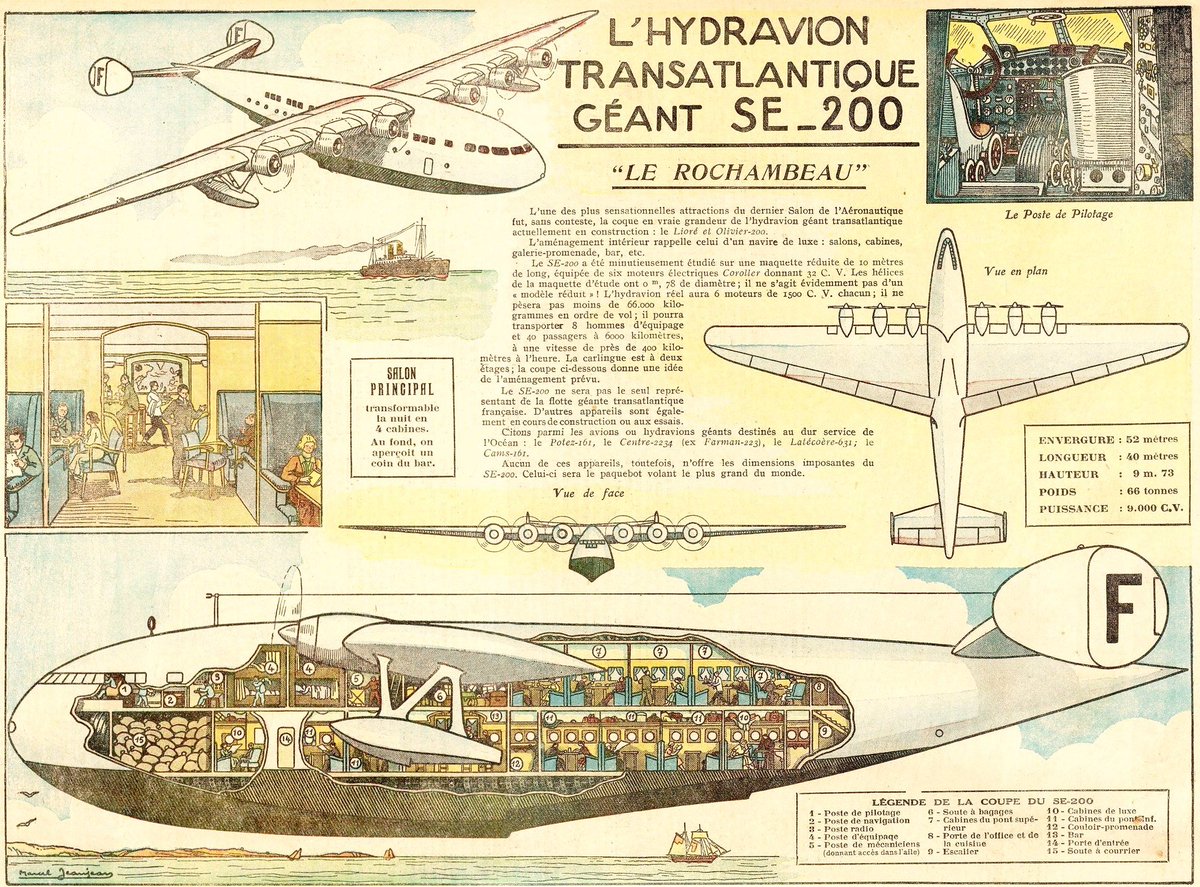
Everyone loves a 'cutaway' drawing and this one is quite special...albeit in French! 🇫🇷
10
31
169
5,015
TechNoodles retweeted

You were watching PawPatrol on YouTube after curfew were you not?

48
3,307
46,102
499,770
TechNoodles retweeted

14h
What the fuck are we doing

Jun 14

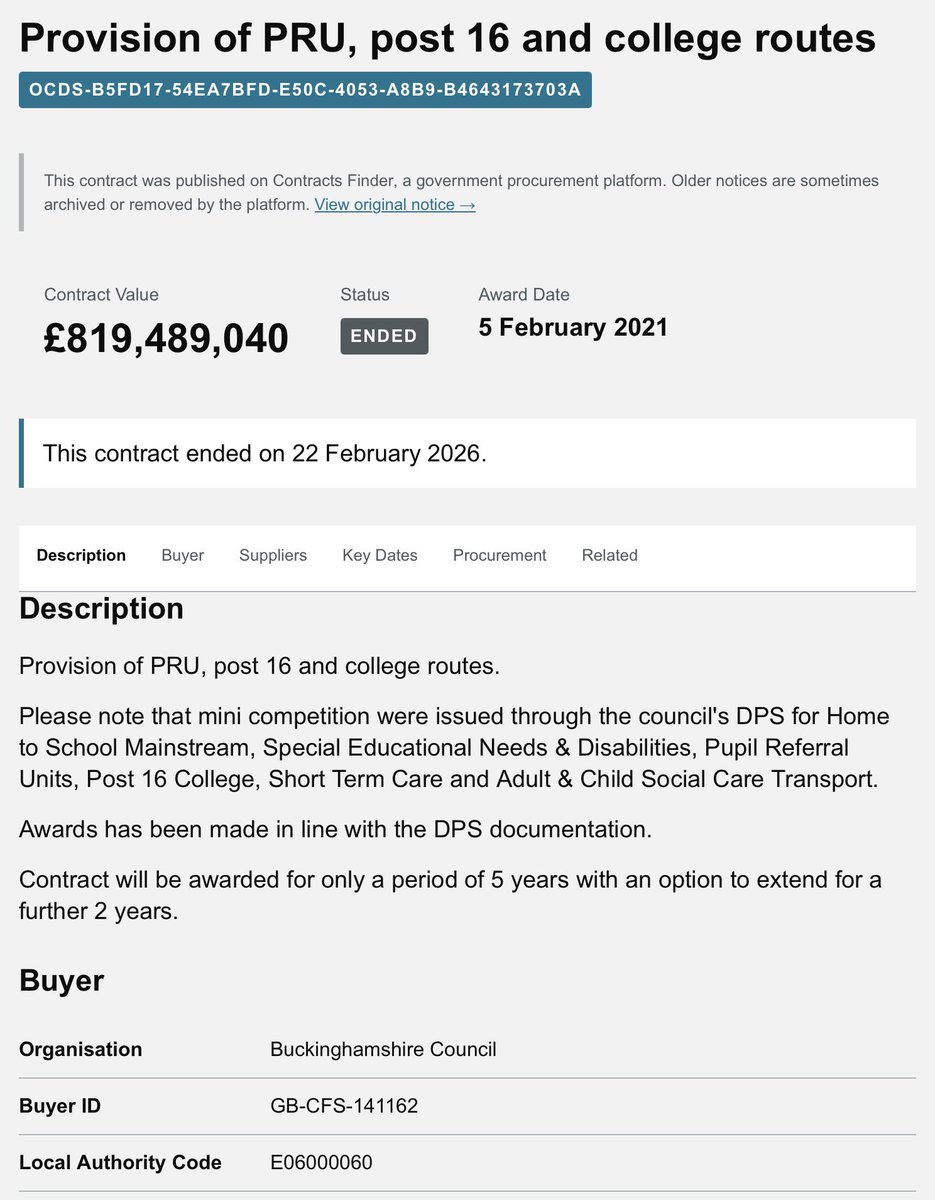
Buckinghamshire council spent £819 million over a five year contract period on taxis. £163 million a year on average.
This is insane. The council could run an equivalent transport service for a fraction of this cost
133
671
5,537
253,204

TechNoodles retweeted

15h
Our own police are against us as they restrain 5 year old white boy and pepper spray his father.
109
910
5,126
35,640
TechNoodles retweeted

Jun 14
ダグラスA-1 スカイレイダー。天才エンジニアのエド・ハイネマン設計。単発機ながら4発機のB-17に匹敵するペイロード、MiG-17Fを撃墜する高機動性、タフな構造を活かし撃墜された兵士を救う救難ヘリが到着するまで敵の火網をくぐり抜け何時間も現場上空を旋回、攻撃し続け救出するSandyとして活躍。 x.com/MAXIMUM_ODEN/status/20…
8
87
533
8,218
TechNoodles retweeted
Jun 14
世界に1機しか現存しないオリジナルFW-190A-5 - BMW - 801。フォッケウルフが飛ぶよ😳所有者故ポール・アレン氏(米国)のおかげだね。
16
179
1,409
57,904
TechNoodles retweeted
Politicians have ignored the electorate's wishes regarding immigration, and have done so for decades at this point. People think it started with Blair in '97 but look at what happened to Enoch Powell to understand just how long the political class have ignored us.
1
1
3
56
TechNoodles retweeted

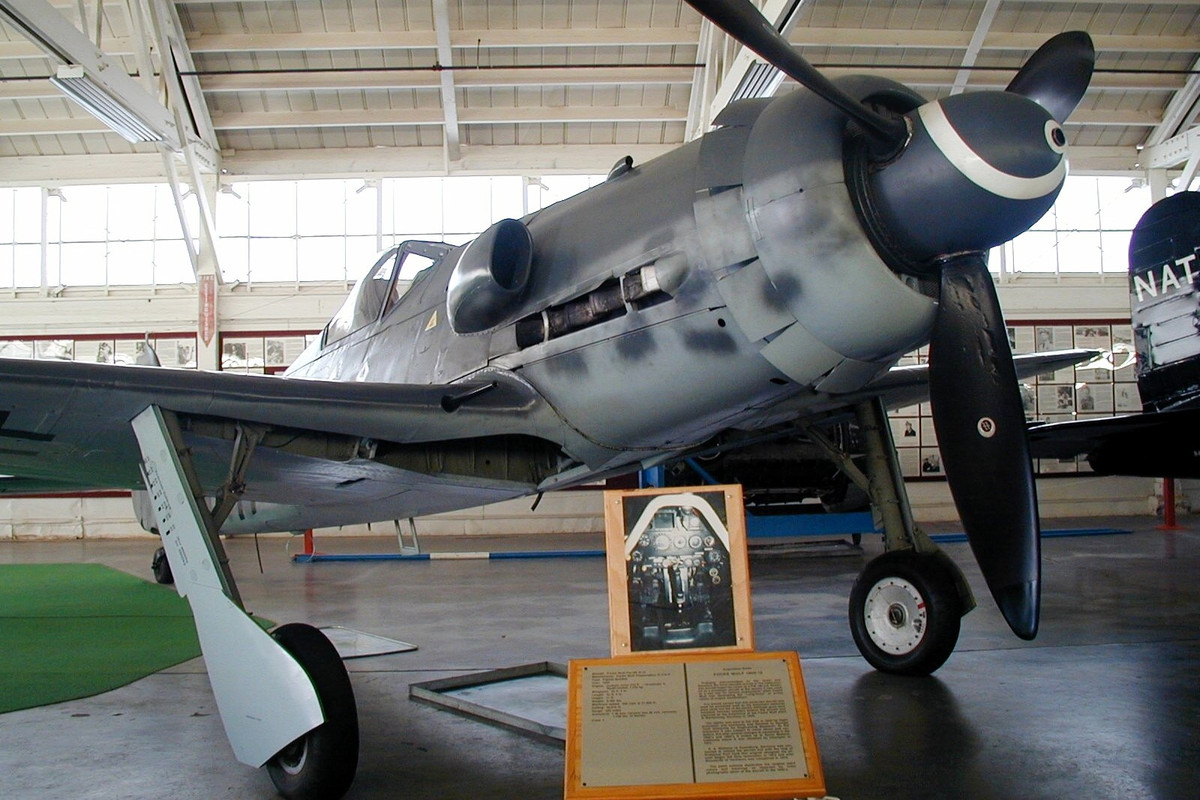
At least 11 Focke Wolf FW 190s exist in museums worldwide.
Four of these are Fw 190 Ds, and all are in the United States, including one at the U.S. Air Force museum at Wright-Patterson AFB, OH., and one here at NASM.
The Focke-Wulf D, nicknamed “Dora.” It has a long nose due to its inline engine.
This aircraft is extremely rare. To my knowledge, I am not aware of any that are still flying.
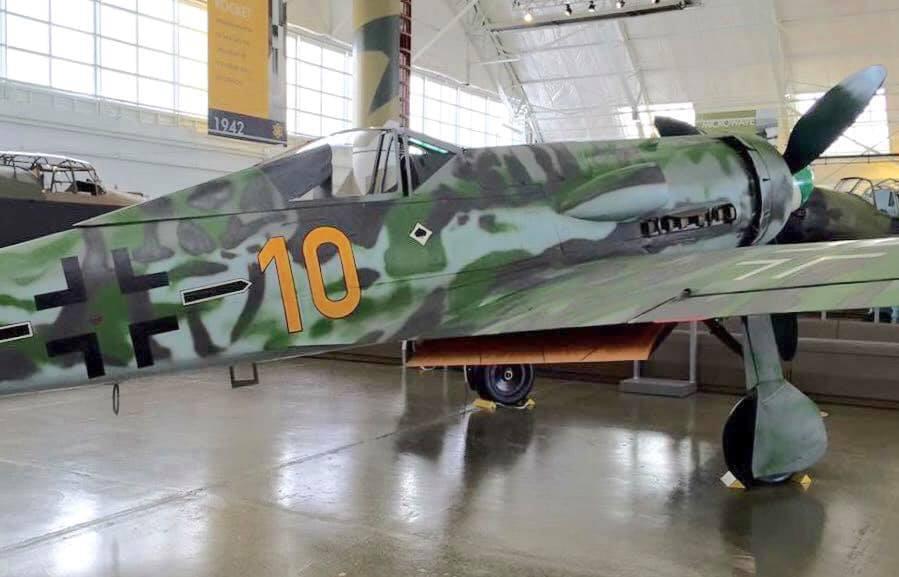
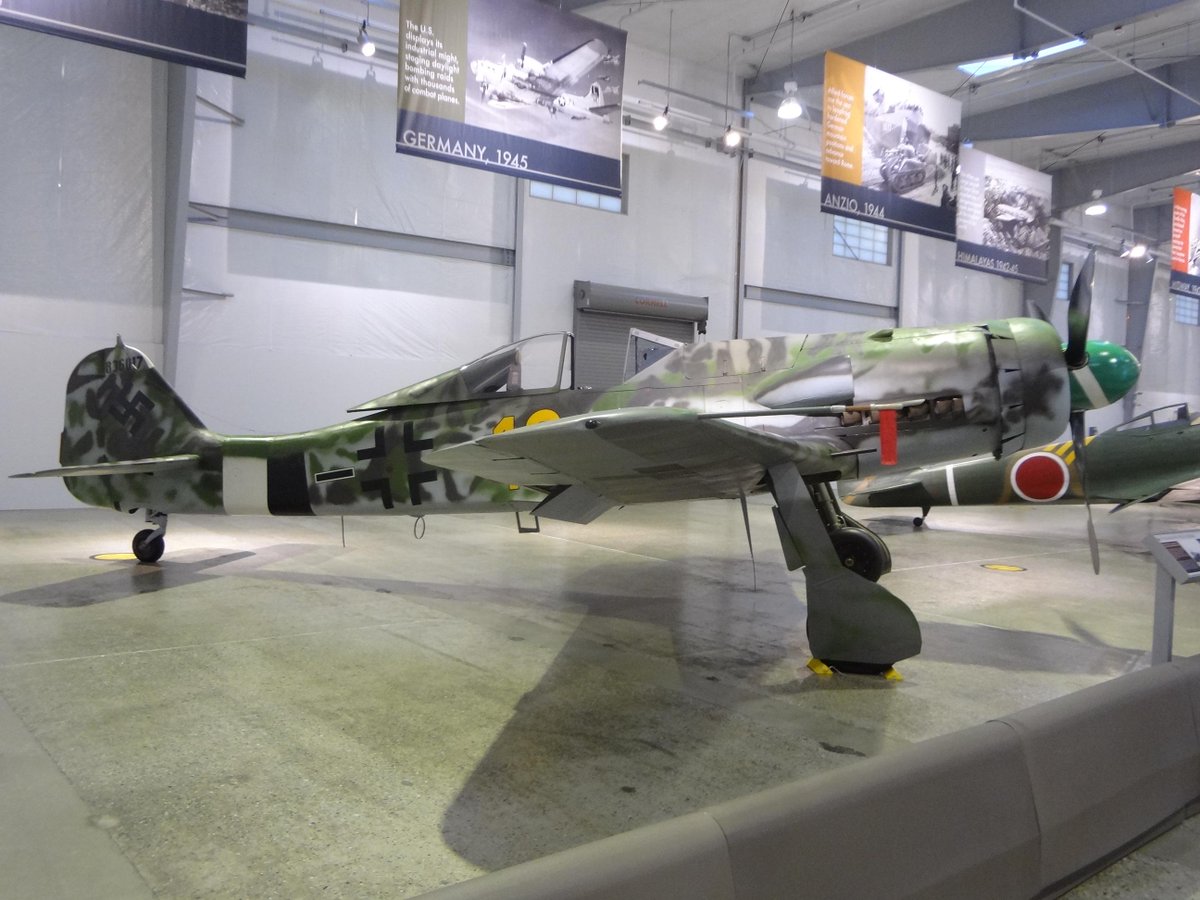
The Focke-Wulf Fw 190 D-13/R11 “Yellow 10” (Serial Number 836017) has had a rather remarkable history: it is now the only authentic surviving Fw 190 D-13 in the world.
Its post-war history
Delivered to the Luftwaffe in March 1945.
Assigned to the commander of JG 26, Major Franz Götz.
Captured by the Allies at the end of the war and transferred to the United States for evaluation under the number FE-118.
Later donated to the Georgia Institute of Technology, where it ended up being stored and then neglected for several years.
Purchased in 1972 by collector Doug Champlin, who sent it to Germany for a major restoration carried out with the help of Art Williams’ team and even the Fw 190’s designer, Kurt Tank.
Subsequent restorations
After its return to the United States:
Displayed at the Champlin Fighter Museum (Arizona), which has since closed;
completely rebuilt in the early 2000s by Gosshawk Aviation;
subsequently displayed at the Museum of Flight;
finally transferred to Paul Allen’s collection, now known as the Flying Heritage & Combat Armor Museum in Everett (Washington State).
Where is it today?
The aircraft is still housed in Everett, near Seattle, at the Flying Heritage & Combat Armor Museum. It has long been maintained in near-flight condition, but due to its extreme rarity, it is generally not flown.
Why is it so important?
The D-13 was a very rare variant of the Jumo 213-powered “Dora.” Few were built, and 836017 is the only known complete survivor. For aviation historians, it is one of the most valuable German World War II aircraft still in existence.
Interesting fact: the famous yellow “10” painted on the fuselage was Franz Götz’s lucky number, which explains the aircraft’s distinctive livery.
🎬Jerry Crandall Studios
5
37
229
9,954
TechNoodles retweeted

A U.S. Navy F-4N Phantom from VF-111 “Sundowners” in flight during a mission from the USS Coral Sea (CVA 43) in September 1975.

1
27
255
2,064
TechNoodles retweeted

Jun 14
A sincere thank you to all of today's followers, old and new, 'likes,' contributors and readers.

3
88
1,178
TechNoodles retweeted
Jun 14
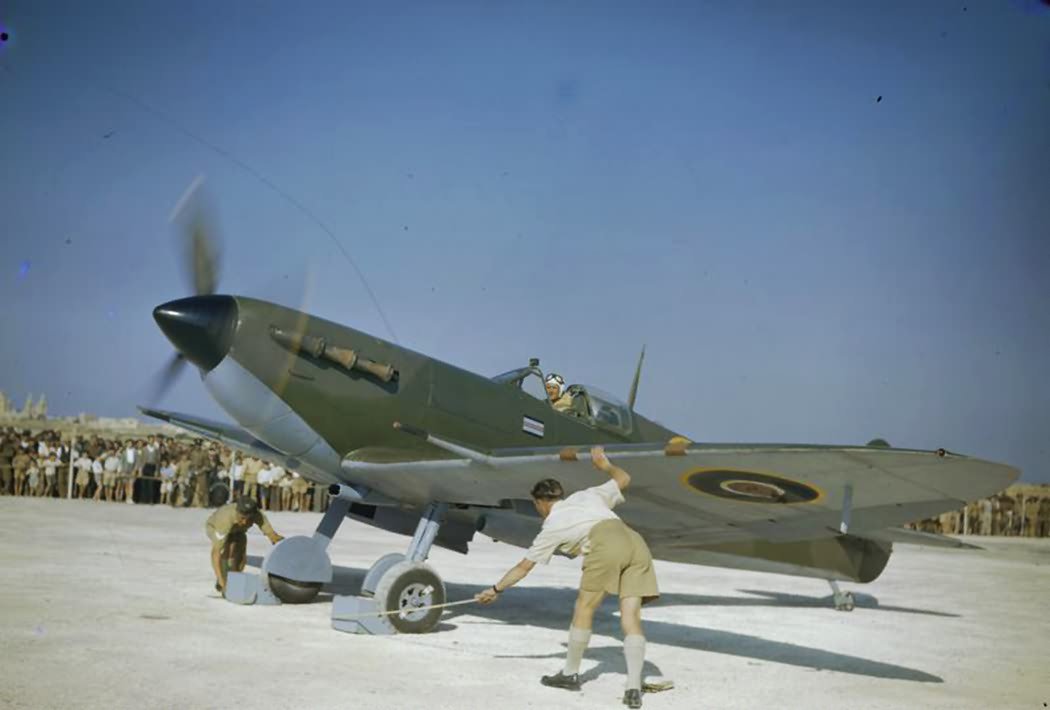
Air Vice Marshal Keith Park taxiing his personal Spitfire V, Malta, Safi airfield.
1
12
153
2,140
TechNoodles retweeted

Egerton Park in Bexhill on Sea, in 1966.
When these beautiful parks were all over the land, well maintained by local councils and respected by law-abiding and civilised people.
And when a civilised race is replaced by less civilised people, that's when the problems begin.

12
55
389
4,186
TechNoodles retweeted

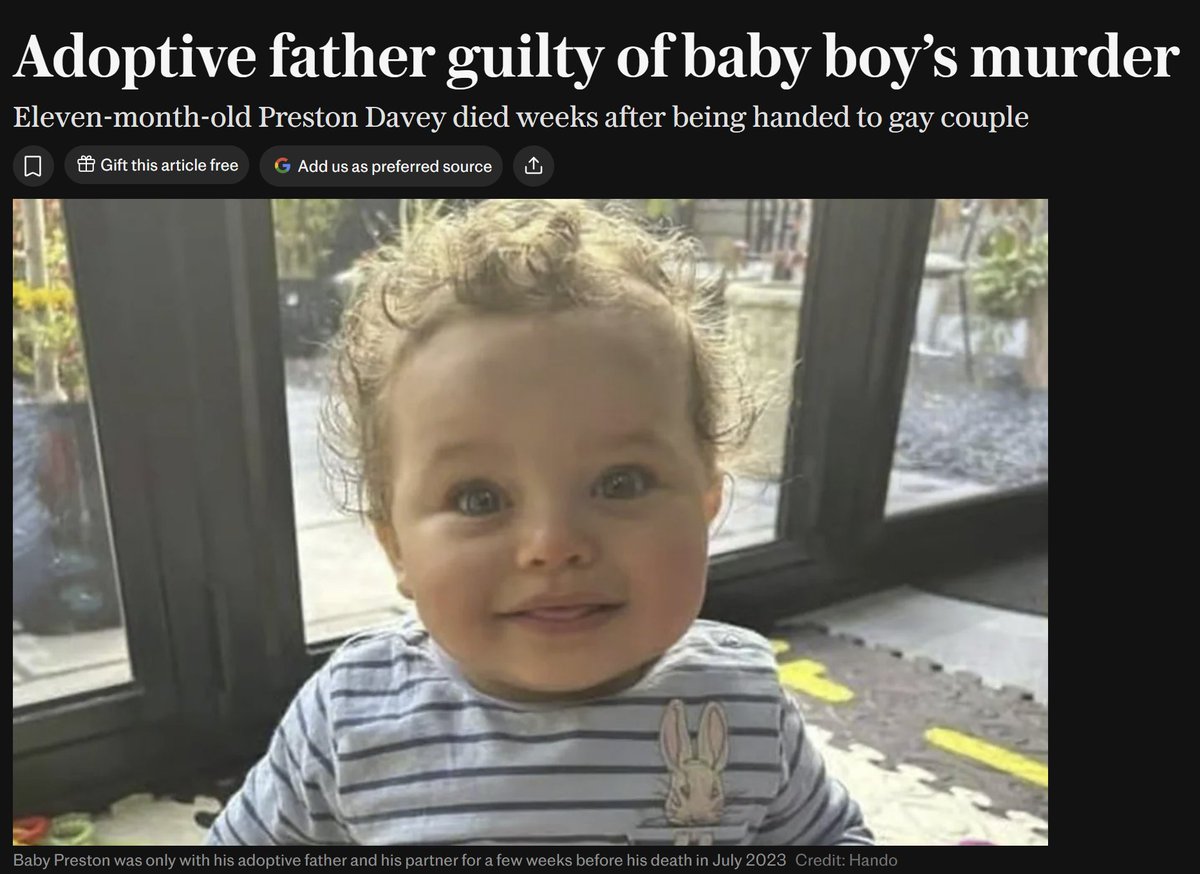
This is possibly the worst crime in modern history.
Two men "adopted" a baby.
"A post mortem examination identified more than 30 external bruises, as well as internal bruising to his mouth and throat, internal bruising to his anus, bowel and bladder, lacerations to his anorectum, and a perforated bowel."
"One medical expert gave evidence that a bruise on the baby’s bottom appeared to be a human bite mark."
Think what this poor baby went through. The men who did this should be put to death.
Men should not be able to buy babies. I know that this will cause some anguish to good men who have good intentions, but it's necessary to prevent this happening. This cannot happen again.
1,254
3,876
14,649
349,138
TechNoodles retweeted

The new AI model from Mistral is absolutely fantastic

157
229
7,169
412,790
TechNoodles retweeted

Jun 14
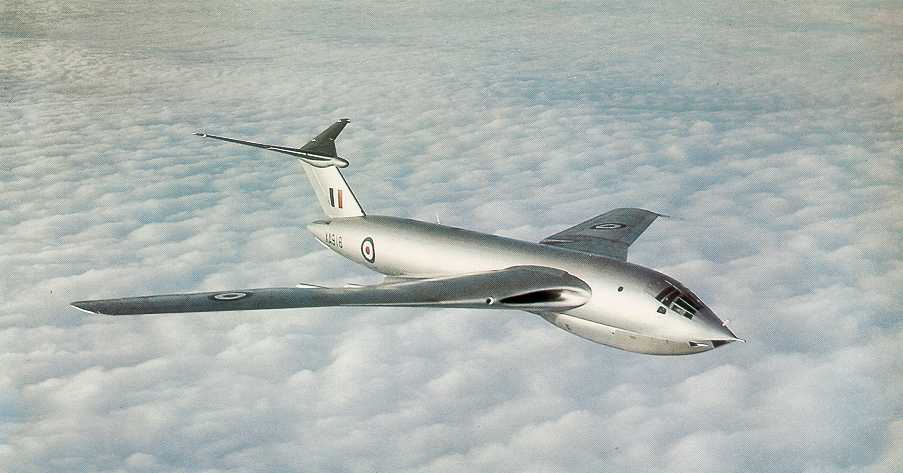
One more reason the Victor is the coolest of the bunch. I mean, look at it! Its a bloody spaceship.
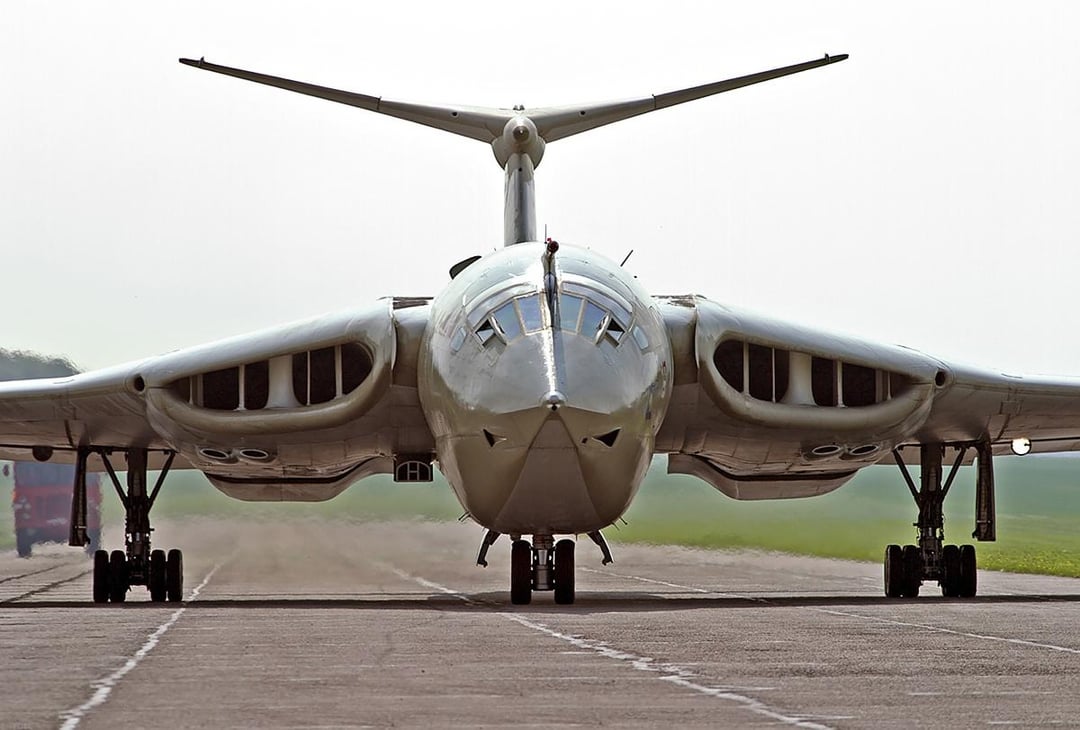

Of all the three (or should that be four? 🤔) V-bomber types, only the Handley Page Victor B1 ever flew supersonic!
This feat, which was totally unintentional, took place during flight testing in 1956. Mind you, she looks like she should be capable, even when she's on the ground.
17
74
971
39,052
They say imitation is the sincerest form of flattery. Not sure @PeterMcCormack 's followers would agree. Maybe do what I did and report for impersonating.
16
TechNoodles retweeted

Jun 15
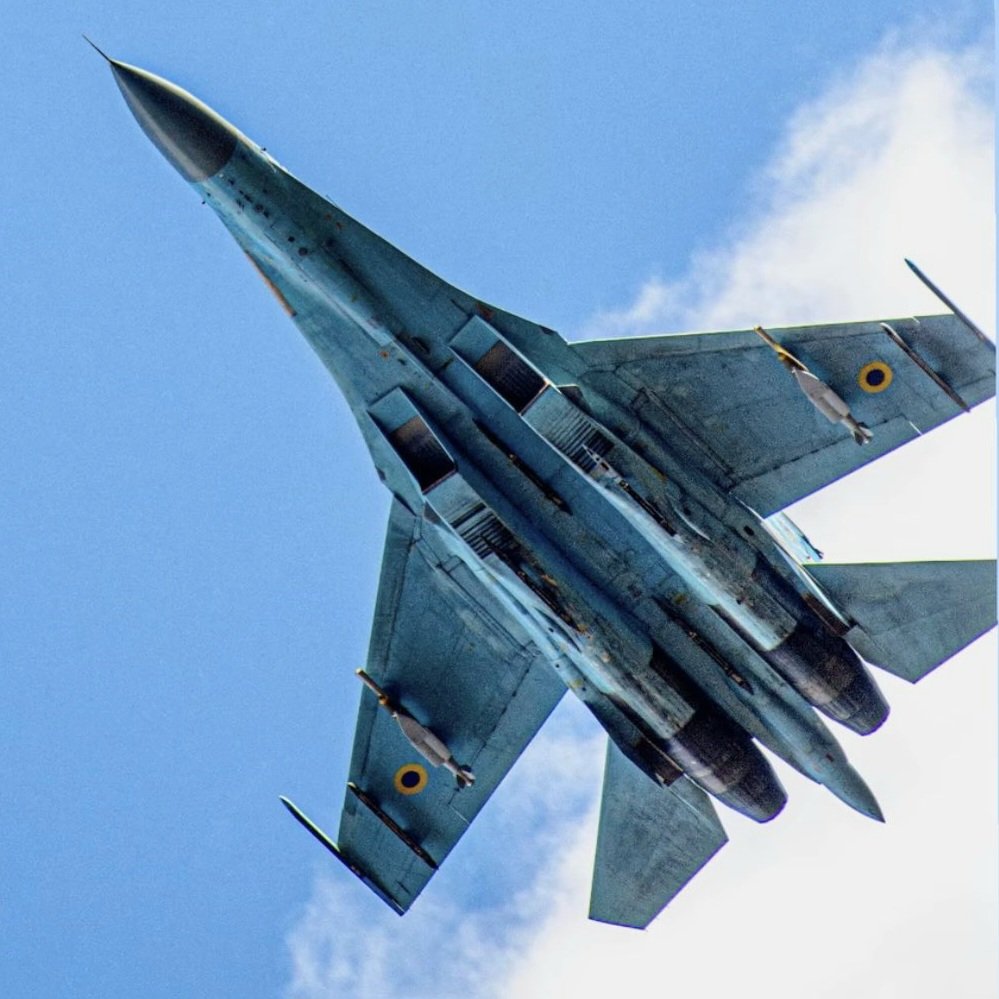
A fantastic view of a Ukrainian Flanker lugging a pair of US-supplied JDAM-ERs. What makes this combo wild is that legacy Soviet avionics on the Ukrainian Su-27 can’t natively talk with NATO smart weapons! Ukrainian engineers bypassed this technical barrier by using specialized pylons that allow the crew to program target coordinates into JDAMs on the ground or via a tablet inside the cockpit. This is the ultimate fusion of Cold War heavy metal and 21st-century digital improvisation.
8
149
910
30,223
TechNoodles retweeted
Jun 15
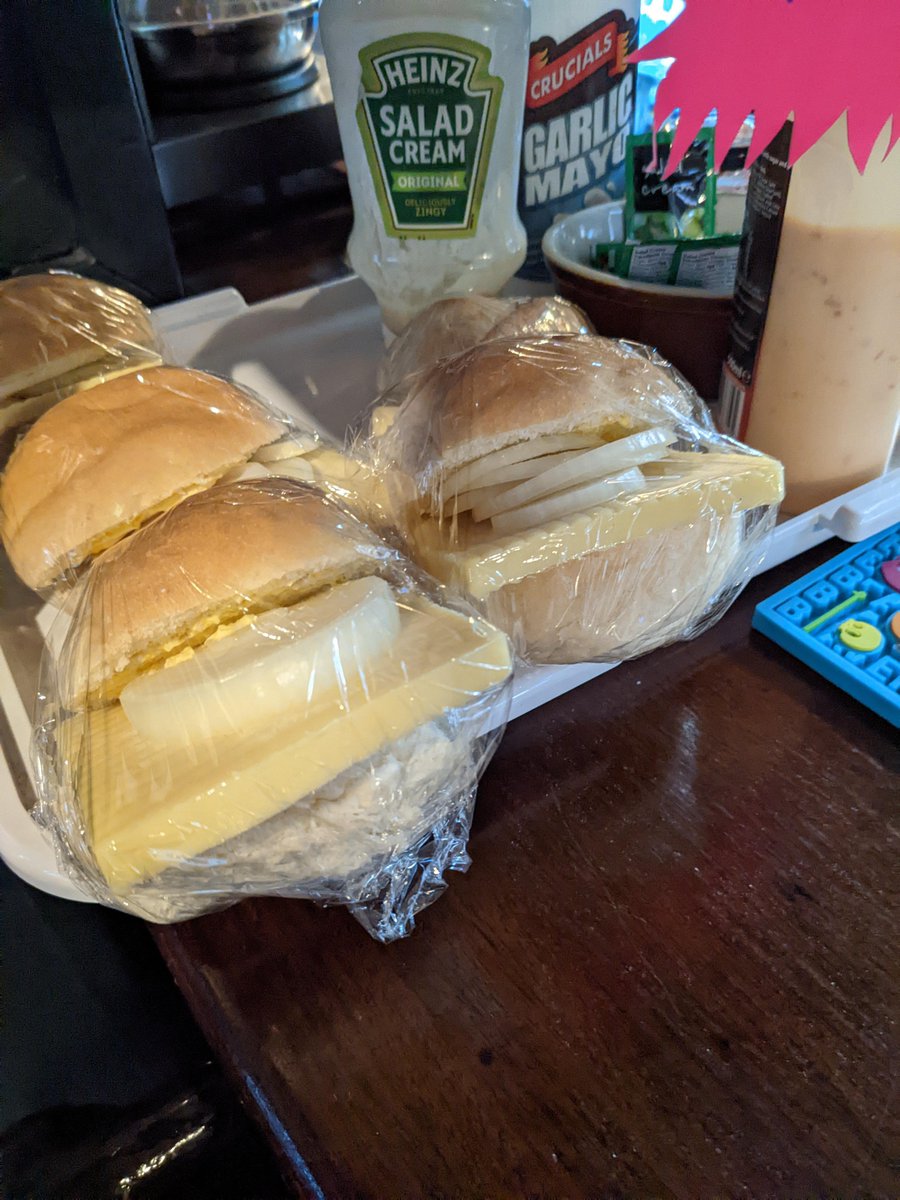
The truth is we yearn for the world when food was worse but everything else was better.
Sure - now it would be an artisinal sourdough roll, caramelised onions and melted cheese.. but we'd consume while reading about the latest migrant beheading and how we owe our culture to immigrants.

12
9
173
8,468