You think you know, but you have no idea. RTs/likes ≠ endorsement #iStayOutOfWomensBusiness
Joined June 2010
- Tweets 111,172
- Following 707
- Followers 586
- Likes 165,823
2,833 Photos and videos


Pinned Tweet

2 Jan 2022
..continuing into 2022 as well 💆🏾🙅🏾♂️
7 Jan 2021

Staying out of women’s business all 2021 ✌🏽👌🏾
1
6
Wonder what’s the mix of the supporters at the SoFi stadium? Place loud likkle while ago when eye-ran score…
31
Jamaica wouldn’t even pass the half line and Curacao scored lmaoooo. Unnu funny unuh
2
63
Champagne Fapi 🇦🇷 retweeted

De'Aaron Fox aint nothing but D'Angelo Russell with John Calipari’s phone number
293
5,818
48,852
1,417,105
Love when the football community discovers a likkle balla I been rating
Jun 14

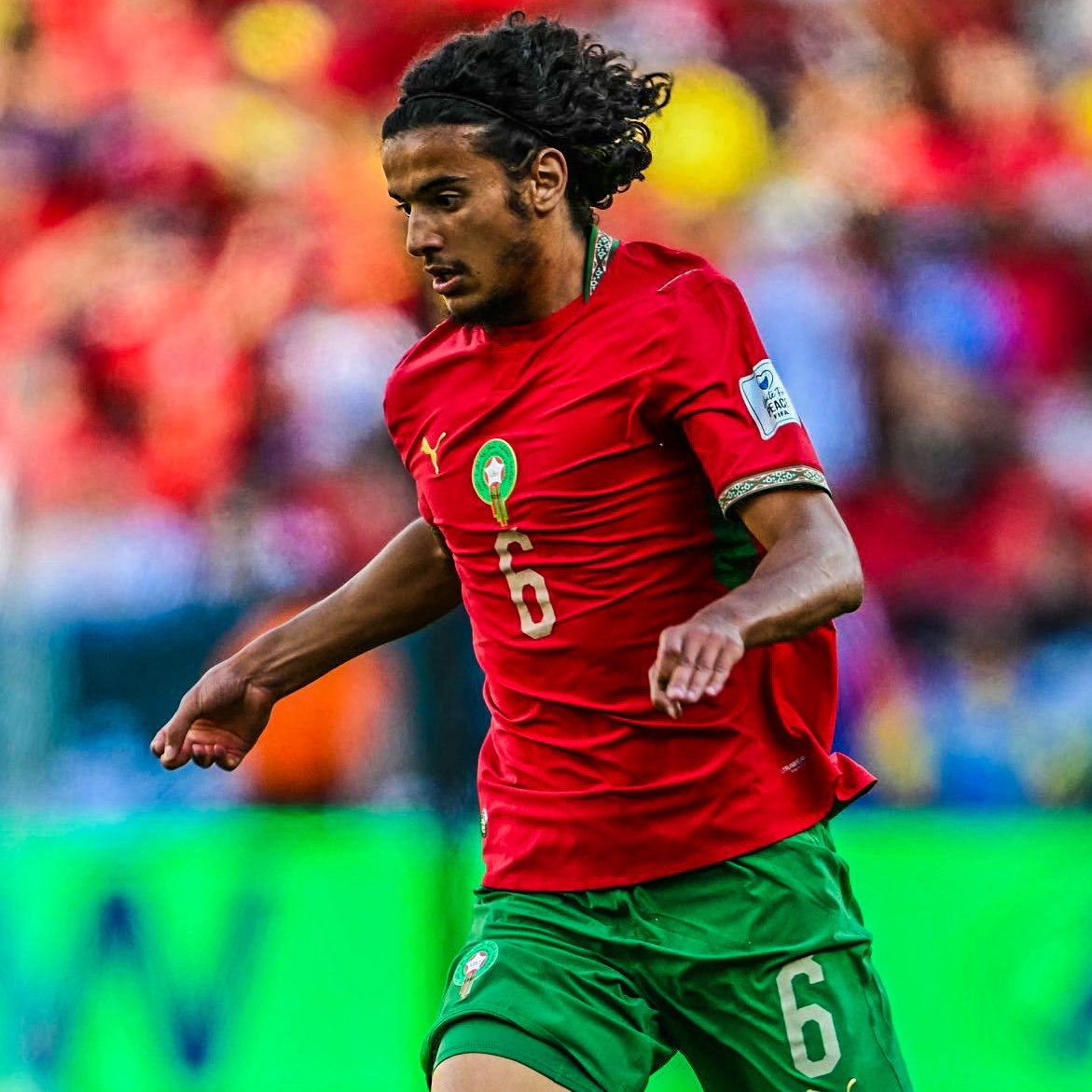
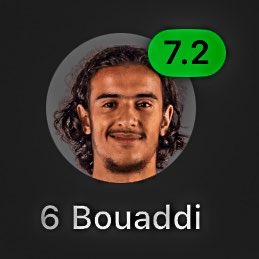
🚨💎 Ayyoub Bouaddi (18) vs Brazil... 🇲🇦
• 100% accurate long balls, 1/1
• 91% pass accuracy
• 9/13 ground duels won
• 3/5 success dribbles
• 2 passes into final third
• 6 defensive contributions
He plays for Lille at club level. ✨
40
Wooooow

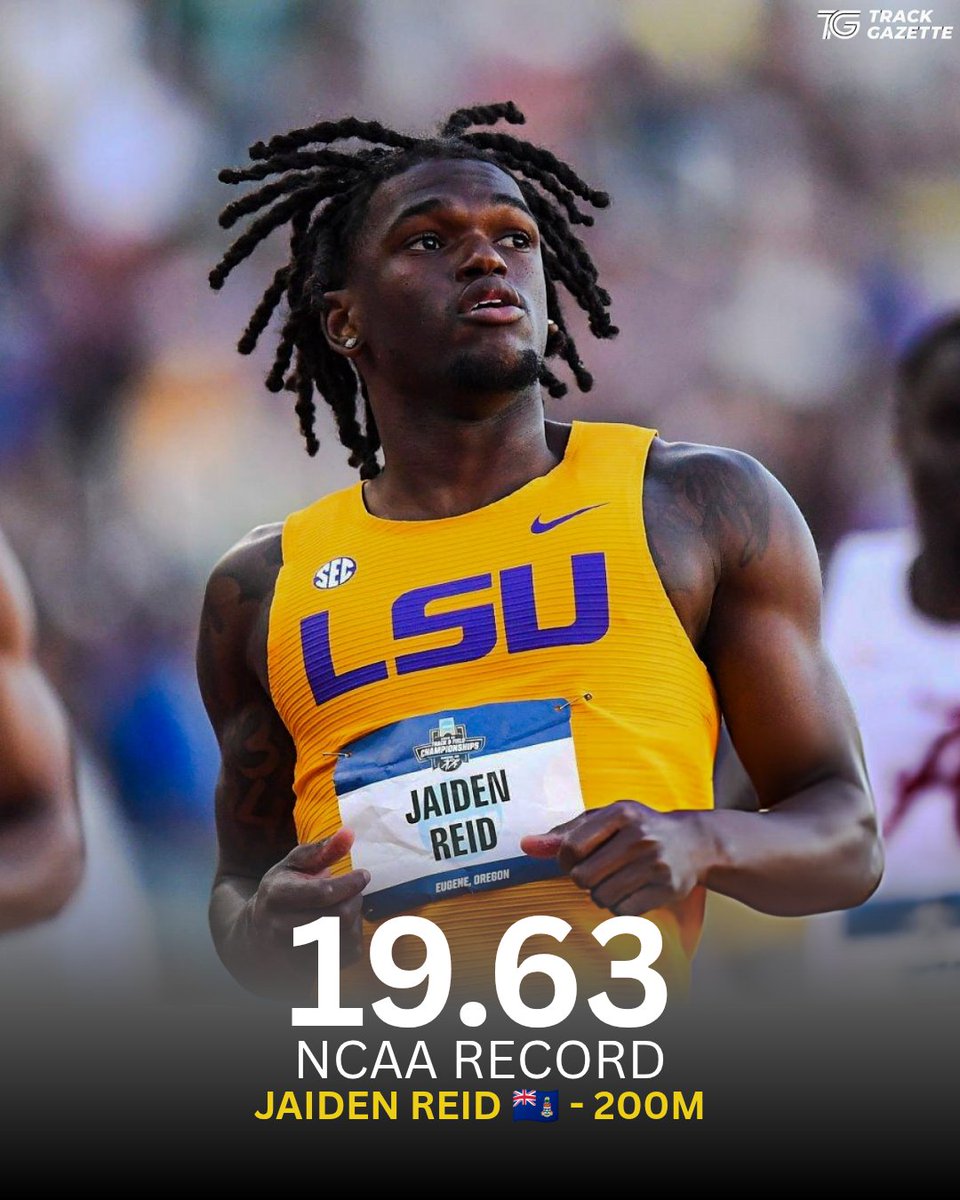
19.63s!!🤯🤯
NCAA Record ☑️
National Record ☑️
World Lead ☑️
Jaiden Reid (LSU) 🇰🇾 ran a blistering 19.63s (1.5) to win the NCAA men's 200n title in Eugene, taking down the NCAA Record set by Walter Dix in 2007!
Israel Okon (Auburn) pulls up, but still manages to finish 2nd in 19.99s, while Trelee Banks got 3rd in 20.02s.
52
A bredda ask me today when Messi retire, which country me ago support for World Cup? Deevn ansa him raasclaat
26
Champagne Fapi 🇦🇷 retweeted

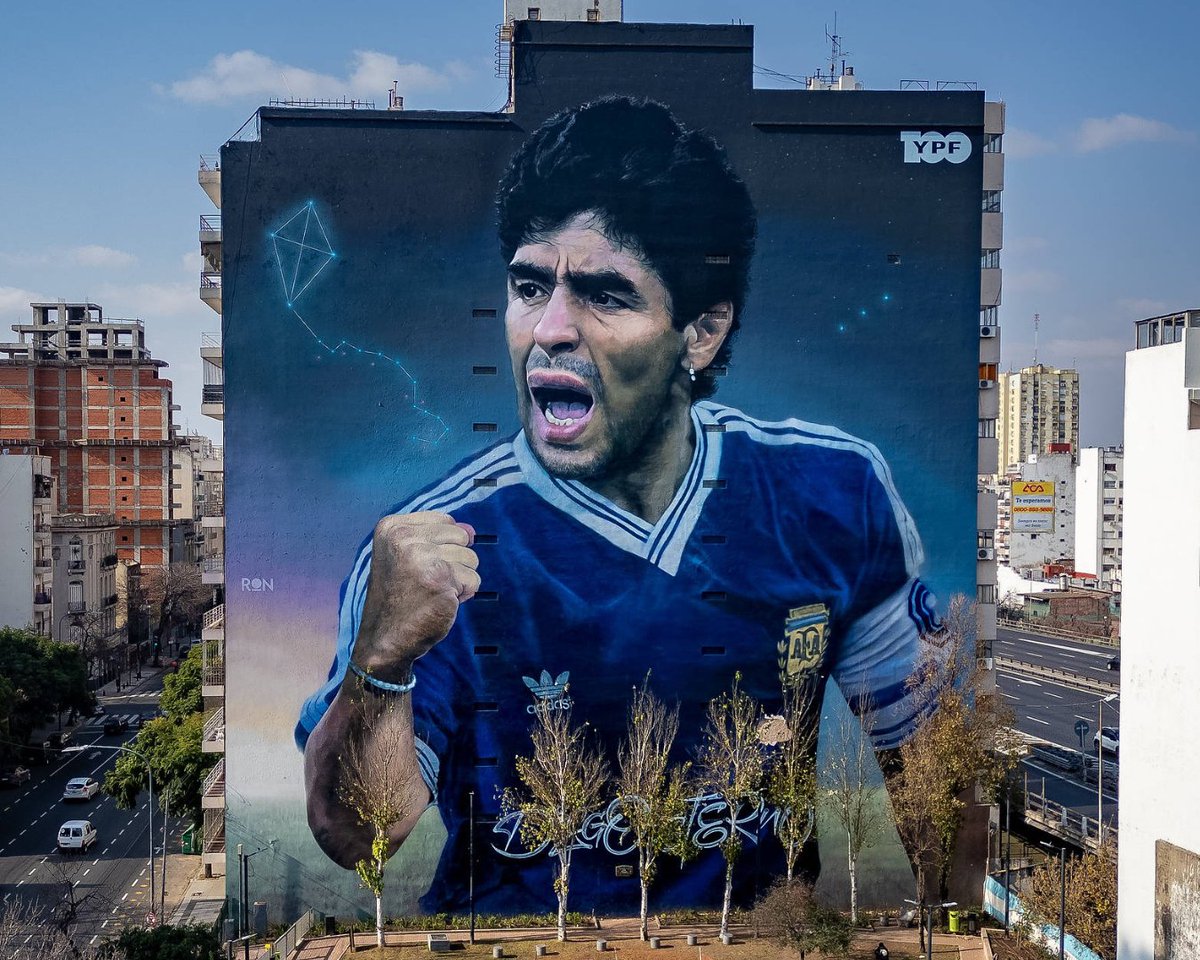
48/48 🇦🇷 Argentina.
D10S.
In Spanish, God is Dios. Diez means 10. Put them together and you get a name for eternity.
Everyone knows what Diego Armando Maradona achieved on the pitch.
This is about what he meant to the people.
What truly makes him the greatest of all time.
He was born in Villa Fiorito, one of Buenos Aires' poorest slums. No running water. His first football was a sock stuffed with rags. His father was a bricklayer who left for work at 4am and "arrived home dead."
His neighbours called him Pelusa, the Fuzz, because of his wild hair as a boy. The name stuck in Villa Fiorito long after the rest of the world knew him as El Pibe de Oro.
"I want to be the idol of the poor kids of Naples because they are just like me as a youngster in Villa Fiorito."
He never forgot where he came from. And the world's poor never forgot him for it.
Argentina in 1986 was a country still open and bleeding. The military dictatorship had disappeared 30,000 people between 1976 and 1983. The Falklands War had humiliated the nation two years before the World Cup. Hyperinflation was destroying what remained. A country stripped of its dignity, its identity, its faith in itself.
Then one man from a slum in Buenos Aires picked up a football and gave it all back. He didn't just win the 1986 World Cup. He carried a broken nation on his back. "He was our revenge against everything that had been done to us."
Then Naples. Italy in the 1980s was divided between the rich industrial north and the poor, humiliated south. When Napoli came to visit the northern clubs, banners hung in the stands: "Welcome to Italy." The message was clear, Naples was not really part of the country.
When Diego arrived in 1984, Barcelona tried to squeeze extra money from the deal at the last minute. The Neapolitans responded by making collections in the streets, from the packed tenements of the Spanish Quarter to the Camorra-run district of Forcella. Poor people giving what little they had to bring one man to their city.
He saw what they had done. He understood immediately. "I am one of you."
He won them the Serie A title in 1987. Their first ever. And again in 1990. Two scudettos the north had never thought possible from a city they had never taken seriously.
Neapolitans didn't celebrate. They wept. Because it was about more than football.
The 1990 World Cup semi-final was played in Naples. Italy vs Argentina. The Italian media demanded Neapolitan loyalty to the national team.
Maradona spoke first. "Naples has always been mistreated by Italy. Why should you support Italy now?" He divided Italy to the bone. Half the crowd cheered for Argentina. Italy never forgave him. Naples never stopped loving him.
When he returned to Naples in 2005 for a gala match, grown men cried in the stands.
It all happened in the stadium that carries is name since the day he died.
November 25, 2020. Aged 60.
Argentina declared three days of national mourning. His body lay in state at the Casa Rosada, the Presidential Palace, the same building from which Eva Perón had once addressed the nation.
Hundreds of thousands queued through the night to say goodbye. In Naples, people painted new murals before the sun came up. In Ghana, in India, in Palestine, people who had never met him wept.
Then 2022. The first World Cup after his death. Argentina won.
Some things cannot be explained by football.
Then 2023. Napoli won the Scudetto for the first time in 33 years, their third ever title.
In the Spanish Quarter, under the mural on Via Emanuele de Deo, people left flowers and candles and wept again.
He was watching. He is always watching.
El Pibe de Oro. El Pelusa. D10S.
Today his murals cover the cities of Naples and Buenos Aires.
In Naples: the Spanish Quarters, which has become a pilgrimage site for tourists and football supporters from around the world. San Giovanni a Teduccio, Rione Sanità and his old training ground Campo Paradiso in the Soccavo area. You cannot walk through a single neighbourhood without seeing his face.
In Buenos Aires: La Boca, where a giant mural faces La Bombonera. La Paternal, where Argentinos Juniors gave him his first professional contract. A 45-metre portrait covers an entire building on Avenida San Juan in Constitución. The giant mural in Canning was created to be seen from planes that take off or arrive at the Ezeiza International Airport. The entire city is an open-air museum.
The greatest footballer who ever lived. A boy from a slum who gave the poor of two continents something no politician, no government, no institution ever gave them.
Dignity. Pride. The unshakeable belief that someone from nothing could conquer everything.
D10S. 🇦🇷
In the coming weeks, we will dive into his greatest World Cup moments on the pitch. So stay tuned.

47/48 🇩🇿 Algeria.
Their greatest World Cup moment was spoiled by a match that changed football's rules forever.
Football ultras helped topple a president who had ruled for 20 years.
And the son of France's greatest World Cup hero is their goalkeeper.
This is Algeria.
Before the independence, their players played for France.
In 1958 Rachid Mekhloufi was in the French World Cup squad. Algeria was still a French colony. He didn't go.
Instead he left for Switzerland to join the FLN, the National Liberation Front fighting for Algerian independence. He helped form an unofficial Algerian national team that toured the world playing friendly matches. FIFA threatened lifetime bans. He went anyway.
Algeria gained independence in 1962. Mekhloufi went back to Saint-Étienne. No ban was ever enforced.
Then 1966. Algeria's first chance to qualify for a World Cup as an independent nation. FIFA ruled that Africa, Asia and Oceania would share just one qualifying spot between them. All African nations withdrew in protest. Algeria included.
FIFA eventually gave Africa its own qualifying spots. Africa now has eight places at the 2026 World Cup.
Algeria waited until 1982 for their first World Cup.
June 16, 1982. Gijón, Spain. Algeria vs West Germany. Nobody gave them a chance. West Germany were reigning European champions. Algeria were making their first ever World Cup appearance.
Rabah Madjer scored the first. Lakhdar Belloumi scored the winner. Algeria beat West Germany 2-1. The first African team to beat a European nation at a World Cup. They also beat Chile 3-2.
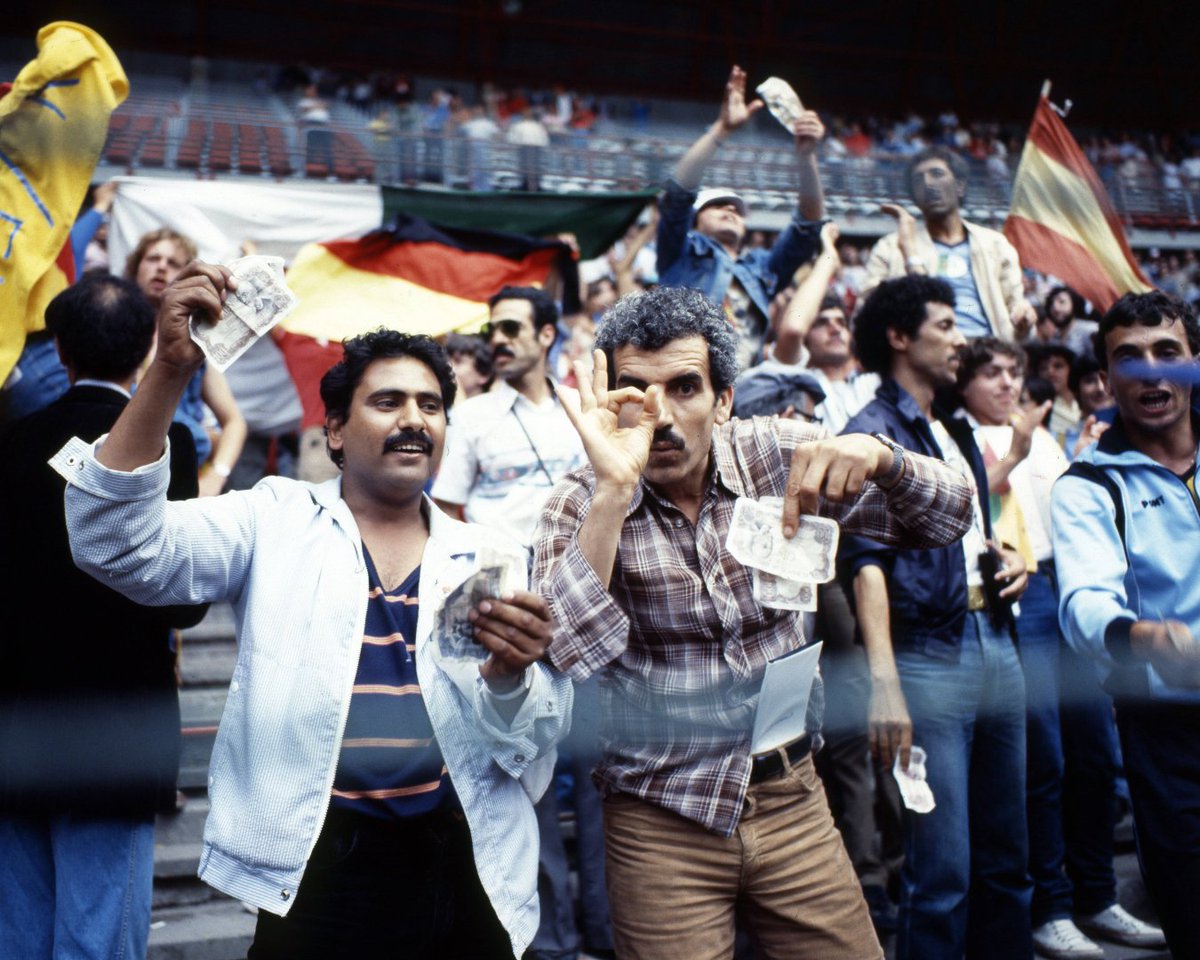
Then the Disgrace of Gijón. West Germany and Austria played each other knowing a 1-0 German win would qualify them both and eliminate Algeria. Germany scored after 10 minutes. Both teams passed the ball for 80 minutes. Algerian fans in the stadium waved banknotes and held up signs. They went home anyway.
They protested, FIFA listened. All final group games have been played simultaneously ever since. Algeria changed the rules of football.
Madjer went to Porto in 1985. Won everything.
1987 European Cup final against Bayern Munich in Vienna. Porto 1-0 down. 77th minute. A cross came in from the right. Madjer had his back to goal. Without looking he back-heeled it into the net.
One of the greatest goals in European Cup history. Porto won 2-1.
The man who scored against West Germany at his first World Cup scored a backheel against Bayern Munich in a European Cup final five years later.
In Algeria every backheel goal is still called "Un Madjer."
2014. Brazil. Round of 16. Algeria vs Germany, 32 years after Gijón. Algeria's coach said publicly they had "not forgotten 1982." Algeria pushed Germany to extra time. Lost 2-1 to the eventual world champions.
Then 2019. Algerian football ultras had spent years perfecting protest culture in the stadiums. Chants, coordination, fearlessness. When millions took to the streets demanding president Bouteflika step down after 20 years in power, the chants, the coordination, the fearlessness, it came from the terraces.
The protest anthem had started on the terraces of a football club years earlier. Bouteflika resigned April 2, 2019. Football helped topple a government.
Then there is Zidane.
Not Zinedine. His son.
Zinedine Zidane was born in Marseille to Algerian parents from the Kabylie region. Chose France. Won the 1998 World Cup. One of the greatest players who ever lived.
His son Luca was born in France. Raised in Spain in the Real Madrid academy. Played as a goalkeeper specifically to avoid comparisons with his father. Never made the French senior squad. At 27 he switched allegiance to Algeria.
"My grandfather encouraged me. He wanted me to be proud of my origins. Every time I receive an international call-up he calls me and says he made the right decision and that he is proud of me."
Three generations. The grandparents left Algeria for France. The son became France's greatest World Cup hero. The grandson came back.
Luca Zidane is Algeria's first-choice goalkeeper at the 2026 World Cup.
The country that changed the rules of football.
One more after this. 🇦🇷
9
15
309
431,061
Champagne Fapi 🇦🇷 retweeted

Jun 11
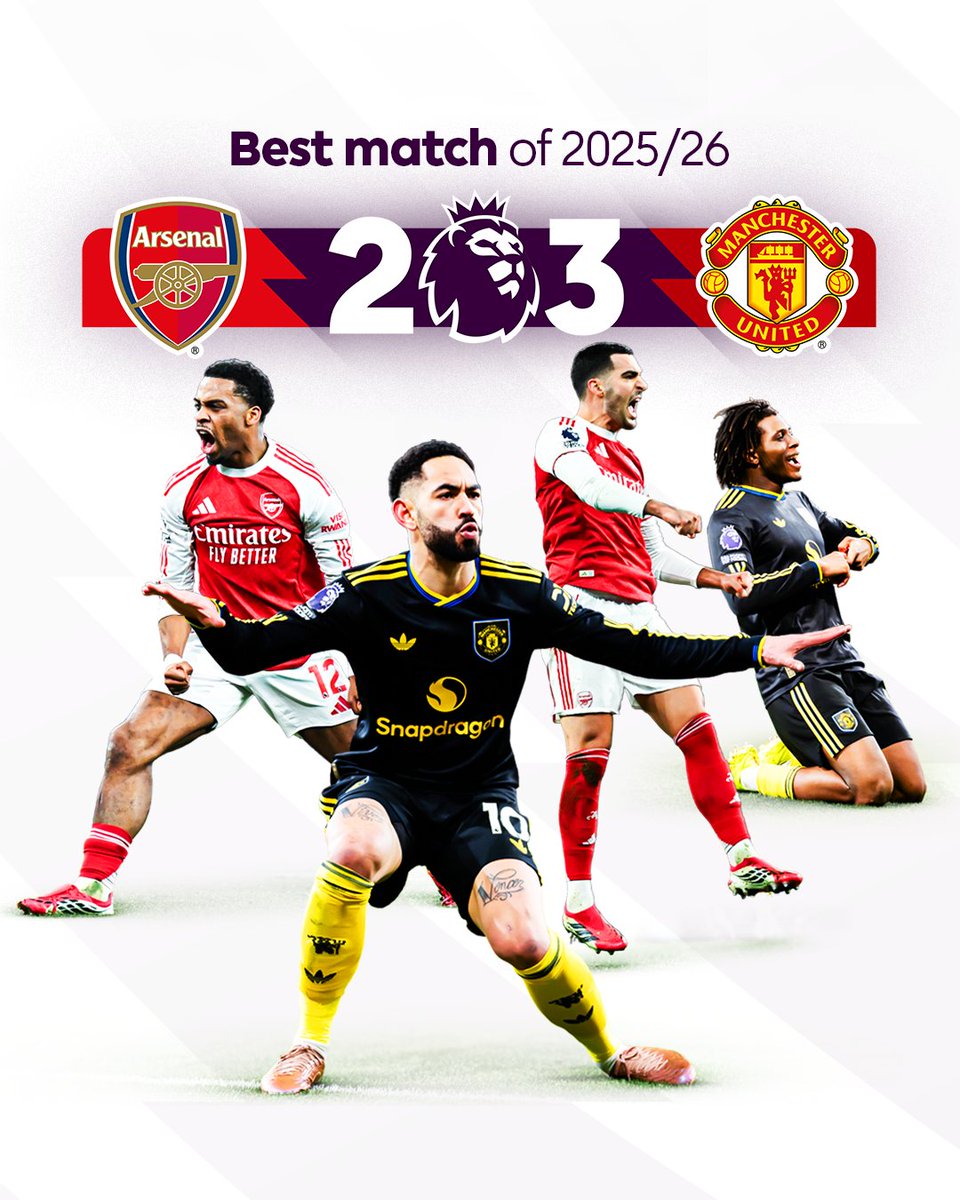
The best match from the 2025/26 season, as voted by YOU 🫵
🔴@Arsenal 2-3 @ManUtd ⚫️
preml.ge/tdxmtrwr
3,379
26,168
144,510
5,572,502
Champagne Fapi 🇦🇷 retweeted

Jun 11
30pt lead blown and you start chucking nothing but 3s, you deserve to lose.
66
4,041
36,478
498,400
Battyman ya man. Kmft

55
Just curious, has anyone seen or heard from the Gad of the Bros since Friday night/Saturday morning??
14
See some lightning a kick up. Mek I plug in every fuckin ting now baii
18
Champagne Fapi 🇦🇷 retweeted

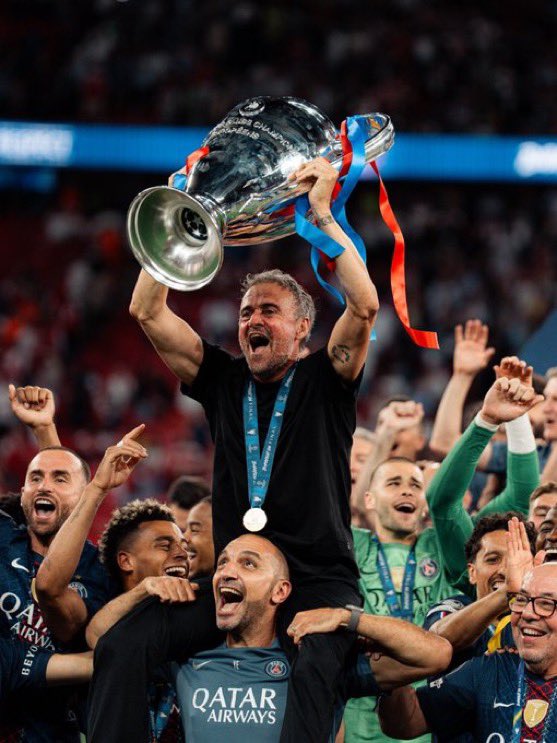
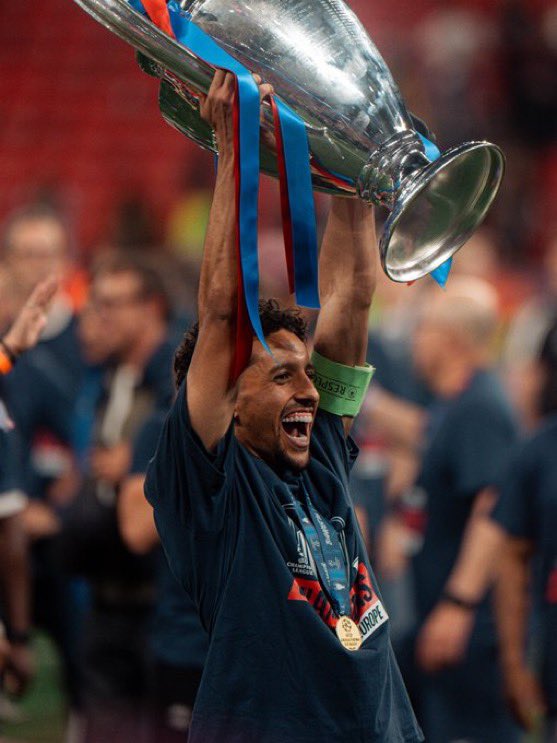
One week ago today ❤️💙
215
1,827
14,575
161,944
Champagne Fapi 🇦🇷 retweeted

The Iranian navy, which has been destroyed eight times, has apparently closed the Strait of Hormuz again, because the United States, for the seventh time, won the war that wasn’t a war, so now the United States has to open the Strait of Hormuz that was already open before the not-war began.
The not-war began because Iran had uranium that was totally, completely, beautifully obliterated, so they can’t build the nuclear bomb they weren’t building, which is why the United States had to start the not-war it definitely didn’t start.
Now the United States, which has nuclear weapons, is threatening to use nuclear weapons to stop Iran from getting nuclear weapons, because nuclear weapons are far too dangerous for countries with nuclear weapons to allow other countries to have.
If the United States saw the United States doing what the United States does in other countries, the United States would invade the United States to liberate the United States from the tyranny of the United States.
2,705
34,522
103,430
3,521,603