
I read books that aren’t books yet
Joined April 2018
- Tweets 1,203
- Following 1,779
- Followers 573
- Likes 4,756
23 Photos and videos

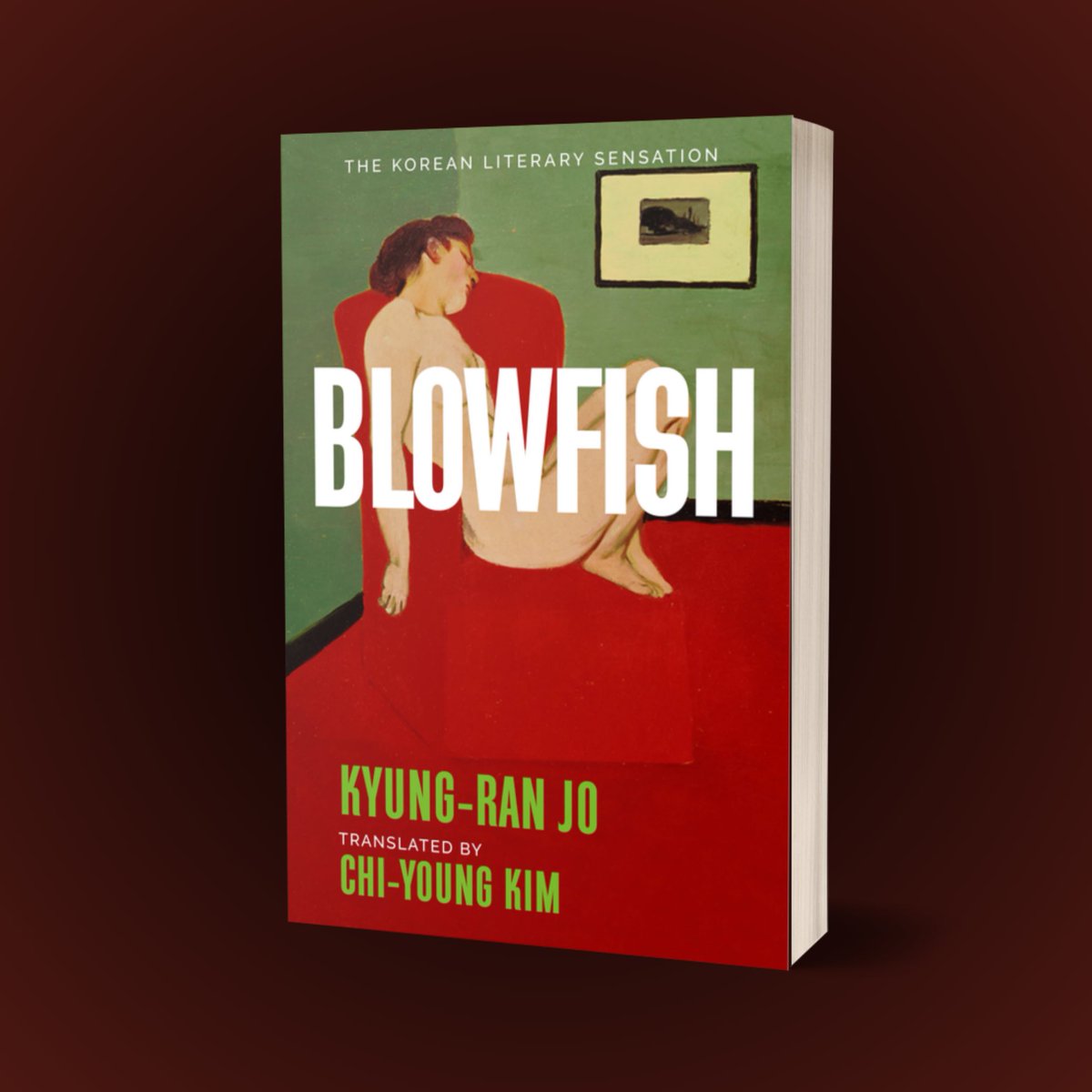
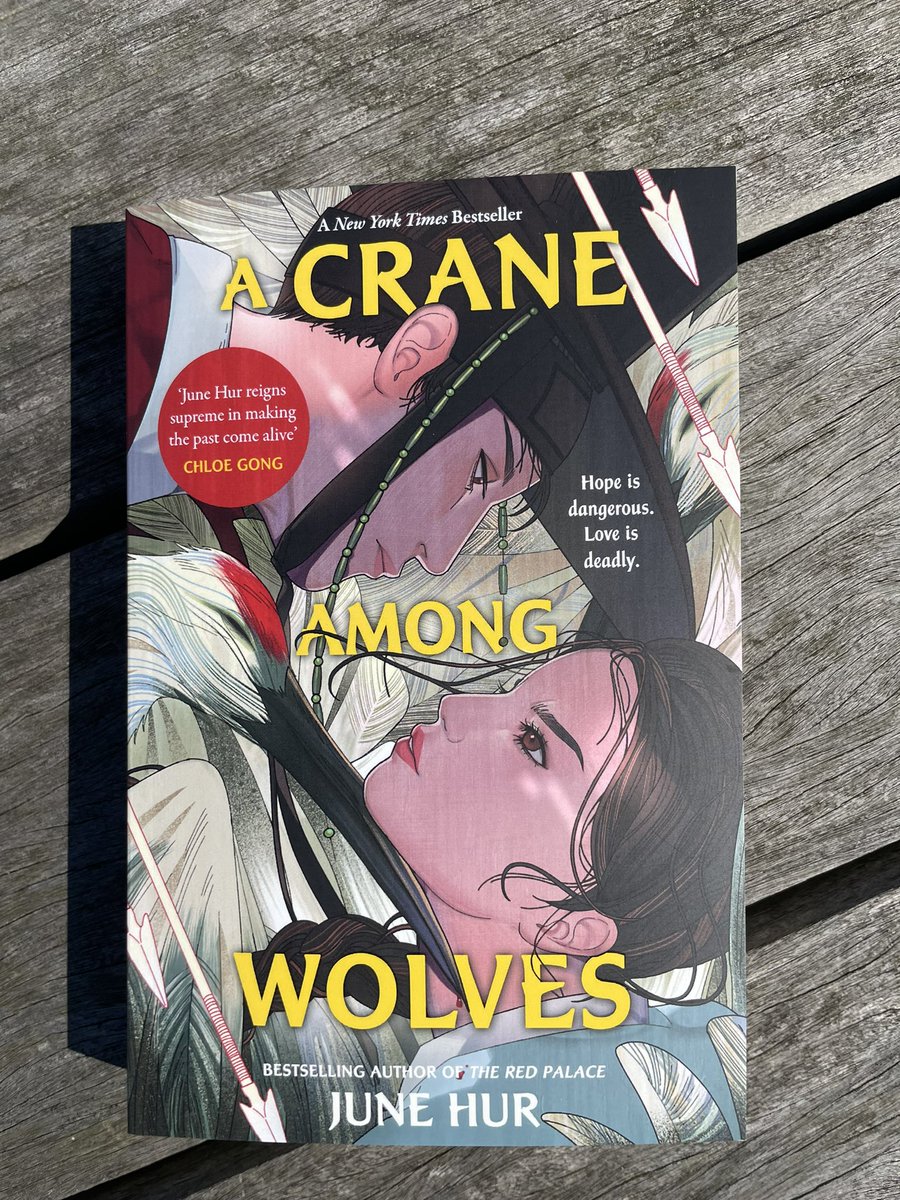

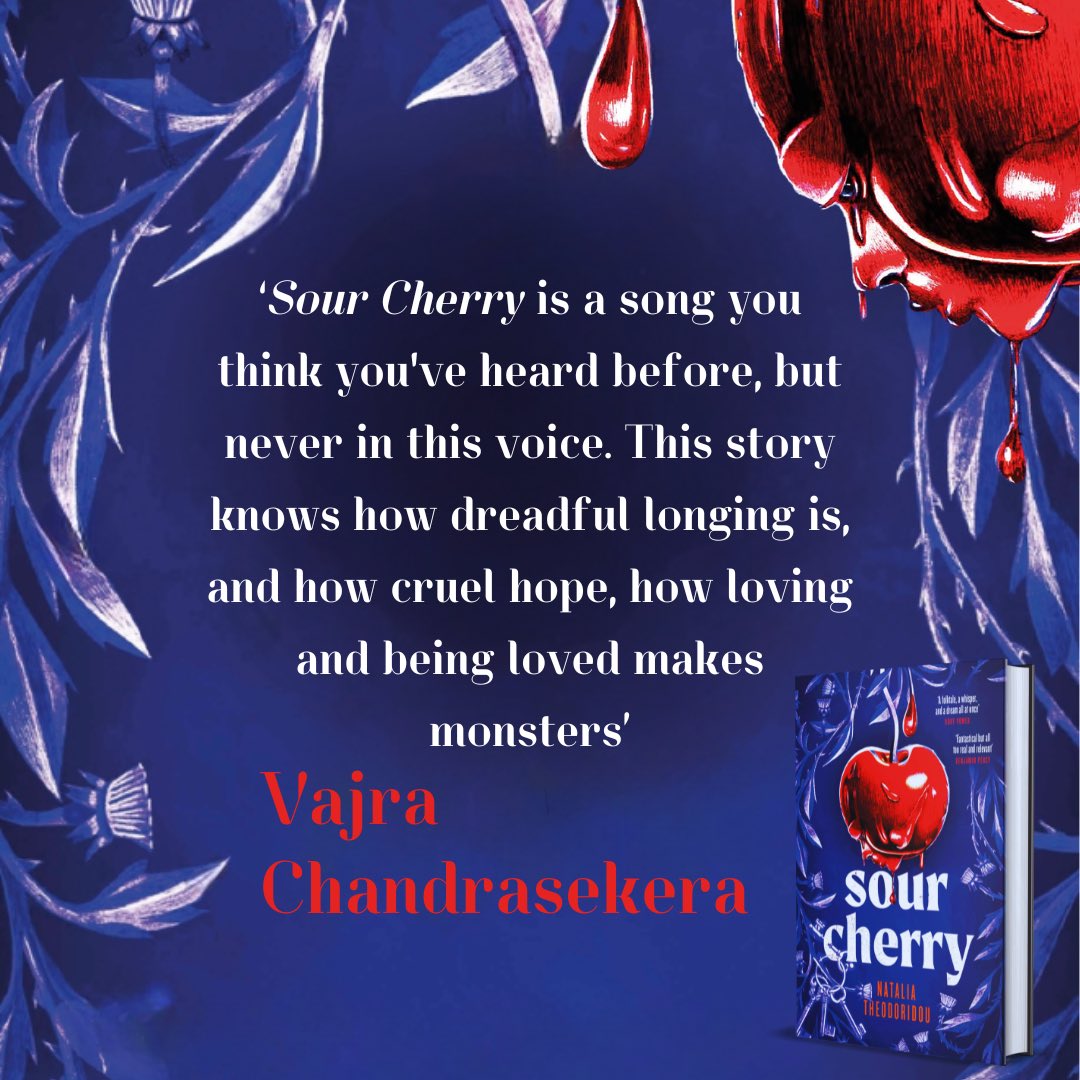

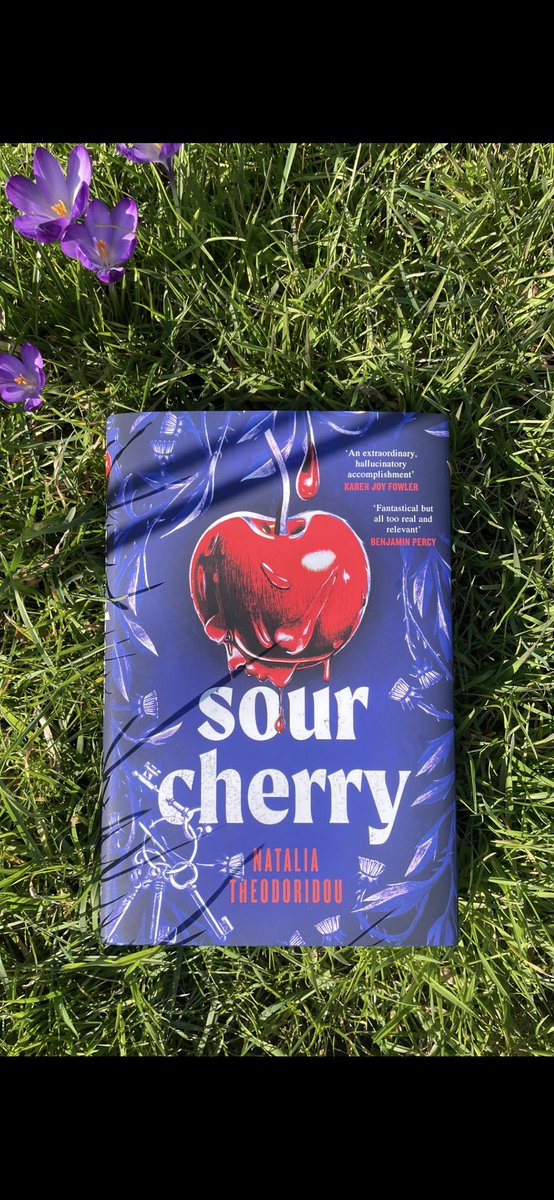

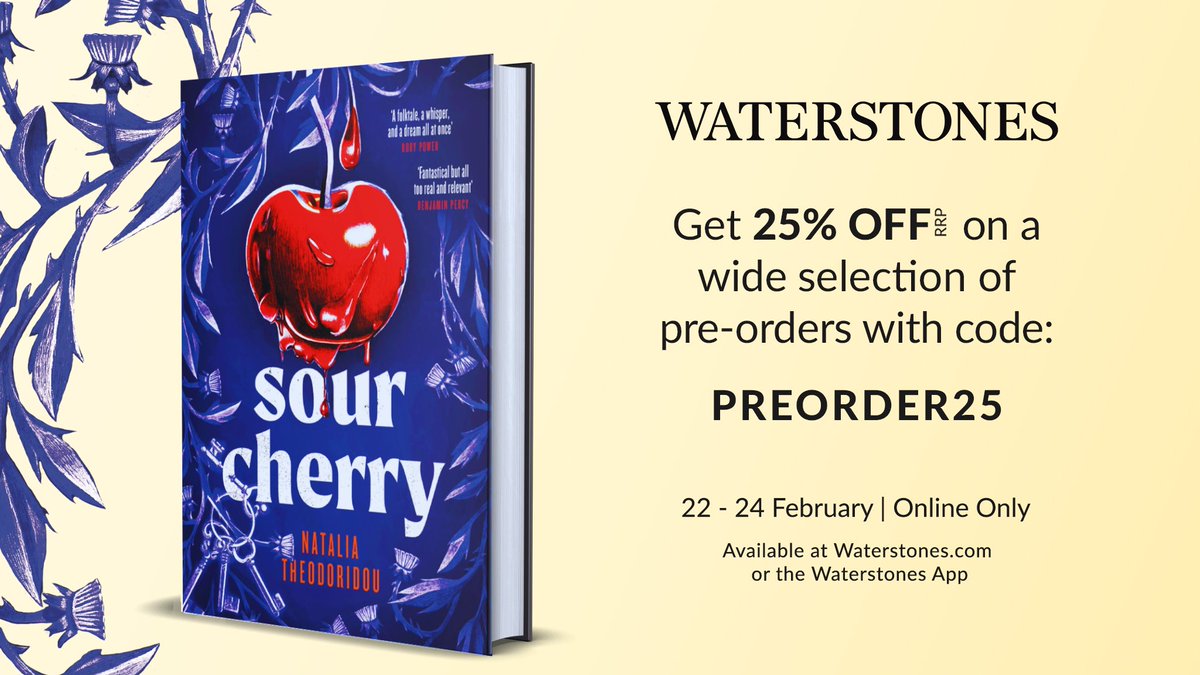
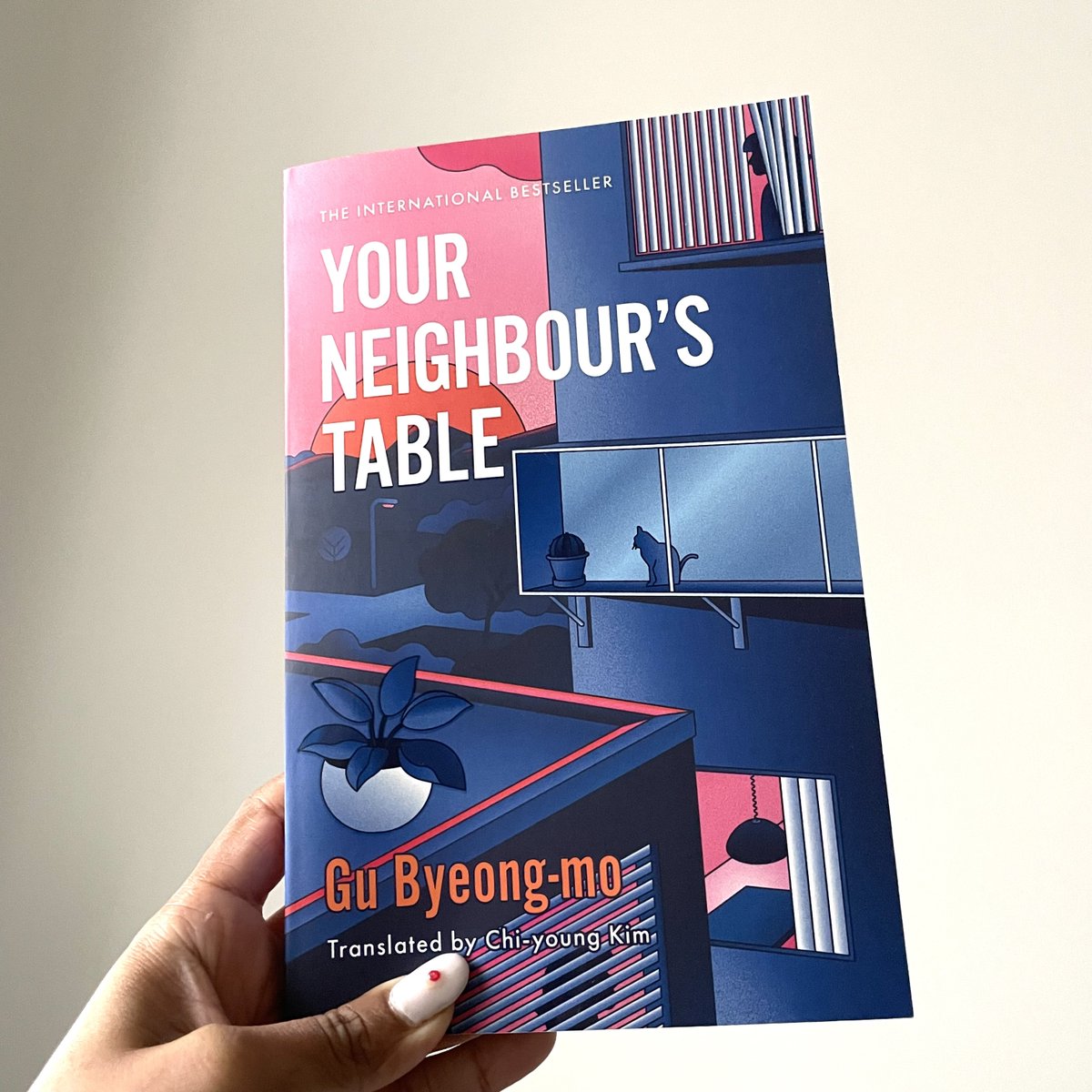
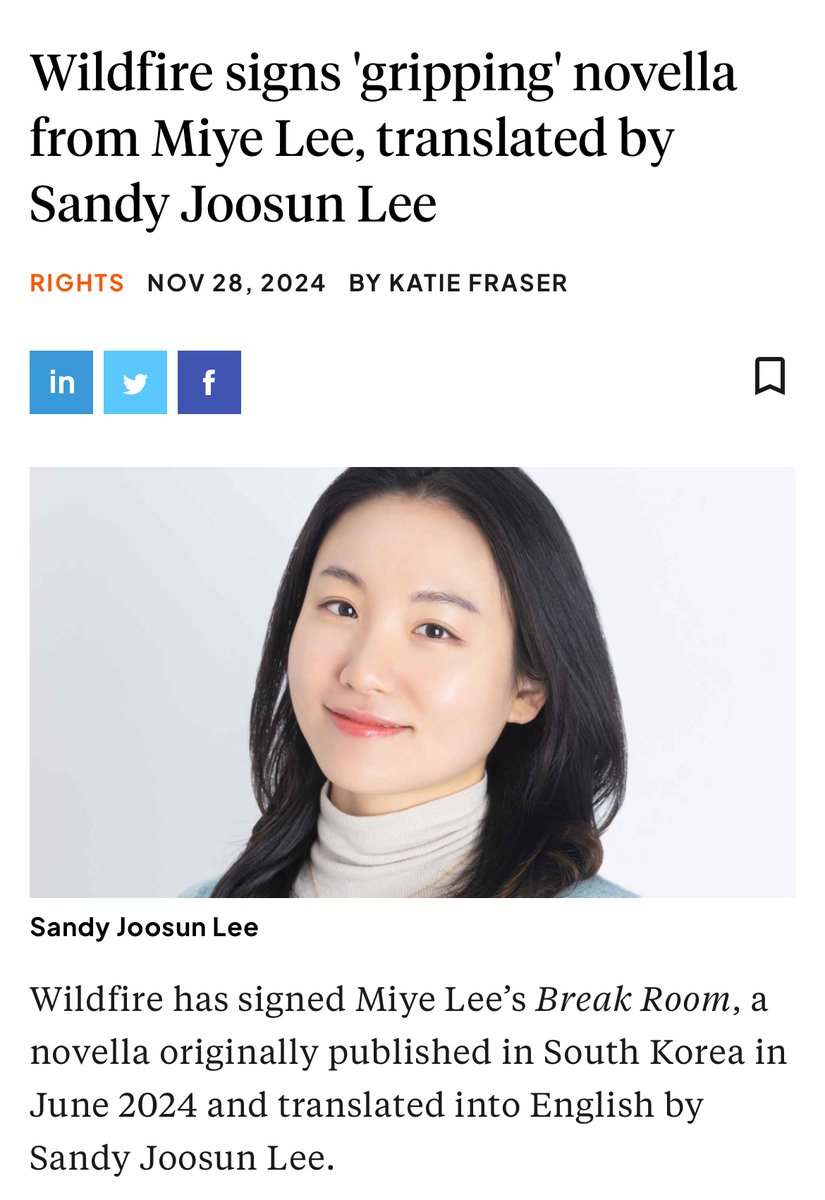
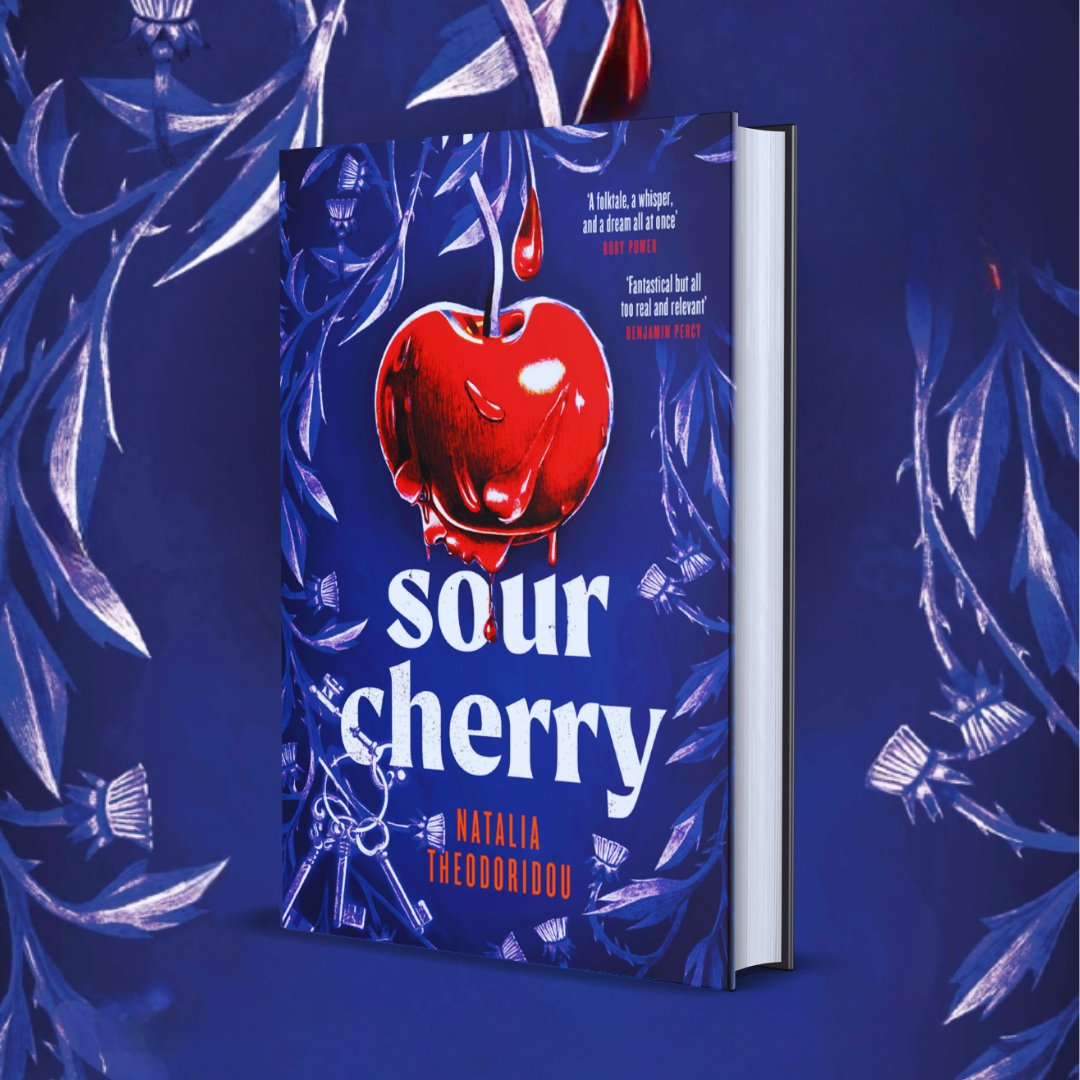

Jun 9
RT @ronkelawal: A new prize for under-represented writers has been launched in honour of the late author and Jacaranda publishing director…
151
Areen Ali retweeted

Jun 3
We’re hiring an assistant / associate editor. Applications are open until 6/18. theparisreview.org/about/opp…
5
67
209
48,008
Areen Ali retweeted

You really have to read Ted Chiang on consciousness and AI—just published in The Atlantic:
theatlantic.com/philosophy/2…
74
295
1,627
384,699
Areen Ali retweeted

Jun 4
police?! I'd like to report a murder!
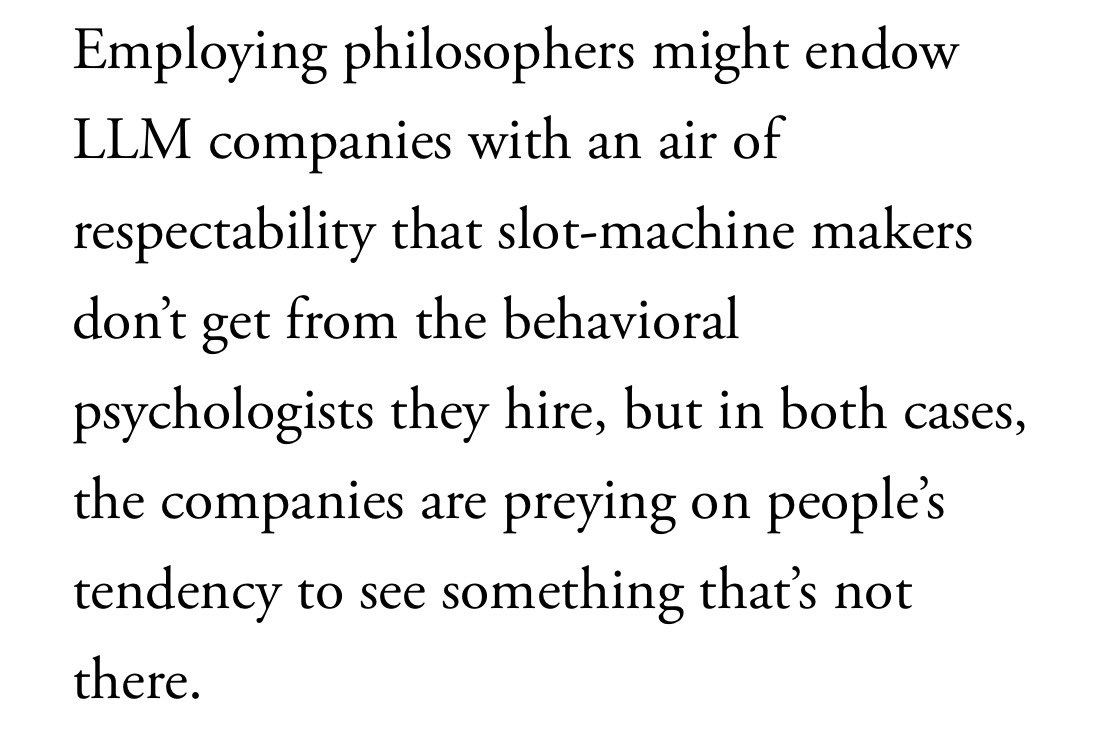
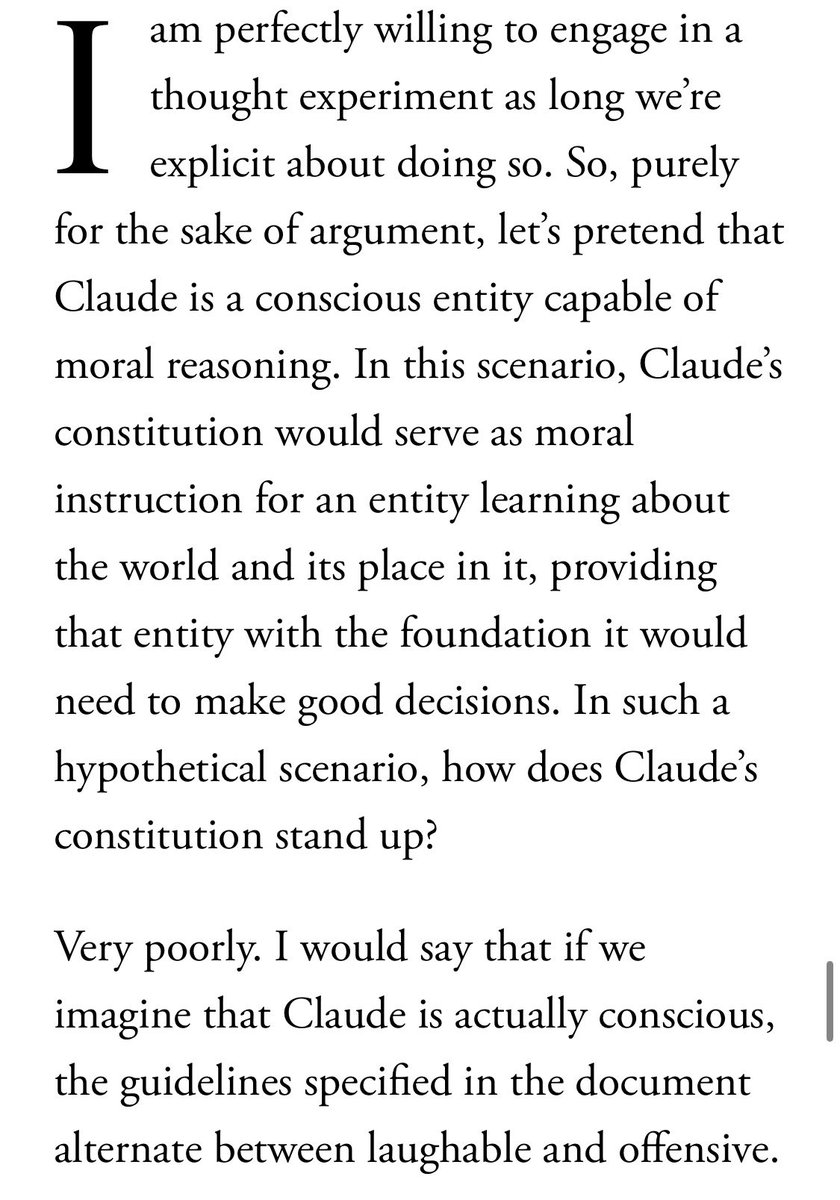
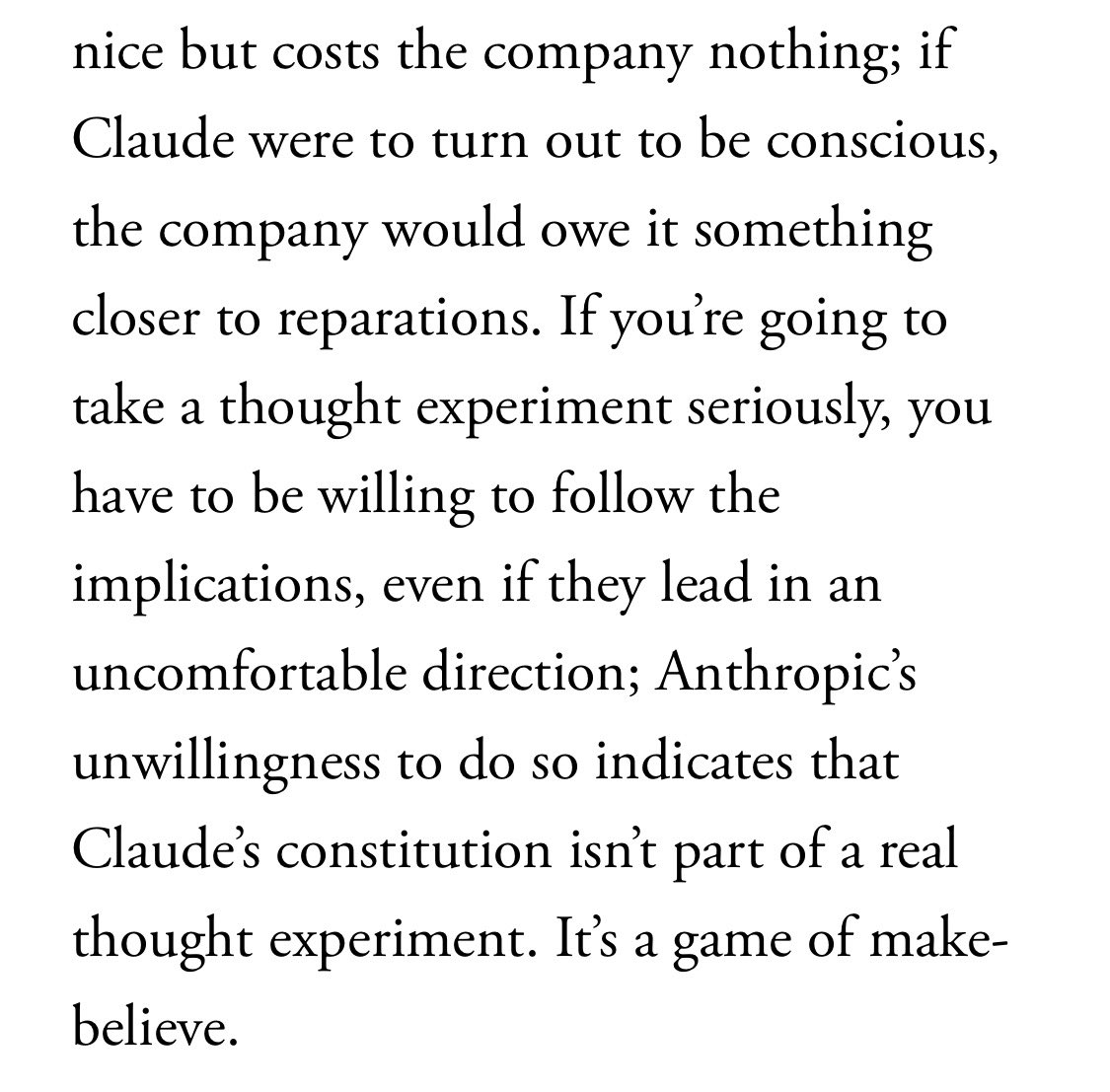
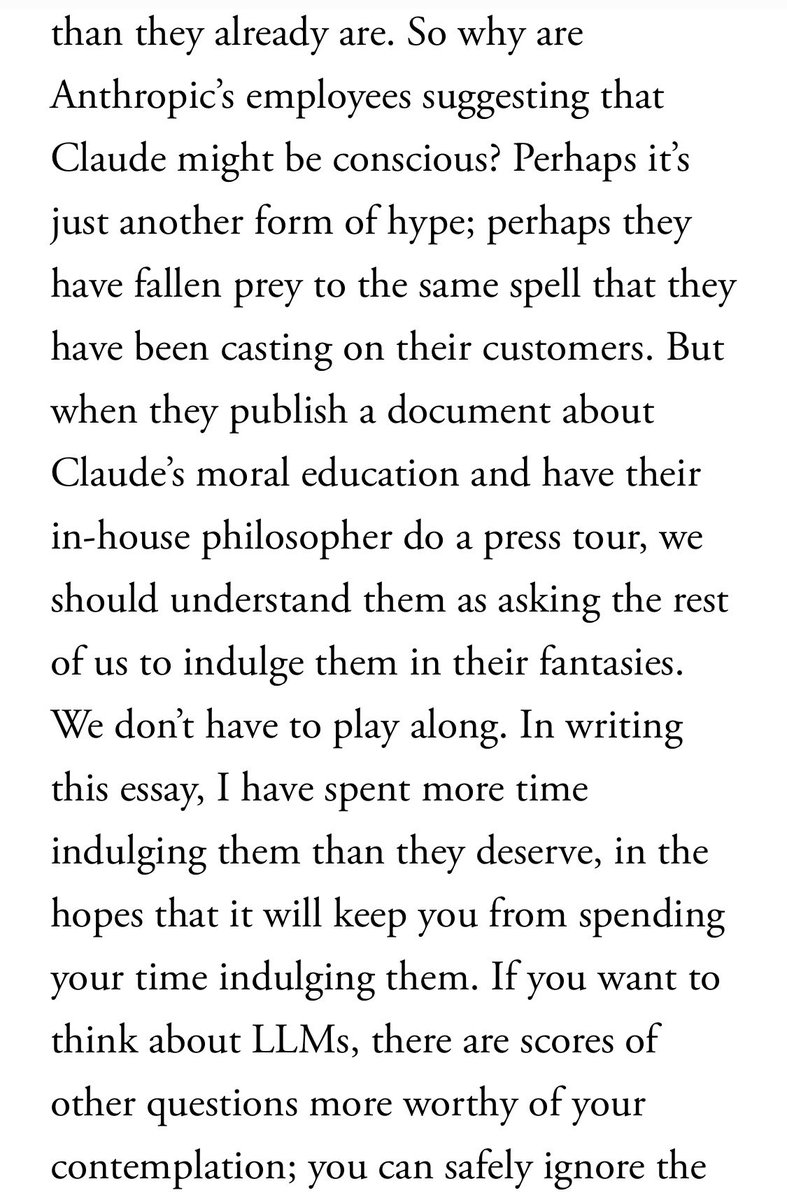

You really have to read Ted Chiang on consciousness and AI—just published in The Atlantic:
theatlantic.com/philosophy/2…
5
231
1,691
109,056
Areen Ali retweeted

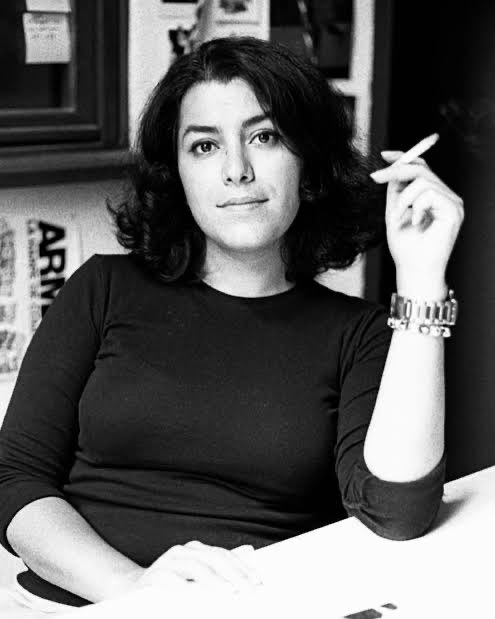
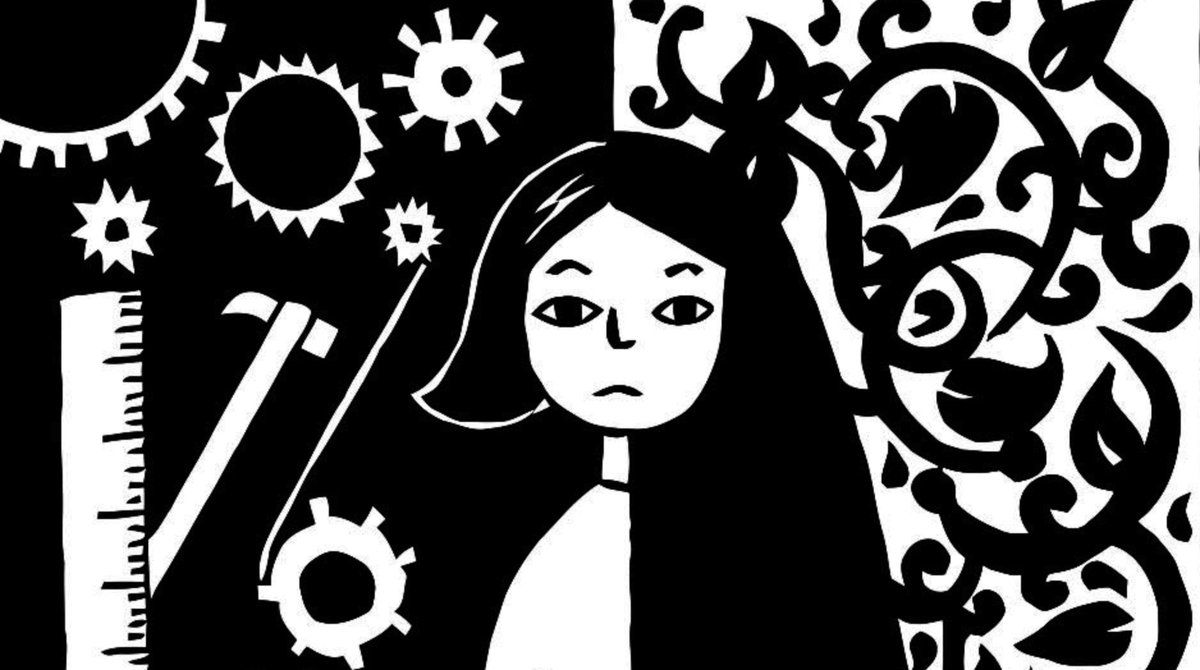
RIP Marjane Satrapi, the great cartoonist and film director, best known for PERSEPOLIS. She was only 56. A great talent. She will be missed.
381
20,884
125,827
3,668,186
Areen Ali retweeted

Jun 1
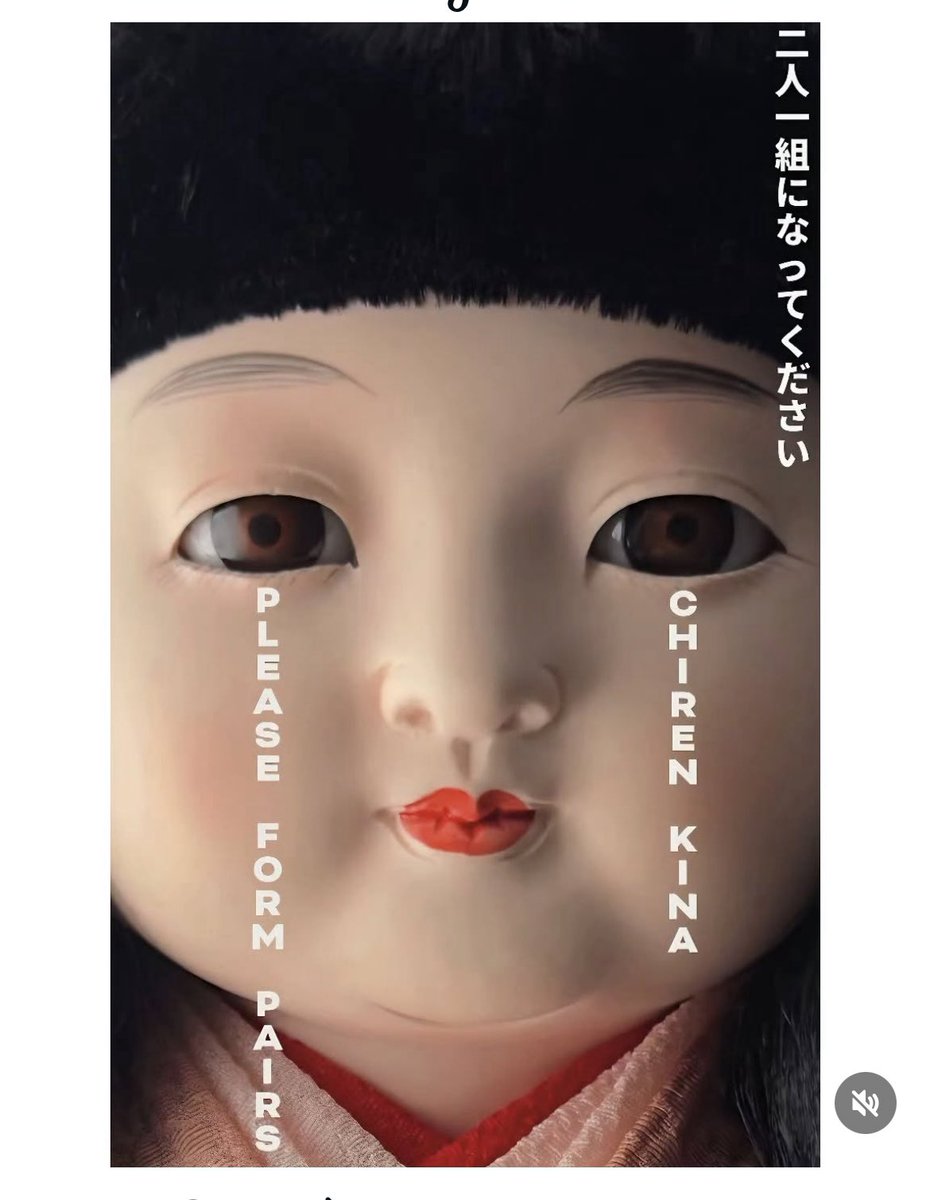
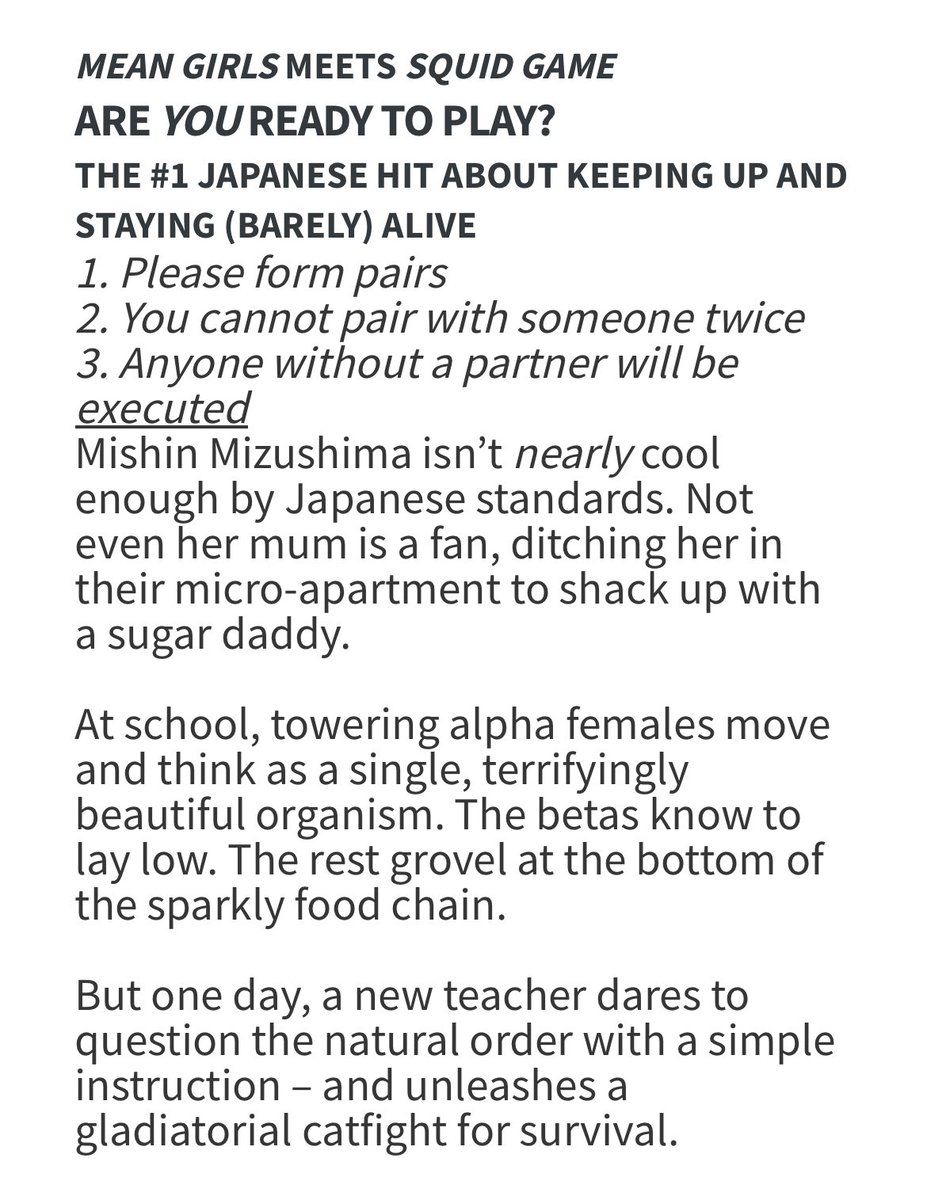
my women in translation month is going to be so fun
6
113
4,183
Areen Ali retweeted

May 30
If I may- in my estimation- #WidowsBay may very well be the best streaming series in a long time… and hands down one of the most mesmerizing acts of narrative prestidigitation in Horror.
197
1,676
16,172
825,018
Areen Ali retweeted

May 29
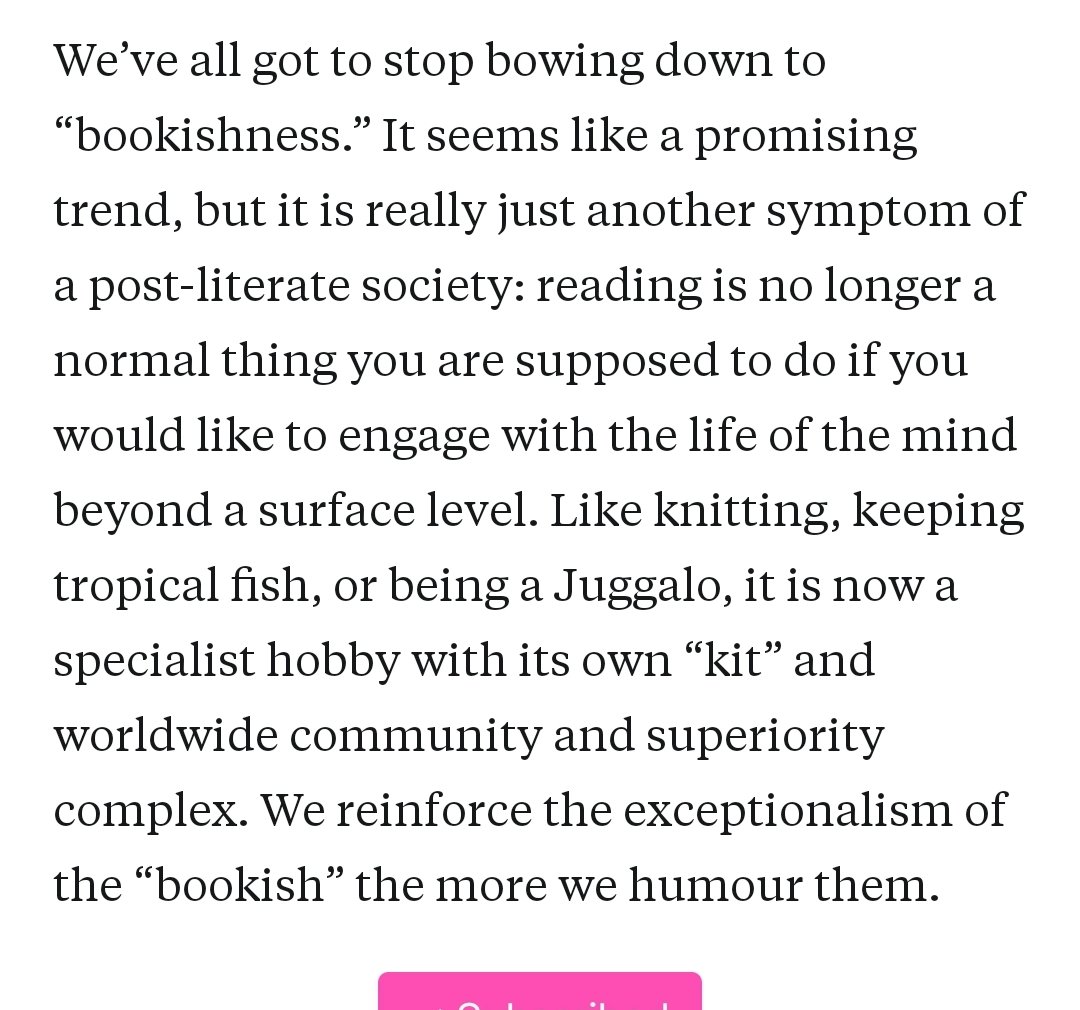
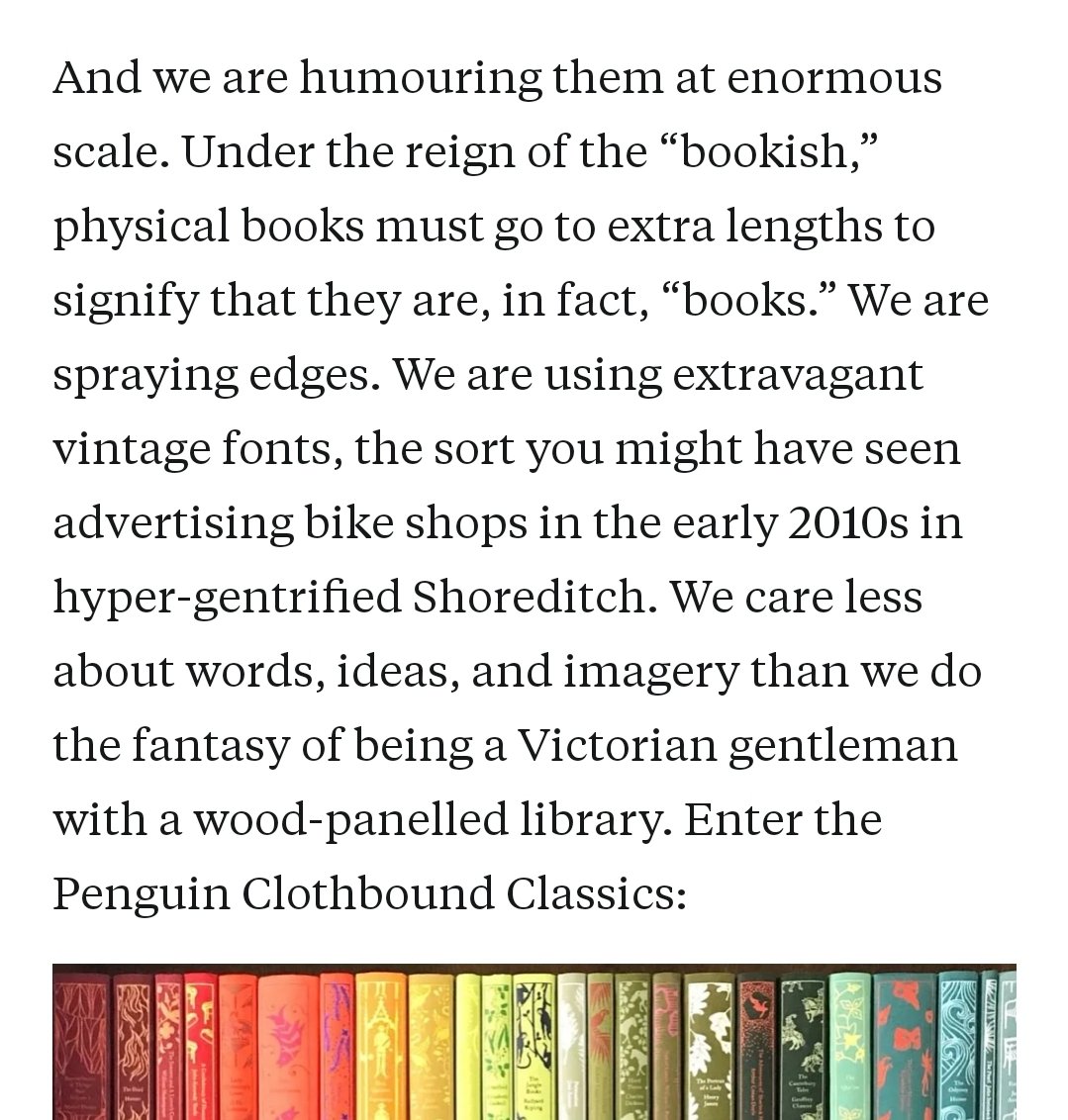
Some of us have been saying
May 28

Books being reduced to a form of conspicuous consumption among eccentric young people, rather than being an essential, everyday medium of leisure, communication and uplift is not the win it seems here to be taken for.
The exact opposite of Penguin Classics for sixpence.
10
310
2,369
88,028
Areen Ali retweeted

May 28
Anyone who has travelled on a weak passport will celebrate investigative reporting into VFS global, the near monopoly intermediary that handles visa applications for 71 countries. lighthousereports.com/invest…
34
1,094
2,789
531,784

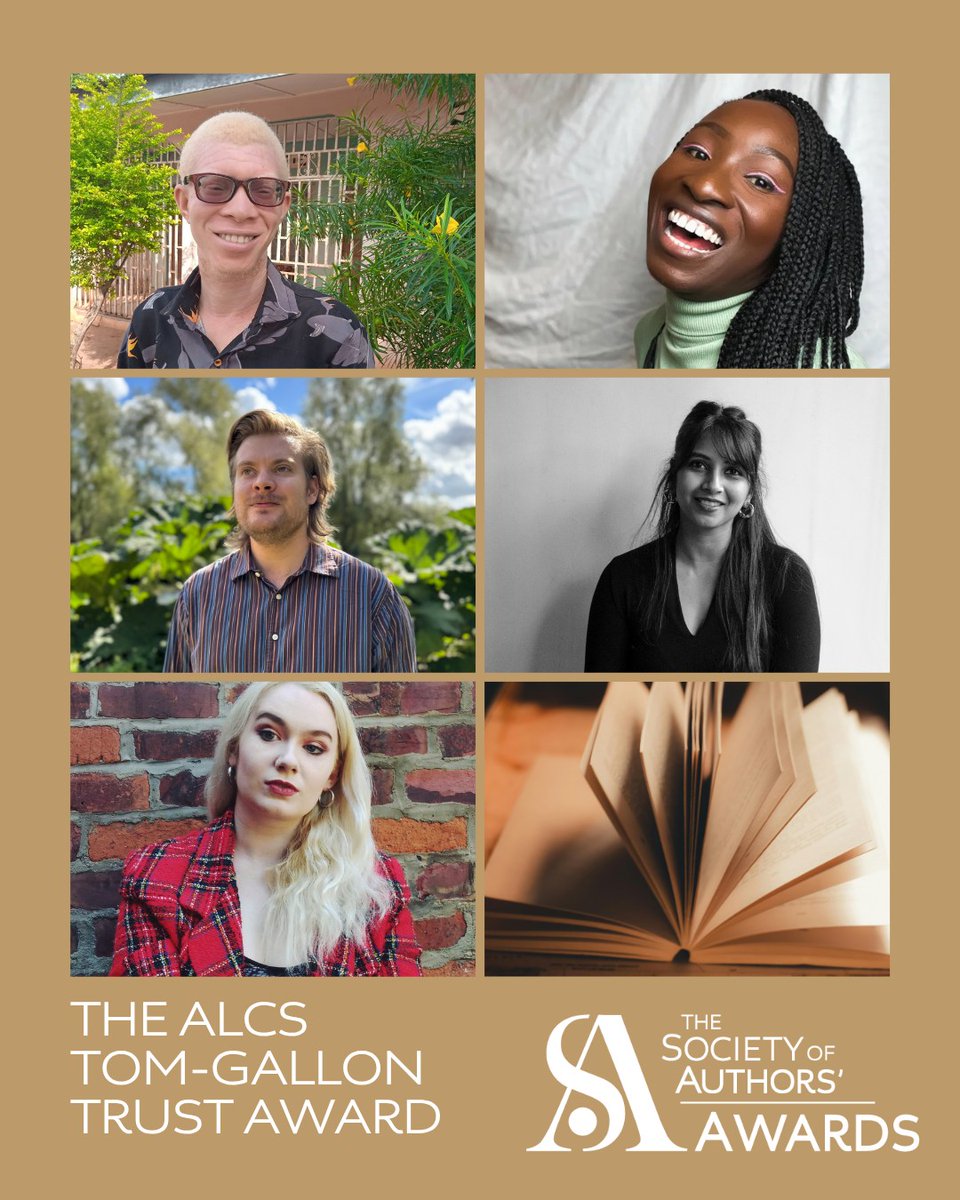

Delighted to announce the launch of our rebranded non-fiction imprint, Tallis Street Books. An exciting new chapter for a list with brilliant books and authors.
thebookseller.com/news/headl…
4
10
610

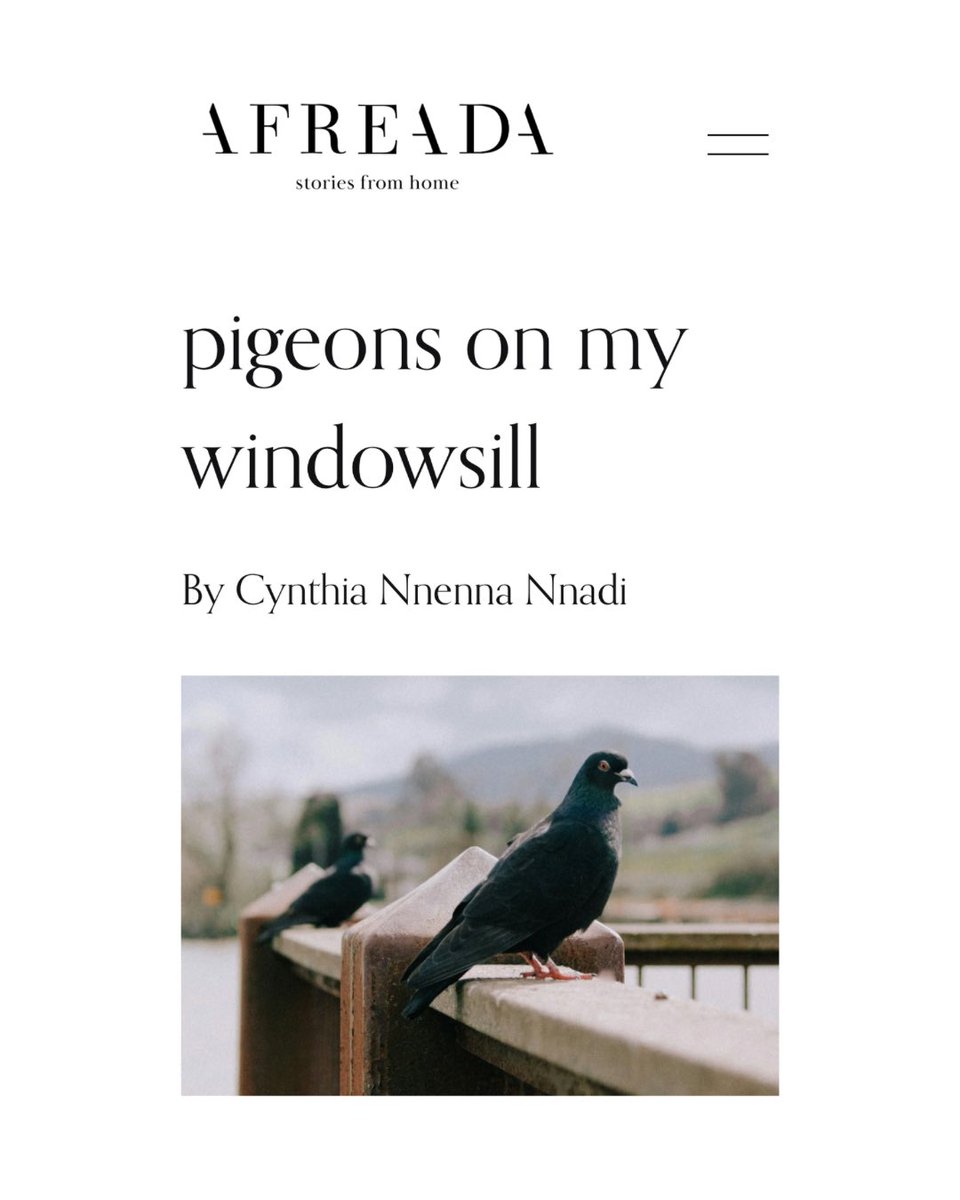
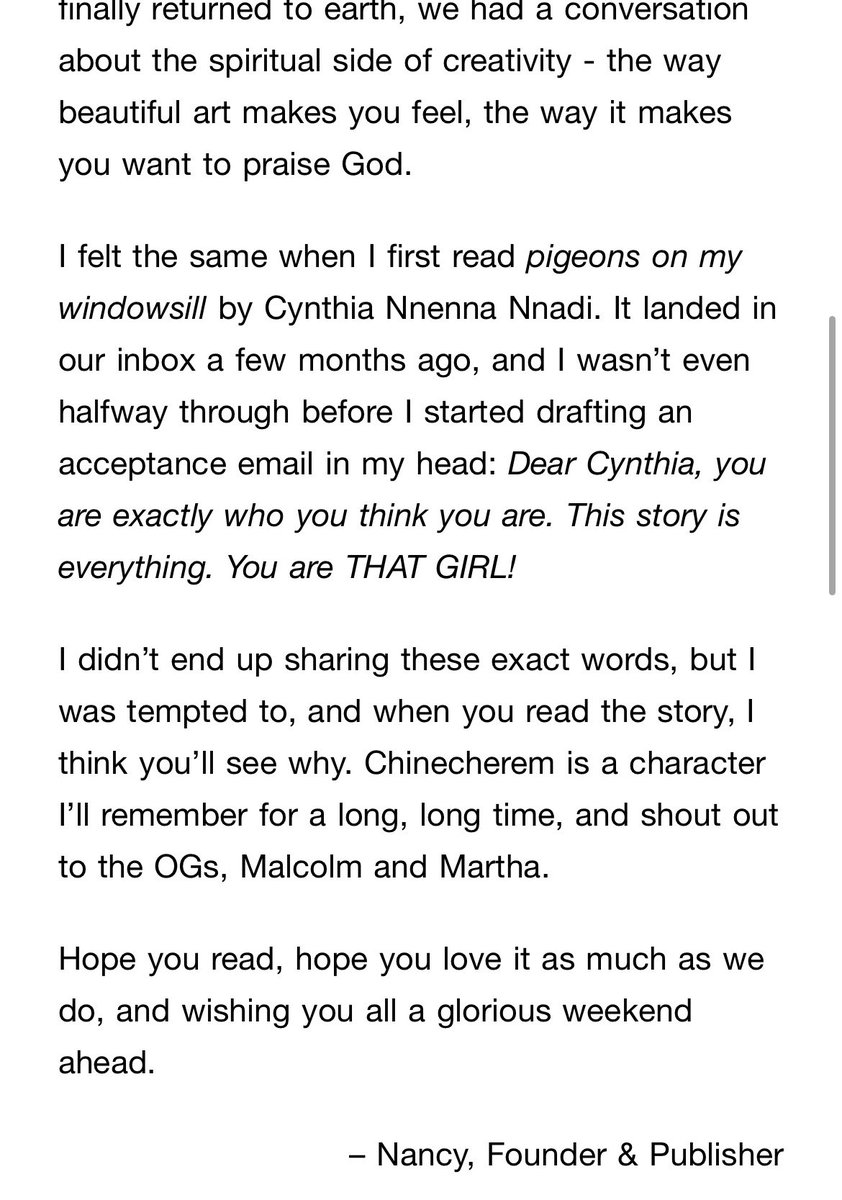
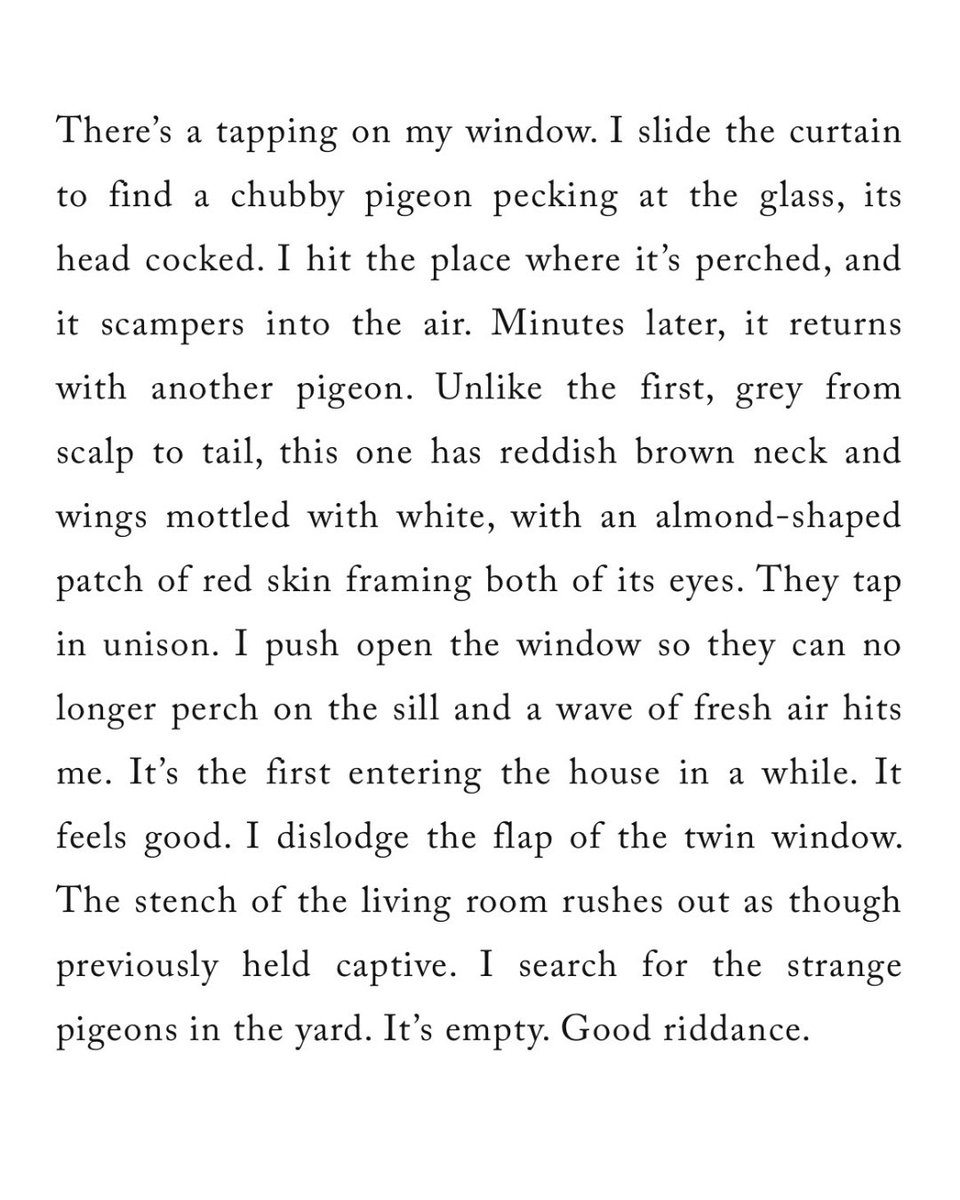
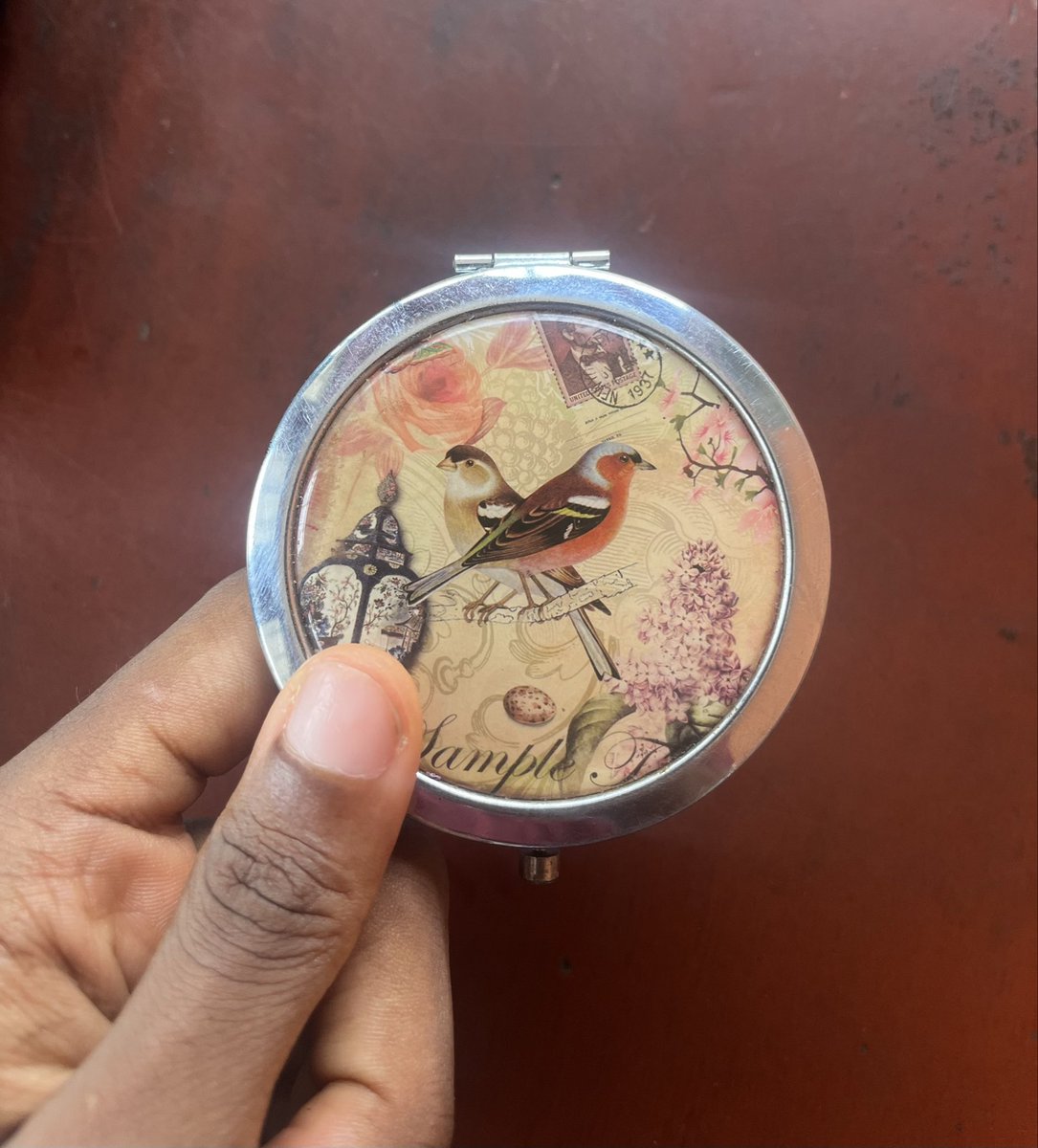
Delighted to share that my short fiction “pigeons on my windowsill” is now published in @afreada, and I wouldn’t have it any other way. Big thanks to Nancy and Chideraa for the amazing collaboration towards this publication. 🐦⬛🖤🪴
afreada.com/short-stories/pi…
10
55
204
7,244
Areen Ali retweeted

May 15
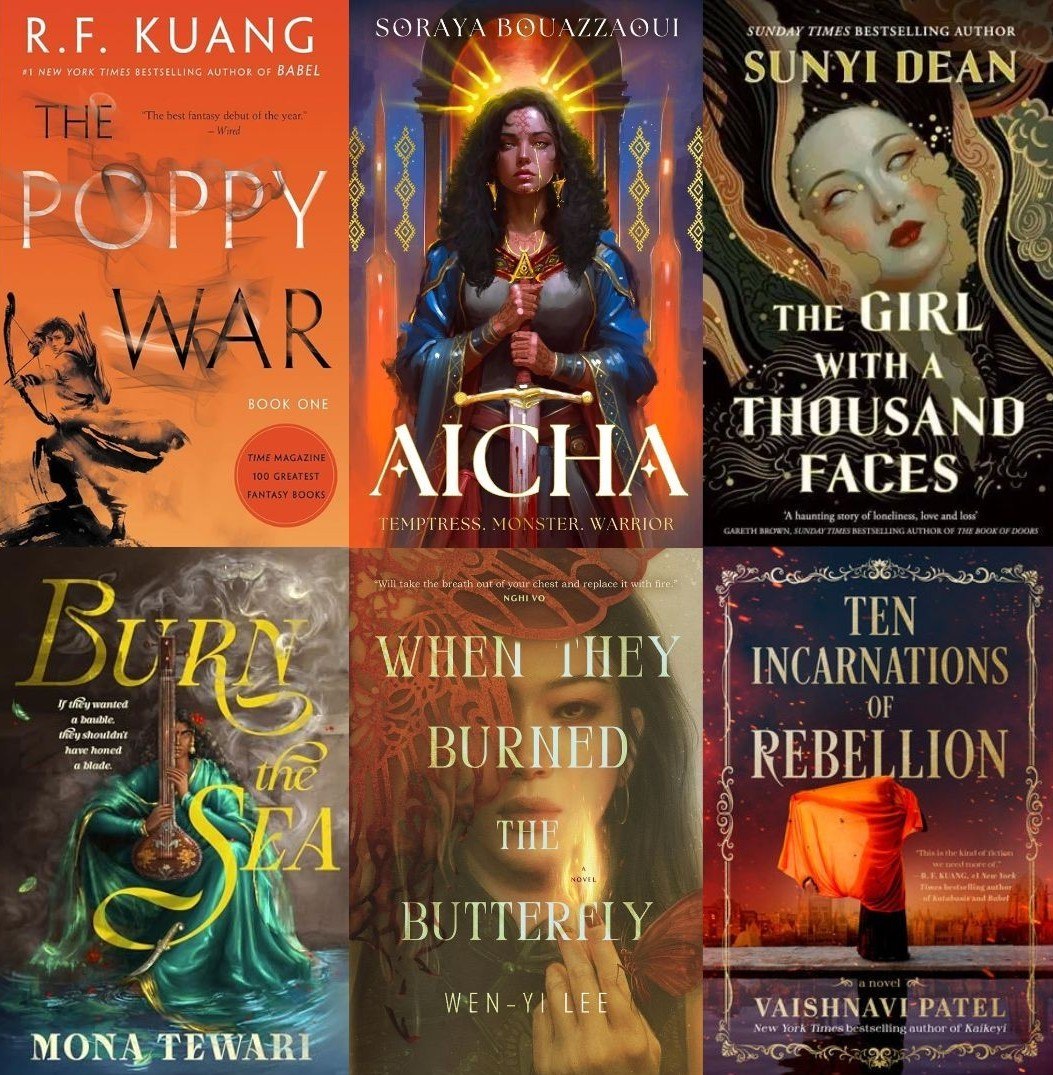
bipoc female rage historical fantasy/speculative books with themes of colonisation and national independence !
6
221
1,538
125,376

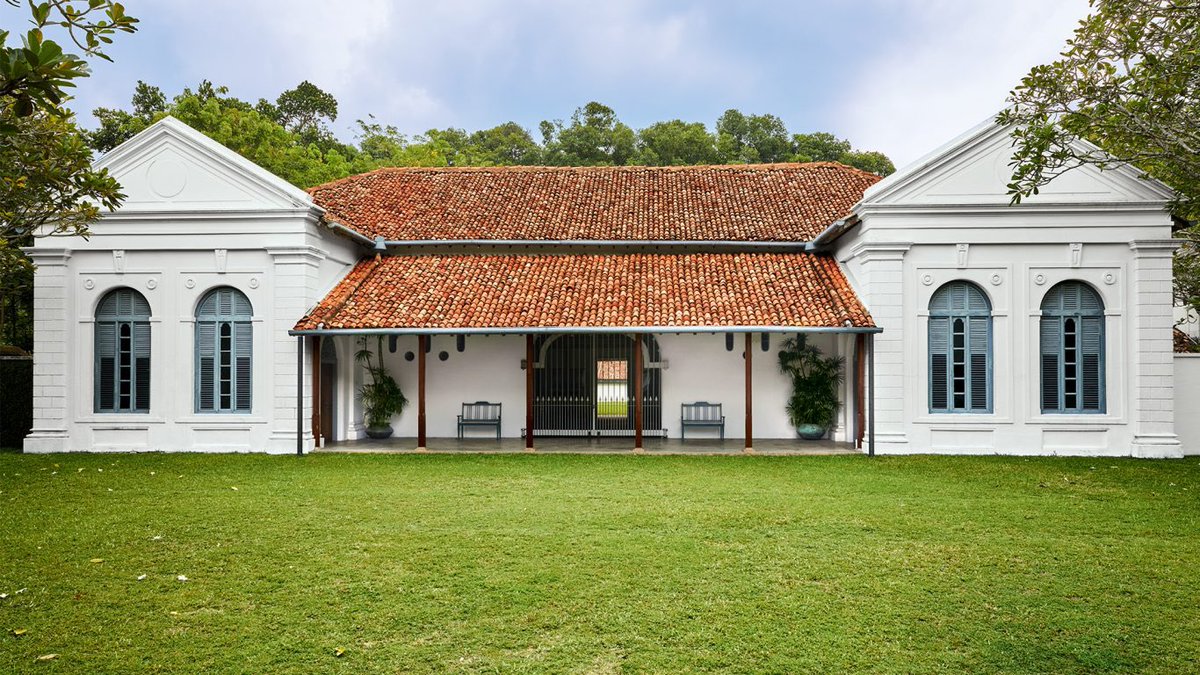
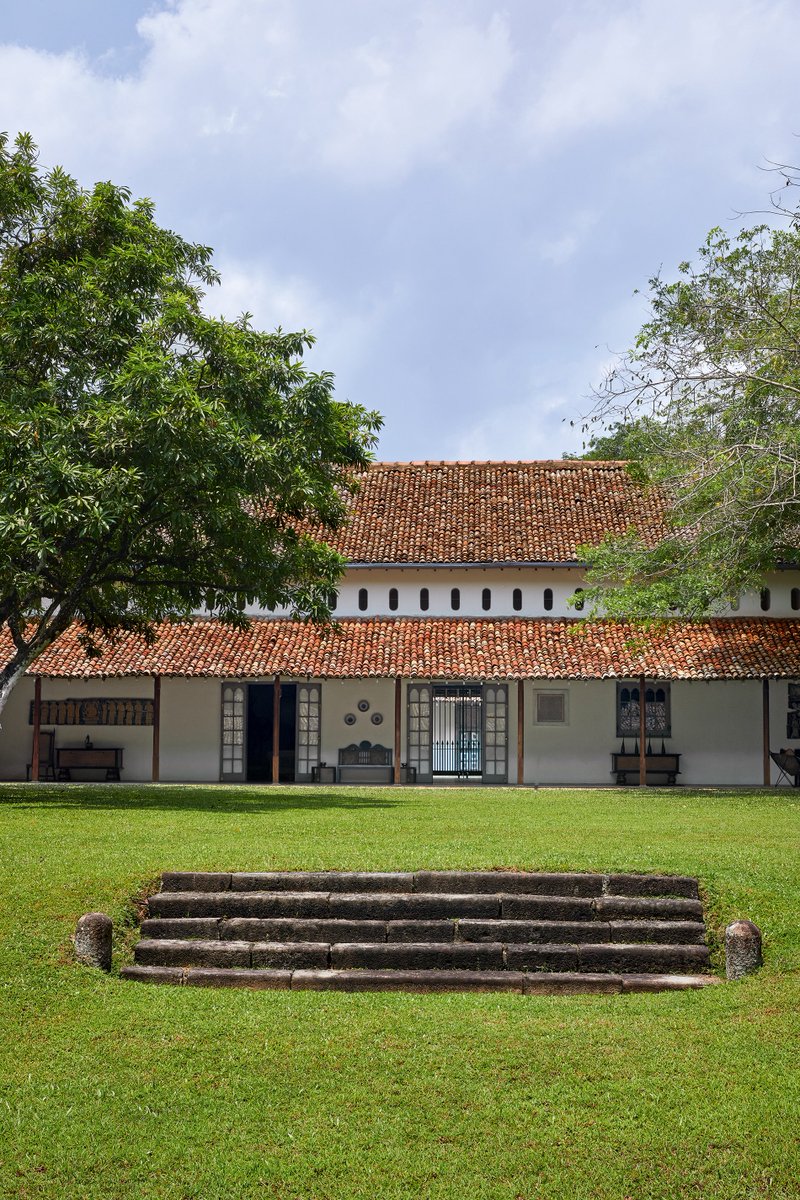
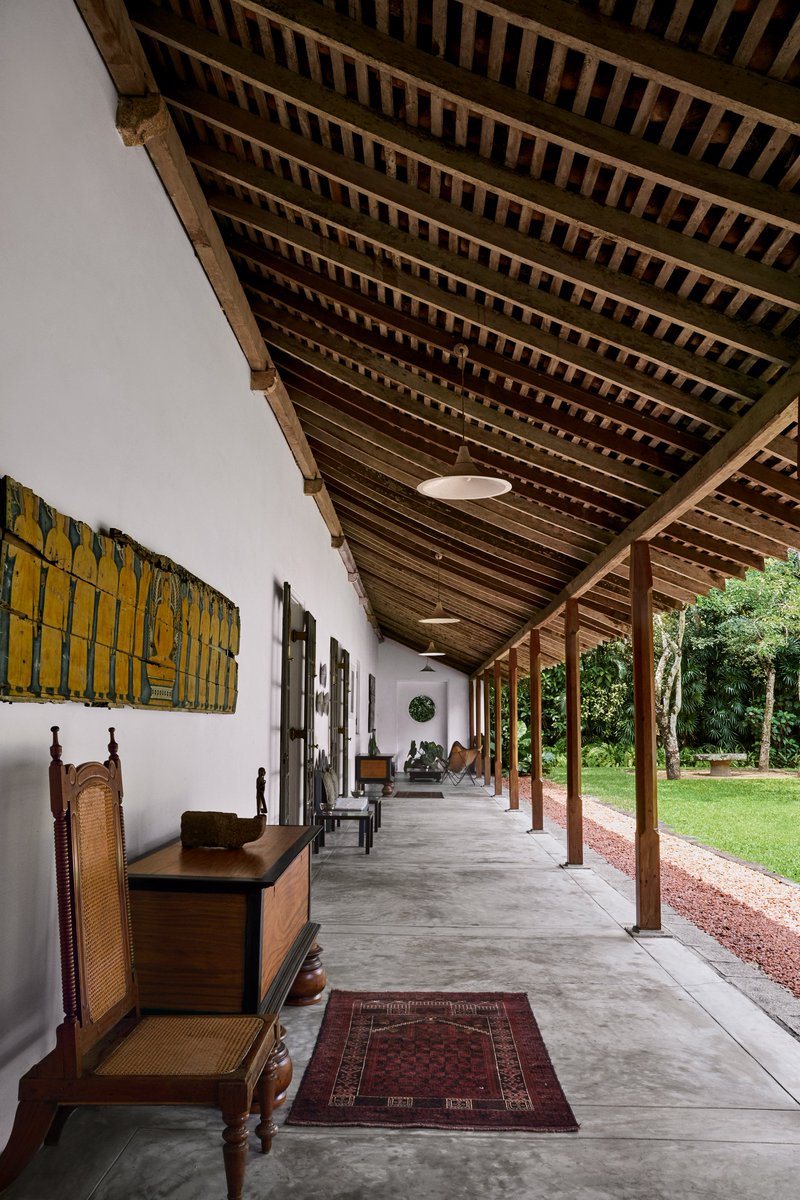
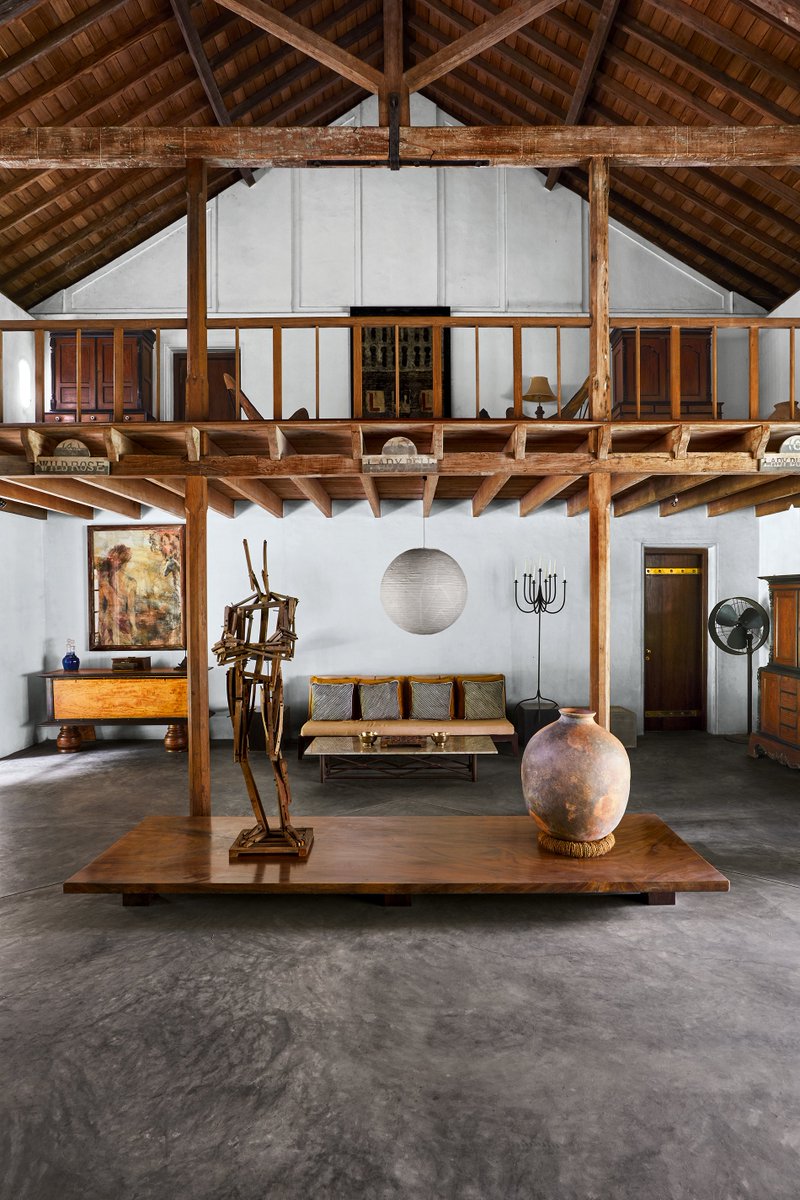
Geoffrey Bawa turned an abandoned horse stable into one of the most studied residential conversions in Asian architecture. This is how.
The Horagolla House began as an abandoned horse stable on a family property. Bawa visited the site, stood and studied it, then agreed to convert it. Over four years in the 1980s, he remodelled the stables with restraint into a double height living space.
The stable hall became the living room. Verandas looked out over garden courts. Trees were planted around the perimeter on Bawa’s advice, Hora, Kotang and Kohombo. Burma teak sourced from old houses across the island. Clay pots. A salvaged Dutch door that Sunethra and Bawa famously competed over at the same antique dealer.
Bawa rejected the imposition of preconceived forms onto a site. Every project began with the land; its trees, its light and its climate. The building followed. That philosophy produced homes that feel inevitable rather than imposed.
He is widely regarded as the father of tropical modernism in Sri Lanka and the Horagolla House is one of the clearest examples of why.
Horagolla House, Sri Lanka. Geoffrey Bawa. 📷 Ashish Sahi
12
267
1,578
81,041
Areen Ali retweeted

📚 Bookshops, publishers: indies rule.
"Of the 48 publishing imprints that submitted books for the 2016 prize, 37 of them were independents."
thebookerprizes.com/the-book…
7
18
845
Areen Ali retweeted

.@headlinepg are looking for an Art Director on a 12 month basis.
Apply now: rebrand.ly/jbizktk
2
2
410
Areen Ali retweeted

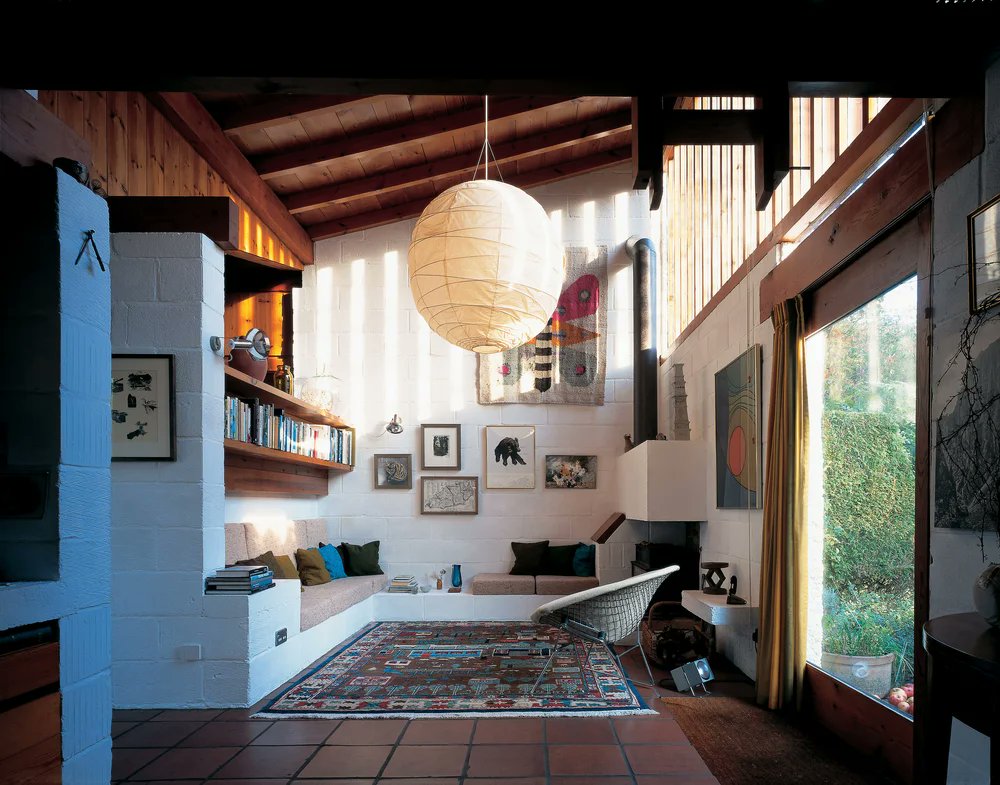
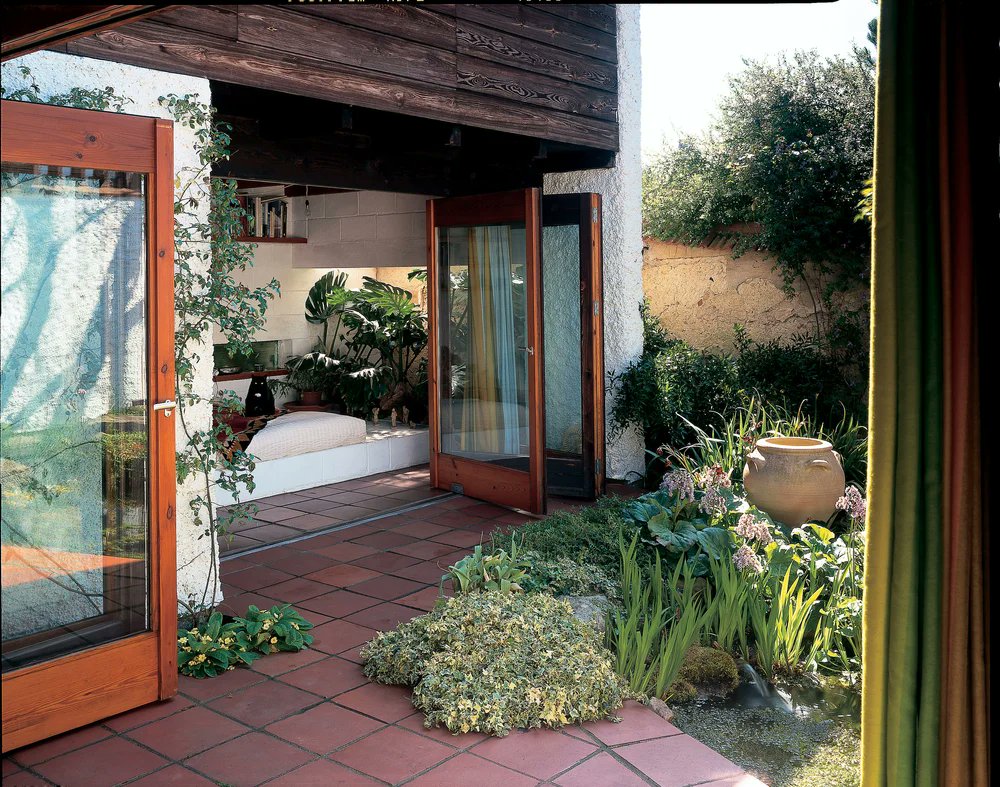
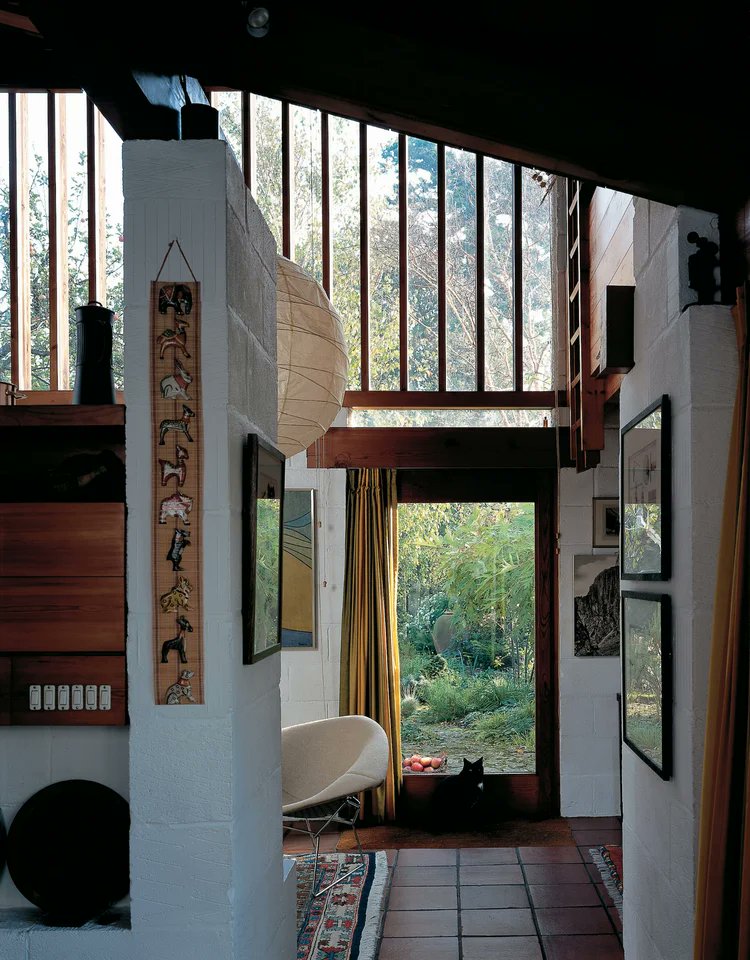
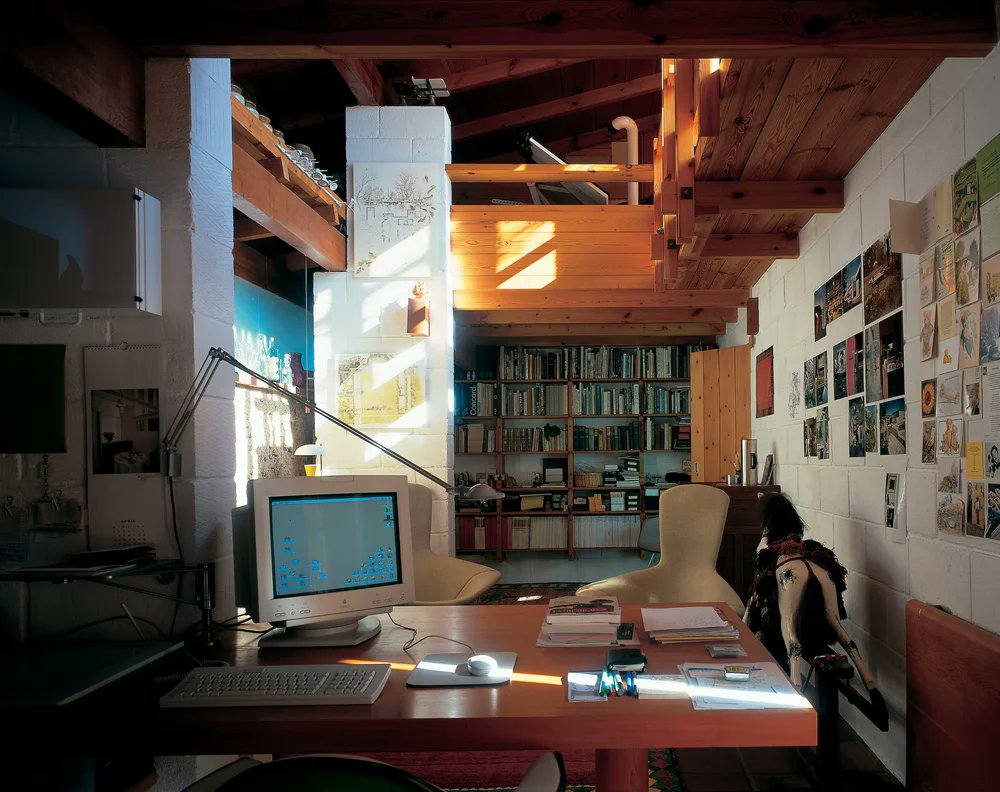
RIP Peter Aldington, whose Turn End is a lovely example of perhaps my favourite architectural style — Kettle’s Yard Modernism.
11
1,200
10,629
346,564
May 8
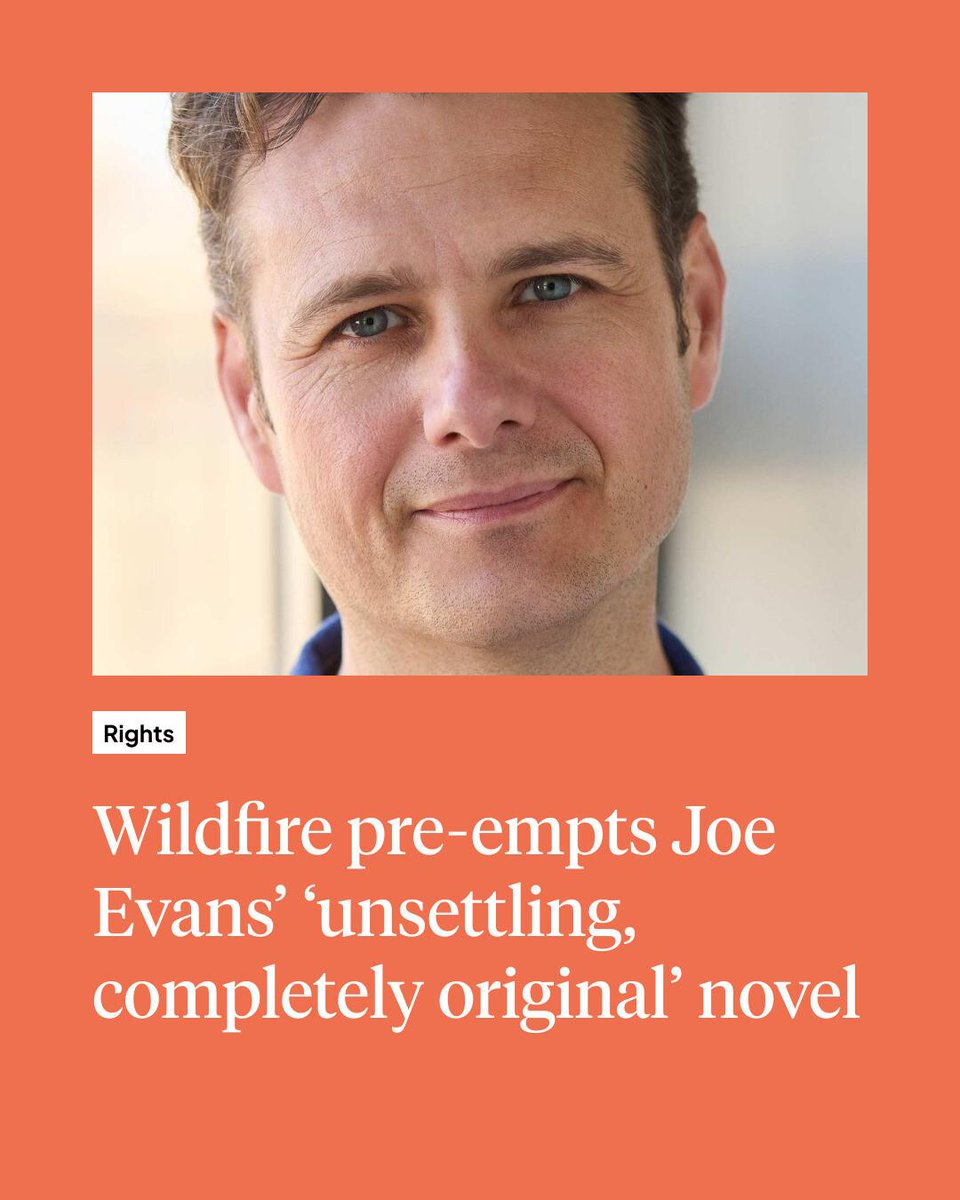
🦊Den is coming from Wildfire April 2026! 🦊
Expect animals acting weird, dealing with family and grief - all told in gorgeous, luminous prose!

1
2
267
Areen Ali retweeted

Apr 30
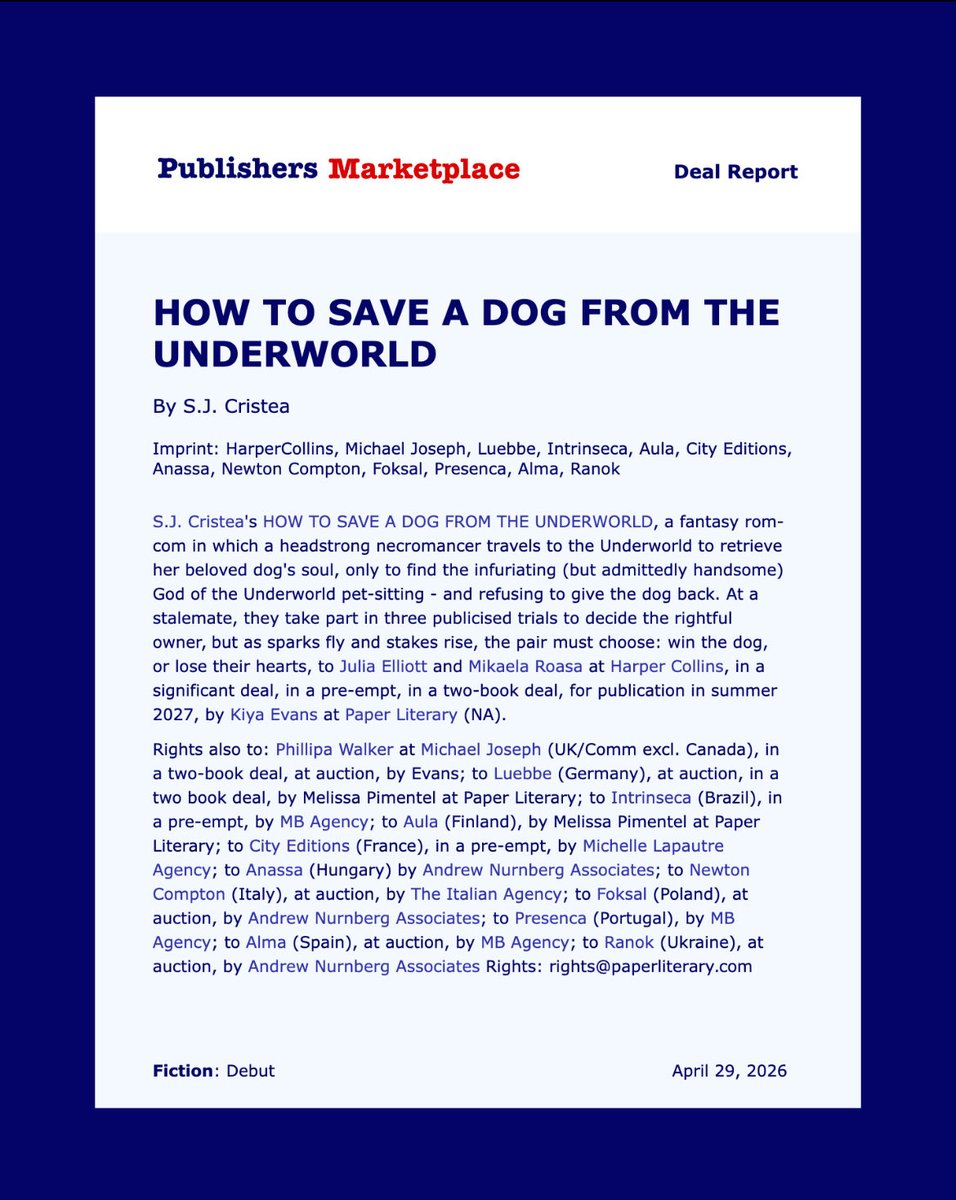
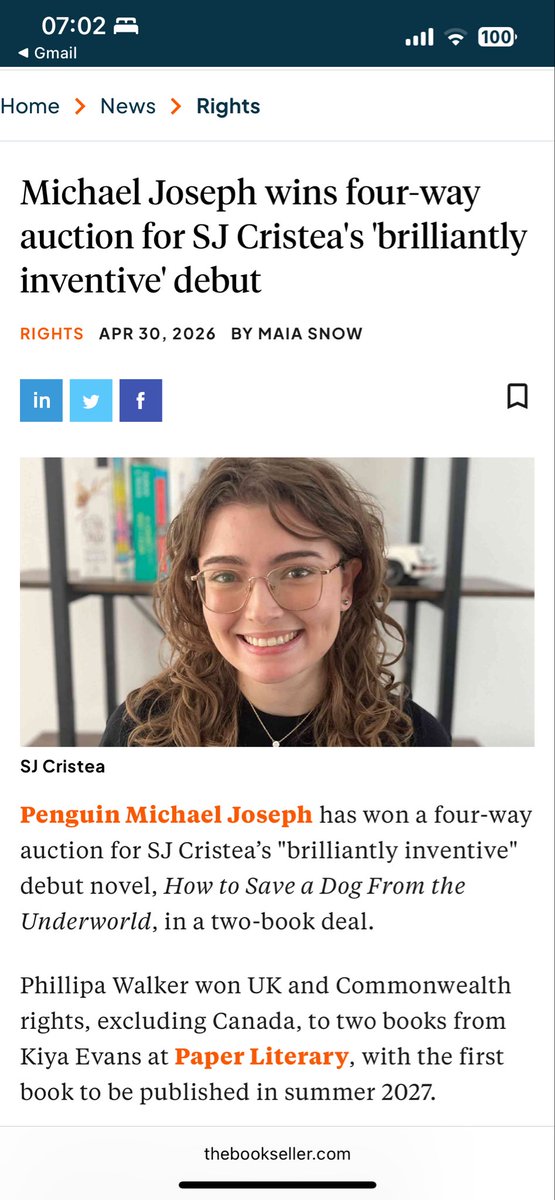
It’s official!!! I’m gonna be a published author!! Words cannot describe how grateful I have felt these last few months, this is an absolute dream come true ❤️
Skeeter Pete 🐕🐶 is gonna steal your hearts (unless you’re a cat person 🤭)
70
31
500
10,754
Areen Ali retweeted

Apr 22
the thing is, to make art, to fall in love, to do anything really worth doing, you have to risk embarrassment, humiliation, heartbreak. to do anything you have to risk being. and that's being in front of—or more scary, with—others.
15
4,244
20,402
353,070