Unmasking the Modernist Church of Vatican II. RTs and follows are not endorsements.
Joined April 2012
- Tweets 144,957
- Following 9,788
- Followers 29,790
- Likes 24,259
13,709 Photos and videos
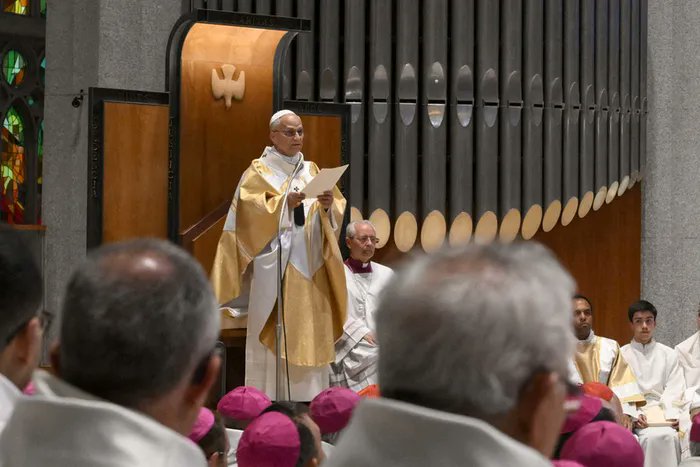
RT @juliouillot: Efusivo encuentro en Barcelona de León XIV y Lucia Caram la religiosa hereje, pro aborto y pro LGBT, quien declaró directa…
64
The hideous ventilator monstrance is back in action in Fatima. We saw it with Francis in 2017. Remember? We dubbed it the "MONSTER-ance"!

Tantum ergo Sacramentum
Veneremur cernui:
Et antiquum documentum
Novo cedat ritui:
Præstet fides supplementum
Sensuum defectui.
Genitori, Genitoque
Laus et Jubilatio,
Salus, honor, virtus quoque
Sit et benedictio:
Procedenti ab utroque
Compar sit laudatio.
Amen
6
8
67
3,247
Damian Thompson takes this attitude because he thinks that the Faith can be had in elements: Fewer heresies are better than more, and a gorgeous vestment here can make up for a blasphemy over there. Hence he thinks Leo is better than Francis. But that's not how it works.
3
8
33
1,176
Novus Ordo Watch retweeted

Jun 12
Some people object to the idea of "heresy by omission" – and this objection is especially mounted by defenders of the Novus Ordo rites and the documents of Vatican II.
Fr Raffaele Pierotti OP was Master of the Sacred Palace and papal theologian under Pope Leo XIII. In 1896, the Pope assigned him the task of summarising the papers of the Papal Commission on the question of Anglican Orders. The "painstakingly fair summary" in his "Votum and Report" was essentially the final step before Pope Leo XIII issued Apostolicae Curae.
Some defenders of the validity of the Anglican rite had argued that the Anglican rite only conveyed error by omission, and that therefore a Catholic form used in such a rite would retain its Catholic meaning (and thus, they would argue, be sufficient for validity).
Here is what Fr Pierotti made of this argument:
"I must now add a few words about the replies given to this question by the defenders of validity or doubtful validity. Gasparri replied that in the new ritual heresies are not expressed positively but only negatively, and therefore the heretical doctrine of the compilers is not clearly expressed in it.
"To this I reply that there are sins both of commission and of omission, and that in order to call a rite heretical, it is not necessary that heresy be positively professed in it, when the Catholic dogma has been removed from it, nor does it follow that the dogma has to be denied.
"For example, to render the form of Baptism invalid, it is not necessary that there be in it an explicit denial of the existence or divinity of the Holy Spirit; it would be enough to omit the mention of this third divine Person, precisely in the way that the compilers of the Ordinal have acted in omitting the mention of the order or the power that is being conferred.
"By this they have said clearly enough that they do not believe in the existence of the Sacrament of Orders."
In other words, it is possible to profess heresy "negatively" by omission, as well as "positively".
This has implications for the documents of Vatican II – as @FrDesposito is arguing in thread from which the quote tweet is taken – as well as for the Novus Ordo rites themselves.
Defenders of both claim that they do not contain positive expressions of error or heresy – but even if this was conceded, the fact that the documents were composed and the rites were mutilated in order to please the world and non-Catholics is sufficient to convey the belief of those who framed them.
---
With thanks to the friend who drew our attention to this document, which is found in Anglican Orders: The Documents in the Debate, p 254-5, ed. Christopher Hill & Edward Yarnold SJ, Canterbury Press, 1997, (n. 54 of the Votum and Report of Fr Pierotti)

By omitting the explicit scholastic definition of the Two Sources, the Council created a dangerous ambiguity. This is "heresy by omission"—failing to teach a defined truth of the Faith in order to establish a false ecumenism with Protestantism.
1
11
38
2,783
Two new sermons by Saint Augustine discovered - uni-wuerzburg.de/en/news-and…
9
25
963
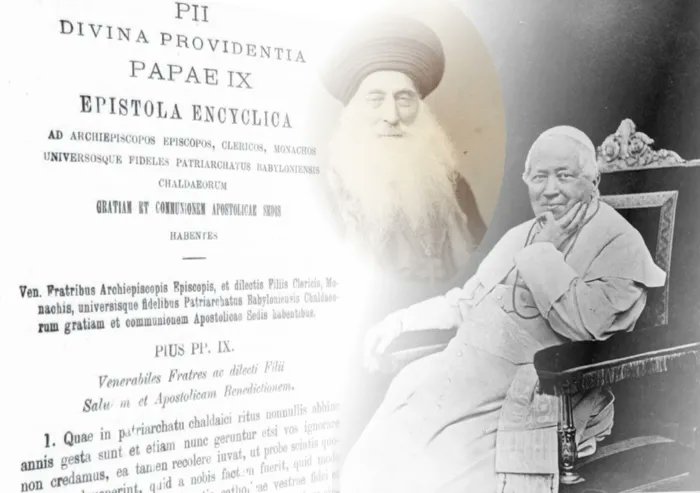
Pope Pius IX vs. Patriarch Audu: Full Text of Encyclical ‘Quae in Patriarchatu’ in Exclusive English Translation - novusordowatch.org/2026/06/p… This is the first time the encyclical has been made available online in English in its entirety. It is relevant to the SSPX consecrations.
3
8
22
916
Novus Ordo Watch retweeted

Jun 13
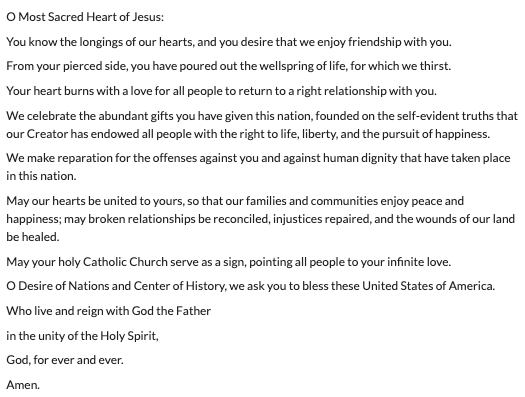
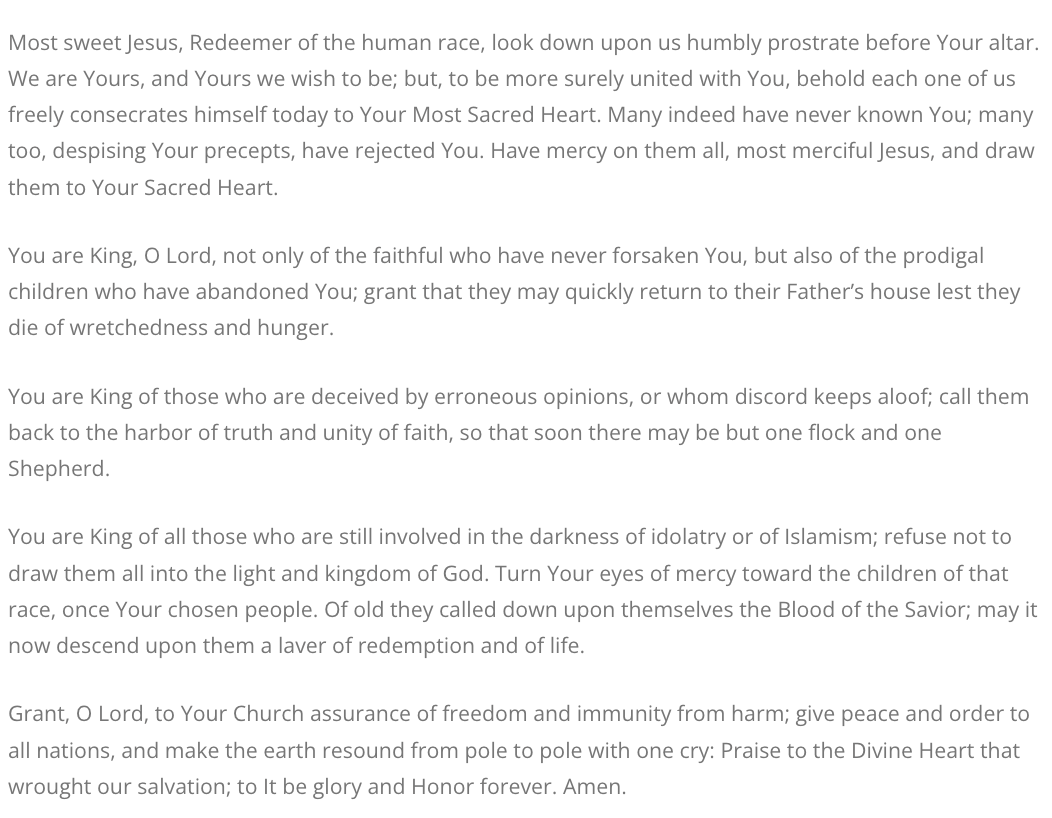
♥️ In 1899, Pope Leo XIII consecrated the entire human race to the Sacred Heart of Jesus. The @USCCB 'consecrated' the United States to the Sacred Heart today. What do you notice about the differences of those consecrations? 👇
23
28
133
4,411

Jun 12
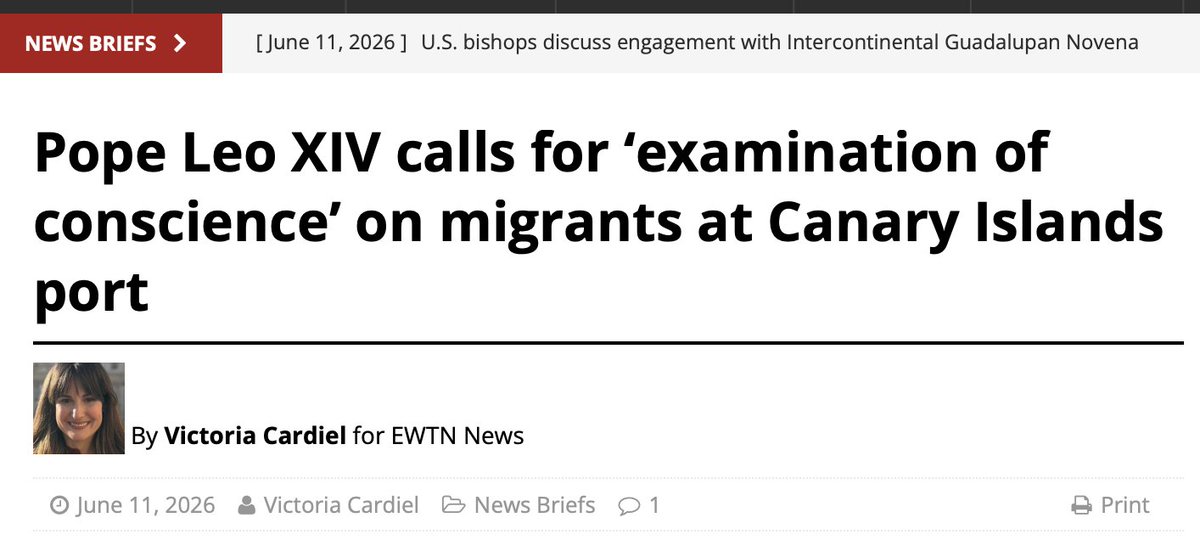
Leo XIV calls for ‘examination of conscience’ on migrants at Canary Islands port - catholicworldreport.com/2026… When he addressed bigshots of the Hollywood movie industry last year, who produce so much filth and blasphemy on a daily basis, there was no call for an examination of conscience -- Leo had nothing but praise for them: vatican.va/content/leo-xiv/e…
3
6
27
1,074
Jun 12
Novus Ordo bishop happily listens to praises of blasphemous statue of Our Lady suffering the pains of childbirth and supports a climbing wall being built into a church - cathcon.blogspot.com/2026/06…
3
11
1,050
Jun 12
Video of German 'Catholic' Women's Association Theater Liturgy - cathcon.blogspot.com/2026/06…
2
2
9
670
Jun 12
Leo's "aura" will deceive many.

11
9
64
3,194
Novus Ordo Watch retweeted

Jun 12
🔴🔴 #BREAKING | The Pope’s return flight to Rome has been delayed due to a technical issue with the aircraft
7
15
1,313
Novus Ordo Watch retweeted

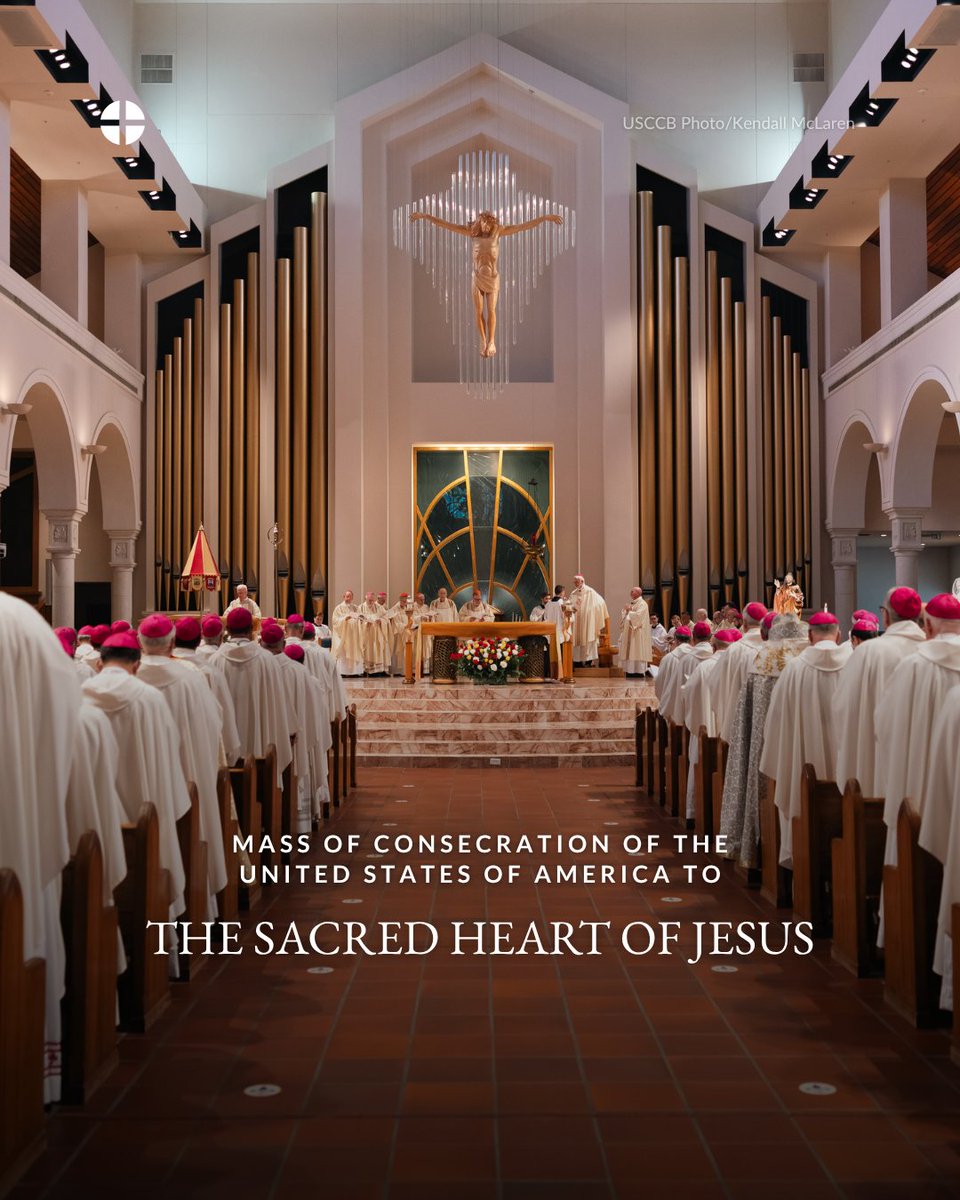
They never actually consecrated anything to the Sacred Heart. They just said a prayer about dignity and asked for blessing from the Desire of Nations and Center of History. No consecration.

Today, the U.S. bishops consecrated the nation to the Sacred Heart of Jesus during the 250th anniversary of the Declaration of Independence.
Sacred Heart of Jesus, have mercy on us.
33
36
166
13,179
Jun 12
The work of 'Saint' John Paul II in Assisi, 1986.

At John Paul II’s invitation, each pagan approached the podium to intone prayers to various false gods.
The gods prayed to were;
Allah, Buddha, Brahman, Tirthankaras, Waheguru, Ahura Mazda, Kami, Great Spirit, ancestral spirits, nature spirit, the great mother etc
Anthema!
4
8
58
1,738
Novus Ordo Watch retweeted

Was a disabled Northern Irishman having his eyes gouged out and his head almost sawn off on a public street part of the drama of migration?
Jun 11

The drama of migration must serve as an appeal to the conscience of the nations of origin of the migrants, which must establish conditions for peace, justice and development. It is also an appeal to the conscience of the transit nations, which are called to protect the vulnerable and not leave them in the hands of criminal networks. It is likewise an appeal to the conscience of Europe, which cannot claim to uphold human dignity while growing accustomed to the Mediterranean and the Atlantic becoming unmarked graves, as well as that of the international community, which is called to effective and persevering cooperation. #ApostolicJourney vatican.va/content/leo-xiv/e…
6
12
24
810
Jun 12
The relationship between liturgical tradition and antiquarianism - wmreview.org/p/theology-hist…
1
11
423
Jun 12
Leo XIV to migrants: "...share the treasures of your humanity, of your dreams and of your culture, which you have brought to these islands, and to be open to receiving what is offered to you" - vatican.va/content/leo-xiv/e…
3
2
12
554
Novus Ordo Watch retweeted

Jun 11
I hate being right. This new translation makes the sodoheretics very happy
Jun 11

The U.S. bishops started their meeting this morning by approving new elements of a revised lectionary (which will be based on the new Catholic American Bible, approved last fall), and also the Liturgy of the Hours supplement of the 2025 Roman Missal. No amendments, near unanimous support (1 abstention out of both votes). The new Bible will be available in 2027; the new lectionary, still tentative but possibly in Advent 2028/29.
14
13
88
10,709
Jun 12
Some people just never learn.
5
5
42
1,406
Jun 12
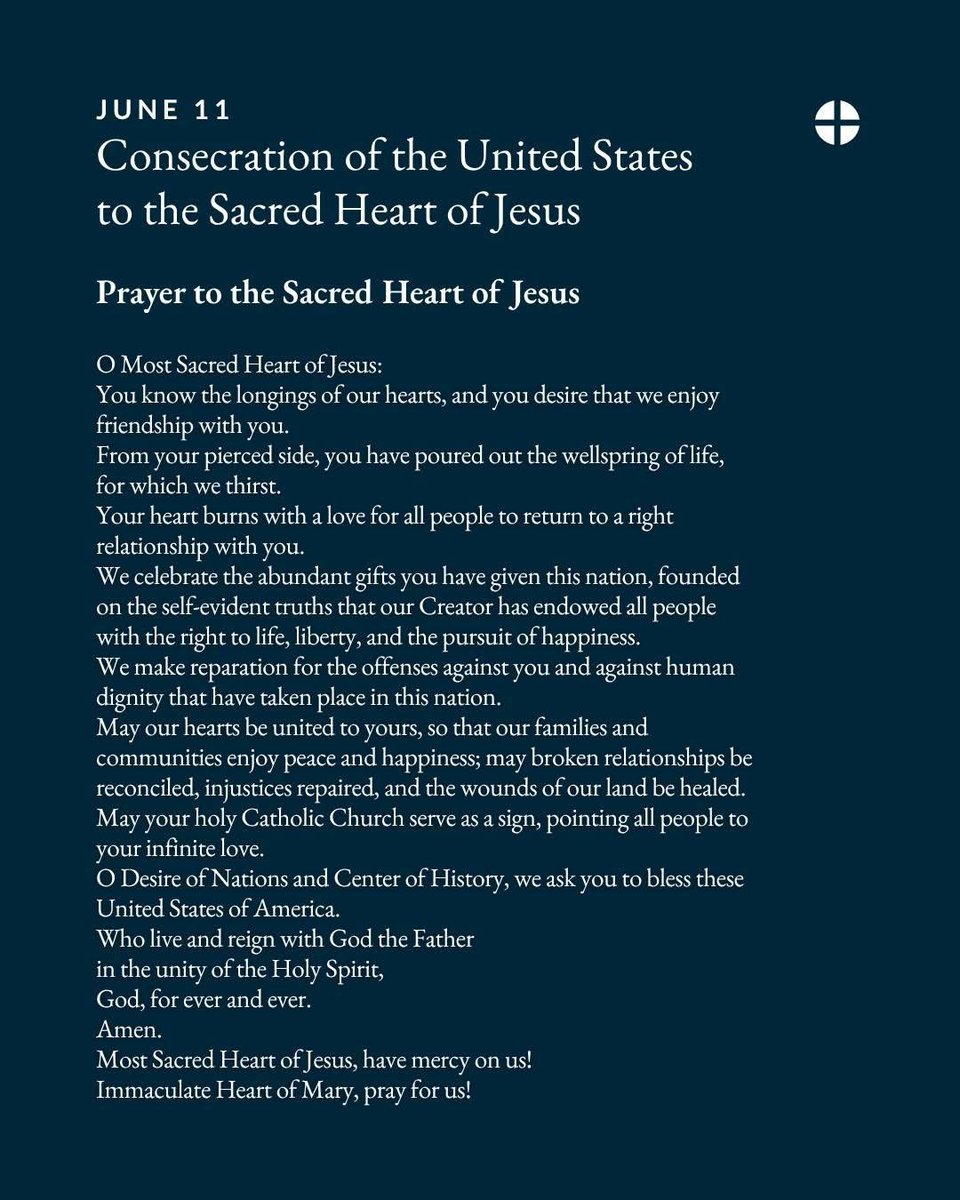
Indeed, this "consecration" is not actually a consecration.
Jun 12

This is directly from the USCCB website. Notice the title at the top says "consecration." But read the actual prayer: The word CONSECRATE or CONSECRATION is NOT in the prayer! It's just more humanistic hodge-podge like "community" and "relationship."
1
4
24
972