Joined January 2023
- Tweets 1,370
- Following 901
- Followers 132
- Likes 14,305
39 Photos and videos



Nsovo W. Maswanganyi retweeted
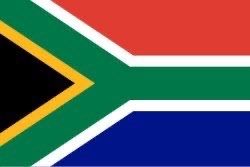
Just retweet to irritate those who hate South Africa.🇿🇦🇿🇦🇿🇦🇿🇦🇿🇦🇿🇦🇿🇦🇿🇦🇿🇦🇿🇦🇿🇦🇿🇦🇿🇦🇿🇦🇿🇦🇿🇦🇿🇦🇿🇦🇿🇦🇿🇦🇿🇦🇿🇦🇿🇦🇿🇦🇿🇦🇿🇦🇿🇦🇿🇦🇿🇦
91
7,087
11,594
148,569
Nsovo W. Maswanganyi retweeted

Jun 9
A bit of a longer post that I've been meaning to make, but please do read (max 3 min). It outlines how I think SA can use SARB to achieve growth without needing to wait for investors:
SARB funding development doesn’t automatically mean inflation. The issue is what the money’s used for. If money is created for imports or for consumption in an economy that can’t meet the extra demand, then yes, it can become inflationary.
But if it’s used to build energy, rail, ports, factories, water systems and other productive assets, then the new money is matched by increased productive capacity. Zero-coupon or perpetual funding basically means there’s no normal interest burden and no repayment deadline hanging over the state. Since SARB would technically own the asset (eg: a dam or energy power plant), it wouldn't function as ordinary debt on the state’s balance sheet. In effect, SARB would be acting as a long-term investor rather than a normal lender (demanding immediate profits).
This would need a serious regulatory push, plus a separate institution that vets projects before funding. This institution's role would be to ask: will this create jobs, expand production, reduce imports, lower costs, improve exports, and what inflation risks could it carry?
This wouldn't be reckless money creation leading to a Zim situation as the money would increase supply and productivity.
Currency stability is the result of growth, employment, production, exports, energy security, etc. It's silly to believe that currency stability comes from worshipping interest rates while SA decays.
6
20
36
2,350

RT @GHNationalist57: The reason some of US support South Africans is because we took time to understand their history and story. South Afri…
621
I believe the term you're looking for is "All-Fielder"

14
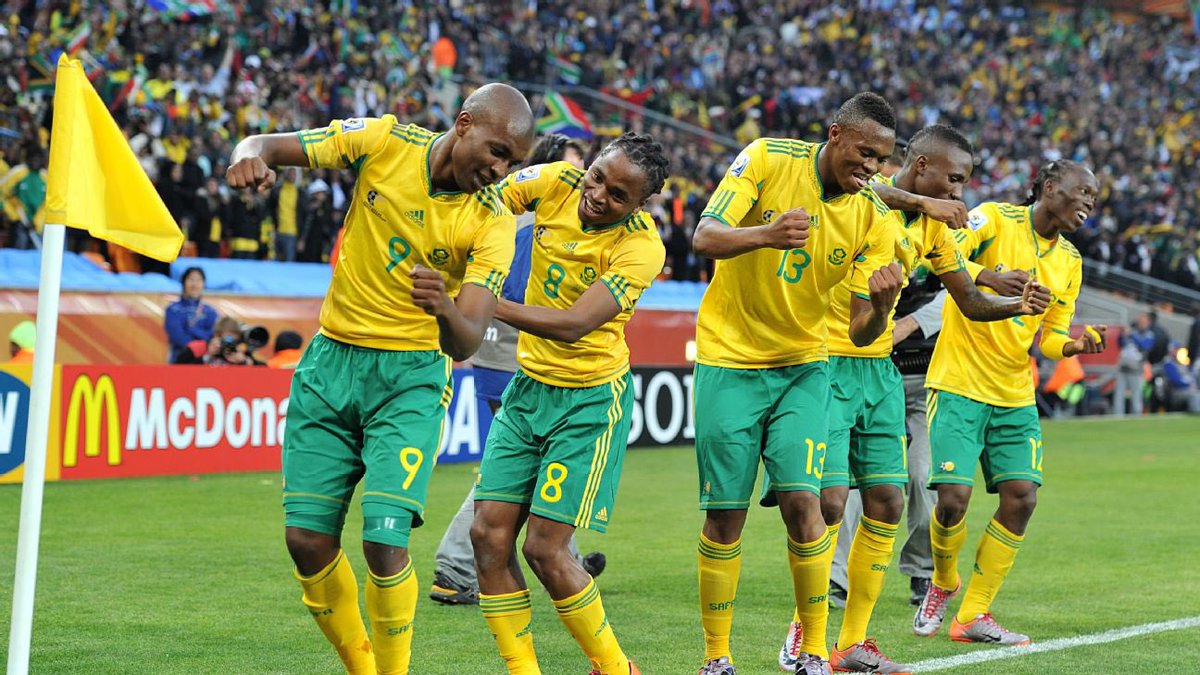
Imagine comparing the squad that failed to qualify for AFCON and was given World Cup spot because they were hosts, with the squad that Qualified for the AFCON and The WORLD CUP
Jun 4

This 2010 FIFA World Cup squad was way way stronger than the current Bafana Bafana team ,just that in that era the world had real ballers than now
4
61
Nsovo W. Maswanganyi retweeted

4 Aug 2022
PROTECT SOUTH AFRICA AT ALL COSTS.
504
32,722
52,239
Nsovo W. Maswanganyi retweeted

May 26
Zama zamas displaced an entire community, Gen Mkhwanazi brought to light corrupt high ranking officials, SANDF bases had guns stolen from a base, millions worth of drugs stolen from the HAWKS office, Libyans founds at an illegal military training camp.
NO MEETING WAS CALLED!!!
May 25

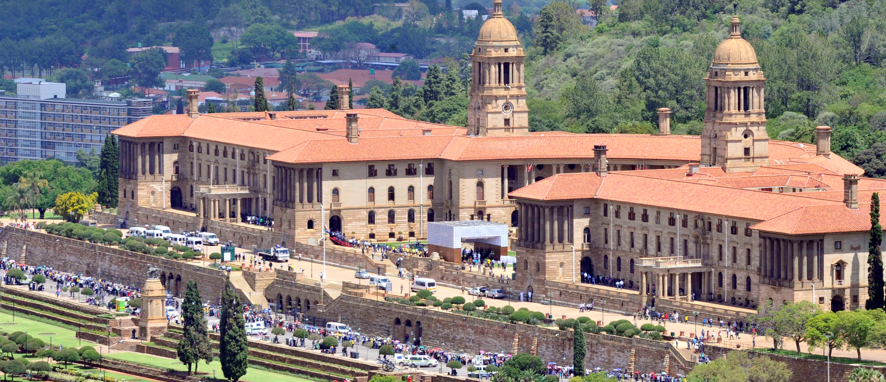
Government convenes urgent meeting to discuss protests on immigration tinyurl.com/3m87x6n7
#GovZAUpdates
51
2,753
7,481
138,212
Nsovo W. Maswanganyi retweeted

May 24
Same. It's been 3 years. I think she's really close to budging, though. Blocking me, getting married, and having a baby was a nice touch to the mind games she's playing with me, but I know she's about to break soon.
May 23

me and this guy in an idgaf war, i miss you tho
664
4,112
32,764
1,184,135
Nsovo W. Maswanganyi retweeted

May 24
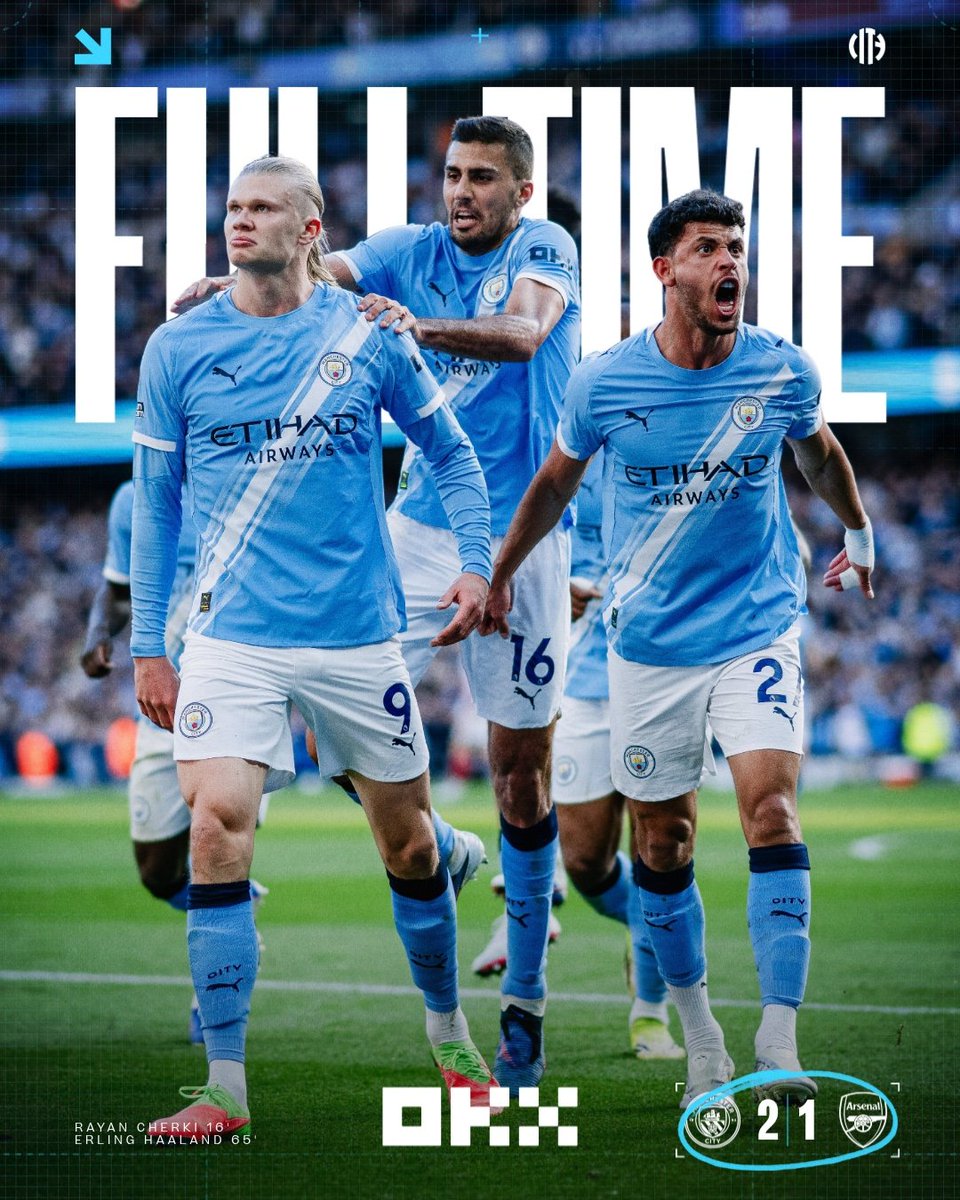
Ten years that will live forever.
Thank you for everything, Pep 🩵
656
13,522
55,264
1,356,841
Nsovo W. Maswanganyi retweeted

May 24
A bald man from Spain who doesn’t even know I exist is making me go through one of my worst heartbreaks. 💔
47
1,291
7,691
84,749
Nsovo W. Maswanganyi retweeted

May 22
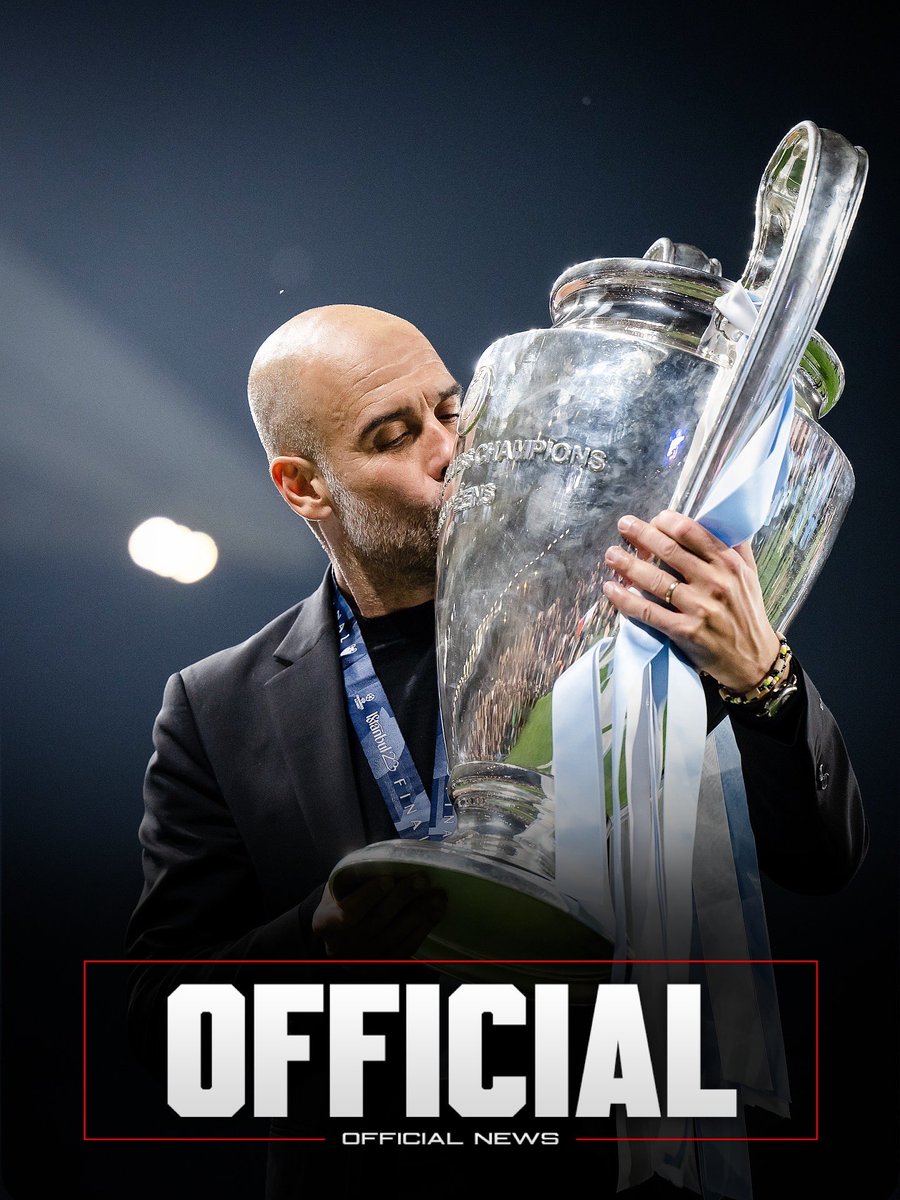
🚨 OFFICIAL: PEP GUARDIOLA LEAVES MAN CITY AT THE END OF THE SEASON.
Club and manager confirm it’s over after 10 years and 20 trophies. 💔👋🏼
3,167
14,603
160,447
2,699,347
Nsovo W. Maswanganyi retweeted

4 Apr 2025
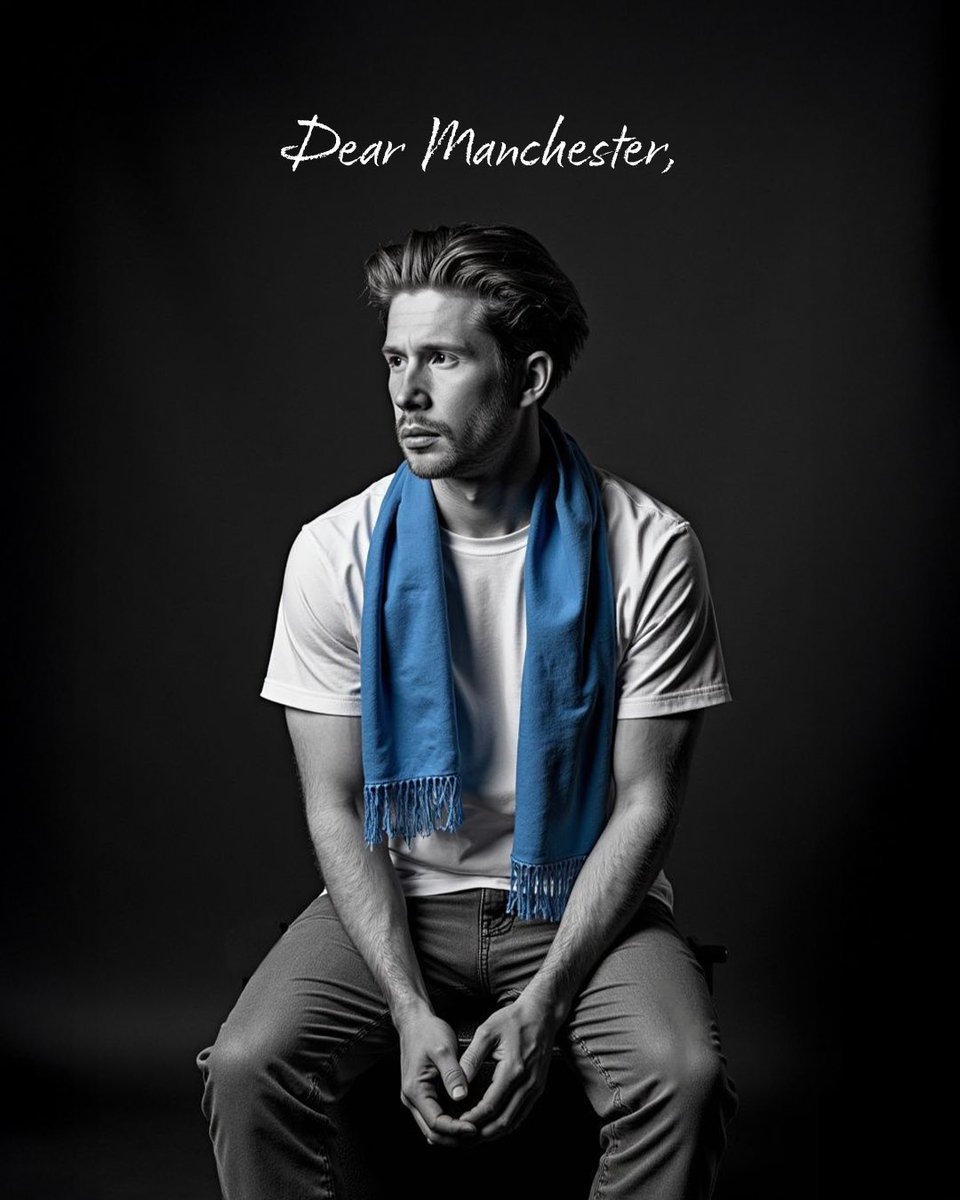
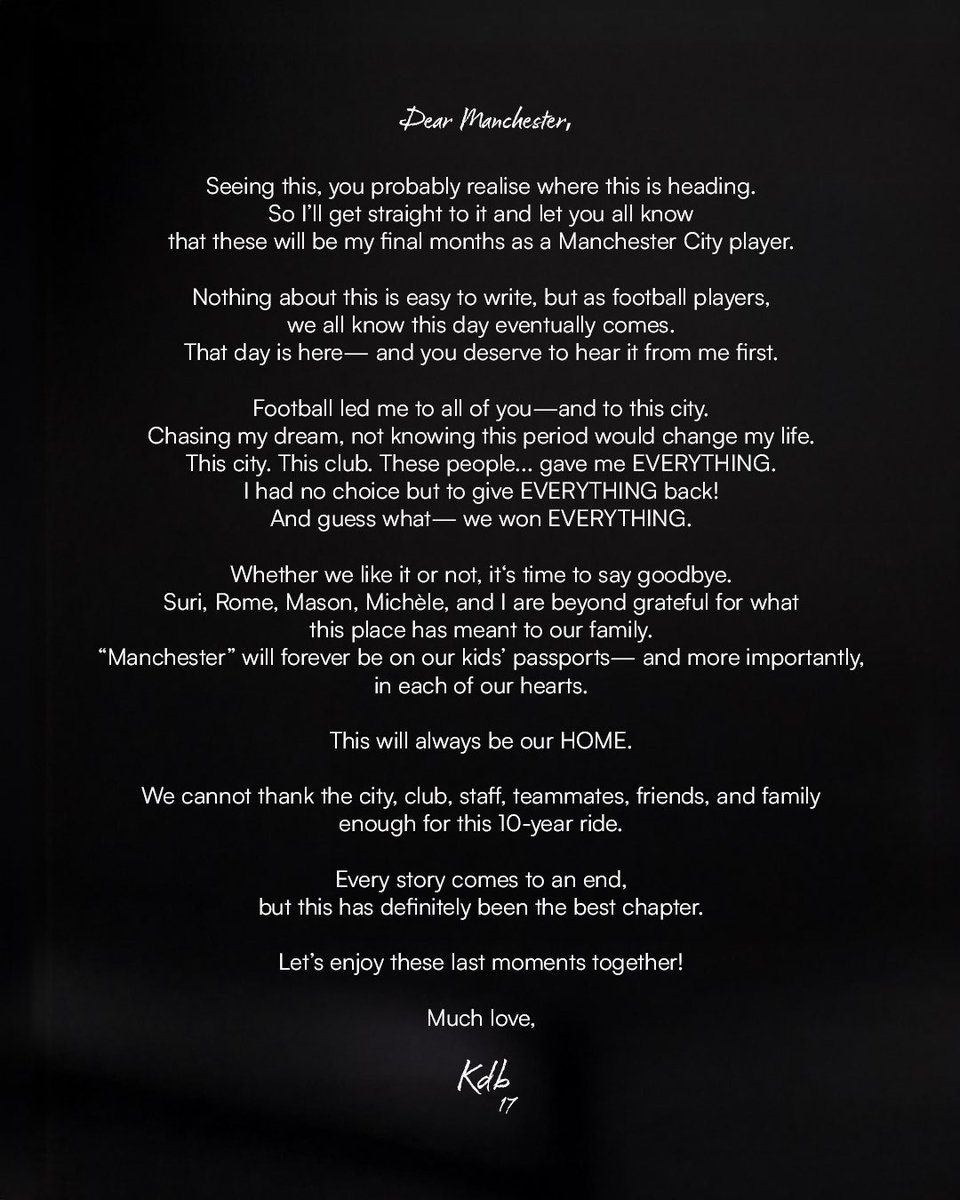
Dear Manchester. 💙
20,147
84,399
602,816
76,188,705
Nsovo W. Maswanganyi retweeted
May 22
Pep Guardiola 🐐
839
14,346
100,579
1,325,433

Pep Guardiola is and will always be a legend of the game. Honestly, I believe he’s the greatest manager to ever manage in the Premier League. While people will discuss his spending, I’ve seen managers spend millions on players only to be sacked three months in for failure. Pep spent wisely and delivered results. He’s a legend and a genius and that can’t be taken away from him.
610
2,793
23,654
438,865
Nsovo W. Maswanganyi retweeted

May 15
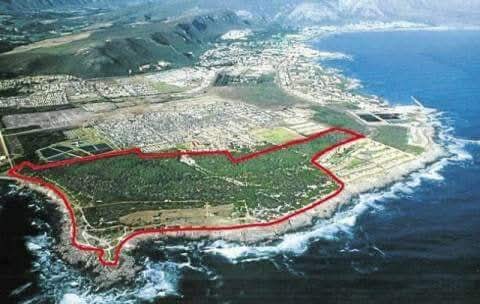
People ask why they want to kill me, it’s because of this land. They sold it to the company that owns Century City and partnered with an Australian firm to develop a seafront estate for rich whites only, cutting Black people off from the ocean. I mobilised our people, we took the land back by force, and we compelled the Western Cape government to buy it back for the people.
Since then, they’ve brought trumped-up charges of incitement and public violence. When they realised they were losing, they started hiring people to assassinate me.
One day our people will get fed up and repay them in kind. We’ll see how the state responds then. It’s not that I’m unable to do what they’re doing, I simply choose to protect myself instead of allowing the masses to avenge me. But I’m only human. My patience will eventually run out.
333
2,800
6,502
246,848
Nsovo W. Maswanganyi retweeted

May 14
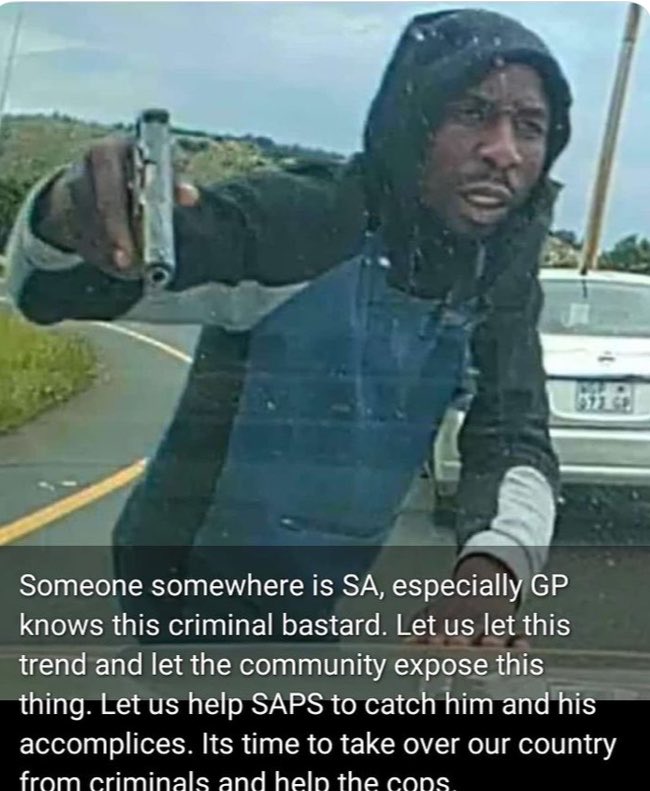
Share until this monster is arrested
59
4,812
4,490
159,561
An argument like this is always useless if you didn't do both degrees. The only people who can accurately compare 2 degrees are the ones who have completed both, there's no in between.
May 12

How’s medicine harder than computer science?? Ayy guys come one..
51
Nsovo W. Maswanganyi retweeted

May 11
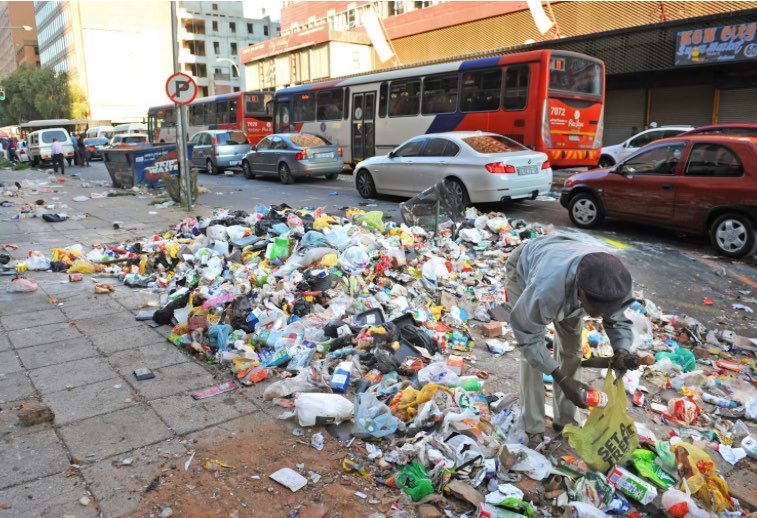
Littering in South Africa is the expression of wider selfish – and costly – culture
Love your country. Don’t litter.
#KoenaVsDirtyCities
🇿🇦🇿🇦🇿🇦🇿🇦🇿🇦🇿🇦🇿🇦🇿🇦🇿🇦🇿🇦🇿🇦🇿🇦🇿🇦🇿🇦
35
689
2,067
15,967


Nsovo W. Maswanganyi retweeted

11 Jun 2021
I want us to be able to say the biggest popstar is South African.
🥺🤞🏽💕
211
6,190
28,611