
Official X account of the National Unity Platform Podcast. YouTube youtube.com/@nationalunitypl… !
Joined November 2025
- Tweets 150
- Following 3
- Followers 1,915
- Likes 49
101 Photos and videos
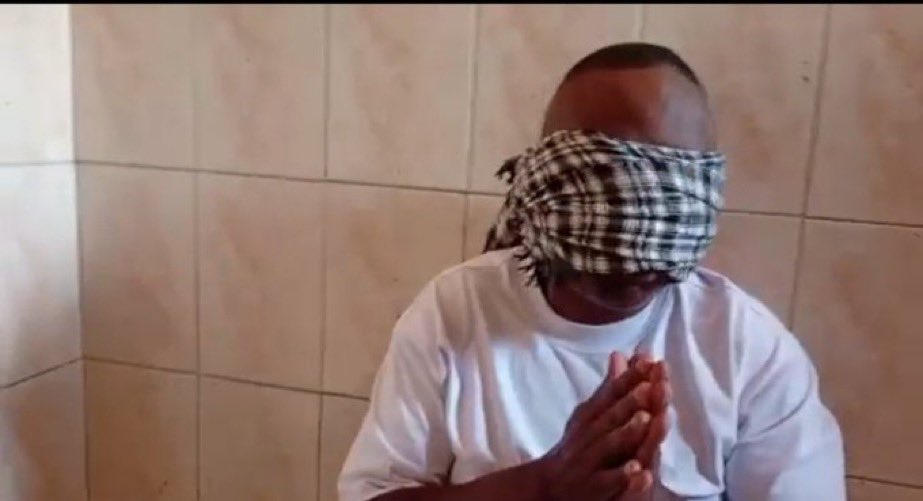
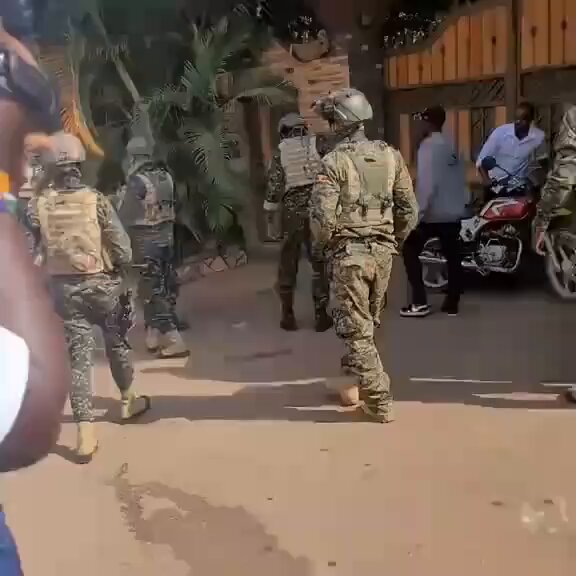

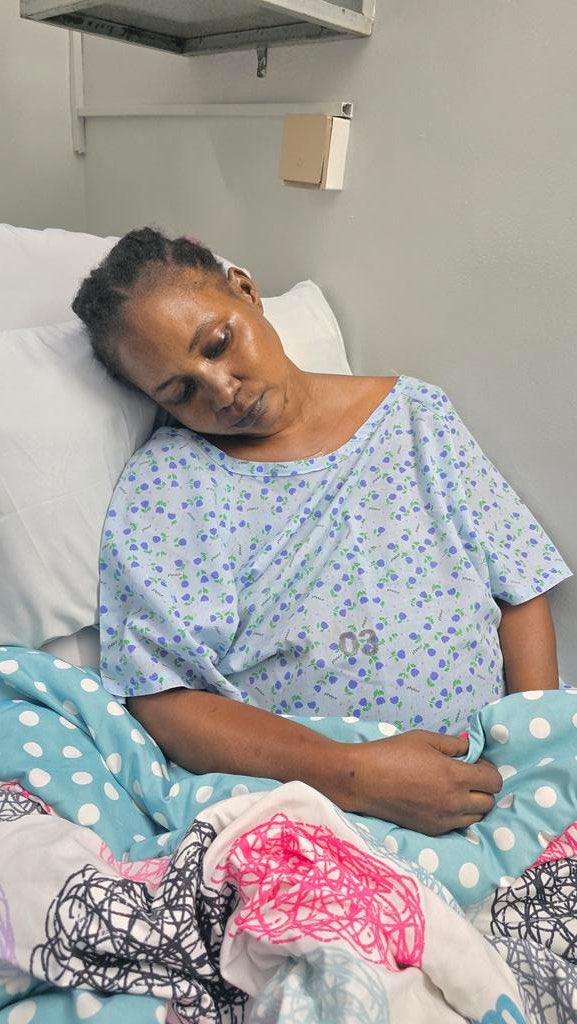
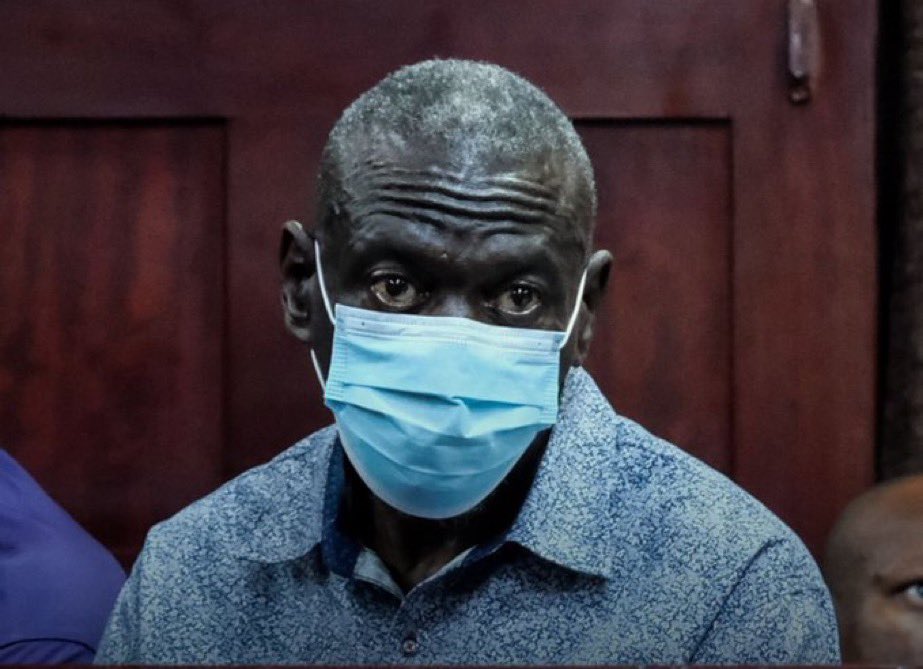
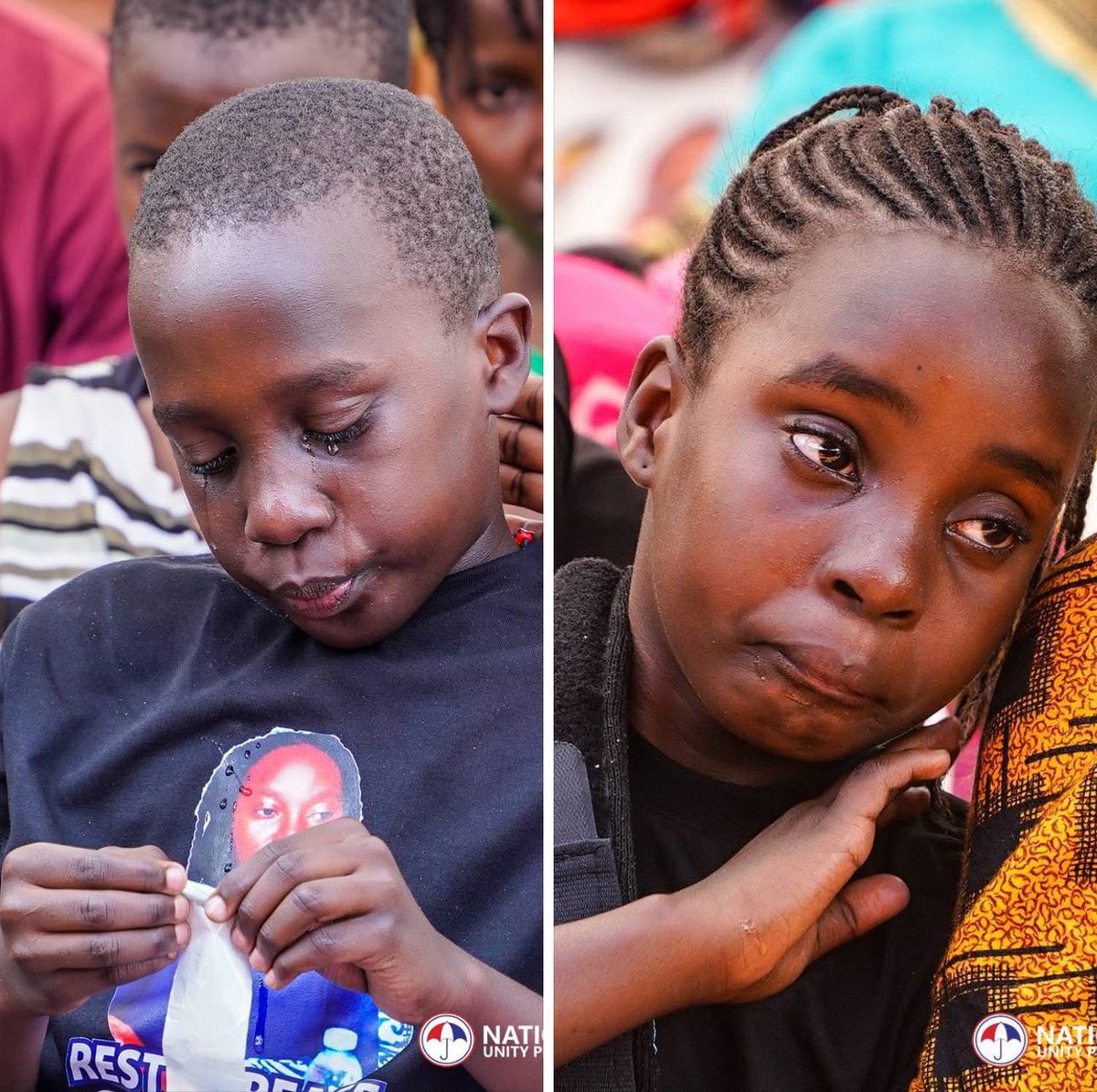
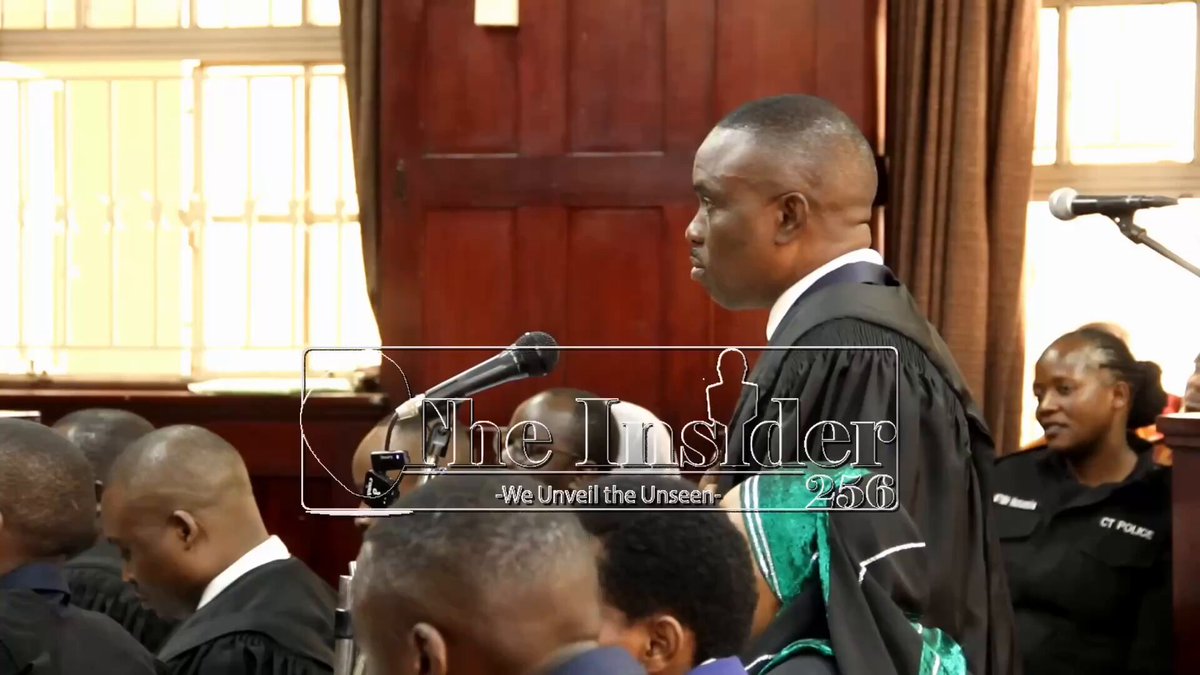
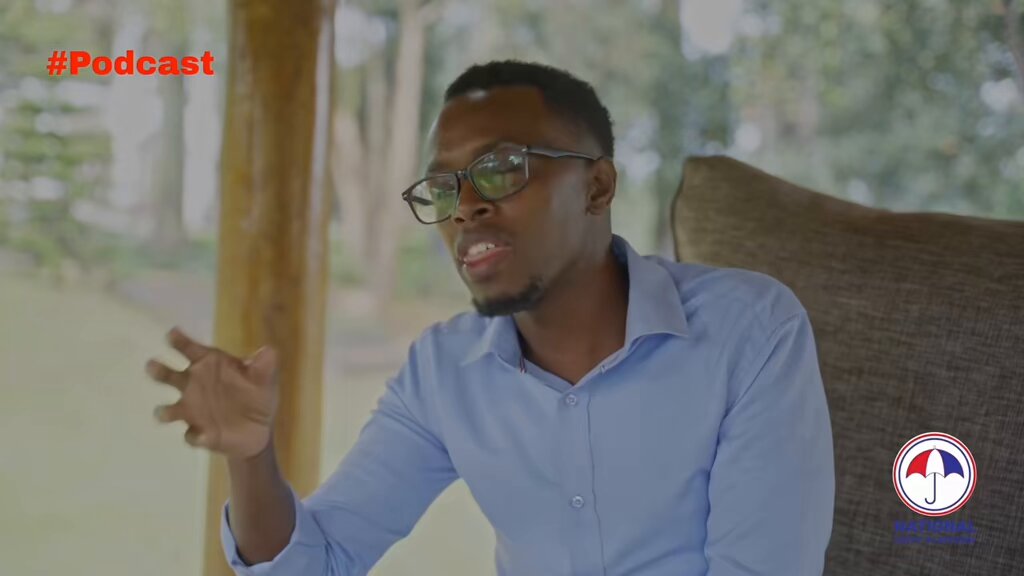
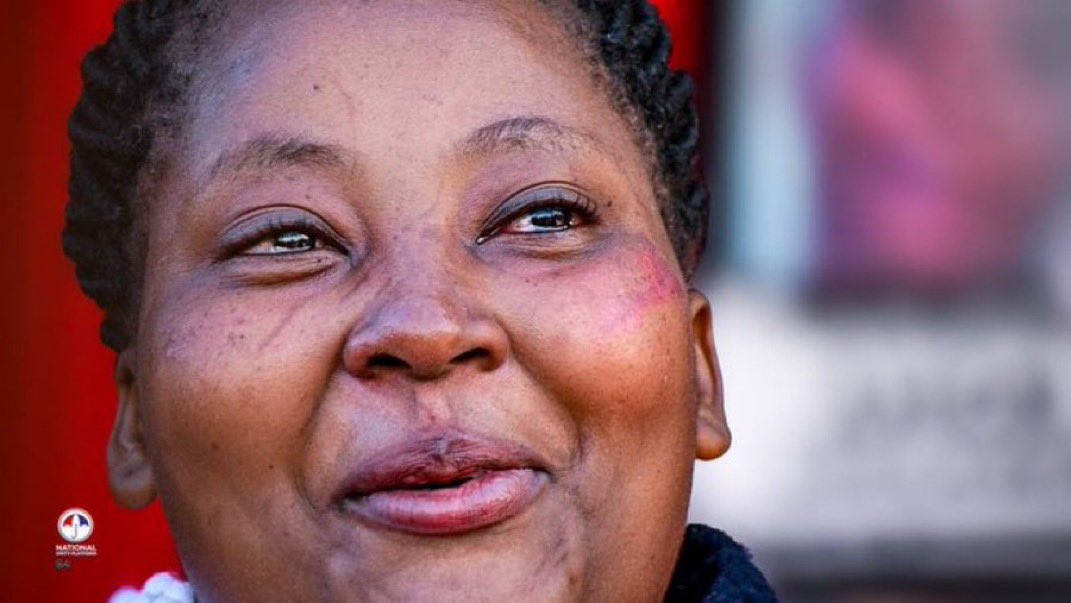
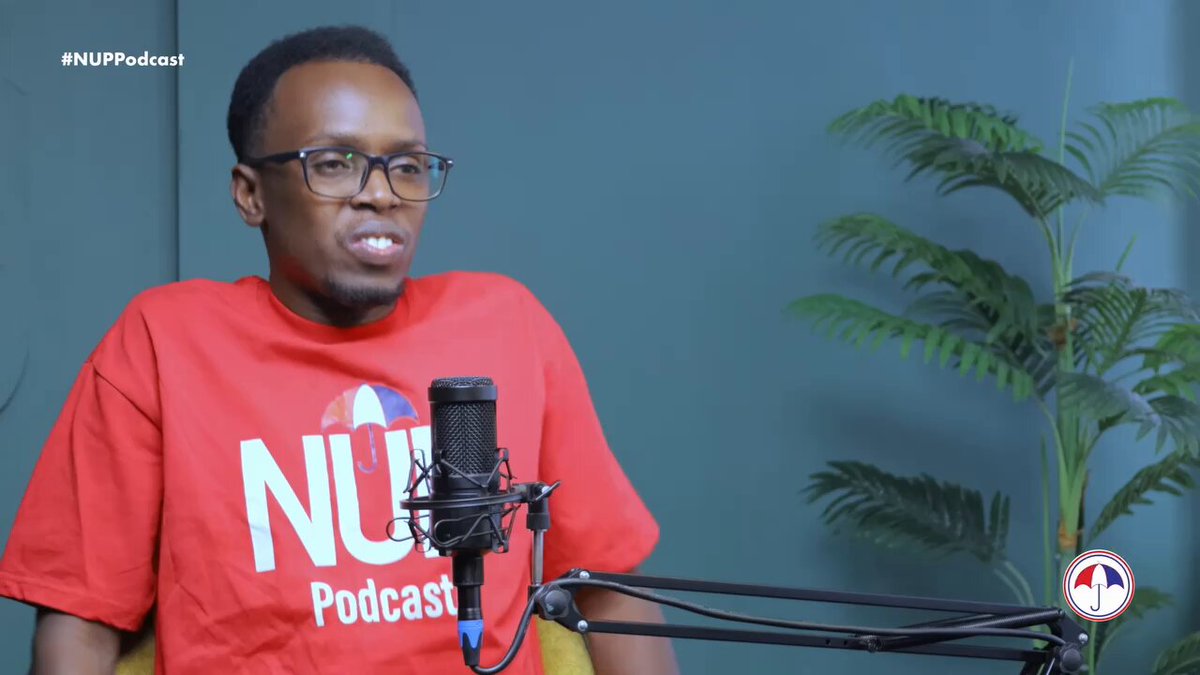
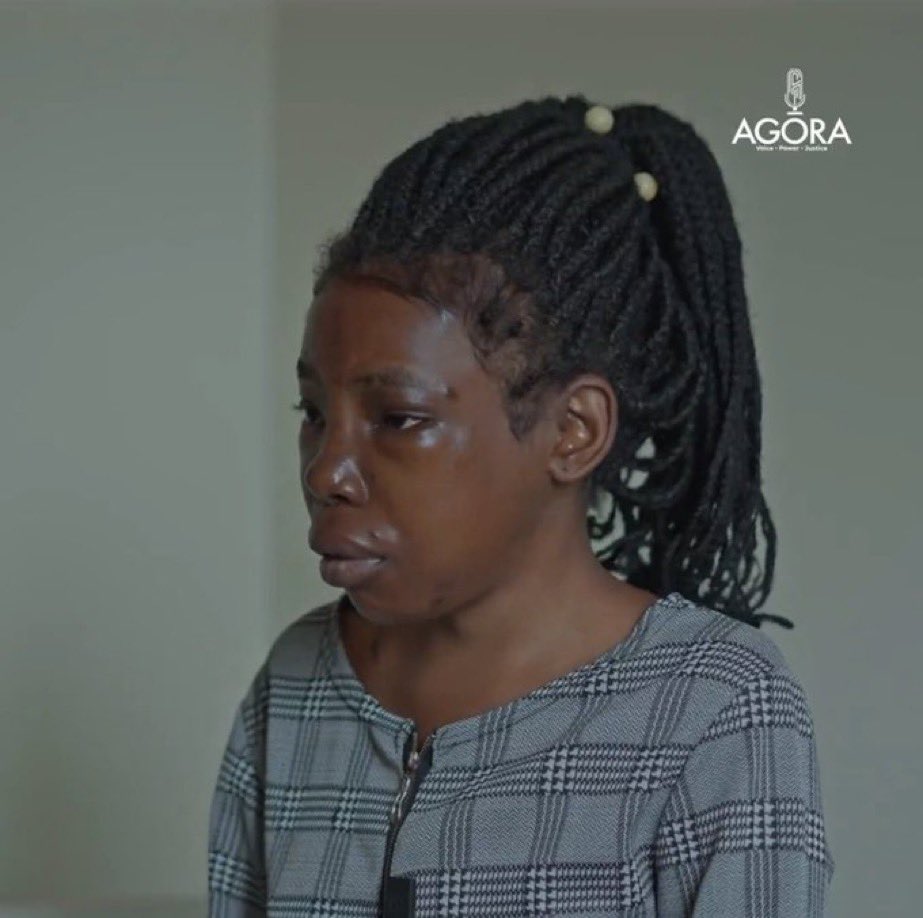
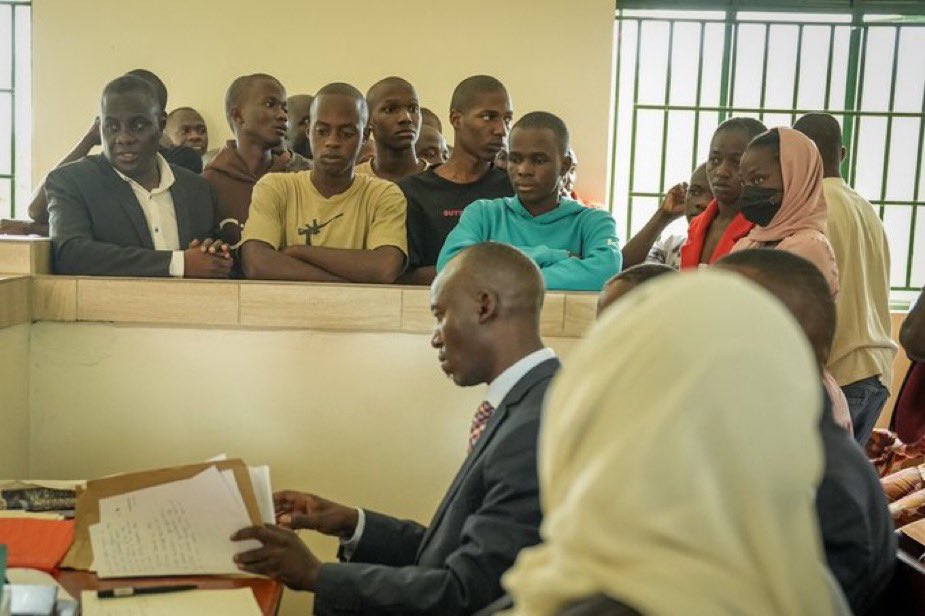
If we look critically at our history, this is not new, they have been at it. These same people used brutality to capture power when they were unpopular, and they are using it today to consolidate power because they have become unpopular.
2
There is something poetic about men surrounded by soldiers feeling threatened by men surrounded by books and mics.

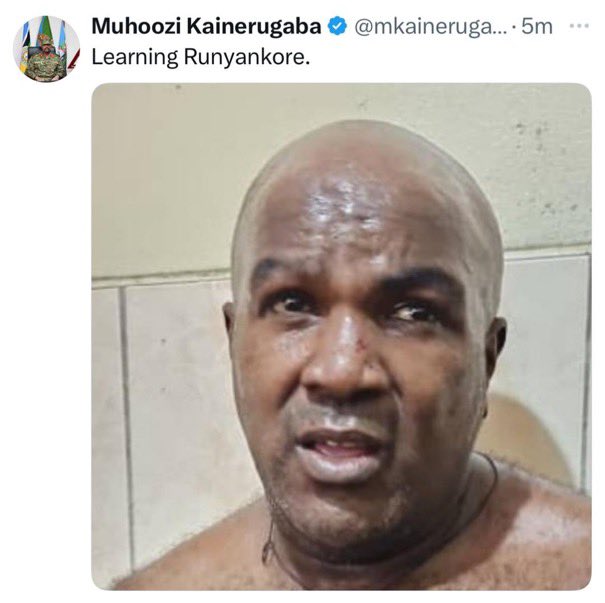
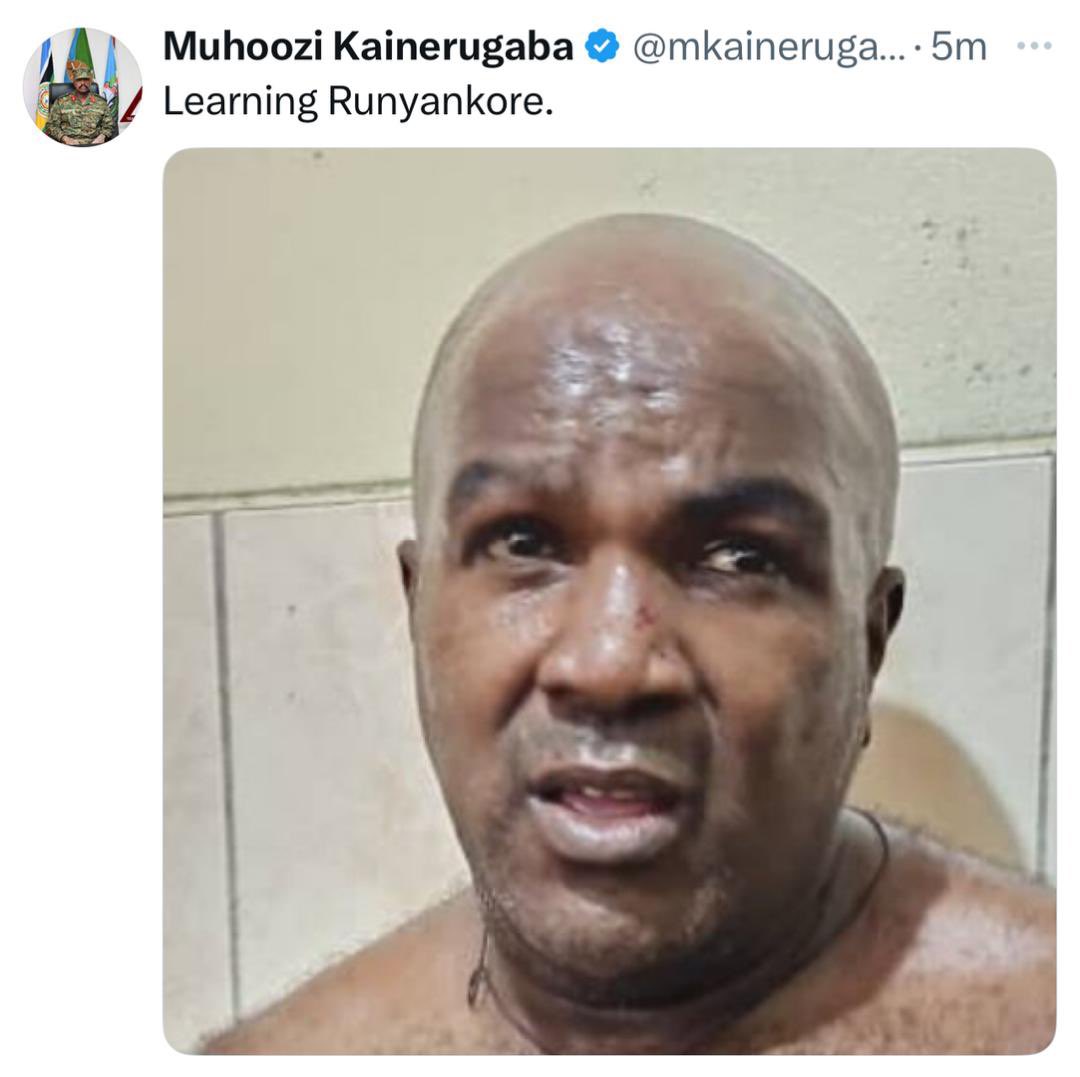
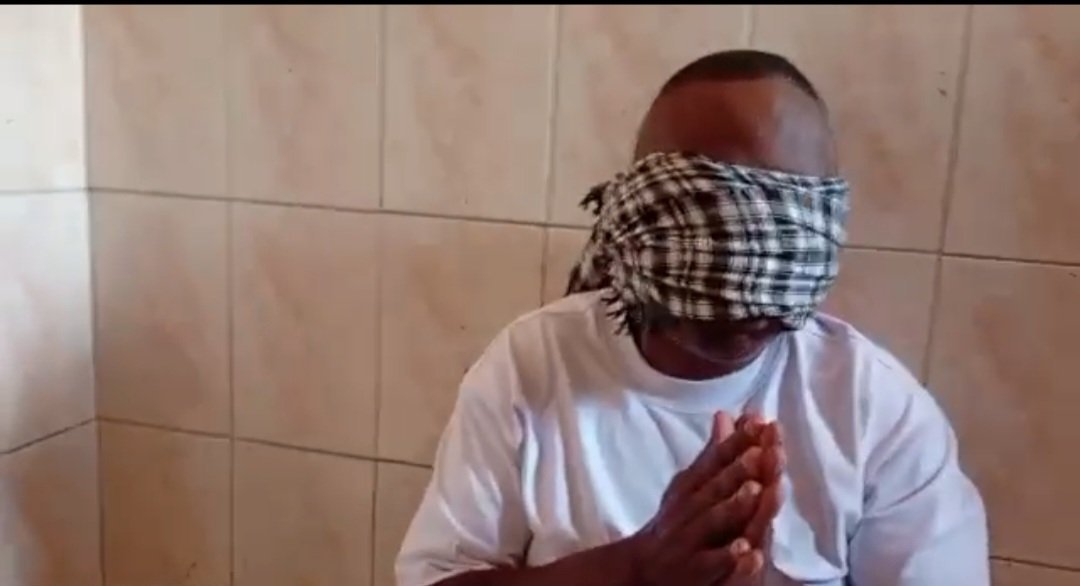
We’ll not reshare the torture images of @EriasLukwago, as to do so would be to further the interest of the folks carrying out the unlawful actions and to perpetuate his undignified and humiliating treatment.
We’ll say, though, that such actions are a daylight manifestation of the state of our country, captive to the shallow interest of a small clique to whom the law is a suggestion, rather than a command.
You humiliate the man, torture him, but you’ll never match the power of his ideas; the high moral grounds on which he stands will be a summit you will only glance from afar.
We’d demand that he be set free or taken to court through a lawful process if he has committed any crime, but i doubt you’ll heed to such calls. It is out of your grapes. So we will only ask that when you have satisfied your cheap desires, leave him alive to return to his family, cause, and country. He’ll meet and vanquish you in the arena of ideas, law, and morality.
6
40
3,450
For all those who stood with Anderson Burora when he was arrested, you probably feel that you shouldn’t have, please forgive yourselves, you were doing the right thing. But as the luganda saying goes”sitaani talokoka.”
#FreeAllPoliticalPrisoners
14
51
488
50,201
To those feeling discouraged today, remember this: Pharoah had an army. Caesar had Rome. Idi Amin had the State Research Bureau. Apartheid too had prisons. None of them won in the end.
#FreeAllPoliticalPrisoners
3
34
181
1,745
Power always thinks it is teaching a lesson. History usually reveals who was actually in class.
#FreeAllPoliticalPrisoners

2
13
72
1,092
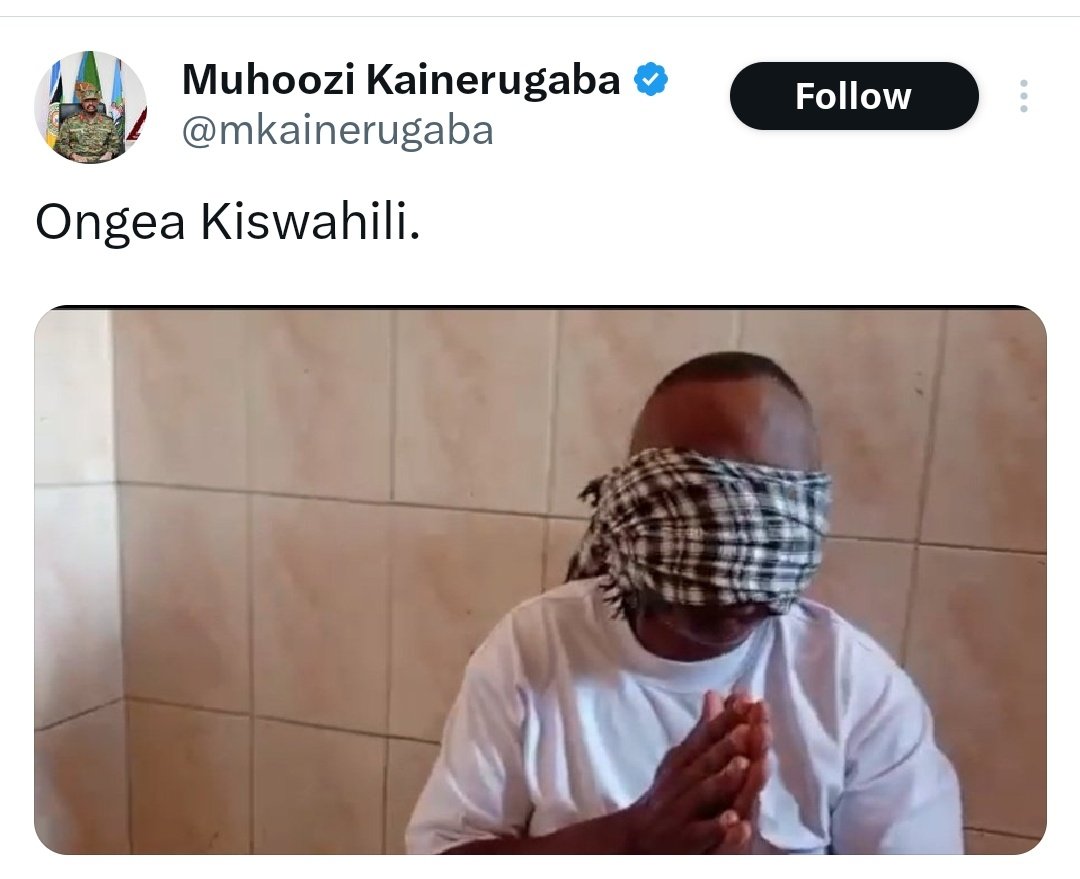
Erias Lukwago has spent three decades defending the law. Today the law could not defend him. One day, Uganda will have to explain to itself how it treated some of its finest defenders.

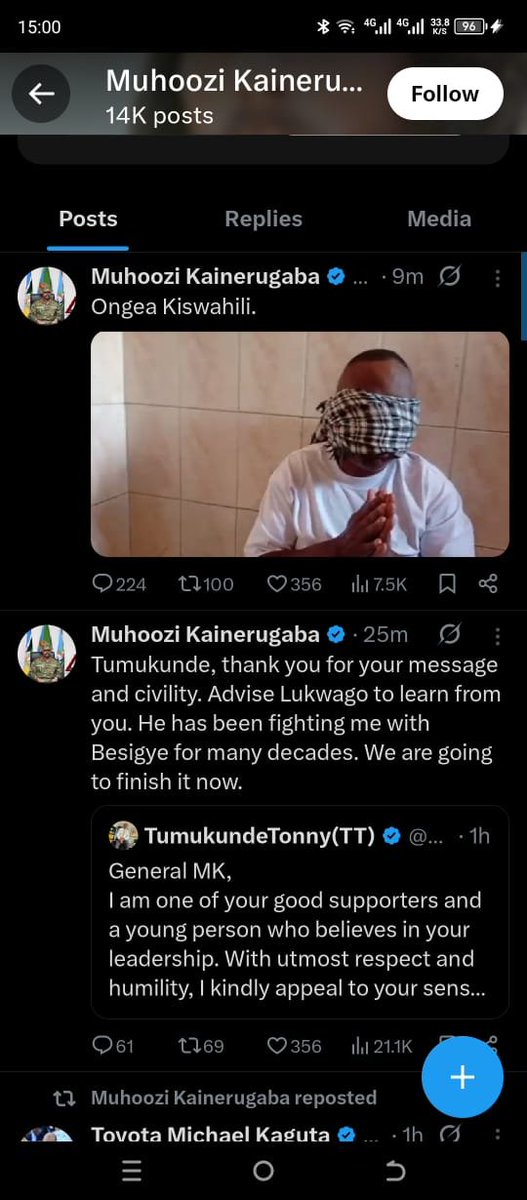
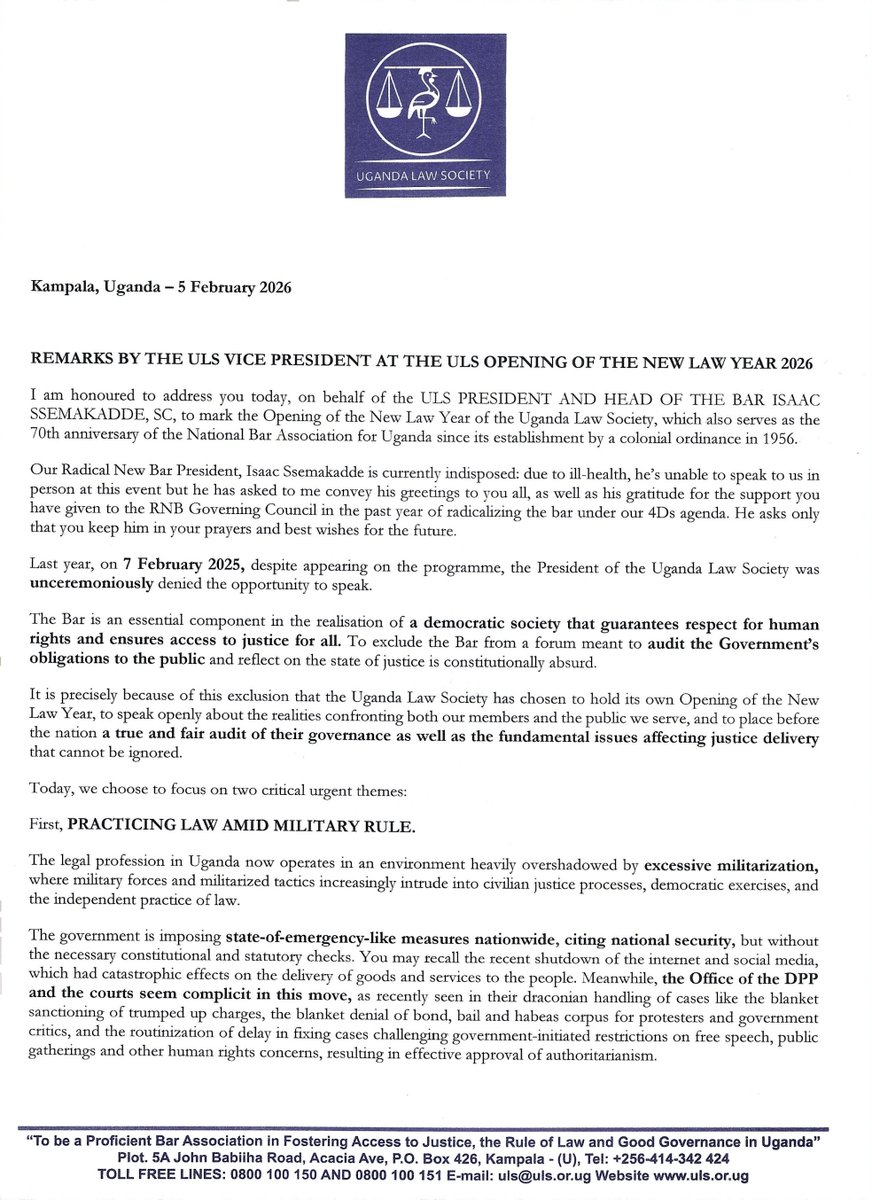
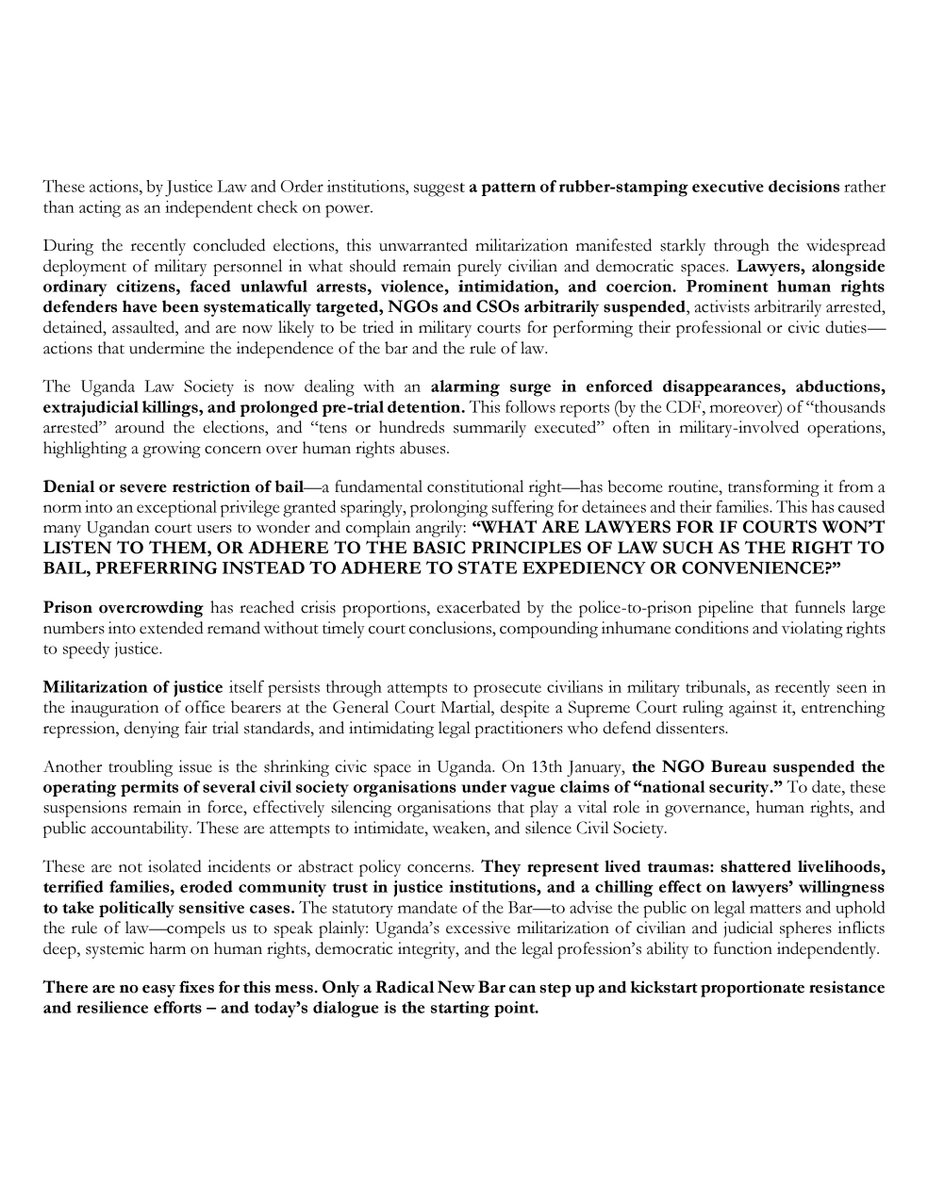
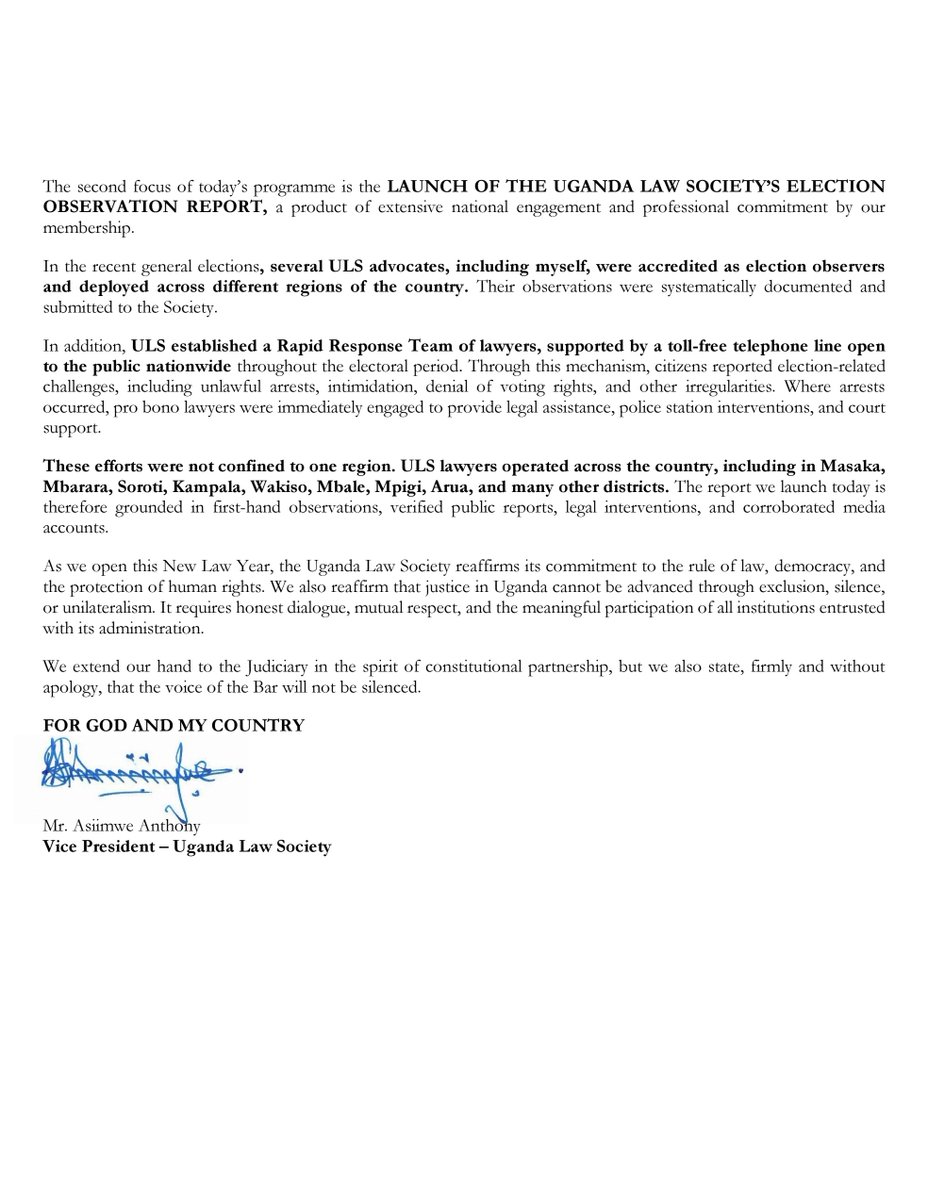
The act of intimidation, harassment and obstruction of a lawyer in the discharge of his professional duties is unconstitutional.Under Article 208(2),the army is subordinate to civilian authority & has no role whatsoever in intimidating or arresting members of the Bar for performing their constitutional duties.This action further violates Articles 20, 40(2), and 221 of the Constitution, as well as the UN Basic Principles on the Role of Lawyers (Principles 16, 18 & 23) and the IBA Standards on the Independence of the Legal Profession. It is a direct assault on the rule of law & constitutional order.
An attack on one advocate is an attack on the entire Bar and on the rule of law itself.
##Demilitarisation
1
21
73
1,511
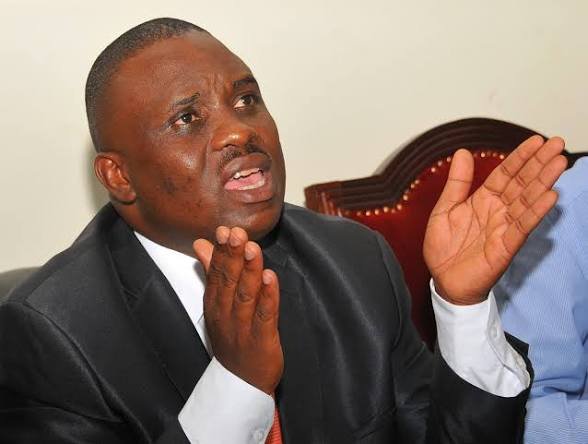
A strange country indeed. The man defending Besigye is abducted and mocked. The man threatening Besigye is celebrated. But history has never been kind to those who mistake power for permanence.

1
8
43
1,283
NUP Podcast retweeted

Power and life are all temporal things .
In 50 yrs the terrain and issues will be totally different.
What bothers me is not the safety (now and in the future) of @mkainerugaba .But rather the deep seated laid back silence of Ugandans when they even know something is not right.
160
160
1,238
407,164
Ugandans may not control the pace of this spat of events, but they are not outside it either. They are its audience, its critics, and eventually its authors.
Let’s hang in there. This too shall pass.

That stuff that MK does is really not normal stuff. The things he says are not normal things. The man does what he wants, says what he wants & always gets away with it. It’s painfully sad.
In another world where the rule of law works, nothing of this sort would happen. In fact, in such a world, MK would be behind bars for several crimes committed against Ugandans & Humanity in general.
A man who takes pride in torturing other human beings & is unapologetic about it is a man who has no soul & should not exist with other human beings. Such a man is unmoved by all the innocent blood that’s been shed, unfazed by the needless tears that have been shed, and unbothered by the countless lives that have been ruined and/or lost at his behest.
One day that impunity shall come to an end. One day the hunter shall become the hunted and Ugandans will demand and get accountability for all these horrible things they are being put through.
The time will come when the chickens come home to roost. I hope and pray the Universe grants you and I long life because that day will come. And even if you and I aren’t here, someone else will. They shall celebrate the end of one of the worst dynasties this world has ever seen.
1
7
35
2,057
In Uganda today, politics has a peculiar way of reminding everyone that “normal” is a flexible concept. One day, you are discussing budgets, medical interns, and the next day, you are refreshing updates about senior political figures being abducted, and somehow, you try to piece together what exactly is happening. Today’s abduction of Erias Lukwago has once again fed into that familiar national routine: speculation, outrage, counter-narratives, and then silence until the next episode begins.
Hovering above all this is the Muhoozi; we are slowly becoming accustomed to a political culture where the line between institution and individual is so thin it is practically decorative. Where state authority does not just act, it appears, reacts, and trends. The irony, of course, is that this is not even a uniquely Ugandan invention. Political dynasties and presidential offspring have existed everywhere from Washington to Manila to Singapore, each producing its own version of inherited influence and public scrutiny. But elsewhere, institutions at least try to maintain the illusion that they are larger than personalities.
Here, the illusion sometimes does not even pretend. And so the public is left doing what it does best: interpreting national events like episodes of a series that was never properly scripted. Every new development is either “unprecedented” or “expected,” depending on how tired people are that day.
Still, history has a habit of being unkind to systems that assume permanence. What feels solid in one moment becomes a reference point in another. What feels untouchable becomes a case study. And what feels like the centre of gravity today is often just a passing chapter in a much longer political story. Ugandans may not control the pace of that story, but they are not outside it either. They are its audience, its critics, and eventually its authors.
1
8
35
2,071
“Allahumma kun ma’ana jami’an”* – اللهم كن معنا جميعا “O Allah, be with us all”
5
34
382
7,248
No one is safe in a burning house. Let us all stand together regardless of profession, party, tribe, religion and demand for the release of all poltical prisoners.
#FreeAllPoliticalPrisoners
4
14
63
1,531
This is footage coming in from Erias Lukwago’s home. He has been abducted by the UPDF. Erias Lukwago is the chairman of the PFF, a senior lawyer and a law abiding citizen. If he has any case to answer, he should be summoned to police. Arrests are supposed to be carried out in a manner prescribed in law.
#FreeAllPoliticalPrisoners
6
41
152
8,499
Today marks more than a year since Eddie Mutwe was arrested. This poem was produced by @AgoraCFR after his arrest. We dedicate it to his family, all political prisoners and all Ugandans concerned with this kind of persecution. The era of drones will end one day.
#FreeAllPoliticalPrisoners
3
67
194
3,126

Jun 14
This is wife to Sharif Kalanzi. Sharif’s file wasnt transferred to civilian courts. They stopped bringing him to court. He has been in prison for over 5 years. We continue to call for freedom of all political prisoners.
#FreeAllPoliticalPrisoners
10
73
303
4,149
Jun 13
Damulira’s wife’s death is a tale of what many political prisoners’ families are going through.
This is the situation Kato Umaru’s family finds itself in. Kato is one of the political prisoners whose file is still stuck in the General court martial despite the Supreme Court orders for transfer of these files to civilian courts.
And regime enablers like @Jonekyoma have the audacity to write gaslighting articles saying the poor are the ones strangling the middle class. How unconscious and anti-intellectual, and to imagine that he had the audacity to begin the article with a Marxist frame.
Anyways our pain and their arrogance will end one day.
#FreeAllPoliticalPrisoners x.com/AgoraCFR/status/196747…
40
96
514
Jun 13
CID officers have been carrying out extra judicial killings on our people. When our president speaks out, his gaslighted, mocked, dismissed, and it’s not that they don’t know the truth, it’s because it’s not their children being killed. Thank you @Otafiire_ it matters that these things are registered.
Jun 13

Hon. Professor @KamuntuProf , I forgot to tell you, please don’t tolerate any form of extrajudicial killings especially by some few rogue officers in the Crime Intelligence Directorate.
2
16
568
Jun 13
First was Kibalama’s wife, now Damulira’s wife is also gone. These families need their fathers more than ever before, at the very least they deserve closure. If these people ever committed any crimes, why can’t the state produce them and charge them.
#FreeAllPoliticalPrisoners
2
36
161
1,321
Jun 12
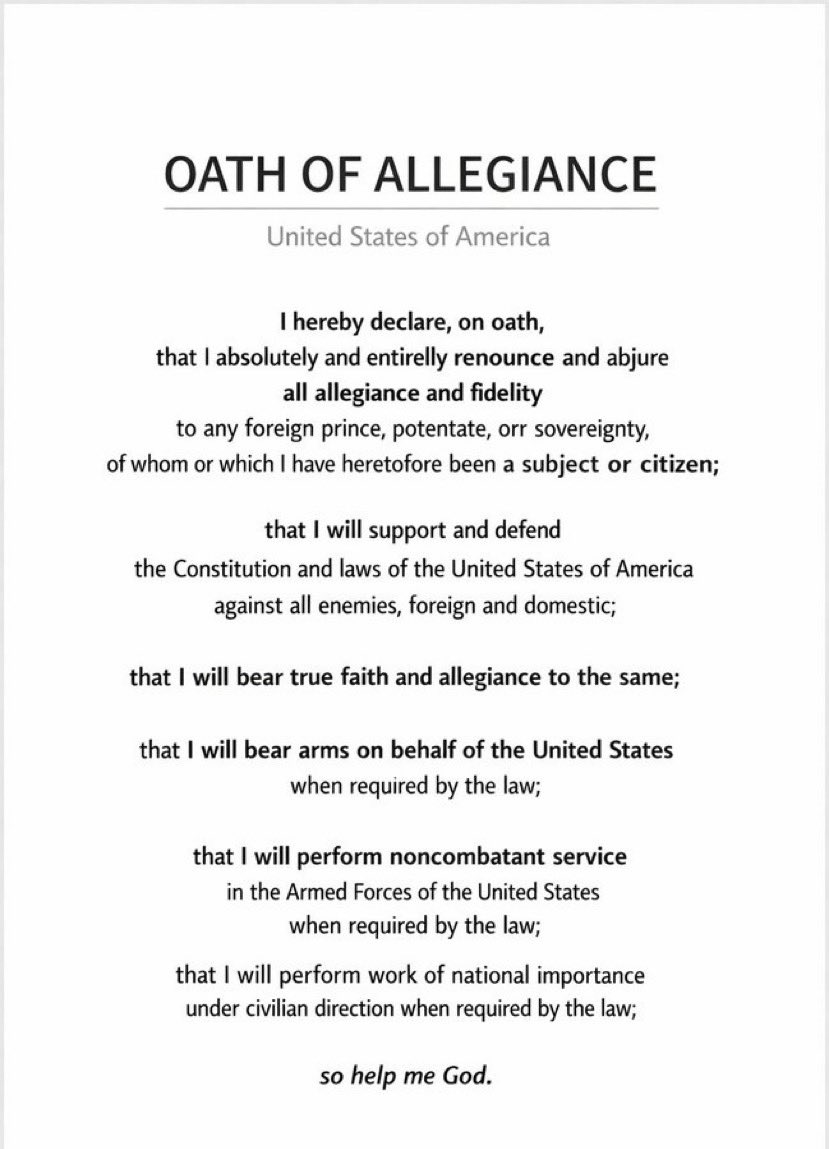
But have you people comprehended how a gov’t that accuses the opposition and civil society of being agents of the West can have its permanent ambassador to the UN swear allegiance to a foreign country and the US for that matter.
Beyond the contradiction this is a disaster.
Below is a copy of an oath of allegiance to the US.
11
40
515