
Ballin' and Brawlin' @playSparkball | Chief Spork @liveSparkadia
Joined September 2022
- Tweets 145
- Following 58
- Followers 14,309
- Likes 109
16 Photos and videos

Chandler Thomlison retweeted

12 Nov 2025
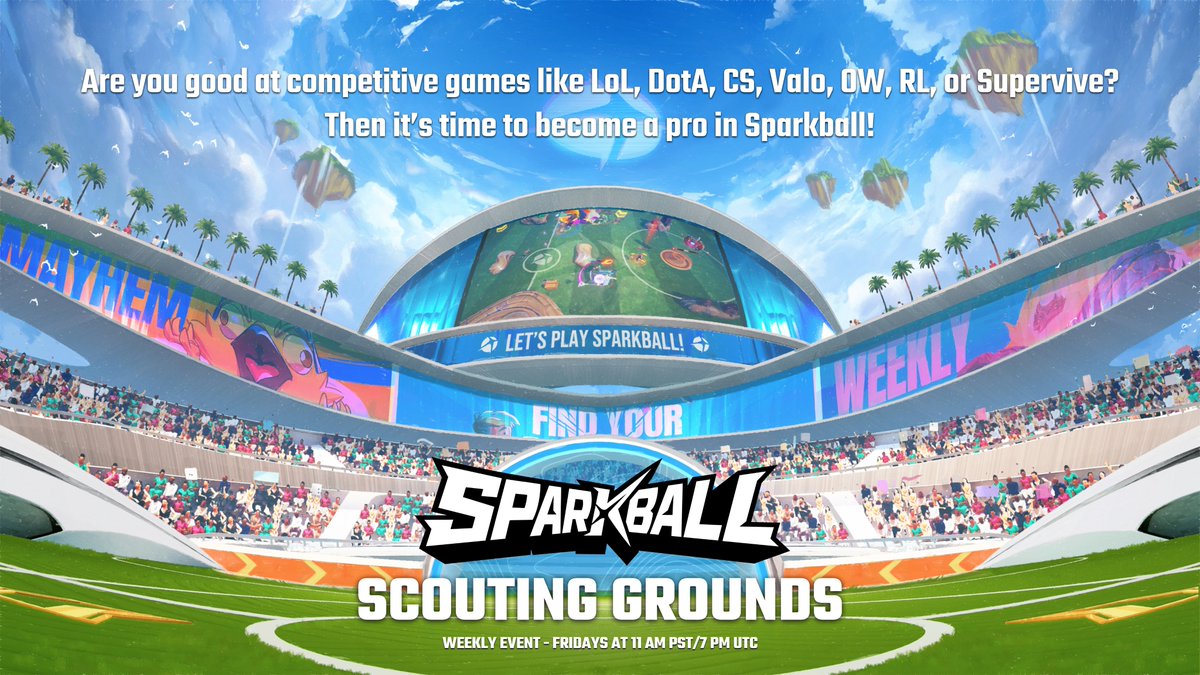
HELLO COMPETITIVE GAMERS
Organized teamplay with comms in a tournament format is more fun (and less toxic) than solo queue.
That's why we created our weekly "SCOUTING GROUNDS" event where you'll play alongside other high-skill players. Even if you've never played before, we've got coaches and existing pros to help you git gud ASAP!
Top 4 players from each week get to play in our $200 weekly pro tournament!
If you're Platinum or higher in games like LoL, CS, OW, DotA, Valo, or Supervive, you're going to love Sparkball.
⚡️Simply share a screenshot of your rank in our Discord and we'll grant you access to the event. ⚡️
See you on Friday at 11 AM PST/7 PM UTC
4
7
28
7,425
Chandler Thomlison retweeted
5 Aug 2025
SPARKBALL UPDATE:
We've been a bit quiet post Next Fest as we were finalizing an investment deal that would guarantee us a full year to finish development on Sparkball and release next year. Unfortunately, we learned a couple days ago that that deal was no longer happening. Given we've been building the last couple months with the assumption that we were clear for another year, we're obviously in a VERY difficult spot now.
It's an incredibly backbreaking to build a competitive multiplayer game like Sparkball on a limited and uncertain budget. While we certainly made a lot of mistakes, I'm still proud of what we've been able to accomplish and how magical of a game Sparkball is. Gaming is obviously in a terrible spot right now and we just made a few too many mistakes to overcome our position.
But we wouldn't be very OPTI if we threw in the towel before we gave absolutely everything we had to make this a success. We're shifting down to a super small team and spending the next couple months building out what we hope will show that the world NEEDS Sparkball to be finished and fully released. With resources even more limited than they already were, we will be going largely silent until we're prepared to launch Phase 1 of our Save Sparkball plan. We expect this to happen in ~1.5 months. In the meantime, we wanted to at least get this announcement out in the interest of transparency and promise 2 things:
1. We will be using a portion of our last bit of budget to consolidate former incentives (NFTs, badges, Friendship, etc.) and ensure our supporters get something tangible. We'll be launching that Rewards Consolidation and Sweepstakes once Phase 1 Launches.,
2. We will not be attempting to sell anything or directly raise money from our community. We need at least ~$2M to reliably launch Sparkball so any money we take from players (including a token launch) feels unethical until we're confident we can actually deliver long-term.,
The only thing we'll be asking from our players is simply kind words on the internet and showing up to our events - it's you who will help us create that proof that Sparkball is worth saving.
We're very.... very down right now, but not out quite yet. We'll see you in a few weeks with the Phase 1 Launch and we promise to keep shouting LETS PLAY SPARKBALL! until we can't anymore.

66
17
256
31,837
Chandler Thomlison retweeted

11 Jun 2025
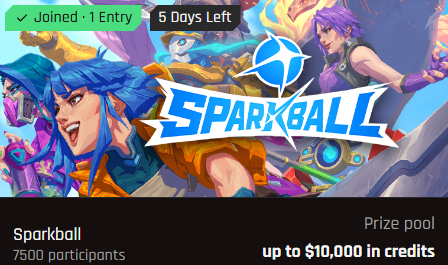
The @playSparkball giveaway on @raijin_games has just reached 7.5K participants (and growing) and there's still 5 days left to go. They've unlocked the full $10K prize up for grabs.
People love this game and it's not too late to get into the mix.
This team has built something truly special. Wishing them all of the success in the future.
4
3
21
5,876
Chandler Thomlison retweeted
4 Jun 2025
Hi everyone! @OPTI_Chandler here to write this one directly. I thought about writing this as a corpo press release format but that just doesn’t feel very personal or very Sparkball.
Nearly a year ago, we held our first game night with the Monad Community. Since then, our community has substantially grown solely by so many of those same Nads being our backbone day in and day out – including our own internal CM team!
While we are deeply appreciative of both Monad and its community, we have made the difficult decision to no longer build primarily on Monad moving forward.
Our vision for Sparkball has significantly evolved as we’ve grown closer to launch, especially as it pertains to our role in the future of Web3 gaming. And if you’ve listened to me rant in Spaces the last few months, you know that we’re getting REAL philosophical about what Web3 gaming actually is and how we want to change it.
As both of our visions have grown, they started to misalign. It’s that simple. We still love the Monad team and I personally will never forget the support they provided when we really needed it last year. Sparkball is undisputedly what it is today thanks to their help.
We 100% still have some in-game Monad goodies planned and will do our best to repay the community that has been so great to us!
40
39
218
16,137
Chandler Thomlison retweeted

30 May 2025
A week packed with gaming, did you make the most of it?
Here's everything that a real gamer needs to know.
💚 New to the GAM3S platform
• Steam games now count for XP on the platform
• Portal pay is live, so you can now spend in your favourite tokens on GAM3S.GG
• Unlock Virgen points by Staking $G3
🧭 Quests you can start right now
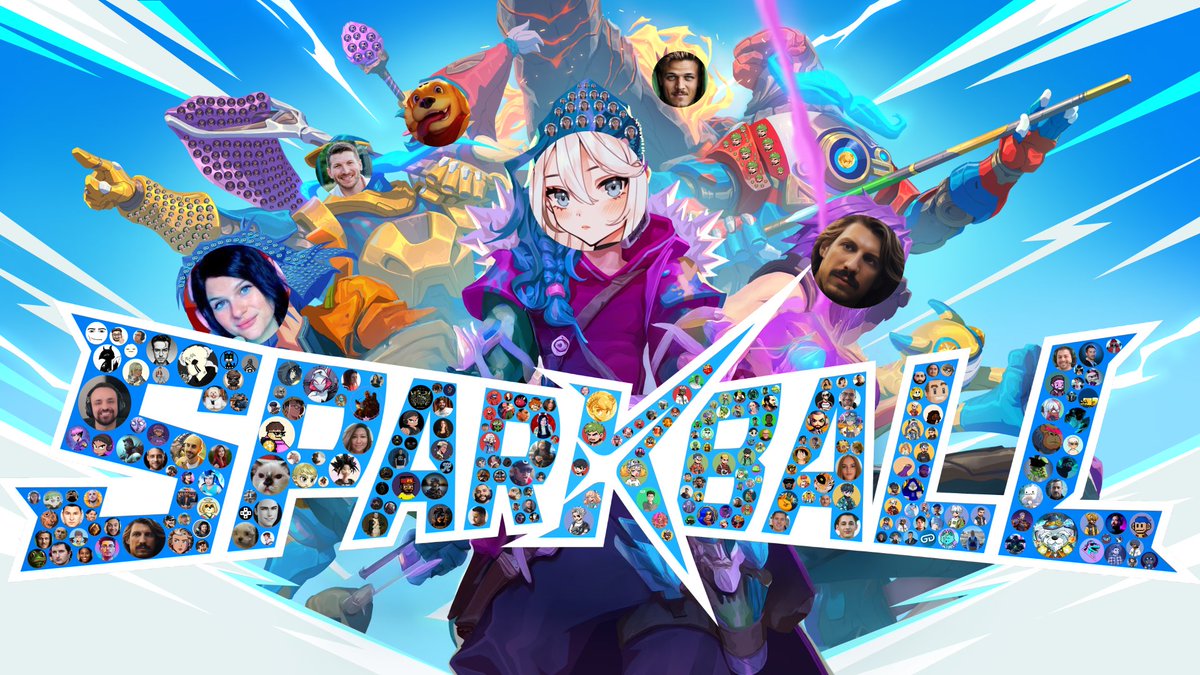
• Sparkball - Everyone Loves Max
• GAM3S - Expedition 14 - win a GAM3RS NFT
• GAM3S - Enter the Igloo
• GAM3S - One Hundo $G3 - win a Elder Gods
• Khugaverse - Khuga Power - starting soon
👥 Games our Discord played this week
• Sparkball
• Tollan Worlds
🎮How gamers are doing on the battle pass
• 500 players crossed tier 2 and unlocking skins, NFTs and Mystery boxes.
❓Mystery boxes for you to open
• Pokemon Starter Box - win a Legendary Pack $90 plus other prizes
• Igloo Box - win a Lil Pudgy plus other prizes
• Ronin World - win a Fishing Frenzy Founders Pass plus other prizes
🕹️Game Launches and Updates
• Anichess Season 4 Offers $10k Prize Pool
• Pirate Nation “The Legend of Darkness” 2million $PIRATE prizepool
• Tollan Survivors Season 1 with a growing Prize Pool
• OnchainHeroes tease Season 2
• Epic Games Add Final Free Games for May
• New Games Added to XBox Game Pass
😢 Game shutdowns
• Wonder Wars
• Realms of Alurya
How are you spending your weekend?
23
15
75
8,884
Chandler Thomlison retweeted

30 May 2025
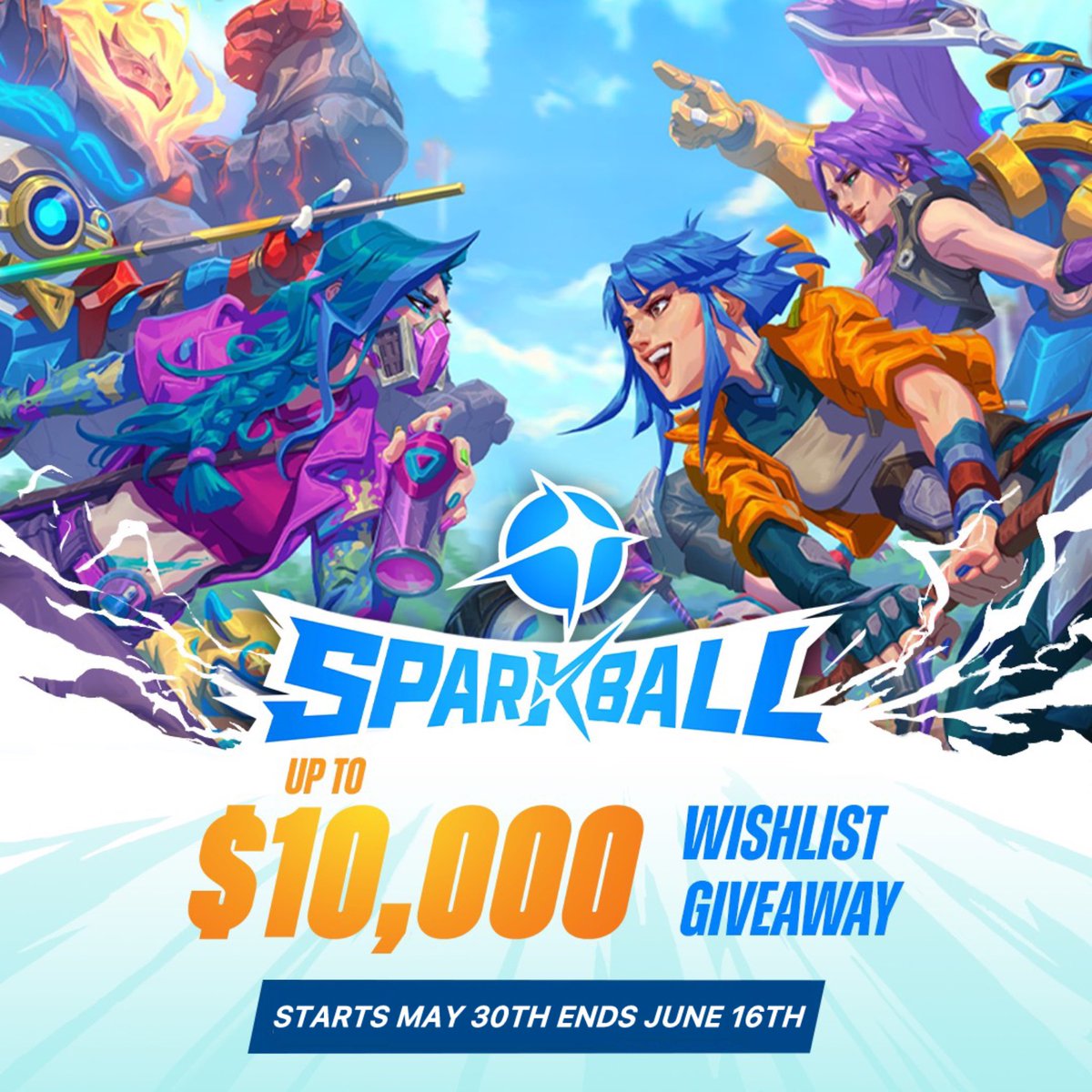
Anyone interested in some free money? The Sparkball wishlist giveaway is live on Raijin.gg starting NOW!
Up to $10,000 in prizes are available, and all you have to do is wishlist this puppy.
A wishlist gets you 1 entry BUT if you watch the Sparkball trailer on YouTube, you earn an additional entry…giving you up to 2 total entries if you complete both steps.
Winners are drawn randomly from the pool of entries. The earlier you're drawn, the bigger your payday. Up to 400 players will walk away with a prize…
The giveaway ends June 16th, removing your wishlist removes your entry.
Good luck! You’ll need to balance both ballin' and brawlin' to score…
37
36
107
7,086
Chandler Thomlison retweeted
22 May 2025
Preseason is finally here and it's time to make... FRIENDS!
Earn rewards and get a head start for Season Zero later this Summer by stacking Friendship:
- Enter code 'SPARKS' after creating your account, this one is free!
- Participate in Game Nights and Community Events!
- Play in Open Matchmaking Events like Steam Next Fest from June 9th - 16th!
- Be kind to everyone!
LET'S PLAY SPARKBALLLLLL (with friends!)
150
2,816
3,222
130,236
Chandler Thomlison retweeted
15 May 2025
VERY IMPORTANT SPARKBALL UPDATE
59
15
190
14,692

12 May 2025
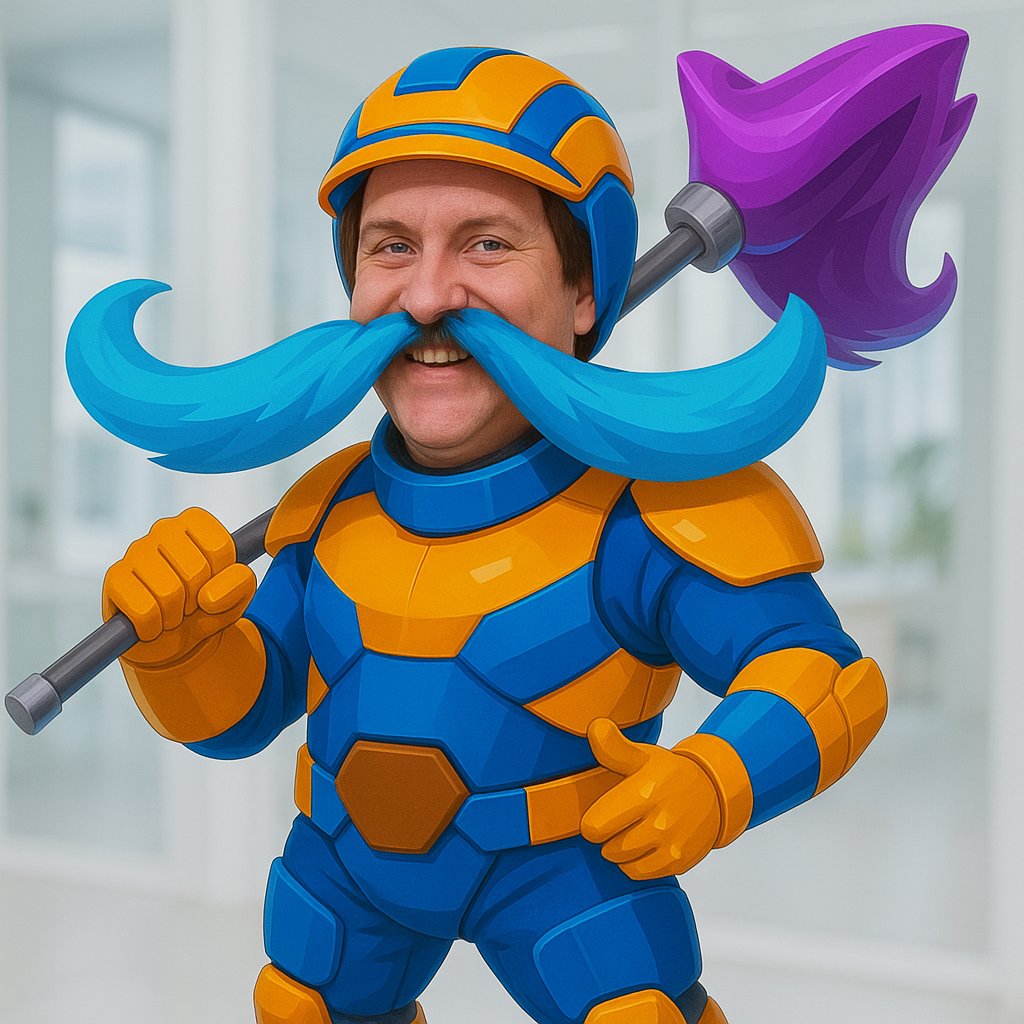
Dub has been there for us since pretty much day 1 of us entering Web3 so I'm pumped that the timing is finally right and we get to make this official!

I’m beyond stoked to announce that I’m joining the @playsparkball team to lead Business Development!
We've been cooking long enough and now we’re flipping the switch. Full throttle and big plays ahead.
6
1
22
1,034
Chandler Thomlison retweeted
4 Mar 2025
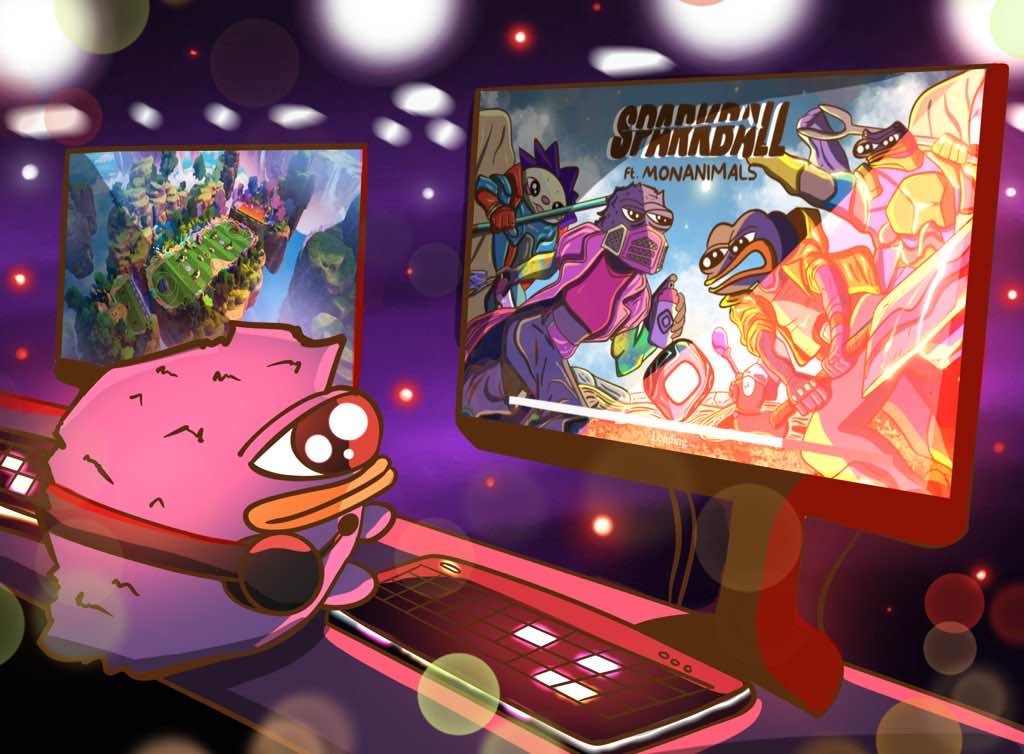
We heard you guys missed ballin' and brawlin' so we're here to help!
Join us in the @monad_xyz Discord at 6:30 PM UTC/10:30 AM PST as we host our first Sparkball game night in 2025!
LETS PLAY SPARKBALL!
34
12
128
7,742
Chandler Thomlison retweeted

16 Feb 2025
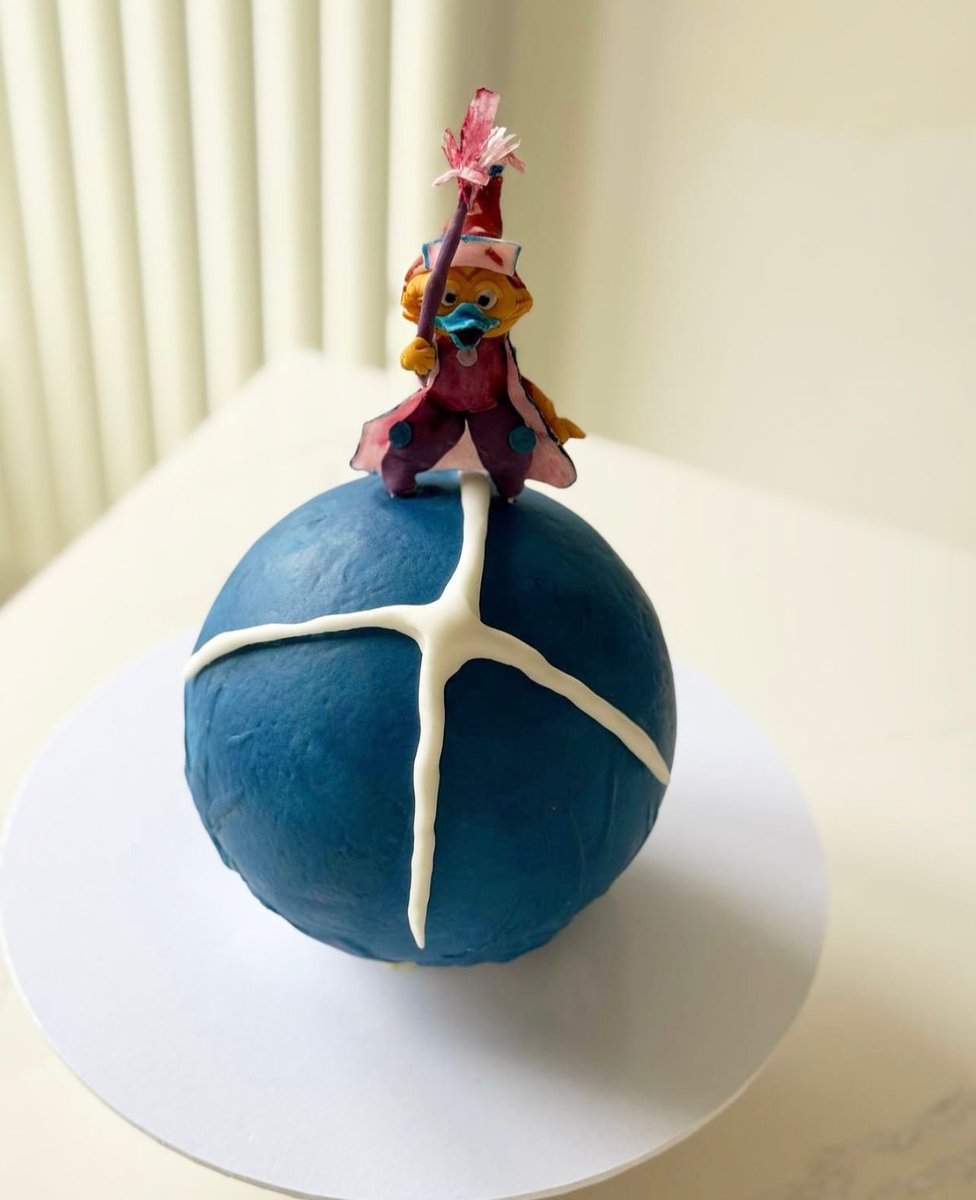
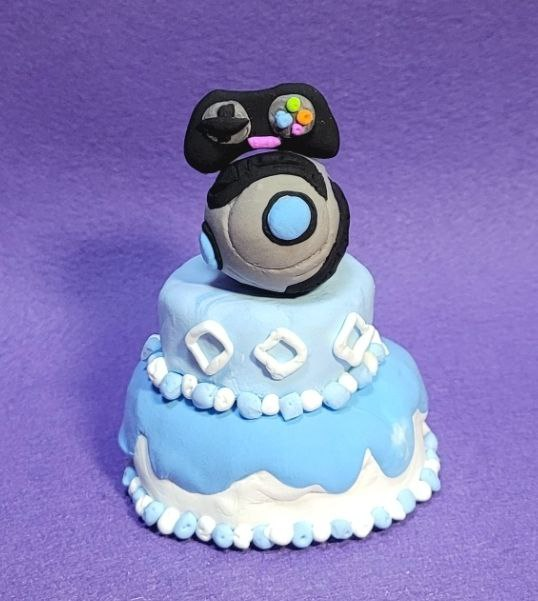
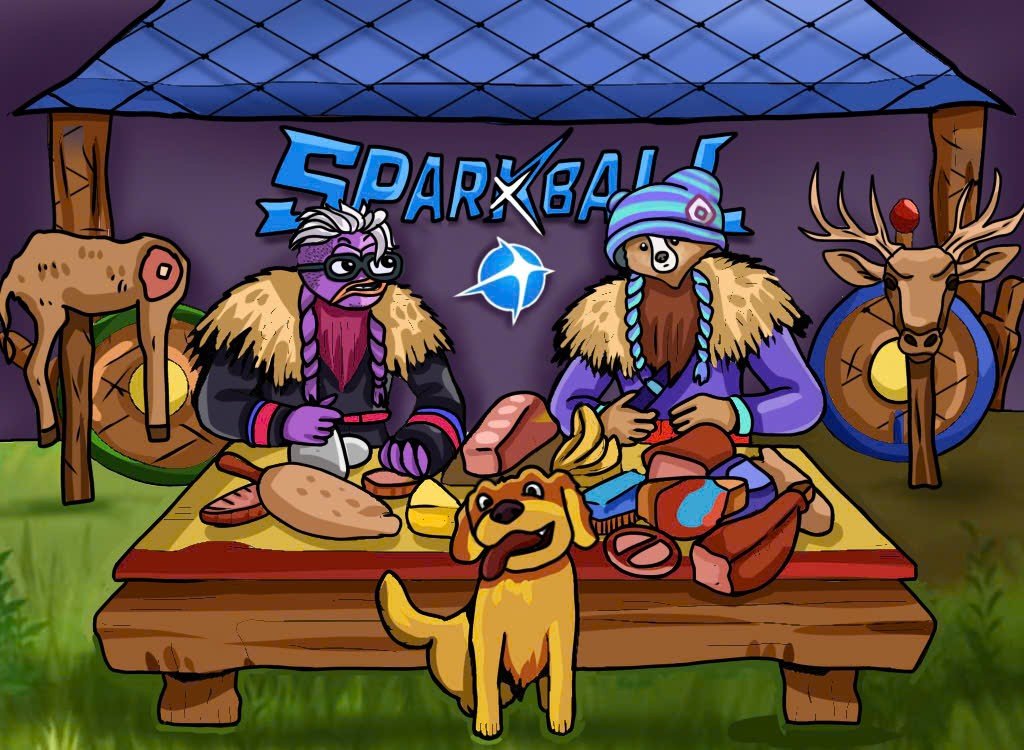
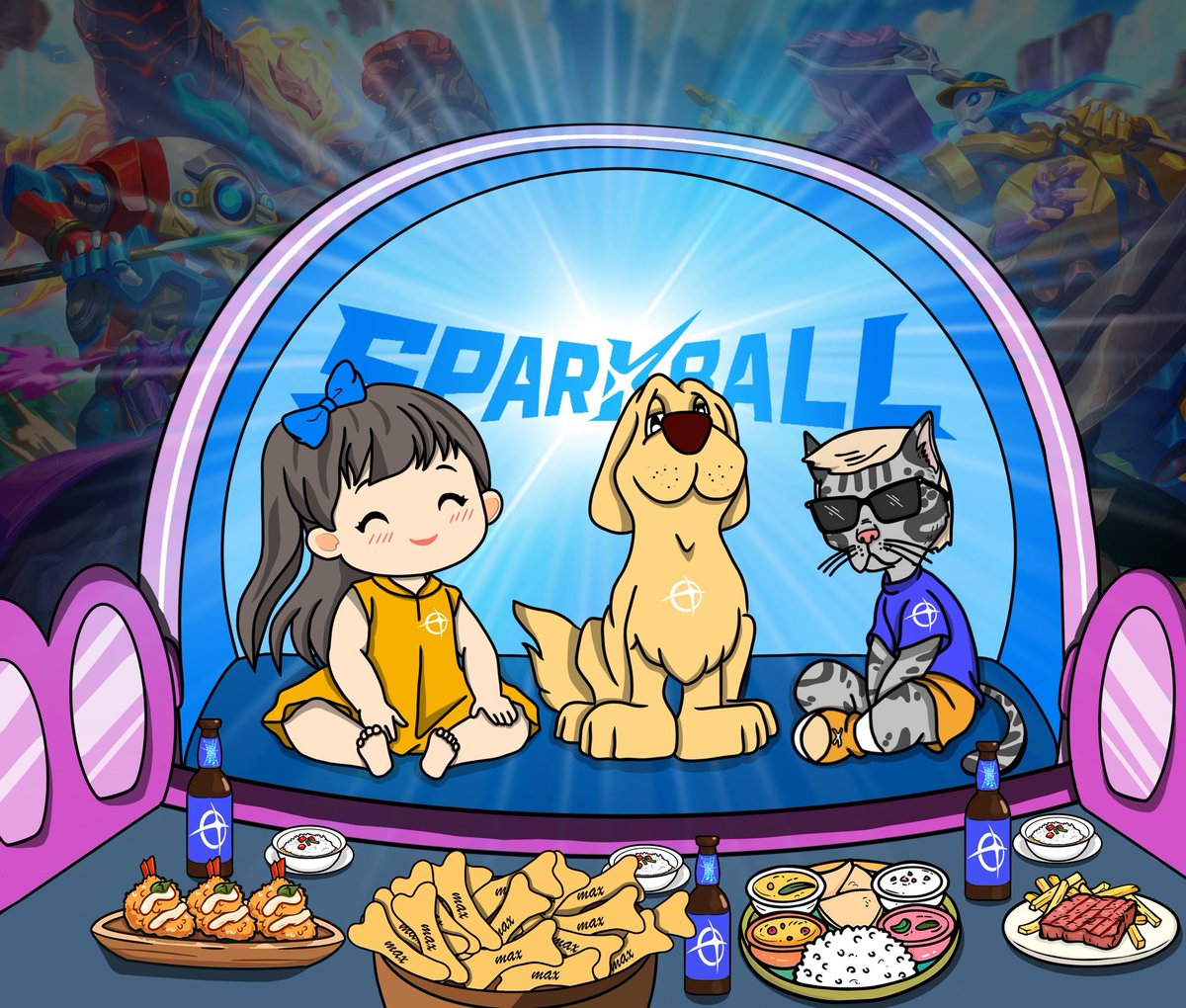
Sporks of the Week💙
Credits: @Moncake_xyz, @todayicecream11, @namdacus & @Hagen_web3, @I_m_Maria_ & @tanvirt11t
12
6
60
2,303
Chandler Thomlison retweeted
6 Feb 2025
JANUARY DEV RECAP!!!
Felt weird not getting to regularly own noobs in @playSparkball this month, but easily one of the best build months we've ever had.
FEELING OPTI!
20
10
85
4,555
19 Jan 2025
Hey guys we've made the shockingly easy decision to completely cancel Sparkball. Instead, I'm now running for Senate and just launched $MAX on Solana.
I gave Max 80% of the supply but he wont sell I promise
5
13
573
14 Jan 2025
Realized I was terrible at being a founder on social media so I had to assert dominance in today's Sparkadian Poker event
(ignore re-entry its not important)
2
4
268
10 Jan 2025
This is a brilliant way to encapsulate what we've learned over the last 2 years the hard way.
Our theoretical solution - Can you make an A (Web3) that feels both disconnected and connected to your B (Web2) at the same time? Can A be powered by B without B feeling like its powered by A?
Hope so
8 Jan 2025

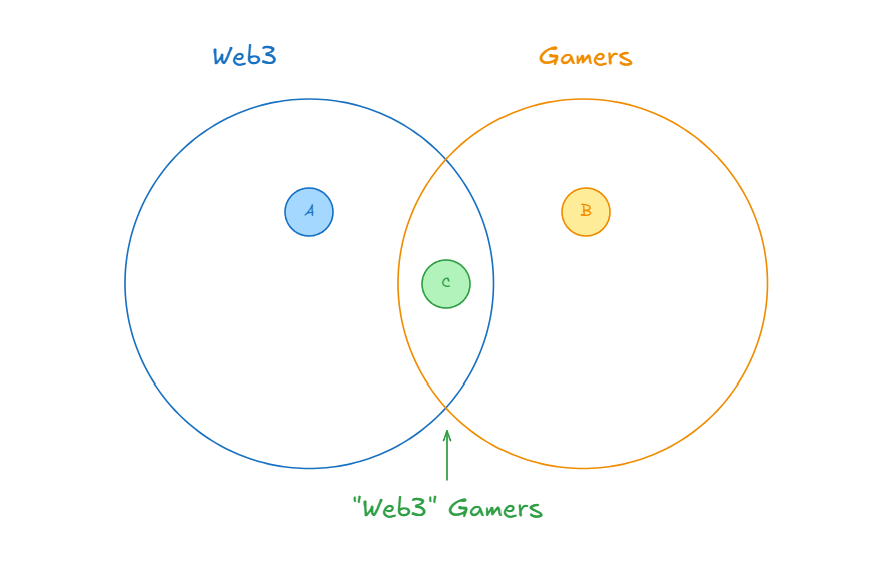
Most web3 games will fail... because they don't understand who they're building for.
Lemme explain.
(A) First, we have general Web3
▸ Financial returns > everything else
▸ Playing most games feels like opportunity cost
▸ They play “money games”
(B) Then, we’ve got Gamers
▸ They care about fun, quality, and immersion.
▸ They have *a lot* of options already.
▸ Many are skeptical about anything crypto-related.
(C) And finally, "Web3 Gamers"
▸ Tiny pool compared to A or B.
▸ Play games but also care about financial returns.
▸ Given time, they migrate to A because, well… opportunity cost is king (particularly in bull markets).
As a Web3 game, who are you actually building for?
Common answers:
▸ C ("Web3 Gamers")
▸ B C ("We’re going to onboard traditional players into web3")
▸ Or… everyone (lol)
But here’s the problem…
▸ If you’ve issued NFTs or tokens, you’re already targeting A C by default.
▸ And since C often becomes A over time congrats—you’re building for A.
The Paradox:
▸ If you build for B (Gamers), you’ll eventually piss off A (Crypto Natives). A cares about financial returns, not a polished game.
▸ If you build for C, there aren’t enough players to scale. The supply/demand math is brutal.
▸ If you’re targeting A, then you need to build different games.
Let’s be real:
▸ Most Web3 games are in a tough spot because they’re trying to please everyone—and that’s extremely freakin’ hard.
▸ If you choose to target Web3 gamers (C) is tiny. A few games will make it, but for most? The supply (games launching) & demand (actual players) math just doesn’t work.
Some quick caveats:
▸ Individual exceptions exist (for example, a person in bucket A who likes to play a particular game), observations reflect the overall macro level view.
▸ We're assuming that web3 gaming projects primarily aim for financial success, measured by token FDV or NFT floor price. If you have different goals, this analysis doesn’t apply to you.
▸ I'm not judging games or claiming any approach is superior. I'm simply presenting the reality of what builders face. Yes, there will be success stories—but they’ll be rare. And rarer still, if builders aren’t honest with themselves.
The takeaway?
▸ Be honest about who you’re building for.
▸ If your audience is A, lean into it - you need to build different.
▸ If it’s B, you’ll need a quality game and strategy to bring players in outside of web3, probably delay crypto mechanics as long as you can.
▸ Just don’t lie to yourself—this space is brutally competitive as it is, and clarity is the first step.
More thoughts on gaming this cycle coming soon.
4
276
10 Jan 2025
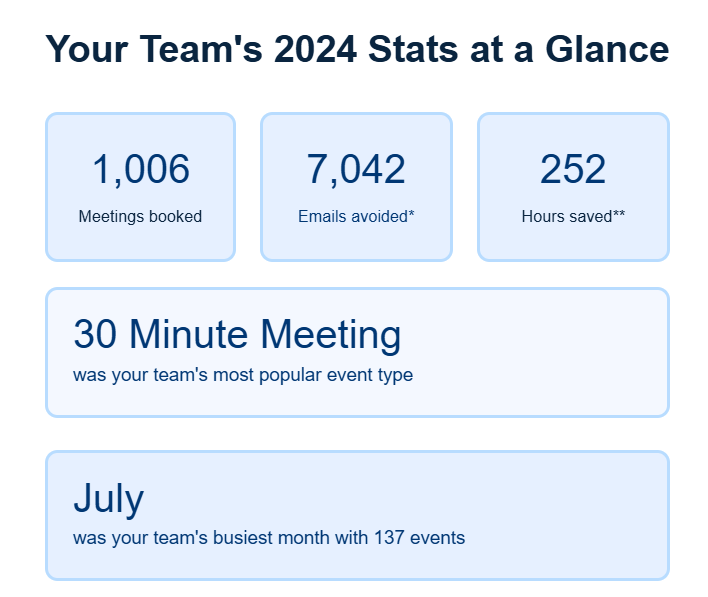
Calendly is even more exciting than spotify recap
1
2
187
9 Jan 2025
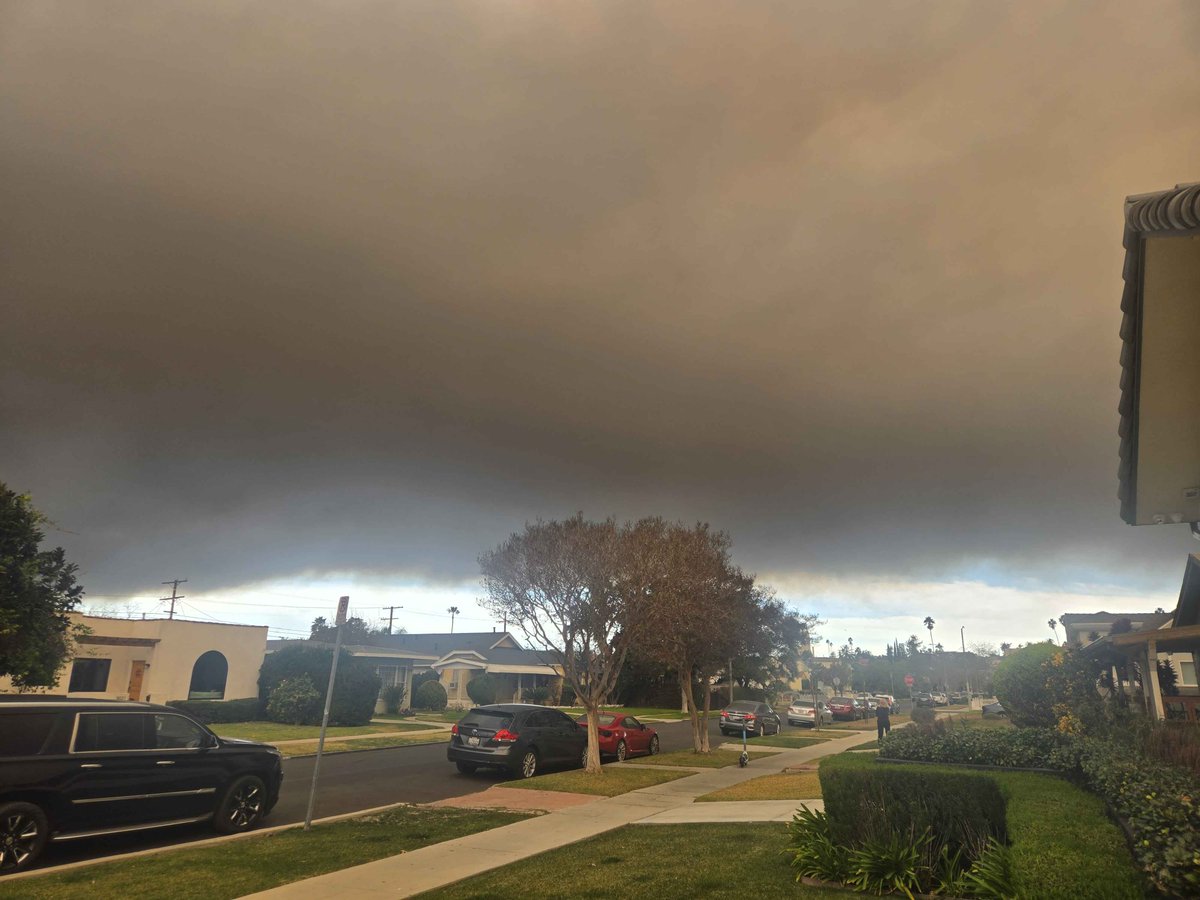
View in LA this morning. We're 10 miles from the fires but still breathing in ash like crazy.
life is fleeting type of moment, be opti everyday I guess
5
204
7 Jan 2025
anyone else feel like some of these announcements of AI projects and partnerships feel suuuuuper AI generated themselves?
AUTOMOMOUS MACHINE LEARNING PUSHING THE BOUNDARIES OF BLOCKCHAIN AS WE MANUFACTURE IMMERSIVE WORLDS AND EXPERIENCE LOVE FOR THE FIRST TIME
2
1
6
298