Oregon Discussion 🎙️ Real talk with Oregon lawmakers. Cutting through the noise, tackling real issues.
Joined March 2025
- Tweets 270
- Following 6
- Followers 3,916
- Likes 4
270 Photos and videos

Pinned Tweet

14 Jun 2025
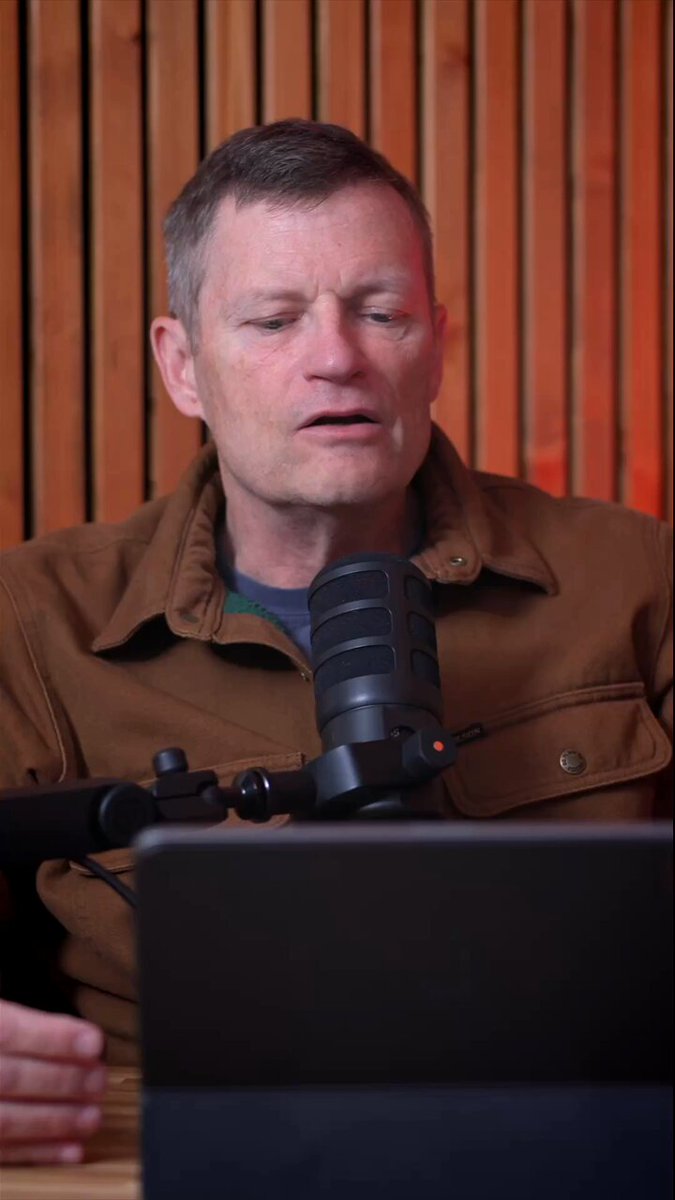
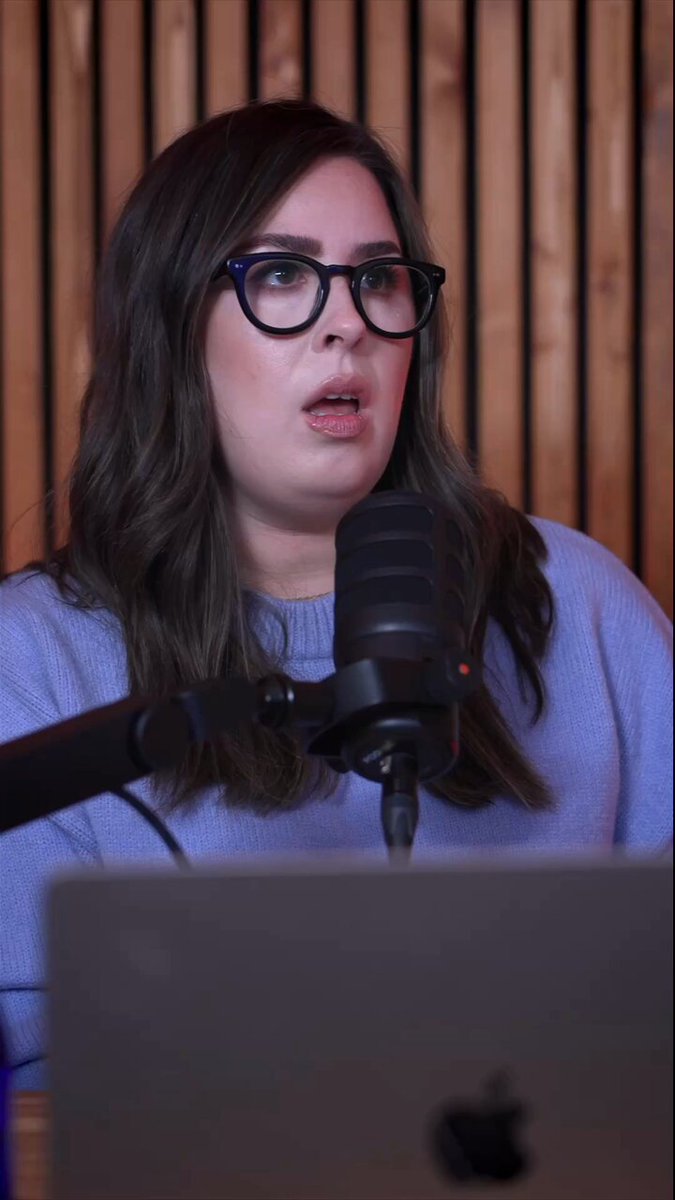
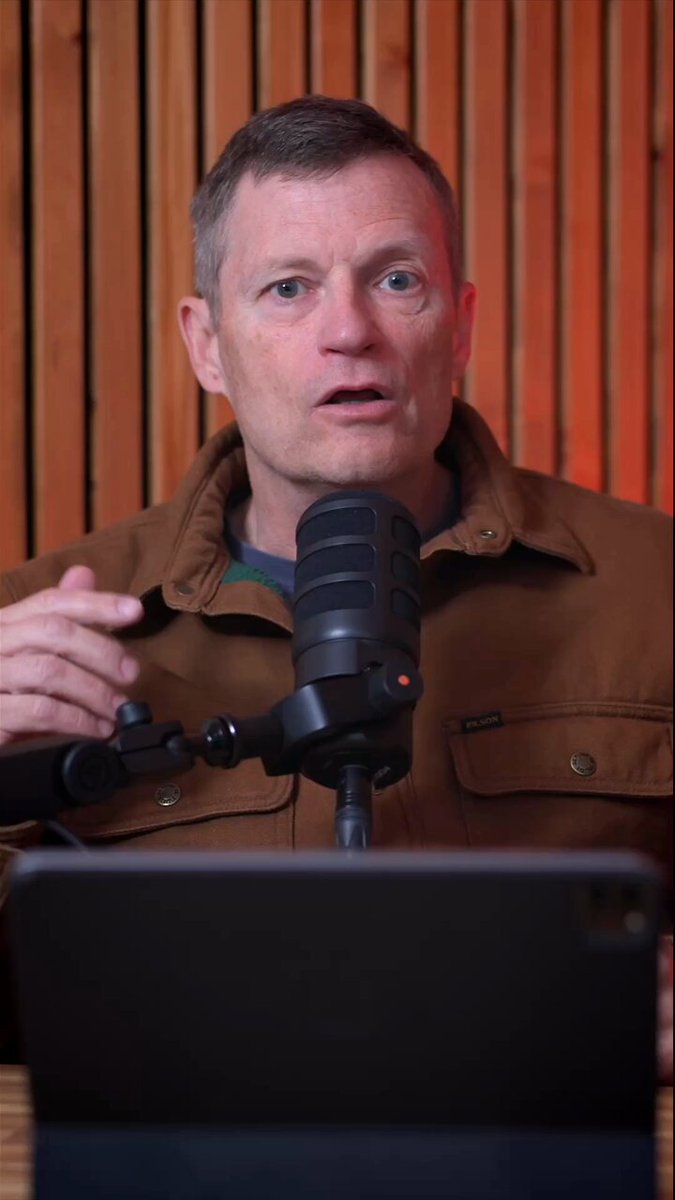
Oregon spent an estimated $1.47B on services for undocumented immigrants in 2024, while saying there’s no money for roads, schools, or public safety. This highlight comes from the latest full episode of Oregon D.O.G.E. — watch on YouTube, Spotify, or Apple Podcasts.
108
706
1,432
114,666
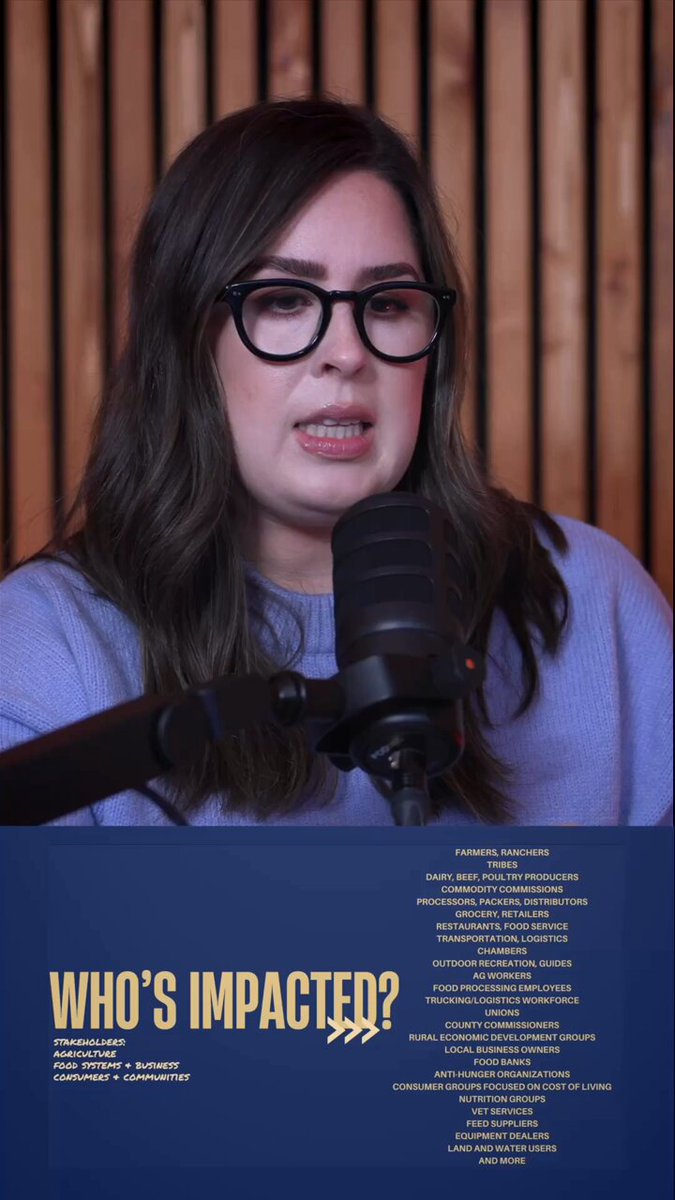
IP 28 critics say rural Oregon can’t just “switch crops” because activists say so. Soil, rain, markets, and geography matter. Taking away ag, hunting, and fishing would gut opportunity in places already being left behind.
6
12
82
1,902
IP 28 sounds simple: “end animal cruelty.” But critics warn the fine print could threaten hunting, fishing, ranching, chickens, and food choice in Oregon. Don’t sign a slogan. Read what it actually does.
2
6
16
224
Oregon’s initiative process can be a powerful check on government — but it can also pass bad laws when voters don’t pay attention. IP 28 could be another costly lesson.
1
3
10
307
IP 28 critics warn the impact could reach far beyond farms, hitting the coast, seafood processors, restaurants, hunting, fishing, dairy, and jobs. These aren’t side issues. They’re part of Oregon’s economy and identity.
3
7
19
456
IP 28 wouldn’t just hit farmers. Critics say it could affect grocery stores, restaurants, tribes, consumers, jobs, and supply chains — while forcing more food to be trucked into Oregon from out of state.
6
17
389
IP 28 could criminalize catch-and-release fishing, harvesting fish, and even common livestock breeding practices. What sounds like animal protection could rewrite life for Oregon hunters, anglers, and ranchers.
3
5
14
445
IP 28 may sound peaceful, but it would criminalize long-standing practices tied to farming, ranching, hunting, fishing, pest control, breeding, and more. This is why Oregonians need to read past the title.
3
11
36
846
Portland’s high taxes, public safety problems, and business losses are adding up. When families feel less safe, and companies leave by the thousands, it’s not just politics — it’s a warning.
1
7
26
583
Oregon can be unique and still be safe. The answer isn’t more government control, it’s trusting people, cutting the bloat, and letting Oregonians build, work, and thrive.
1
2
26
344
For Gen Z, politics often starts on TikTok, X, and Instagram. That can be good; it makes issues more accessible and gives young people a voice. But this clip gets to the real challenge: seeing a headline is one thing. Asking if it’s true is where civic responsibility begins.
3
12
313
A lot of voters follow national politics, red, blue, back and forth. But Oregon hasn’t worked that way for a long time. Christine Drazan says many Oregonians are just now connecting years of one-party control to the results they see every day: high costs, poor services.
3
8
25
884
Jack Pitner says being conservative at the University of Oregon is now counterculture. Name-calling, protests, and threats haven’t silenced his TPUSA chapter; they’ve made them more determined to speak up.
9
57
275
3,488
Stephanie Carkin says Oregonians are working hard, but costs and taxes keep climbing. Families feel squeezed, businesses feel pressure, and too many people don’t feel heard by Salem.
3
7
32
753
Portland’s problems didn’t appear overnight. This clip points to years of policy choices, non-enforcement, and leaders' decisions that reshaped neighborhoods, while families paid the price.
1
16
365
Young Oregonians are asking real questions: Can we afford a home? Can we find work? Can we build a future here? Jack Pitner says Gen Z has a role to play in defending opportunity, free markets, and Oregon’s future.
1
8
21
822
Taren Feist says gun bills and family issues move fast in Salem. Her advice: use OLIS, track legislation yourself, and don’t wait for someone else to tell you what just changed.
1
4
20
654
Young Oregonians are starting to connect policy with real life, taxes, gas prices, affordability, and the cost of staying in this state. This clip is a reminder: the next generation isn’t checked out. They’re paying attention, getting involved, and helping shape the conversation.
2
2
10
419
Darcey Edwards helped pass a stronger law on swatting, false emergency calls that can send armed officers rushing into homes, schools, or public places. What some people treat like a joke can put innocent families, students, and police officers in real danger.
3
5
369
Oregon’s problems won’t be fixed by national political anger. This clip makes a simple case: love Oregon more than you hate Trump, and demand leaders who serve communities instead of activist agendas.
25
73
314
4,835
Dennis Kneale argues Oregon has become a warning sign for blue-state policy failure: a small political test lab where years of one-party control, Portland influence, and bad outcomes are getting harder to ignore.
3
13
33
678