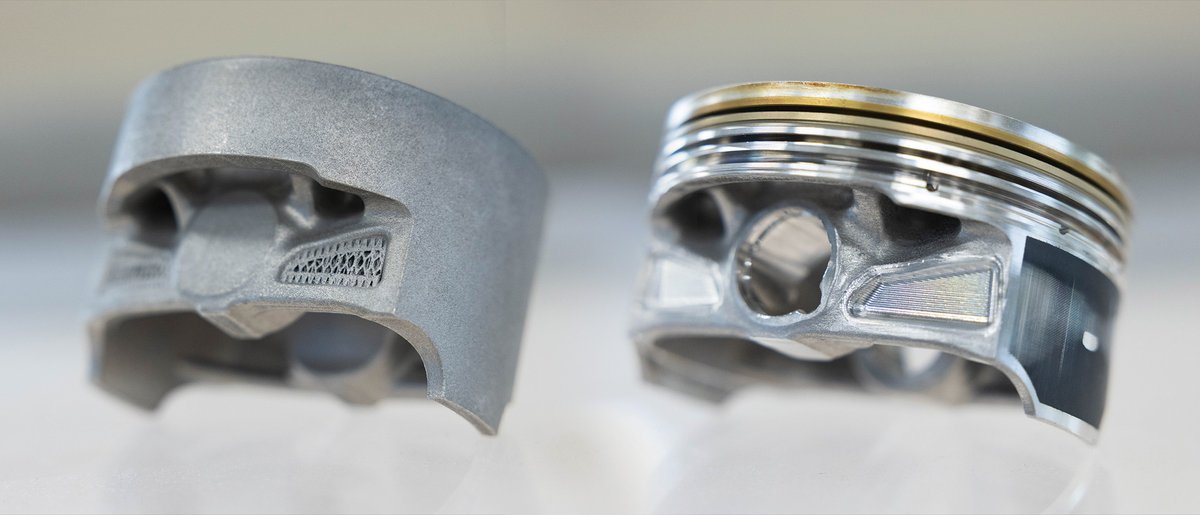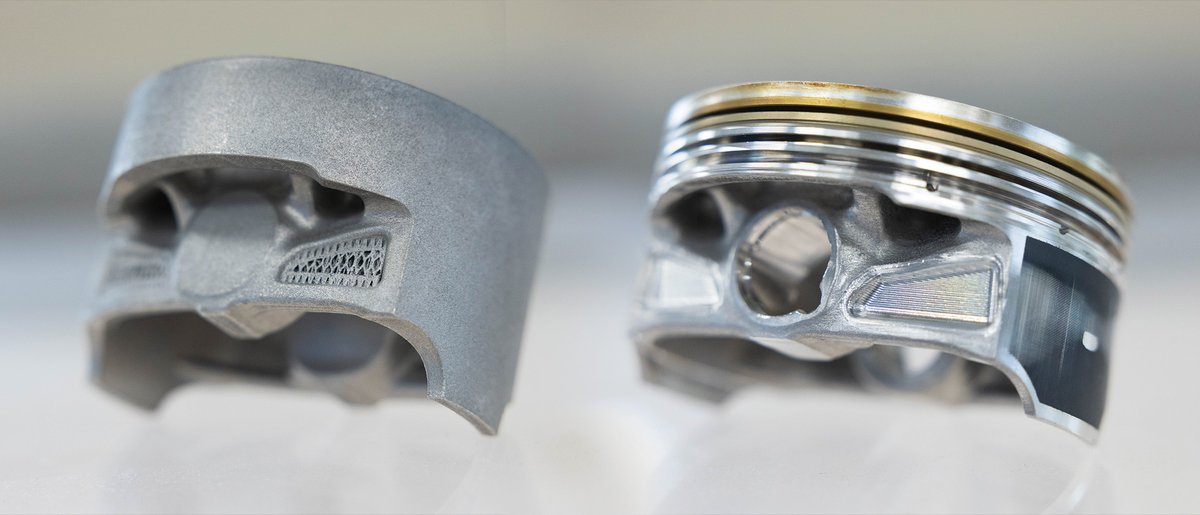
At ORNL, a new 3D-printable aluminum alloy was developed in under three years, pushing performance well beyond traditional aluminum. DuAlumin-3D operates at temperatures up to 150°C higher than conventional alloys while maintaining strength. ✈️ bit.ly/4tWJSRM
ALT A new high-temperature, 3D-printable aluminum alloy, developed by ORNL in less than three years rather than decades, redefines standards for high-performance automotive and aerospace components by offering performance improvements capable of saving billions in fuel costs.
Thanks to @CoolPartsShow for highlighting how @ORNL researchers are advancing electron beam additive manufacturing of tungsten for future fusion energy applications. Hear from ORNL's Mike Kirka in the latest episode: bit.ly/4xvjJM7
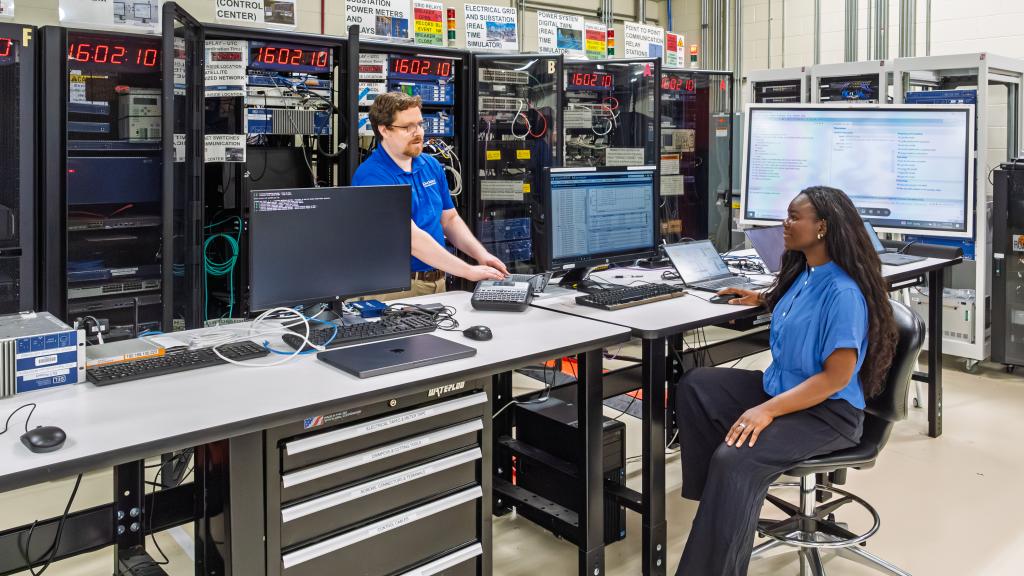
🔐 A #cybersecurity platform developed by @ORNL has been licensed by GridForge Energy Solutions for grid management and energy projects. Its ability to detect unusual grid activity can help prevent outages and protect #infrastructure. 🔗 bit.ly/4xqvROu
ALT A person is standing and another is sitting in a tech laboratory. They are surrounded by computer monitors, servers, and electronic equipment.
Co-organizer @ORNL is looking forward to collaborating to increase #electricgrid reliability! Look out for exciting new advances in EMT simulation algorithms and metric-driven automation for faster, more accurate grid modeling results.
💡 America's grid is buzzing with innovation! Learn how electromagnetic transient (EMT) simulations are shaping a smarter, faster, & more secure power system. Join OE, @ORNL & @NERC_Official in D.C. this August for a workshop on EMT simulations: energy.gov/oe/events/2026-el…
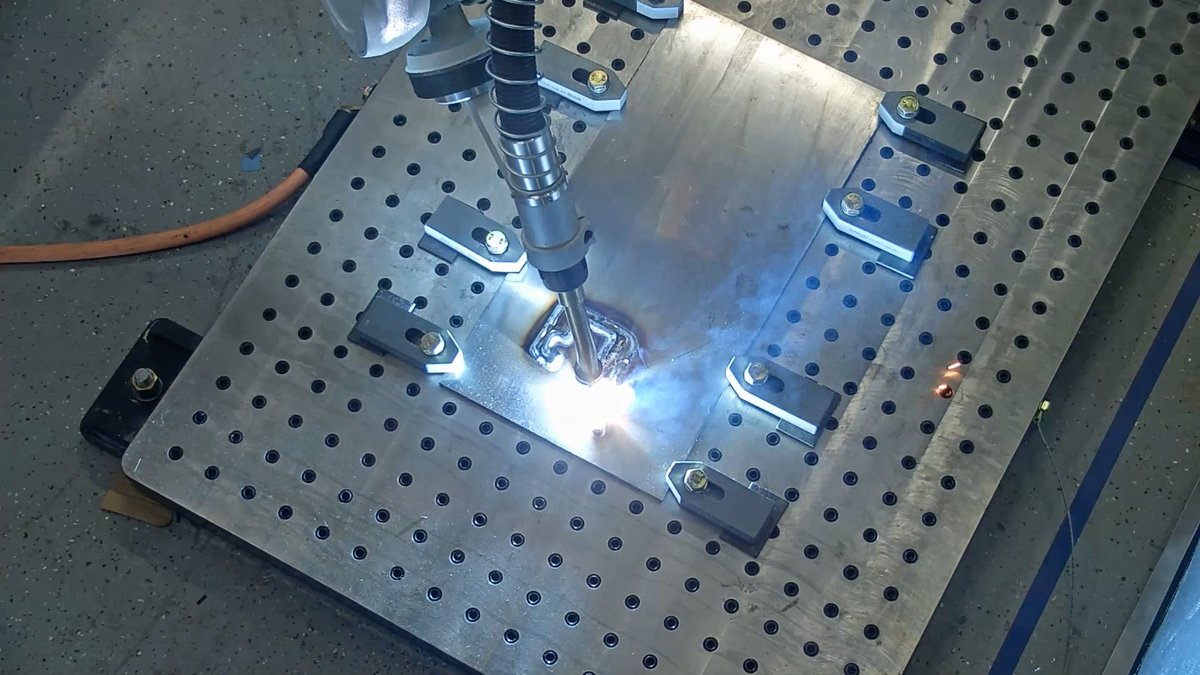
The first build on Oak Ridge High School’s wire-arc additive manufacturing system marked a major milestone for the Wildcat Manufacturing program and its collaboration with @ORNL. Read the full story: bit.ly/4uTiGUp
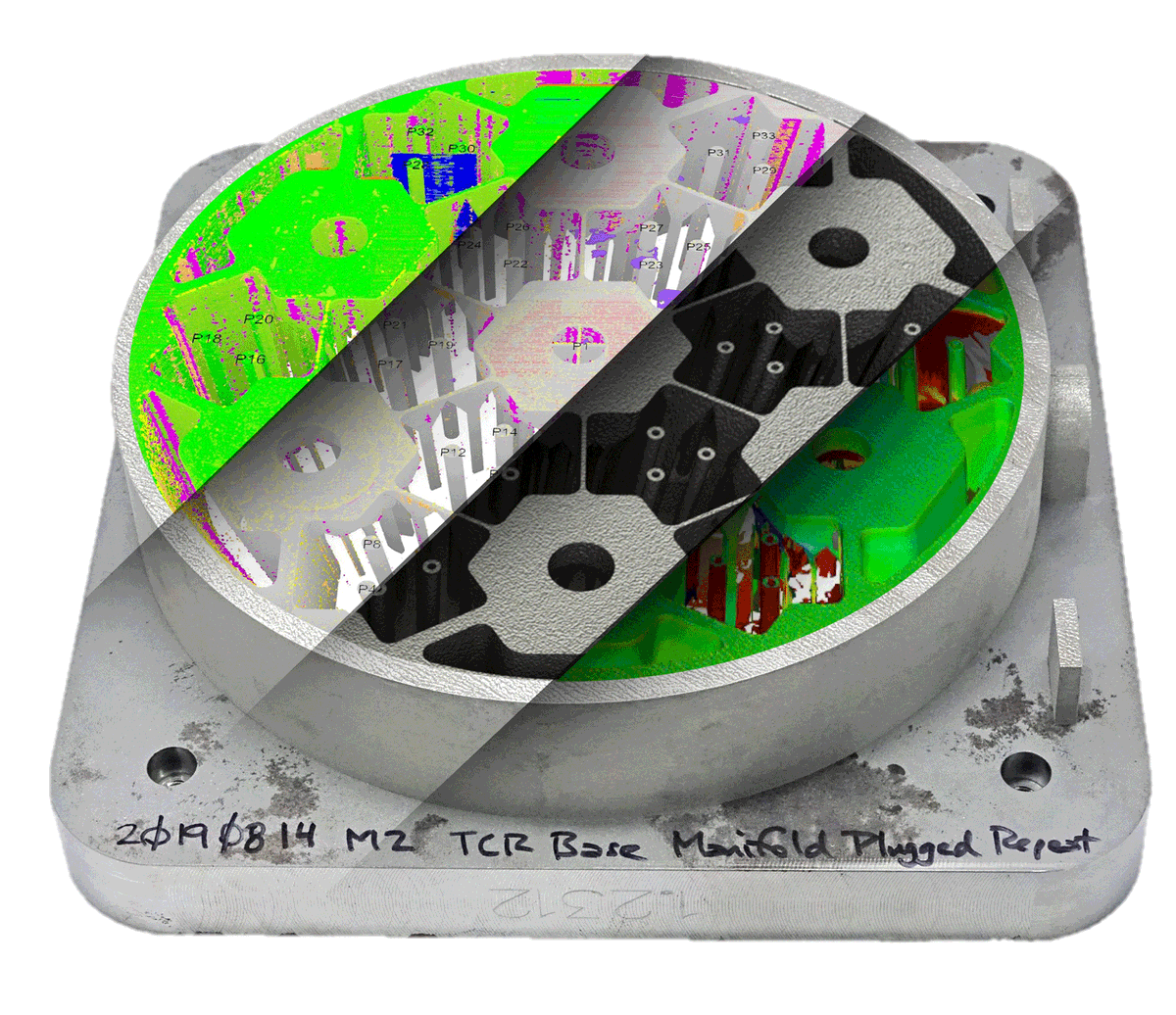
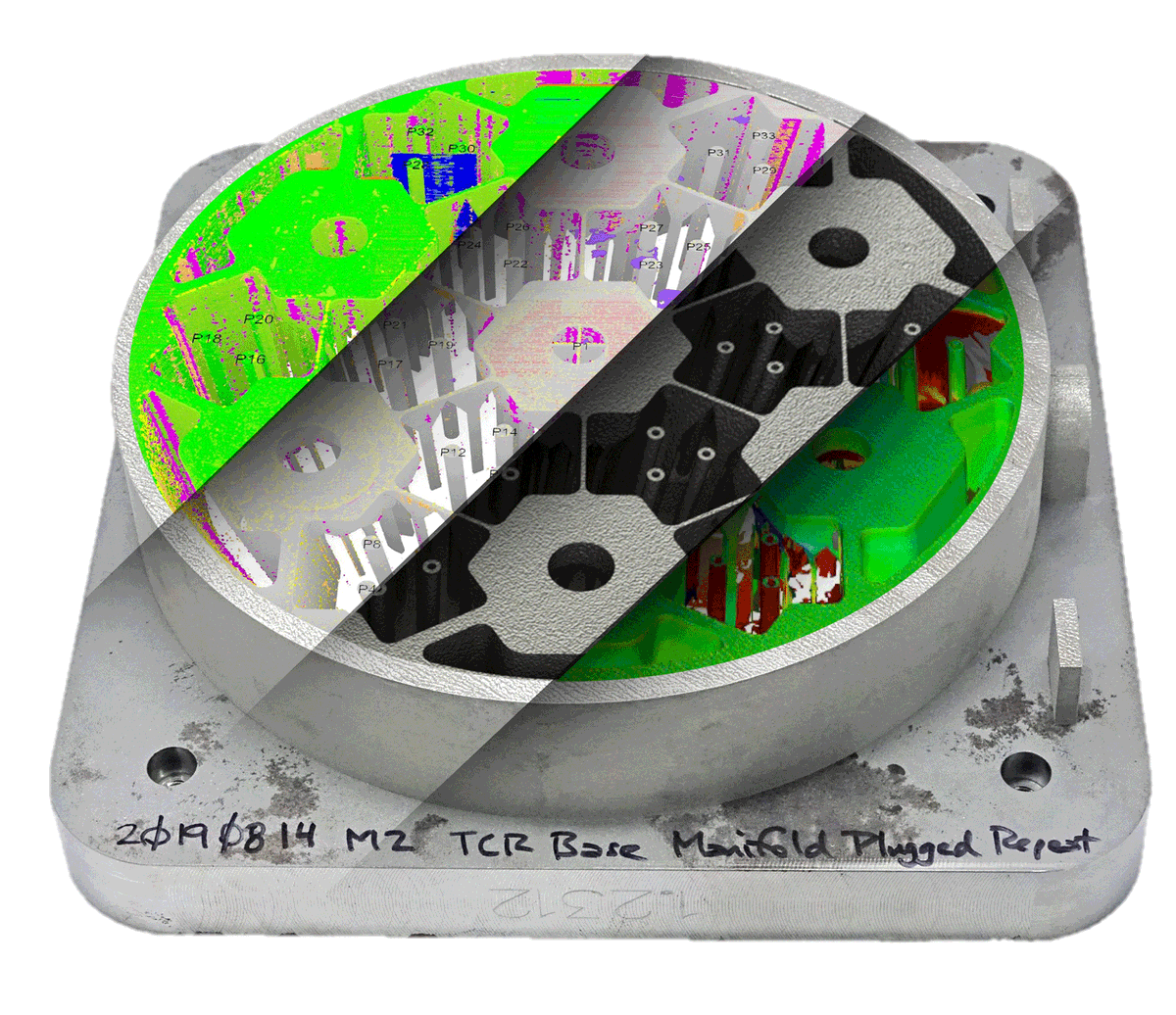
ORNL's Peregrine is an AI-enabled quality control system that monitors powder-bed printing in real time. Instead of waiting until after a build to find defects, Peregrine analyzes the process as it happens — detecting anomalies and alerting operators. 🪶 bit.ly/49xIdd1
ALT Peregrine was used to help qualify 3D-printed brackets for use inside a nuclear reactor. Credit: ORNL, U.S. Dept. of Energy
At the Carbon Fiber Technology Facility at Oak Ridge National Laboratory, ACP Technologies worked with researchers to evaluate pitch-based materials in a manufacturing environment, generating the data needed to support a new pilot facility in Kentucky. bit.ly/4ur2eda
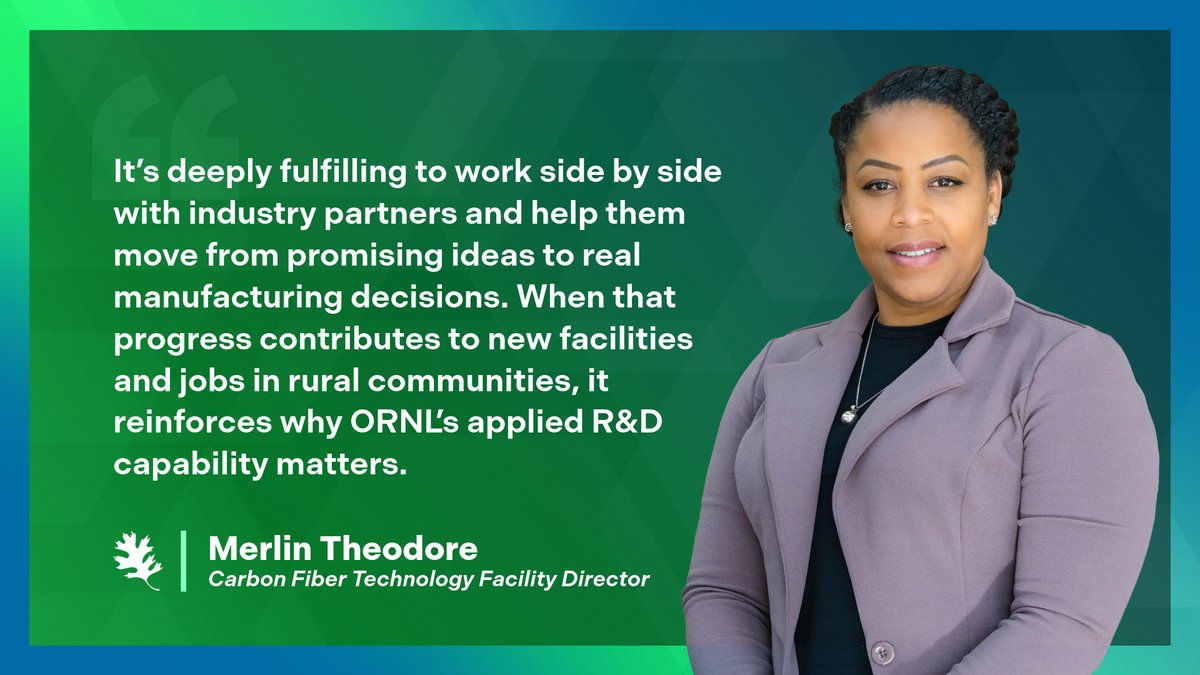
ALT A photograph of Merlin Theodore, director of the Carbon Fiber Technology Facility, with the quote: “It’s deeply fulfilling to work side by side with industry partners and help them move from promising ideas to real manufacturing decisions. When that progress contributes to new facilities and jobs in rural communities, it reinforces why ORNL’s applied R&D capability matters.”
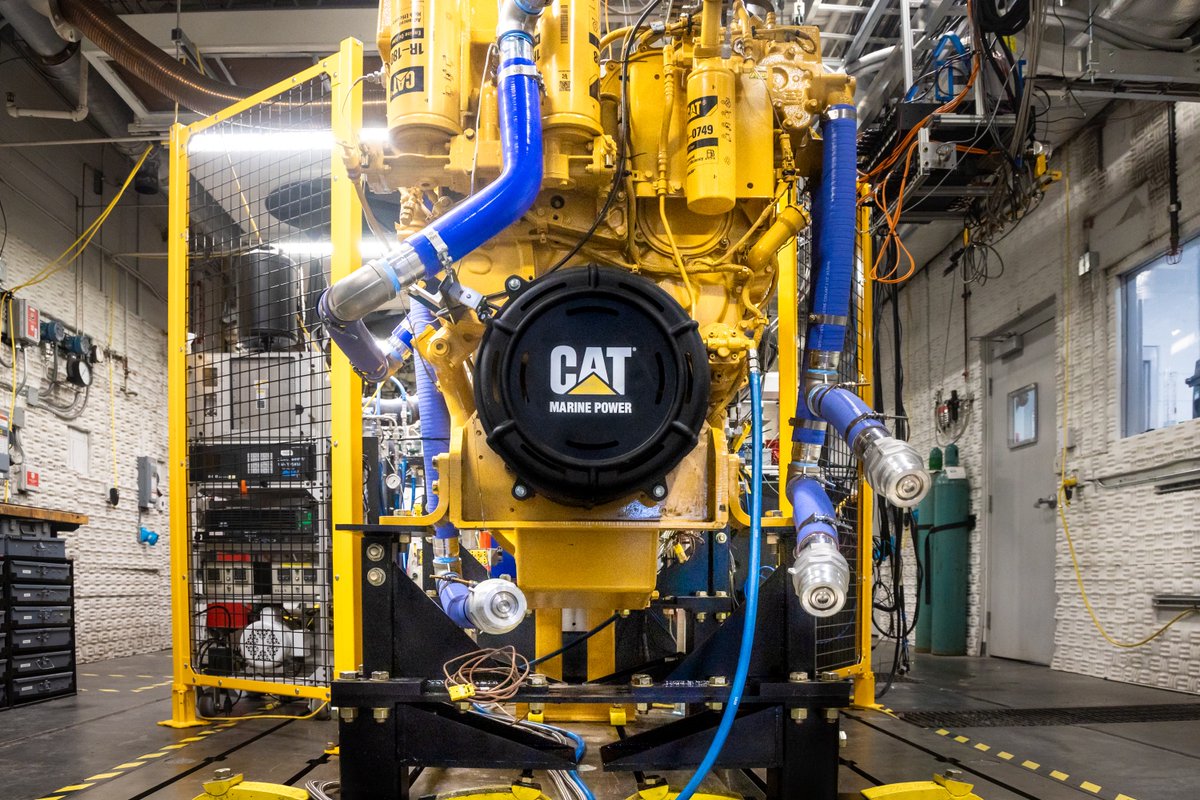
More fuel options for commercial shipping.
@ORNL and Caterpillar demonstrated a dual-fuel approach that enables diesel engines to operate on more than 75% methanol while maintaining performance and the flexibility to run on diesel or methanol blends.
🔗 bit.ly/4vjwGq8
ALT A large Caterpillar (CAT) Marine Power engine is displayed in a well-lit industrial workshop.
At ORNL, a new 3D-printable aluminum alloy was developed in under three years, pushing performance well beyond traditional aluminum. DuAlumin-3D operates at temperatures up to 150°C higher than conventional alloys while maintaining strength. ✈️ bit.ly/4tWJSRM
ALT A new high-temperature, 3D-printable aluminum alloy, developed by ORNL in less than three years rather than decades, redefines standards for high-performance automotive and aerospace components by offering performance improvements capable of saving billions in fuel costs.
“It’s always interesting to see that moment when it clicks that this is something completely different from what they expected.” Scientist Alex Plotkowski recently spoke with students in a USCAR manufacturing course about metal additive manufacturing. bit.ly/4dh9WRH
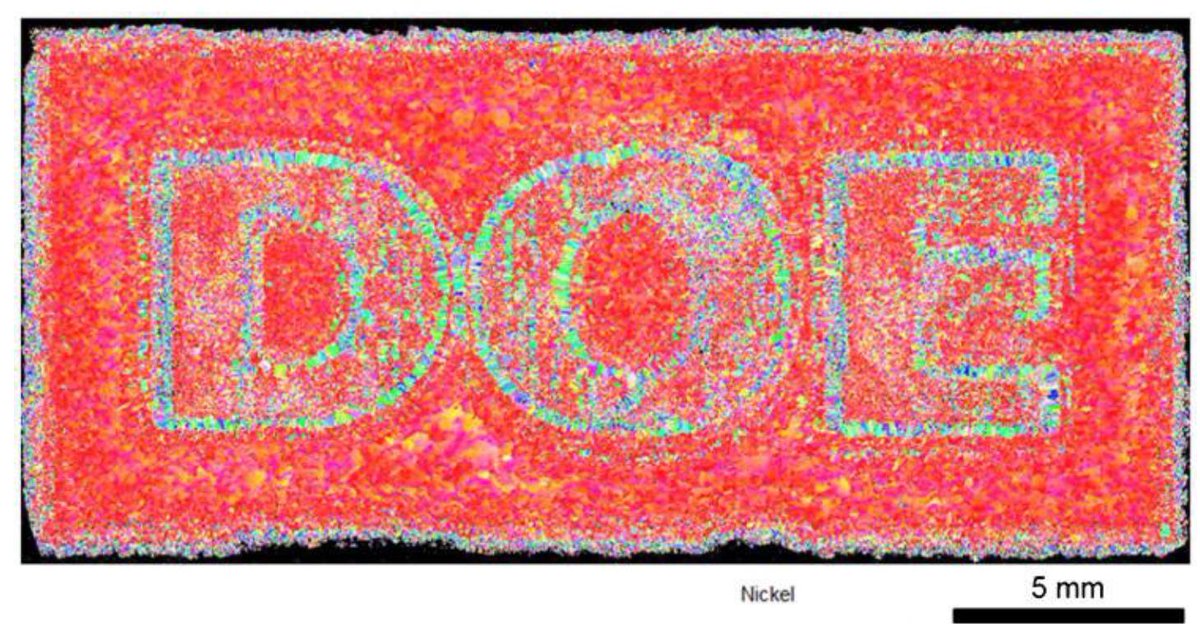
ALT This high-resolution microstructural map of a nickel sample demonstrates how researchers can precisely control metal grain structure during additive manufacturing, with the patterned DOE region revealing engineered variations in grain orientation and structure at the millimeter scale. Credit: ORNL, U.S. Dept. of Energy
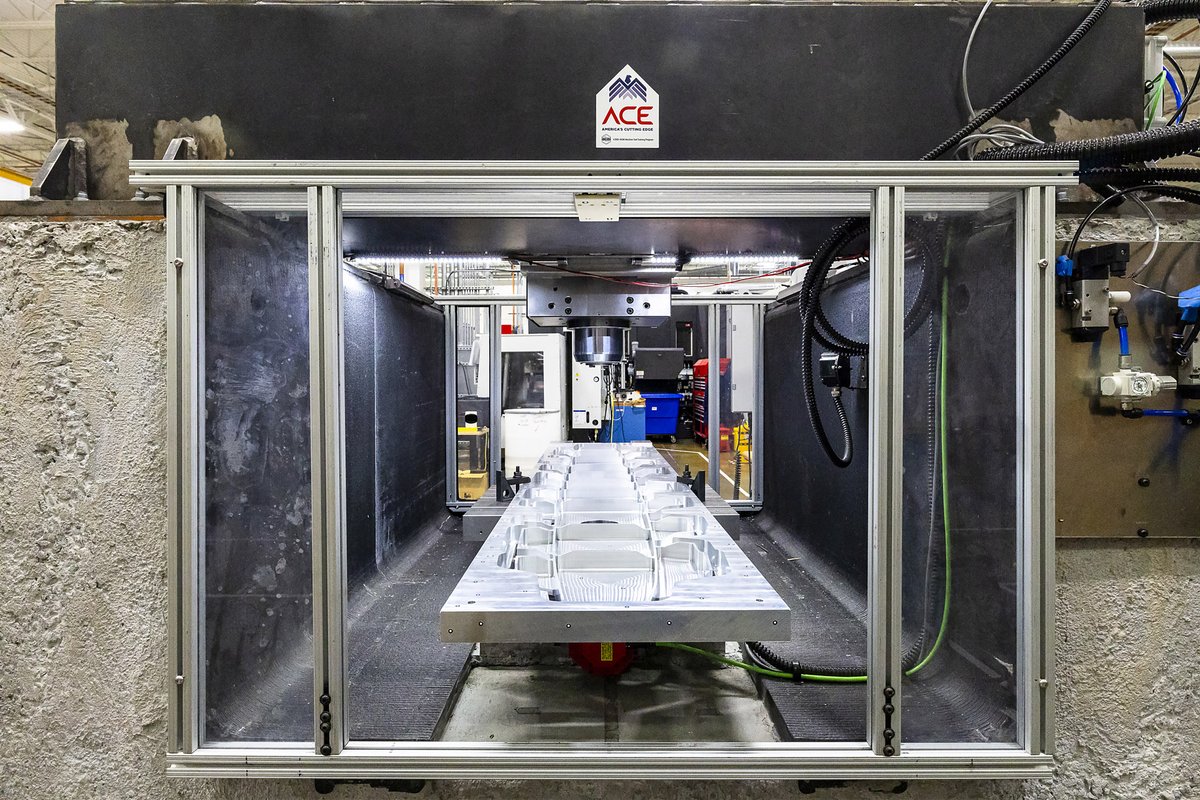
A new approach to CNC machines lowers cost and expands capability without scaling up the machine. Instead of cast-iron, an ORNL team used additive manufacturing to produce a thermoplastic mold, then filled it with rebar-reinforced concrete. bit.ly/3P6QMEO.
ALT Three months after the design was finalized, the concrete base machine was ready
for final alignment and guarding installation.
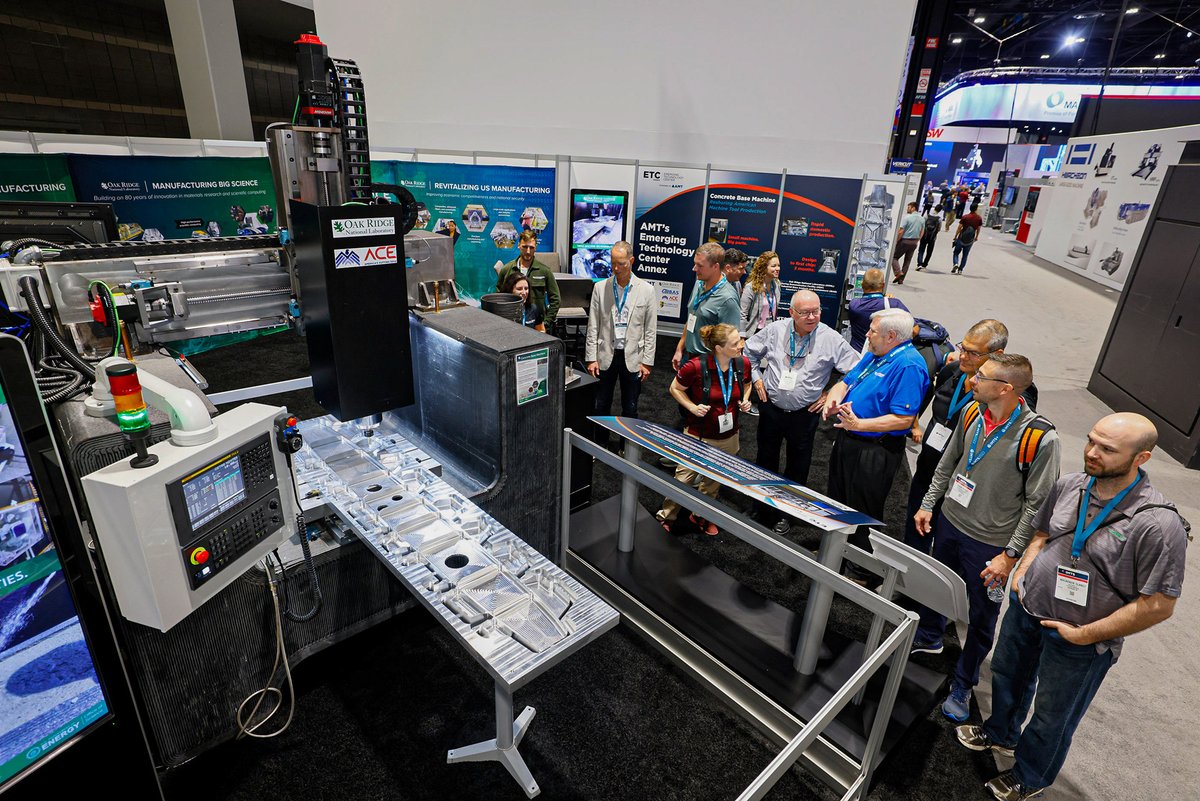
ALT Thousands of visitors at IMTS in 2022 interacted with ORNL staff to learn about the project and how ORNL is revitalizing US manufacturing.
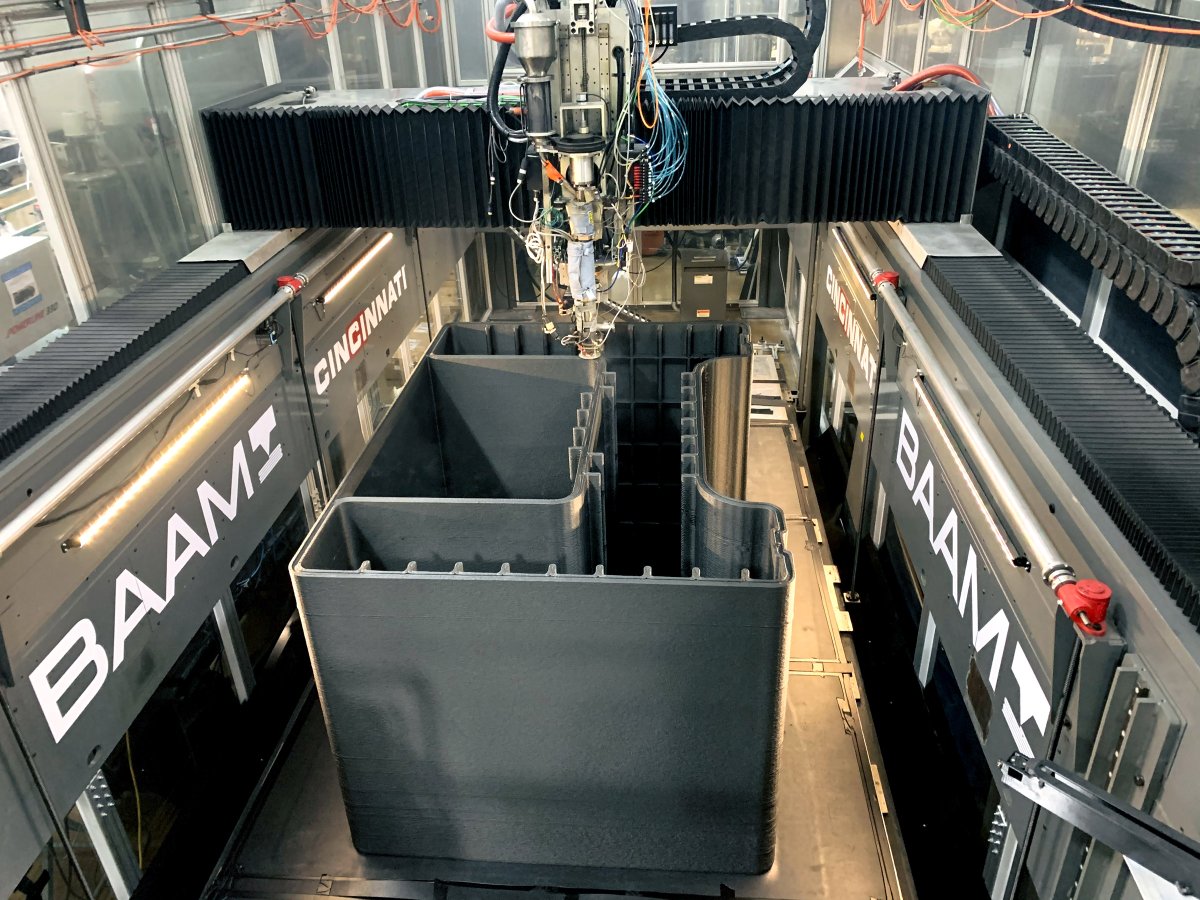
ALT Big Area Additive Manufacturing was used to print the polymer mold for the machine base.
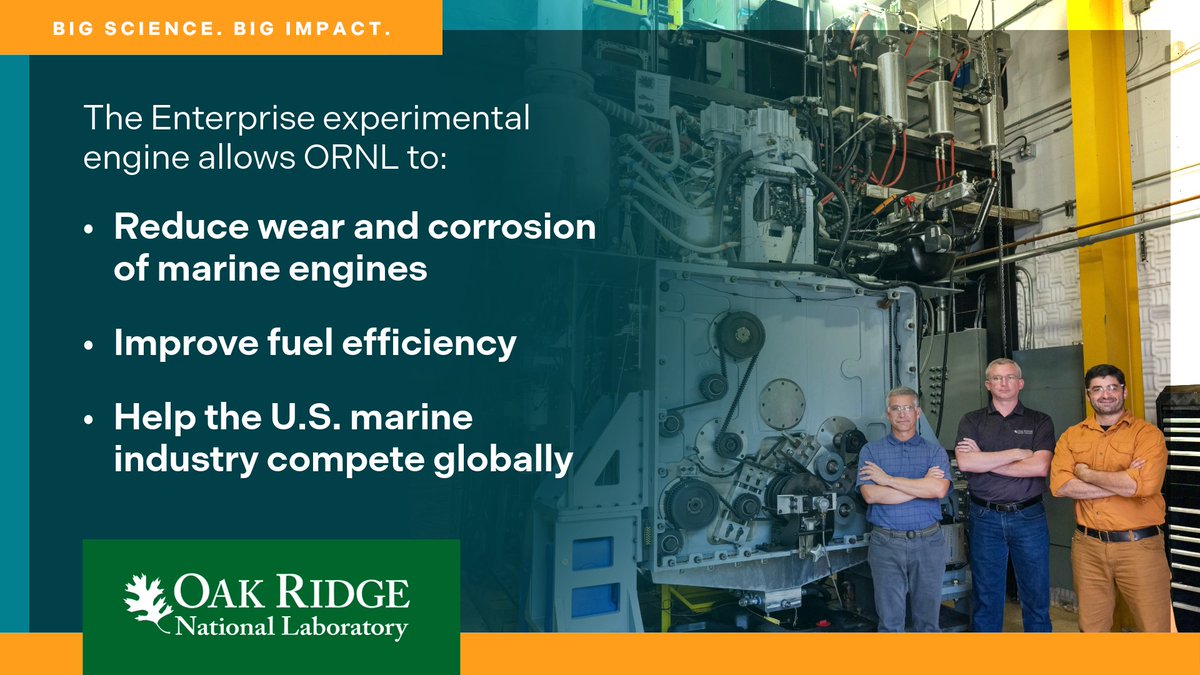
⚓ New fuel pathways could reshape maritime shipping. @ORNL and ExxonMobil are studying how next-generation lubricants perform in those environments using the Enterprise marine research engine, supporting more efficient, reliable marine transportation.
🔗 bit.ly/4uPA8sT
ALT Three ORNL engineers stand in front of the Enterprise experimental engine, text notes its benefits for reducing wear, improving fuel efficiency, and helping the U.S. marine industry compete globally. The Oak Ridge National Laboratory logo is displayed at the bottom.
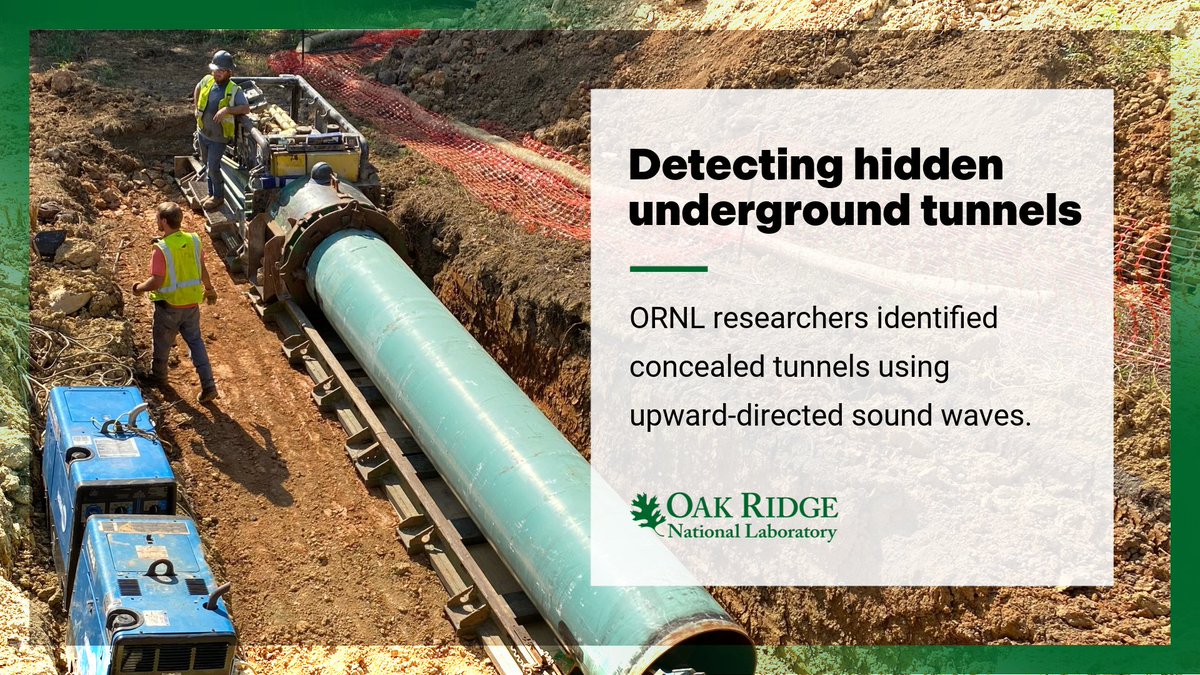
Hidden underground tunnels can threaten critical infrastructure, but they are difficult to detect. @ORNL demonstrated a new approach to tunnel detection by reversing the traditional method and transmitting sound upward from below the tunnel. 🔗 bit.ly/4vlxT0p
ALT A group of workers in a trench install a large pipe. Text overlay reads: "Detecting hidden underground tunnels. ORNL researchers identified concealed tunnels using upward-directed sound waves." The Oak Ridge National Laboratory logo is in the bottom right.
ORNL's Peregrine is an AI-enabled quality control system that monitors powder-bed printing in real time. Instead of waiting until after a build to find defects, Peregrine analyzes the process as it happens — detecting anomalies and alerting operators. 🪶 bit.ly/49xIdd1
ALT Peregrine was used to help qualify 3D-printed brackets for use inside a nuclear reactor. Credit: ORNL, U.S. Dept. of Energy
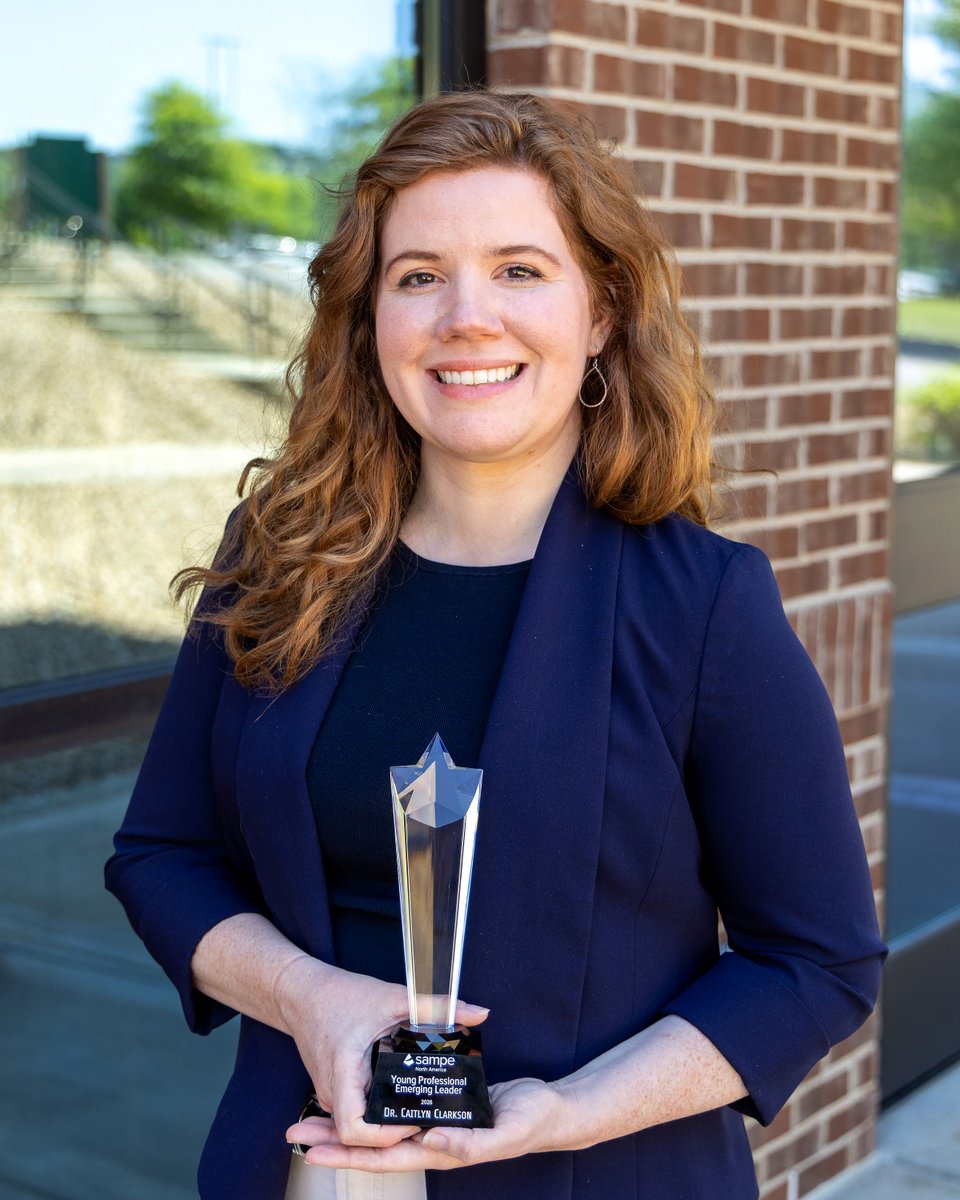
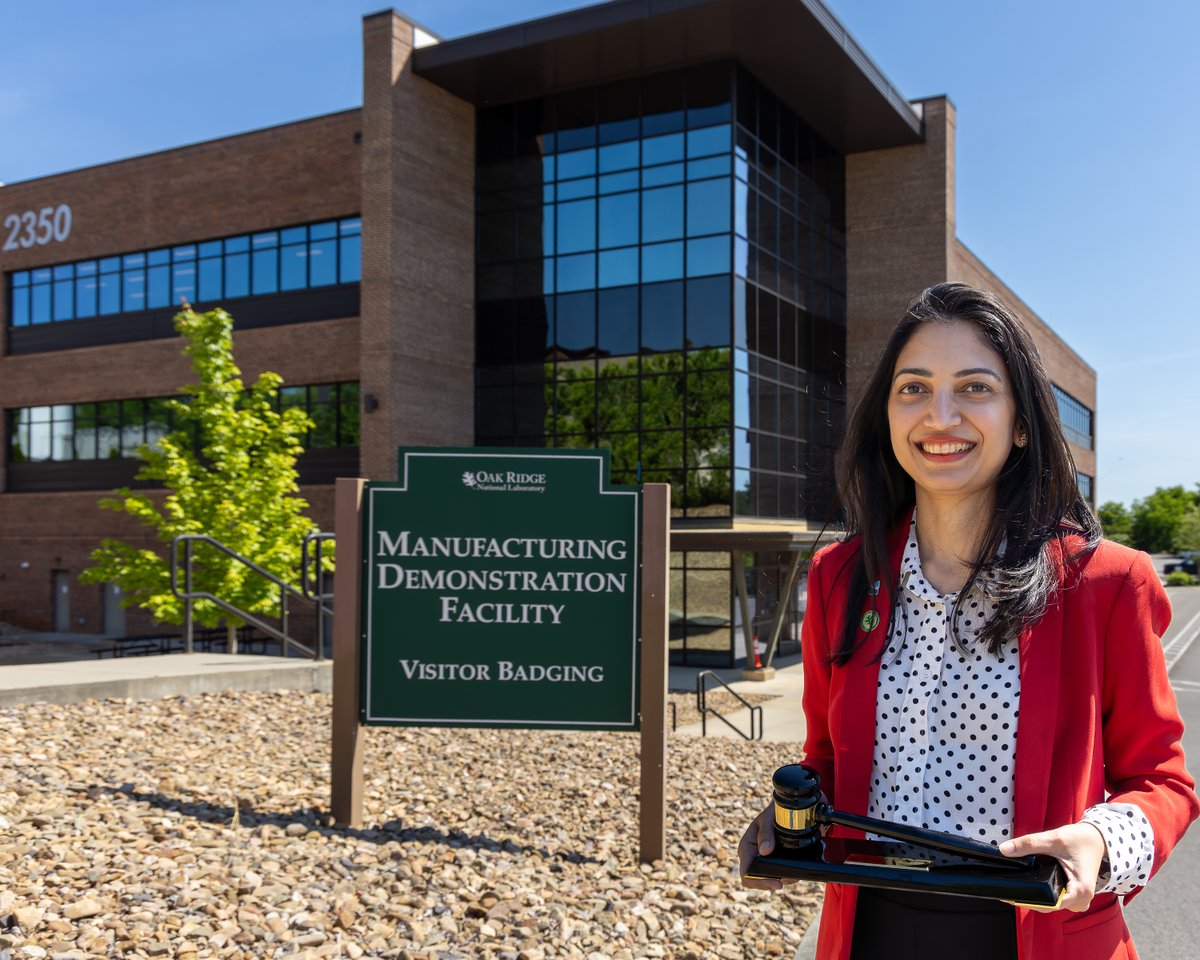
👏 Congratulations to @ORNL’s Sana Elyas on being elected president of SAMPE North America for 2026-2027. Her leadership continues to advance collaboration and innovation in manufacturing and materials science. 🔗 bit.ly/4dqyXKc
ALT A woman stands outside the Oak Ridge National Laboratory's Manufacturing Demonstration Facility, holding a gavel. The building has large windows, and there's a sign for visitor badging.
Congratulations to Vivek Sujan on being named @ORNL Inventor of the Year. With more than 200 patents worldwide, Sujan’s work in mobility systems, transportation research, and energy technologies continues to shape a smarter transportation future. 👏 bit.ly/3RwKkaS
ALT Vivek Sujan, a distinguished R&D staff member in applied research for mobility systems at the Department of Energy’s Oak Ridge National Laboratory (ORNL), has been named ORNL Inventor of the Year
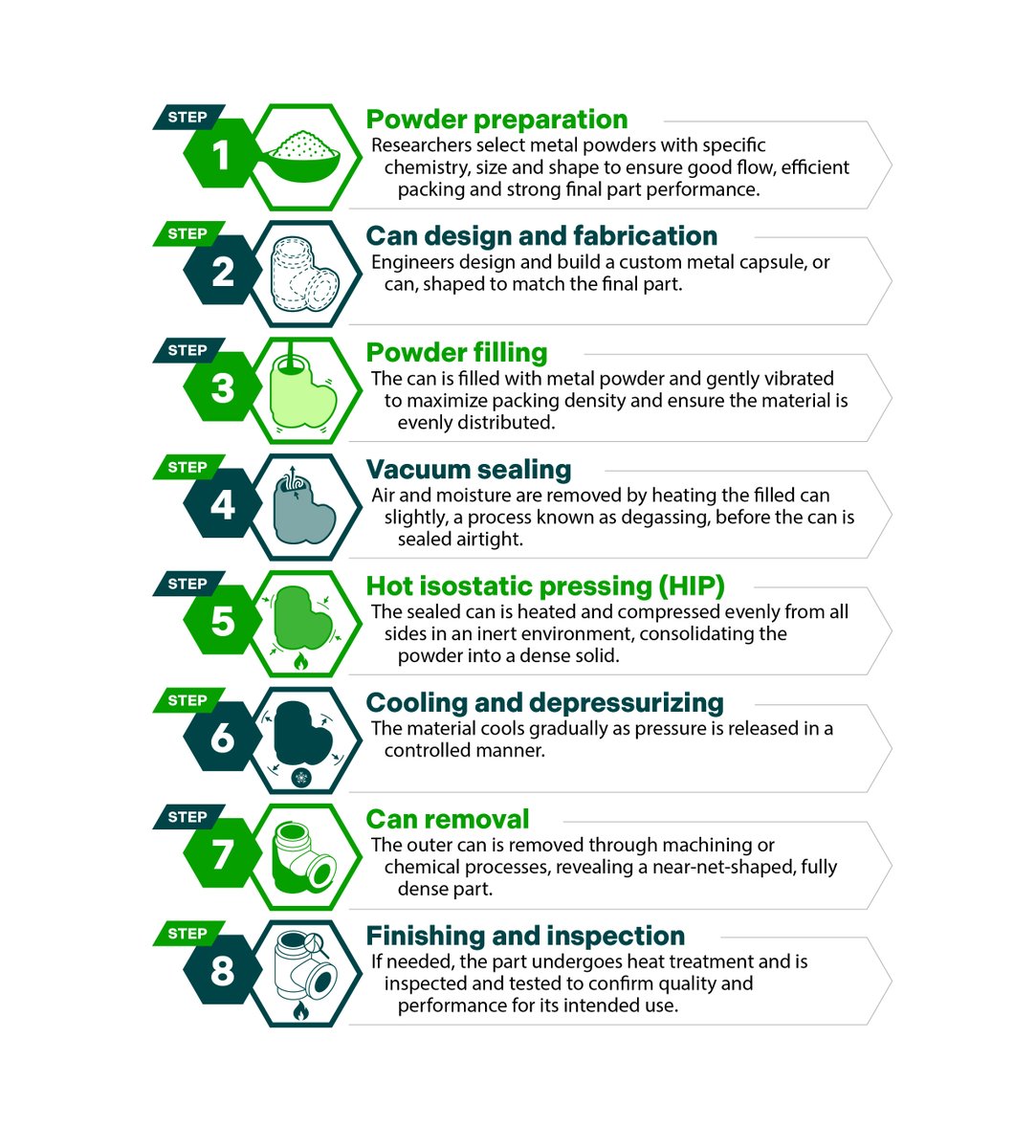
ORNL developed a new manufacturing approach that could make it faster to produce the large metal parts used in power systems, aerospace, and nuclear energy. The process combines 3D printing with high heat and pressure to turn metal powder into components. bit.ly/4nux7ez
ALT Graphic that outlines the eight-step process of powder metallurgy hot isostatic pressing
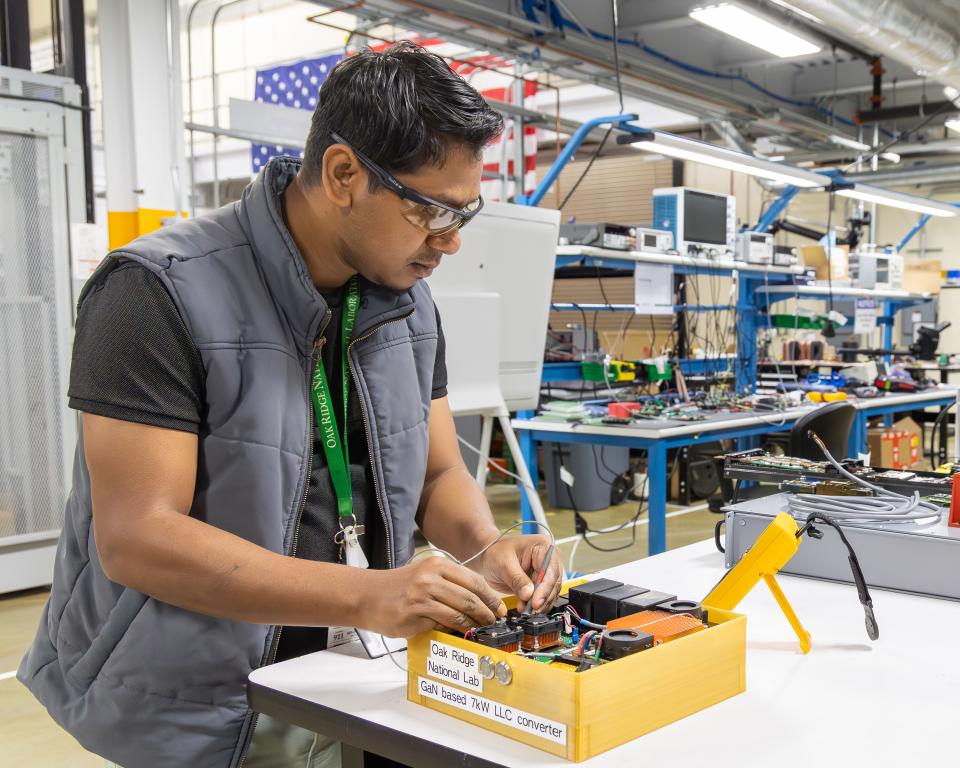
Improving equipment for smooth power delivery in the #electricgrid: Researchers at @ORNL developed a lighter, smaller power converter that boosts efficiency with a gallium nitride semiconductor provided by #ROHM.
🔗 bit.ly/3POa6qJ
ALT An individual works in a laboratory setting, focusing on an electronic project. The background features various electronic equipment and an American flag.
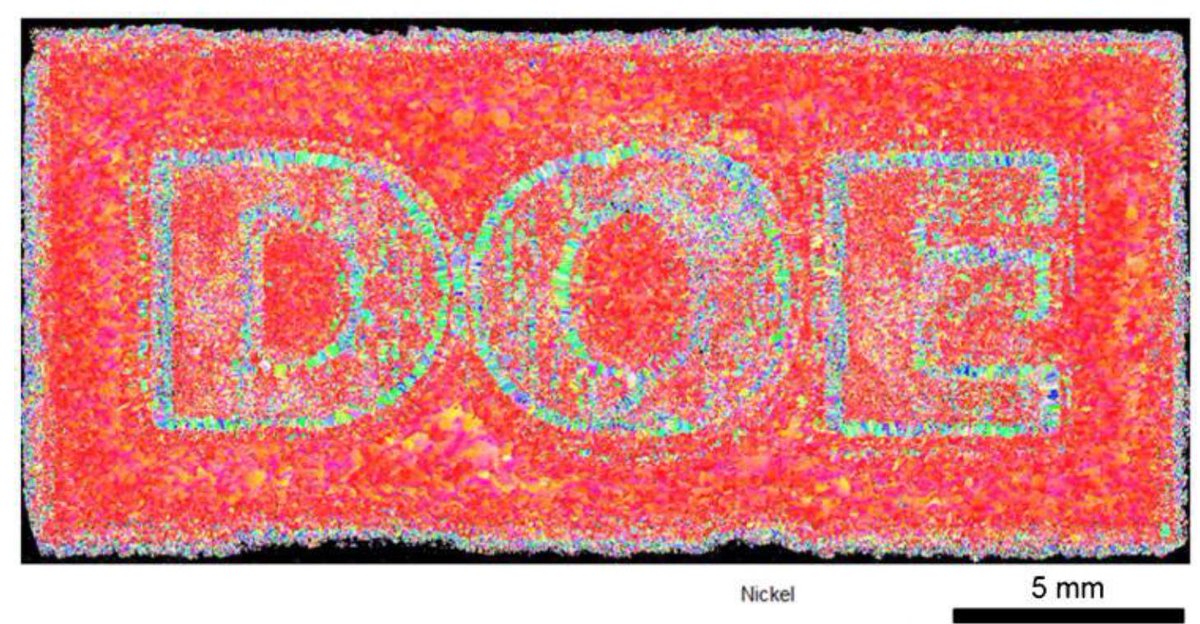
“It’s always interesting to see that moment when it clicks that this is something completely different from what they expected.” Scientist Alex Plotkowski recently spoke with students in a USCAR manufacturing course about metal additive manufacturing. bit.ly/4dh9WRH
ALT This high-resolution microstructural map of a nickel sample demonstrates how researchers can precisely control metal grain structure during additive manufacturing, with the patterned DOE region revealing engineered variations in grain orientation and structure at the millimeter scale. Credit: ORNL, U.S. Dept. of Energy
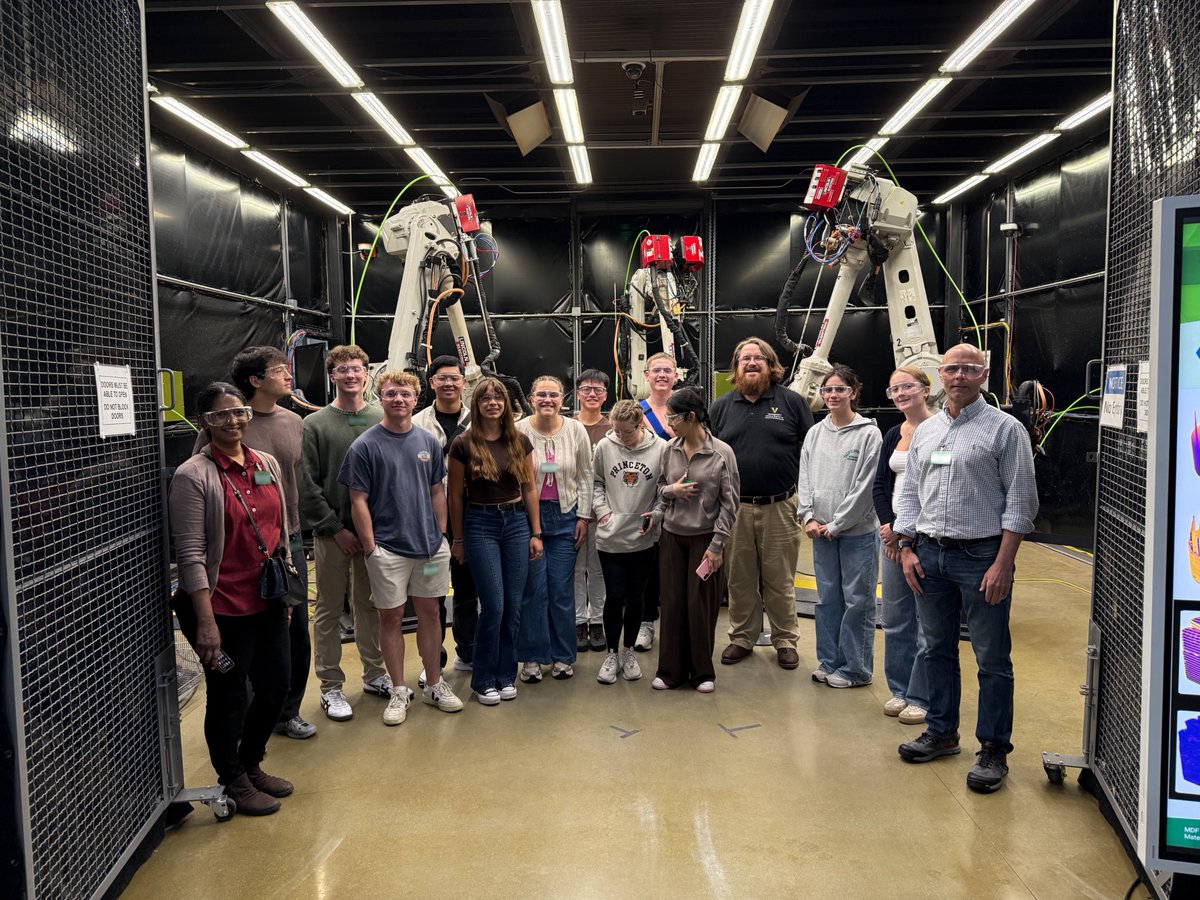
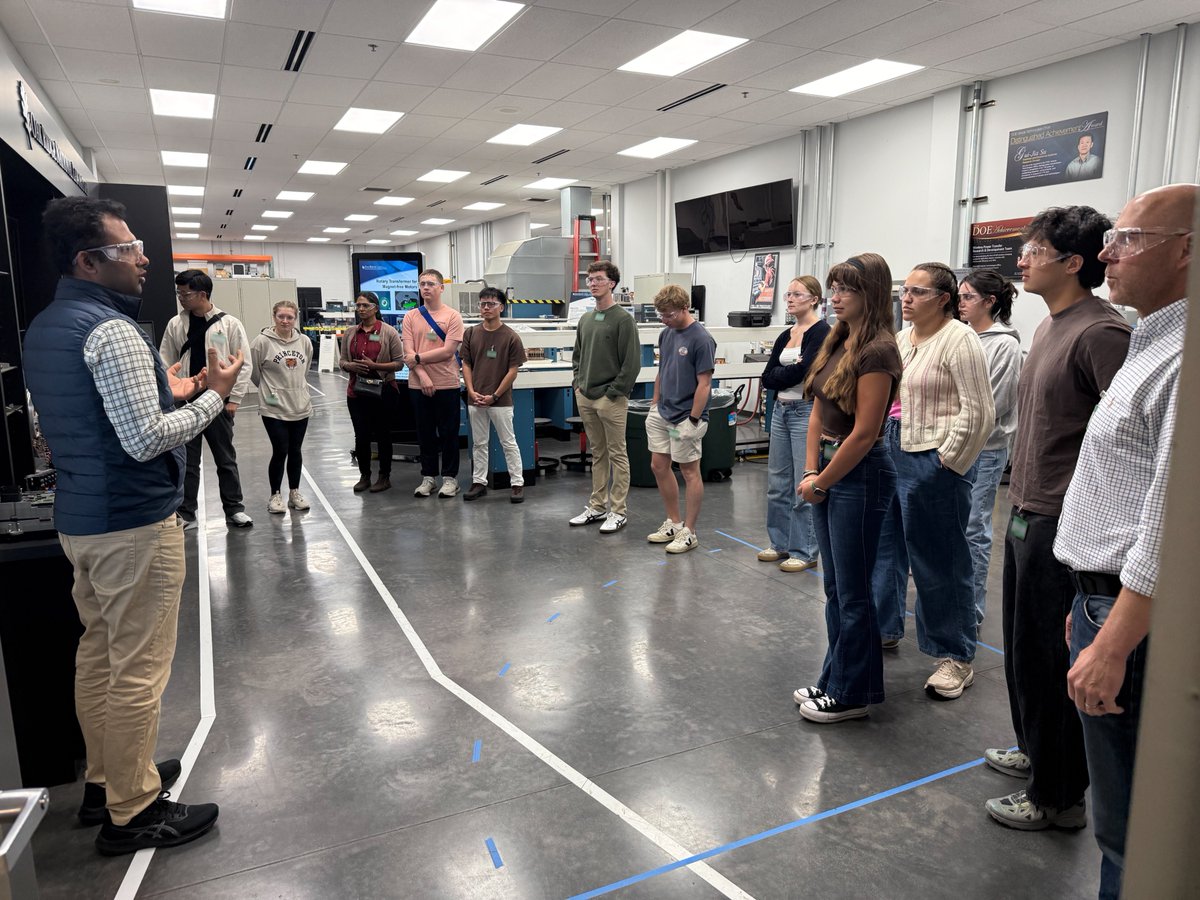
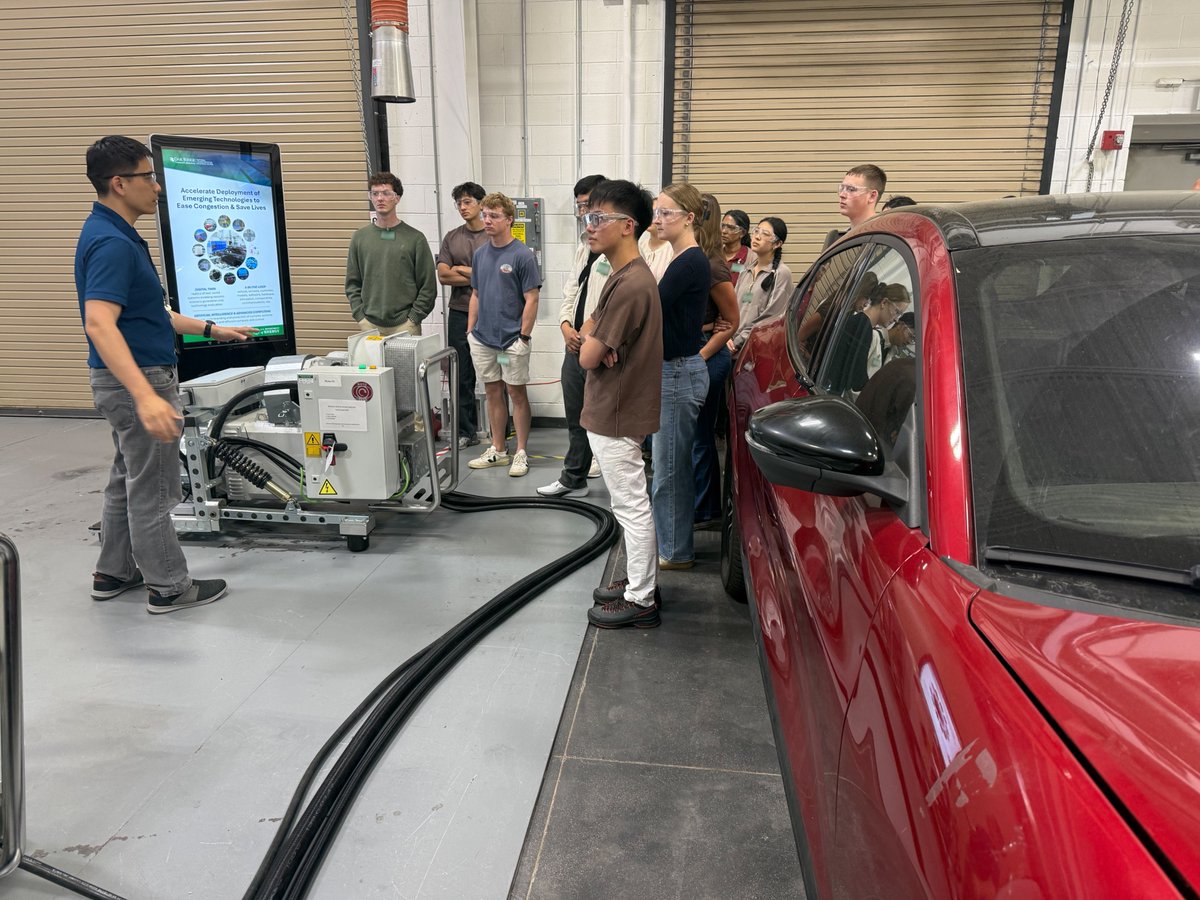
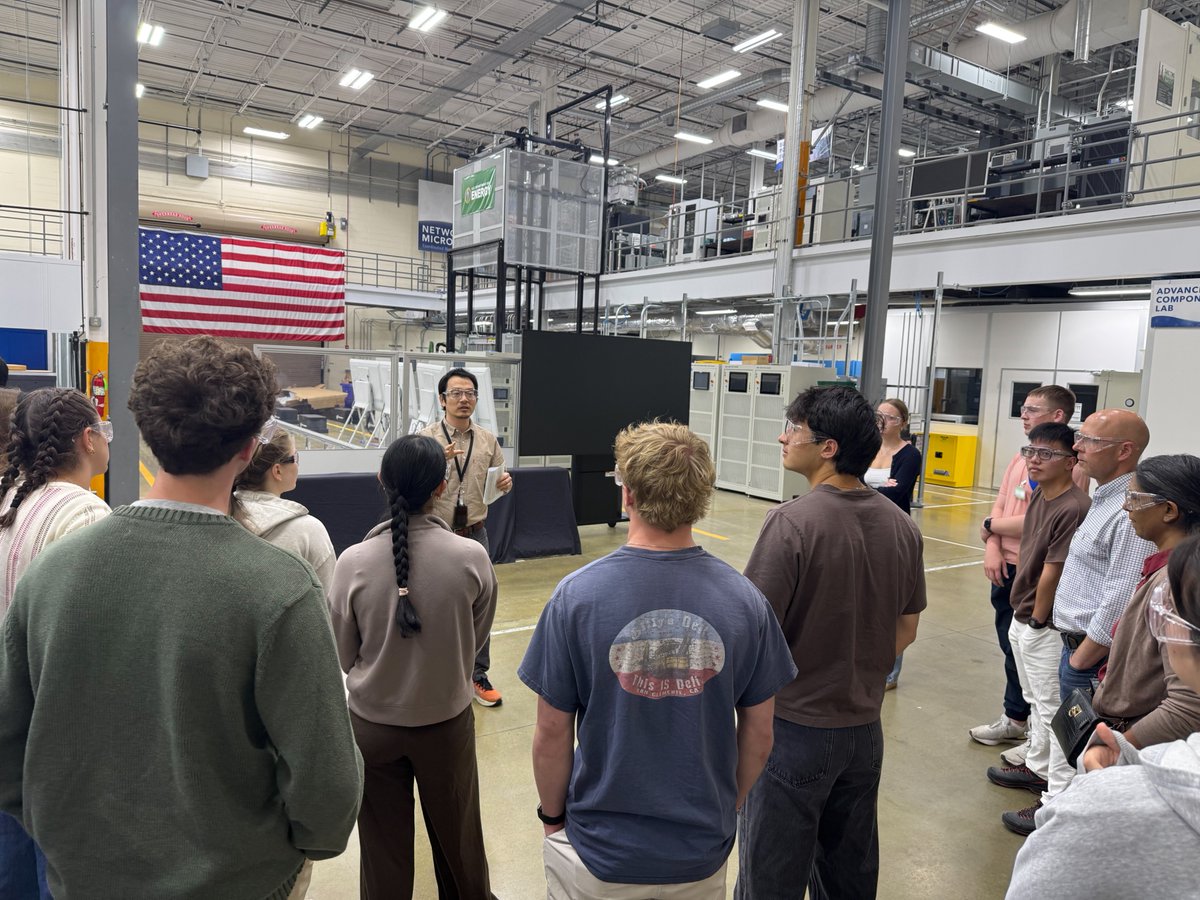
Students from the Vanderbilt School of Engineering toured ORNL’s Hardin Valley Campus recently as part of Vanderbilt’s Maymester course, Modern Automotive Manufacturing. Great to host and share some of the work happening across ORNL!