"We shall not cease from exploration
And the end of all our exploring
Will be to arrive where we started
And know the place for the first time."
T.S. Eliot
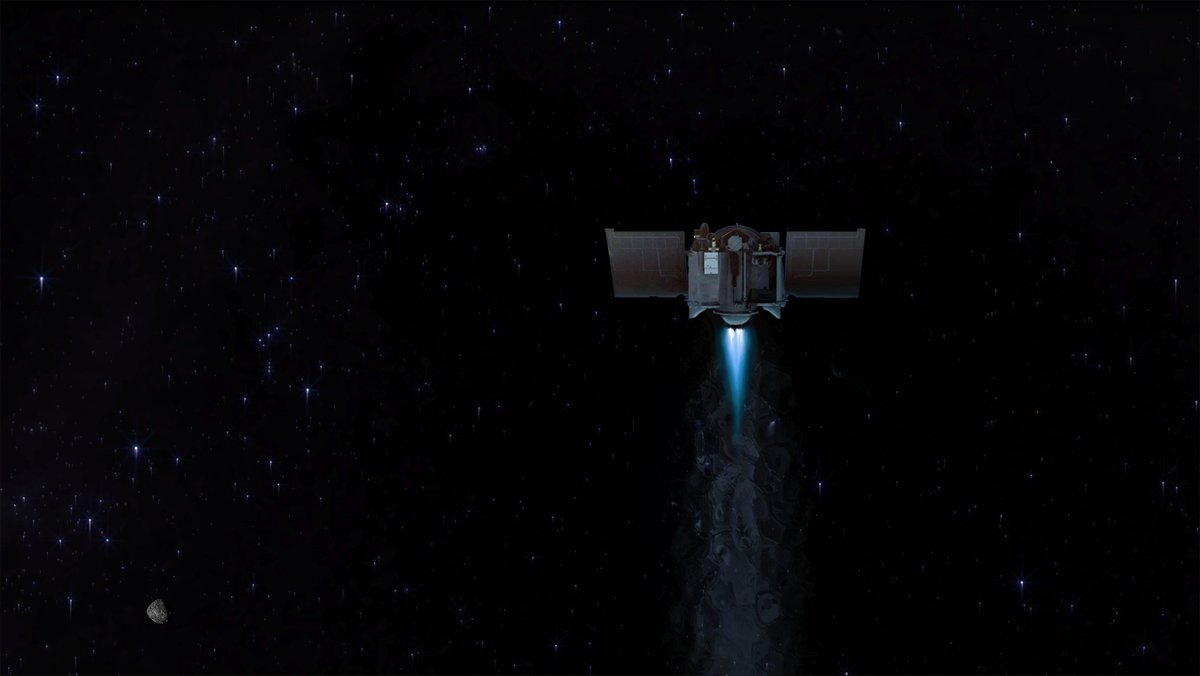
We arrived, we TAG-ed… and soon, we’re making our way back home 🌎
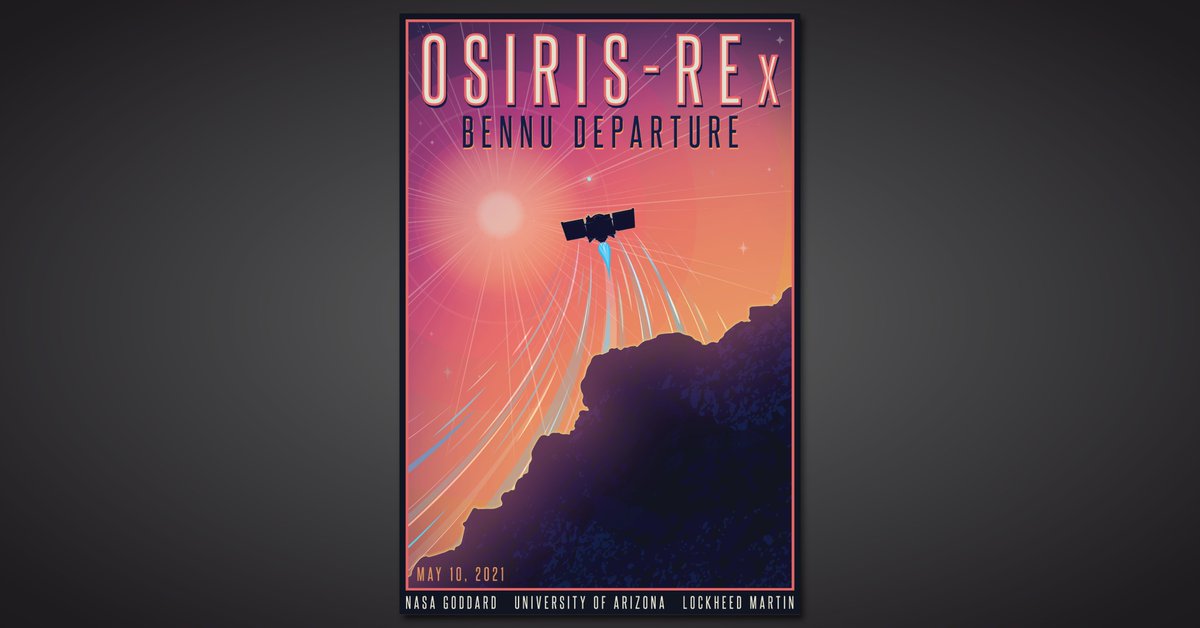
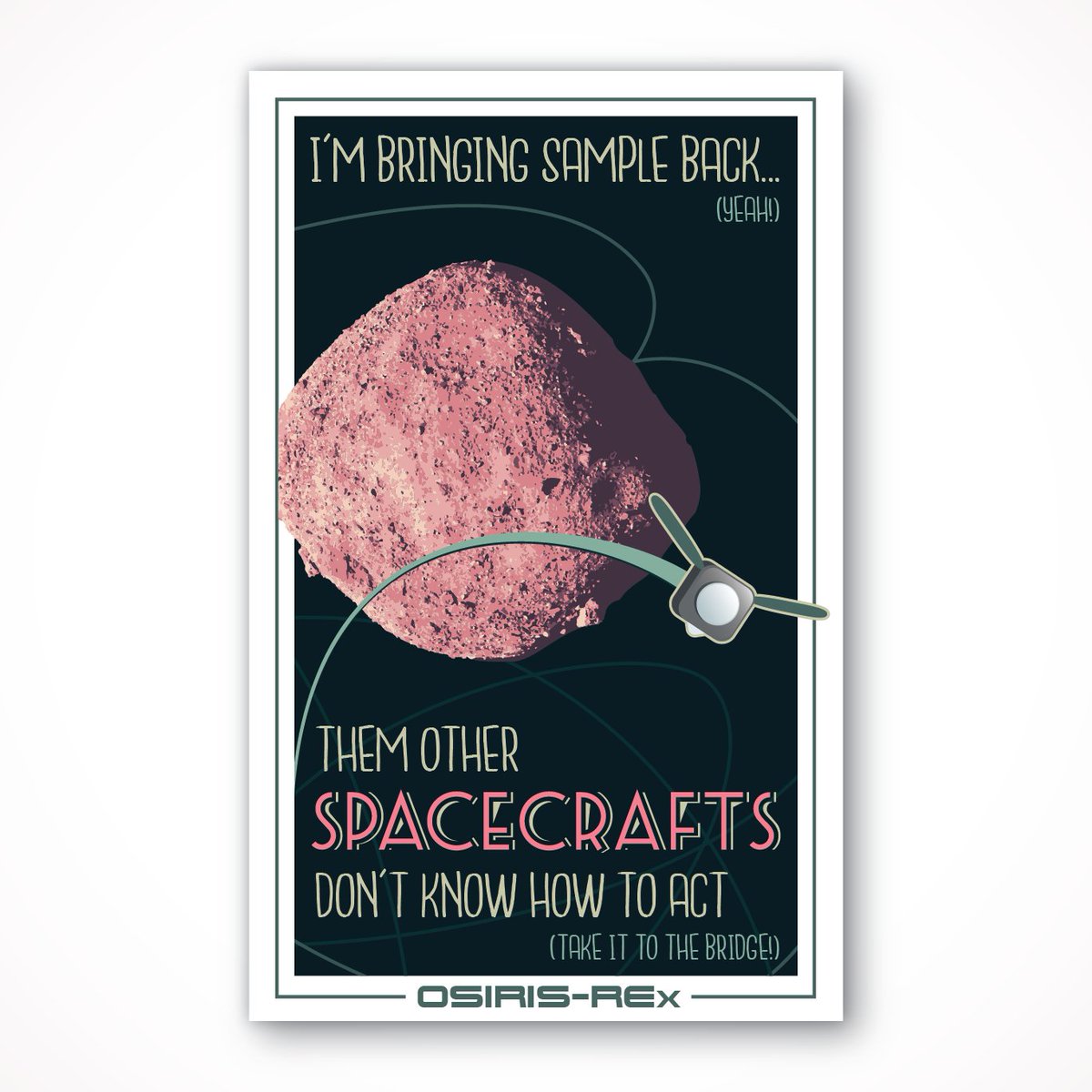
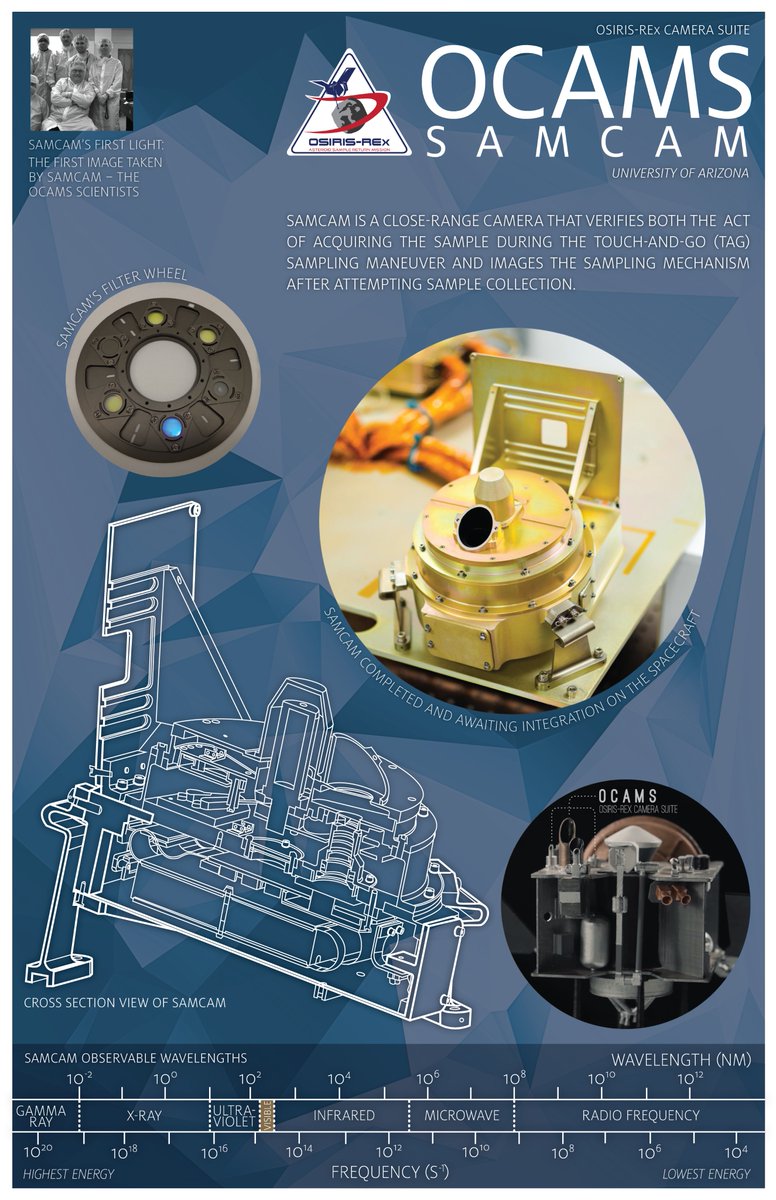
Celebrate with us as we prepare for OSIRIS-REx's departure from asteroid Bennu! Download the annual OSIRIS-REx commemorative poster here: bit.ly/3czjYwT
We're counting down to 🥧#PiDay✨ with the math problems we use to explore space at @NASA.
Can you calculate how many of @OSIRISREx's circular sample pads had to touch the asteroid Bennu to meet the mission goal.
Take the #NASAPiDayChallenge at go.nasa.gov/piday
ALT In this cartoonish illustration, OSIRIS-REx descends on a purple, rocky surface. An inset shows a circular device with small circular pads. An arrow points to one of the pads and identifies it as a collection pad.
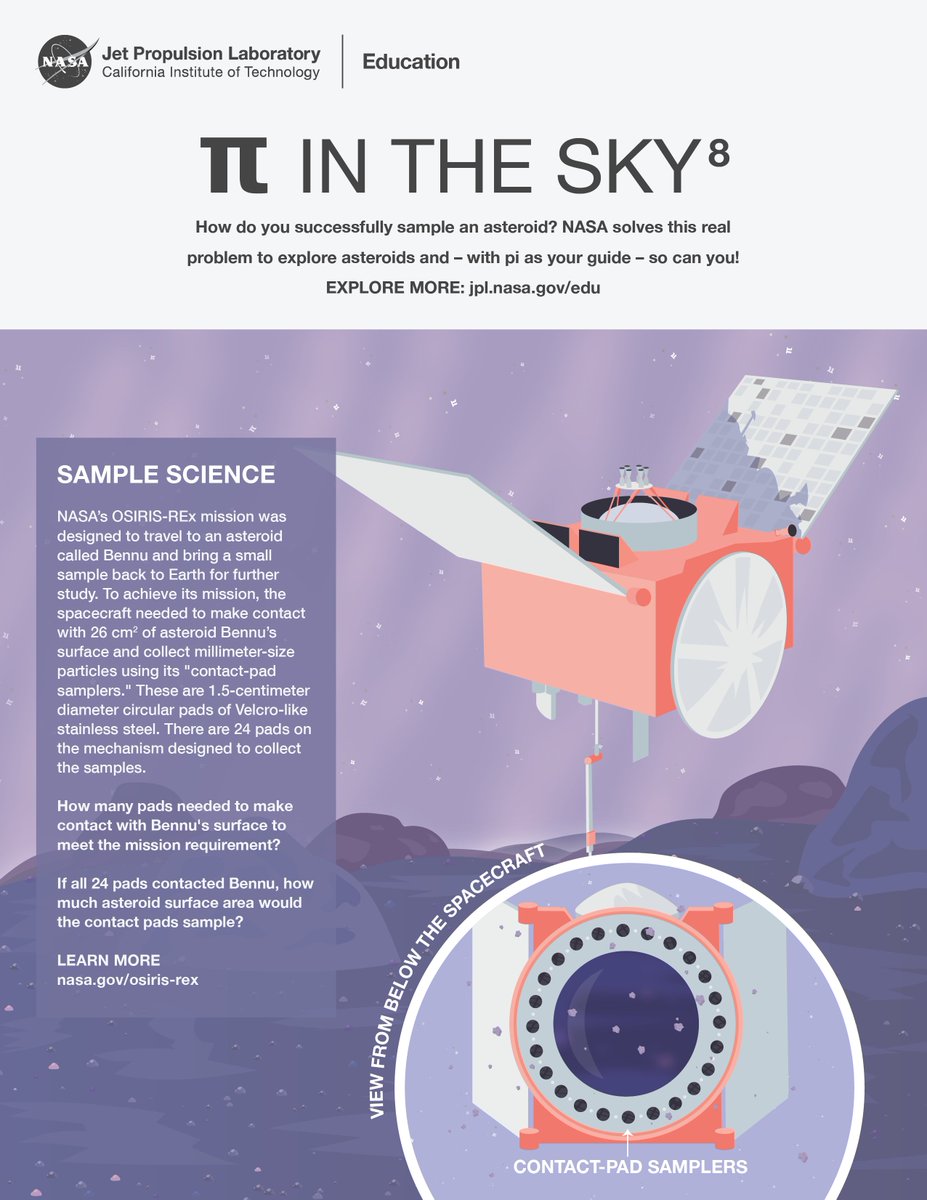
ALT OSIRIS-REx Pi Day Problem 2021: NASA’s OSIRIS-REx mission was designed to travel to an asteroid called Bennu and bring a small sample back to Earth for further study. To achieve its mission, the spacecraft needed to make contact with 26 cm2 of asteroid Bennu’s surface and collect millimeter-size particles using its "contact-pad samplers." These are 1.5-centimeter diameter circular pads of Velcro-like stainless steel. There are 24 pads on the mechanism designed to collect the samples.
How many pads needed to make contact with Bennu's surface to meet the mission requirement?
If all 24 pads contacted Bennu, how much asteroid surface area would the contact pads sample?
Feels great to see Bennu again!
The final flyby is exactly ONE month away 🤩
Here’s what’s coming up after the April 7 farewell flyover:
🚀 Depart asteroid Bennu
🌎 Return to Earth
☄️ Drop off the Sample Return Capsule
🧪 Sample analysis! 👩🔬
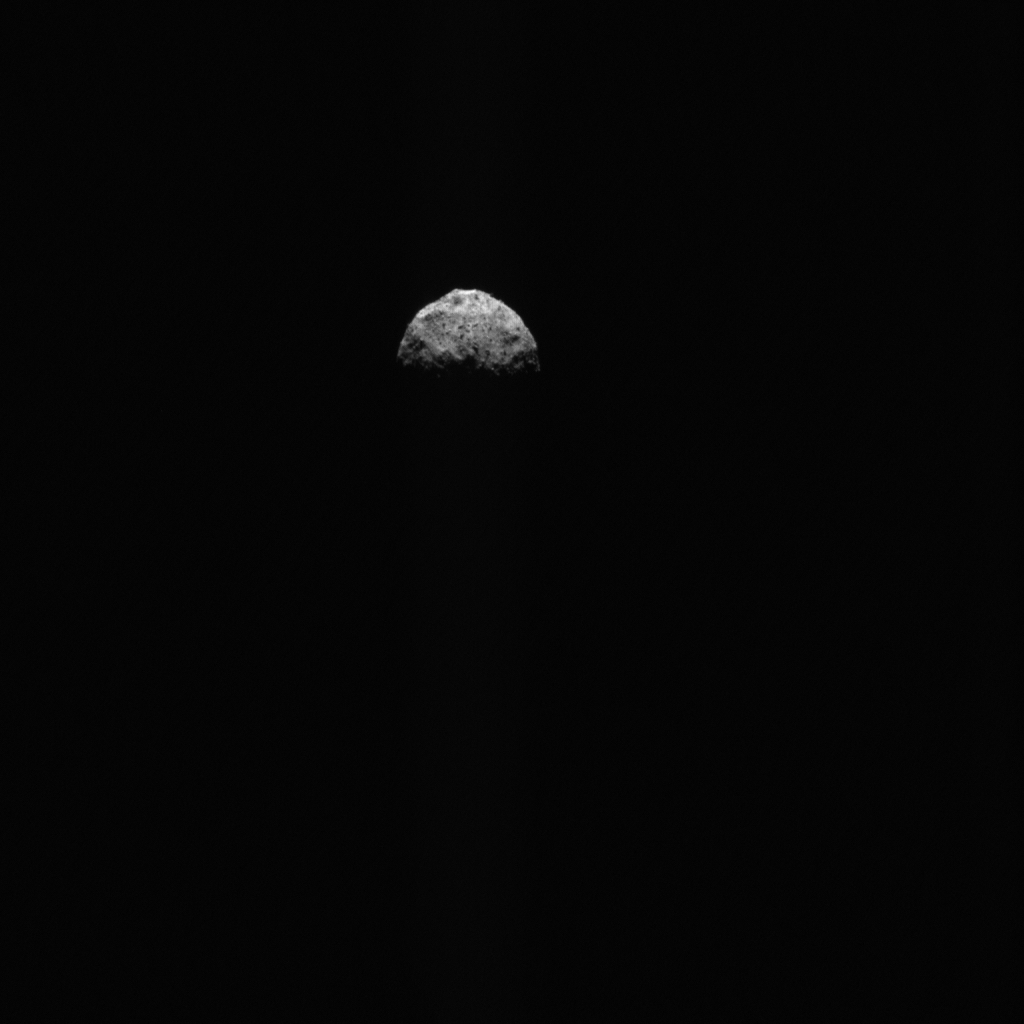
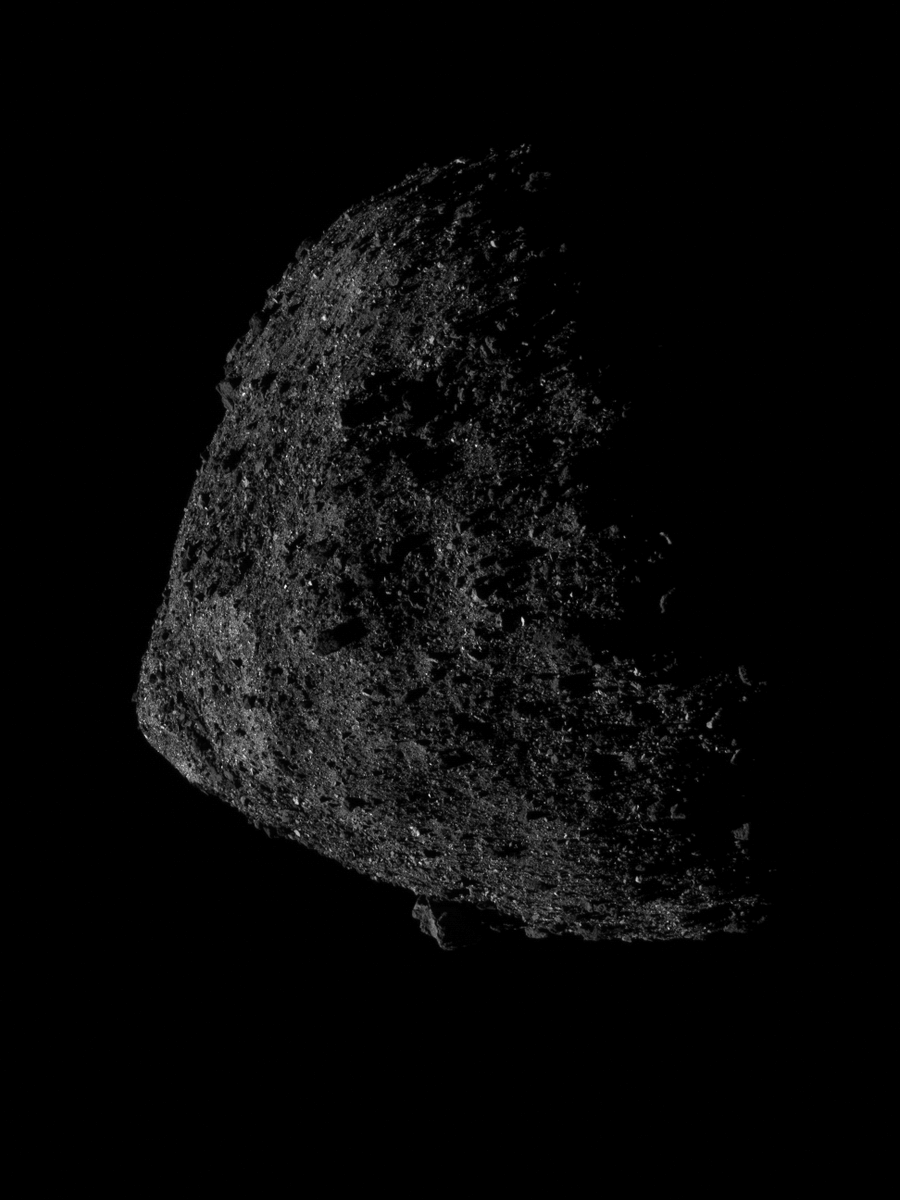
This image shows a top-down view of Bennu, with the camera pointed directly at its North Pole. A portion of the asteroid’s equatorial ridge and northern hemisphere are illuminated. It was taken on Mar. 4 from about 186 miles (300 km) away. More details: bit.ly/3uW0U4e
Hi Friends! In two weeks I'll be moving to my new Twitter home 🏠 Be sure to follow me over to @NASASolarSystem, where you can find future updates on me and my mission #ToBennuAndBack 🌑
Mary W. Jackson, one of our Hidden Figures who helped us succeed in getting @NASA_Astronauts into space, will be honored during a ceremony featuring poet Nikki Giovanni, journalist @AbbyDPhillip, historian @HenryLouisGates & many others. Watch at 1pm ET: go.nasa.gov/2ZUpS5S
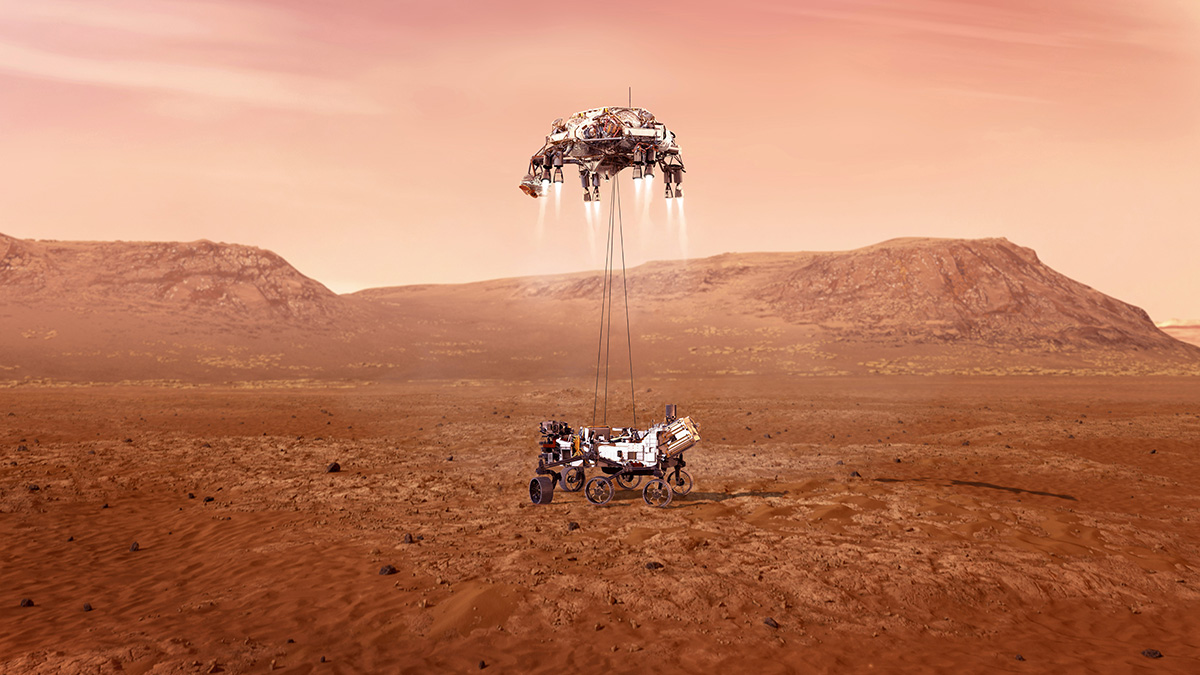
It's time ... @NASAPersevere is ready for Mars!
Tune in to nasa.gov/nasalive at 2:15 pm EST to watch the the live broadcast of Perseverance's landing on the red planet.
Good luck to the entire team!
#CountdownToMars
LIVE NOW🔴
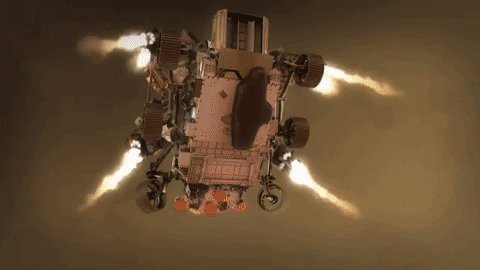
Tune in to see what to expect from the most difficult Mars landing ever attempted. I’m the most massive and technologically advanced rover to date, and one day from the most harrowing part of my trip: Entry Descent and Landing. youtu.be/SO6__cLGkYw#CountdownToMars
It’s #ValentinesDay this weekend! Spread the love with an OSIRIS-REx card 💌
Download a Valentine’s card from the lovely collection here: bit.ly/2ZdrZl0
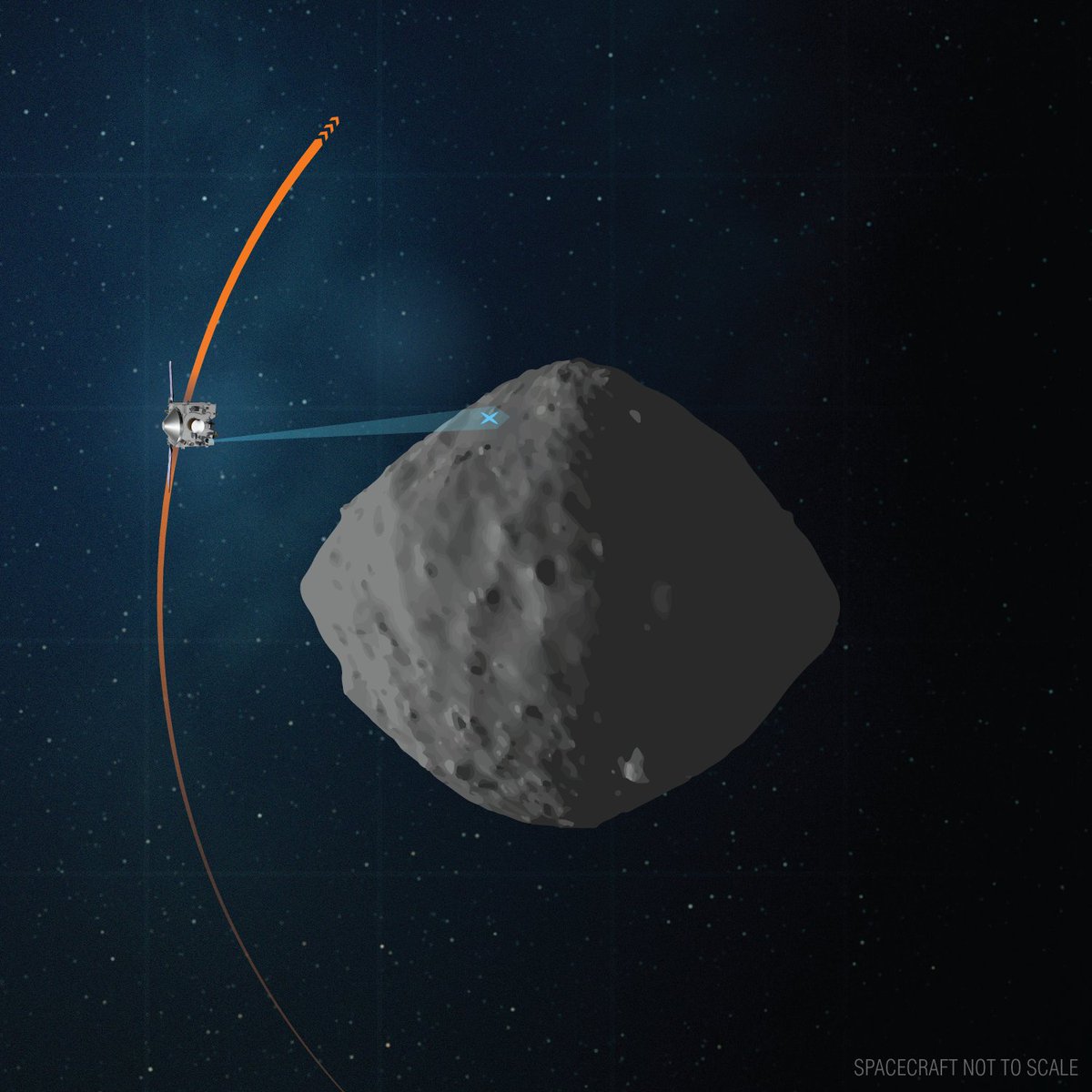
On April 7, I’ll take one last look at asteroid Bennu 🌑
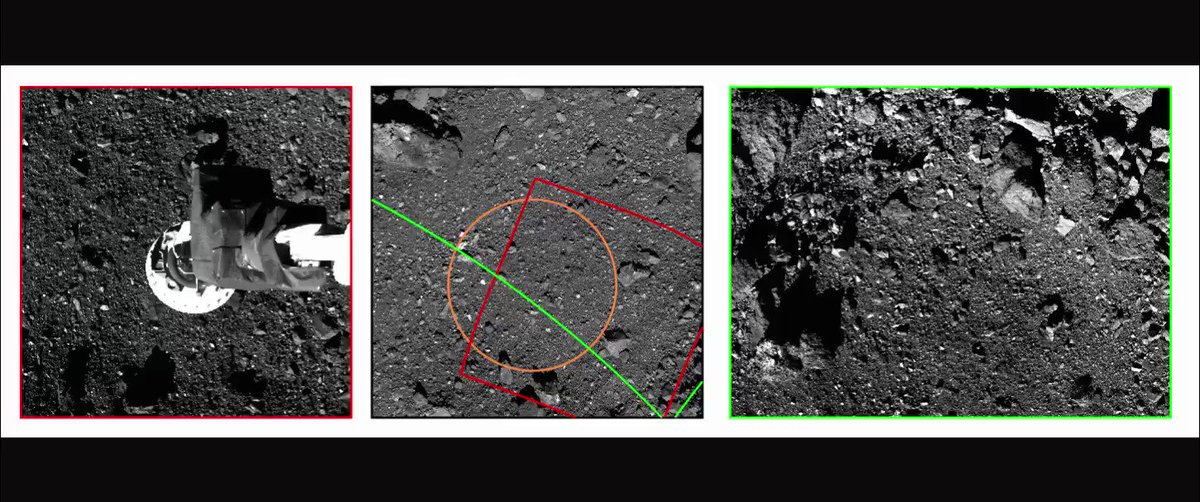
I’ll spend ~4 hours capturing images from 2.4 miles (3.8 km), focusing on site Nightingale to see how Bennu’s surface was transformed by the sample collection event.
More about the final flyby: go.nasa.gov/3p9Rj61
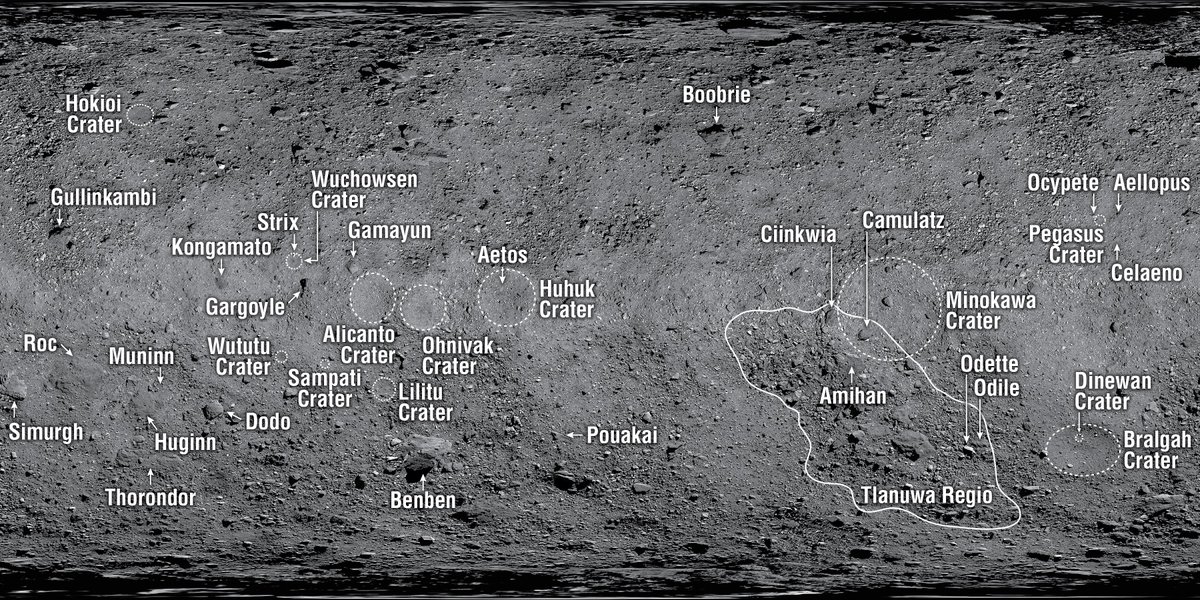
The International Astronomical Union (IAU) has approved more names for surface features on Bennu! The asteroid's surface features are named after birds and bird-like creatures in mythology. Explore the surface features and the origins of their names here: on.doi.gov/3oBwHTS
35 years ago today, the space shuttle Challenger and all seven crew members aboard were lost. On this Day of Remembrance, we honor the Challenger crew and all who gave their lives while furthering the cause of exploration and discovery: youtu.be/CnqCWo46fzM#NASARemembers
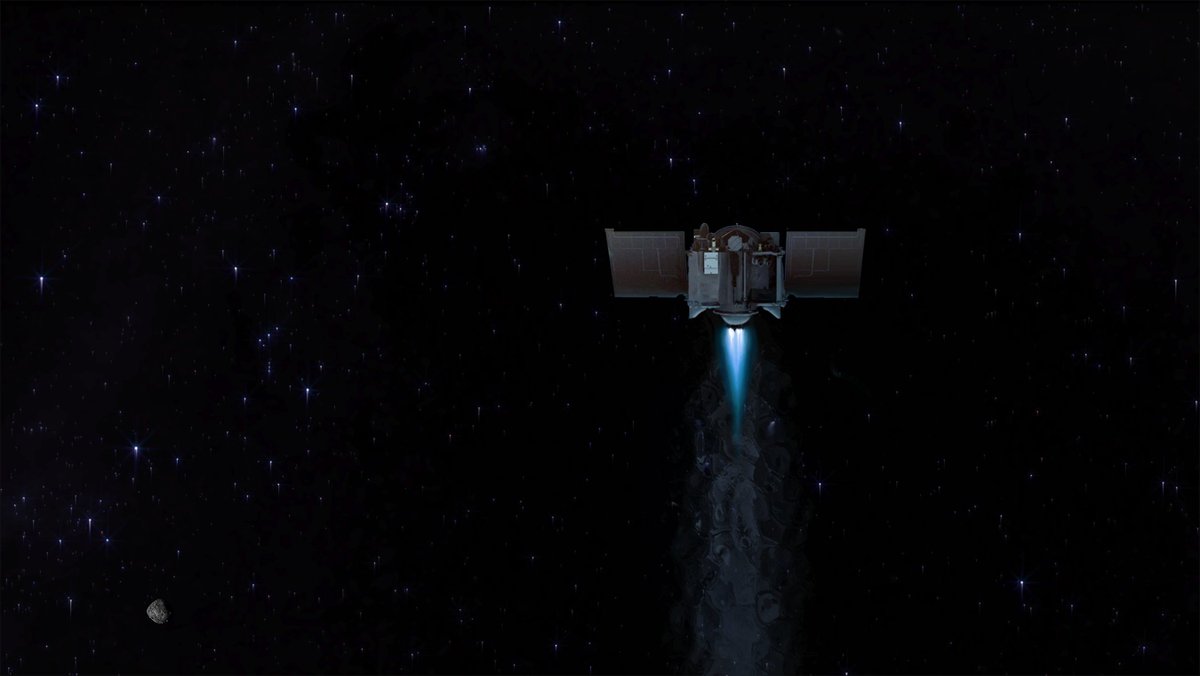
Save the date! I'll be leaving Bennu on May 10 — but it looks like I might get one last close-up with the asteroid before my journey back to Earth 🛰🌎
Learn more about the departure and final flyby here: bit.ly/2M9VG3f
The samples from asteroid Ryugu in the re-entry capsule weigh about 5.4g! This greatly exceeds the the target yield of 0.1g (the amount required for the initial scientific analysis) set during the design of Hayabusa2.
(Article in Japanese: fanfun.jaxa.jp/topics/detail…)