Join us as we explore the worlds of our solar system.
- Tweets 9,551
- Following 142
- Followers 2,967,195
- Likes 10,447
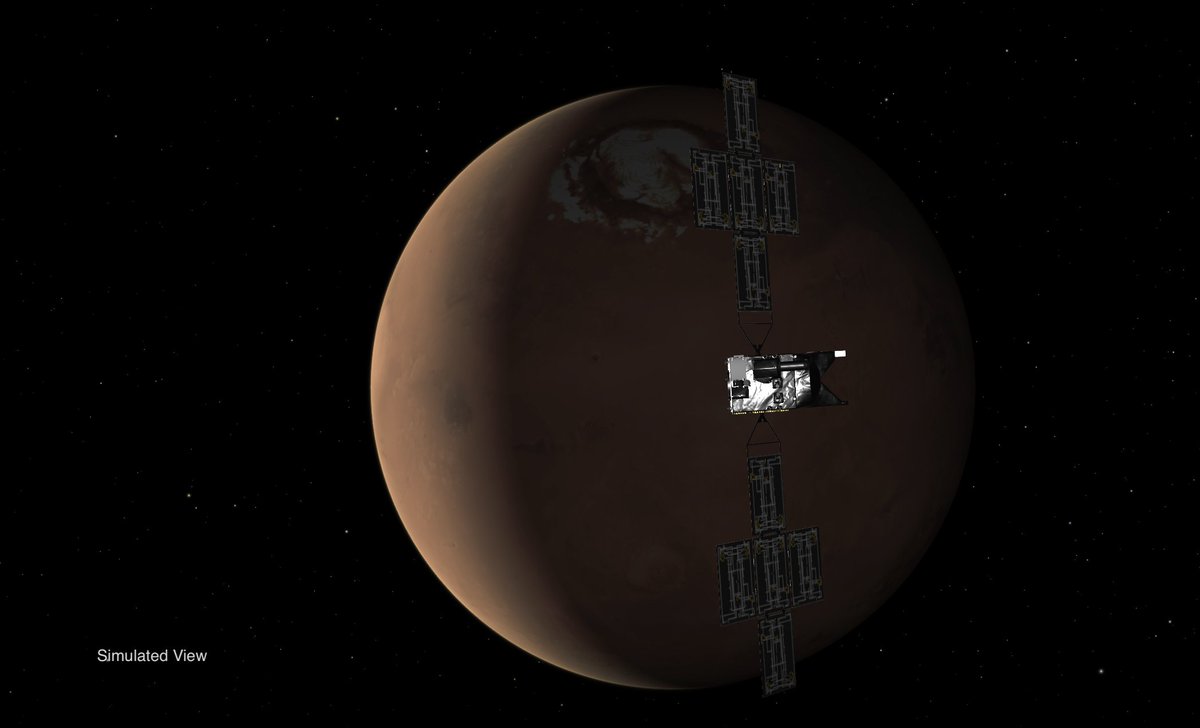

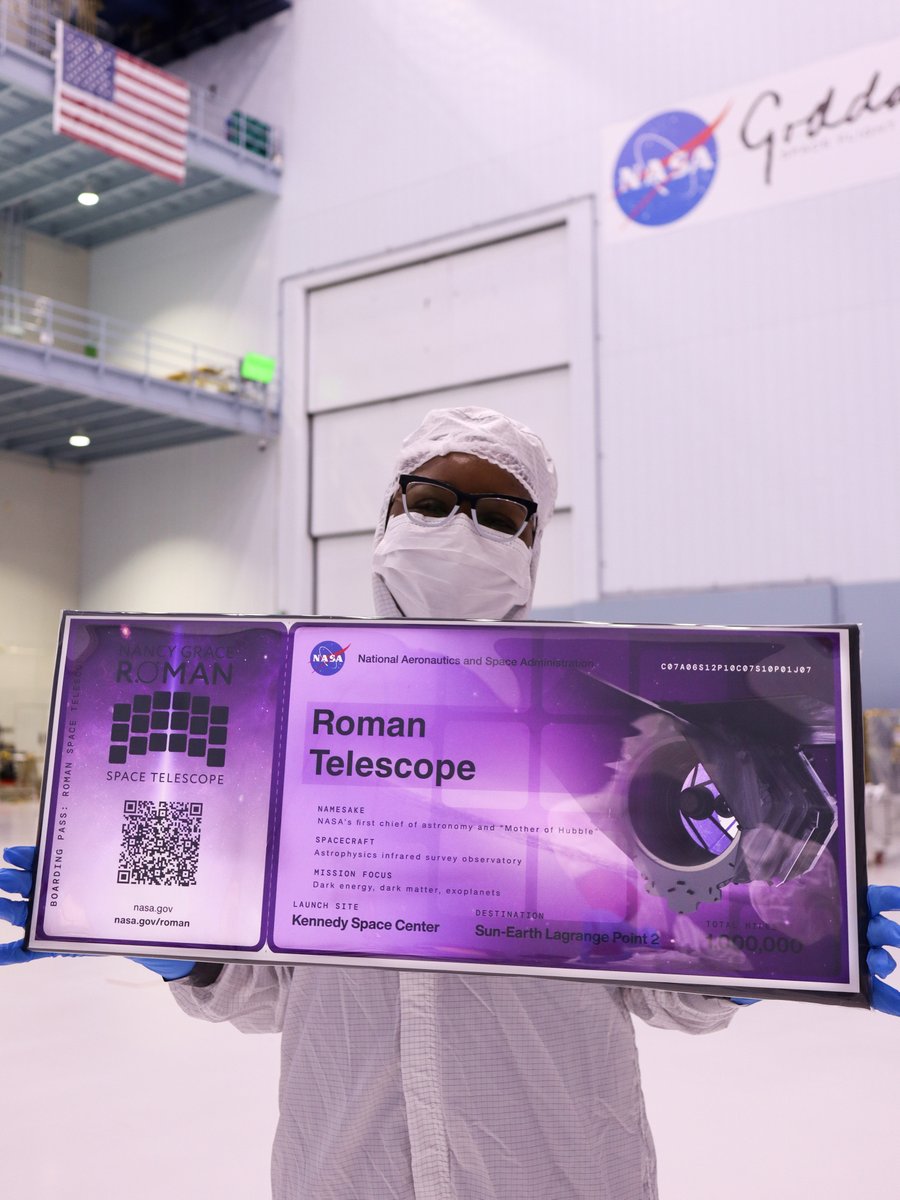
ALT A person in a head-to-toe white clean room suit holds a large purple "boarding pass" for NASA's Nancy Grace Roman Space Telescope in Goddard's large cleanroom. The boarding pass includes an image of the 18 detectors, an artist concept image of the telescope, a QR code, and the NASA logo. "Roman Telescope" is written where the name would go.
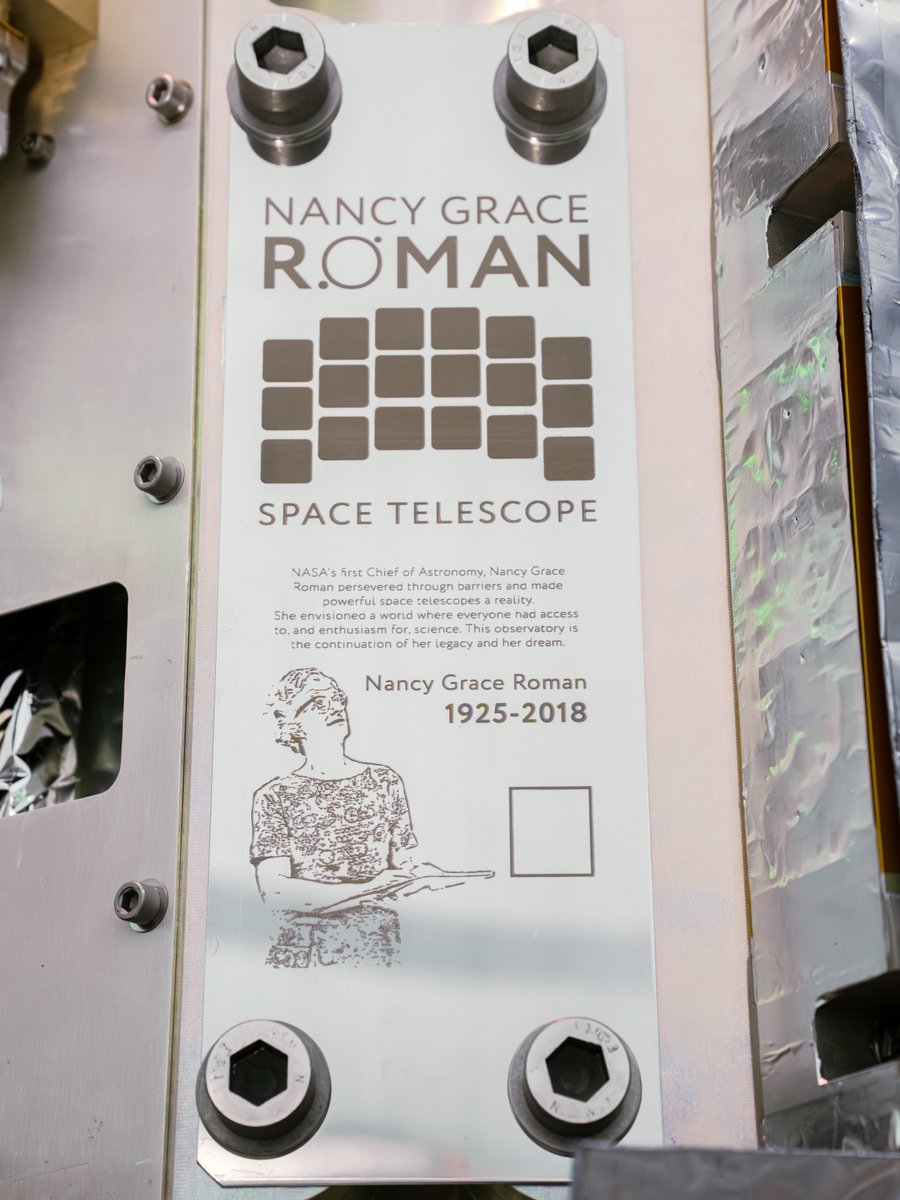
ALT The plate attached to the Roman telescope, where a memory card containing names will be attached. It's a tall, thin, rectangular silver plate. At the top of the plate is the stylized Nancy Grace Roman name logo. Below is the silhouette of Roman's 18-square detectors in their iconic arch shape. Text below that reads "NASA's first chief astronomer, Nancy Grace Roman, persevered through barriers and made powerful space telescopes a reality. She envisioned a world where everyone had access to, and enthusiasm for, science. This observatory is the continuation of her legacy and dream." Below the text is an illustration of Dr. Roman looking up, next to her name and the years 1925-2018. Below the years is a small box where the memory card will be affixed. The plate is held down with two large bolts at the top and bottom.
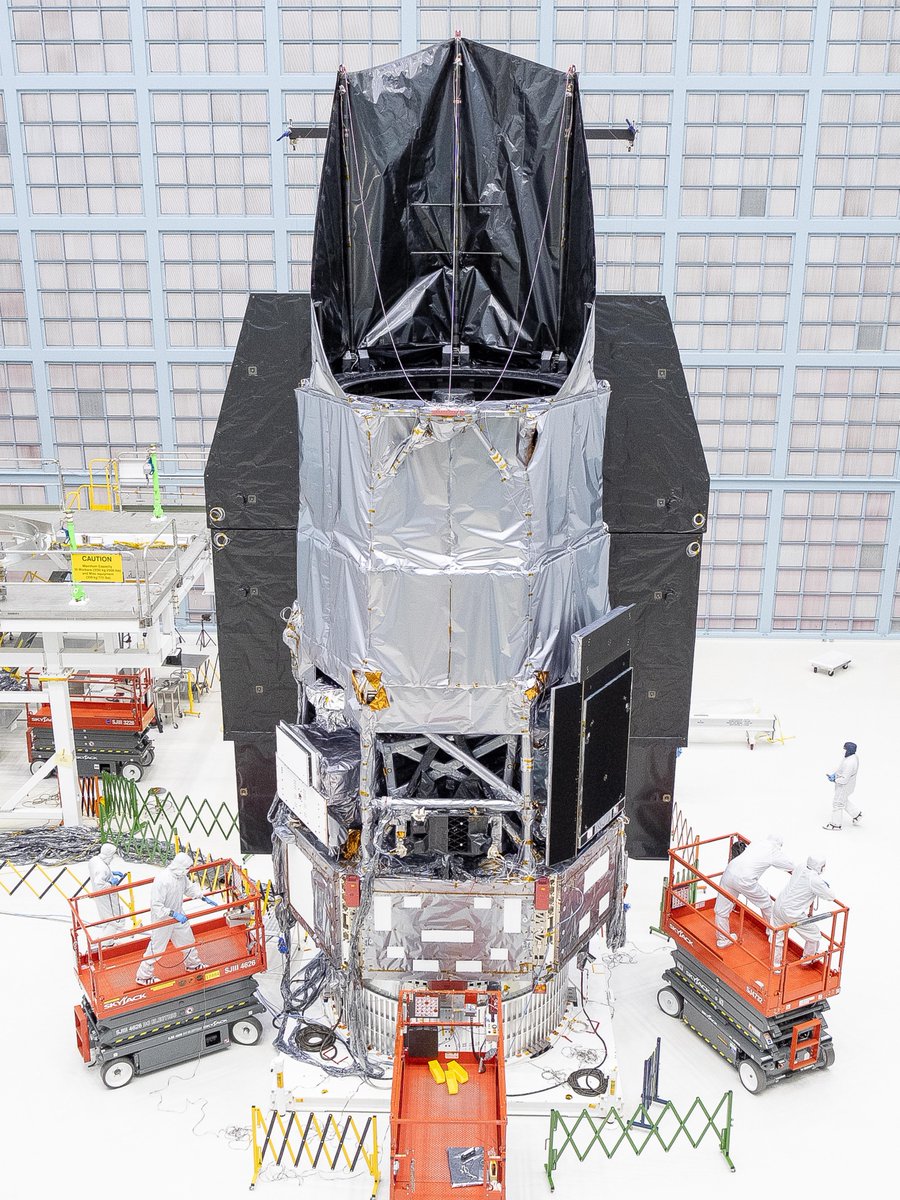
ALT The fully assembled Roman telescope in the clean room, standing upright. It's a silver cylinder with solar panels peeking out from behind both sides like wings. The hood is deployed, like a black sun visor on a baseball cap. Orange lifts and people in white cleanroom suits surrounded the telescope, highlighting how large it is. The unfolded lifts only reach about one-quarter of the way up the telescope's body. Instrumentation and cables are visible in a section about one-third of the way up the body. Thousands of tiny squares on the wall behind the telescope are air filters for the clean room.


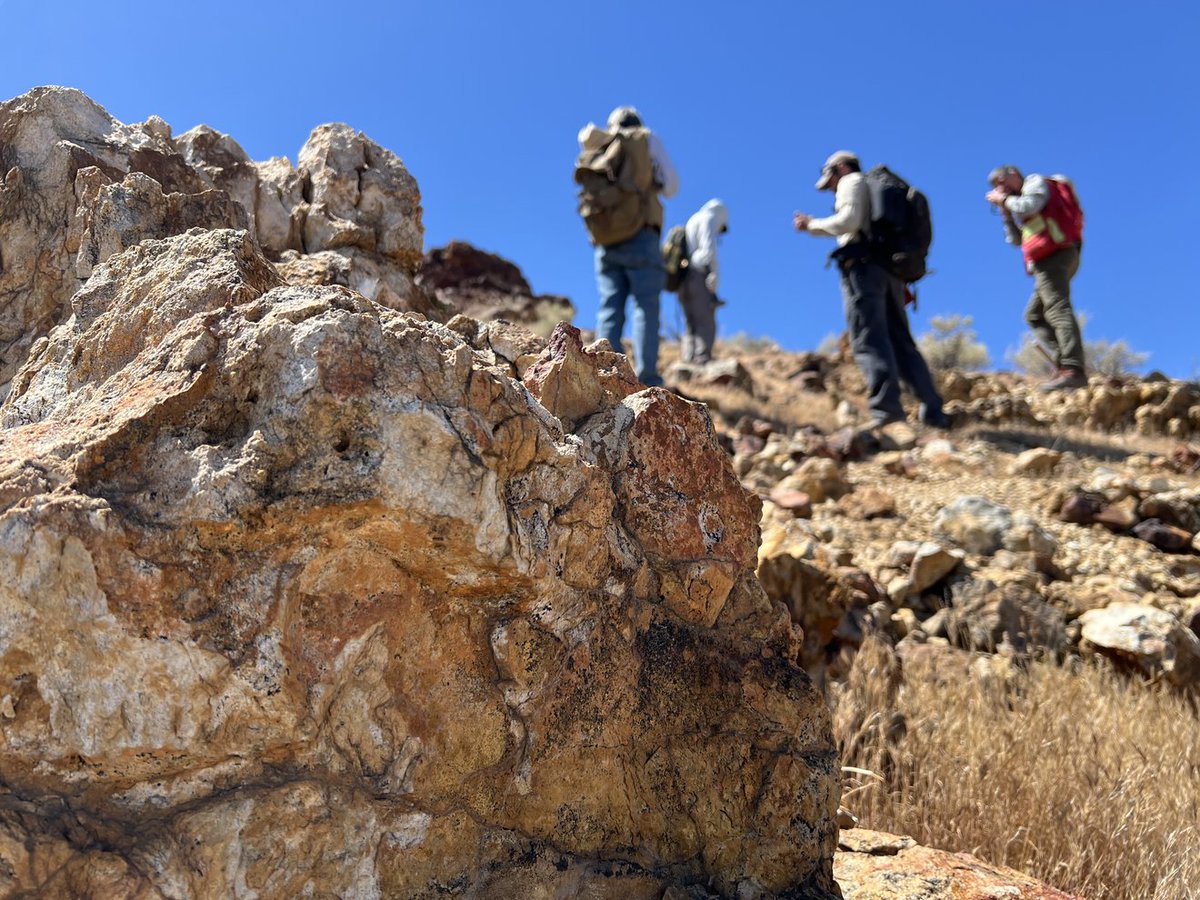
ALT Four people with backpacks pause to examine rocks on a hillside under a clear blue sky, with a large orange and tan boulder in the foreground. Credit: NASA
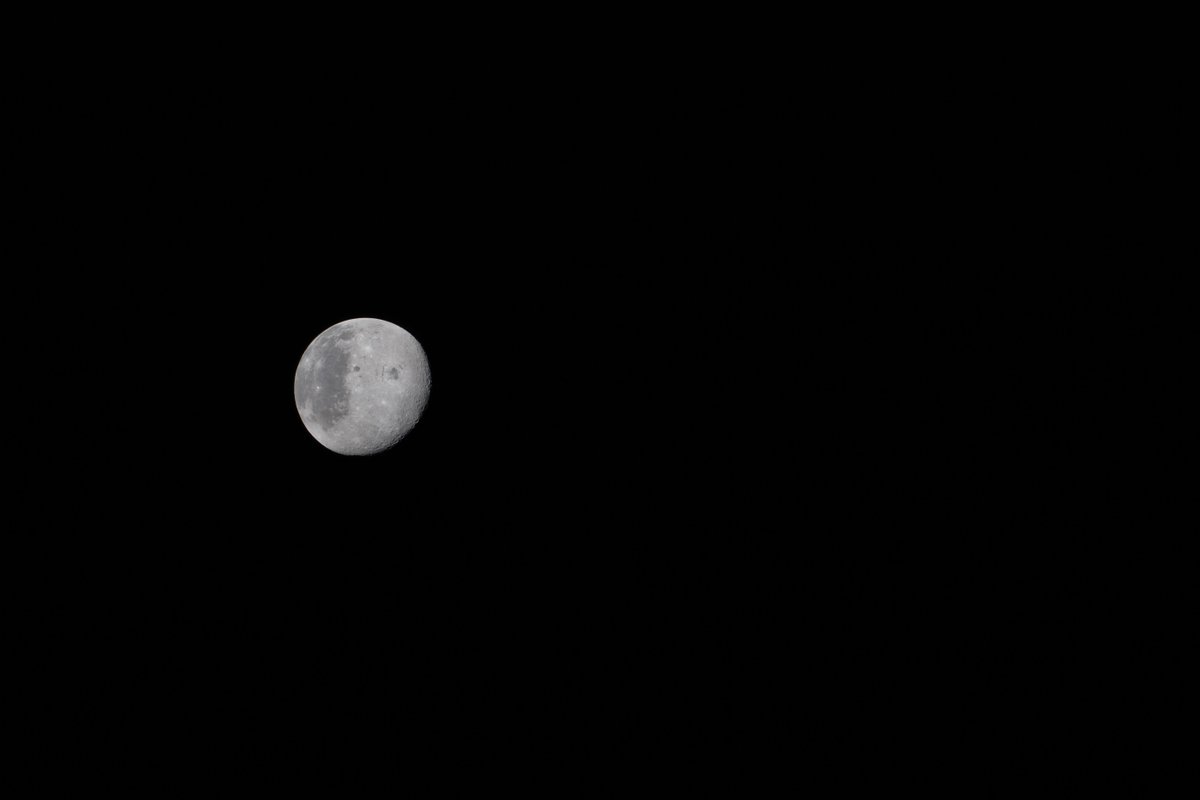
ALT This photo of the Moon was captured by the Artemis II crew aboard the Orion spacecraft a few hours before the lunar flyby on April 6, 2026. During the flyby, the crew captured critical science observations as they traveled around the far side of the Moon, traveling farther than any humans ever before. The Moon resembles a gray cratered orb in the distance, standing out against the blackness of space. Credit: NASA
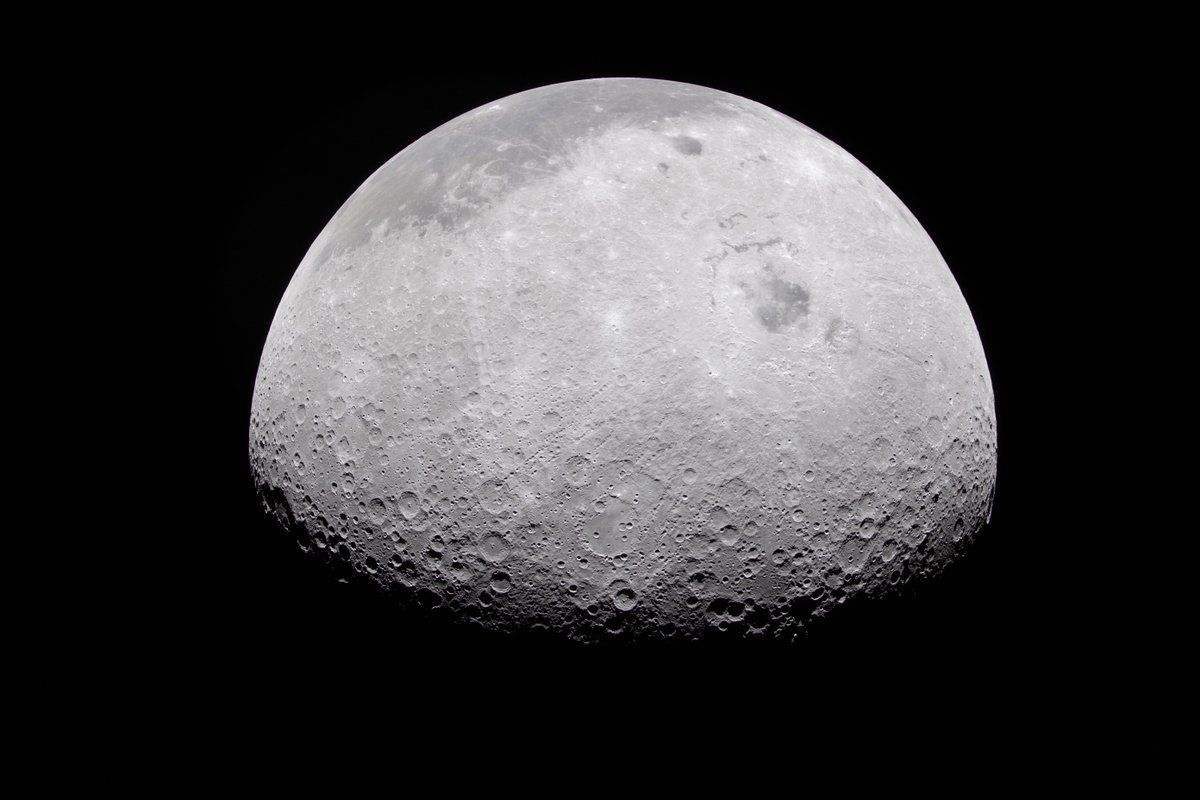
ALT The Moon appears half-illuminated in this photo captured by the Artemis II crew on April 6, 2026. The terminator — the difference between light and darkness — provides a stark contrast and even greater perspective of the Moon's rocky, uneven, and otherworldly surface features. The near side of the Moon, which is what we can see from Earth, appears in the dark gray regions at the top of this image. The Moon stands out against the blackness of space around it. Credit: NASA
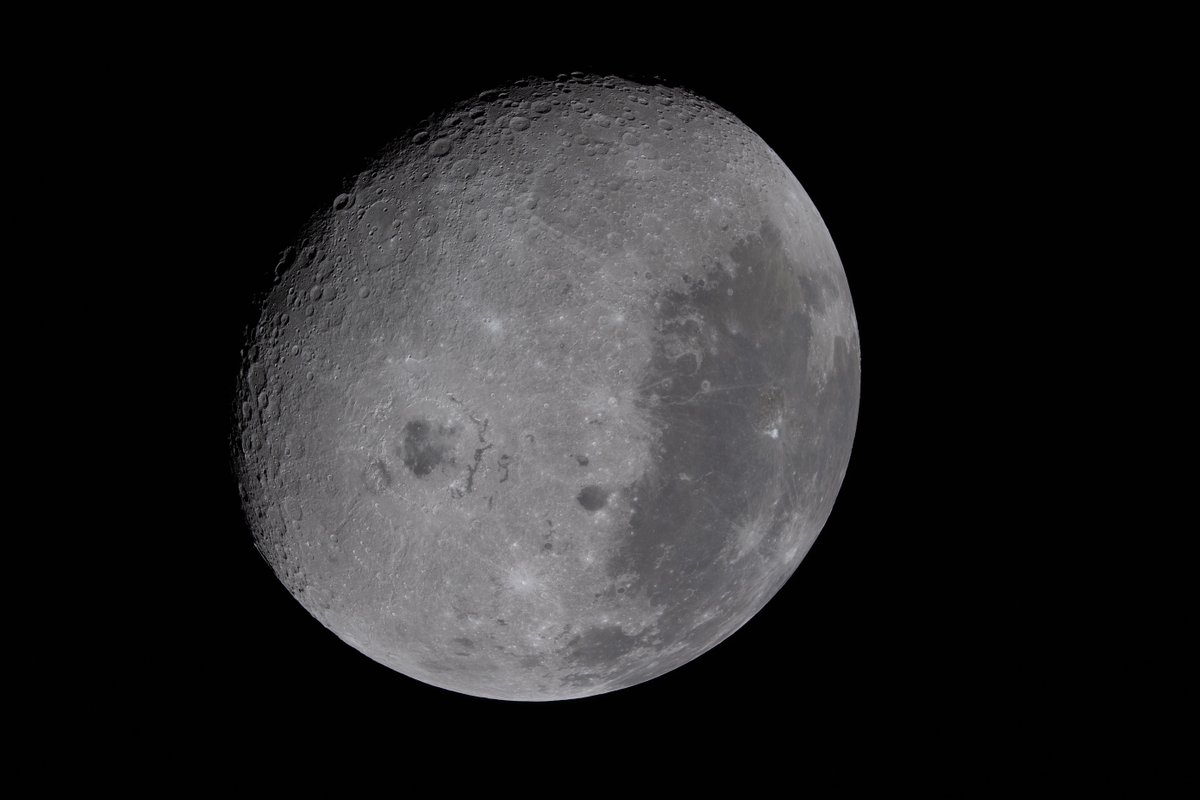
ALT The Artemis II crew was tasked with capturing many key features visible in this image of the Moon, captured on April 6, 2026. The terminator, or the difference in light and darkness, is visible on the top left. The large dark gray area toward center-left is Orientale Basin, while the characteristic dark patches of ancient lava flow we see on the near side are visible on the right half of this image. The Moon stands out against the blackness of space around it. Credit: NASA
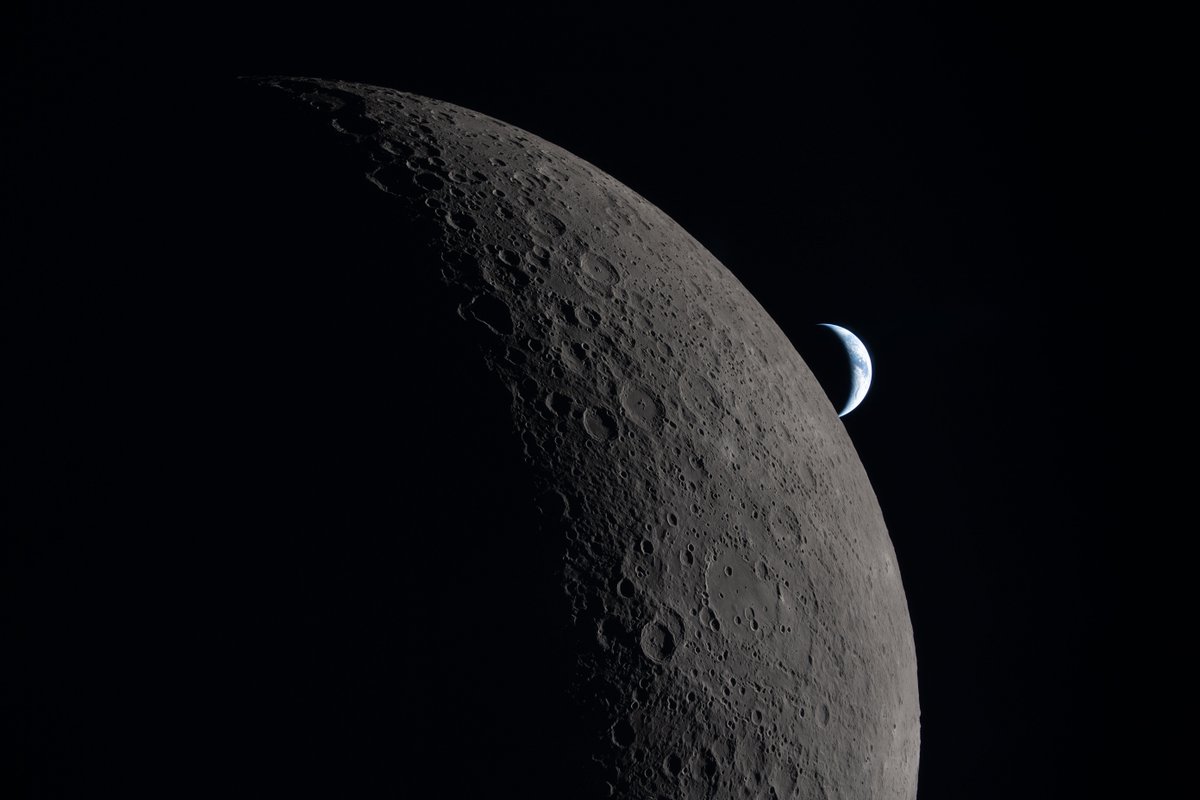
ALT This photo of a crescent Moon and crescent Earth was taken by an Artemis II astronaut during their lunar flyby on April 6, 2026. This image captures one of the final moments before their loss of signal with Earth as the Orion spacecraft flew around the far side of the Moon, reemerging and regaining contact approximately 40 minutes later. Earth can be seen peeking behind the Moon in the distance. The illuminated regions of the Moon and Earth stand out against the blackness of space, while the rest are swallowed in shadow. Credit: NASA

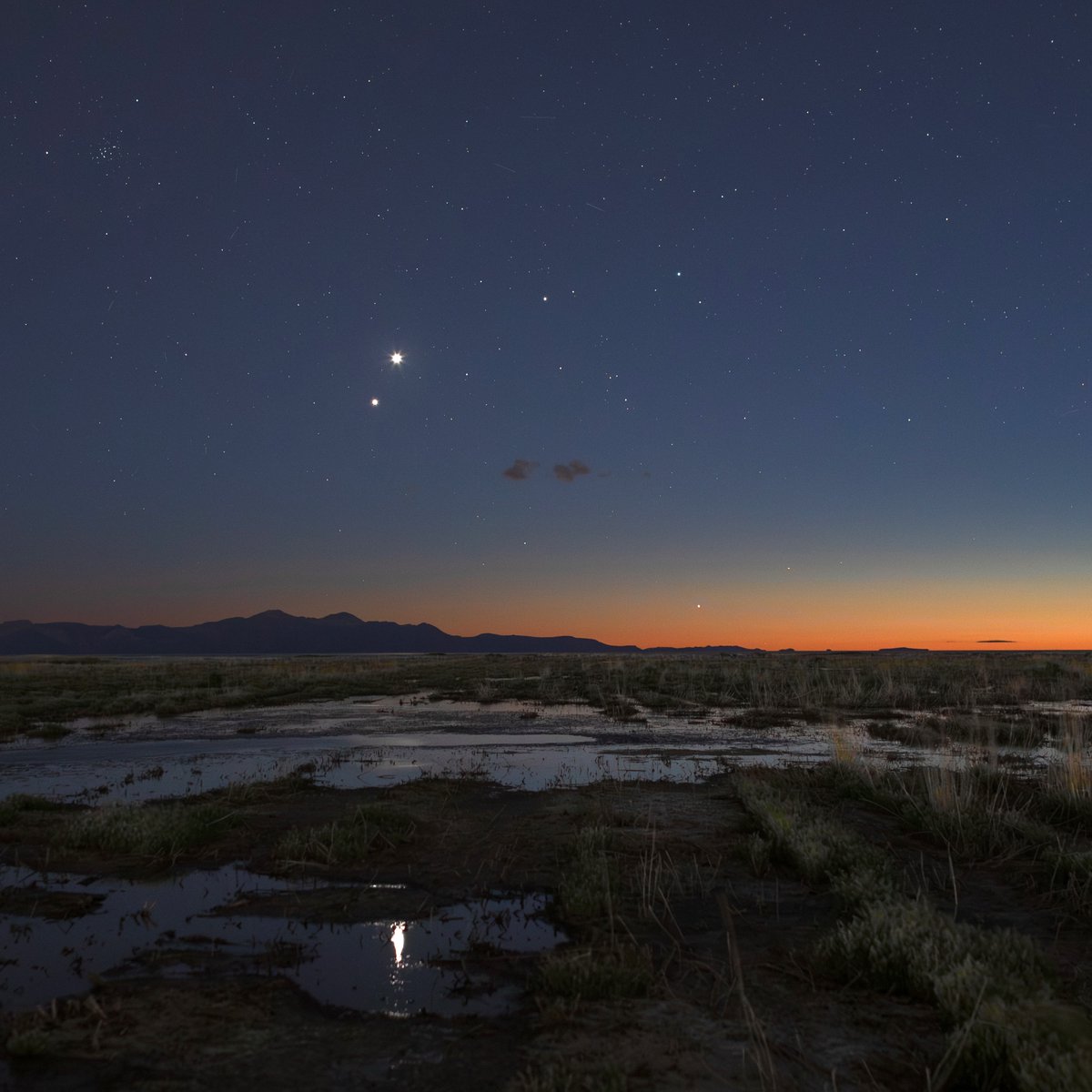
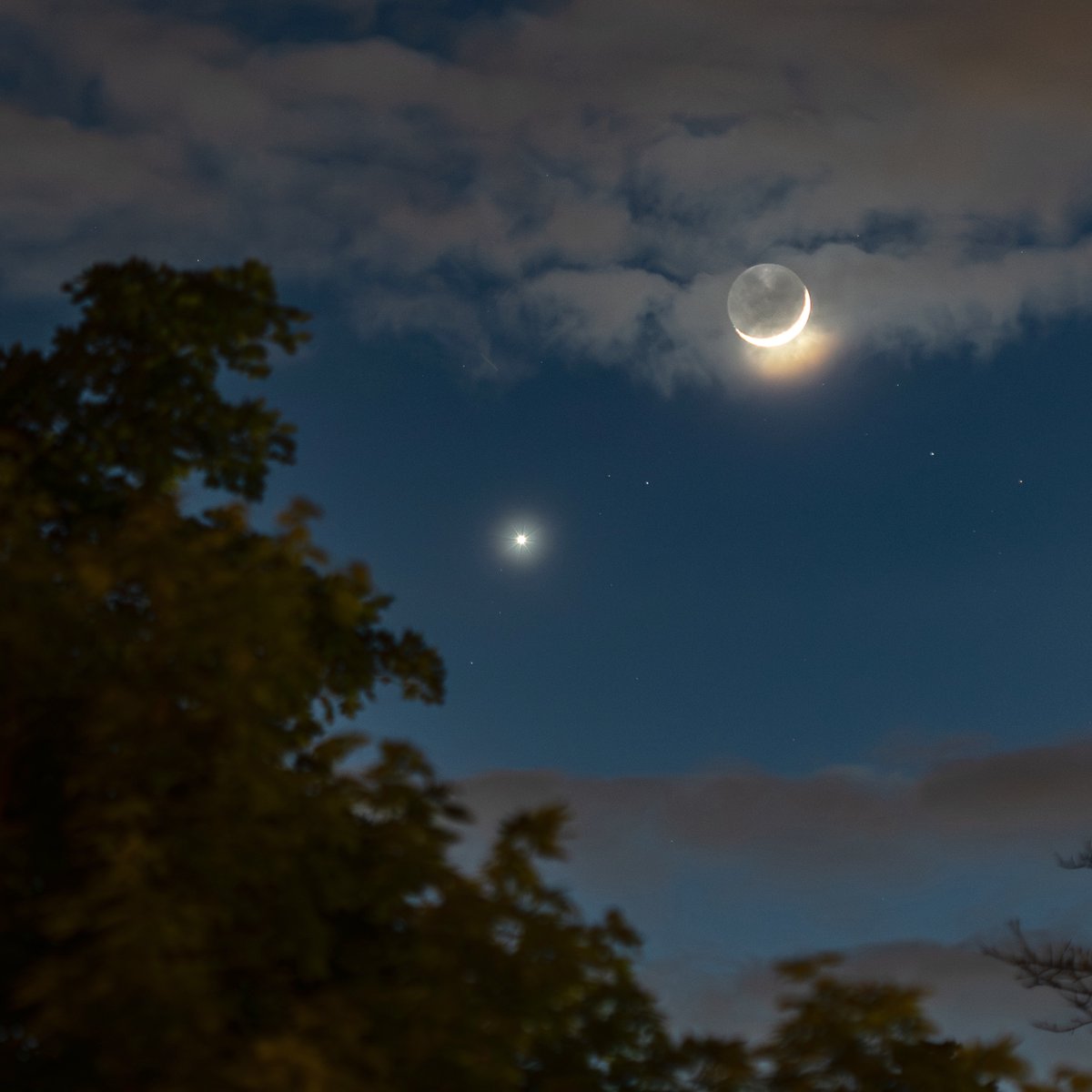
ALT Jupiter and Venus appear as a pair of bright "stars" in the late evening sky. Their light is reflected in the waters of a marsh. Photo: NASA/Bill Dunford

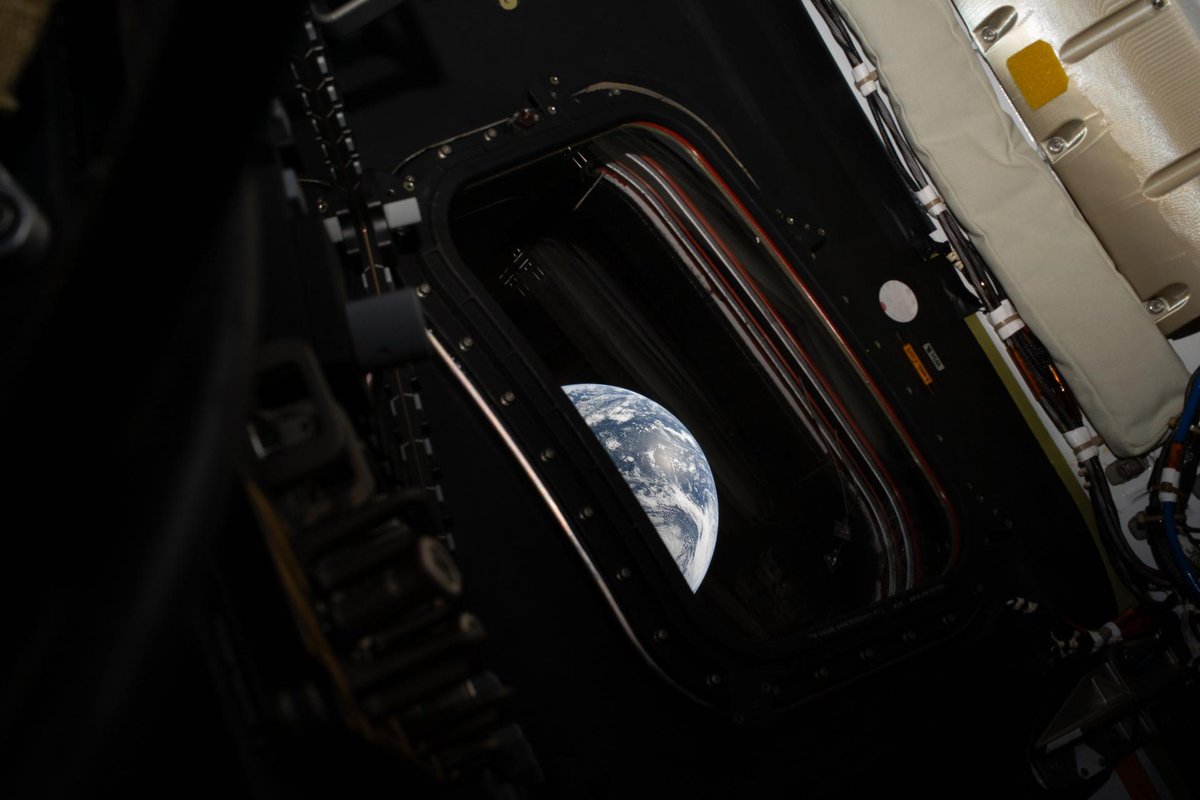
ALT A view of Earth through a spacecraft window, showing the blue-and-white planet partially framed by the dark interior structure, cables, and hardware inside the spacecraft.

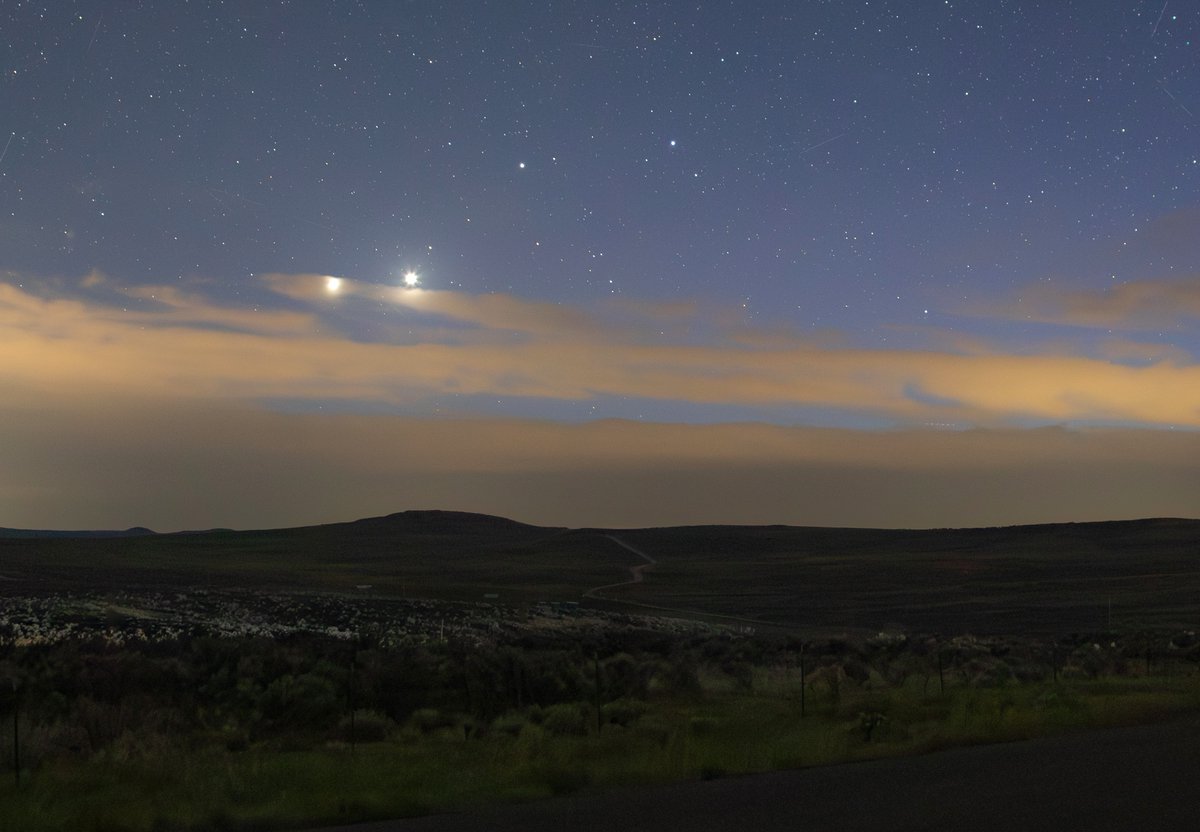
ALT Venus and Jupiter in conjunction, appearing as two brightly glowing stars close together amid clouds. Photo: NASA/Bill Dunford
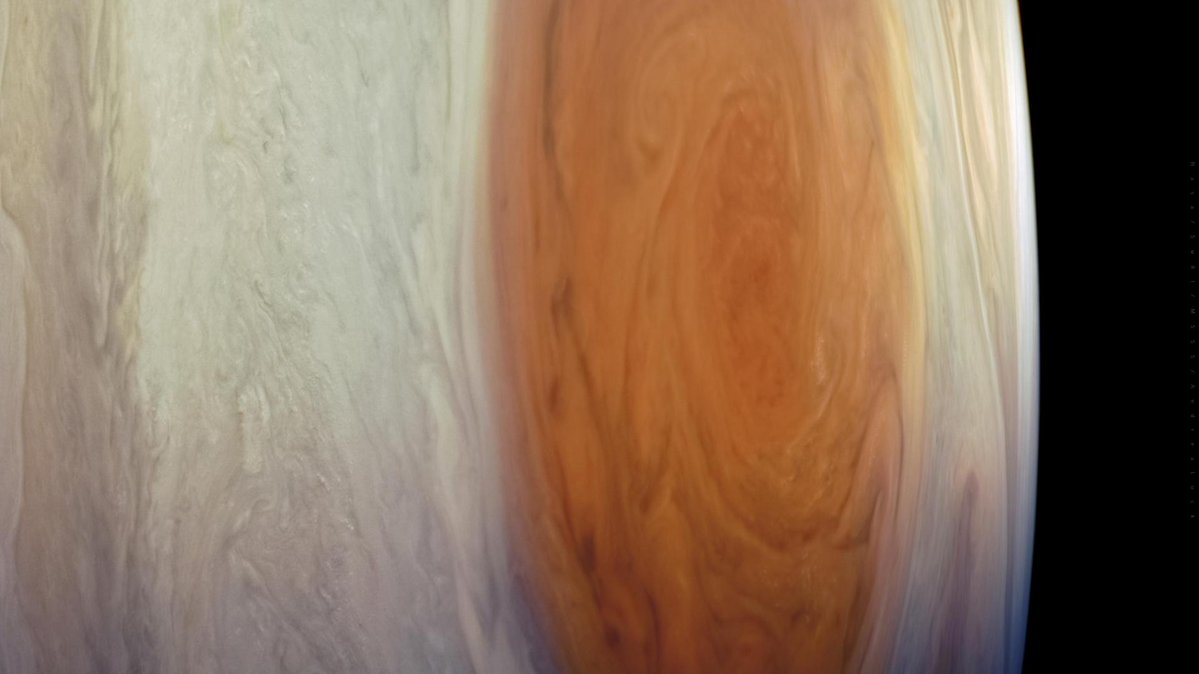
ALT A close-up view of the swirling clouds of Jupiter's Great Red Spot as seen by NASA's Juno spacecraft. Citizen scientist Andrea Luck processed this image from raw JunoCam data.

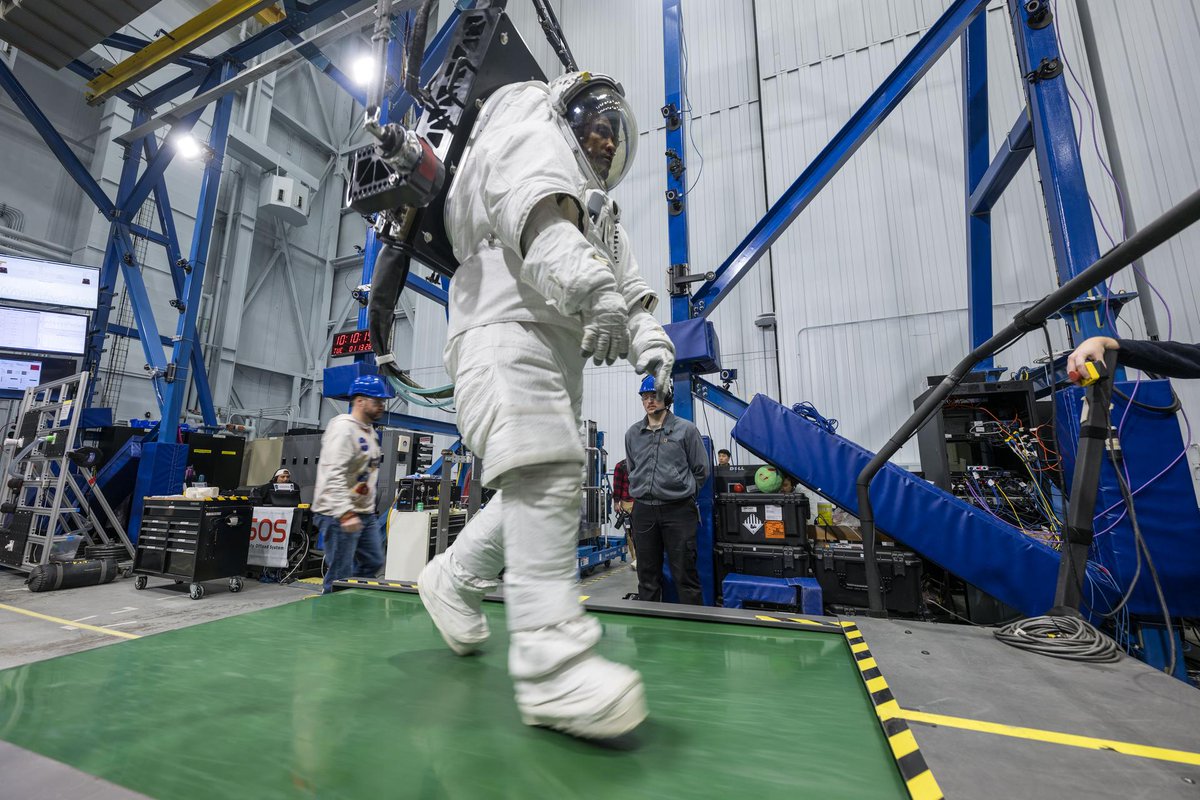
ALT An image of Victor Glover wearing a white spacesuit walks on a treadmill-like platform inside a large testing facility while attached to a support system that helps simulate lunar gravity. Engineers and technicians observe nearby as the astronaut tests mobility and movement capabilities for future Artemis missions. Blue structural frames, monitoring equipment, and cables surround the test area.
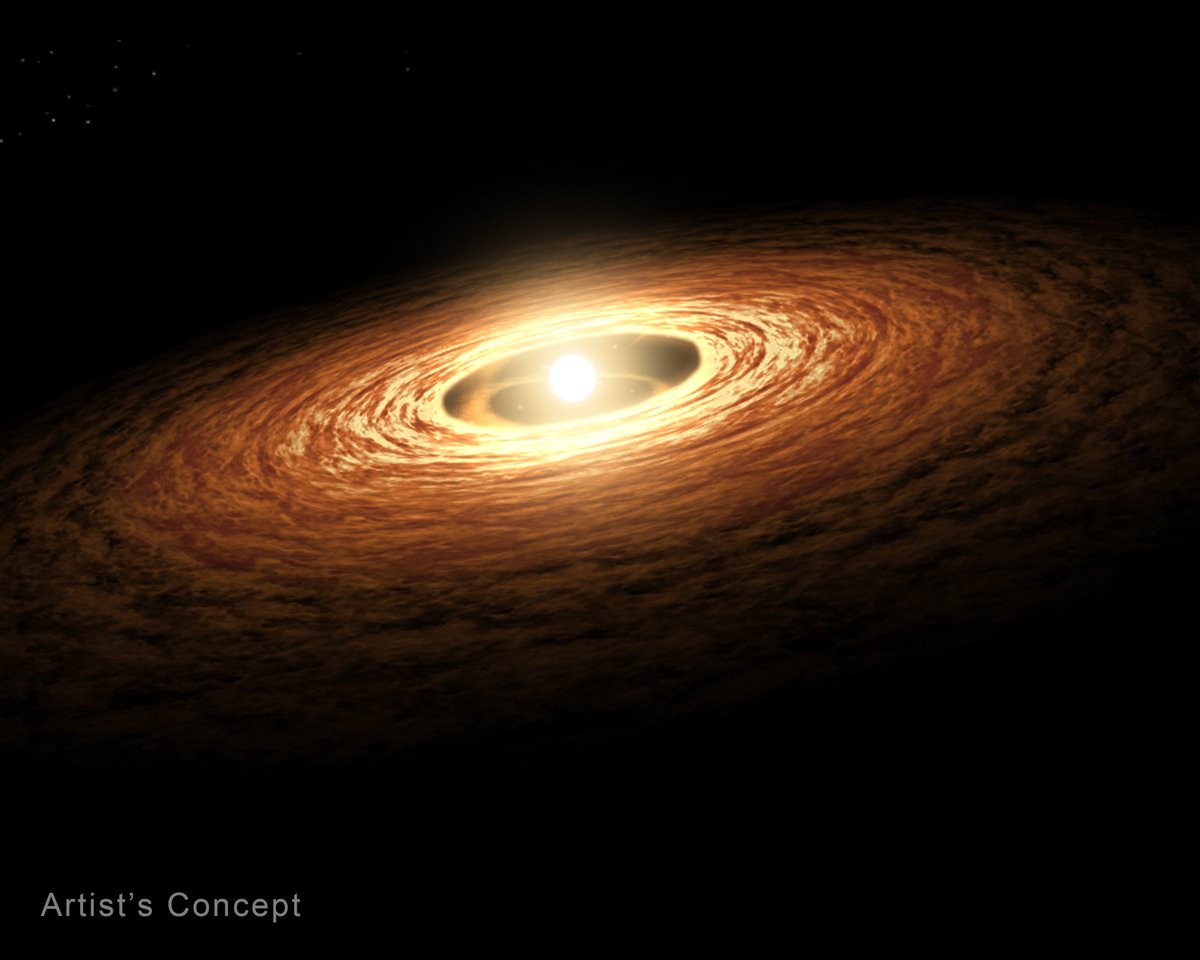
ALT This is an artist’s impression of a young star surrounded by a disk of gas and dust. The illustration depicts a glowing central star surrounded by a swirling, flattened disk of dust and gas, viewed from an angled perspective against a dark background.
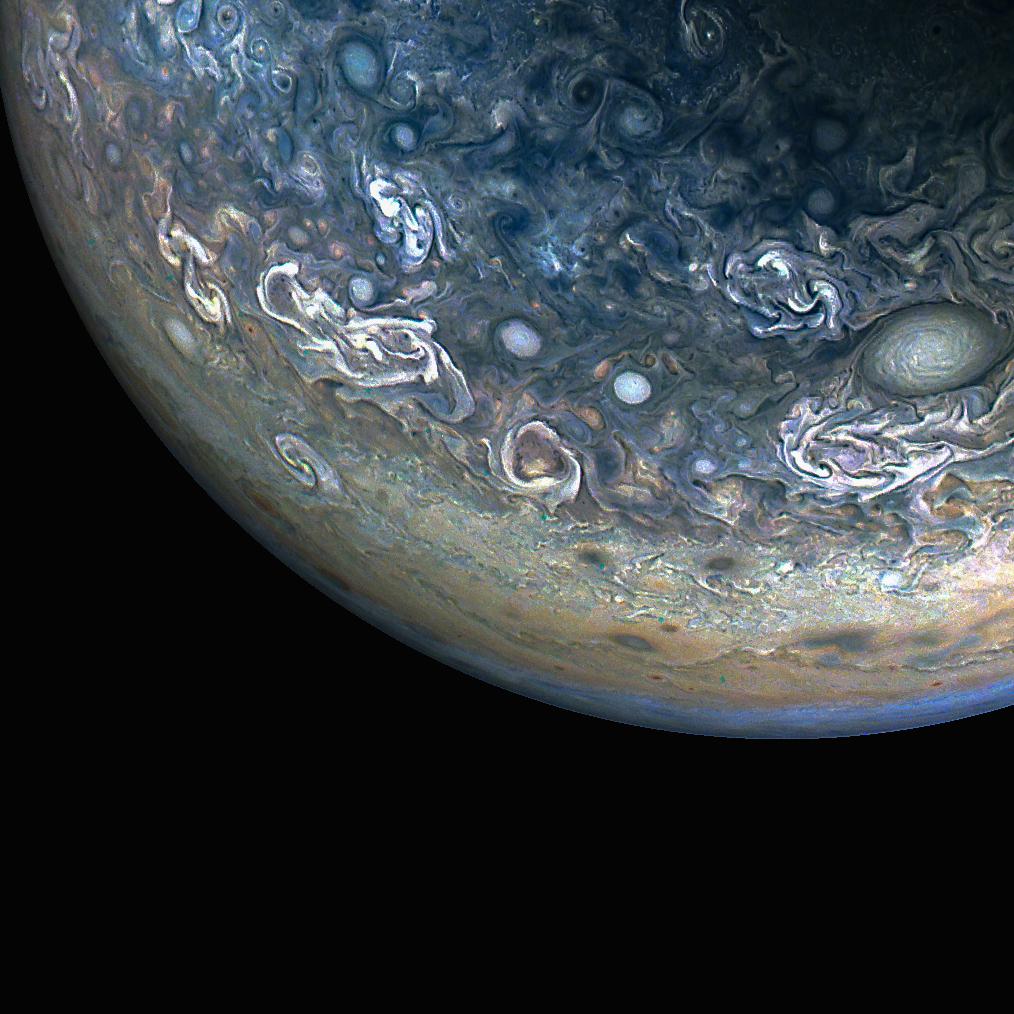
ALT During its 61st close flyby of Jupiter on May 12, 2024, NASA's Juno spacecraft captured this color-enhanced view of chaotic clouds and cyclonic storms in the giant planet's northern hemisphere. Citizen scientist Gary Eason made this image using raw data from the JunoCam instrument, applying digital processing techniques to enhance color and clarity. Credits: Image data: NASA/JPL-Caltech/SwRI/MSSS, Image processing by Gary Eason © CC BY
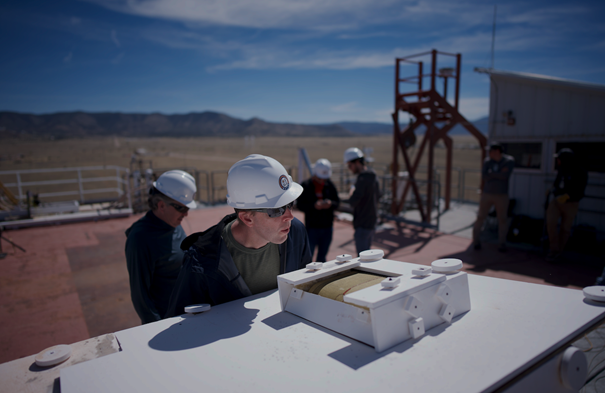
ALT Lockheed Martin engineer Derek Shannon evaluates samples of thermal protection material for the Dragonfly heat shield before testing at Sandia National Labs’ Solar Thermal Test Facility in Albuquerque, New Mexico. (Credit: NASA)
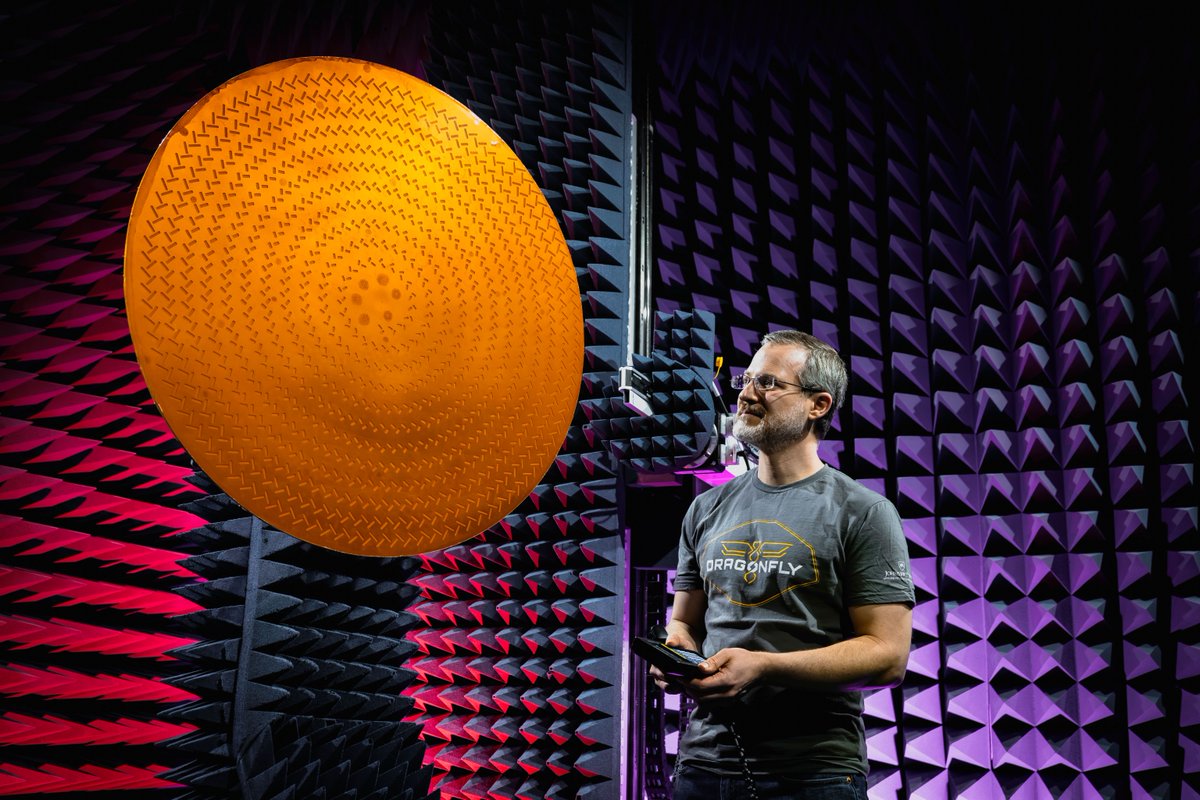
ALT Dragonfly lead antenna designer Matt Bray inspects Dragonfly’s high-gain antenna, or HGA, in a test chamber at the Johns Hopkins Applied Physics Laboratory in Laurel, Maryland. The HGA is a radial line slot antenna that uses many small slots working together to create a narrow, focused radio beam. The cones in the background are special absorbers that soak up stray radio waves, making the room act more like open space. (Credit: NASA/Johns Hopkins APL/Ed Whitman)