
Doer of the difficult. Champion for talent. Inventor of things. Builder of Machines. North Sea O&G, Nuclear Power, Subsea, Heavy Manufacturing.
Joined December 2021
- Tweets 24,726
- Following 983
- Followers 37,038
- Likes 26,653
3,050 Photos and videos







Pinned Tweet

29 Aug 2025
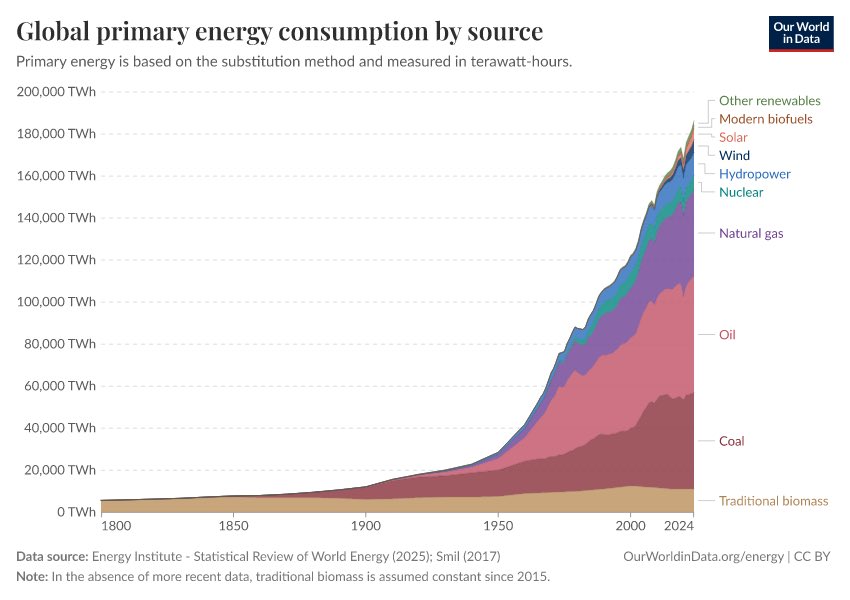
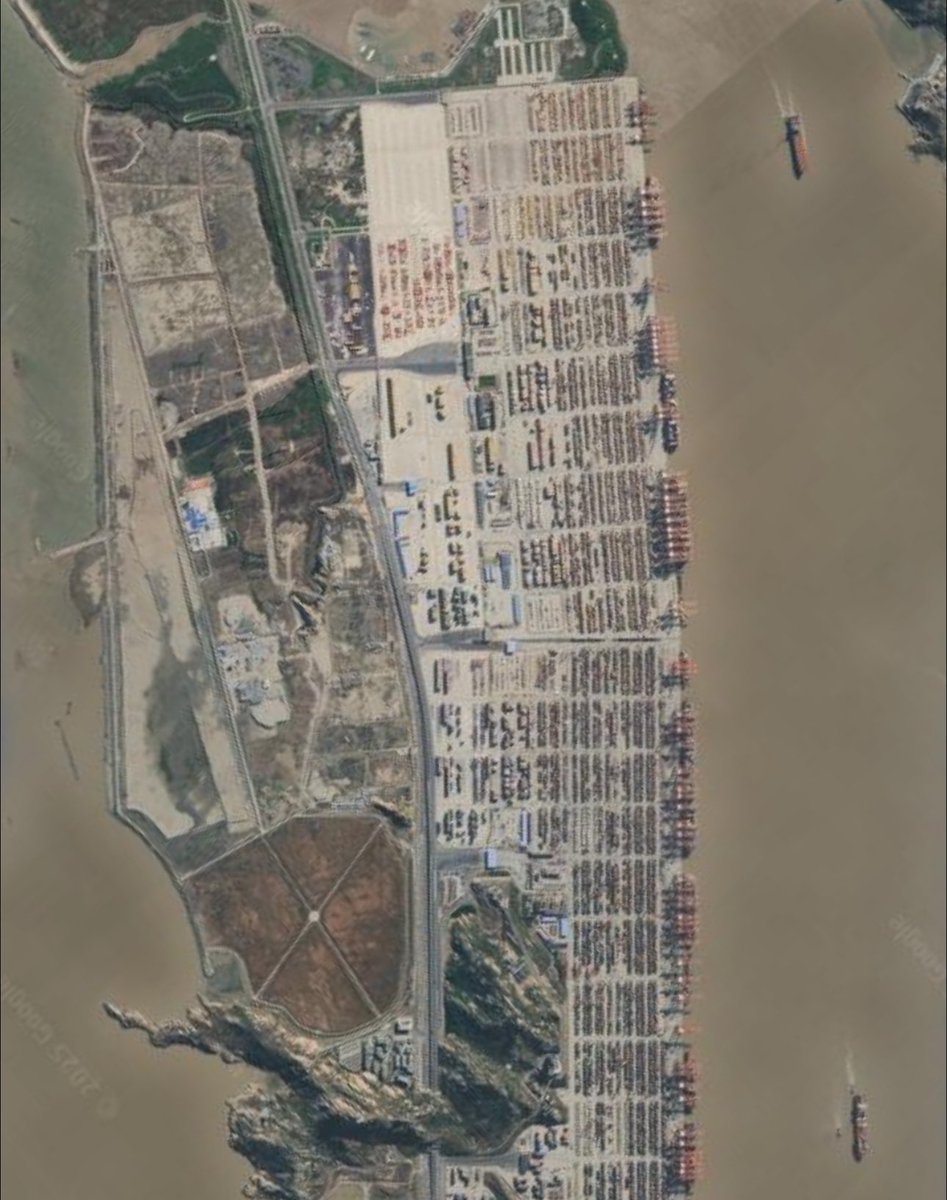
This is what a $2 trillion economy will look like by 2050.
1x port facility with 3x8km lay down area
1x robot fab plant producing 100 bots / hr
1x 1GW datacenter running inference
1x 3GW nuclear power station
= 2 million robots labouring 24/7 in temp buildings
47
65
1,144
122,321
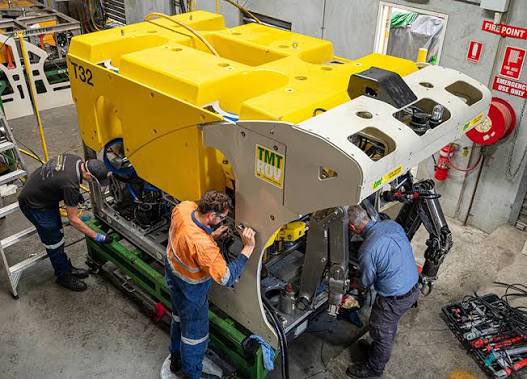
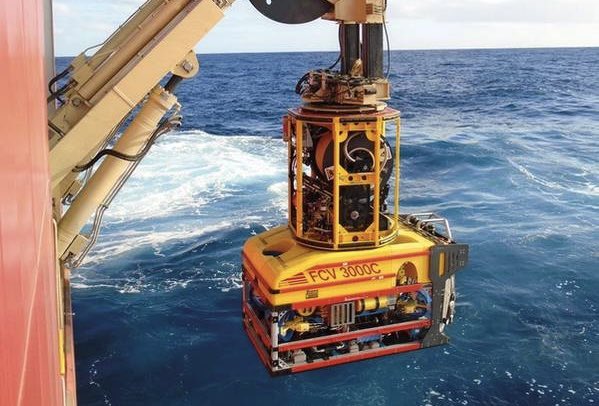
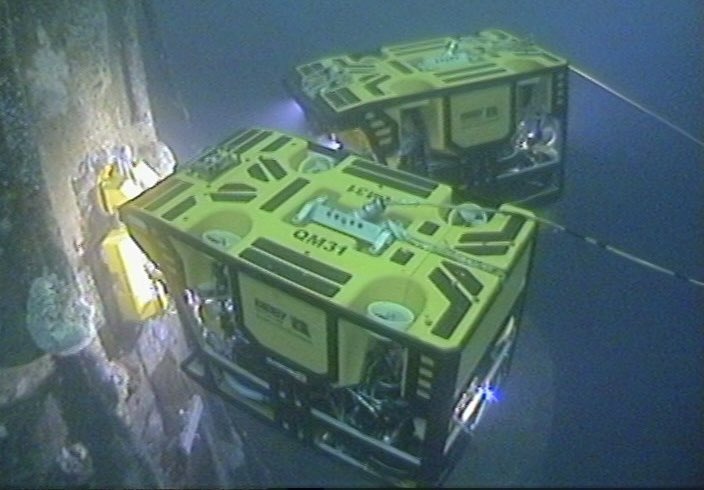
Work Class ROV
This is a subsea Remote Operated Vehicle (ROV), this is what the offshore industry uses to inspect pipelines, subsea cables, oil platform structures, subsea wellheads.
ROVs are much larger than you might think. They’re about the size of a mini bus.
They get lifted over the side of a ship with an “A-Frame” and lowered into the sea with a Tether Management System (TMS).
You lower the ROV TMS down to the bottom of the sea with a crane wire that runs over the A-Frame and at or near the seabed the ROV will fly away from the TMS and head off to its planned destination to do whatever work it is doing.
The ROV typically has 2 large hydraulic manipulators on the front of it along with lots of cameras and it behaves lift a giant crab able to pick things up and turn valves open / closed.
ROVs are neutrally buoyant and surprisingly agile under the control of a skilled pilot. They can complete a large variety of tasks without risking the life of a diver.
These things have existed for around 30 years now and have been used all over the world for much of that time. Even down to depths of 3,000 meters.
A lot of the work is surveys, repair and maintenance but there’s also a lot of construction work and increasingly decommissioning work too.
Huge cost savings available in the automation of these capabilities, but not an easy thing to do.
1
11
56
3,128
Jun 10
Asteroid Mining
This is something that is obviously far in the future and still extremely difficult to do.
However the video below is real. That’s real video from a real spacecraft lander, landing on a comet. The white cliff on the left is ice, the white dots on the right are stars.
The little rocks are little rocks.
This is comet 67P from the Kuiper belt, we landed on it in 2016 with a probe called Philae.
Philae was 100kg probe, and obviously if you want to mine an asteroid (or comet) you need to send something big enough to send stuff back to Earth (or somewhere useful).
But it’s weird that we did this 10 years ago, and sort of just memory holed it. A lot of things that happen in space get forgotten quickly, even when the videos are as cool as this one.
37
68
569
14,377
Jun 3
PCB Motor Stator
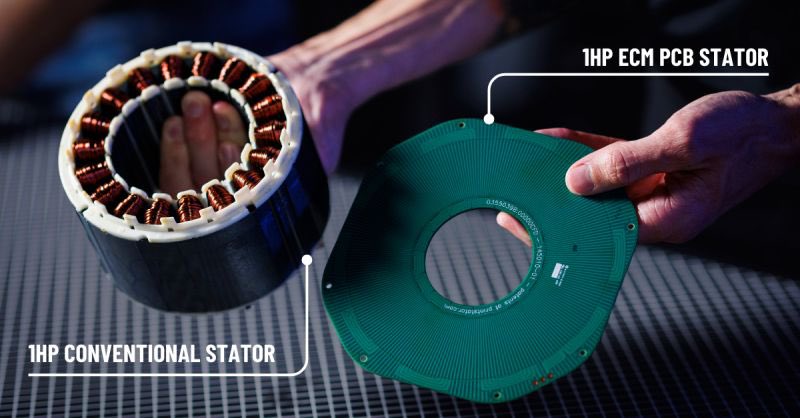
Why is industry so slow to move to PCB stator tech? You can sandwich a bunch of PCB stators together and create very densely wound coil.
Copper windings are the slow and expensive part of making motors and actuators, so why are we still winding copper coils when we’ve have a better solution since the 80s?
PCB stators are 70% lighter, they’re cheaper, they’re denser, they last longer.
Well it’s finally happening.
Multi-layer PCB stacks, better substrates than FR4, and better design and simulation software all combine to make PCB Stators technically and now commercially superior to copper windings.
IF… If you want to mass produce light machinery, then you could be developing your PCB stator capabilities.
They’re 70% lighter, and no manual windings, you can make them 10x faster and easier. Lower left is cottage industry stuff, lower right is very clearly the 10E8 technology.
At eg 50mm size…
A traditional high speed flyer-winder can make maybe 5,000 units / 24hrs
But a single lamination press machine can etch and press 50,000 PCBs / 24hrs, and they’re more precise. Fewer process steps.
In quite a few manufacturing applications the flyer-winder is what limits production capacity of an entire product line.
Also, have you heard of CVD Diamond etching?
Industry can already grow single crystal diamonds that are 20x20mm wafers.
When we can do this at 100mm you can get diamond stators, and because the diamond band gap is ultra wide, diamond stators could carry huge voltages and thus very high power density with excellent thermal dissipation.
So errr, yeah.
If I was an ASI and I was interested in embodiment… and I was looking to allocate some resources to the sort of embodiment I would like… this might be the sort of thing I would put a high value on.
24
48
412
43,963
Jun 3
Single Crystal CVD Diamond
Have no doubt, you are at the dawn of an industrial revolution. There is a string of breakthroughs happening throughout upstream industries that all compound.
Diamond manufacturing is now able to produce CPU size single crystals wafers.
Currently these are marketed as heat spreaders because they have thermal conductivity of 2,200 W/mK which means they move heat incredibly effectively.
However, that somewhat misses the wood for the trees…
Diamond has physical and electrical properties that exceed traditional silicon, making it uniquely suited for high demand applications.
Thermal Conductivity: Heat is the enemy of electronics. Diamond conducts heat better than almost any other known material, about 5 times better than copper and over 10 times better than silicon.
A diamond chip can act as its own heat sink.
Ultra Wide Bandgap: Diamond can handle massive amounts of voltage and operate at incredibly high temperatures without electrical breakdown.
This makes it perfect for high power applications like electric vehicle inverters, power grids, and aerospace technologies.
High Frequencies: Electrons move very quickly through diamond, allowing chips to operate at much higher frequencies, which is ideal for advanced telecommunications and radar.
Radiation Hardness: Diamond is incredibly resilient to radiation, making diamond based chips ideal for satellites, space exploration, and nuclear facilities.
To make a material act as a semiconductor, you have to "dope" it. To do this you inject impurities into the crystal lattice to create a positive (p-type) or negative (n-type) charge.
Diamond's atomic structure is so tightly packed that forcing other elements into it is hard. While p-type doping (with boron) has been figured out, reliable n-type doping (with phosphorus) remains a massive hurdle.
Theoretical ceilings
Band gap
Silicon wafer = 1.1 eV
Diamond CVD wafer = 5.5eV
Clock speed
Silicon wafer = 5-6 GHz clock wall
Diamond CVD wafer = 1-2 THz clock wall
Max Running Temp
Silicon wafer = 150°C
Diamond CVD wafer = 1,000°C
Whilst we etch silicon with photolithography and Extreme UV light, this doesn’t really work with chemically inert diamond.
Diamond CVD is currently etched with oxygen plasma etching, but this lacks the precision of EUV.
However, we can etch diamond to extreme precision with electron projection lithography. EPL was invented in the 90s by Bell Labs, IBM and Nikkon but abandoned as it was harder than EUV.
Electrons repel each other so the beams blurrs too readily.
What if we built a femto electron beam?
What if we built it to extreme such that it was a ‘single electron’ pulse?
What if we build a microscopic "bed of nails" containing millions of nanoscale tungsten or silicon tips (photocathodes). You shine a massive, highly complex femtosecond laser system across the entire array.
Every time the laser pulses, millions of tiny tips each fire a single, perfectly straight electron at the exact same time.
Turns out, research teams at likes of MIT and Stanford are currently experimenting with exactly this, laser driven nanotip electron emitters.
Pair that tool with Diamond CVD substrate tech and we approach the material limits of both semiconductors and nanotechnology.
Would require asynchronous logic to escape fatal clock skew and operate at full capability.
But I think I will live to see it.
76
303
2,803
665,762
Jun 2
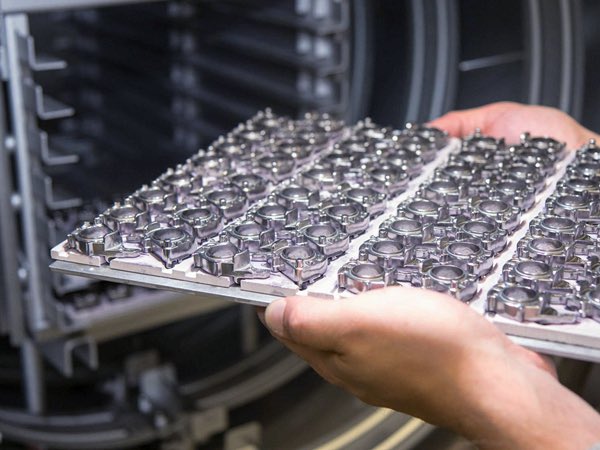
Metal Injection Molding (MIM)
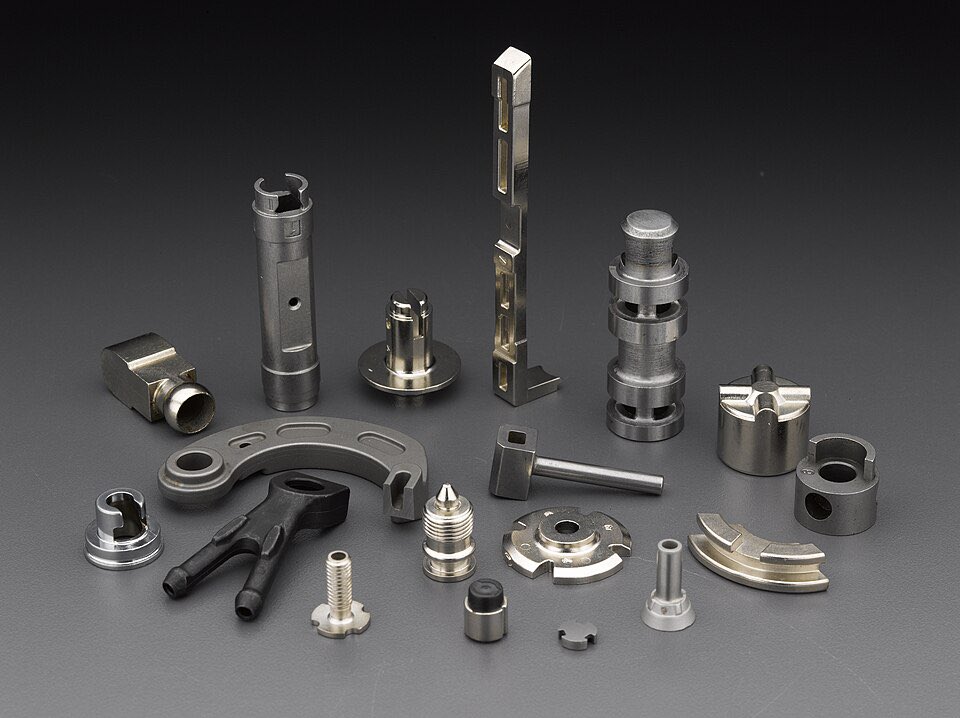
This is a metalworking process in which finely powdered metal is mixed with a binder material to create a "feedstock" that is then shaped and solidified using injection molding. Similar to Hot Isostatic Pressing with but rapid and continuously repetitive shots.
MIM combines the characteristics of powder metallurgy and plastic injection molding to make small, complex-shaped metal components with genuine metallic mechanical properties.
The molding process allows extreme high volume production of complex parts to be shaped in a single step.
After molding, the part undergoes conditioning operations (shot blasting, sintering, annealing, etc, depending on part) to remove the binder and densify the powders.
Metal injection molding equipment available today has size limitations, products are usually molded using quantities of 1kg or less per "shot" into the mold.
But there’s no real reason the process cannot scale for larger parts, we just don’t see much of it.
A shot can be distributed into multiple cavities (forming a sprue, think airfix tray), making MIM cost-effective for small, intricate, high-volume products, which would otherwise be very expensive to machine.
eg a single sprue could form all of the structural members for an autonomous machine (a robot).
MIM feedstock can be composed of all sorts of metals, but most common are stainless steels, widely used in powder metallurgy.
After the initial molding, the feedstock binder is removed, and the metal particles are diffusion bonded and densified to get the strength properties.
The latter operation typically shrinks the product by 15% in each dimension, so not necessarily a single step to high precision parts, but excellent for structural members, such as robotic limbs.
Tolerances are around /- 0.05mm ( /- 0.002”)
Finished products are small components used in many industries and applications.
If you wanted to manufacture extreme high volume meta-scale mechanical products… this is how I would do it.
I don’t really see anyone doing this?
MIM gets you down to an idiot index of 1.01-1.10 it simply cannot be defeated.
MIM is how I would make 500k drones / day
MIM is how I would make 10b humanoids
Instead I see 3D printers and lathes?
I would design, test and develop the wide-tolerance absurd-volume branch of the tech tree, and I would bet that the chips/AI can figure out how to control machines with wide tolerances and high backlash.
Push all tolerance costs into the intelligence stack.
Such a manufacturing facility would receive metal powder, it would host parallel MIM and assembly cells, ex works would be the packaged assembled product.
Taken to finality you literally have freight trains dump truckloads of metal powder into a receiver hopper, and have drones and robots marching out the other end.
The manufacturing know-how and equipment to do this already exists today. Mass manufacturing in 21st Century does not mean resurrecting your grandfather’s trades and craft.
Car plants are for 100k - 2m units / yr
But you do it differently if you want to hit 100m - 1b units / yr
Honestly I think *everyone* is doing it wrong.
But hey, just one man’s opinion, always happy to be proven wrong.
14
22
271
12,406
May 25
Nvidia Kyber Rack Architecture
In 2028 - 2029 Nvidia is moving to their next generation of AI Factory architecture.
They call this Kyber
They are making several fundamental boundary and interface changes to their rack system and working with suppliers to try and ensure they are ready to build and deploy Kyber.
So what changes?
Firstly the electrical power (PSU) is completely different. Historically servers ran on 54V power (half the 110V that US mains supply). Kyber completely changes the entire PSU and moves to 800V DC
This is a 16x jump in voltage, it is necessary because it eliminates a lot of heat dissipation and is the unlock for some of the other changes.
There is also a potential step up to 1.5kV DC beyond this, but that depends on whether industry can scale the energy wall problem.
The energy wall the main concern that everyone raises in public, which leads me to…
Power consumption is the other big change, historically a rack would run at 10-20kW (I built a refurbished HPC cluster back in 2016 with 36 tower servers and the whole setup was 30kW).
More recently a single state of the art AI rack is 192kW which is really at the limit on 54V PSUs.
Kyber will launch at 600kW / rack capacity (in 2028) and will progress to accommodate 1-2MW per rack in the 2030s. Suddenly you see why 800V is necessary.
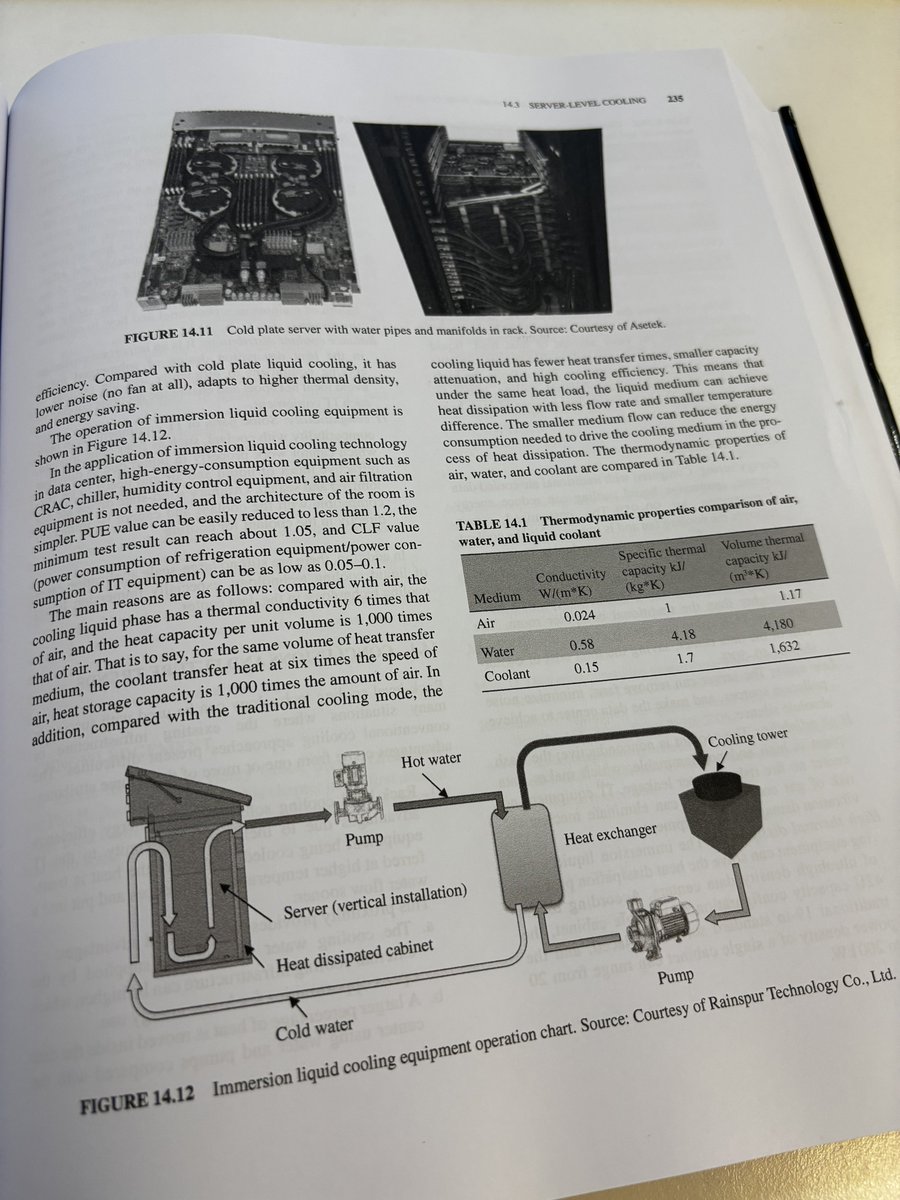
The other fundamental change is cooling, the air cooled era is over, from 2028 everything must be liquid cooled, the amount of thermal dissipation from a data center is going to increase substantially and vertically scaling of data centers will ultimately be limited by their local heat sink.
Kyber has a warm water loop that circulates the rack, much like the one shown in the book below.
On Kyber these are 2” inlets and 3” outlets, and the water will need to carry away 1-2MW of heat.
Water is 4,200 J/kgK, so a 20°K temperature rise would need flow rates of 12 litres/sec to dissipate each MW.
In Kyber the GPUs are vertically mounted, this is to allow the water coolant to circulate more effectively (heat rises).
A 1 GW facility needs to circulate 12 tonnesH2O / second through its IT equipment. By mid 2030s there will be demand for 5-10 GW facilities, these will require oil & gas flow rates.
Moving and managing 100 tonnes / second of coolant is no mean feat. But that is where we are going.
I personally think people are asleep on this. People are simply not seeing the wood for the trees, and this failure to plan ahead is what will kill this economic expansion in the cradle.
There are ways to deliver this, and to do it at scale, but no it does not involve scaling conventional SSCs.
The entire energy and infrastructure layers need to be rebuilt from the ground up, no existing incumbent is going to do this at risk (ahead of time), no incumbent boardroom would consider that compatible with their fiduciary duty.
Only a startup can do this at risk.
Hardware is made up of Systems, Subsystems and Components. Plenty of startups are building Components and there are a few building Subsystems, but nobody is attacking the infrastructure or energy Systems that the AI sector is racing toward.
Nvidia’s product roadmap is already in out there in public domain, and Nvidia are challenging industry to meet them out in the 2030s.
Industry hasn’t responded yet. It can’t!
It needs a PO. But those POs are much better placed with a new entity that is determined to do this from the bottom up and do it correctly.
That’s the only way this gets done At Risk (ahead of time). In China this is understood, this is why China is just brute forcing massive electrical overbuild, to have it as some sort of energy substrate. But honestly that’s dumb, power has geometry.
The smart thing is to build the energy system that’s needed, do it well and the same system provides the infrastructure
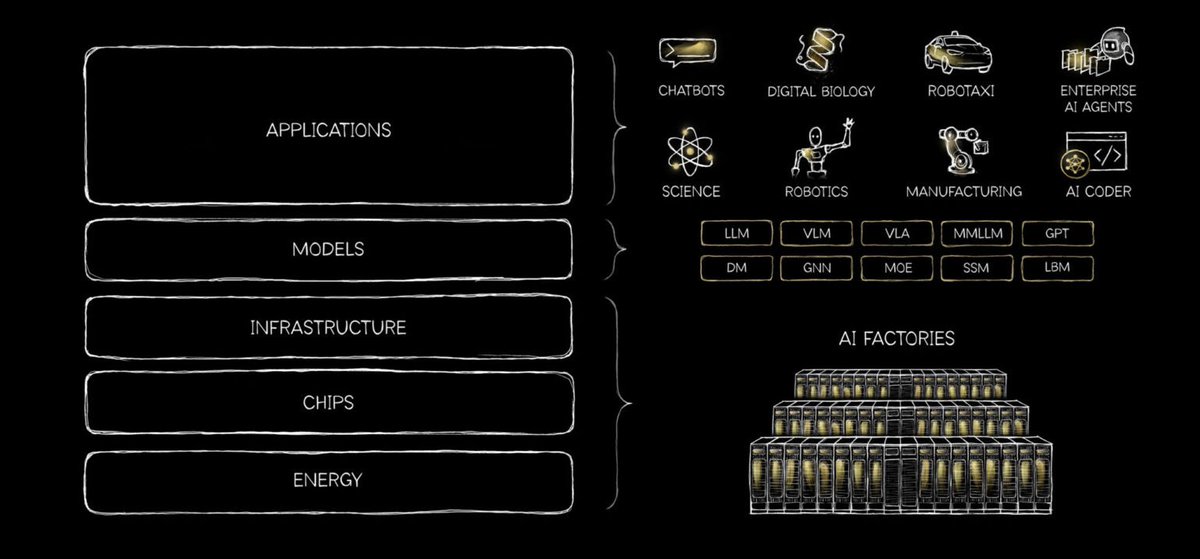
The five layers stack…
Applications
Models
Infrastructure
Chips
Energy
Applications, Models, Chips all have runway, infrastructure and energy do not.
3
12
87
4,693
May 24
Imagine the year is 2060
There are 12 companies that represent 70% of GDP, and the other 30% of GDP is 20 million “small companies”. 12 winners.
Instead of wondering “how could that happen?” instead try to think…
Q: What do those 12 companies do?
Is it the Mag7 5, or does something else happen? 34 years is a long time!
It’s the Mag7 who have double digit growth above $20bn revenue scale, this is what it takes to win.
Another way to think about this is to think about what the big economic sectors will be?
Travel?
Media?
Energy?
Food & Beverages?
Insurance?
But who knows? Recently the global economy is 60% services and 40% manufacturing. But that is probably not going to stay the same either.
Another way to think about it, is that governments are going to collect and spend 25-40% of GDP, what will governments want? Will that change? Probably but maybe not, human nature doesn’t change, but maybe human nature has to compete for government attention with something else?
… Another useful model that we have today is Jensen’s 5 layer cake.
Applications and models are ‘services’ and energy, chips and infrastructure are all ‘manufacturing’.
The top is “fast”, fast capital cycles, easy to disruption, fleeting advantages.
The bottom is “slow”, slower capital cycles, harder to disrupt, lasting advantages.
I would suggest that the top will be the highly democratised 20 million small companies, and as you go closer to the bottom, you now get to these huge opportunities to build an enduring industrial titan.
You probably end up with…
1-2 energy companies
2-3 chip companies
3-4 infrastructure companies
4-5 model companies
20 million application companies
This is clearly a grotesque oversimplification and is over prescriptive futurecasting, but this is the structure of the AI industrial revolution.
If you want to build a company that could be 1 of the 12 titans, where in the 5 layer stack would you build it?
Once you see this, you start to understand Meta’s capex (they need a model, or to commoditise the layer below them) and Apple’s quiet focus on edge inference (on device chips).
It’s hard to see far and strategically if you live in the fast capital cycle zone, likewise it’s hard to see inside the applications tempest if you live in the strategic capital intensive zone.
It’s a bit of a consensus that software / apps are cooked, but it’s not yet a consensus to see that the power law means all the titans are in the bottom 4 layers, and all big M&A exit opportunities will be in those bottom 4 layers.
Nvidia was the only major cashflow in this stack below the app layer, Anthropic is rapidly taking their place there too.
Everyone else has to R&D their way in, M&A their way in, or startup and win their category.
If you’re doing anything outside of the bottom 4 that’s great, but you are not going to be 1 of the 12 Titans in 20 years or so time.
You should invest all your time and effort accordingly.
10
23
127
6,708
May 20
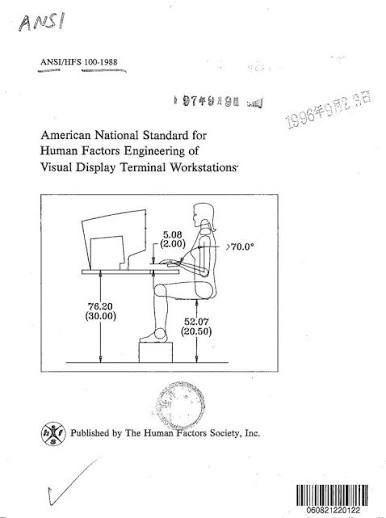
ANSI Std 100-1988
People don’t really believe in the butterfly effect, but this single 40 year old document is why humanoid robots will come to dominate industrial procurement a decade from now.
It’s also maybe the most ironically titled and ultimately backfiring documents in all of history, and just to pile on even more irony, that actually speaks to the strength and success of the document rather than any weakness.
The document was written to make workspaces more suitable for humans, it defined the human form as 5th and 95th percentiles of both male and female proportions.
The latest version is ANSI Std 100-2024 and it is referenced by almost every plant layout, retail layout, building code, design philosophy, product development, you name it.
ANSI 100 tells you what a human form is and how to build stuff that works with it.
If I were building a humanoid I would probably name it Andi Standard 100 because cultural references should be so obscure that you never actually meet anyone who gets it.
3
6
47
4,497
May 19
We are in the early stage of an industrial revolution, first one was steam and lasted 80years, second electricity 50yrs, third semiconductors lasted 40.
The period of disruption gets shorter so current one might last into 2040s.
Also, the first one was substantially missed by those who lived through it, the second one had partial awareness “age of invention” and third was largely anticipated.
History suggests people get the direction correct, but the institutional shape and economic winners are harder to forecast.
For most people the best way to think beyond any industrial revolution from the “before” side, is to try and imagine a world where everyone around you gains magical powers.
If you are lazy, your laziness will be empowered, if you want to build, create, or do something all of these things will be empowered.
The results of your choices get amplified.
Mechanisation, electrification, computers, every prior industrial revolution did this. But these new magical powers very quickly become normal, become mundane and are just another part of the substrate.
It’s not so long ago that when nighttime came it was dark and there were no lights, and everyone just sat in the dark. That’s incomprehensible today.
x.com/nvidia/status/20563975…
10
12
164
5,319
May 17
This is rapidly becoming the greatest product demo since Steve Jobs’ “one more thing”.
Congratulations folks, you have just exited the smartphone era. Welcome to the robot era.
May you live in interesting times.
May 17

We got bored. Time for Man vs. Machine x.com/i/broadcasts/1qGvvkQMg…
56
159
1,872
153,398
May 17
Natural Gas
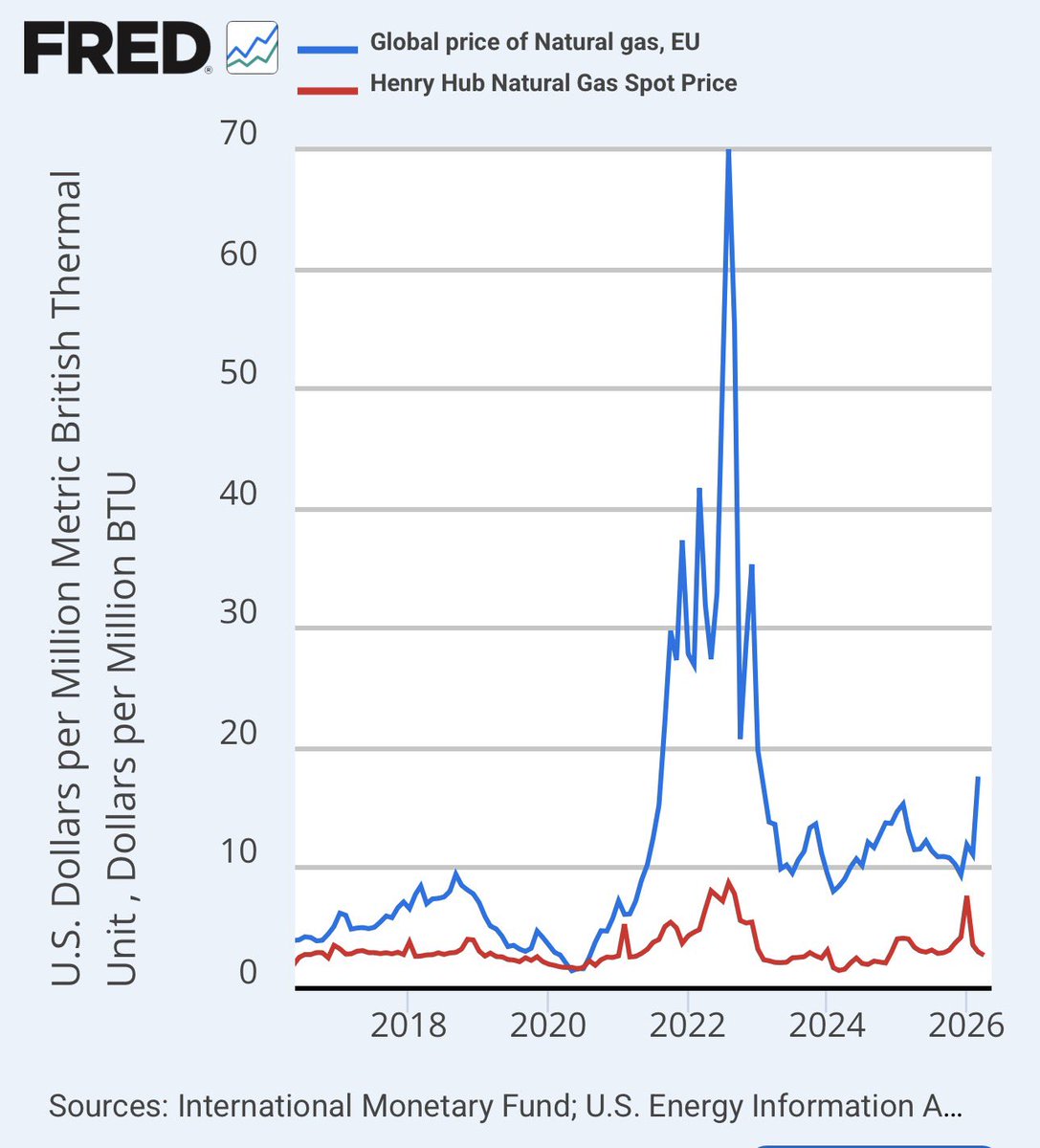
This is the price differential of natural gas on both sides of the Atlantic. The price difference is enormous for such a fundamental input commodity of any industrial economy.
🔵 Europe
🔴 USA
Heating, steel, fertiliser, electricity, chemicals, pharmaceuticals, aluminium, glass, cooking.
What is even more embarrassing here, is that Europe sits on top of enormous natural gas reserves. Geologically speaking, Europe likely has larger natural gas reserves than North America.
But the Europeans have banned their own gas. European gas is illegal in Europe, so Europe consumes American and Arabian gas instead.
It’s the same molecule, it comes from much further away. But this is logical in the European mind. And others are all to happy to sell to them.
Now gas isn’t perfect, it’s a pain in the ass to transport (it’s a gas after all, it lacks density, so your pipes and tanks look empty), it’s explosive too, also it doesn’t last forever, you use it and it’s gone.
But what is interesting here is the policy choices of Europe. Even at the dawn of an industrial revolution, one that comes with huge energy demands, and even with the Straits of Hormuz shut for almost 80 days now and global energy stockpiles rapidly drawing down towards winter of 2026, Europe doesn’t seem to get it.
Very happy with policy choices that make the most foundational input of their entire economy 2-5x more expensive than anywhere else.
Natural Gas is $2.60 in USA and $18.20 in Europe.
Europe has no Strategic Petroleum Reserve on the entire continent. Only China, USA, Japan and India have any SPR of note.
Again the Strait of Hormuz is shut, the world is facing both:
i) Soaring energy demand
ii) 10% crude oil deficit, 20% nat gas deficit
Before the Iran War the world had about 2,400m barrels of crude oil stockpiles, according to OPEC the deficit with the Strait closed is 10m barrels per day. That means 240 days.
The Strait has already been closed for 80 days.
So the world is maybe 160 days away from an energy famine, that’s October, right when it starts to get cold in Europe.
But “Nothing ever happens”.
That could be true, but a lot of the infrastructure in the Gulf isn’t just switched off, it was blown up. Export terminals and gasification plants have been destroyed with ballistic missiles.
It’s quite predictable what is going to happen, there’s just a very high level of denial at the moment. People want to look forward to the summer, not prepare for the winter, nobody wants to be the bearer of bad news.
So nothing will get done about this until at least September.
Further, if you actually want a strong industrialised economy and a wealthy country, you need to build strong fundamentals and build them well.
The ability to transport LNG across oceans is highly lucrative albeit volatile, but there are far better ways to supply energy globally without the volatility and chaos that these long distance, fragile and complex supply chains often cause.
May you live in interesting times.
13
28
117
8,393
May 16
Anyone looking at the business plan for a factory that they intend to run for 15 years…
This is your wake up call.
The next industrial revolution is already here.
Not next year, not 5 years from now, today.
Your planning, your capex allocation, all of it is disrupted today.
Figure is approaching 100 hours of uninterrupted livestream, showing their product manning this sorting station. This was unimaginable 5 years ago.
You need 6 human workers under US law to do this with breaks, shifts, holidays and sickness cover. Figure is doing it with 4 humanoid robots.
This “team” of robots have sorted 95,000 packages in 75 hours. That’s 1,250 items / hour.
Nobody enjoys doing this sort of work, nobody does this in their free time. Not one person.
Just like nobody enjoyed hand picking tons of vegetables out of wet soil 300 years ago.
The revolution is here, and it’s televised.
There are still people who think factories are going to have specialist robots and that the humanoid form isn’t going to work out?
Pfft.
Maybe that happens too, but that doesn’t mean a lot of factories aren’t going to go with generalised humanoid centric layouts.
With a humanoid form factor, I see incredible spares strategy, planned obsolescence, residual value, agile production scaling, they can even start in existing factories.
Also…
Jevons paradox takes this economy to unknown heights, the price of everything is going to collapse towards the cost of the raw materials and the cost of raw materials and energy are the only really throttle on this economy.
May you live in interesting times.
May 16
Livestream Day 4 has begun. We've been running F.03 humanoid robots 24/7 - fully autonomous, no breaks, and no downtime x.com/i/broadcasts/1AKEmOrBg…
31
43
411
35,882
May 15
Implosions
There are two famous types of implosion in industry, both are very scary.
Check audio below.
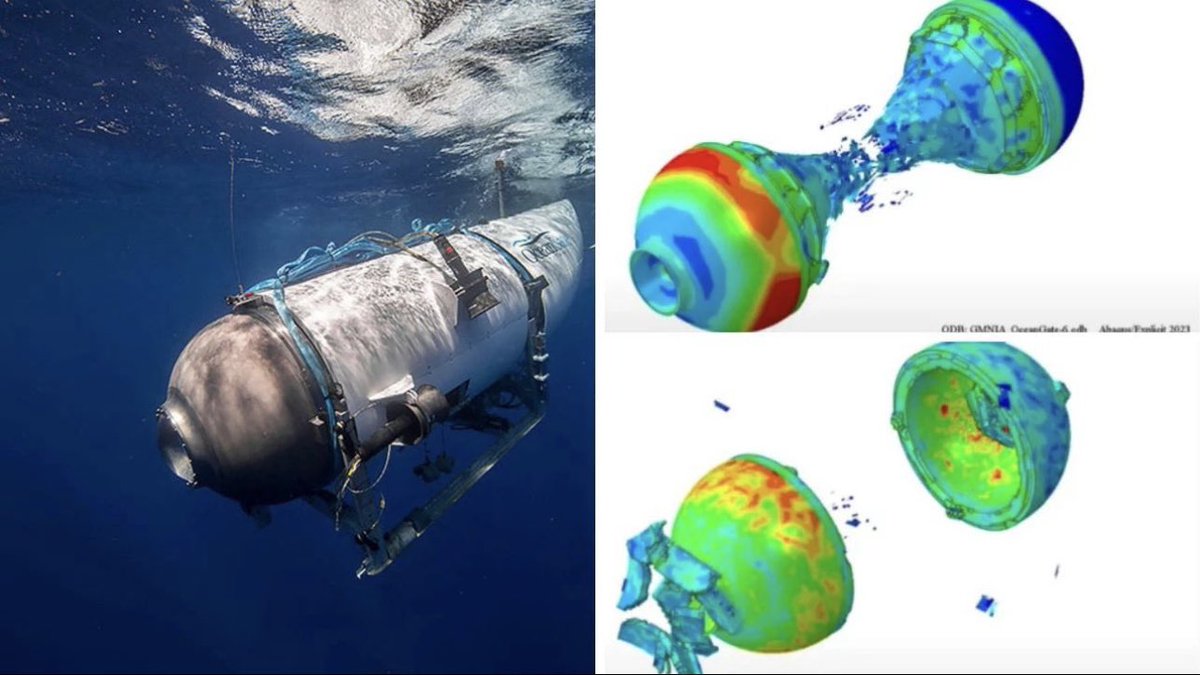
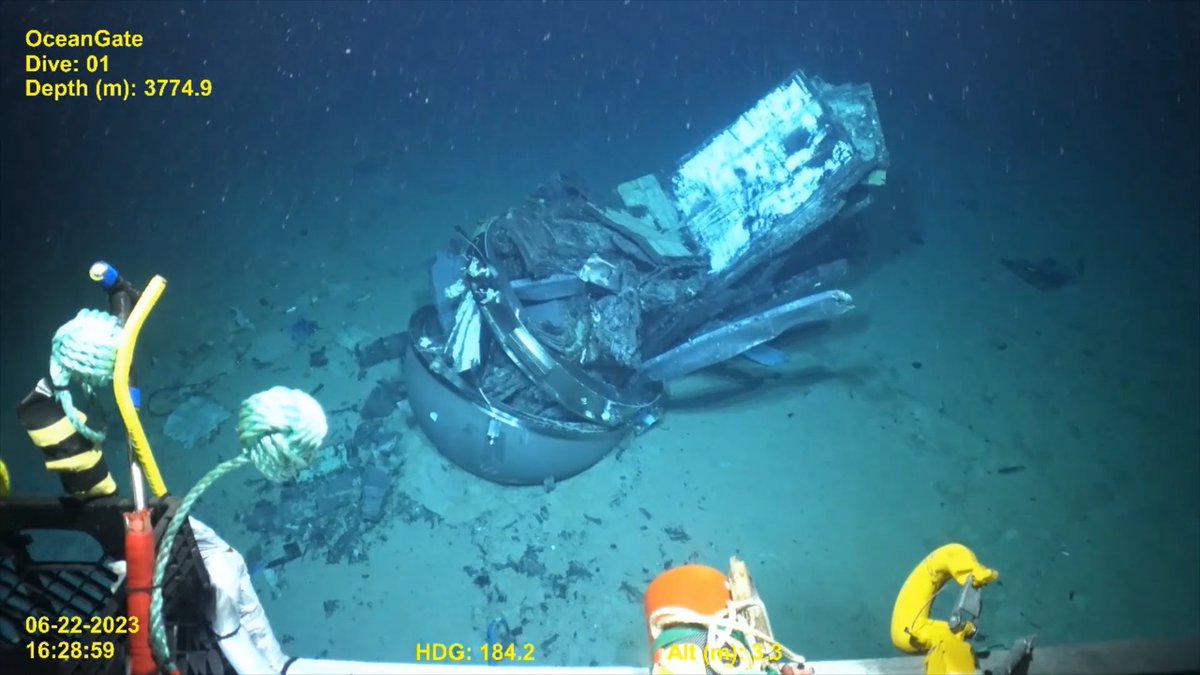
The most famous recent example of one type is the Titan Submarine, it was made of fibreglass which many boat owners will know slowly delaminates in seawater, and any material scientist (or any good tailor) will know, does not have isotropic material properties.
Many years ago I was part of a team that designed and built a manned submarine, it was a rescue submarine, complete with an inward opening submarine hatch (one of the toughest engineering challenges I have ever worked on).
Our system had a depth rating much less than the dive depth of Titanic, yet our hull was much stronger than Titans. Go figure.
As part of the programme everyone on the design team had to participate in the maiden test dive. You had to be onboard the sub during the first dive. This really sharpened your attention with all the engineering calculations and was a great rule for the programme to have.
Imagine some hardened military divers and a bunch of nerds sat in a metal tube at the bottom of some freezing cold sea.
Pilot: “Is this going to work?”
Eng: “Errr, should do.”
Pilot: “If we die, I’ll be really pissed off.”
Eng: <contemplates having to die twice>
Even though we were all very confident for the test dive, your calcs are only as good as your material assumptions and you are relying on the quality and honesty of your suppliers and their traceability systems that the steel really does have the isotropic stress strain that you based all of your calculations on.
(but hey, at least you picked steel!)
None of those suppliers were on the test dive.
This was also a powerful lesson for me as a young engineer.
Anyway, obviously the test dive went well and the system passed all sea trials. But no room for playing games with this stuff. Any small mistake will kill you, the sea is trying to kill you the entire time you are below.
The other famous type of implosion involves an explosive lens and an extremely fast chain reaction. But that’s another post for another day.
9
3
82
5,502
May 14
Incredible times.
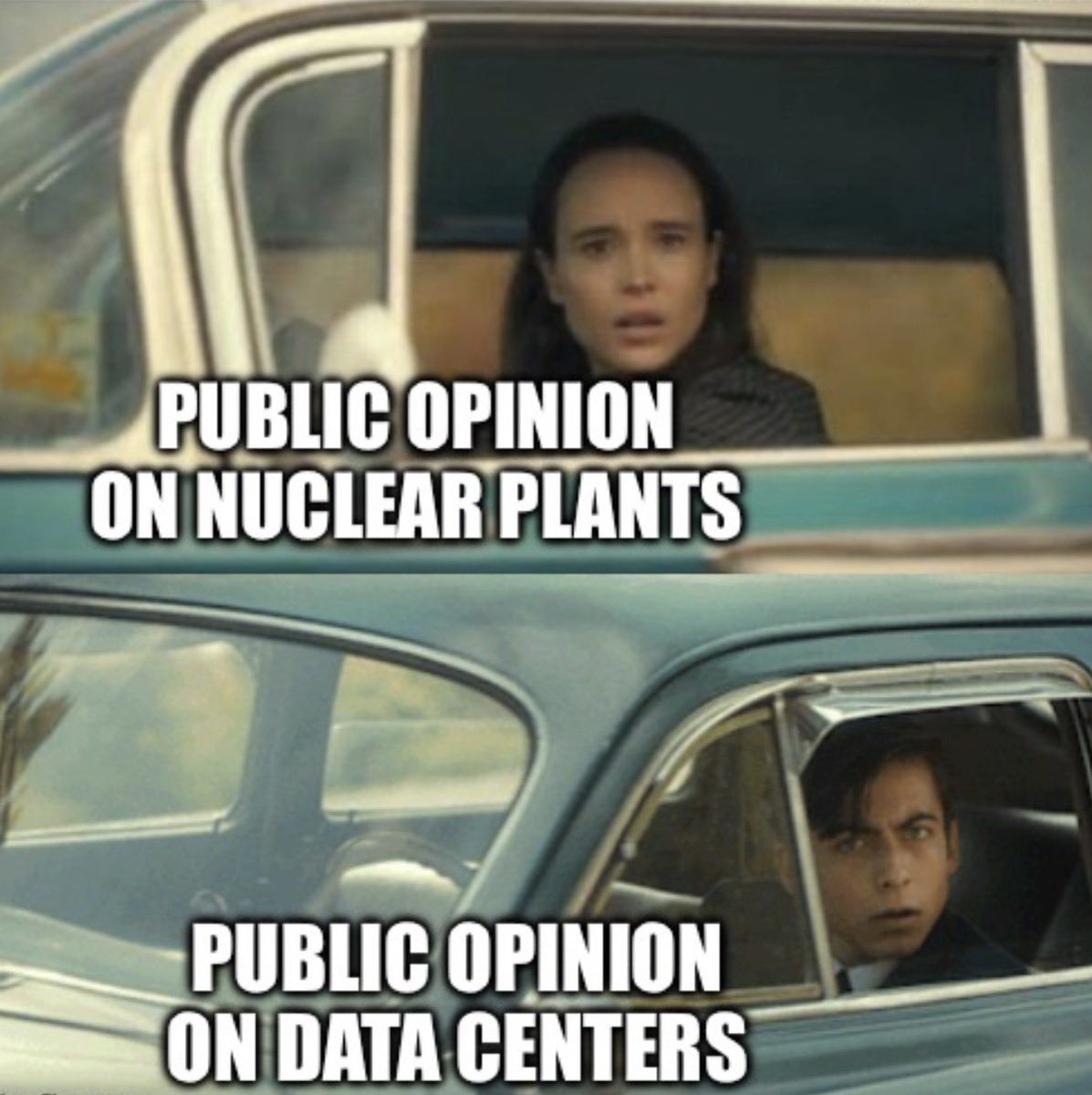

People Would Rather Have Nuclear Power Plants In Their Area Than AI Data Centers
go.forbes.com/d6JfYQ
12
43
576
22,724
May 14
If this improves at the same rate ChatGPT improved then we are about 3 years away from it being indistinguishable from human work.
That’s well inside the manufacturing planning cycle for most industrial facilities. “If it improves at the same rate…” is a pretty big “if” but that’s where this is.
Remember when people cancelled their film studio investments once it became obvious that generative AI would make all the movies?
That is where we are heading. Are you skating to where the puck is going to be?
“Oh but you need to physically build lots of robots to be able to train them.”
Actually, if we just build enough cloud data centers, we can simulate high fidelity Newtonian physics (yes… including; friction, tolerances, backlash, vibration, thermal expansion, etc), and we can train robots in silico.
Once again, it’s just a question of scale.
LLM = Large Language Model
VLA = Vision-Language-Action
Simulate enough conversations and a model can learn to talk, simulate enough physics and a model can learn to walk.
“The models just want to learn”
The chips keep getting better and better, there’s probably quite a bit of computer science still available to unlock several disruptive advances.
Yes, we now have LLMs (ChatGPT, Claude, Gemini, hi Grok) seems that soon we will have functioning VLAs too (Helix, π0, Groot).
This industrial revolution is only just beginning.
Further, there are also the unknown unknowns in all of this, there are advances and breakthroughs that you can predict and pursue, and then there are breakthroughs that are invisible until they are discovered.
There are thresholds for various emergent behaviours, and as the systems scale up and the chips scale down we are going to keep crossing new thresholds and encountering newly emergent phenomena.
People are going to keep having the “oh crap, maybe I shouldn’t build this film studio.”-moment again and again.
They’re going to have it for car plants, textile mills, retail outlets, airports, pretty much everything is going to have its moment where people realise the puck is somewhere else and the assumptions under their business case are so thoroughly disrupted they have to cancel.
Meanwhile this narrow part of the economy is going to keep accelerating this giant cashflow fly wheel, and I think maybe in 50 years or so we have a dozen companies who are 70% of GDP and the other 30% looks like a sea of boutiques.
People are doing the move-the-goalpost thing with Figure just like people were doing with ChatGPT in 2023.
Stop looking at snap shots and look at the trend.
May 13
Watch a team of humanoid robots running a full 8-hr shift at human performance levels. This is fully autonomous running Helix-02 x.com/i/broadcasts/1dxYljYVR…
11
16
75
5,695
May 13
Did you know…
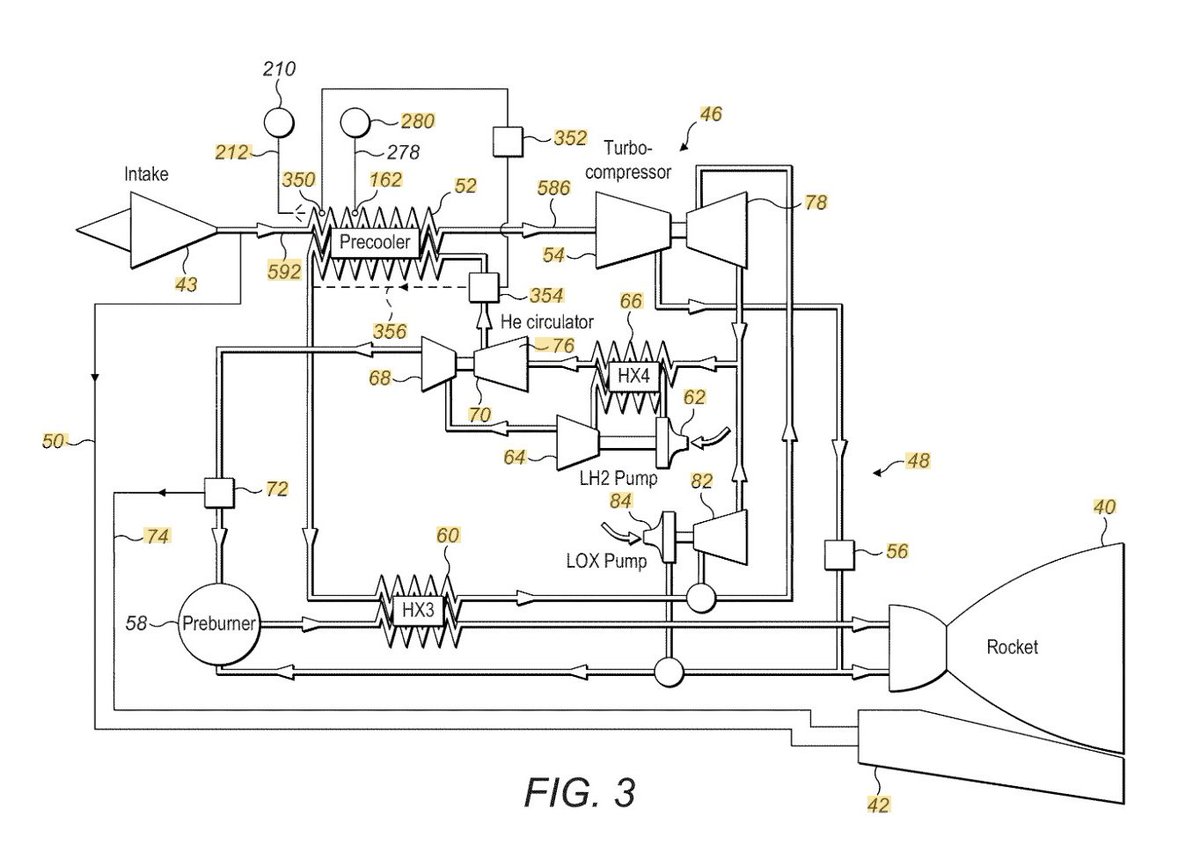
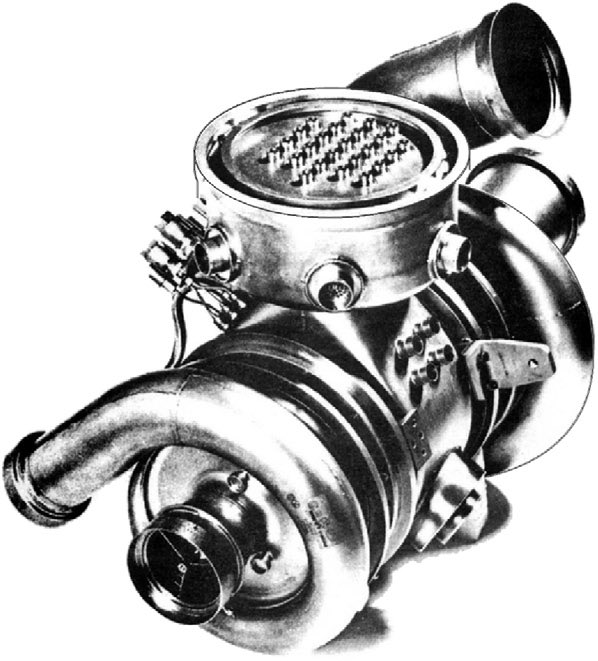
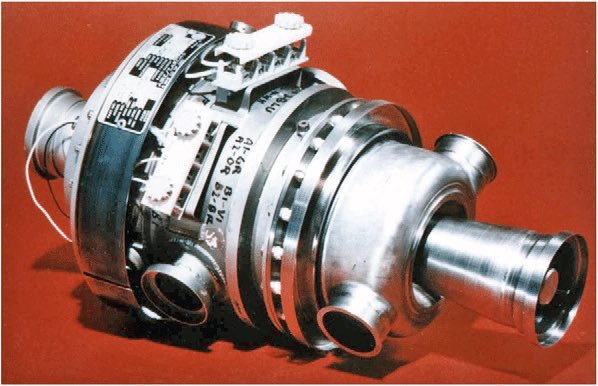
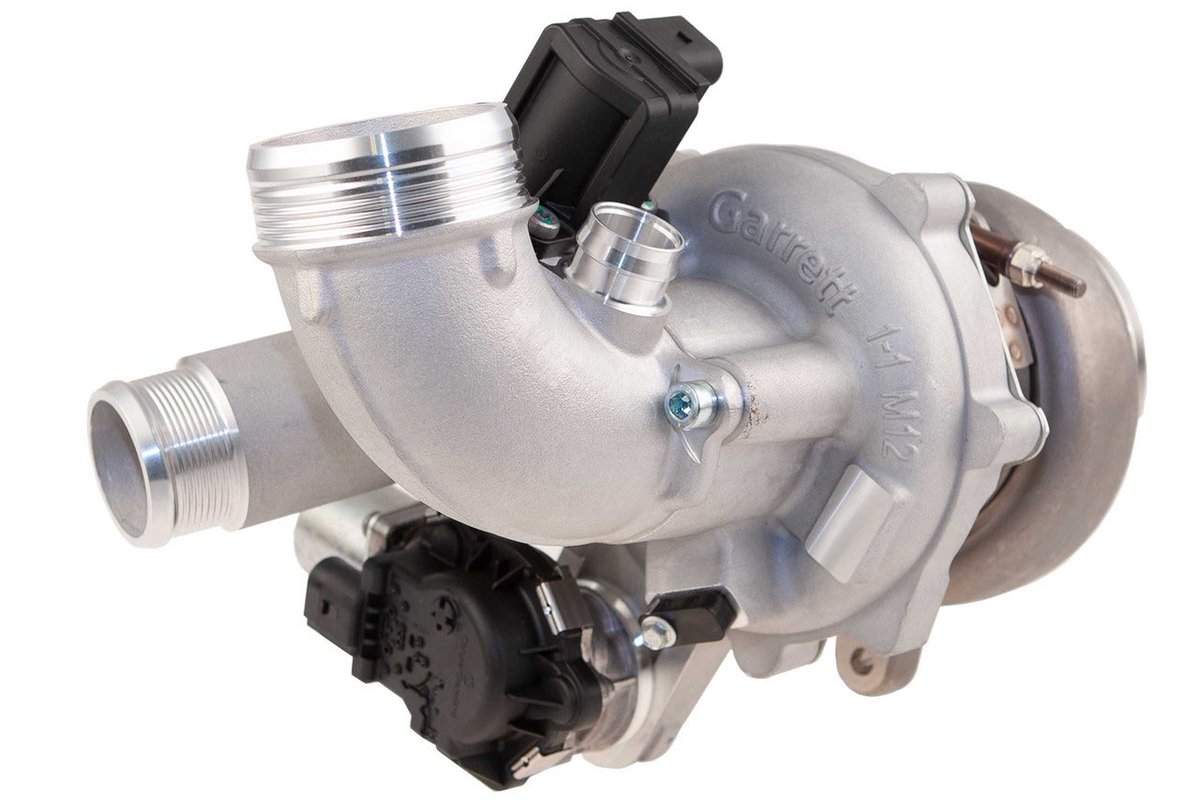
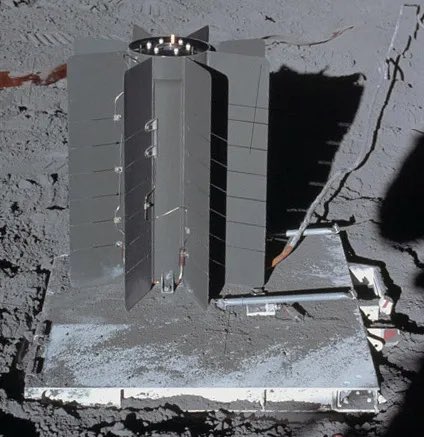
The 1978 NASA mini-BRU (Brayton Rotating Unit) and the Garrett Racing Turbocharger, are actually the same technology?
Can you guess which is which in the images?
Did you know that the mini-BRU is a compact power conversion system developed for space applications intended to be paired with a nuclear isotope heat source?
Mini-BRU was designed to circulate Helium-Xenon in a closed loop with a Plutonium 238 heat source.
The mini-BRU was 88% efficient which is much more efficient than the 12% efficiency achieved by the Radioisotope Thermoelectric Generator RTG.
RTG flew, mini-BRU did not.
But what’s also cool is that Garret Racing turbochargers use the same turbomachinery impellers as the mini-BRU, and not a lot of people know that. Why would anyone know that?
Anyway, mini-BRU is actually a viable power conversion technology. It’s fairly accessible and can be put together, and is probably a great power conversion technology for some particular applications.
Partly because it is constructed from systems, subsystems and components that car factories can build (quite literally the Anduril-method-solution to a growing industrial bottleneck), but also because it is a Brayton machine.
Turning heat into electrical energy is a fun problem, people think it is solved and that boiling water is the way to go and that this is proven and the best way to convert heat to electrical power.
Steam is OK, but it’s not that hot and the biggest part of a steam Rankine cycle sucks.
Brayton cycles are hotter (and cooler), and if you run them closed and politely and without combustion they’re kinda easy.
If you know your technical and industrial history and you know where to look, and who to talk to, the future is already here, and in many cases it’s been here for decades, it just isn’t evenly distributed because every bozo wants to buy the mainstream thing and only misfits and weirdos ready old NASA manuals and Soviet rocket papers.
But if you want to actually solve things, and build things, you can do incredible things with stuff that is already here.
3
17
197
37,748
May 13
TSOs (Transmission System Operators) don’t like it when you arbitrage scalp their client base.
What people consistently fail to acknowledge is that if you are a power generation project your customer is the TSO, not the consumer.
TSOs do not see power as a commodity they buy.
A transmission system is a SYSTEM.
It is NOT an exchange where commodities are exchanged. A transmission system is a system. It has system requirements, it has boundaries and interfaces, it has inputs and outputs, it is a system.
If you presume the transmission system is a commodity exchange you are going to get hurt.
TSOs don’t simply buy the lowest price power. You don’t wear the cheapest shoes you can find and TSOs don’t connect the cheapest power they are offered.
TSOs connect the power projects that meet their system requirements. There are very few such projects in the connection queue.
Connection queues are rammed full of bad projects that nobody wants to connect, because these bad projects destabilise and devalue the wider system.
What TSOs need right now is Reactive Power, not Active Power. They need more Q and not more P.
The global electricity market is about $3.5 trillion and of that $900bn is spent on transmission and $2.6 trillion is spent on generation.
Transmission is around 25-30% of the cost.
Utility scale batteries use transmission twice, once on the way in, once on the way out. This puts a greater demand on the transmission infrastructure than direct power transmission.
TSOs are going to start billing BESS systems accordingly, they are going to operate their system in such a way as to perfectly determine how much BESS connections are scalping arbitrage, and how much they are doubling the burden on the transmission infrastructure.
We’re still going to get a lot of BESS, but an awful lot of people are modelling grids as commodity exchanges and taking insights that don’t match market reality or the second order dynamics.
May 13

Germany's TSOs propose a schedule freeze for batteries, blocking trading changes hours before delivery. Modo Energy models a 92% intraday revenue hit if batteries lose all continuous intraday access.
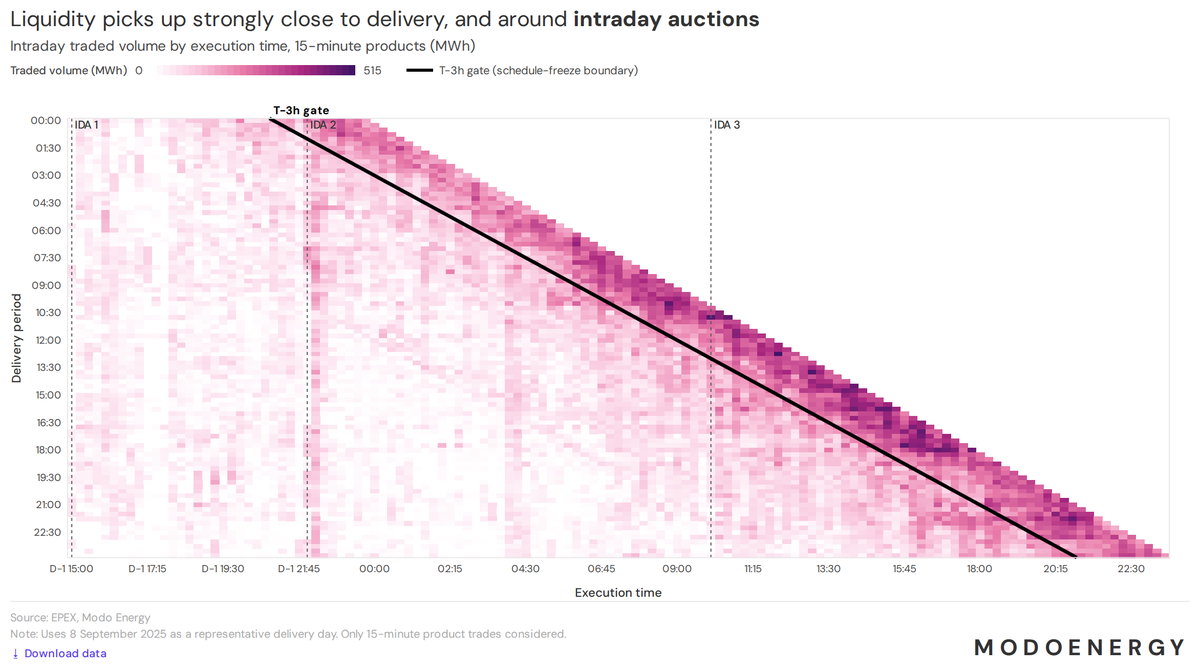
ALT Chart: intraday liquidity heatmap germany
5
14
112
14,006
May 12
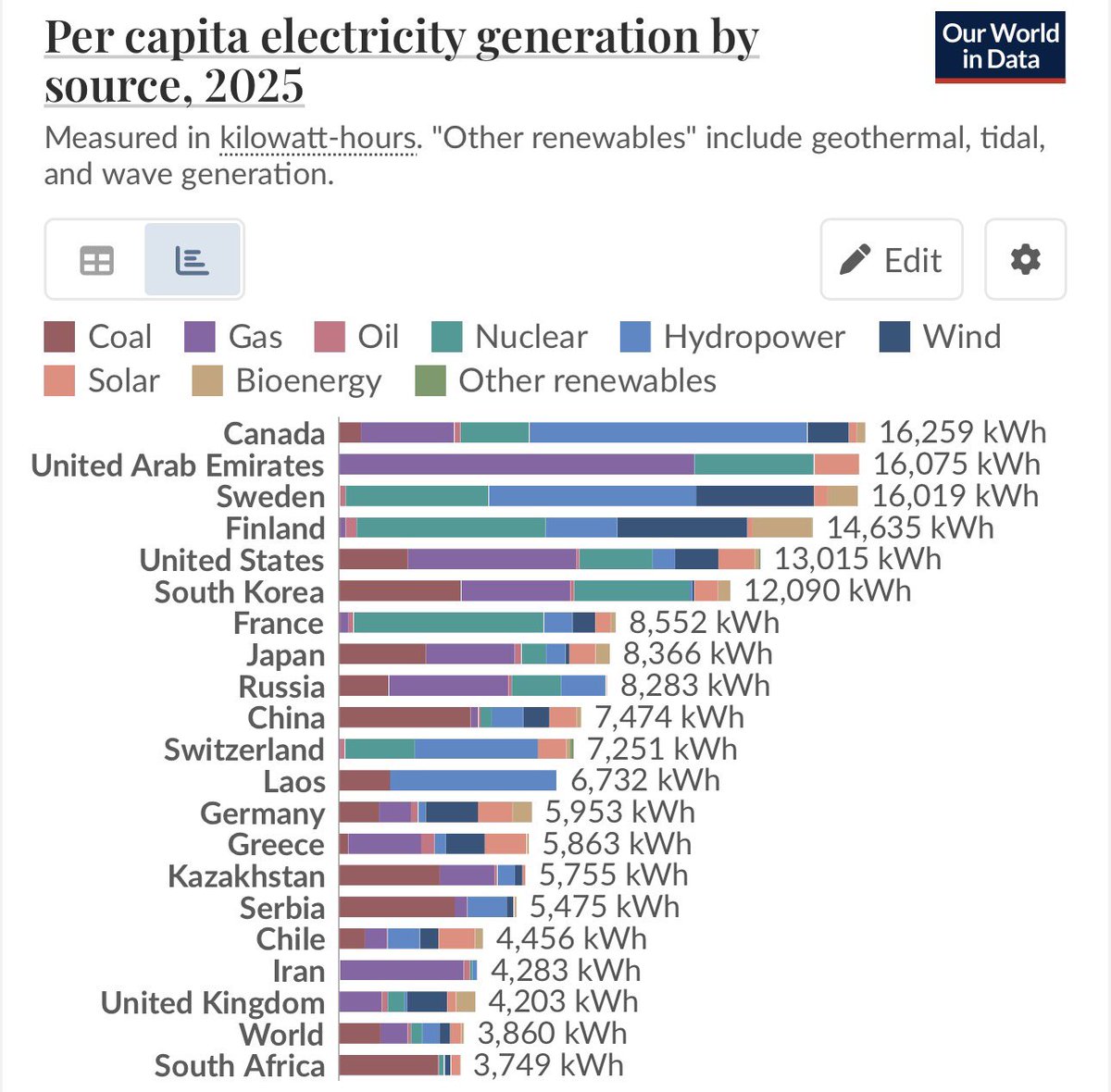
Countries by Electricity Generation per Capita
Electricity generation per capita is one of the best proxies for the long term economic prosperity of a country. It’s a good proxy for the quality of life in a country.
The data is pretty much as you would expect with wealthy developed nations having high electricity generation, Canada, UAE, Sweden, USA and developing and de-industrialising nations having much less, Serbia, Iran, South Africa.
One thing that all of the wealthy developed nations have… nuclear power.
A country with nuclear power typically has an notable industrial base, strong universities and a stable grid.
Countries with a weak industrial base, or weak universities are structurally locked out of nuclear power because they lack the depth of their own nationals to staff a nuclear industry and they cannot staff their own nuclear regulator.
There are 5 countries on the P5 Security Council, there are 9 nuclear power, and there are 31 countries with a civil nuclear program. There are 165 countries with no civil nuclear program.
This is per capita, so not all bars are equal, but it gives a good view of how various mixes impact the quality of life at the individual level.
10
32
101
5,350
May 11
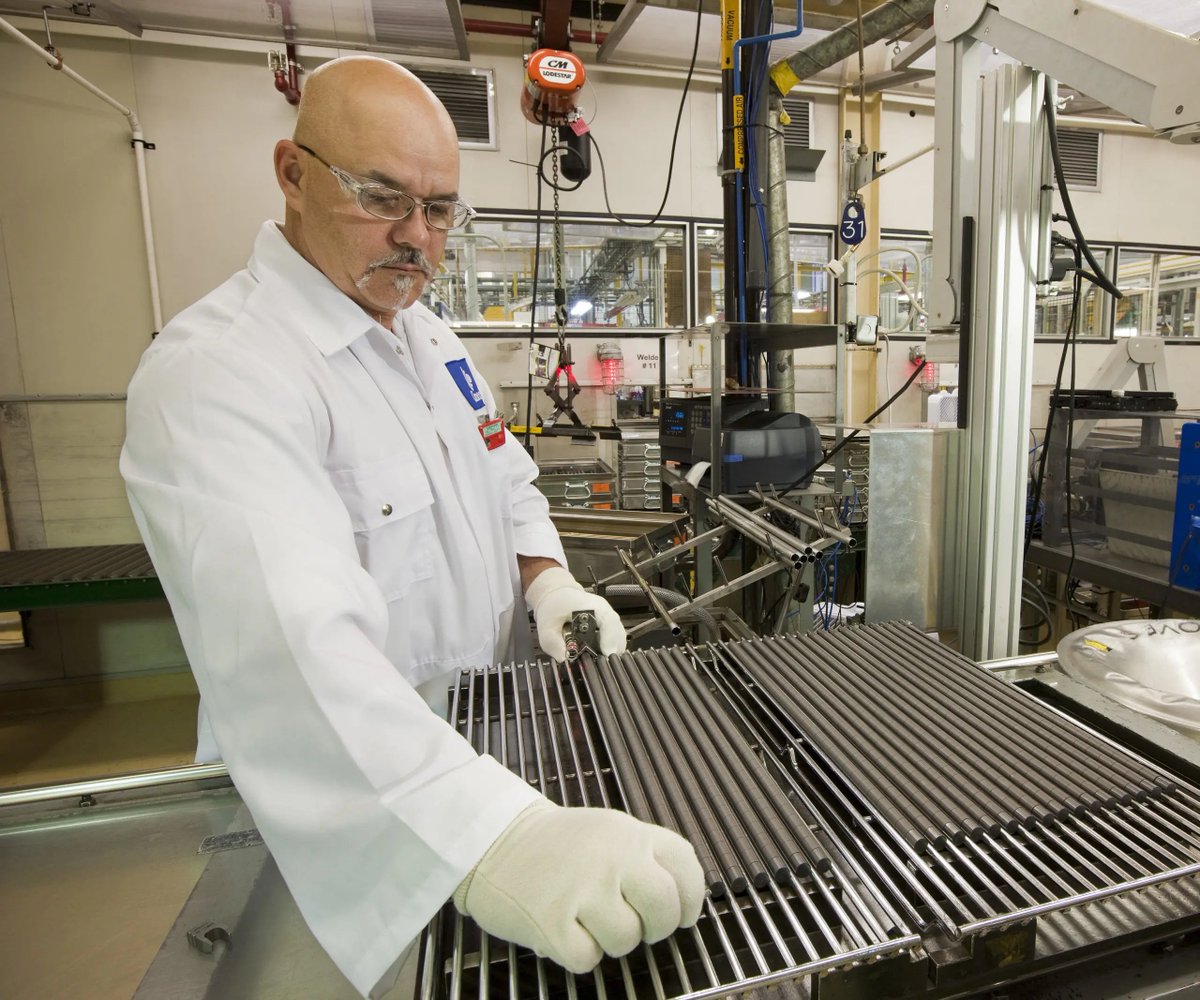
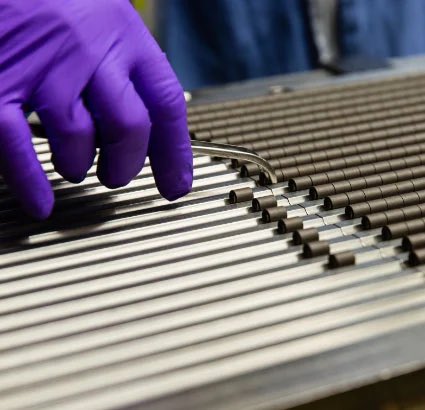
Making Nuclear Fuel
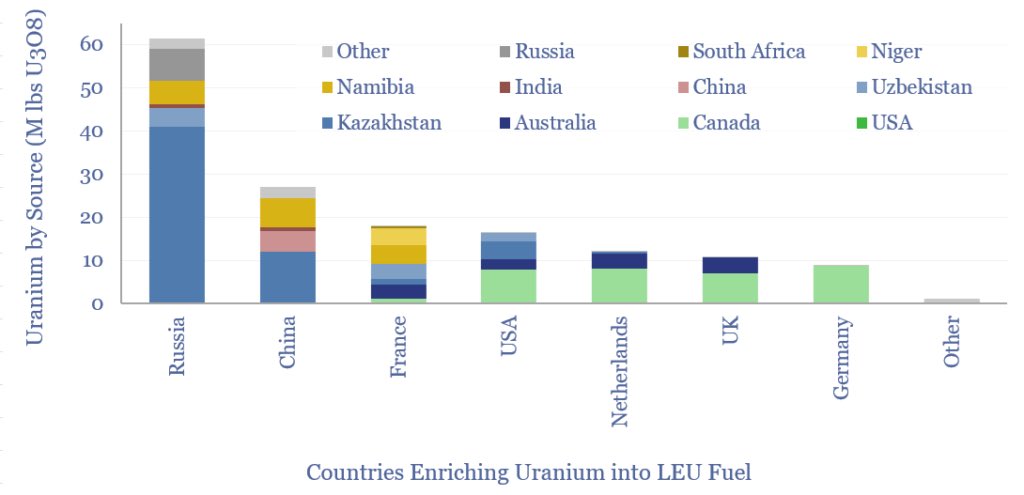
Honestly. Not that hard. We make it hard because if it was easy, everyone would do it, and we don’t want that
What even is nuclear fuel? It sounds glamorous, and highly advanced, and dangerous and in some ways it is all of those things… because we want it to be all of those things.
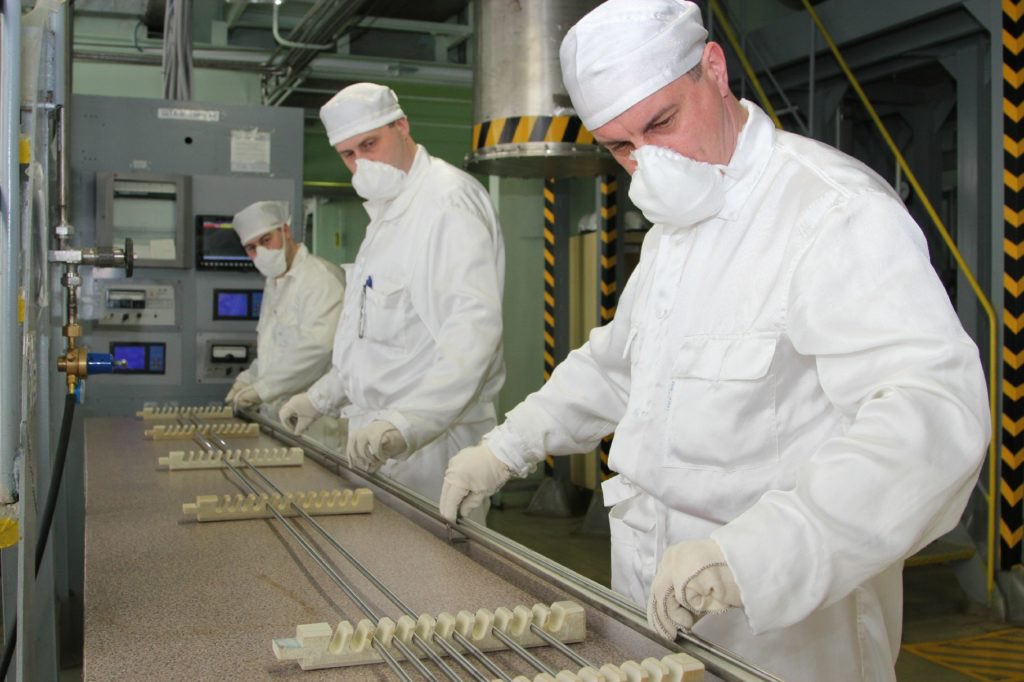
But in reality you make little pellets, and you pop the little pellets in a tube, and that tube of pellets now constitutes a nuclear fuel rod
There’s a bit more to it, but not much
It’s not TSMC
Is it hard to make the pellets? Is it hard to make a tube? Is it hard to place pellets in a tube? Is it hard to cap a tube? Is it hard to use coatings / bonded adhesives?
Does it look hard?
Honestly it’s not that hard. Where the difficulty lies is in the QA and security that needs to wrap around everything here
There are several major risk domains:
• Toxicity
• Radiological
• Criticality
Crit is the scary risk, crit is what means you have to do everything in small batches
You can’t manufacture fuel in a continuous process. It’s too dangerous. You can only manufacture small batches, only so much fuel, per line, per shift. It is slow and licensed worker intensive
If you want more bandwidth, you need more lines, you cannot use high volume manufacturing methods that invoke criticality risk
The higher the enrichment, the smaller the batch, the smaller the manufacturing equipment, the worse the manufacturing economics
This is highly non-linear with lots of weird feedbacks and tipping points
So small batches, hand assembled, 100% inspection, 100% witness points, 100% NDT
What is the limiting factor here?
Correct, Health and Safety Laws and Regulations
Places with the technology and weak HSE dominate manual processes, including ones that we intuitively think are “advanced”
There are ways to mechanise and automate this, but many fuel procurement contracts are bespoke. Fuel procurement contracts tend to be too small to justify new methods. Fuel manufacturers preserve agility and flexible assembly lines because the market is diverse and lumpy
What is needed is a Western offtake buyer, someone with the scale to order 1,000 tonnes of pins / year for 10 years
Such an order would immediately become a standard. Investments would be made, and other buyers would follow, maybe under a tech-licence
What many industries are missing is their API equivalent and they don’t even know they’re missing it
Oil is cheap because the oil industry operates under a global standard called API. Standards were introduced to oil by JD Rockefeller and his company… Standard Oil
Has the penny dropped?
People forget that Standard Oil monopolised the entire world via the standardisation of everything they touched
Henry Ford pioneered continuous production
JD Rockefeller pioneered standardisation
In oil every pipe, valve, flange, pump, drill, hose, bracket, everything is standardised across every buyer and supplier, across the entire industry. Everything in the oil industry is interchangeable. Imagine if any door handle would fit any car. That’s how the oil industry works. The oil industry is lego
It doesn’t look like lego, but it works just like lego.
Other industries have not emulated this success, it’s long overdue
This is partly why it is obvious to me that 50 years from now a dozen companies will be 70% of global GDP. Standardisation achieves monopolisation without any of the underhand market manipulation
It’s so simple, it’s incomprehensible to most people. But once you see it work and then look elsewhere you notice it is missing
Standardisation is often in tension with innovation. It pays to innovate boldly and standardise at the boundaries and interfaces
If you are smart you can do this strategically, nobody does
Try as you might, standards are not declared into existence, they are procured into existence.
Will we get Western nuclear fuel standards like we have for drill pipe (API-5DP)? Only if someone procures it into existence
7
32
193
8,152
May 8
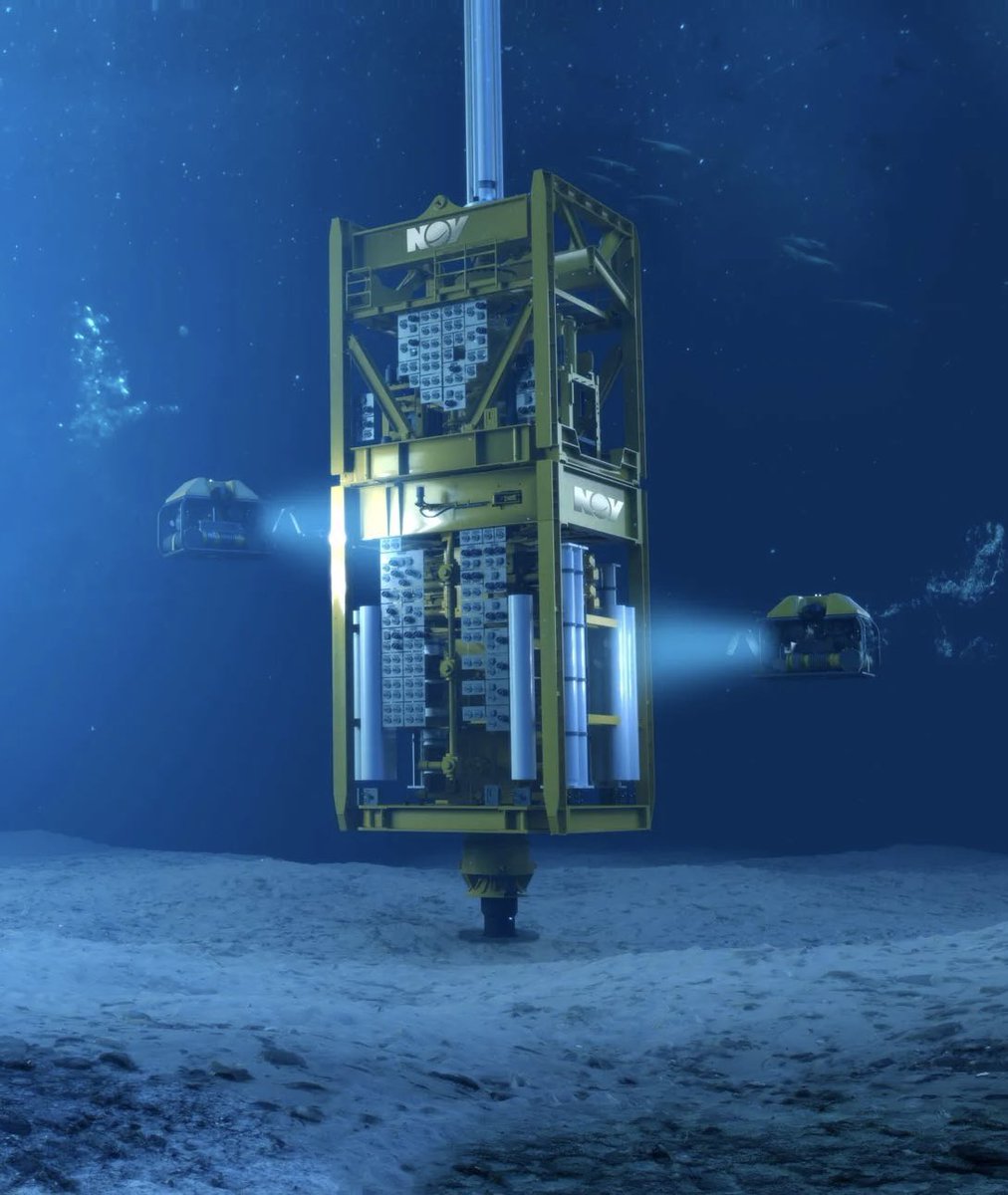
Subsea Blowout Preventers (BOPs)
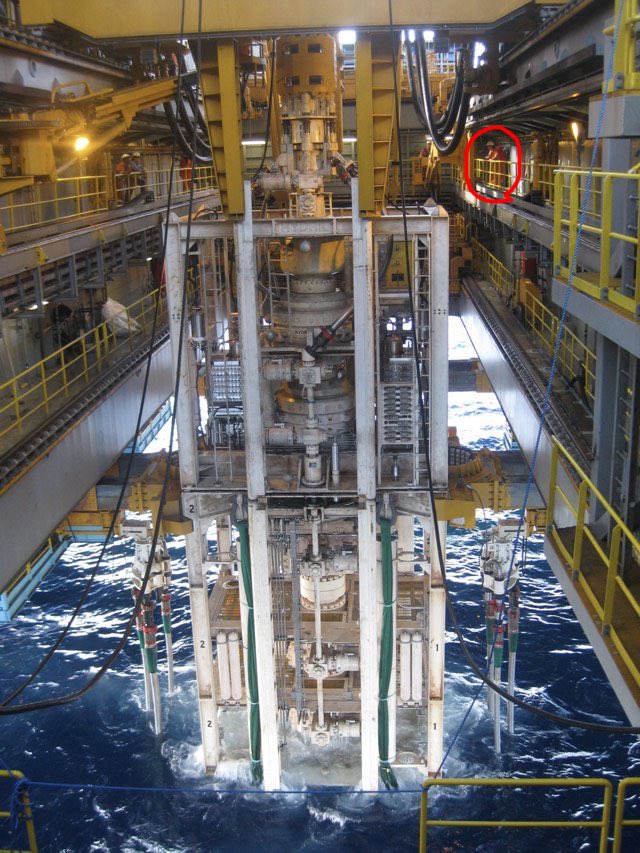
This is the technology that allows us to drill oil and gas wells under the sea, that red circle in the left image is an offshore worker for scale.
The image on the right shows a subsea BOP sitting on top of a subsea wellhead.
I guess most people have no idea that these systems even exist, so let’s have a look at what they are and how they work.
The purpose of a Blowout Preventer is to prevent blowouts. So what is a blowout?
Wells are so deep that the pressure at the bottom of the well can be 10,000-20,000 psi, this is 1,000x more pressure than atmosphere.
What that means is that wells always want to explosively vent their entire reservoir contents into the sky, and oil reservoirs typically contain a few hundred million tonnes of carcinogenic crude oil.
If a subsea oil well has a blowout, then you can accidentally poison an ocean. This famously happened to BP in 2010, when the Deepwater Horizon BOP failed.
When you drill a well, your “primary barrier” is your drilling mud. This is a heavy liquid that you pour into your well and the hydrostatic pressure of this dense mud is heavy enough to keep the contents of the reservoir at the bottom of the well.
A well is a deep hole filled with a mud that has a density of 1.0 - 2.4 kg / litre, the denser the mixture of mud, the greater the pressure at the bottom of the well.
The job of a drilling engineer is to keep the mud weight such that the contents of the reservoir stay put, without all the mud flowing into the reservoir.
If the density of the fluid in the well drops, eg it gets replace with oil or water instead of mud, then the pressure is such that the well will start to “unload”, which means it will flow to the surface.
A BOP is used as an emergency backup system, so that when the drilling mud has a problem you can slam shut the BOP valves and stop the well unloading.
Once a well starts to unload there is no force in nature to stop it. You get 1 shot at preventing the blowout.
Usually you will have drill pipe insider the well too, running from the rig all the down the riser and all the way into the well. This complicates closing the BOP somewhat, so BOPs are designed to shear drill pipe insider two when they close.
Drill pipe is 6in diameter toughened steel. Cutting it with a valve that also has to seal 10,000psi to avoid poisoning an ocean is no mean feat.
Doing this remotely under 2 miles of seawater is even more challenging.
But these systems exist, every offshore drilling rig has a BOP, it’s 450 tonnes of steel forgings, high pressure pipework, controls, and the most incredible sealing technology known to mankind.
Around 30% of the world’s oil supply is produced offshore using technology like this. This is the upstream industry that produces 1/3rd of all fuel, plastic, fertiliser, you name it, this is how we do it.
We’ve been doing this for 50 years.
7
40
325
14,698