
Joined February 2022
- Tweets 1,412
- Following 359
- Followers 128
- Likes 482
621 Photos and videos




















Octopod retweeted

18 Dec 2025
The European Commission lost the Chat Control 2.0 battle over access to end-to-end encrypted data. By the summer 2026, they will be back with their next attempt: Going Dark. This time some EU member states want to include VPN services.
The Going Dark initiative, or ProtectEU as the Commission now calls it, wants to “enable law enforcement authorities to access encrypted data in a lawful manner”. This is a Chat Control 3.0 attempt.
The EU Commission and several member states are also looking for new rules on data retention. In a new ”Presidency outcome paper”, the member states discuss metadata retention: which websites you visit, and who is communicating with whom, when and how often. The ambition is “to have the broadest possible scope of application” and this time some member states also want the proposal to include VPN services.
Mullvad has spent the last three years opposing Chat Control 2.0 – even though the law would have affected our business positively.
We will continue to fight Going Dark with full force, regardless of whether VPNs are included or not. If VPNs are included, and if Going Dark becomes law, we will never spy on our customers no matter what.
143
2,103
10,692
433,037
Octopod retweeted

6 Sep 2025
Yeah, this is a problem. The Silent Payments BIP is final and being used in the wild. Changing it now could lead to loss of funds.
Spark also benefits from open source by being derived from my statechains protocol - any chance a good faith effort can be made to limit the damage?
8
25
95
12,113
Octopod retweeted

27 Aug 2025
Gewinnspiel 🚀
Wir verlosen einen #Bitcoin Solominer Bitaxe Gamma von @PowerMiningFarm!
Und so könnt ihr mitmachen:
1️⃣ Beitrag liken 🧡
2️⃣ Beitrag teilen 🔁
3️⃣ Uns folgen 🔍
Mitmachen könnt ihr bis 03.09.2025, 10 Uhr.
Wir wünschen euch viel Erfolg bei der Teilnahme 😉

93
430
653
32,648
Octopod retweeted

22 Jul 2025
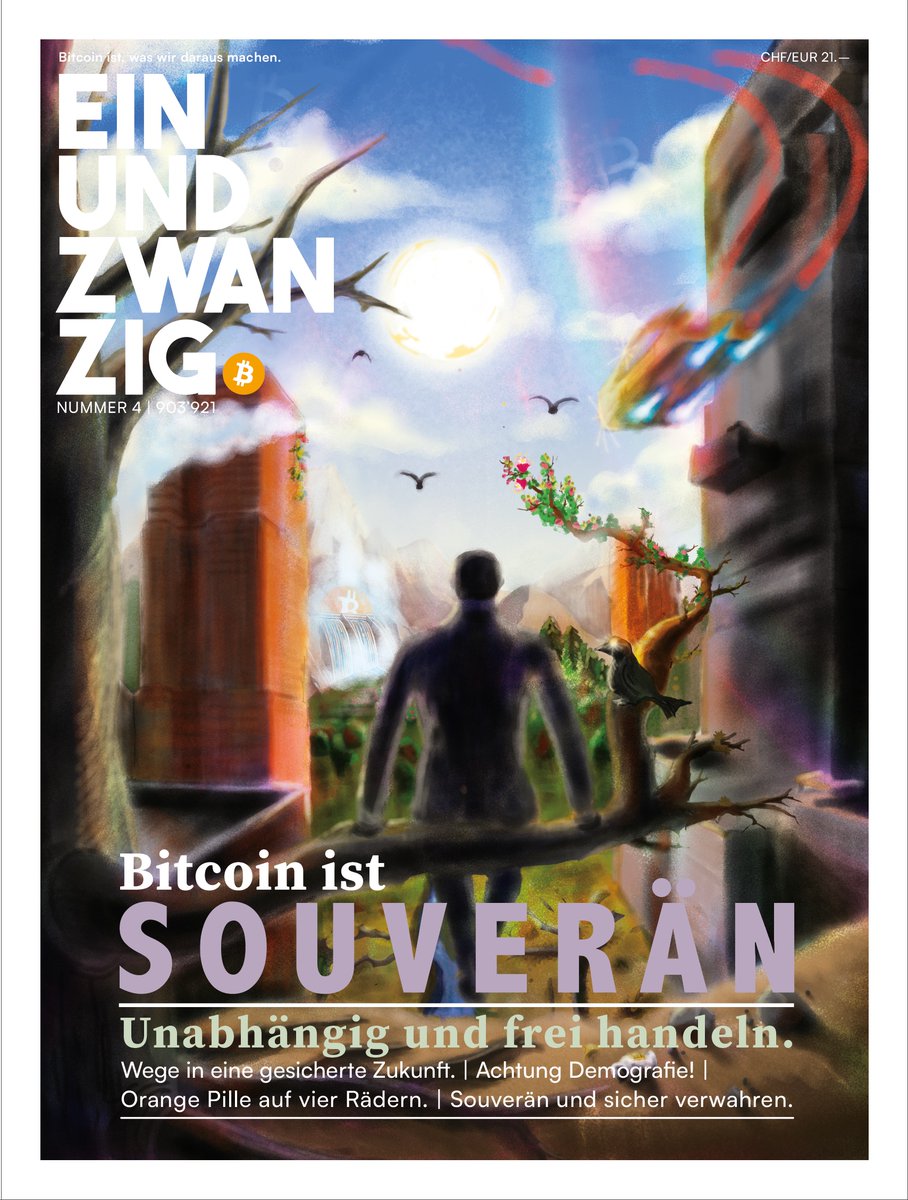
beste urlaubslektüre und rares, physisches NFT! 😎
musst du haben. JETZT! 🫵
einundzwanzig.shop/p/einundz…
und da dies kein bezahl-account ist, pushed ihr mit nem share die reichweite. 🙏
sharing is caring 🧡
5
28
65
3,876

10 Jul 2025
Now that there are all these Bitcoin treasure companies, there is no longer any need for shitcoins for gambling. There will be no more alt season. You can wait, you can curse, you can get angry. Every day, the money you have invested so far is melting away.
1
43

Octopod retweeted

14 Mar 2025
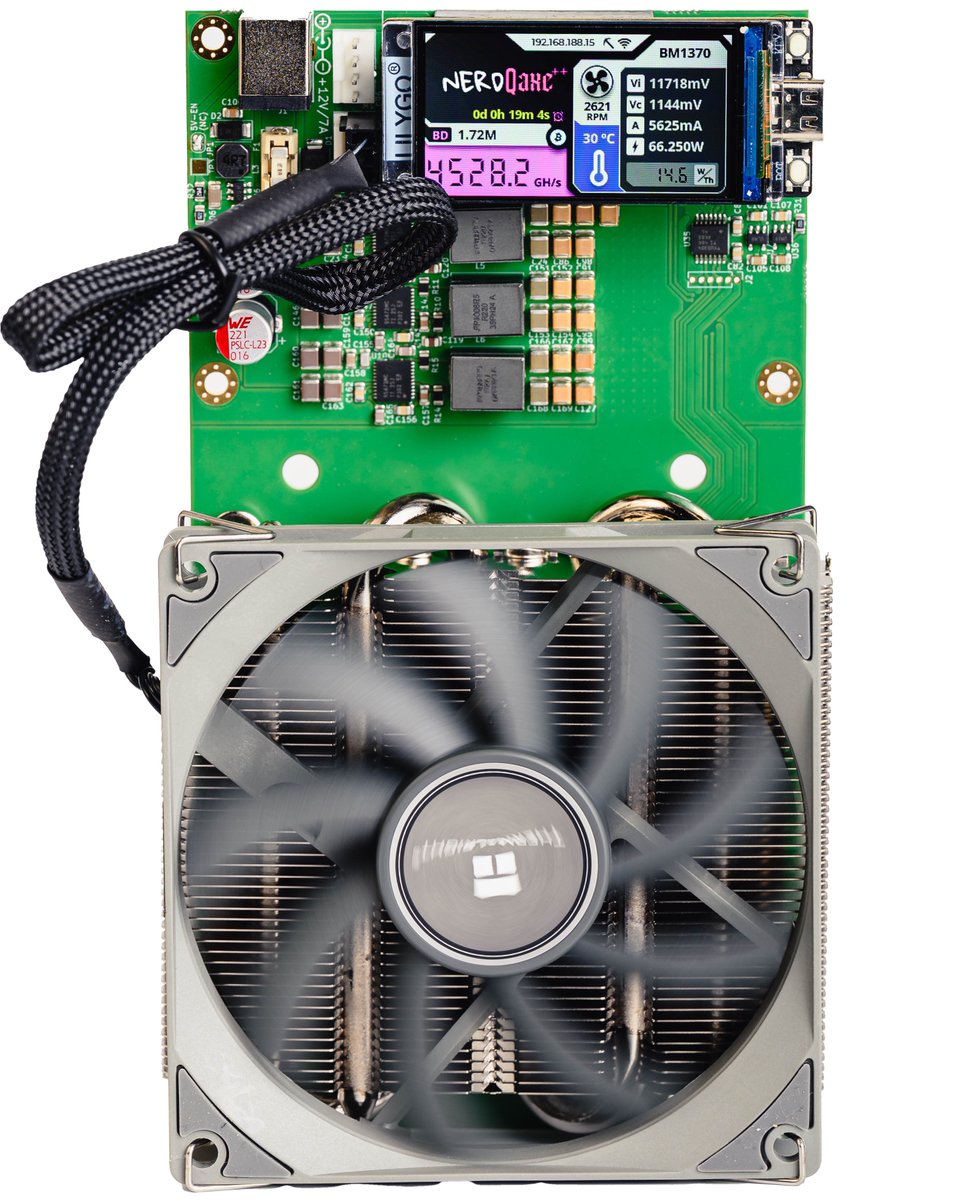
🚨 NerdQaxe GIVEAWAY 🚨
We heard someone hit a 3.125 #Bitcoin block this Monday with 0.5Th/s #Bitaxe Ultra!
To celebrate this, we are giving away 4.8TH/s NerdQaxe home miner!
To participate:
👉 Retweet this tweet
👉 Follow @PowerMiningFarm
👉 Comment for extra luck
1,515
1,492
1,640
125,695
11 Mar 2025
Es läuft gerade richtig rund in der EU und in Deutschland. Es werden Schulden ohne Ende gemacht, EUID, MiCA, DSA und CBDC optimieren die Inflation, berwachung und Unterdrückung der freien Meinungsäußerung. Wer jetzt noch keine #Bitcoin in Eigenverwahrung hat, sollte sich beeilen.
1
53
Octopod retweeted

1 Mar 2025
The Lie That Eats the Future: Why Calling Bitcoin a Commodity Isn’t Compromise, It’s Capitulation
Labels are weapons. They shape reality before the first shot is fired. When we call Bitcoin a commodity, we surrender the most consequential battle of our time: the fight to redefine what money is.
The argument is seductive. Pick your battles. Save energy for the war. But this isn’t a skirmish over semantics, it’s a choice between two futures. Commodities are consumed. Gold is jewelry. Oil is burned. Wheat is eaten. Bitcoin isn’t used up. It’s held, transferred, saved. It thrives when it moves, not when it’s spent into oblivion. To call it a commodity is to amputate its purpose.
Money is the language of human coordination. For centuries, that language was corrupted by centralized control, governments printing promises, banks lending what they don’t have. Fiat isn’t money. It’s debt masquerading as a medium, a lie we’re forced to repeat. Bitcoin is the antithesis: unforgeable, unconfiscatable, unyielding to manipulation. It doesn’t just act as money, it exposes the fraud of what came before.
But here’s the trap: calling Bitcoin a commodity “keeps the peace.” It avoids ruffling the feathers of regulators, bankers, and the old guard. It’s diplomacy. Compromise. And in that compromise, we neuter Bitcoin’s revolutionary potential. If we concede it’s merely a digital collectible, we grant permission for the existing system to absorb it as yet another speculative toy, a pet rock for finance bros.
The truth is uncomfortable: Bitcoin is money. Not because we declare it, but because it fulfills every function better than fiat. It’s divisible, portable, durable, scarce. It doesn’t need a government’s stamp to validate it. It validates itself through code, physics, and the collective faith of those who choose freedom.
Avoiding this battle isn’t strategy, it’s fear. Fear of confrontation. Fear of the responsibility that comes with building a parallel system. But systems don’t topple themselves. The existing monetary regime will not politely step aside. It will fight, smear, and co-opt. By refusing to call Bitcoin what it is, we hand our enemies the narrative. We let them frame the revolution as a hobby.
This isn’t about labels. It’s about truth. Every time we downplay Bitcoin as “digital gold,” we shrink the Overton window of possibility. We teach people to expect less. To settle. But Bitcoin wasn’t born to settle. It was born to burn down the broken and rebuild something honest.
The war for sound money isn’t won by avoiding battles. It’s won by fighting the right ones, especially the ones that matter most. Bitcoin is money. Say it. Mean it. The future depends on those three words.
22
16
88
3,470
Octopod retweeted

11 Feb 2025
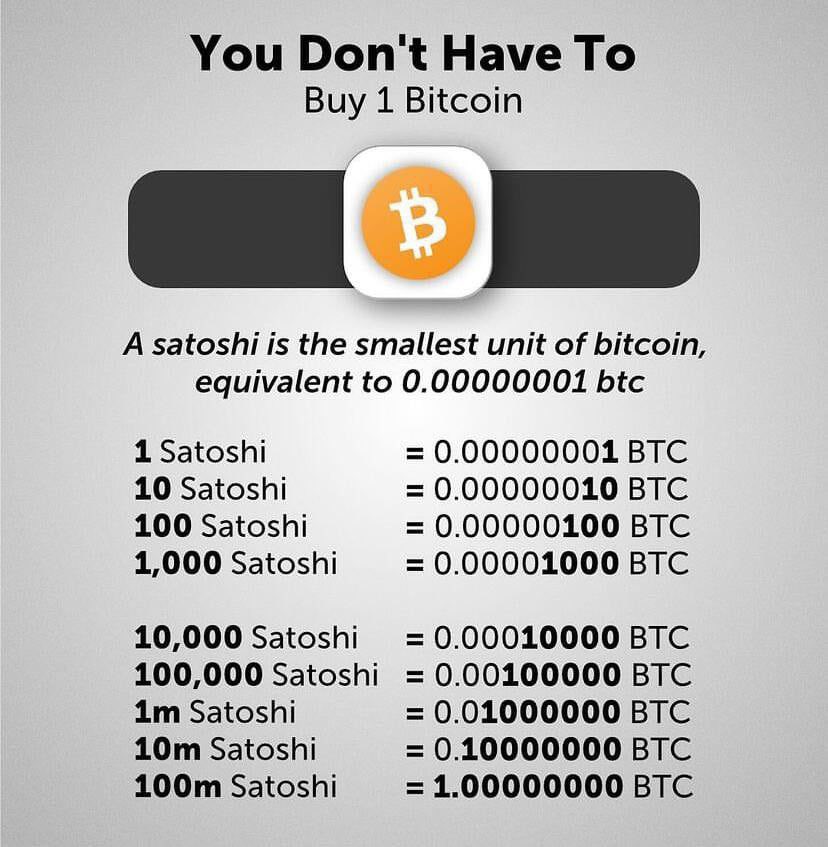
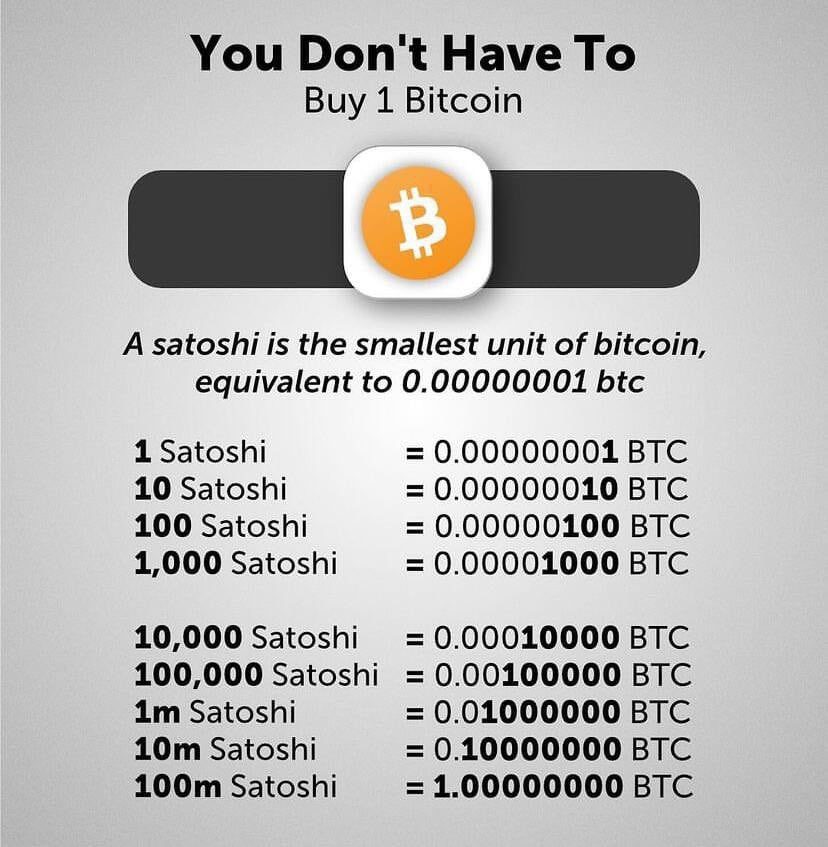
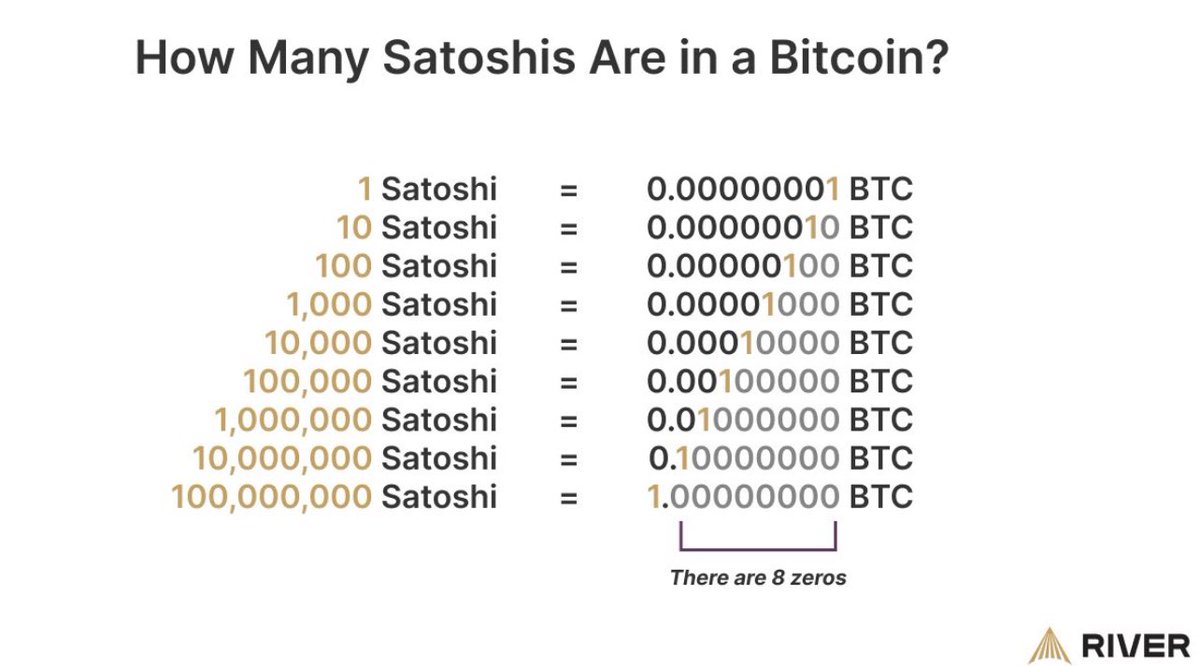
You don’t need to buy an entire #Bitcoin, but can also purchase a fraction called Satoshis (Sats).
14
30
104
5,633
Octopod retweeted
10 Feb 2025
Why the 7 Transactions Per Second Myth Still Misses the Point
Fifteen years into Bitcoin’s existence, one critique still floats to the surface like clockwork: “It can’t scale! Seven transactions per second will never work for 8 billion people!” It’s a line repeated so often it feels like a reflex, a zombie argument that refuses to die no matter how many times it’s debunked. What’s surprising isn’t the criticism itself, but that after all this time, we’re still having the same conversation without addressing the core misunderstanding.
Let’s start with the obvious: Bitcoin’s base layer was never designed to process every coffee purchase, remittance, or online transaction for every human on Earth. That’s like faulting the foundation of a skyscraper for not also being the elevators, plumbing, and electrical systems. The base chain is a settlement layer, a bedrock of finality and security. It’s the rails, not the train.
The real magic happens on top of those rails. Technologies like the Lightning Network, payment channels, and other second-layer solutions exist precisely because Bitcoin’s architecture incentivizes innovation at higher levels. Lightning alone can handle millions of transactions per second, instantaneously and for fractions of a cent, because it doesn’t require every tiny payment to be etched into the blockchain’s immutable ledger. This isn’t theoretical. It’s working today.
But even if we ignore second layers for a moment, let’s ask: How many transactions do traditional systems actually settle per second? Your credit card swipes, bank transfers, and Venmo payments aren’t finalized in real time. They’re batched, delayed, and processed behind closed doors by intermediaries who often take days to move money—while charging fees that dwarf Bitcoin’s. Visa’s oft-cited “24,000 transactions per second” is a marketing metric, not a reflection of actual settlement. Bitcoin’s base layer finalizes transactions in minutes, not days, without requiring trust in a third party.
The fixation on “7 transactions per second” also misses a deeper truth: Money operates in layers. Physical cash, checks, debit networks, and central bank reserves all coexist because no single layer does everything. Bitcoin is building a new monetary stack, one that’s open, permissionless, and secure by design. Demanding that the base layer handle everything is like demanding the Federal Reserve’s balance sheet process your grocery purchases. It’s a category error.
So why does this argument persist? Partly because scaling debates are messy, and nuance gets lost in soundbites. But perhaps it’s also because critics still view Bitcoin through the lens of legacy systems, assuming it must replicate their flaws to succeed. Bitcoin doesn’t need to be Visa 2.0. It needs to be Bitcoin—a system that prioritizes decentralization, censorship resistance, and sound money over the illusion of “efficiency” in broken financial pipelines.
Fifteen years later, the real story isn’t Bitcoin’s limitations. It’s that millions of people are already using it as money, *right now*, in ways that transcend borders and bureaucracies. The network has never been hacked. It has never been offline. It has never failed to settle a transaction. The layers built atop it are evolving faster than critics can update their talking points.
The rabbit hole goes deeper than “transactions per second.” It’s about reimagining money itself—and recognizing that building a new financial system takes time, iteration, and a willingness to think in layers. Bitcoin’s critics are stuck on chapter one. The rest of us are already writing the book.
57
65
271
17,727
3 Feb 2025
Wenn man sich einige Jahre mit #Bitcoin beschäftigt hat, bringt das Wissen inneren Frieden.
Der Kurs steigt ... super "i told you so".
Der Kurs fällt ... moooooore ... cheap sats!
Bei ETFs hatte ich immer schlechte Laune.
Volatiliät nach oben ist einfach beruhigend.
50
2 Feb 2025
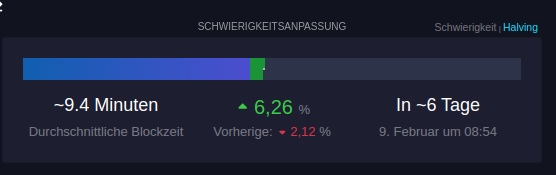
Alle (vor allem die neueren im Space) weinen, dass nun #Bitcoin tot ist. Es gibt keine Transaktionen, die Miner werden aufhören, usw. --> FUD.
Schon erstaunlich, dass (wenn alles so schlimm ist) demnächst die Schwierigkeit deutlich erhöht wird, da zuviel Hashpower aktiv ist.
1
37

